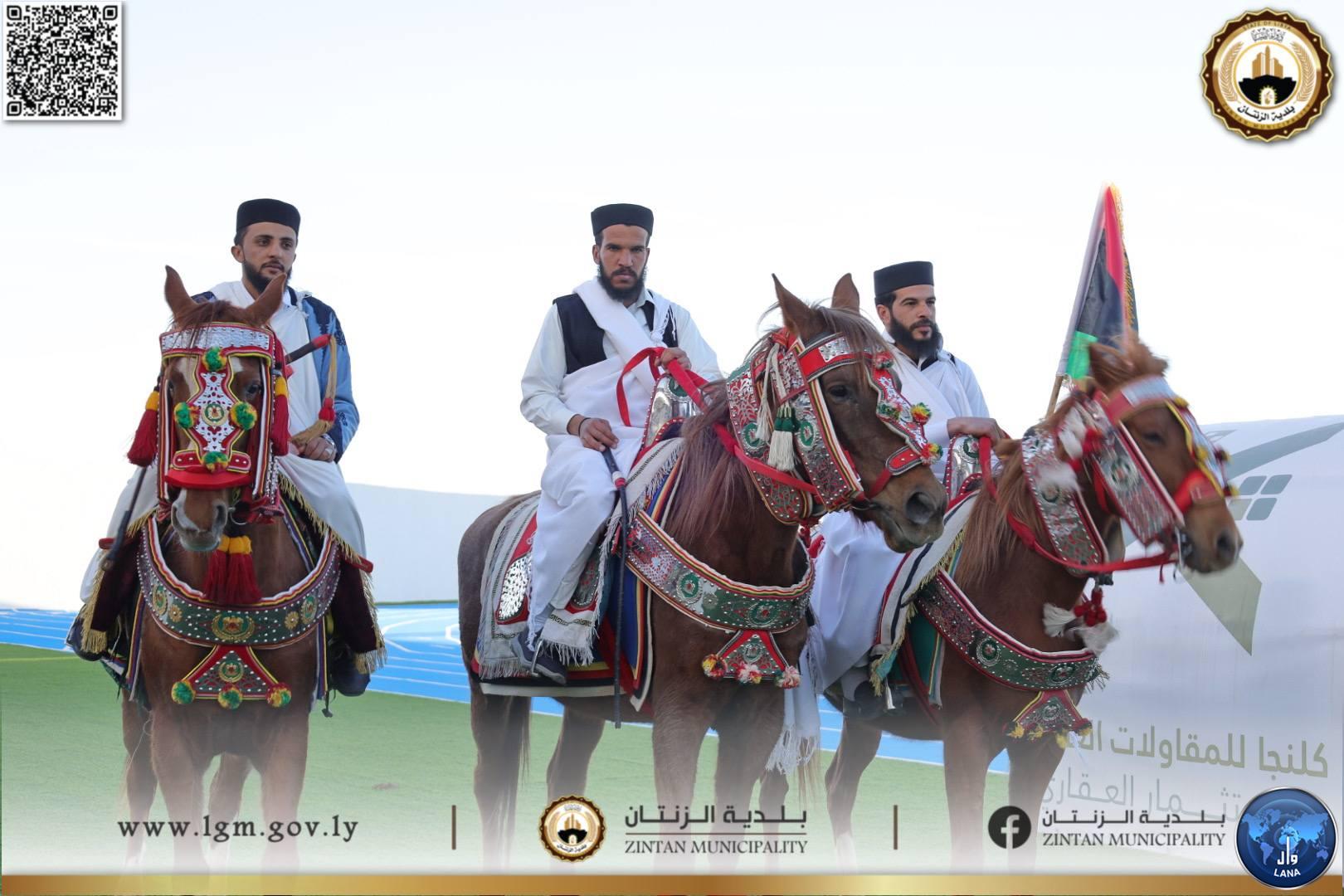
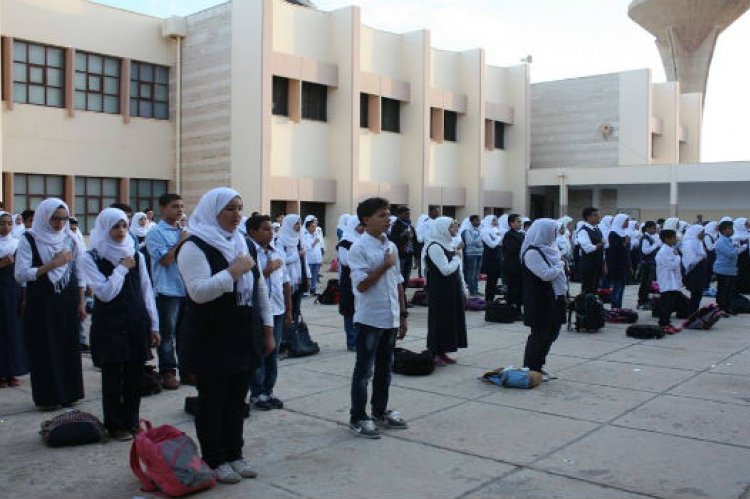
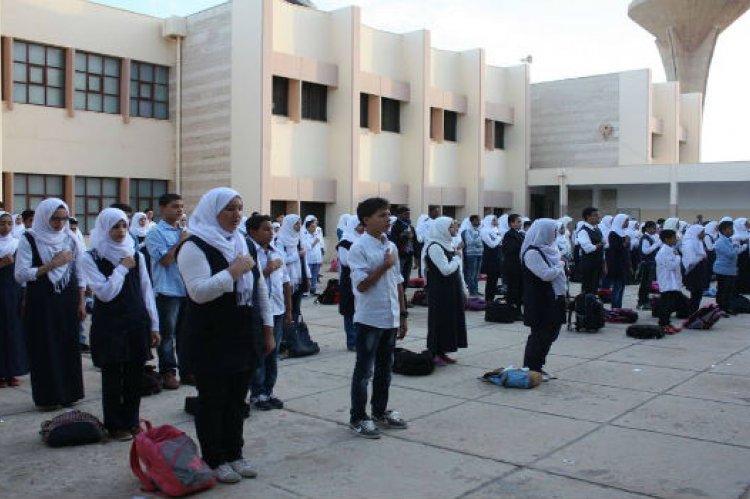
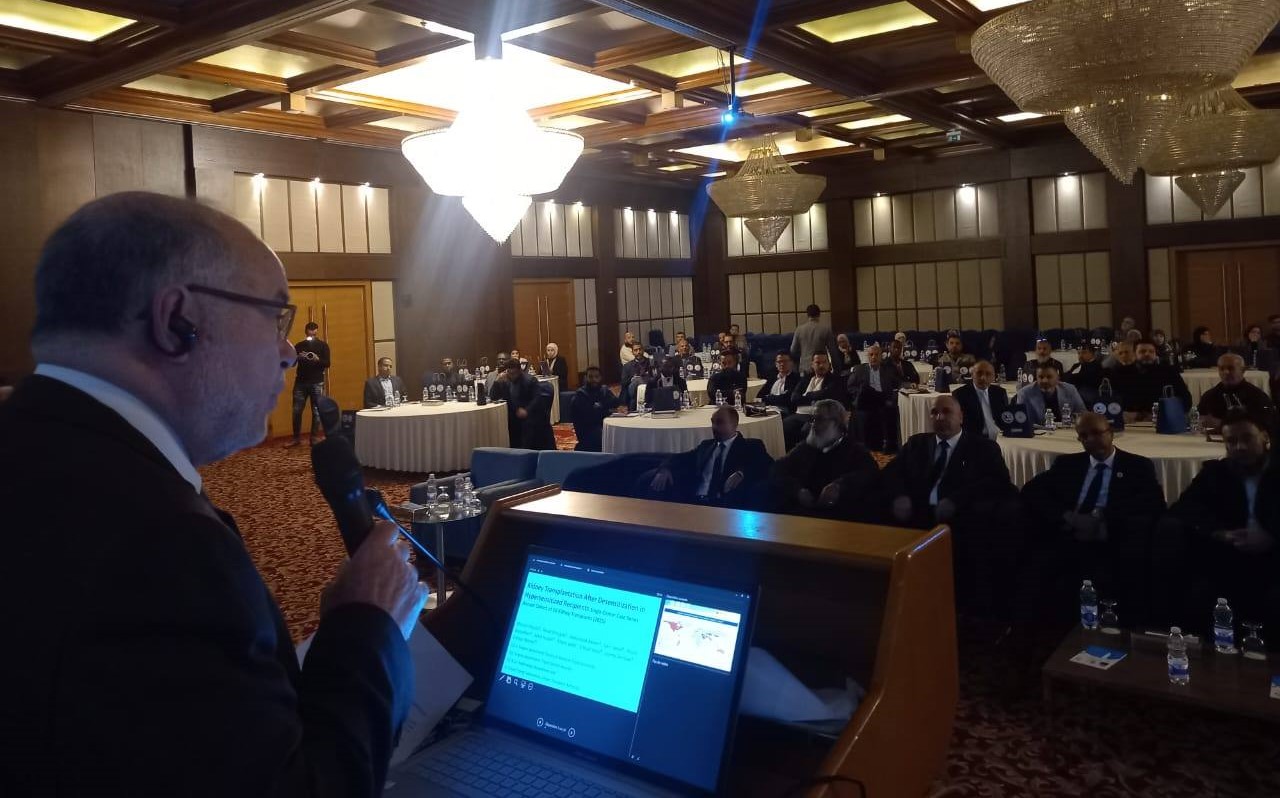
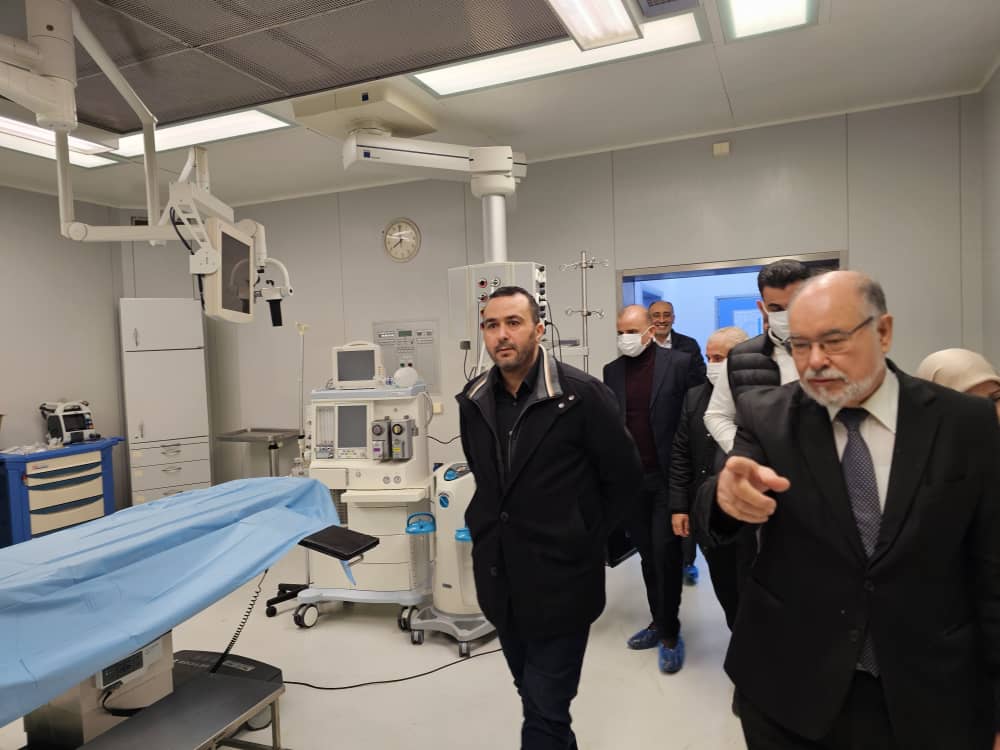
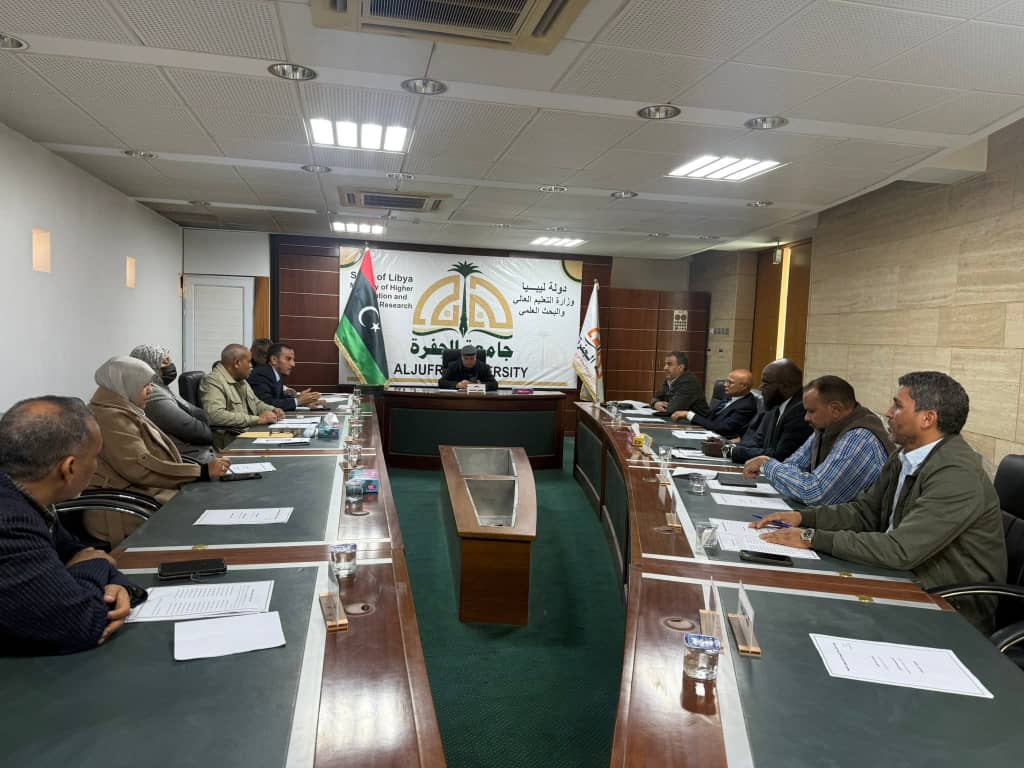
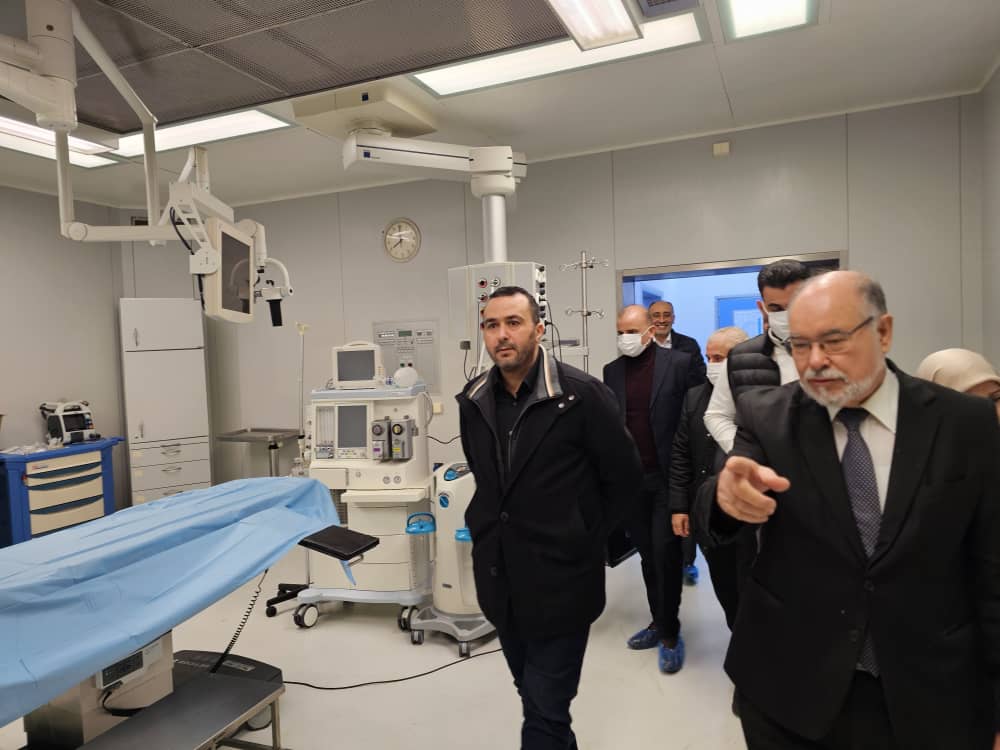
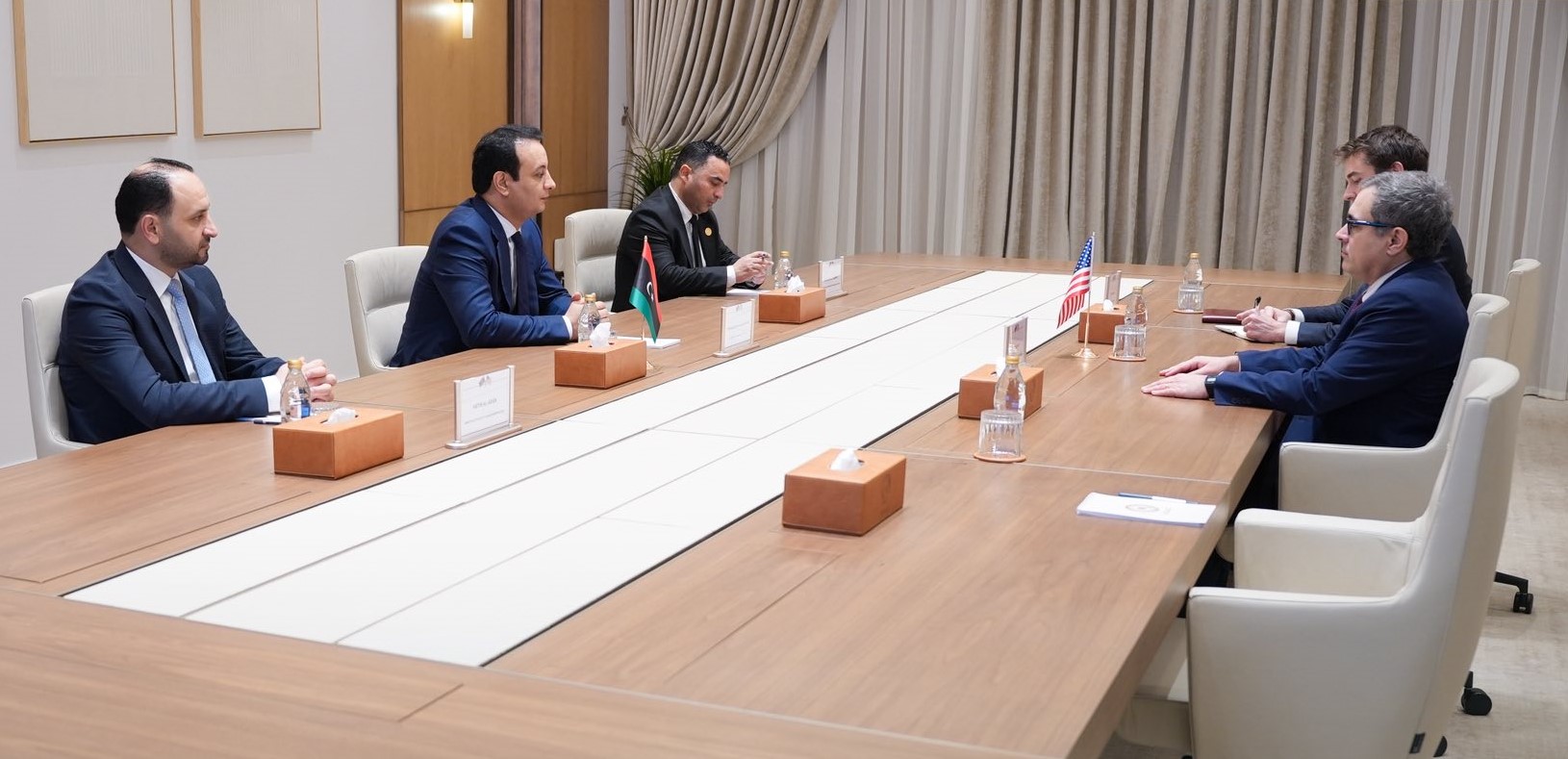
Zintan, February 16, 2026 – The city of Zintan commemorated the fifteenth anniversary of its blessed uprising on February 16th, amid a large official and popular presence. The event was led by the mayor and members of the municipal council, along with a number of city elders and notables, and a select group of its loyal youth.
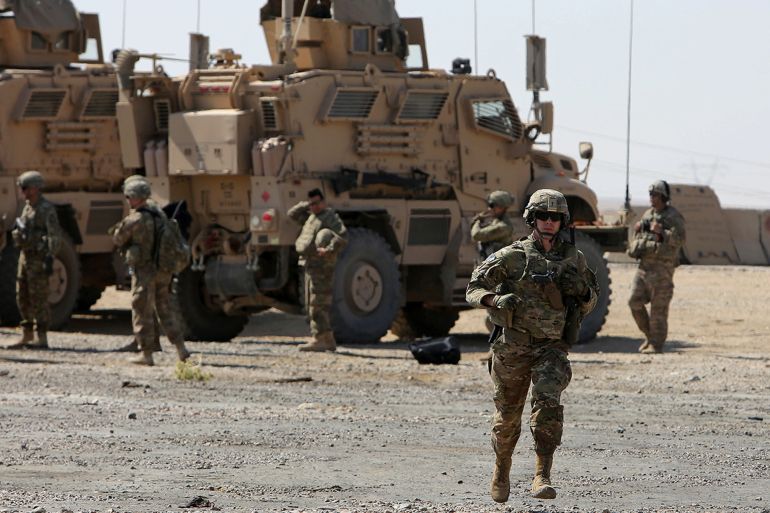
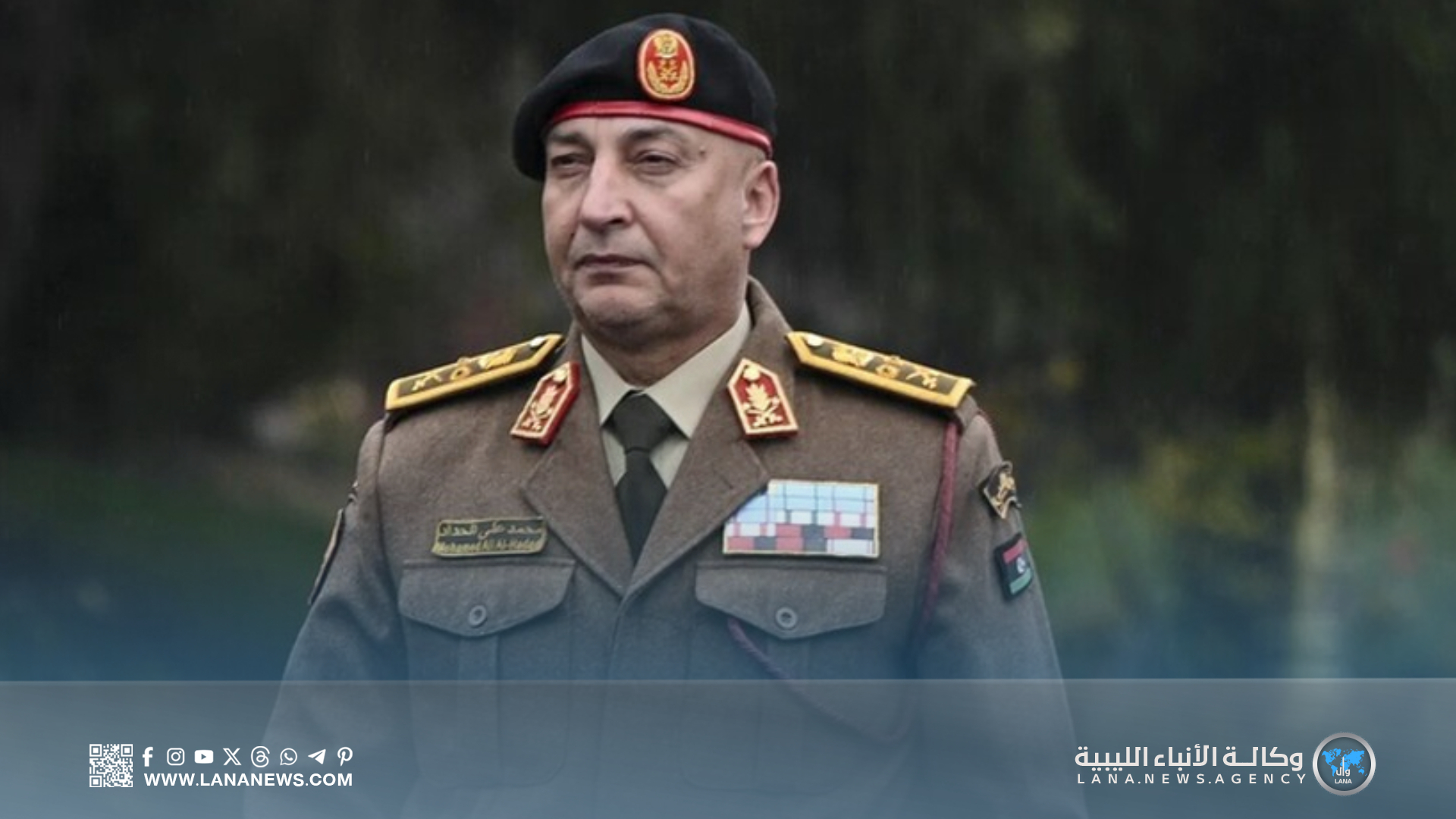
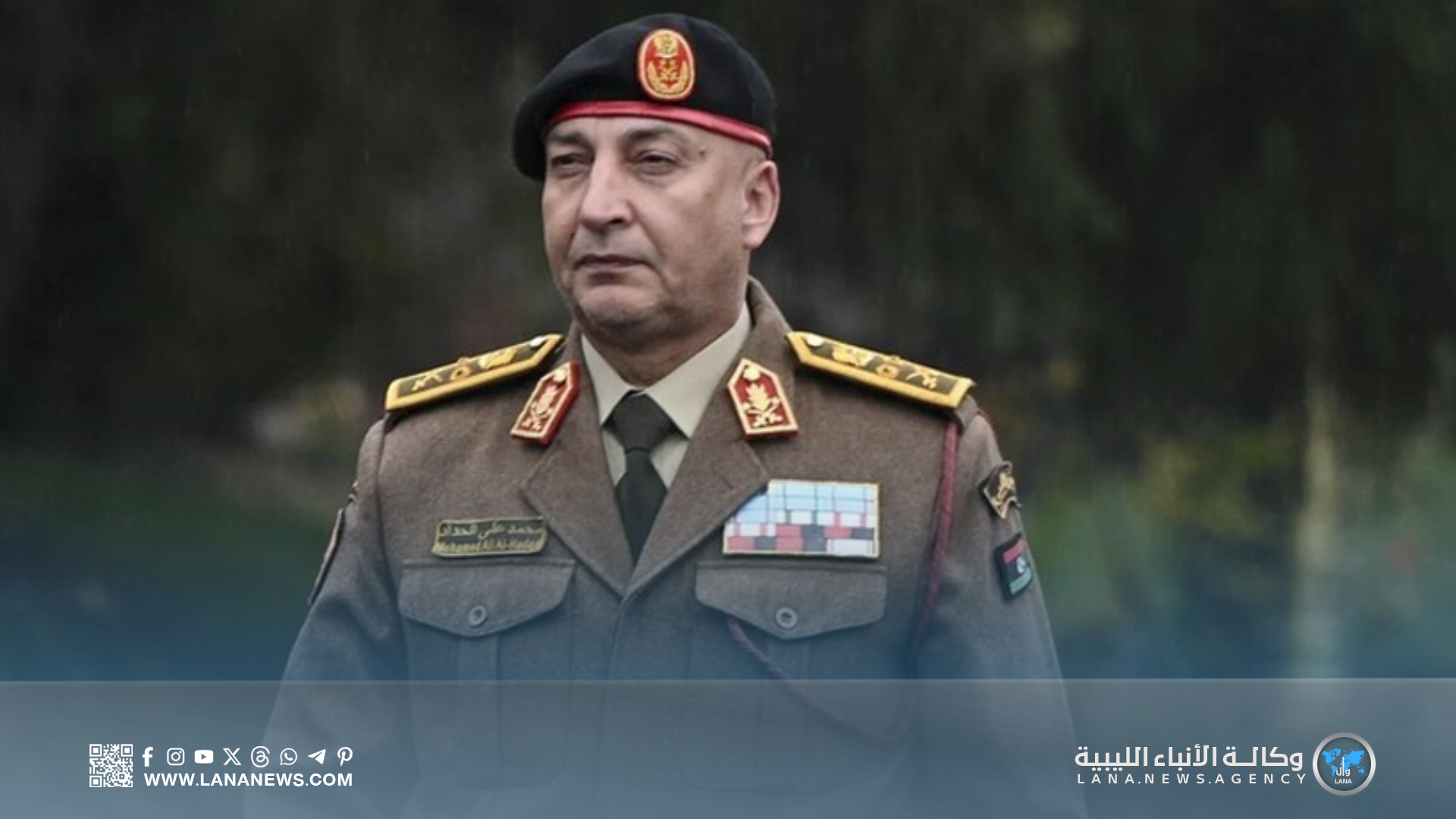
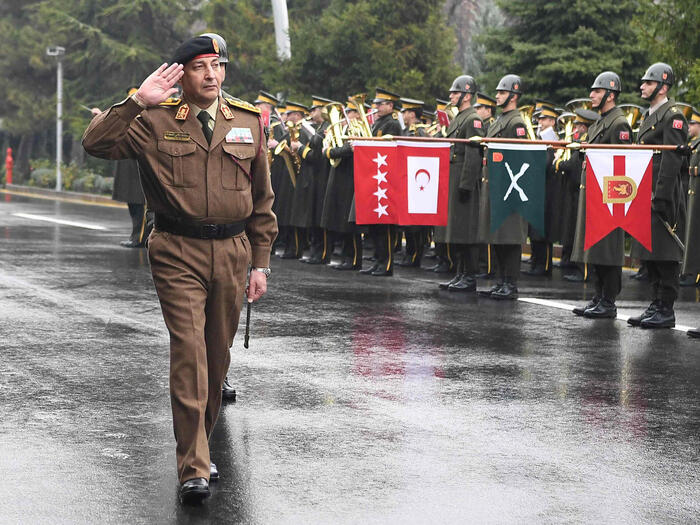
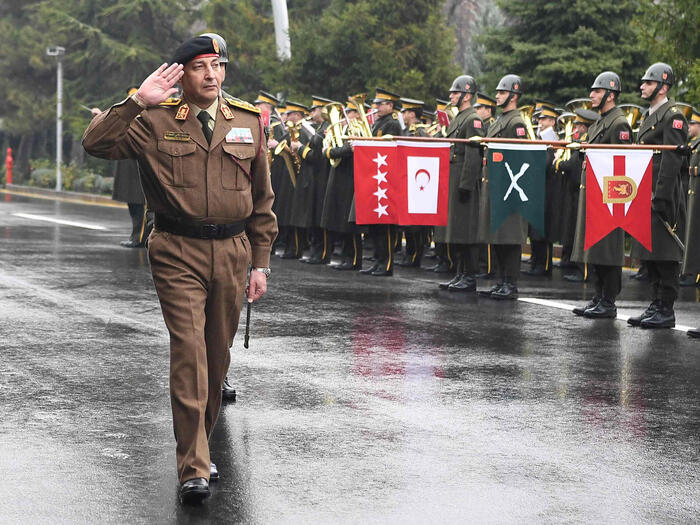
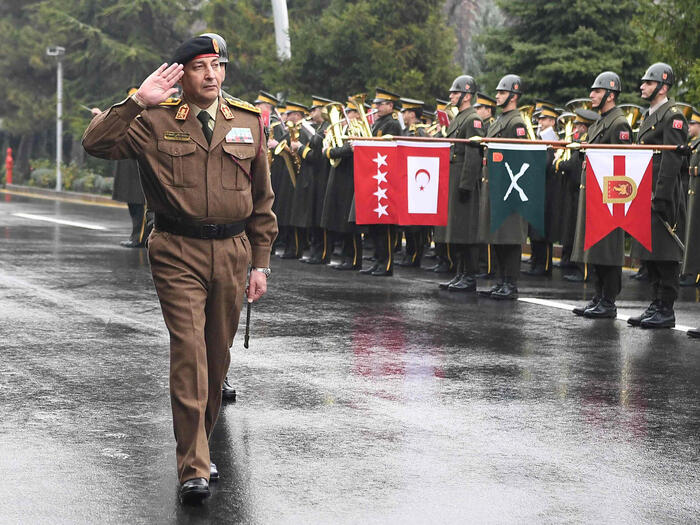
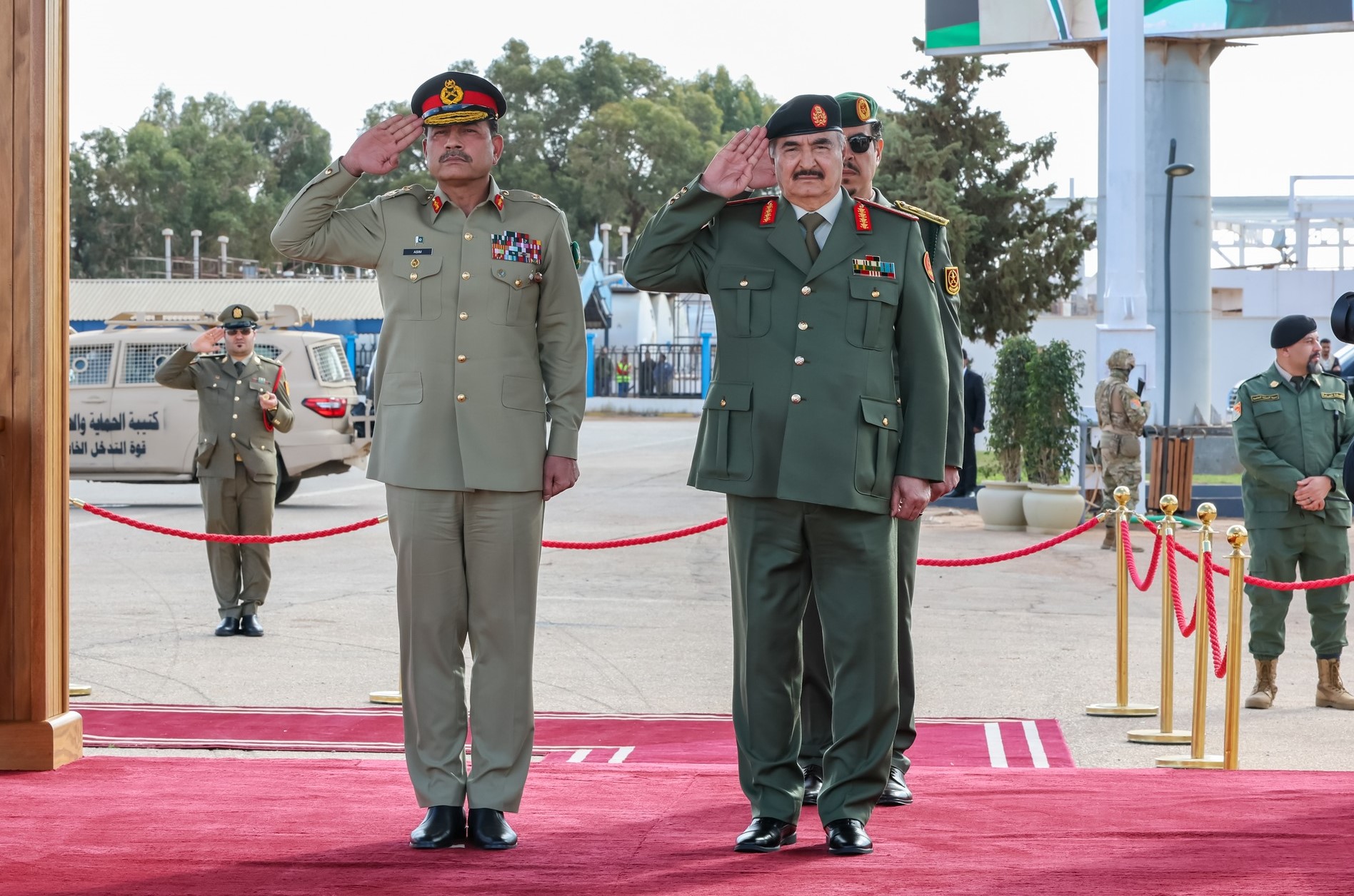
Participating in the commemoration were the commander of the Western Mountain Military District and a number of military and security leaders, as well as mayors of mountain municipalities, including the mayors of Rayayinah, Ruhaybat, and Gharyan. They were joined by a number of municipal council members, sheikhs, and dignitaries of the mountain region, in a scene embodying the spirit of brotherhood and solidarity among the cities of the Western Mountain.
The mayor of Zintan delivered the municipal council’s speech, emphasizing national constants and affirming the importance of reconciliation and tolerance, as well as the necessity of moving towards construction, reconstruction, and building minds as a fundamental pillar for the nation’s renaissance. The celebration also included speeches from the families of the martyrs, the wounded and amputees, and the revolutionaries of Zintan, in addition to patriotic poetic contributions celebrating epics of heroism and sacrifice.
The Zintan Municipality confirmed that commemorating February 16th is a revival of the greatness of will, a fulfillment to pure souls, and a renewal of the commitment to the noble principles for which the revolution was fought. It also reaffirmed Zintan’s historical role as a fortress of resilience and a steadfast pillar in building the desired Libyan state.
Zintan
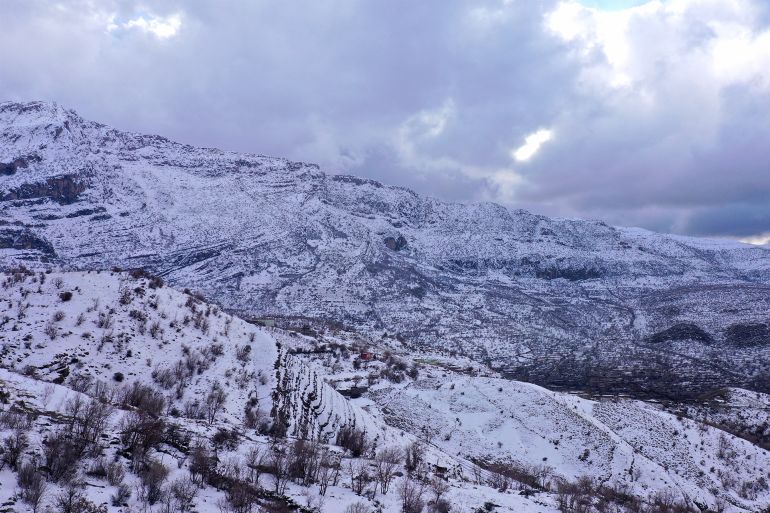
Zintan is a city in northwestern Libya known for its strategic location in the Nafusa Mountains. Historically, it played a significant role during the 2011 Libyan Civil War as a stronghold for anti-Gaddafi forces. The area is also recognized for its Berber (Amazigh) cultural heritage and traditional mountain architecture.
Western Mountain Military District
The Western Mountain Military District is a historical military administrative region in China, primarily associated with the People’s Liberation Army. It was established to oversee defense and military operations in strategically important mountainous western territories. Its history is part of the broader organizational evolution of China’s military command structures.
Rayayinah
Rayayinah is a historical fortress located in the Asir region of southwestern Saudi Arabia, known for its strategic position and traditional Najdi architectural style. It served as a key defensive stronghold for local tribes and played a role in regional conflicts over the centuries.
Ruhaybat
Ruhaybat is a historical fortress town located in present-day Jordan, believed to have been established during the early Islamic period as a military outpost. It served as a strategic station along important pilgrimage and trade routes, including the route to Mecca, and features ruins that reflect its long-standing defensive and logistical role.
Gharyan
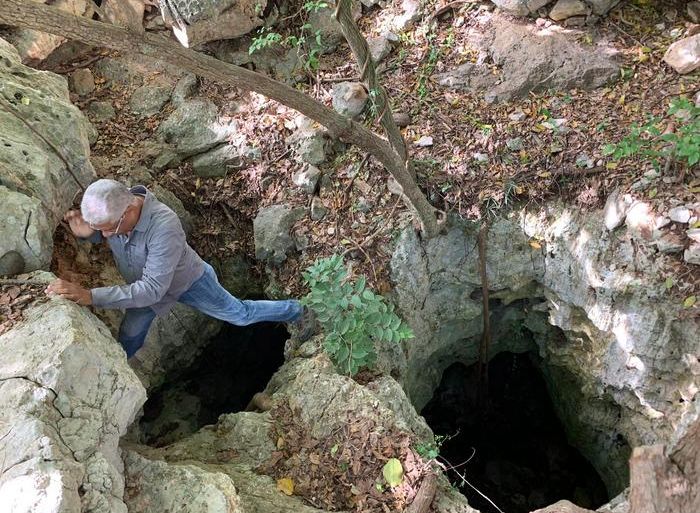
Gharyan is a historic town in northwestern Libya known for its traditional underground cave dwellings, which were carved into the hillsides to provide natural insulation from the desert heat. These structures have been used for centuries, reflecting the adaptive architecture of the Berber inhabitants in the region.
Western Mountain
The Western Mountain, or Xishan, is a scenic area in western Beijing known for its forested peaks and historic temples. Its history is deeply tied to Chinese Buddhism, with sites like the Tanzhe Temple dating back over 1,700 years, making it one of the oldest Buddhist temples in the region.
Libyan state
The Libyan state, officially known as the State of Libya, is a North African country that gained independence from Italy in 1951. Its modern history has been shaped by the monarchy of King Idris, the lengthy rule of Muammar Gaddafi following a 1969 coup, and a period of instability and conflict after the 2011 revolution.