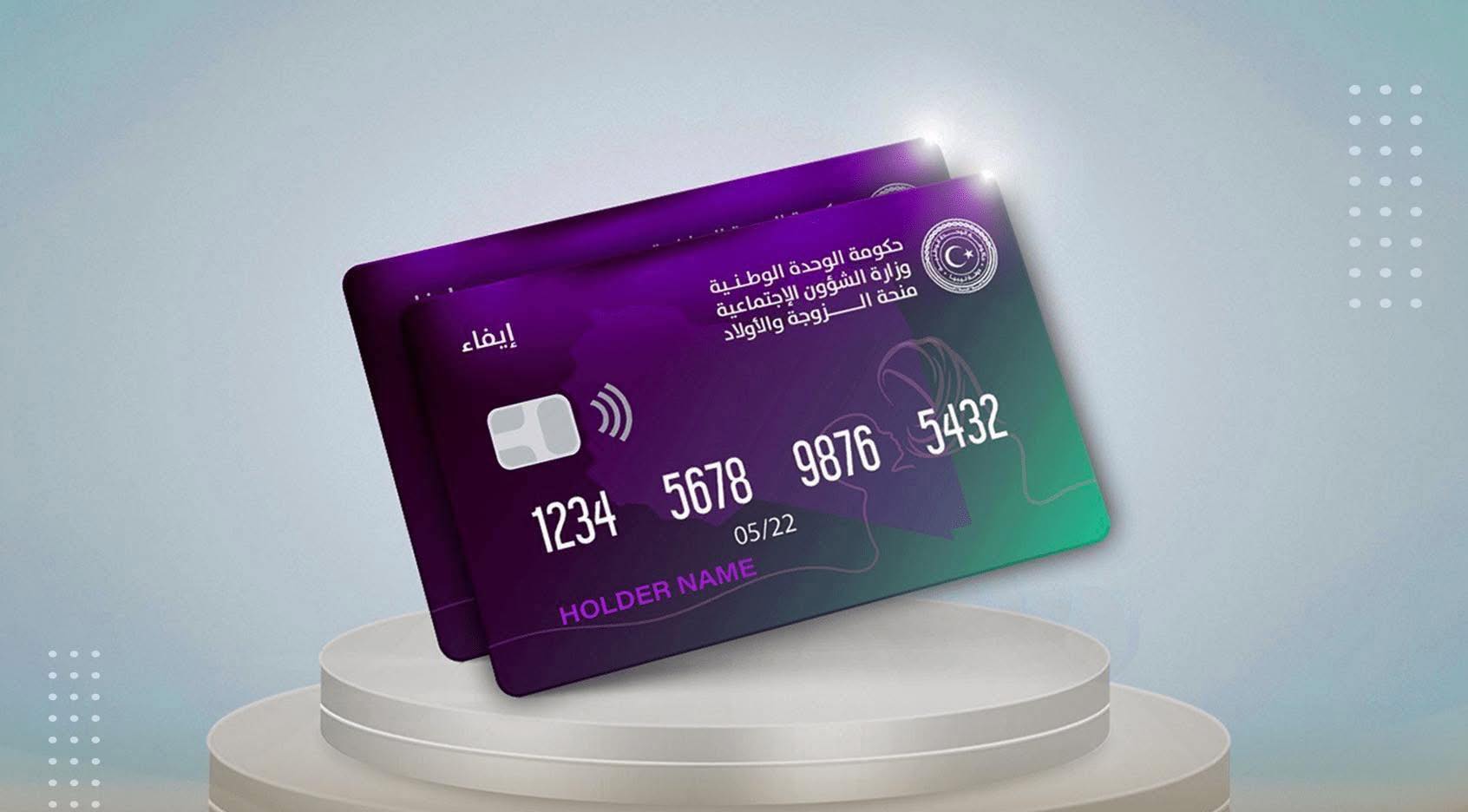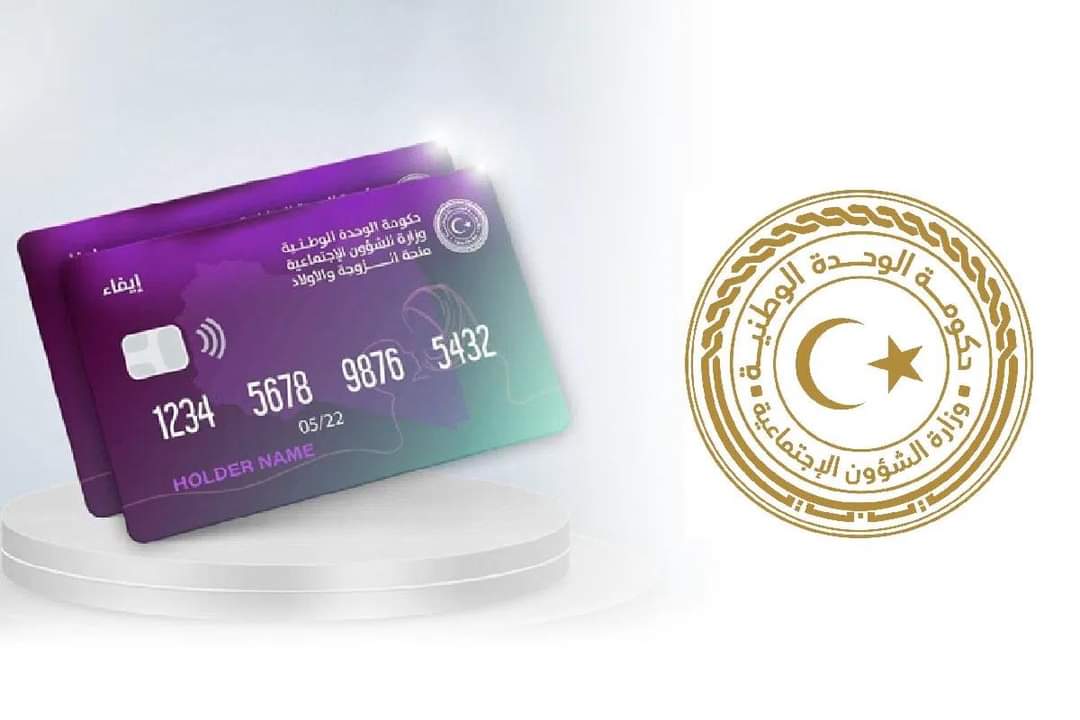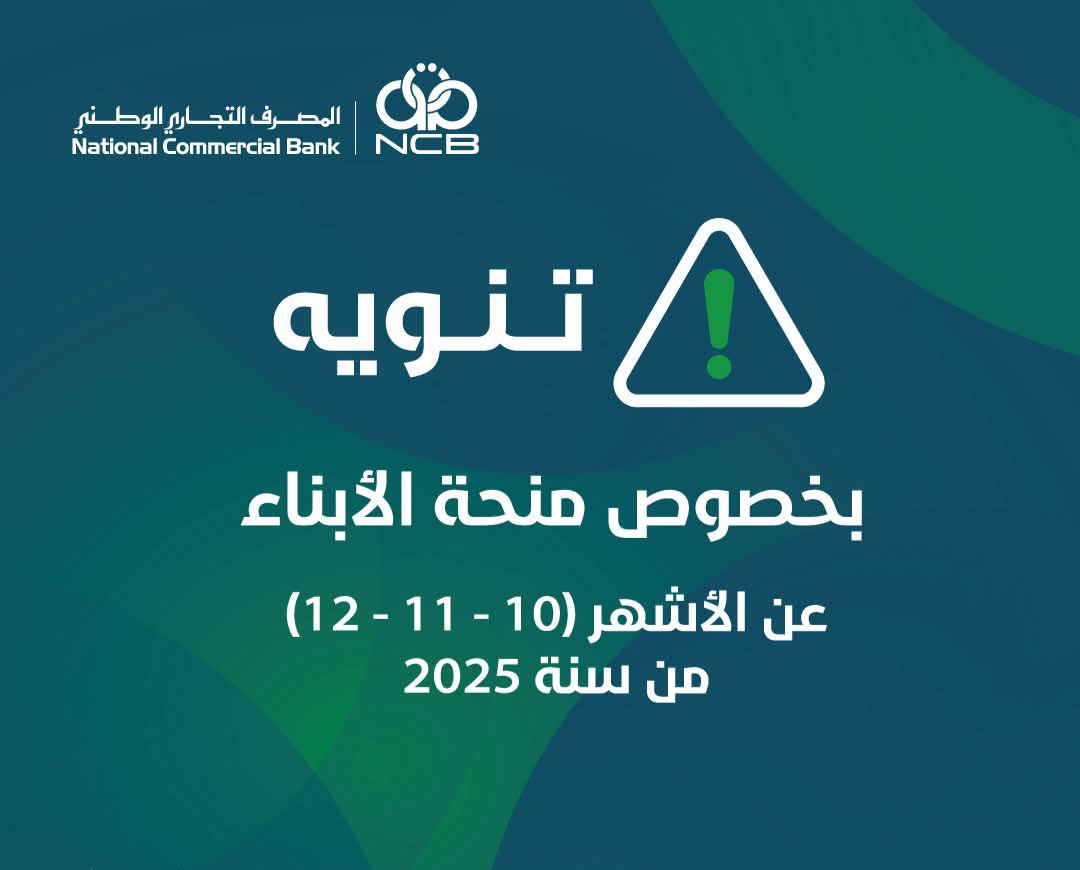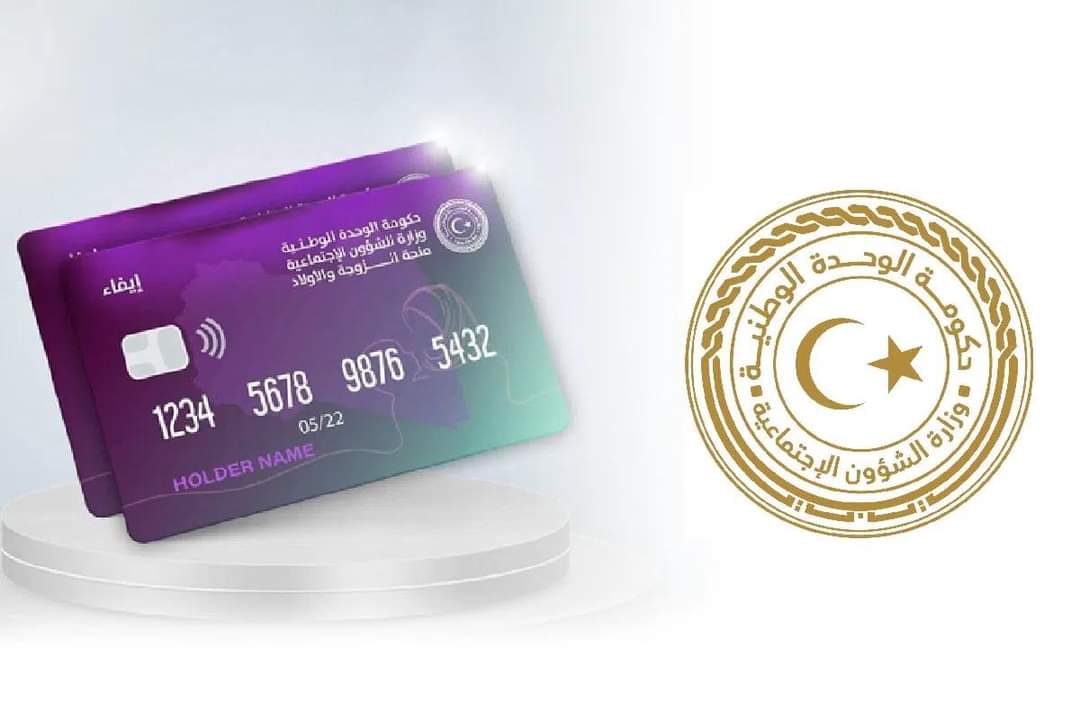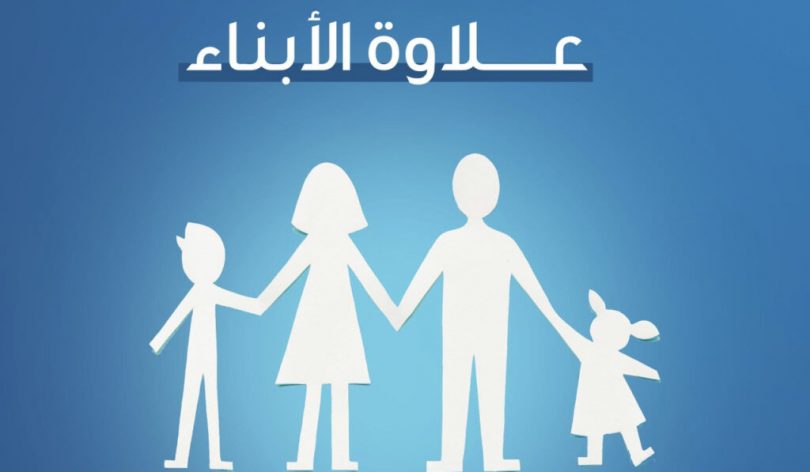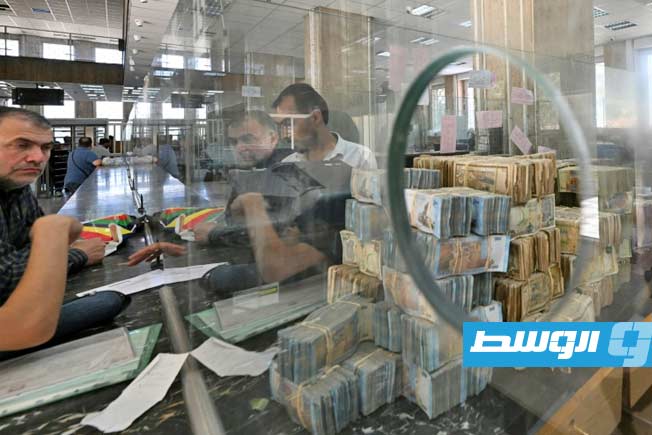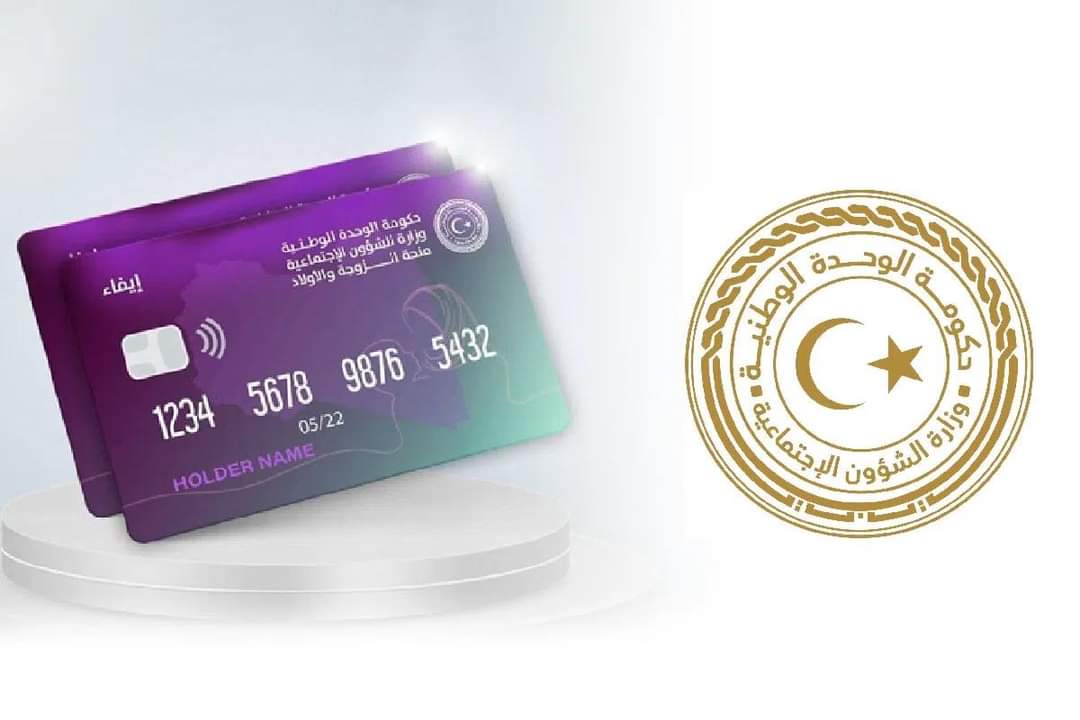
The Libyan Ministry of Social Affairs has introduced smart digital solutions that enable citizens to easily track their financial entitlements from the “Wife and Daughters Allowance” electronically. Here is everything you need to know about the inquiry steps and data update procedures.
First: Steps to Inquire About the Wife and Daughters Allowance Balance (Step-by-Step)
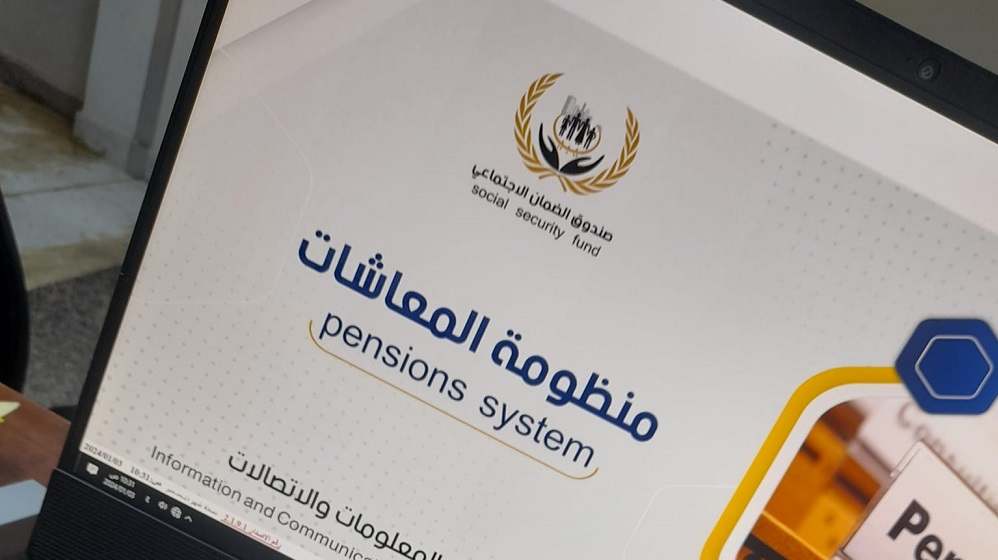
You can find out the deposited amounts and disbursement dates by accessing the Wife and Children Allowance System as follows:
-
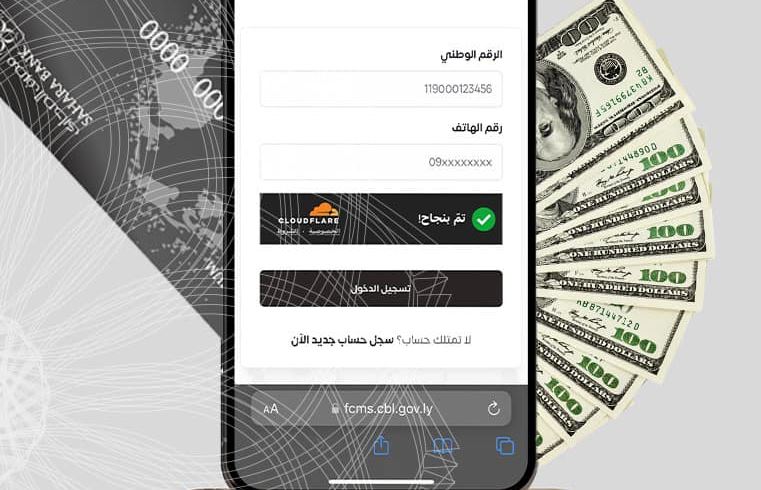
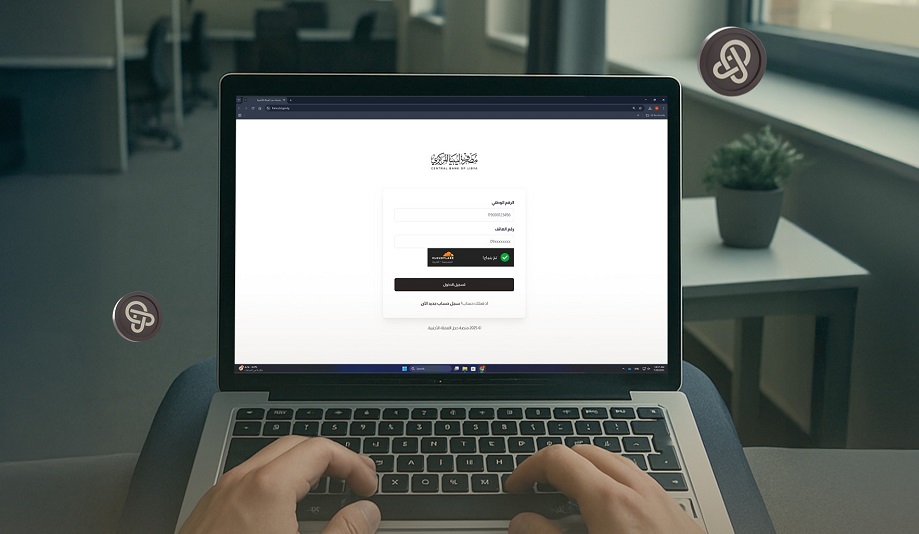
Visit the Website: Go to the official system link affiliated with the Ministry of Social Affairs.
-
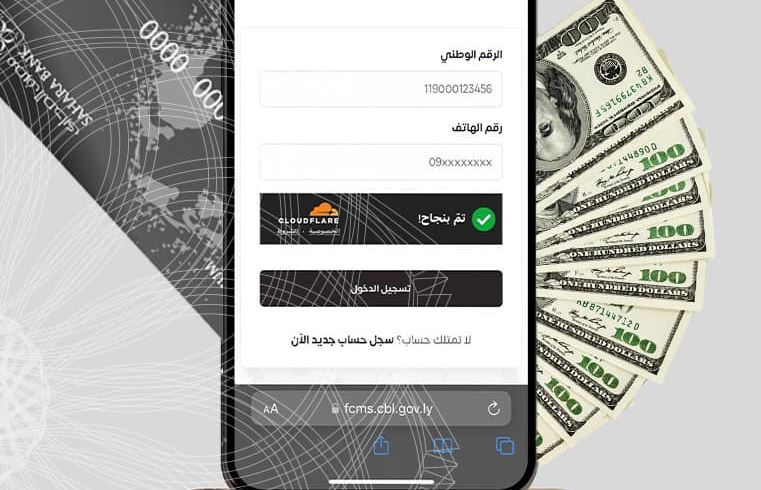
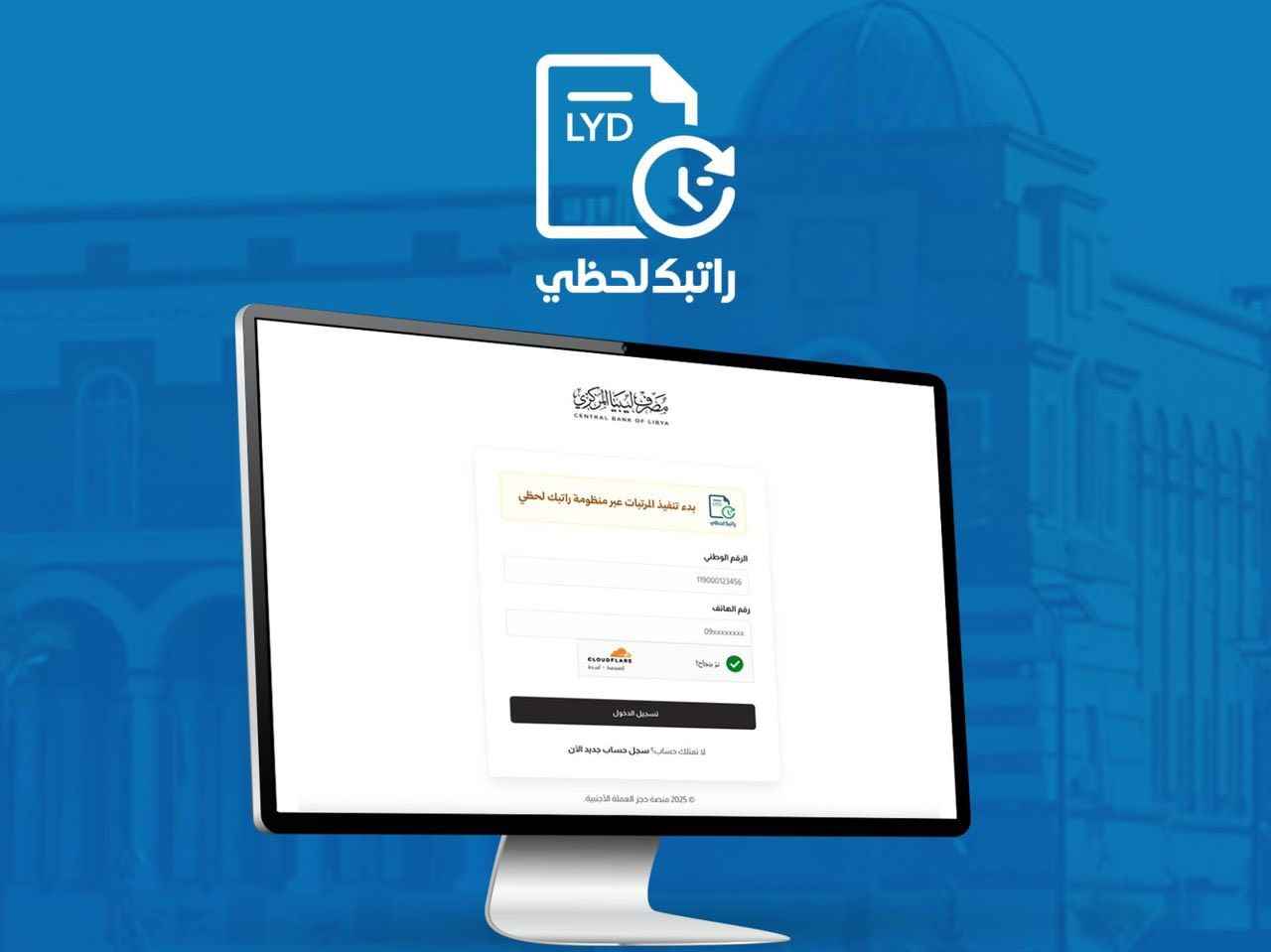
Enter Data: Enter the National Number of the head of the household and the Registration Number (found in the family booklet).
-
Phone Number: Enter the phone number linked to the national number and click on “Inquiry”.
-
Result: Details of the balance will appear, including the periods for which it was disbursed (such as payments for 2025), and the current application status (Accepted – Under Process – Rejected).
Second: How to Know When the Allowance Has Been Deposited into Your Account?
The Ministry and banks rely on several methods to notify you of the deposit:
-
Text Messages (SMS): You will receive an instant message on your registered phone when funds enter your account.
-
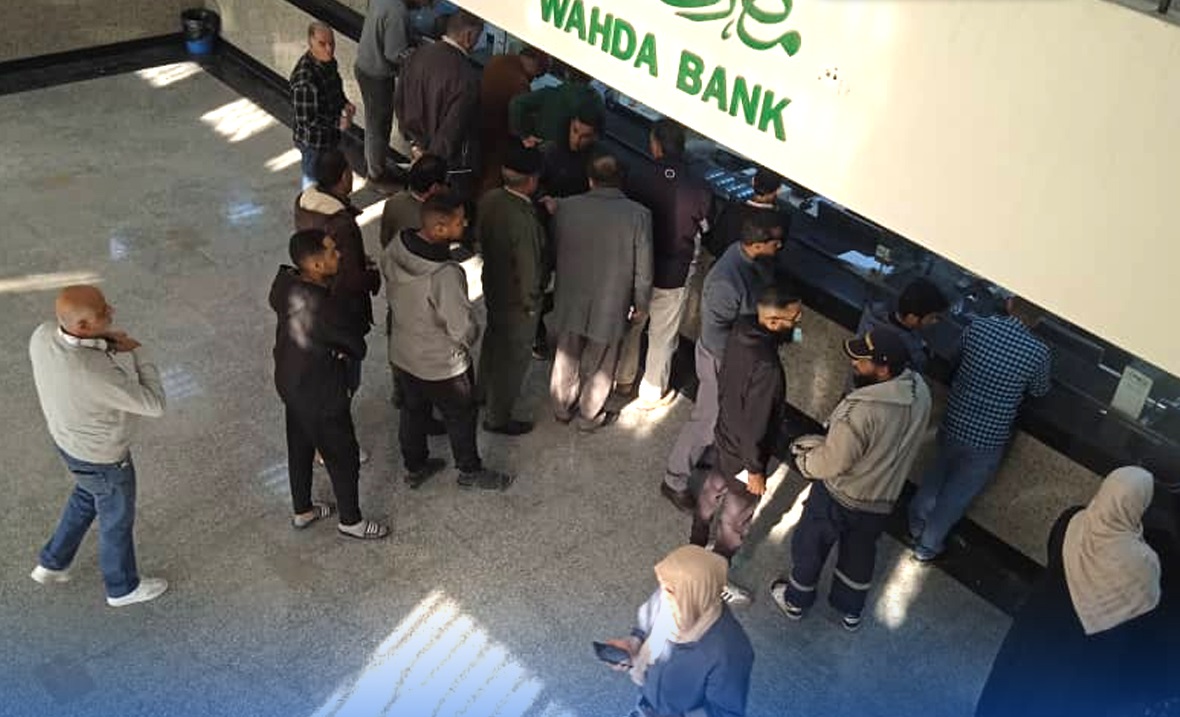
Banking Applications: Monitor your balance through bank applications (such as Tadawul, Benghazi Digital, or Al-Wehda Online).
-
ATM: Direct verification using your debit card.
Third: Details of the Allowance Amount and Disbursement Dates
-
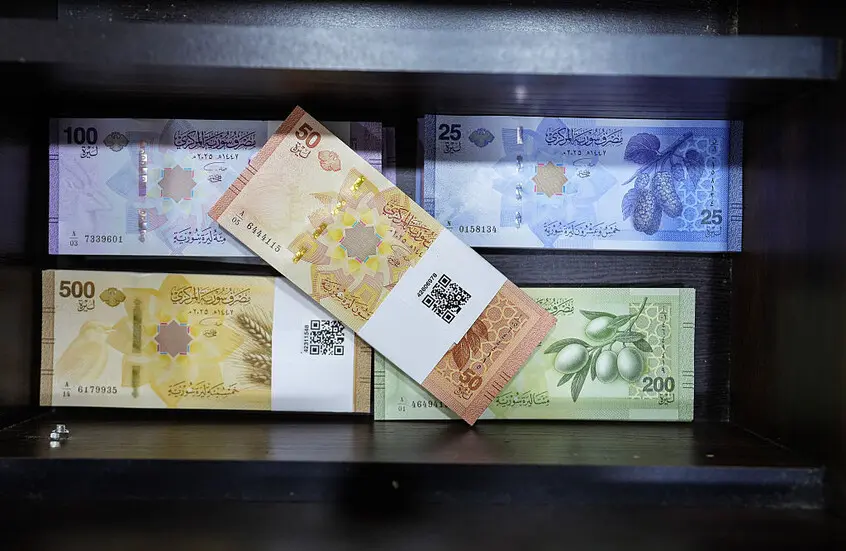
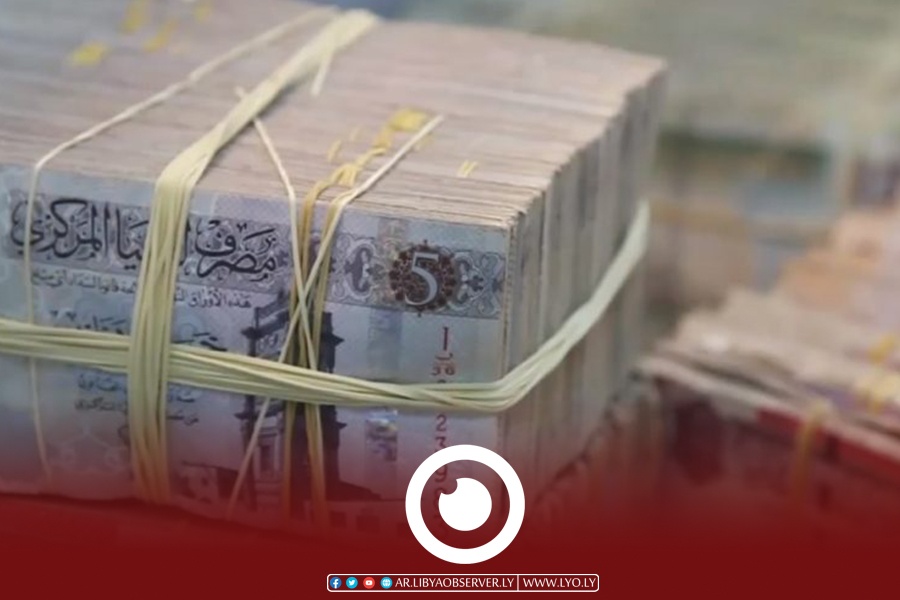
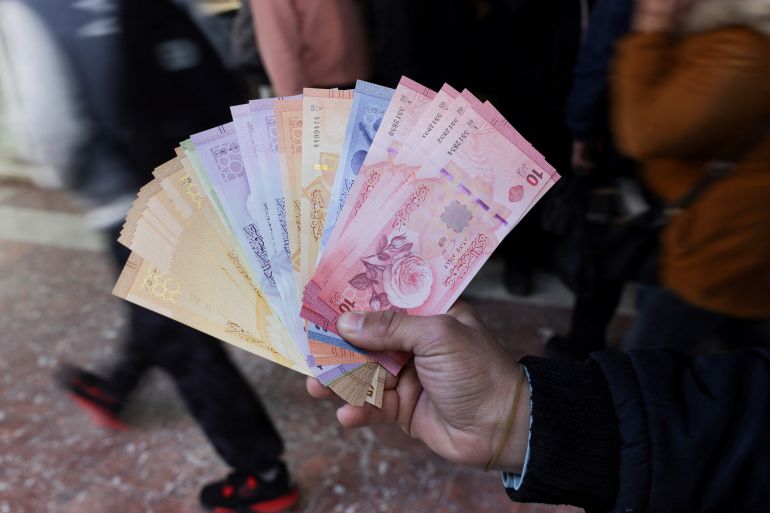
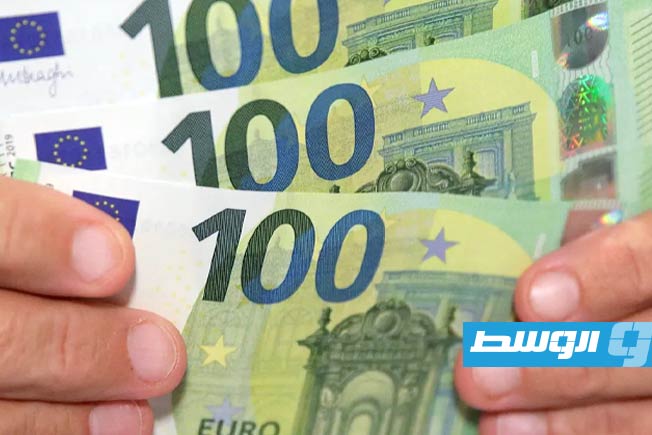
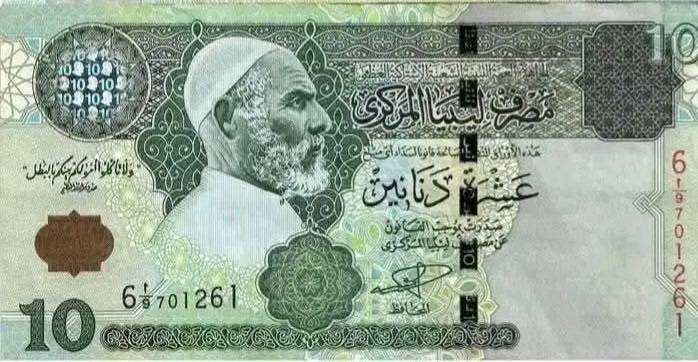
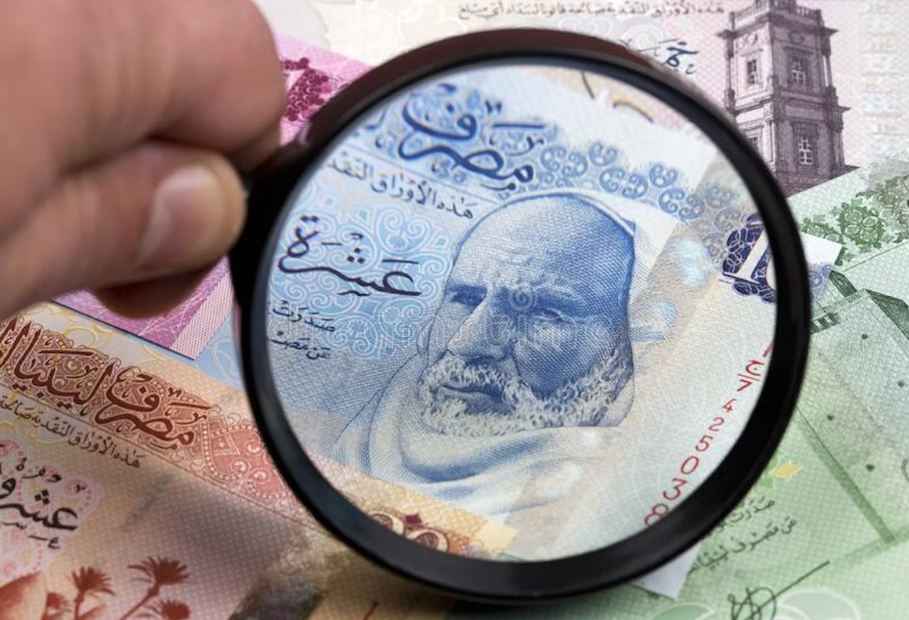
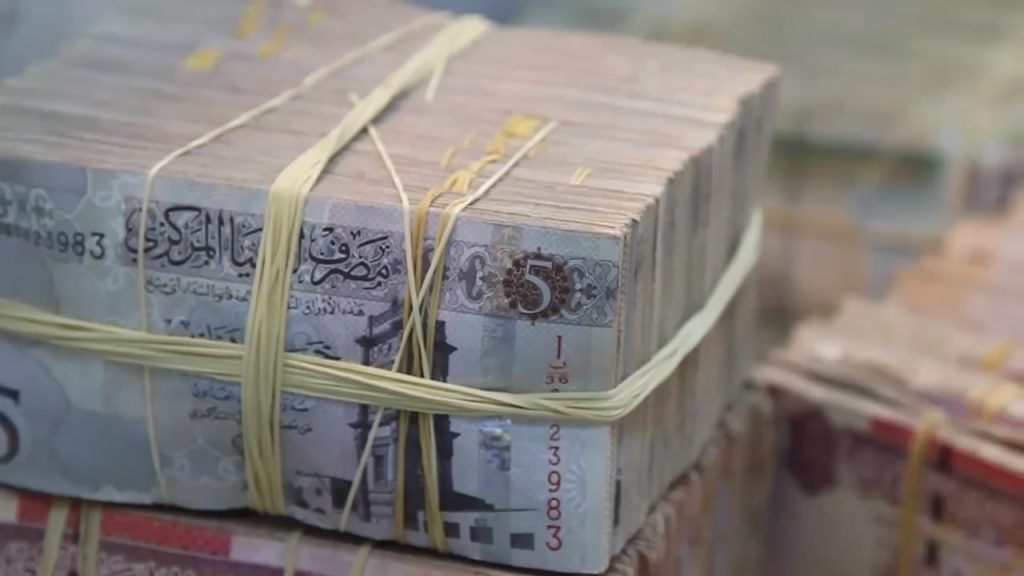
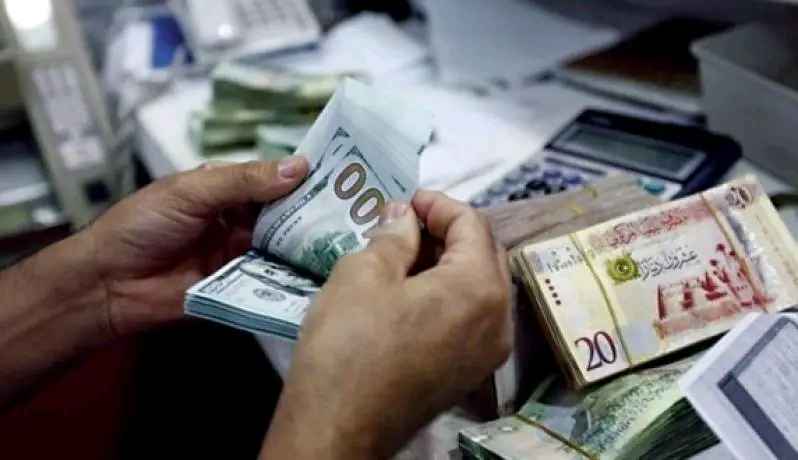
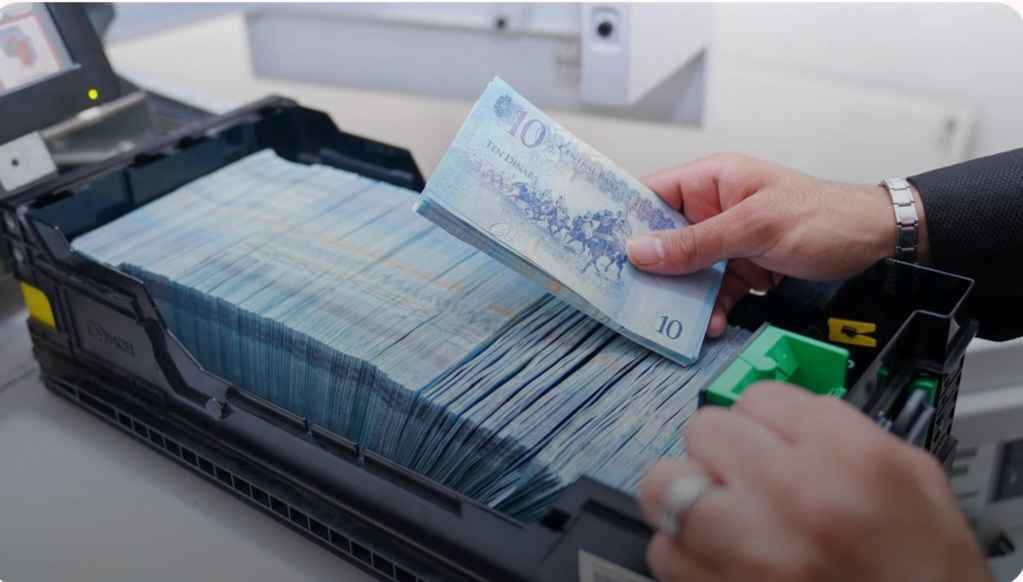
Monthly Amount: The wife’s allowance is 150 Libyan dinars per month.
-
Disbursement System: Disbursement is usually done on a quarterly basis (i.e., every 3 months together).
-
Target Group: Wives and daughters over the age of 18 (unless they receive another salary or allowance).
Fourth: Solving Problems of Delayed Disbursement or Incorrect Data
If you encounter a problem with the balance not appearing or the allowance being stopped, follow these procedures:
-
Civil Registry: First, ensure your data (marital status, number of dependents) is updated in the Civil Registry, as the system automatically pulls its data from there.
-
Change of Status: When a “daughter” gets married, her status must be changed in the Civil Registry so her allowance stops automatically and transfers to another system if she meets the conditions.
-
Direct Review: In case of a persistent technical issue, please visit the nearest Social Affairs branch in your city.
Why Use the Electronic System?
-
Absolute Transparency: Enables you to know your financial rights without an intermediary.
-
Time-Saving: Saves you from crowding in banks or government offices.
-
Accuracy: Ensures the allowance is disbursed to eligible recipients based on updated official data.
To find out, simply access the system via the national number and registration number, where you can view the allocated amounts and disbursement status, with text notifications sent when funds are deposited into bank accounts. This mechanism enhances transparency and makes it easier for families to track their financial rights without hassle.</p