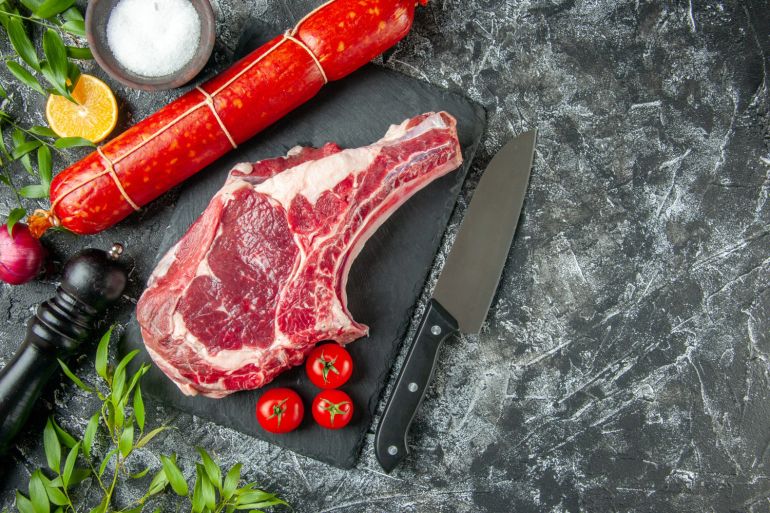
Amid calls to eliminate or reduce red meat and full-fat dairy as much as possible, evidence that “excessive” consumption of red meat increases cancer risk is “concerning” to the point where the benefits of regularly eating red meat are not worth its risks.
Since the 1970s, about 800 scientific studies have contributed to the foundation of the 2015 report by the International Agency for Research on Cancer, which classified red meat in Group 2A of carcinogens, meaning that “red meat probably causes cancer.”
Furthermore, since 2020, the British Heart Foundation has advised against buying too many full-fat dairy products.
This leads us to examine the reasons behind this and the proposed alternatives and solutions to avoid the risks.
Harmful to the Heart and Not Necessary
The problem with red meat is not just its high saturated fat content, but that it “contains other carcinogenic and inflammatory compounds that may increase the likelihood of cancer and type 2 diabetes.”
It was added that meat and full-fat dairy products—despite their common benefits—are “extremely low” in their content of essential fatty acids, which are “beneficial for cardiovascular and overall health.”
Long-term trials and studies show that red meat—compared to plant-based protein sources—increases levels of harmful cholesterol (LDL) and “is associated with an increased risk of coronary heart disease.”
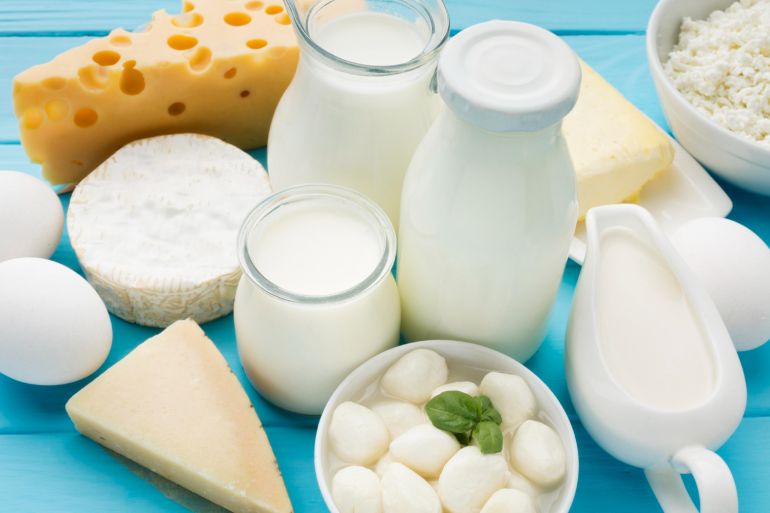
As for full-fat dairy products, it is said they are “not necessary,” and there is no conclusive evidence that they need to be consumed three times a day. For a healthy and environmentally beneficial diet, it is recommended to “limit yourself to one serving of red meat per week and one serving of milk, cheese, or yogurt per day.”
Safety in Moderation
It was stated that consuming “moderate” amounts of red meat and full-fat dairy products, or using “a little” butter or beef fat from time to time, is “fine” for those following a healthy diet that includes “a variety of foods without excessive calorie consumption.”
Regarding full-fat dairy, it was recommended to “prioritize yogurt” as it is a fermented food containing beneficial bacteria called probiotics.
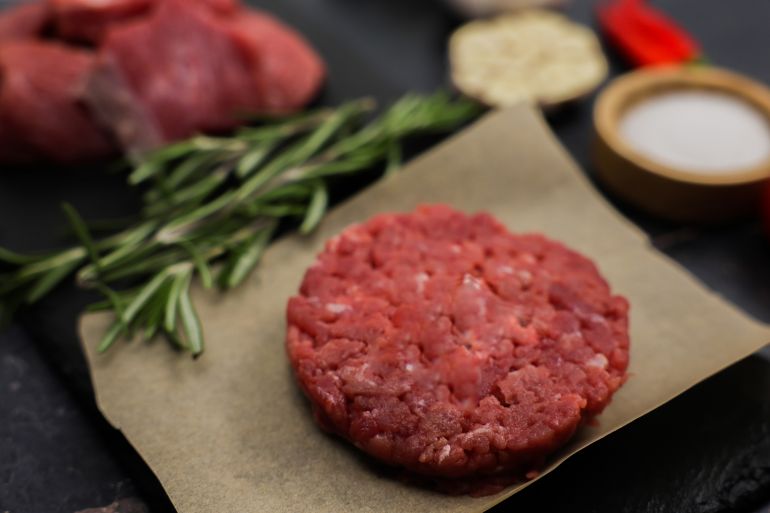
It is advised to consume “only one serving per week” of red meat (one serving is approximately 85 to 113 grams). Emphasis is placed on “avoiding processed meats” like sausages, salami, and hot dogs “completely,” or considering them “luxuries” to be eaten occasionally.
Try Plant-Based Protein Sources
In 2020, it was noted that “reducing red meat consumption makes room for healthier foods”; explaining that most people do not eat enough beneficial foods, and “reducing red meat consumption will allow us to eat the foods we neglect.”
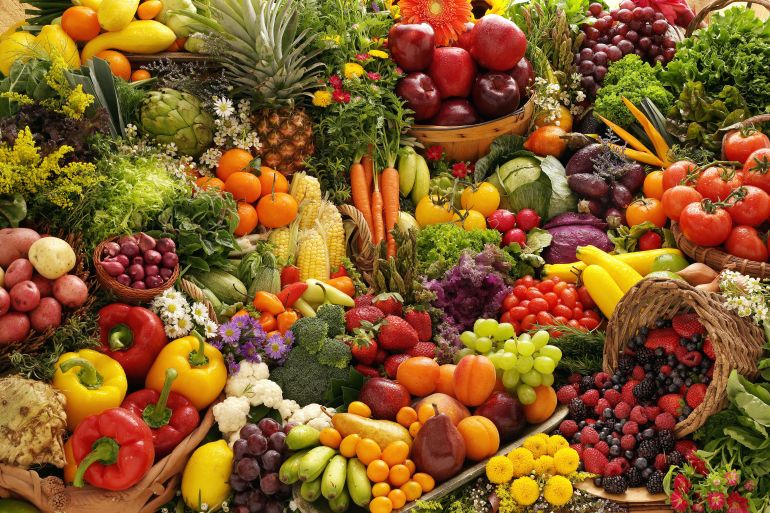
Based on a report published in late 2024, it urged to “reduce red meat consumption and increase consumption of legumes, such as beans, peas, lentils, and other plants, in addition to nuts and seeds.”
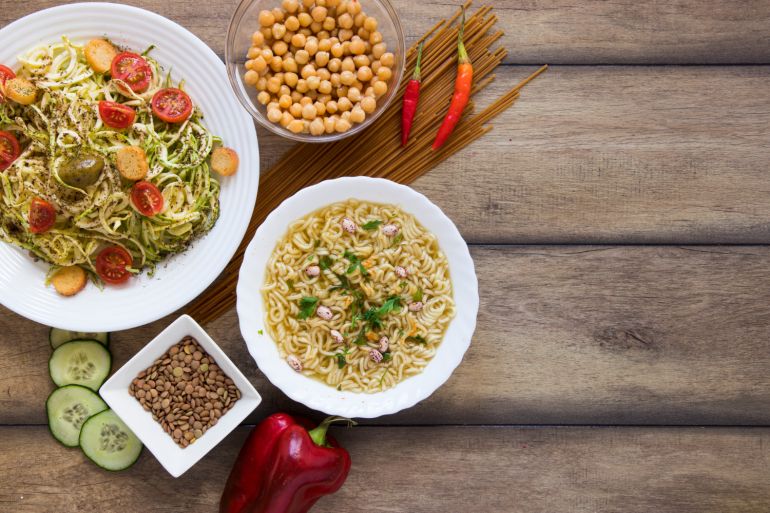
The recommendation to “adjust our diet to include more plant-based protein sources” was repeated, stating: We should try plant-based protein sources like beans and lentils; as there is ample evidence showing they “improve health” compared to meat.
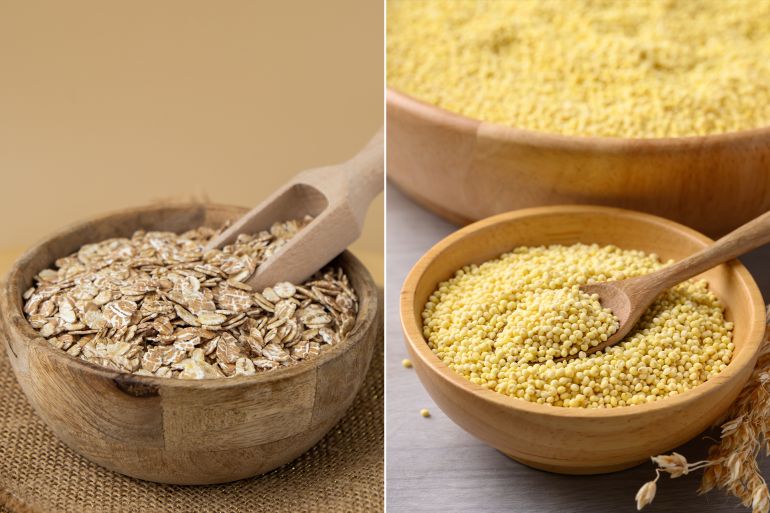
Also, in 2024, a study co-authored examined data from more than 200,000 Americans closely followed for over three decades; it concluded that “people who ate plant-based foods like nuts, legumes, whole grains, and fruits, along with moderate amounts of meat, fish, eggs, and dairy products, ‘had lower rates of premature death from heart disease, cancer, and other chronic diseases.'”
This was confirmed by stating that limiting red meat intake and focusing on a plant-based diet “can help reduce the risk of cancer.” It was recommended for those who find it difficult to change their diet to add foods rich in fiber and plant-based proteins.