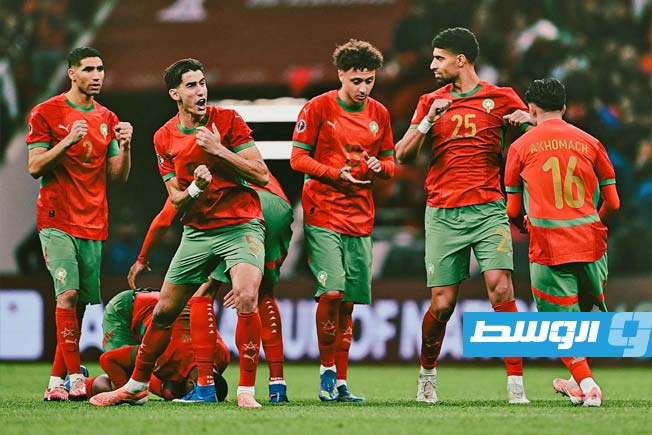
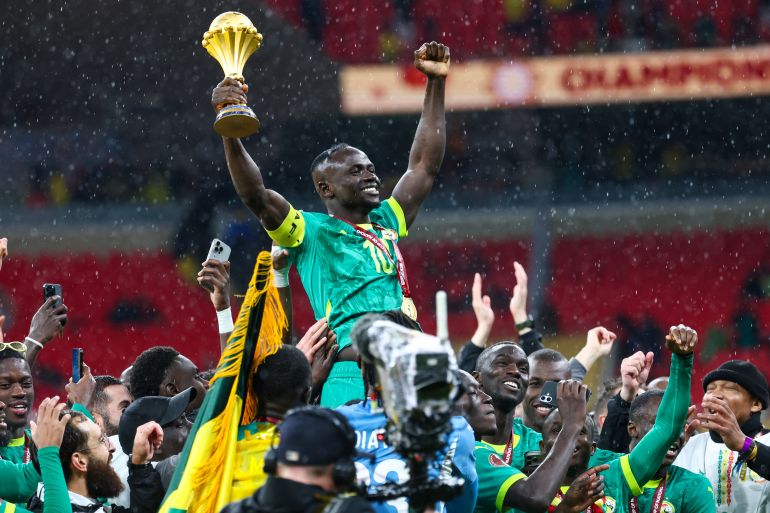
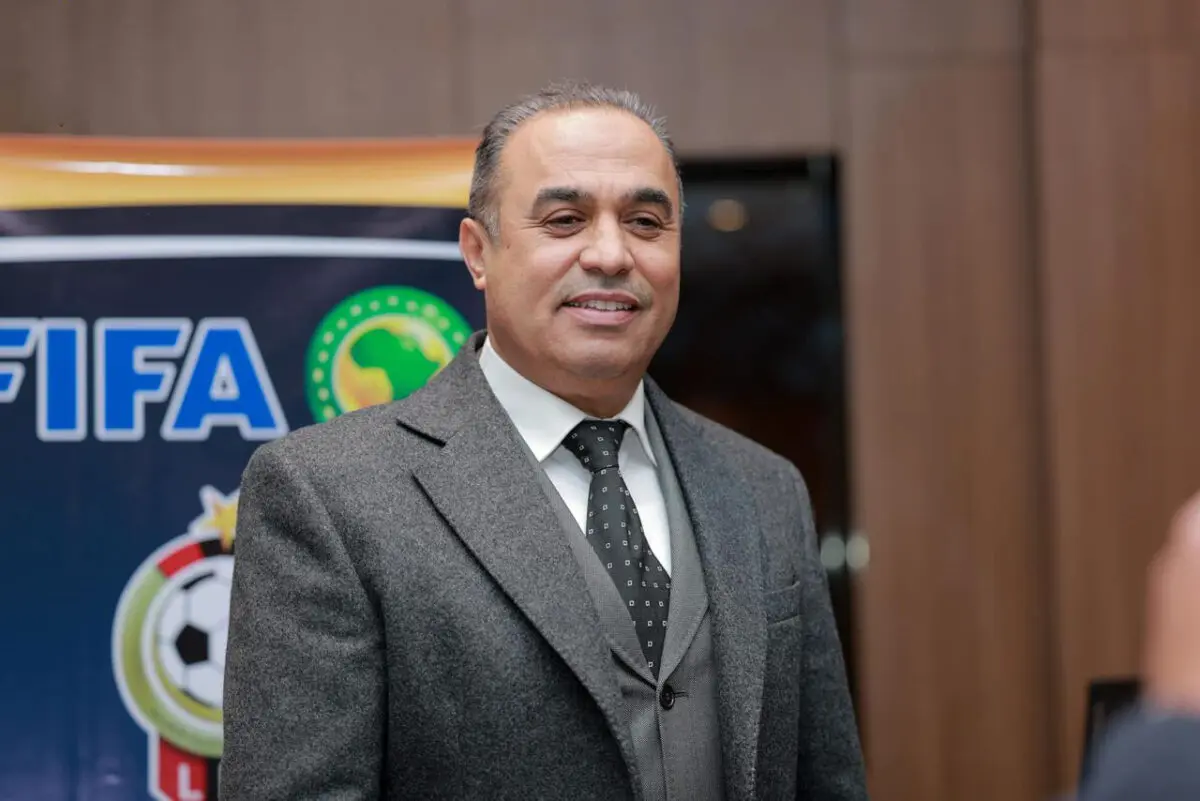
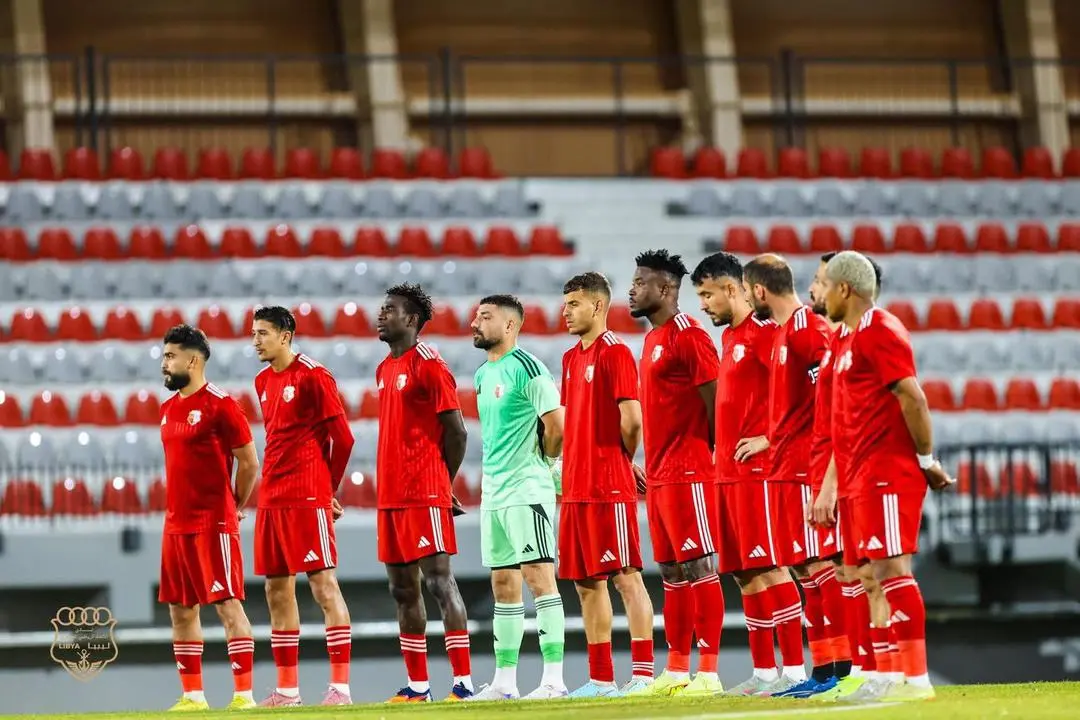
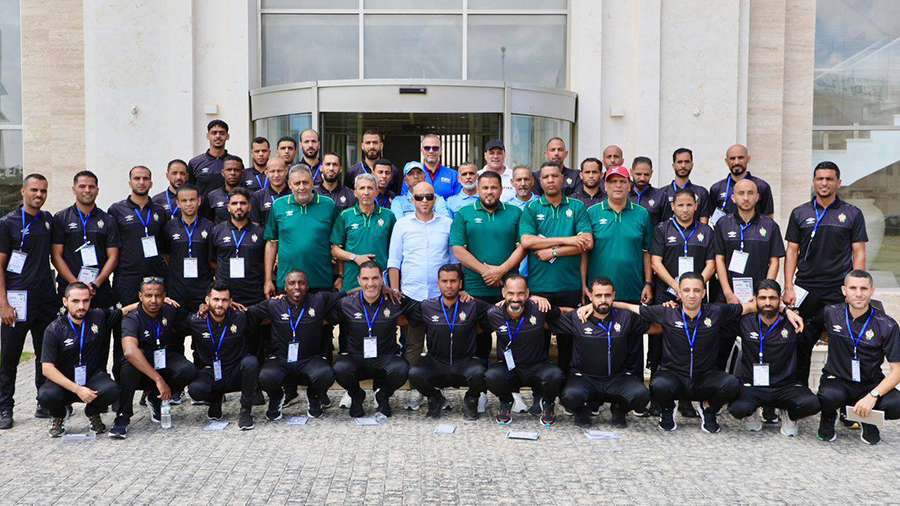
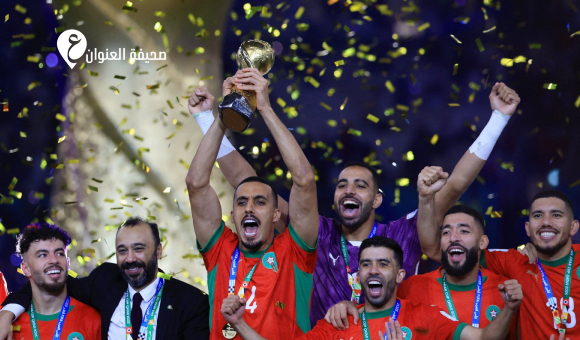
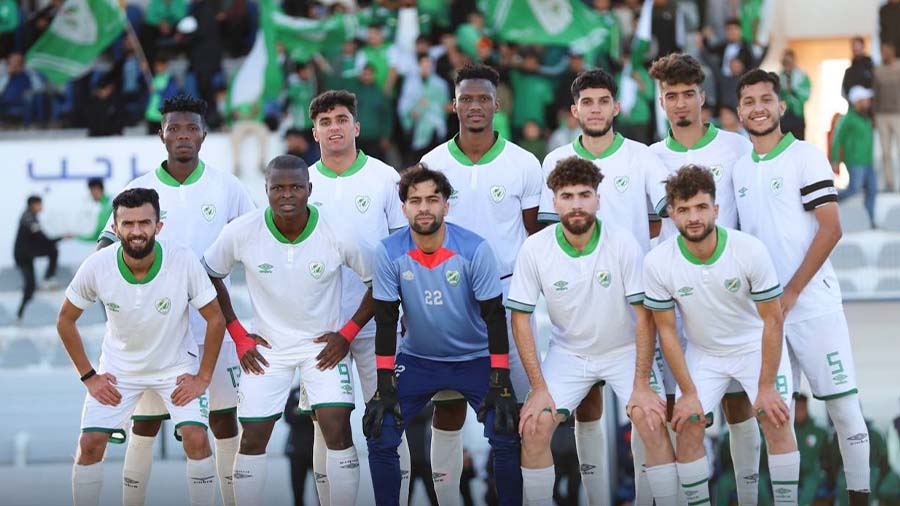
The Tunisian Football Federation announced on Sunday the termination of the contract with coach Sami Trabelsi and his assistant technical staff following the disappointment of being eliminated from the Africa Cup of Nations football tournament.
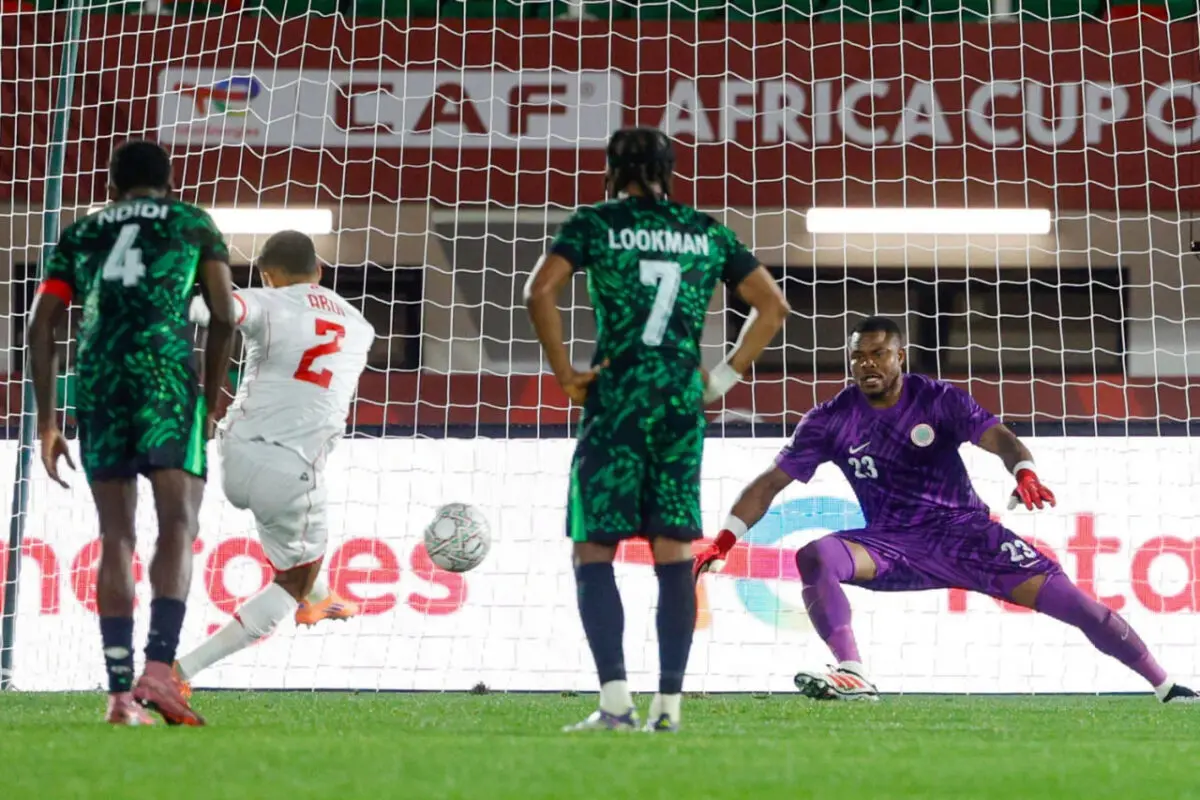
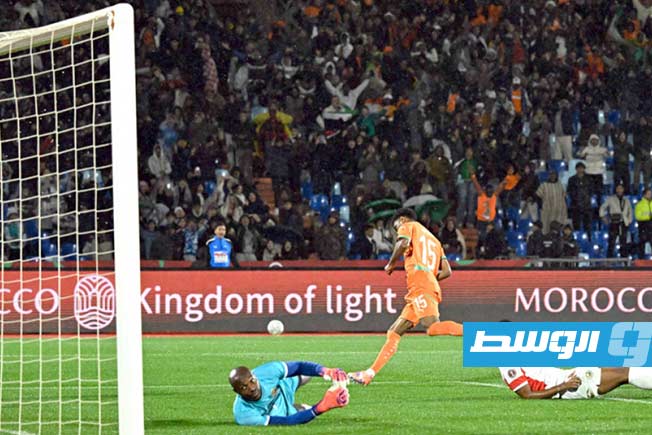
The decision comes after the failure to qualify for the quarter-finals of the continental competition, following a loss on penalties in the round of 16 of the tournament on Saturday. The national team (The Carthage Eagles) did not deliver the expected performance in the tournament.
The disappointed team awaits the appointment of a new head coach in preparation for participation in the upcoming World Cup scheduled for next summer in the United States, Canada, and Mexico.
The Tunisian national team, participating in the World Cup for the seventh time, is placed in Group Six alongside the national teams of the Netherlands, Japan, and the winner from the European play-off, which includes the national teams of Sweden, Ukraine, Poland, and Albania.
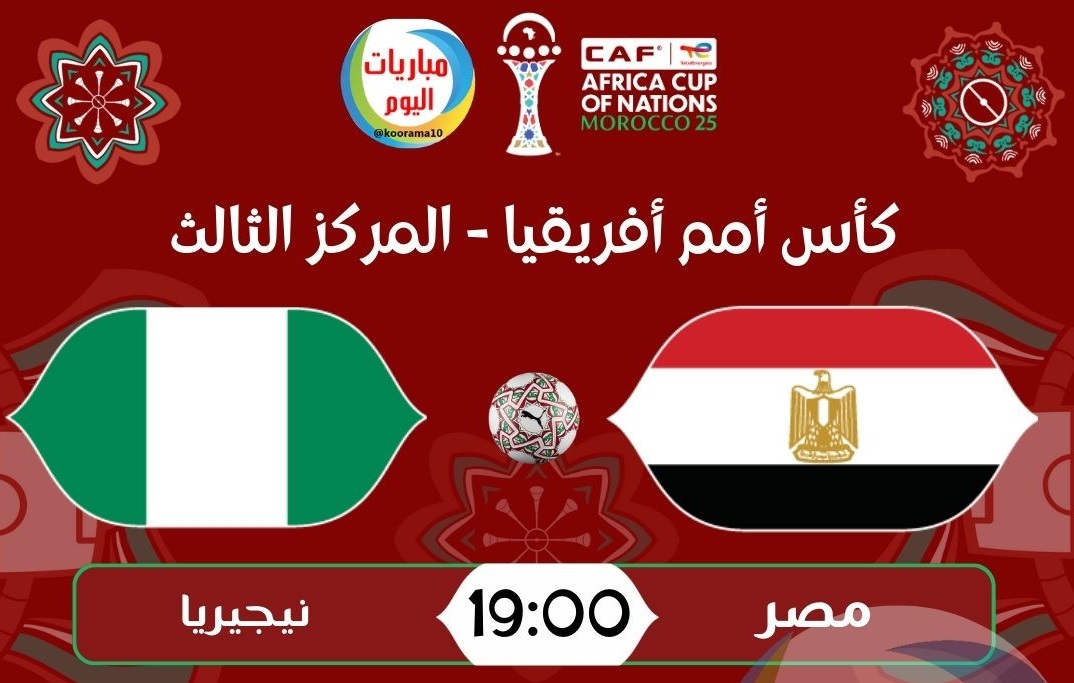
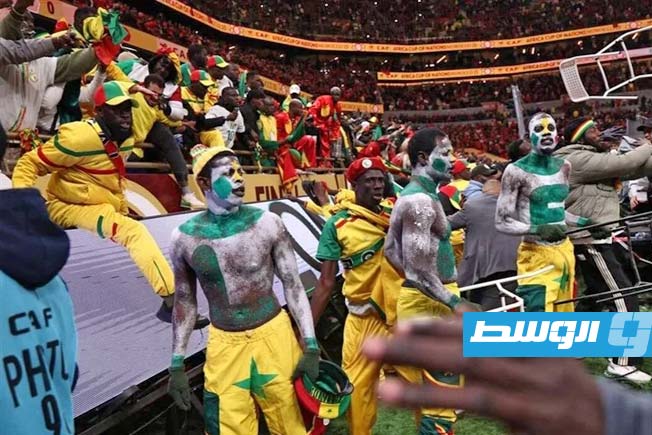
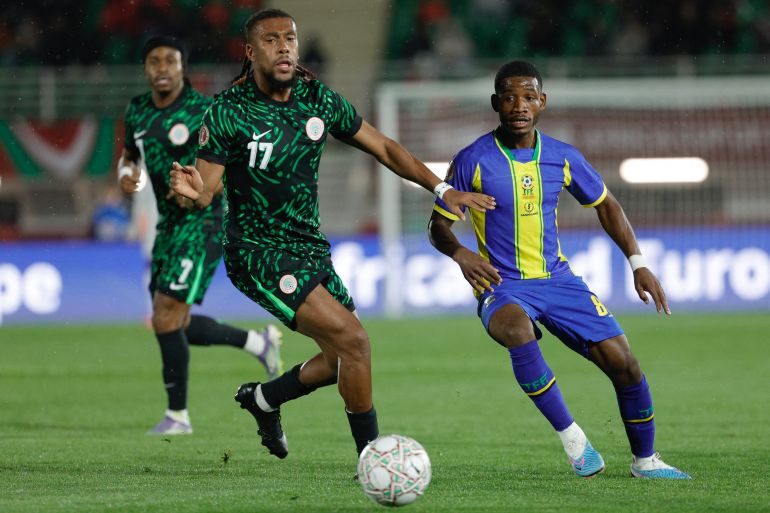
The team began its journey in the 2025 Africa Cup of Nations with a 3-1 victory over Uganda in the first round of Group Three, then lost 2-3 to Nigeria in the second round, and concluded its matches in the group stage with a 1-1 draw against Tanzania. This secured advancement to the knockout stages after finishing second in the group standings with 4 points, 5 points behind the leading Nigerian team.
It is worth noting that the team won the tournament title only once, when it hosted the competition on its home soil in 2004.
Tunisian Football Federation
The Tunisian Football Federation (FTF) was founded in 1957, shortly after the country’s independence, to govern and develop football nationally. It is best known for organizing domestic competitions and overseeing the Tunisia national team, which has qualified for multiple FIFA World Cups.
Africa Cup of Nations
The Africa Cup of Nations (AFCON) is the premier international men’s football competition in Africa, first contested in 1957. It was founded to unite African nations through sport and has grown from three initial participants to a major tournament featuring 24 national teams.
World Cup
The FIFA World Cup is an international football tournament first held in 1930 in Uruguay. It is organized by FIFA and takes place every four years, bringing together national teams from around the globe to compete for the sport’s most prestigious trophy.
United States
The United States is a federal republic founded in 1776 after declaring independence from Great Britain, with its modern government established by the Constitution in 1789. Its history is marked by westward expansion, industrialization, and its emergence as a global superpower in the 20th century. The nation is defined by its diverse cultural heritage, shaped by immigration and the complex legacy of its indigenous peoples and the institution of slavery.
Canada
Canada is a country in North America formed through the union of British and French colonial territories, becoming a self-governing dominion in 1867. It is known for its vast natural landscapes, multicultural society, and a historical development deeply influenced by Indigenous peoples, colonization, and subsequent waves of immigration.
Mexico
Mexico, officially the United Mexican States, is a country with a rich history spanning from advanced pre-Columbian civilizations like the Maya and Aztec to Spanish colonization in the 16th century, which led to its independence in 1821. It is renowned globally for its vibrant cultural heritage, including UNESCO sites like ancient Teotihuacán and colonial cities, alongside traditions in cuisine, music, and art.
Netherlands
The Netherlands, historically known as Holland, is a country in Northwestern Europe whose modern history is deeply shaped by its centuries-long struggle against the sea, leading to extensive land reclamation. It emerged as a major commercial and naval power in the 17th century, a period known as the Dutch Golden Age, and today is renowned for its liberal policies, artistic heritage, and iconic windmills, canals, and tulip fields.
Japan
Japan is an island nation in East Asia with a history spanning over two millennia, evolving from ancient imperial rule to a modern constitutional monarchy. Its rich cultural heritage includes traditions such as Shinto, Buddhism, and the samurai code, alongside globally influential contributions in art, technology, and cuisine.
Sweden
Sweden is a Nordic country with a rich history as a regional power during the 17th-century Swedish Empire. It is known for its Viking heritage, constitutional monarchy, and modern reputation for innovation, social welfare, and neutrality. Key cultural sites include the Vasa Museum in Stockholm and the ancient burial grounds at Gamla Uppsala.
Ukraine
Ukraine is a country in Eastern Europe with a history dating back to the medieval state of Kyivan Rus, which is considered a foundational predecessor for both Ukraine and Russia. It has faced centuries of foreign rule and conflict, most recently including Russia’s full-scale invasion in 2022, while striving to preserve its distinct language and cultural identity.
Poland
Poland is a Central European country with a rich and complex history, marked by its establishment as a kingdom in 1025, a period of partition among neighboring empires in the late 18th century, and its re-emergence as an independent republic in 1918. Culturally, it is renowned for its medieval architecture, such as the historic center of Kraków, and as the birthplace of figures like composer Frédéric Chopin and scientist Marie Curie.
Albania
Albania is a country in Southeastern Europe with a rich history dating back to ancient Illyrian tribes, followed by Roman and Byzantine rule, centuries under the Ottoman Empire, and a period of communist isolation in the 20th century before its contemporary transition to democracy. Its cultural sites include well-preserved Ottoman towns like Gjirokastër, ancient ruins such as Butrint (a UNESCO World Heritage Site), and scenic Adriatic and Ionian coastlines.
Uganda
Uganda is a landlocked East African nation known for its diverse landscapes, including Lake Victoria and the Rwenzori Mountains. Historically, it was home to several kingdoms like Buganda before becoming a British protectorate in the late 19th century, gaining independence in 1962. Its rich culture is shaped by numerous ethnic groups and a complex modern history.
Nigeria
Nigeria is a West African country with a rich history shaped by ancient kingdoms like the Nri and Benin, followed by colonization by the British Empire before gaining independence in 1960. It is Africa’s most populous nation and is renowned for its diverse cultures, vibrant arts, and significant economic influence on the continent.
Tanzania
Tanzania is an East African nation home to significant cultural and natural sites, most notably the island of Zanzibar with its historic Stone Town—a UNESCO World Heritage site reflecting Swahili coastal trade culture—and the Serengeti plains, inhabited by humans for millions of years. The mainland, formerly Tanganyika, merged with Zanzibar in 1964 after gaining independence from British colonial rule.