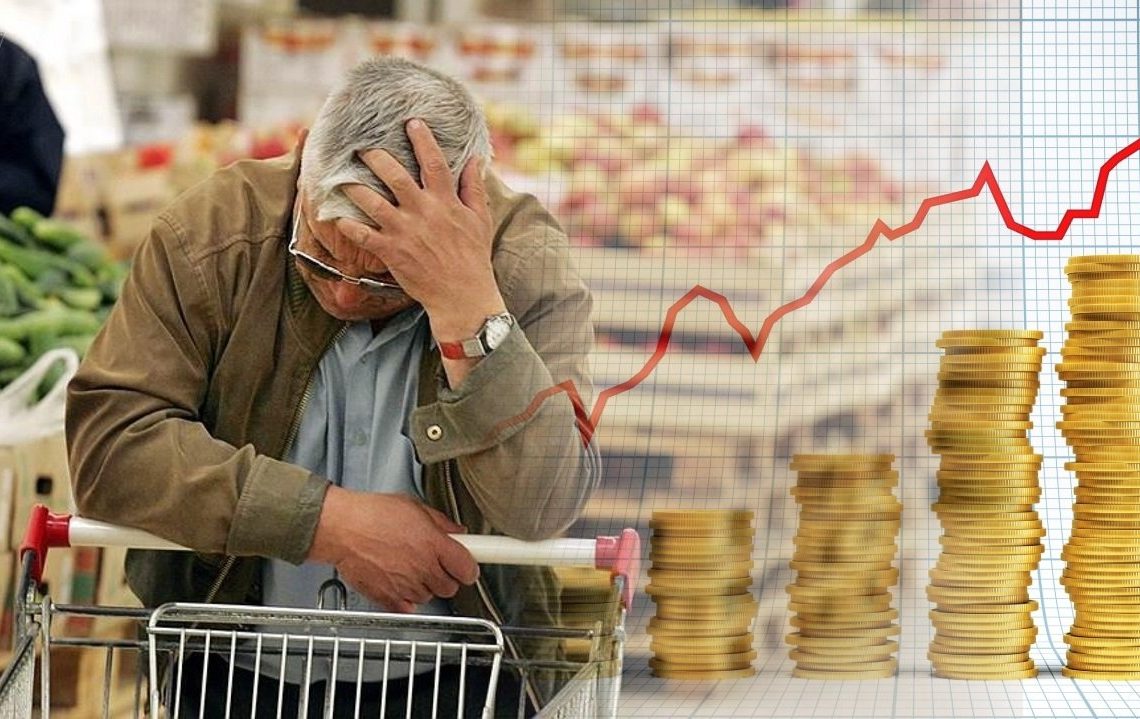
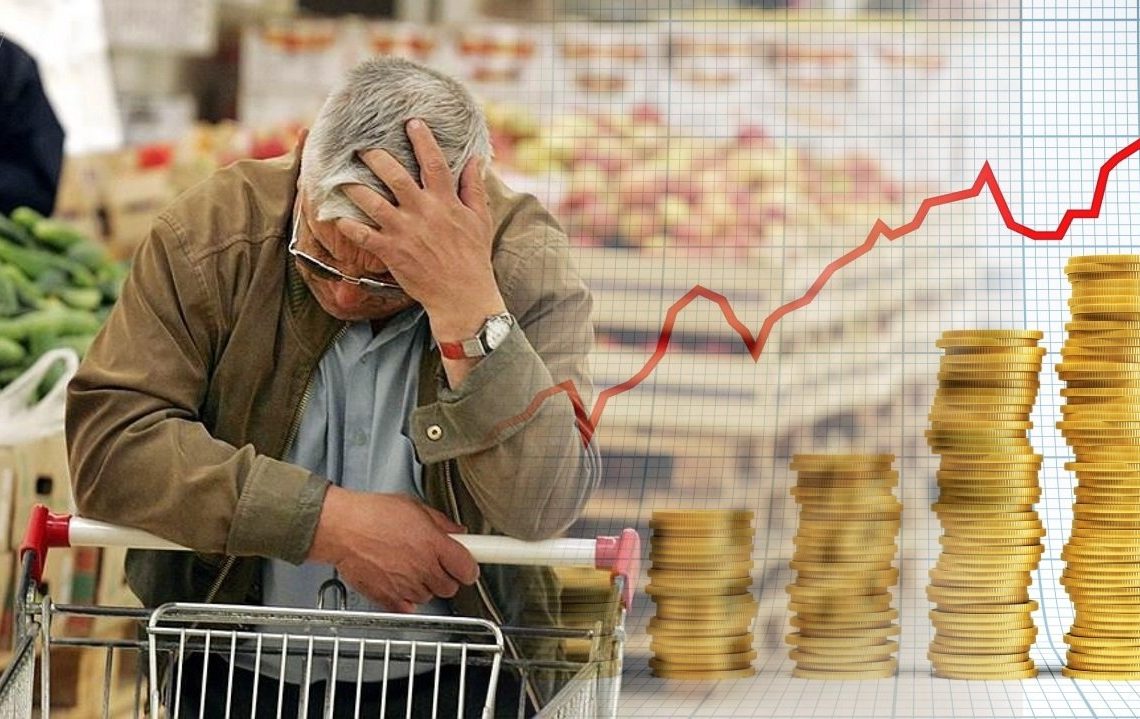
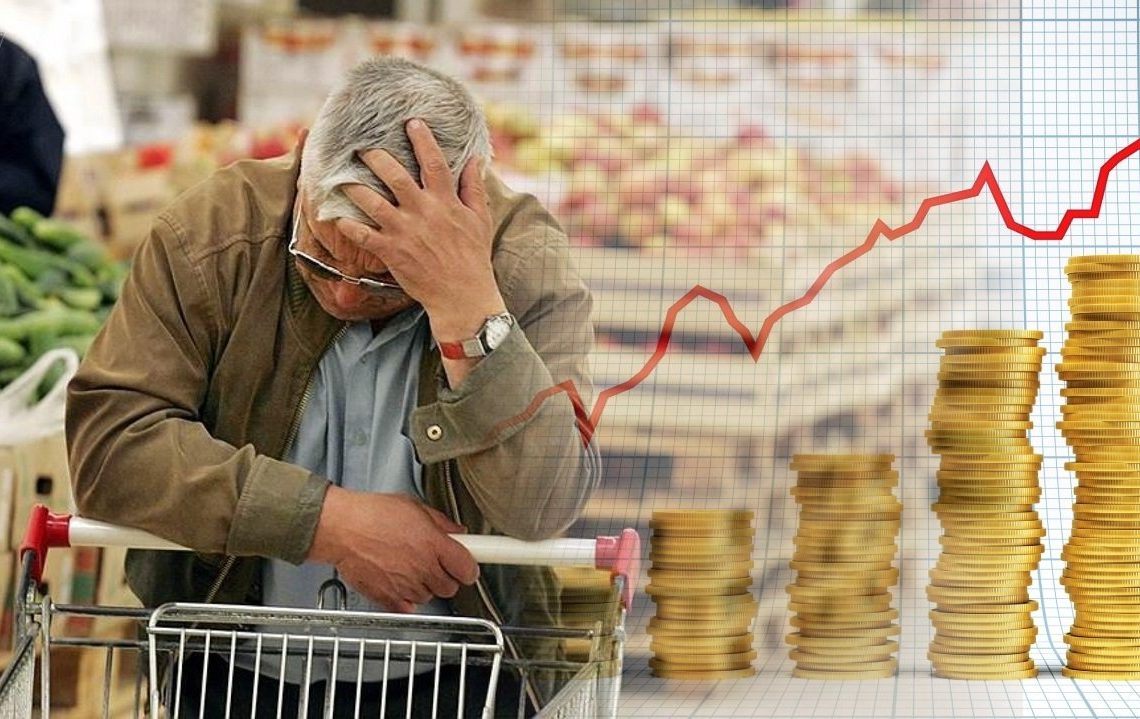
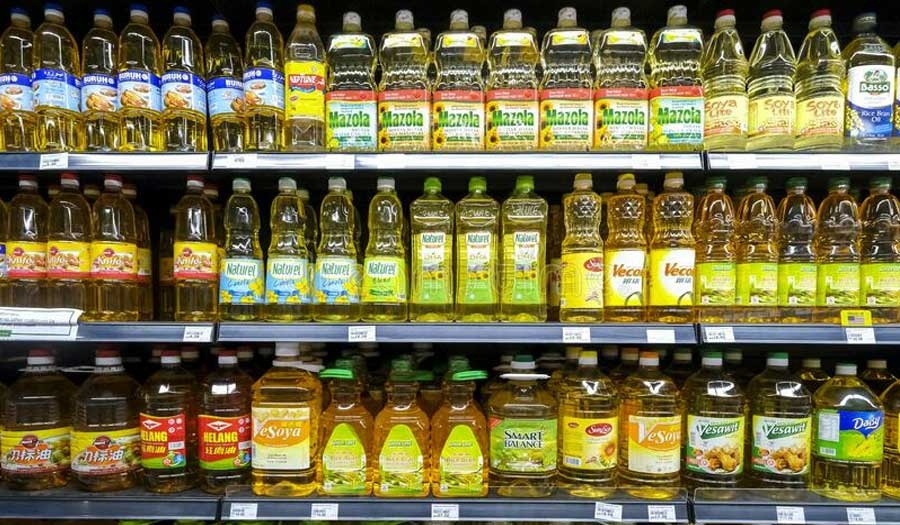
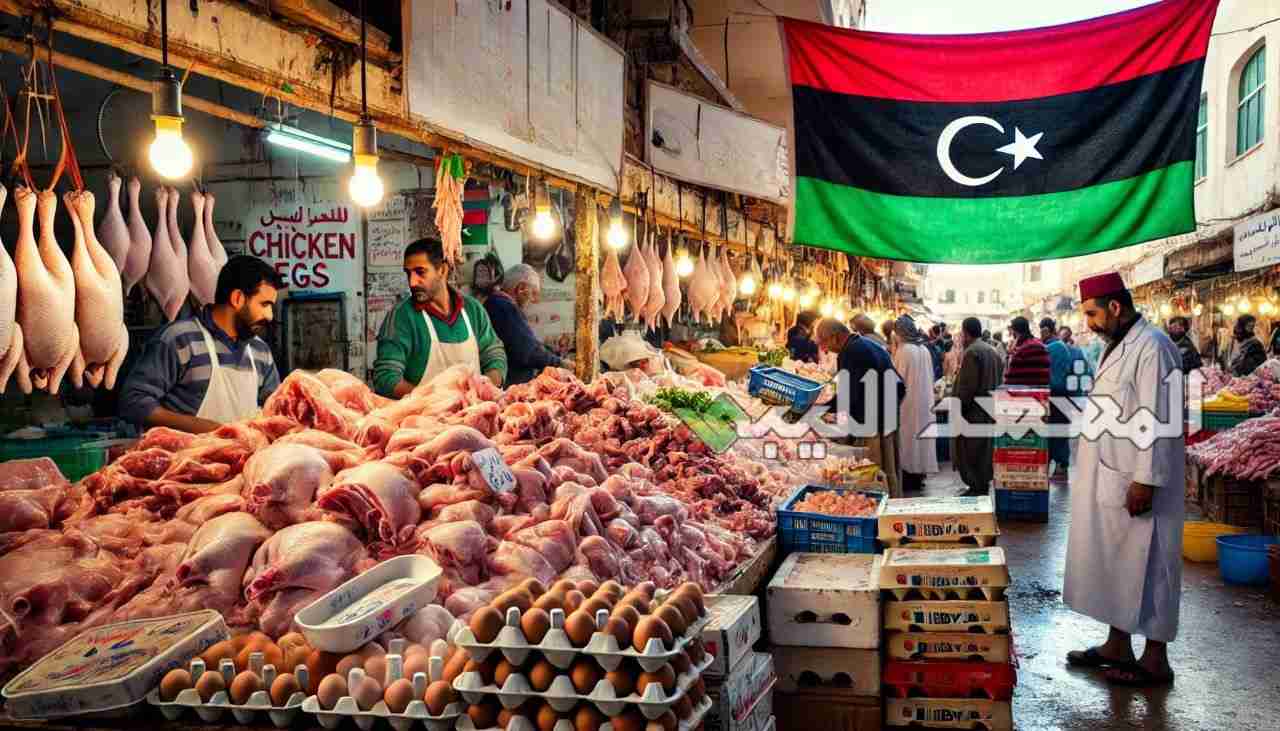
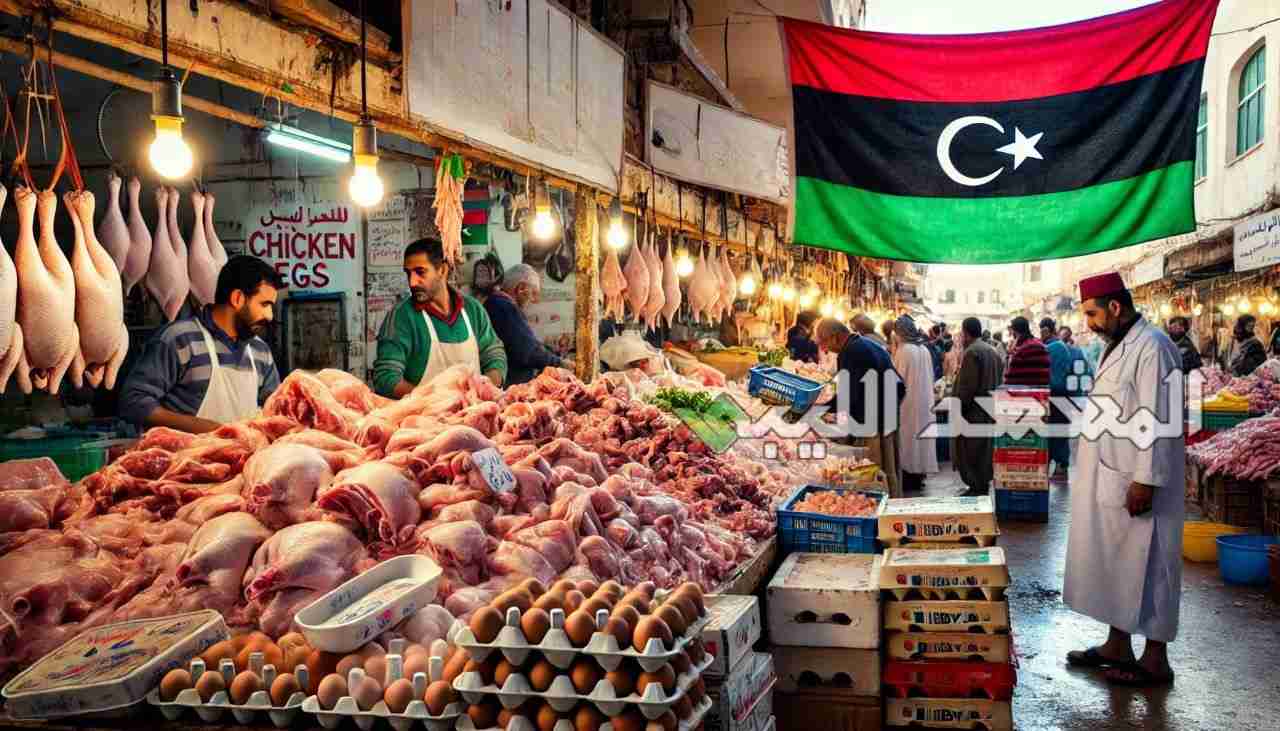
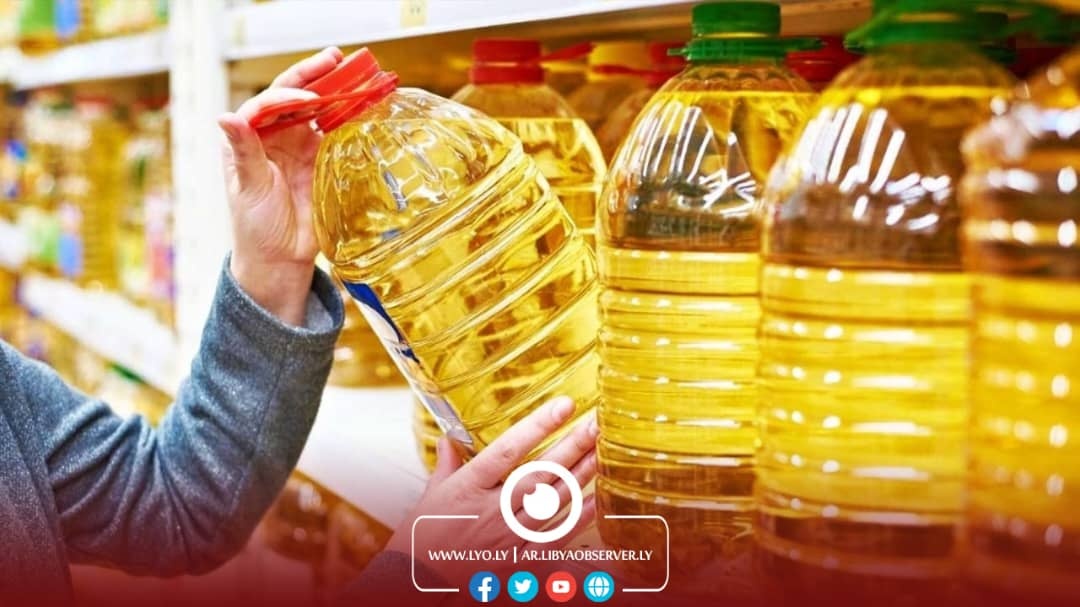
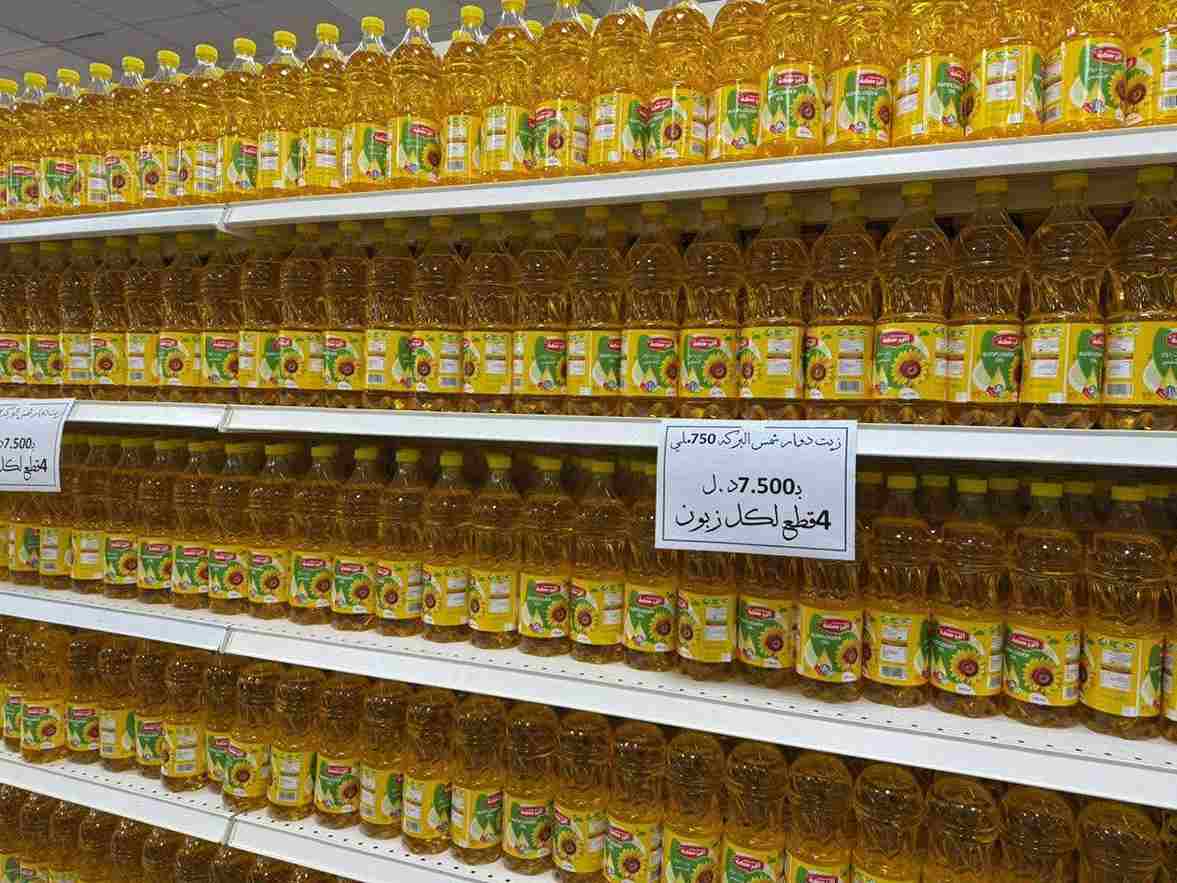
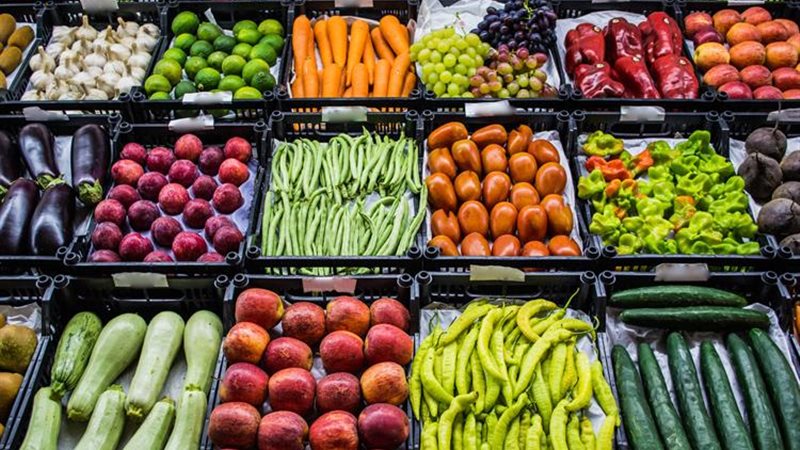
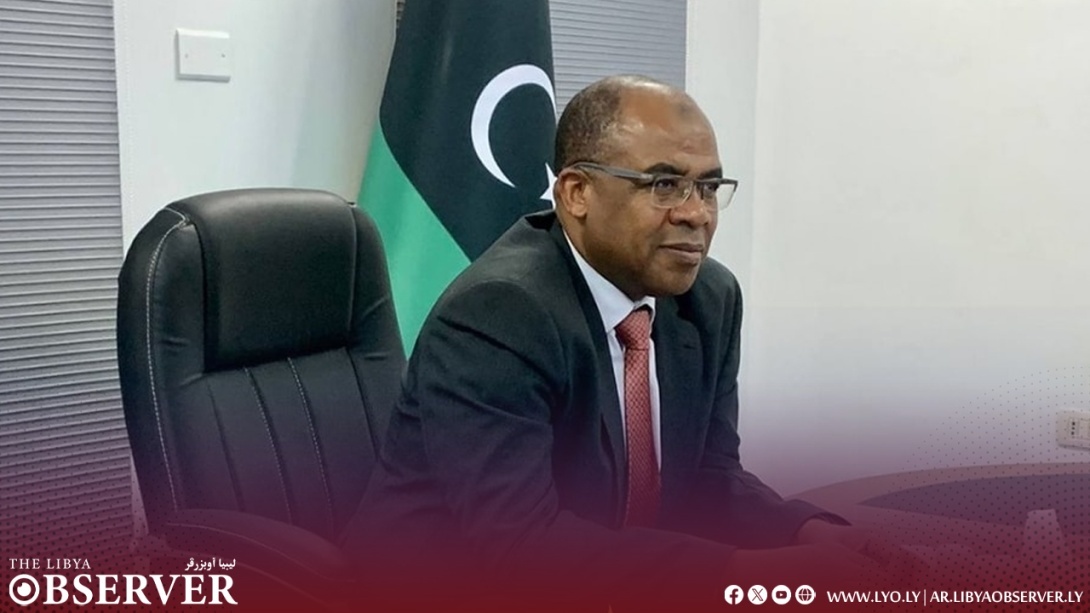
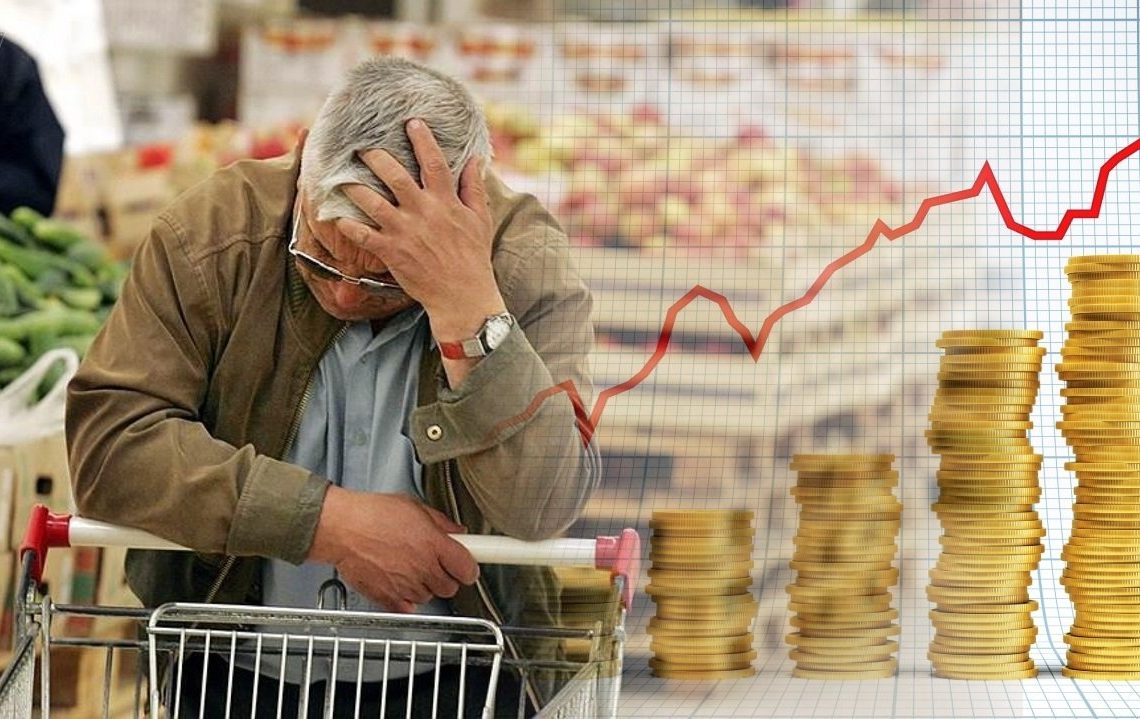
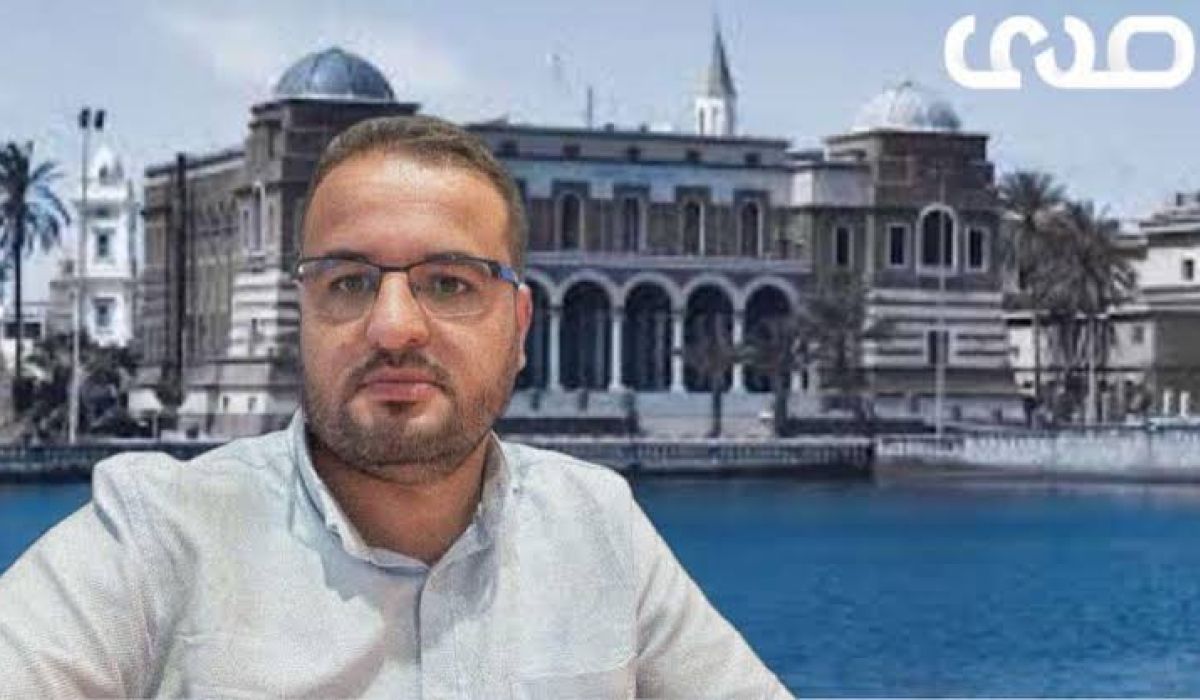
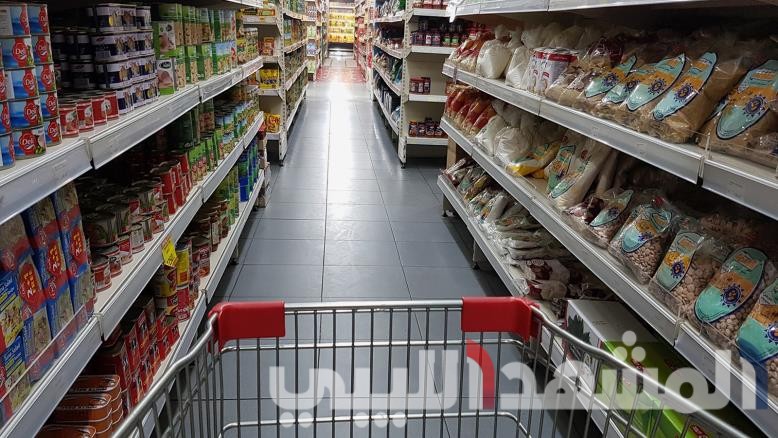
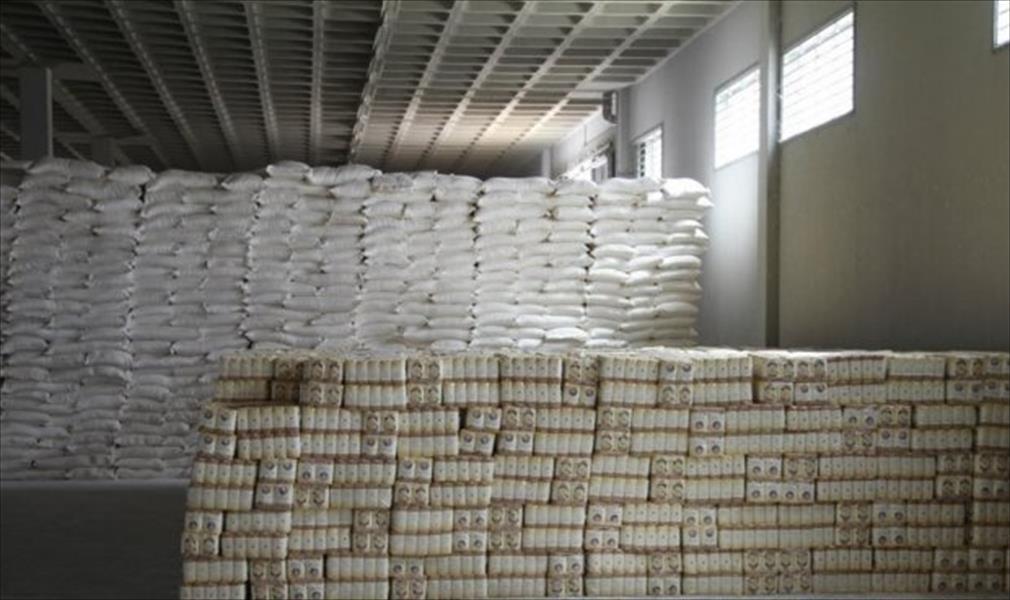
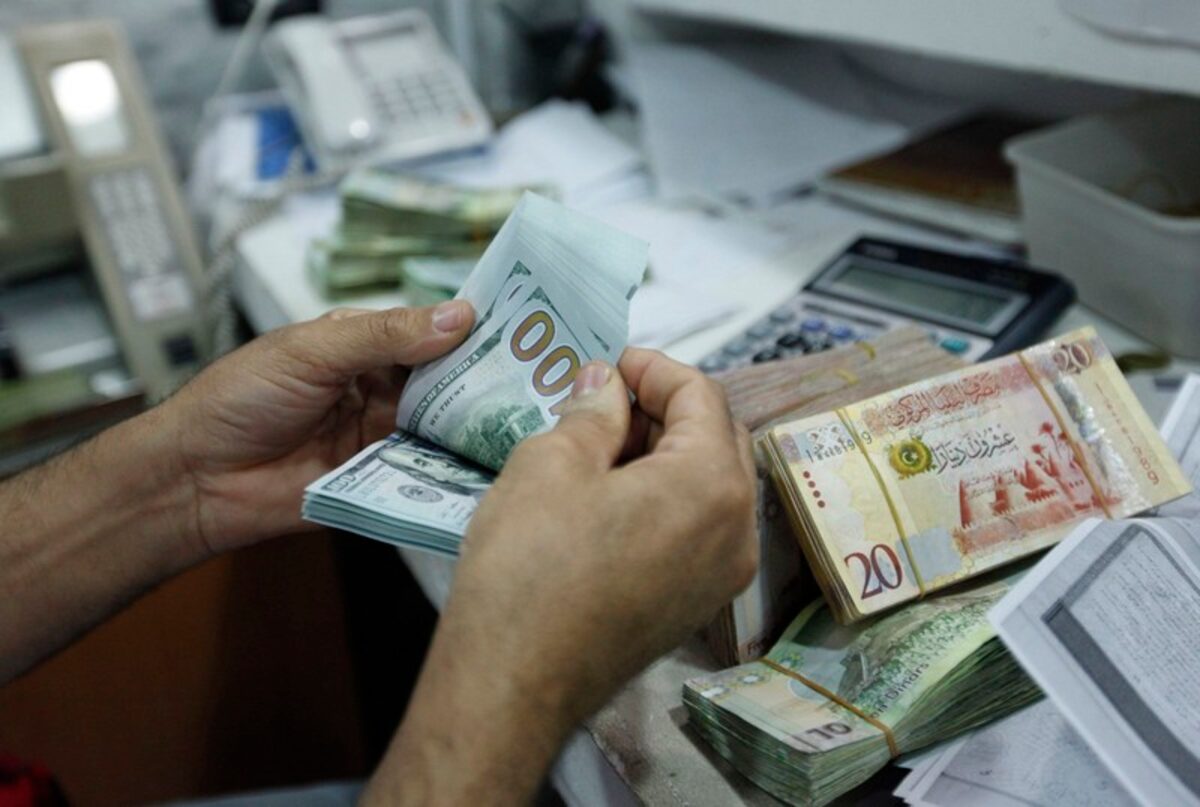
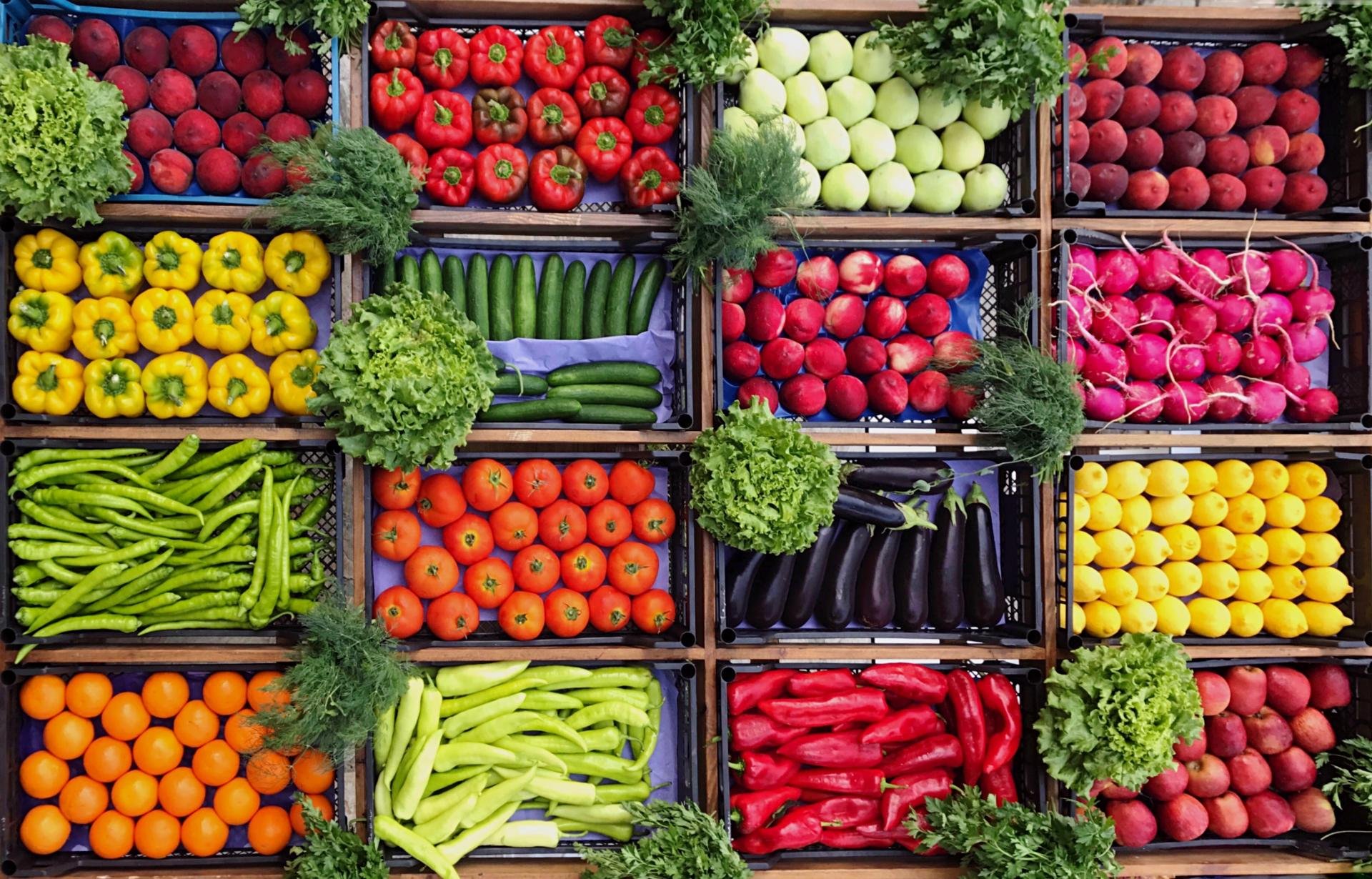
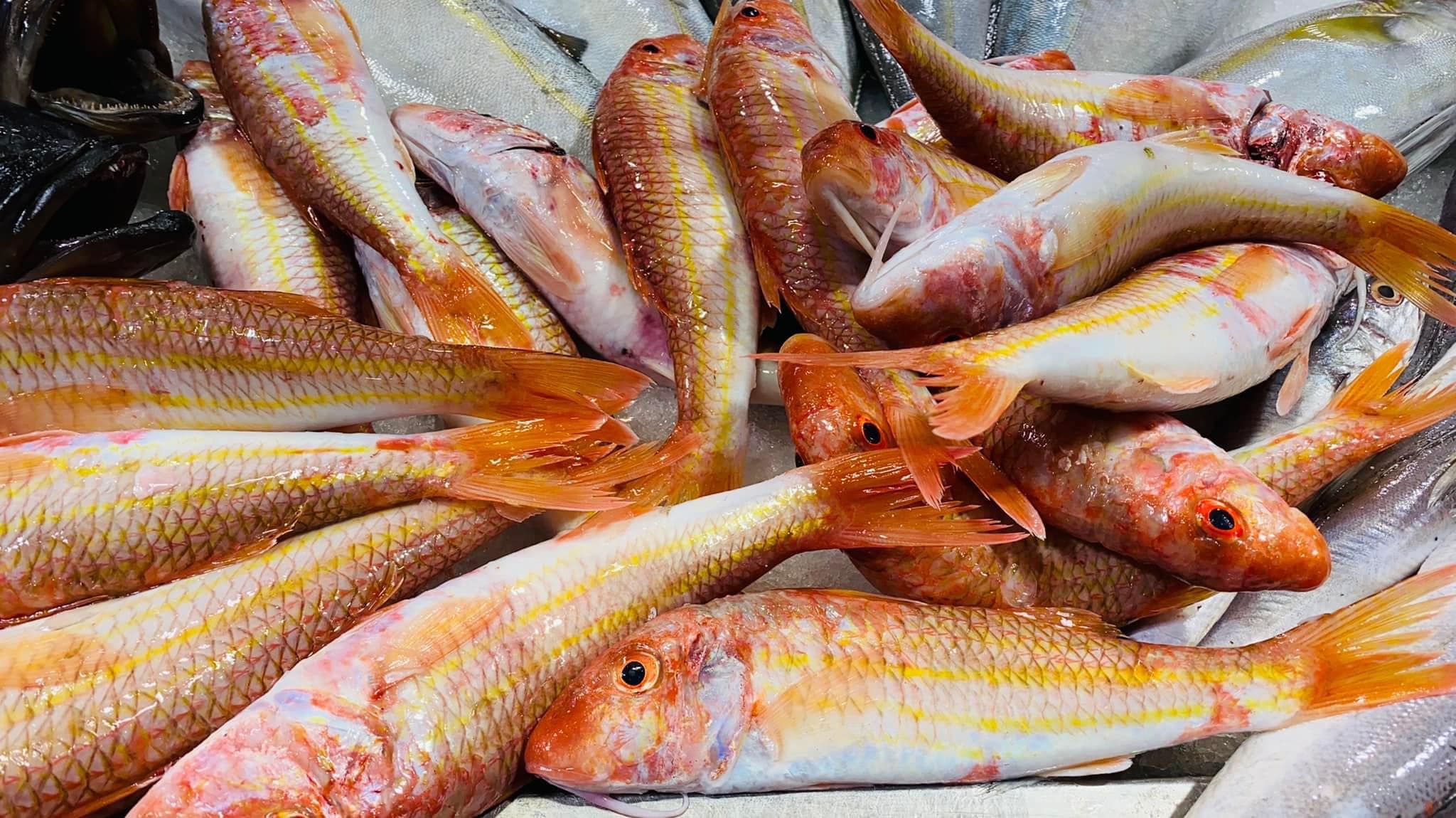
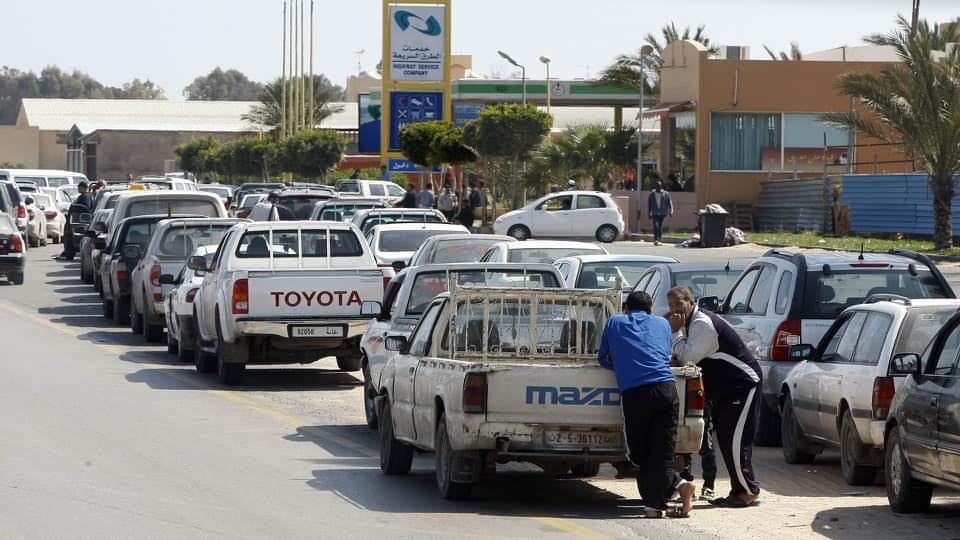
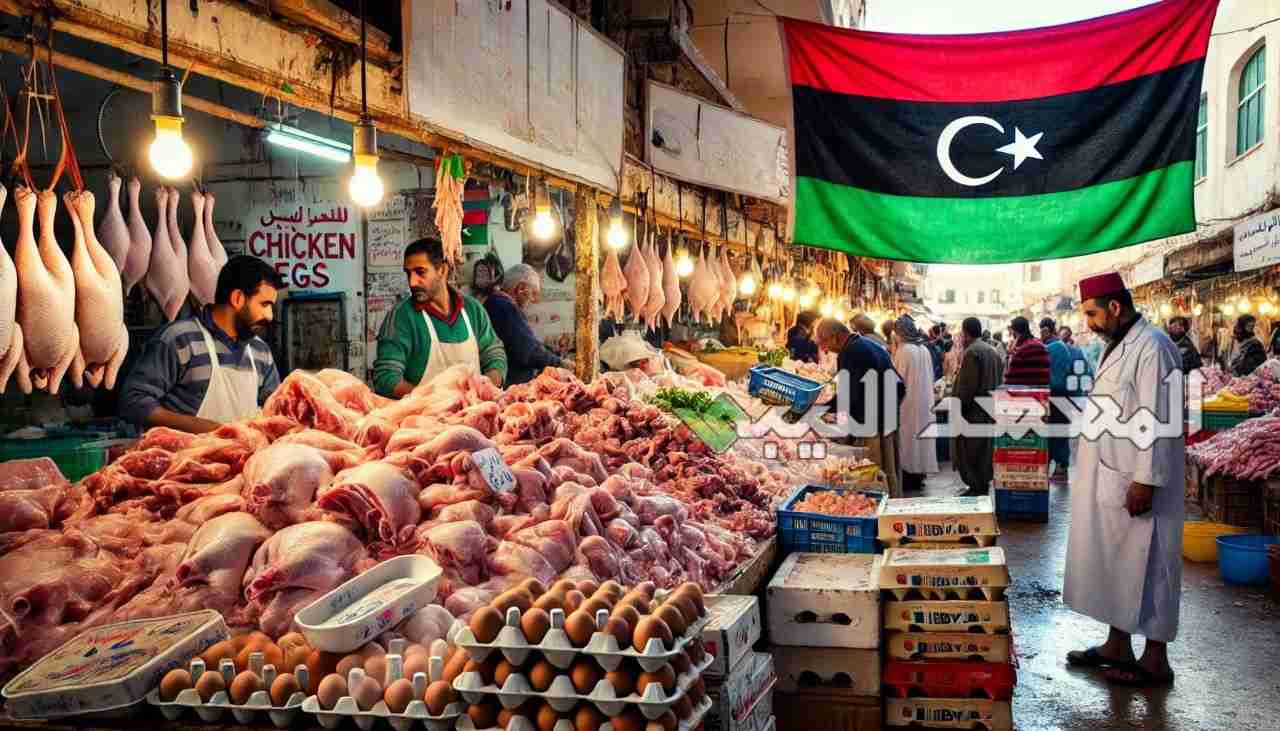
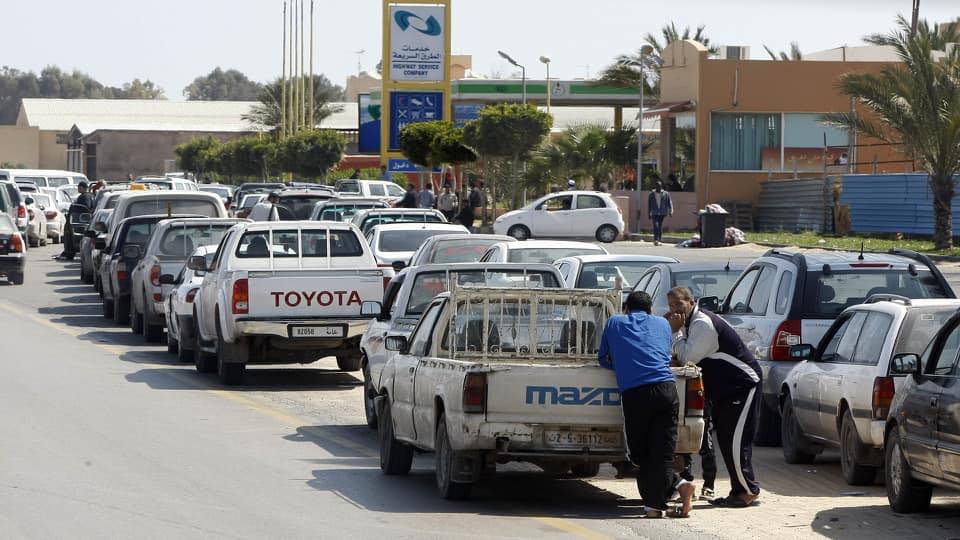
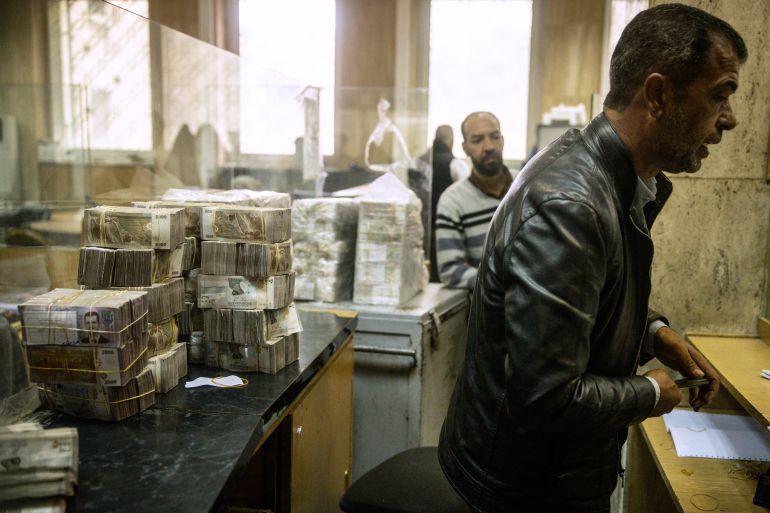
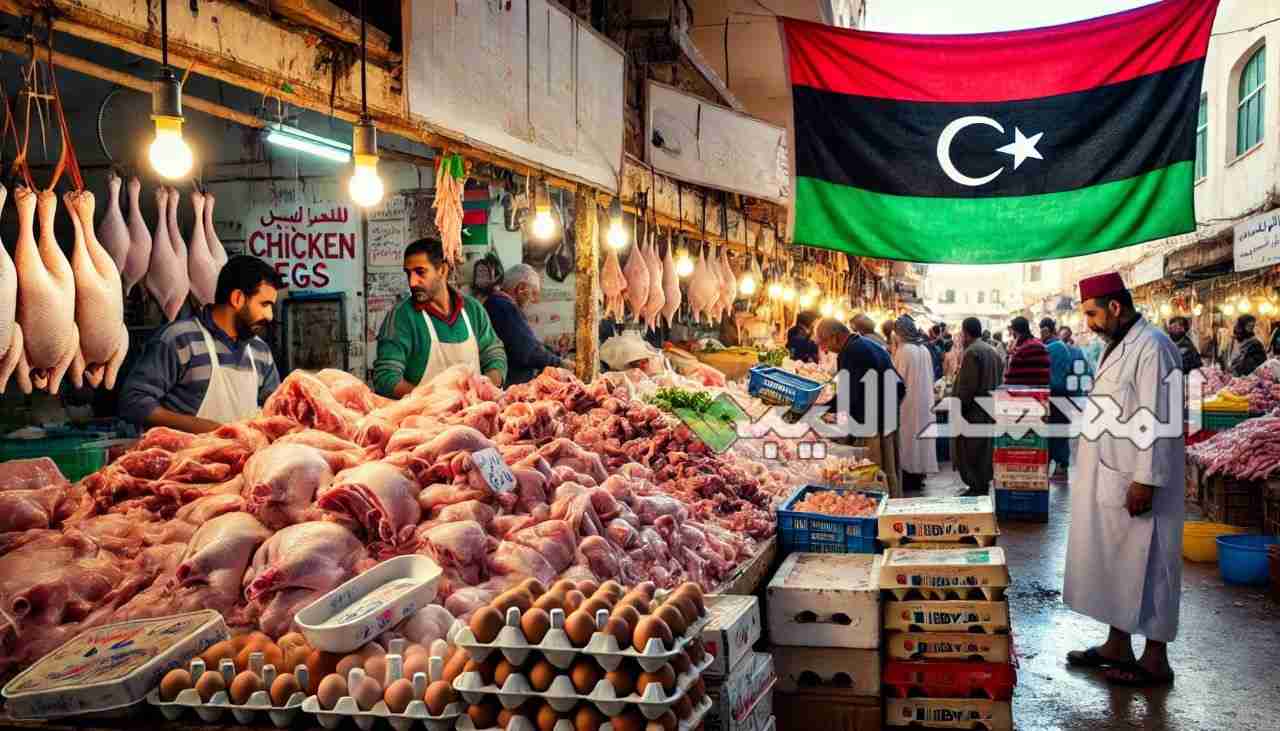
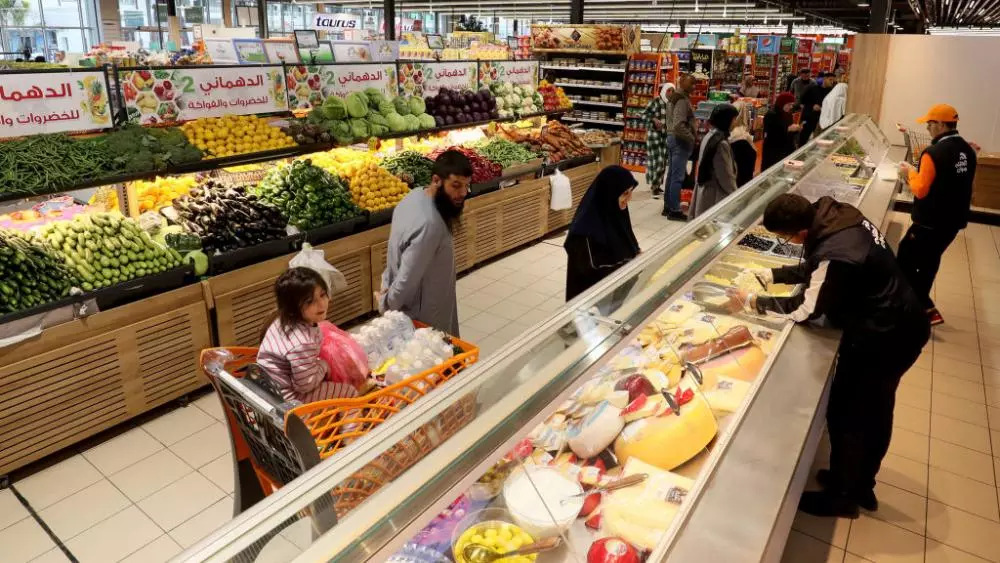
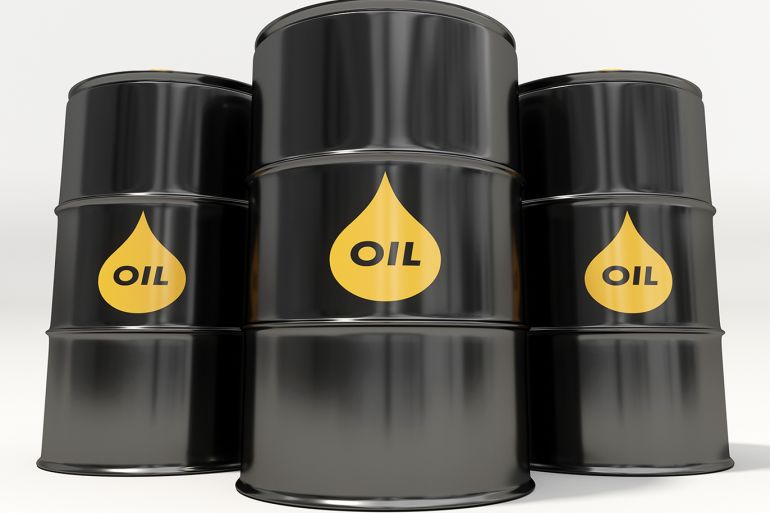
Tripoli – The economic analyst considered that the goods market in Libya is still governed by chaos and a lack of oversight, following the return of cooking oil to the markets in large quantities after its sudden disappearance in recent days.
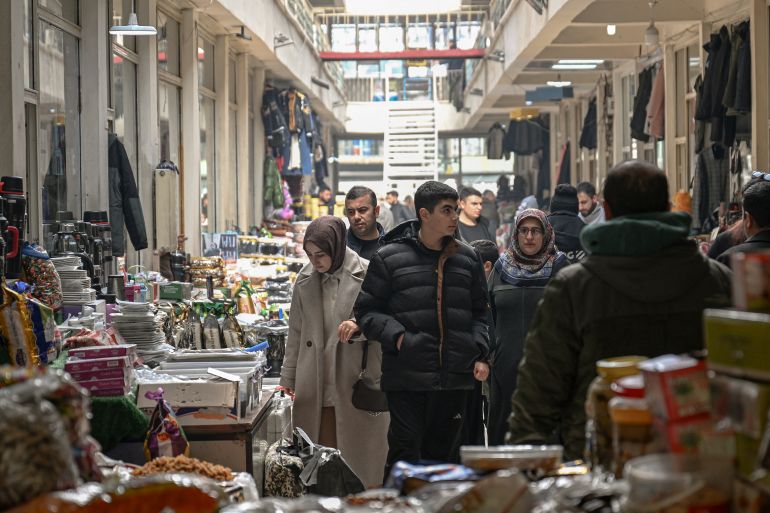
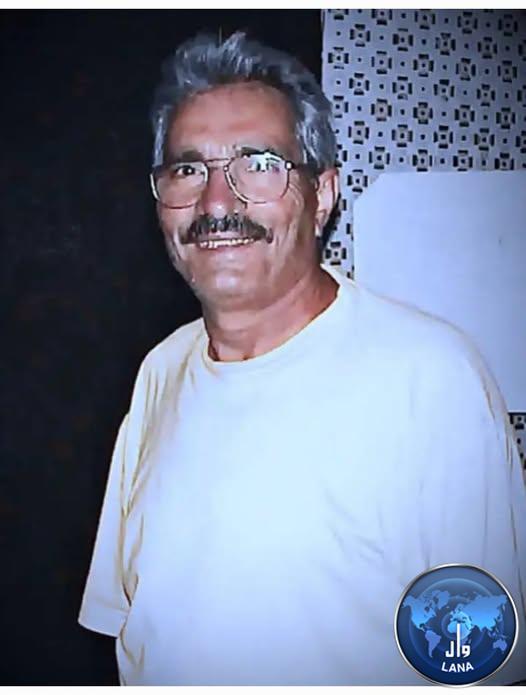
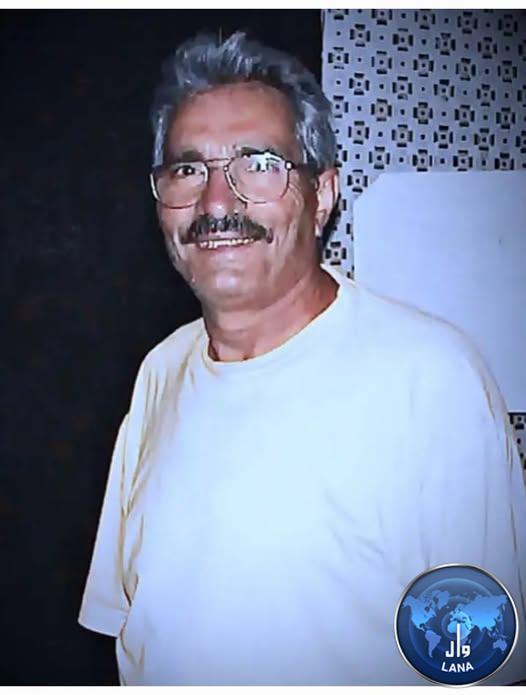
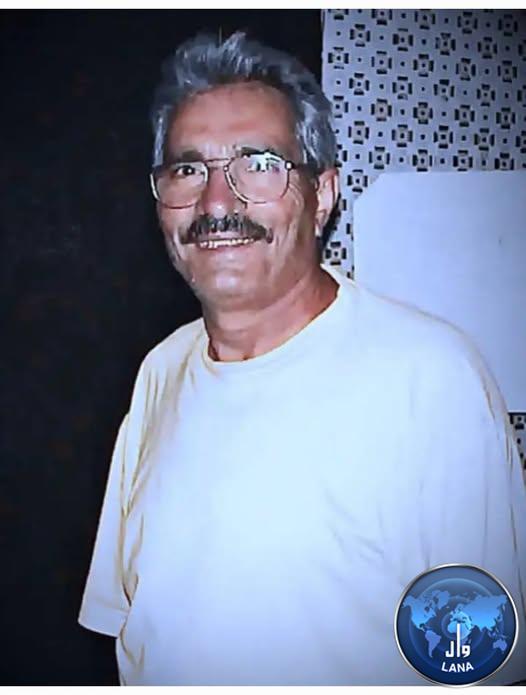
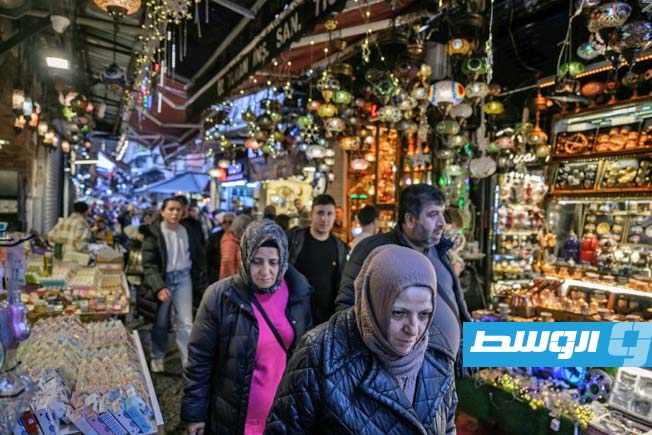
He stated, in a comment published on his pages, that the renewed availability of oil in the Al-Karimah market suggests the crisis was merely a short-lived opportunity for speculators. He questioned the role of the Ministry of Economy during the shortage period and the measures that should have been taken to protect consumers while citizens searched in vain for a bottle of oil.
He added that the persistence of these practices reflects a reality where markets are managed according to the popular saying “the cheat overcomes the guard,” referring to the superiority of speculators over oversight bodies. He emphasized that the absence of real follow-up opens the door for the repetition of such crises.
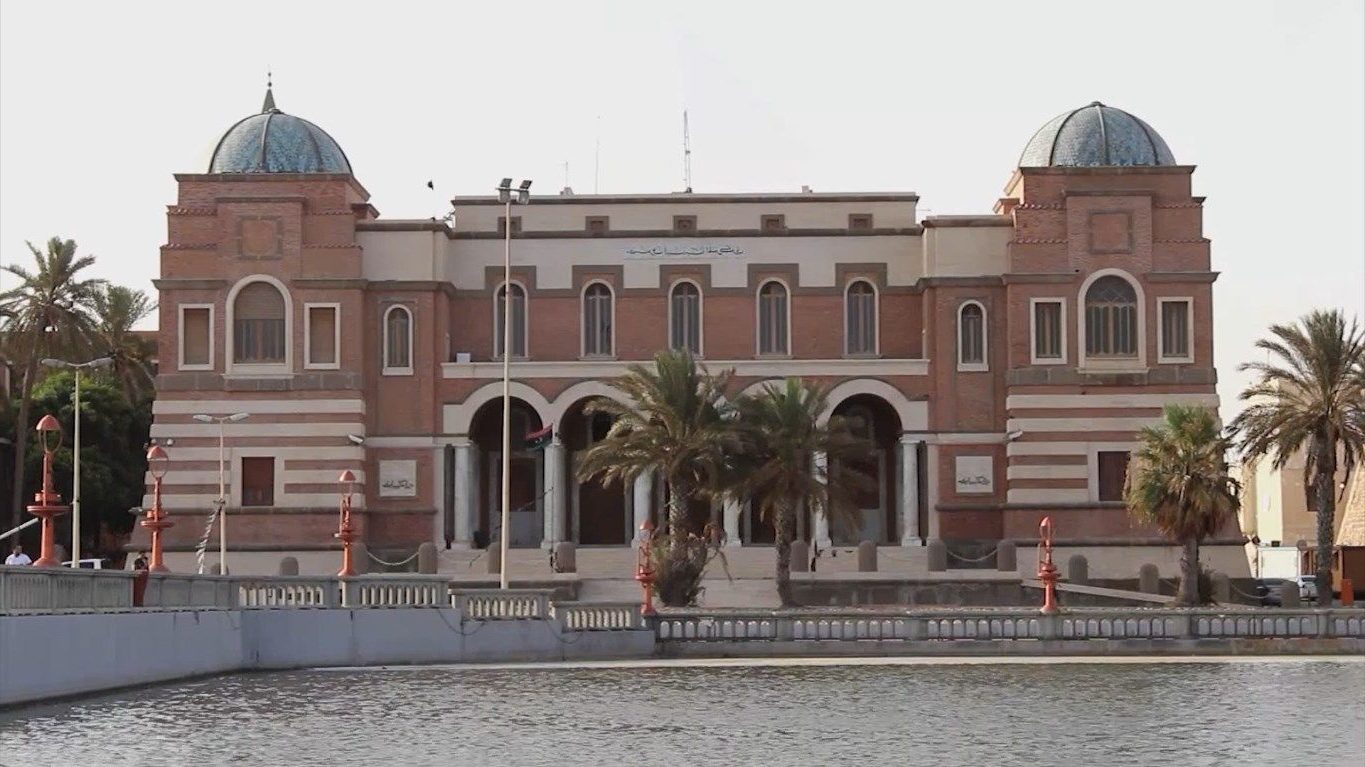
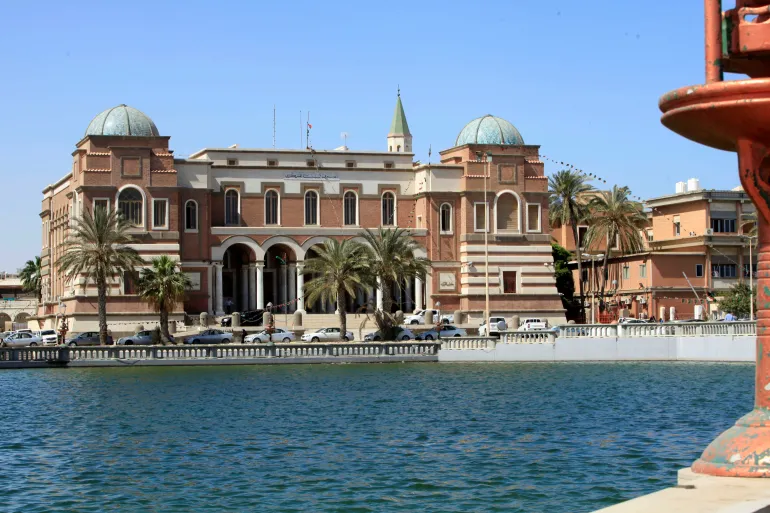
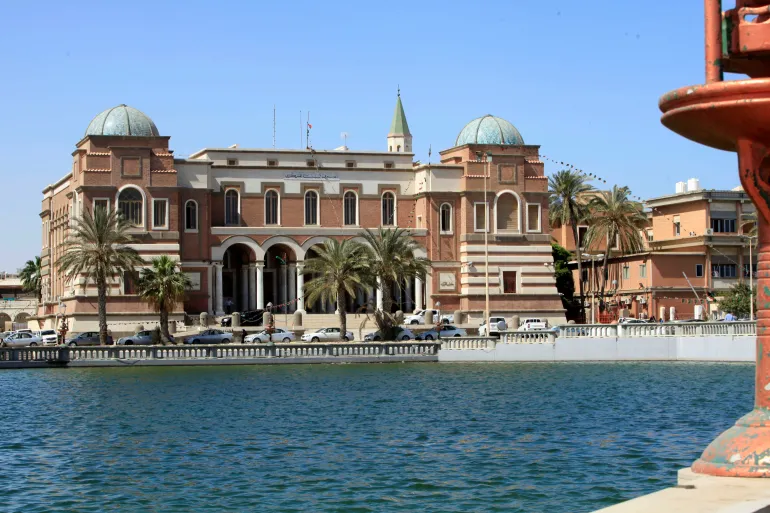
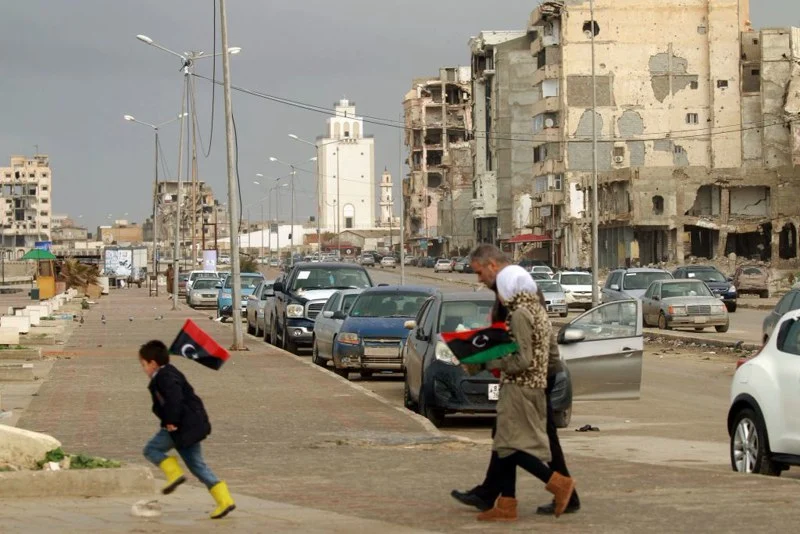
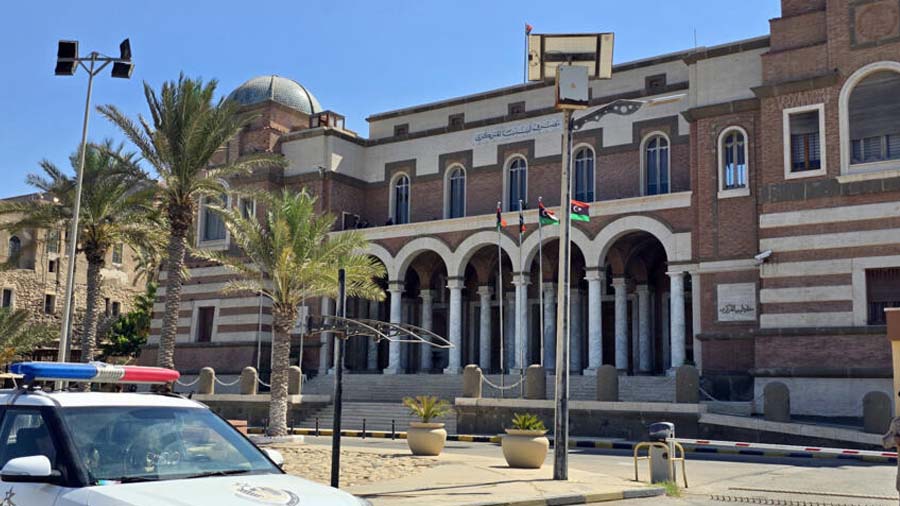
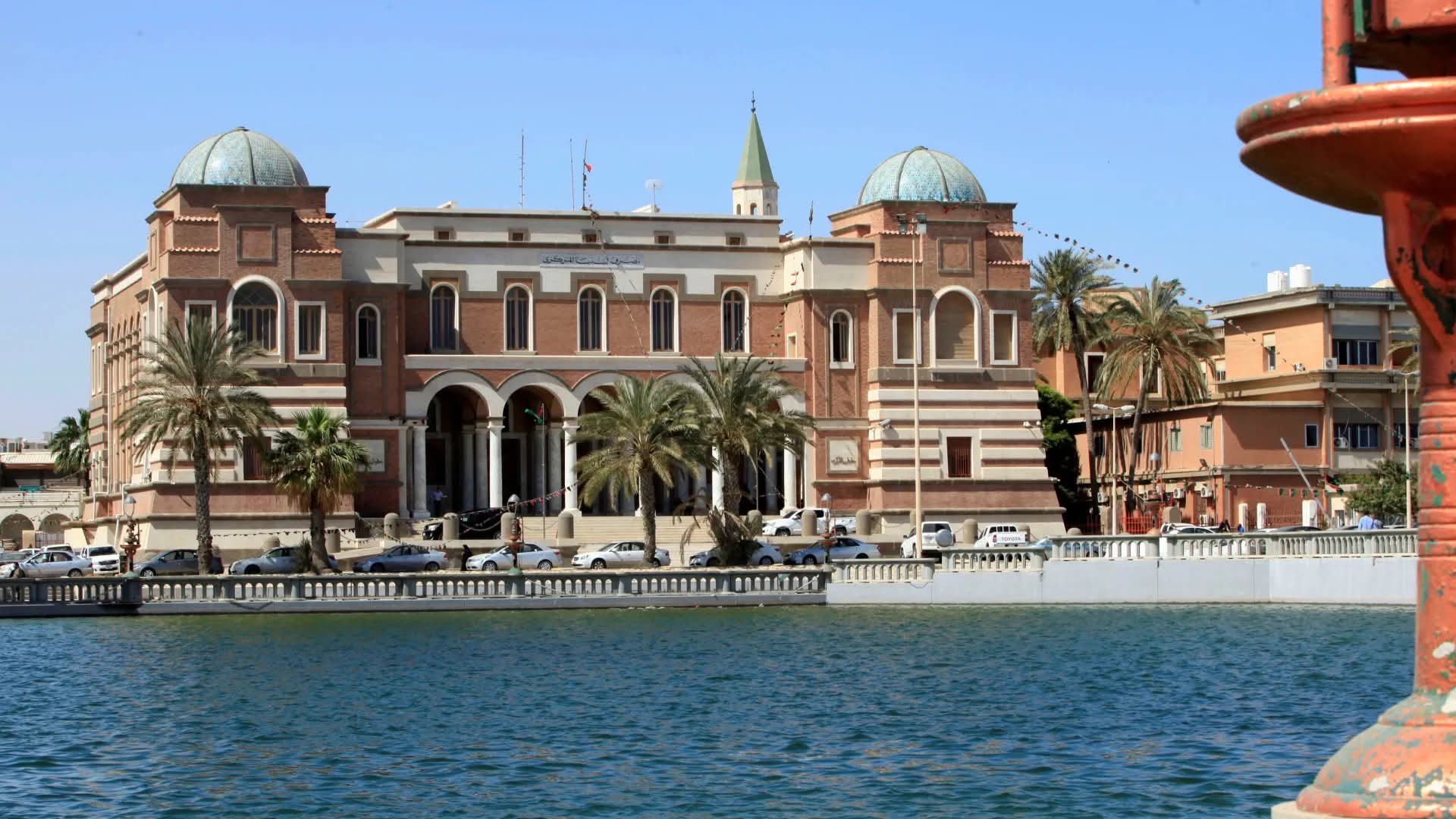
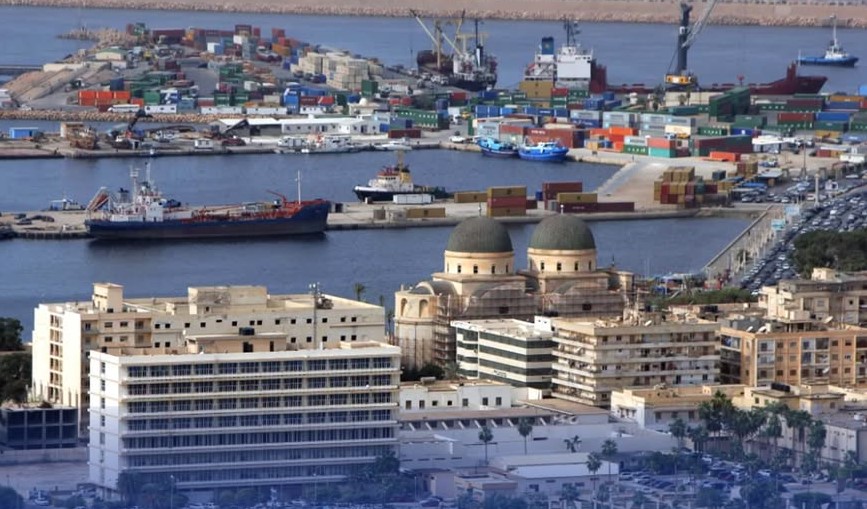
Tripoli
Tripoli is the capital and largest city of Libya, with a history dating back to the 7th century BC when it was founded by the Phoenicians. It later became a significant Roman city and a major center under various empires, including the Ottoman, before becoming Libya’s modern capital. The city’s historic core, the medina, features well-preserved examples of its diverse architectural and cultural past.
Libya
Libya is a North African country with a rich history rooted in ancient civilizations like the Phoenicians and Romans, followed by centuries of Arab and Ottoman influence. In the modern era, it was an Italian colony before gaining independence in 1951, later becoming known for Muammar Gaddafi’s lengthy rule from 1969 until the 2011 revolution. Its cultural sites include the well-preserved Roman ruins of Leptis Magna, a UNESCO World Heritage site.
Al-Karimah market
Al-Karimah market is a historic and bustling traditional marketplace located in the old city of Damascus, Syria. It has served as a major commercial and social hub for centuries, dating back to the Umayyad Caliphate, and is renowned for its long, covered alleys filled with shops selling textiles, spices, and handicrafts.