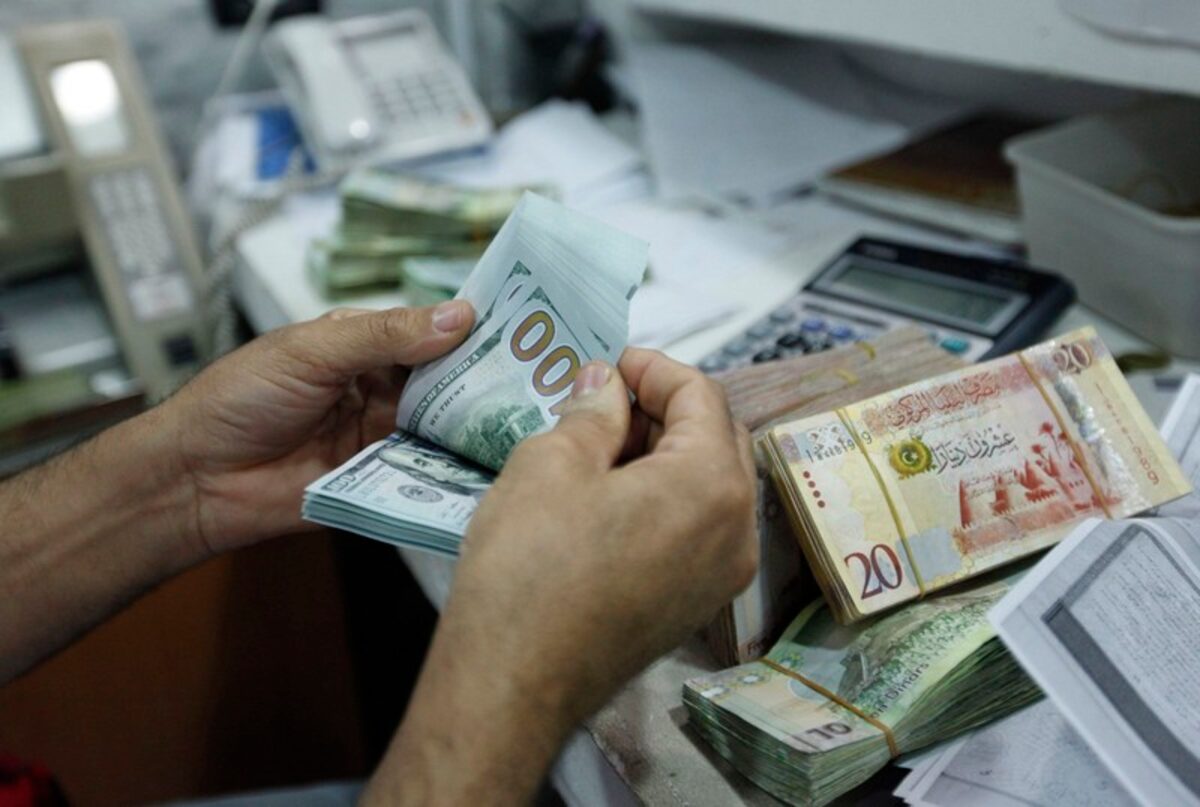
The Global Risks Report 2026 warns that the world economy is entering a phase of escalating geopolitical and economic risks, amid a continued slowdown in global growth and declining job growth expectations.
The report confirmed that mutual trade tensions between countries have become a pressing factor that complicates the global economic landscape.
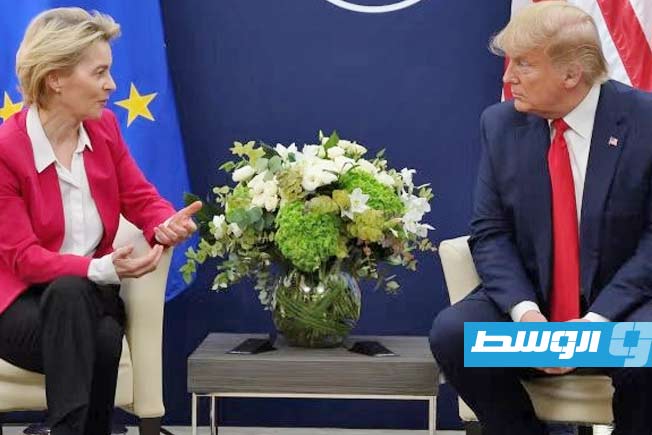
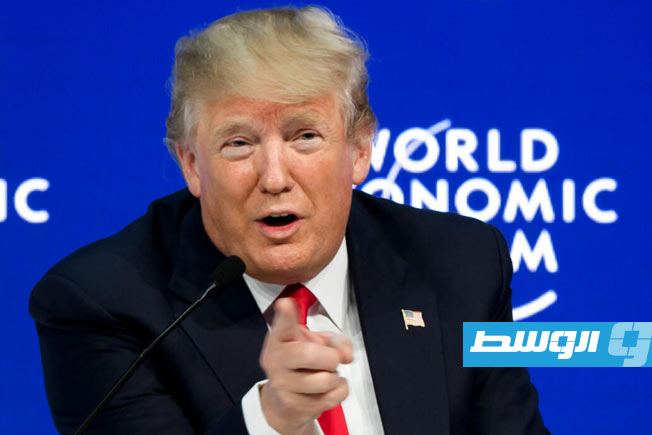
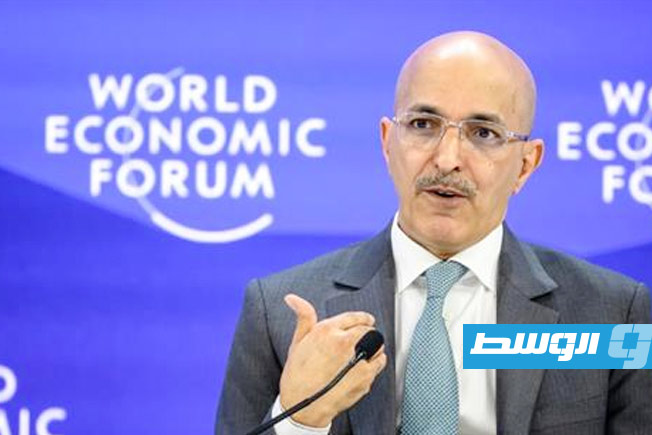
The report – released concurrently with the current session of the Davos Forum in Switzerland – is one of the most prominent foresight studies, as it is based on a survey of opinions from more than 1,300 global experts from various sectors, along with an analysis of economic, social, and political data.
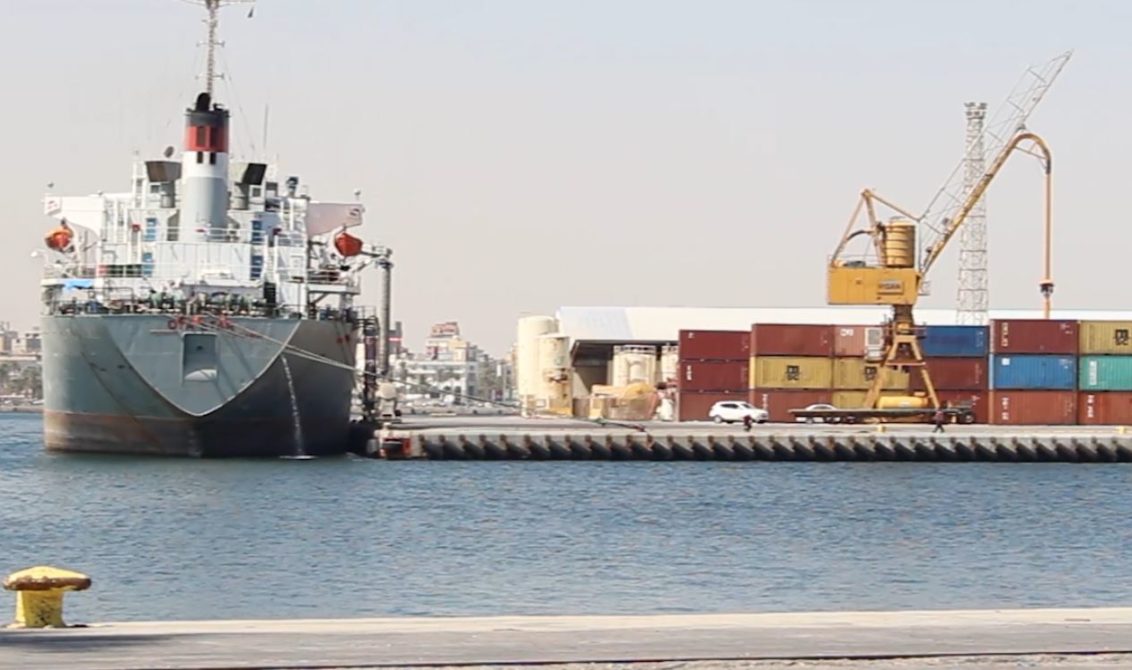
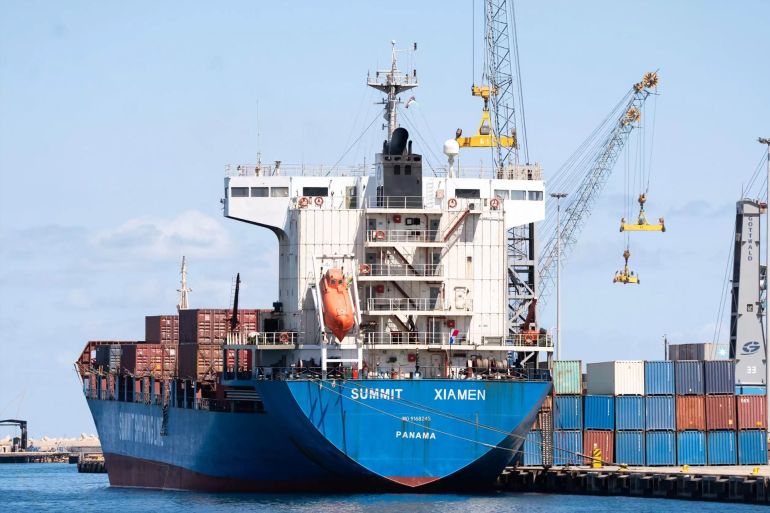
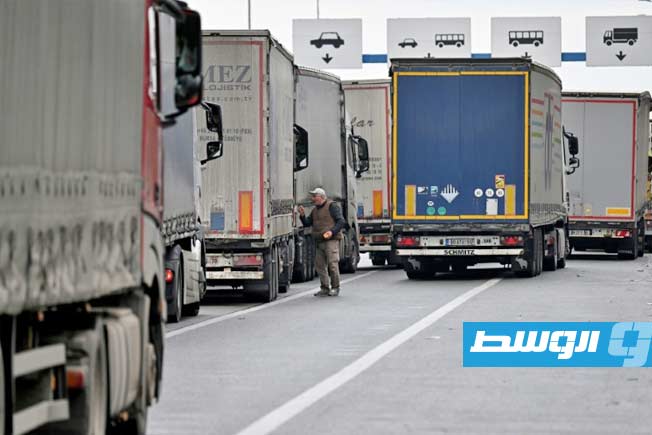
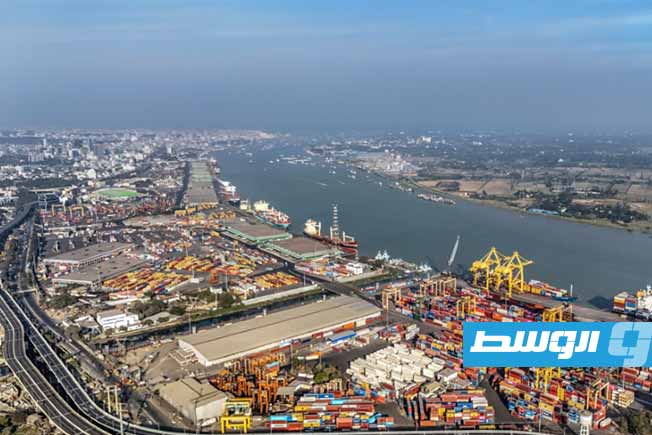
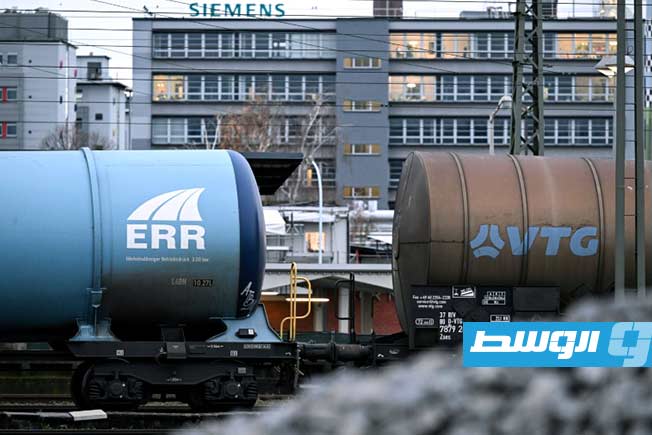
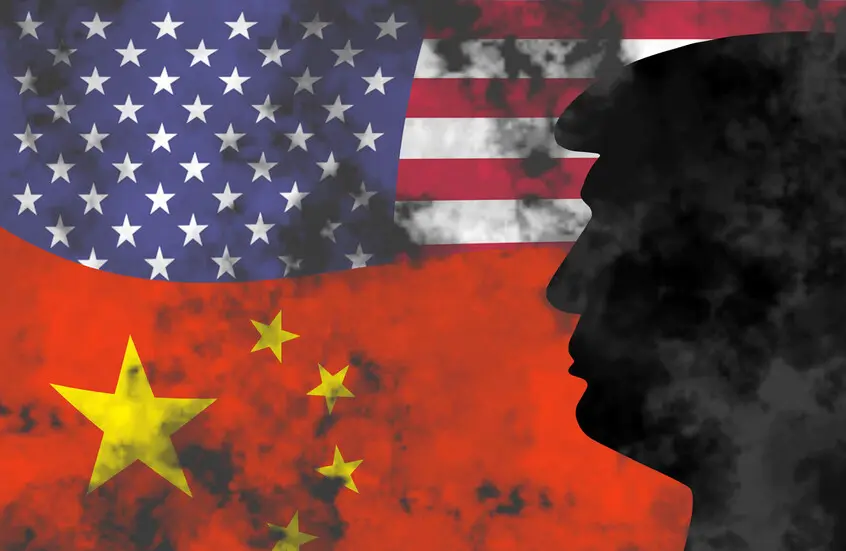
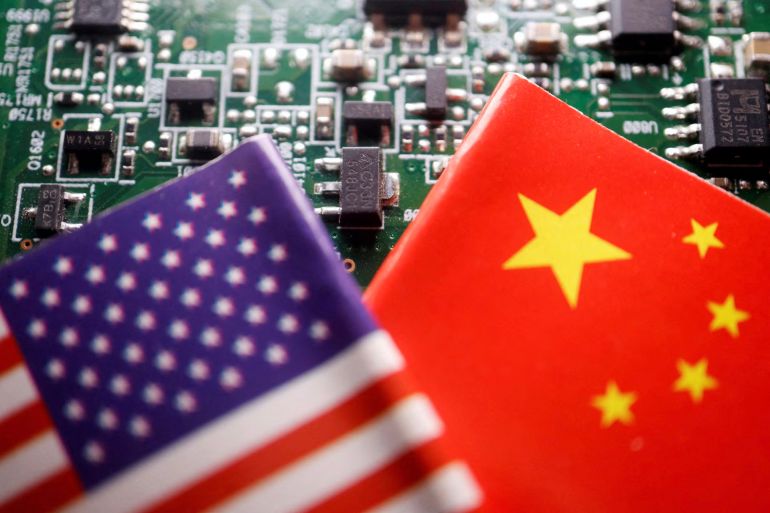
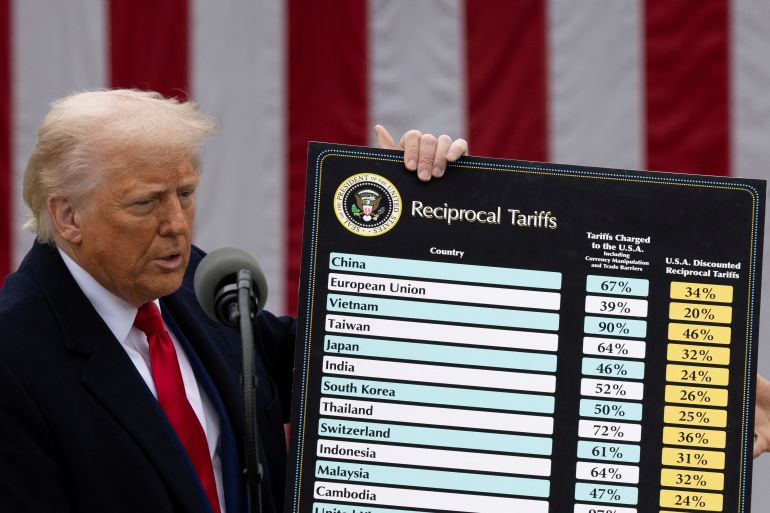
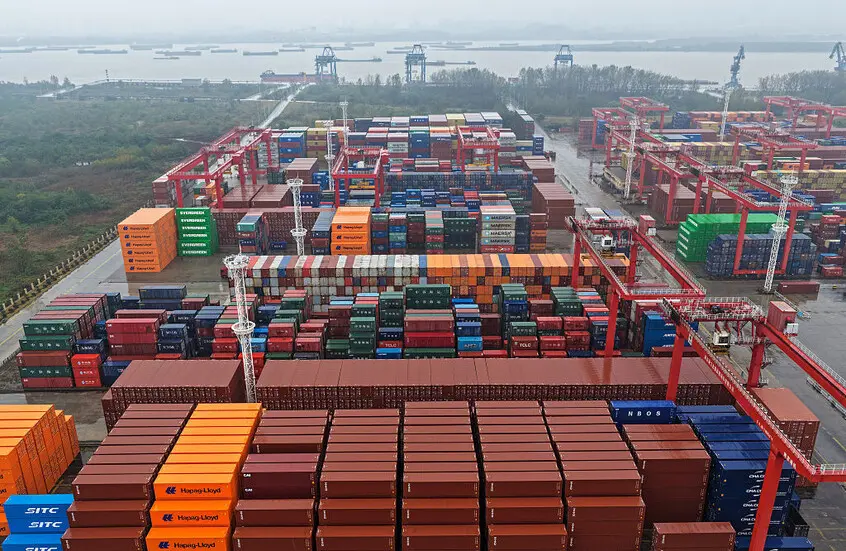
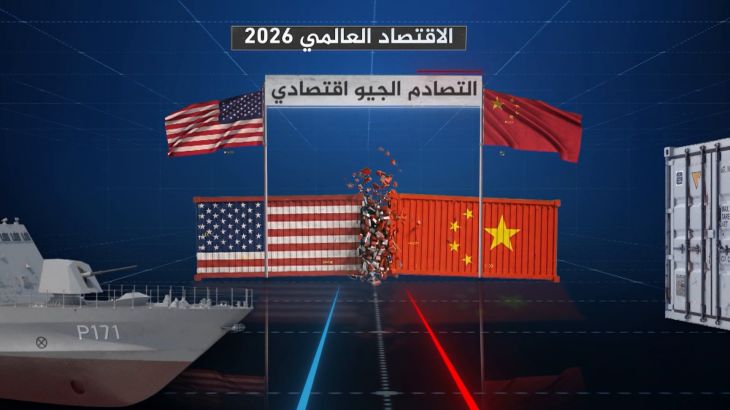
It indicated that what it described as “geo-economic collision” has become the foremost future challenge, replacing armed conflict, which was considered the greatest risk in past years. This collision includes the imposition of trade restrictions, tariff barriers, and control over supply chains.
Escalating Risks
The report warned that the escalation of this pattern of conflict will have direct repercussions on the global economy, by slowing growth and increasing the likelihood of recession. This is supported by forecasts that project global economic growth at only about 3.1%, a level lower than the average growth over the past two decades.
It also ranked political and social risks second, driven by worsening inequality in the distribution of wealth and economic opportunities. Meanwhile, technological and digital risks came in third, amid the accelerating boom in artificial intelligence and the accompanying challenges related to cybersecurity, the spread of misinformation, and job market transformation.
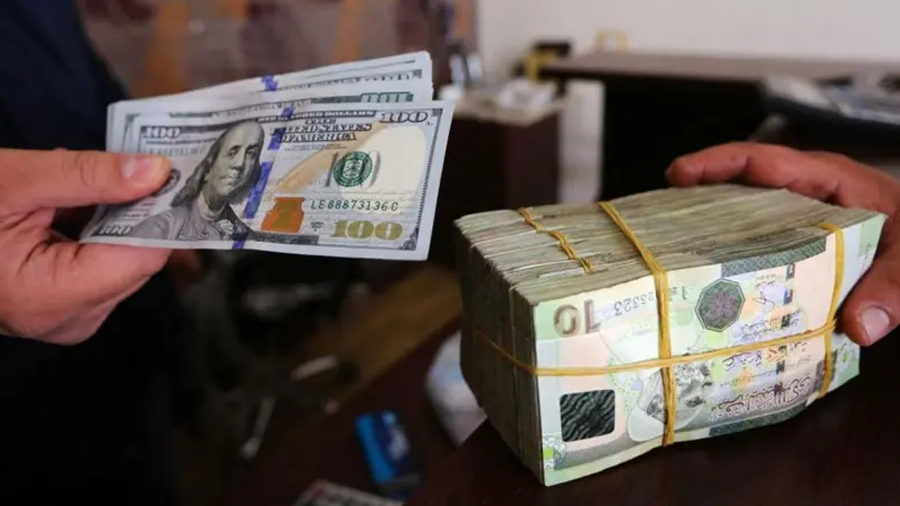
Data reveals that global spending on artificial intelligence will rise by more than 40% to reach about $2.5 trillion within one year, driven by increased investment in servers and software.
In contrast, environmental and climate risks fell to fourth place, despite their continued danger. The Potsdam Institute in Germany warned that climate change could lead to a loss of about one-fifth of global income over the next 25 years.
Growth Slowdown
It was stated that the geo-economic confrontation is no longer limited to traditional tools like tariffs, but now includes export controls, import restrictions, and technology export restrictions.
It was added that this type of confrontation topping the 2026 risk list is due to its direct impact in the near term, while climate risks remain the most dangerous in the long term.
It was emphasized that these risks are global and regional in nature, and are not limited to developed countries; their effects extend to developing nations, making international cooperation a shared necessity.
The report concluded with a warning that the escalation of geo-economic risks, alongside slowing economic growth, rising inflation, and the potential formation of price bubbles, heralds a period of global economic instability over the next two years in the absence of a coordinated international response.