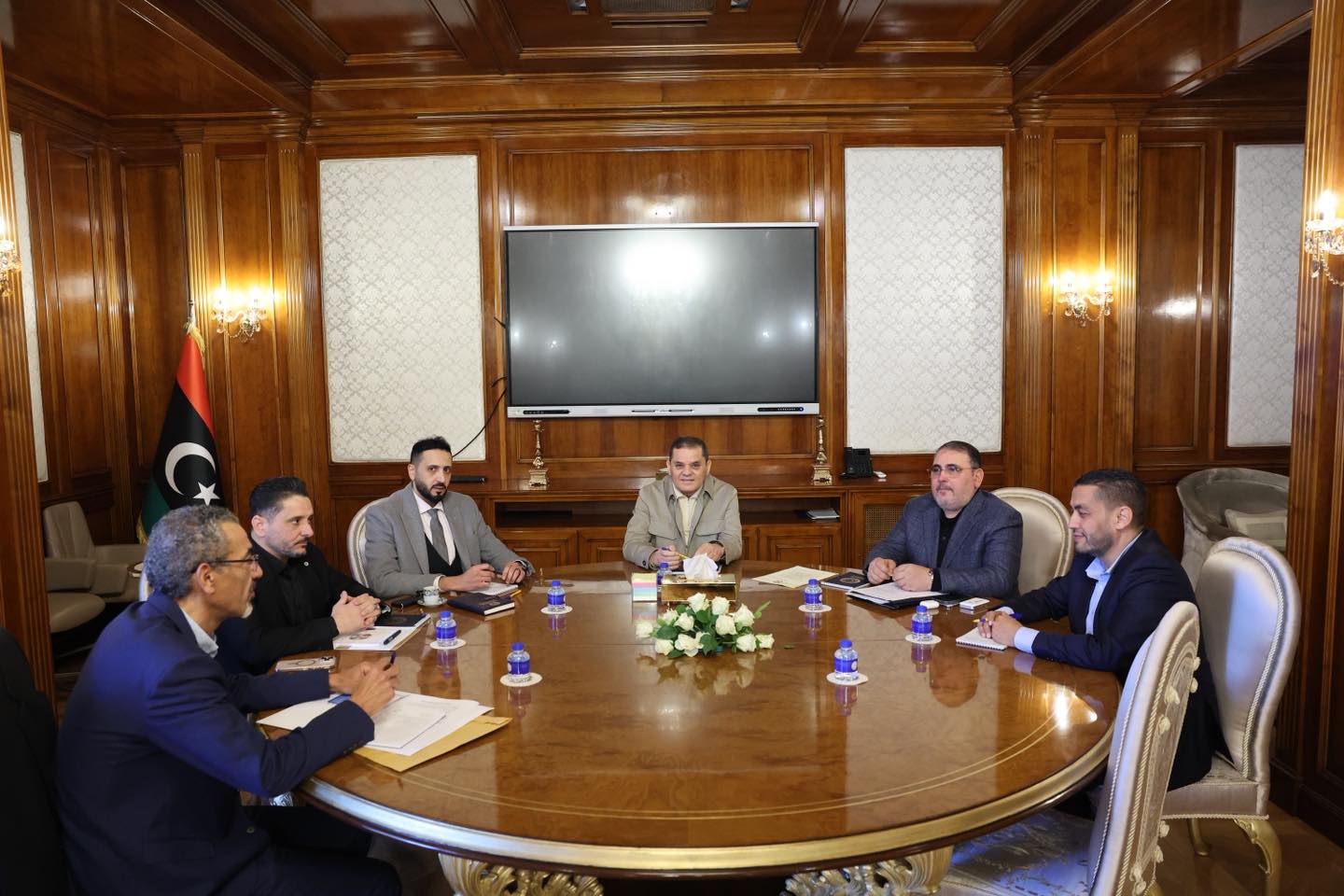
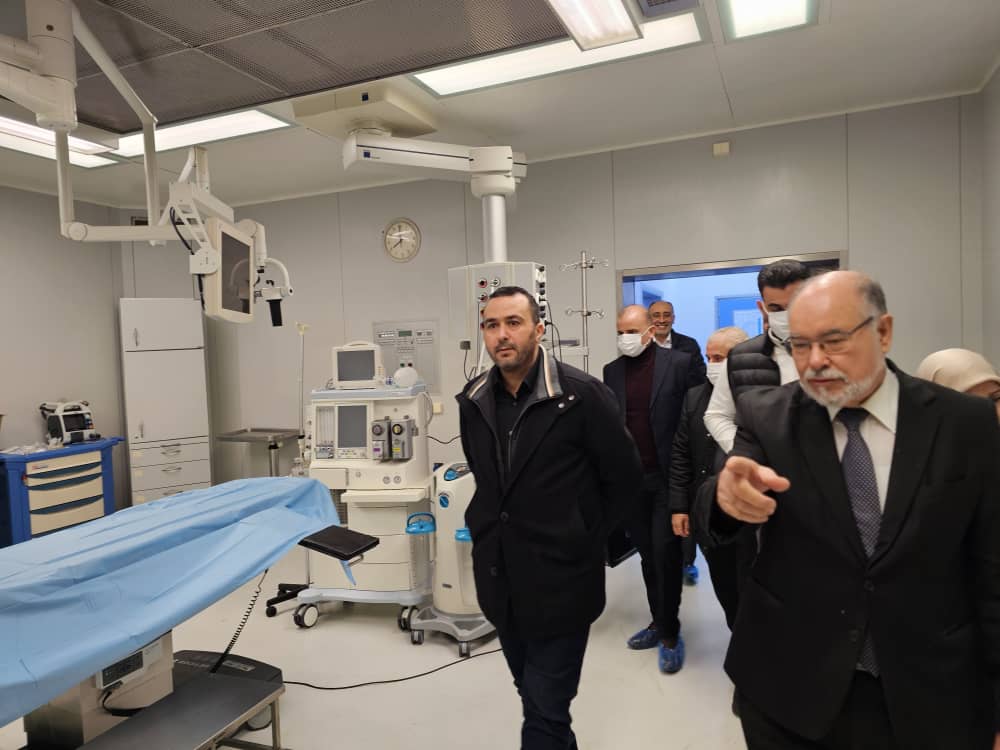
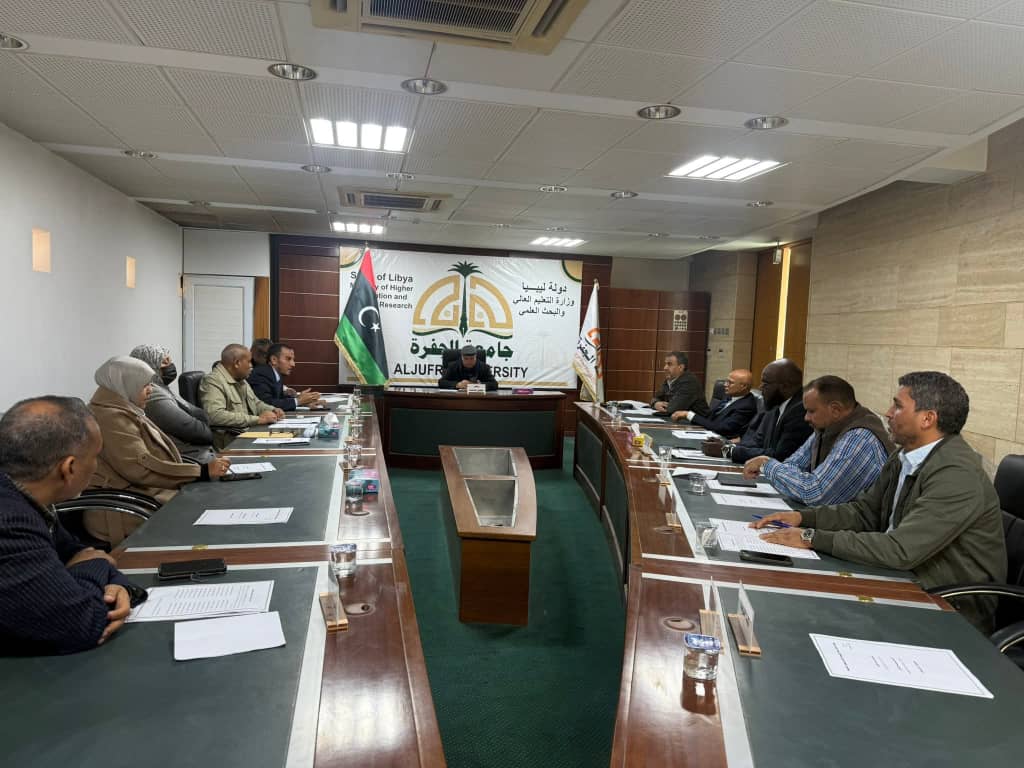
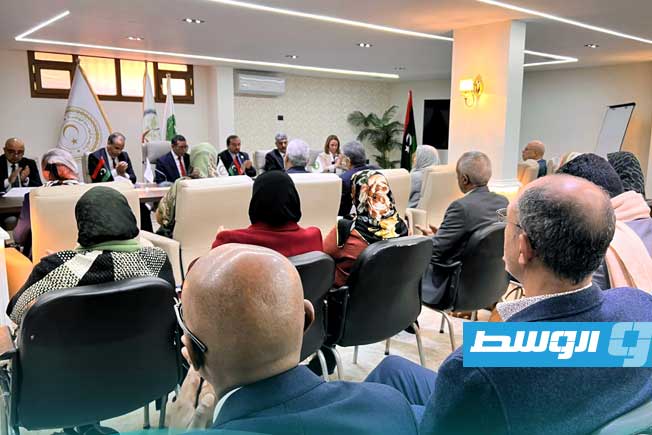
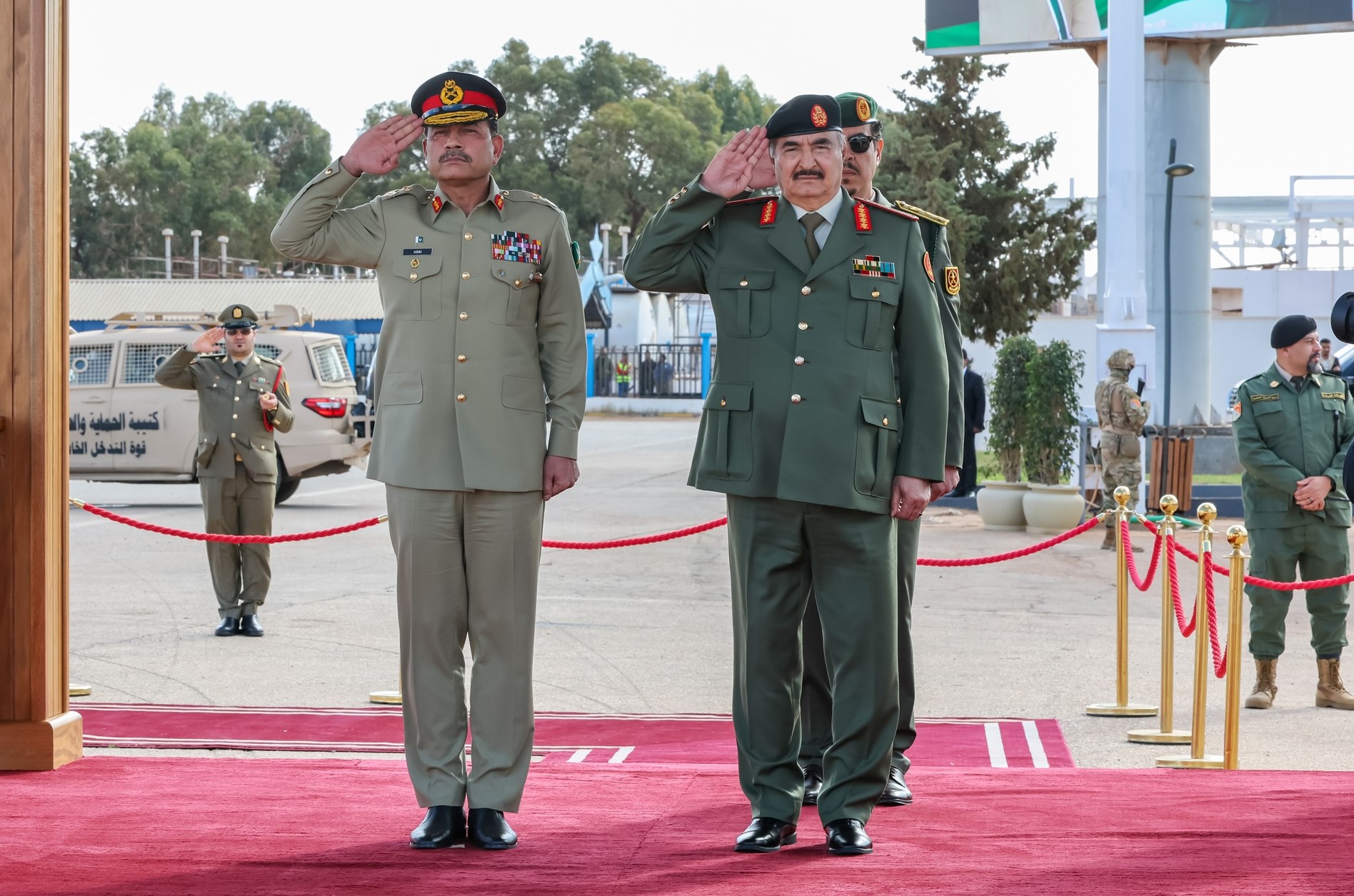
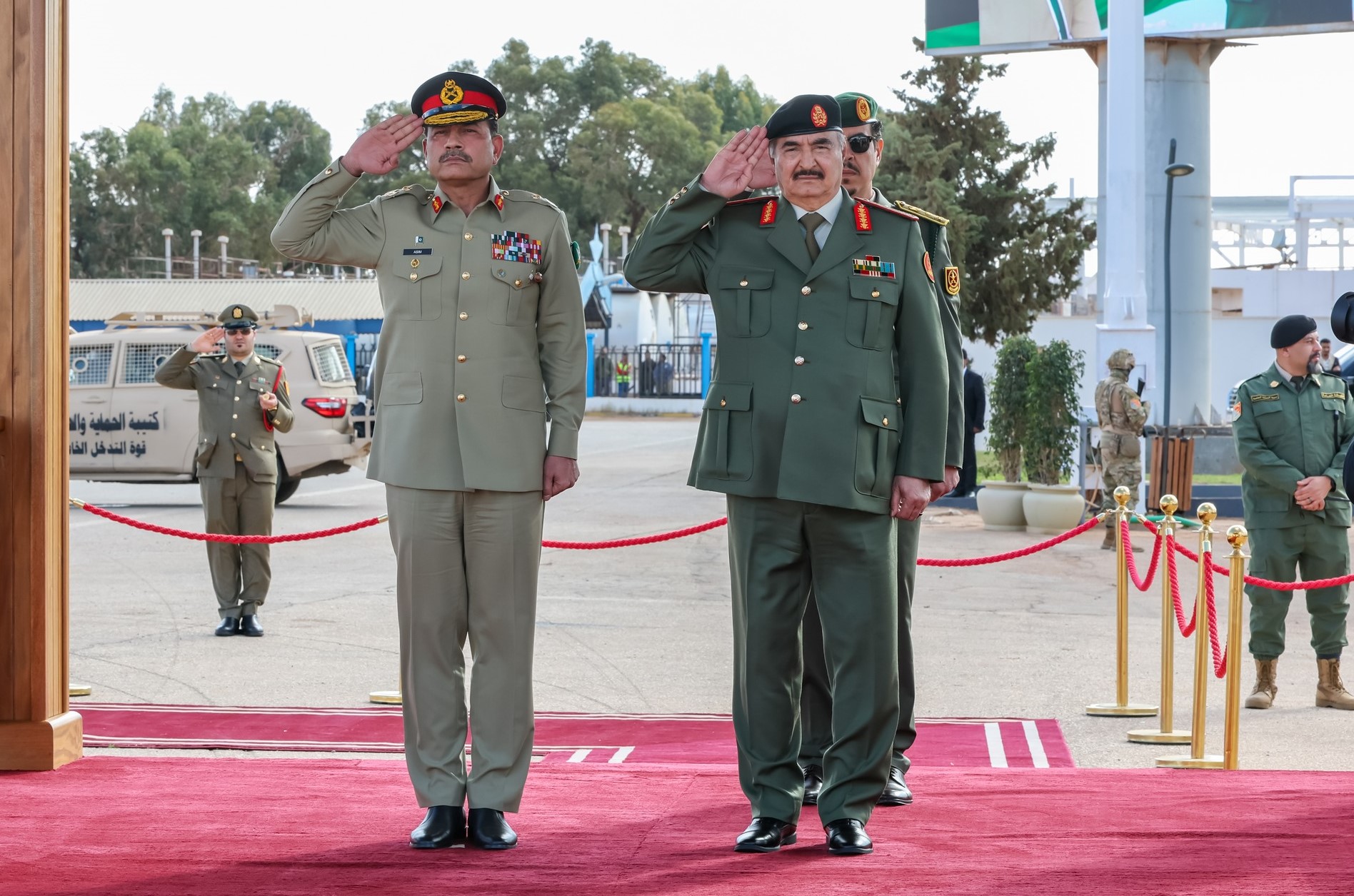
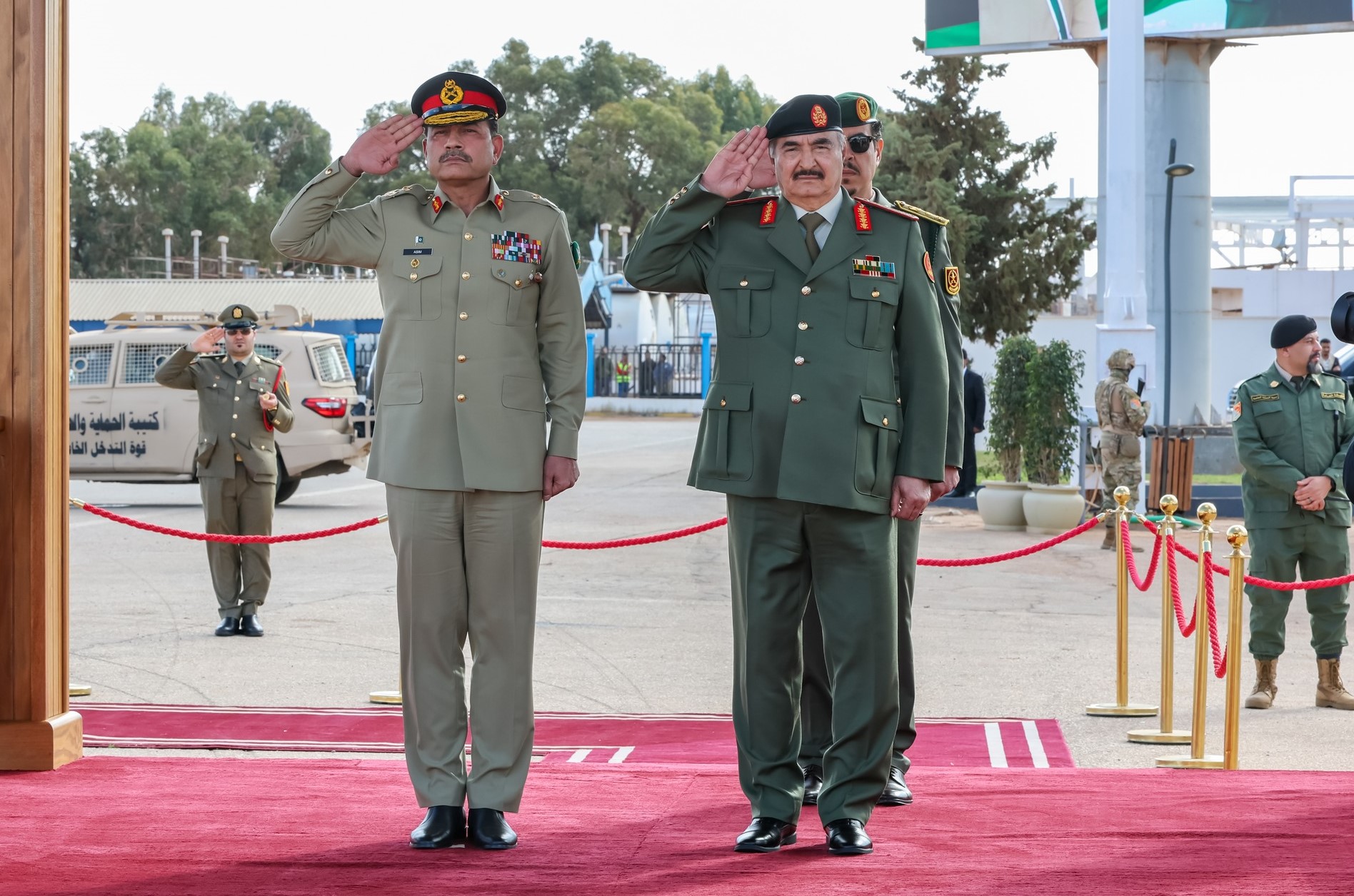
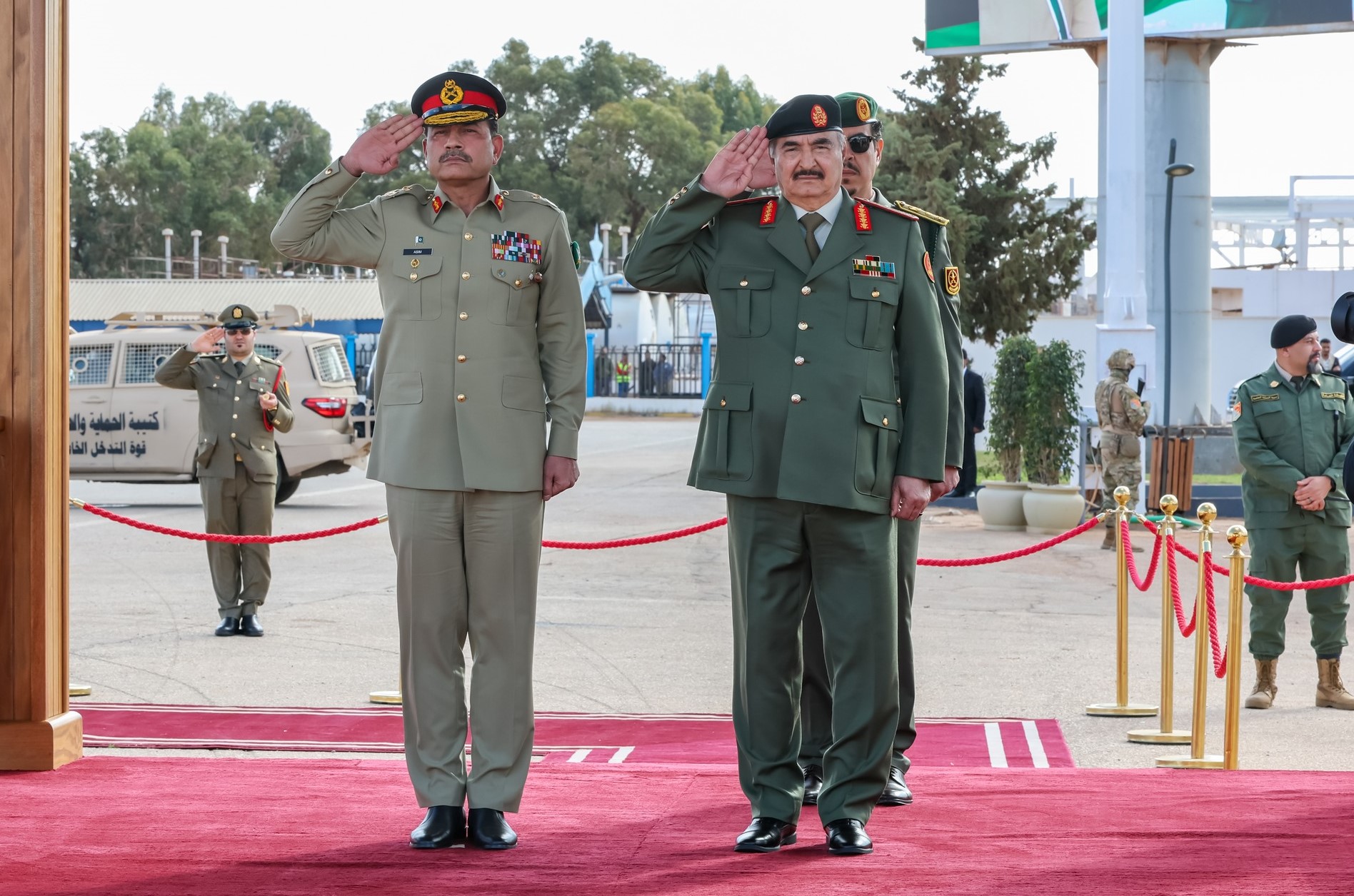
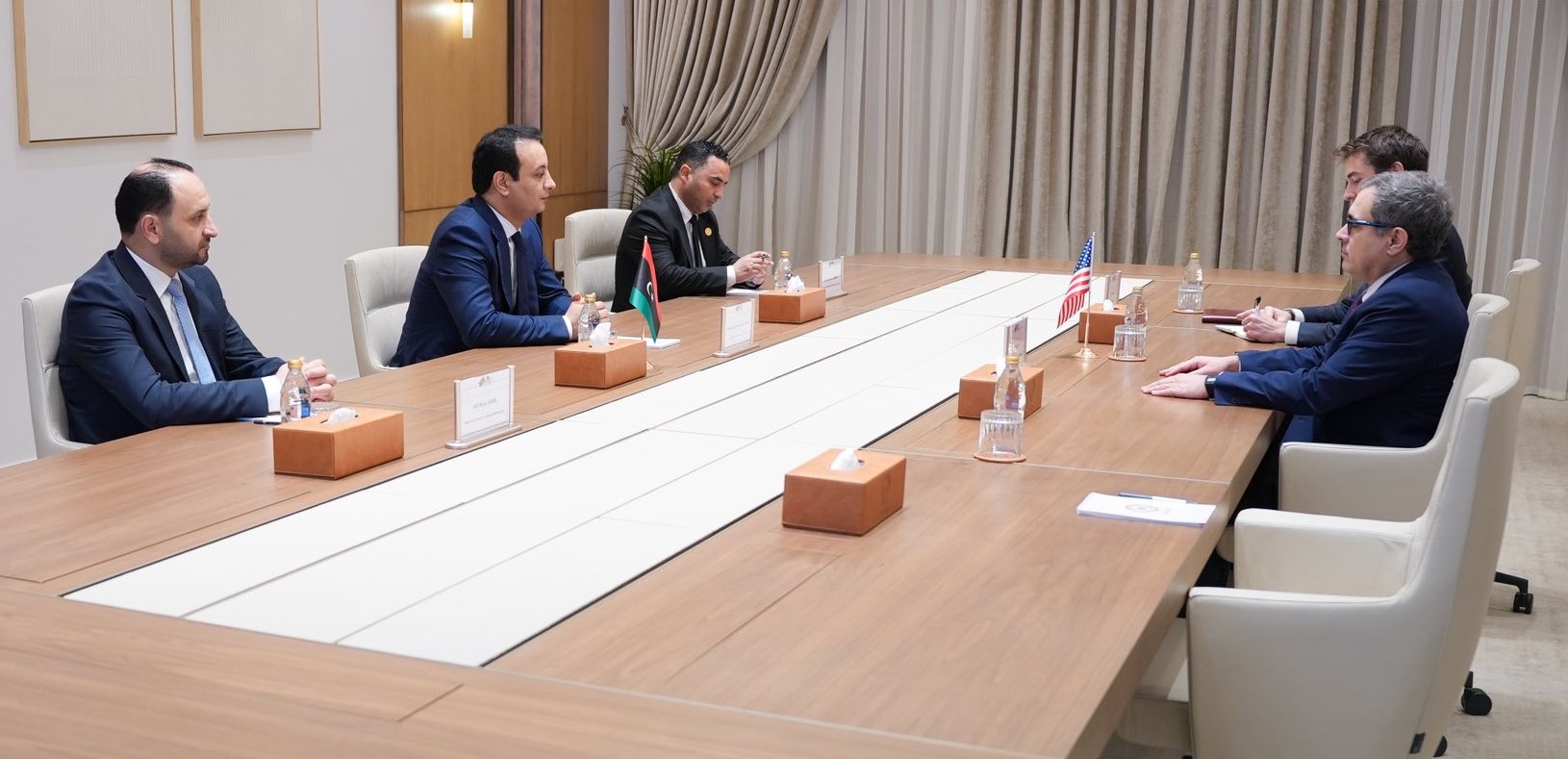
We are working on concrete steps for economic and military integration by bringing together senior officials from the East and West in Libya.
libyawire.org > News > Culture > We are working on concrete steps for economic and military integration by bringing together senior officials from the East and West in Libya.
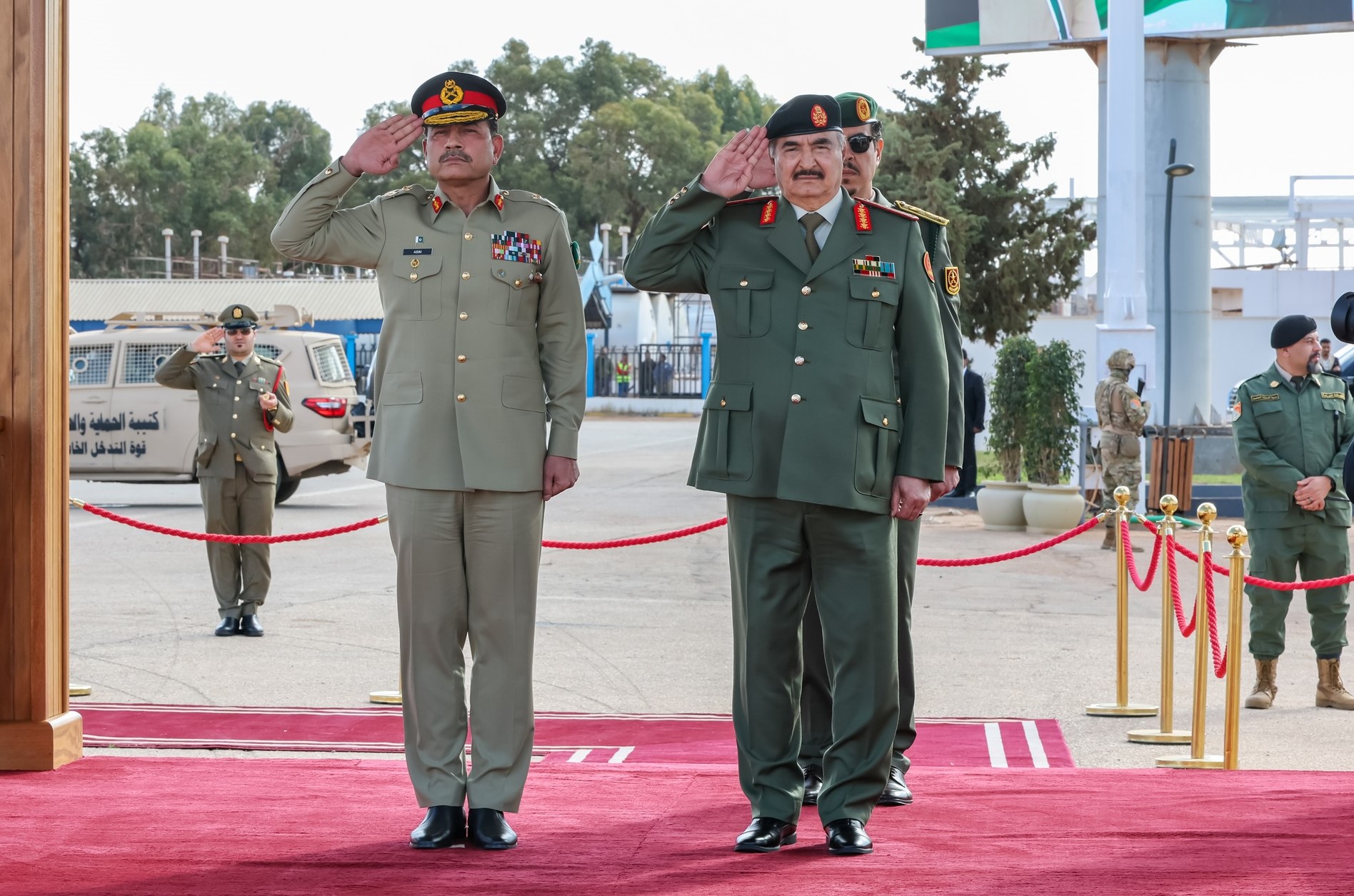
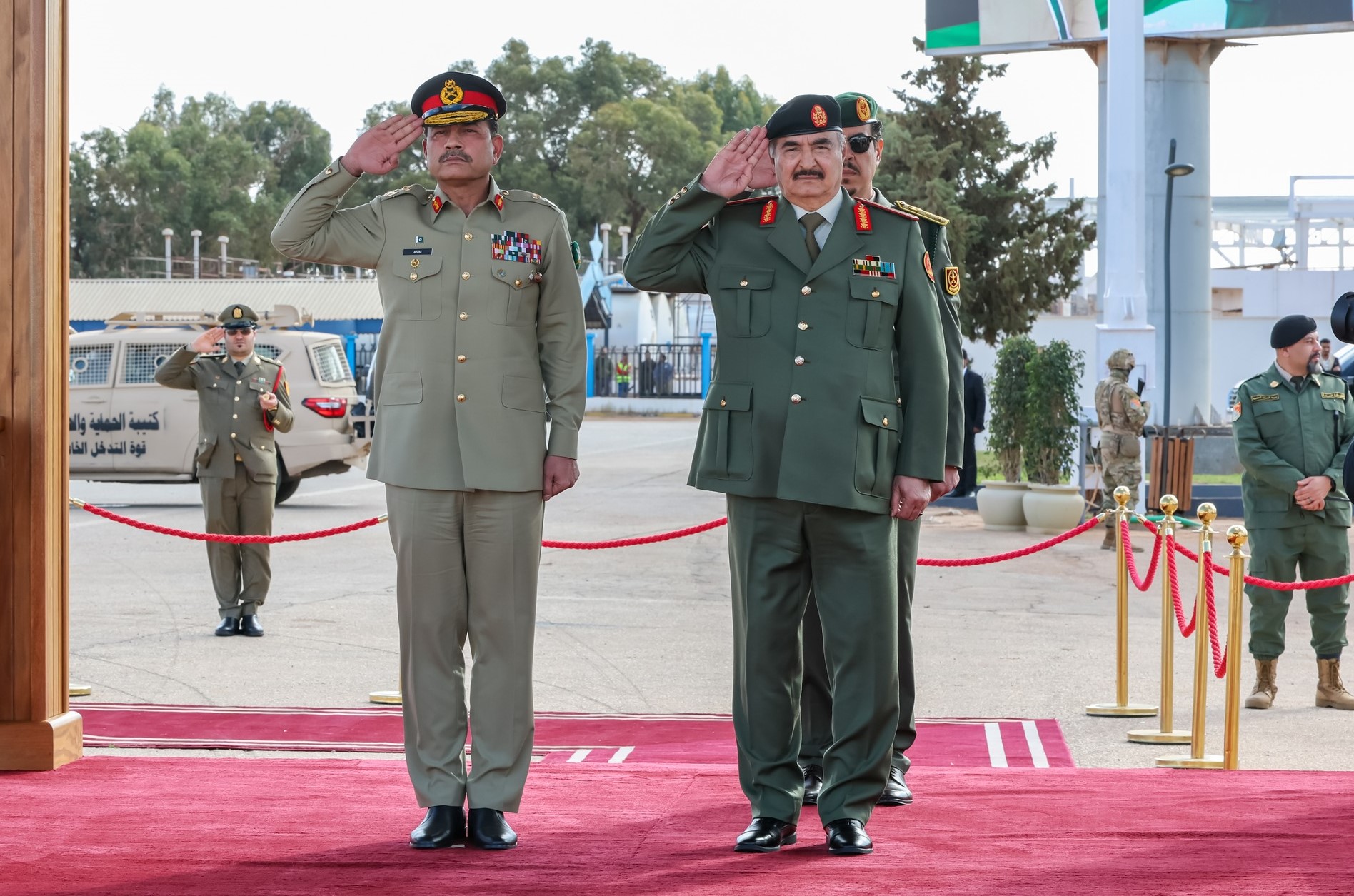
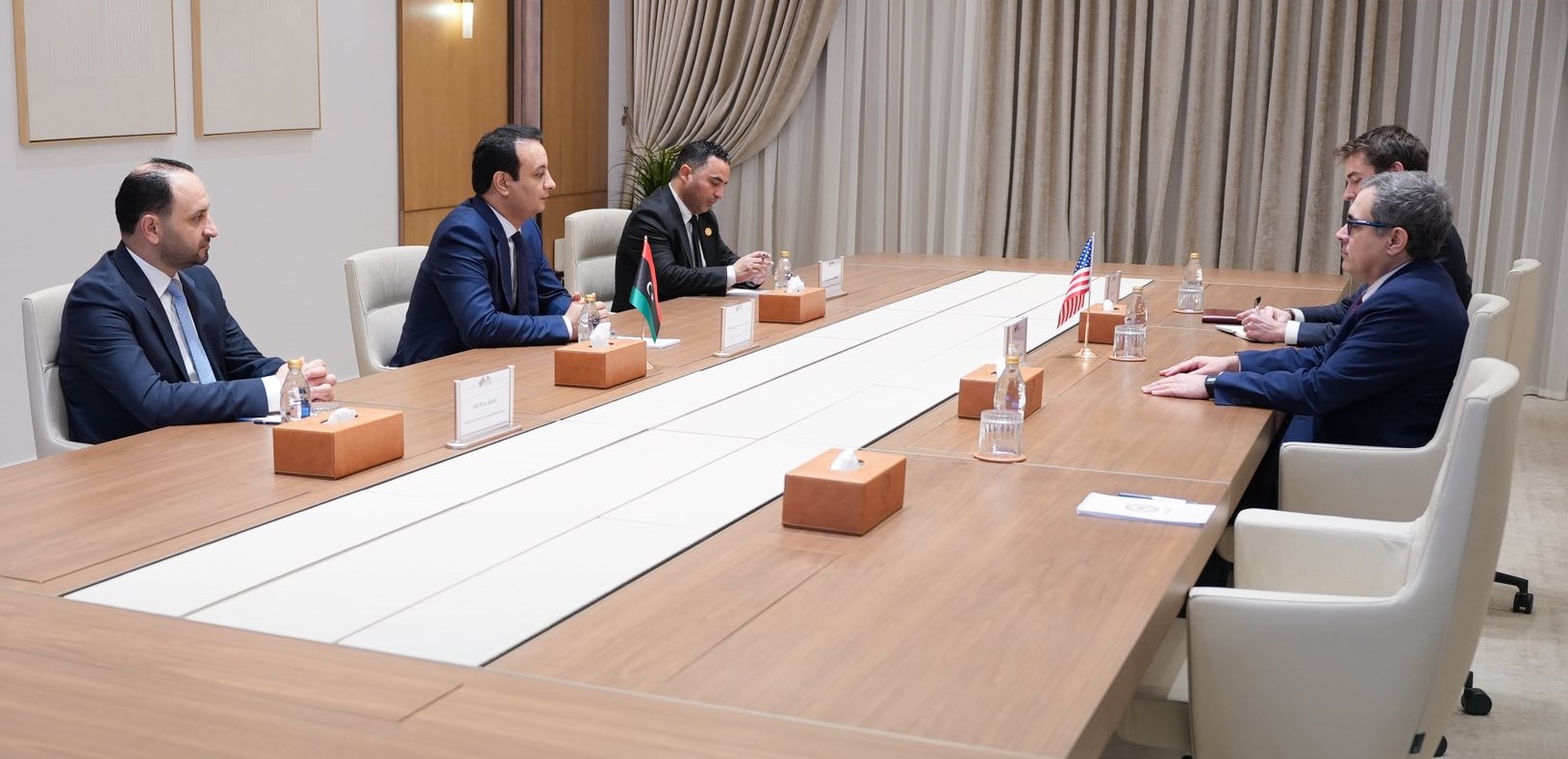
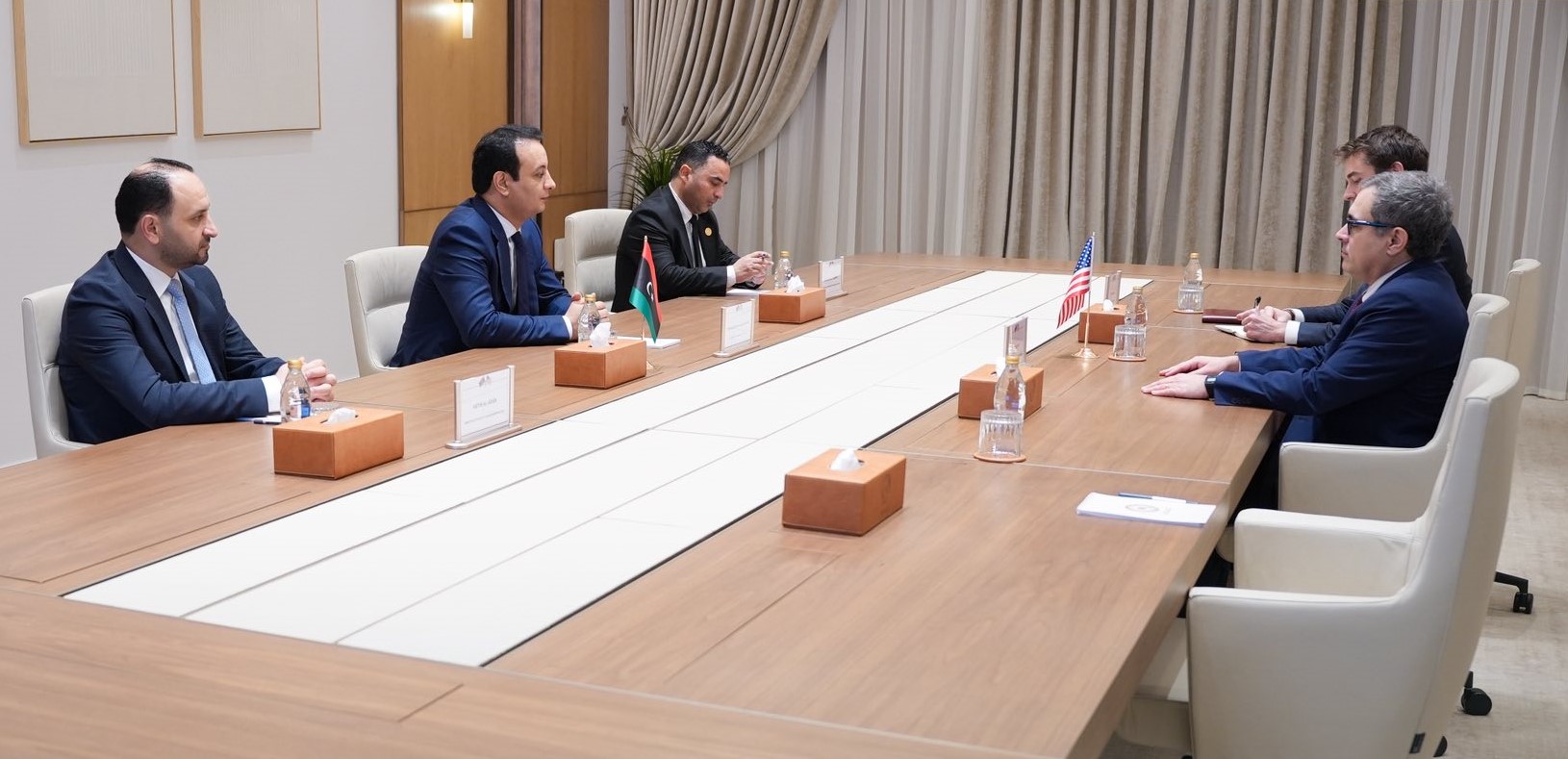
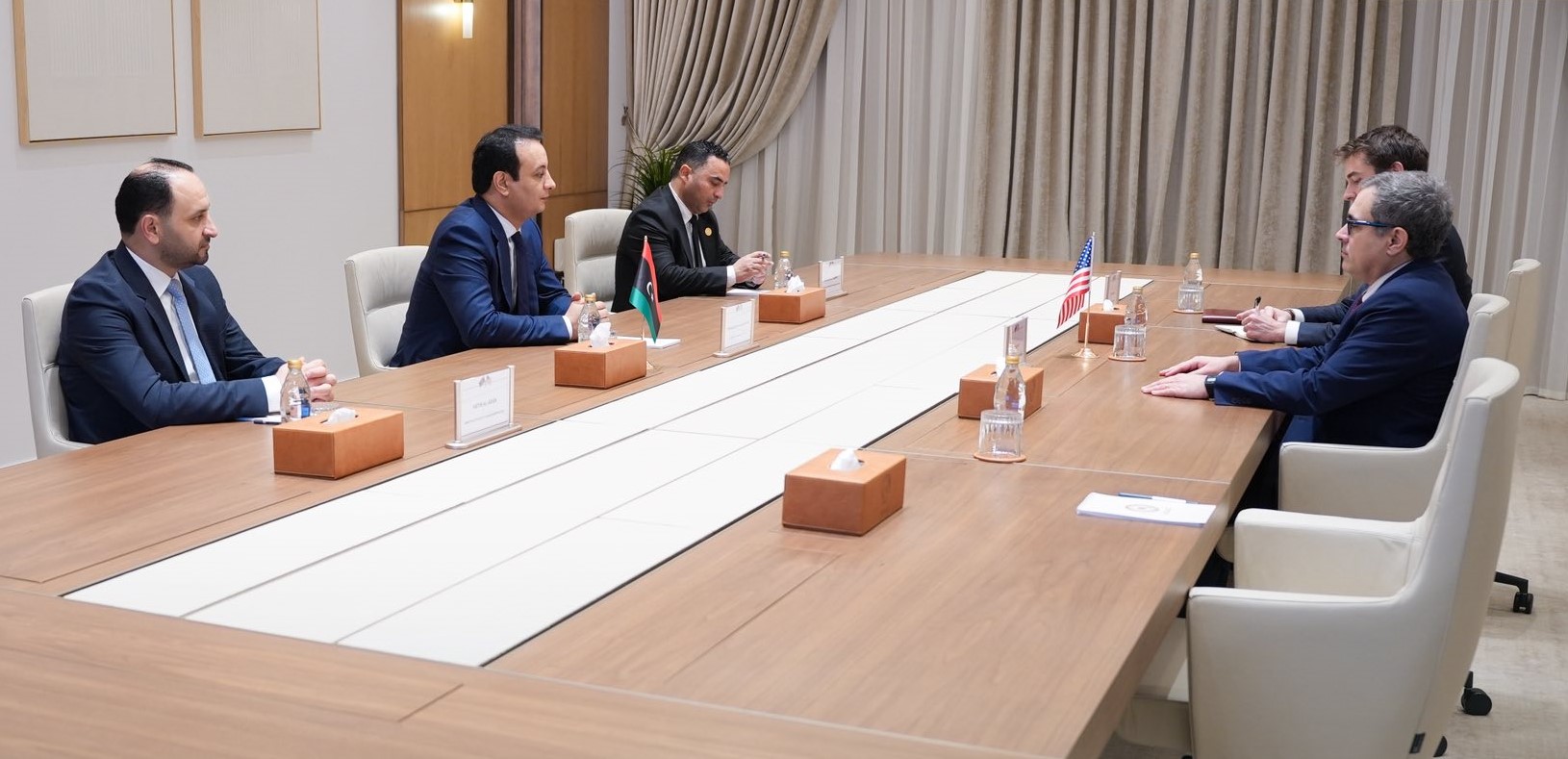
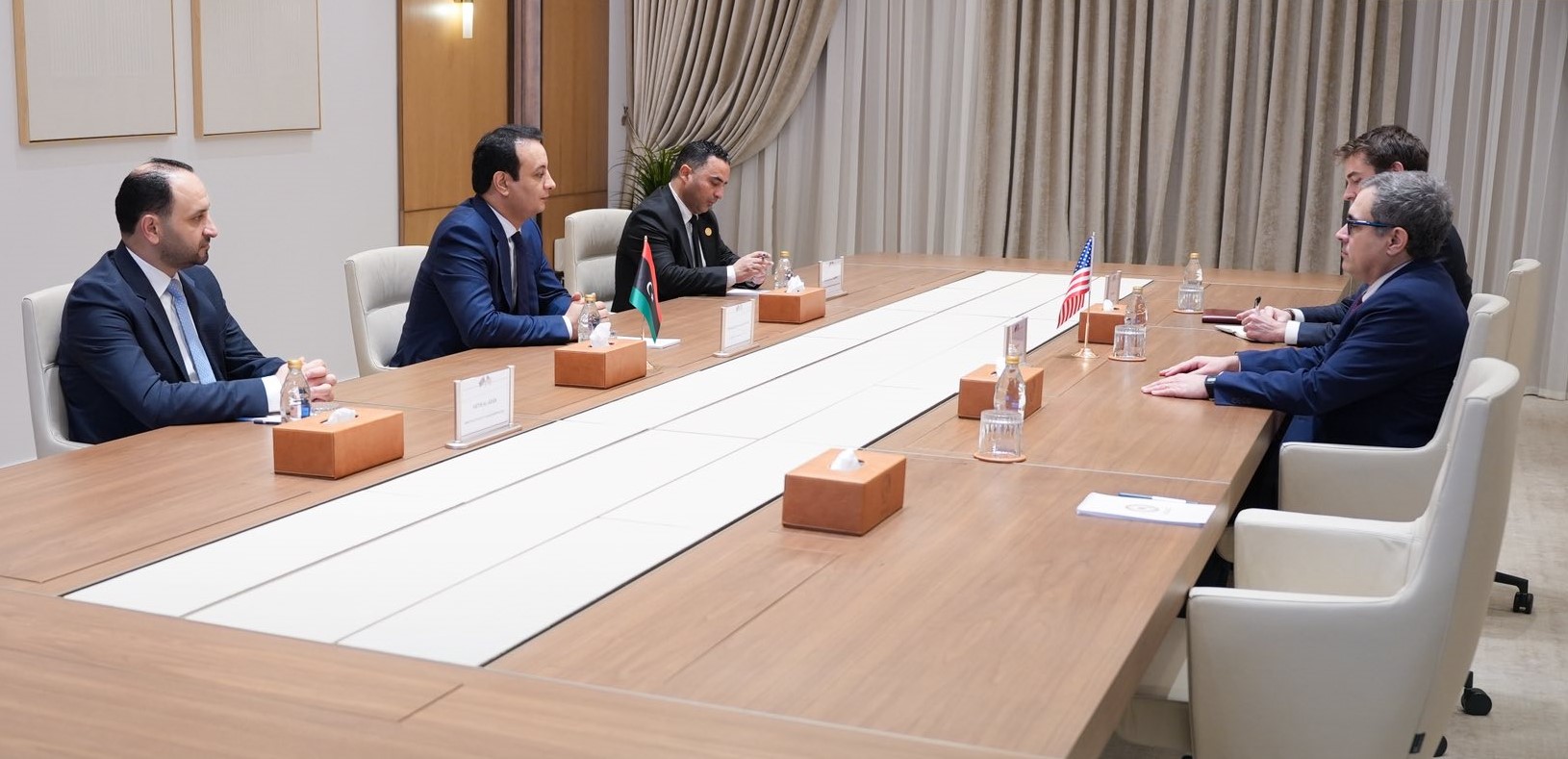
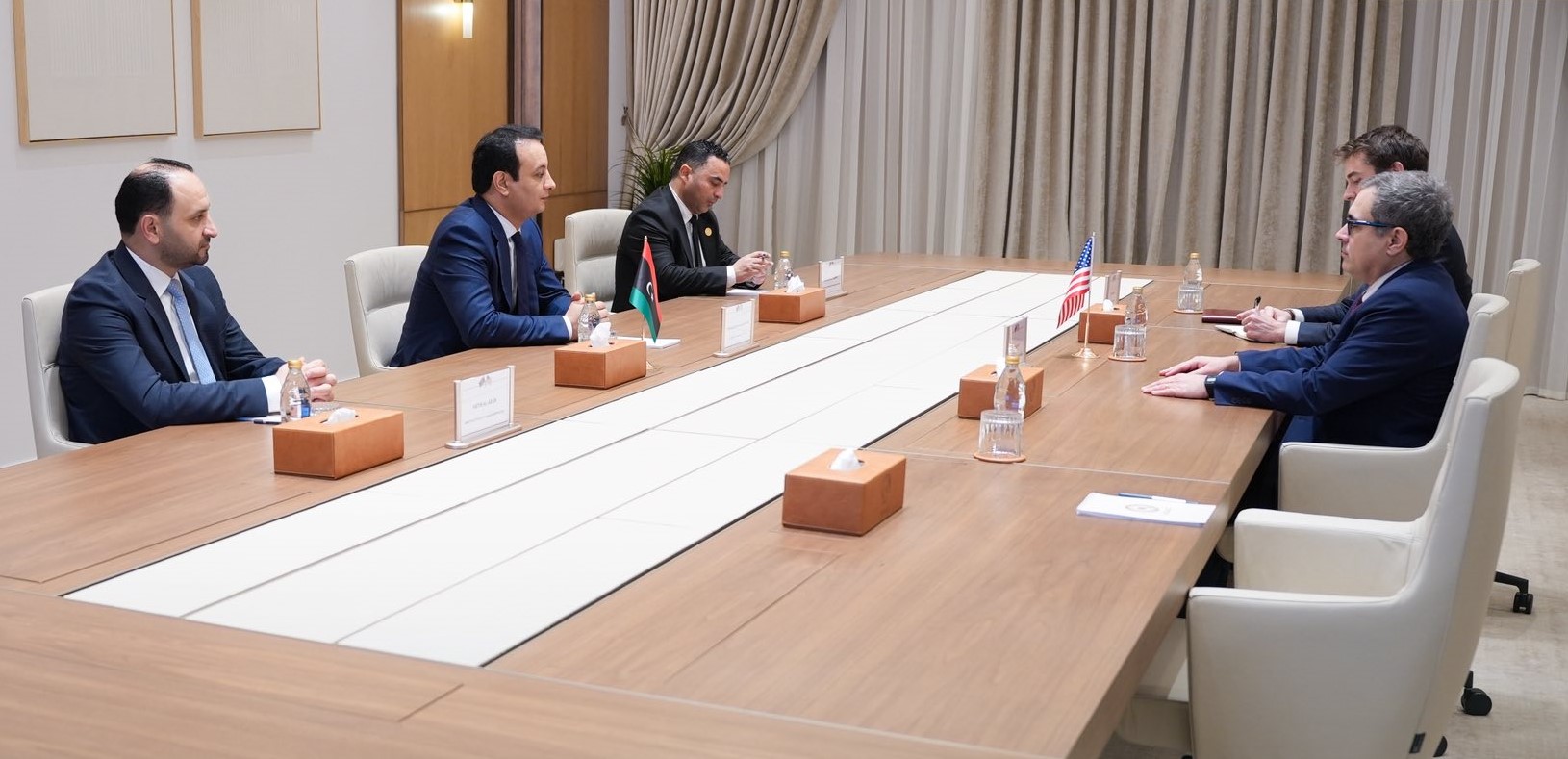
New York, February 18, 2026 – It was revealed that the United States is working to establish concrete steps for economic and military integration and unification between eastern and western Libya.
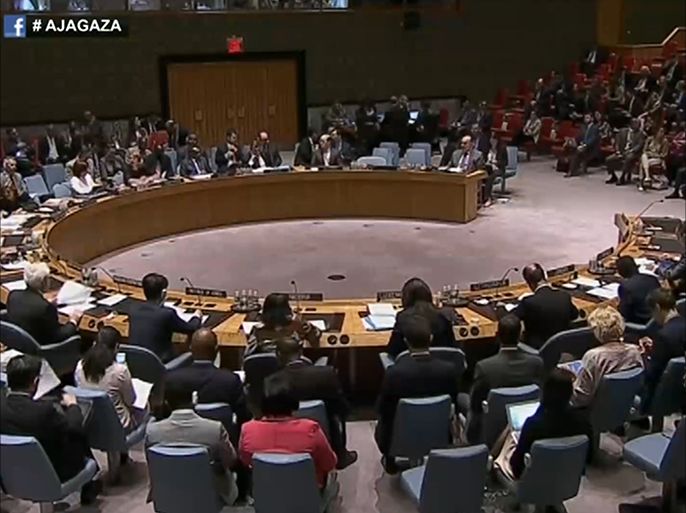
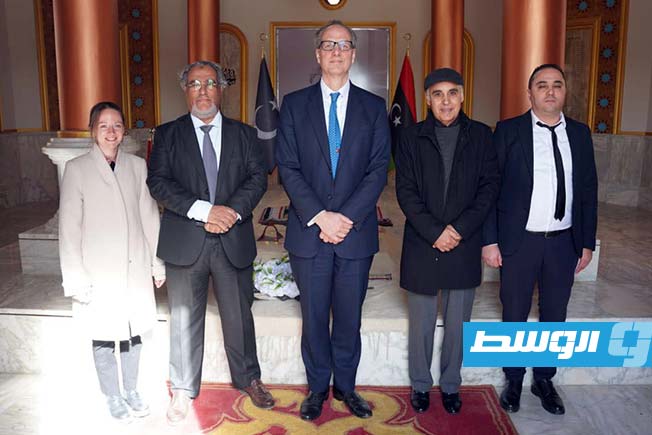
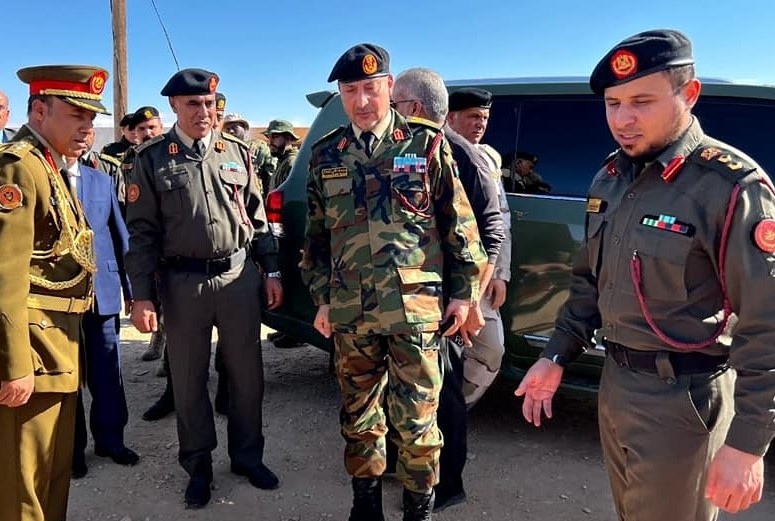
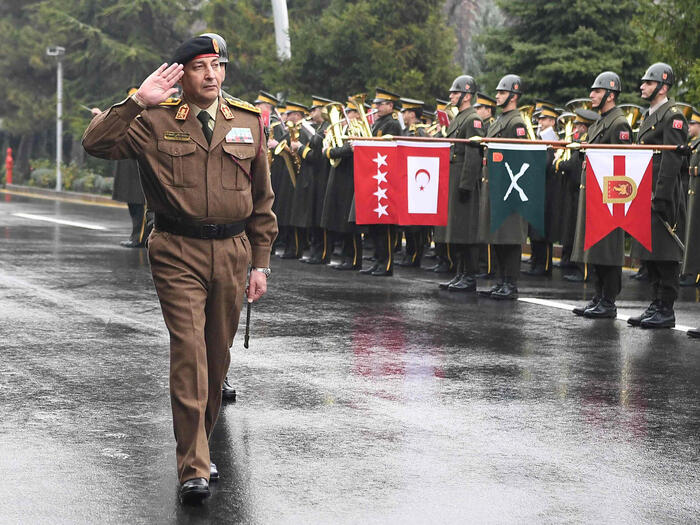
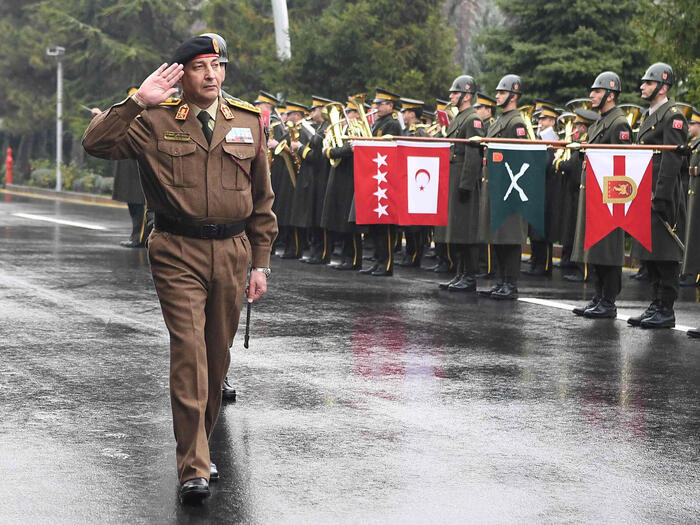
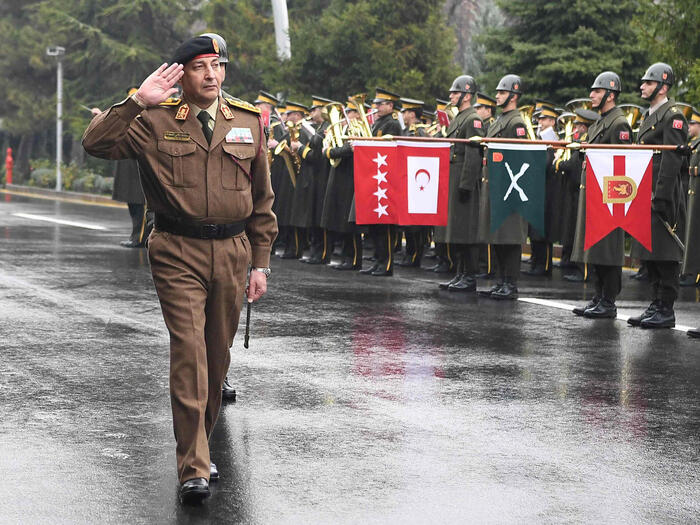
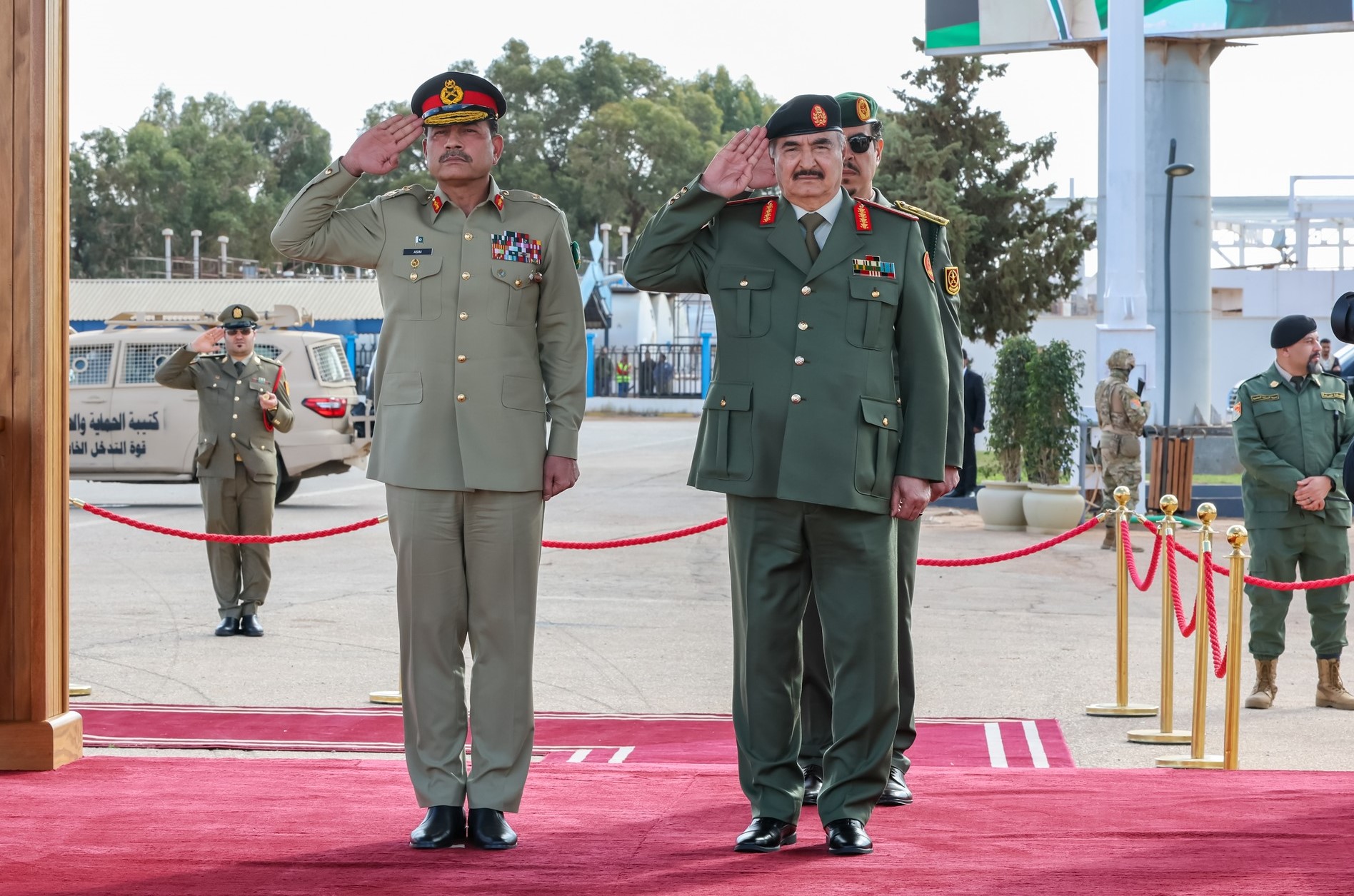
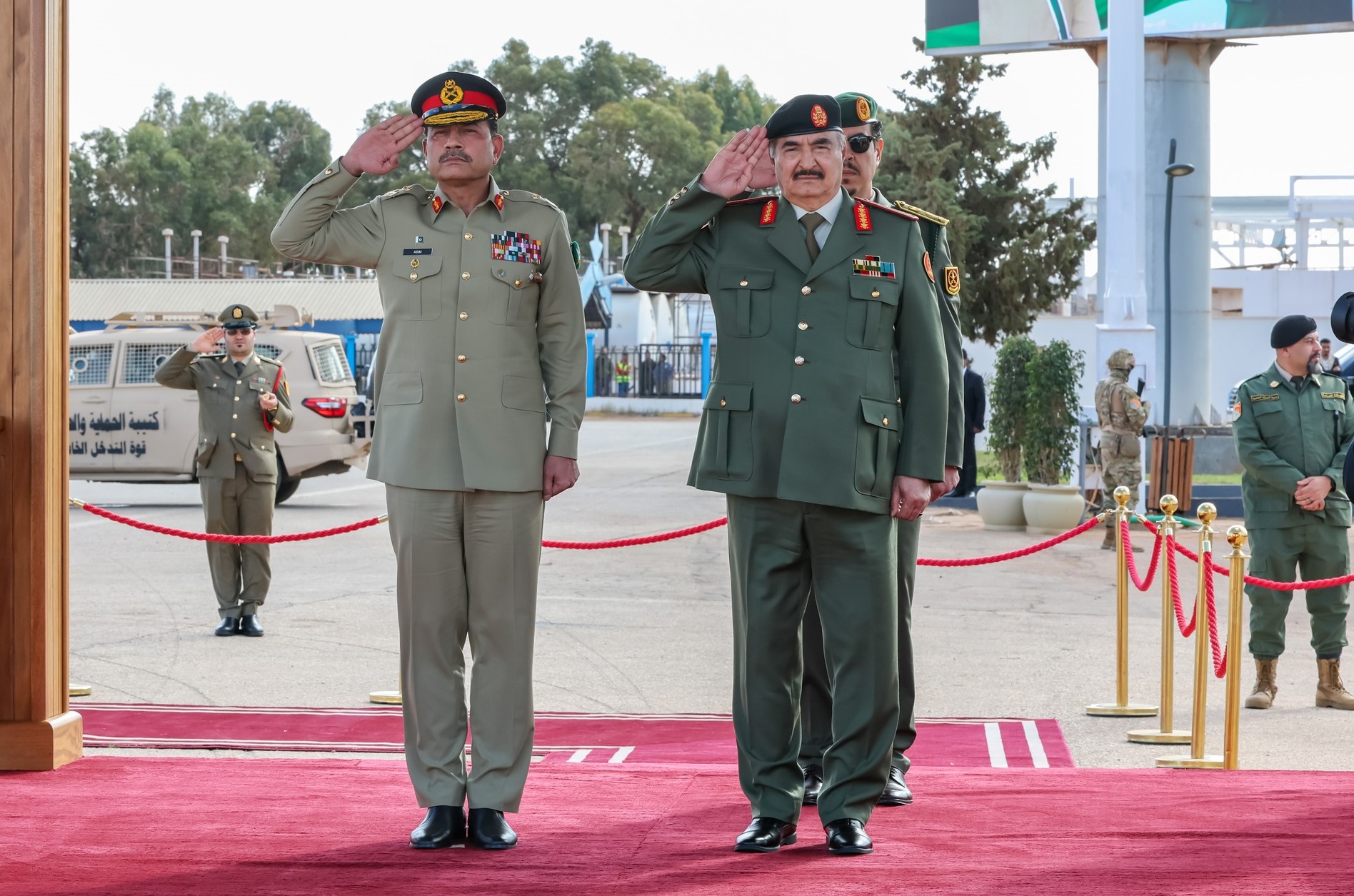
It was stated during a UN Security Council session on Libya this Wednesday: “We are working to establish concrete steps for integration and economic and military unification by bringing together senior officials from eastern and western Libya.” It was also indicated that the US military command in Africa, AFRICOM, will conduct its annual training exercises in the city of Sirte next April with forces from eastern and western Libya, which will be the first step towards more joint training.
Full support was expressed for the unified development program agreement, encouraging Libyan leaders to implement it and adopt an annual budget, representing a significant step towards economic reconciliation. It was emphasized that creating the conditions for achieving unified governance to pave the way for elections can be accomplished through agreements and mutual concessions.
It was stated that the Libyan people deserve a better future, especially since Libya has enormous potential that can only be realized by overcoming political division. It was affirmed that efforts will be at the forefront of diplomatic efforts to bring peace to Libya, in support of Libyan leadership and the international roadmap.
The address to the Security Council concluded with a message to Libyan leaders, saying the time has come to overcome past divisions, and there is cautious optimism given the current results in the country. It was emphasized that Libya’s stability will enhance security in the Mediterranean and North Africa, and that there is a look forward to continuing to work with Libya, the United Nations, and international partners.
New York
New York City, originally settled by the Dutch as New Amsterdam in the early 17th century, was later taken by the English and renamed. It grew into a major global port and financial center, becoming a primary gateway for immigrants entering the United States through Ellis Island in the late 19th and early 20th centuries. Today, it is one of the world’s most influential cities, known for its cultural diversity and landmarks like the Statue of Liberty and Times Square.
United States
The United States is a federal republic founded in 1776 after declaring independence from Great Britain, with its modern government established by the Constitution in 1789. Its history encompasses westward expansion, the Civil War, industrialization, and its emergence as a global superpower in the 20th century. The nation is defined by its diverse cultural heritage, democratic institutions, and significant influence on global politics, economics, and culture.
Libya
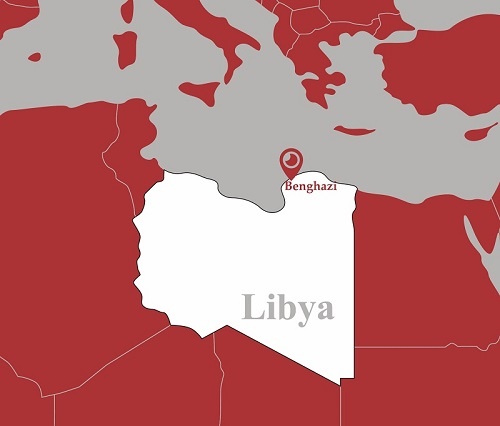
Libya is a North African country with a rich history rooted in ancient civilizations like the Phoenicians and Romans, followed by centuries of Arab and Ottoman influence. In the modern era, it was an Italian colony before gaining independence in 1951, later becoming known for Muammar Gaddafi’s lengthy rule from 1969 until the 2011 revolution. Its cultural sites include the well-preserved Roman ruins of Leptis Magna, a UNESCO World Heritage site.
UN Security Council
The United Nations Security Council is the principal organ of the United Nations charged with maintaining international peace and security. Established in 1945 following World War II, its five permanent members—China, France, Russia, the United Kingdom, and the United States—hold veto power over substantive resolutions.
AFRICOM
AFRICOM, or the United States Africa Command, is a unified combatant command of the U.S. Department of Defense responsible for U.S. military operations and relations in Africa. It was established in 2007 to coordinate security cooperation and counter transnational threats on the African continent.
Sirte
Sirte is a coastal city in Libya, historically known as the birthplace of former leader Muammar Gaddafi, who heavily developed it during his rule. It gained international notoriety as a key battleground during the 2011 Libyan Civil War and the subsequent conflict in 2016. The city has ancient origins, having been a settlement since Phoenician and Roman times.
Mediterranean
The Mediterranean is a sea bordered by Europe, Africa, and Asia, historically serving as a crucial crossroads for trade, cultural exchange, and the rise of major civilizations like the ancient Egyptians, Greeks, Romans, and Phoenicians. Its surrounding lands are home to a rich shared cultural heritage, including diverse cuisines, languages, and historical sites that reflect millennia of interaction and conflict.
North Africa
North Africa is a region encompassing countries along the Mediterranean coast and the Sahara Desert, historically home to ancient civilizations like the Egyptians, Carthaginians, and Numidians. It later became a major part of the Islamic world following the Arab conquests in the 7th century, profoundly shaping its cultural and architectural heritage. The region’s modern history includes periods of Ottoman rule and European colonization before the emergence of independent nation-states in the 20th century.
United Nations
The United Nations is an international organization founded in 1945 after World War II to promote peace, security, and cooperation among nations. It replaced the ineffective League of Nations and is headquartered in New York City, with 193 member states working through bodies like the General Assembly and Security Council.