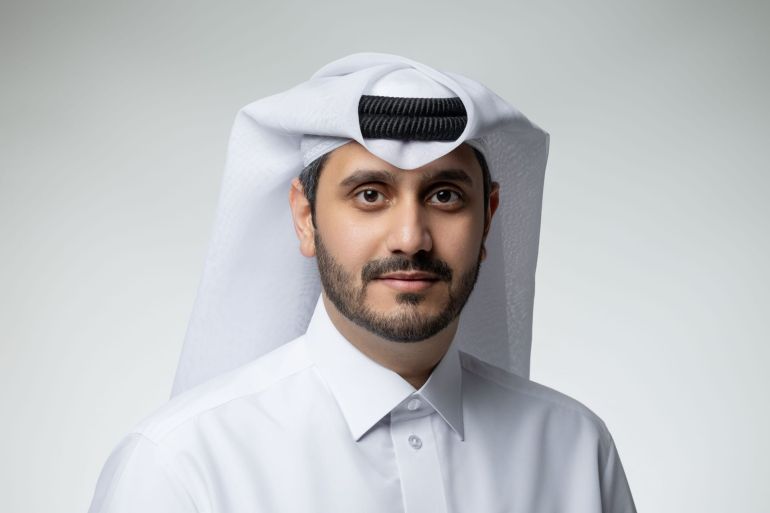
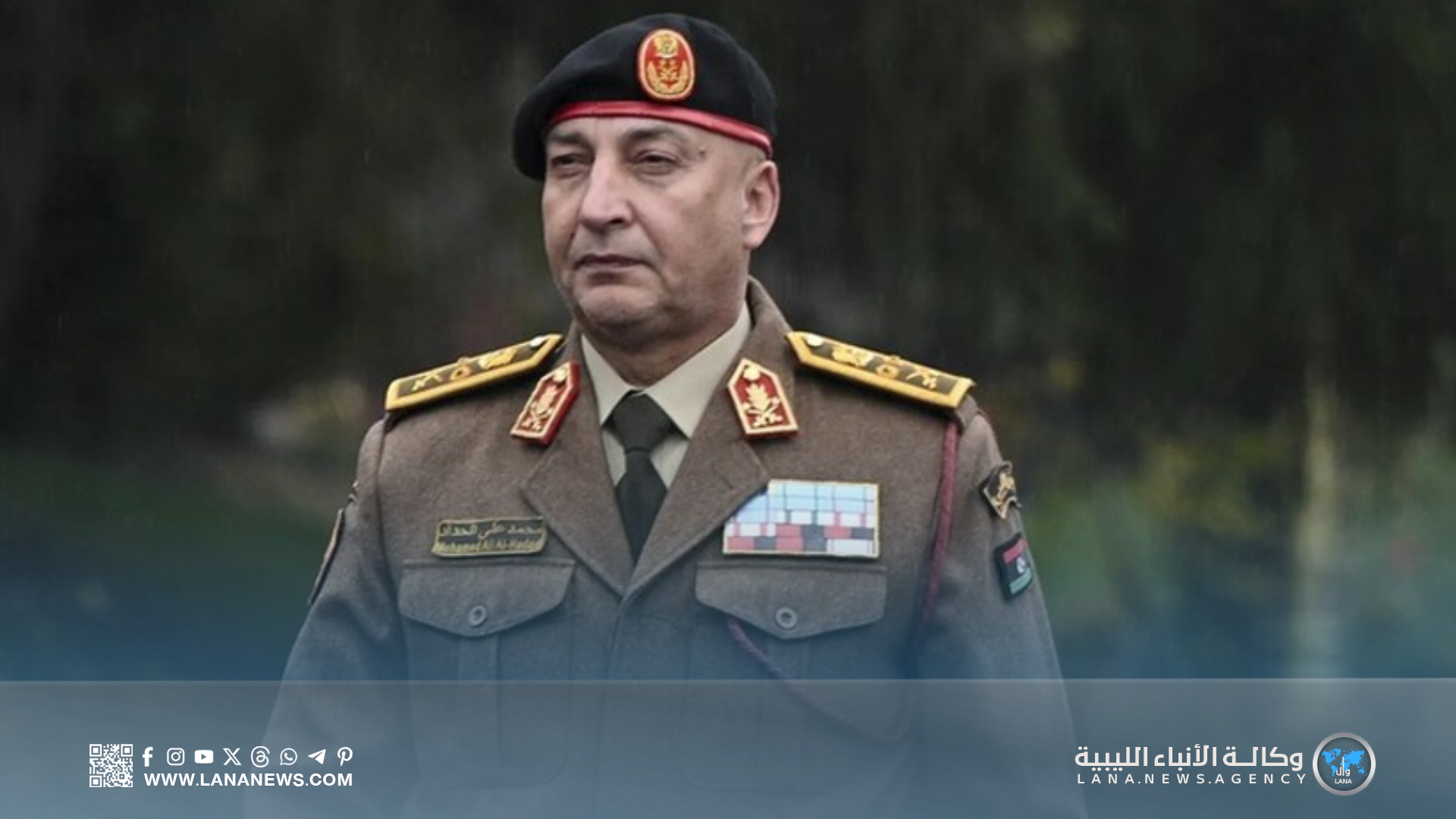
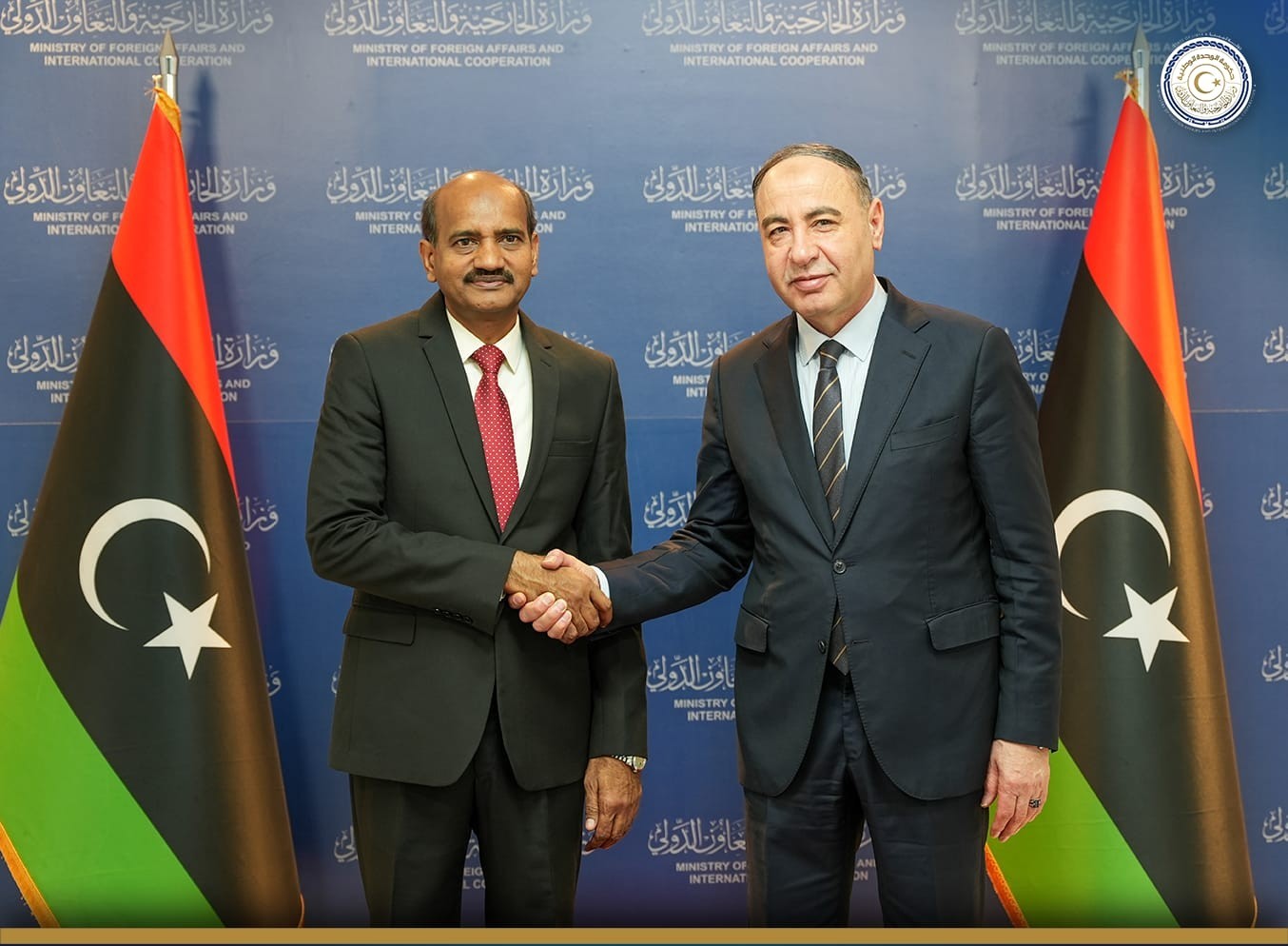
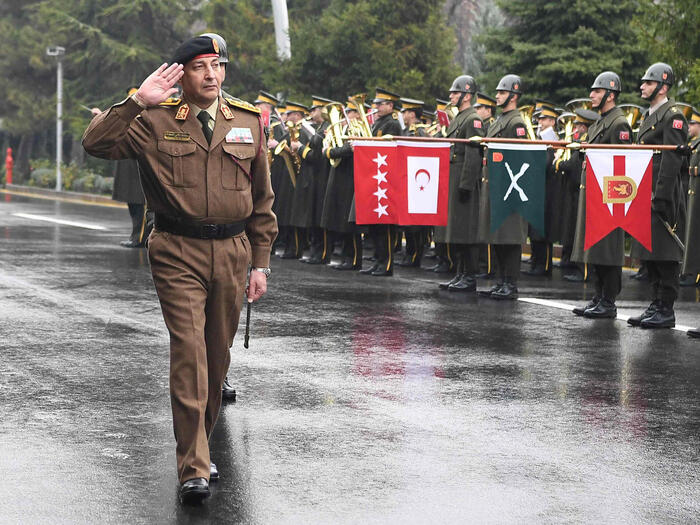
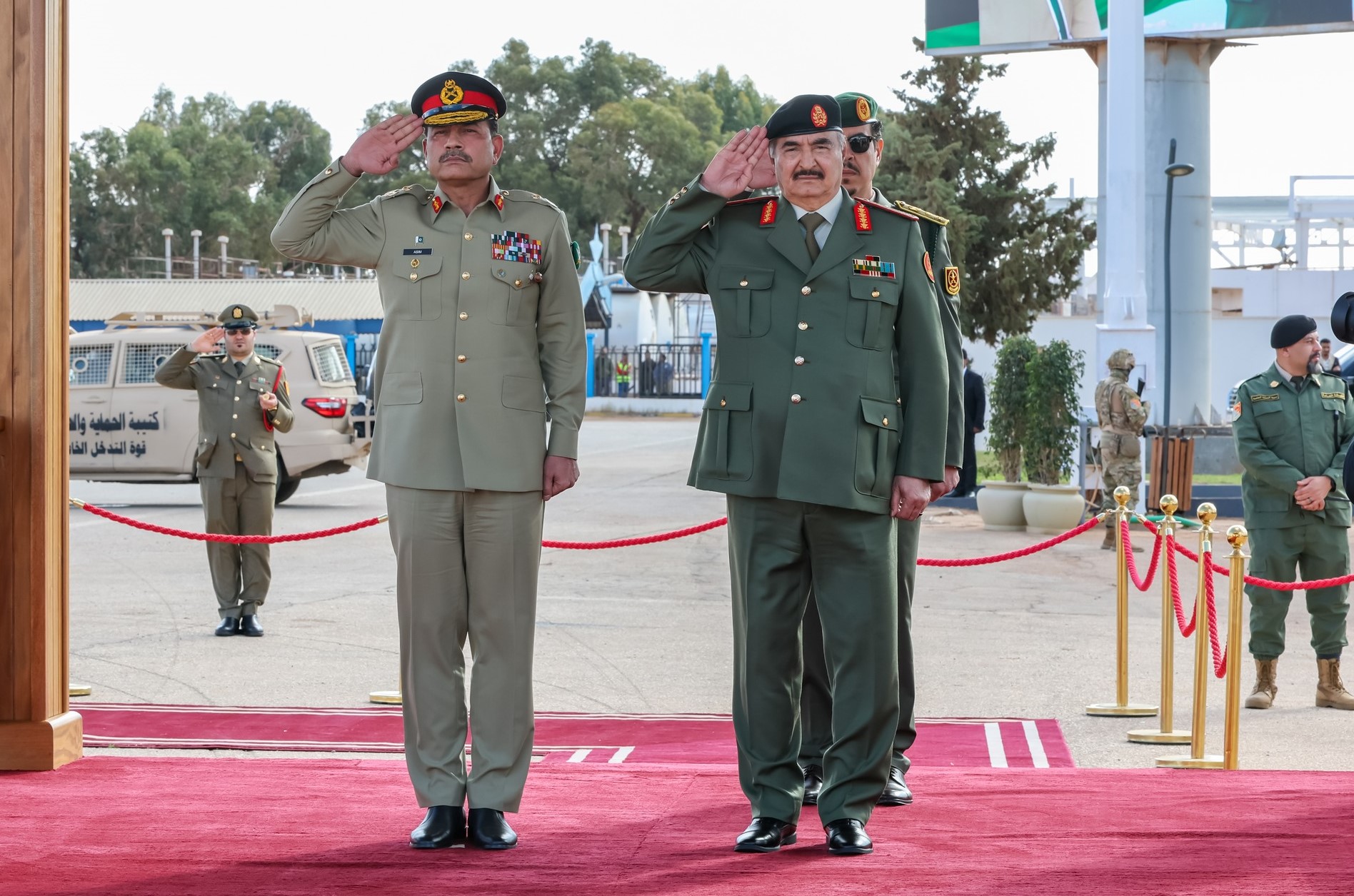
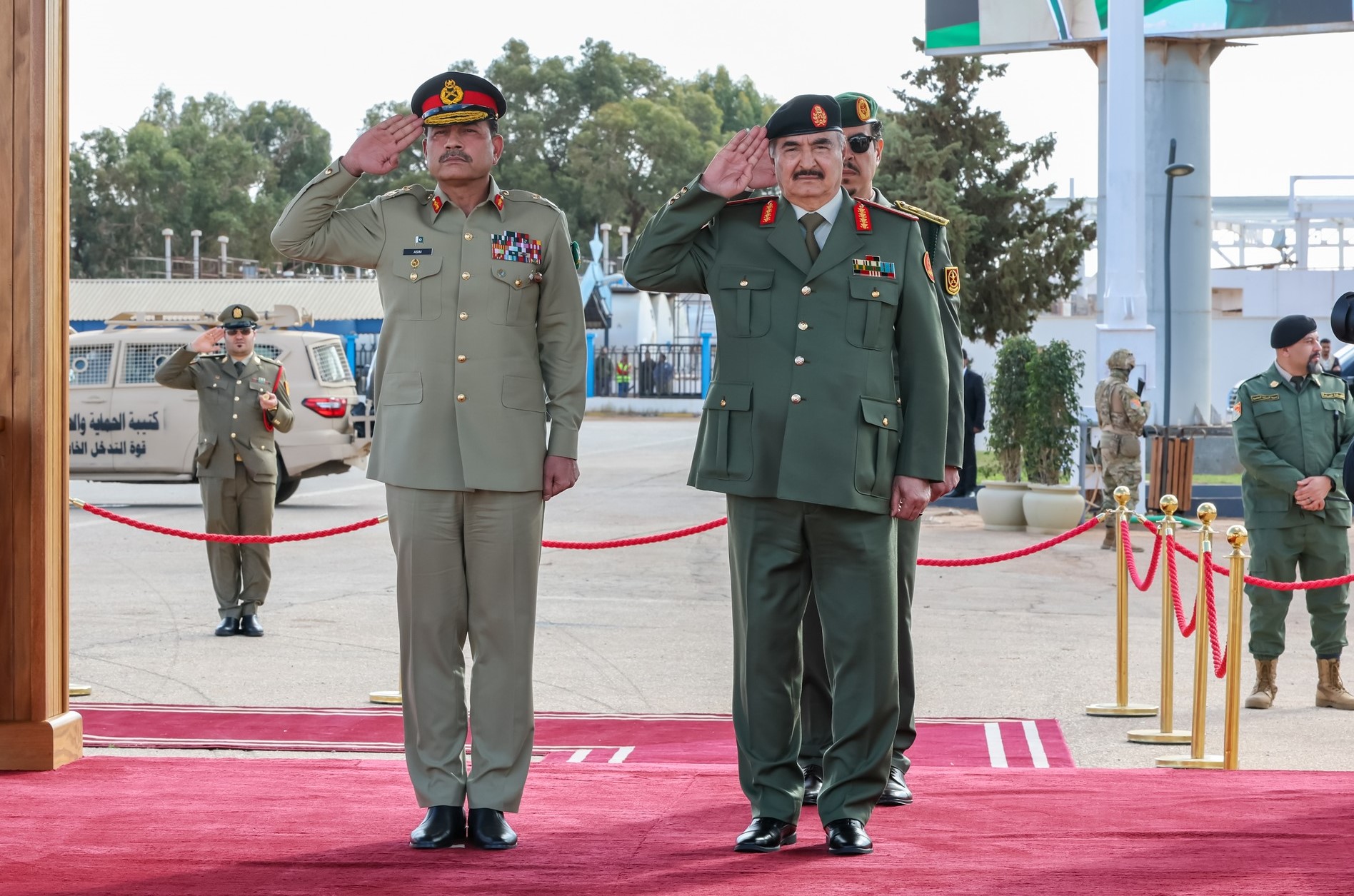
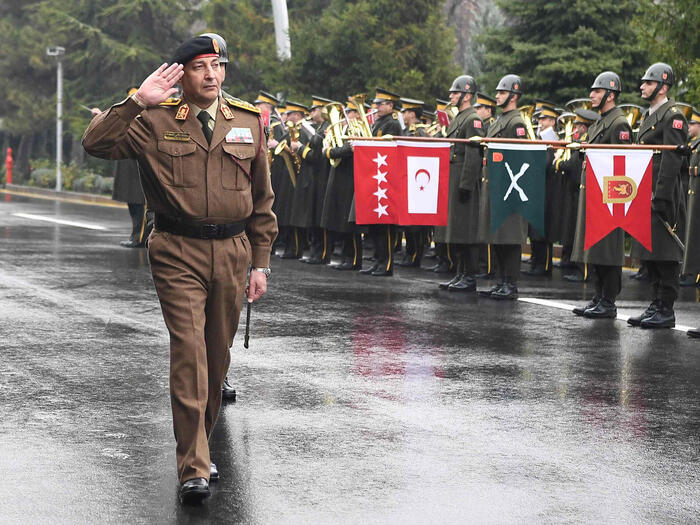
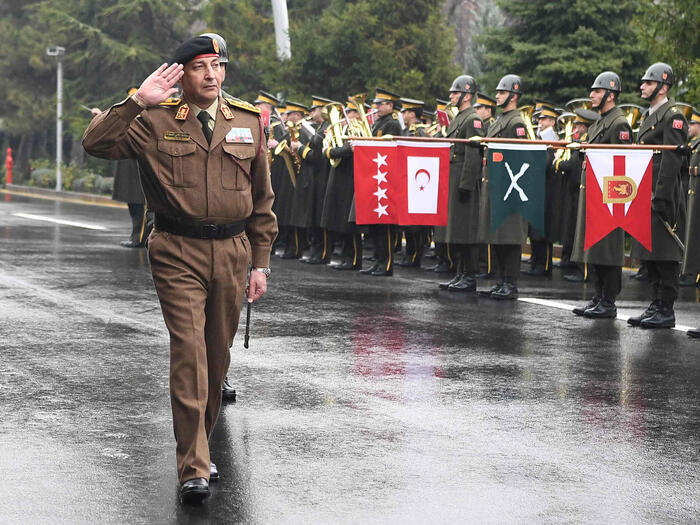
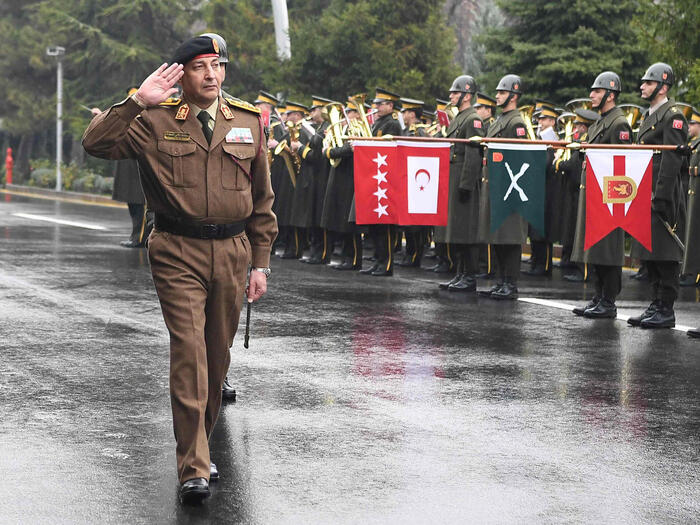
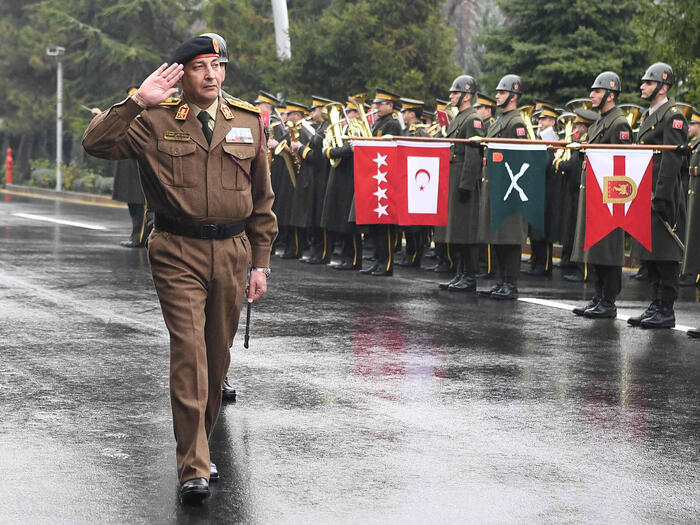
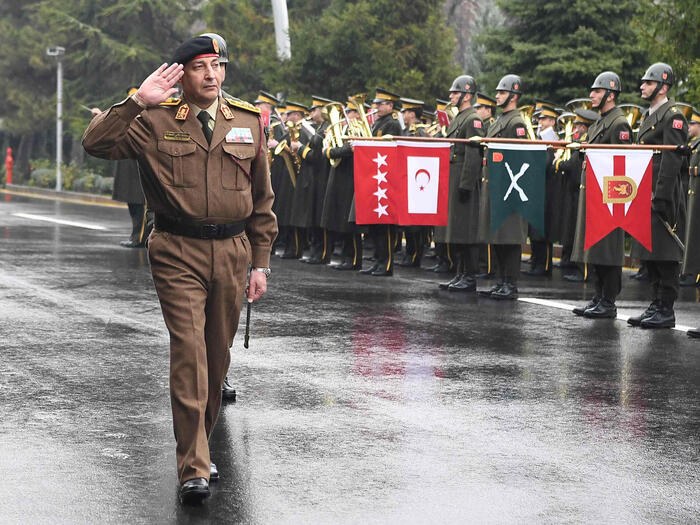
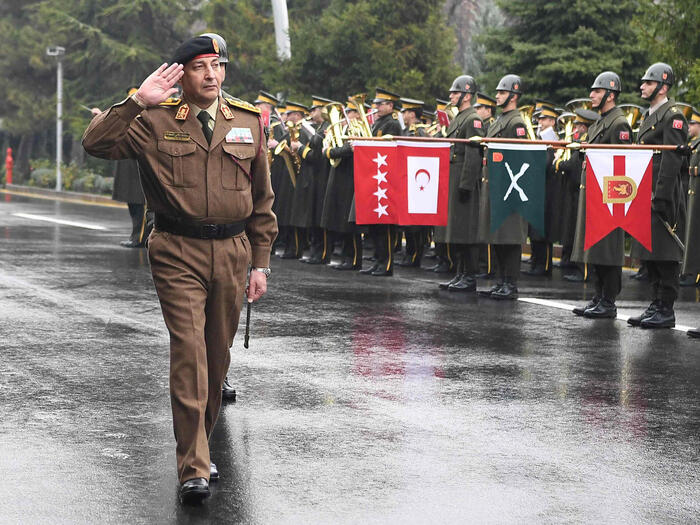
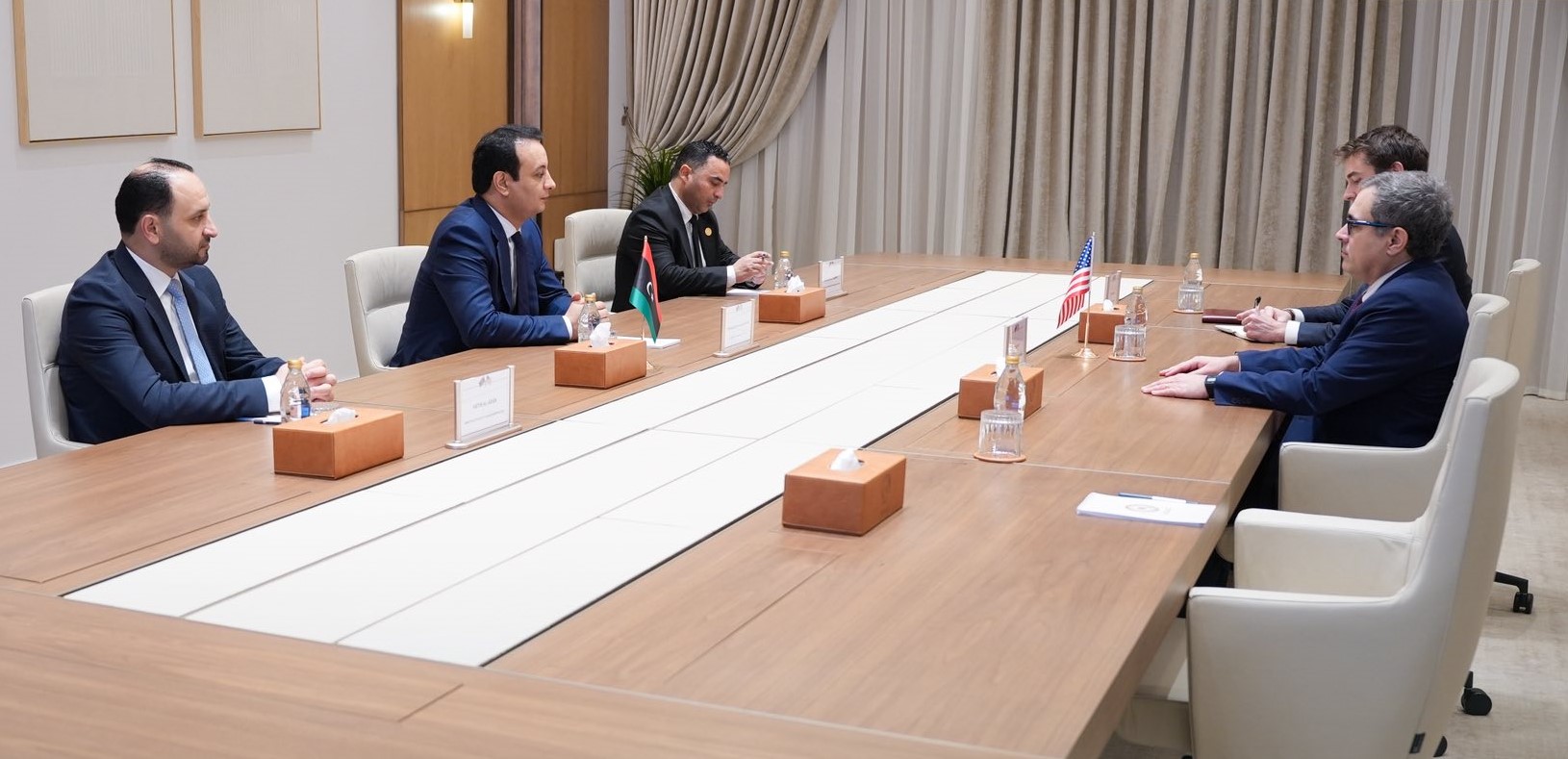
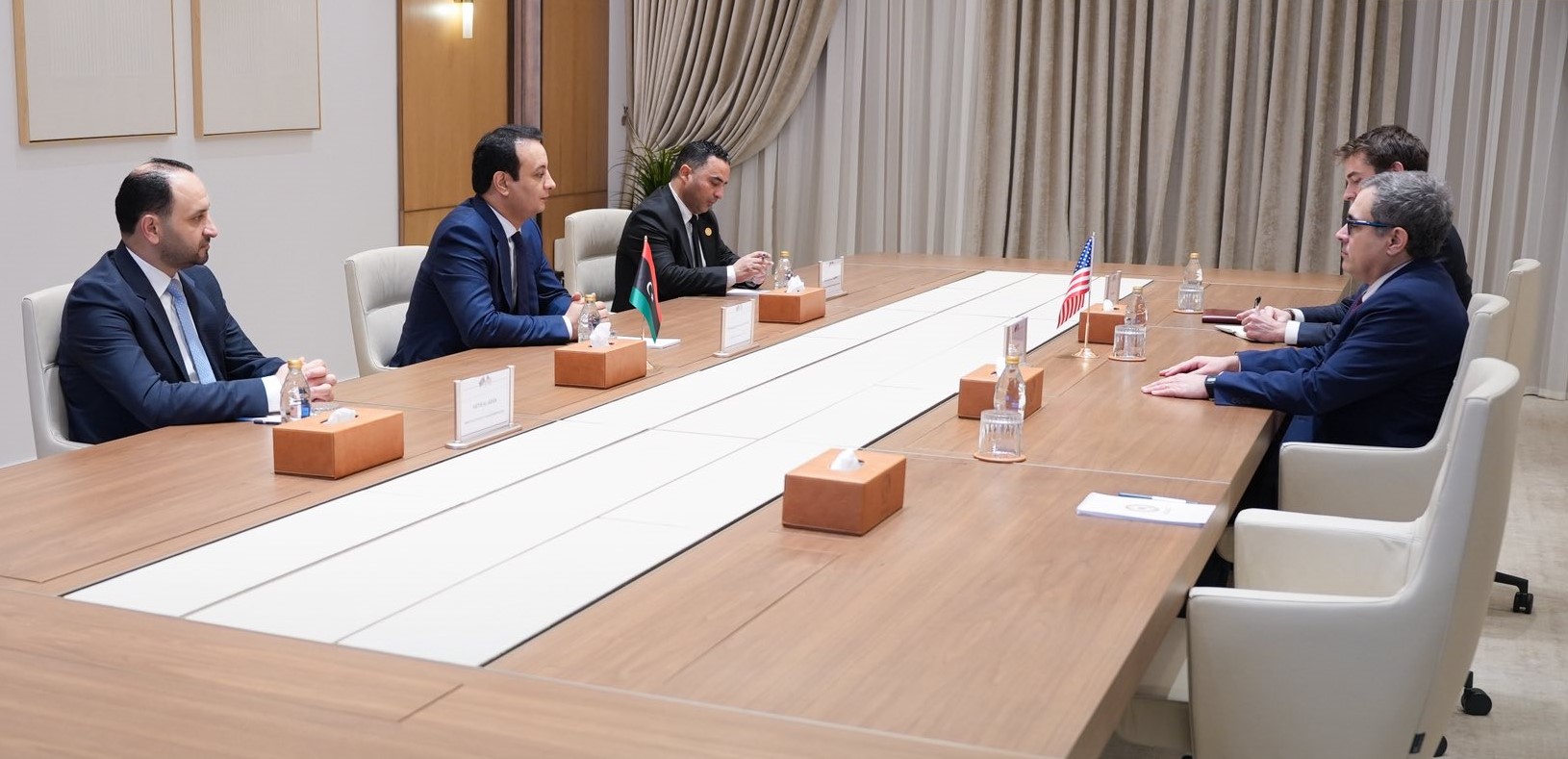
Tripoli, January 18, 2026 – The Chairman of the Presidential Council stated that Libya seeks to establish peace within its borders and with its regional and international surroundings.
This came during a speech he delivered at an official reception held this evening at the Crown Prince’s Palace in Tripoli, on the occasion of the seventy-fourth anniversary of Libya’s independence.
In his speech, he renewed the Libyan state’s commitment to its people, friends, and partners in the international community, affirming that Libya is moving forward, by the will of its people, towards building a unified, stable, and sovereign state that respects the rule of law and fulfills all its obligations.
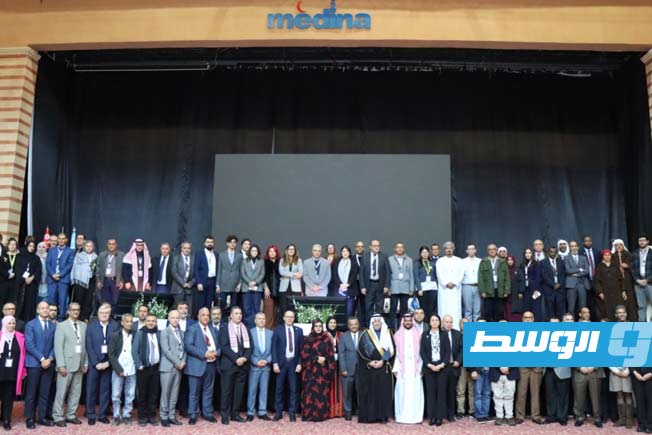
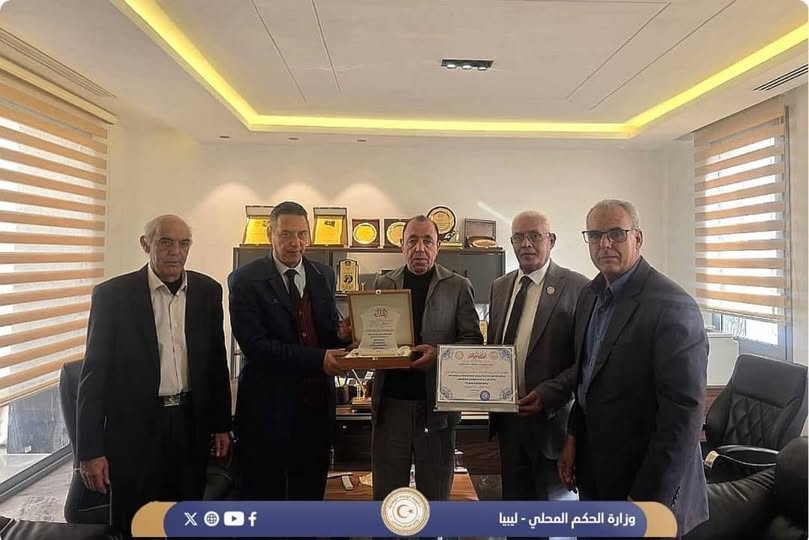
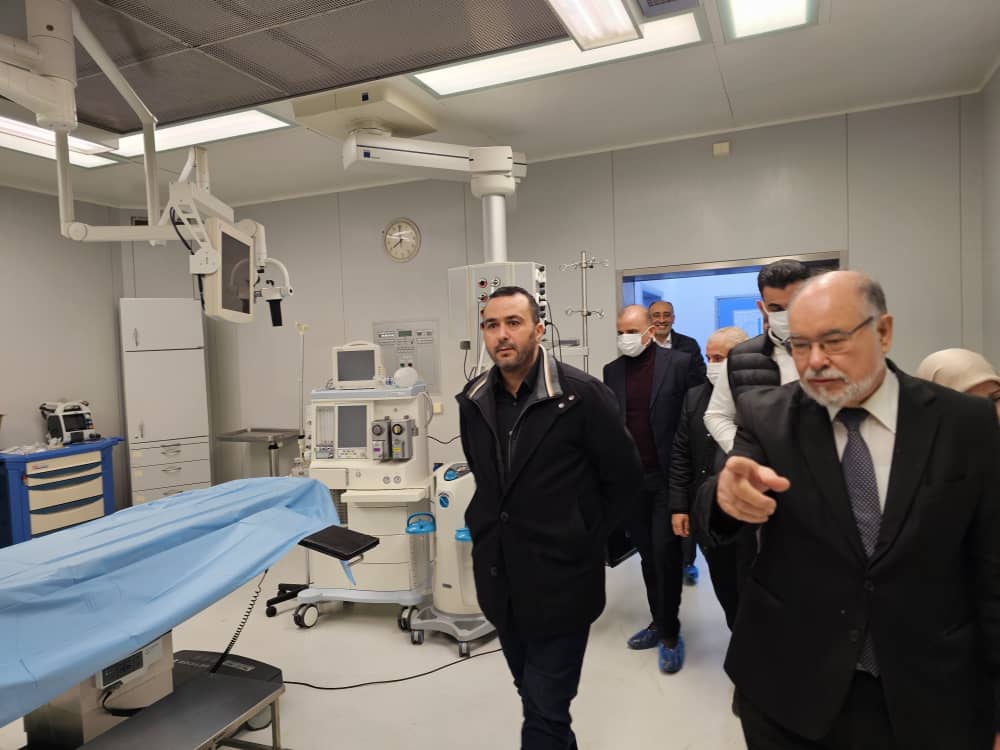
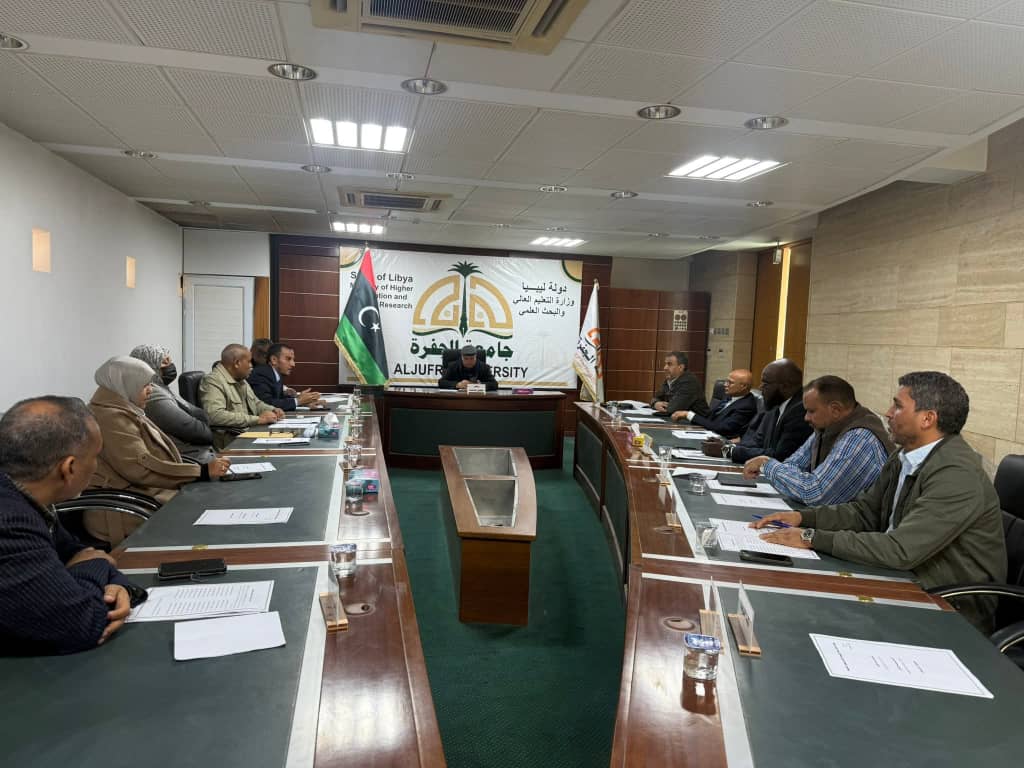
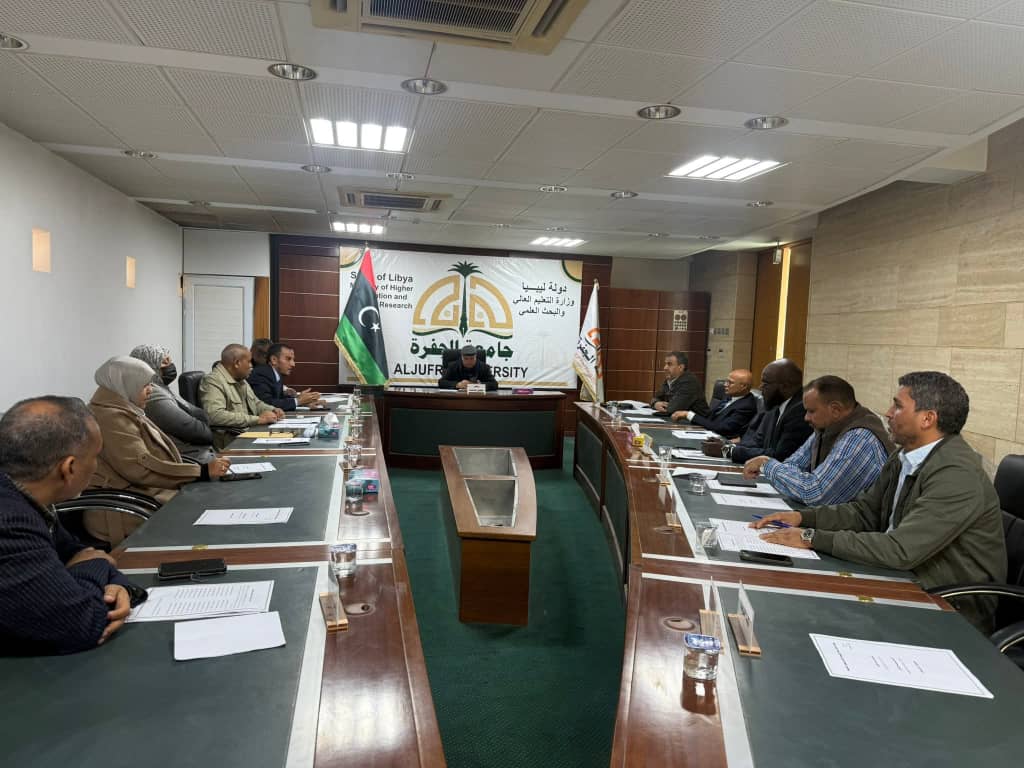
The ceremony was attended by the Second Deputy Chairman of the High Council of State, the heads of the Administrative Control Authority and the Audit Bureau, the Minister of Sports and Acting Minister of Local Governance, the Acting Minister of Oil, the Undersecretary of the Ministry of Health, the Undersecretary of the Ministry of Foreign Affairs, along with heads and members of diplomatic missions accredited to the State of Libya, the Mayor of Tripoli Municipality, and a number of descendants of the founding fathers.
…
Tripoli
Tripoli is the capital and largest city of Libya, located on the country’s Mediterranean coast. Historically, it was founded by the Phoenicians in the 7th century BC and has since been ruled by the Romans, Arabs, Ottomans, and Italians, serving as a major port and cultural crossroads. Its historic center, the medina, features well-preserved architecture from these various eras.
Libya
Libya is a North African country with a rich history rooted in ancient civilizations like the Phoenicians and Romans, followed by centuries of Arab and Ottoman influence. In the modern era, it was an Italian colony before gaining independence in 1951, later becoming known for Muammar Gaddafi’s lengthy rule from 1969 until the 2011 revolution. Its cultural sites include the well-preserved Roman ruins of Leptis Magna, a UNESCO World Heritage site.
Crown Prince’s Palace
The Crown Prince’s Palace, often referring to the official residence of the heir to a monarchy, is a historic site symbolizing continuity and tradition. For instance, the Crown Prince’s Palace in Tokyo, Japan, was originally completed in 1909 and served as the residence for the Crown Prince before becoming a state guest house and museum. These palaces typically reflect national architectural styles and house significant art collections.
Presidential Council
The Presidential Council is a governing body typically established in some countries to serve as a collective head of state, often during transitional periods or in power-sharing governments. Its history and specific role vary by nation, but it is commonly formed to represent diverse political or regional factions, as seen in contexts like post-Gaddafi Libya or the Supreme Political Council in Yemen.
High Council of State
The High Council of State is a governmental body in Libya, established as part of the 2015 Libyan Political Agreement. It was designed to serve as an advisory and consensus-building authority, representing a broad spectrum of Libyan society and political factions during the country’s transitional period following the 2011 civil war.
Administrative Control Authority
The Administrative Control Authority is an Egyptian government body established in the 1960s, primarily responsible for combating corruption and ensuring administrative discipline within state institutions. It operates under the supervision of the presidency and has broad investigative powers to audit and review the conduct of public officials and entities.
Audit Bureau
The Audit Bureau is an independent government institution responsible for overseeing and auditing public finances to ensure transparency and accountability. Its history typically involves establishment through national legislation to combat corruption and promote fiscal responsibility, with specific founding dates and legal frameworks varying by country.
Ministry of Sports
The Ministry of Sports is a government department responsible for overseeing and promoting sports, physical education, and recreational activities within a nation. Its history is tied to the modern recognition of sports’ societal importance, with many countries establishing such ministries in the 20th century to foster national health, unity, and international athletic success.
Ministry of Local Governance
The Ministry of Local Governance is a government institution responsible for overseeing and coordinating regional and municipal administration. Its history is tied to the development of modern state structures, often evolving from older systems of provincial management to empower local authorities and decentralize services.
Ministry of Oil
The Ministry of Oil is the Iraqi government body responsible for managing the country’s vast petroleum resources, established following the nationalization of the Iraq Petroleum Company in 1972. It oversees all aspects of the oil industry, from exploration to export, which forms the backbone of the Iraqi economy. Its history is deeply intertwined with Iraq’s modern political and economic development, marked by periods of conflict, sanctions, and reconstruction.
Ministry of Health
The Ministry of Health is the government department responsible for public health policy, healthcare systems, and medical services within a nation. Its history typically begins with the formal establishment of a dedicated health department, often in the 19th or 20th century, as governments recognized the need for centralized management of sanitation, disease control, and later, national healthcare.
Ministry of Foreign Affairs
The Ministry of Foreign Affairs is the government department responsible for managing a nation’s diplomatic relations and foreign policy. Its history is tied to the development of the modern state, often evolving from a ruler’s private secretariat into a formal cabinet-level ministry, with many established in the 18th or 19th centuries as international diplomacy became more structured.
Tripoli Municipality
Tripoli Municipality is the governing body of Tripoli, Lebanon’s second-largest city, which has a history dating back to the Phoenician era. The modern municipality manages the city’s services and infrastructure, overseeing a historic urban center known for its Mamluk-era architecture, including the iconic Tripoli Citadel.