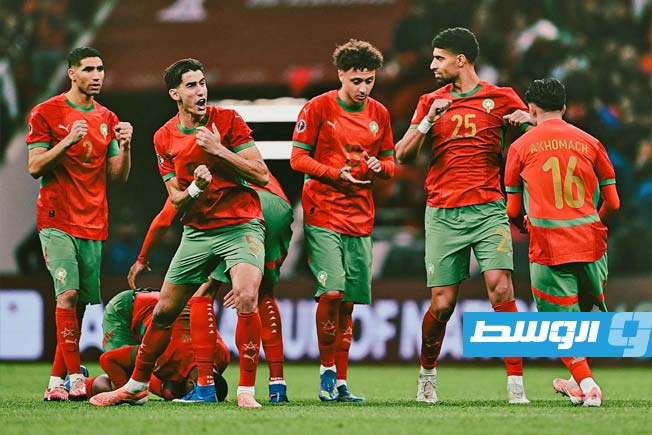
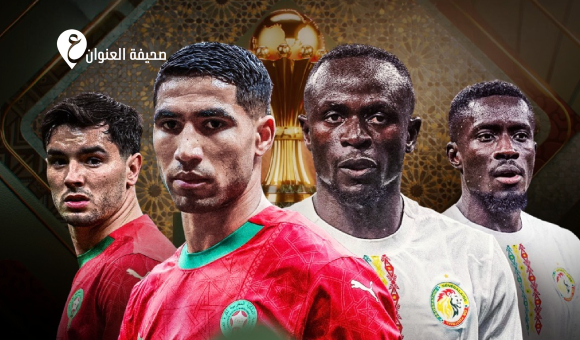
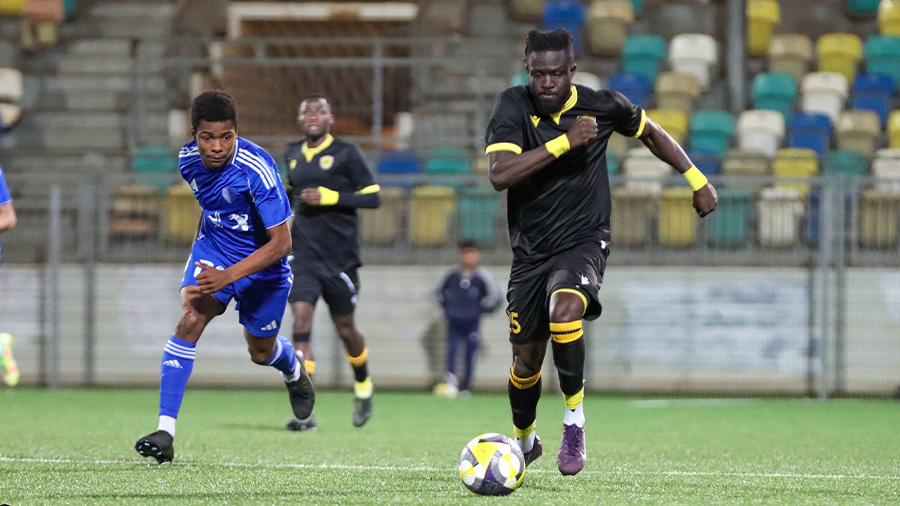
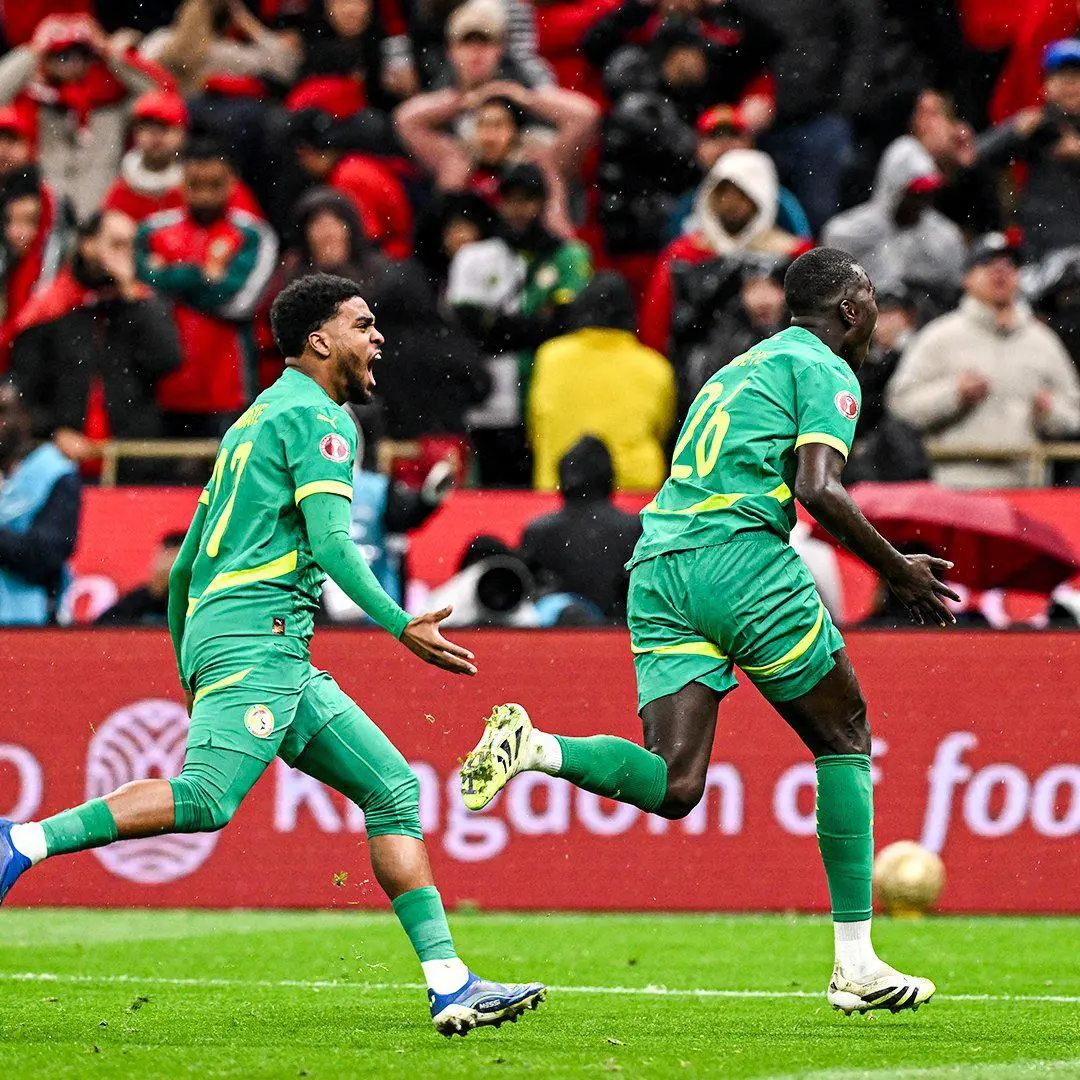
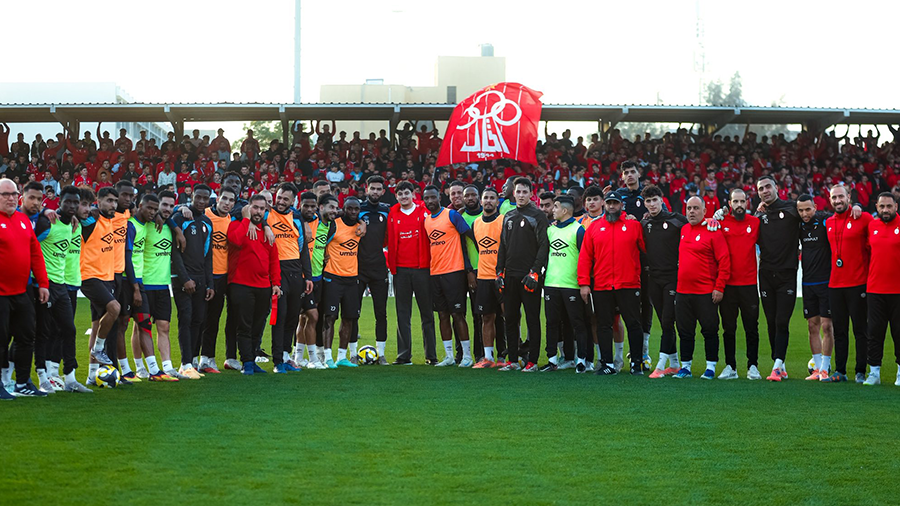
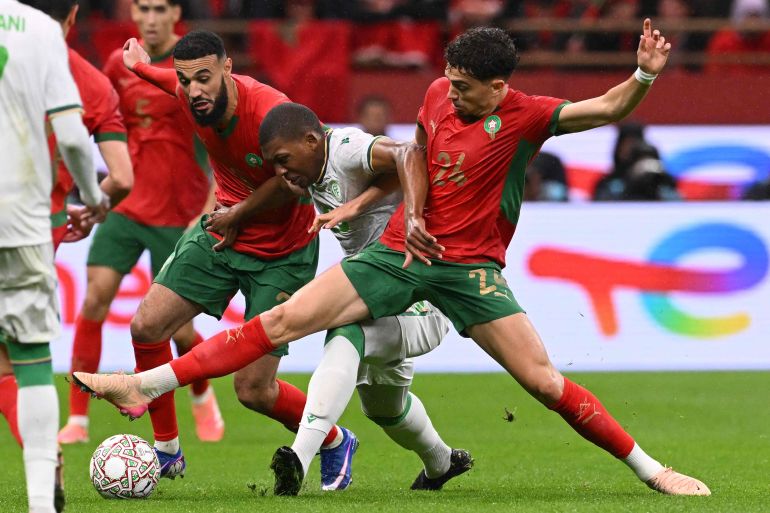
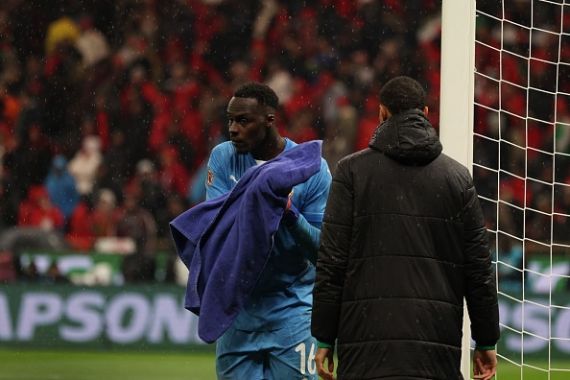
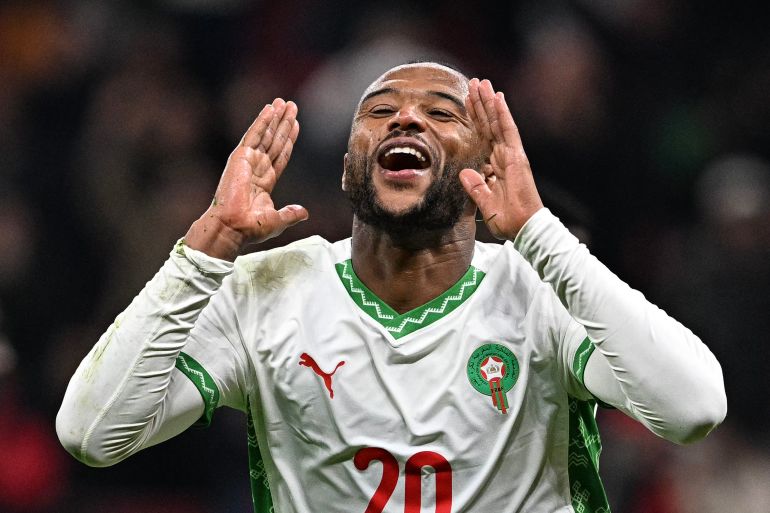
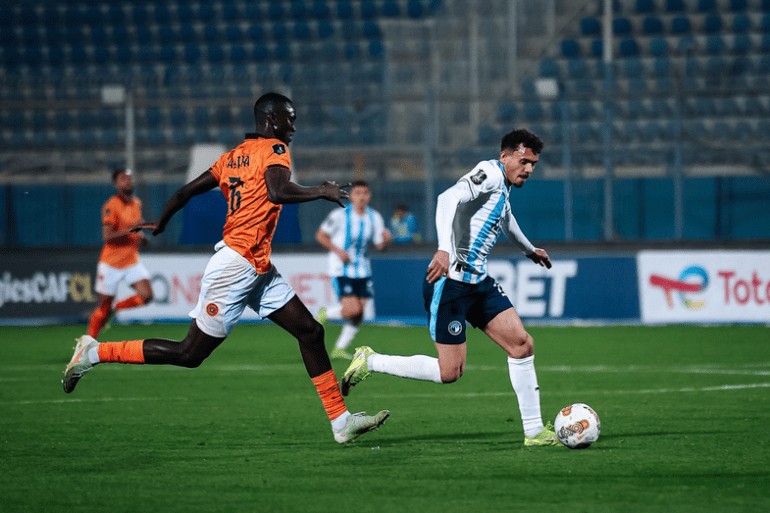
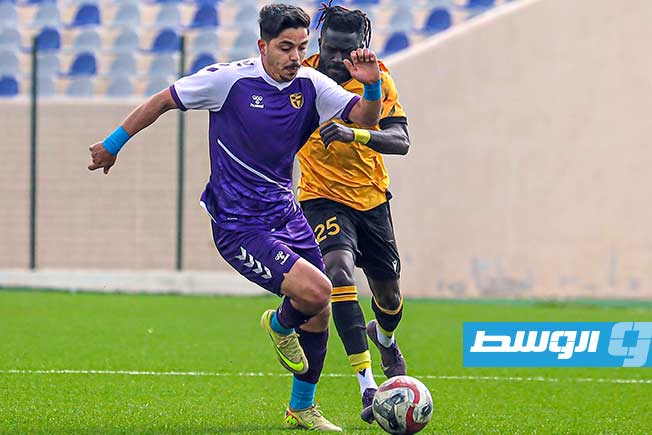
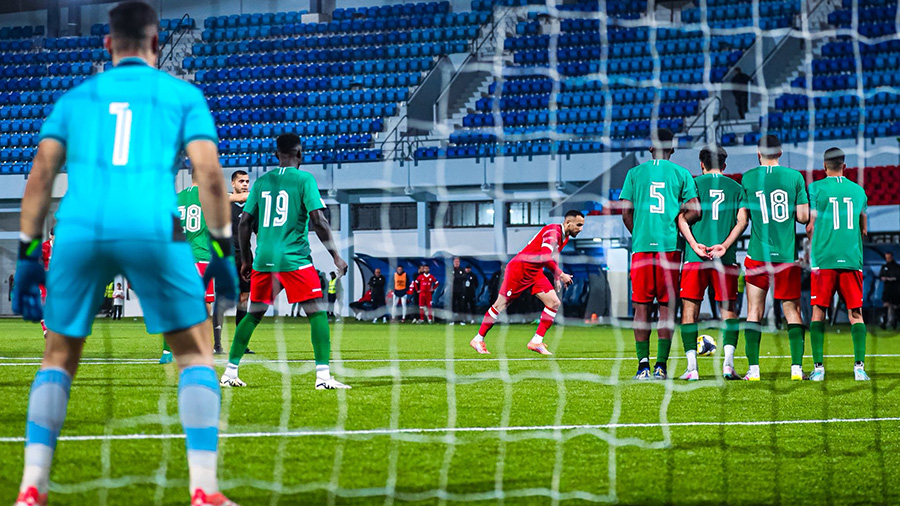
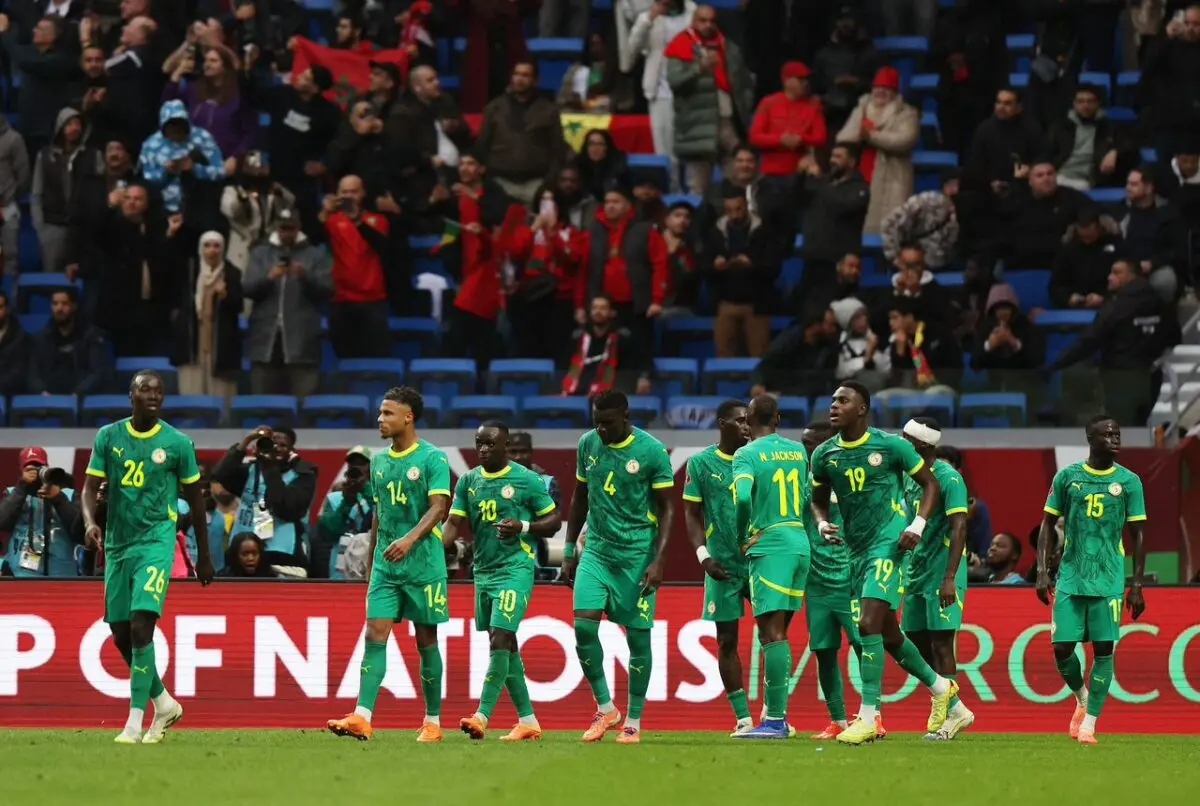
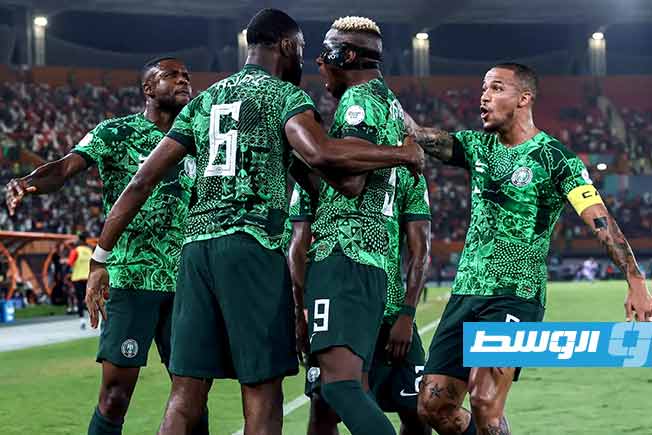
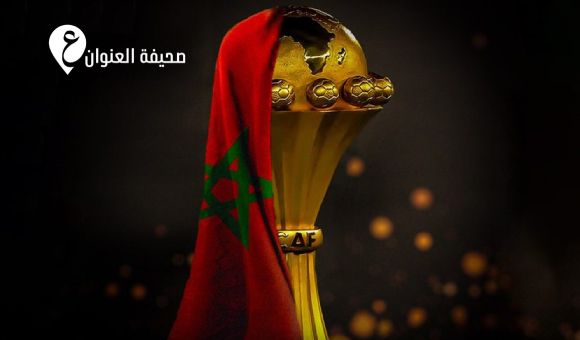
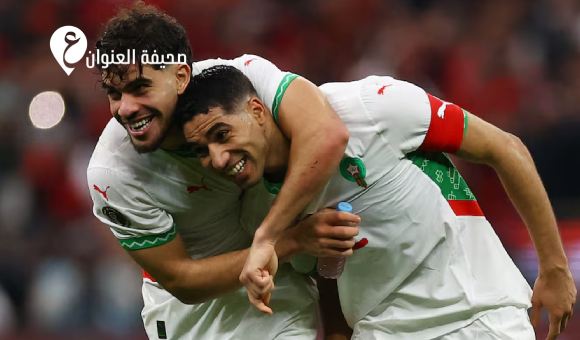
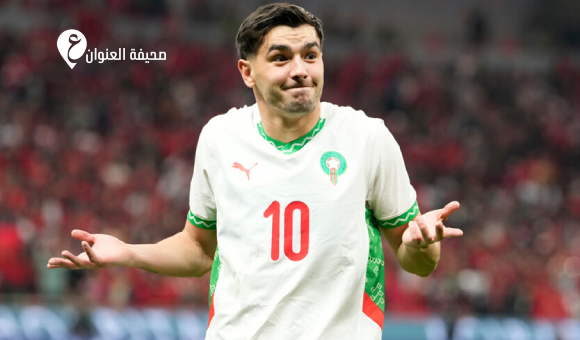
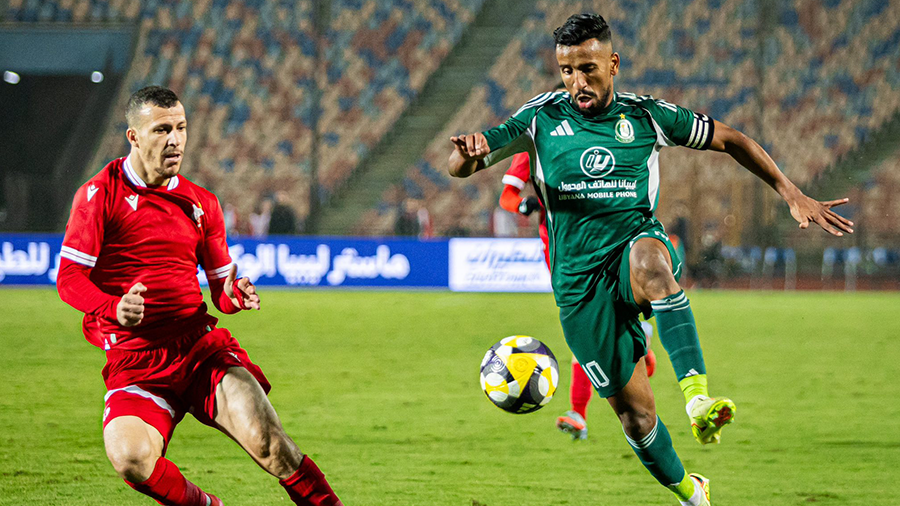
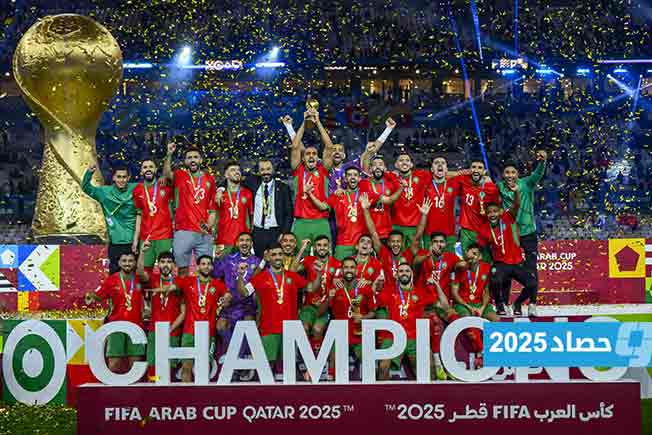
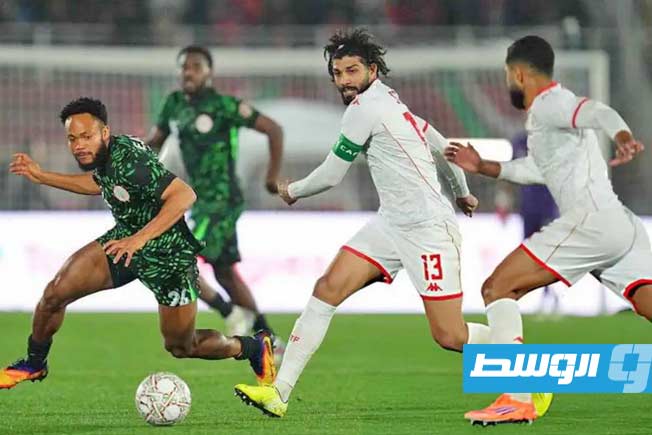
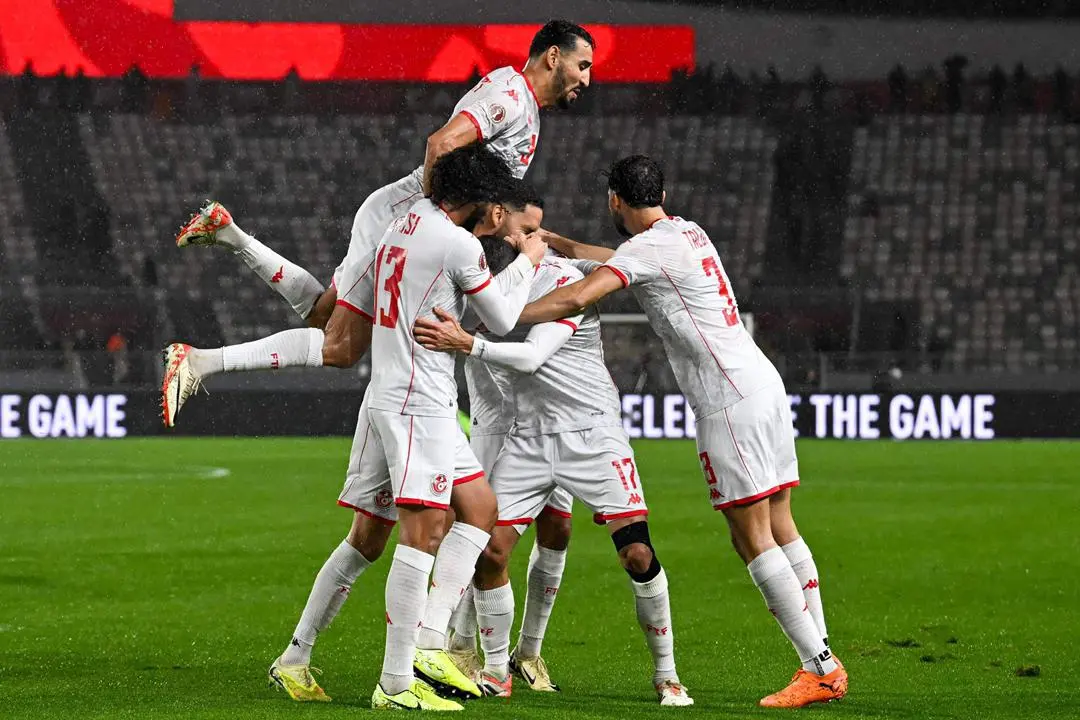
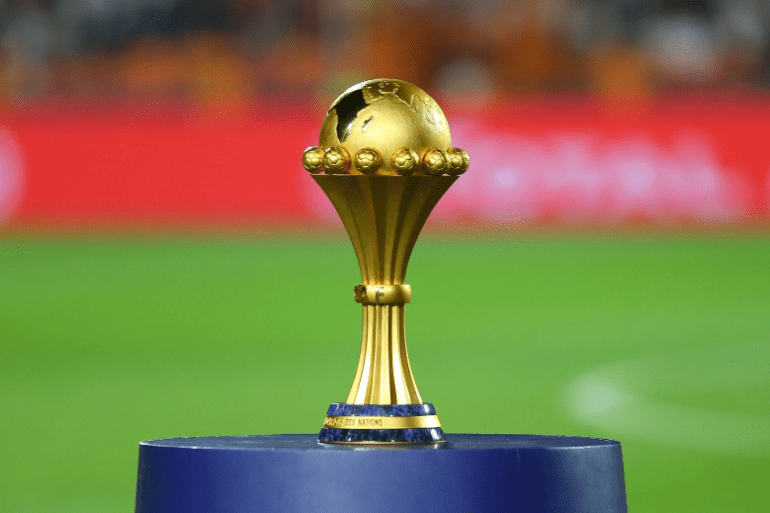
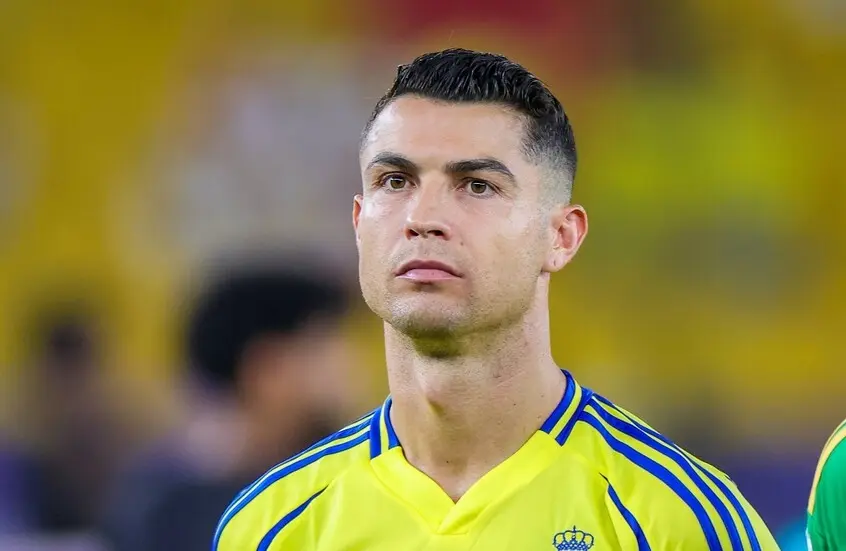
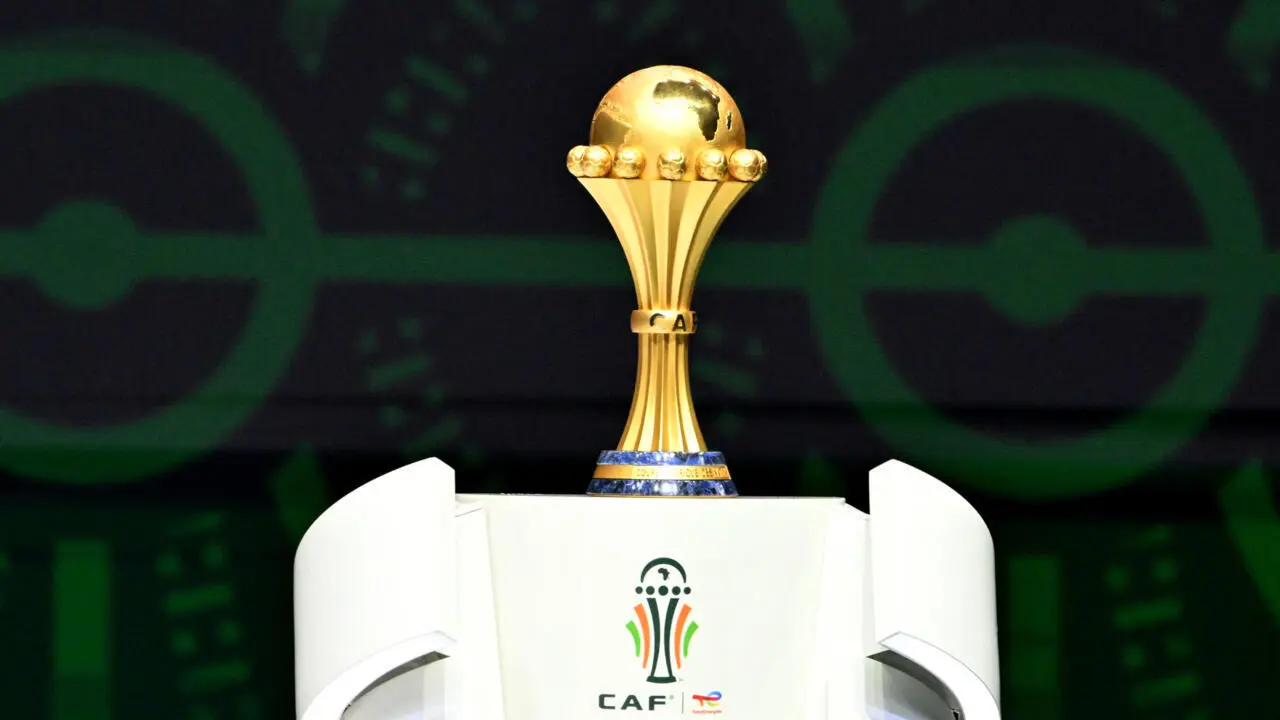
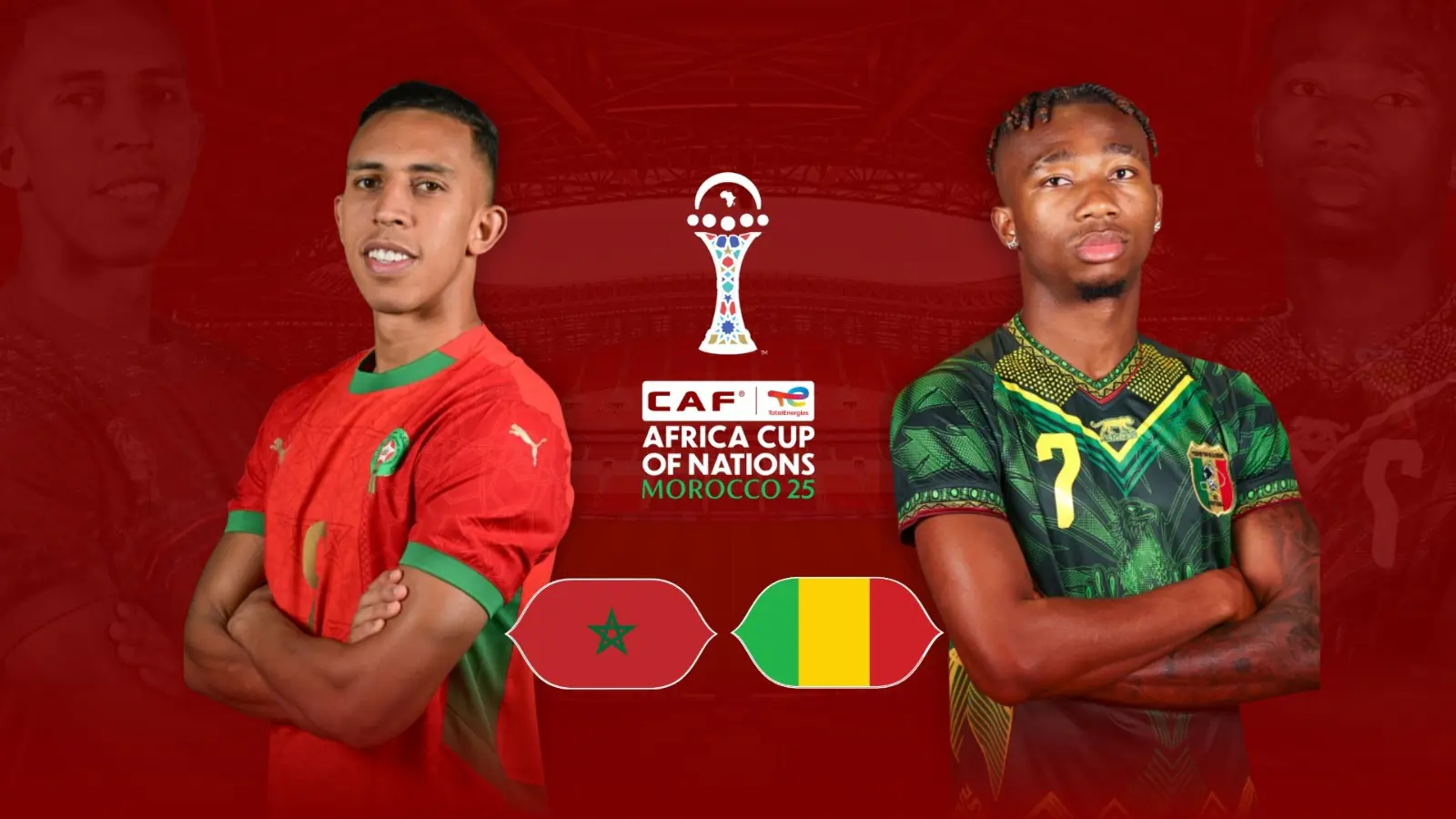
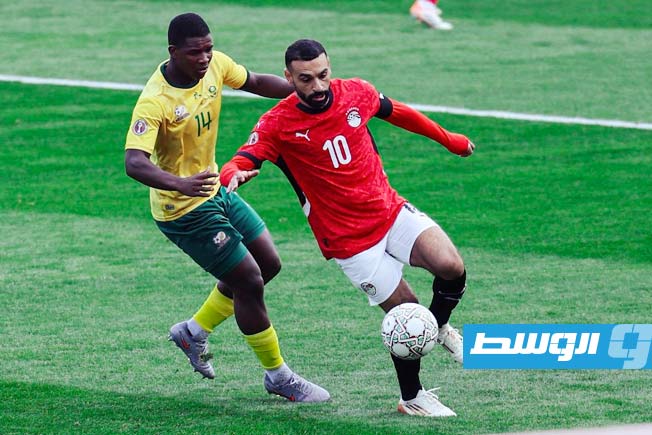
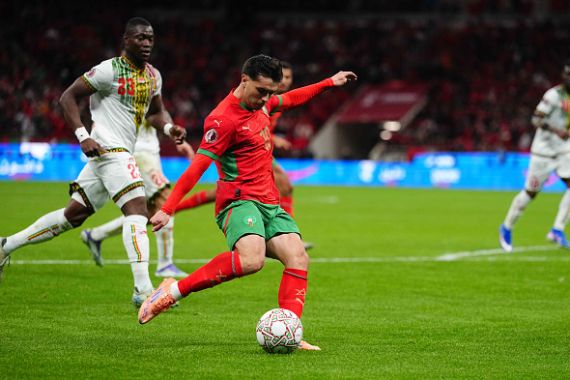
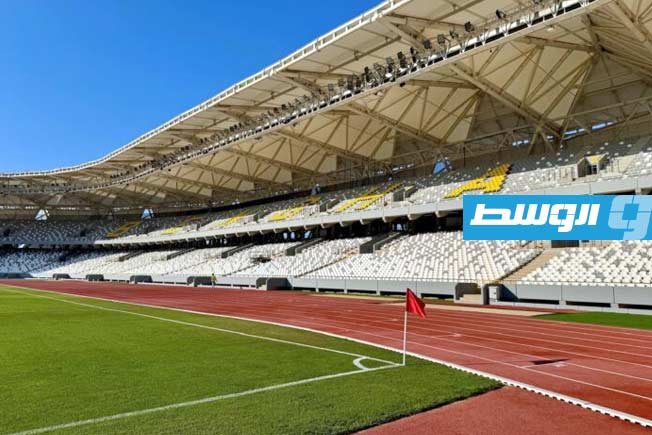
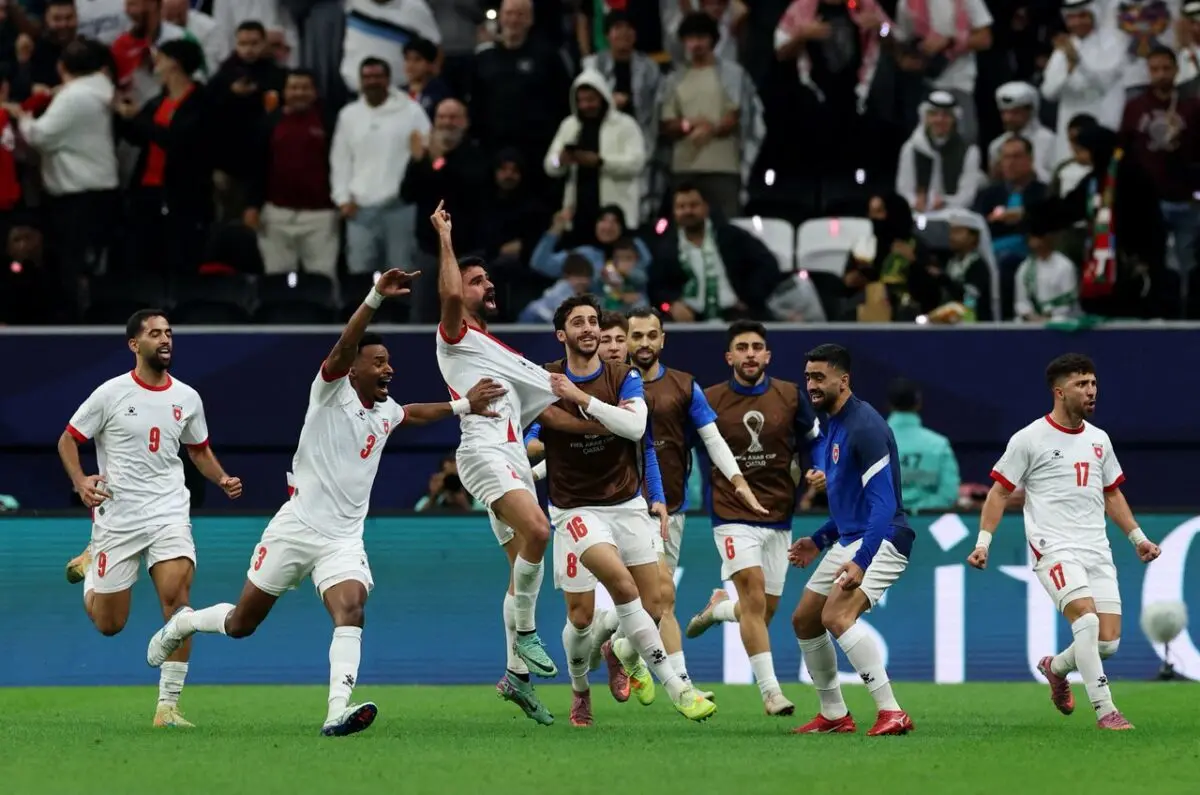
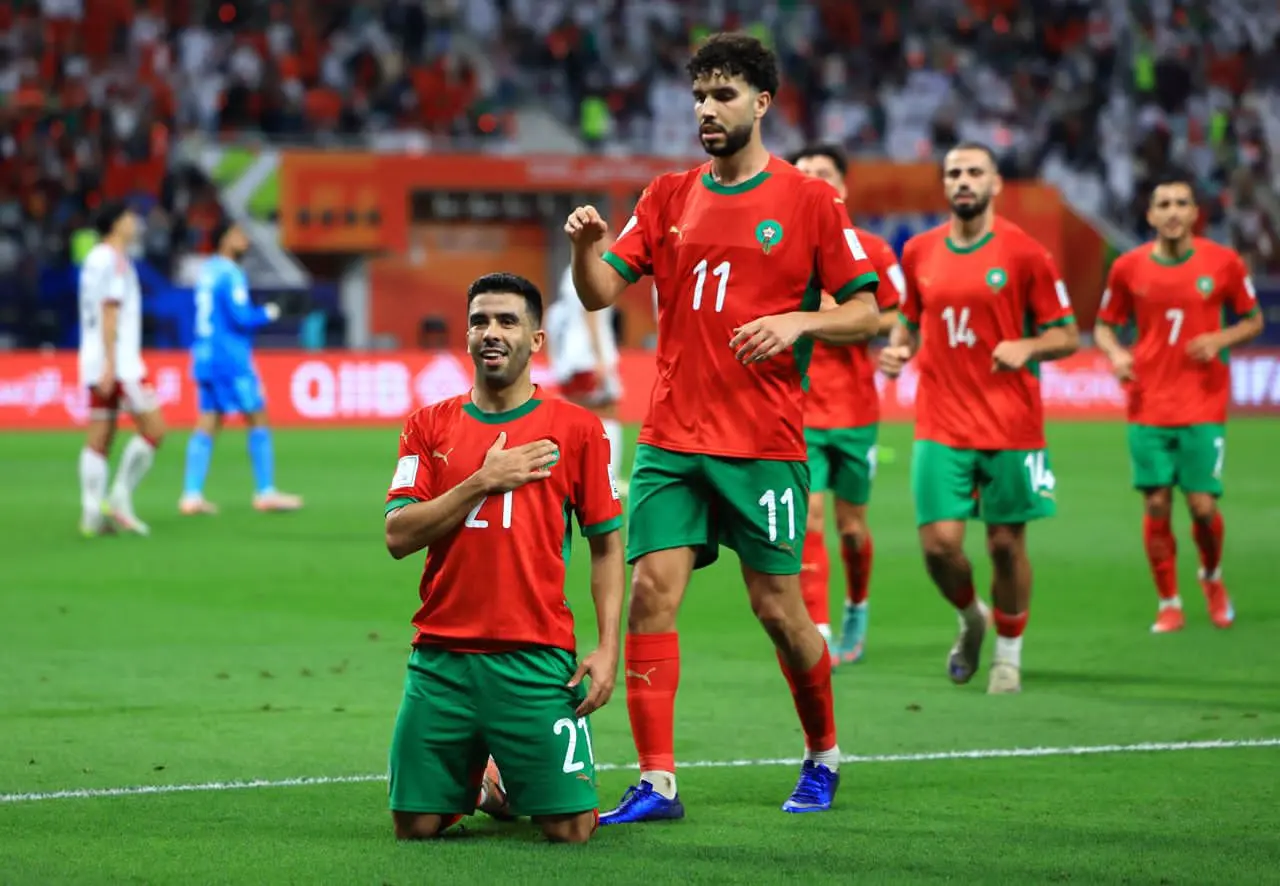
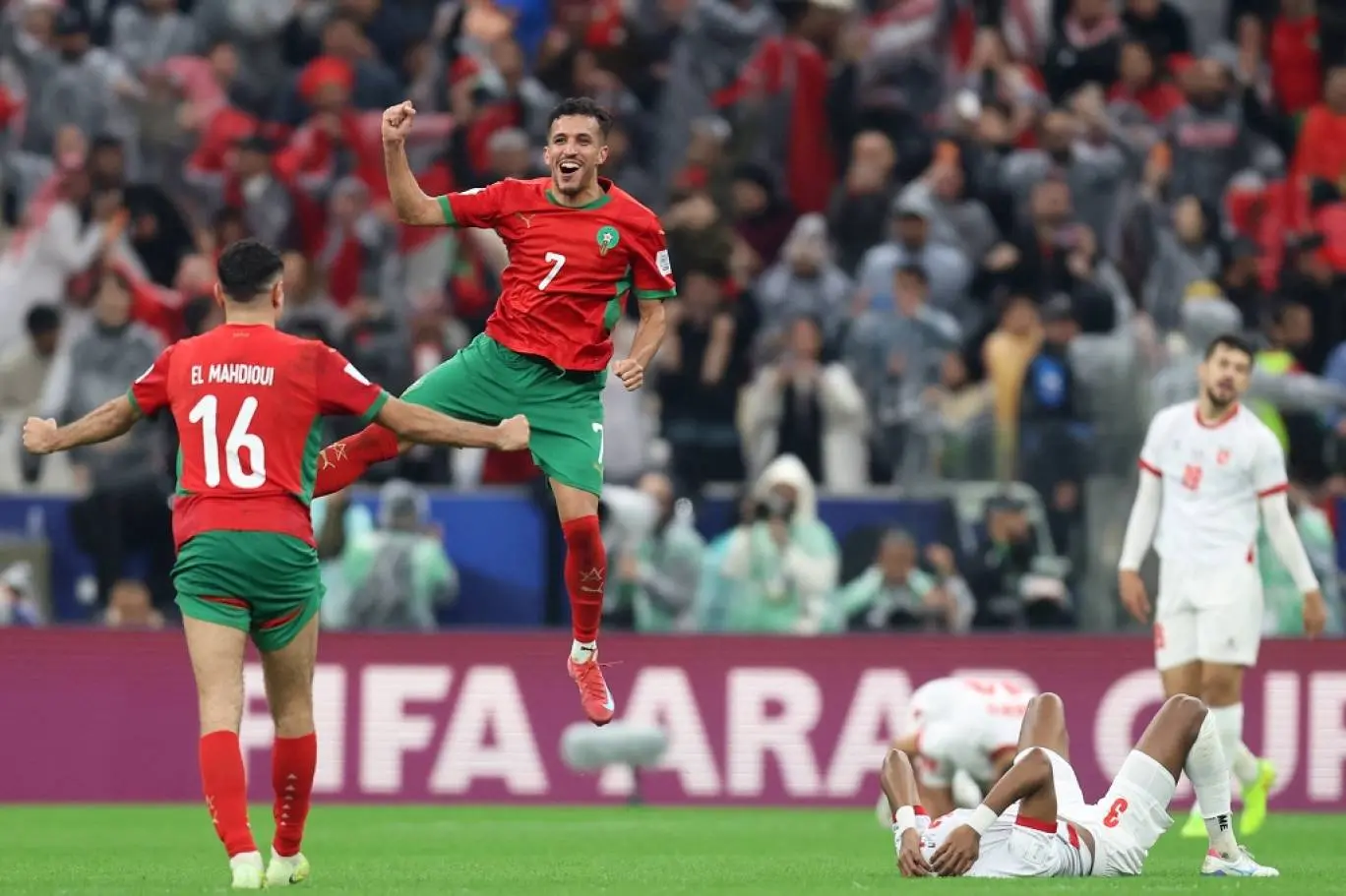
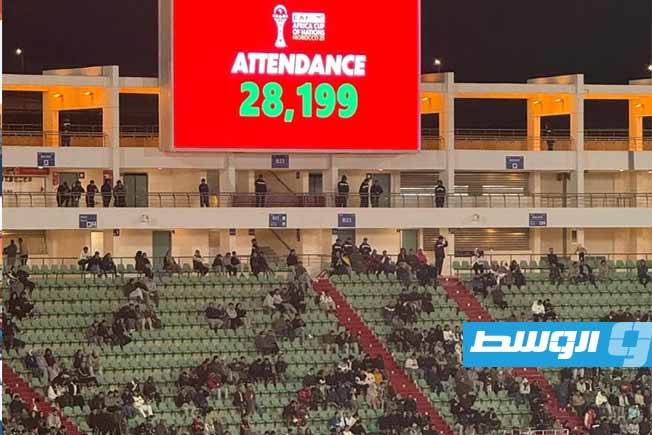
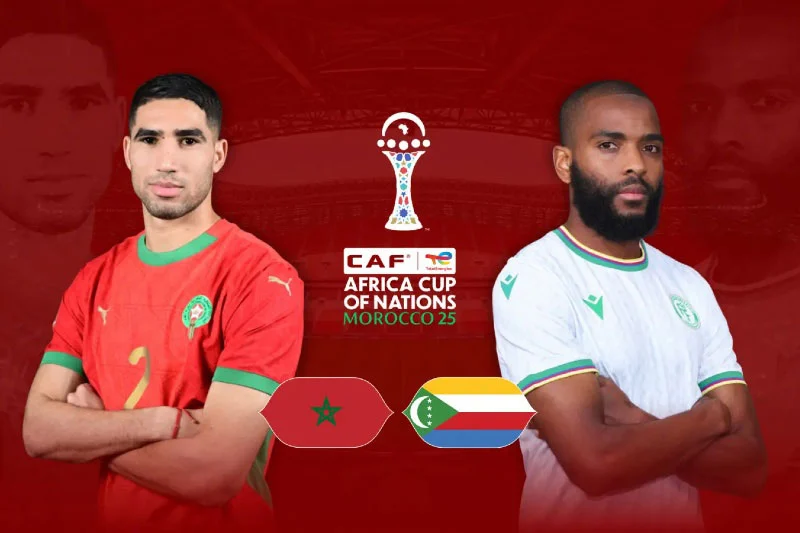
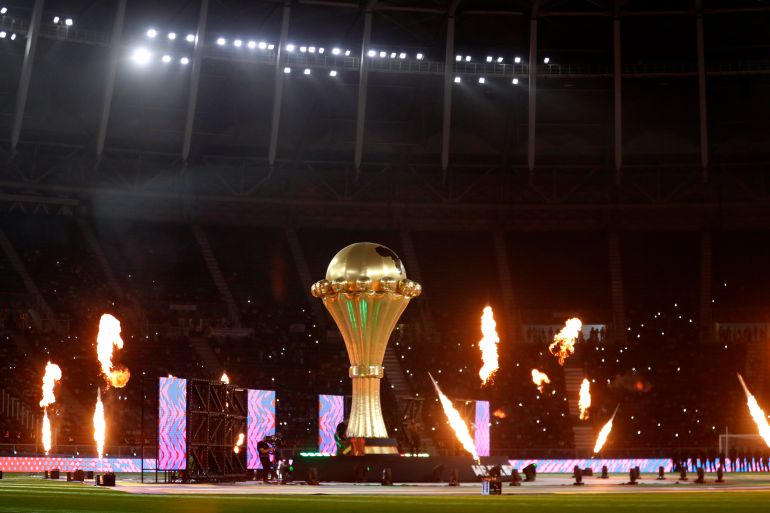
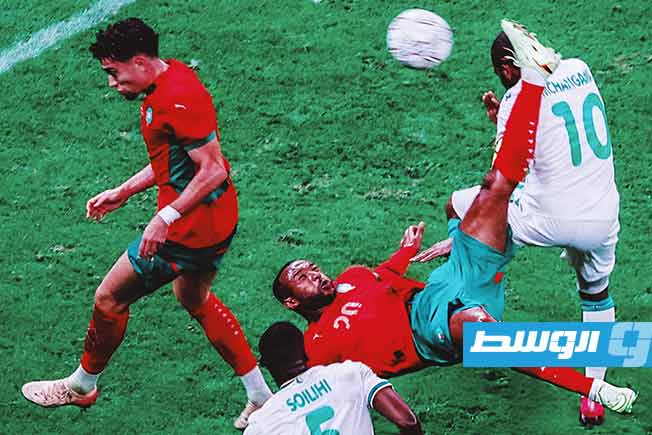
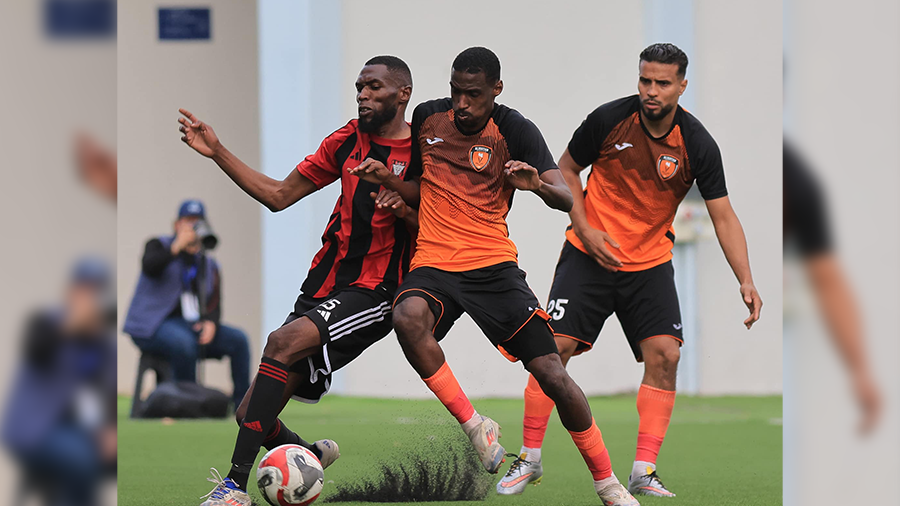
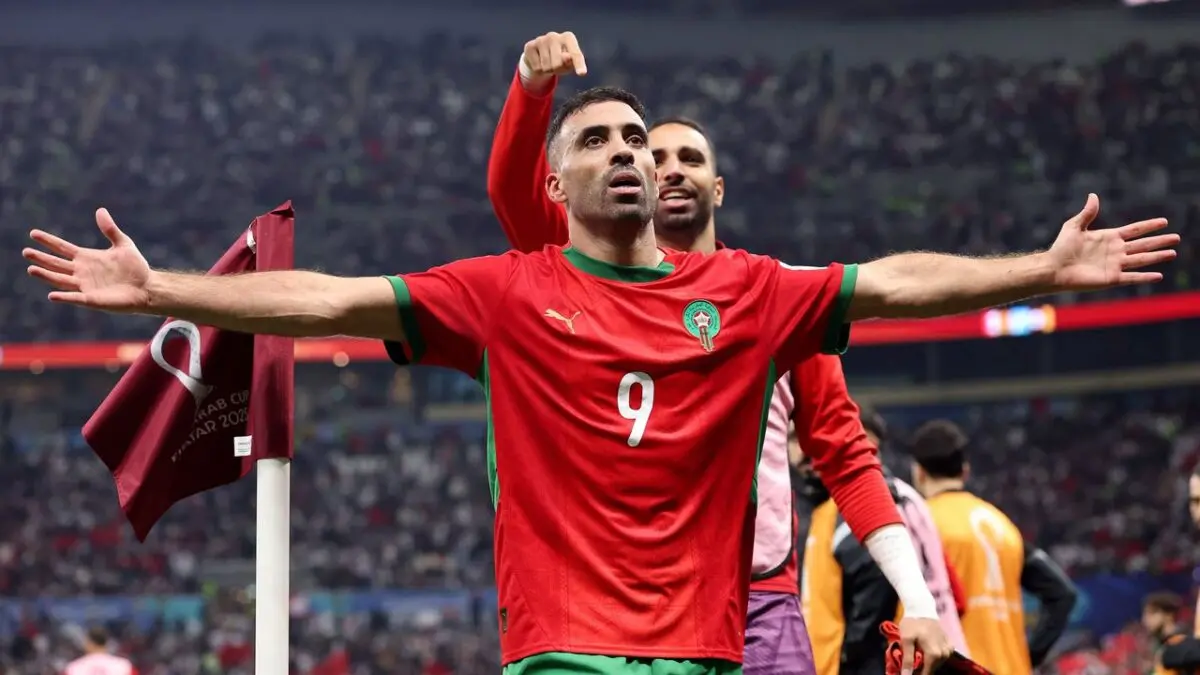
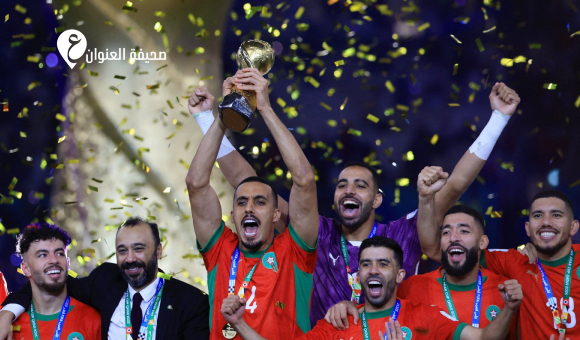
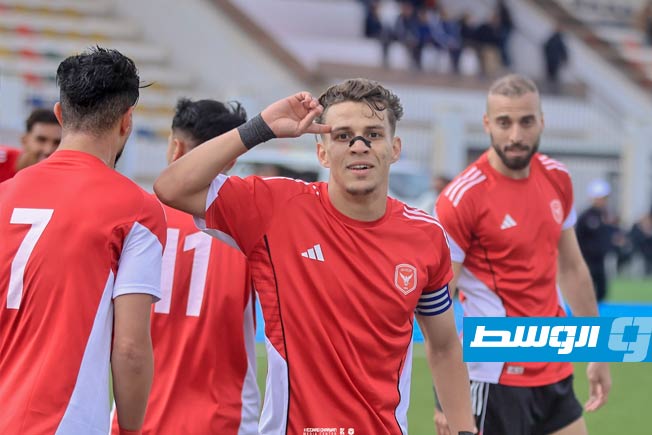
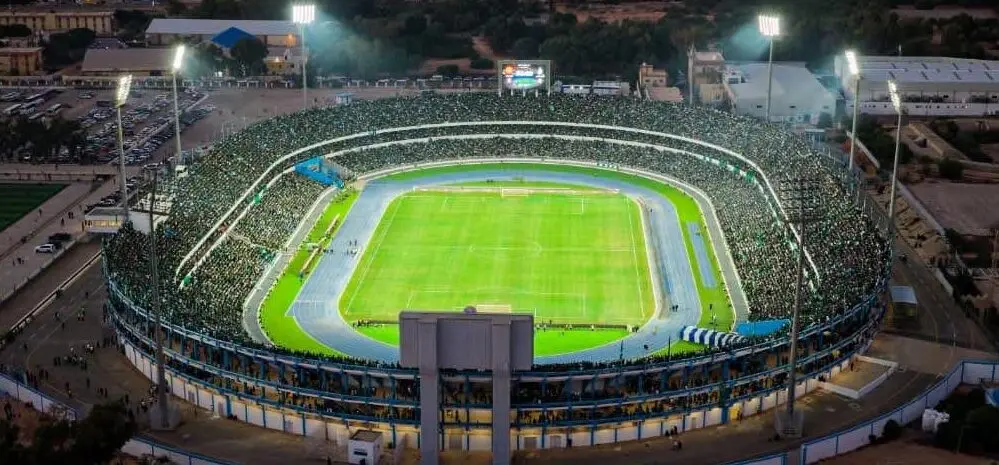
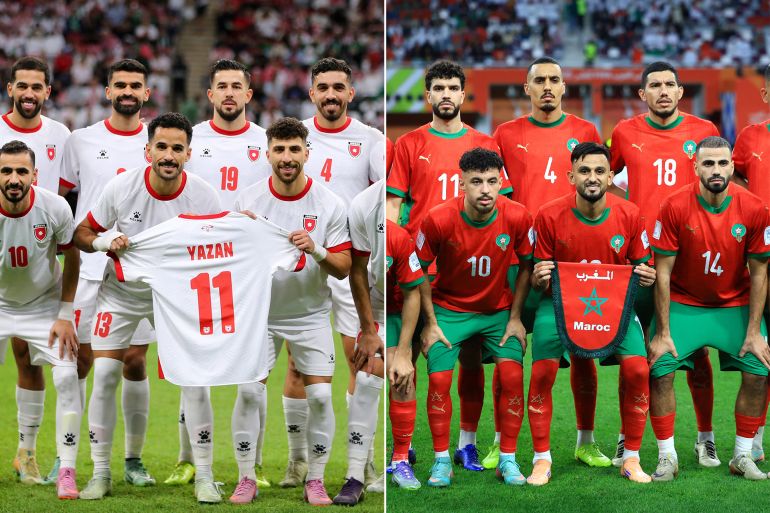
The Moroccan national team faces a decisive match against Zambia this Monday evening at the Prince Moulay Abdellah Sports Complex in Rabat, concluding the third round of Group 1 in the 2025 Africa Cup of Nations, currently being held in Morocco.
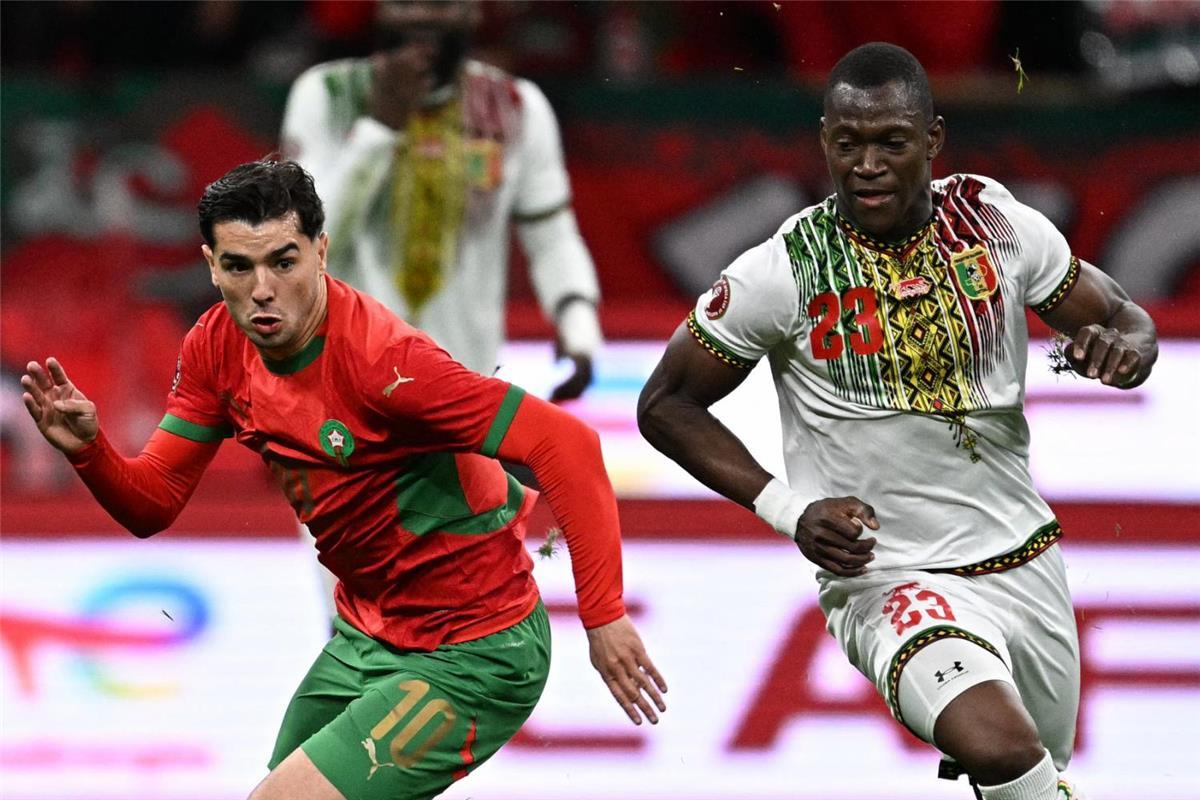
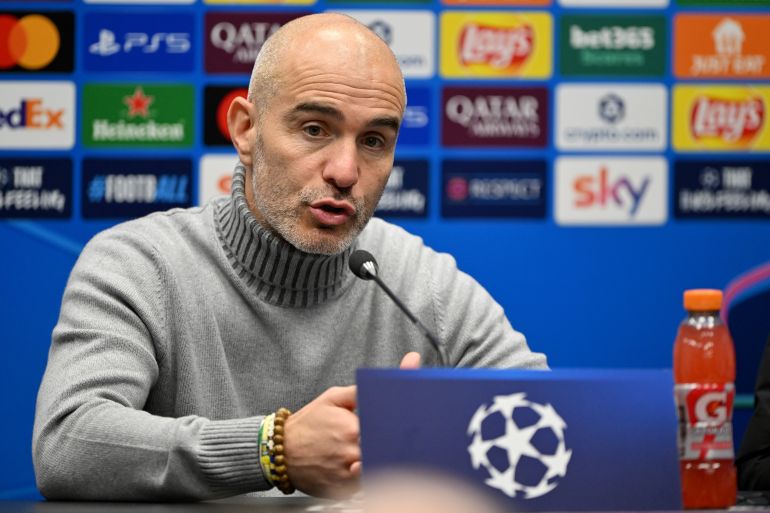
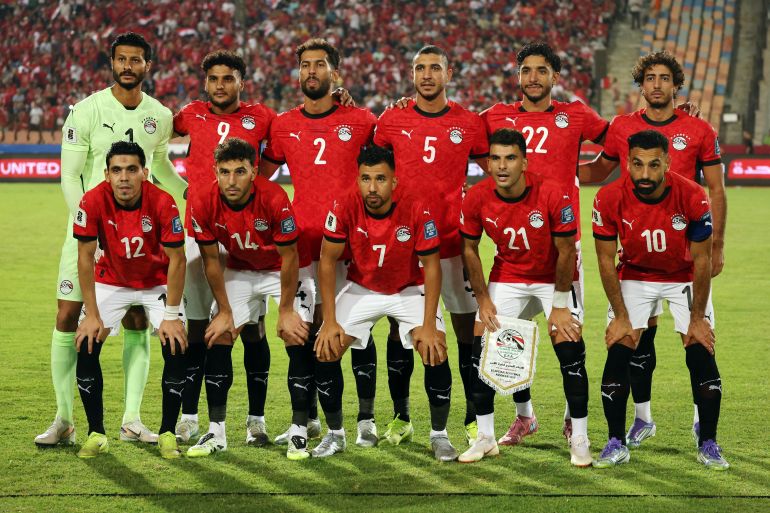
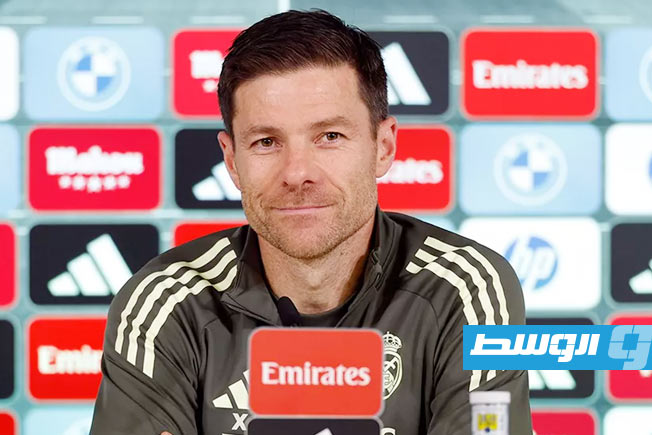
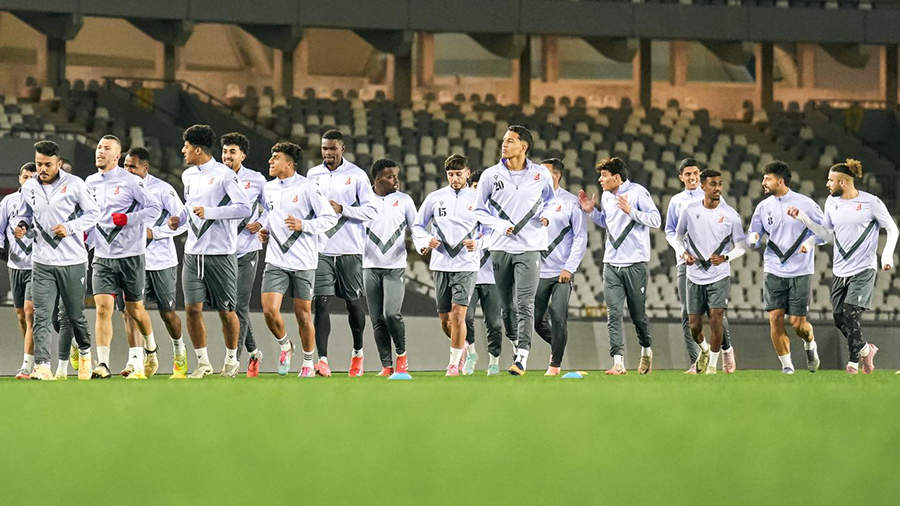
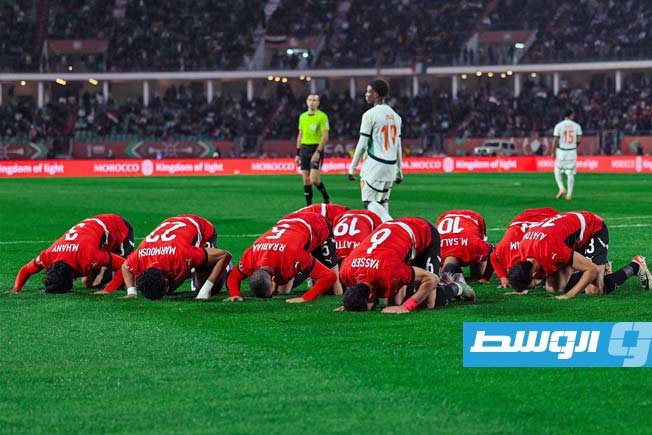
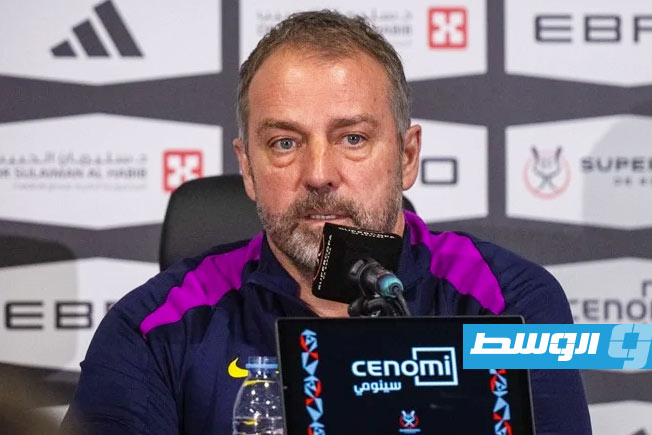
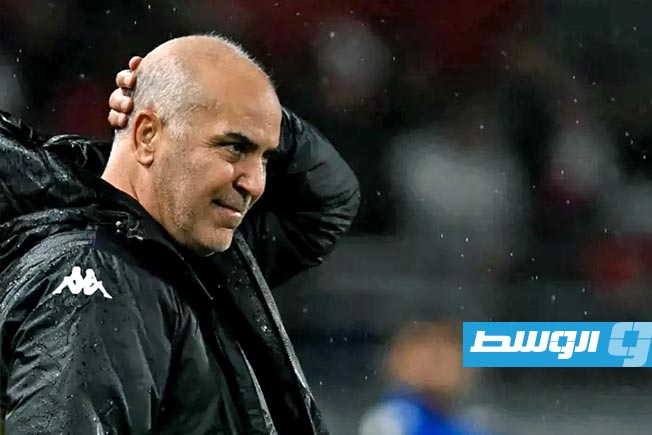
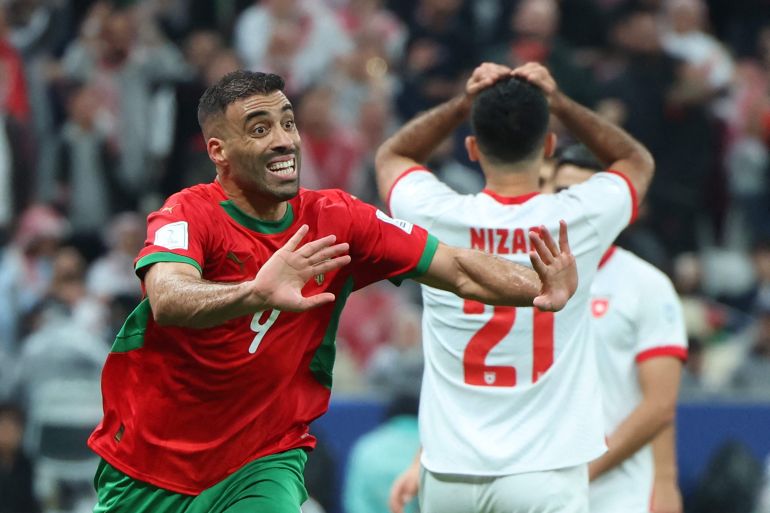
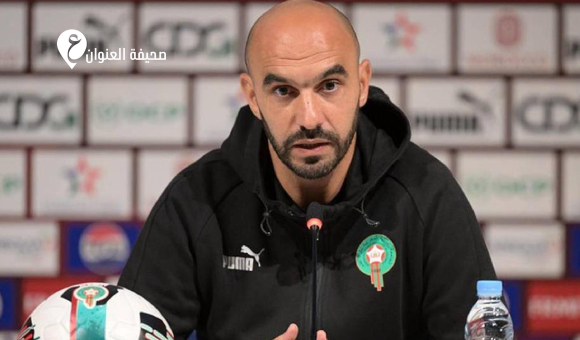
The Moroccan team enters the match leading the group with 4 points from a win and a draw. Under the leadership of their coach, they aim for a victory that would secure top spot qualification without relying on other results and restore confidence to the “Atlas Lions” fans, who expressed frustration after the recent draw against Mali (1-1).
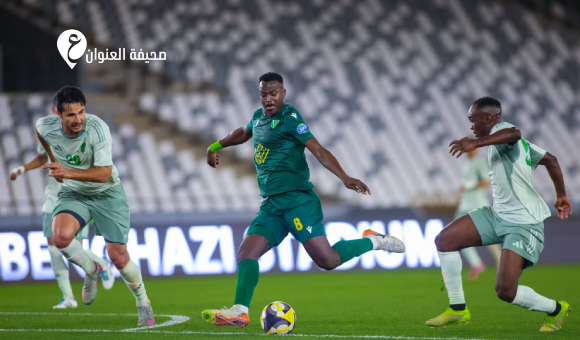
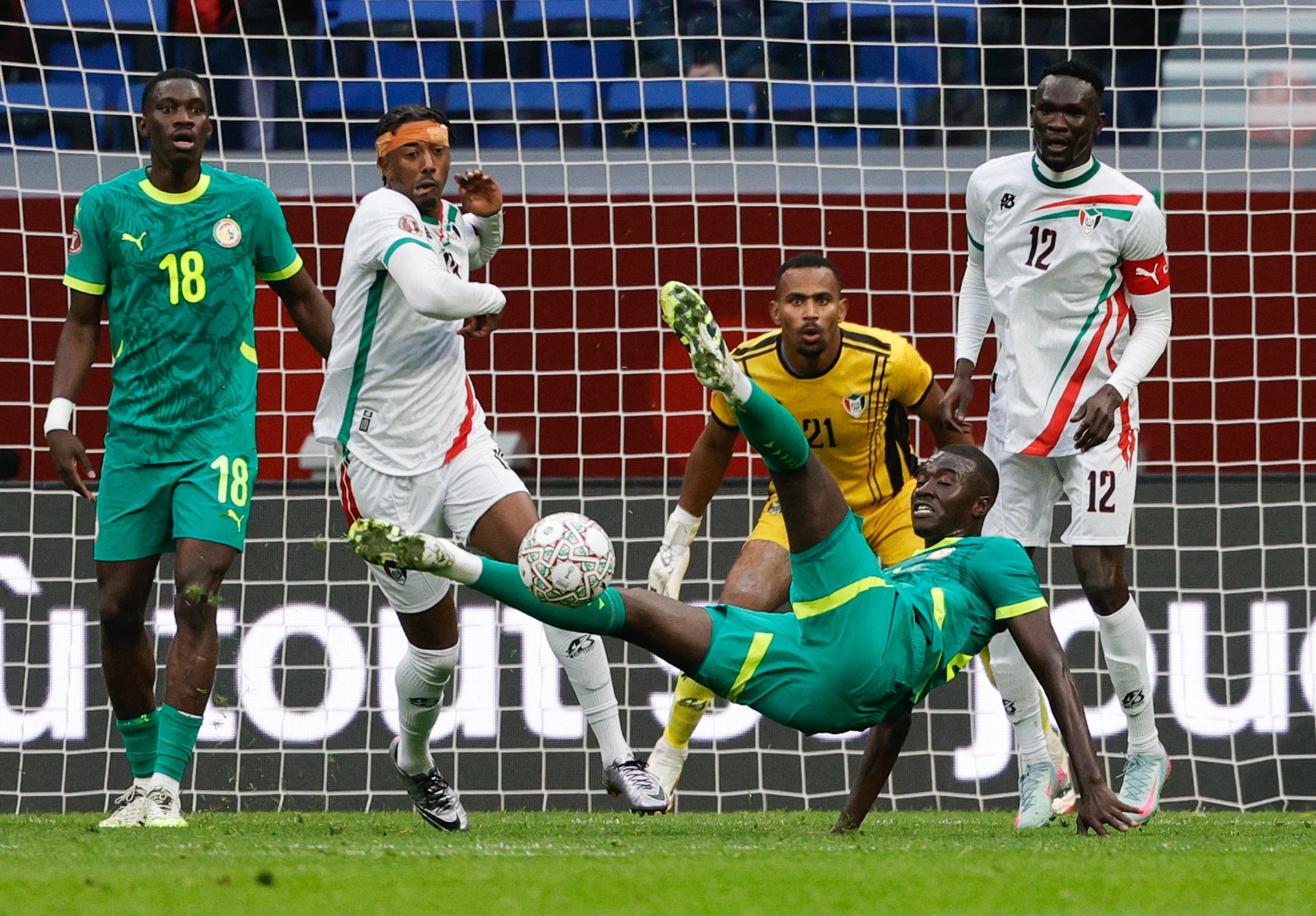
On the other hand, the Zambian national team occupies third place with 2 points from two draws and needs a positive result to secure passage to the round of 16, making the encounter tactical and exciting.
Qualification Scenarios for the Moroccan National Team
- Victory over Zambia: Raises Morocco’s points to 7 and guarantees top spot and direct qualification to the round of 16.
- Draw: Morocco’s points reach 5, securing qualification, but the top spot will be determined by the result of the Mali vs. Comoros match and goal difference.
- Loss: Morocco’s points remain frozen at 4, dropping to third place behind Zambia (5 points), with its fate still tied to the result of the Mali vs. Comoros match.
- If Mali wins: Morocco drops to third place and awaits a chance to qualify as one of the best third-placed teams.
- If Comoros wins: Both teams are tied at 4 points, but Morocco retains the advantage due to head-to-head results.
- If the Mali vs. Comoros match ends in a draw: Morocco qualifies directly in second place behind Zambia.
Moroccan national team
The Moroccan national football team, known as the Atlas Lions, is the national team of Morocco and a member of the Confederation of African Football (CAF). Historically, it became the first African team to win a group at the FIFA World Cup in 1986 and achieved a historic fourth-place finish at the 2022 tournament in Qatar.
Zambia
Zambia is a landlocked country in southern Africa, historically home to various Bantu-speaking kingdoms before becoming a British protectorate known as Northern Rhodesia. It gained independence in 1964 and is renowned for its vast natural resources and attractions like Victoria Falls, one of the world’s largest waterfalls.
Prince Moulay Abdellah Sports Complex
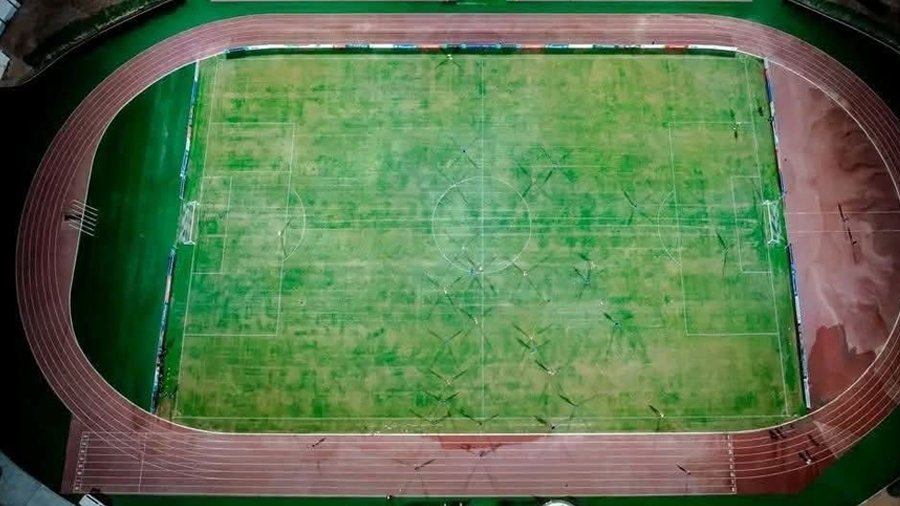
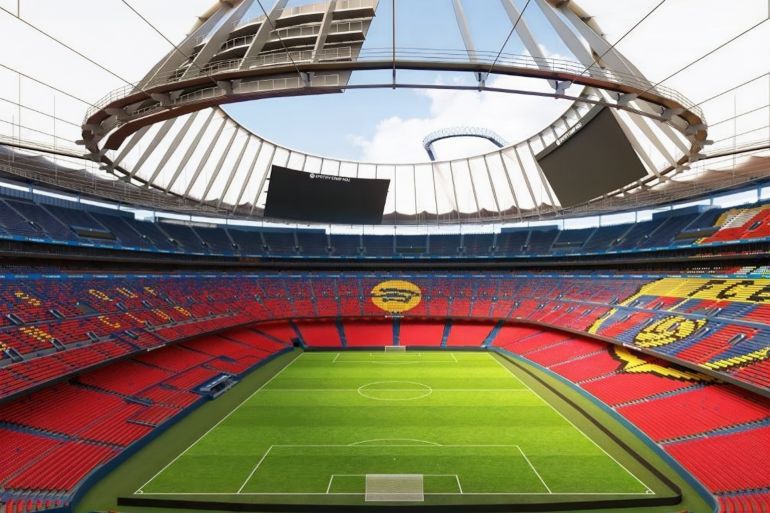
The Prince Moulay Abdellah Sports Complex is a major multi-purpose stadium in Rabat, Morocco. It was originally constructed in 1983 and named after Prince Moulay Abdellah, the brother of King Hassan II, and has since been renovated to host international football matches and athletics events.
Rabat
Rabat is the capital city of Morocco, founded in the 12th century by the Almohad Caliphate as a ribat (fortified monastery). It is now a modern political and administrative center, recognized as a UNESCO World Heritage Site for its well-preserved historic quarters, including the Kasbah of the Udayas and the Hassan Tower.
Africa Cup of Nations
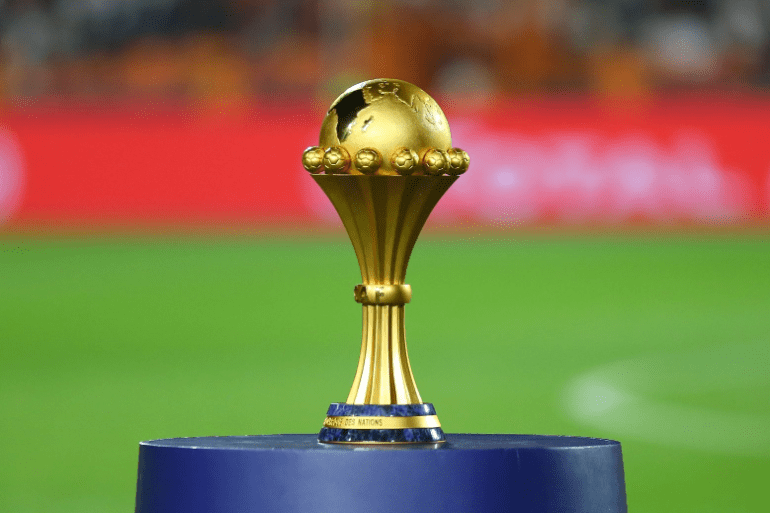
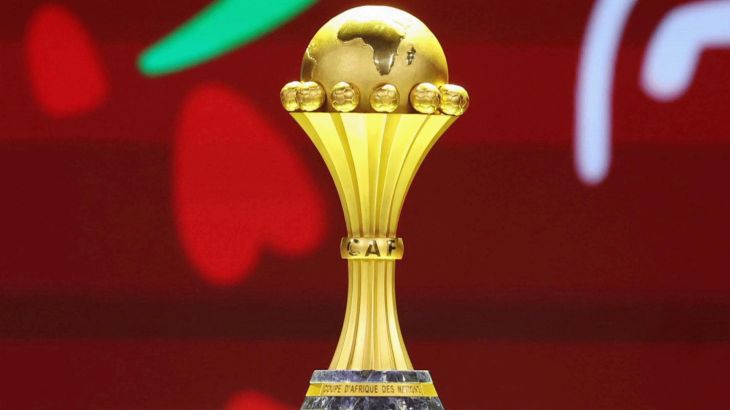
The Africa Cup of Nations is the premier international men’s football competition in Africa, first held in 1957. It was founded to unite African nations emerging from colonialism and has grown into a major sporting event held every two years.
Morocco
Morocco is a North African country with a rich history shaped by indigenous Amazigh (Berber) cultures, Arab influence from the 7th century, and a series of powerful Islamic dynasties. Its cultural sites, such as the ancient city of Fez and the Koutoubia Mosque in Marrakech, reflect this layered heritage, which also includes periods of French and Spanish colonial rule in the 20th century.
Atlas Lions
The Atlas Lions is the nickname for the Moroccan national football team, derived from the Barbary lion that historically inhabited the Atlas Mountains. The team’s history includes becoming the first African and Arab nation to reach the FIFA World Cup semi-finals in 2022.
Mali
Mali is a West African country historically renowned as the seat of several powerful empires, most notably the Mali Empire which flourished from the 13th to 16th centuries and was famed for its wealth and centers of learning like Timbuktu. Today, it is home to significant UNESCO World Heritage Sites, including the ancient cities of Timbuktu and Djenné, though many of its cultural treasures face threats from conflict and environmental degradation.
Comoros
The Comoros is an archipelago nation in the Indian Ocean, formed by volcanic activity and historically a hub for Arab, Persian, and African traders. It gained independence from France in 1975 and is known for its blend of Swahili and Islamic cultures, with a history marked by political instability including numerous coups.