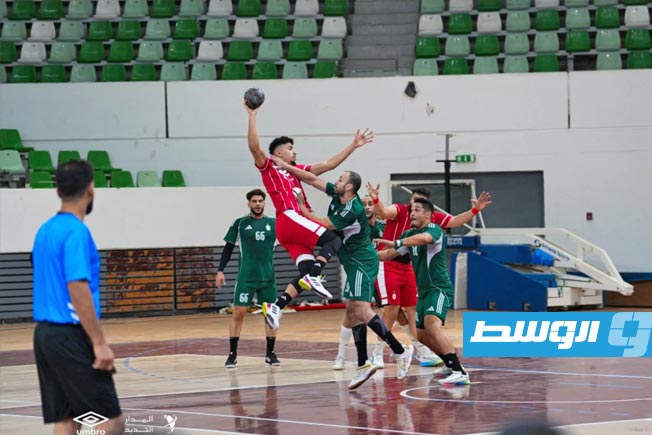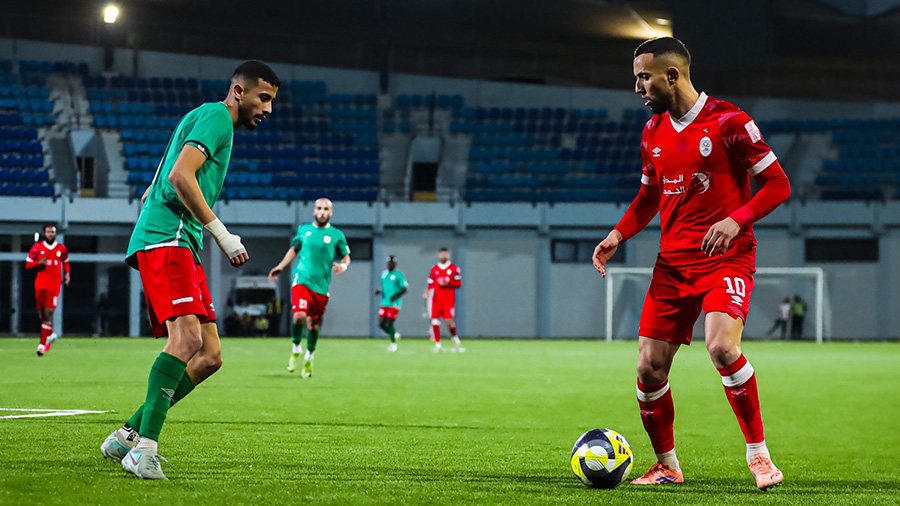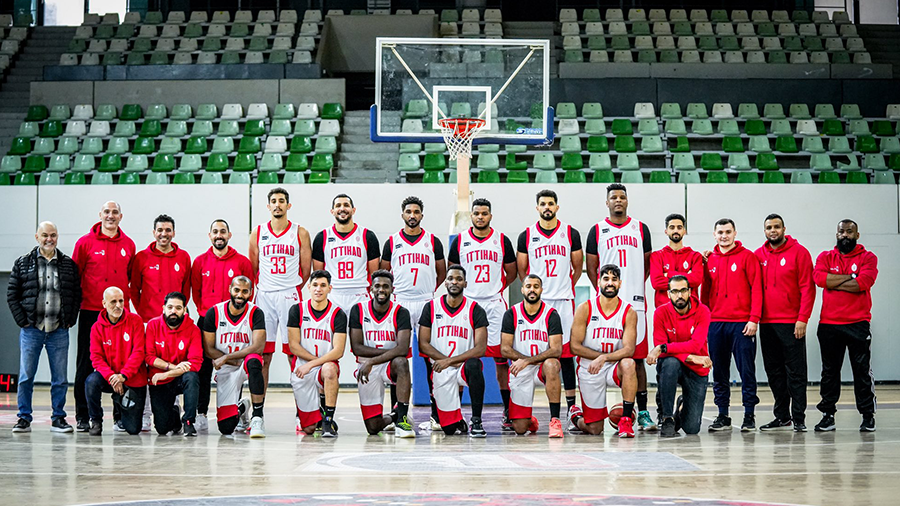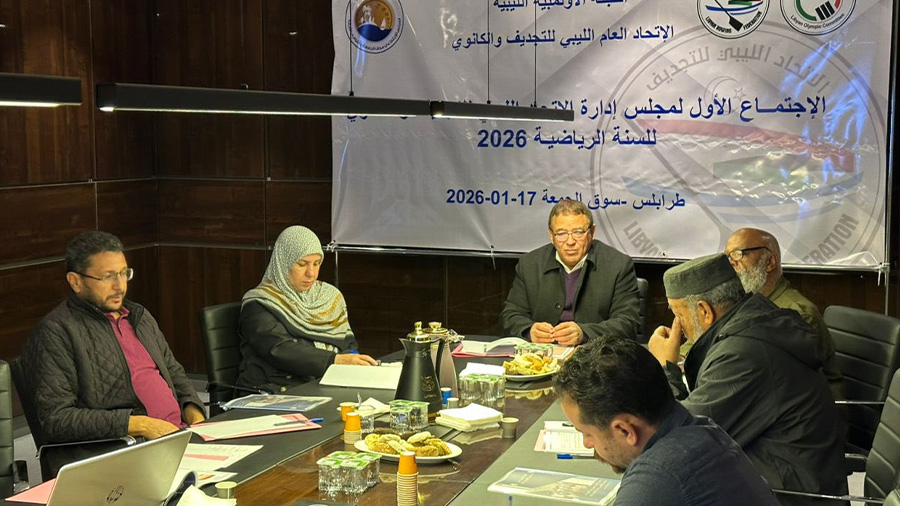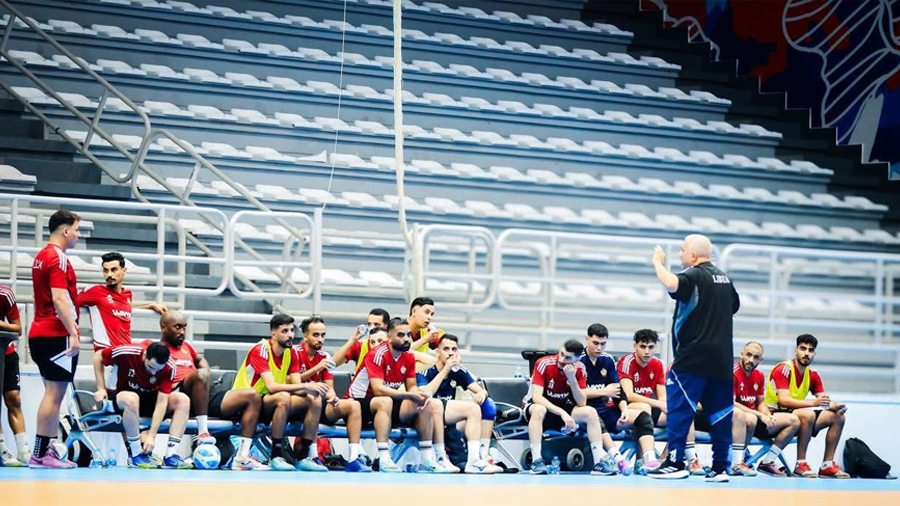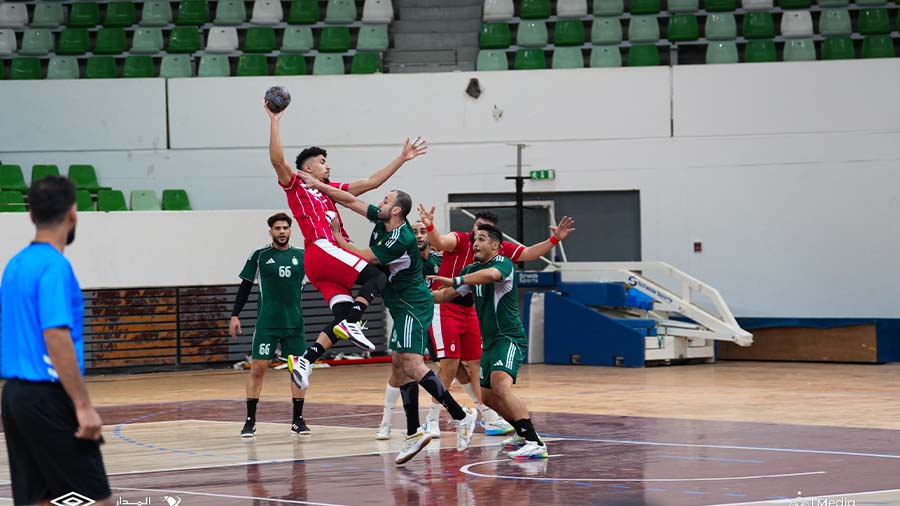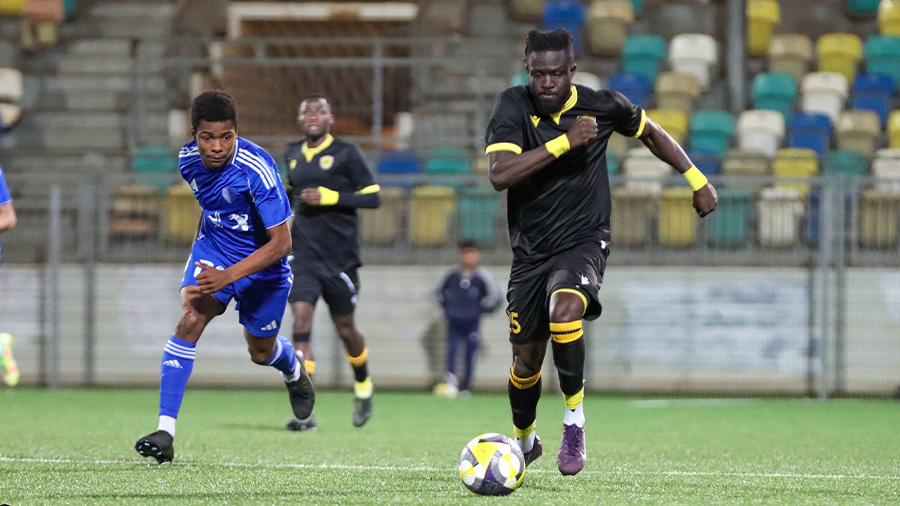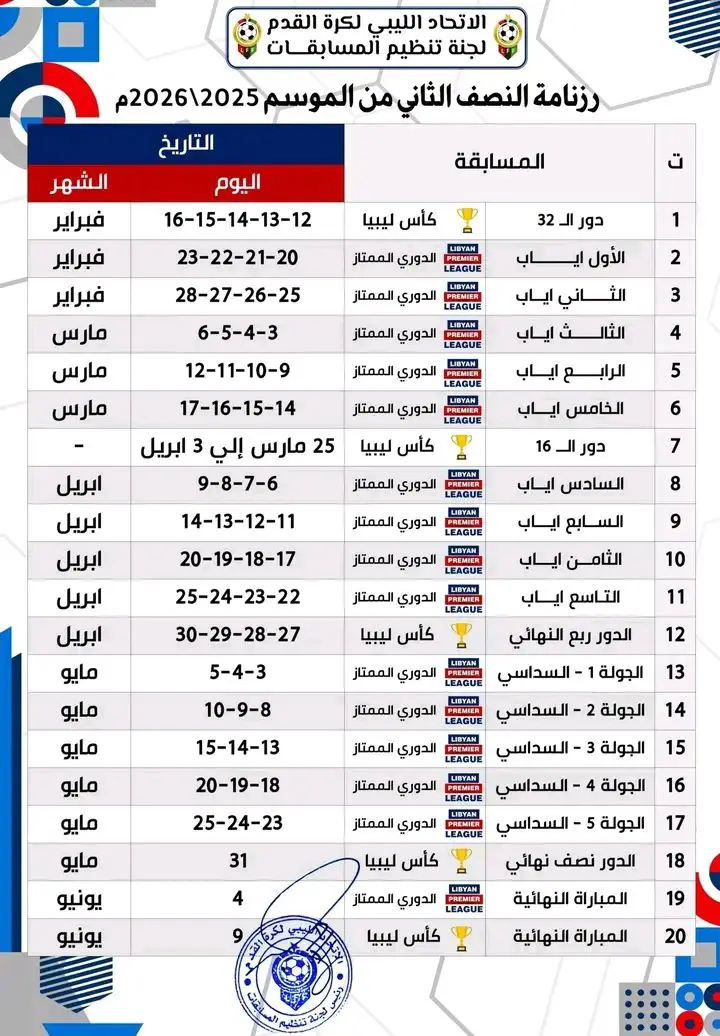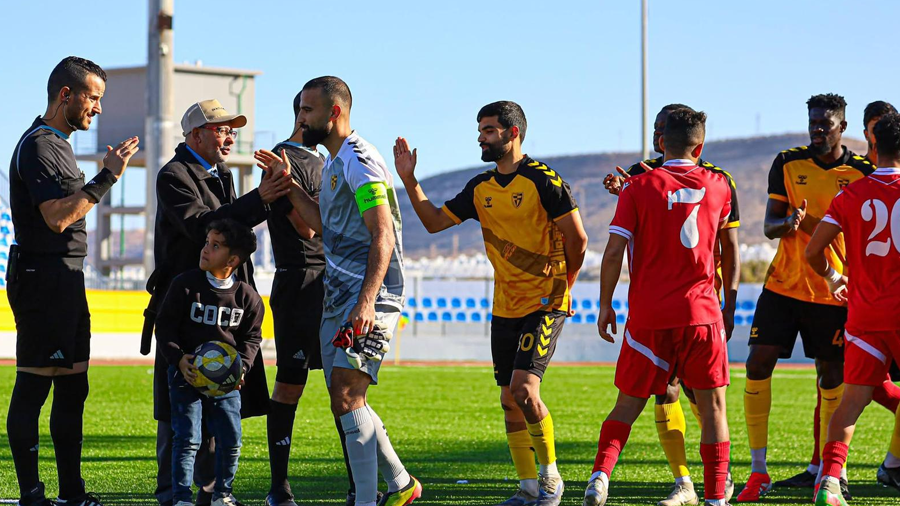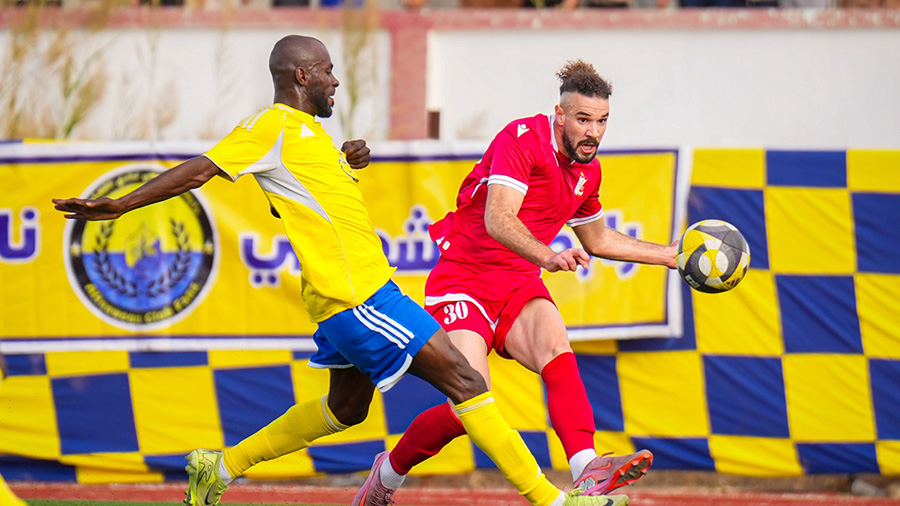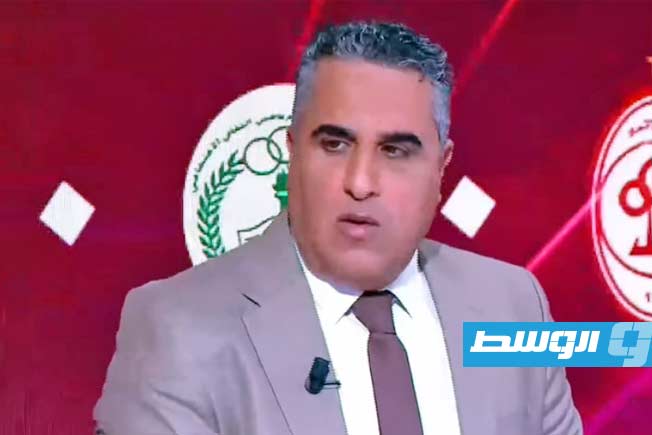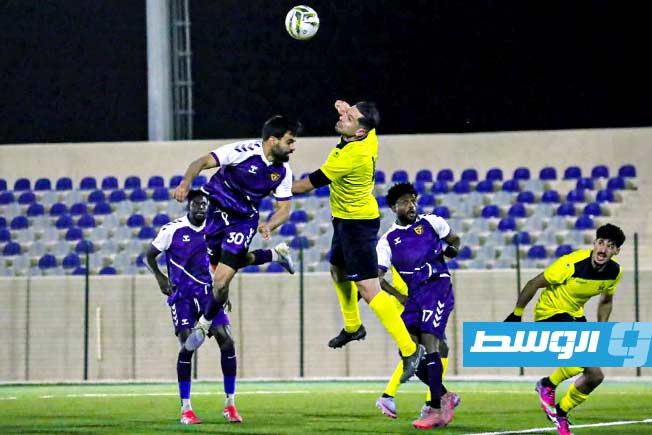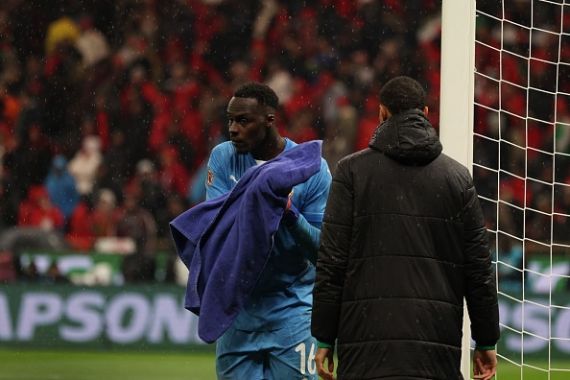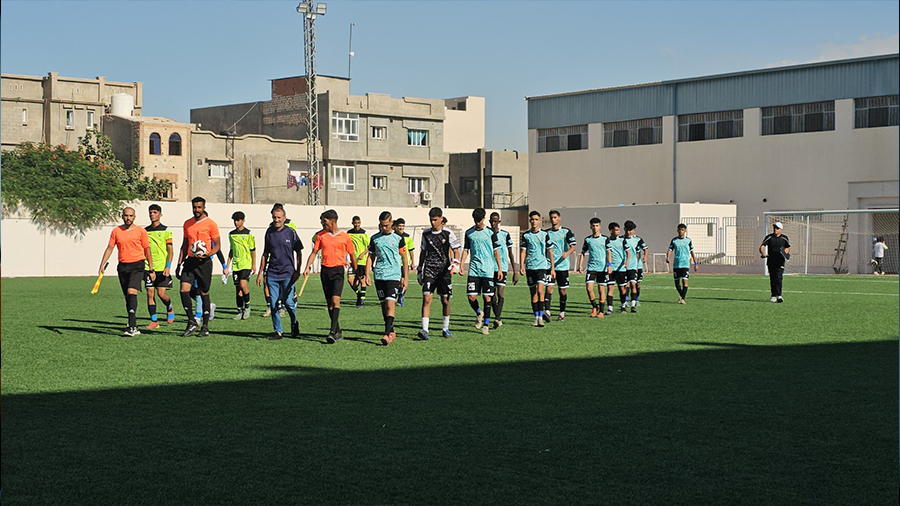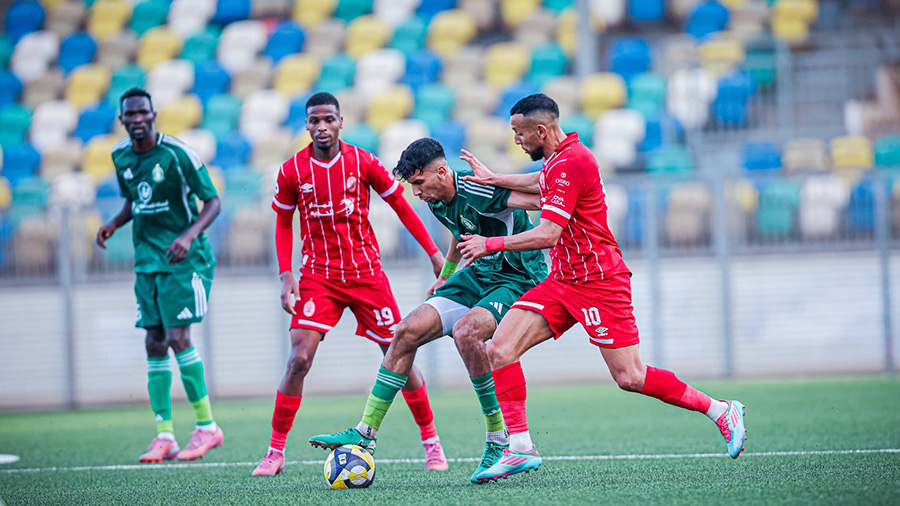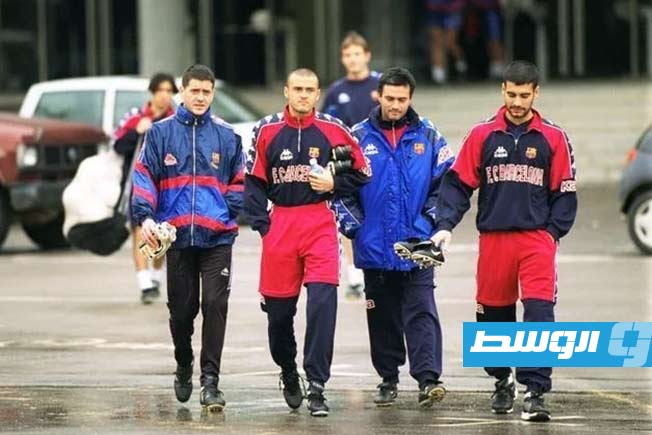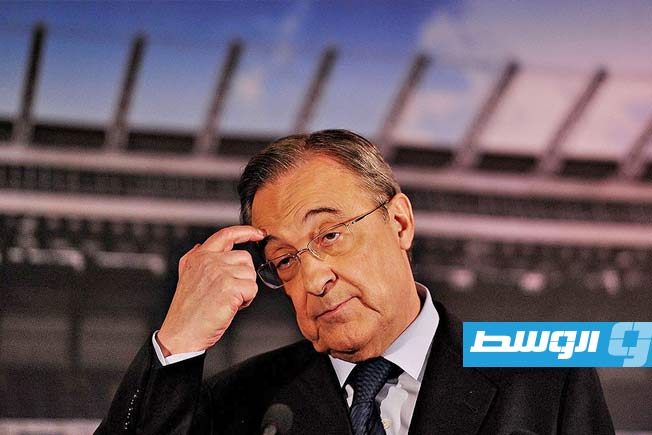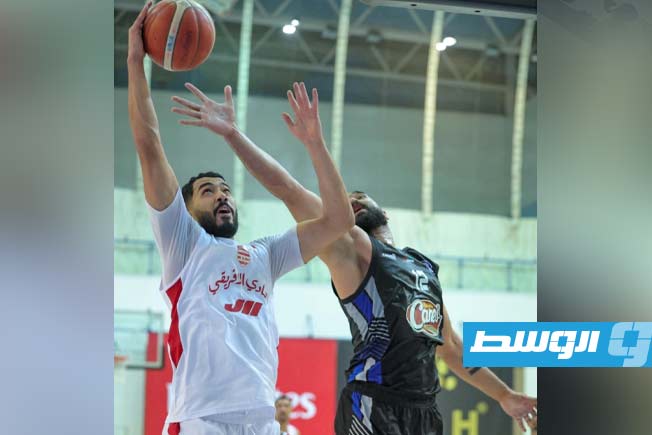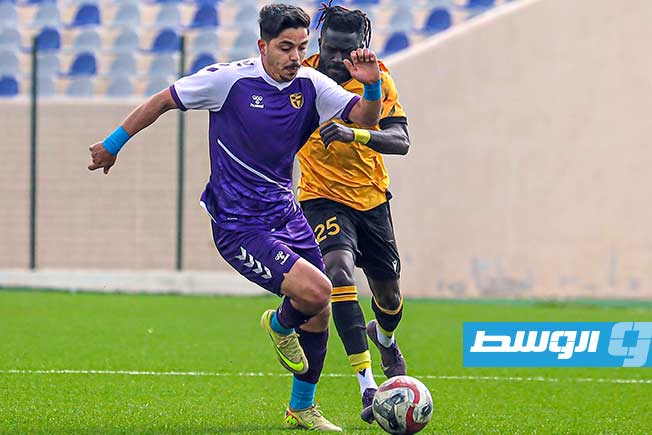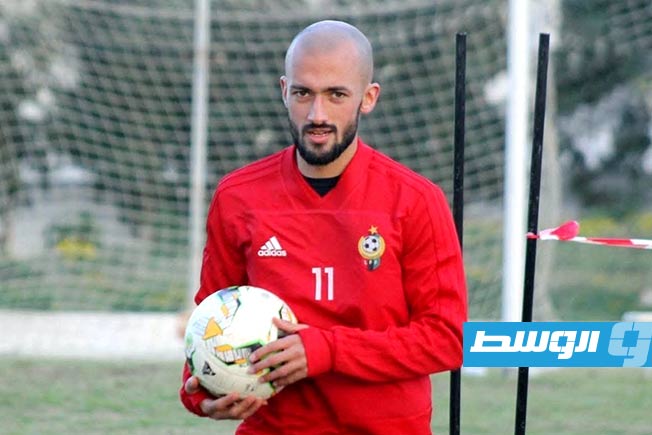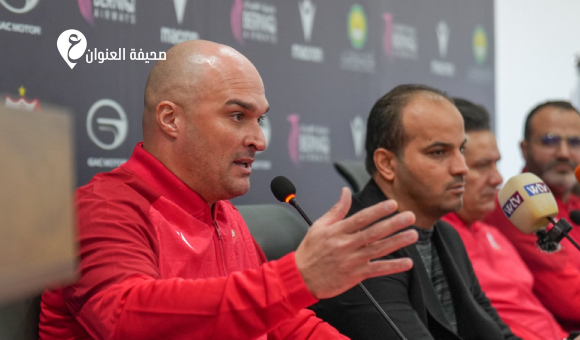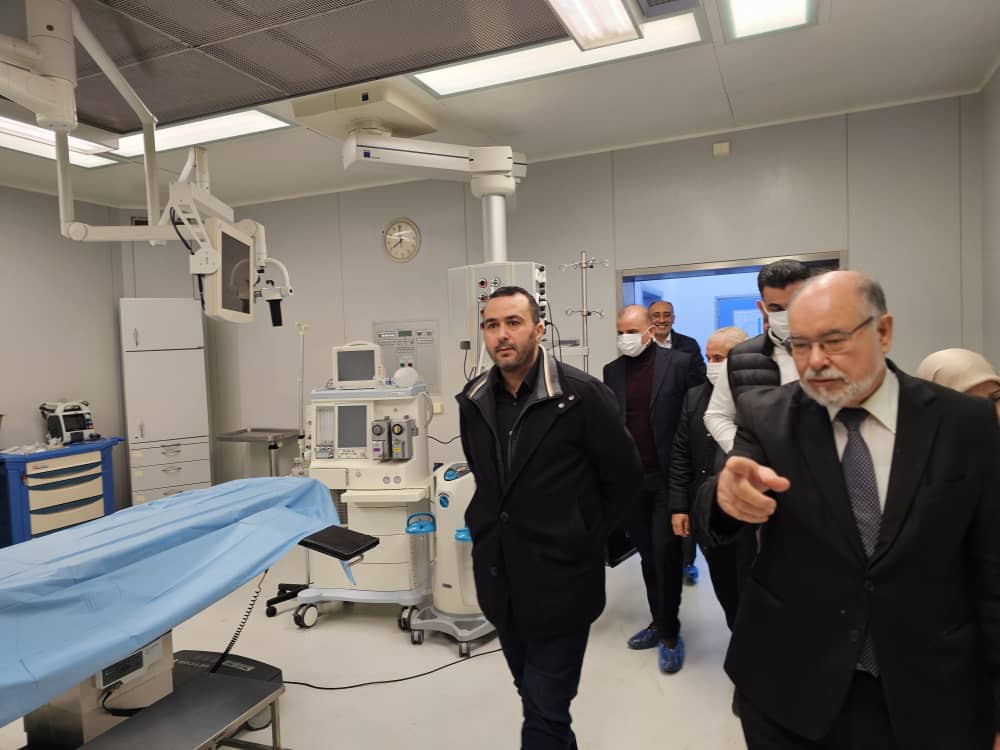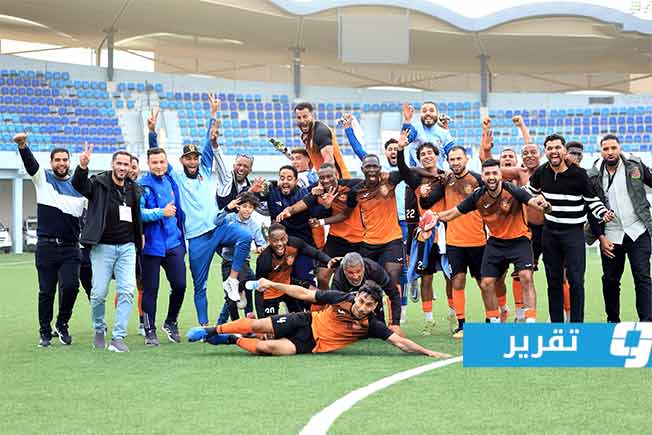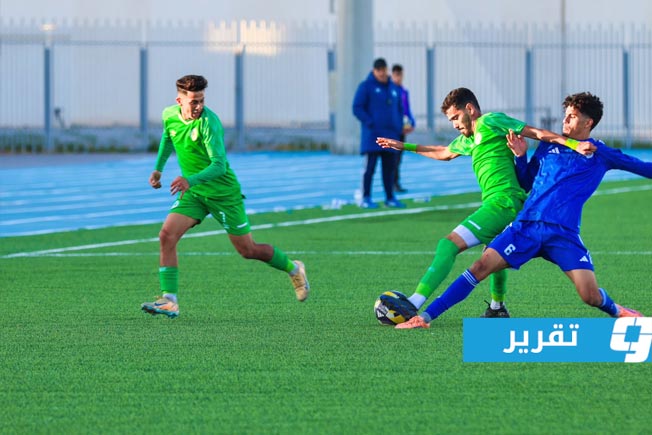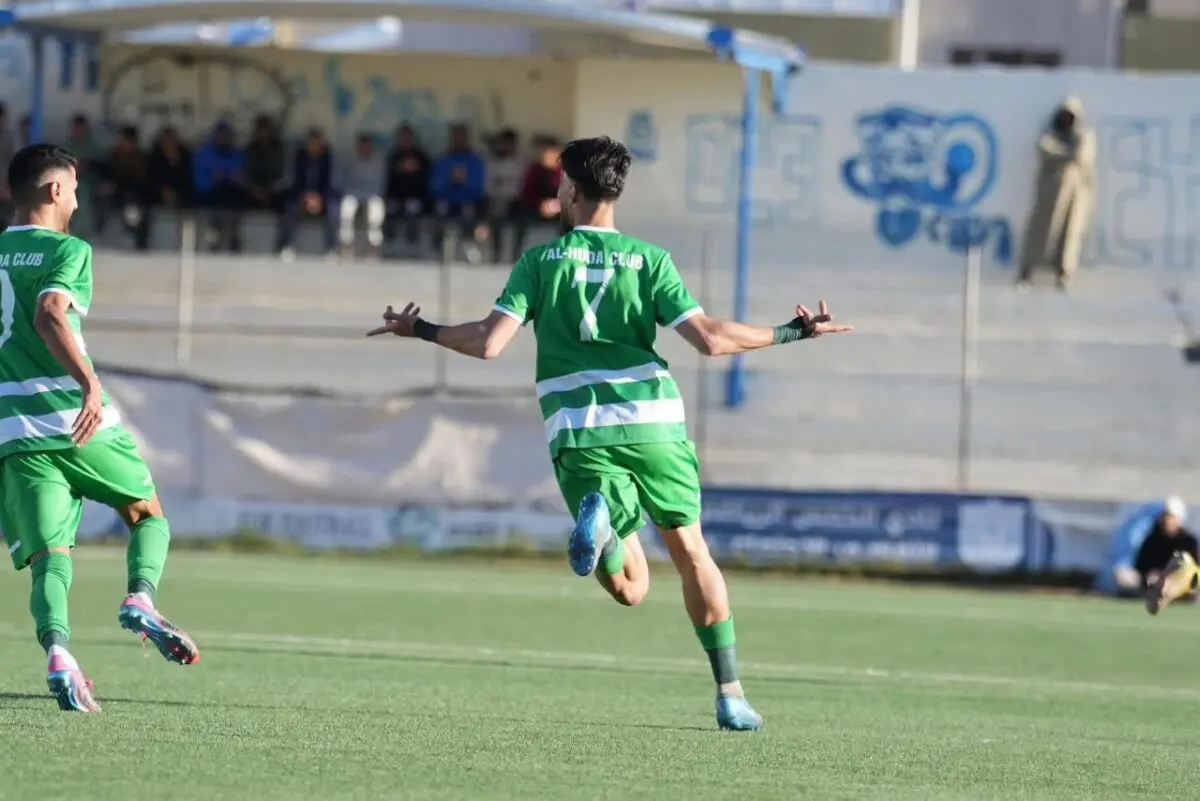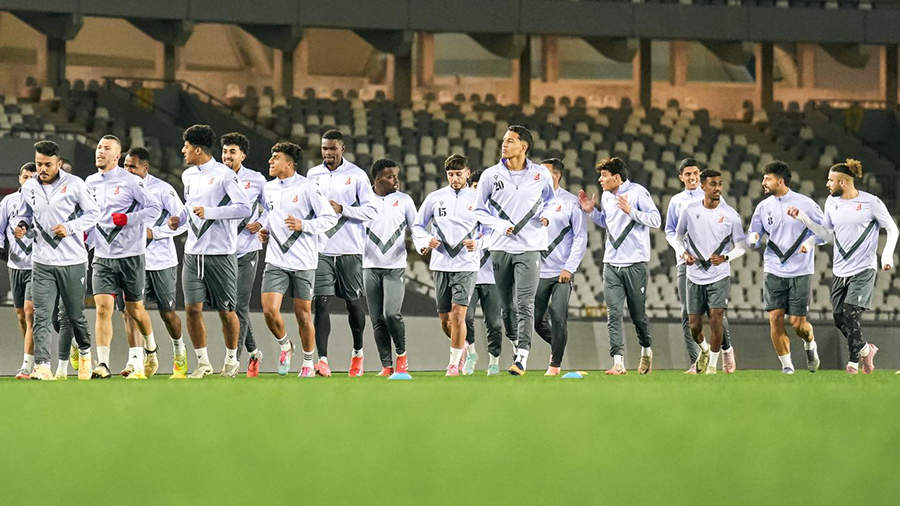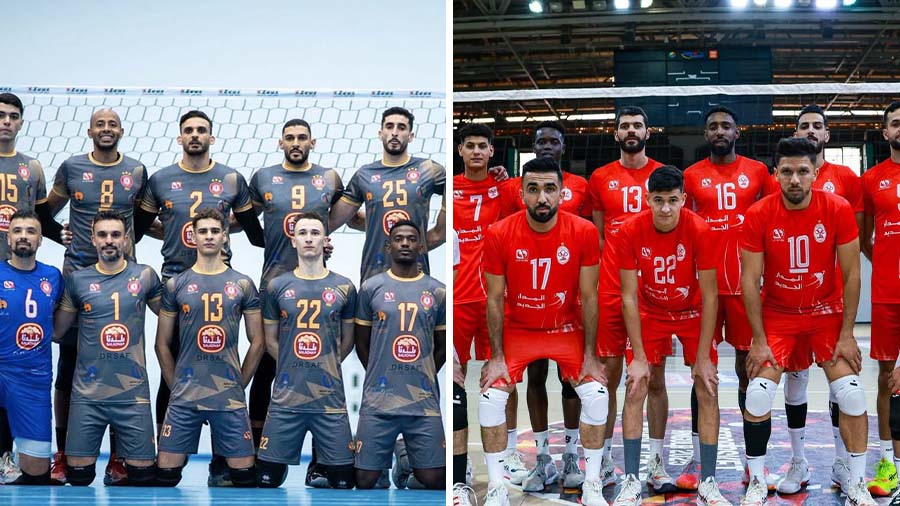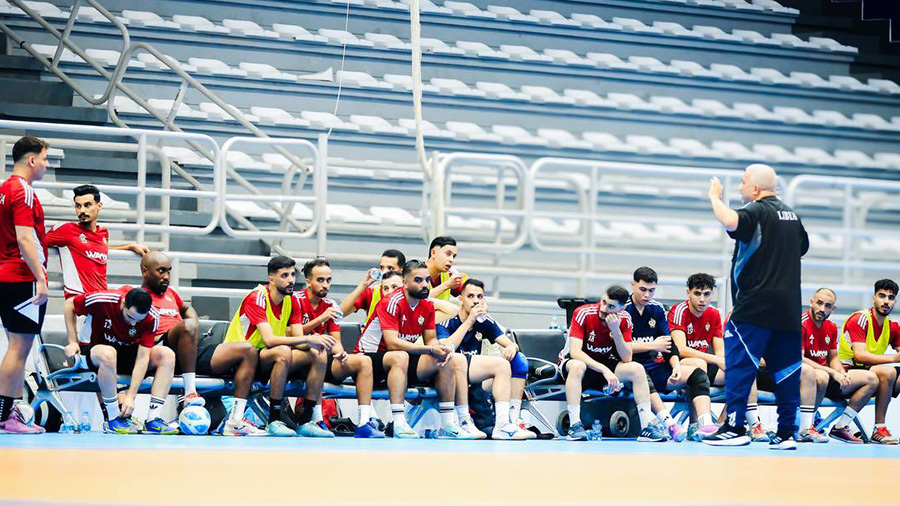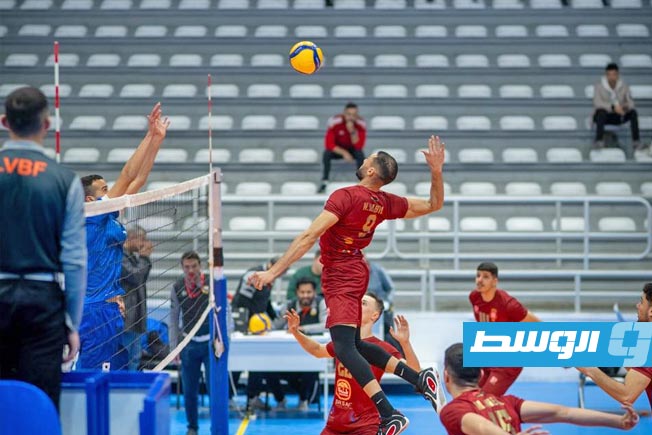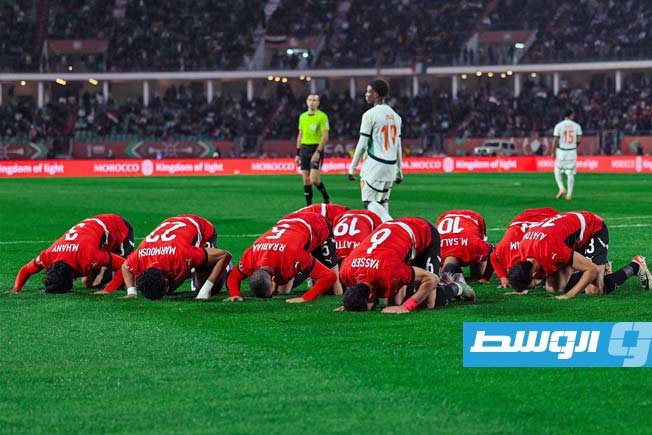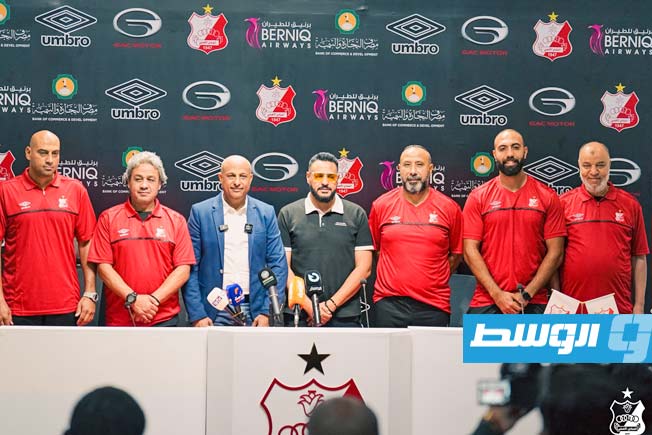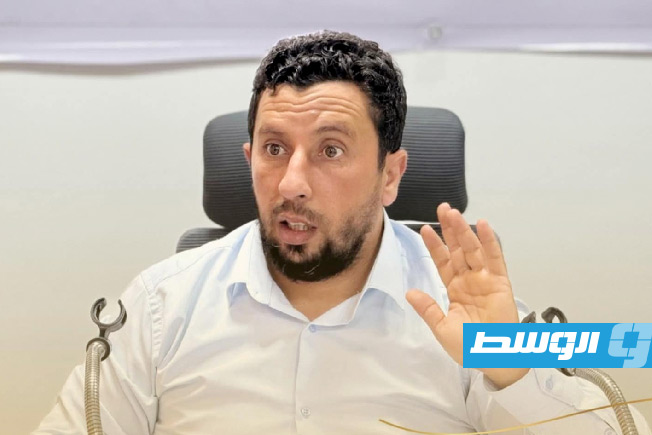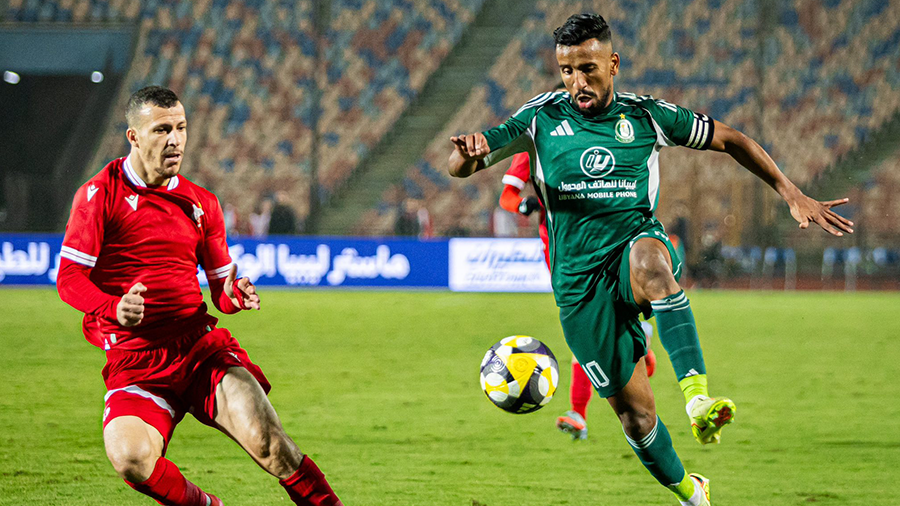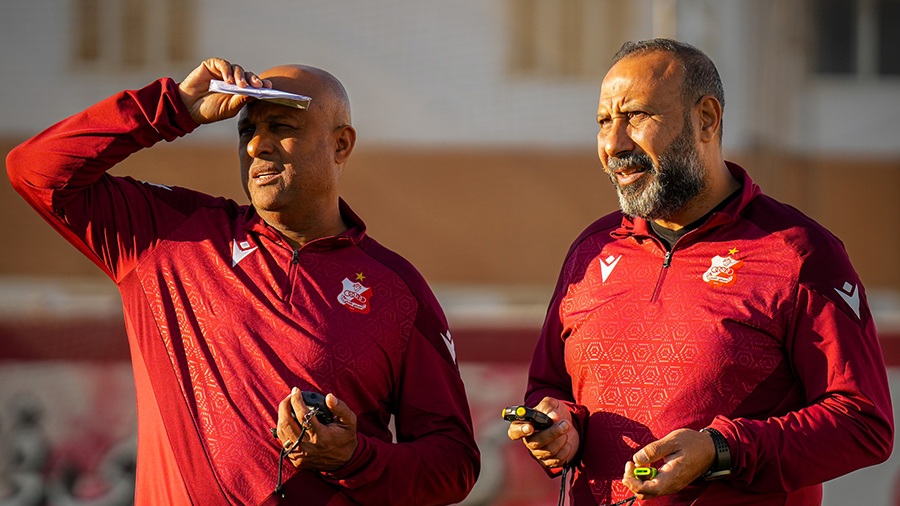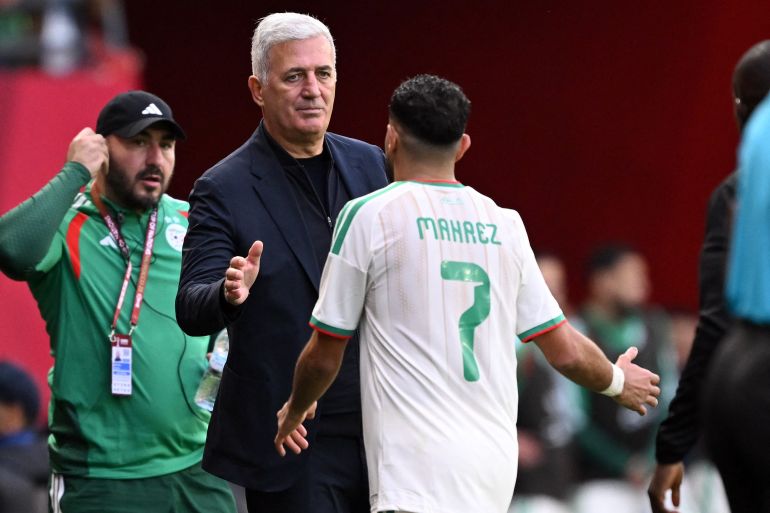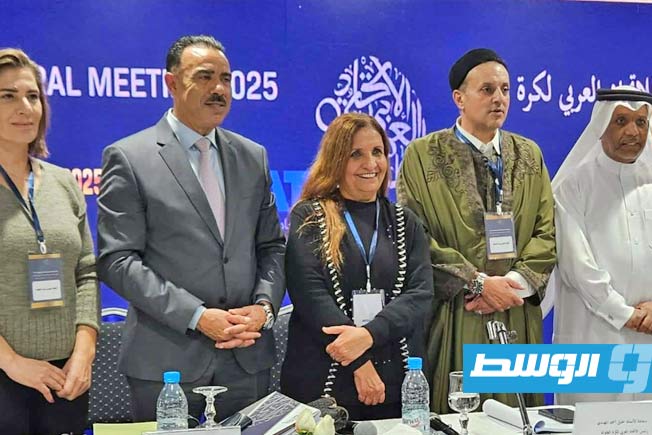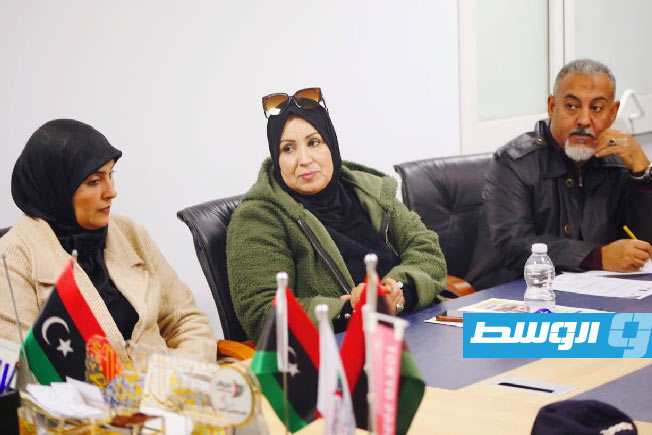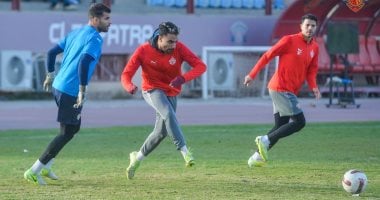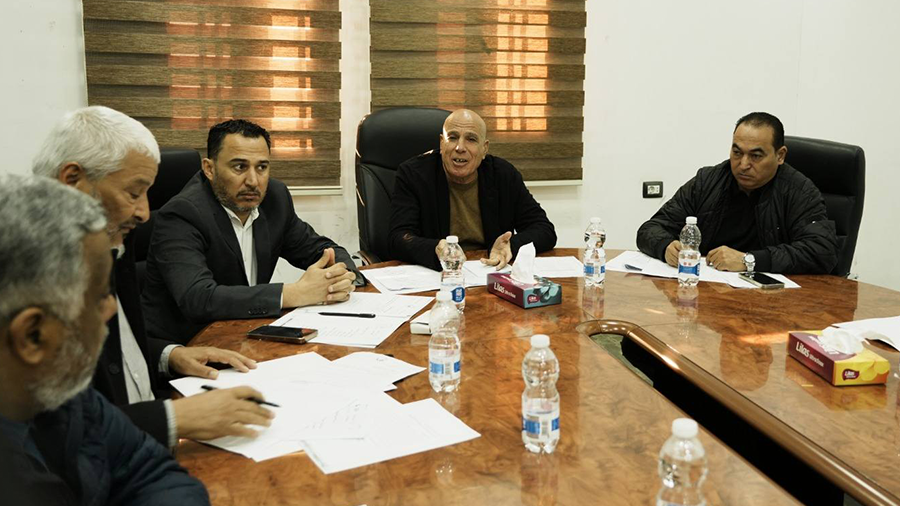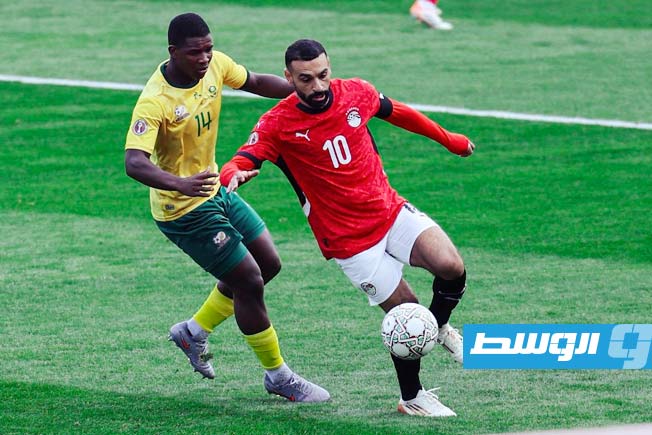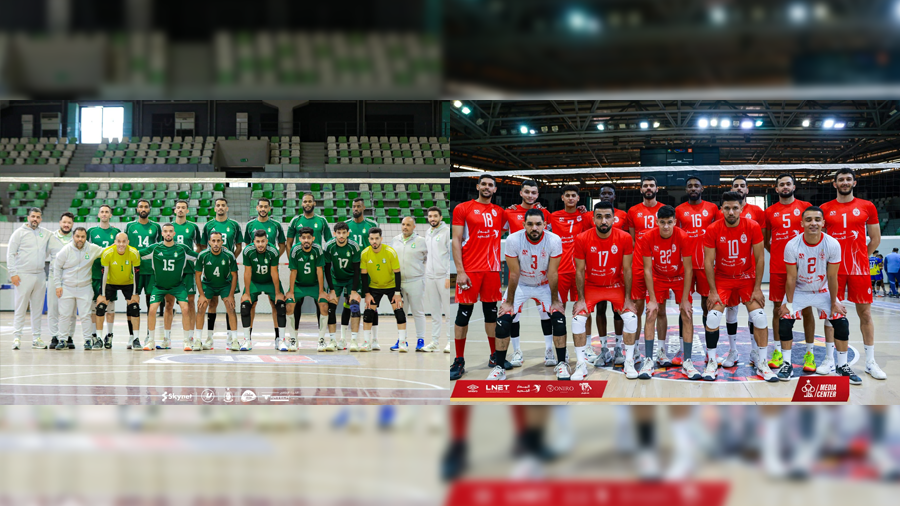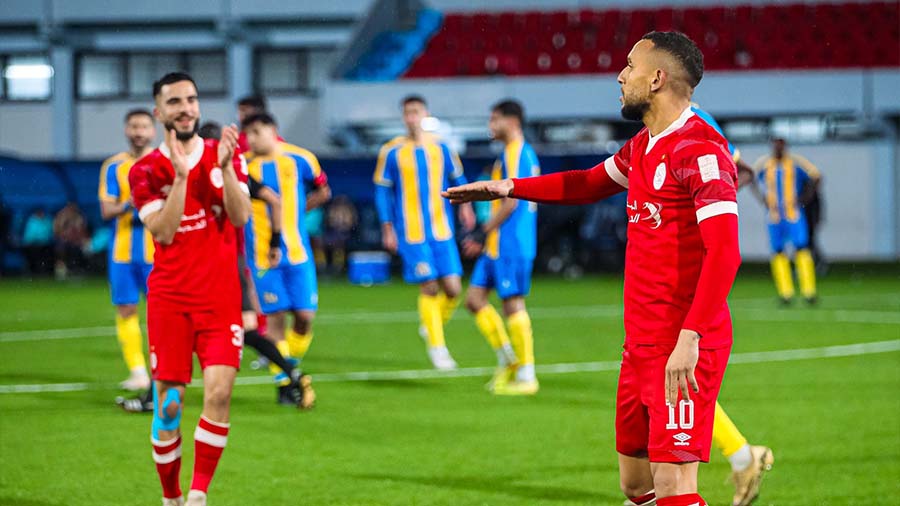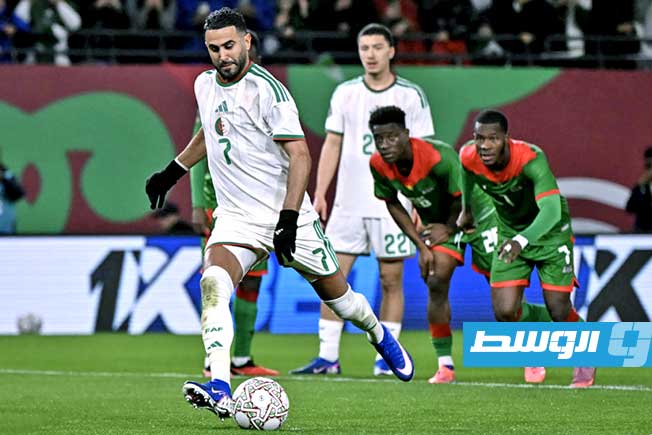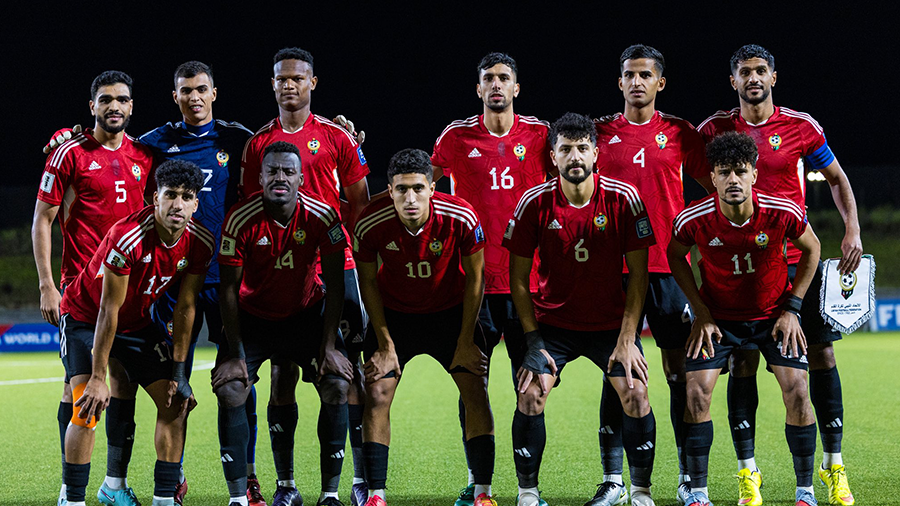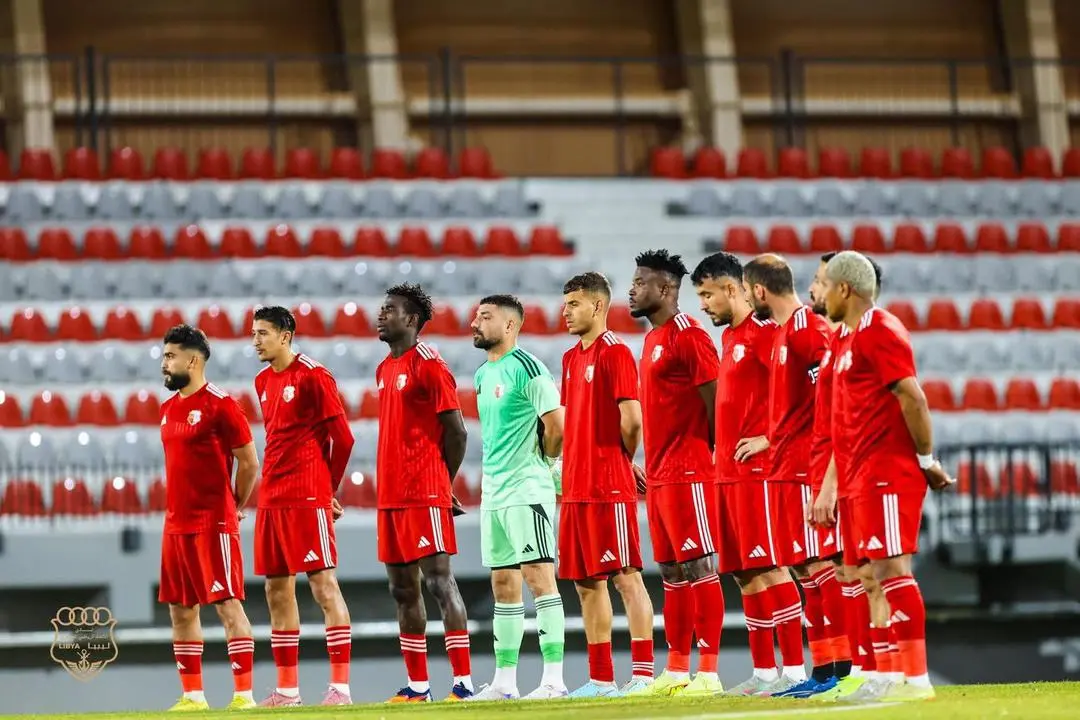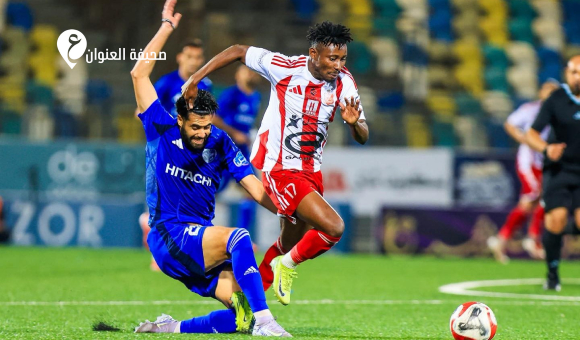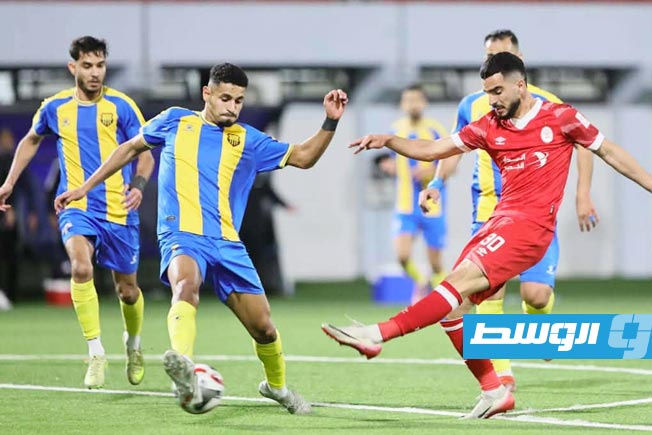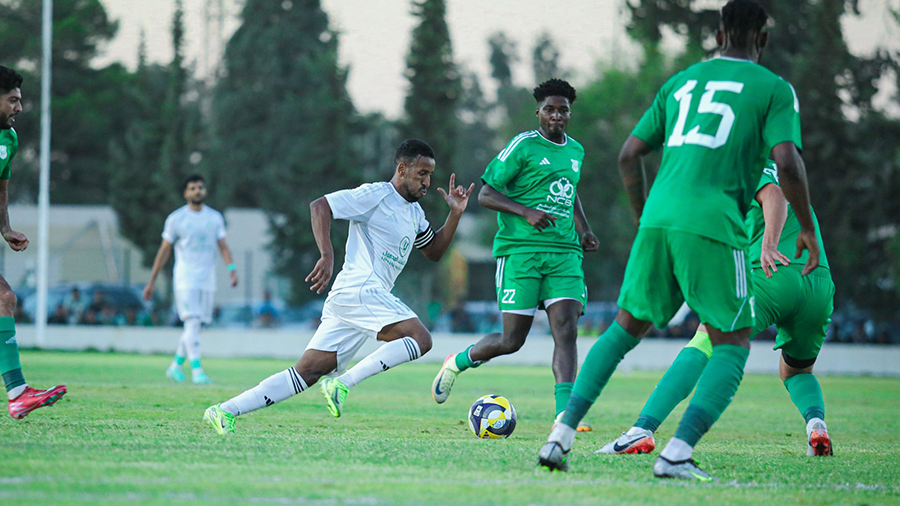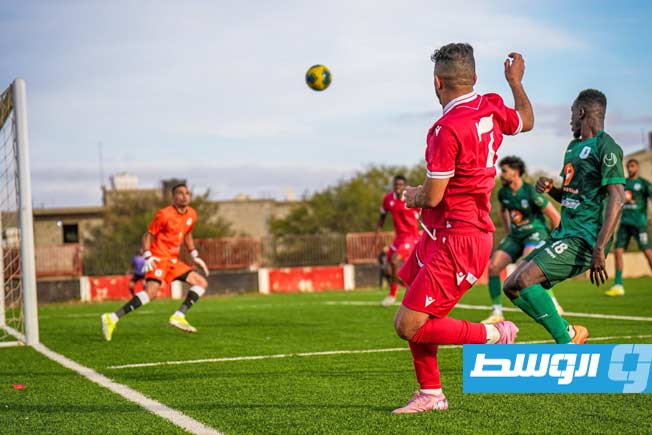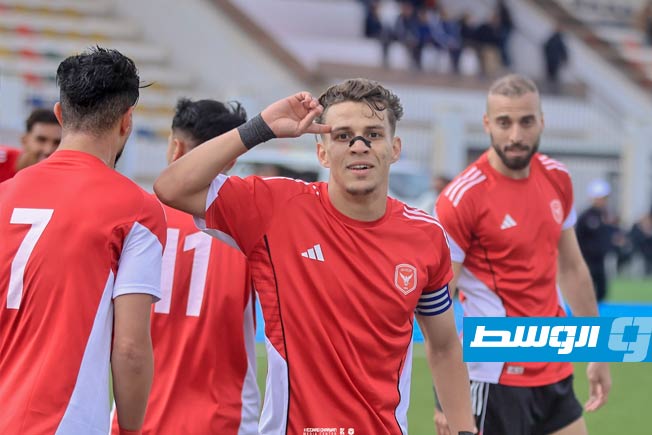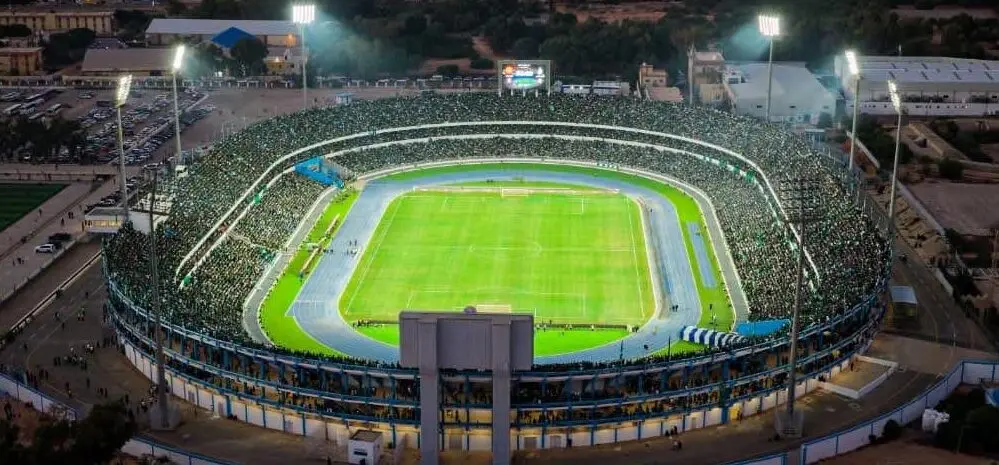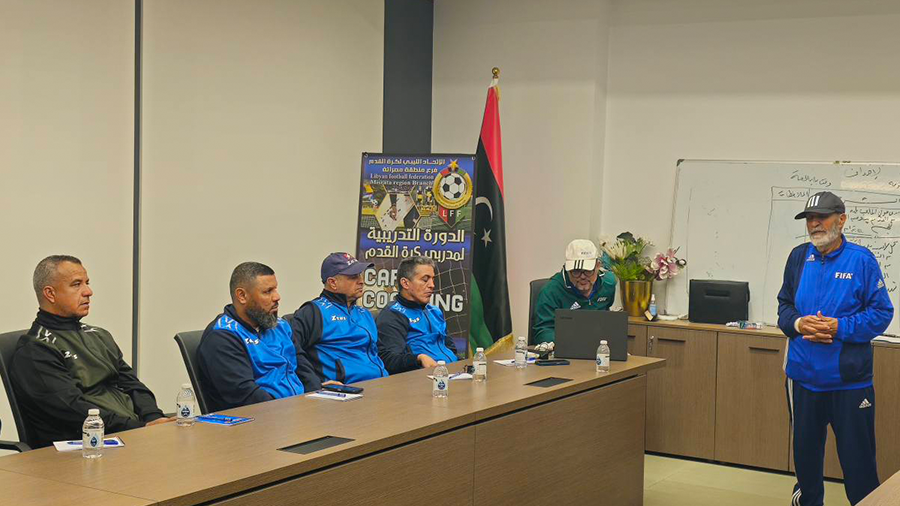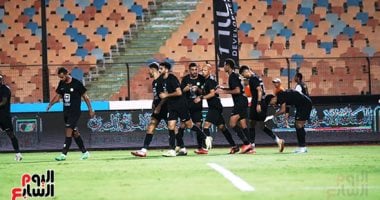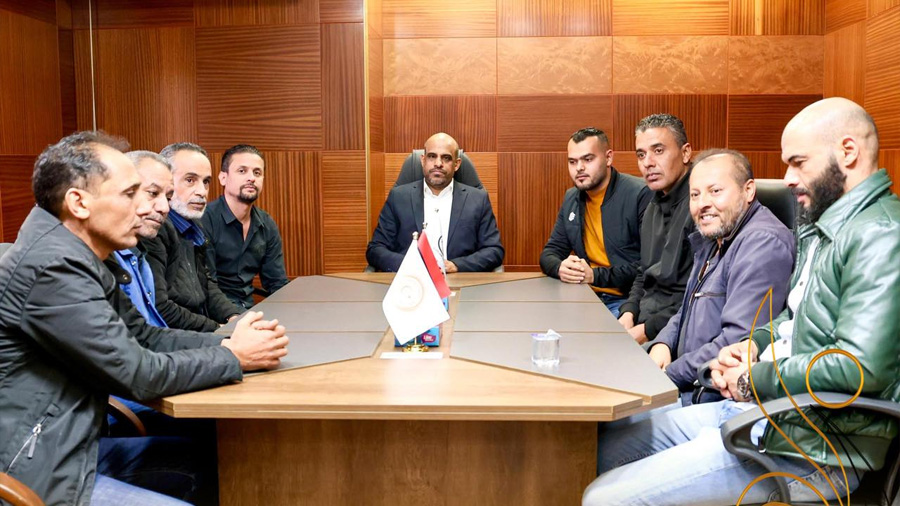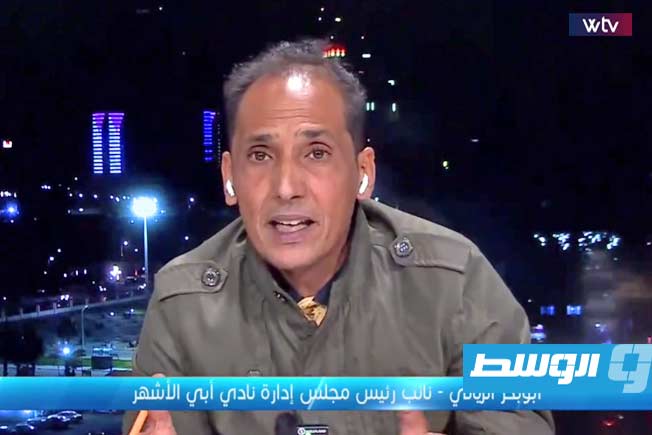
The latest episode of the program “In the 90” on Al-Wasat channel “Wtv”, aired yesterday, Monday, shed light on the state of tension and escalation ahead of the start of the Libyan Premier Football League competitions. This comes as clubs insist on their demands regarding financial support, while the competition organizing committee insists on adhering to the schedule without any postponement.
The episode of “In the 90” began by offering condolences to the Libyan sports community on the death of Libyan Football Federation board member Mohamed Abumelian. The episode also featured congratulations from the program team and Al-Wasat channel for “In the 90” winning the award for best sports program in Libya.
The program “In the 90” discussed developments in the crisis, noting that a number of clubs continued to issue official statements declaring they would not participate in the league before the support is disbursed. They consider that launching the competition without providing the minimum resources threatens the principle of fair competition and puts clubs in a financial and administrative predicament.
Clubs: Support is a Legitimate Right
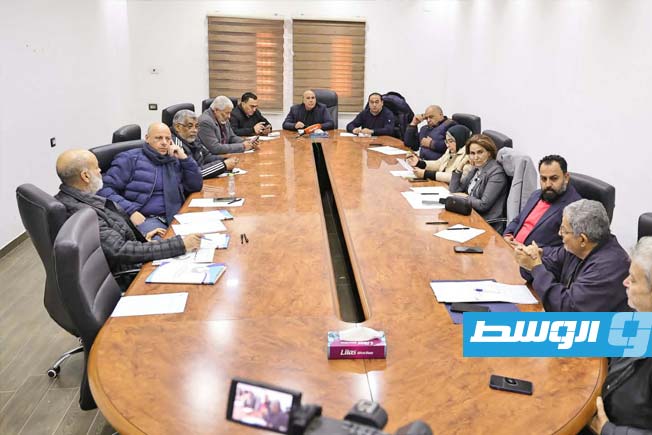
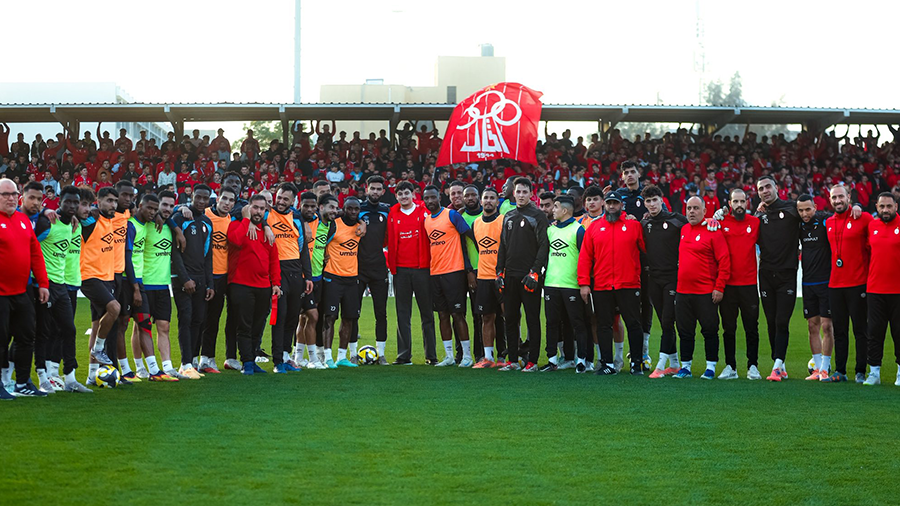
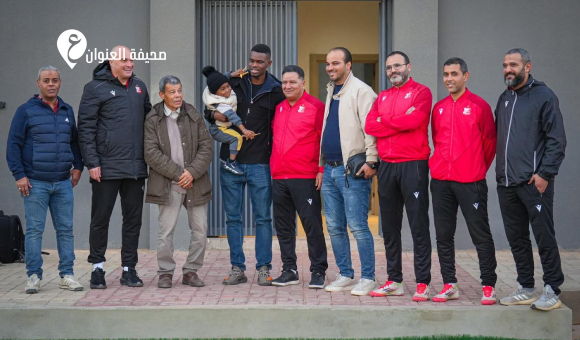
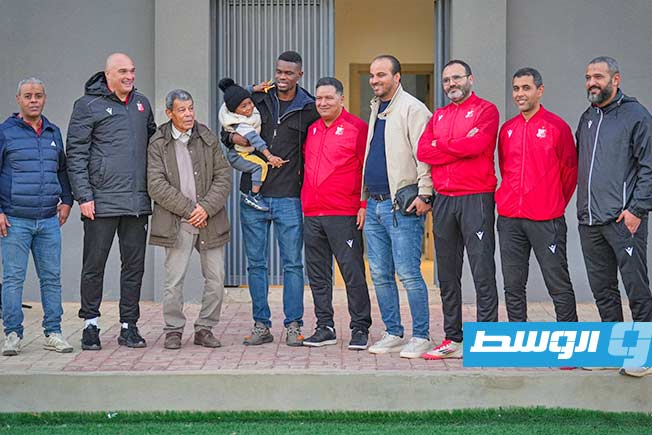
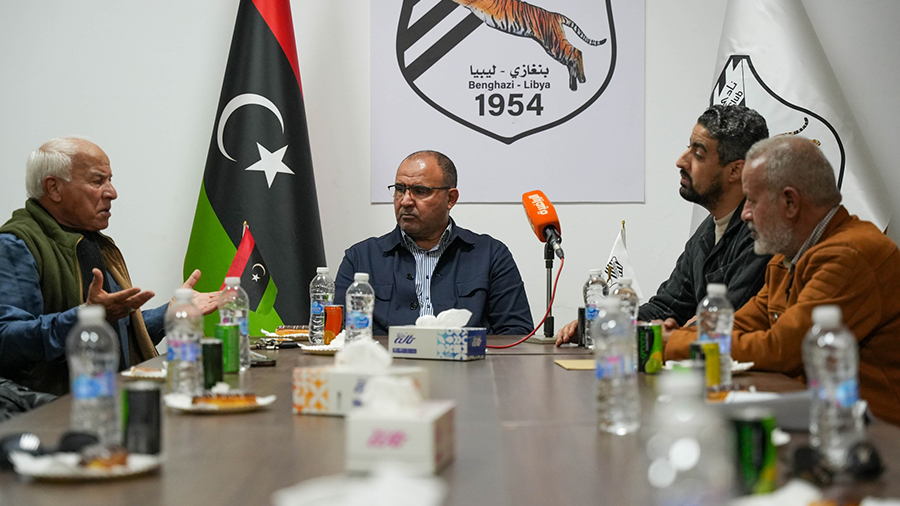
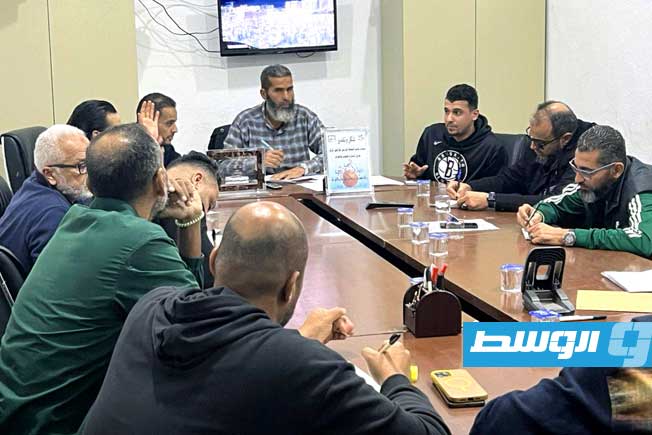
During multiple interventions, a number of club presidents, including the vice-president of Abi Al-Ashhar club, Abubakr Al-Zayani, confirmed that the clubs’ demands are legitimate. They pointed out that the sudden halt of support caused a major shock, especially given the clubs’ reliance on this item to run their activities in recent years.
Al-Zayani dropped a surprise, saying: “There is a plan to create division regarding the financial support issue, whereby certain clubs would receive support, while support would be withheld from another segment of clubs that would end up relegated at the end of the season.”
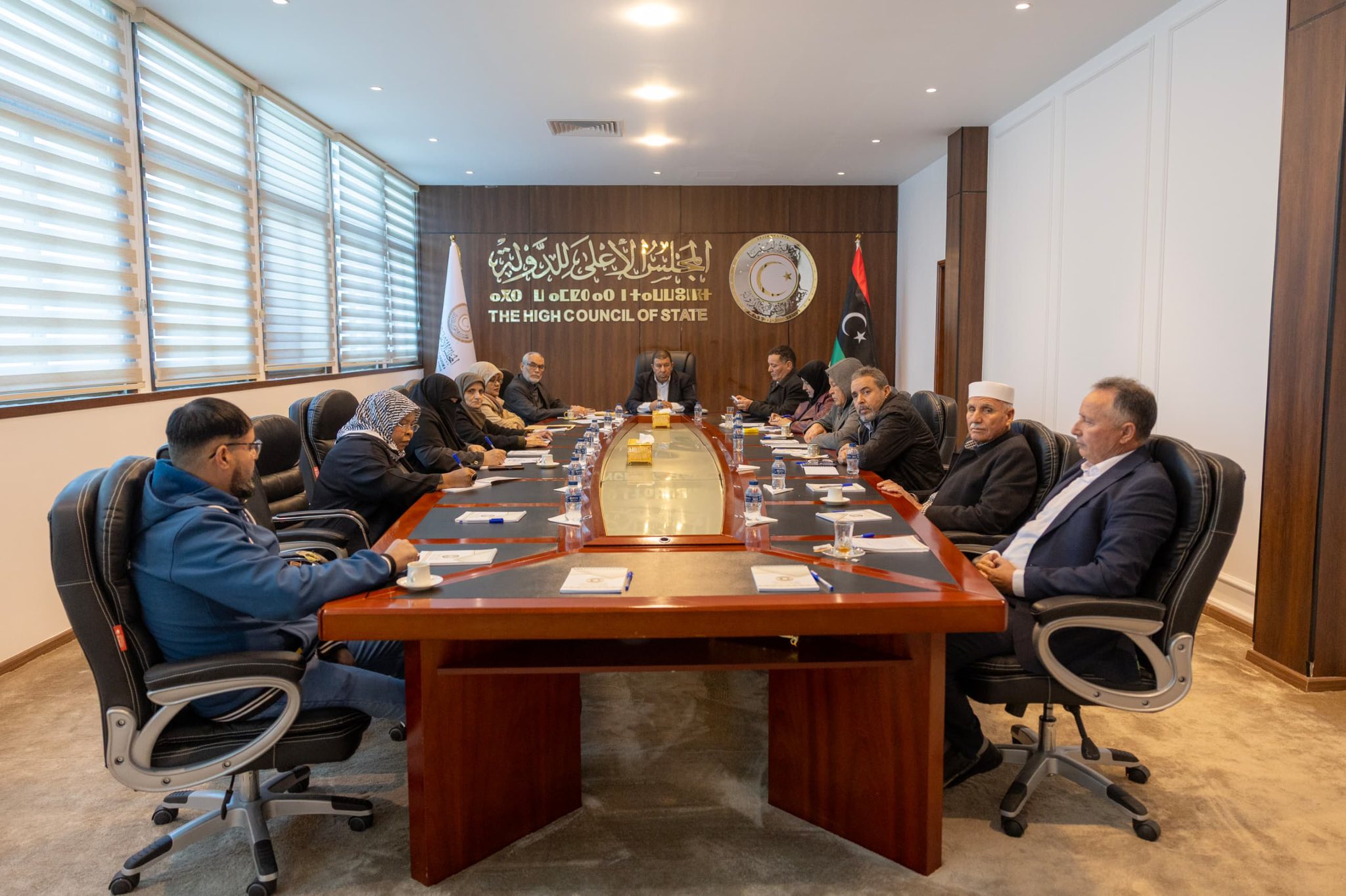
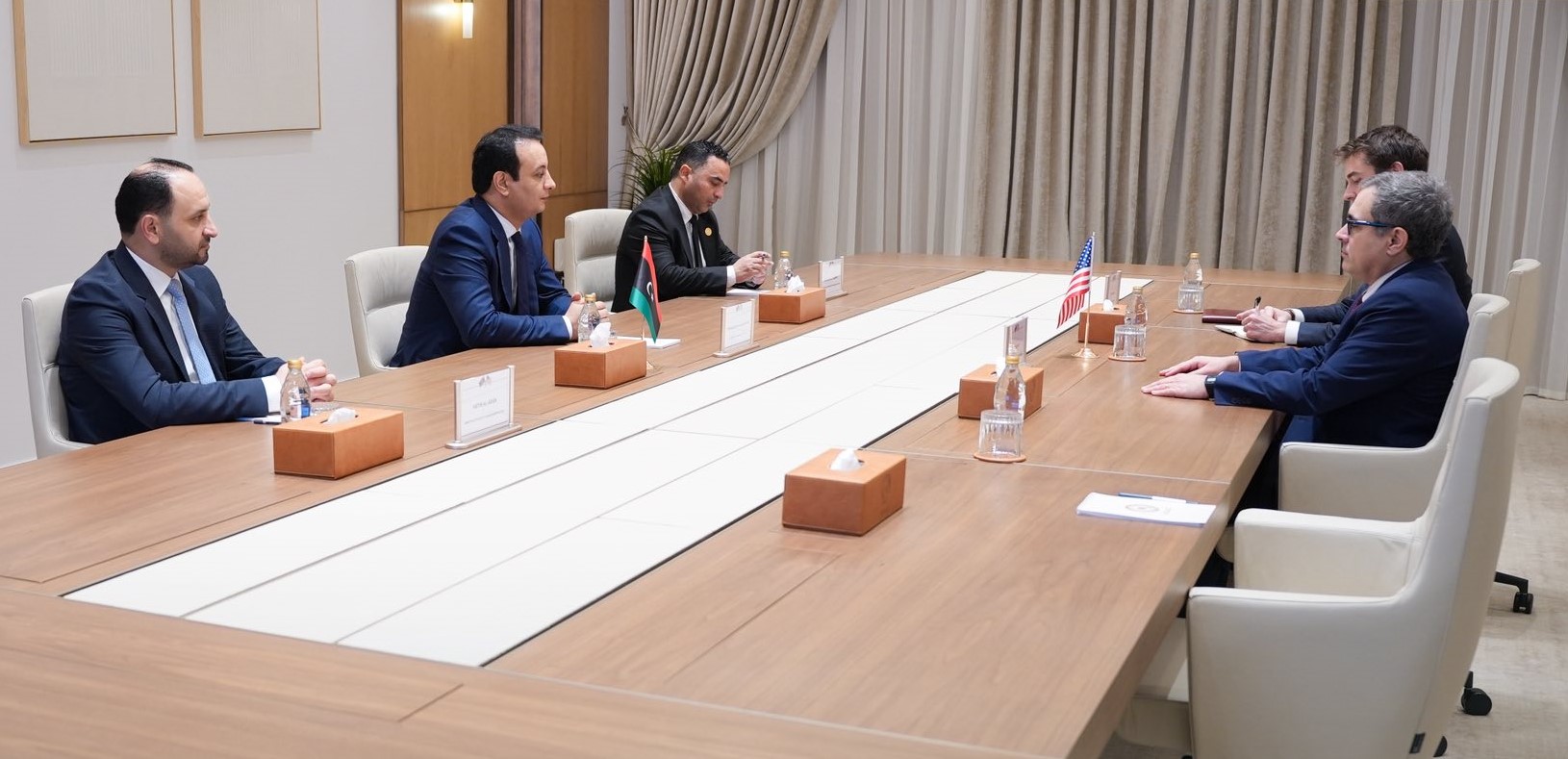
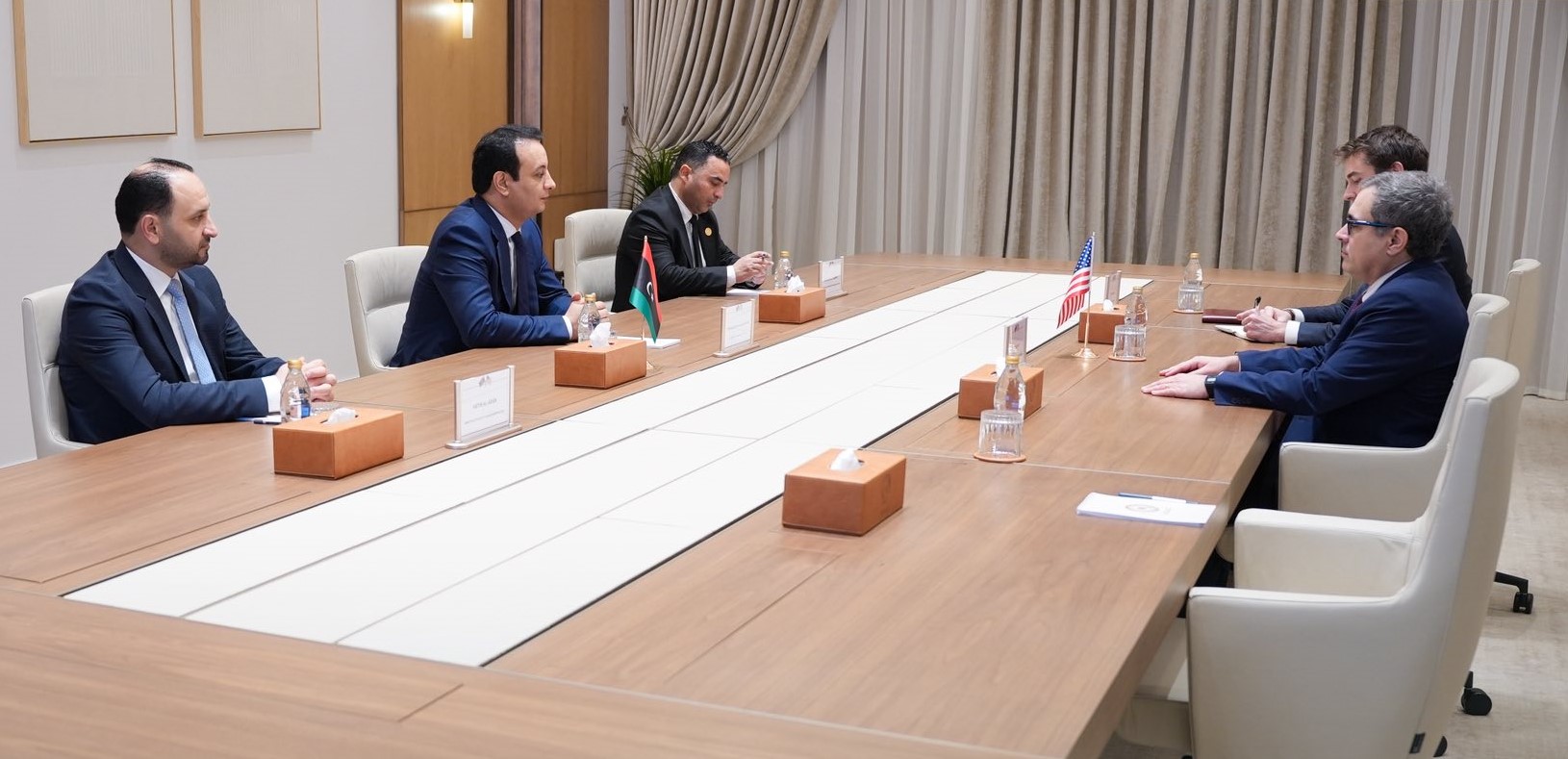
Al-Zayani explained that the clubs’ meeting with the Minister of Sports, Abdulshafi Al-Juwaifi, revealed that the decision to stop support goes back to the presidency of the government, which surprised the clubs’ representatives. He confirmed that the continuation of the current situation may push clubs to take greater escalatory steps, and that he has authorization from 13 clubs to speak on their behalf.
Frequencies of Al-Wasat channels (Wtv) on Nilesat
■ Al-Wasat (Wtv 1) Frequency: HD 11096 | Horizontal | 27500 | 5/6
■ Al-Wasat (Wtv 2) Frequency: SD 10815 | Horizontal | 27500 | 8/7