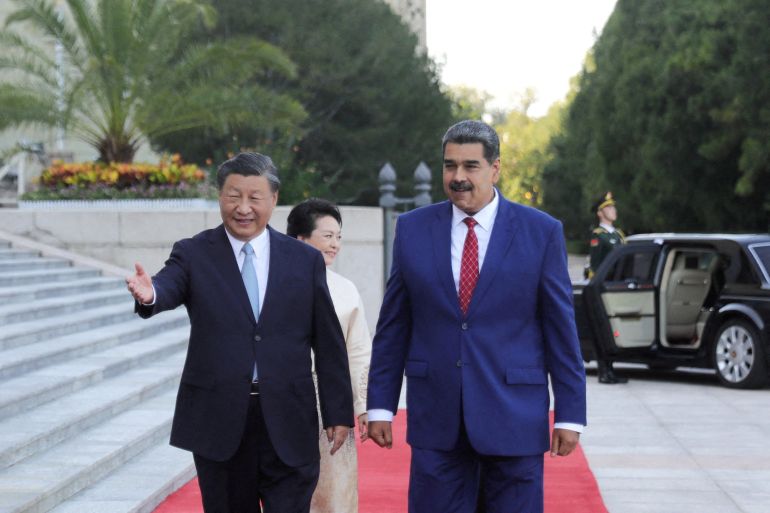
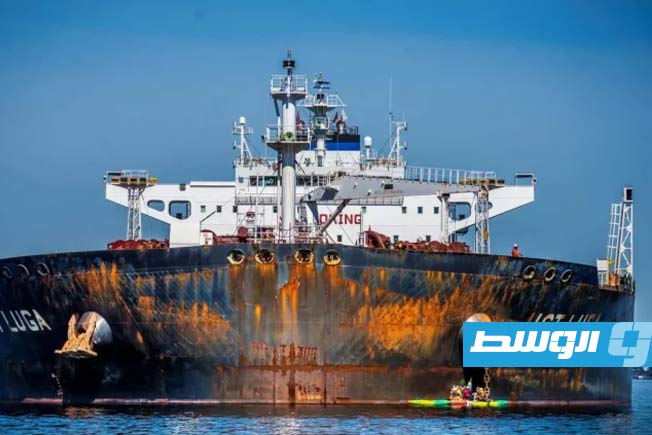
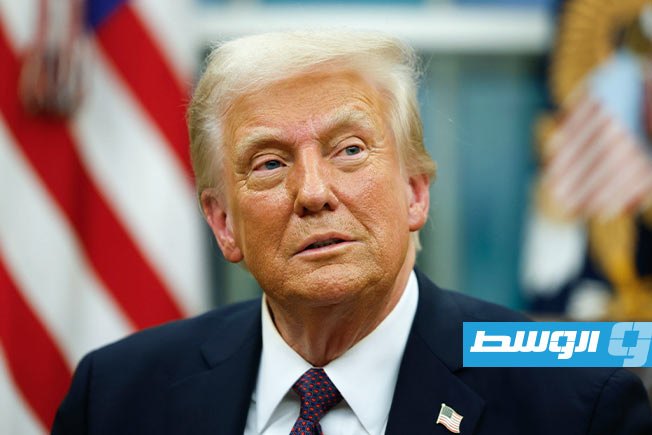
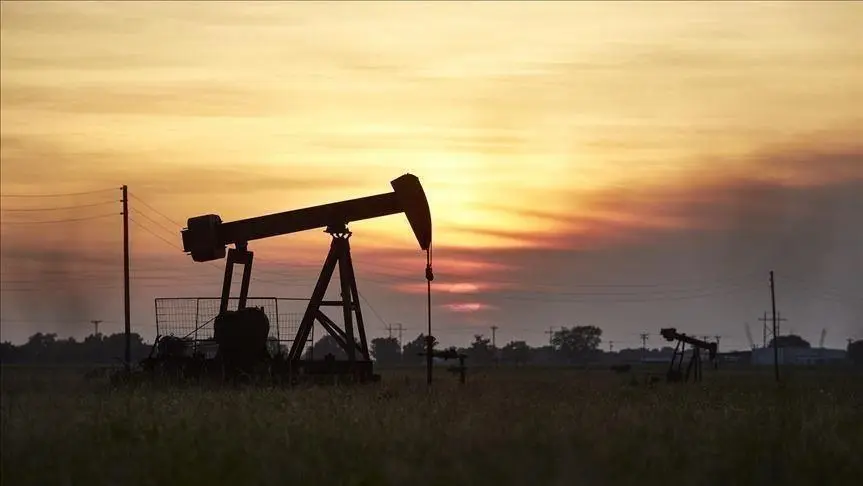
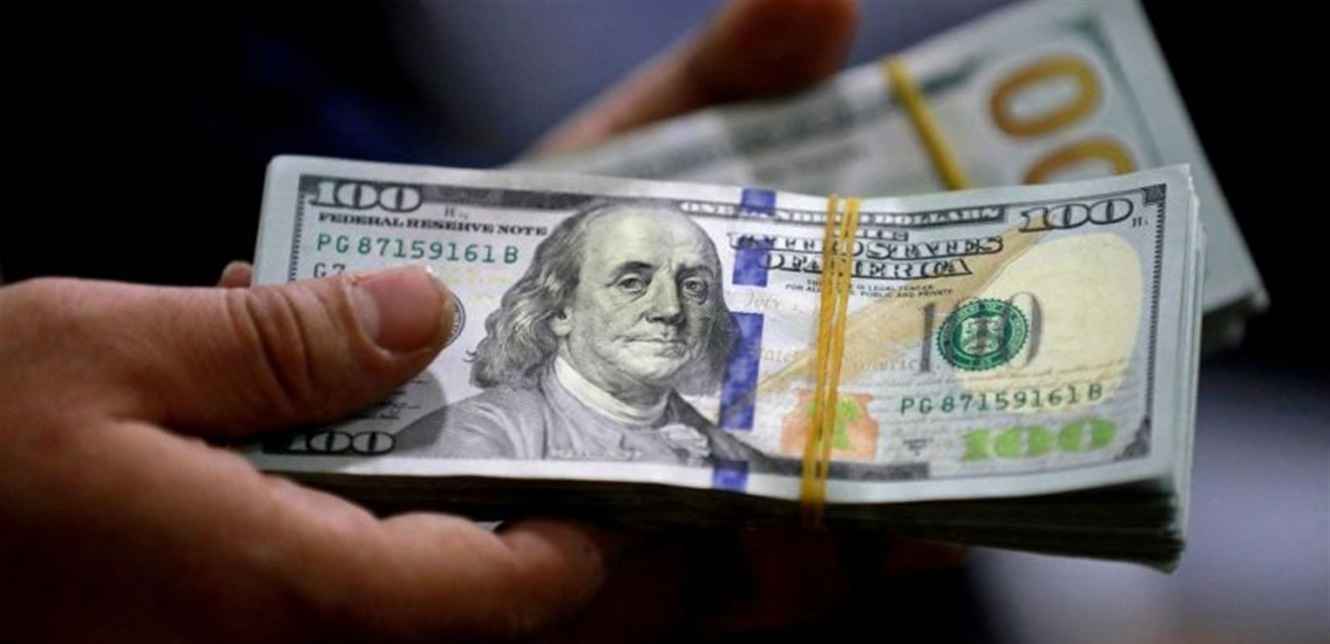
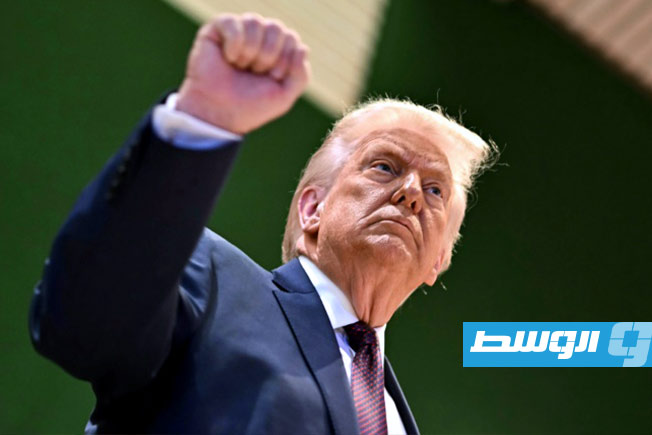
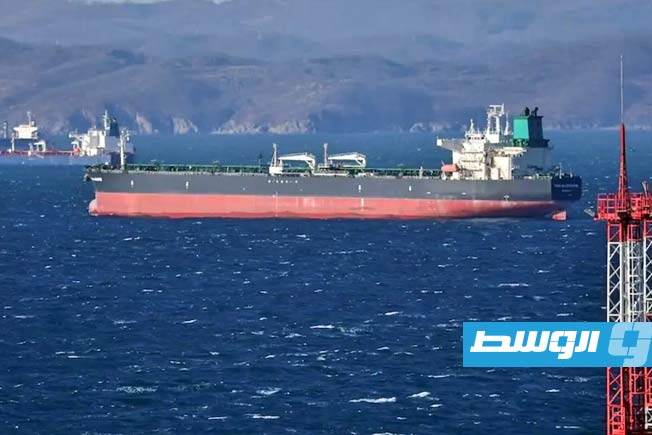
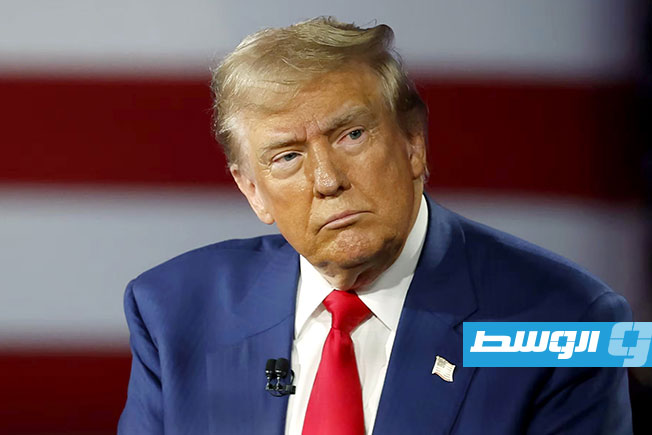
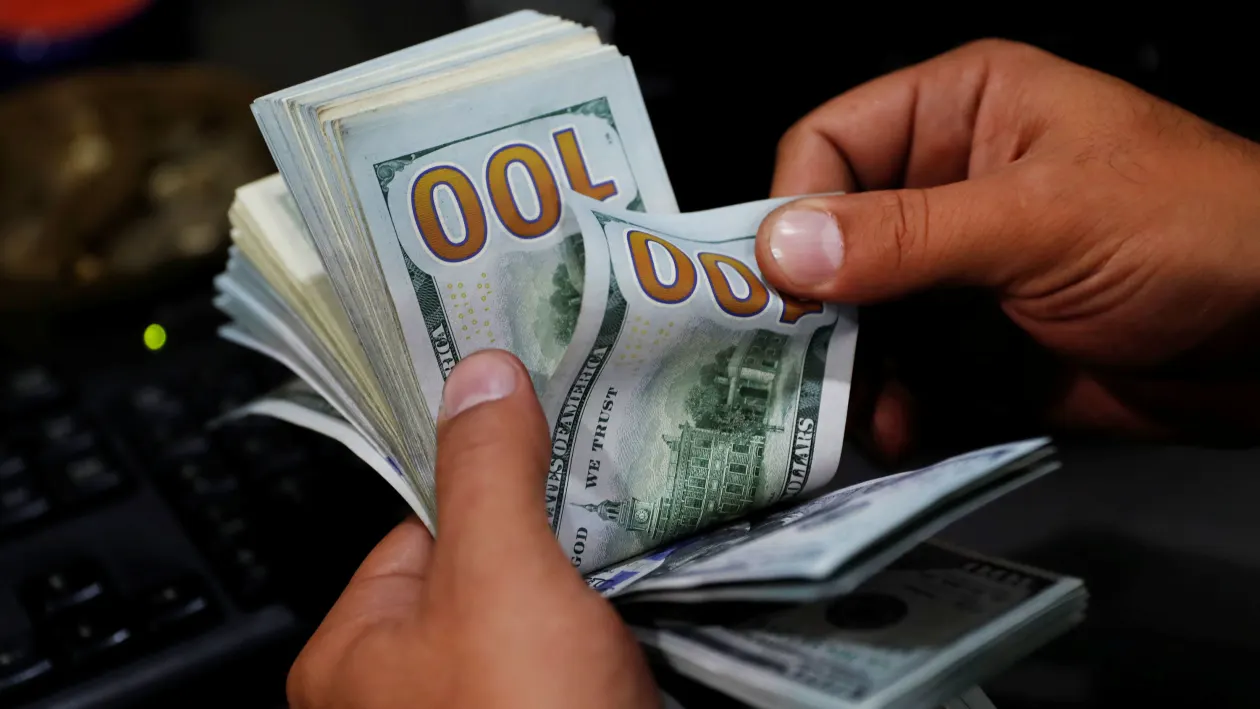
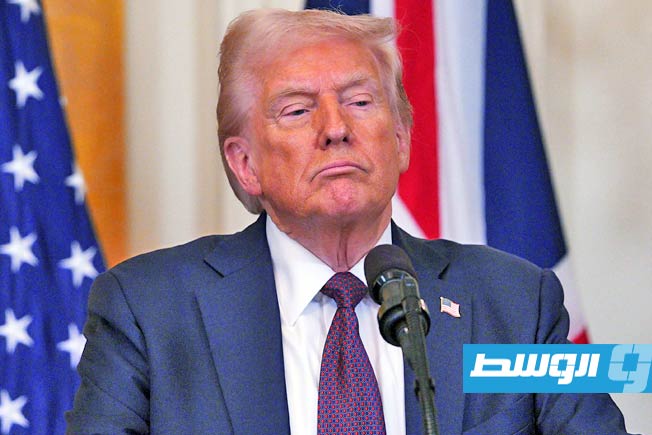
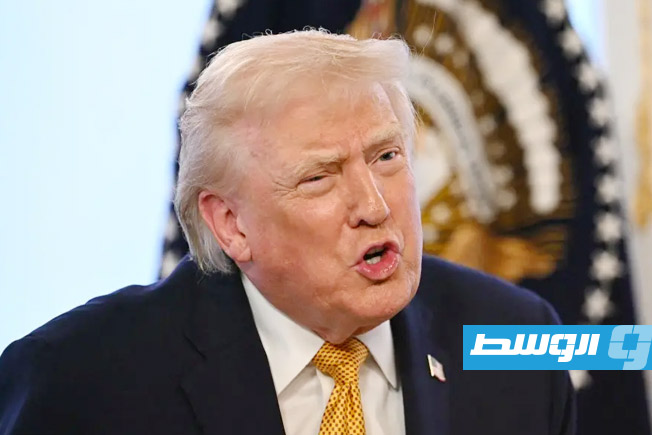
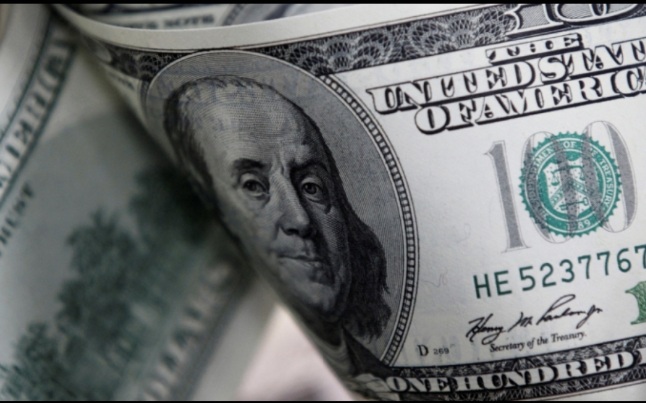
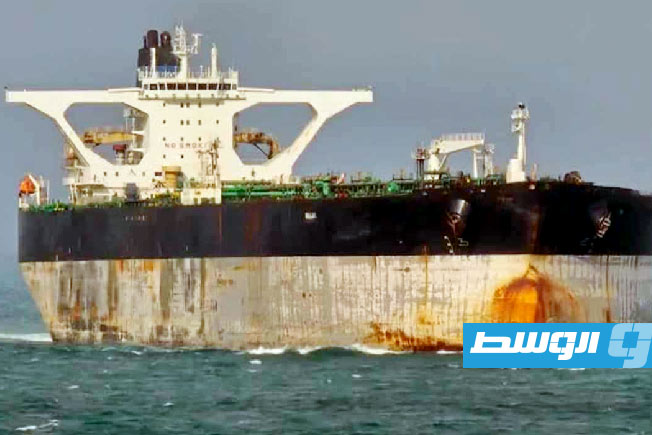
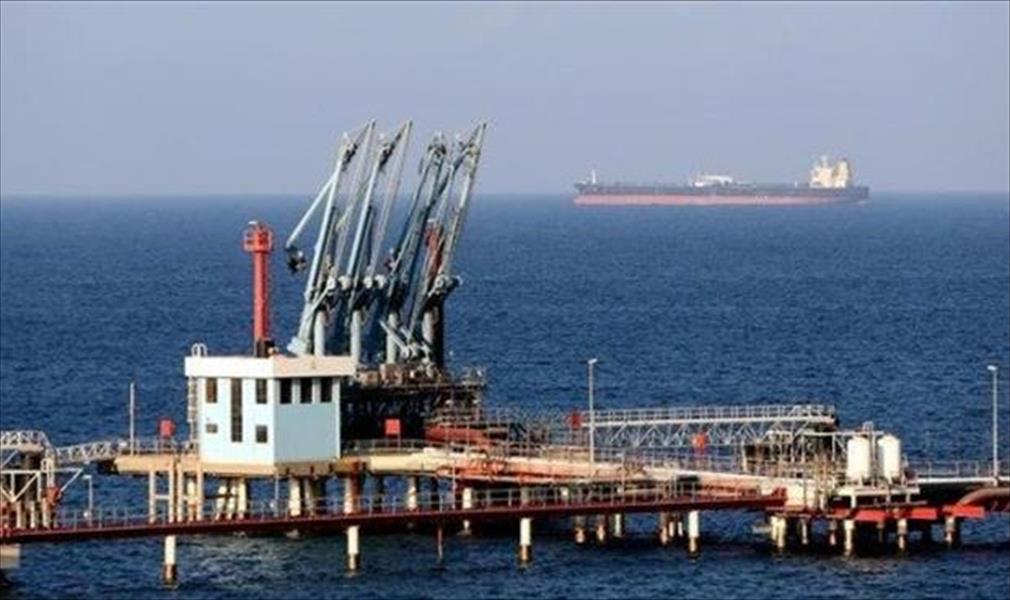
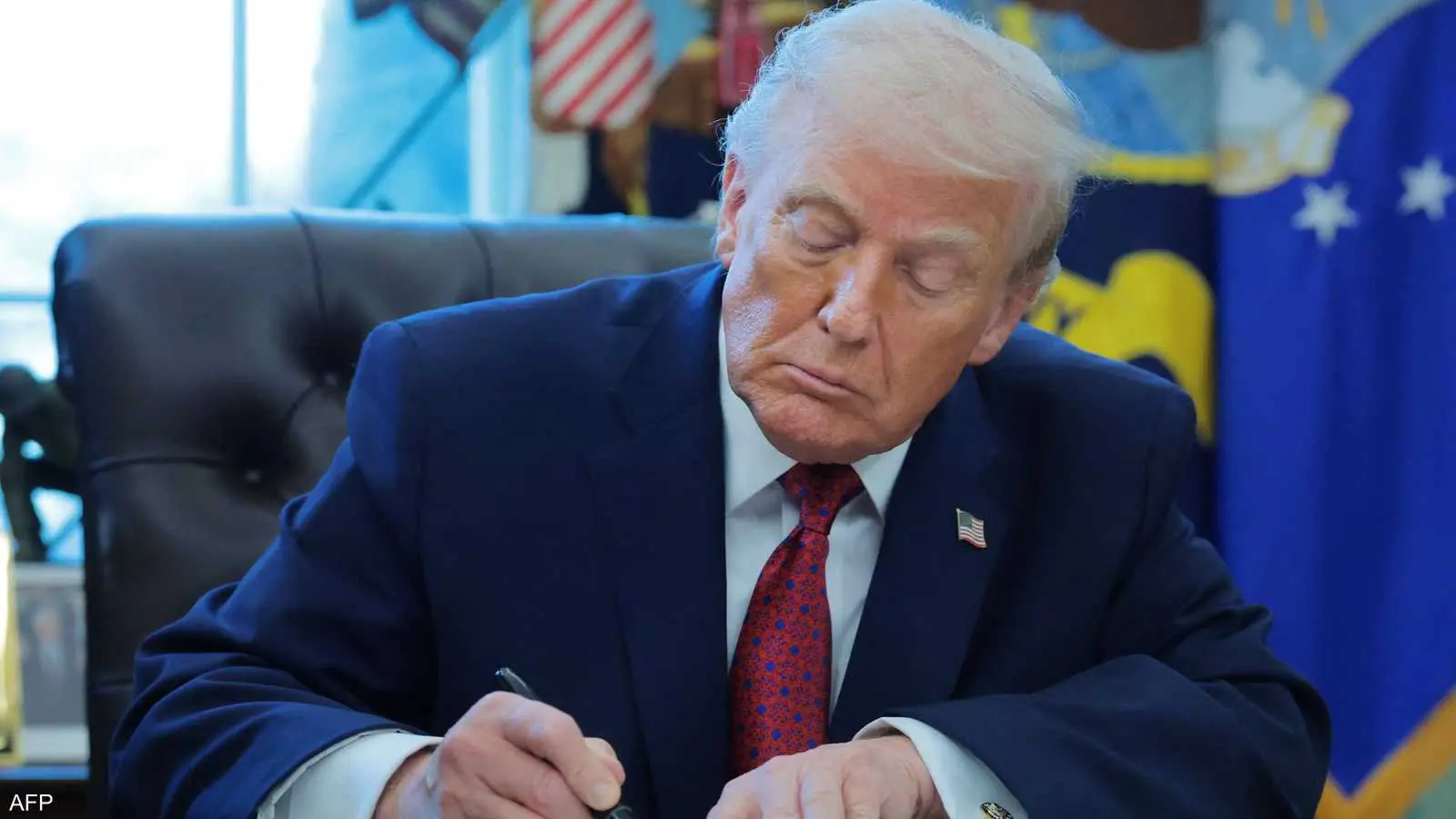
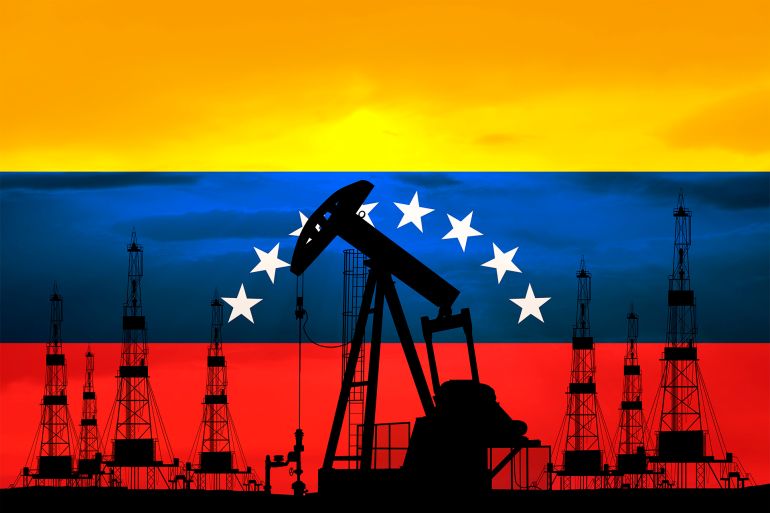
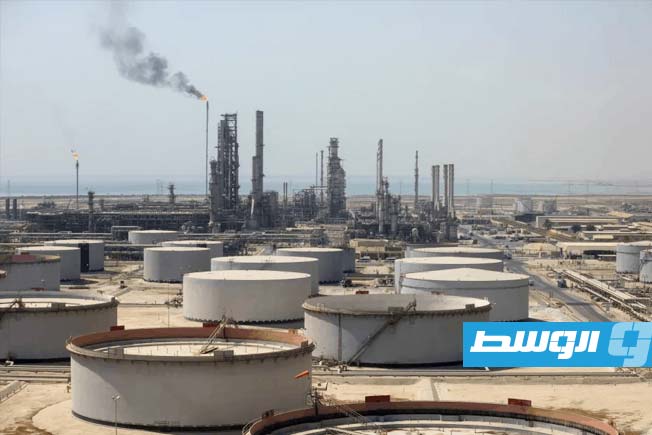
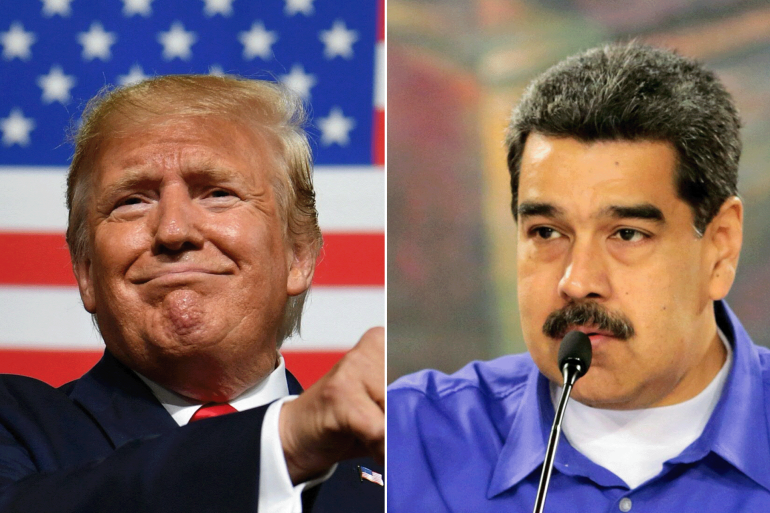
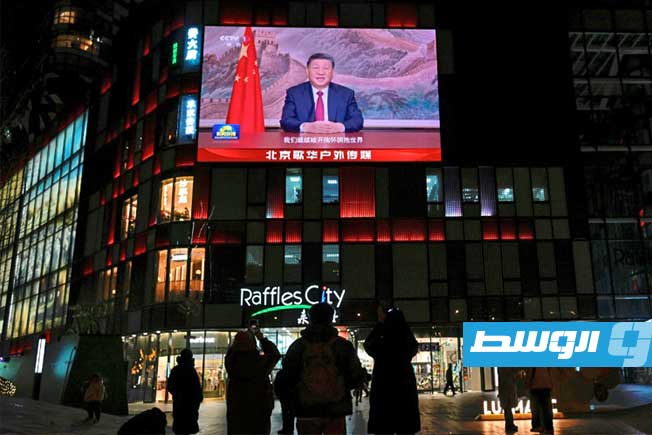
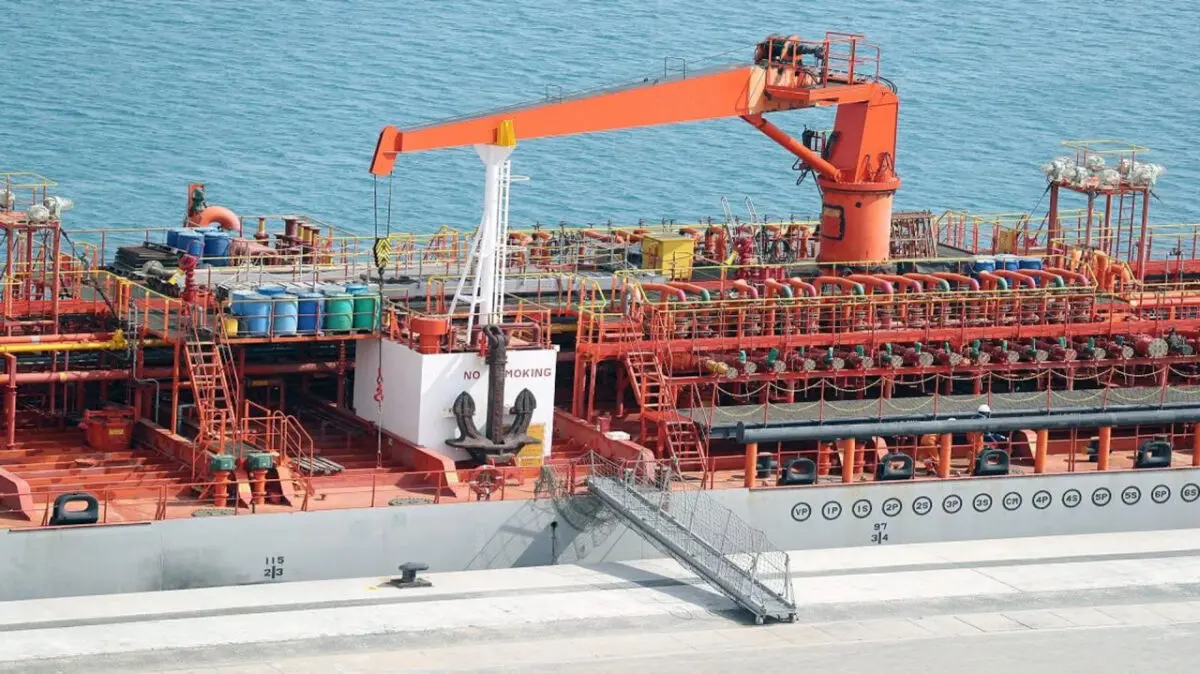
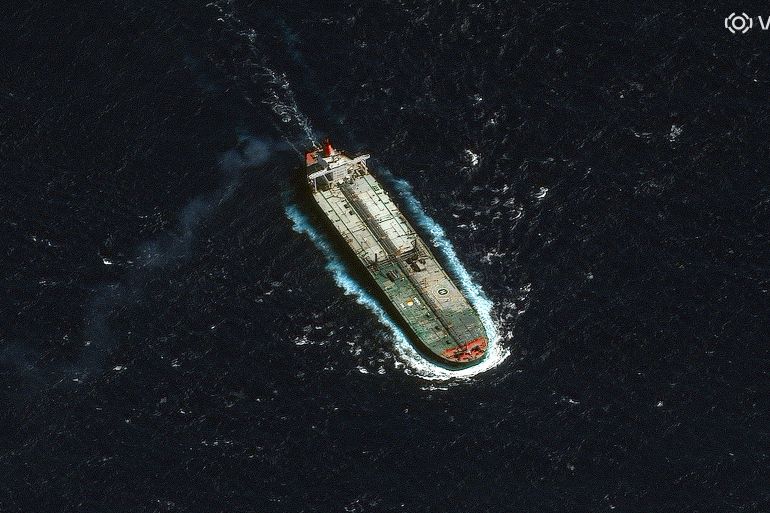
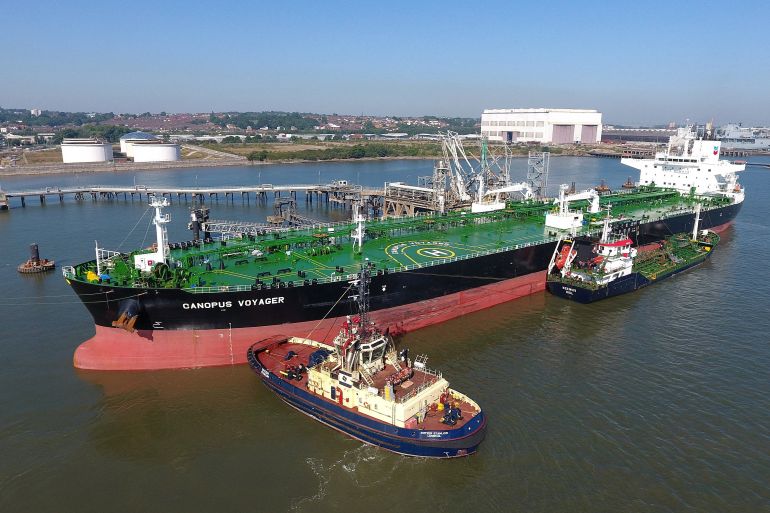
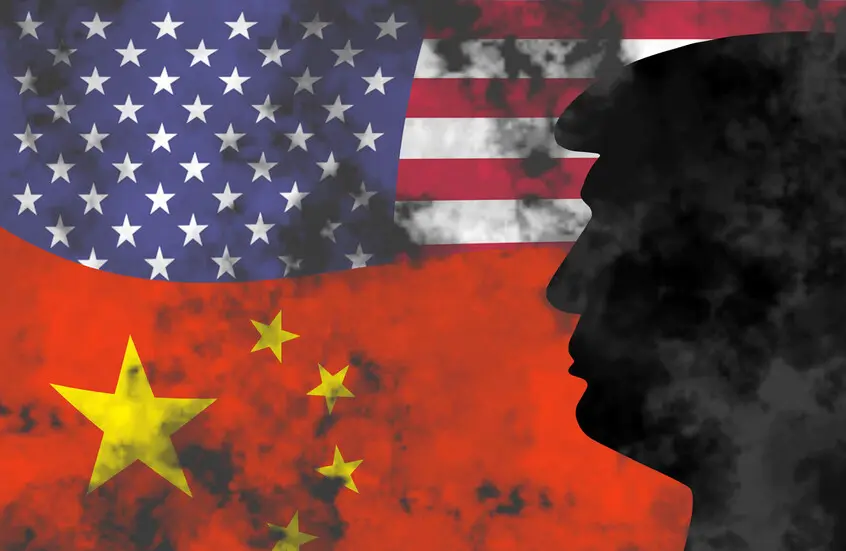
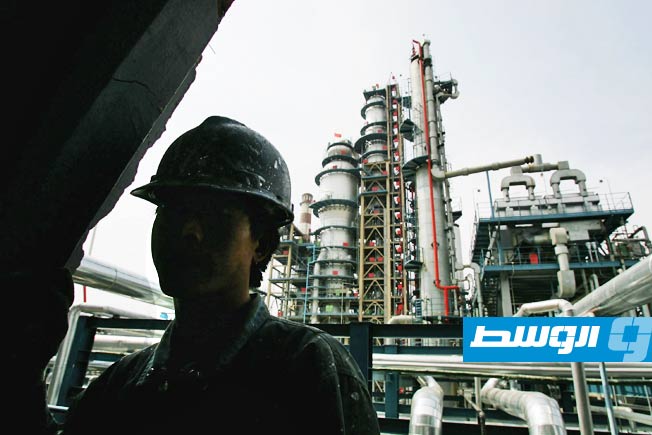
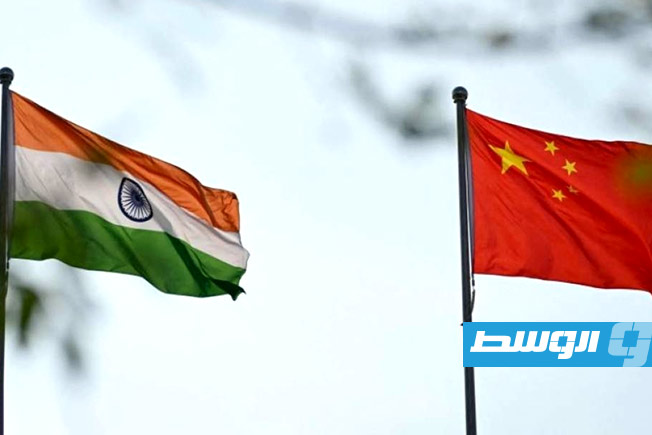
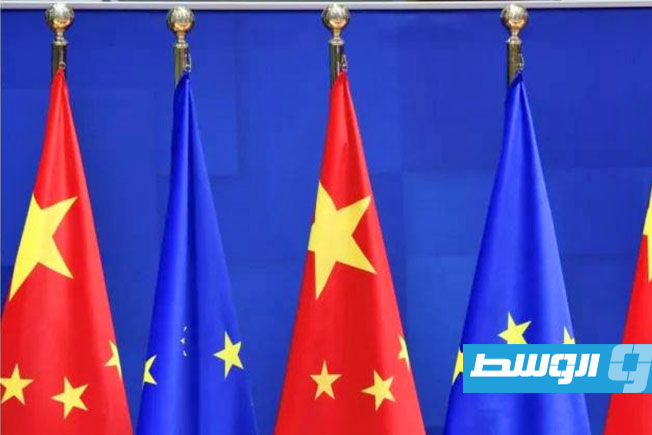
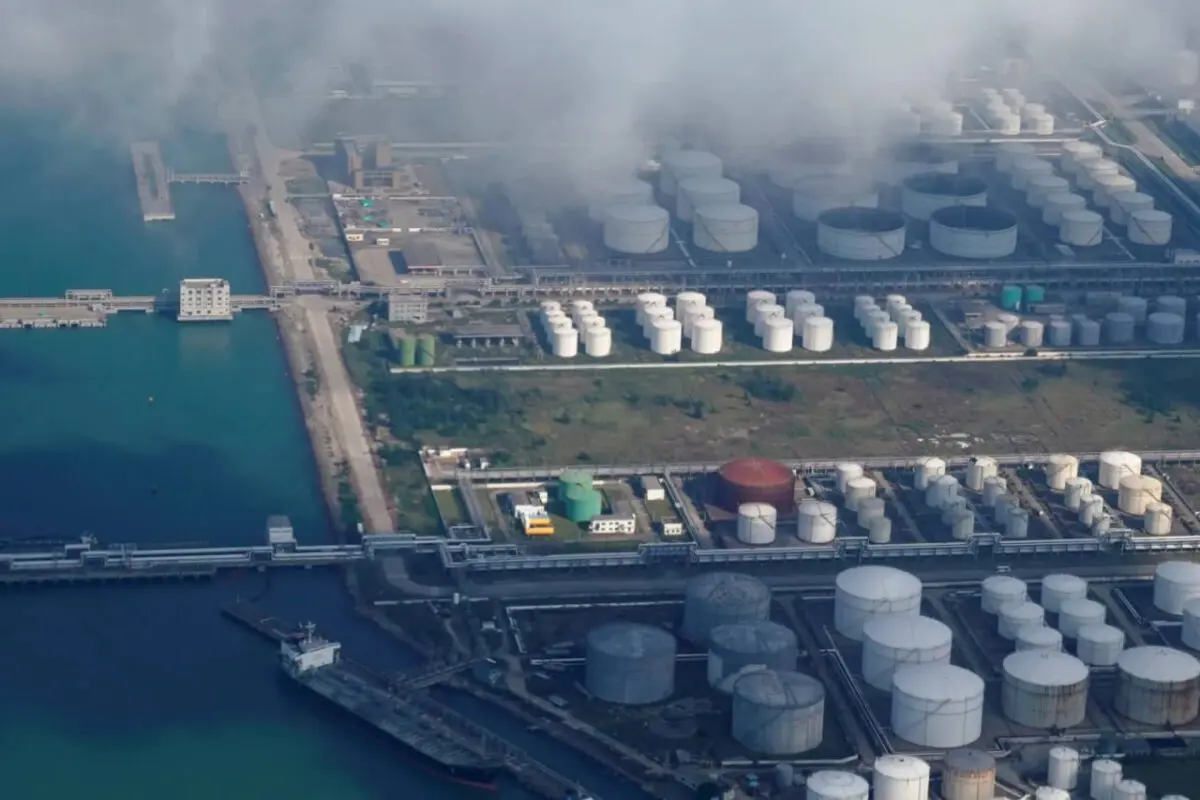
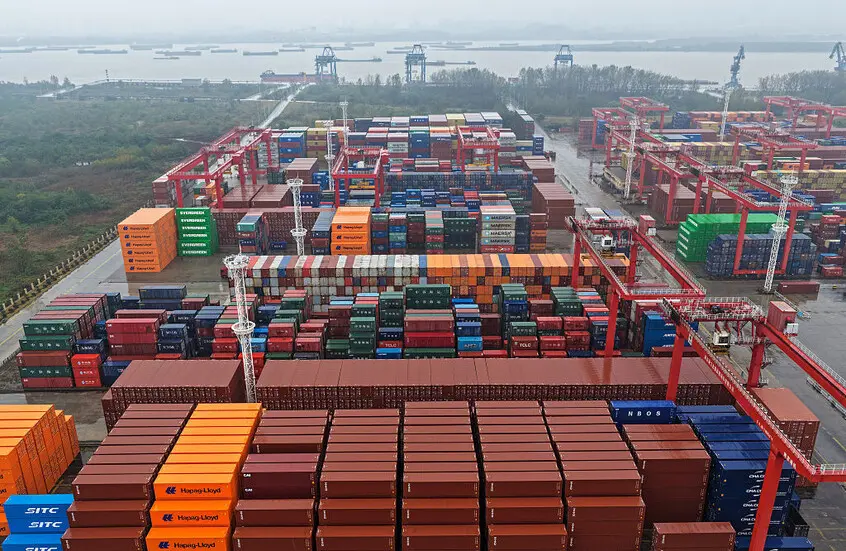
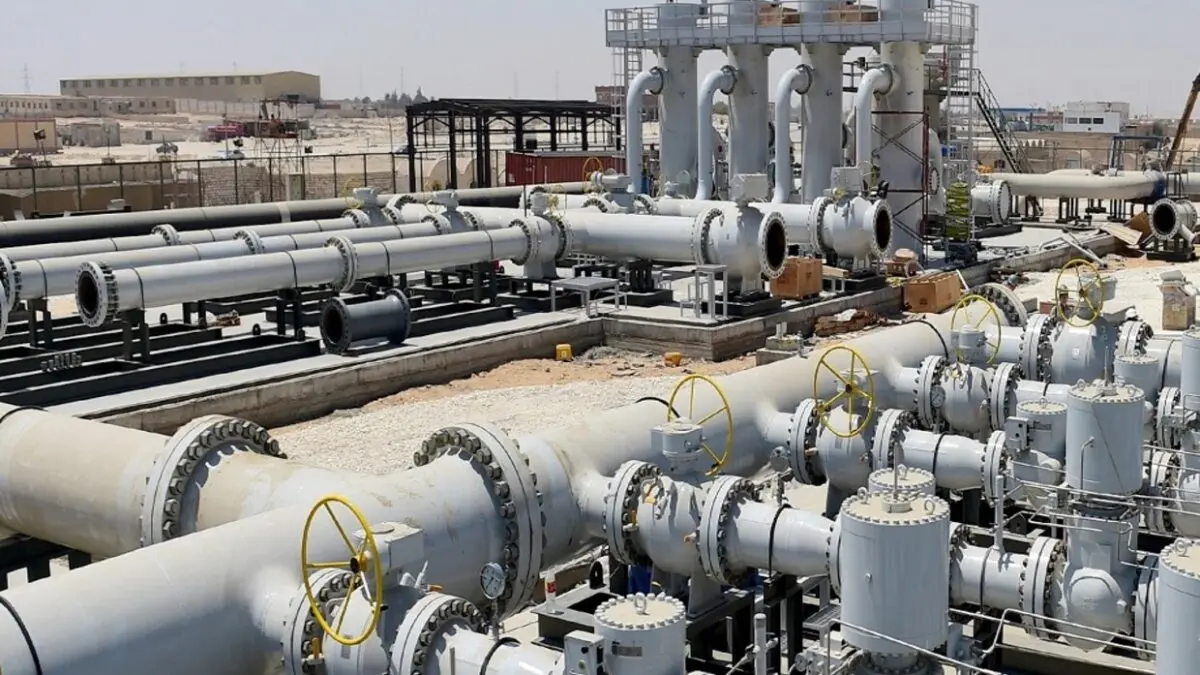
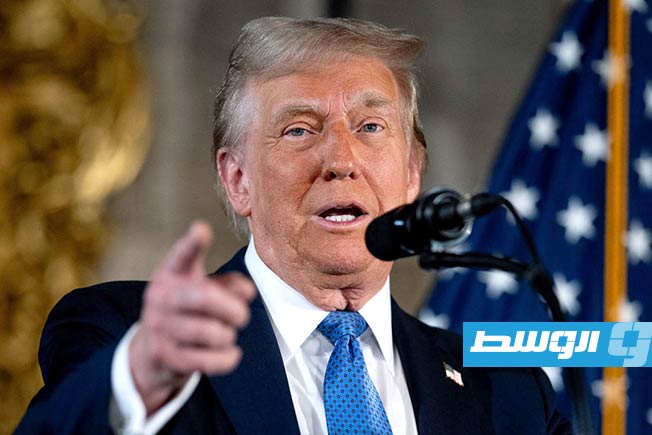
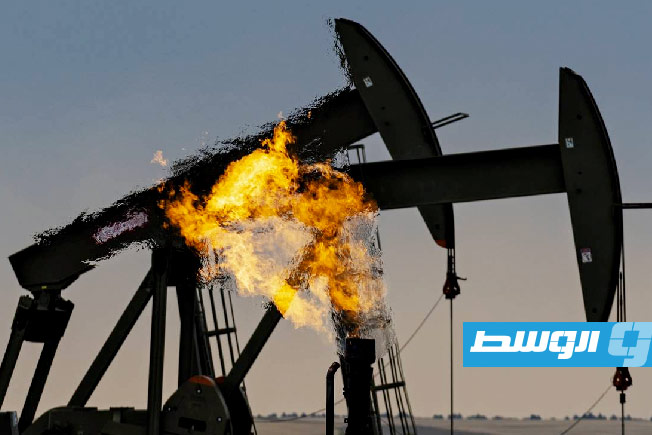
A U.S. administration official stated that the administration of President Donald Trump is allowing China to purchase Venezuelan oil, but not at the “unfair and cheap” prices at which Venezuela was selling crude before the United States ousted its president.
The official, who requested anonymity, said, “Thanks to the decisive and successful law enforcement operation carried out by President Trump, the people of Venezuela will receive a fair price for their oil from China and other countries instead of a corrupt and cheap price.”
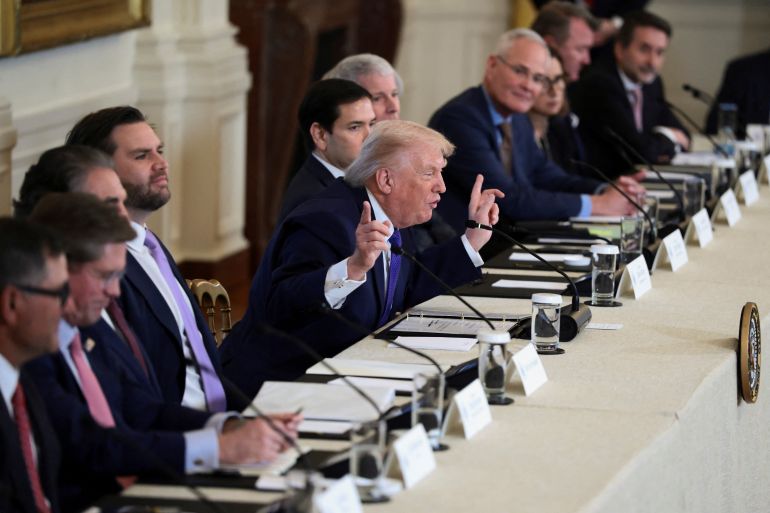
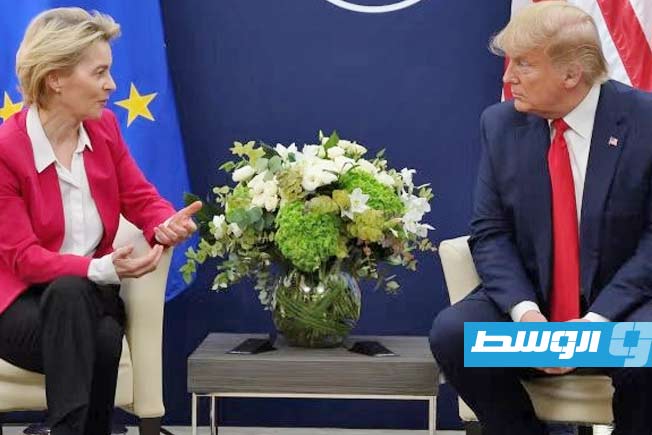
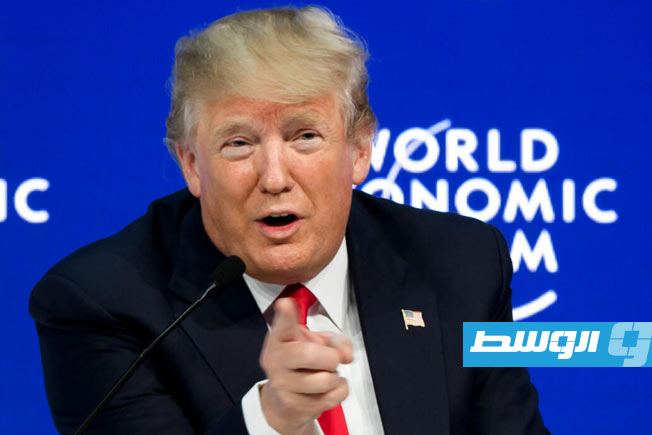
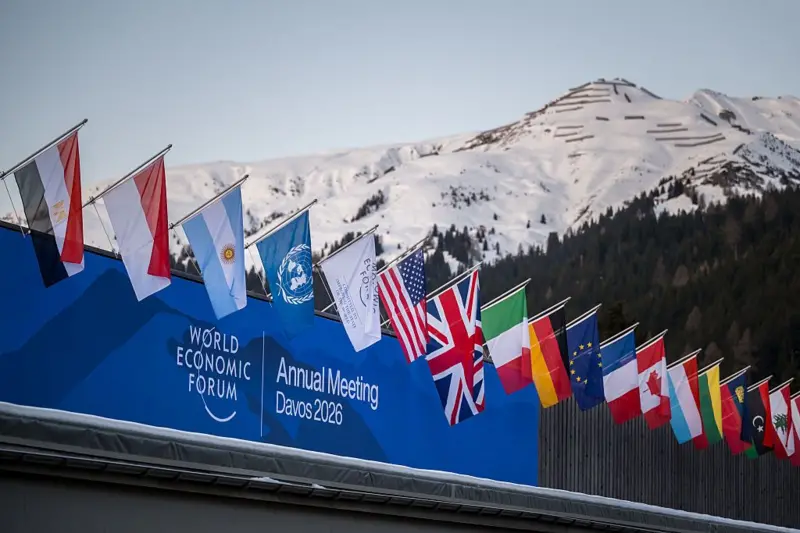
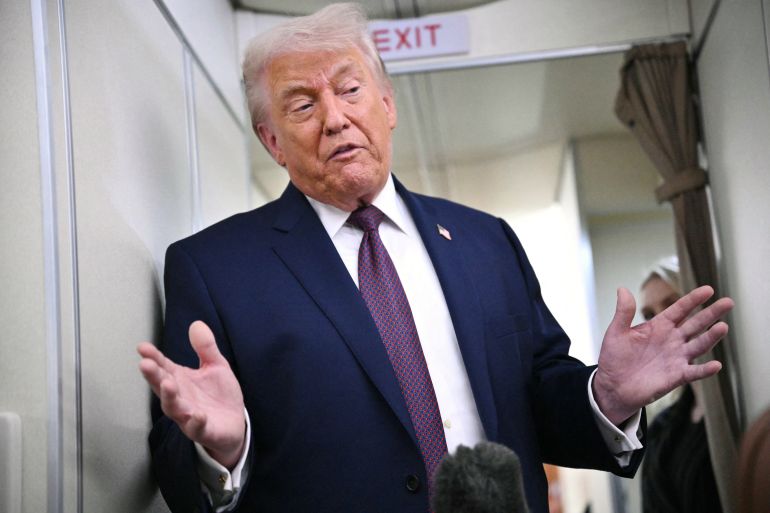
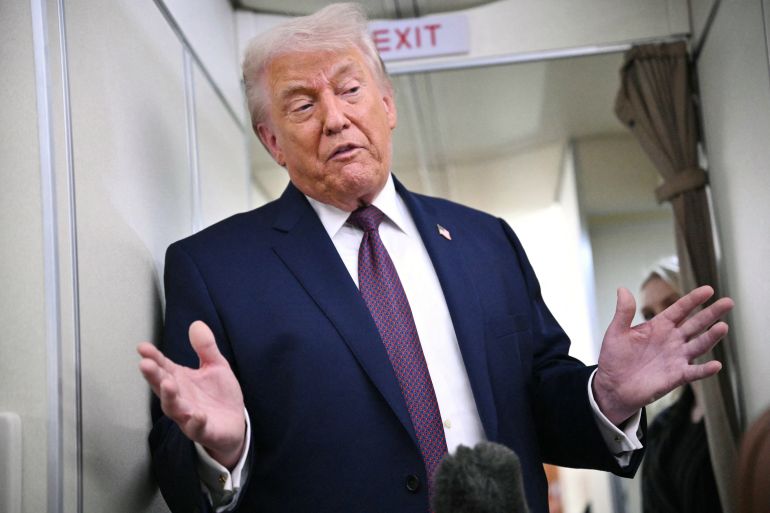
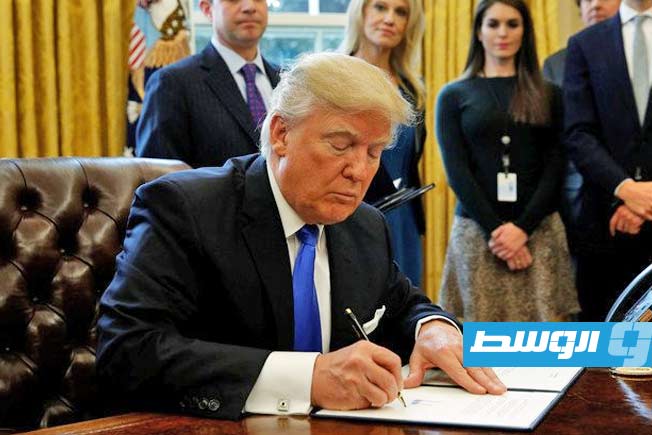
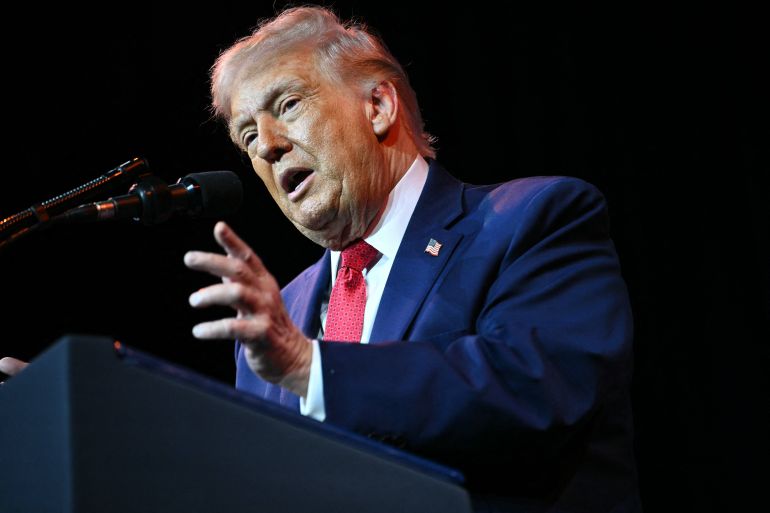
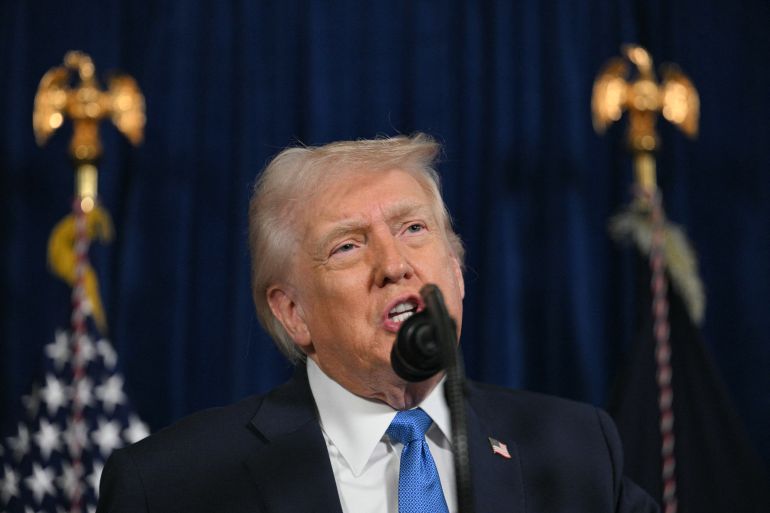
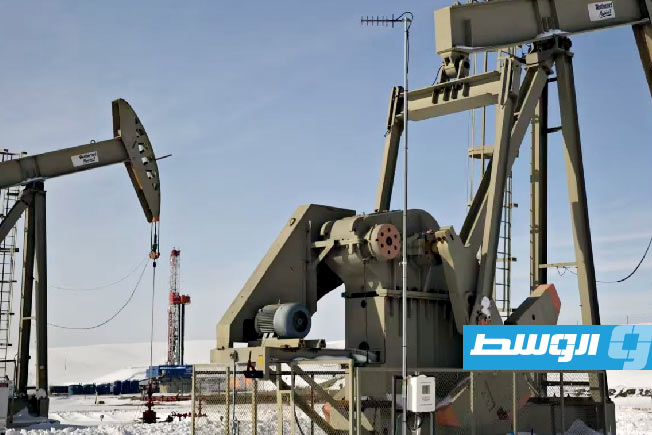
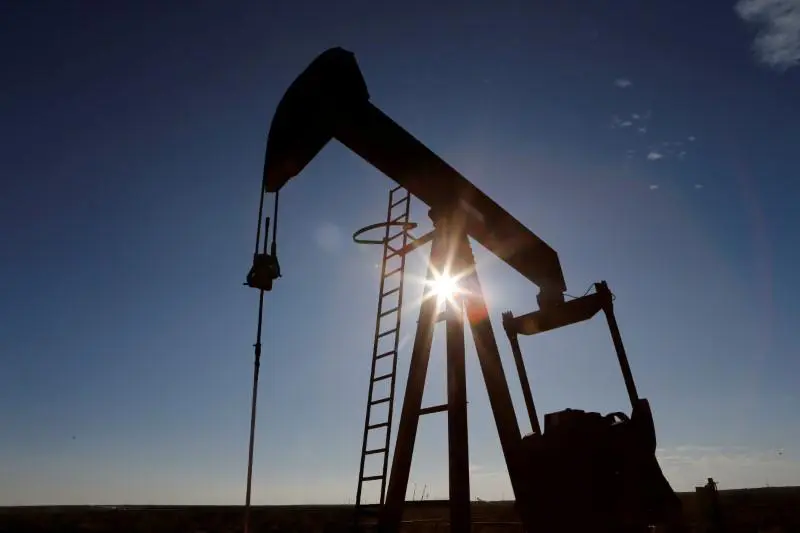
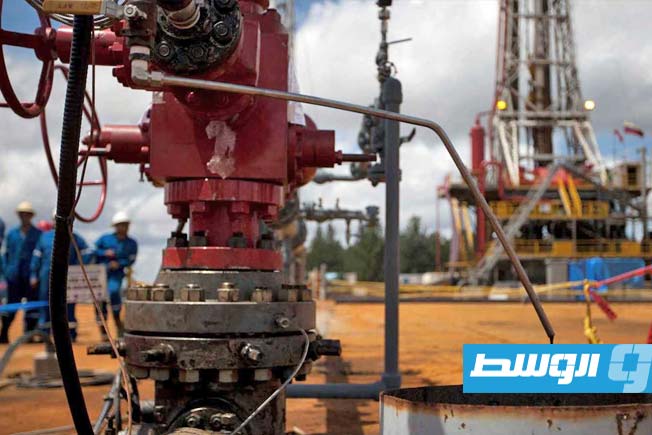
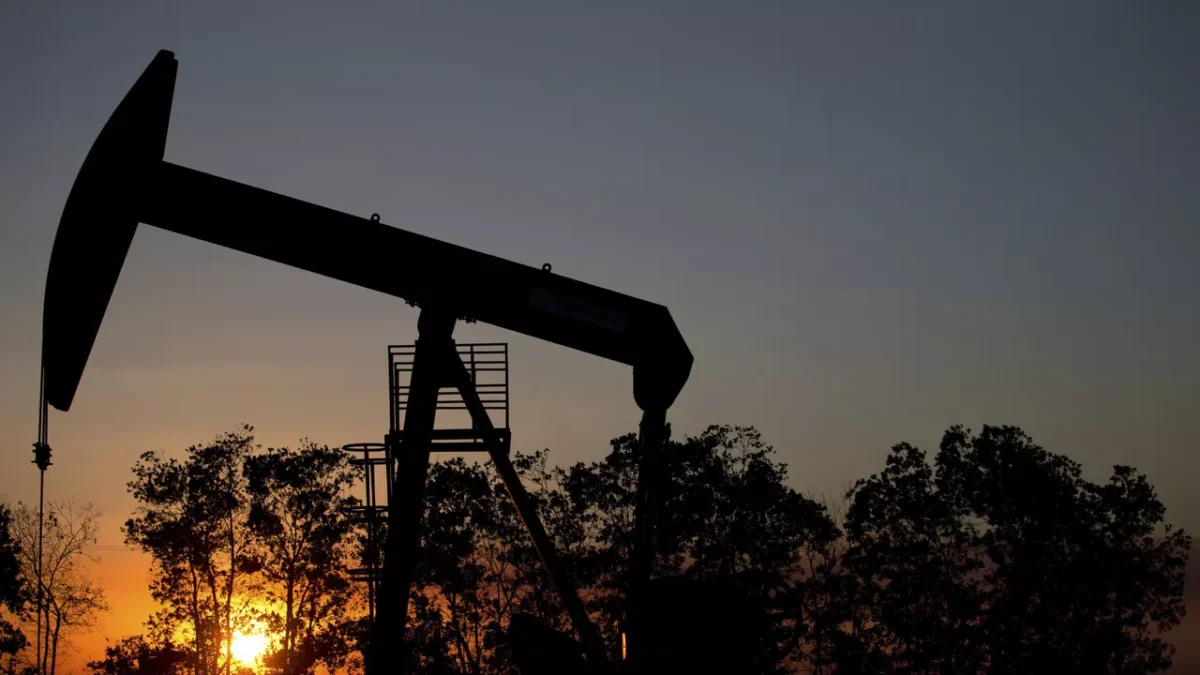
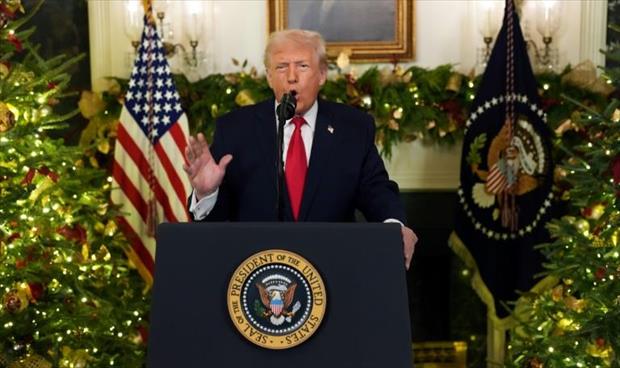
Trump announced from aboard the presidential plane, on his way back from the Davos resort in Switzerland to the United States, that American oil companies would begin drilling very soon, despite some companies’ skepticism about the feasibility of rushing to return under the current circumstances.
Trump had held a meeting with a group of American oil company executives on January 9, urging them to pump investments into Venezuela’s oil sector.
New Law for the Oil Sector
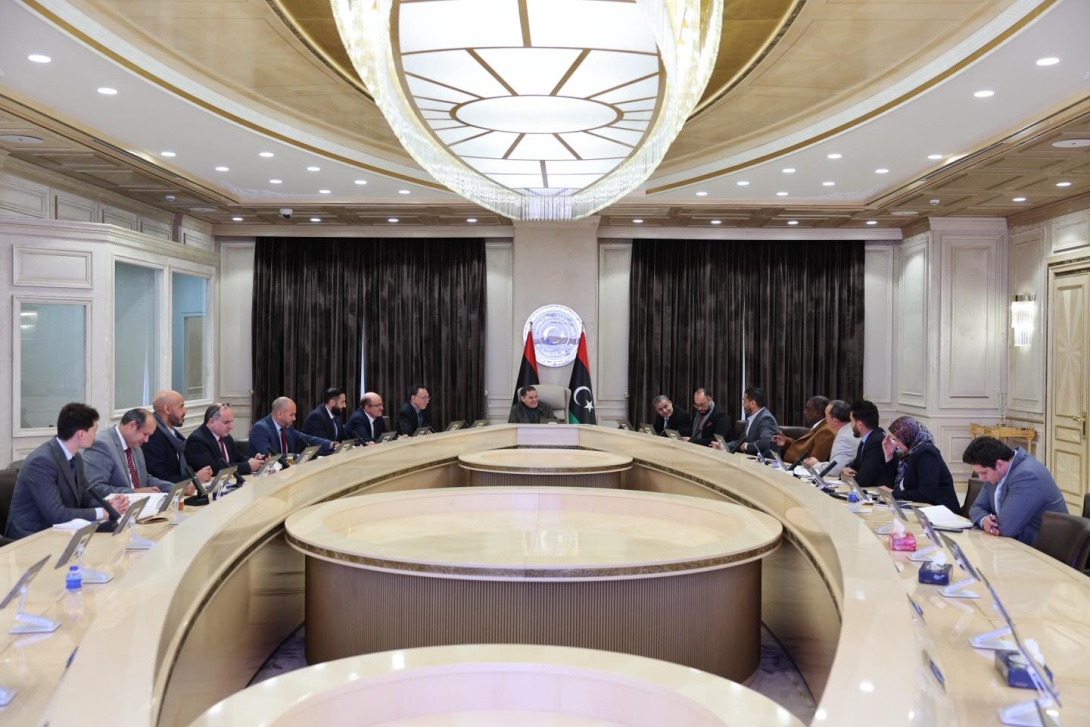
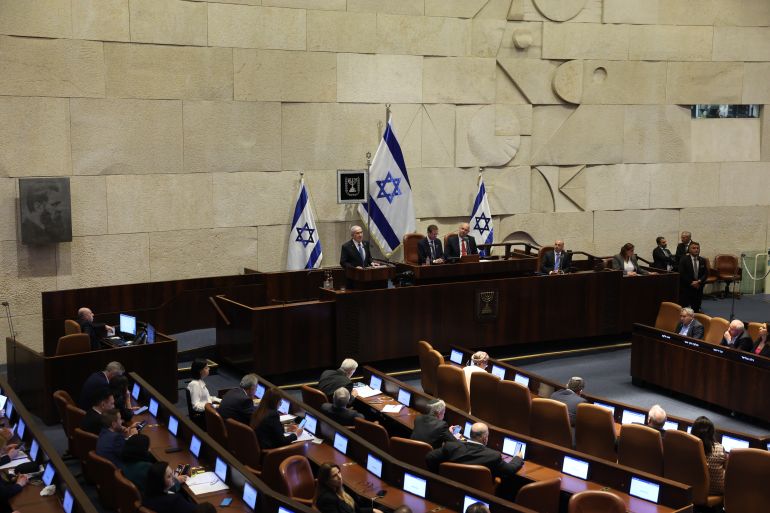
In a related context, Venezuela’s parliament approved in a first reading on Thursday a draft law that opens the door for the private sector to invest in oil, amid indications of a normalization of relations between Caracas and Washington following the United States’ appointment of a new charge d’affaires for its embassy.
The new draft law, which needs approval in a second reading, comes three weeks after the United States ousted Maduro and his former vice president assumed the presidency on an acting basis.
The draft law is expected to be approved in the coming days, especially since the current authorities in Venezuela hold a majority in parliament after the opposition boycotted the 2025 legislative elections.
This amendment is viewed by the country, which possesses the world’s largest proven oil reserves, as an additional step on the path to normalizing relations with Washington, which were severed in 2019.
Trump did not hide his desire to exploit Caracas’s oil and his readiness to work with Rodriguez as long as it does not oppose Washington’s interests.
The head of parliament, Jorge Rodriguez, who is the brother of the acting president, said, “Oil in the ground is useless. What good is it to say we have the largest reserves in the world if we cannot increase production? We must do (this reform), and we must do it now.”
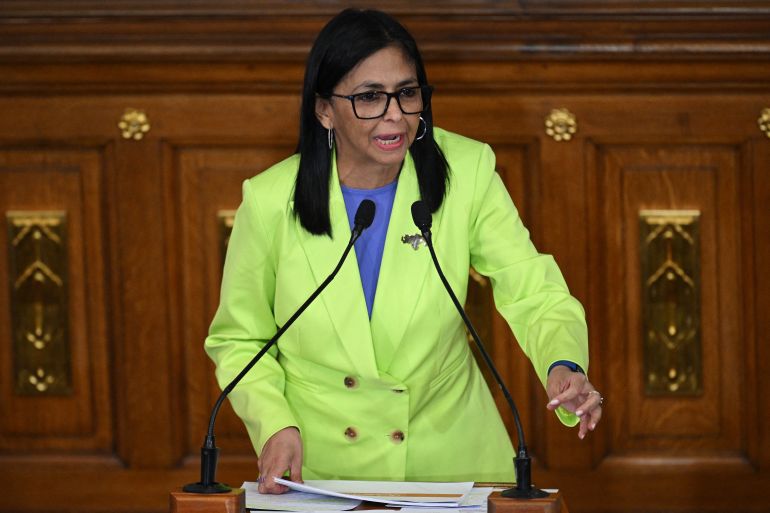
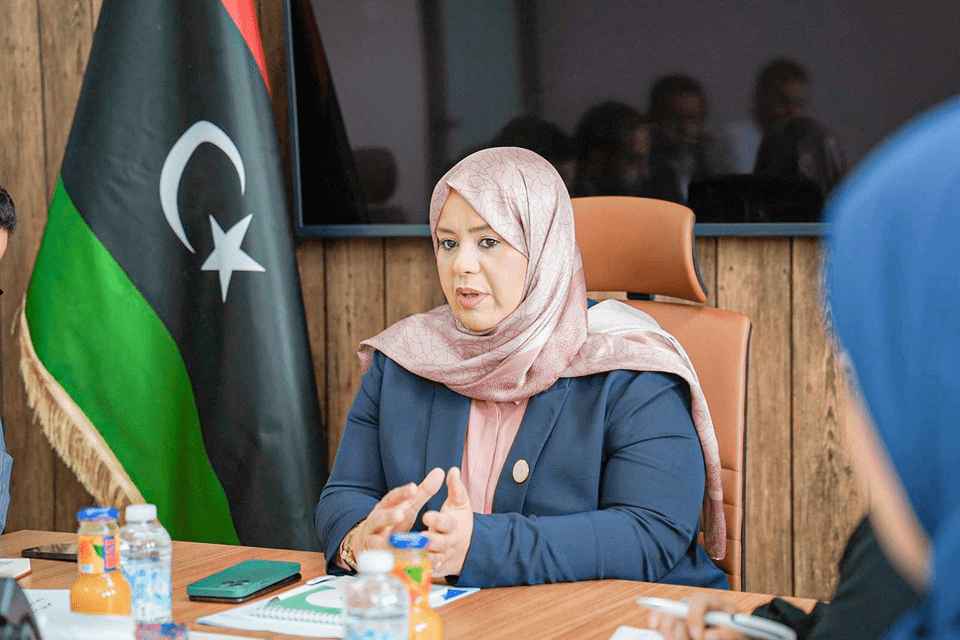
Delcy Rodriguez assumed the presidency of Venezuela on an acting basis after the ousting of Maduro
A Demand from American Companies
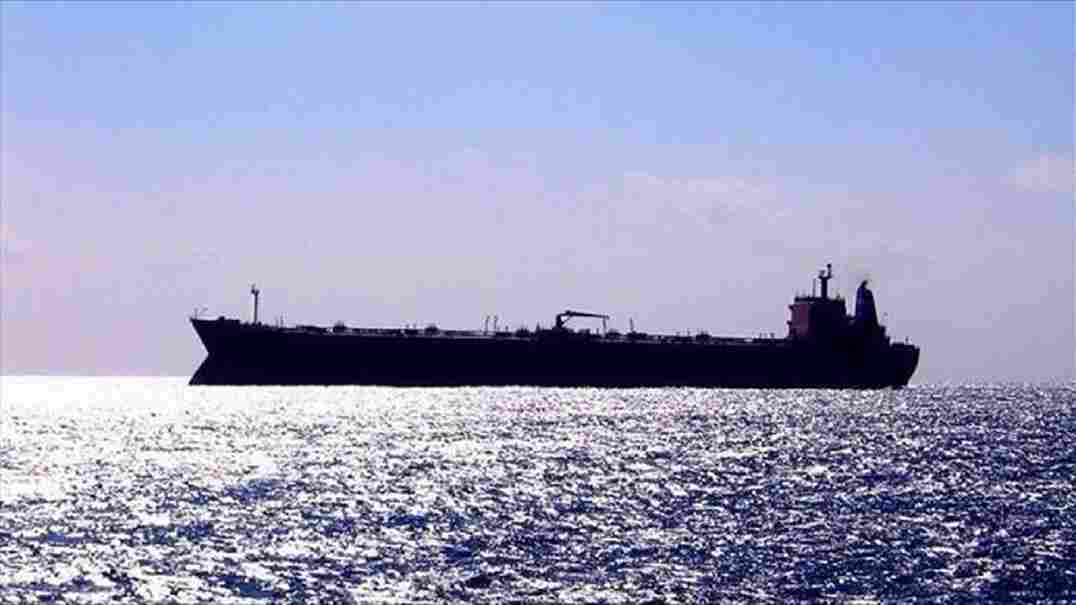
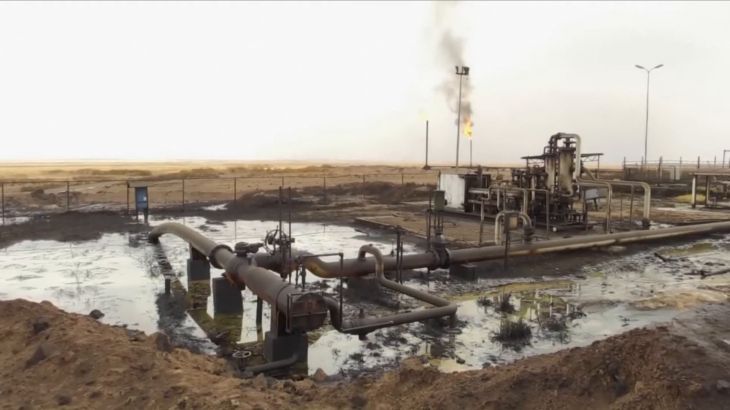
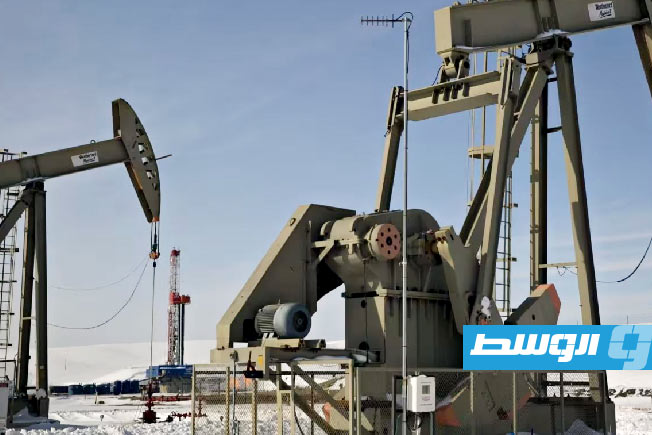
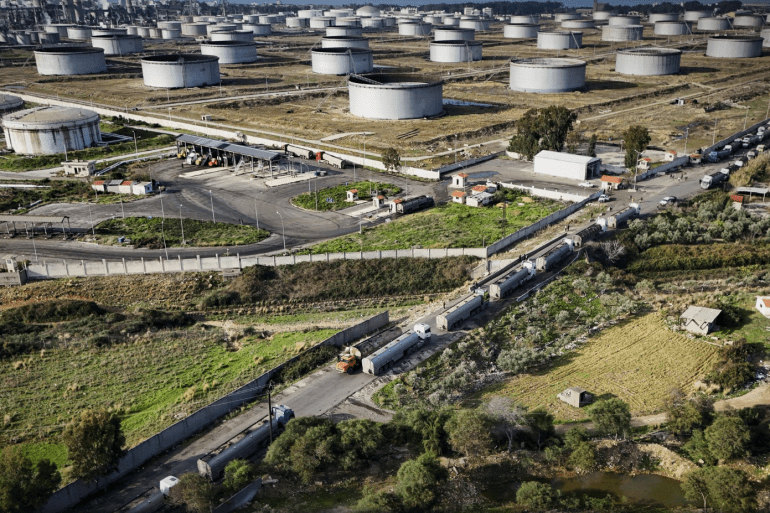
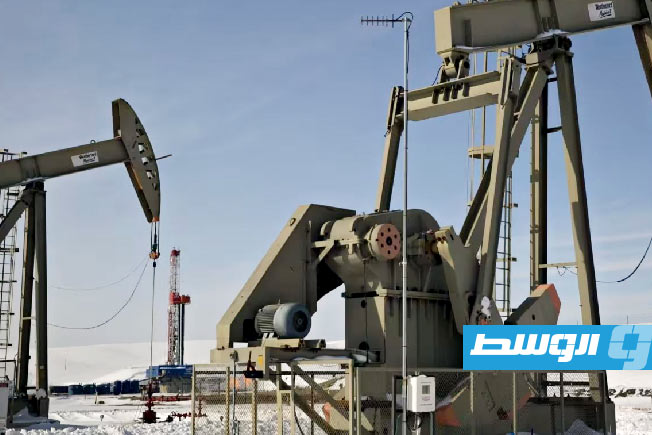
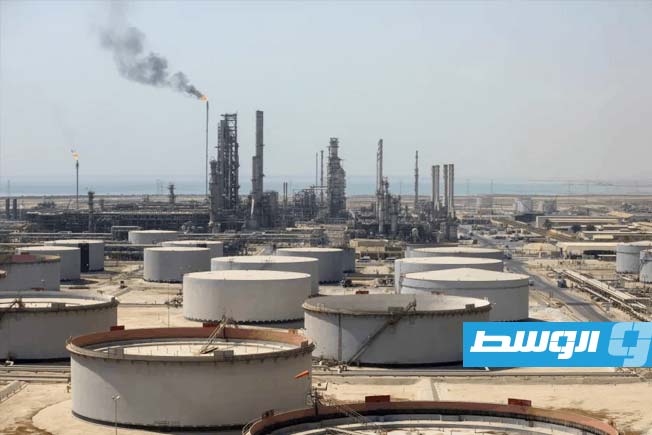
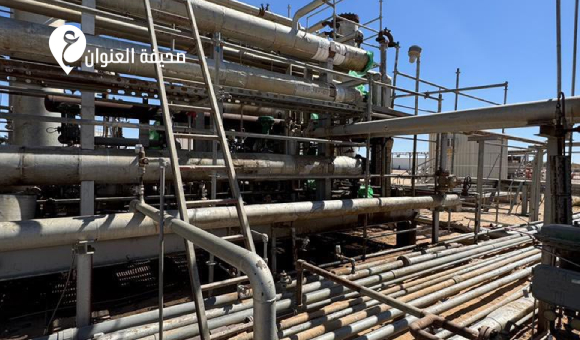
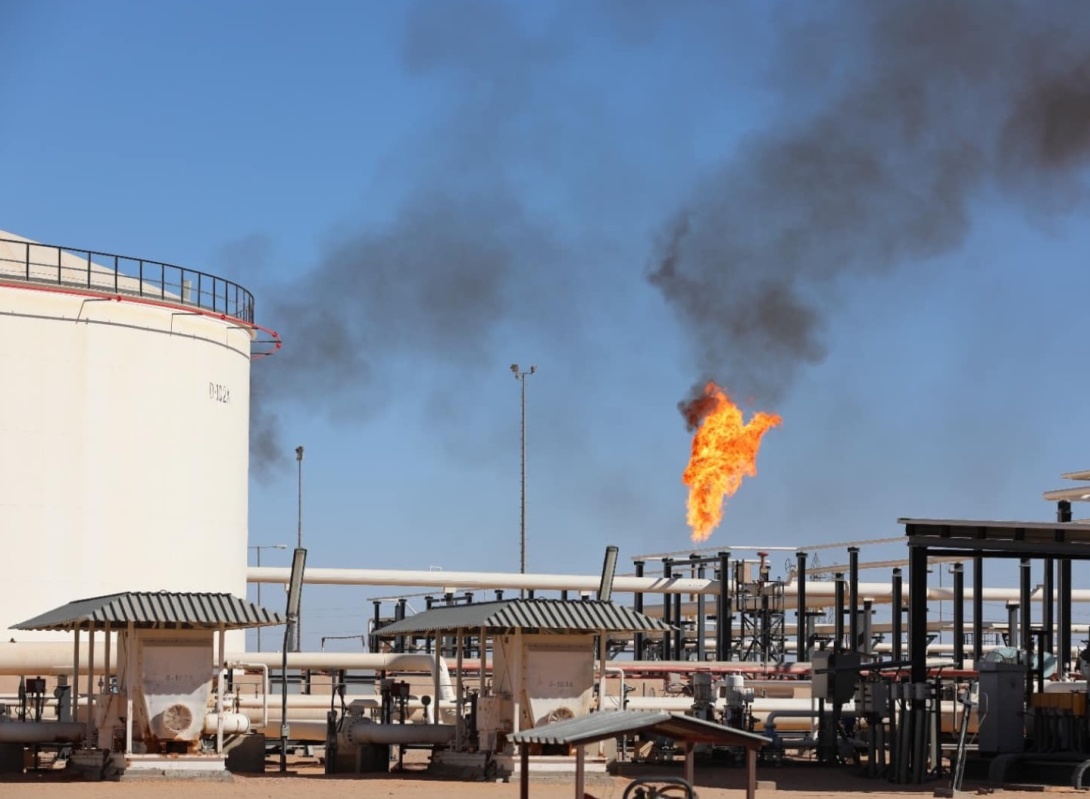
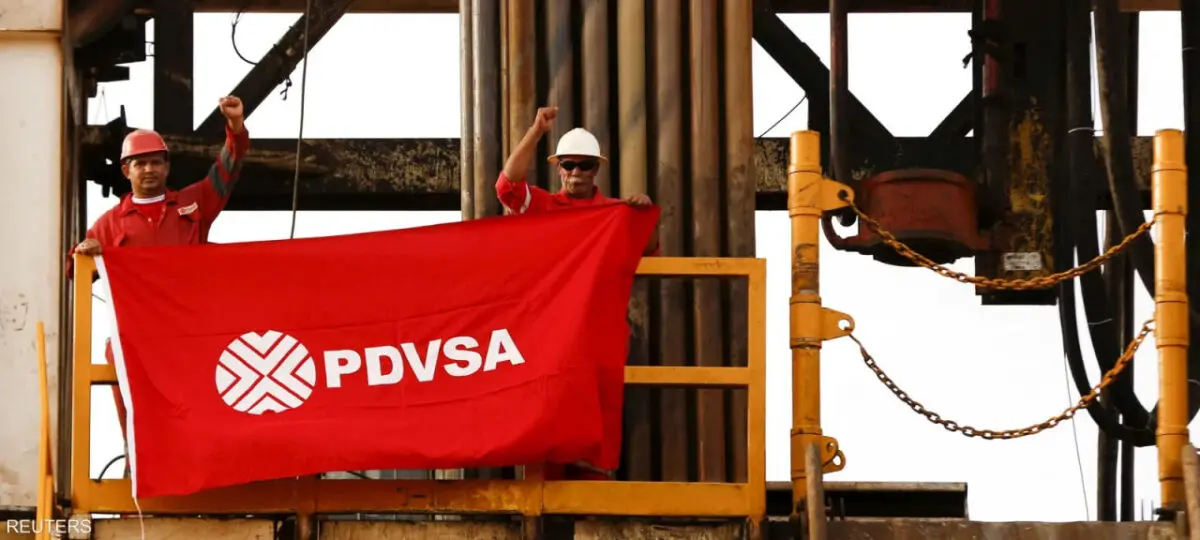
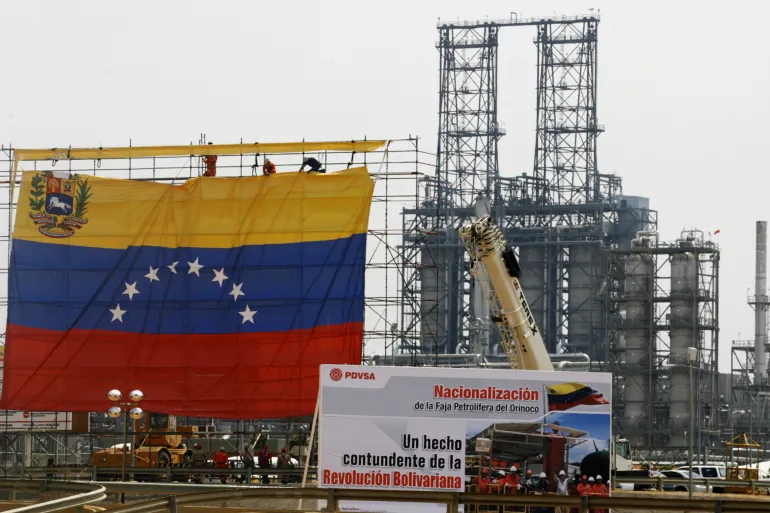
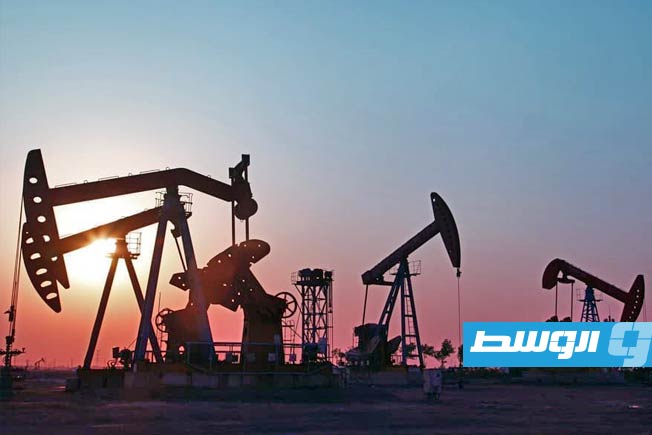
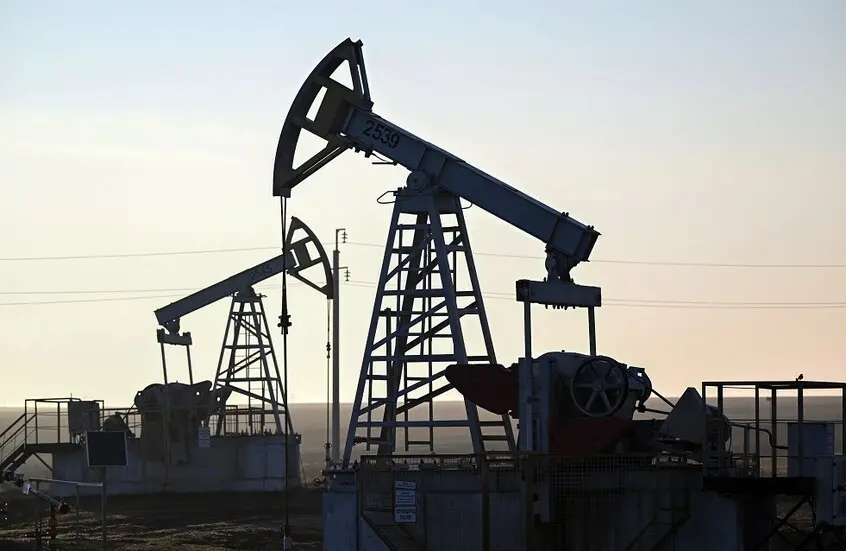
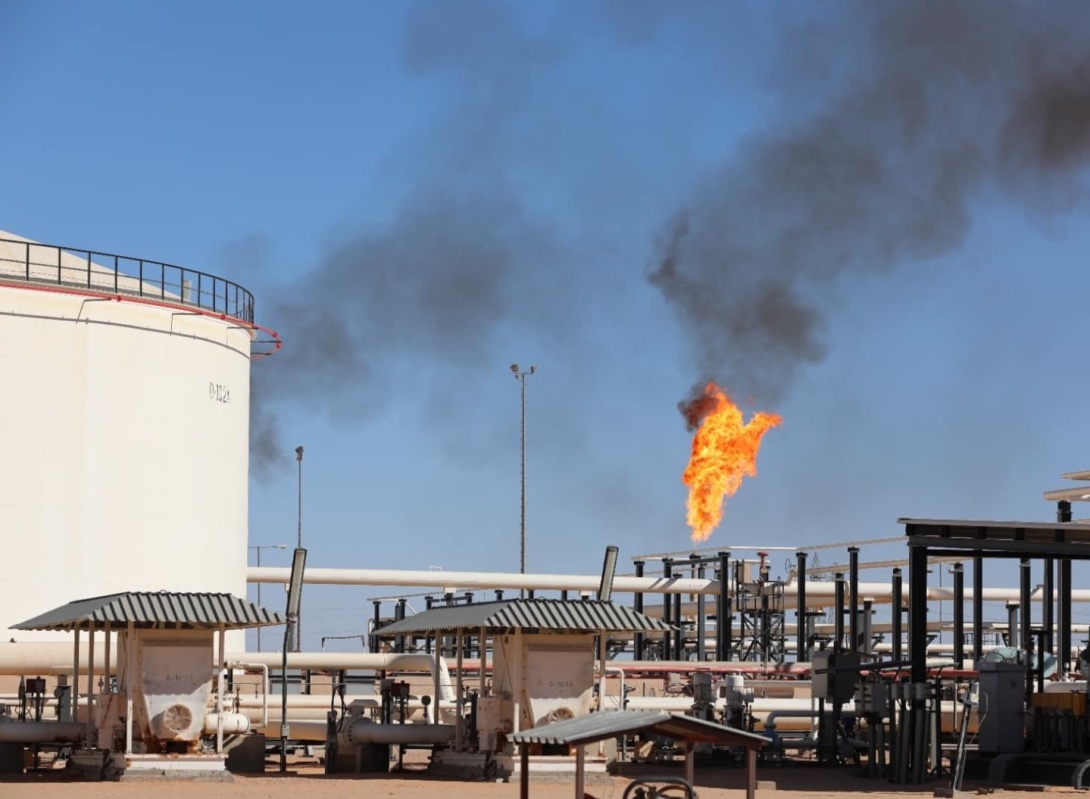
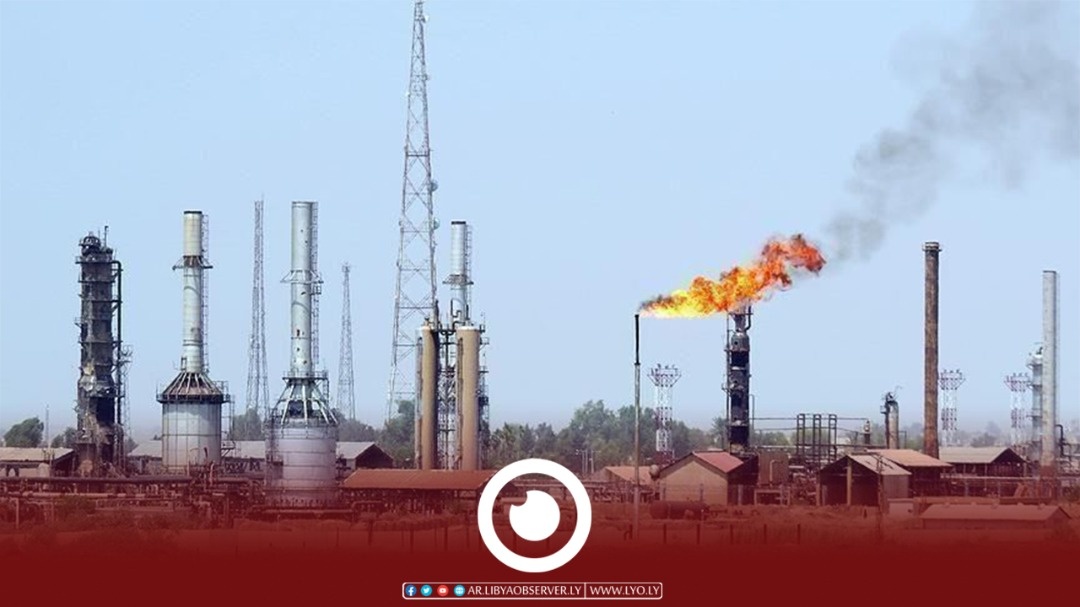
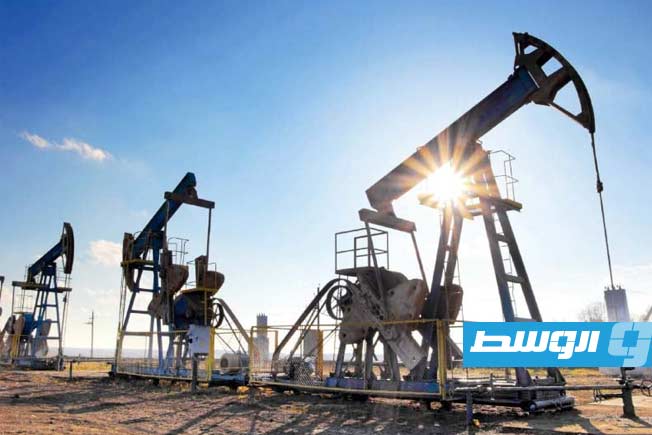
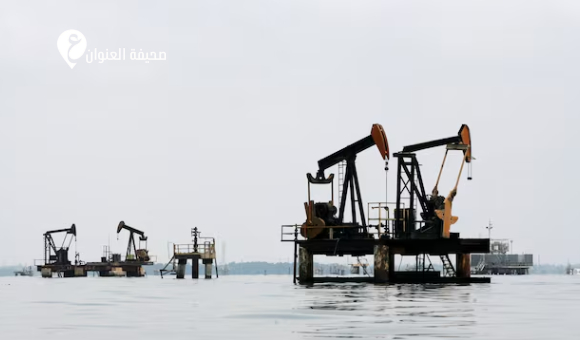
Venezuela used to produce more than three million barrels of oil per day under the late socialist President Hugo Chávez, who nationalized most of the oil industry, but Caracas’s production has declined significantly due to U.S. sanctions and a lack of investment in oil fields.
Analysts confirm that reforming the oil sector law is a demand from American companies seeking guarantees before investing in exploration and extraction.
The proposed draft law, which has been reviewed, represents a sharp shift from the resource nationalization policy adopted by Chávez, who accused multinational companies of colonial exploitation and considered the country’s oil wealth to be state property.
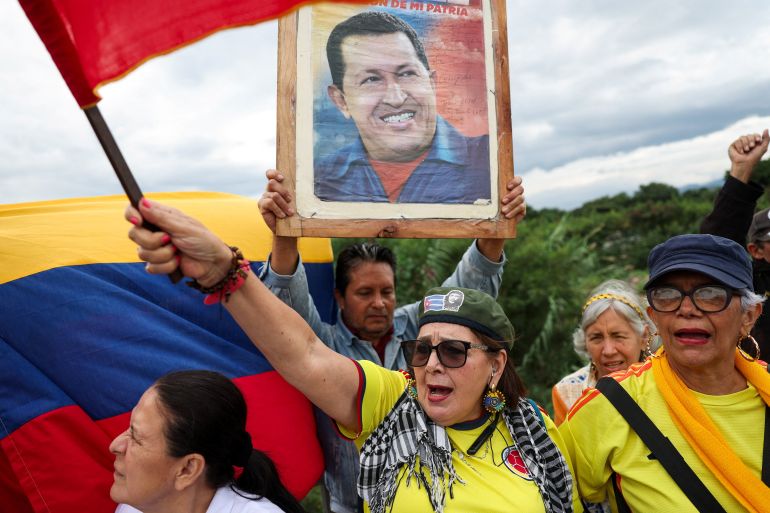
Chavez nationalized most of Venezuela’s oil industry
Seemingly in response to demands from American oil company executives, the proposed draft law would allow private companies to manage oil fields independently, market their own crude oil
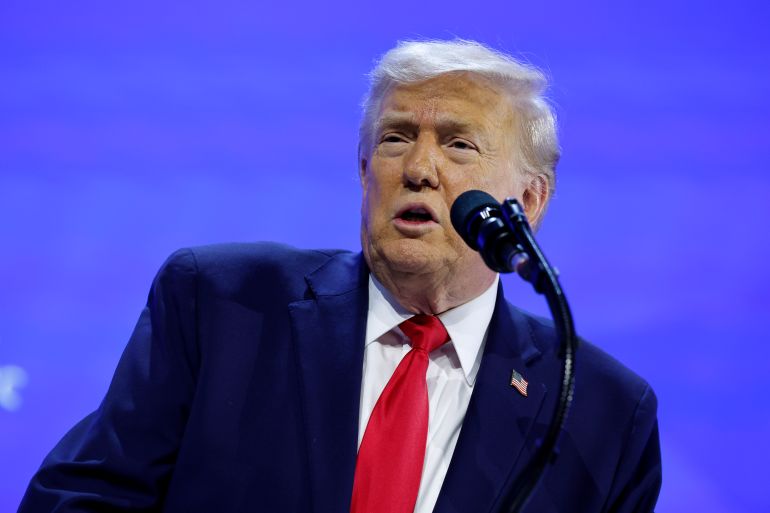
Trump
Donald Trump is a former U.S. president and businessman who served as the 45th president from 2017 to 2021. His presidency was marked by significant political polarization and a focus on issues such as immigration reform, tax cuts, and “America First” foreign policy.
White House
The White House is the official residence and workplace of the President of the United States, located in Washington, D.C. It was designed by James Hoban and its construction was completed in 1800, with President John Adams being the first to reside there. The building has been expanded and renovated over the centuries, including after being burned by British forces in 1814.
Venezuela
Venezuela is a South American country known for its diverse landscapes, including the Andes Mountains, Amazon rainforest, and Caribbean coastline. Historically a Spanish colony, it gained independence in the early 19th century under Simón Bolívar and later developed a modern economy centered on its vast petroleum reserves, the largest in the world. Its cultural heritage is a blend of Indigenous, African, and Spanish influences, reflected in its music, art, and festivals.
China
China is one of the world’s oldest continuous civilizations, with a recorded history spanning over four millennia. It is home to numerous UNESCO World Heritage sites, such as the Great Wall and the Forbidden City, which reflect its long imperial past and profound cultural achievements.
United States
The United States is a federal republic founded in 1776 following the American Revolution, which established its independence from Great Britain. Its modern political and cultural identity was shaped by westward expansion, a civil war over slavery, and its emergence as a global superpower in the 20th century.
Davos
Davos is a Swiss Alpine town in the canton of Graubünden, historically known as a health resort and for its development as a winter sports destination. It is now most famous for hosting the annual World Economic Forum meeting, where global political and business leaders gather to discuss international issues.
Switzerland
Switzerland is a landlocked country in Central Europe known for its long history of neutrality, which was formally established by the Congress of Vienna in 1815. It is a federal republic comprised of 26 cantons and is globally recognized for its political stability, direct democracy, and its iconic Alpine landscapes.
Caracas
Caracas is the capital and largest city of Venezuela, founded in 1567 by Spanish conquistador Diego de Losada. It grew as a colonial administrative center and later became a pivotal site in South America’s independence movement, being the birthplace of Simón Bolívar. Today, it is a major metropolitan and cultural hub, though it faces significant economic and social challenges.
Washington
Washington, D.C., is the capital city of the United States, founded in 1790 following the ratification of the U.S. Constitution. It was established as a federal district through the Residence Act and named after the first U.S. president, George Washington, with its iconic layout designed by Pierre Charles L’Enfant. The city is home to numerous national monuments, museums, and government institutions, including the White House, the U.S. Capitol, and the Supreme Court.
Jorge Rodriguez
Jorge Rodríguez is a metro station in Caracas, Venezuela, named after the influential Venezuelan political strategist and former Vice President Jorge Rodríguez. It serves as a key transportation hub on Line 1 of the Caracas Metro, connecting to the Metrocable system, and its naming honors his role in the country’s contemporary political landscape.
Delcy Rodriguez
Delcy Rodríguez is a Venezuelan politician who has served in high-level government roles, including as Vice President and Minister of Foreign Affairs. She is a key figure in the United Socialist Party of Venezuela and has been a prominent supporter of the administrations of Hugo Chávez and Nicolás Maduro.
Maduro
Maduro is a surname most prominently associated with Nicolás Maduro, the current president of Venezuela who succeeded Hugo Chávez in 2013. His presidency has been defined by a severe economic crisis, political turmoil, and significant international controversy and sanctions.
Hugo Chávez
Hugo Chávez was the President of Venezuela from 1999 until his death in 2013, a period defined by his socialist “Bolivarian Revolution” and significant political polarization. His tenure saw the nationalization of key industries, the implementation of expansive social programs funded by oil revenues, and a foreign policy aimed at countering U.S. influence in Latin America.