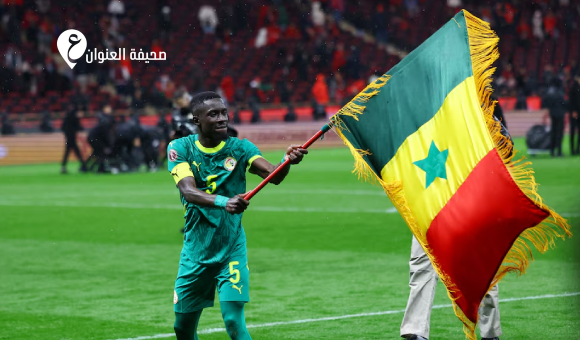
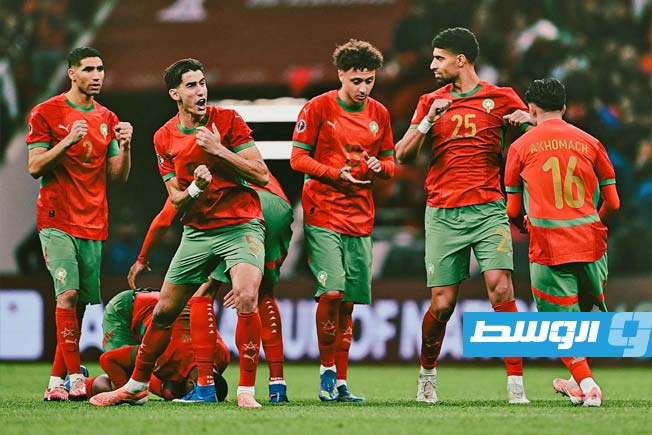
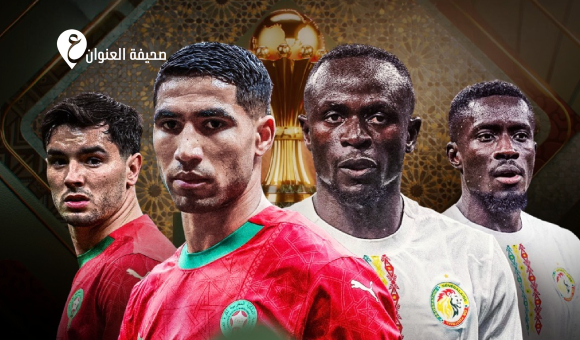
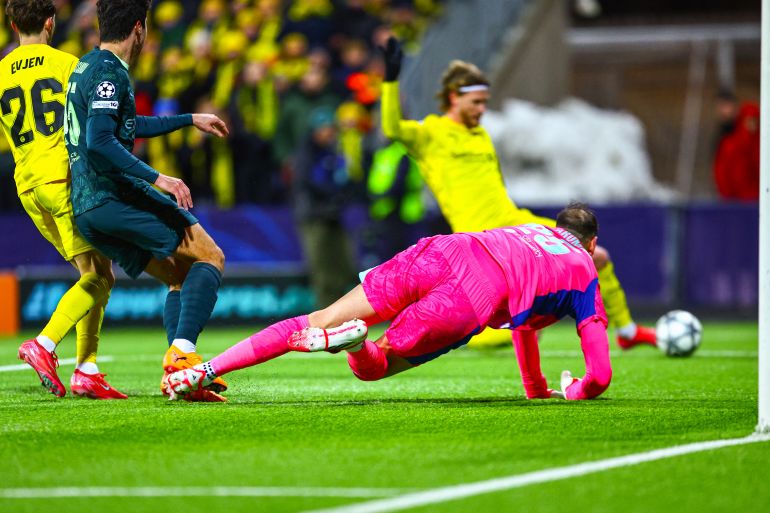
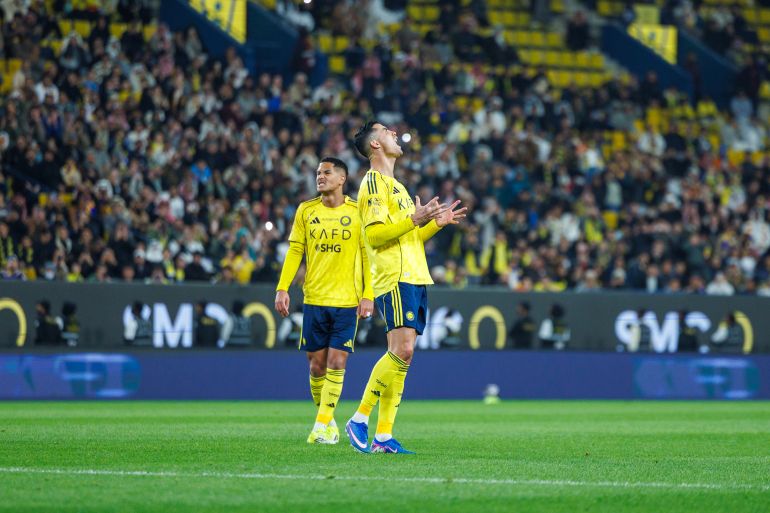
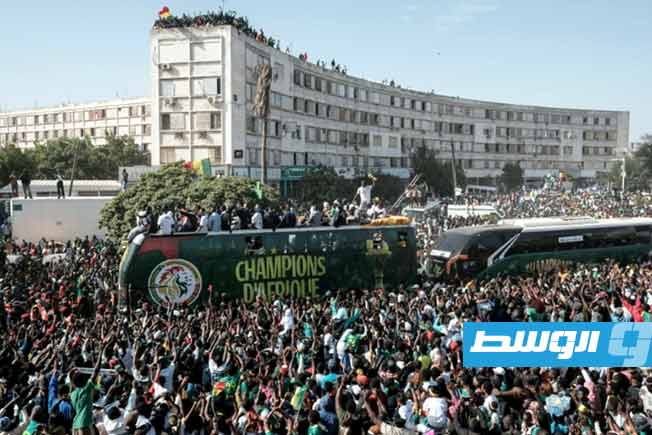
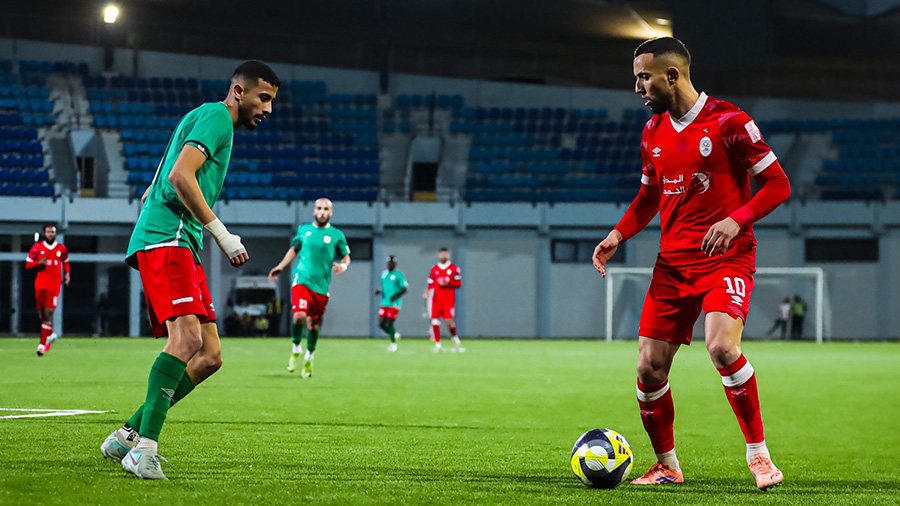
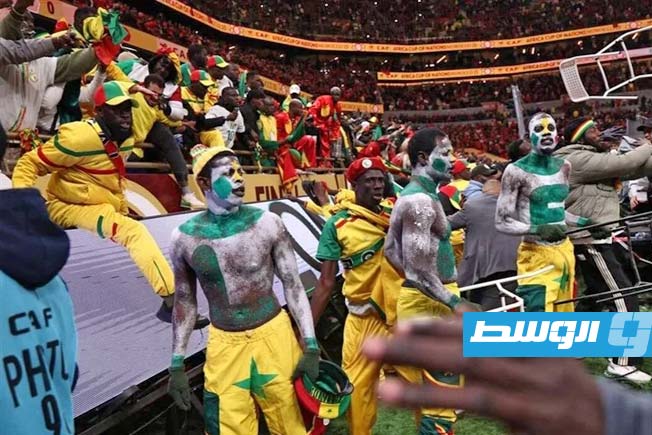
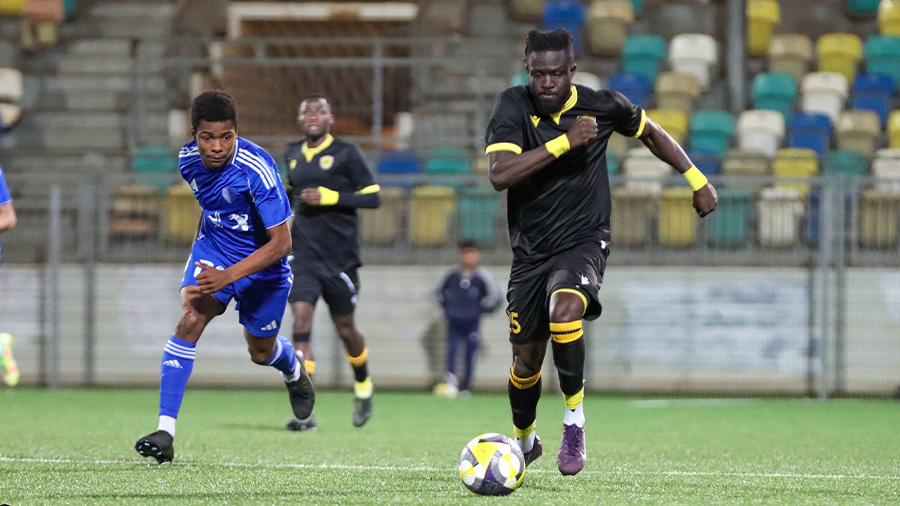
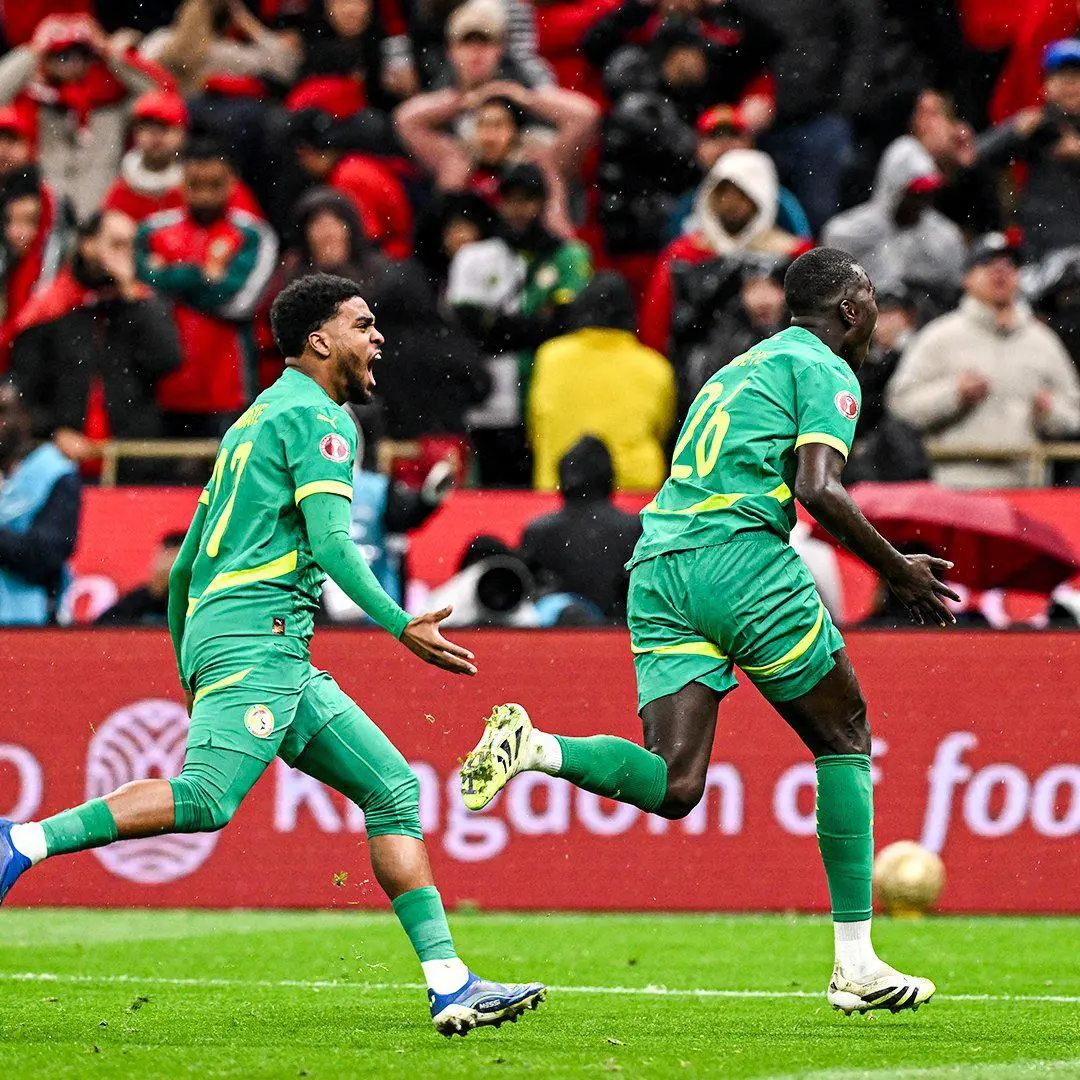
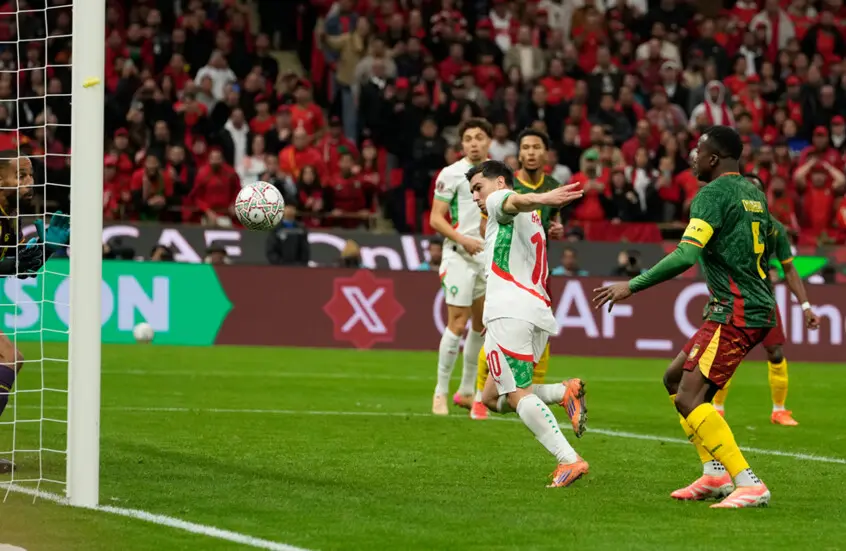
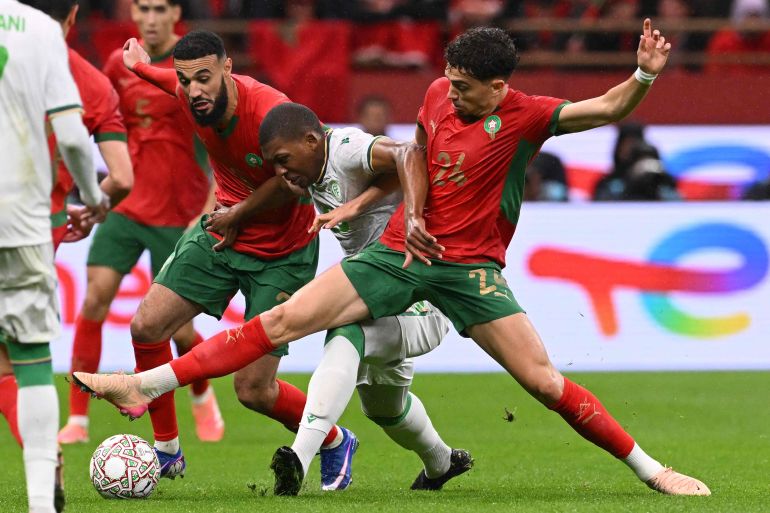
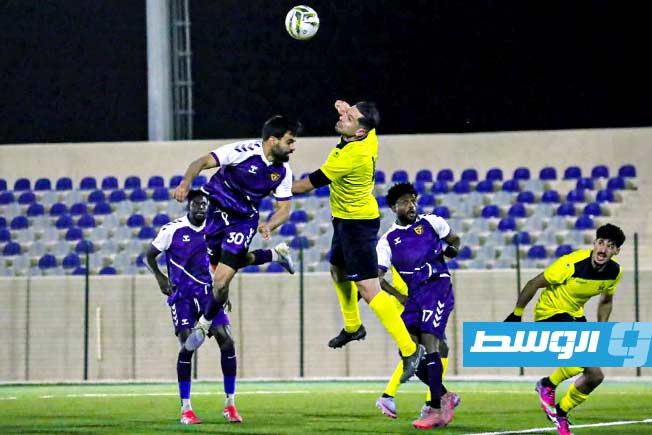
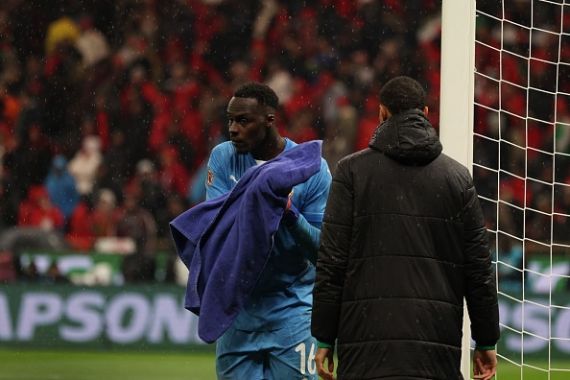
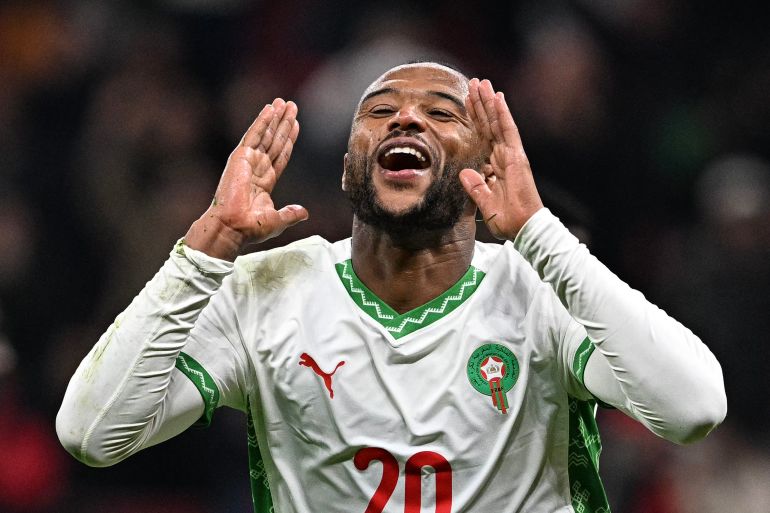
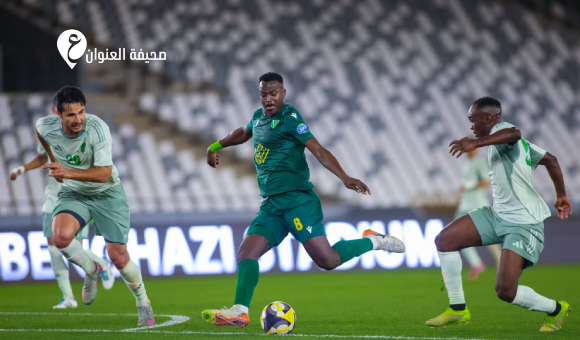
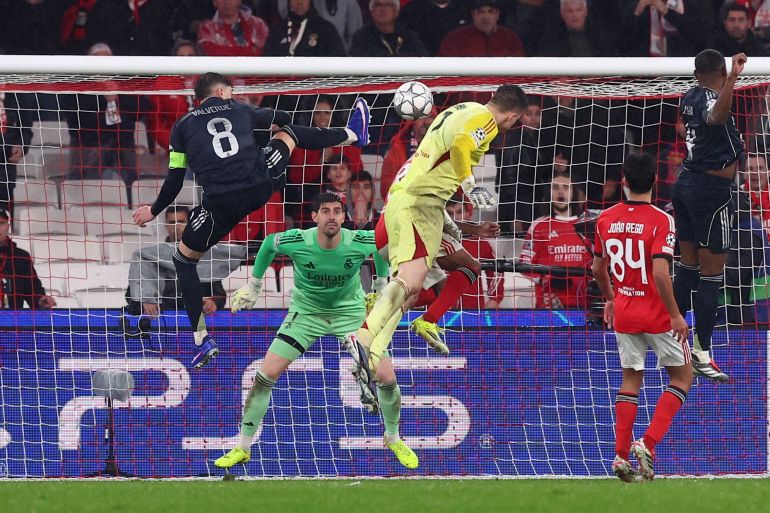
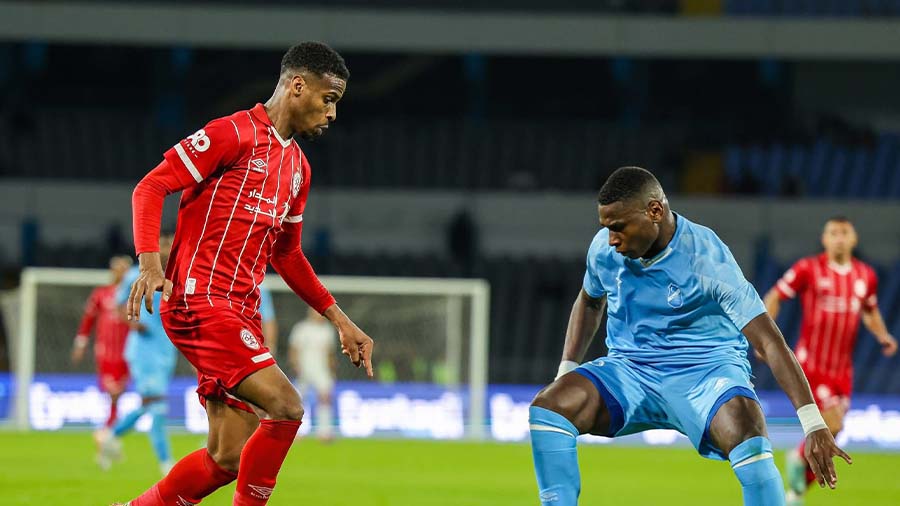
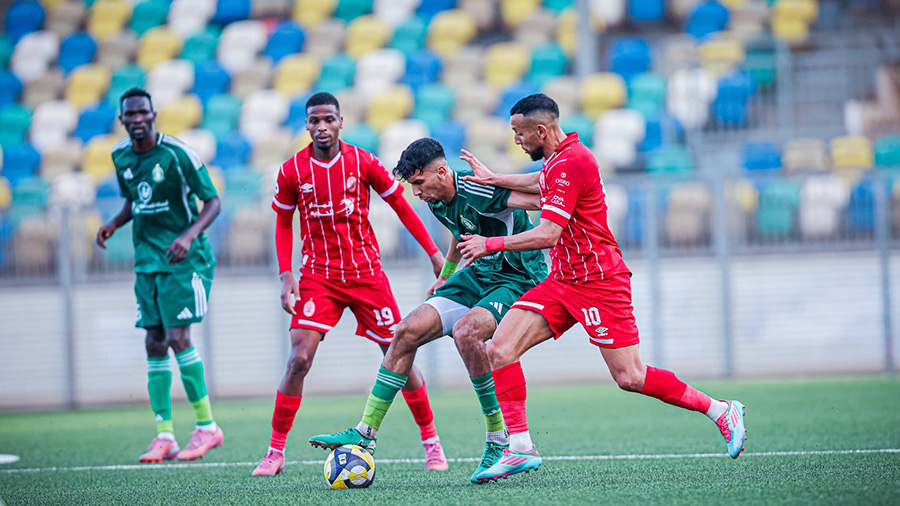
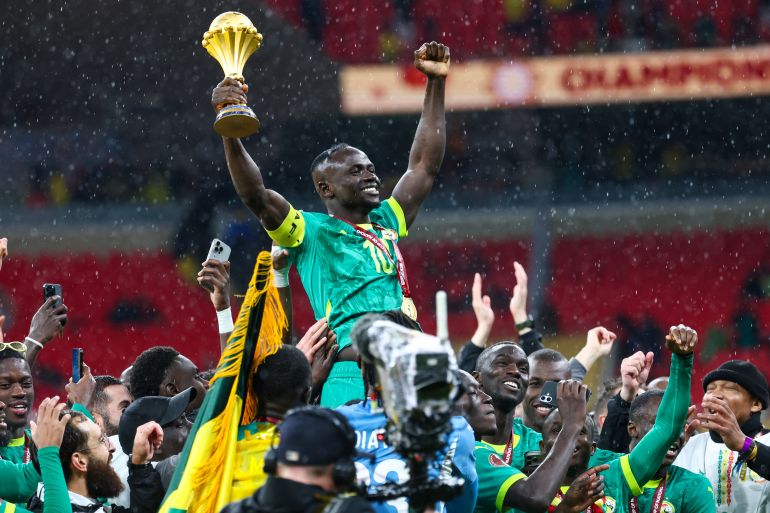
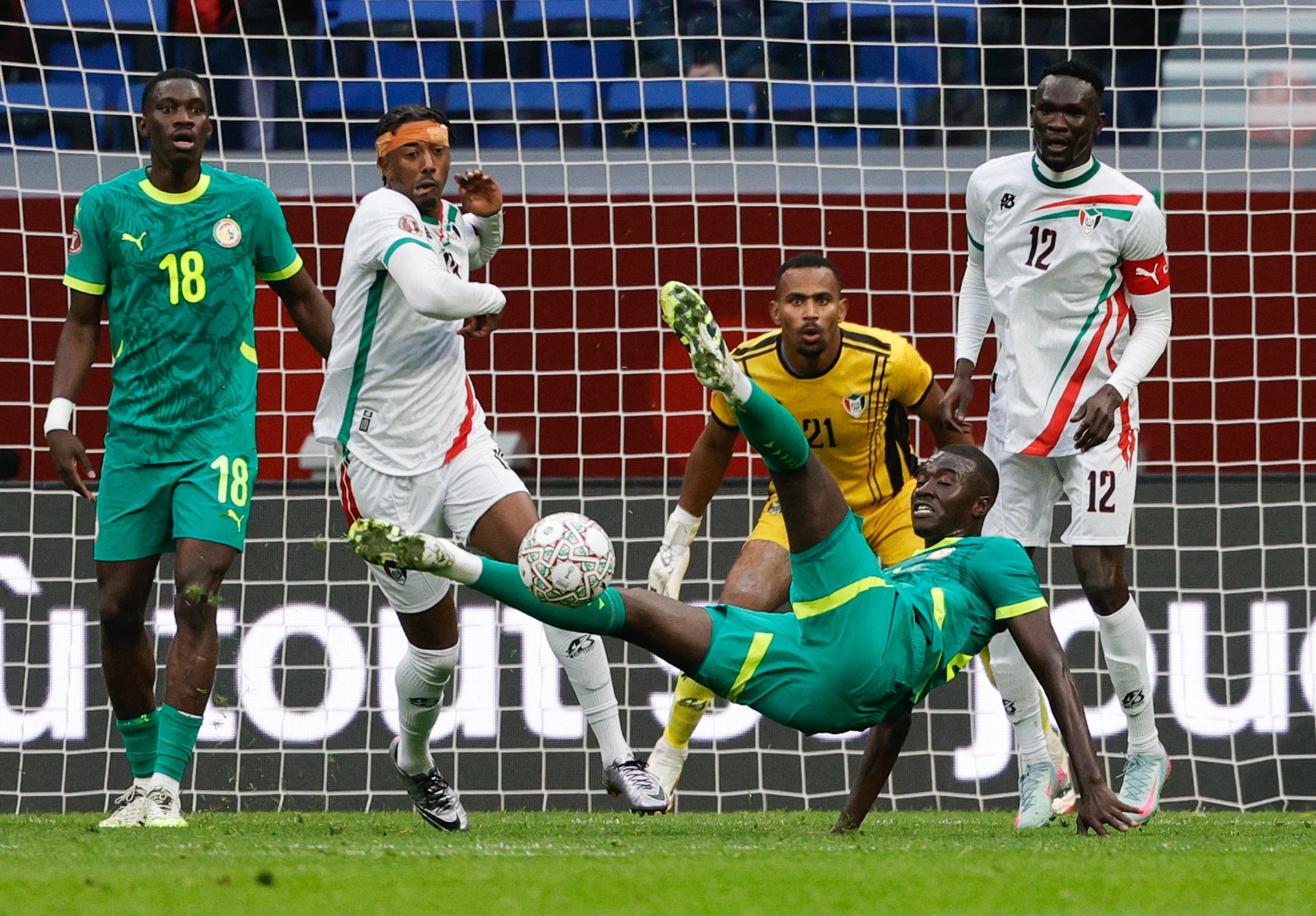
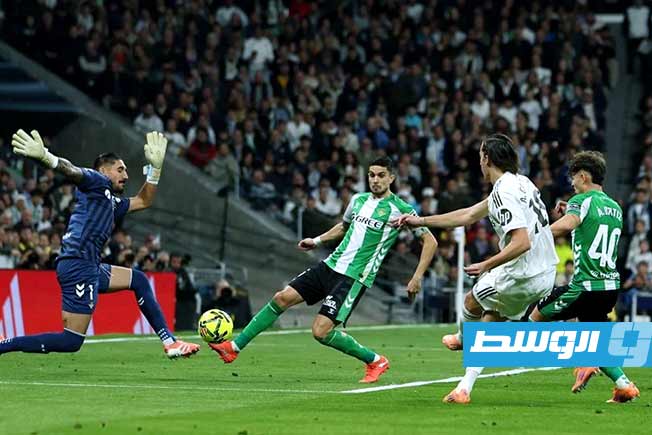
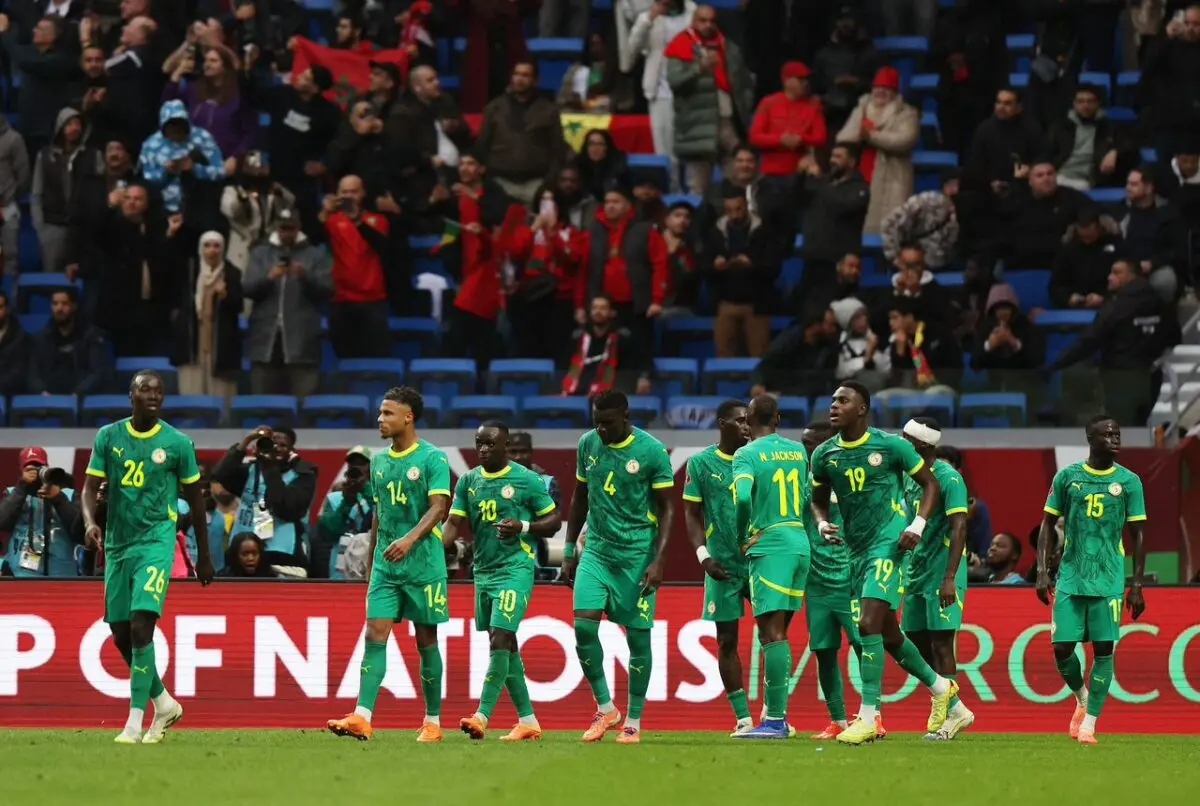
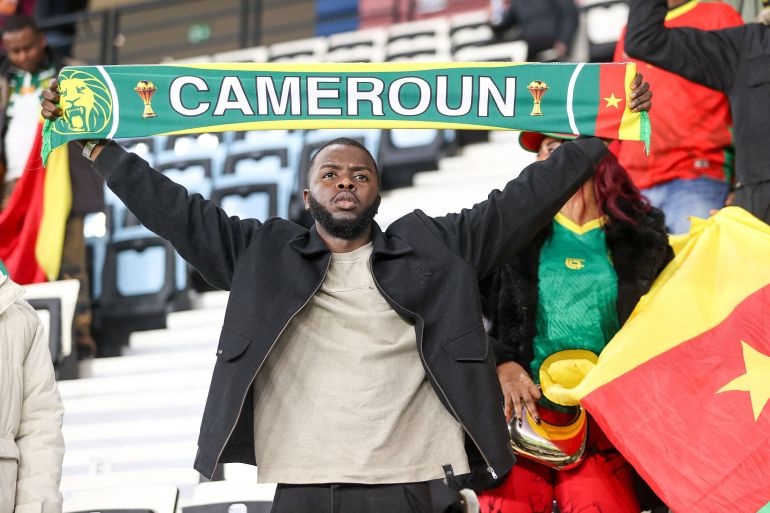
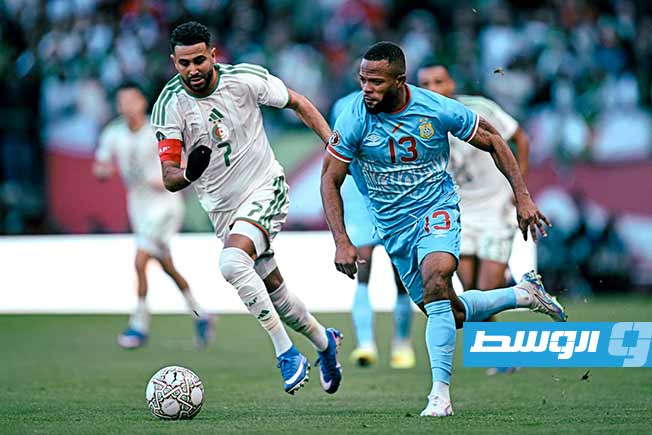
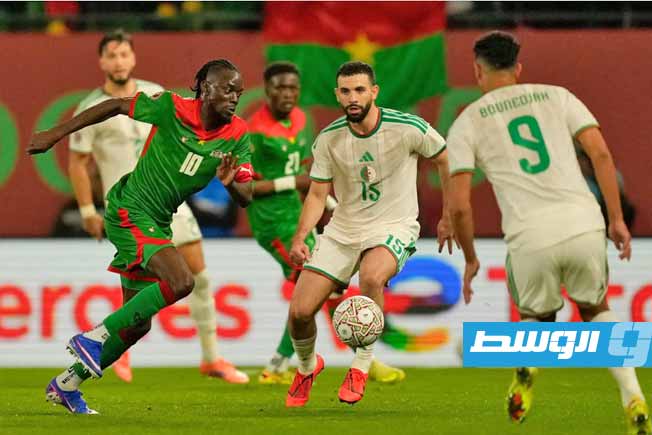
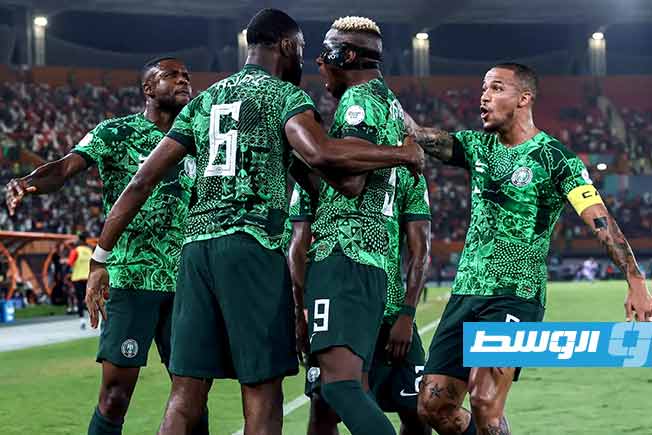
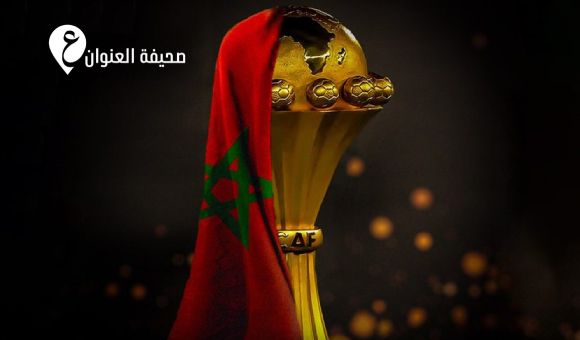
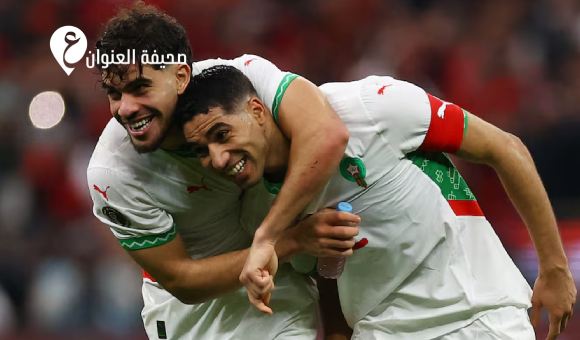
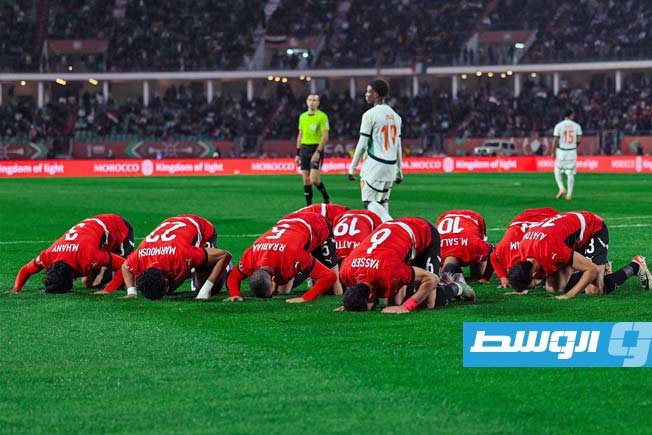
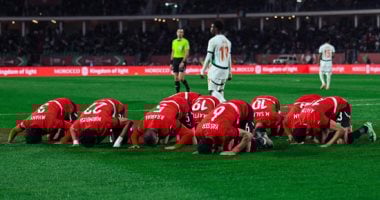
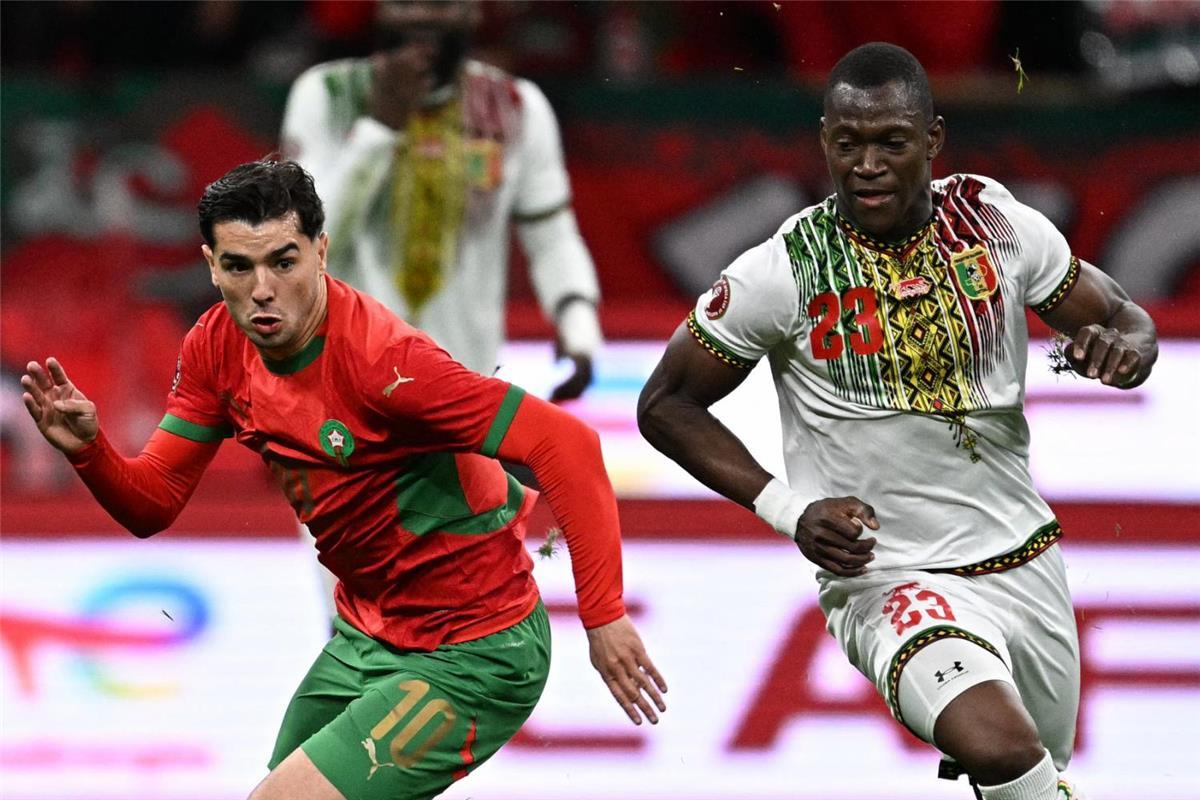
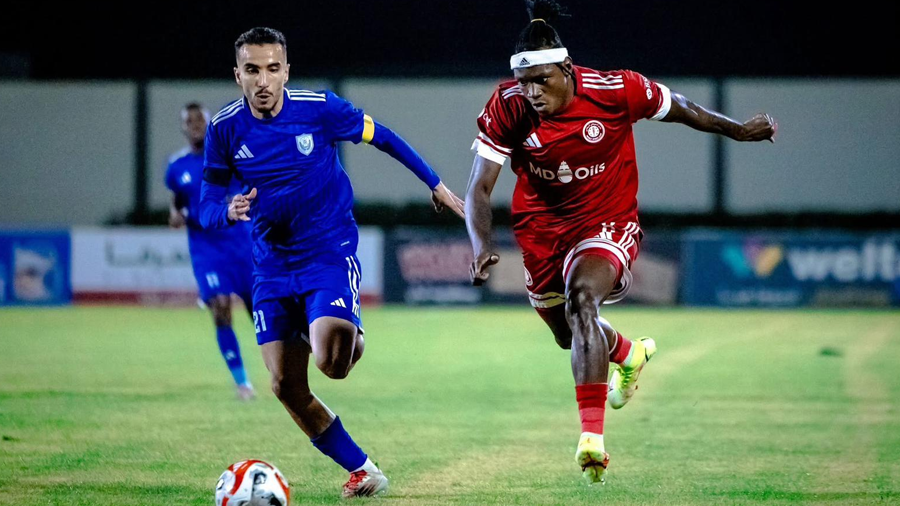
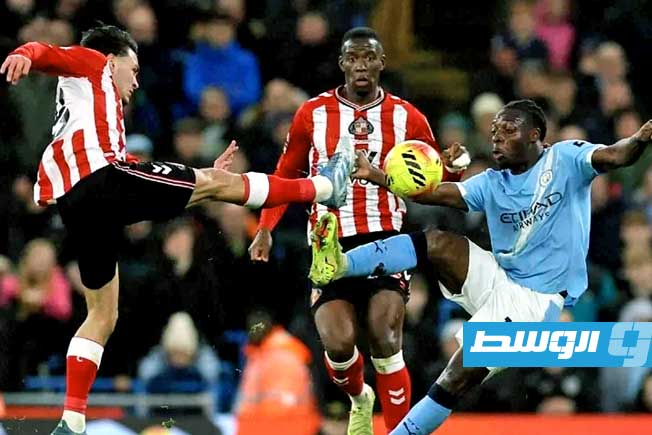
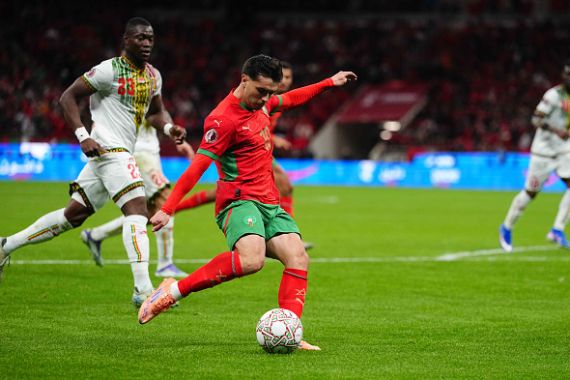
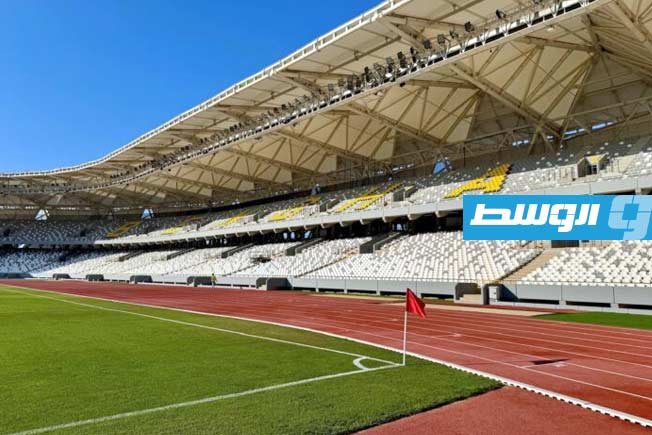
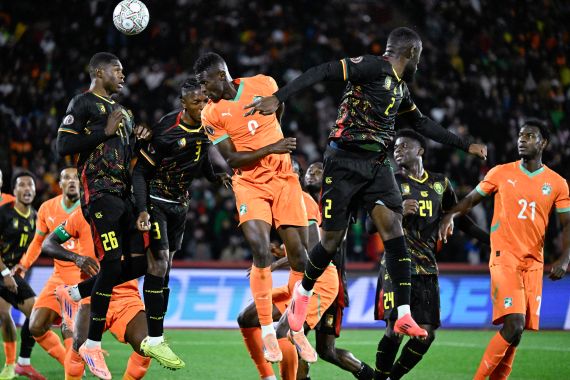
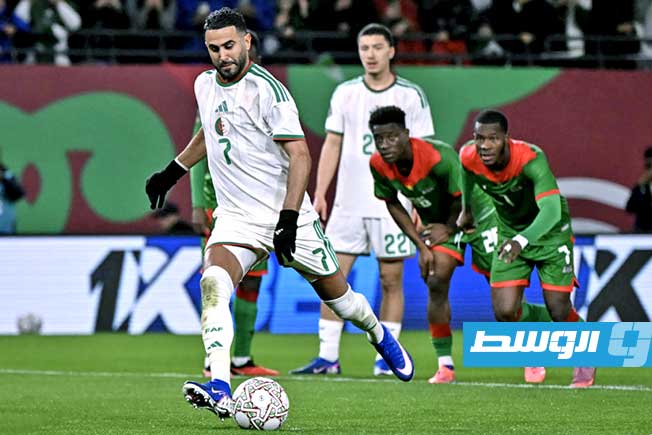
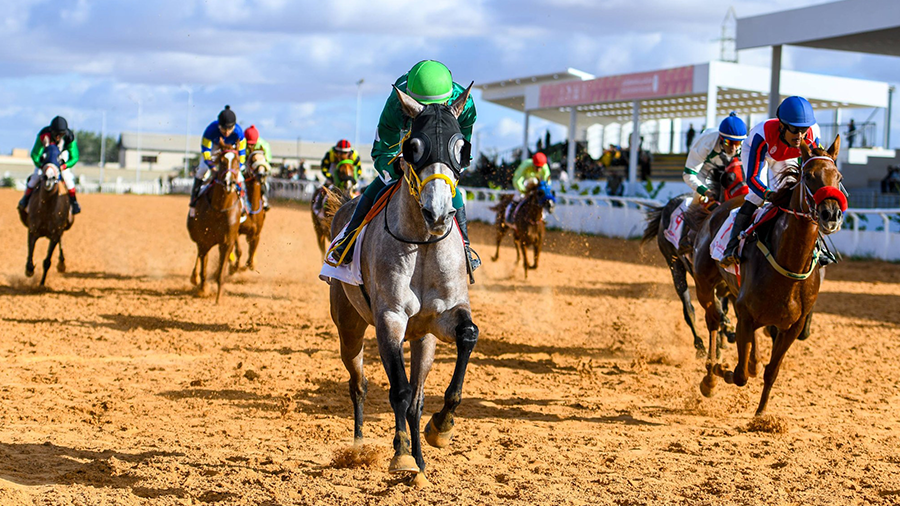
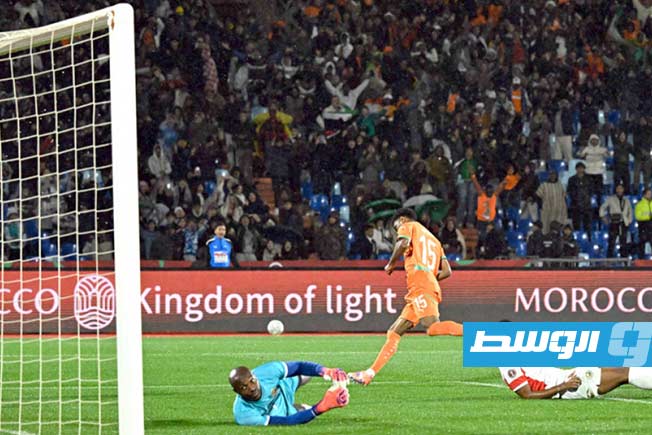
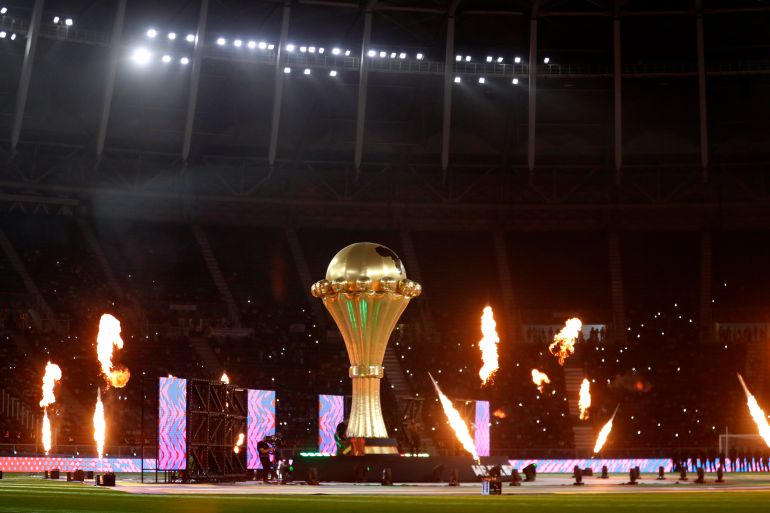
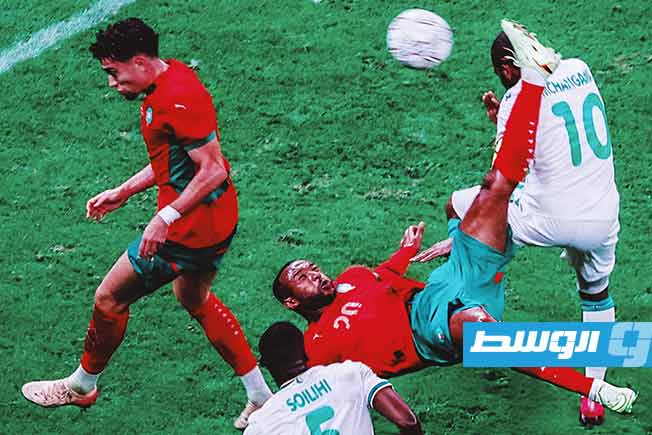
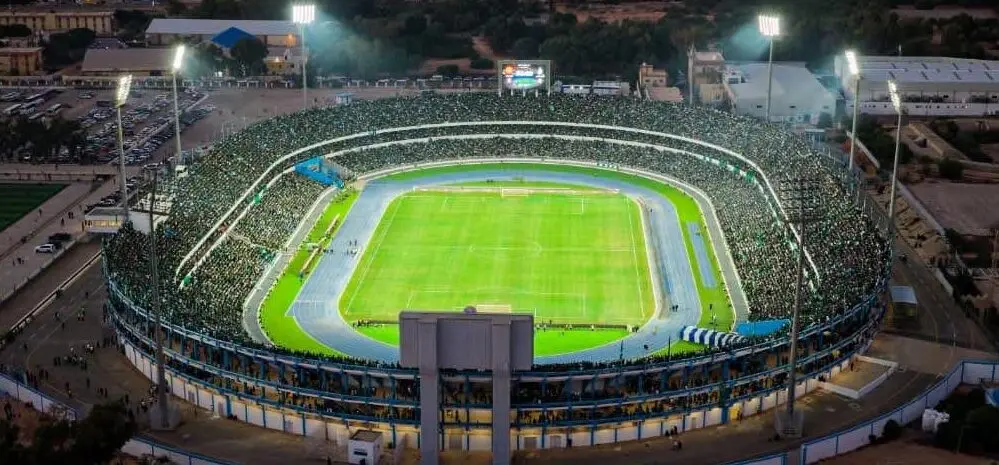
Senegal’s national team secured the first ticket to the semi-finals of the Africa Cup of Nations football finals, being held in Morocco, after defeating Mali 1-0 on Friday in their quarter-final match held at the Grand Stade in Tangier.
Forward Iliman Ndiaye scored the match’s only goal, before the Mali team completed the match with ten players following the sending off of Yves Bissouma in the third minute of first-half stoppage time for receiving a second yellow card.
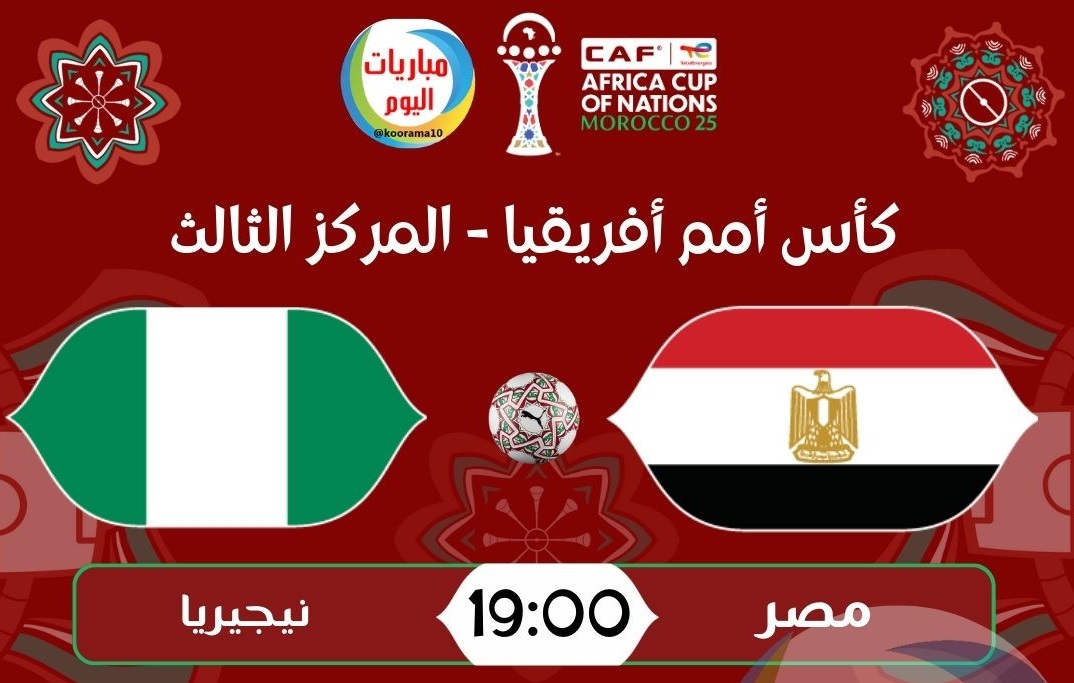
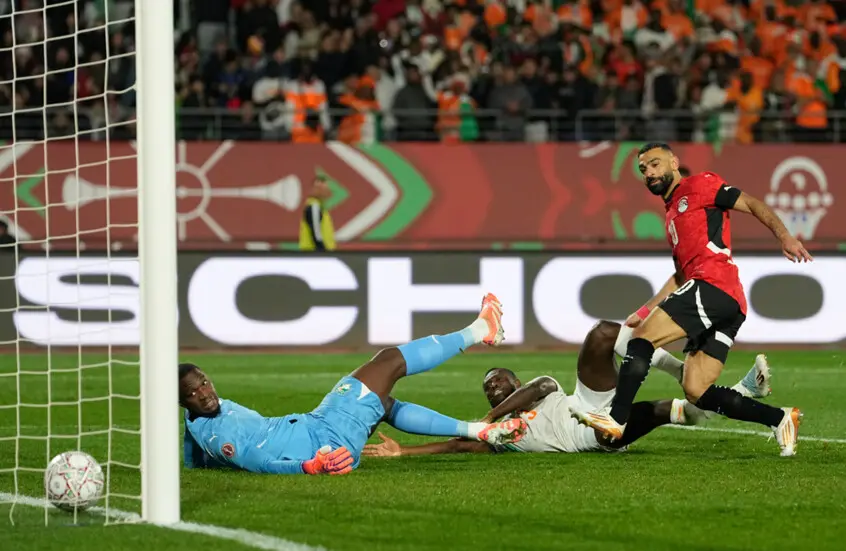
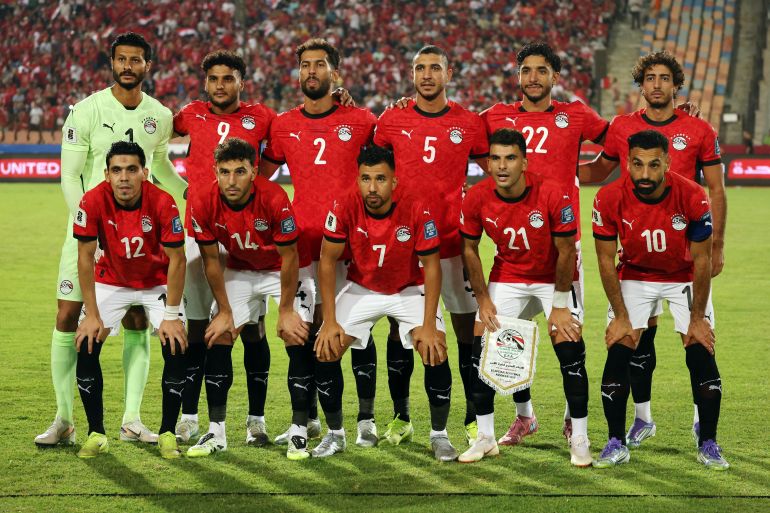
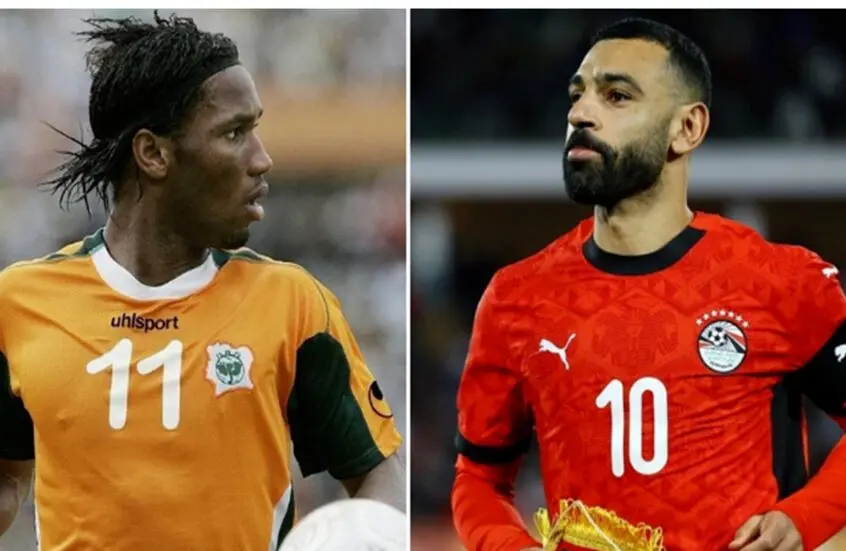
The “Lions of Teranga” will meet in the semi-final, next Wednesday also in Tangier, the winner of the match between the national teams of Egypt and Ivory Coast, who will face each other tomorrow in the city of Agadir.
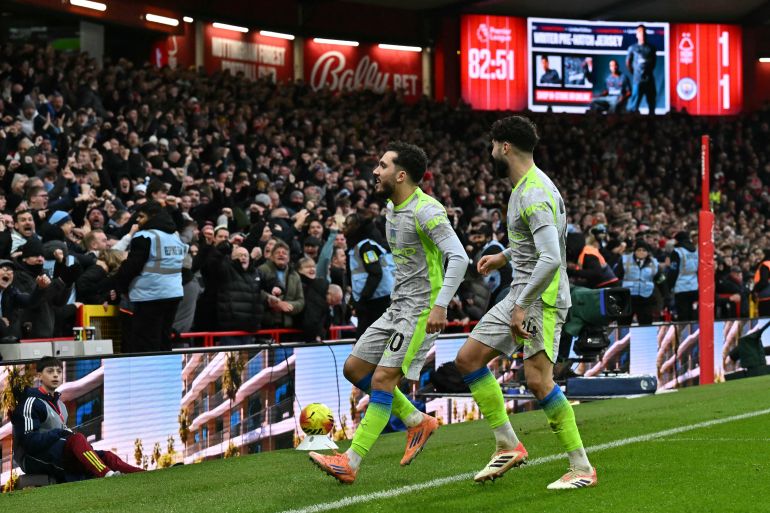
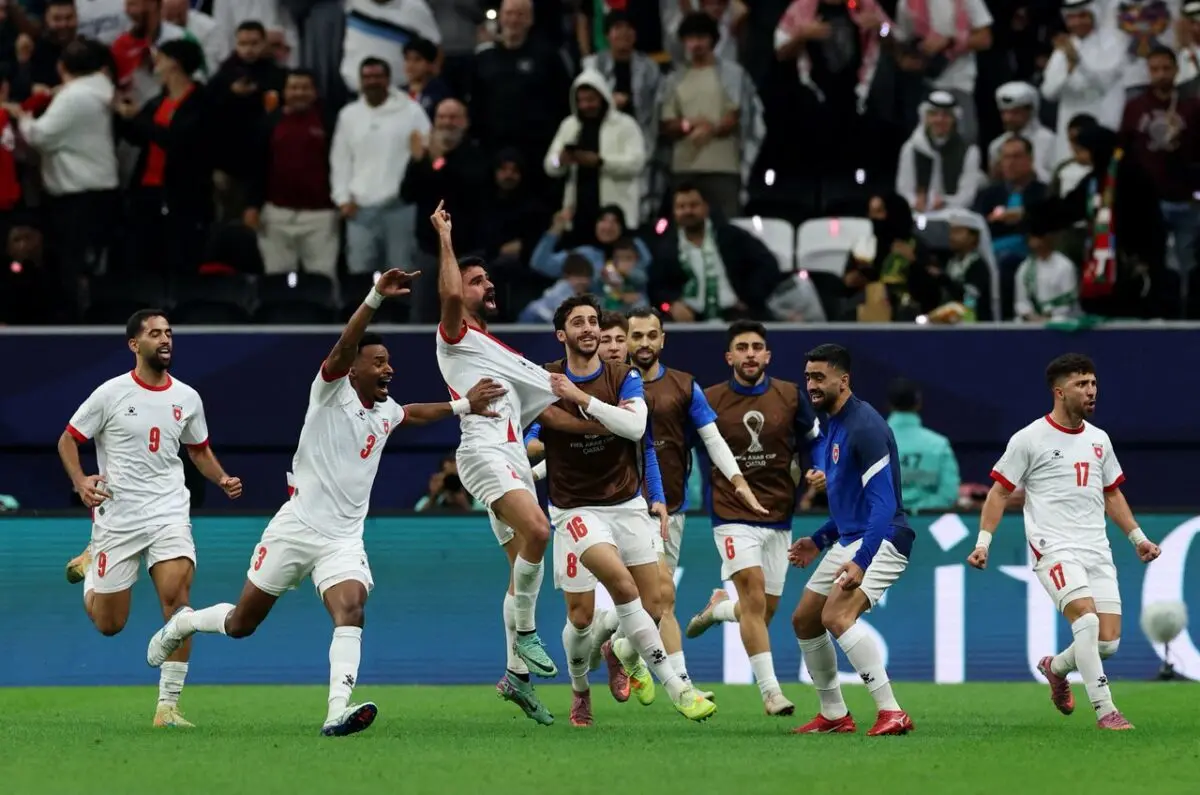
The Senegalese national team opens the scoring through Iliman Ndiaye ⚽️????????
Senegal
Senegal is a West African nation with a rich history shaped by pre-colonial empires, French colonization, and its role as a major hub in the transatlantic slave trade. It gained independence in 1960 and is known for its cultural sites like Gorée Island, a UNESCO World Heritage memorial to the slave trade, and its vibrant traditions of music, art, and the influential Sufi brotherhoods. The country is often celebrated for its stability and cultural influence in the Francophone world.
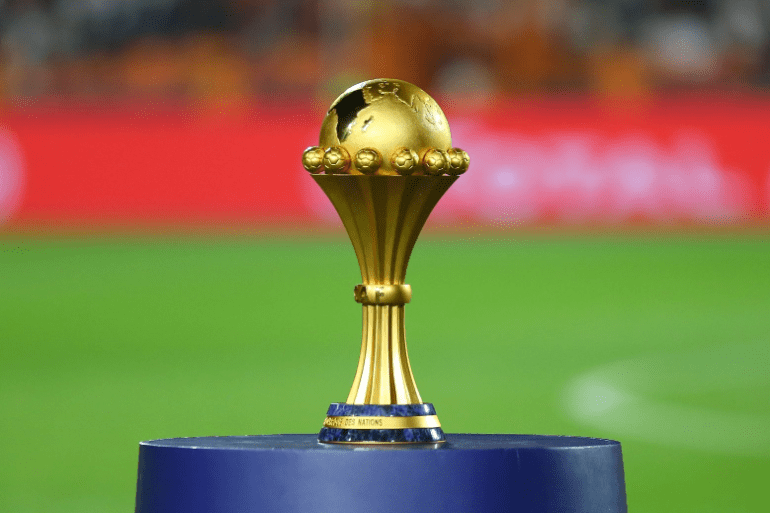
Africa Cup of Nations
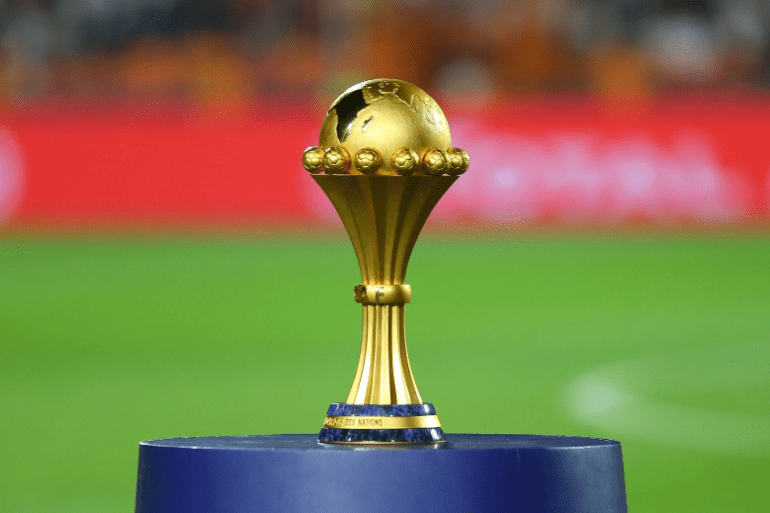
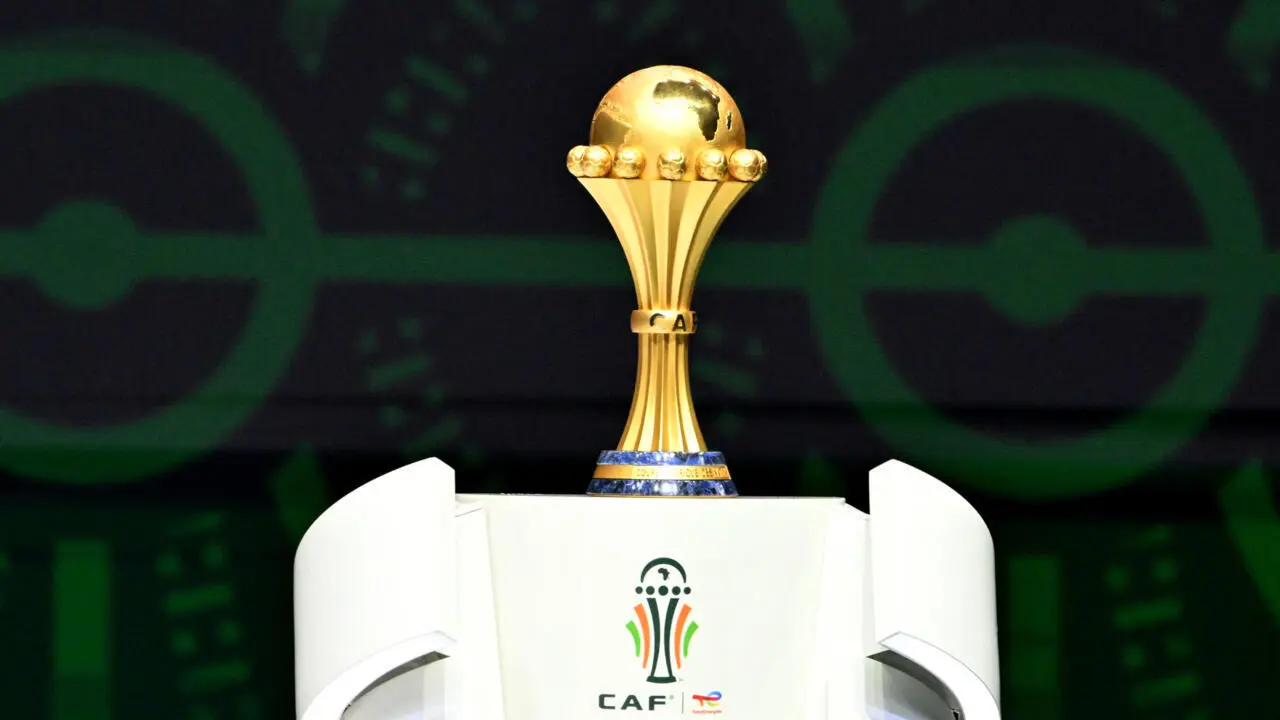
The Africa Cup of Nations (AFCON) is the premier international men’s football competition in Africa, first held in 1957. It was founded to unite African nations through sport and has grown from three initial participants to include 24 national teams competing for the title every two years.
Morocco
Morocco is a North African country with a rich history shaped by indigenous Amazigh (Berber) cultures, Arab influence from the 7th century, and successive dynasties like the Almoravids and Almohads. Its cultural sites include imperial cities such as Fez, home to the ancient University of Al Quaraouiyine, and Marrakech with its bustling Jemaa el-Fnaa square. The country’s diverse heritage is also reflected in its architecture, cuisine, and traditions, blending African, Arab, and European elements.
Mali
Mali, located in West Africa, is historically renowned as the heart of several powerful empires, most notably the Mali Empire which flourished from the 13th to 16th centuries and was famous for its wealth, trade centers like Timbuktu, and the ruler Mansa Musa. Today, it is a country containing significant UNESCO World Heritage Sites, such as the ancient cities of Timbuktu and Djenné, though many of these cultural treasures face threats from conflict and environmental degradation.
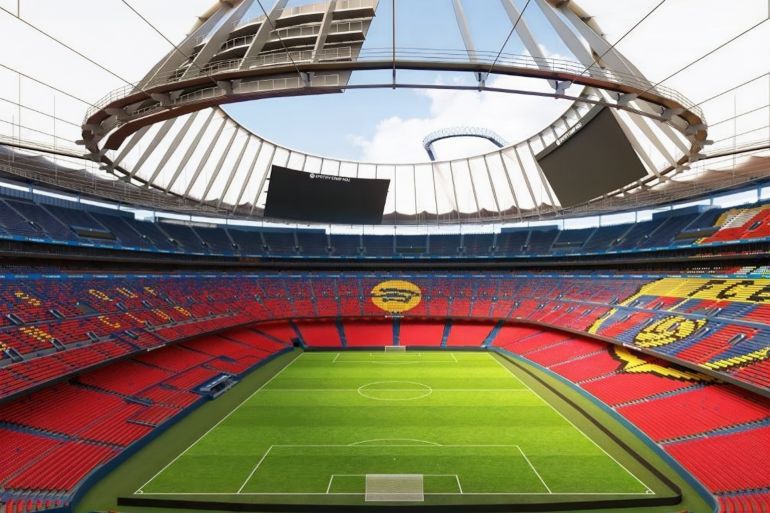
Grand Stade
The Grand Stade is a common naming convention for major stadiums in French-speaking regions, most notably referring to the Grand Stade de Lyon (now Groupama Stadium). Opened in 2016, it was built for the UEFA Euro 2016 tournament and serves as the home for the Olympique Lyonnais football club.
Tangier
Tangier is a historic port city in northern Morocco, strategically located at the entrance to the Mediterranean Sea. Its long history includes periods as a Phoenician trading post, a Roman settlement, and an international zone governed by multiple foreign powers in the 20th century. Today, it is known for its unique blend of Moroccan and European cultural influences.
Egypt
Egypt, home to one of the world’s oldest civilizations, is famed for its ancient monuments along the Nile River, including the Pyramids of Giza and the Great Sphinx, which date back over 4,500 years. Its long history encompasses the Pharaonic kingdoms, Ptolemaic rule, and later periods under Roman, Arab, and Ottoman influence before becoming a modern republic.
Ivory Coast
The Ivory Coast, officially known as Côte d’Ivoire, is a West African nation whose history includes pre-colonial kingdoms, French colonization beginning in the late 19th century, and independence in 1960. A major cultural site is the Basilica of Our Lady of Peace in Yamoussoukro, which is one of the largest churches in the world and was completed in 1989 during the presidency of Félix Houphouët-Boigny.
Agadir
Agadir is a major coastal city in Morocco, known today for its modern beach resorts. The city was largely destroyed by a devastating earthquake in 1960 and was subsequently rebuilt a short distance south of the old town, resulting in its contemporary grid-like layout.