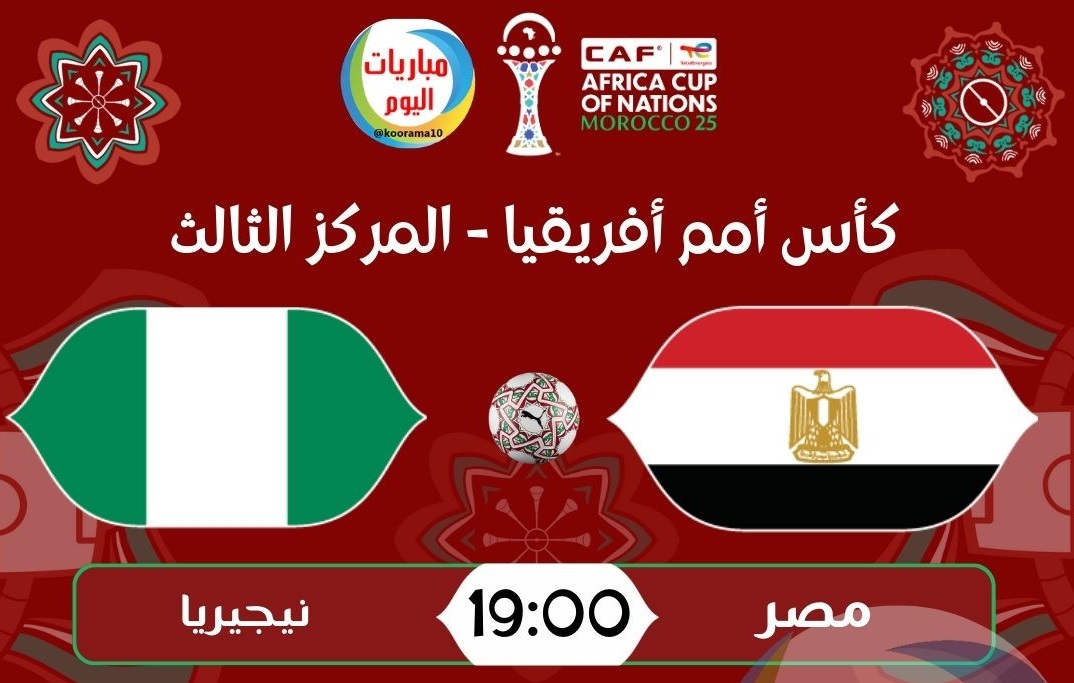
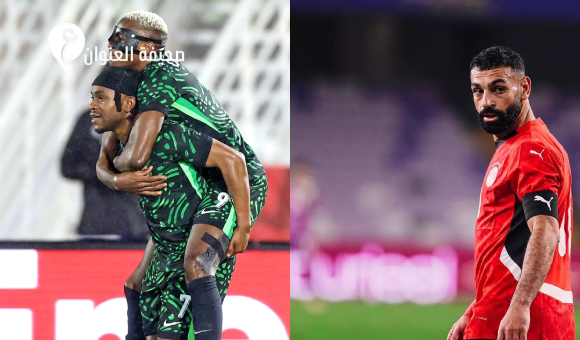
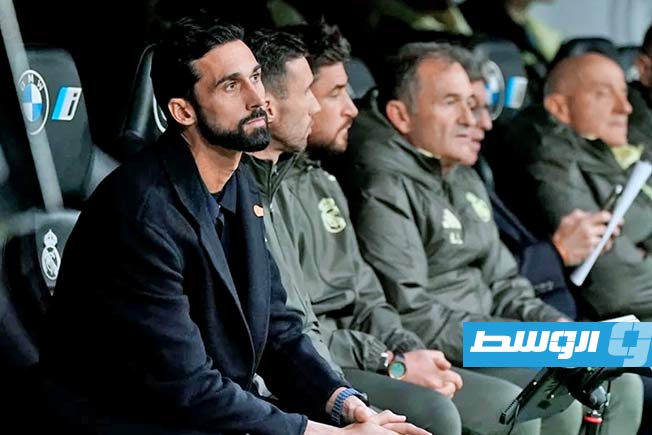
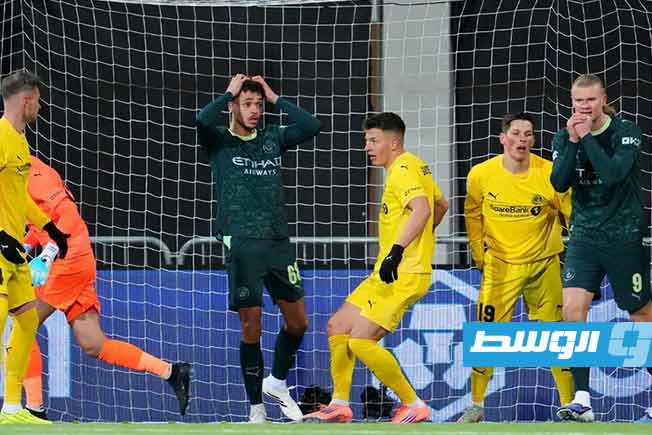
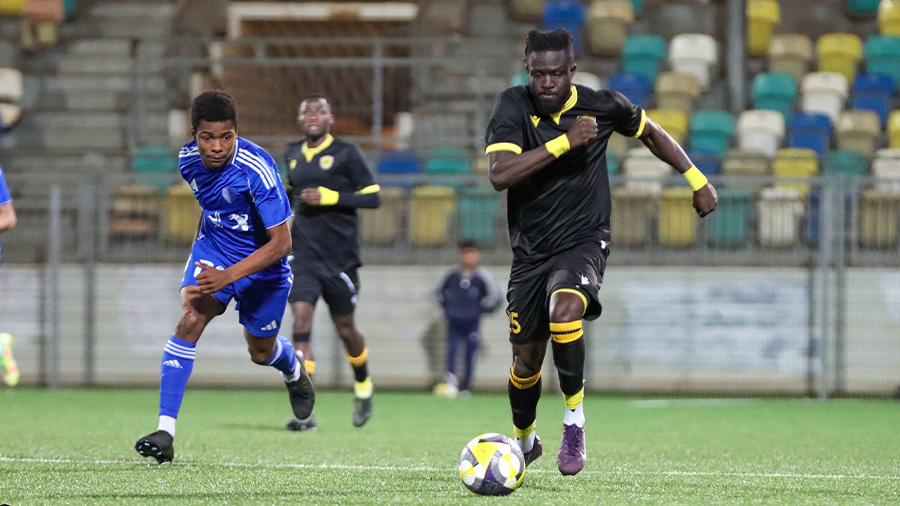
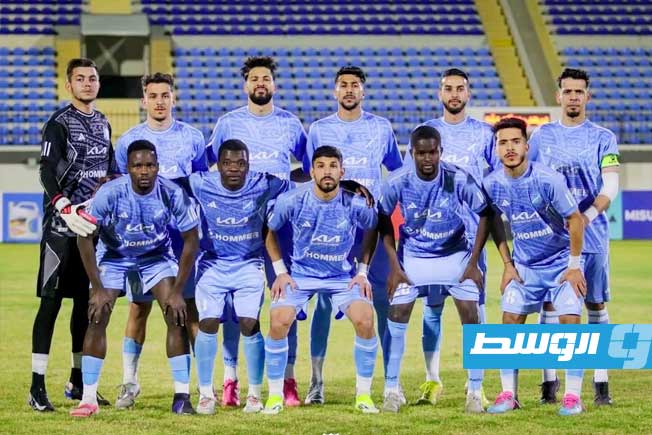
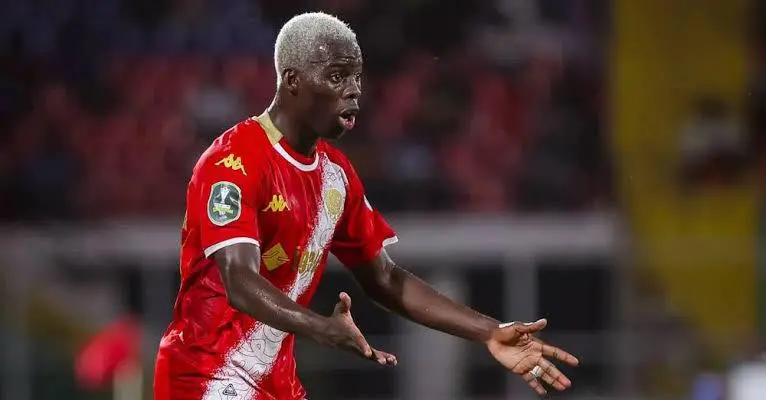
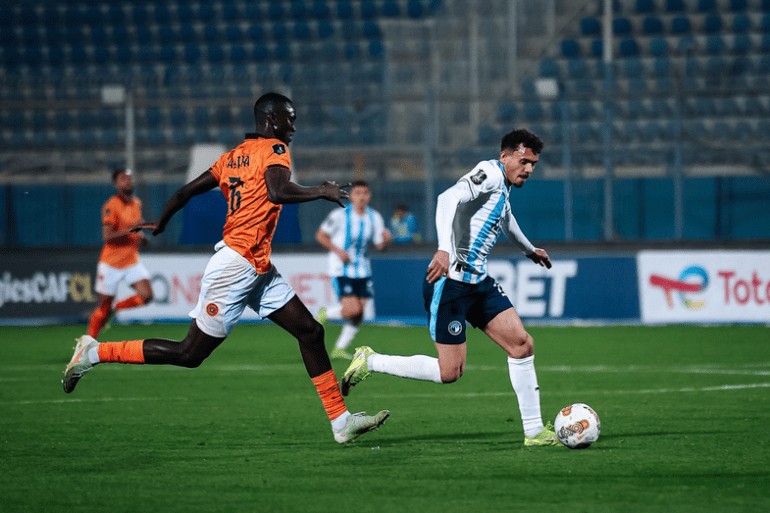
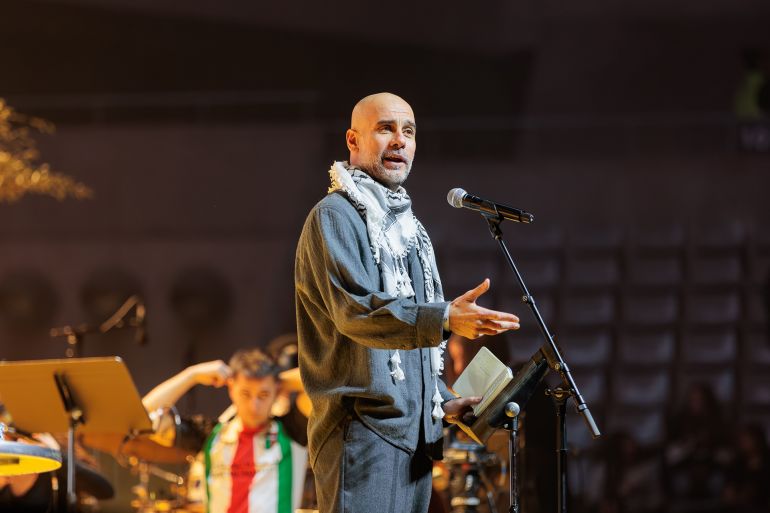
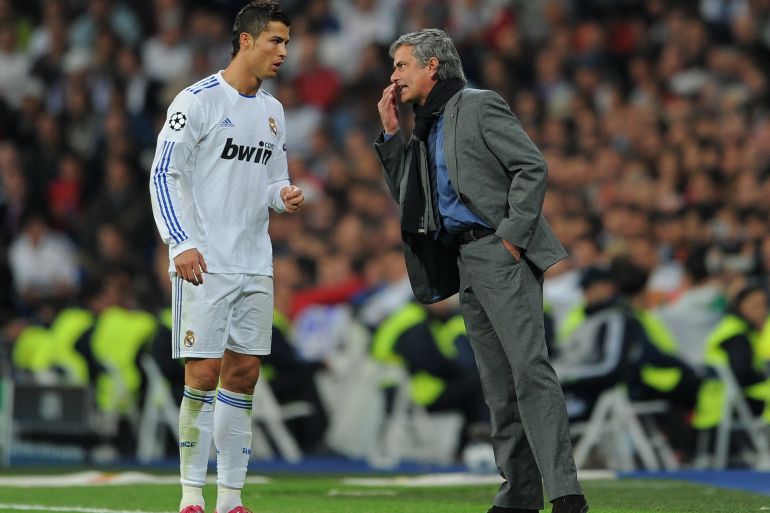
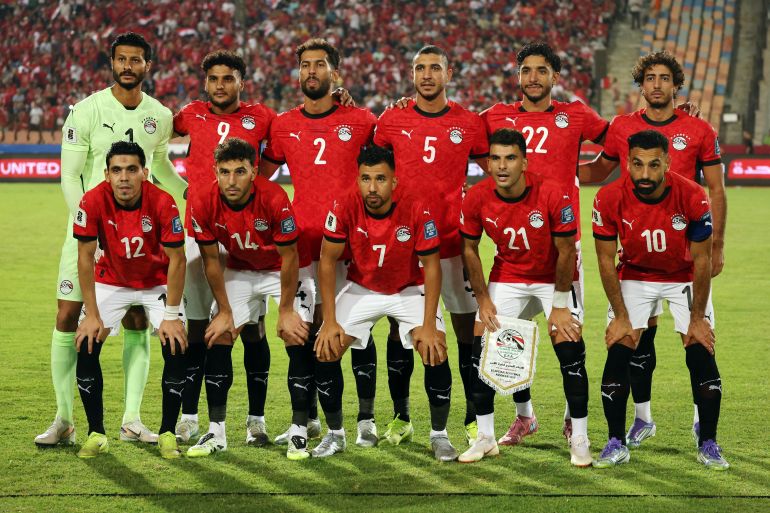
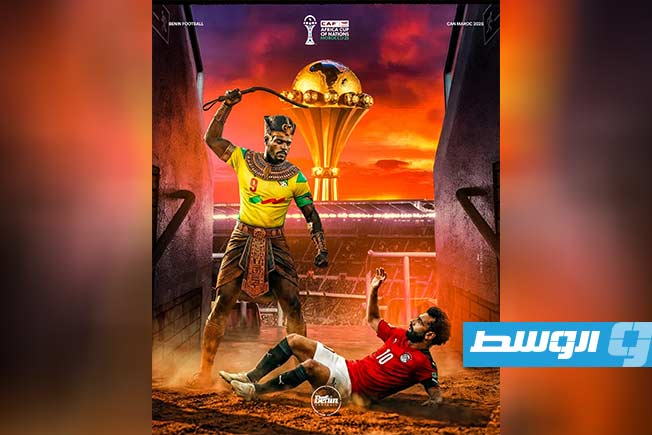
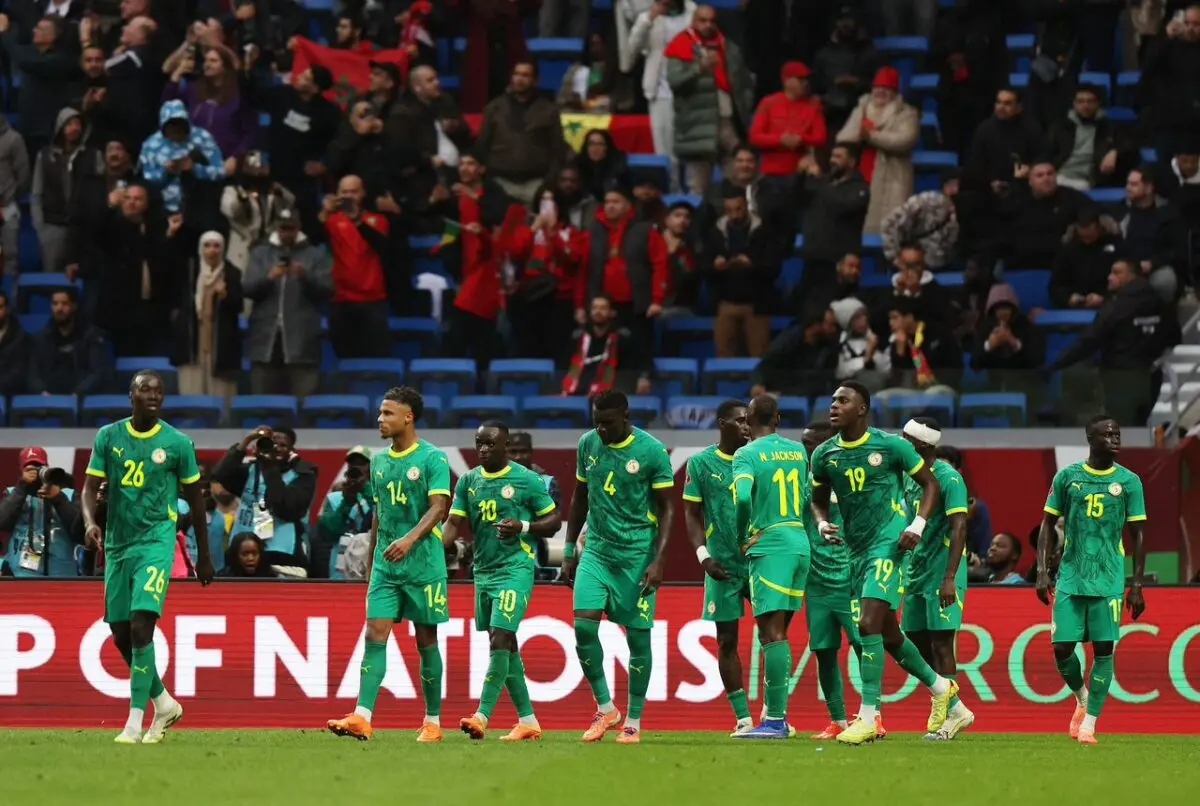
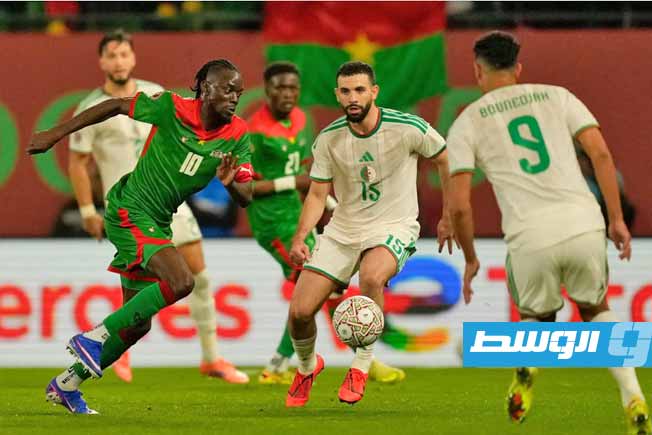
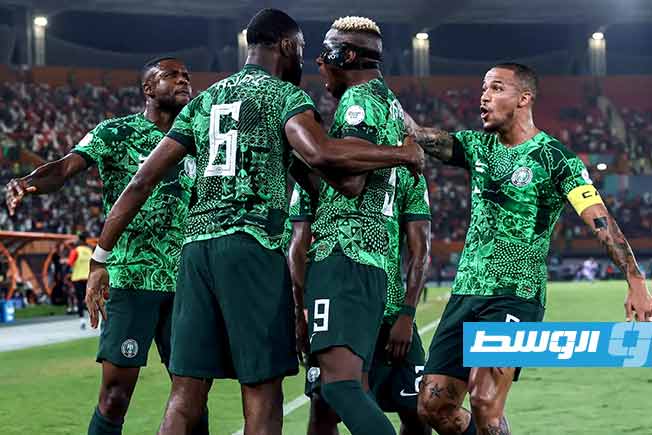
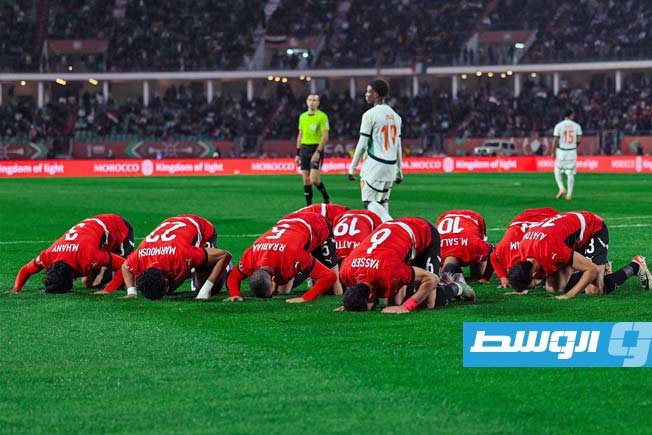
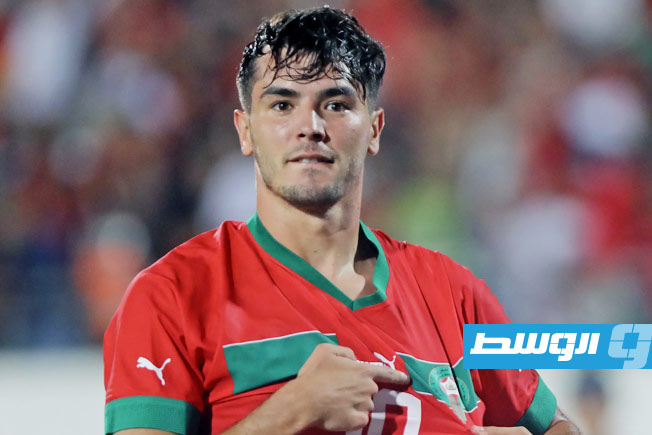
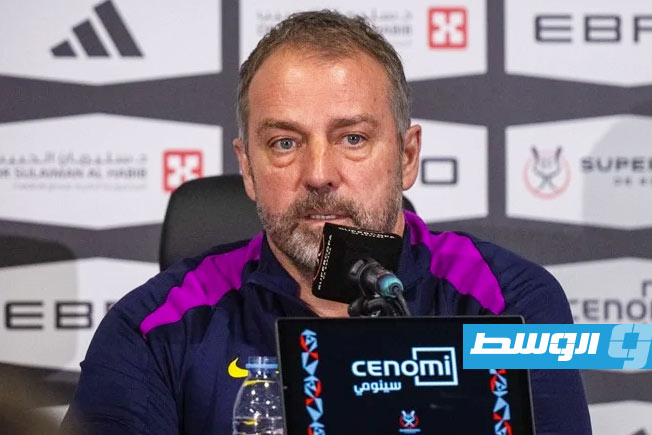
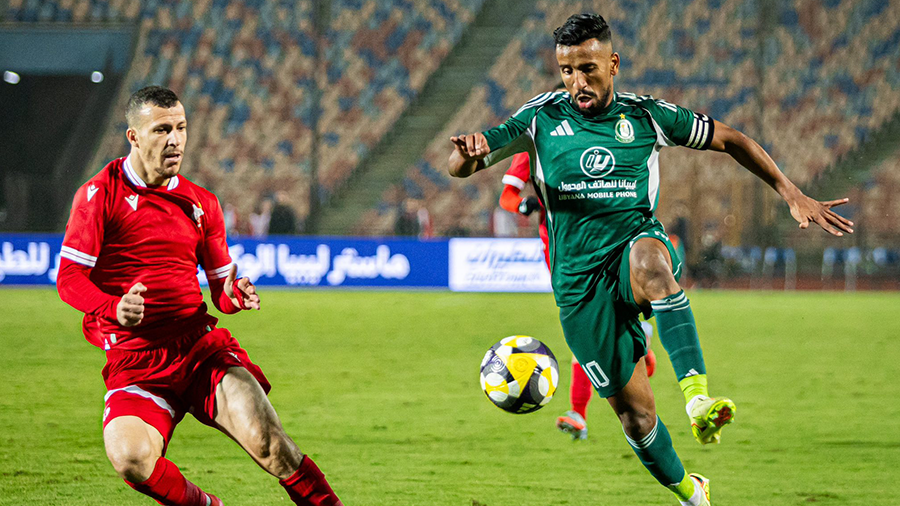
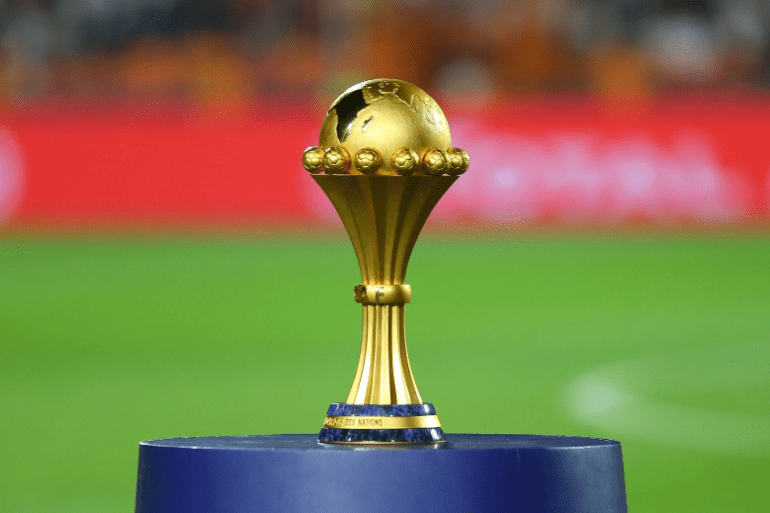
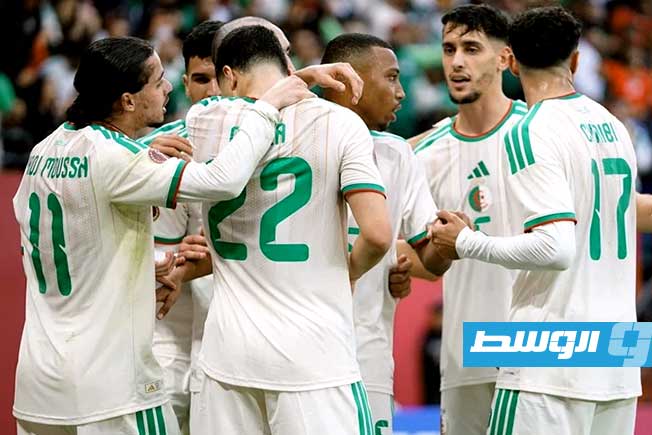
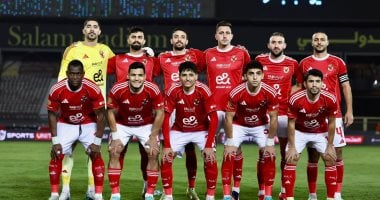
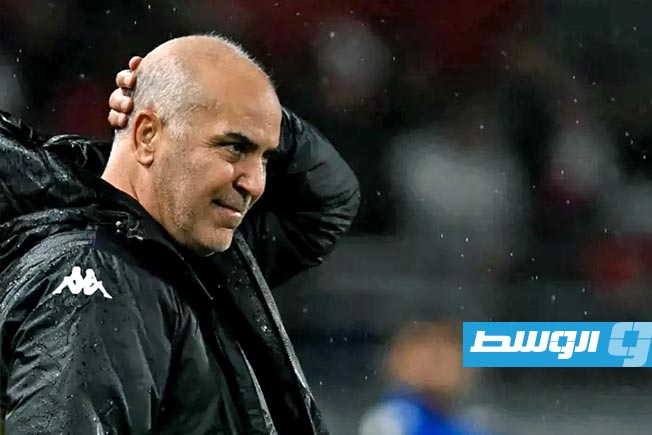
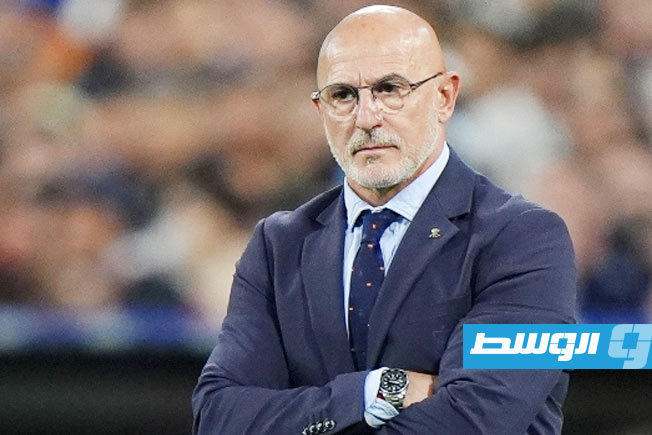
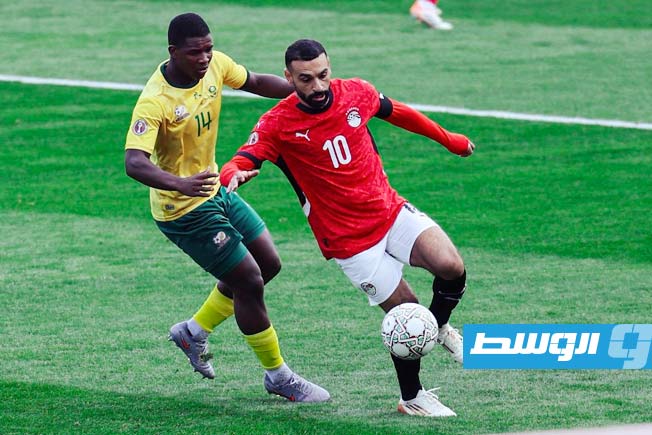
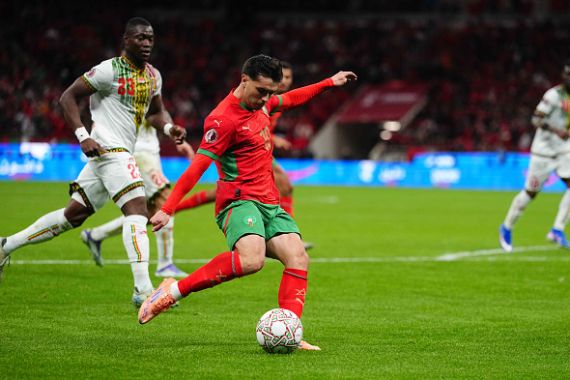
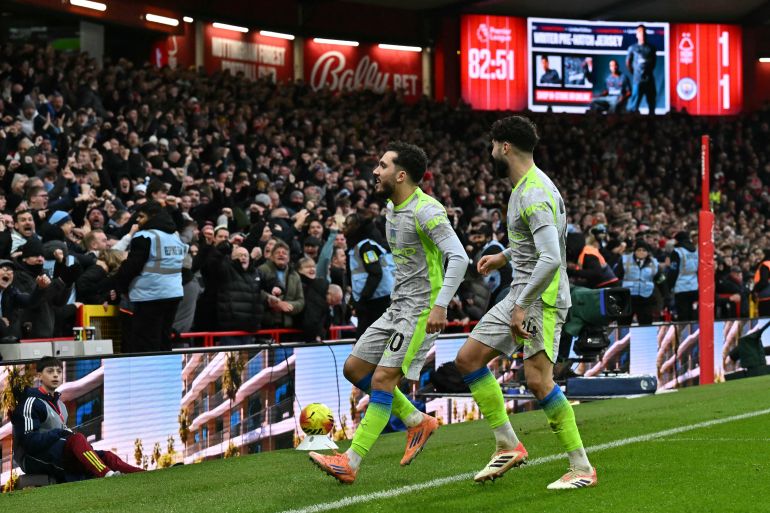
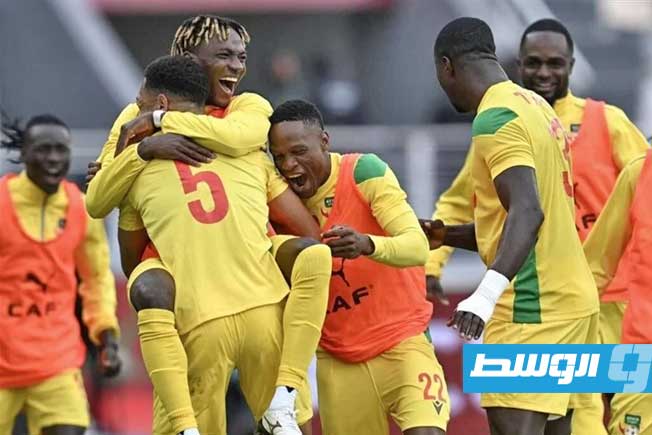
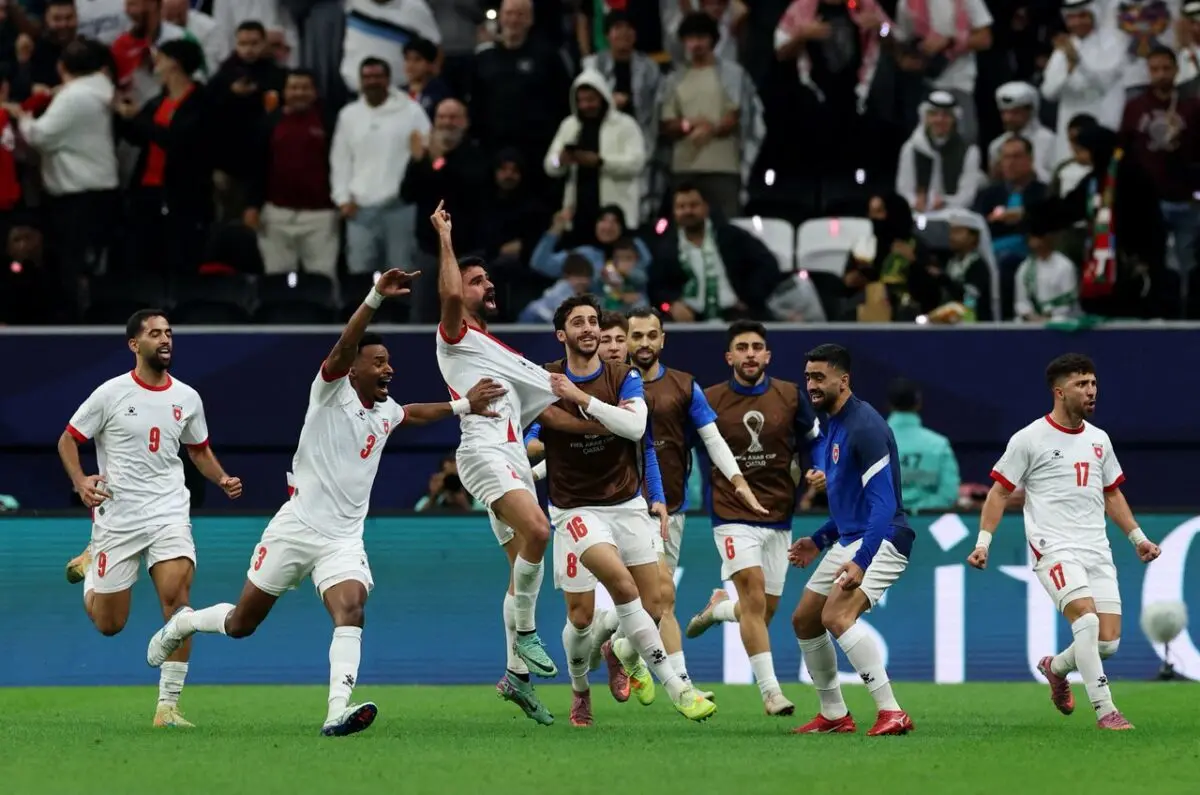
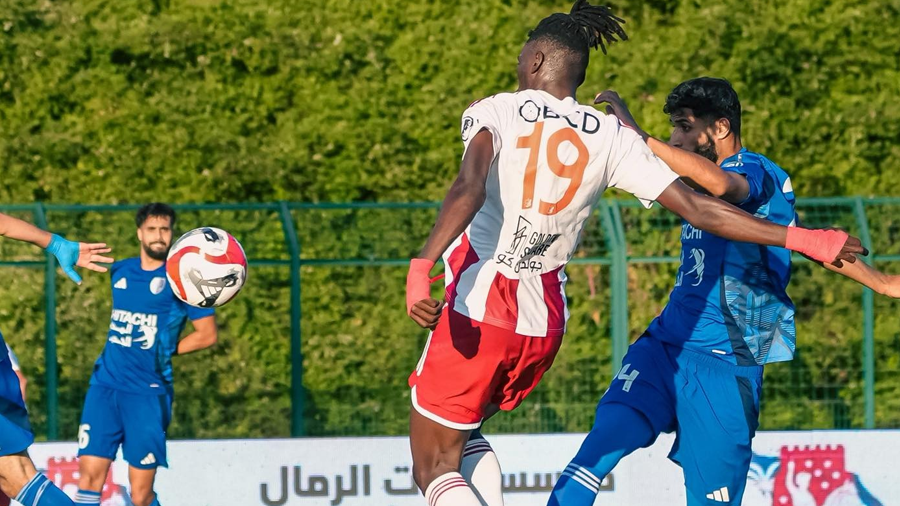
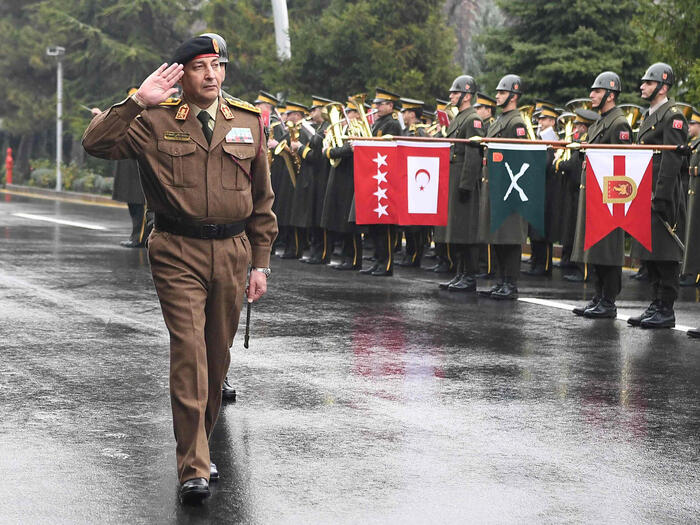
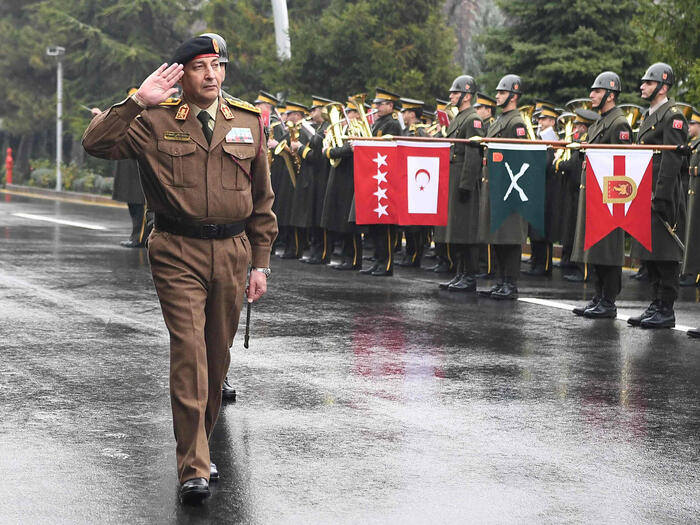
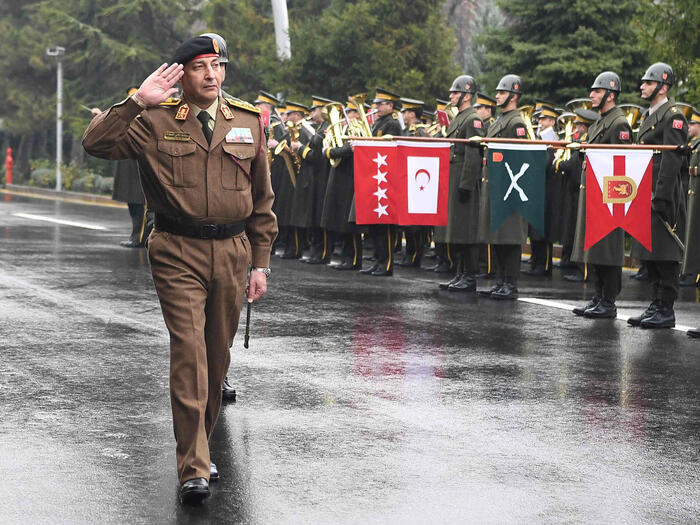
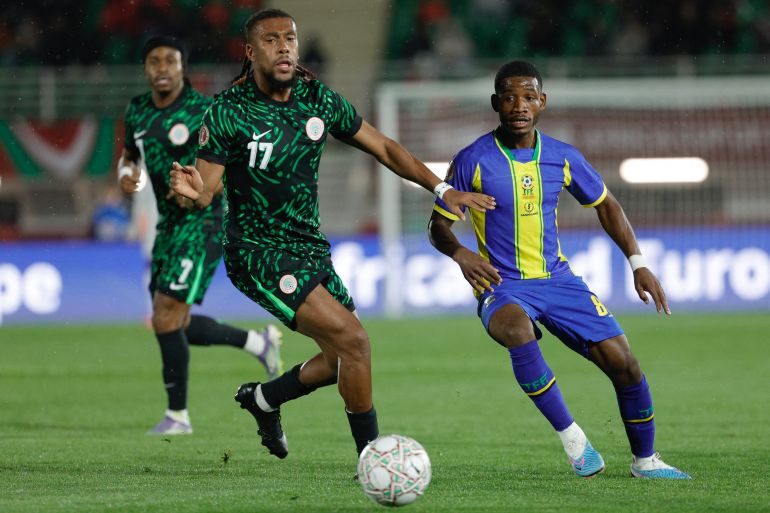
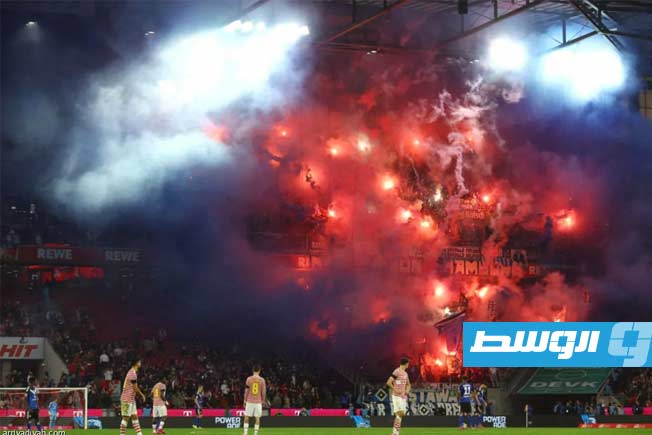
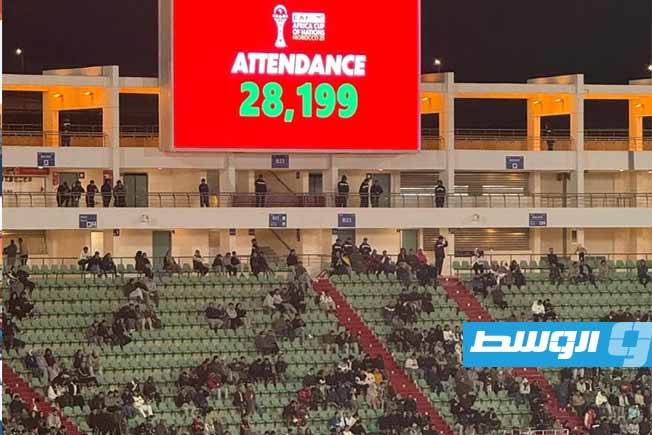
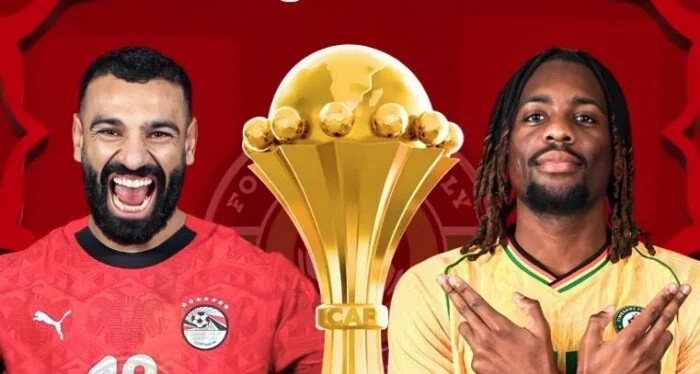
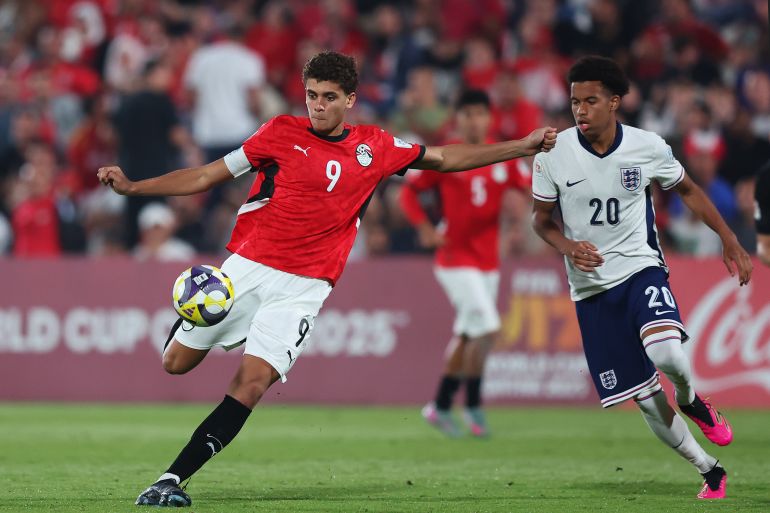
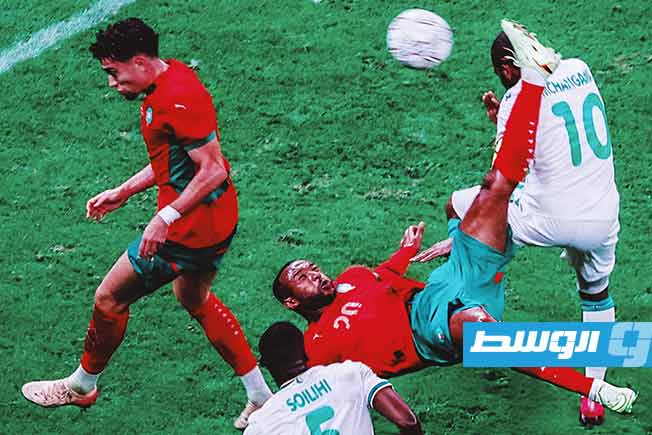
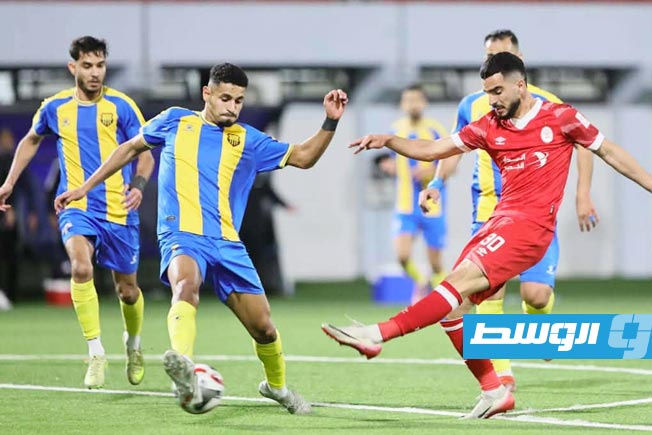
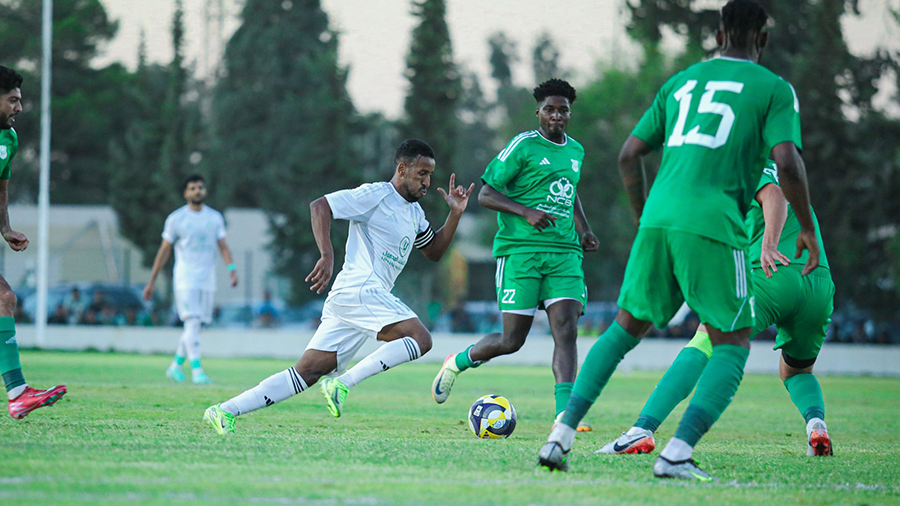
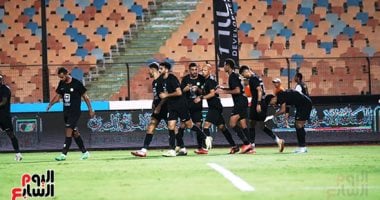
The end of the match between the Egyptian national team and its counterpart, the Benin national team, in the round of 16 of the Africa Cup of Nations, witnessed a strange scene from the national coach.
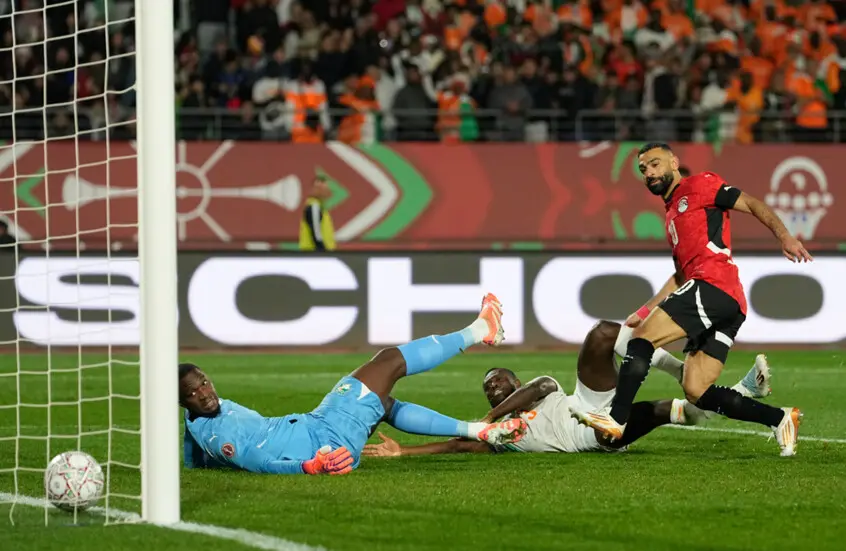
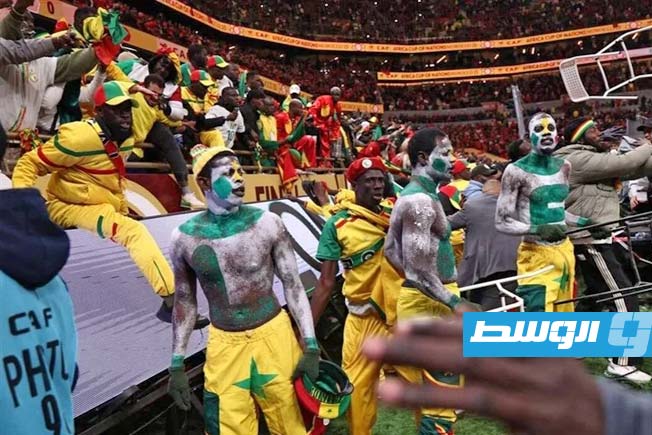
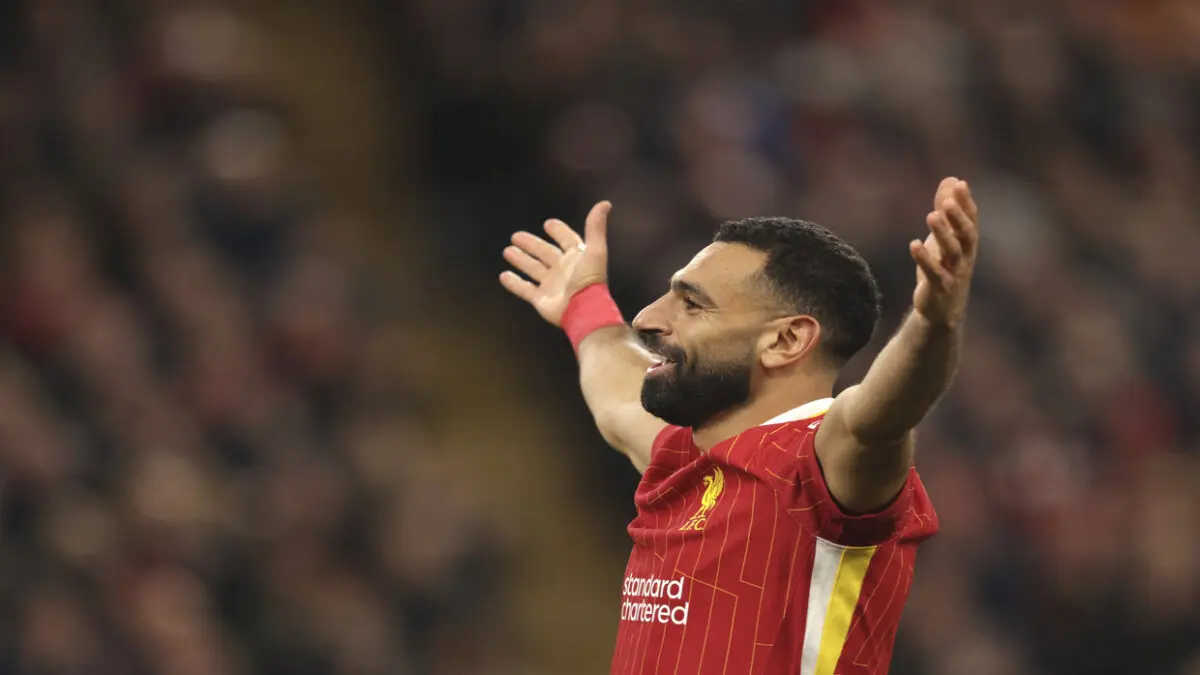
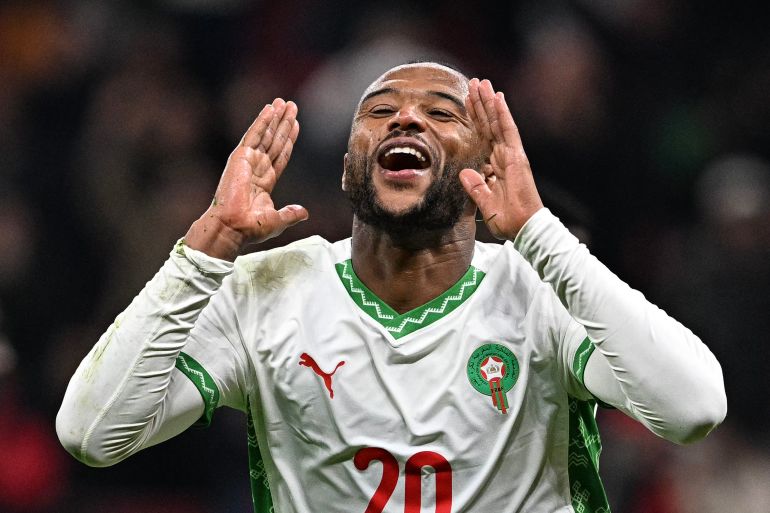
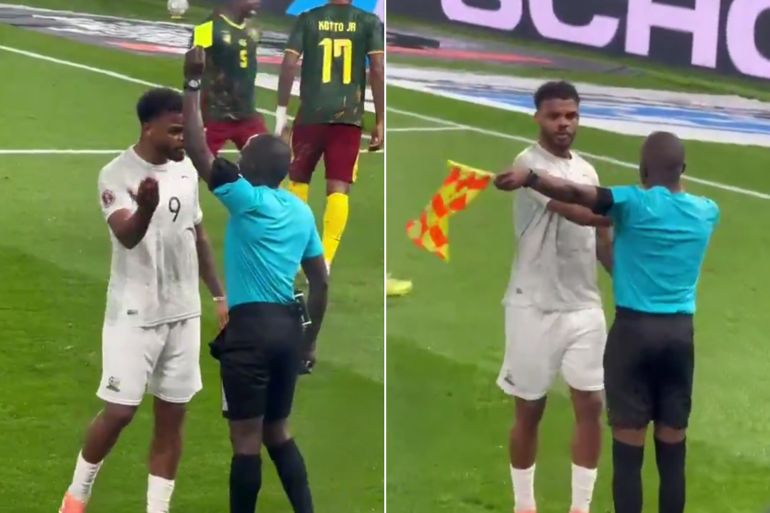
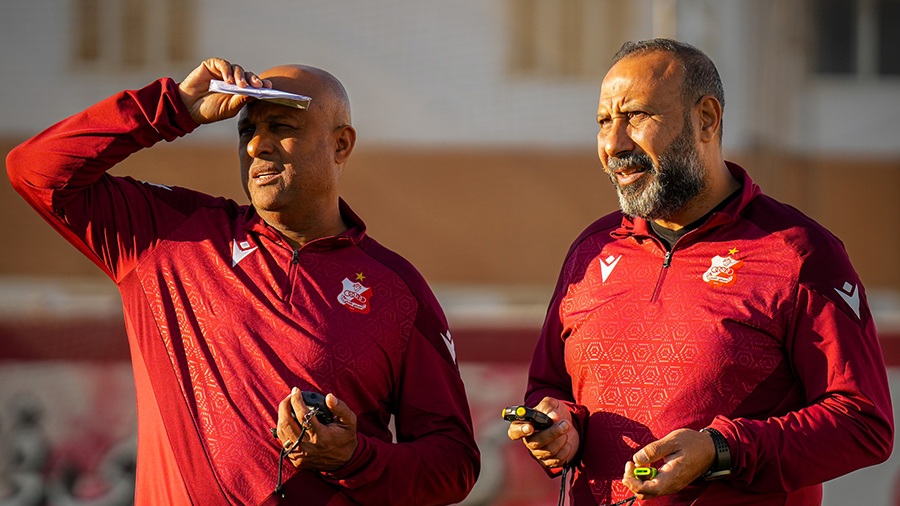
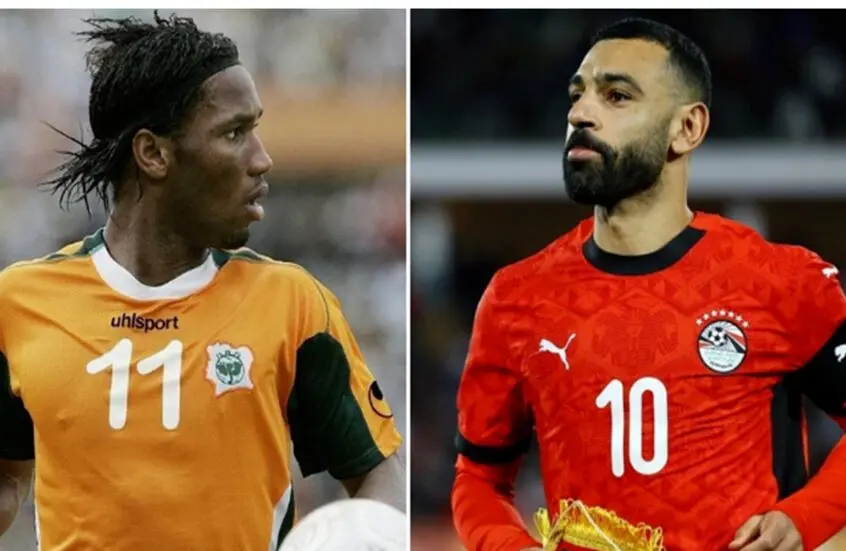
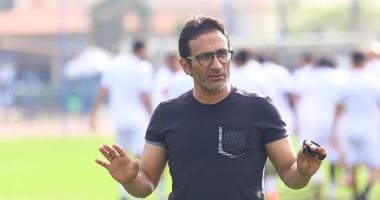
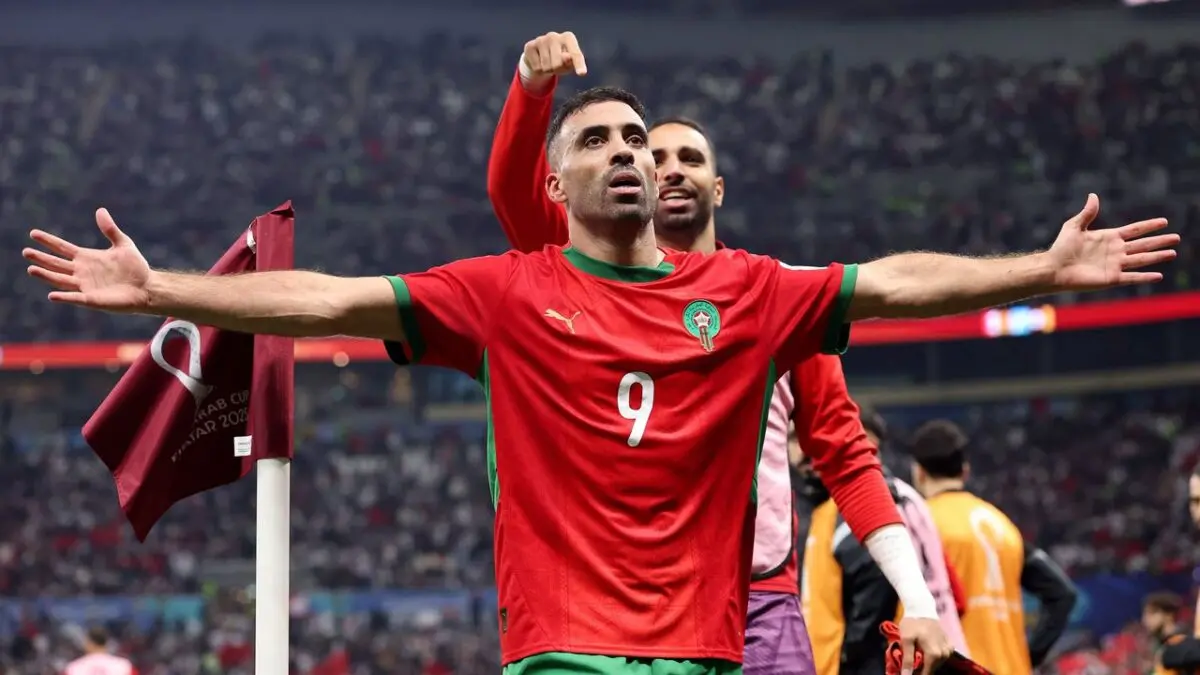
After Mohamed Salah scored the third and decisive goal in the match, which ended 3-1 after extra time, the coach angrily turned towards the fans who were supporting Benin and pointed to the Egyptian national team’s emblem.
Coach’s Clarification
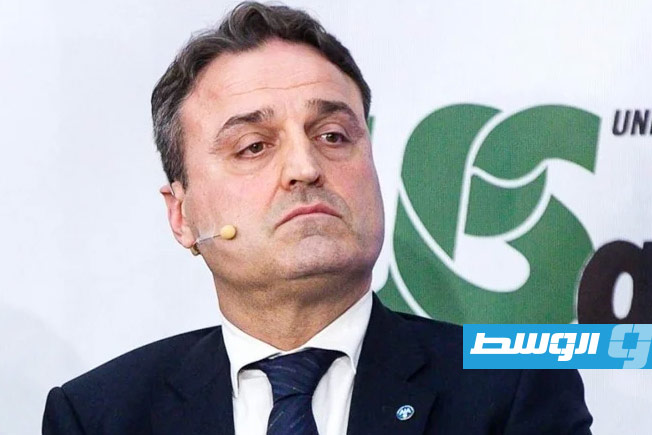
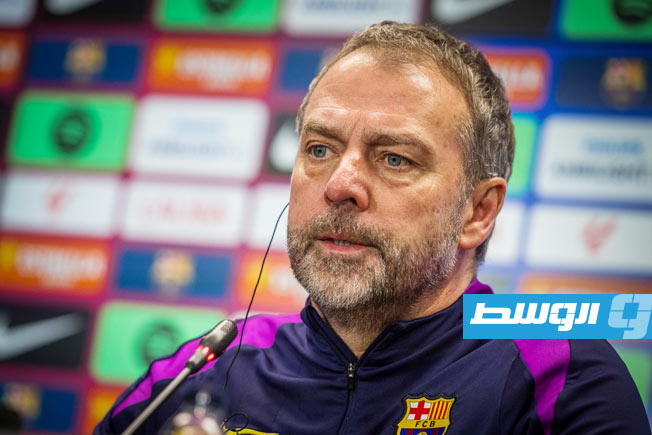
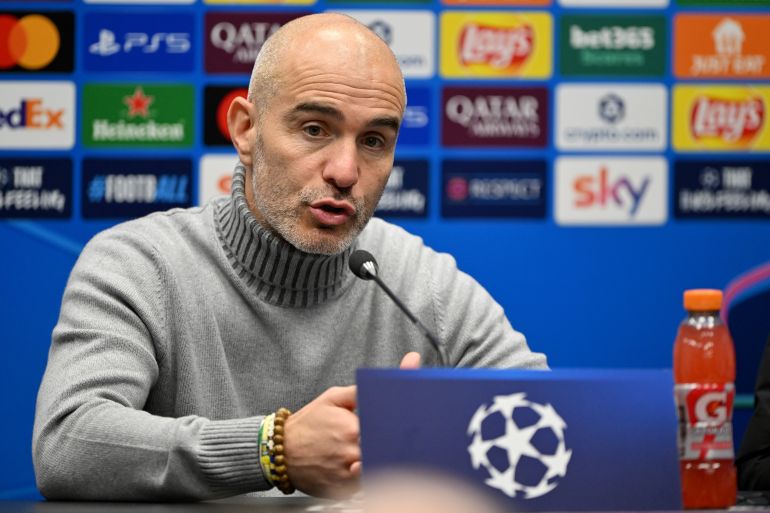
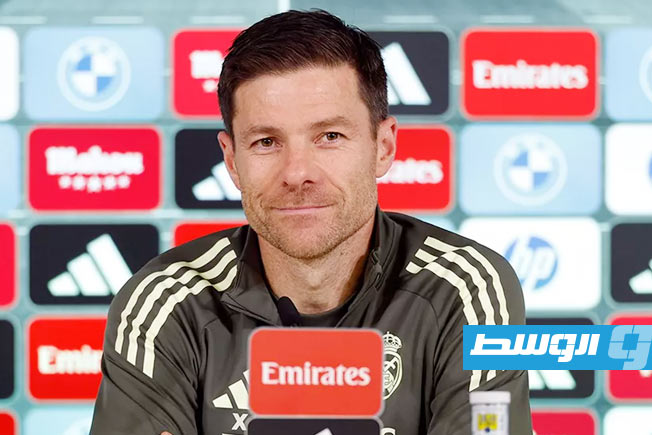
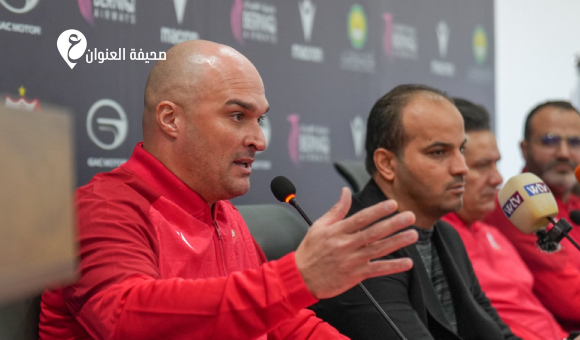
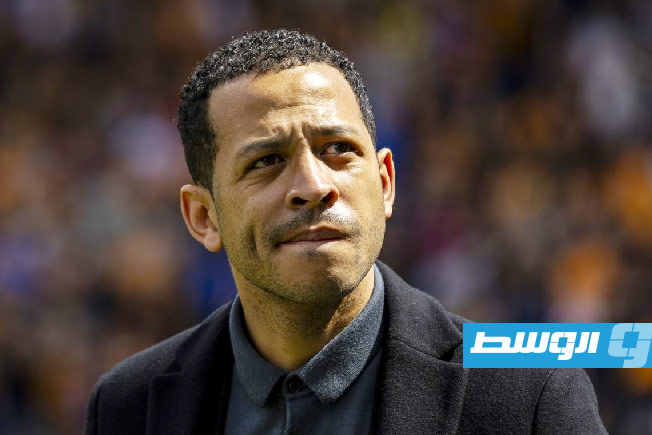
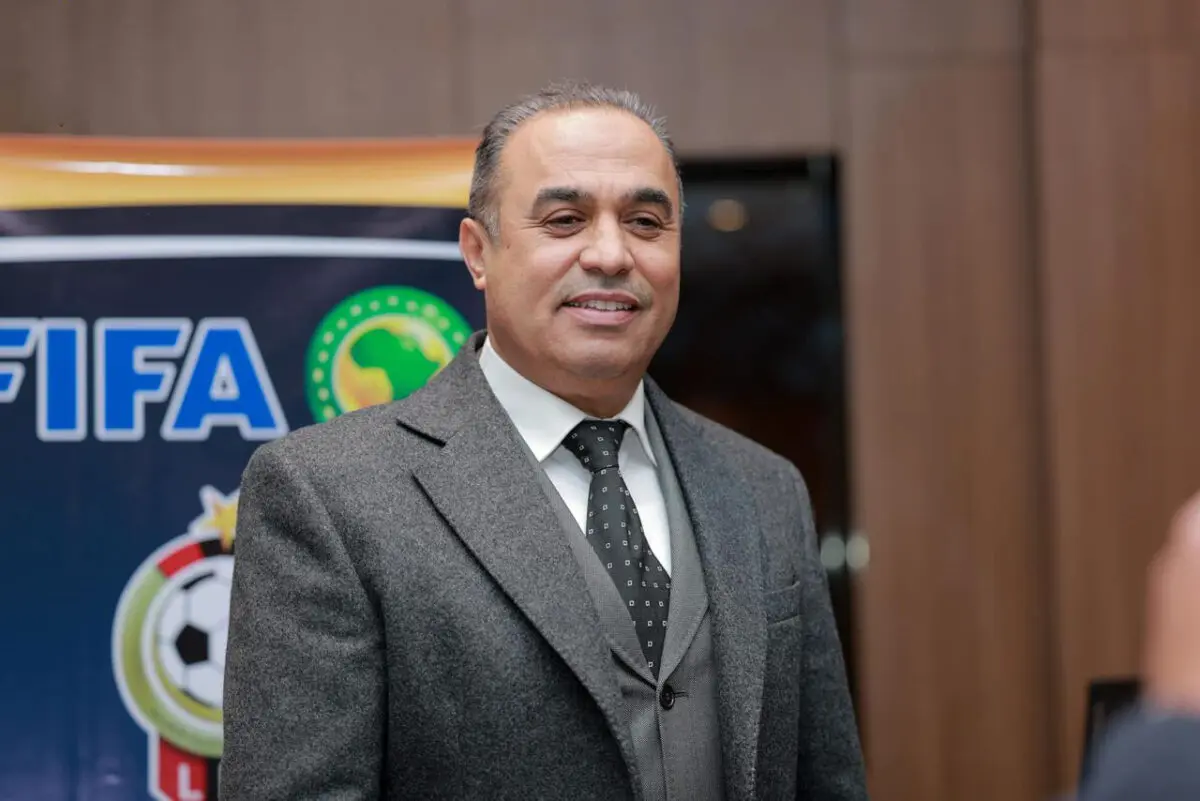
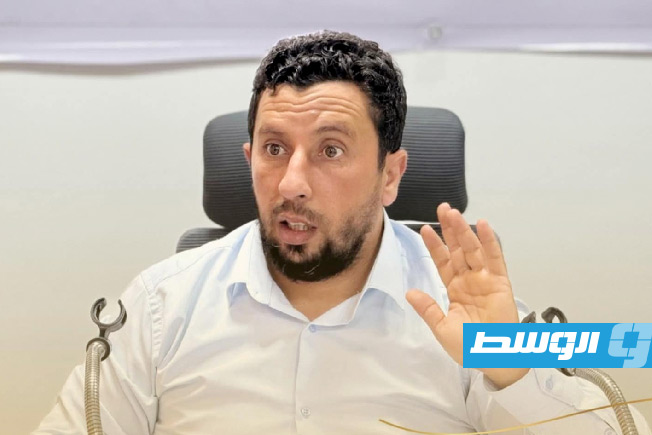
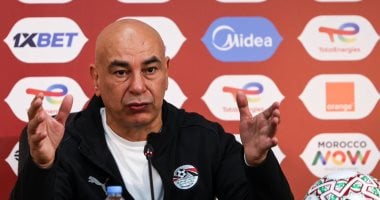
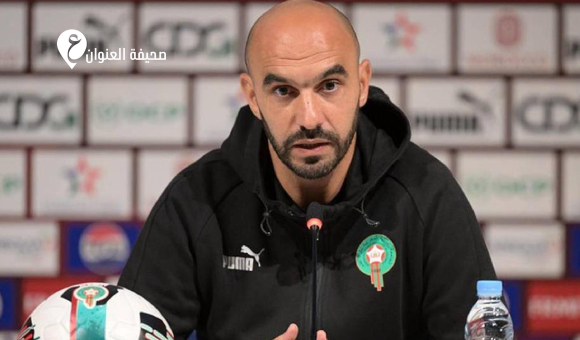
The head coach of the Egyptian national team came out to clarify the truth about what was raised regarding his alleged attack on fans, following the circulation of a video clip of him during the Pharaohs’ match against Benin.
Some claimed that the coach directed offensive gestures towards fans in the stands after one of the goals was scored.
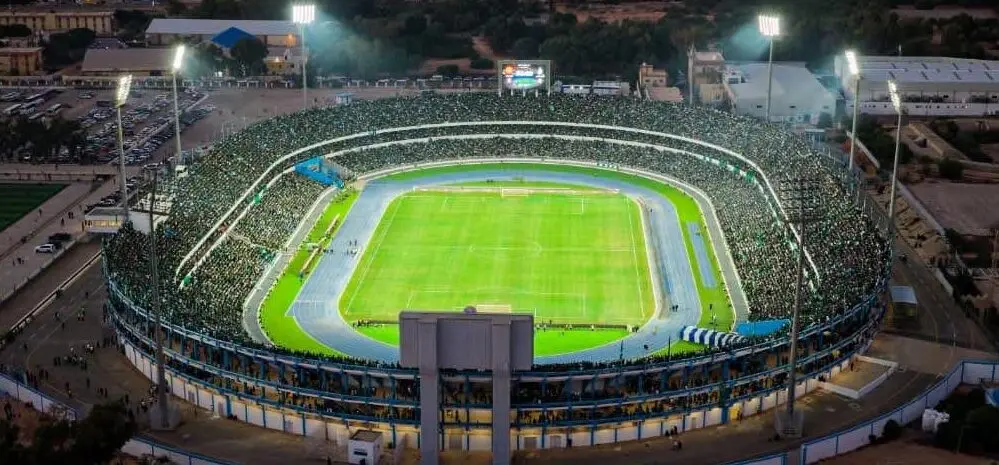
However, the Egyptian coach denied these accusations, confirming that the incident was misunderstood and stressing his great appreciation for the Moroccan fans who supported his national team during the tournament.
The coach said during the press conference after the match: “I thank the Egyptian and Moroccan fans who are present in the stadium to support us in every match. The circulated video was misunderstood.”
He added: “How could I attack the Moroccan national team or its fans in Agadir after all this support and backing we have received?”
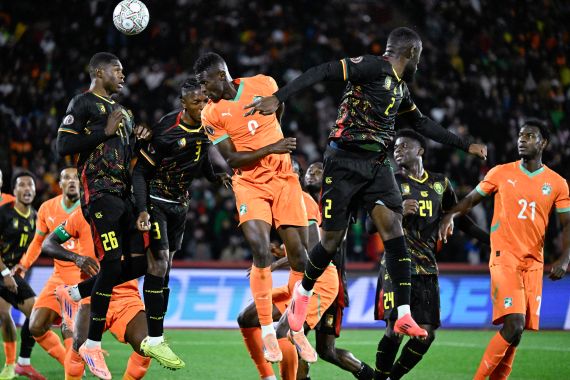
The Egyptian national team is preparing for a strong match in the quarter-finals, where it will meet the winner of the Burkina Faso vs. Ivory Coast match next Saturday, as part of its quest to continue its journey and compete for the continental title.
Egyptian national team
The Egyptian national football team, known as the Pharaohs, is the most successful team in Africa, having won a record seven Africa Cup of Nations titles. Its history dates to its first international match in 1920 and its first major tournament victory at the 1957 AFCON, establishing a long-standing footballing legacy in the continent.
Benin national team
The Benin national football team, nicknamed the Squirrels, represents the West African nation of Benin in international men’s football. The team was founded after the country’s independence in 1960 and is administered by the Benin Football Federation. Its history includes a notable milestone in 2019 when it reached the quarter-finals of the Africa Cup of Nations for the first time.
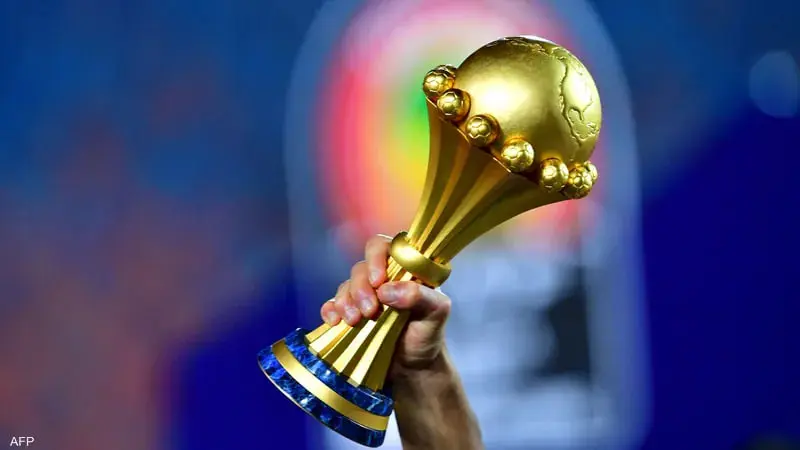
Africa Cup of Nations
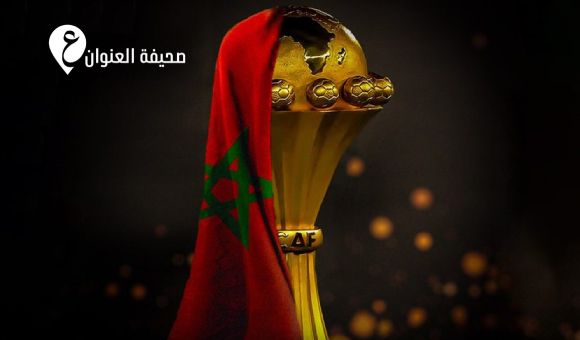
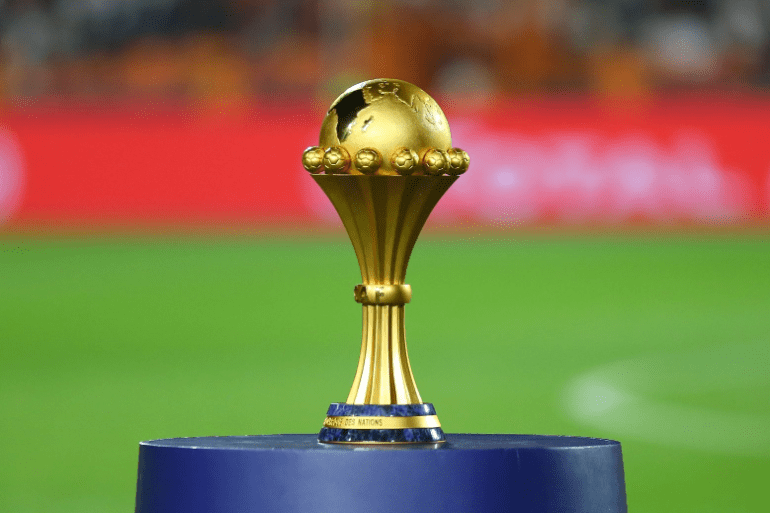
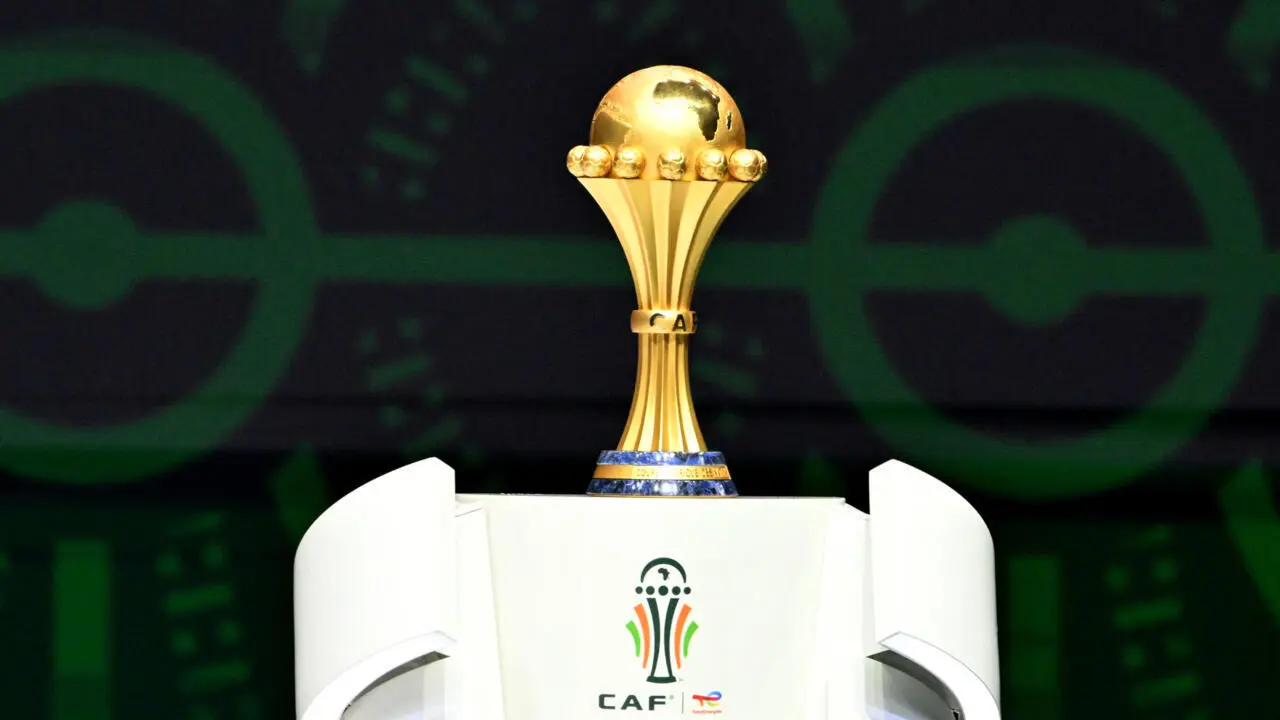
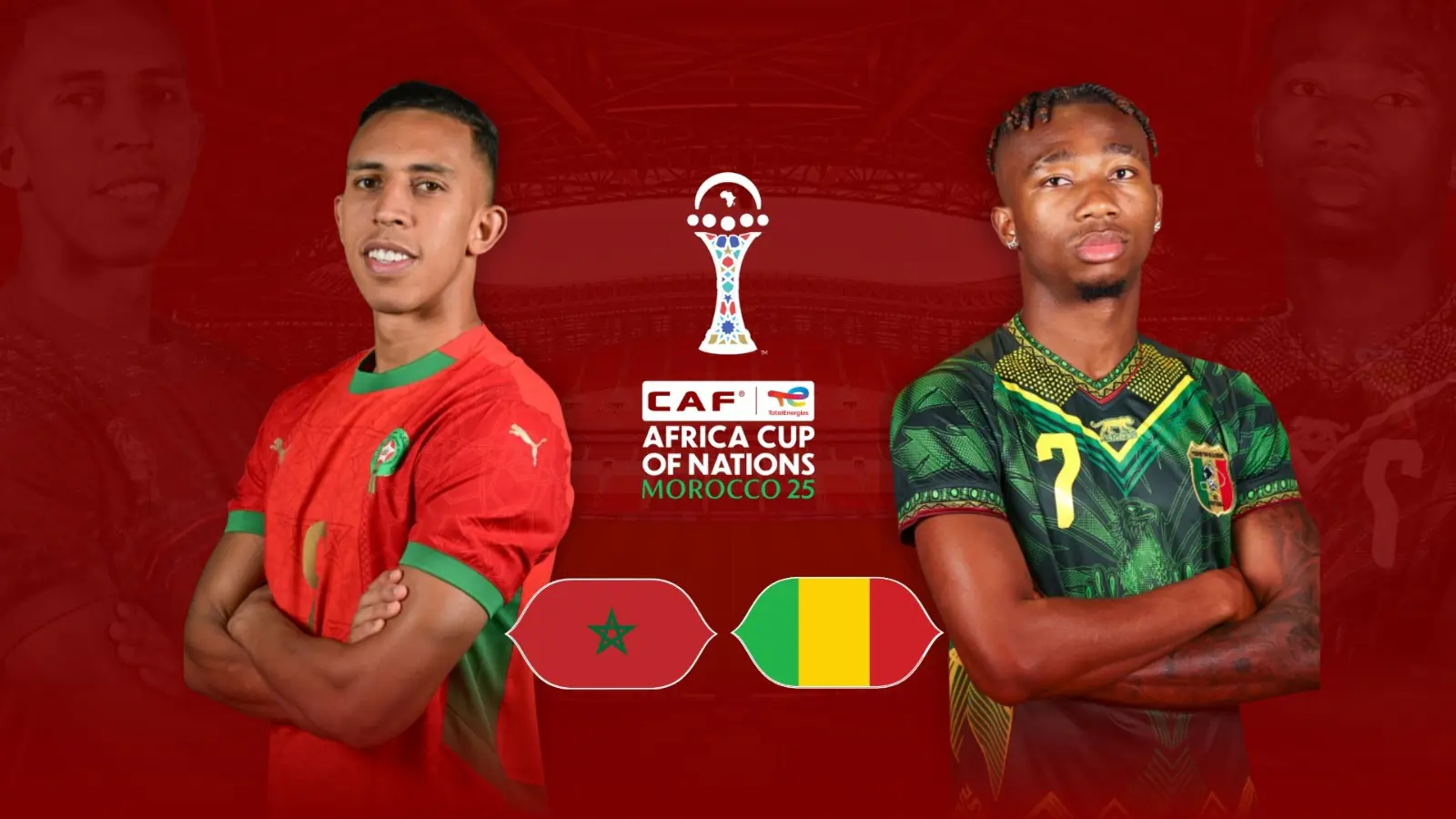
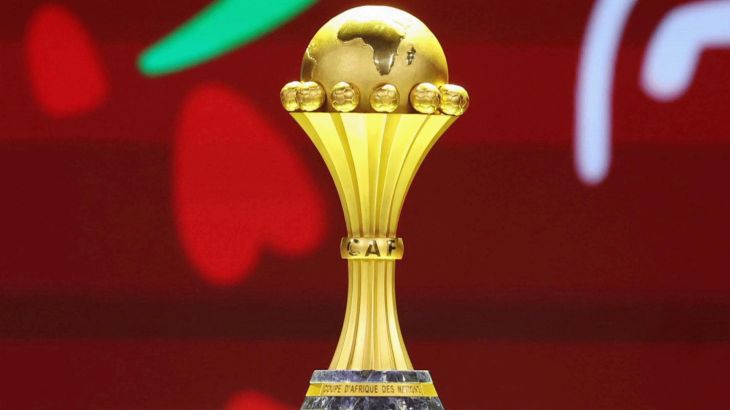
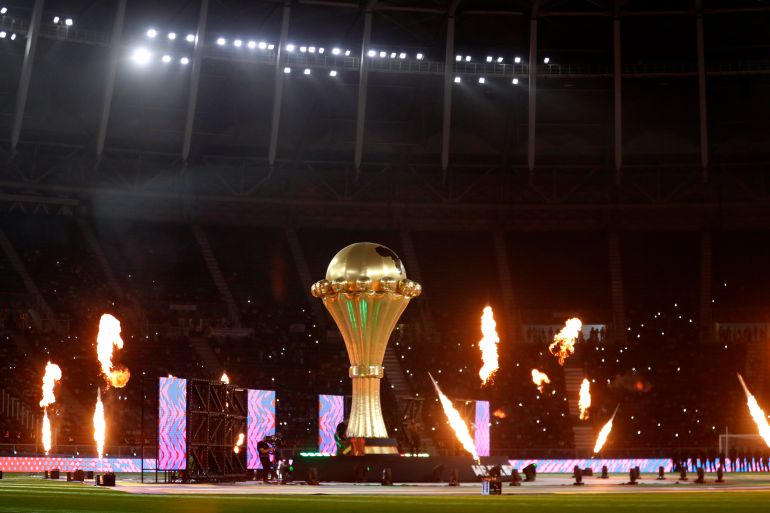
The Africa Cup of Nations is the premier international men’s football competition in Africa, first contested in 1957. It is organized by the Confederation of African Football (CAF) and has grown from a three-team tournament to a major continental championship featuring 24 national teams.
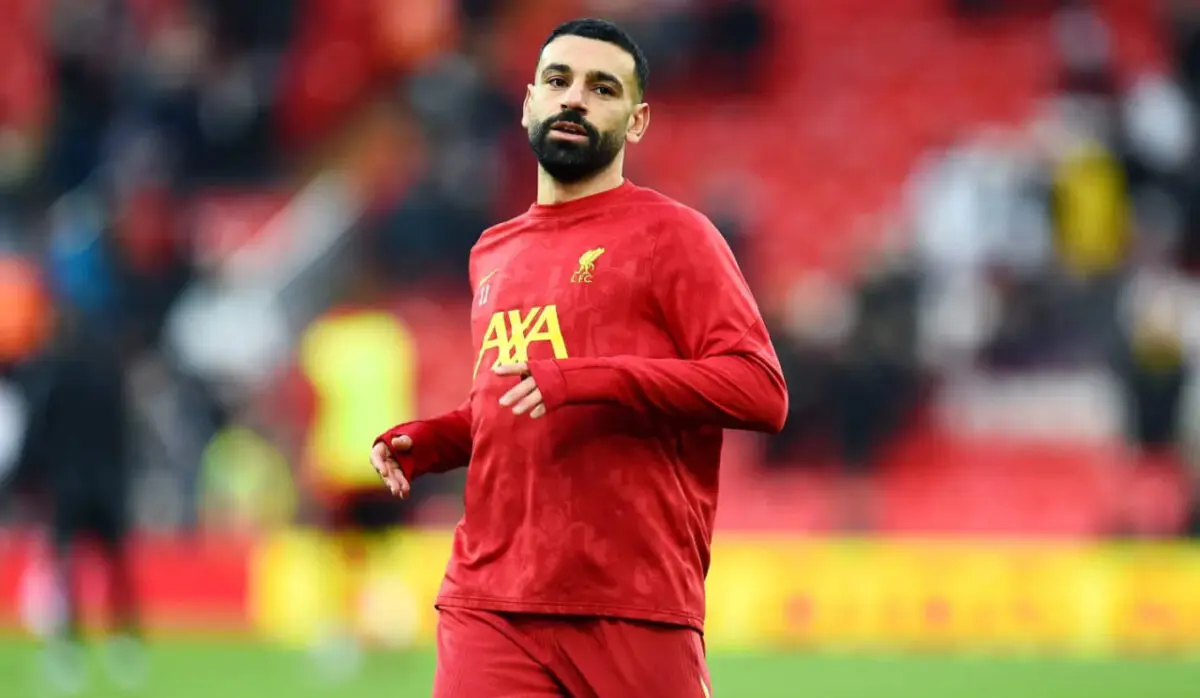
Mohamed Salah
Mohamed Salah is an Egyptian professional footballer who plays as a forward for Liverpool FC and the Egypt national team. He is widely regarded as one of the best players in the world, known for his speed, finishing, and goal-scoring record, and has become a major cultural icon in Egypt and the Arab world.
Pharaohs
The term “Pharaohs” refers to the divine rulers of ancient Egypt, who governed from the Early Dynastic Period (c. 3100 BCE) until the Roman annexation in 30 BCE. Their history is central to Egypt’s legacy, marked by the construction of monumental pyramids and temples, and a complex religious and political system that endured for millennia.
Moroccan fans
Moroccan fans are traditional hand-held fans, often ornately decorated, that have been used for centuries across Morocco to provide relief from the heat. Historically crafted from materials like palm leaves, wood, or fabric, they are a common feature in daily life and cultural ceremonies. Their designs frequently incorporate intricate geometric patterns and vibrant colors, reflecting the country’s rich artistic heritage.
Agadir
Agadir is a major coastal city in Morocco, known today for its modern beach resorts. Its history is marked by a devastating earthquake in 1960 that destroyed much of the old city, leading to a complete reconstruction in a contemporary style on a new site nearby.
Burkina Faso
Burkina Faso is a landlocked West African nation whose modern borders were established during French colonial rule, gaining independence in 1960. The region is historically significant as part of the Mossi Kingdoms, which date back to the 11th century and were known for their complex political structures and resistance to external empires. Today, the country’s culture is characterized by its diverse ethnic groups, vibrant music, and traditional arts.
Ivory Coast
The Ivory Coast, officially known as Côte d’Ivoire, is a West African nation whose history includes powerful pre-colonial kingdoms, French colonization beginning in the late 19th century, and independence in 1960. A significant cultural site is the Basilica of Our Lady of Peace in Yamoussoukro, which is one of the largest churches in the world and was completed in 1989.