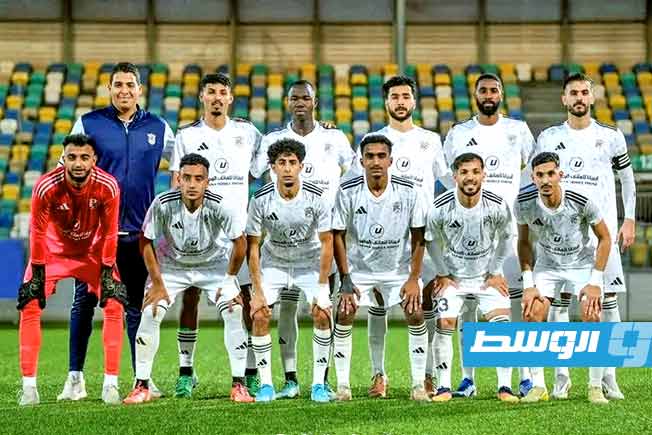
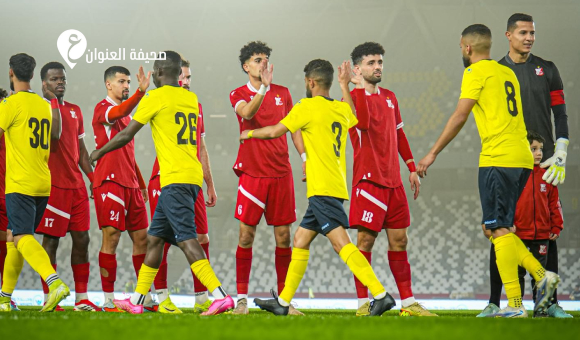
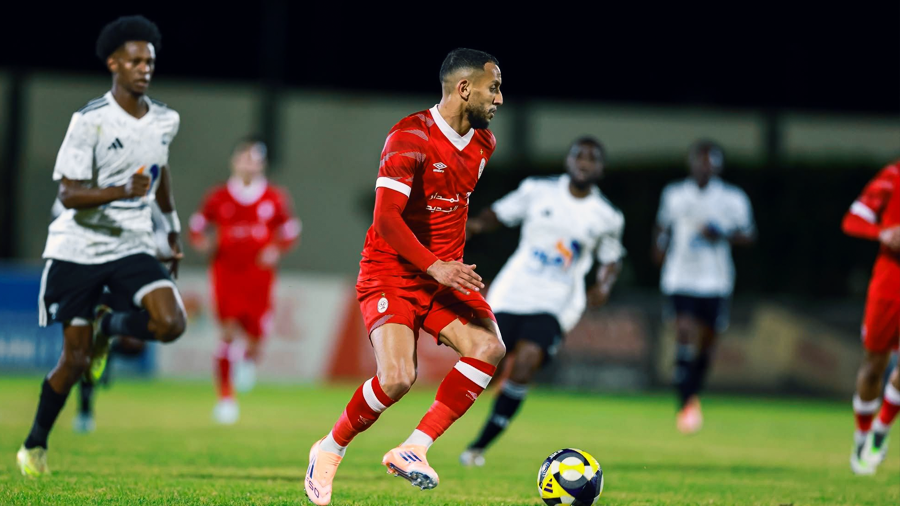
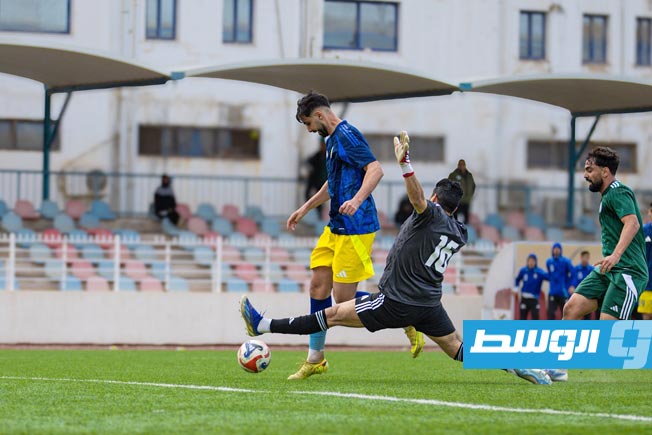
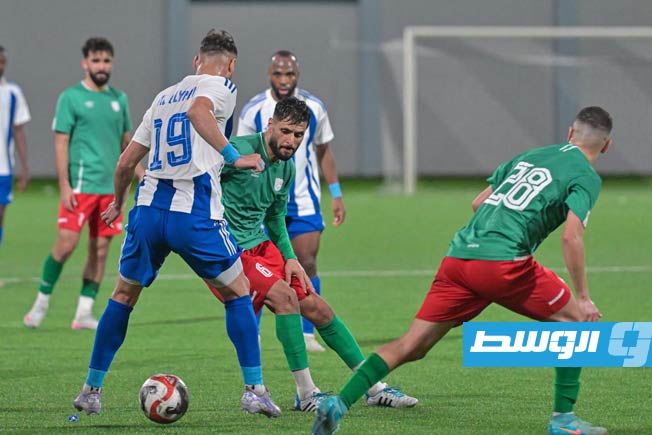
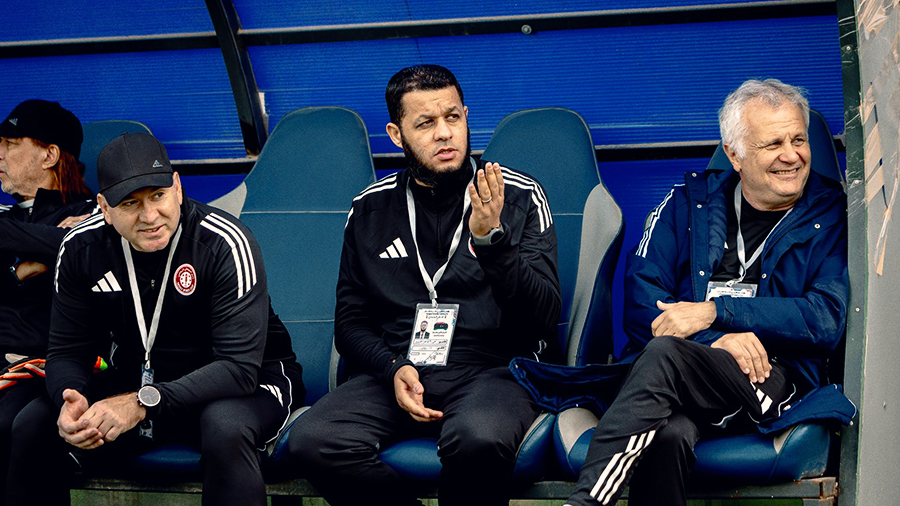
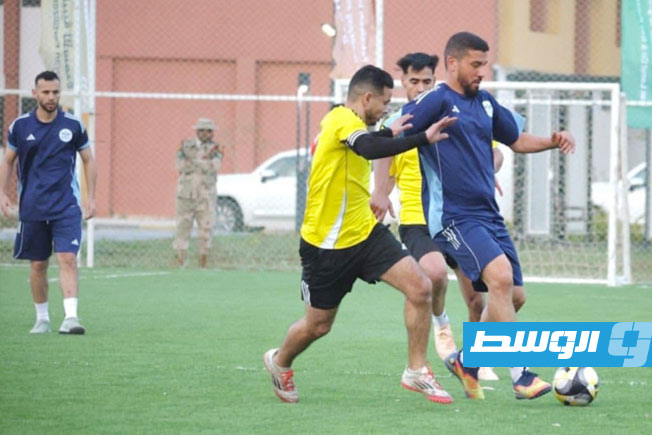
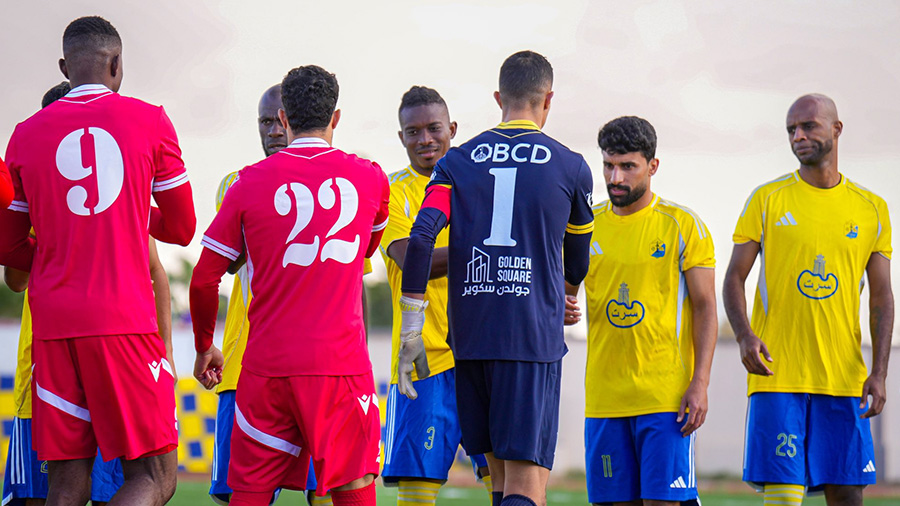
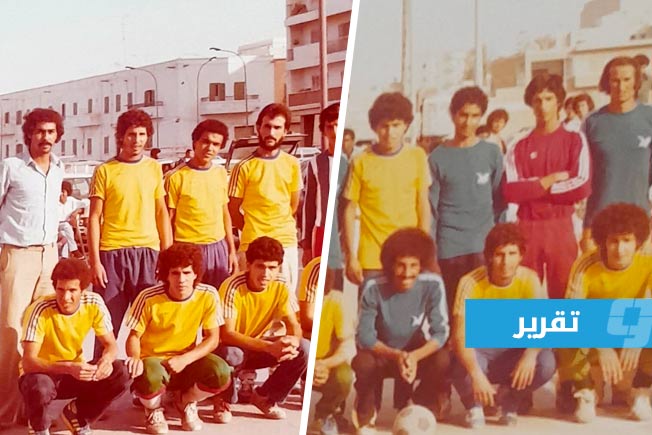
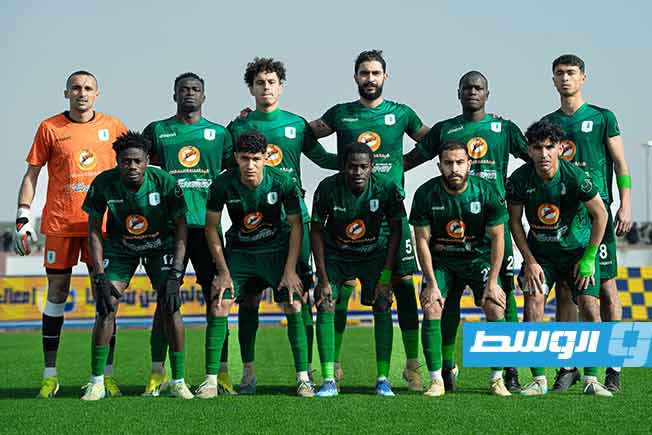
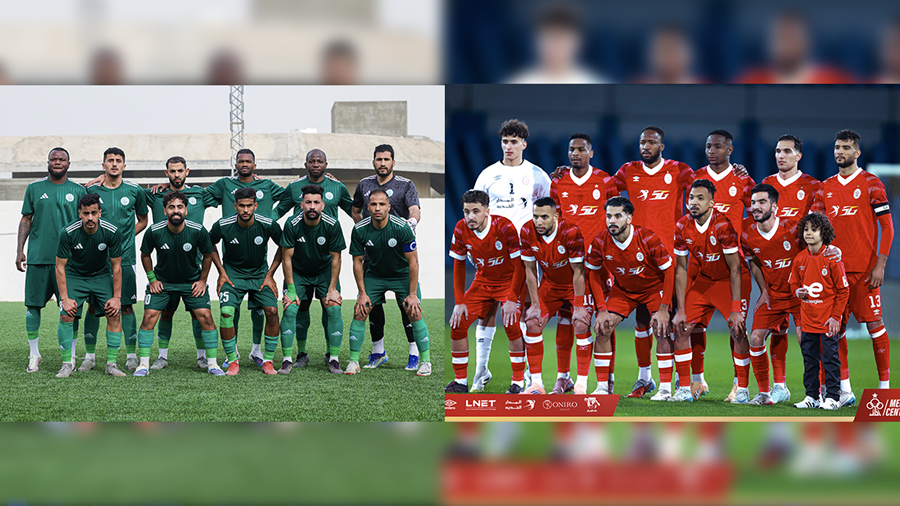
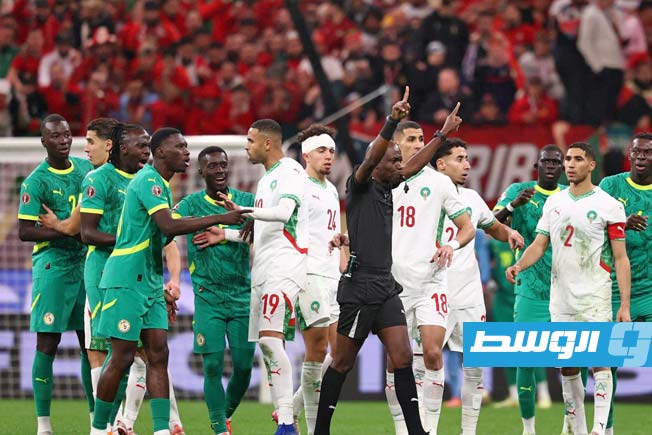
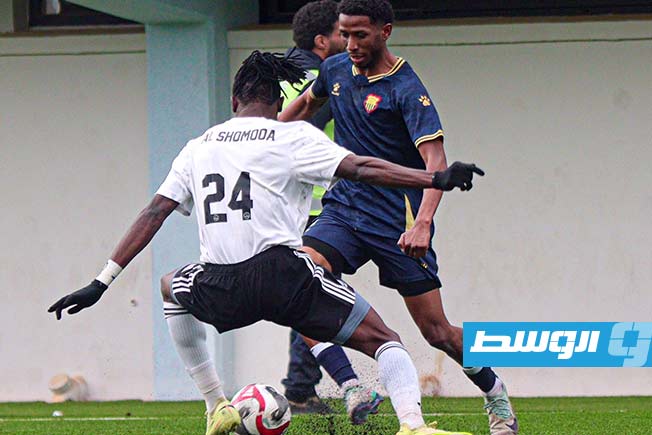
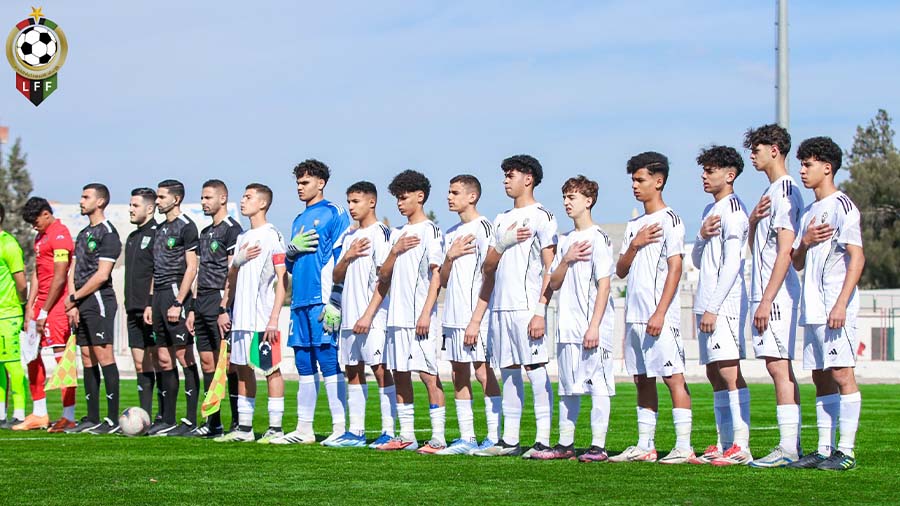
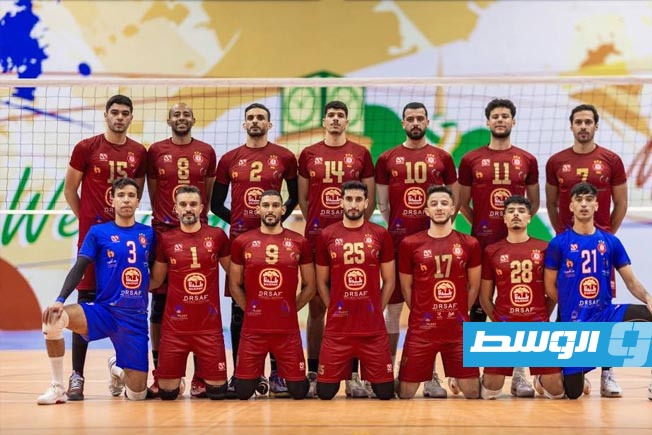
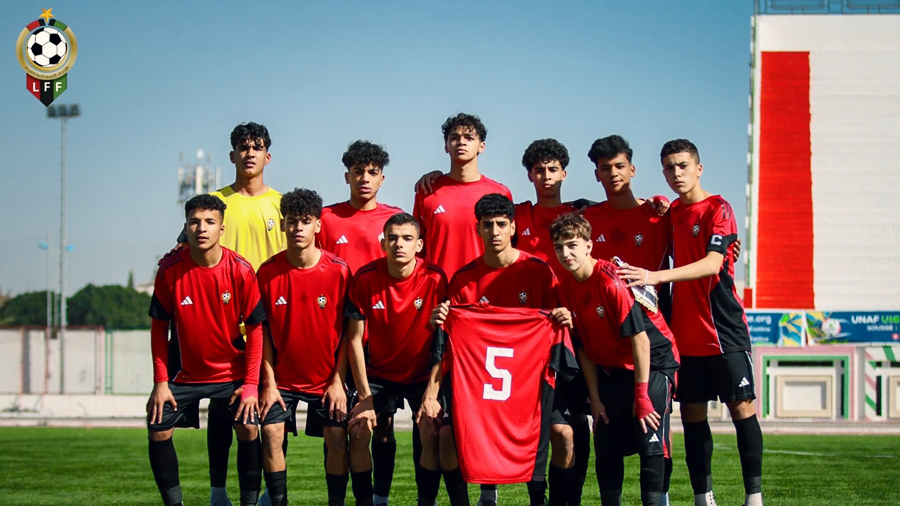
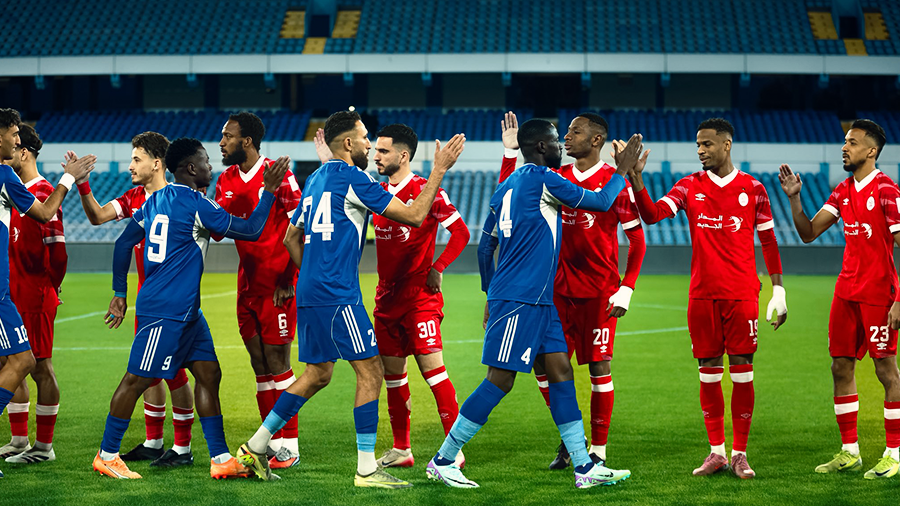
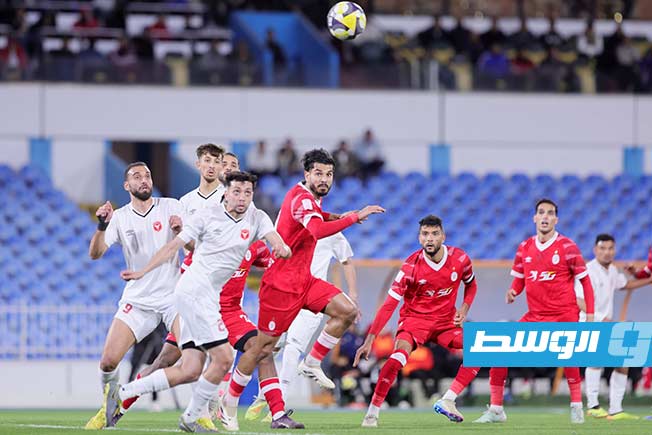
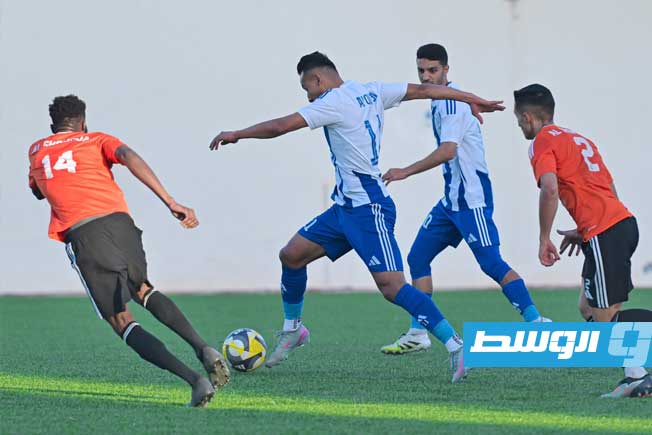
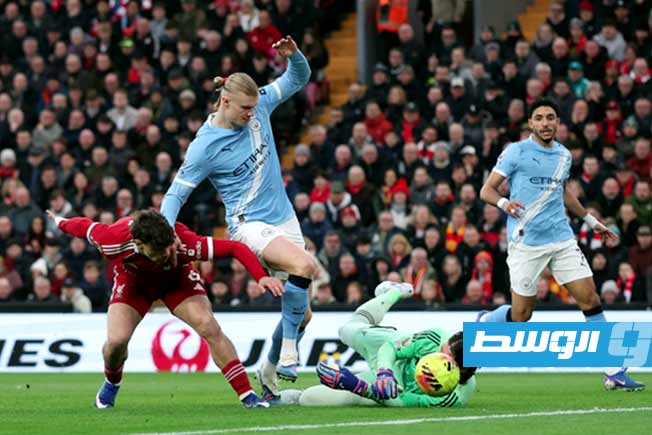
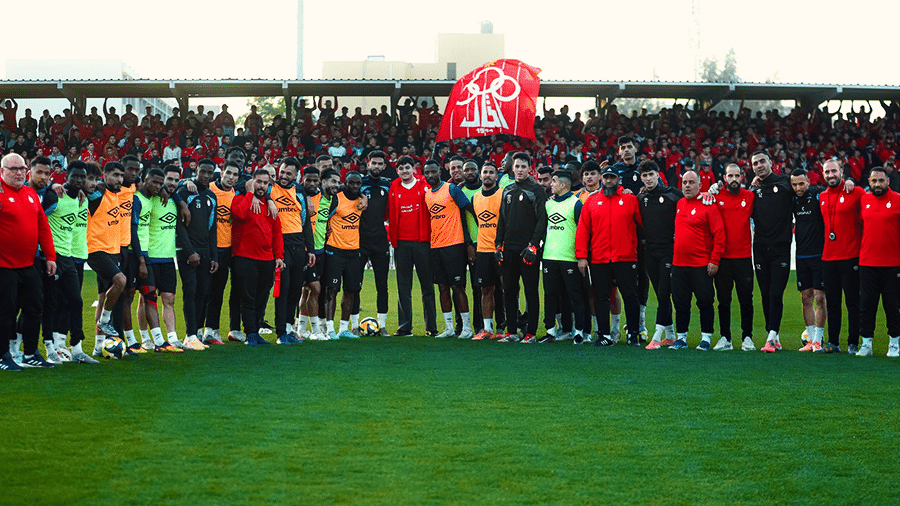
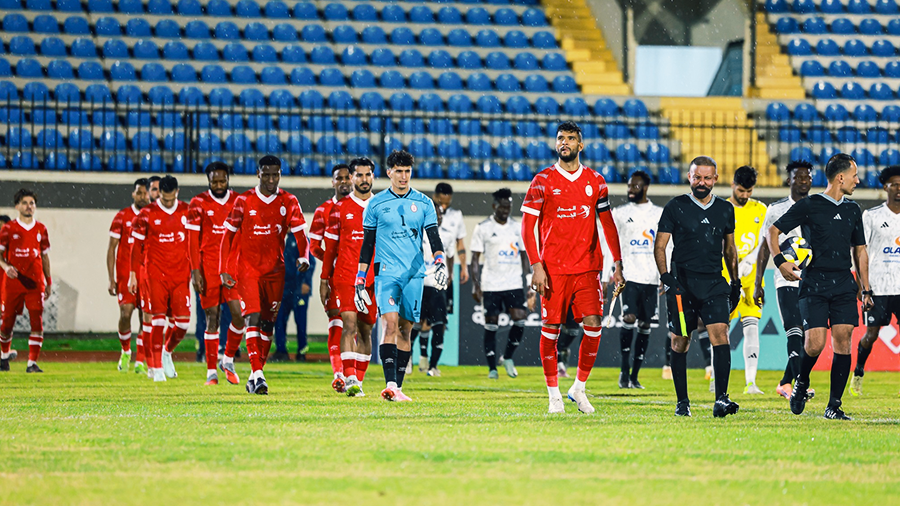
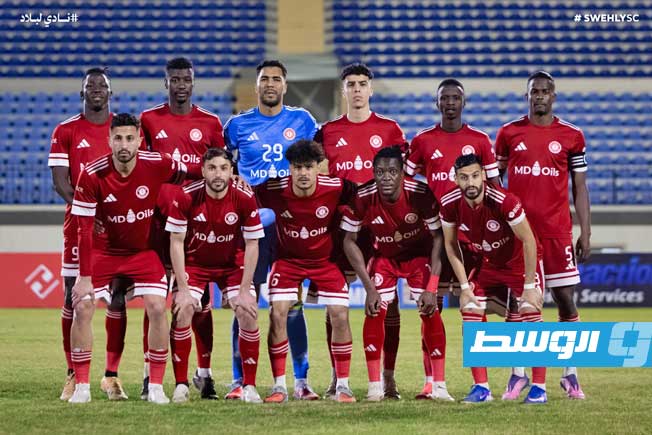
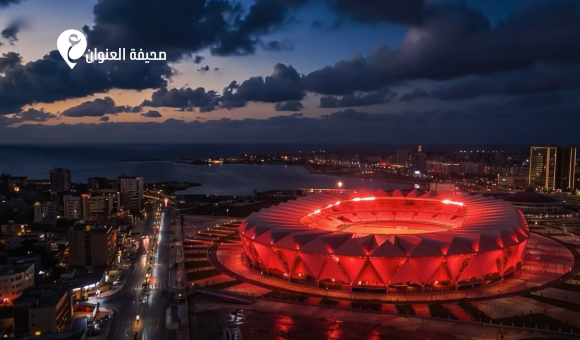
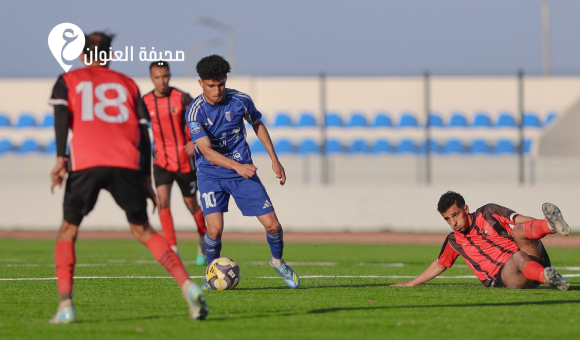
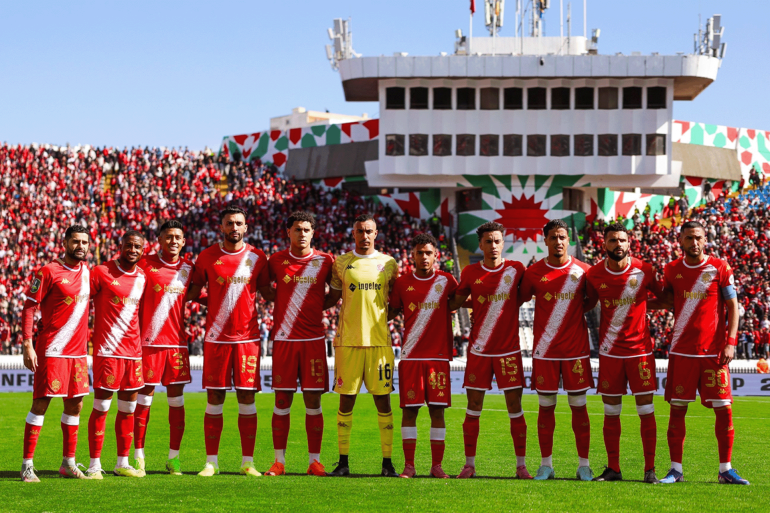
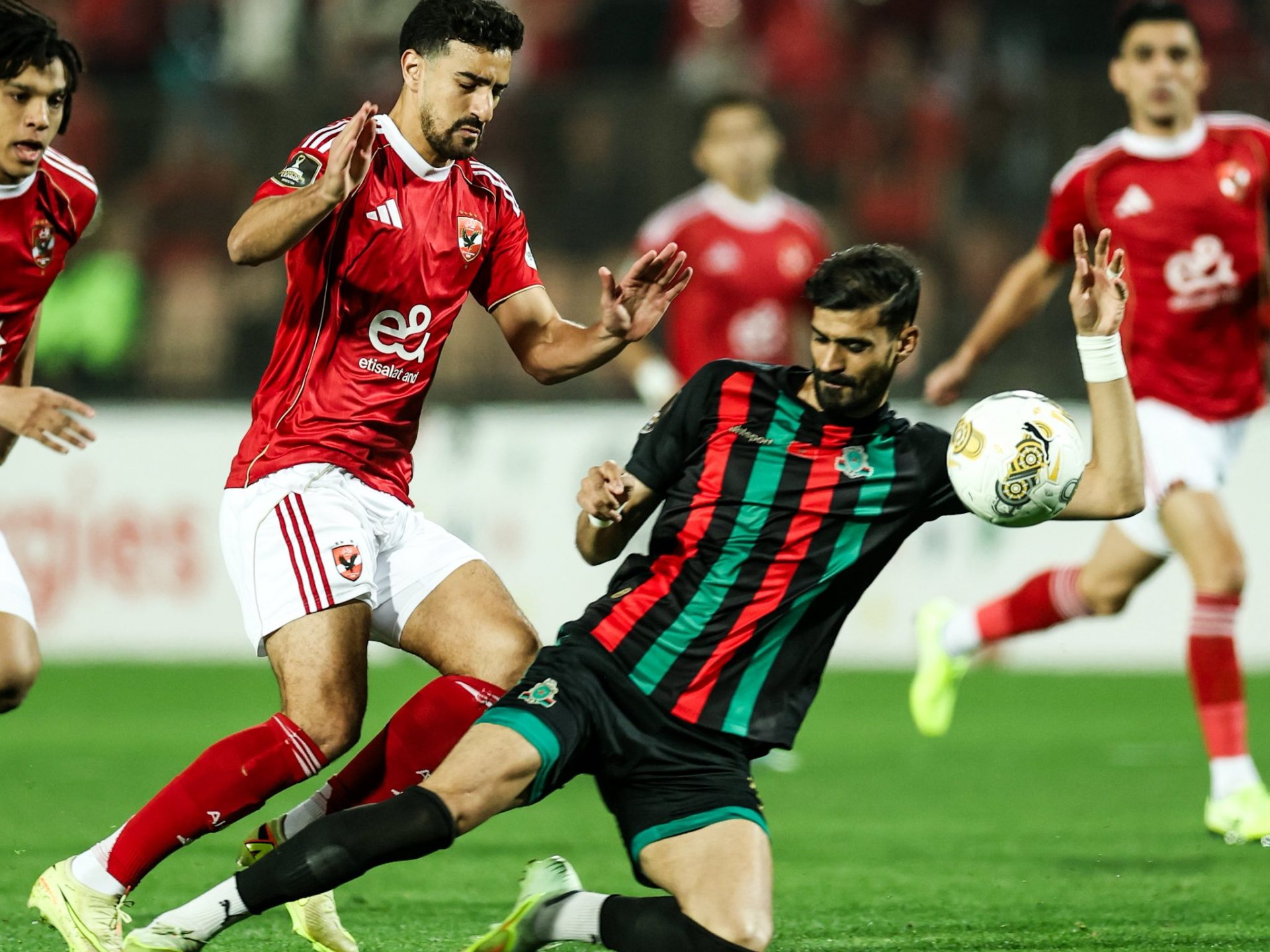
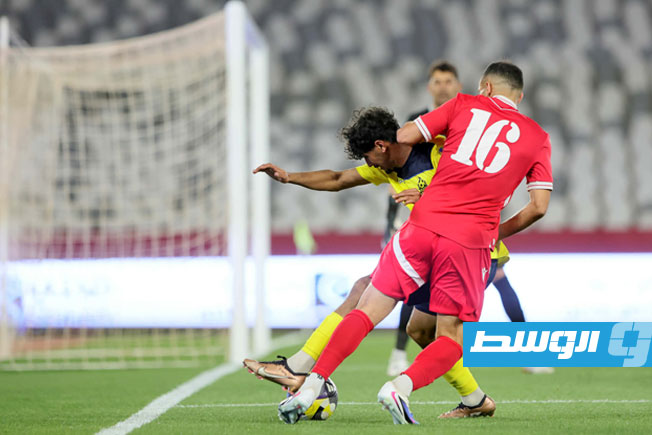
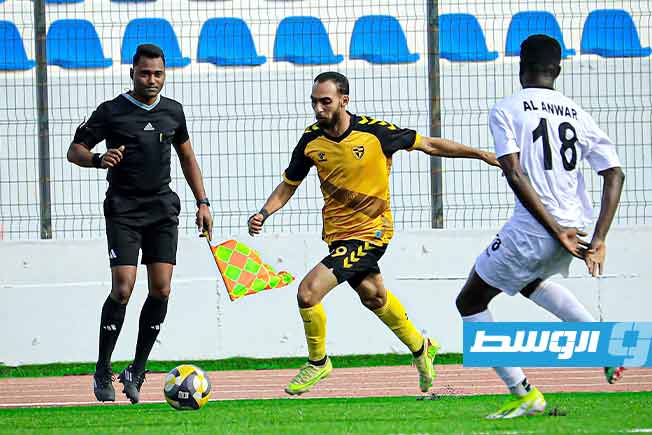
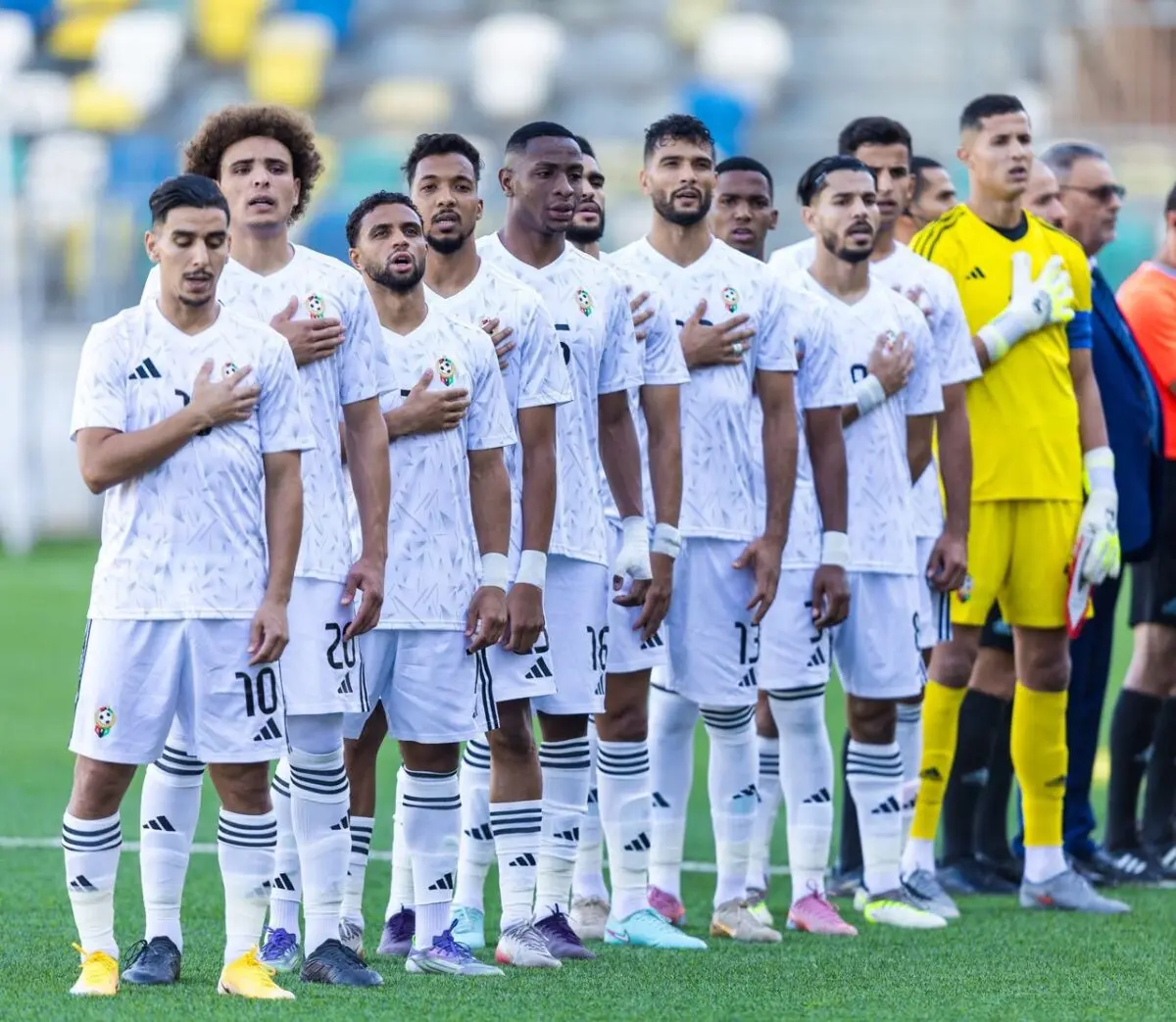
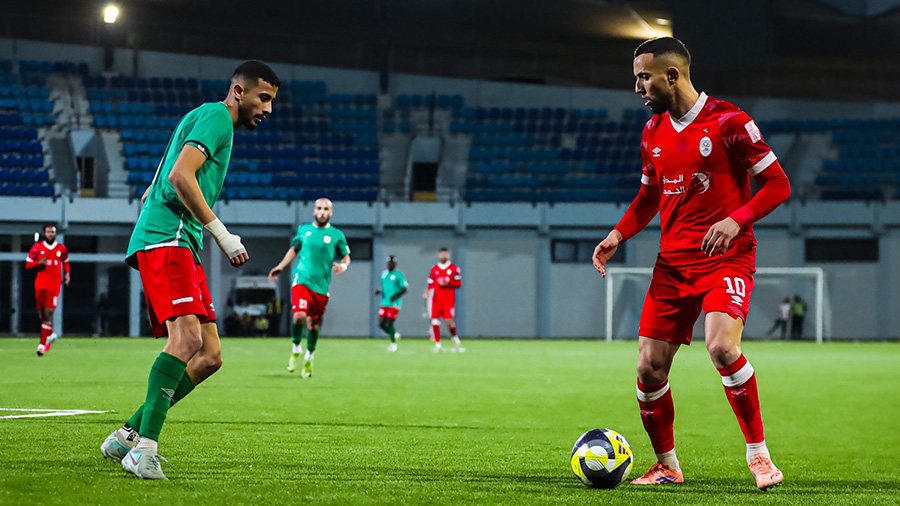
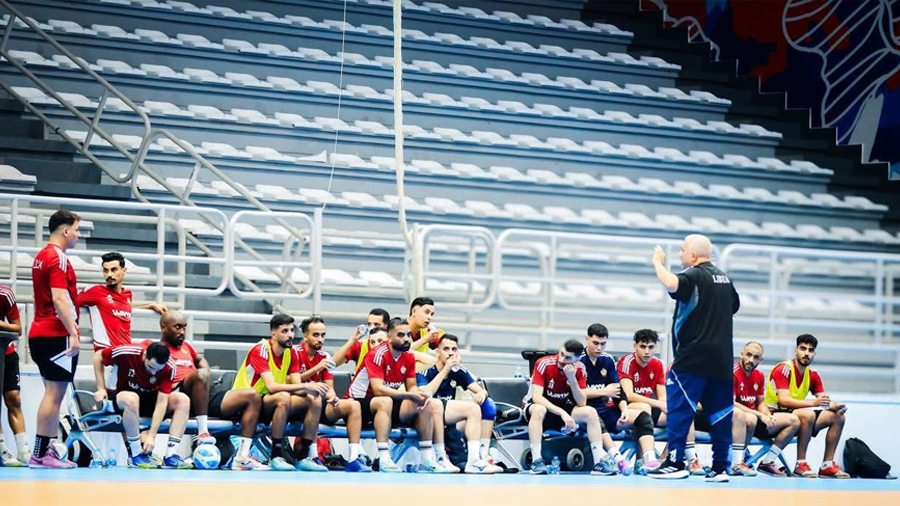
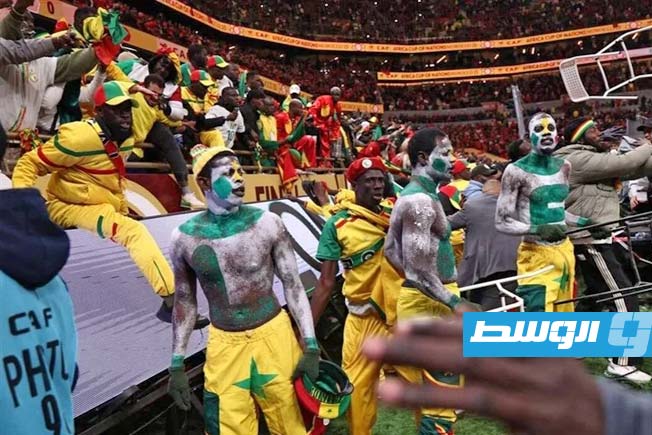
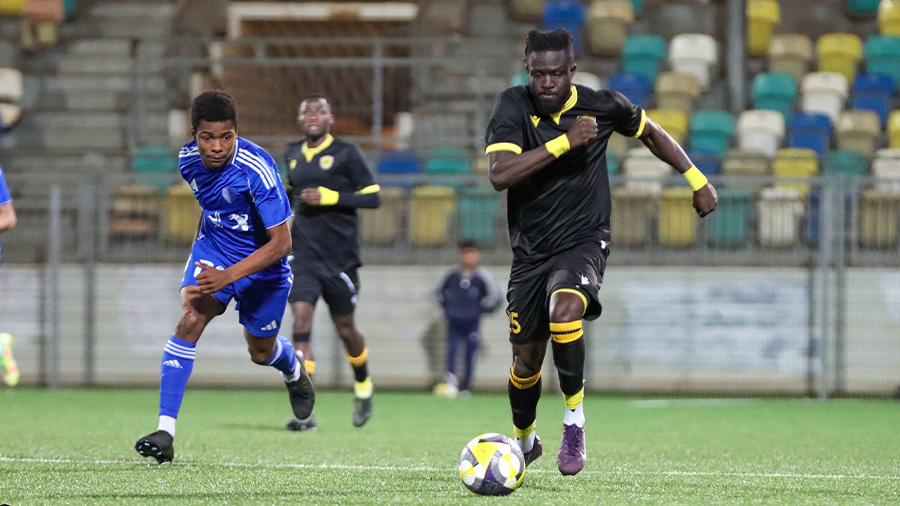
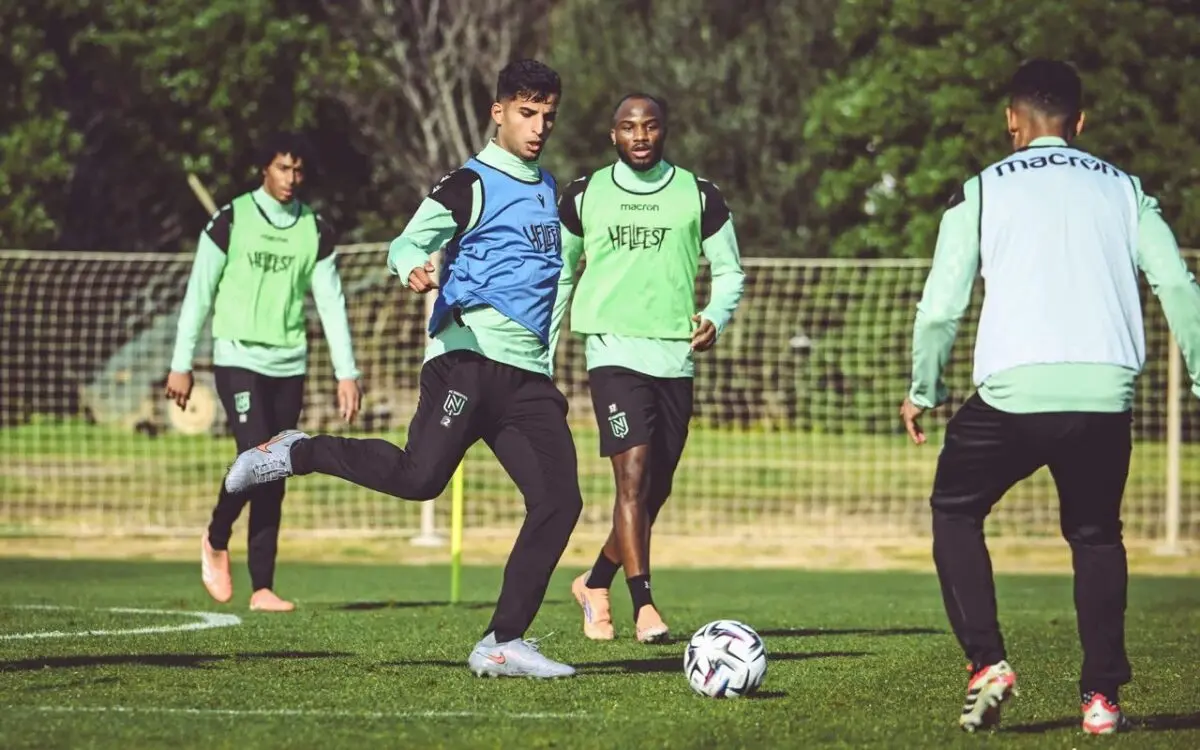
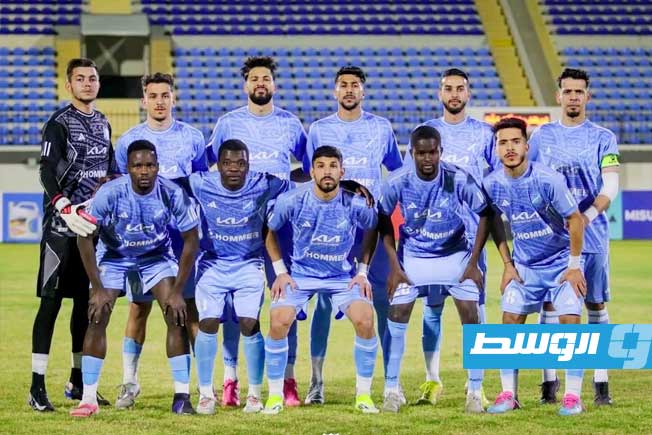
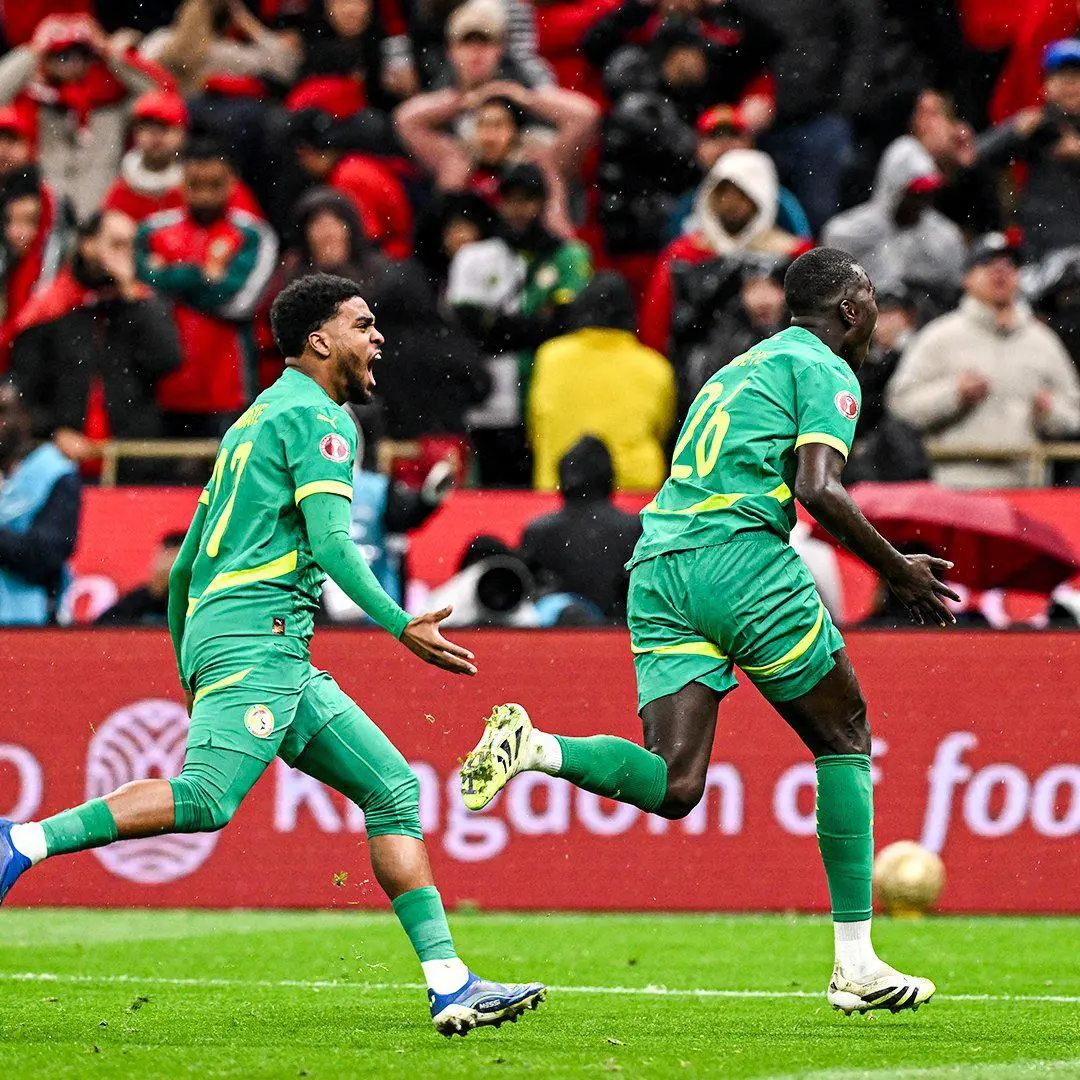
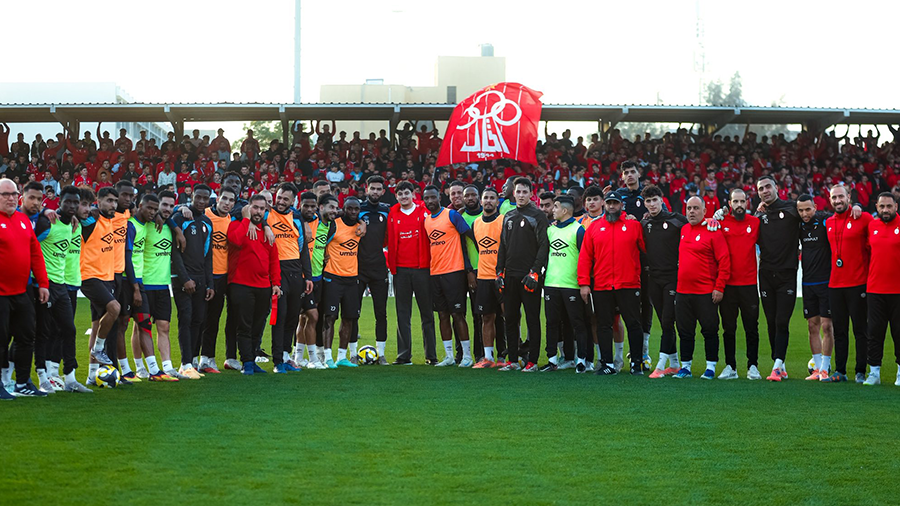
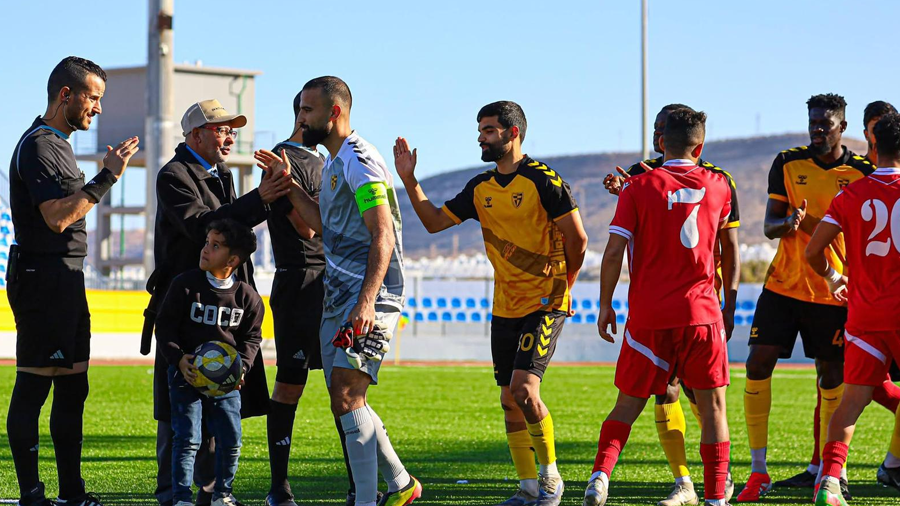
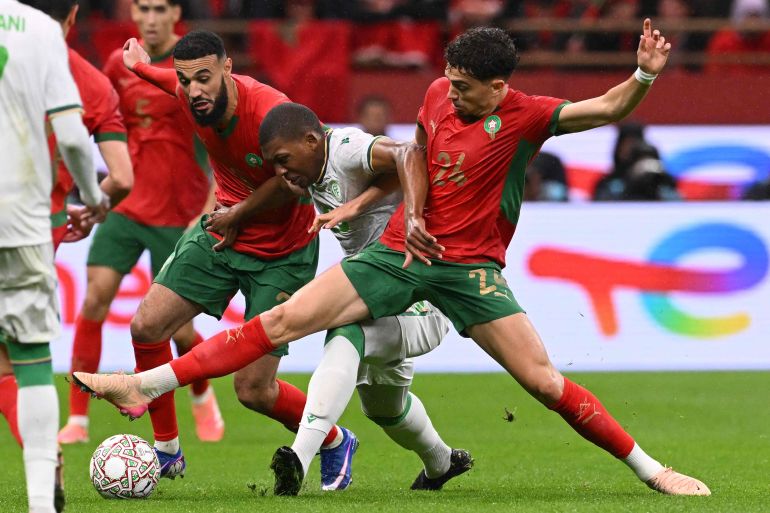
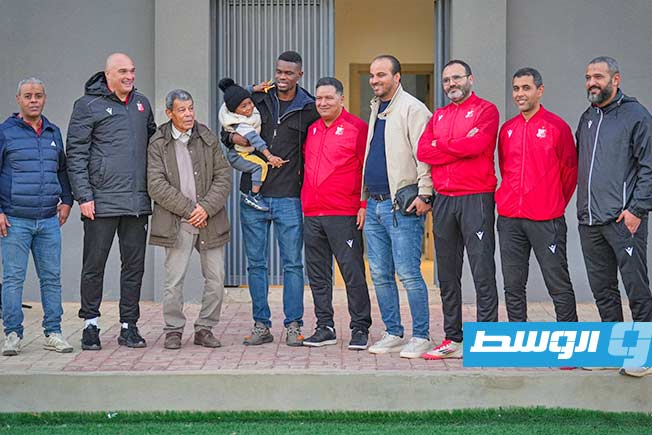
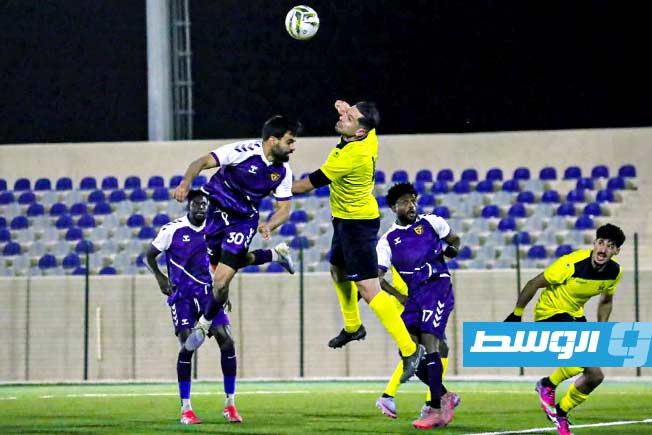
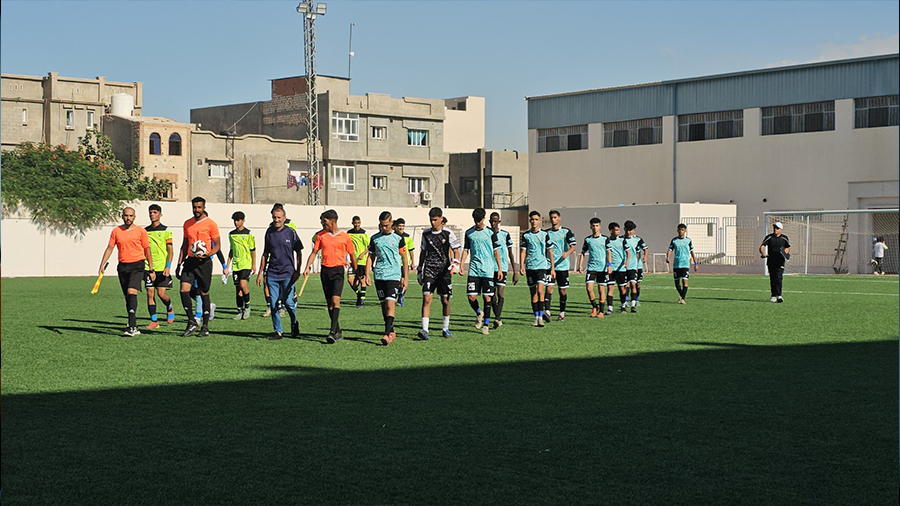
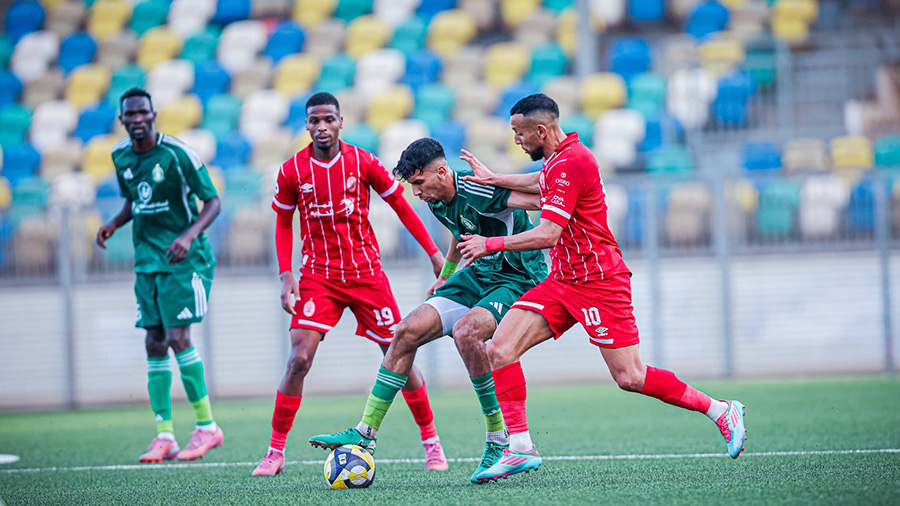
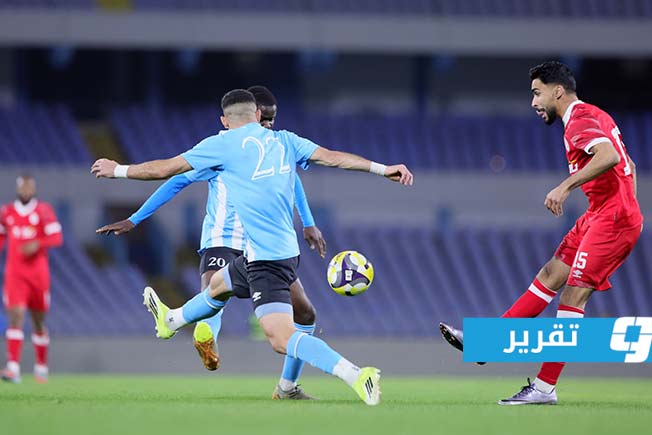
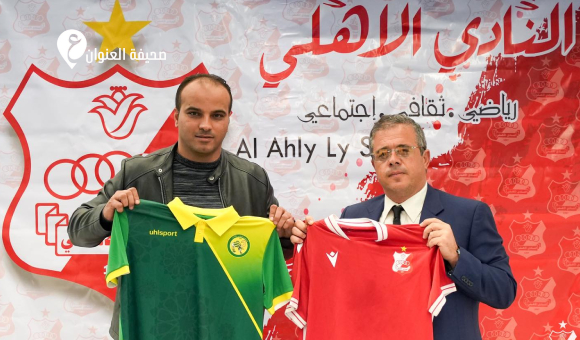
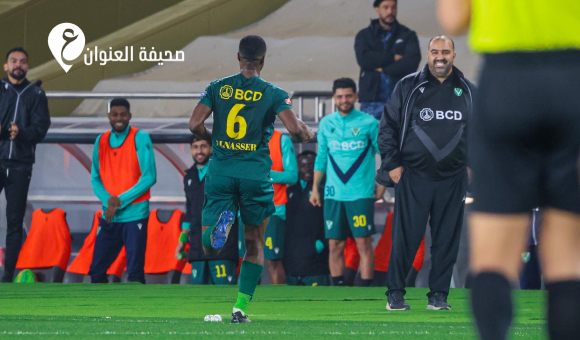
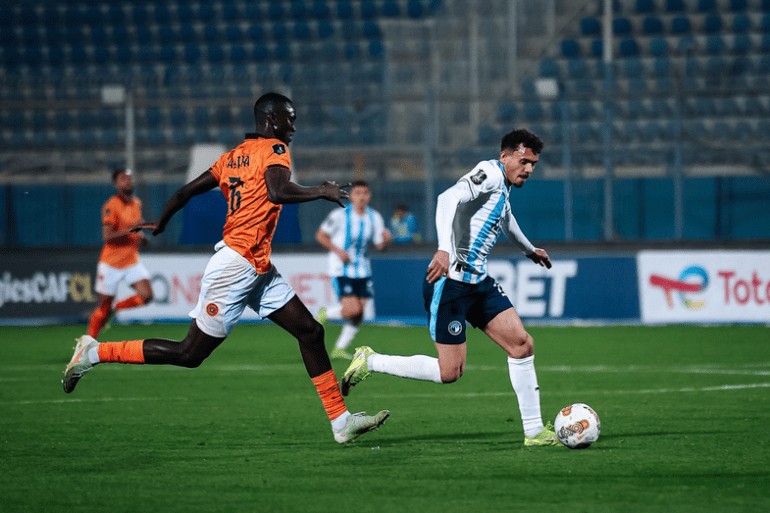
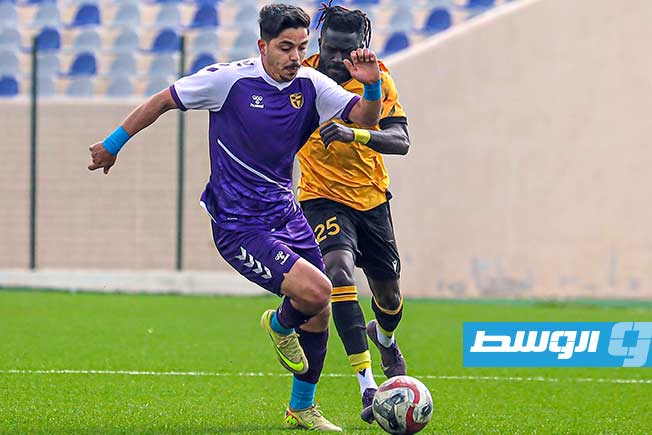
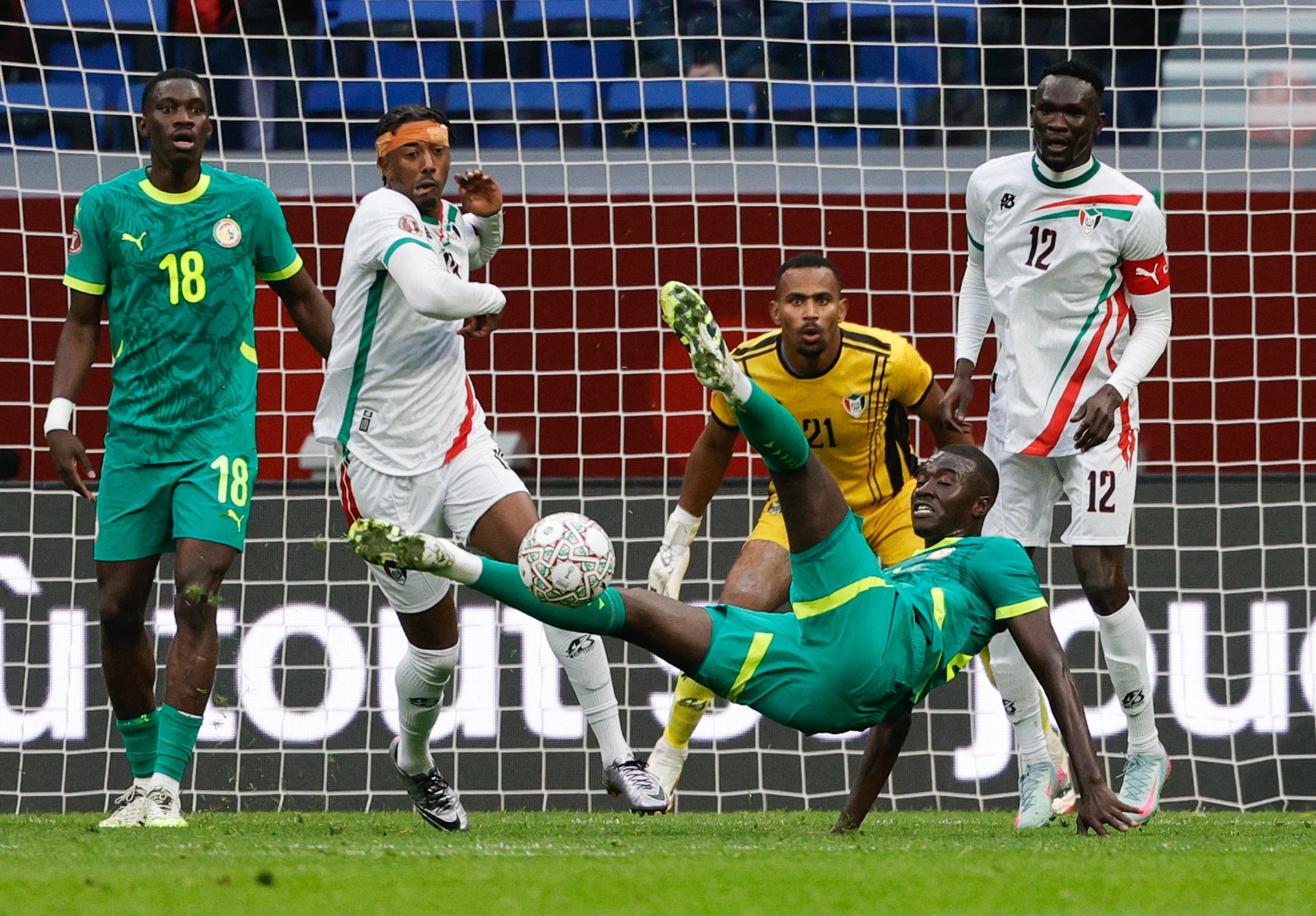
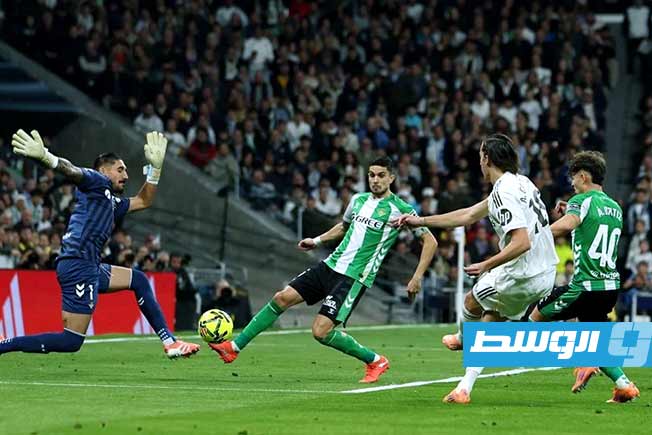
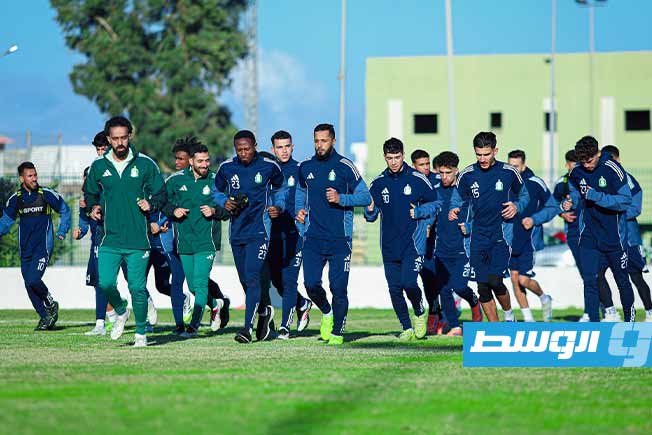
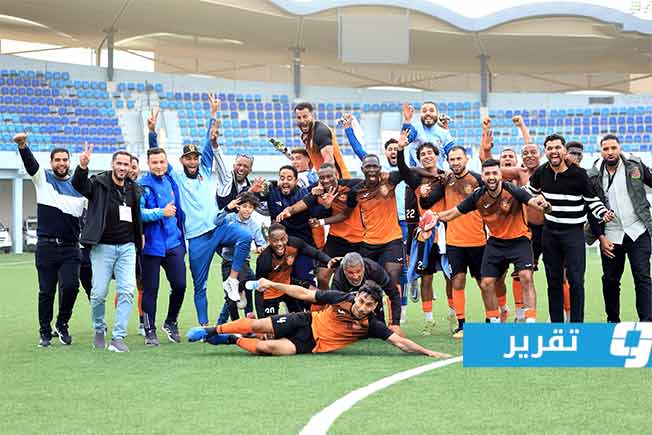
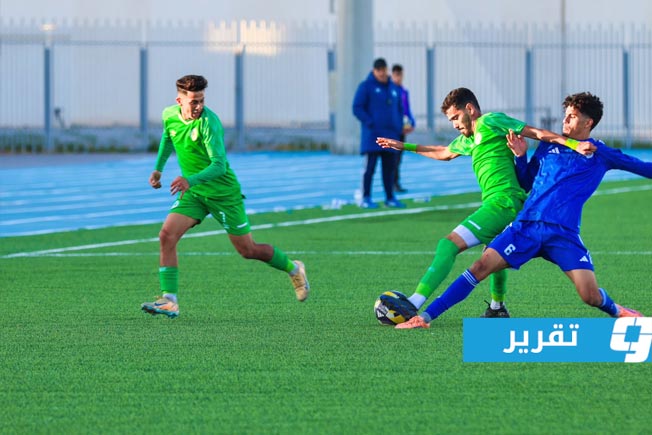
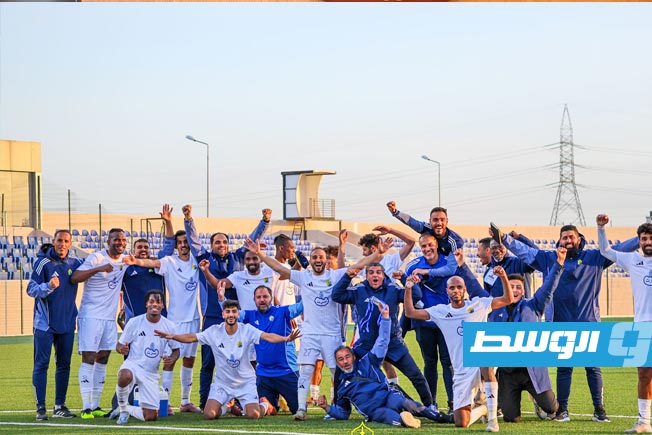
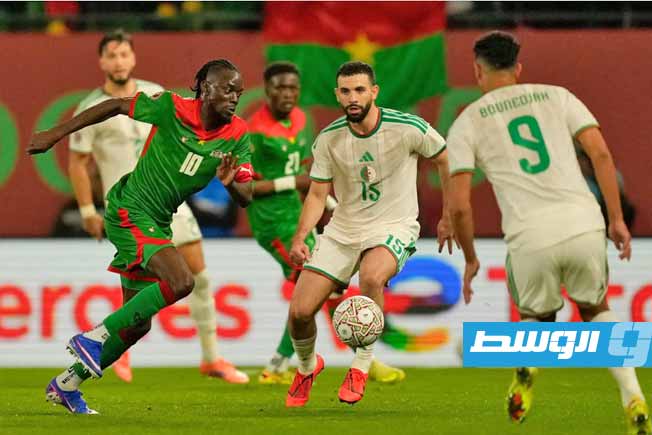
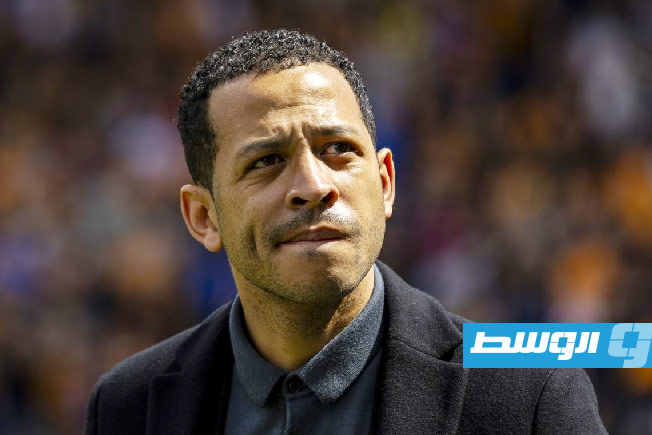
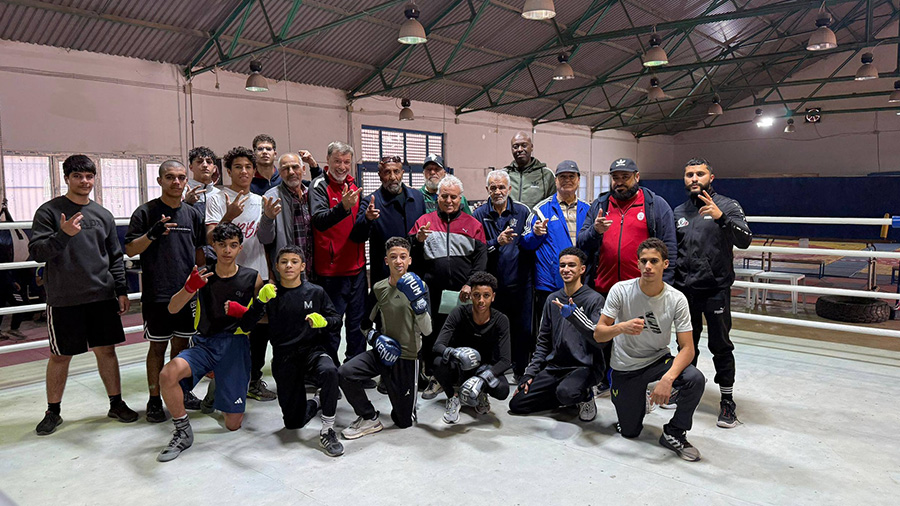
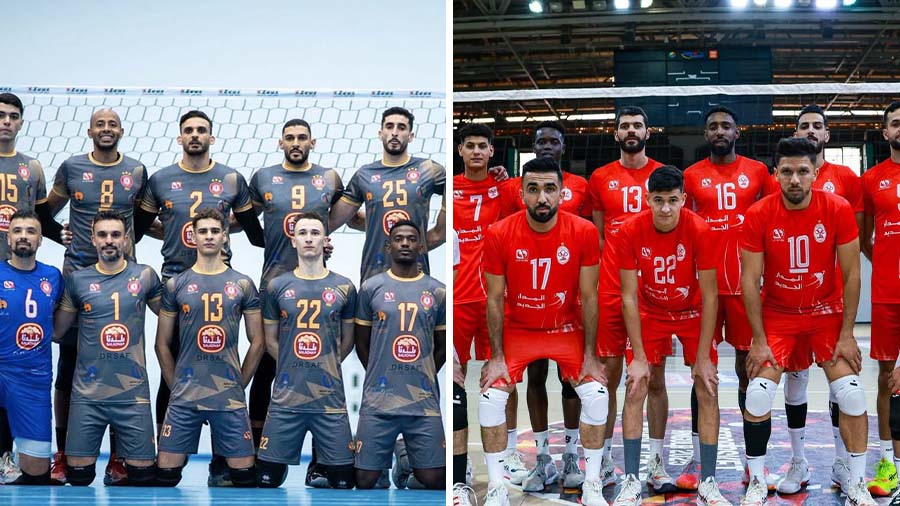
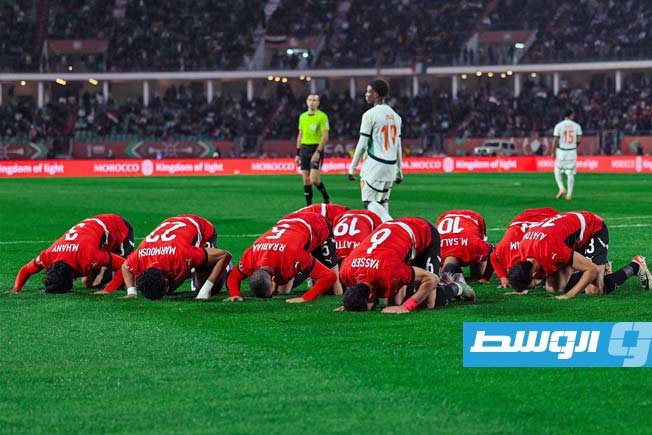
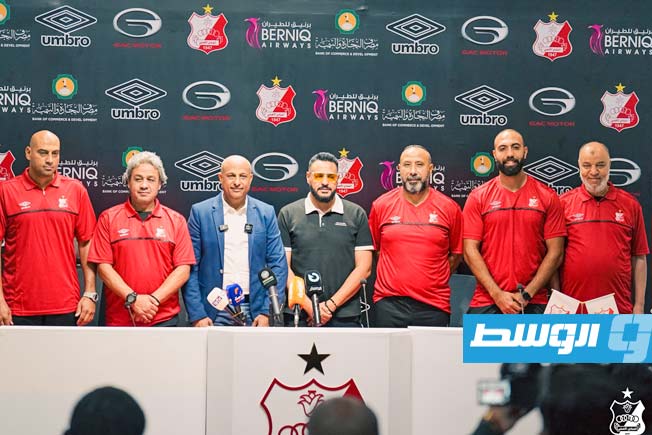
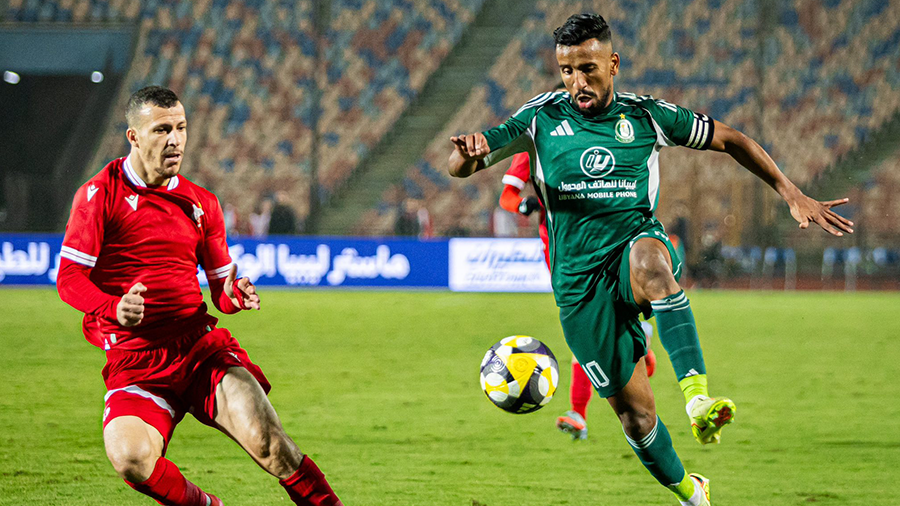
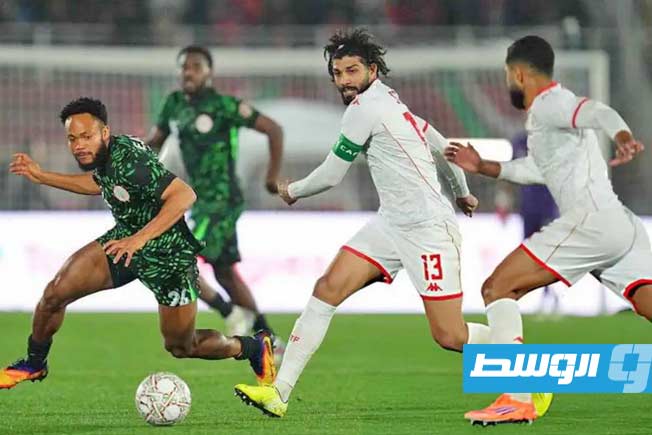
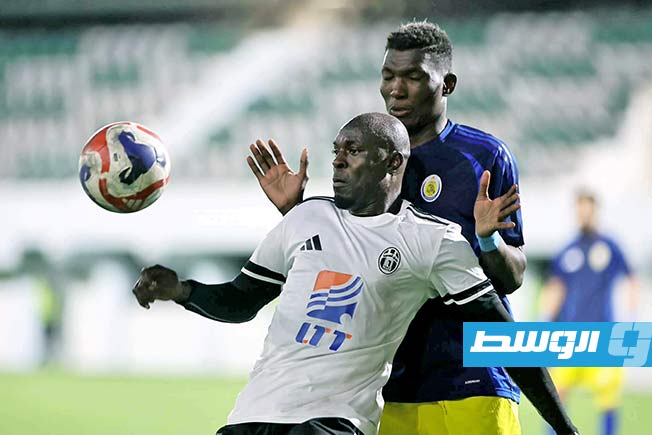
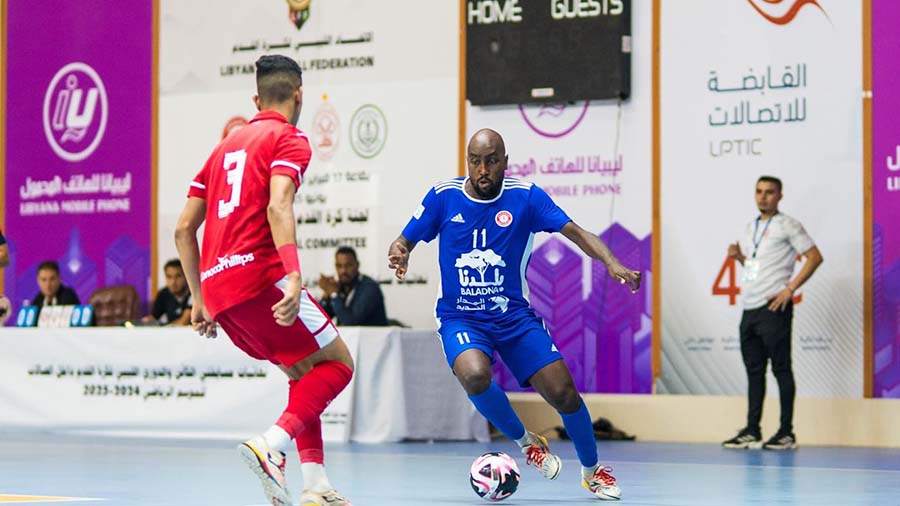
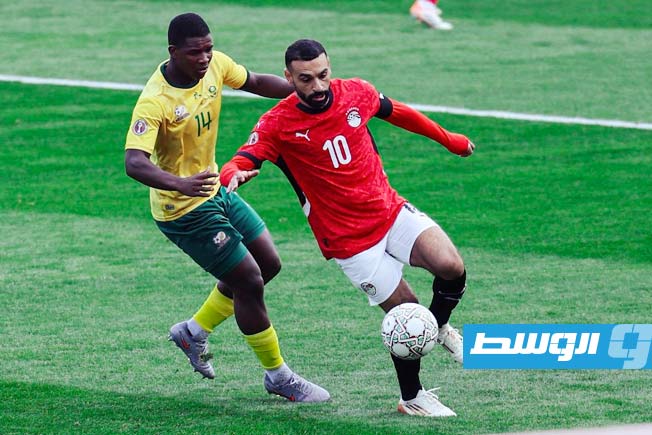
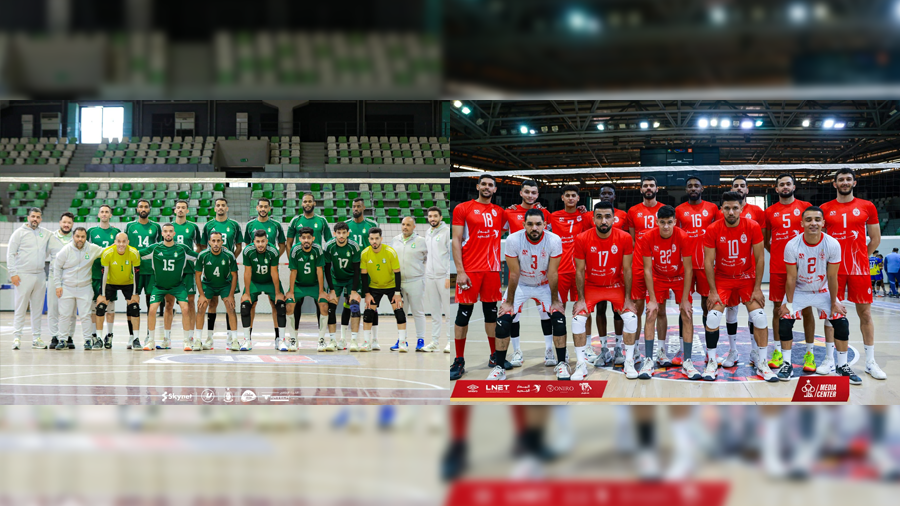
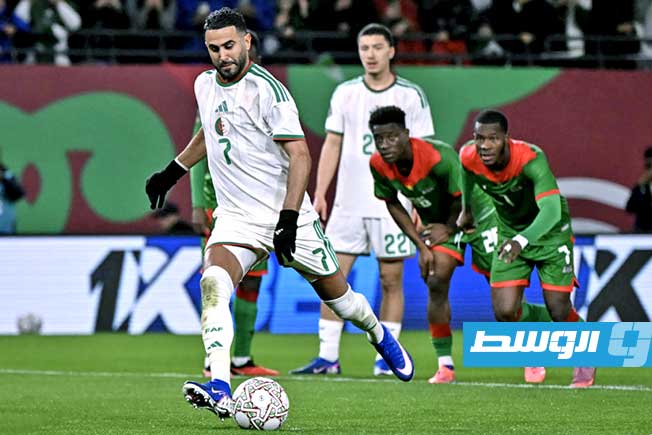
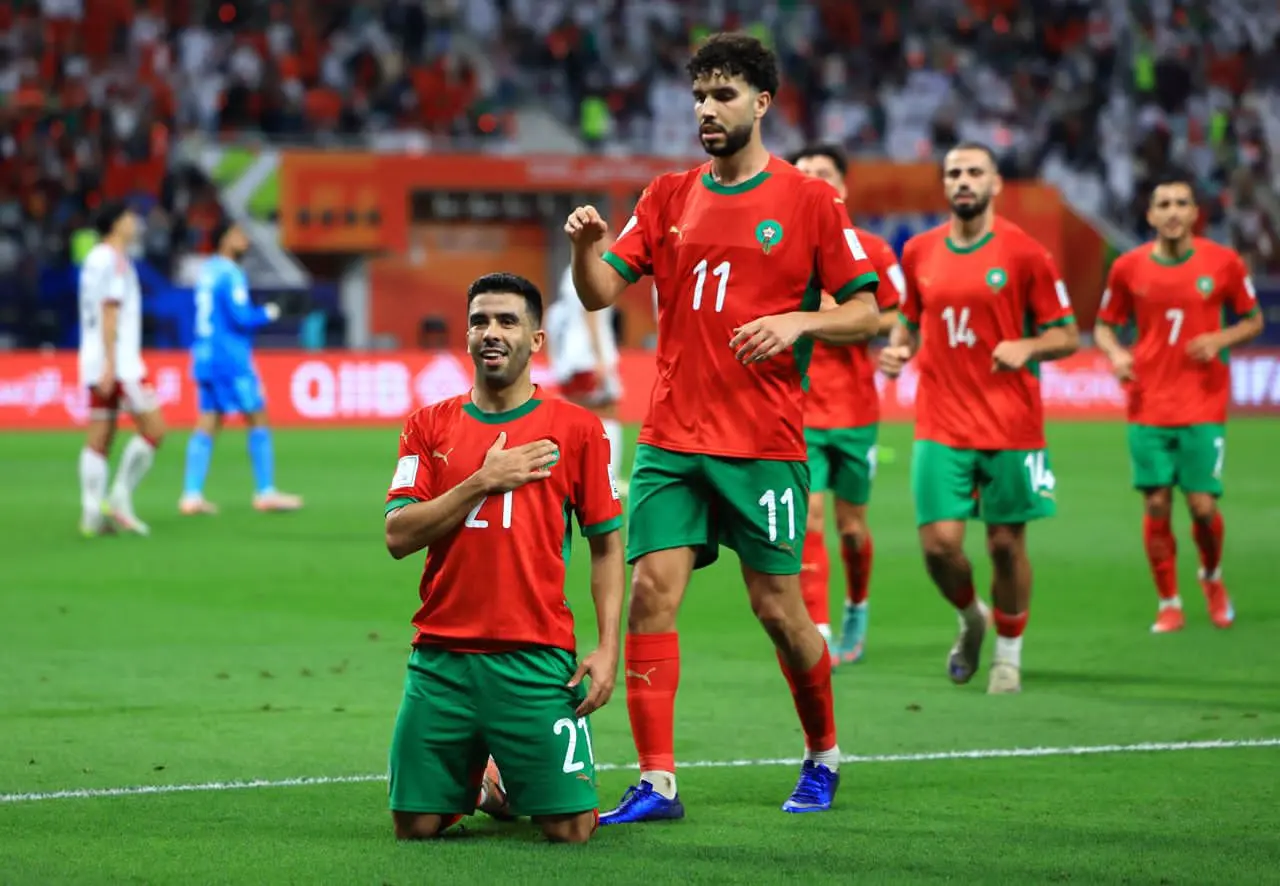
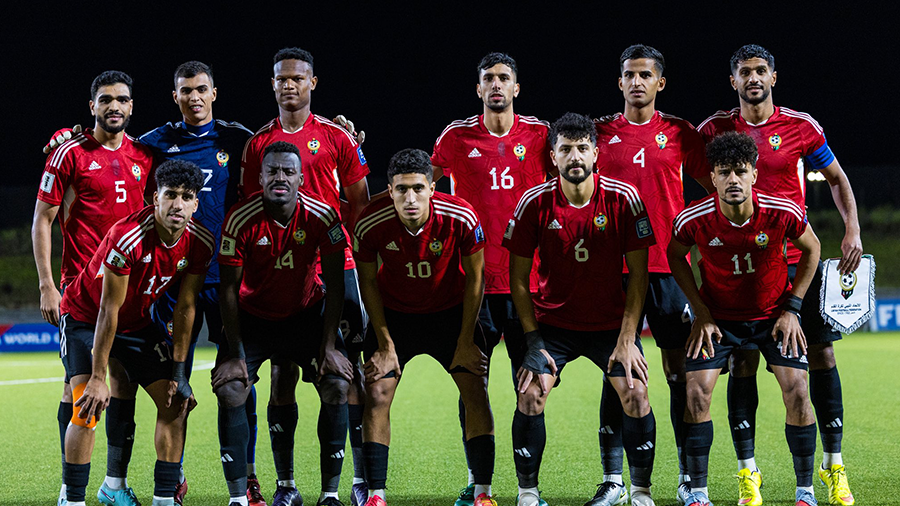
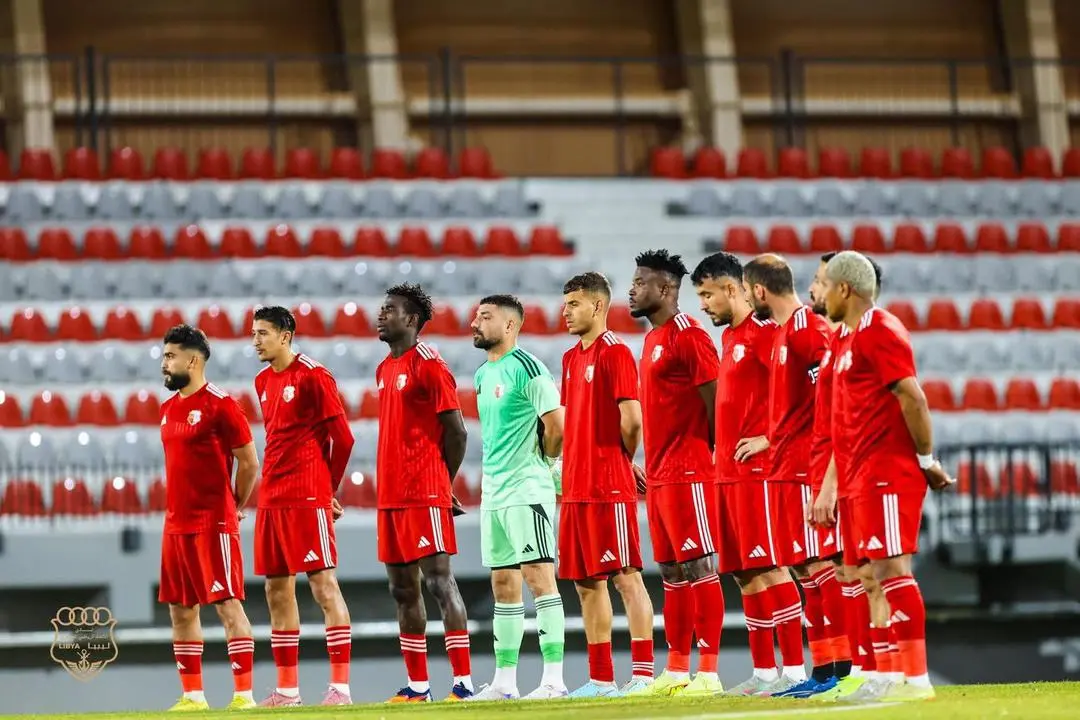
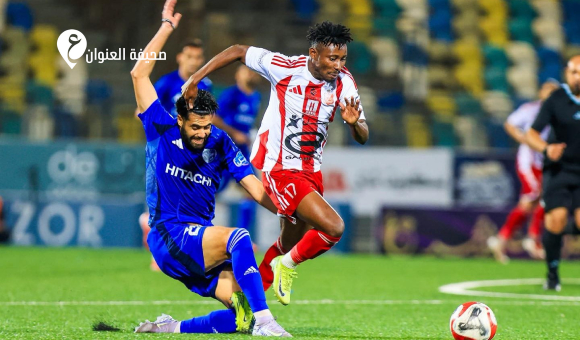
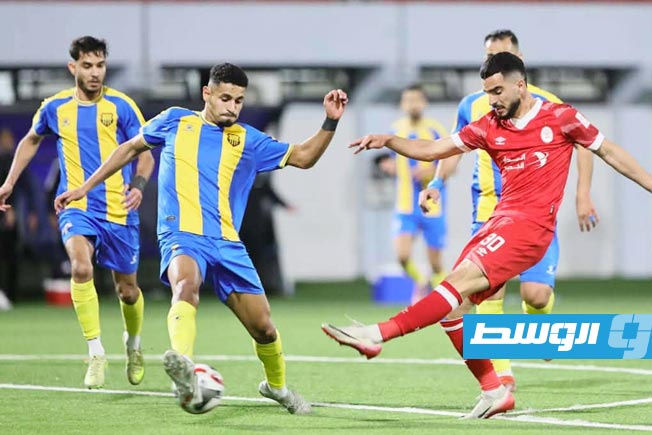
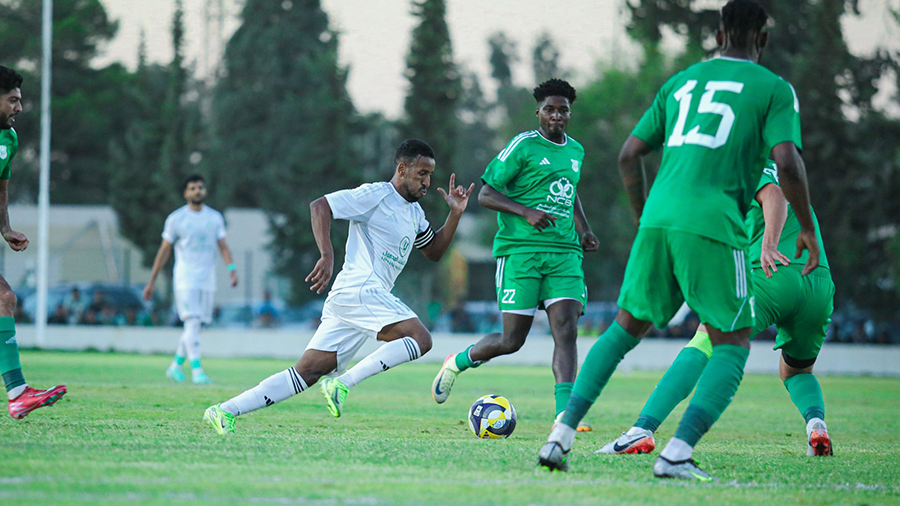
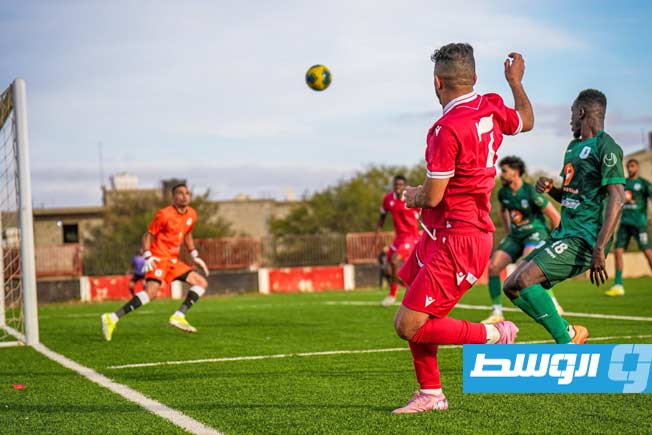
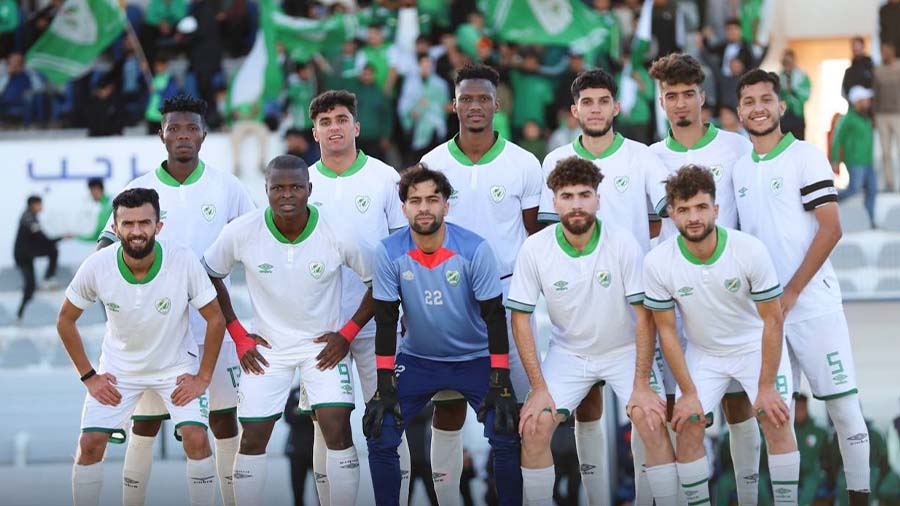
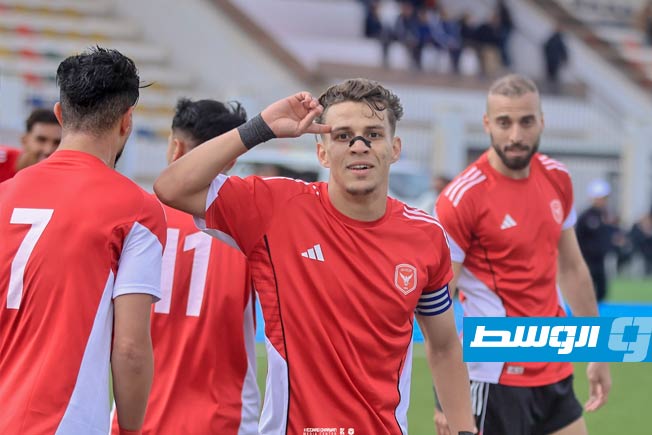
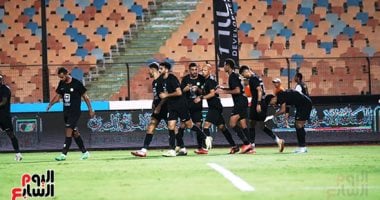
Al-Nasr and Al-Tahaddi have qualified for the Round of 16 of the Libya Cup competition, following their victories this evening in the Round of 32 matches against Al-Wefaq Ajdabiya and Al-Africi, respectively.
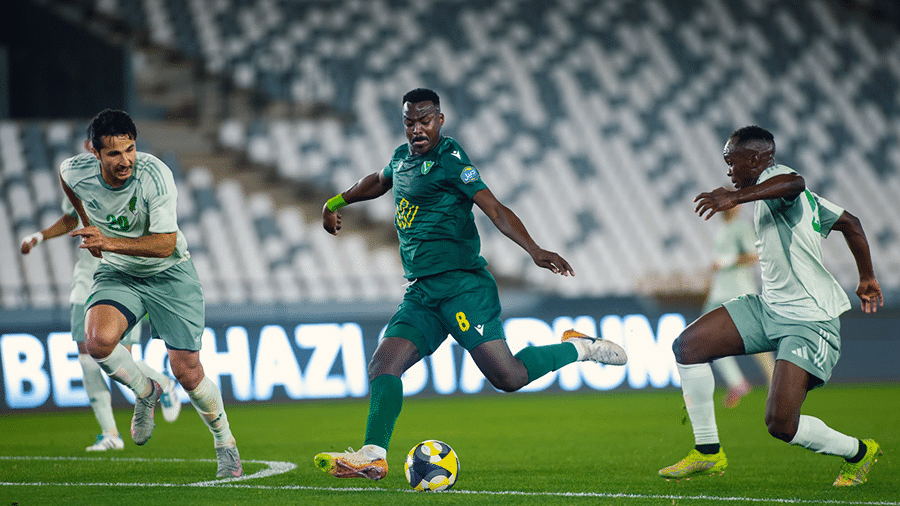
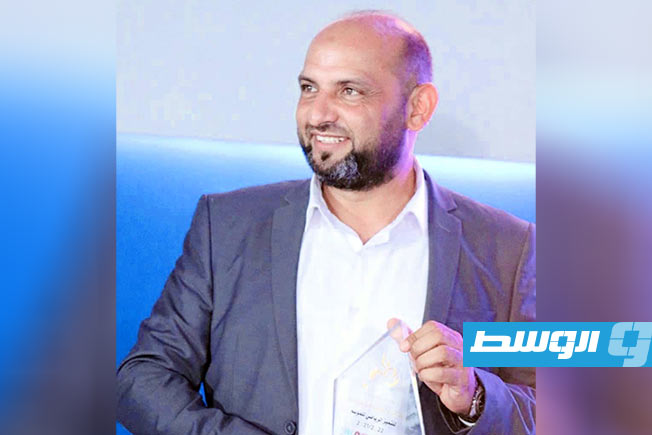
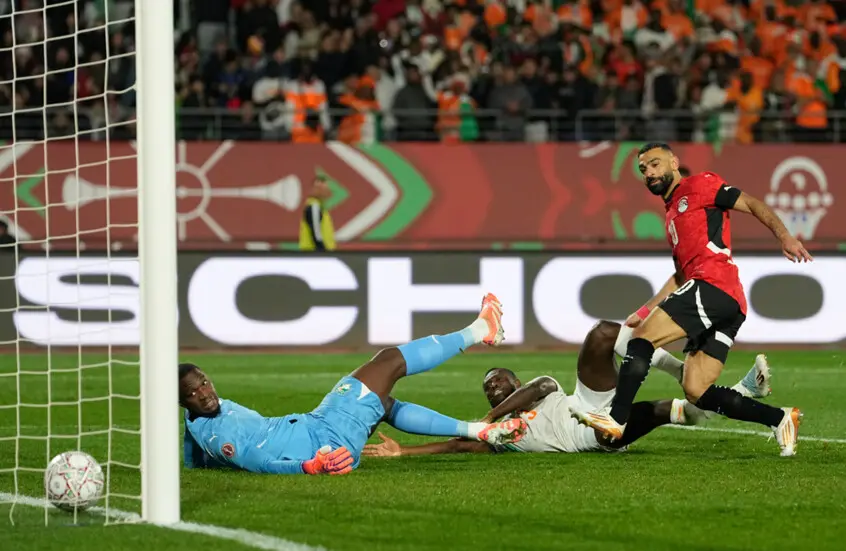
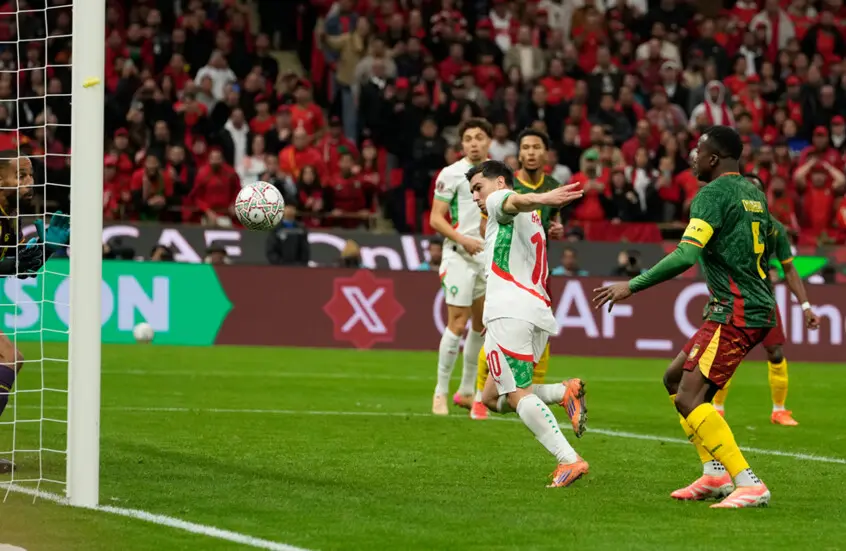
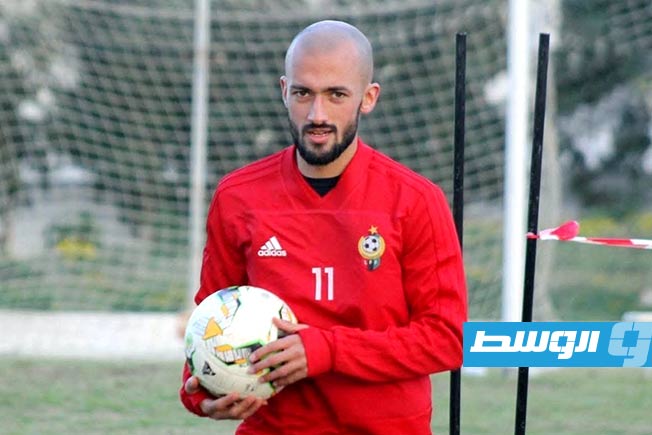
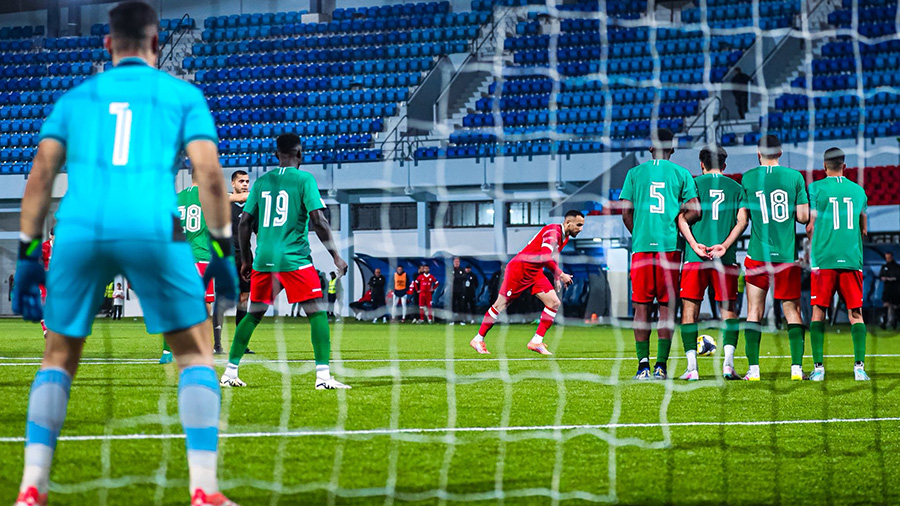
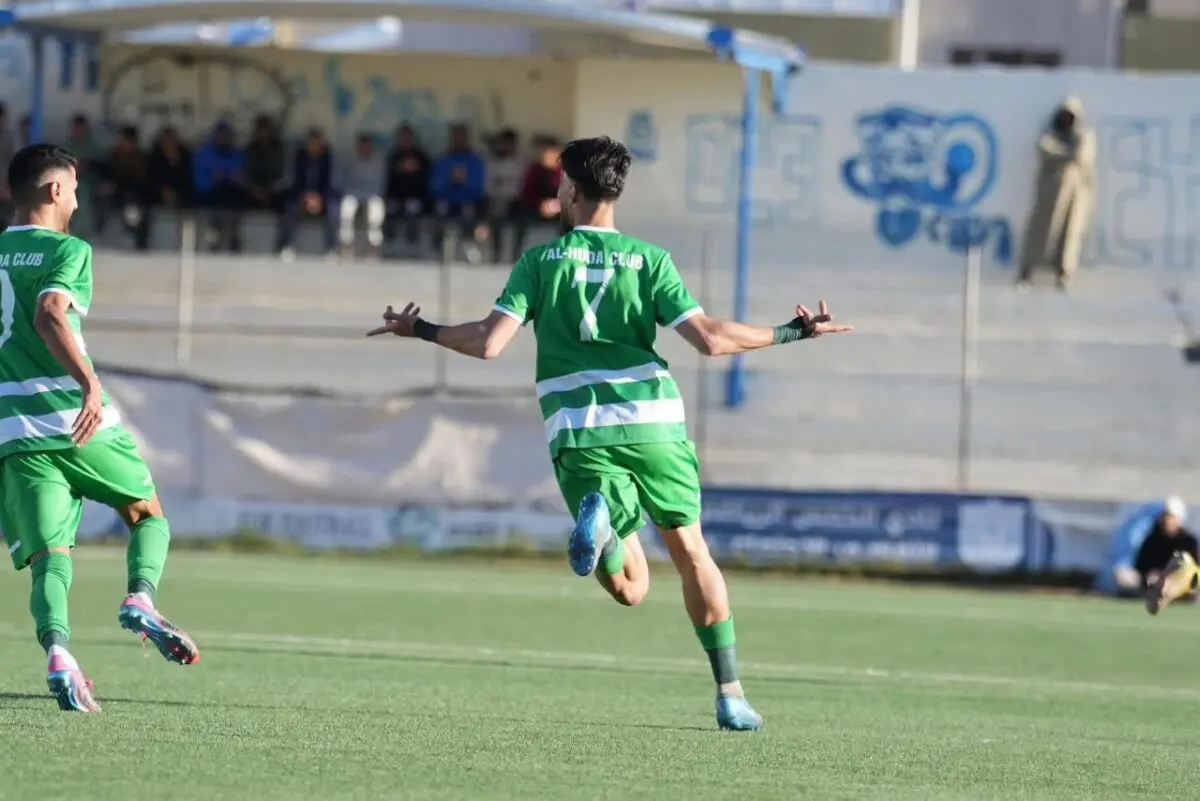
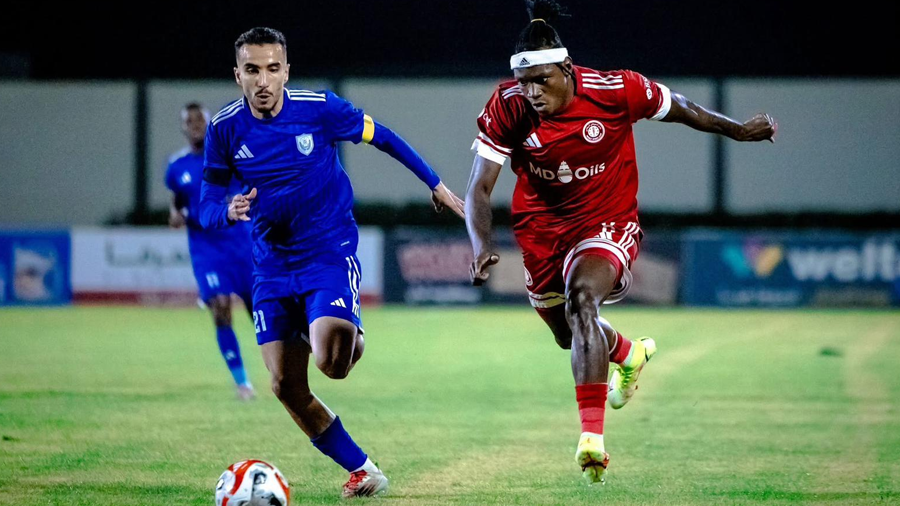
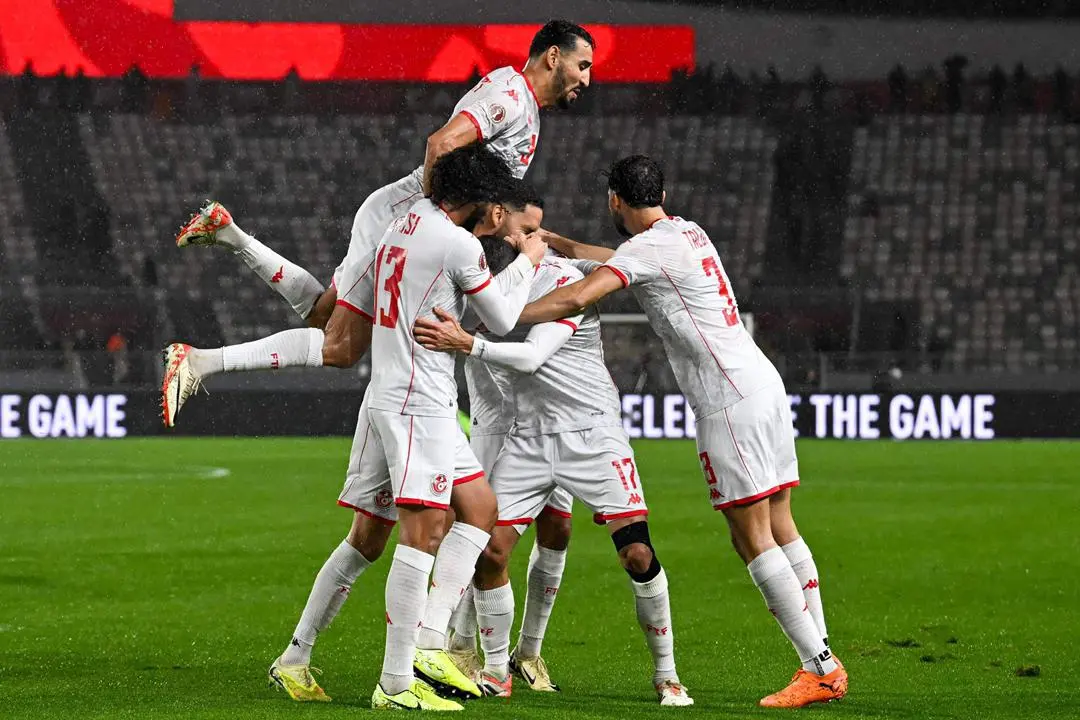
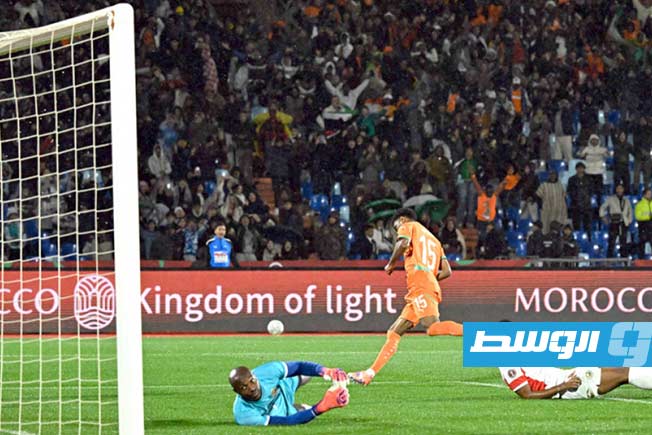
Al-Nasr successfully secured their place in the next round by defeating Al-Wefaq Ajdabiya with a score of 1-0 in a closely contested match. The sole goal of the match was scored by Al-Nasr player Mohannad Eito, securing his team’s ticket to the Round of 16.
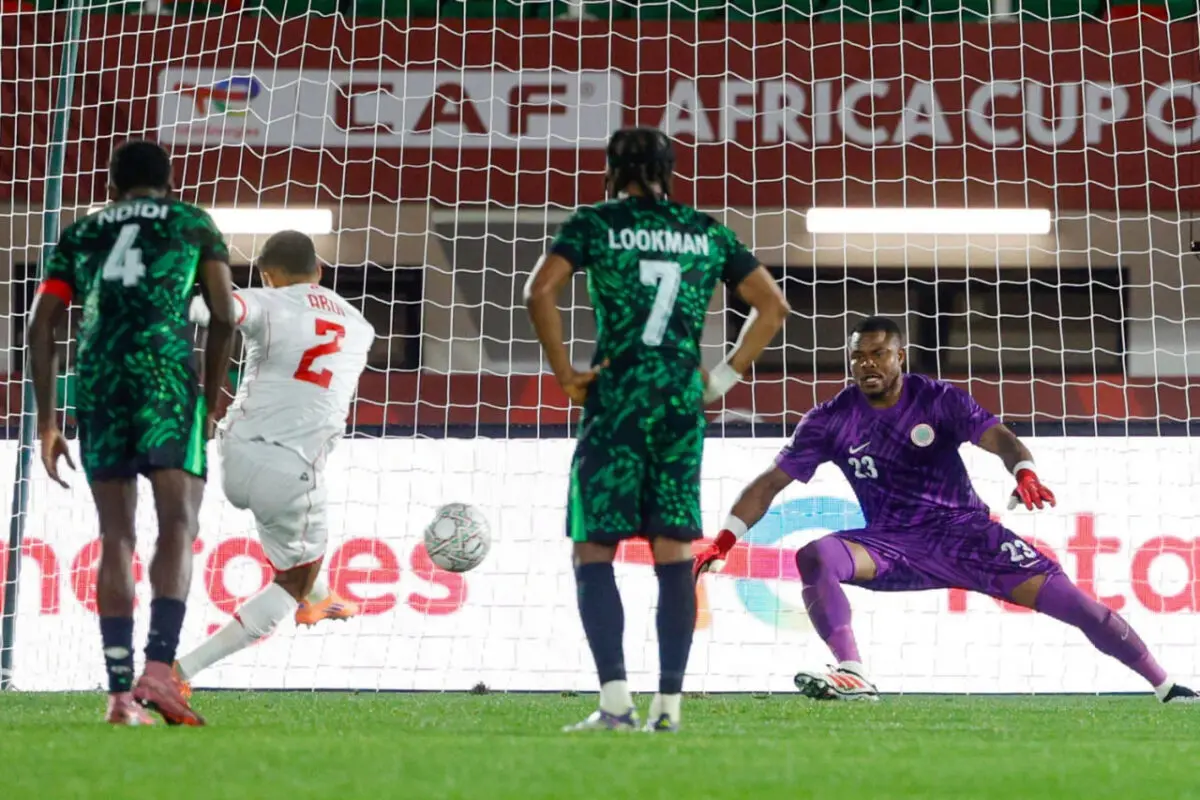
In the second match, the encounter between Al-Tahaddi and Al-Africi was decided by a penalty shootout after regular time ended in a goalless draw. The penalty shootout favored Al-Tahaddi with a score of (3-2), confirming their qualification for the Round of 16 of the tournament.
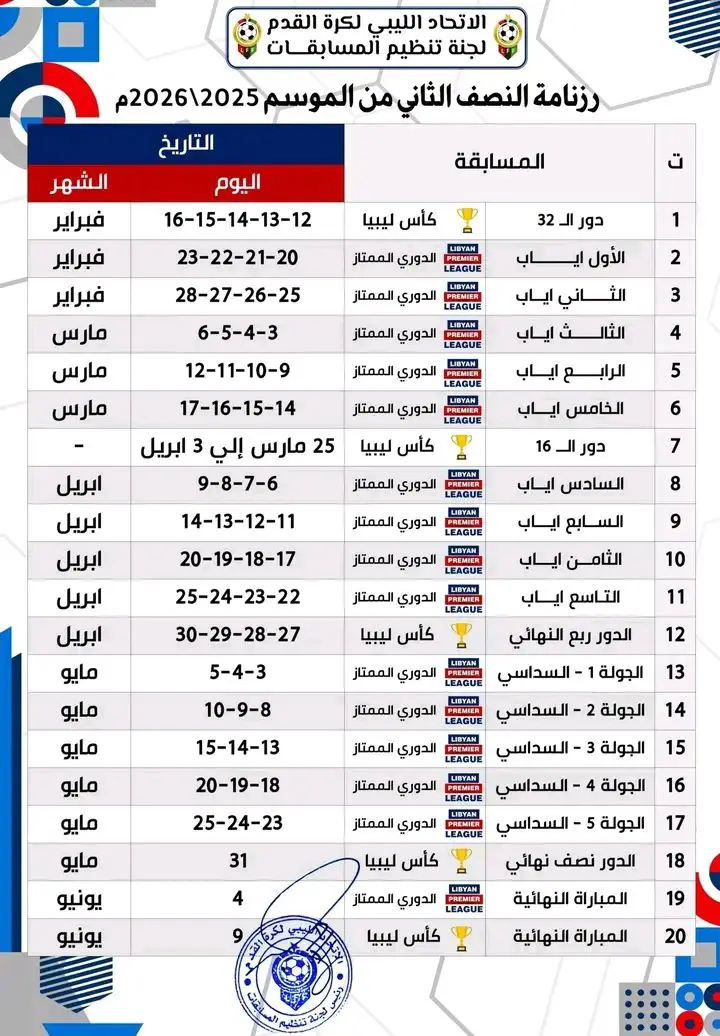
Round of 32 matches to continue on Friday
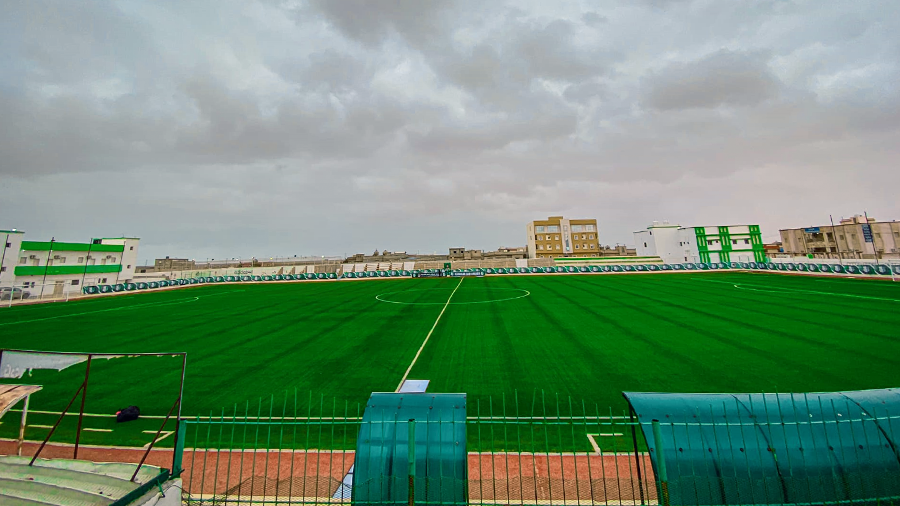
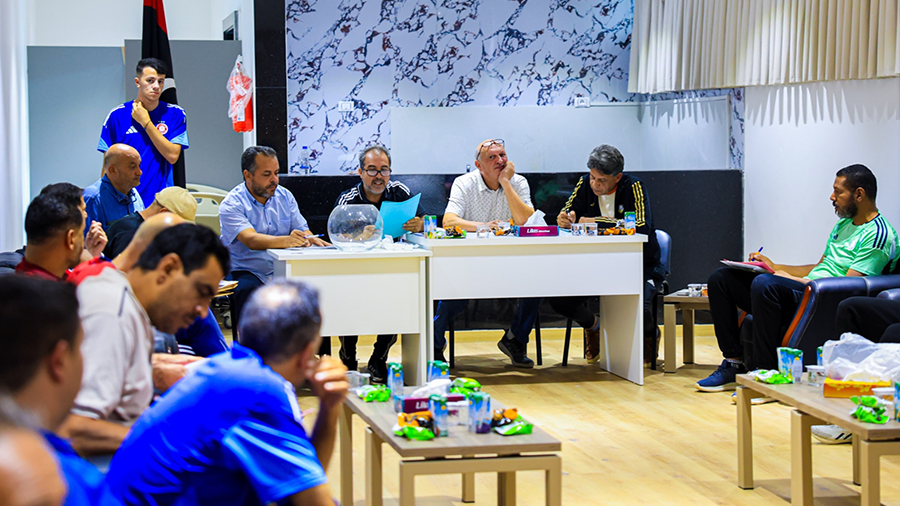
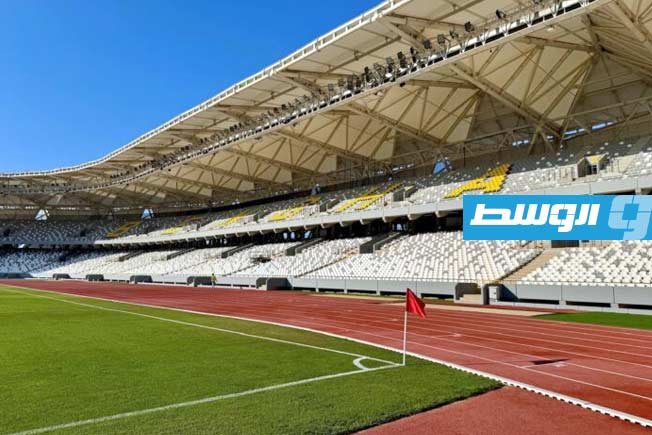
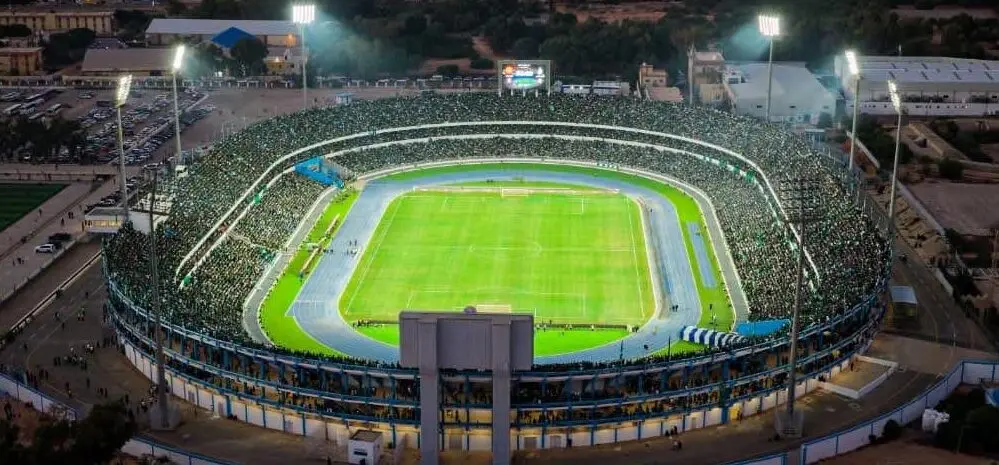
The Round of 32 matches are scheduled to continue tomorrow, Friday, with four matches. Al-Hilal will face Al-Suqoor at Derna Municipal Stadium at 3:00 PM, while Al-Ittihad Al-Askari will meet Al-Murooj at Benghazi Stadium at 6:30 PM.
Additionally, Ahli Tripoli will play against Al-Qadisiyah at Tarhuna Stadium at 3:30 PM, and Al-Watan will face Al-Sabah at Al-Nahr Stadium at 7:00 PM.
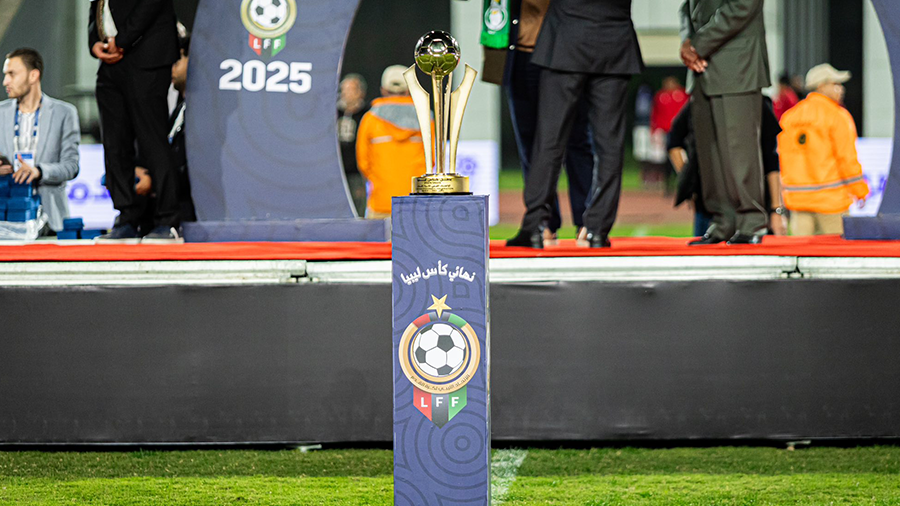
Libya Cup
The Libya Cup is the premier domestic football knockout competition in Libya, first established in 1975. It has been contested by clubs across the country, though its history has been interrupted by periods of political instability and conflict affecting the national football schedule.
Al-Nasr
Al-Nasr is a bronze monument located in Baghdad, Iraq, originally erected in 1959 to commemorate the founding of the Iraqi Republic. The sculpture, depicting a woman holding a sword and a palm frond, was designed by artist Jawad Saleem and became a prominent symbol of modern Iraqi nationalism.
Al-Tahaddi
Al-Tahaddi is a cultural and social center located in the Palestinian refugee camp of Shatila in Beirut, Lebanon. It was established in the late 1990s to provide educational, health, and community support services to the camp’s residents, addressing the long-term challenges faced by refugees. The center’s history is rooted in the community’s resilience and ongoing struggle for dignity and rights.
Al-Wefaq Ajdabiya
Al-Wefaq Ajdabiya is a significant cultural and social center located in the city of Ajdabiya, Libya. It historically served as a key gathering place for community events, discussions, and political dialogue, particularly during the 2011 Libyan revolution. The site symbolizes local unity and has been a focal point for civic engagement in the region.
Al-Africi
“Al-Africi” is a common reference to the historic Al-Africi Hotel in downtown Cairo, Egypt, which opened in the early 20th century. It became a prominent cultural and political hub, famously hosting Egyptian intellectuals, artists, and political figures during the mid-1900s.
Mohannad Eito
Mohannad Eito is a contemporary Syrian actor, best known for his leading roles in popular Arabic television dramas, particularly historical and romantic series. He rose to prominence in the early 2000s and has since become a well-known figure in the Arab entertainment industry.
Al-Hilal
Al-Hilal is a professional football club based in Riyadh, Saudi Arabia, founded in 1957. It is one of Asia’s most successful clubs, with a record number of Saudi Pro League titles and multiple Asian Champions League victories. The club has a deep-rooted history and is a central pillar of Saudi Arabian sports culture.
Al-Suqoor
Al-Suqoor is a historic palace and fortress located in the Asir region of Saudi Arabia, originally built in the early 20th century. It served as a key administrative and military center for the local Al-Suqoor tribe and played a significant role in the region’s unification under the modern Saudi state.
Derna Municipal Stadium
Derna Municipal Stadium is a football stadium located in Derna, Libya, which historically served as a key sporting venue for the city. It gained international attention during the 2011 Libyan Civil War when it was used as a detention site and later suffered significant damage from conflict in the region.
Al-Ittihad Al-Askari
Al-Ittihad Al-Askari is a historic military fortress located in the city of Aleppo, Syria. It was originally constructed in the 10th century during the Hamdanid dynasty and was later expanded and used by successive rulers, including the Ayyubids and Mamluks, as a key defensive structure. The fortress exemplifies medieval Islamic military architecture and has played a significant role in the region’s history.
Al-Murooj
Al-Murooj is a modern residential and commercial district located in Riyadh, Saudi Arabia, developed as part of the city’s rapid urban expansion in the late 20th and early 21st centuries. The area’s name, which translates to “The Meadows,” reflects a transformation from open land into a prominent urban hub featuring shopping malls, hotels, and high-end housing.
Benghazi Stadium
Benghazi Stadium is a major sports venue in Benghazi, Libya, originally opened in the 1950s. It has historically served as a key site for football matches and large public events, though it has suffered significant damage during periods of conflict in the city.
Ahli Tripoli
Ahli Tripoli is a historic football club based in Tripoli, Lebanon, founded in 1942. It is one of the oldest and most prominent sports institutions in the country, traditionally representing the city’s Sunni Muslim community and playing a significant role in Lebanese sports culture.
Al-Qadisiyah
Al-Qadisiyah is a city in central Iraq, historically significant as the site of the 7th-century Battle of al-Qadisiyyah, a decisive Muslim victory over the Sassanian Empire that led to the Islamic conquest of Persia. The modern city, capital of the Al-Qadisiyah Governorate, was developed in the 20th century and serves as an administrative and agricultural center.
Tarhuna Stadium
Tarhuna Stadium is a football stadium located in the city of Tarhuna, Libya. It was historically used as a venue for local matches and public gatherings, but it gained international notoriety in the late 2010s when it was reportedly used as a detention and execution site by the Libyan National Army during the country’s civil conflict.
Al-Watan
Al-Watan is a cultural and entertainment destination in Riyadh, Saudi Arabia, which opened in 2017 as part of the country’s Vision 2030 initiative. It is a large-scale park and cultural center designed to celebrate Saudi heritage, arts, and national identity through interactive exhibits, gardens, and architectural displays.
Al-Sabah
Al-Sabah is the ruling family of Kuwait, having governed since the mid-18th century when the Al Sabah clan first settled in the region. The family established the Sheikhdom of Kuwait and continues to lead the country as a hereditary emirate under a constitutional framework.
Al-Nahr Stadium
Al-Nahr Stadium is a multi-purpose sports venue located in Tyre, Lebanon, primarily used for football matches. It was constructed in 1966 and is the home ground of the local club, Tadamon Sour. The stadium is situated near the ancient Phoenician ruins of Tyre, a UNESCO World Heritage Site.