

The exchange rate of the Venezuelan currency, the Bolivar, reflects the depth of the crisis the country is currently experiencing, and the rollercoaster journey of Venezuela’s economy, which possesses the world’s largest oil reserves but where most citizens cannot afford their basic needs.
Data from the International Monetary Fund provides a clear picture of the crisis in Venezuela, according to the Fund’s latest available data from October of this year:
- The annual inflation rate reached about 270%, the highest in the world, and is expected, according to IMF estimates, to reach 680% next year in 2026.
- The unemployment rate in Venezuela reached about 35.6%
- The GDP of the oil-rich state was $82.77 billion annually. Its annual growth rate was near zero, not exceeding 0.5%.
- The average per capita income was about $3,000 annually.
- The total population reached 26.6 million people.
- Total government debt reached about $164 billion.
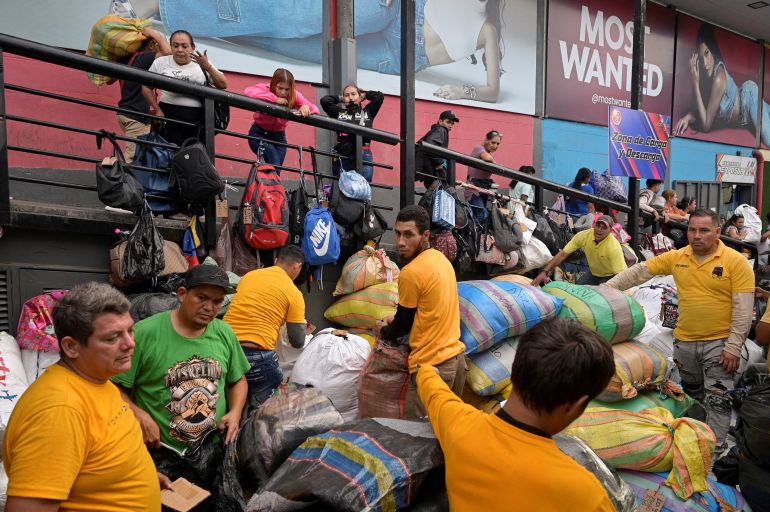
The Suffering of Venezuelans
The exchange rate of the Venezuelan currency has fallen from 43 Bolivars per US dollar a year ago to 228 Bolivars per dollar currently. With runaway inflation and the collapse of the local currency’s exchange rate, 86% of Venezuelans are living in poverty.
Workers receiving the minimum wage earn less than one dollar per month, approximately about 60 cents, according to the current Bolivar-to-dollar exchange rate. The state provides a monthly bonus to pension recipients amounting to about $50 per month.
To illustrate the struggle of Venezuelans to buy food, it was noted that currently in stores in the capital, Caracas:
- The price of 30 eggs is about $6.40 US dollars.
- The price of one kilogram of cheese is about $10, according to the current Bolivar exchange rate.
This means that most working-age Venezuelans cannot afford all the food they need, in addition to the high unemployment rate.
Venezuelans did not reach this living crisis overnight; the journey of economic collapse took decades, during which Venezuela transitioned from a stage of economic prosperity to a stage of widespread crisis, and finally to the stage of collapse it is experiencing now.
During this journey, Venezuela’s currency exchange rate collapsed, from about 2.15 Bolivars per dollar during the years of prosperity, to about 288 Bolivars per dollar currently—a significant decline for an oil-producing country that has not entered wars or faced natural disasters.
From 1999 to 2013: The Stage of Economic Prosperity
During the rule of former President Hugo Chávez, which lasted from 1999 to 2013, Venezuela experienced economic prosperity and was one of the wealthiest countries in South America, a destination for many immigrants from other neighboring countries seeking better life opportunities.
During Chávez’s years in power, Venezuela’s oil exports reached about 3 million barrels per day, according to economic observatory data. Production declined to about 2.3 million barrels daily before the crisis began in 2014 due to weak investment in oil fields.
The Bolivar exchange rate during Chávez’s rule was around 2.15 Bolivars per US dollar, before being devalued several times, starting in 2009, reaching 4.3 Bolivars per dollar, then 6.3 Bolivars per dollar by the end of his rule in 2013.

With massive
























































































































































































































































































































































































































































































































































































































































































































































