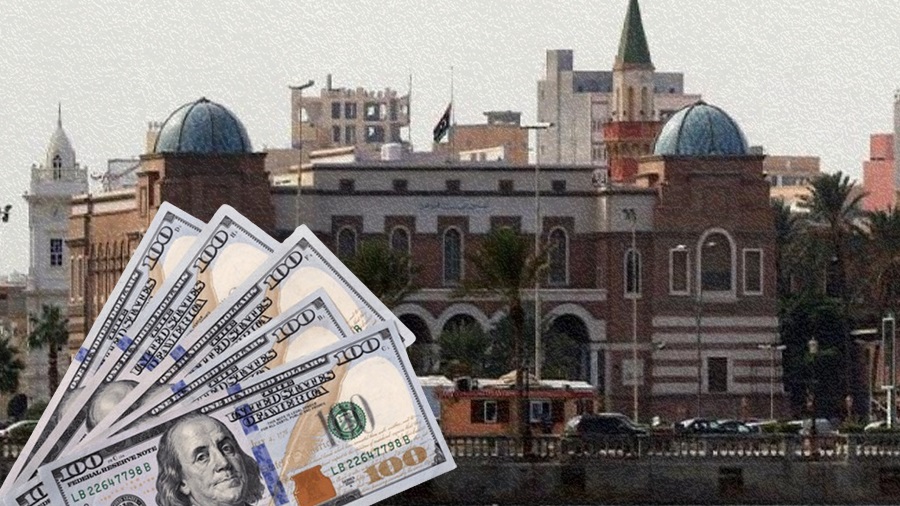
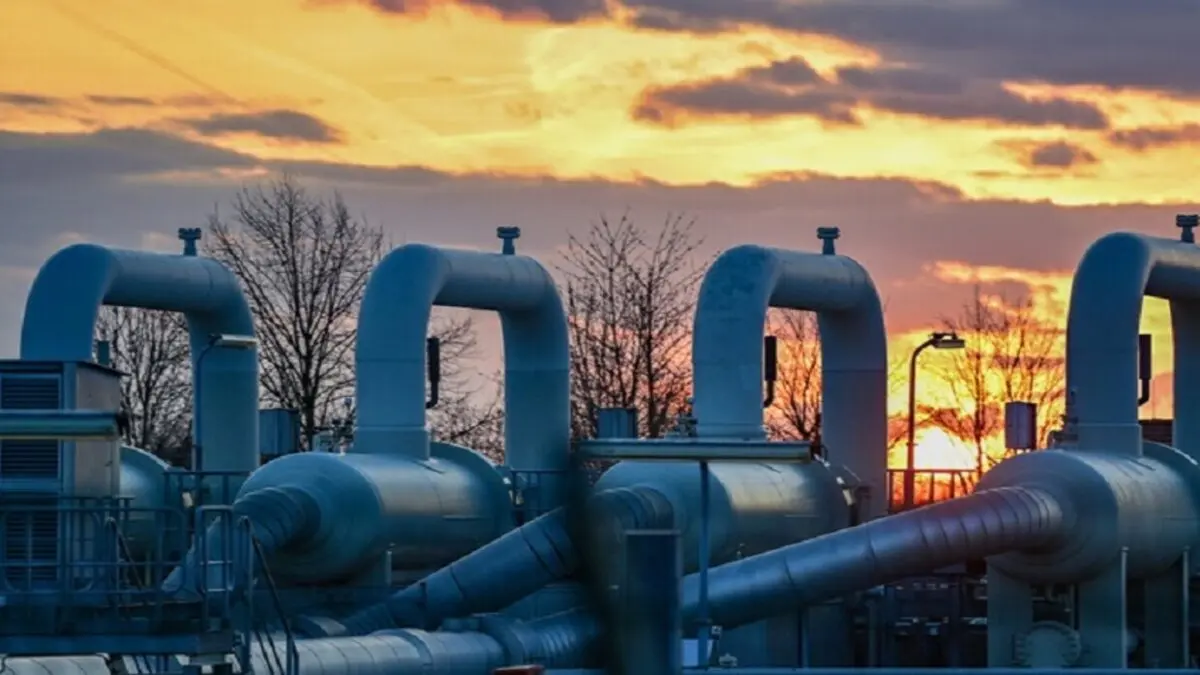
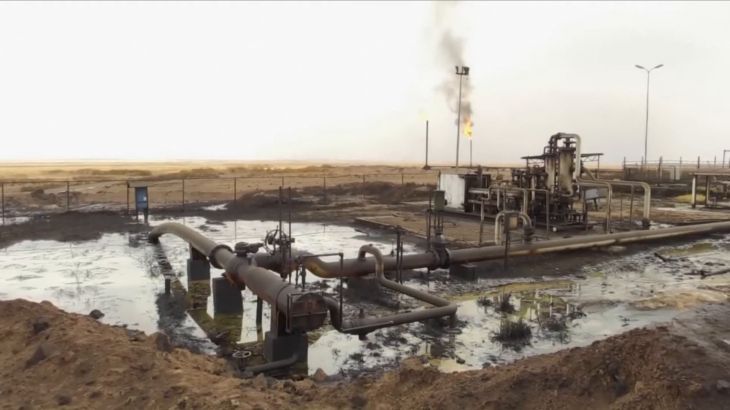
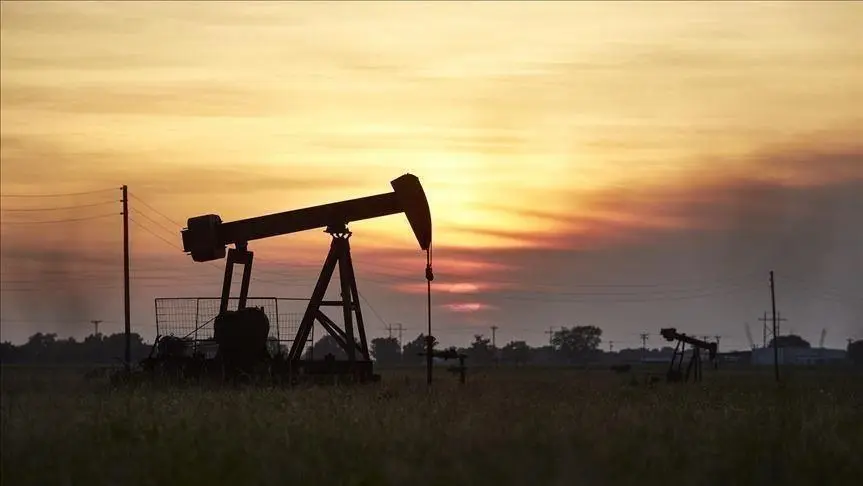
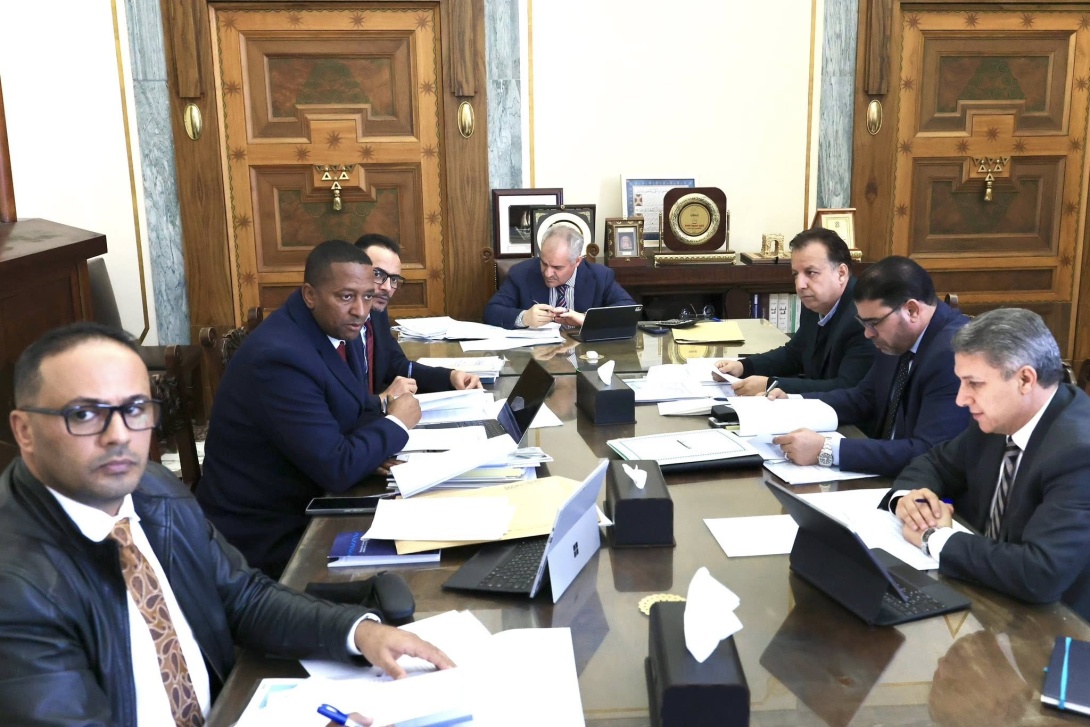
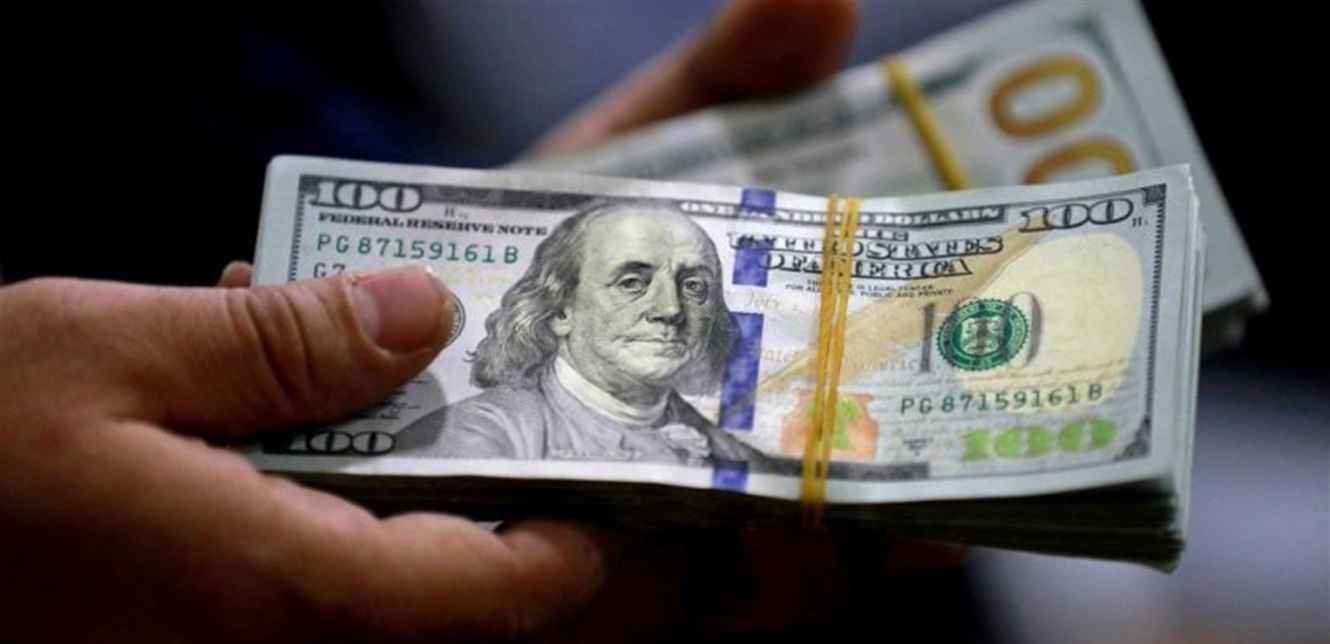
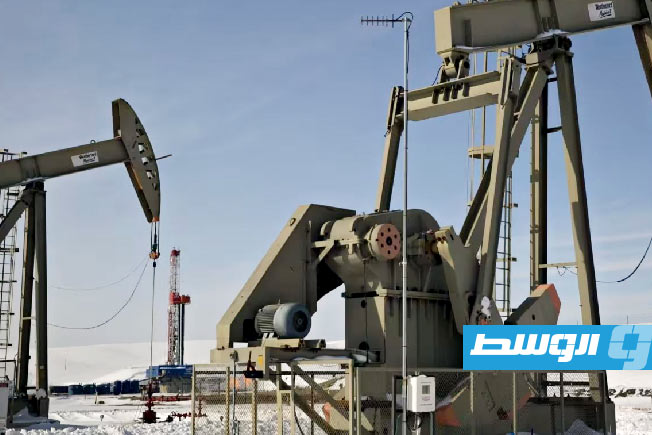
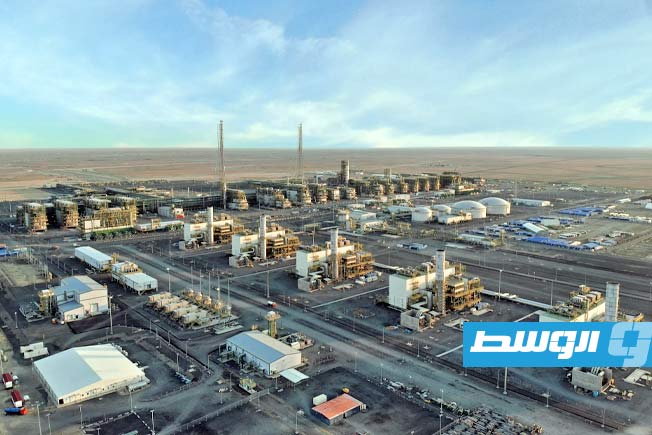
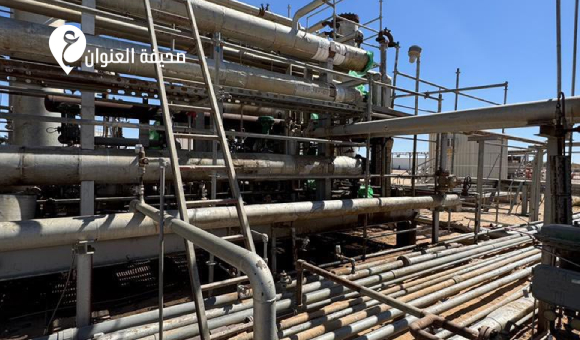
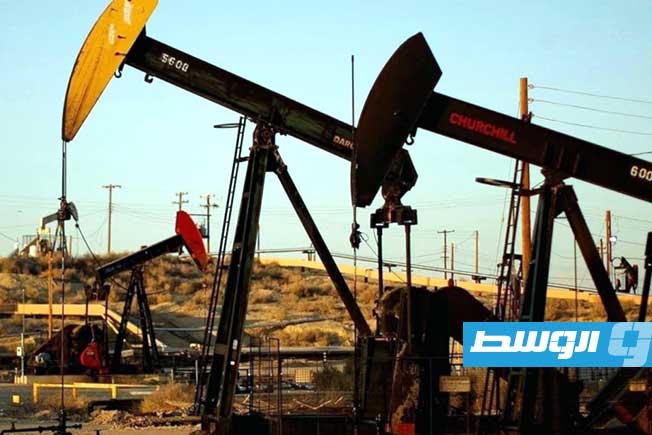
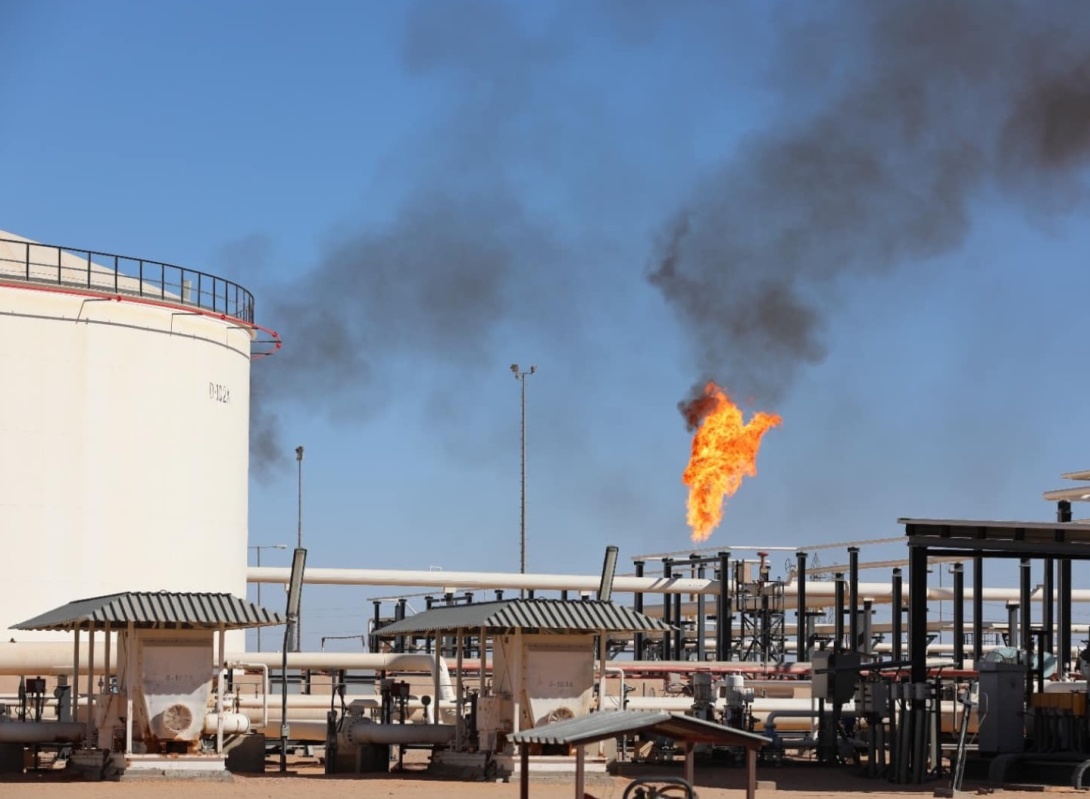
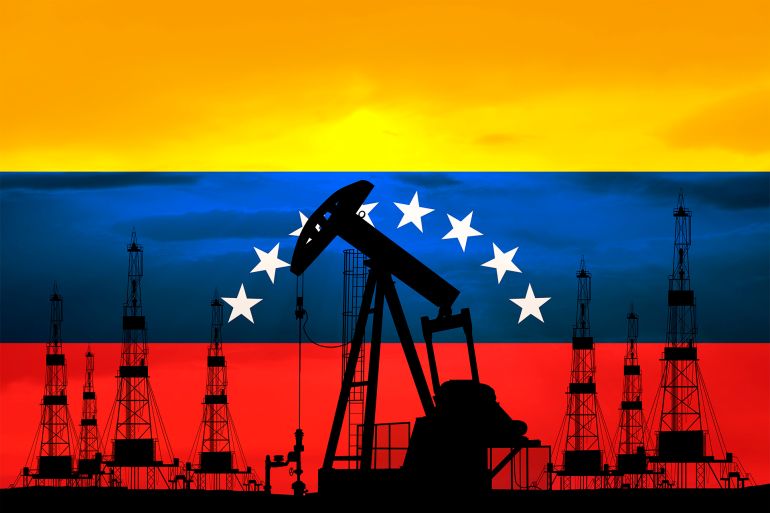
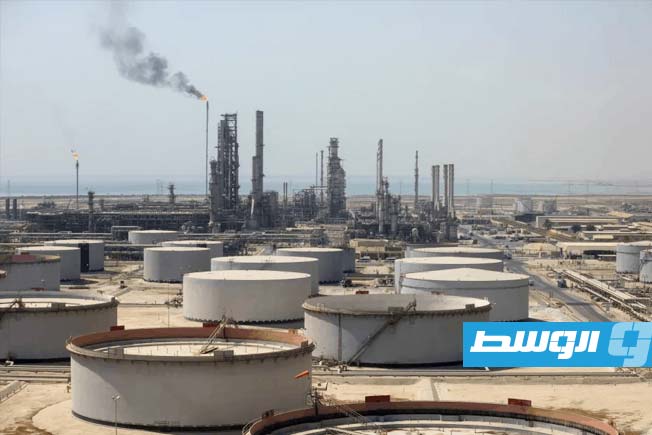
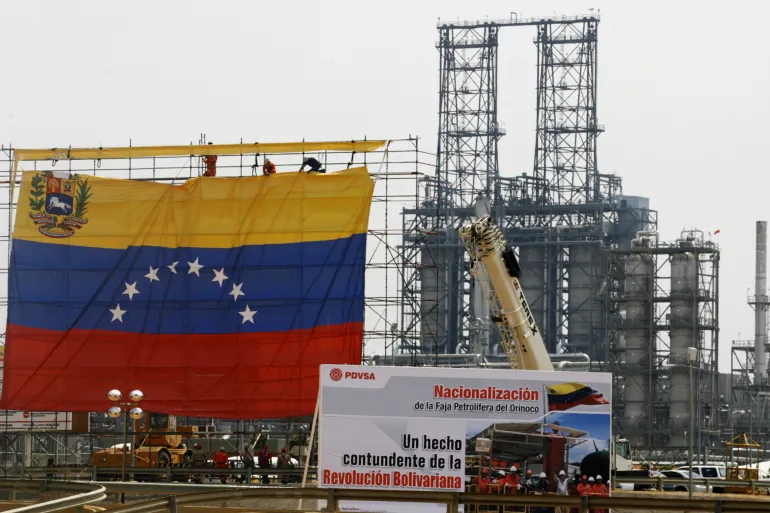
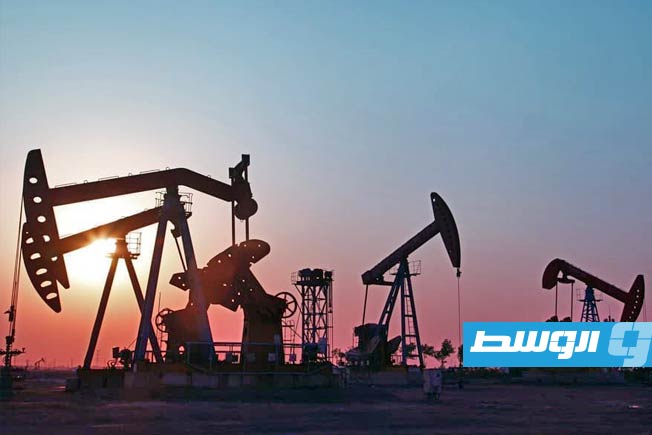
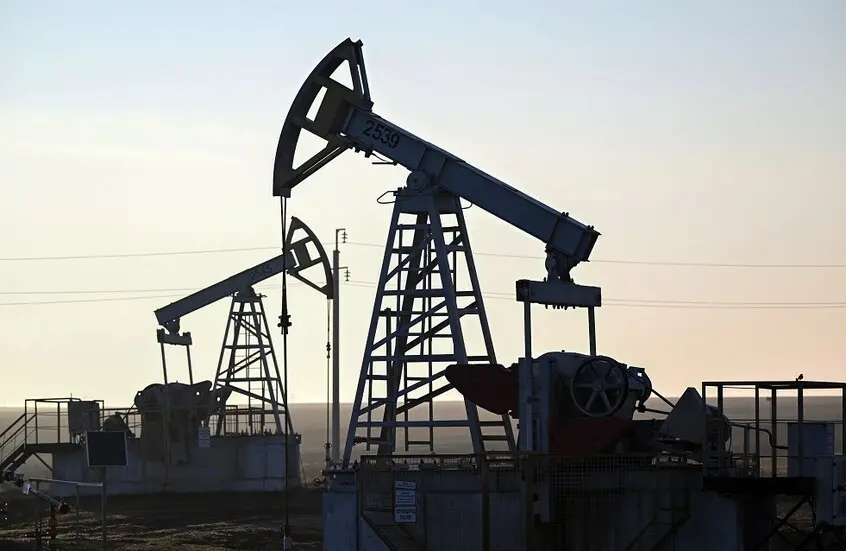
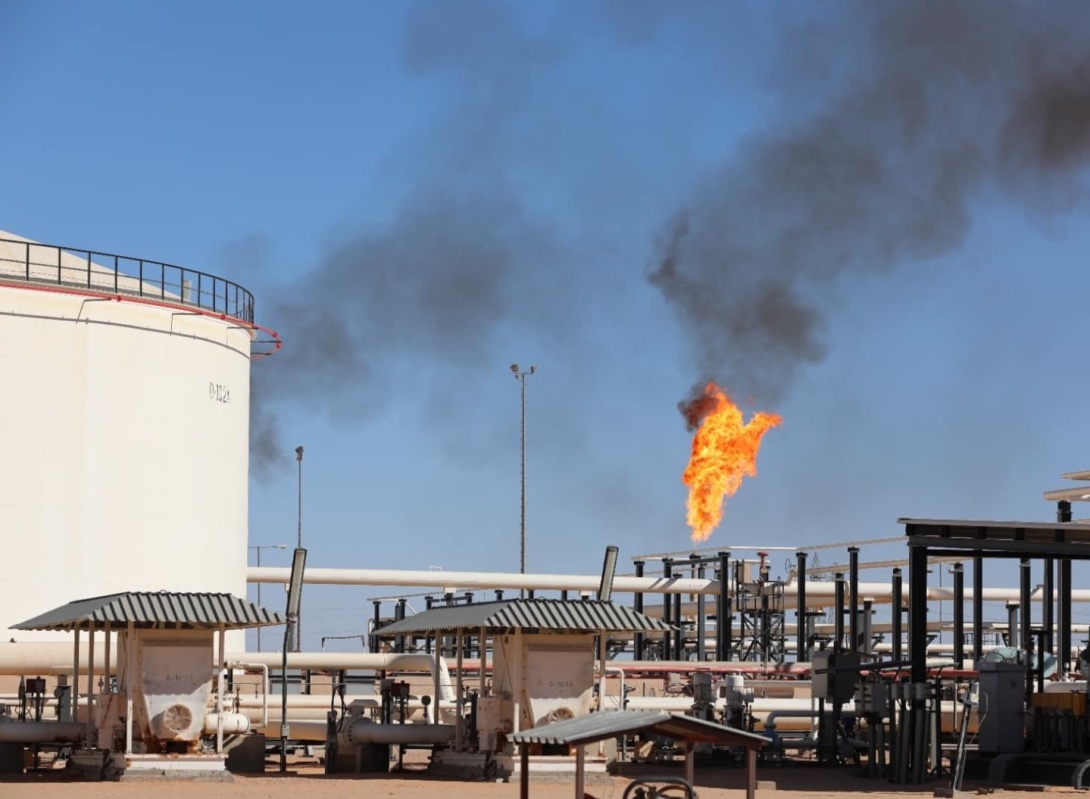
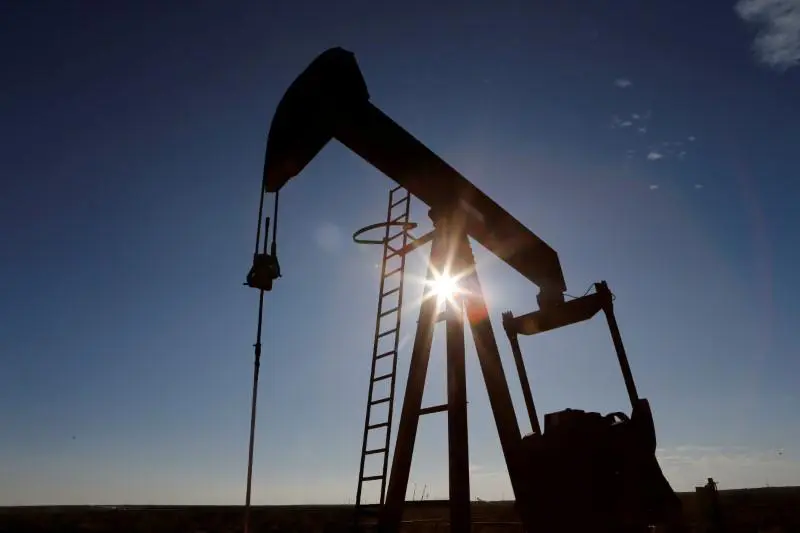
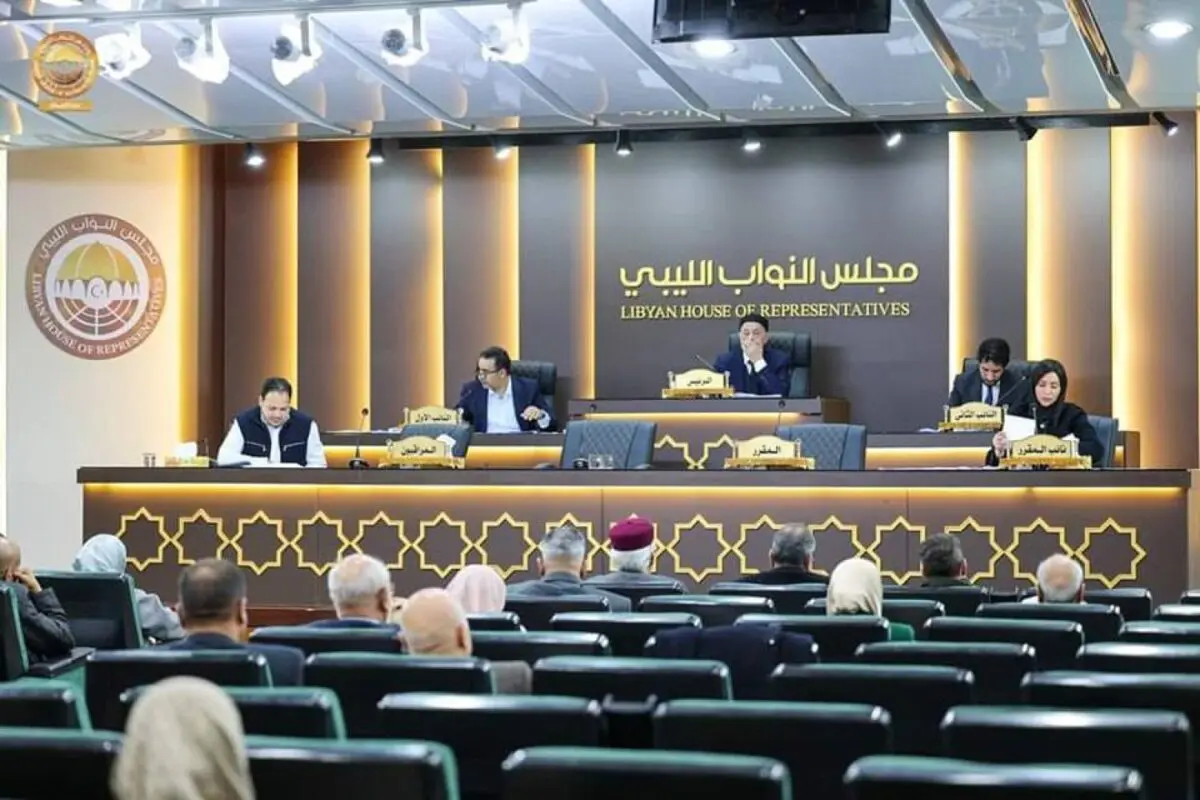
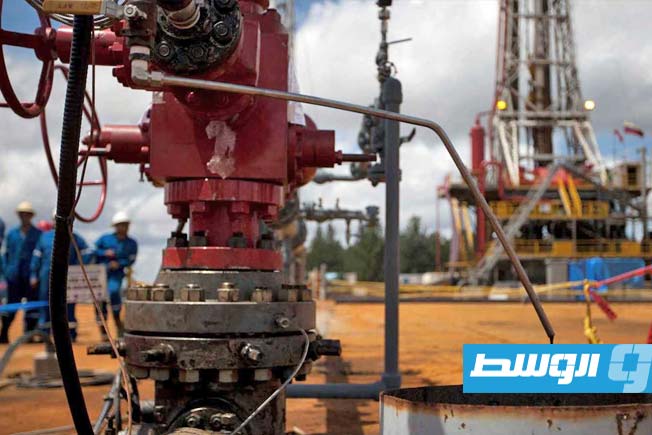
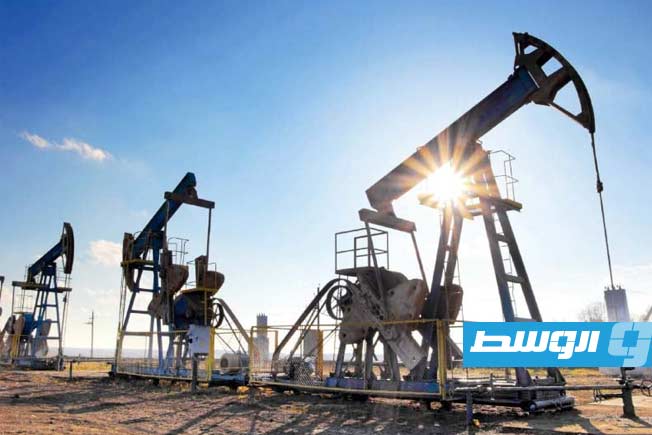
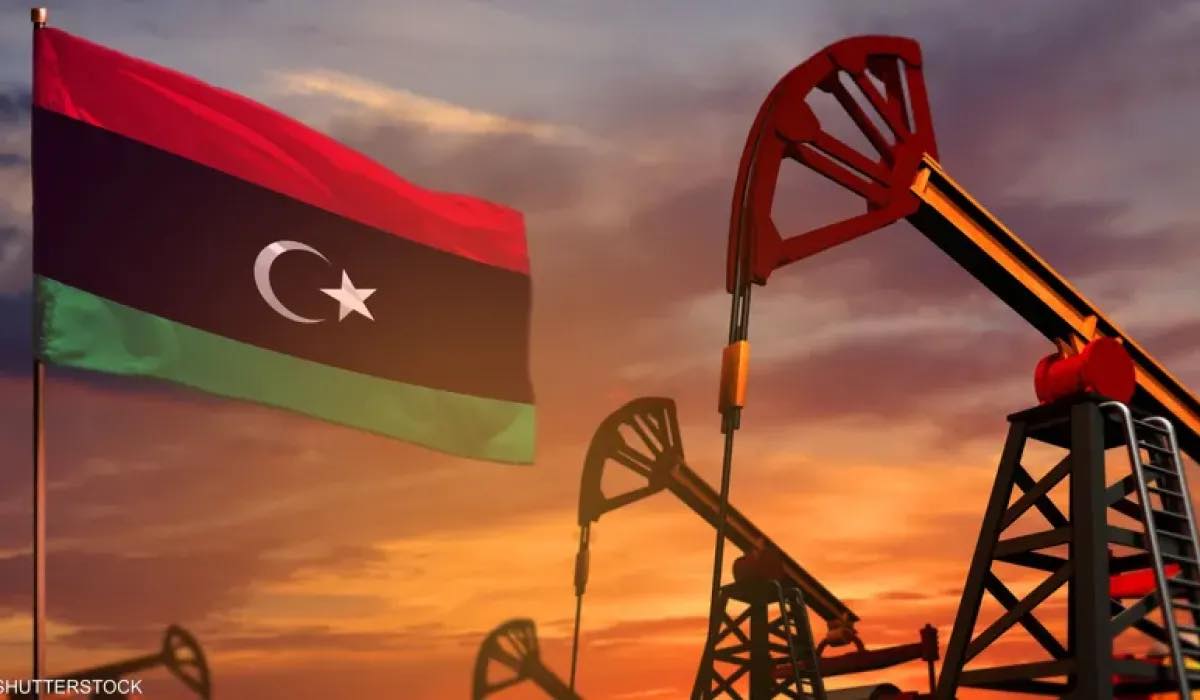
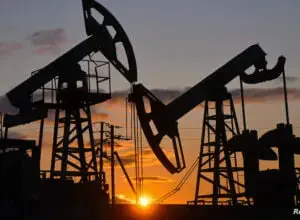
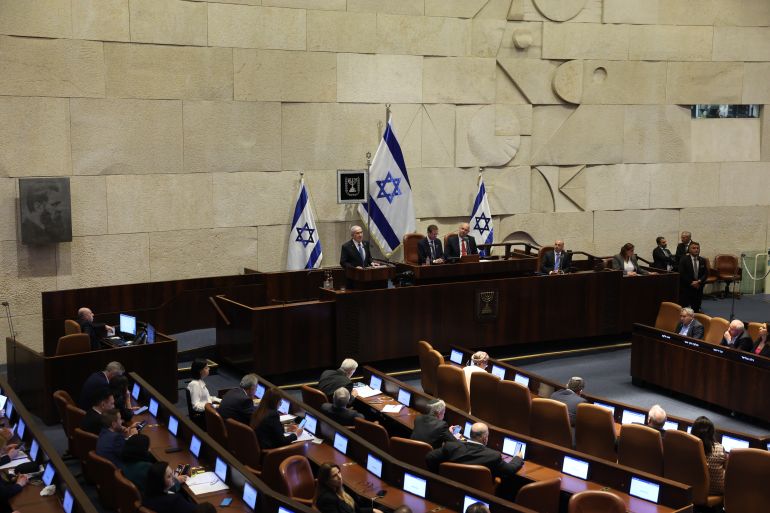
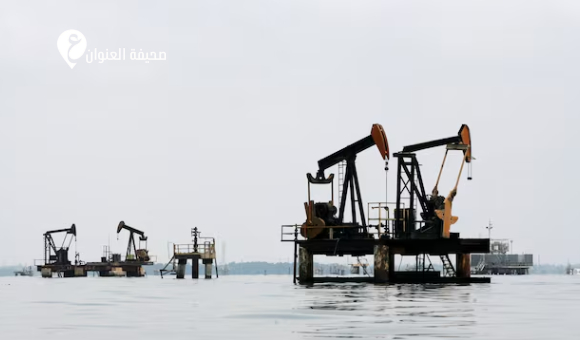
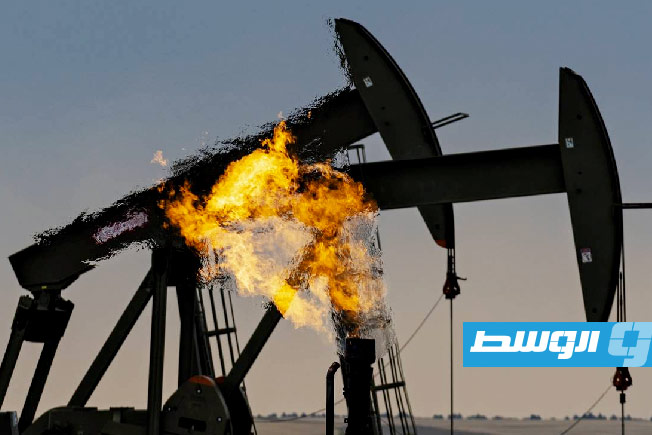
Venezuela’s National Assembly approved an amendment to the Hydrocarbons Law on Thursday, under pressure from the United States. The amendment aims to open the sector to private companies and reduce taxes, allowing for the signing of more beneficial contracts for companies.
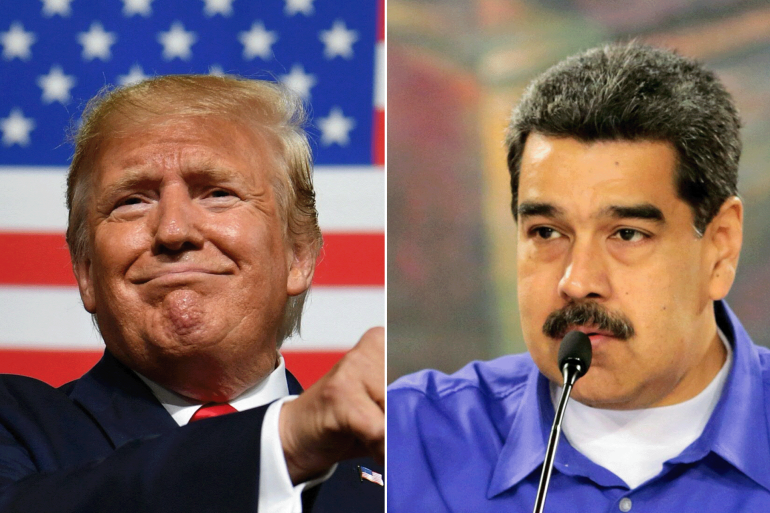
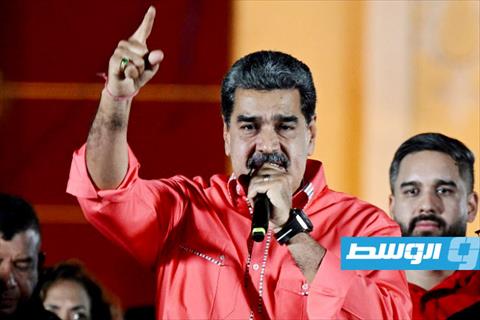
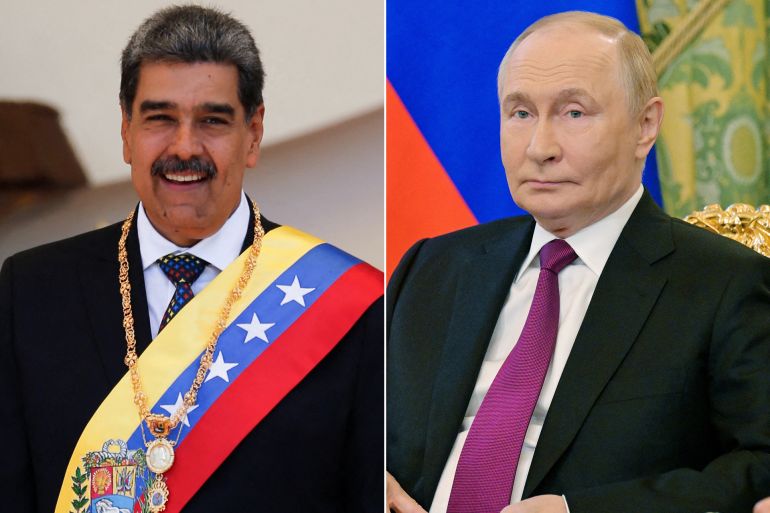
This reform, which will open the door to foreign investment, comes less than a month after the US military intervention in Venezuela that led to the kidnapping of President Nicolás Maduro and the assumption of the acting presidency by his former deputy, Delcy Rodríguez.
This amendment in the country with the world’s largest proven oil reserves is seen as an additional step on the path to normalizing relations with Washington, which were severed in 2019 and accompanied by a blockade on Venezuelan oil exports.
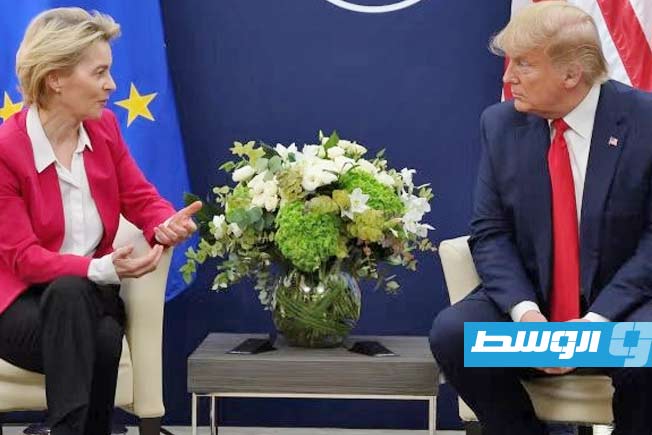
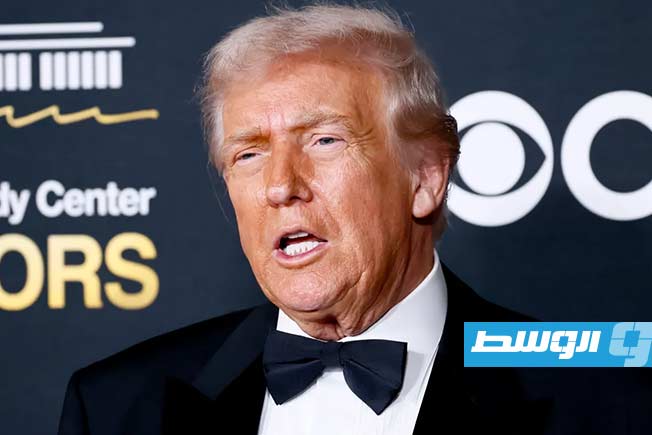
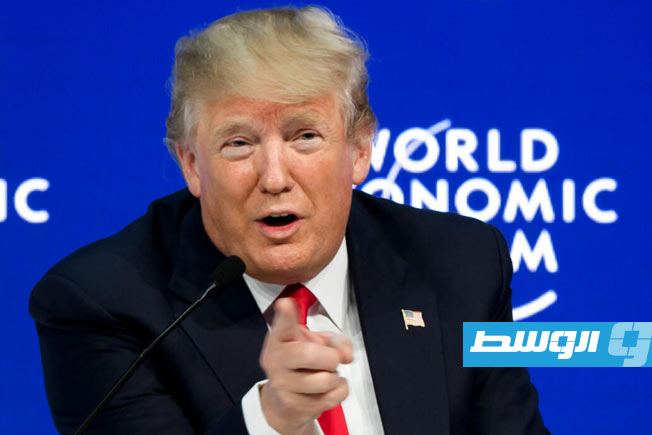
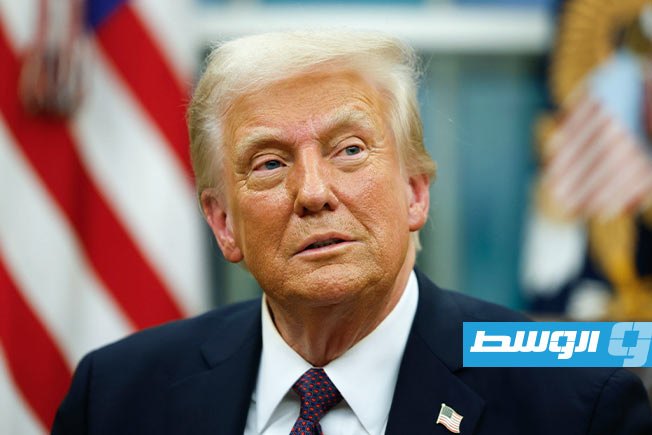
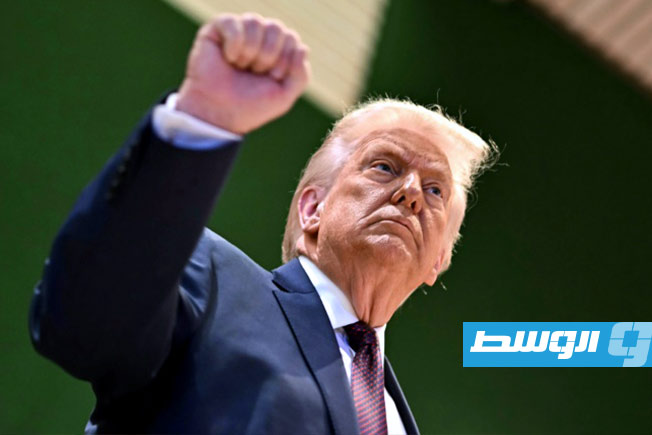
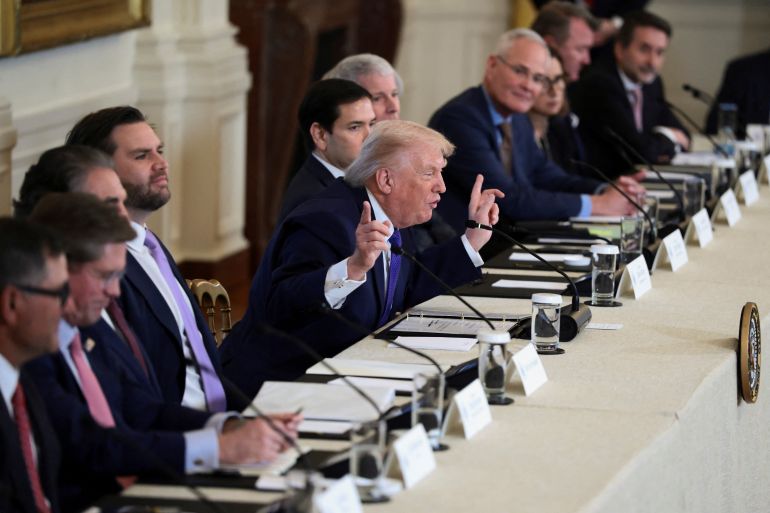
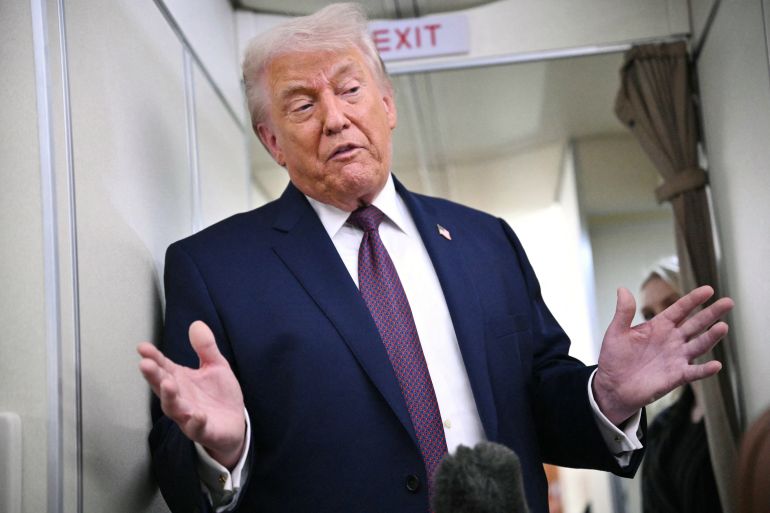
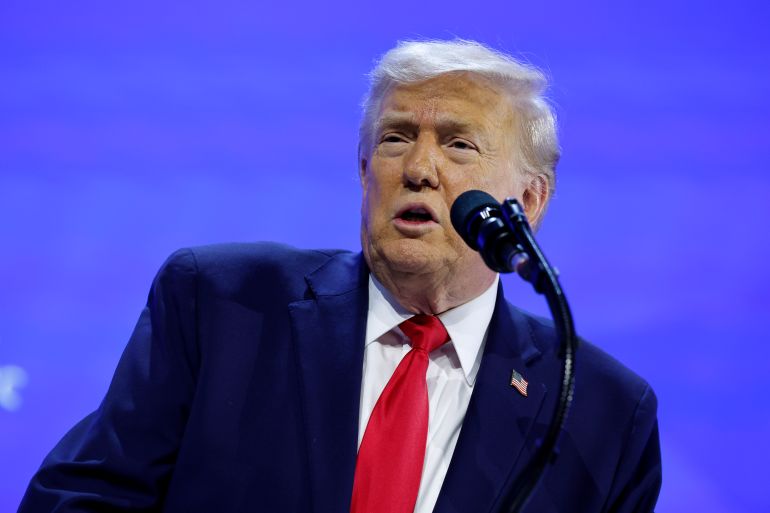
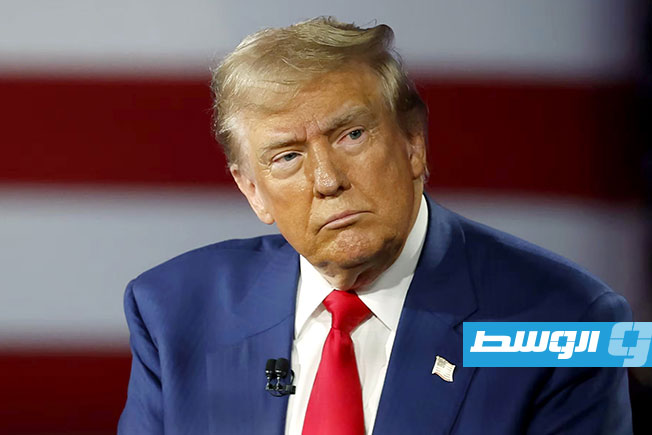
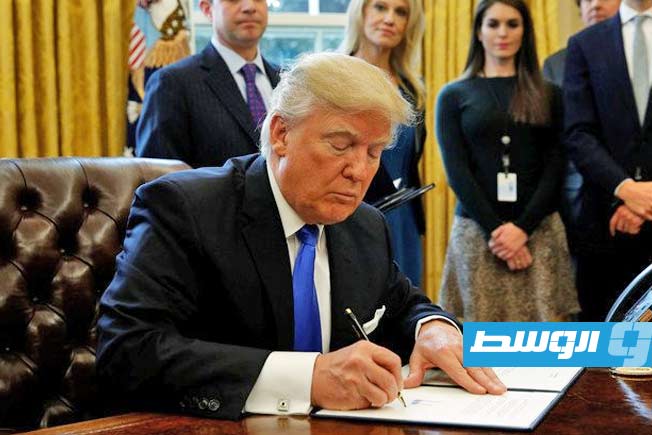
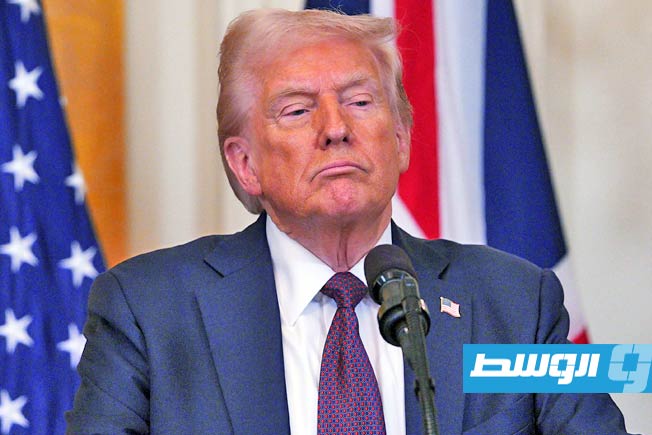
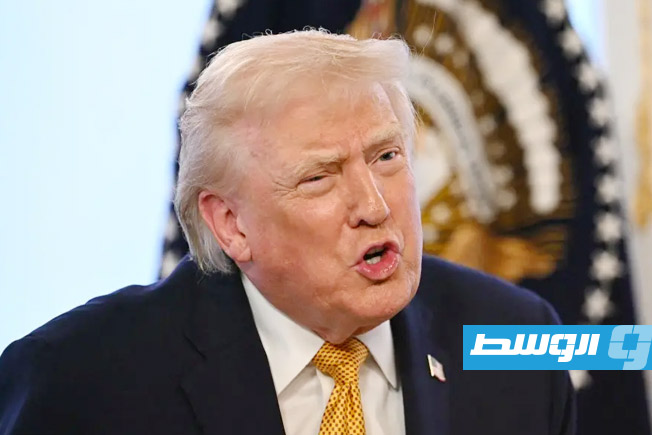
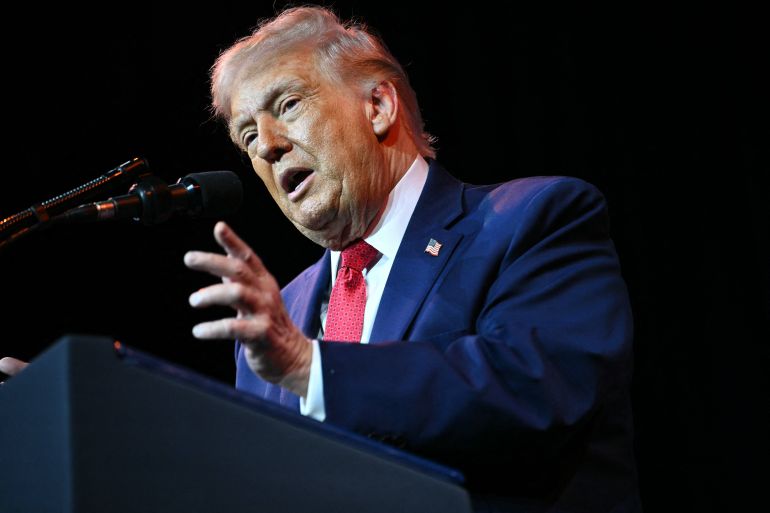
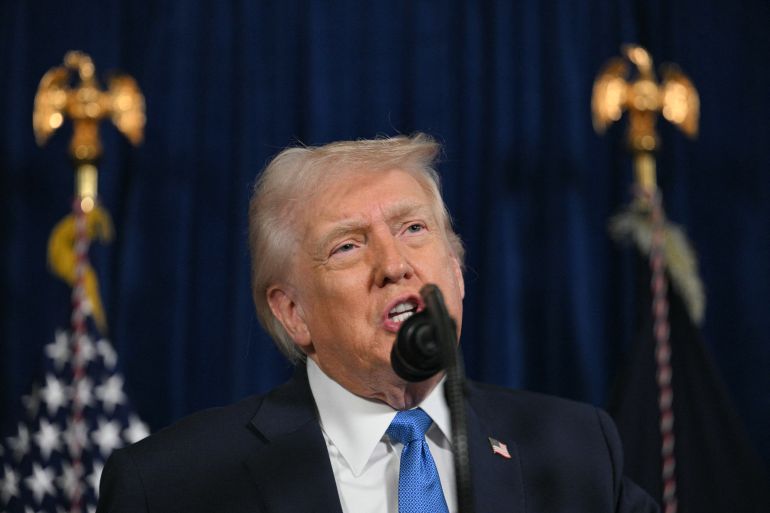
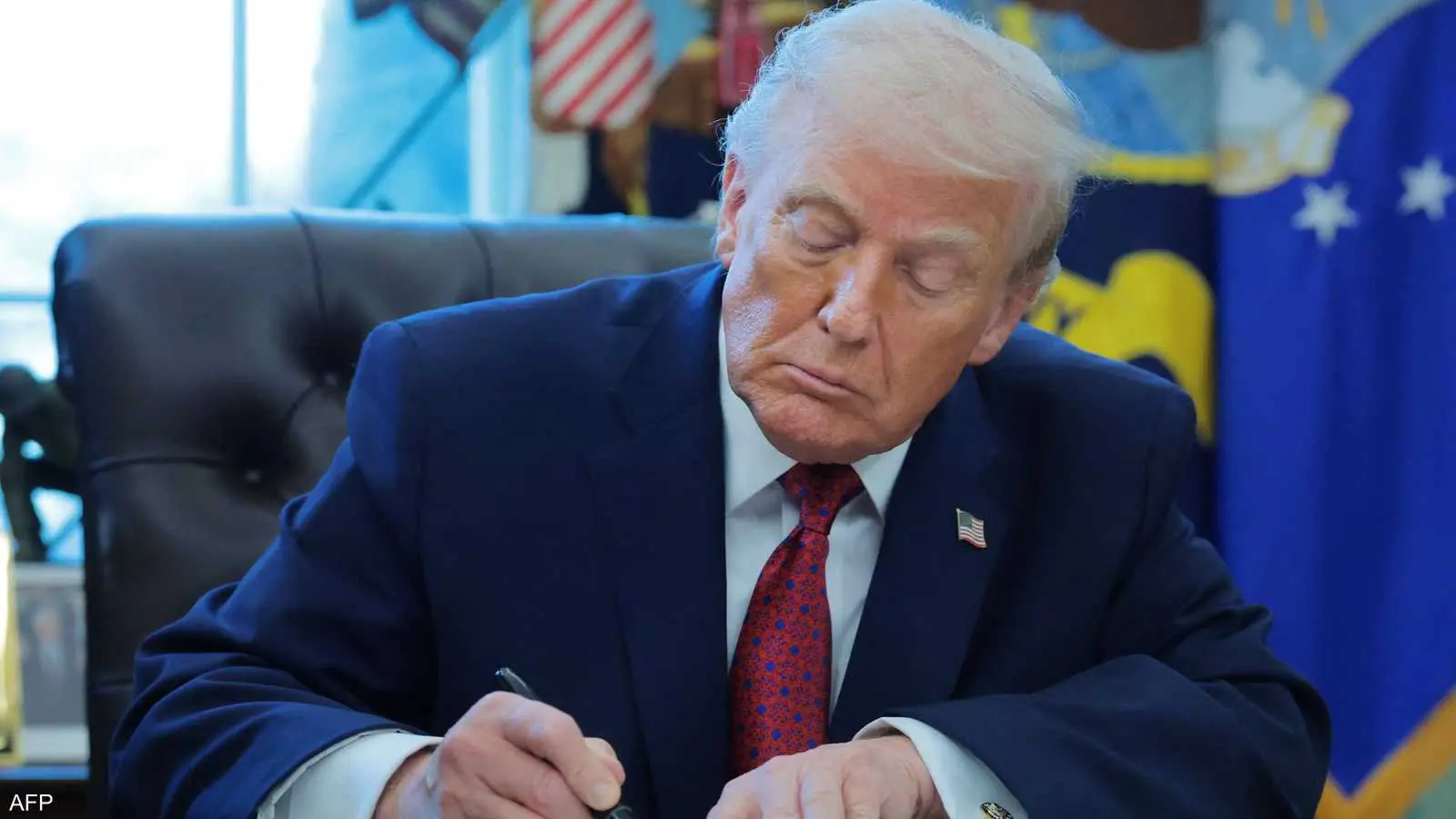
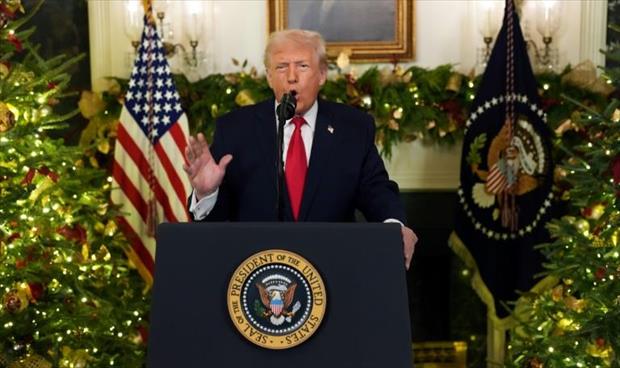
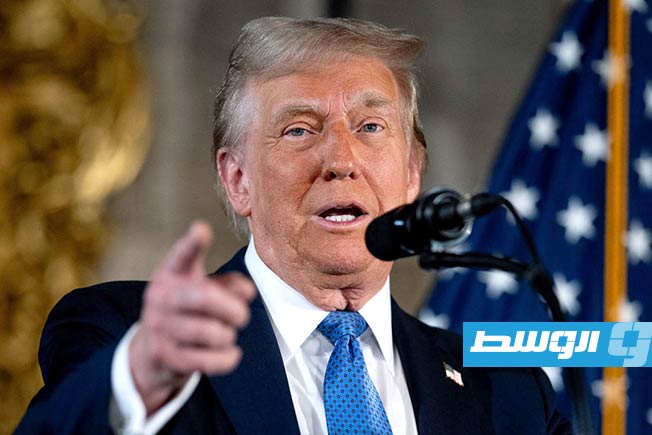
US President Donald Trump did not hide his desire to exploit Caracas’s oil and his willingness to work with Rodríguez as long as she does not oppose “Washington’s interests.”
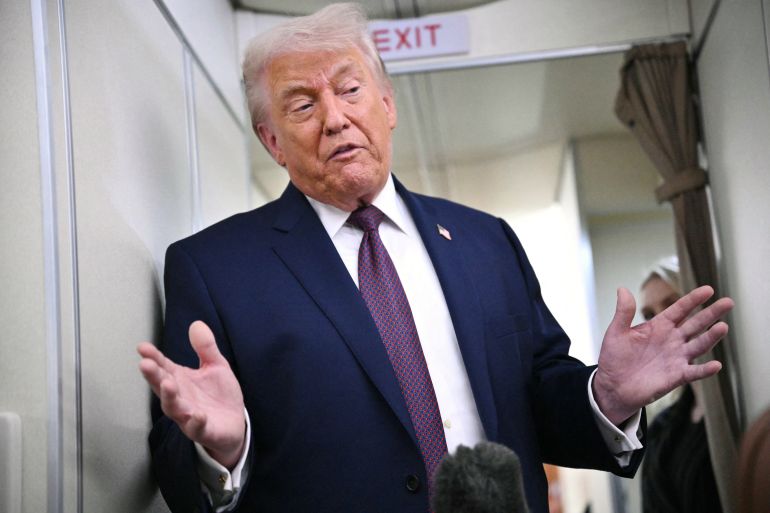
Trump said on Thursday that US oil companies would begin exploring for oil in Venezuela very soon, despite some companies’ skepticism about the feasibility of rushing to return to the country.
Venezuela
Venezuela is a South American country with a history of indigenous inhabitation before Spanish colonization in the 16th century. It gained independence in the early 19th century and is known for its significant oil reserves, diverse landscapes ranging from the Andes Mountains to the Amazon rainforest, and cultural landmarks like Angel Falls, the world’s tallest waterfall.
United States
The United States is a federal republic founded in 1776 after declaring independence from Great Britain, with its modern government established by the Constitution in 1789. Its history encompasses westward expansion, the Civil War, industrialization, and its emergence as a global superpower in the 20th century. The nation is defined by its diverse population, democratic ideals, and significant cultural and economic influence worldwide.
National Assembly
The National Assembly is the legislative body of South Korea, established in 1948 following the country’s first democratic elections. It is a unicameral parliament located in Seoul, responsible for enacting laws, approving the national budget, and overseeing the executive branch.
Hydrocarbons Law
The Hydrocarbons Law is a piece of legislation, typically enacted by a national government, that regulates the exploration, production, and commercialization of oil and natural gas resources. Its history often stems from a country’s need to assert sovereignty over its natural resources, define fiscal terms for foreign investment, and establish environmental and operational standards for the industry.
Venezuelan oil
Venezuelan oil refers to the vast petroleum reserves located primarily in the Orinoco Belt, which have defined the nation’s modern economy and geopolitics since major extraction began in the early 20th century. The industry was nationalized in 1976 with the creation of state-owned PDVSA, making oil revenue the central pillar of government finance and social programs.
Washington
Washington, D.C., is the capital city of the United States, founded in 1790 following the ratification of the U.S. Constitution. It was established as a federal district through the Residence Act and named after the first U.S. president, George Washington, with its core design influenced by architect Pierre Charles L’Enfant. The city is home to iconic national monuments, museums, and the branches of the U.S. government.
Caracas
Caracas is the capital and largest city of Venezuela, founded in 1567 by Spanish conquistador Diego de Losada. It grew as a colonial administrative center and later became a pivotal site for the South American independence movement, being the birthplace of Simón Bolívar. Today, it is a major metropolitan and cultural hub, though it faces significant modern economic and political challenges.
US President Donald Trump
Donald Trump served as the 45th President of the United States from 2017 to 2021. A businessman and television personality before his political career, his presidency was characterized by a populist and “America First” agenda, significant tax reforms, and a distinctive, often controversial, communication style.