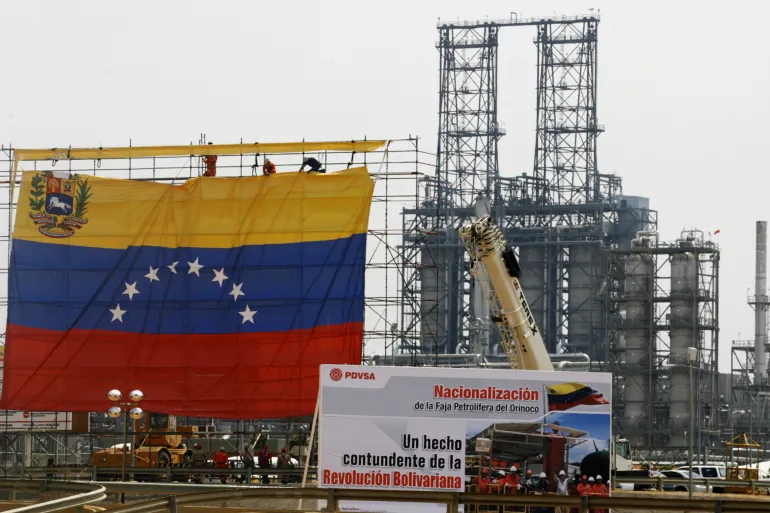
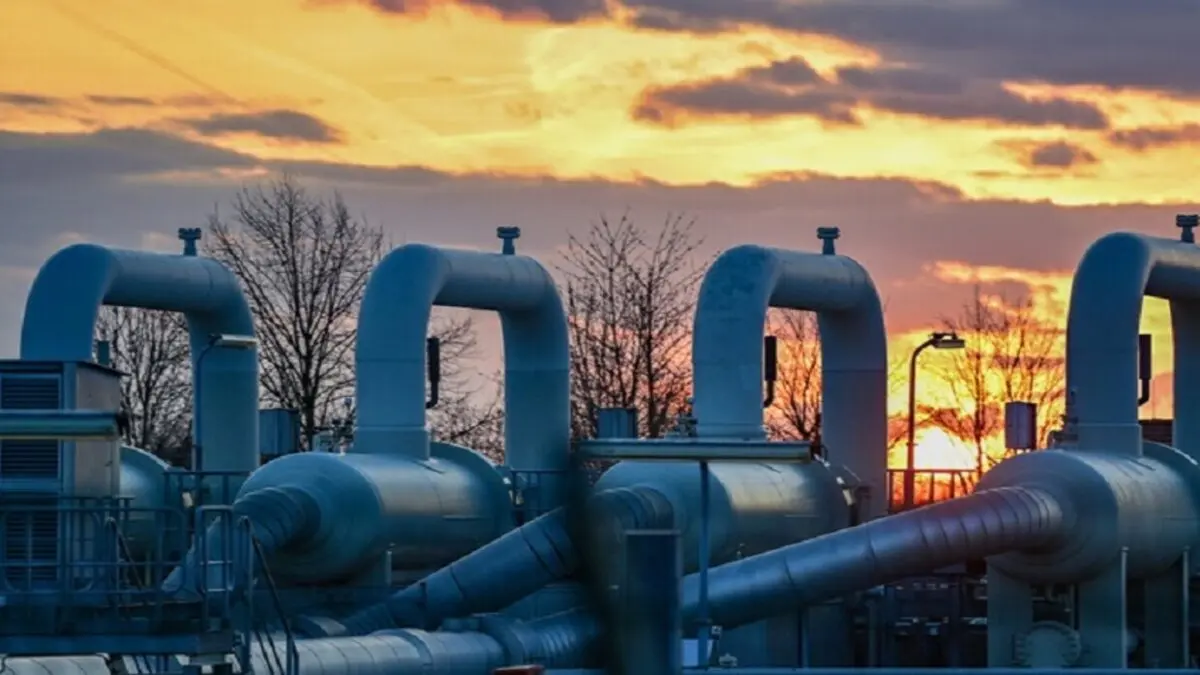
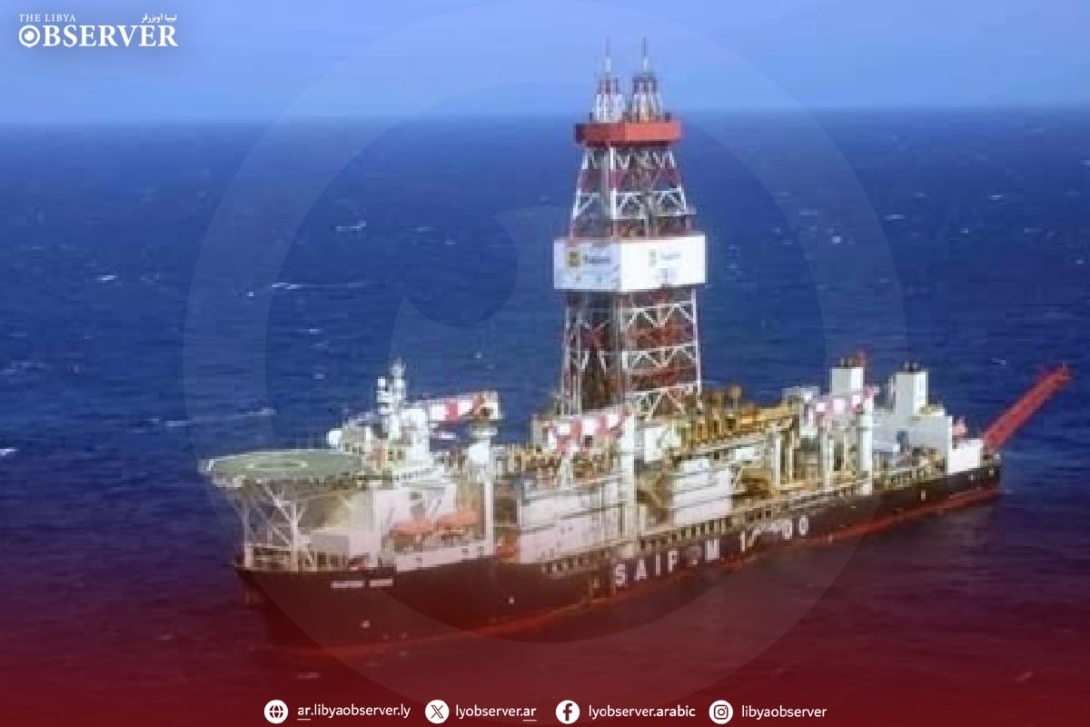
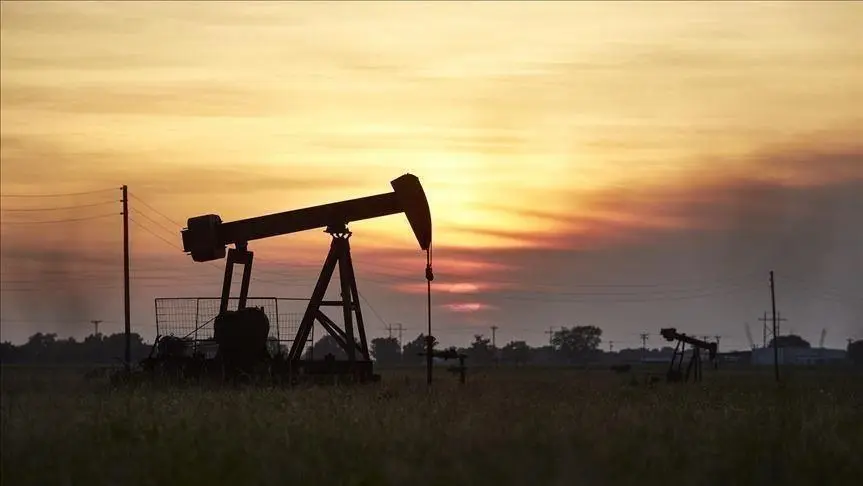
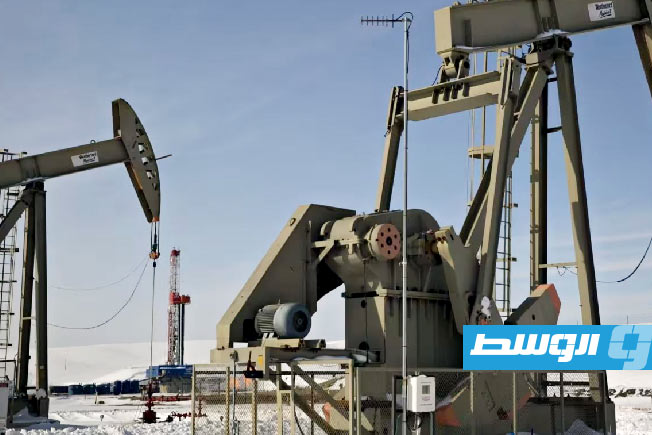
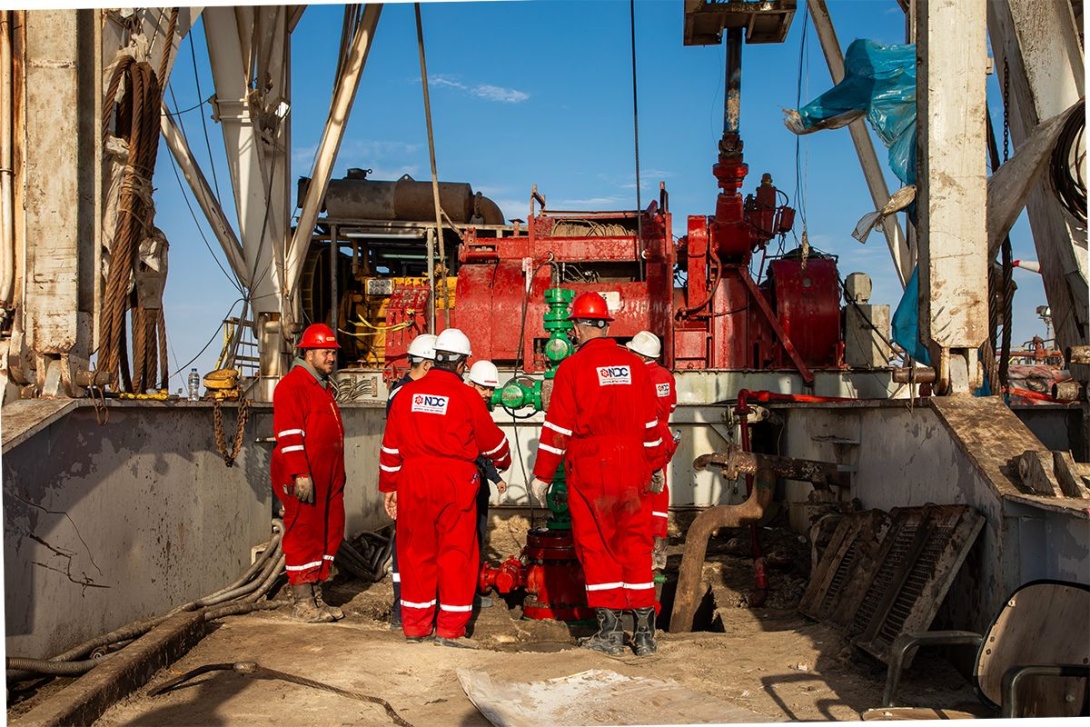
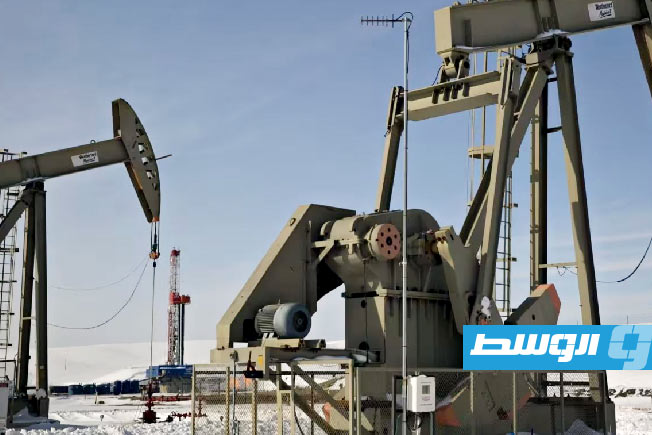
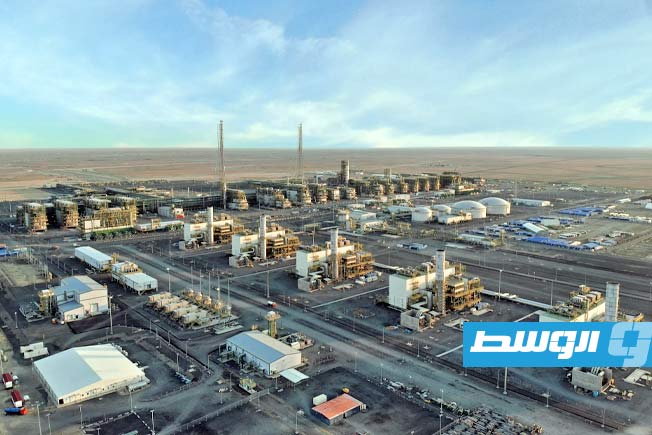
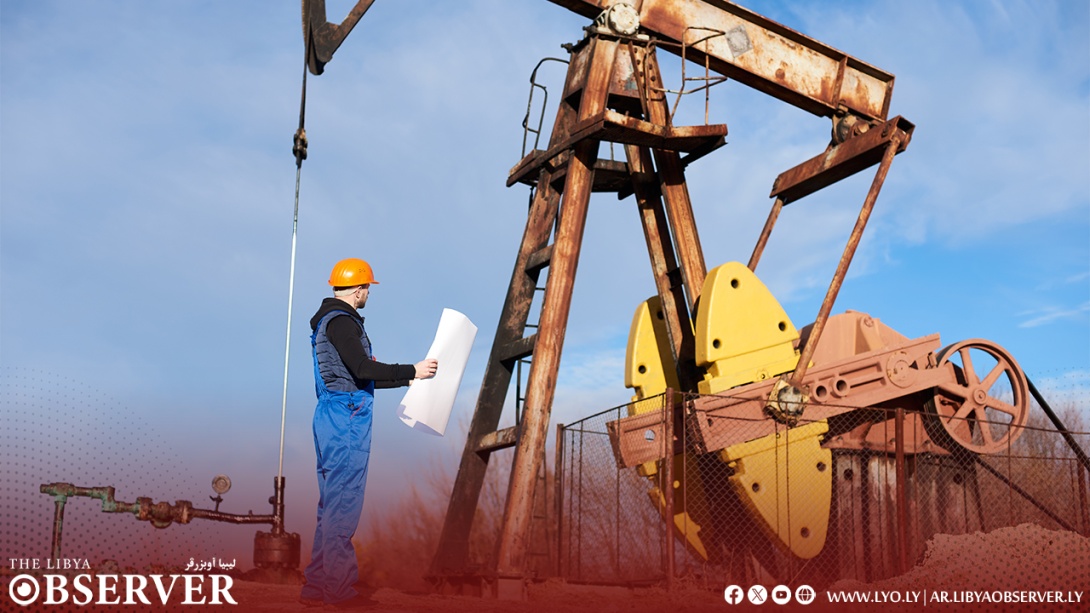
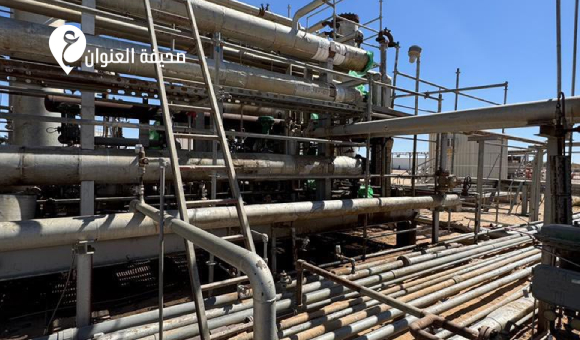
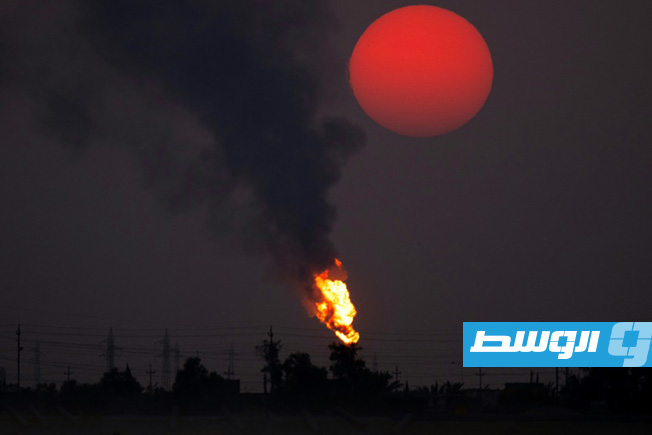
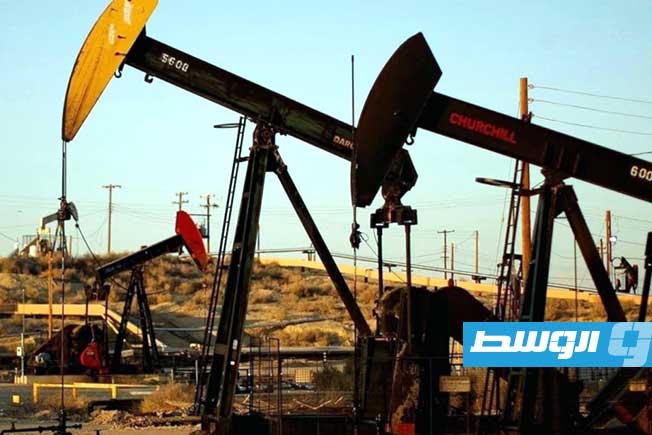
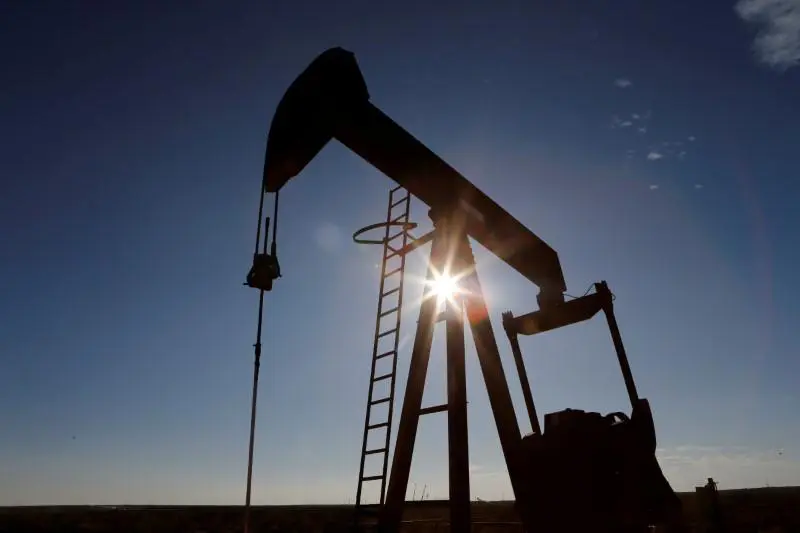
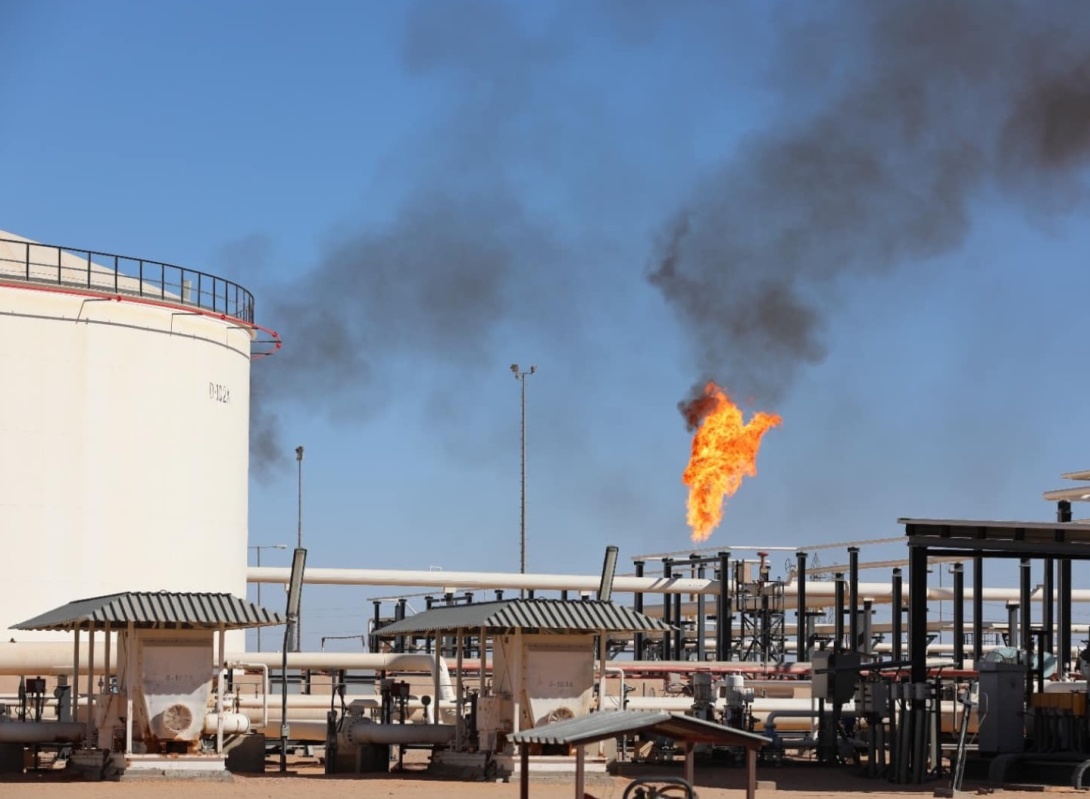
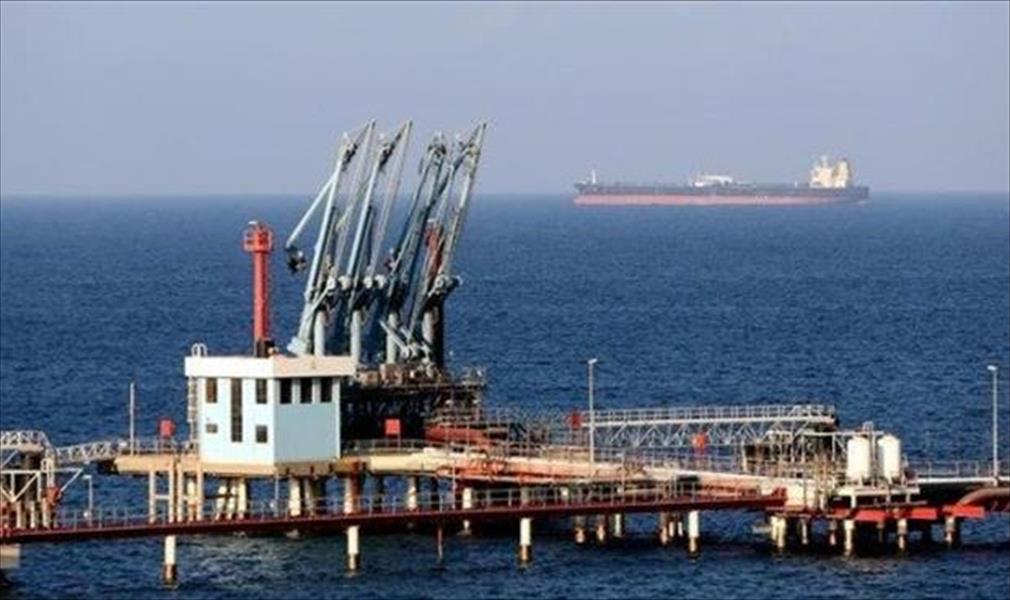
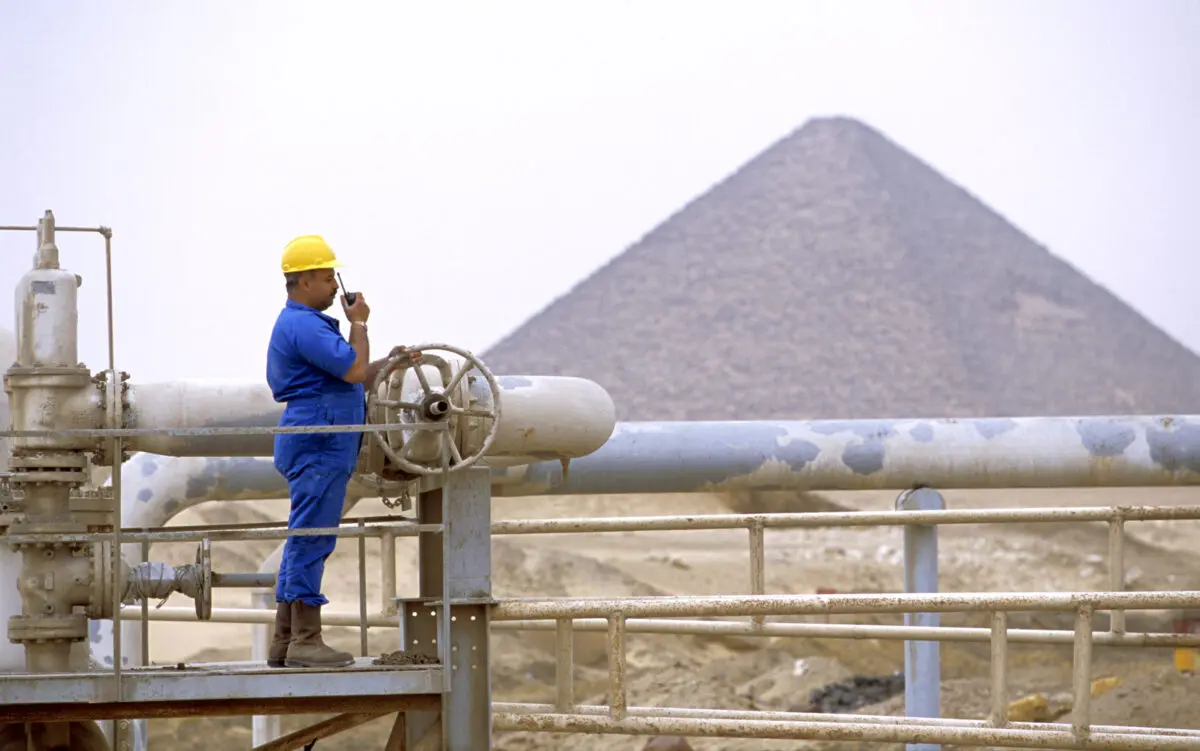
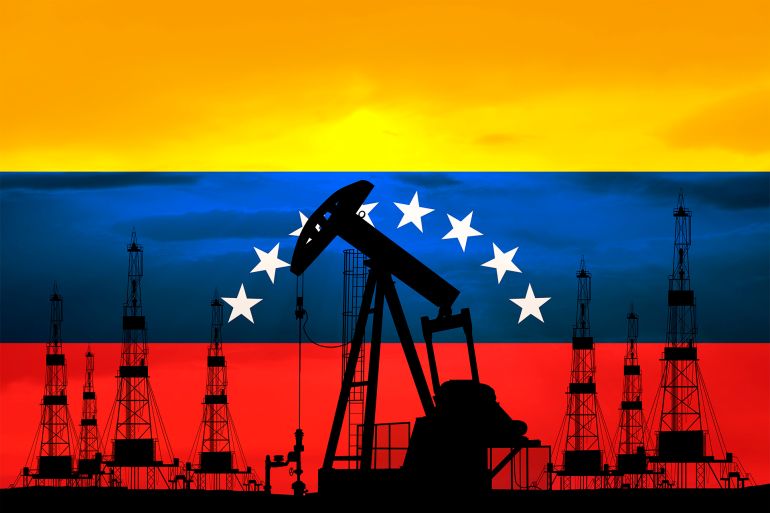
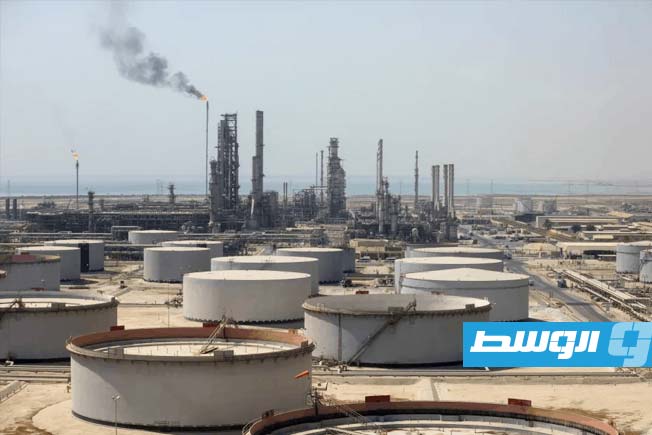
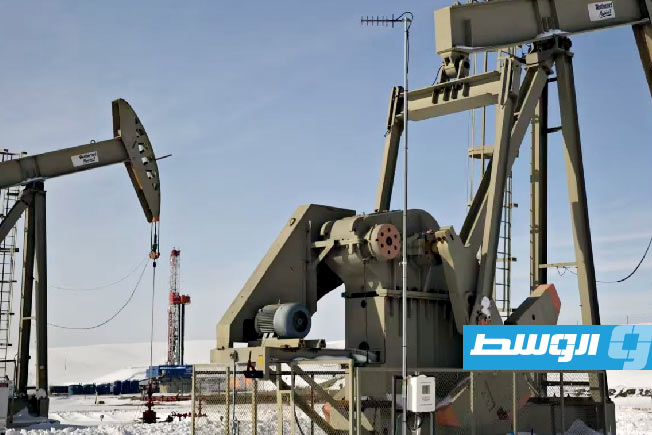
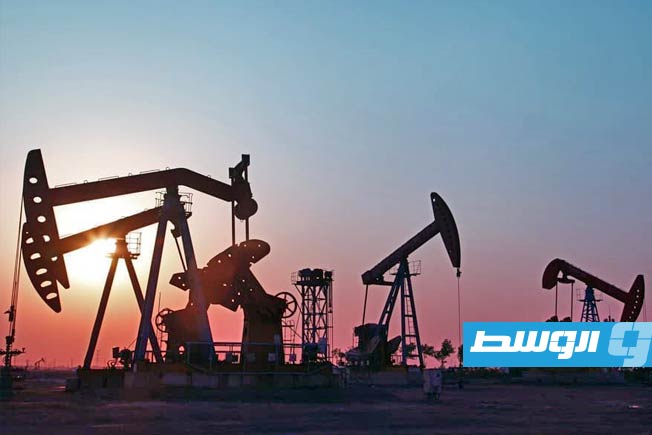
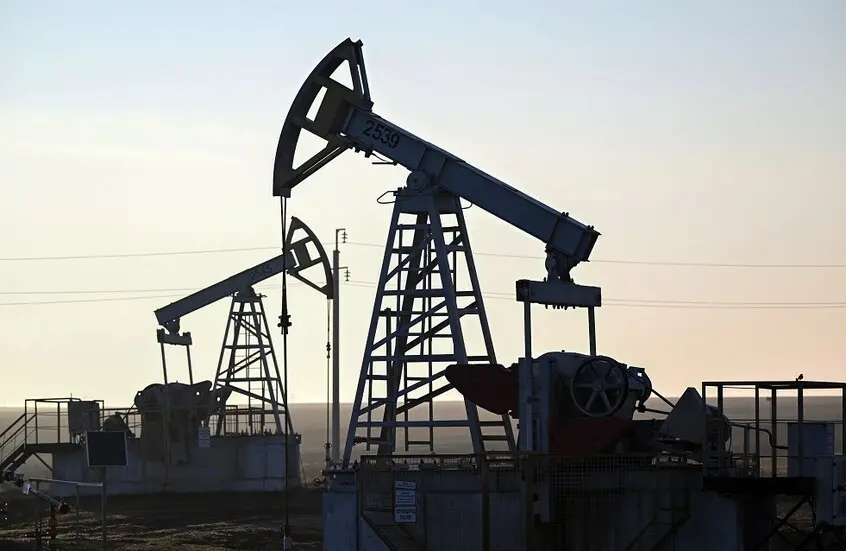
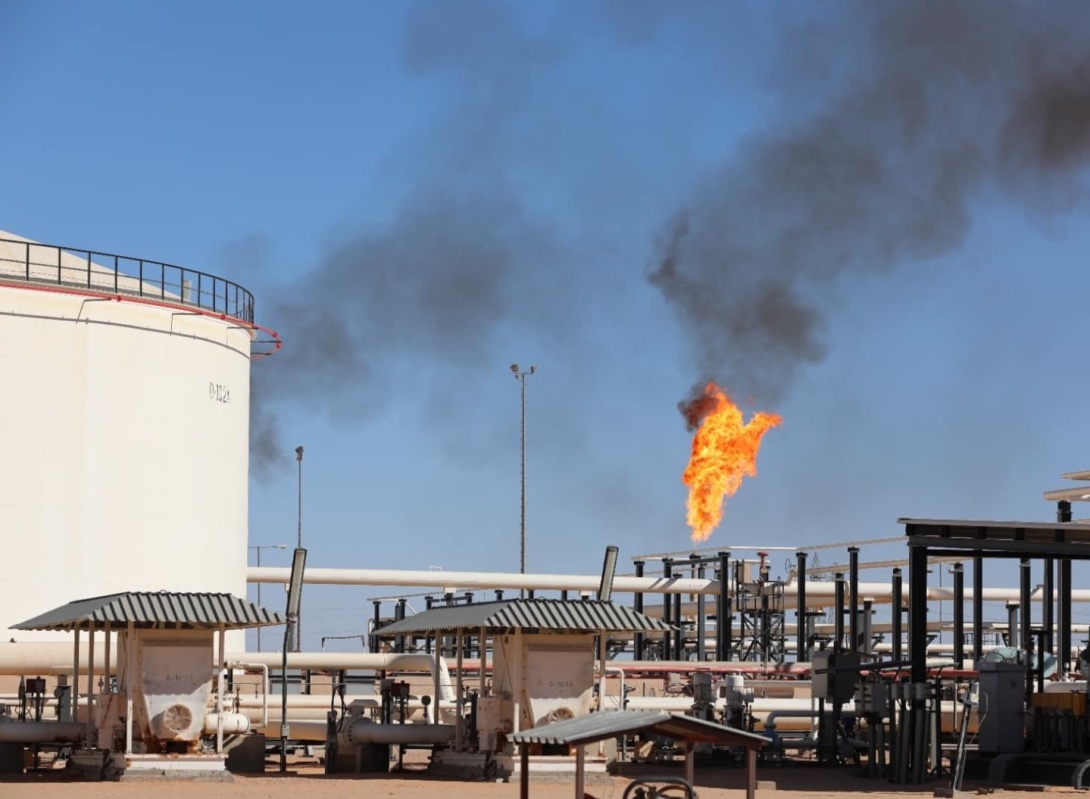
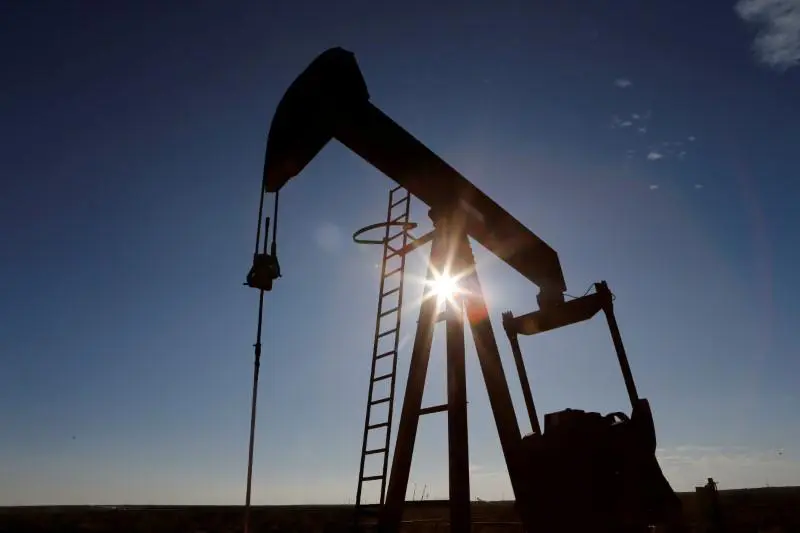
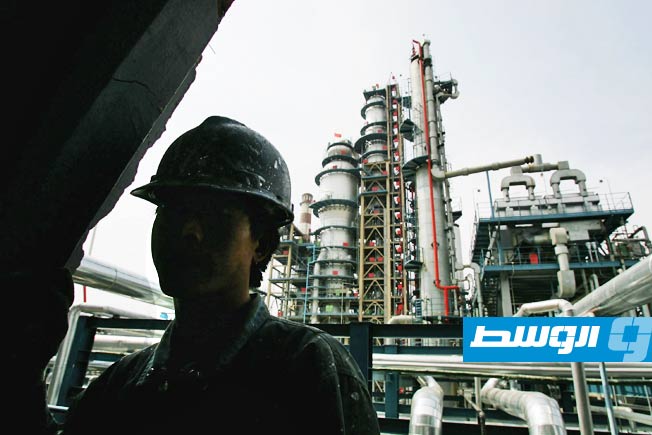
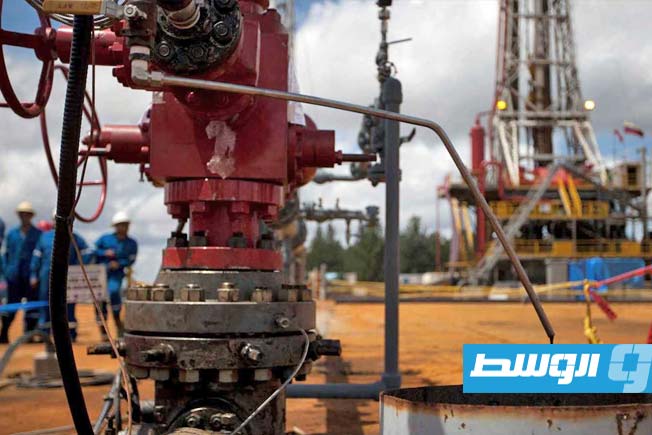
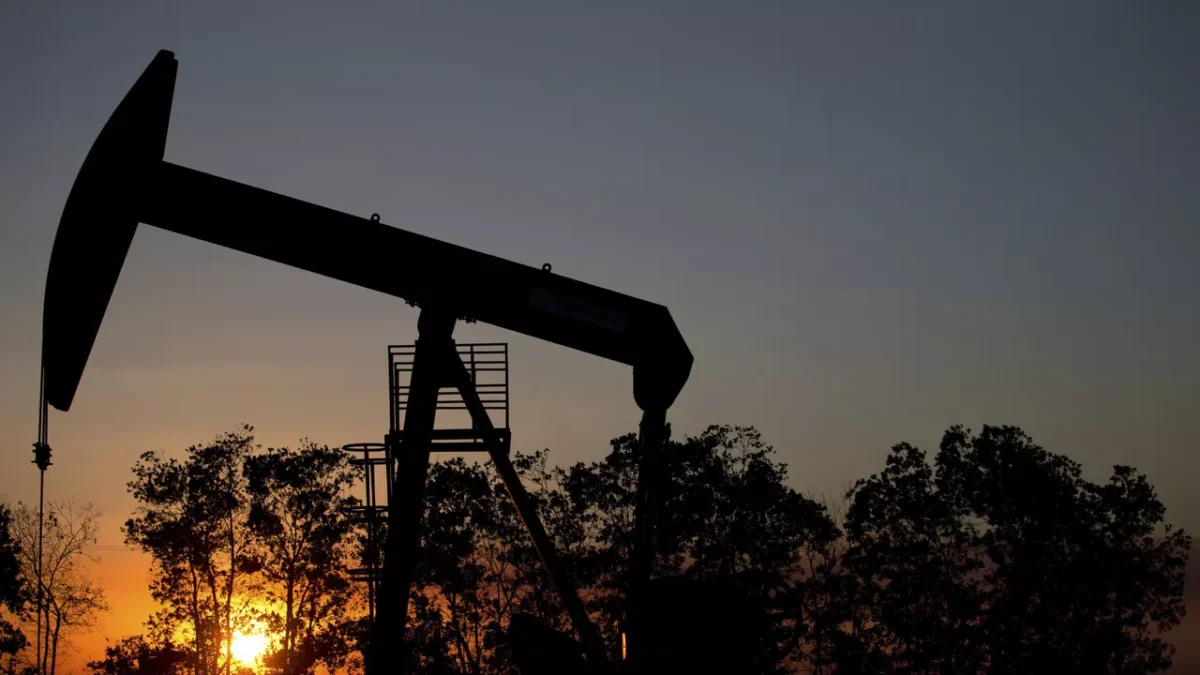
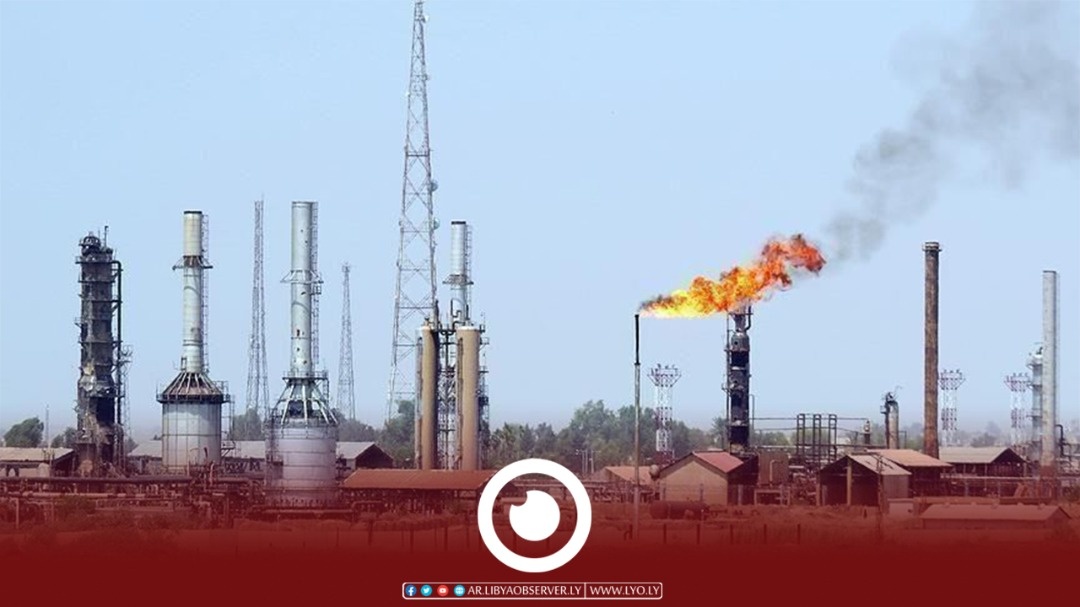
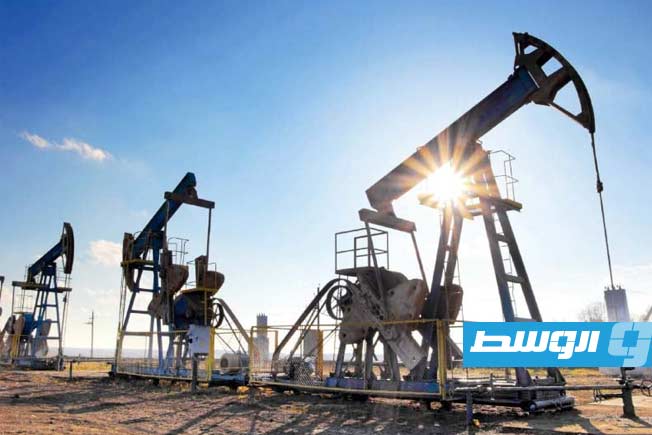
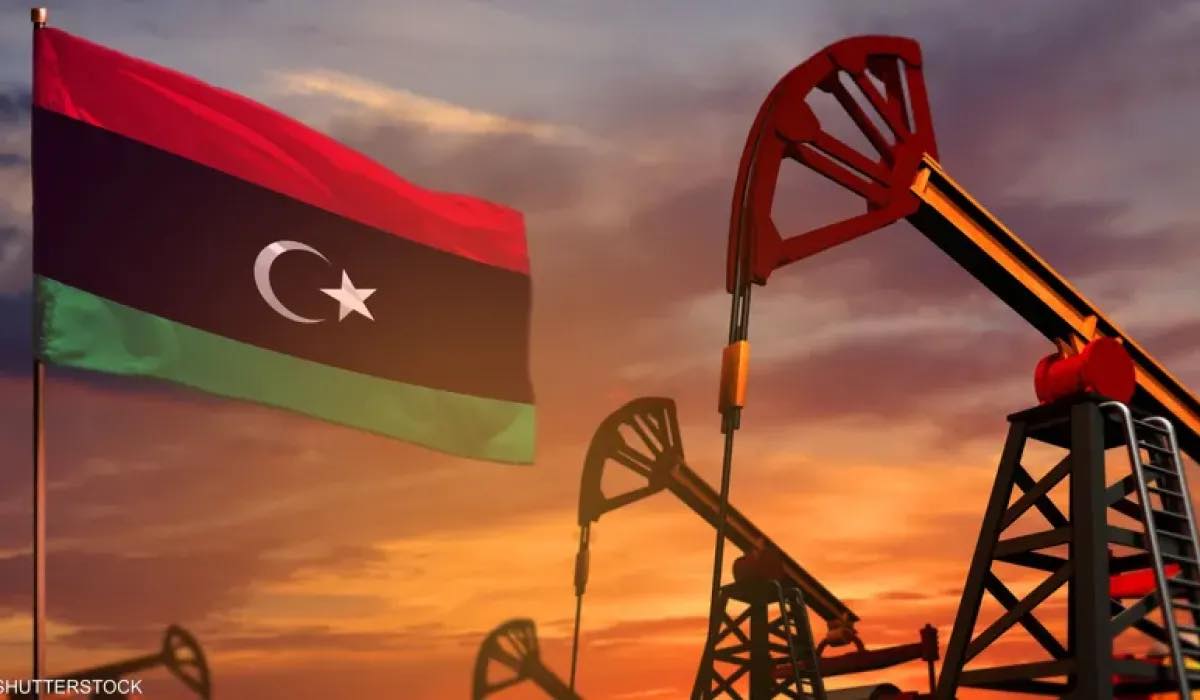
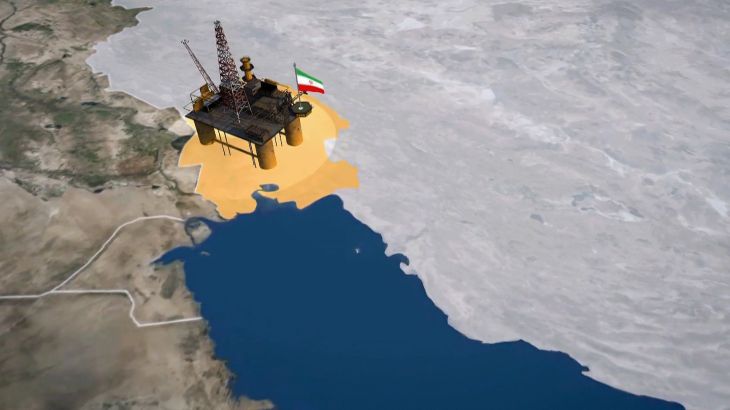
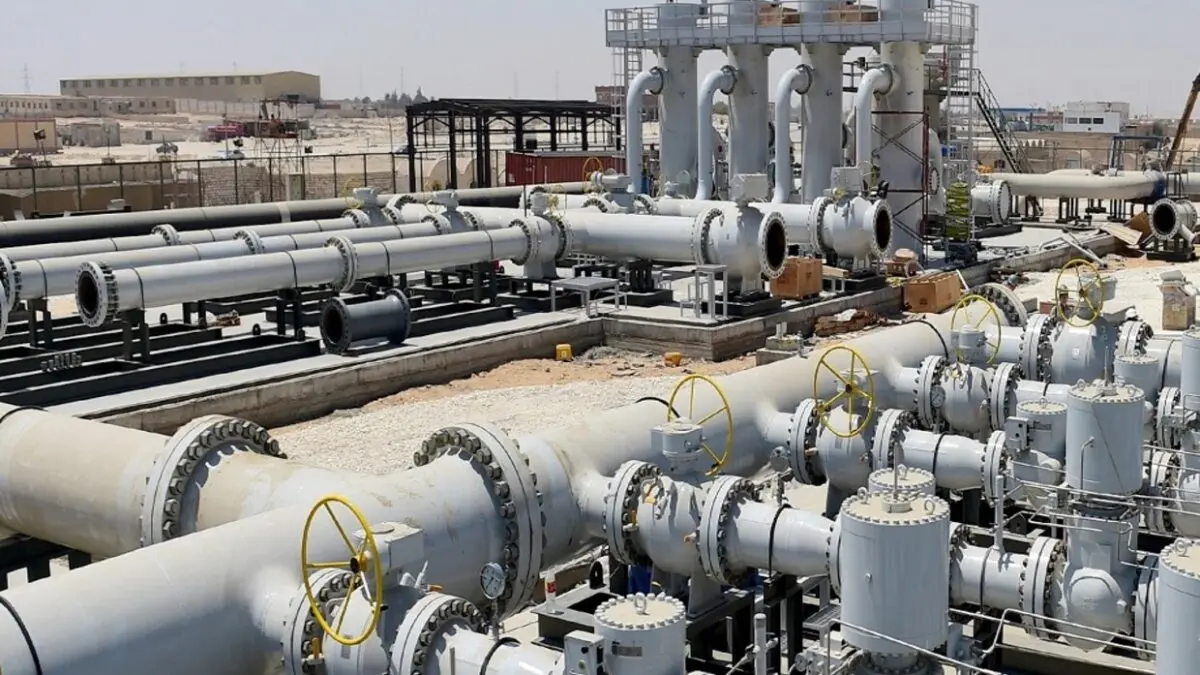
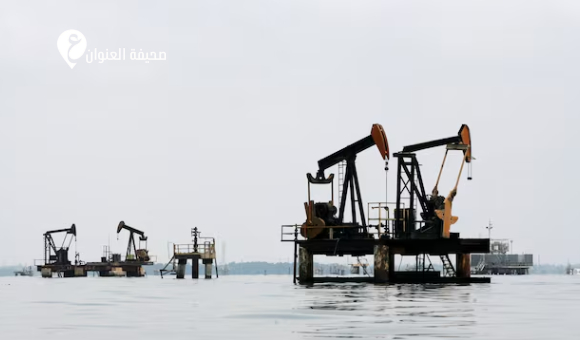
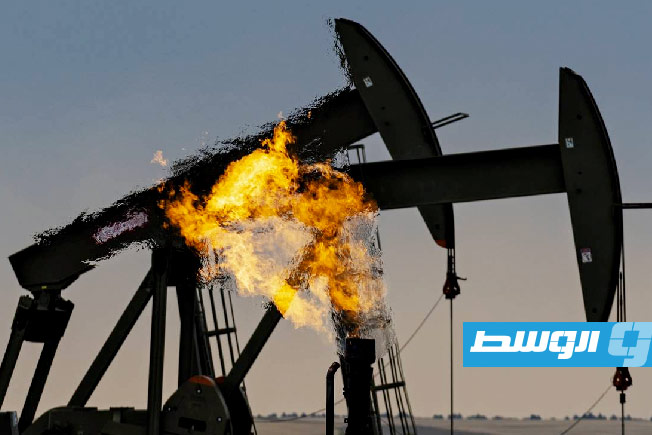
Venezuela, under the pressure of U.S. sanctions, has begun shutting down a number of its oil wells in the Orinoco Belt region, which contains the world’s largest oil reserves.
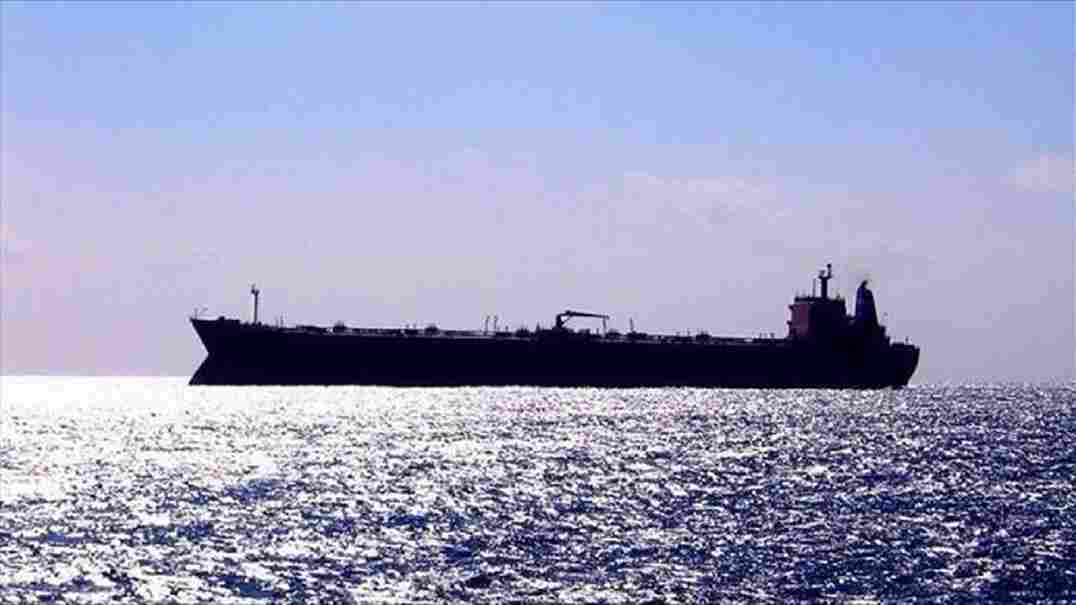
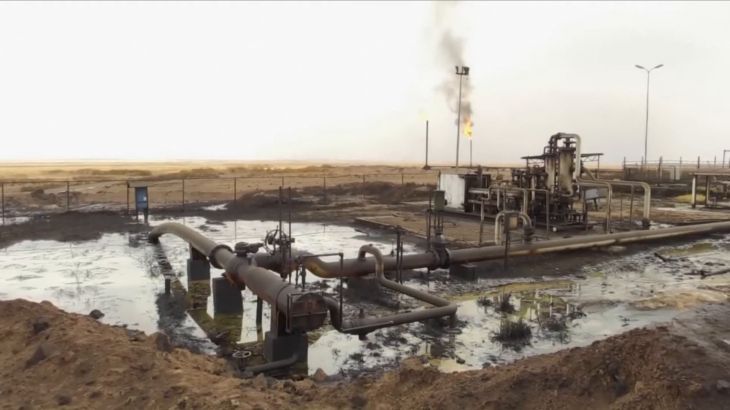
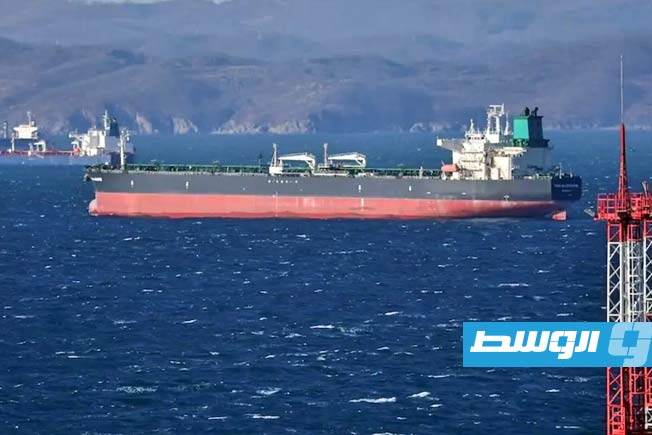
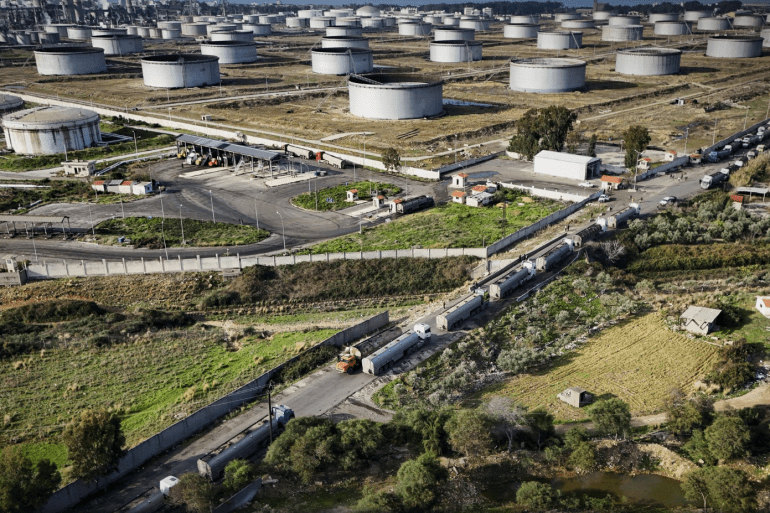
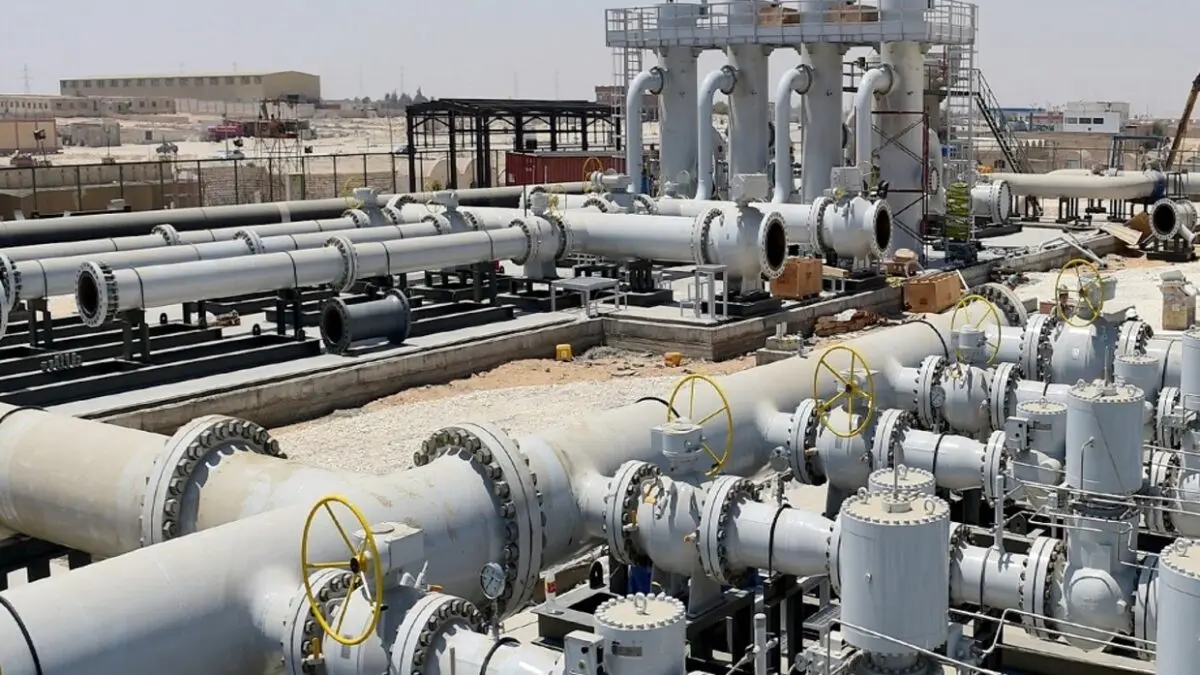
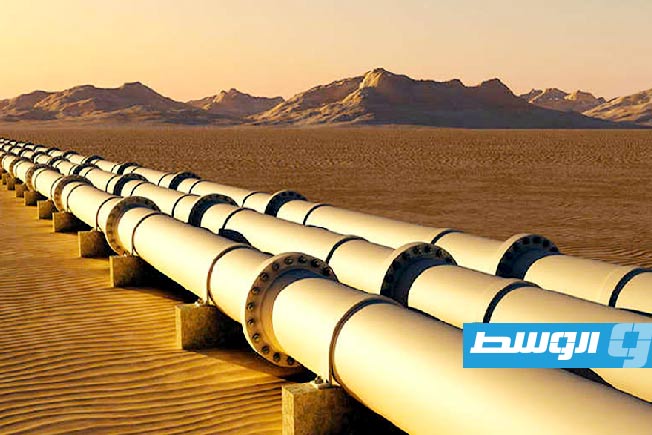
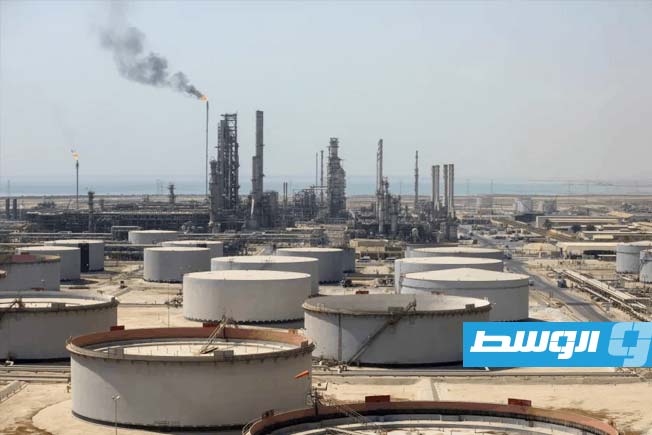
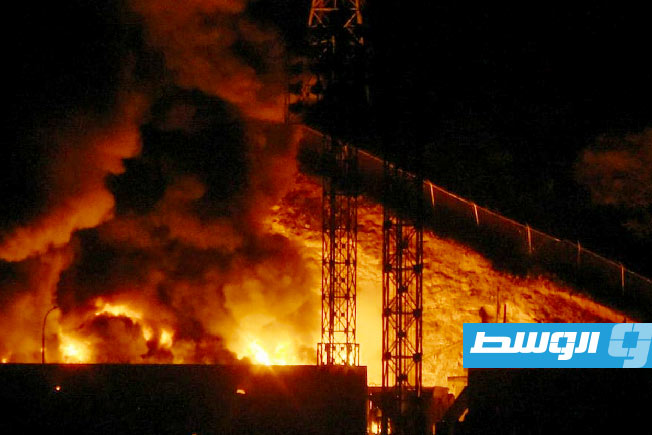
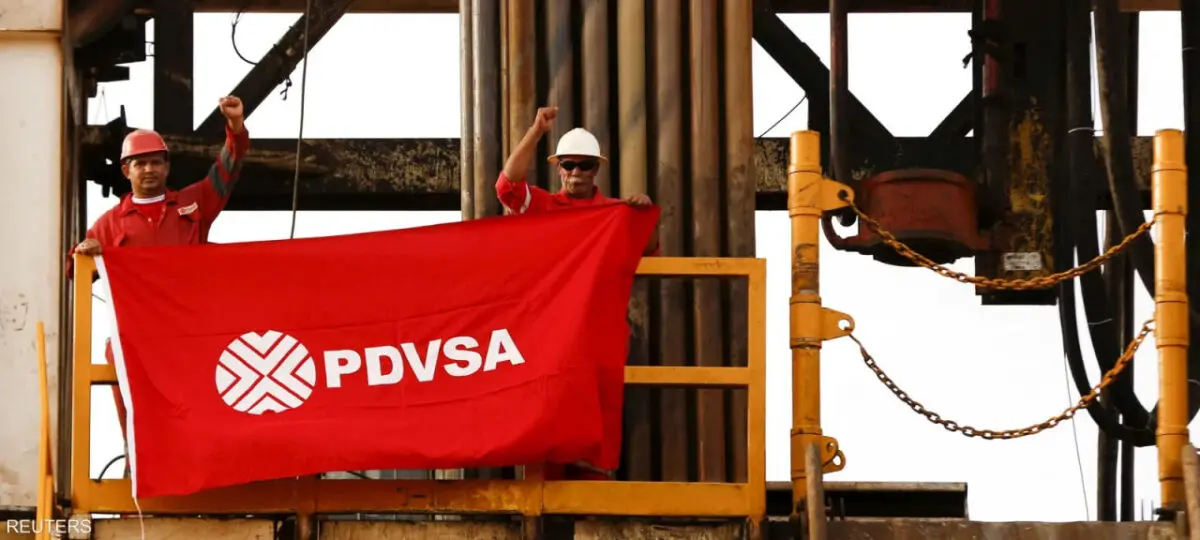
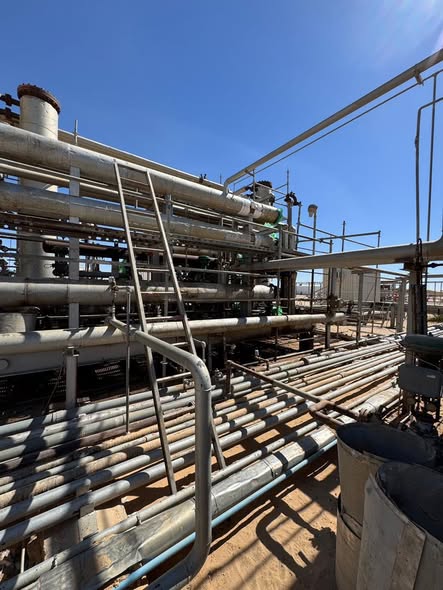
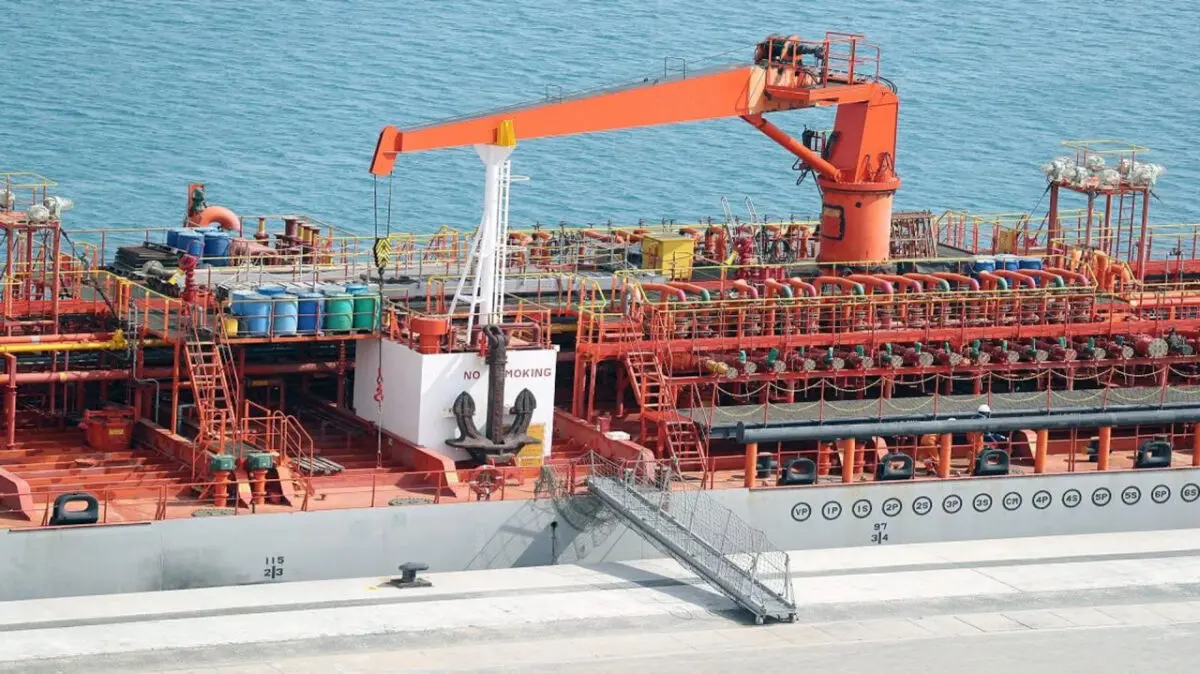
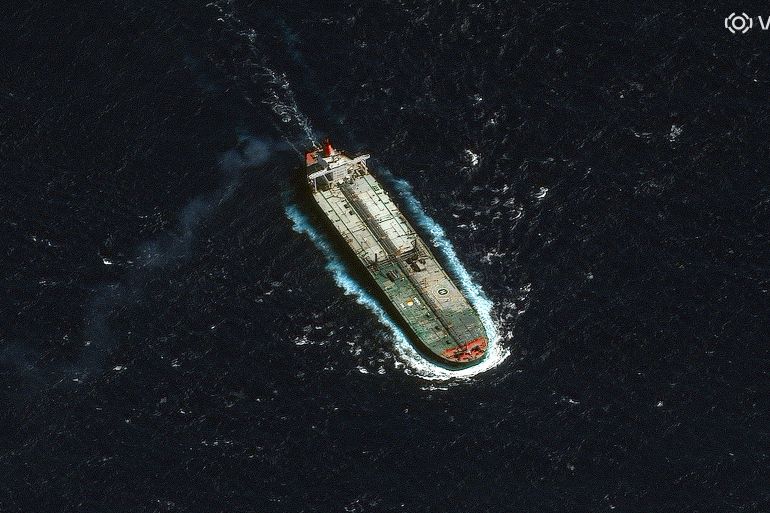
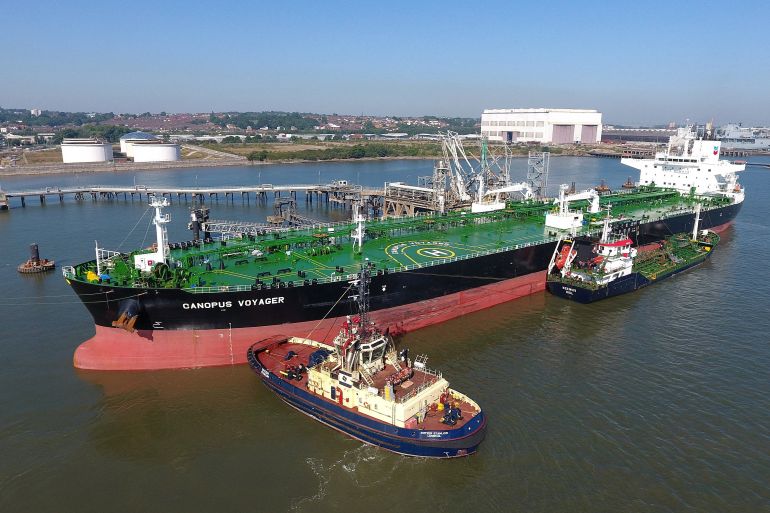
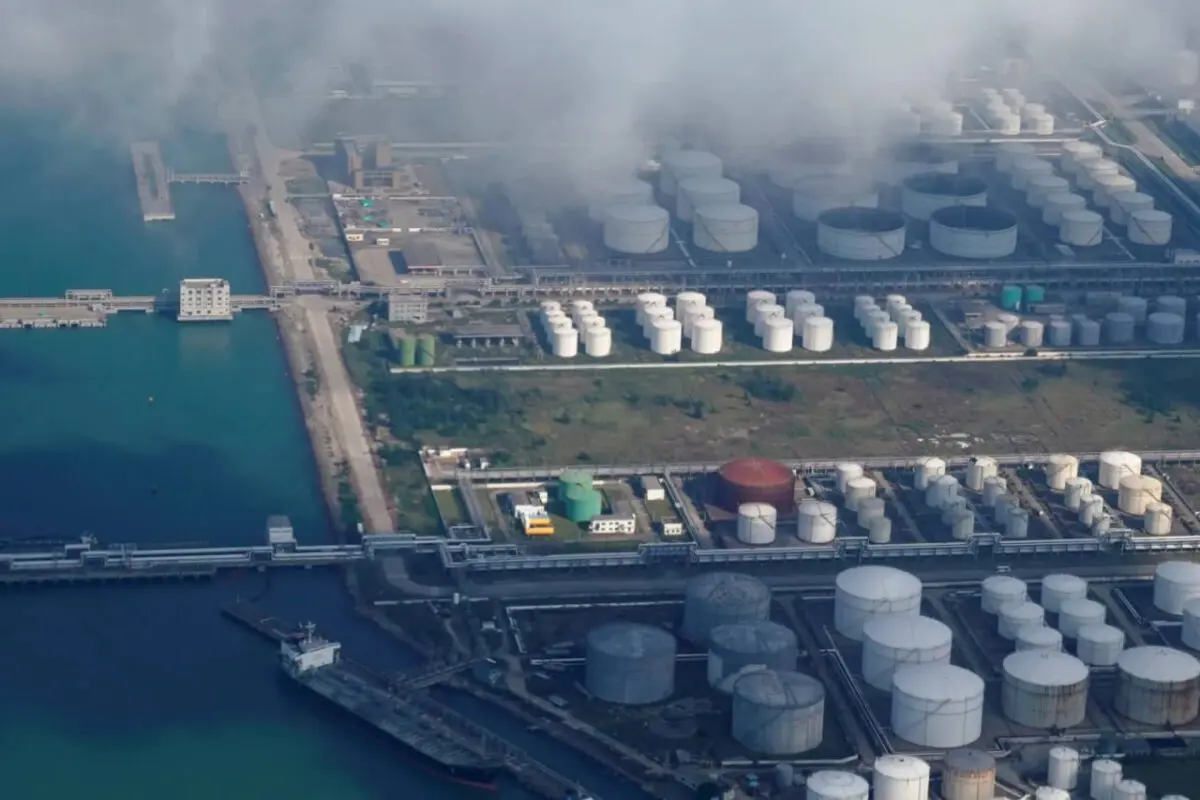
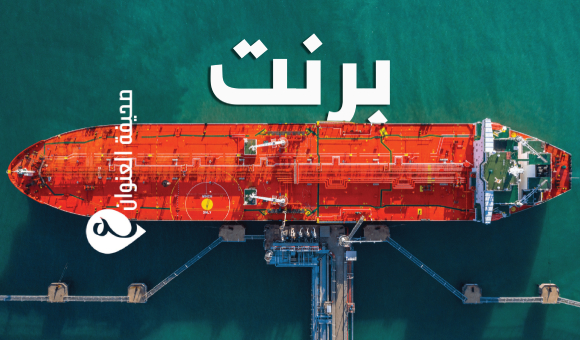
The decision came as a result of swelling oil inventories and a halt in storage capacity, prompting the state-owned company Petróleos de Venezuela (PDVSA) to cut production by 25%, bringing it down to 500,000 barrels per day. This is equivalent to roughly 15% of the nation’s total output.
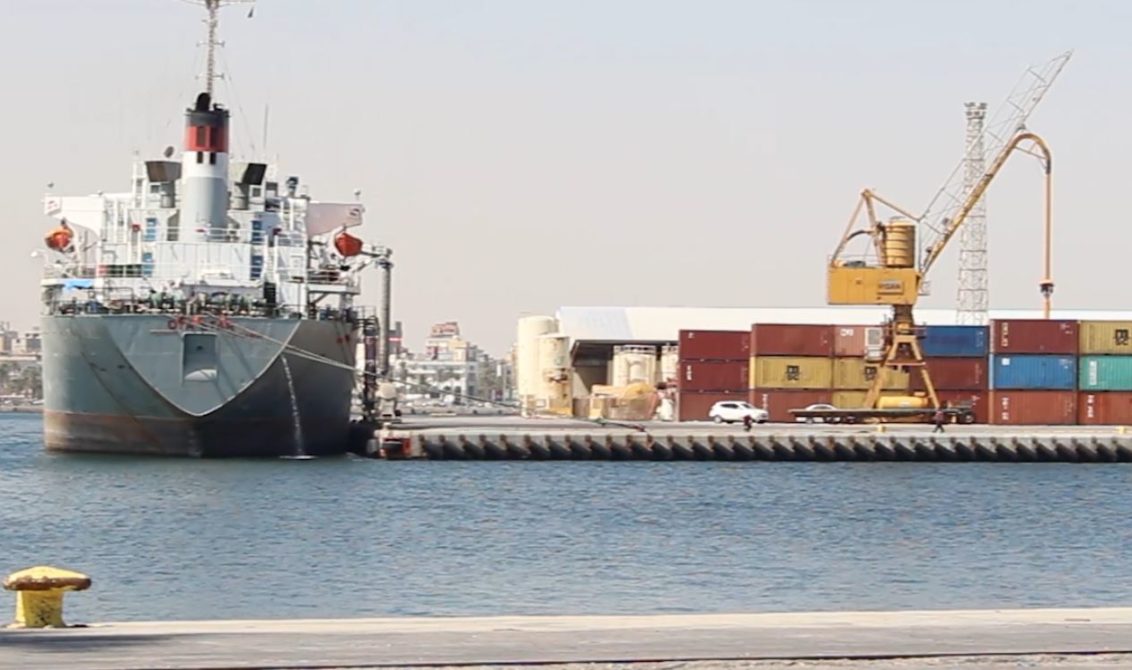
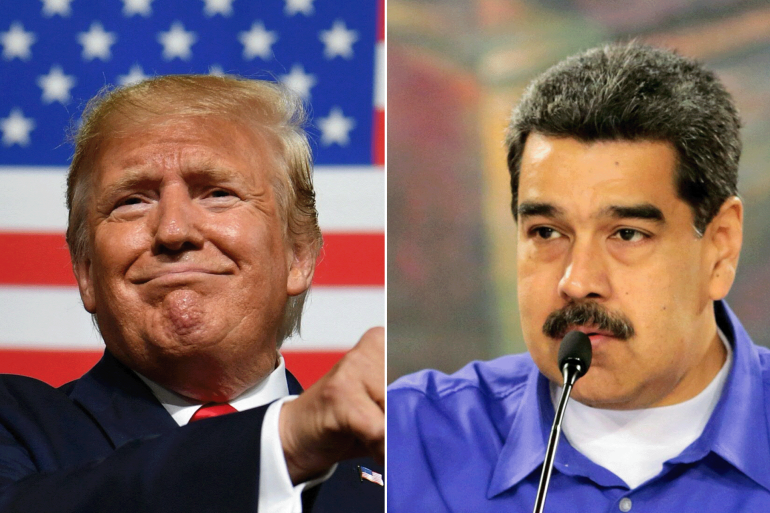
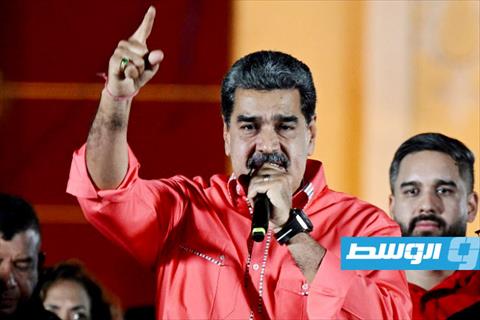
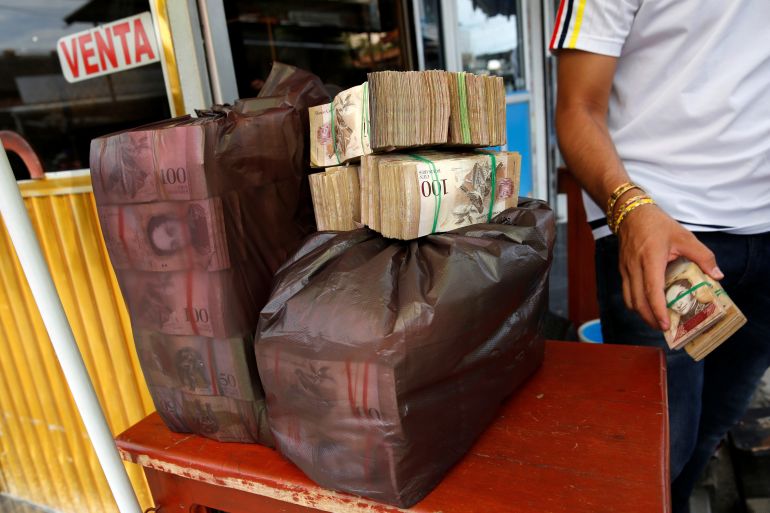
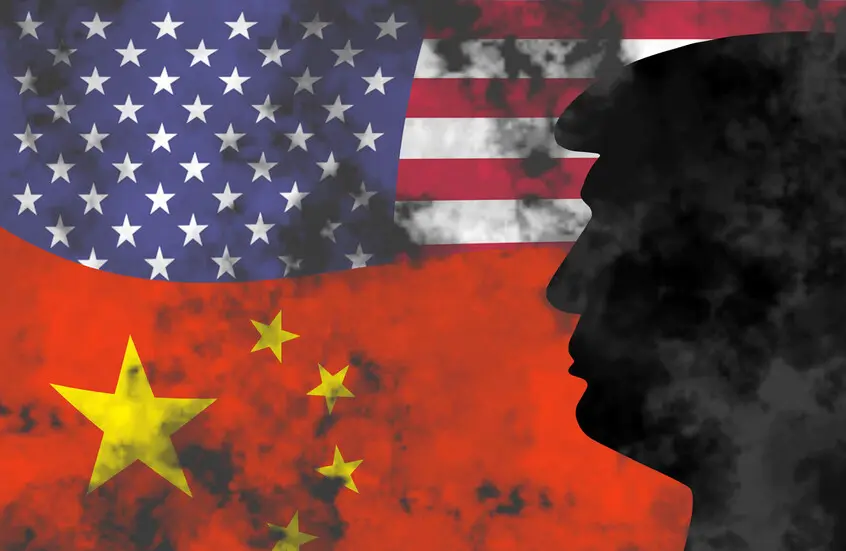
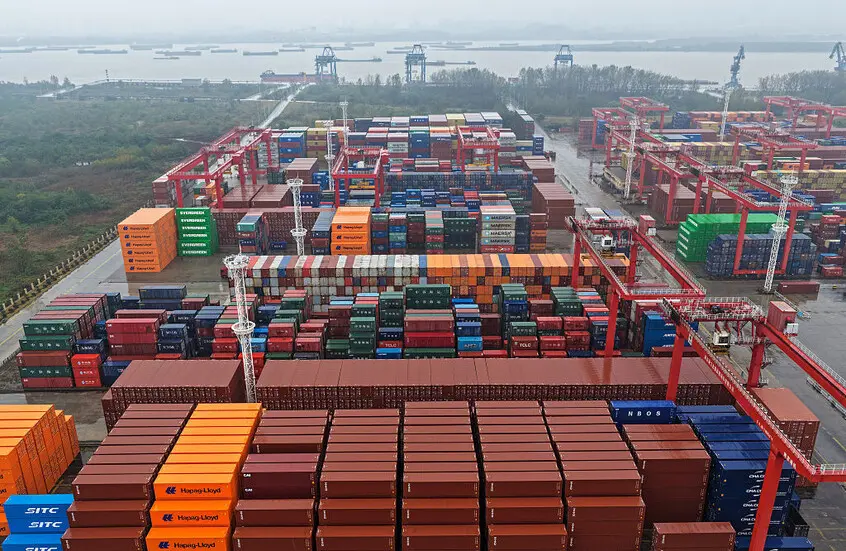
This move comes at a time when Venezuelan President Nicolás Maduro faces significant challenges in maintaining oil revenues, the state’s primary source of income. With the ongoing U.S. sanctions that began in 2019, Venezuela is struggling to export its oil, leading to a focus on managing inventories and protecting storage facilities.
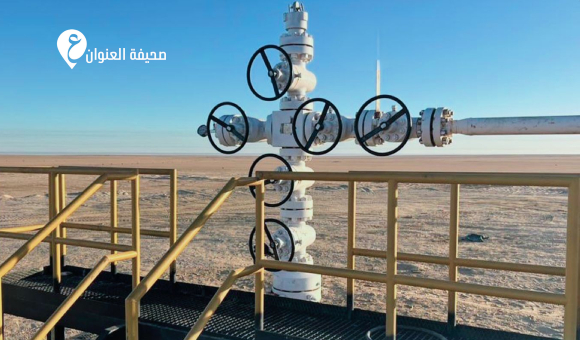
The shutdown operations began on December 28th, with wells being taken offline in the Junín area of the Orinoco Belt. It is expected that the shutdowns will extend to other areas such as Ayacucho and Carabobo, which contain less dense crude. This measure is considered a last resort, as restarting the shut-in wells would be costly and complex.
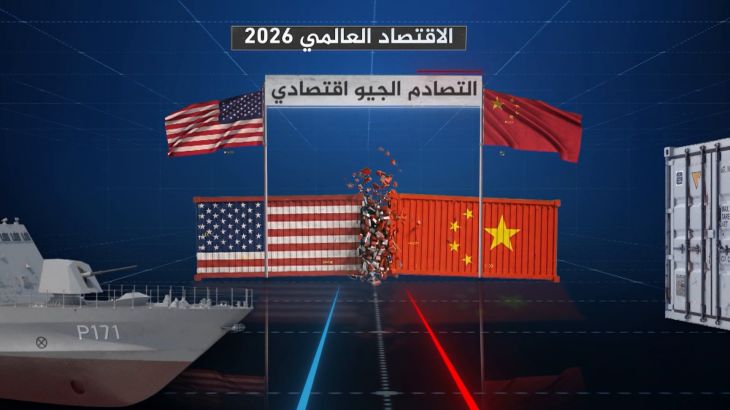
These actions reflect the severe economic challenges Venezuela is suffering, which have been complicated further by U.S. sanctions, even though China remains the largest importer of Venezuelan oil. Some informed sources indicate that PDVSA decided to cut production starting December 23rd to relieve pressure on storage facilities, which have reached maximum capacity. This step is seen as a test of Maduro’s ability to sustain the national economy under these difficult conditions.
Venezuela
Venezuela is a South American country known for its diverse natural landscapes, including the Andes mountains, the Amazon rainforest, and Angel Falls, the world’s highest uninterrupted waterfall. Historically, it was a Spanish colony until achieving independence in the early 19th century under leaders like Simón Bolívar, and its modern economy has been heavily shaped by its vast petroleum reserves.
U.S.
The United States of America is a federal republic founded in 1776 following the American Revolutionary War against Great Britain. It established a constitutional government in 1787, becoming a global power whose modern history is defined by westward expansion, industrialization, and its role in 20th and 21st-century international affairs.
Orinoco Belt
The Orinoco Belt is a vast oil-rich geological region in eastern Venezuela, historically known for its heavy crude oil reserves. Its modern development began in the 1930s, but large-scale exploitation accelerated in the 2000s, making it a central pillar of the Venezuelan economy and global energy markets.
Petróleos de Venezuela
Petróleos de Venezuela (PDVSA) is the state-owned oil and natural gas company of Venezuela, founded in 1976 following the nationalization of the country’s petroleum industry. It has historically been a cornerstone of the Venezuelan economy, though in recent decades it has faced significant challenges due to political turmoil, mismanagement, and international sanctions.
PDVSA
PDVSA (Petróleos de Venezuela, S.A.) is Venezuela’s state-owned oil and natural gas company, founded in 1976 following the nationalization of the country’s petroleum industry. It has historically been a cornerstone of the Venezuelan economy, though in recent decades it has faced significant operational, financial, and political challenges.
Nicolás Maduro
Nicolás Maduro is the current president of Venezuela, having assumed the role in 2013 following the death of his predecessor, Hugo Chávez. His presidency has been marked by a severe economic crisis, political turmoil, and significant international controversy and sanctions.
Junín
Junín is a province in the central highlands of Peru, historically significant as part of the heartland of the Inca Empire and later a major battleground during the Peruvian War of Independence. Its capital, Huancayo, is an important commercial and cultural hub, and the region is known for the Junín National Reserve, which protects a large portion of Lake Junín and its unique ecosystem.
Ayacucho
Ayacucho is a city in the Peruvian Andes historically known as Huamanga, founded by Spanish conquistadors in 1540. It is most famous for the Battle of Ayacucho in 1824, which secured the independence of South America from Spanish rule. Today, the city is renowned for its well-preserved colonial architecture, vibrant religious festivals, and traditional handicrafts like retablos.
Carabobo
The Battle of Carabobo was a decisive military engagement fought on June 24, 1821, in what is now Venezuela. Simón Bolívar’s victory there effectively secured Venezuela’s independence from Spanish rule. Today, the Campo de Carabobo is a national monument and historical park commemorating the battle.
China
China is one of the world’s oldest continuous civilizations, with a recorded history spanning over four millennia, marked by successive dynasties and the development of profound philosophical and cultural traditions. In the modern era, it transformed into the People’s Republic of China in 1949 and has since become a major global economic and political power. Its vast landscape encompasses iconic cultural sites like the Great Wall and the Forbidden City, which reflect its long and complex historical narrative.