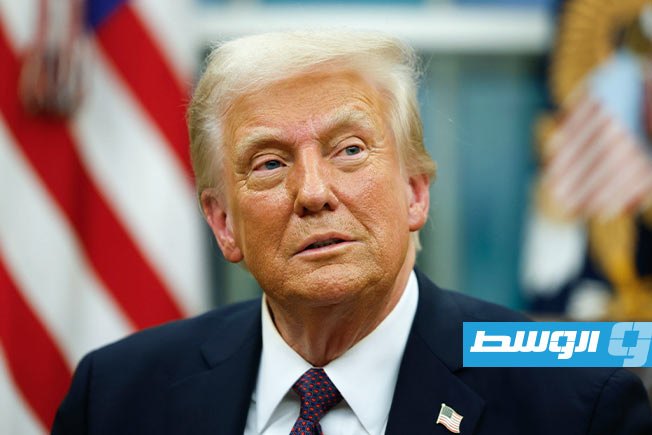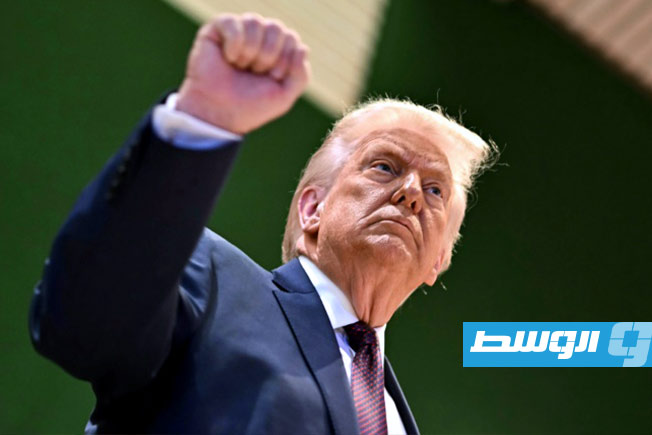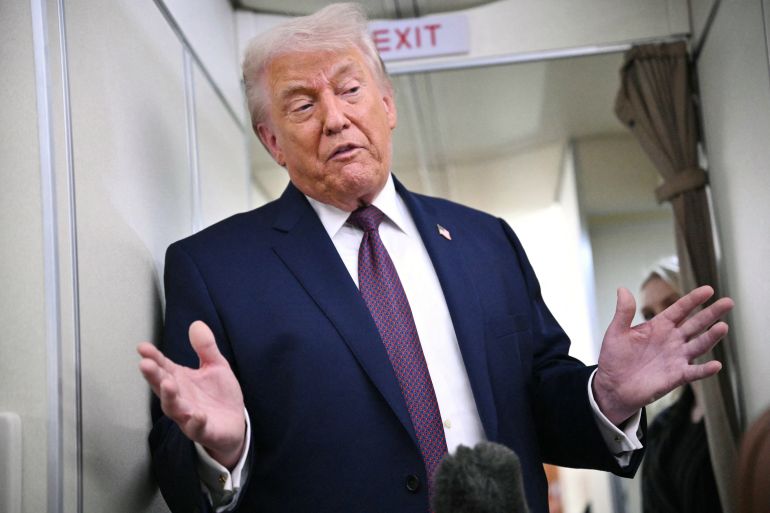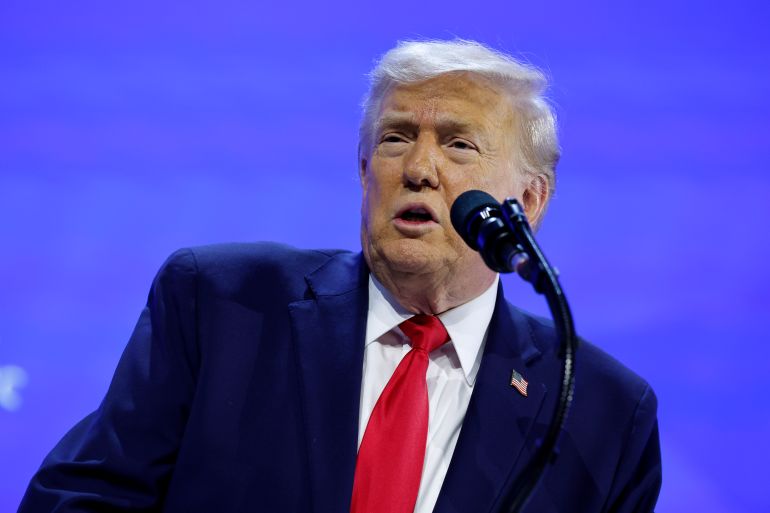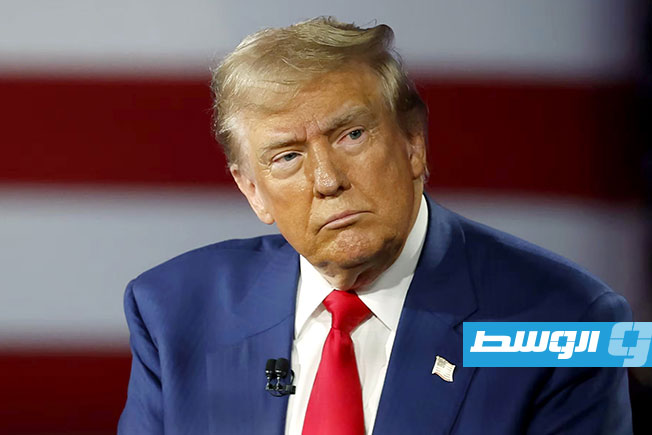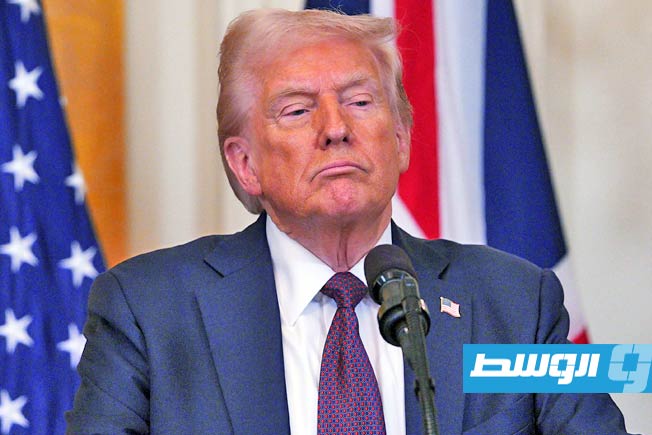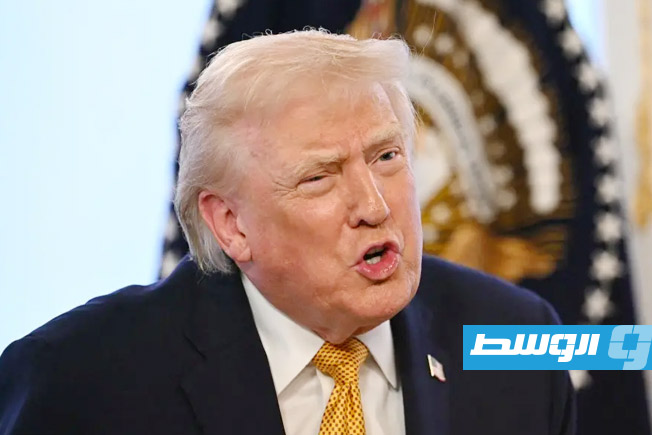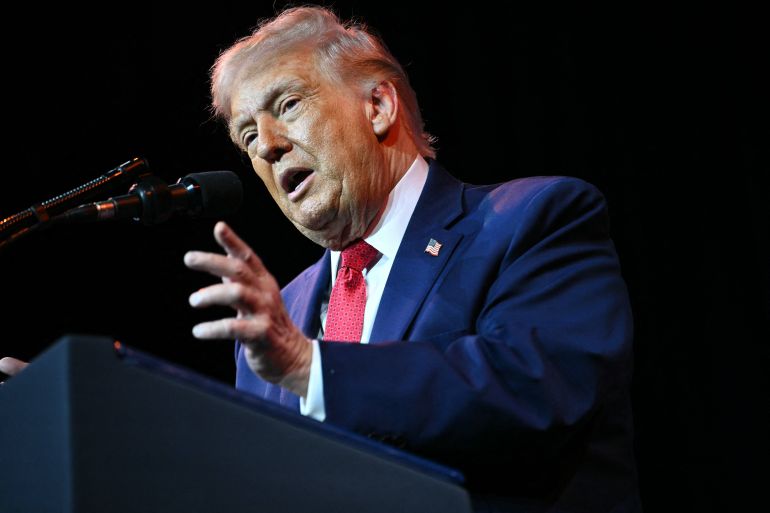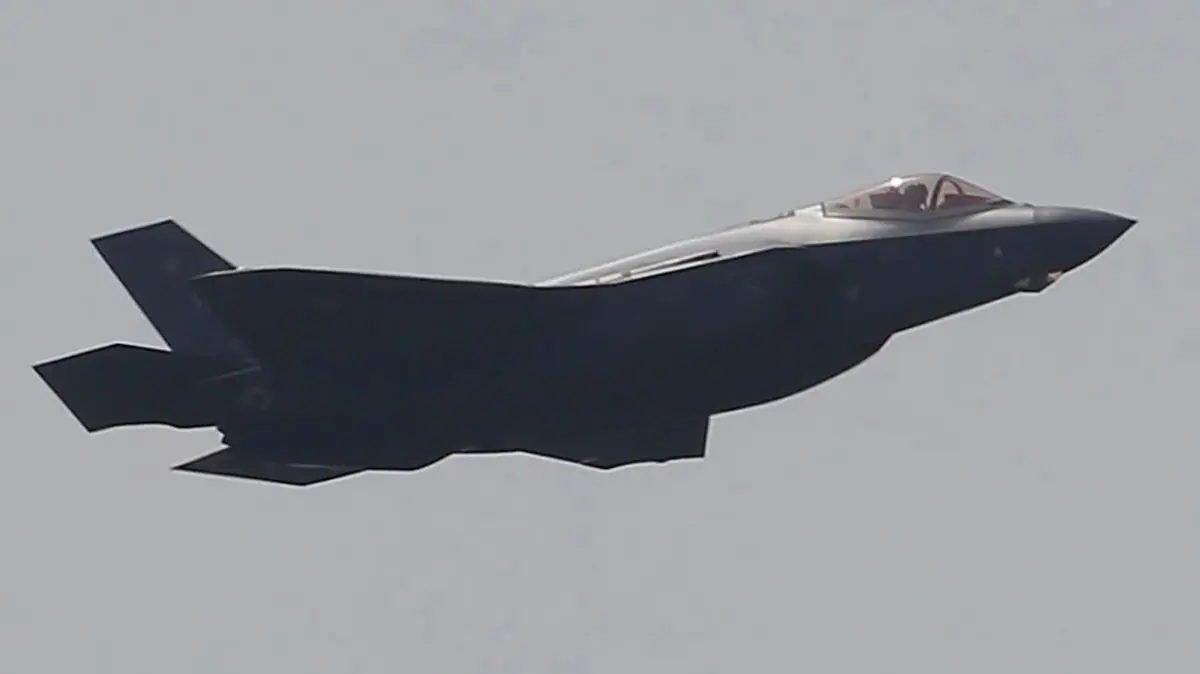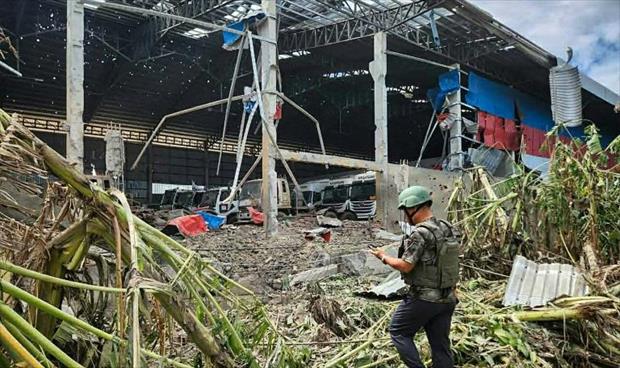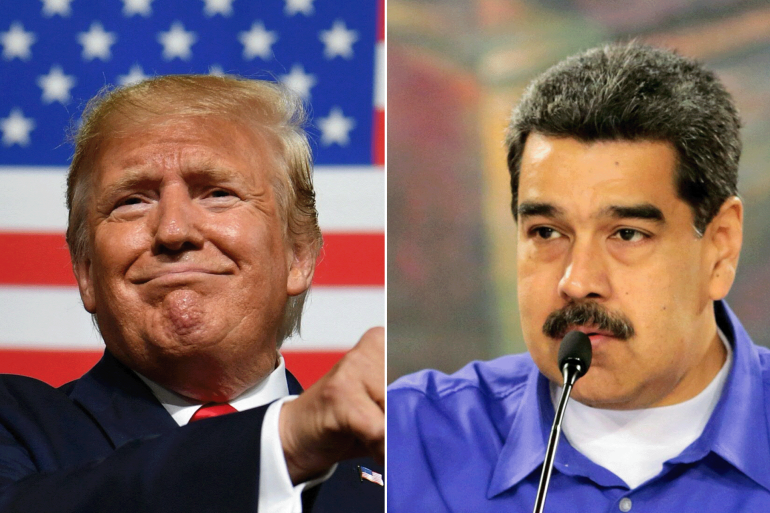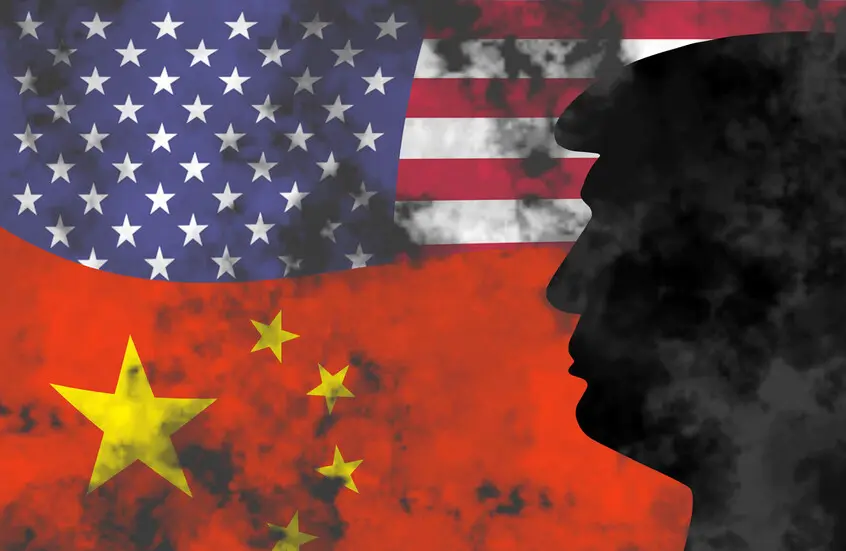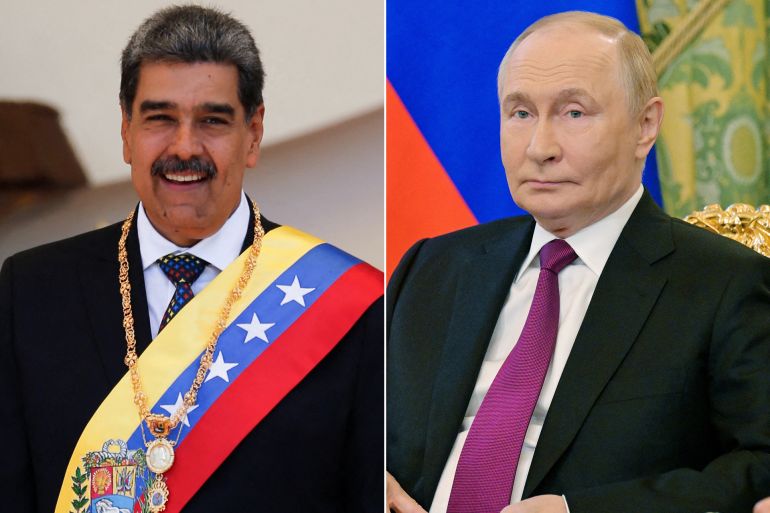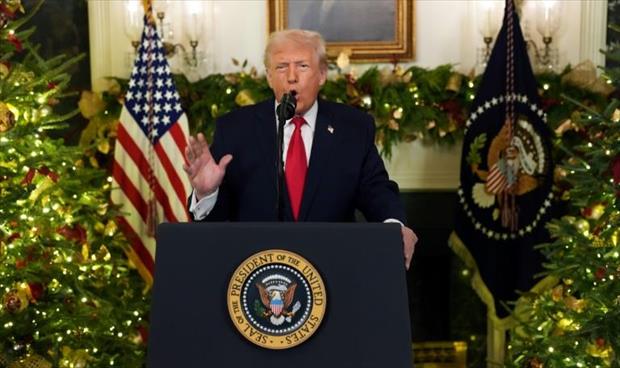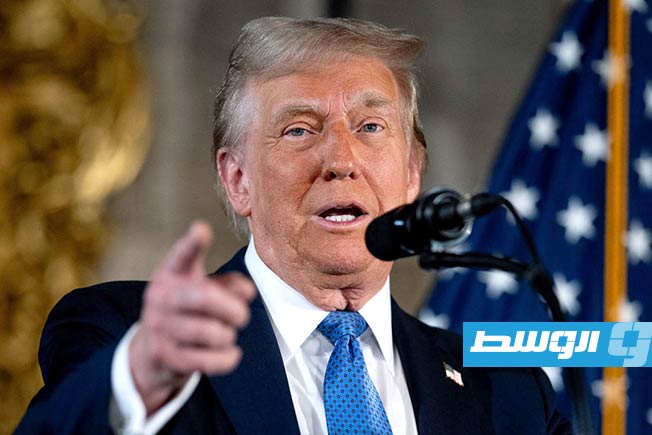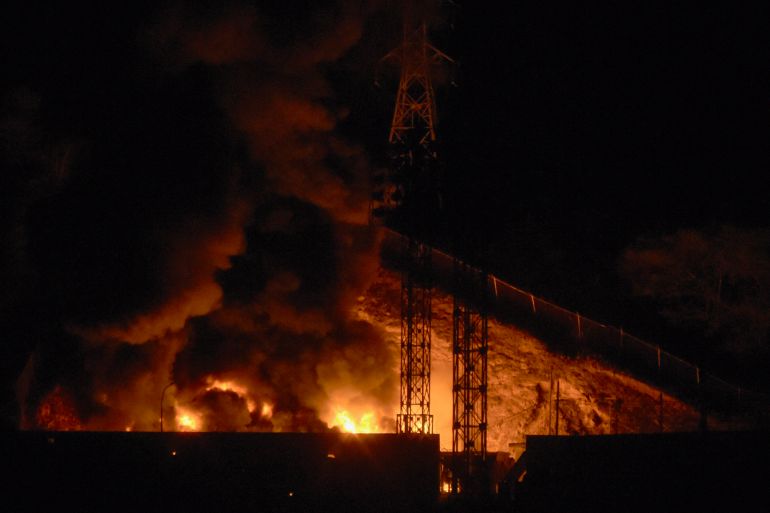
In the early hours of January 3, 2026, Venezuela awoke to violent explosions that shook the capital, followed by an announcement from the US President about the execution of a large-scale military operation and the arrest of the Venezuelan President and his wife, who were then airlifted out of the country.
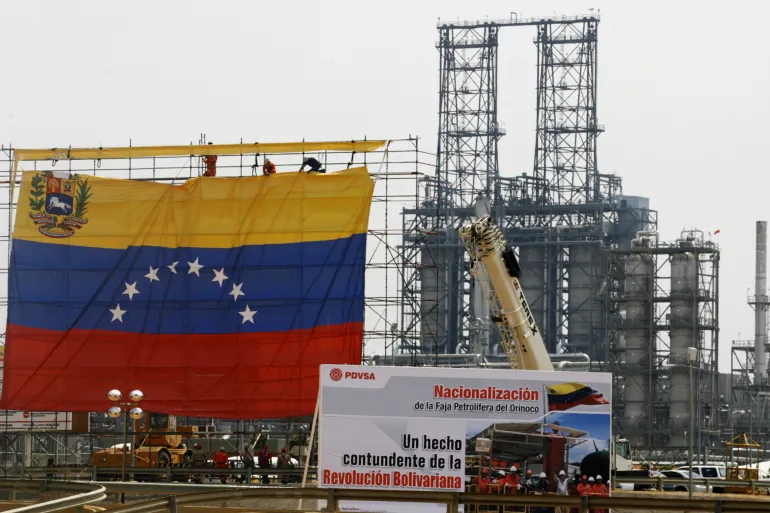
The attack was accompanied by low-flying aircraft and the deployment of military units around the presidential palace. Meanwhile, Caracas declared a state of maximum alert and general mobilization, describing what happened as a “serious imperialist aggression” aimed at seizing the country’s oil wealth.
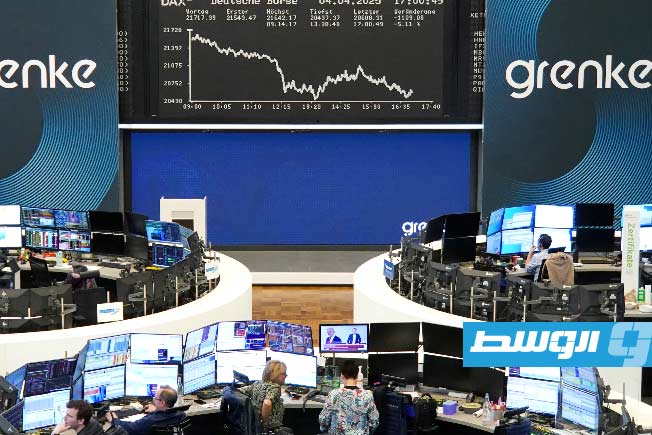
In response, energy markets rushed to absorb the event more politically than oil-wise, with initial estimates pointing to a limited price impact, despite the sensitivity of the timing and the ongoing potential for escalation.
A Military Strike Without Directly Targeting Oil
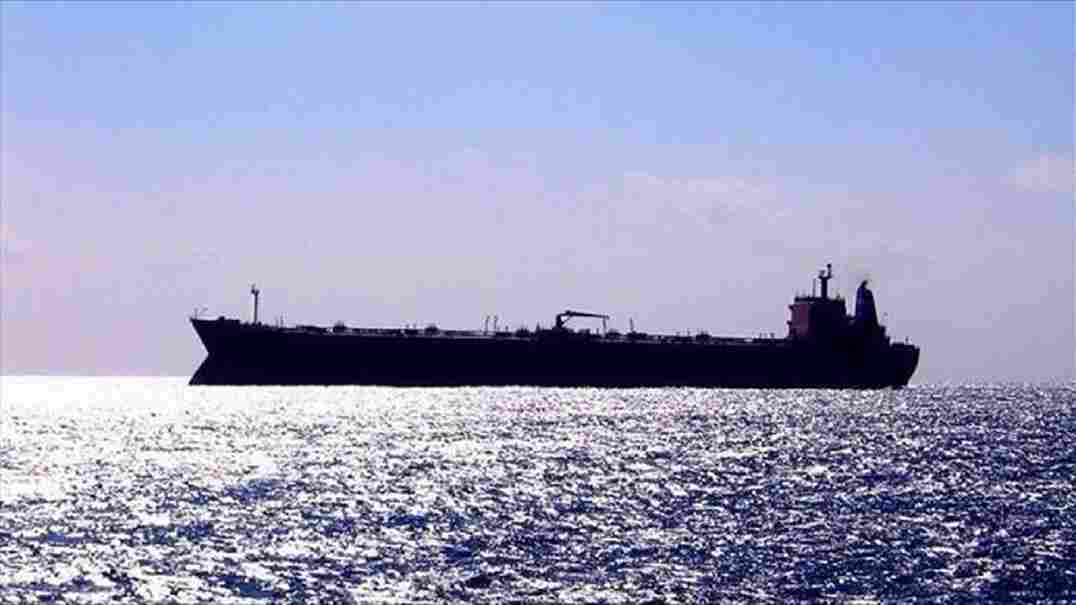
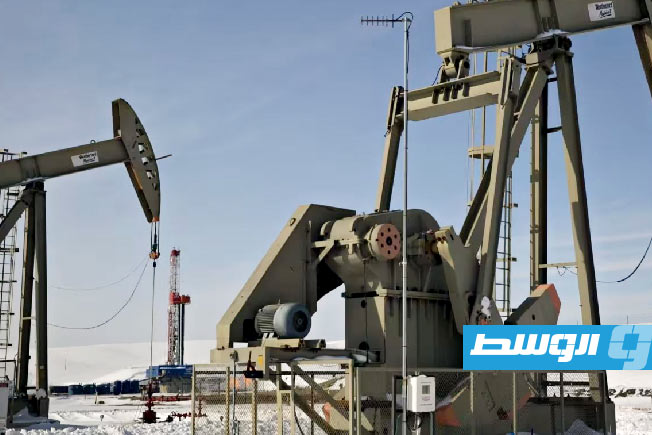
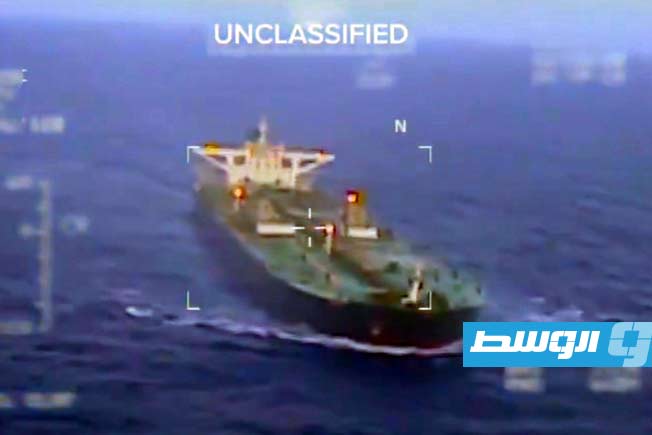
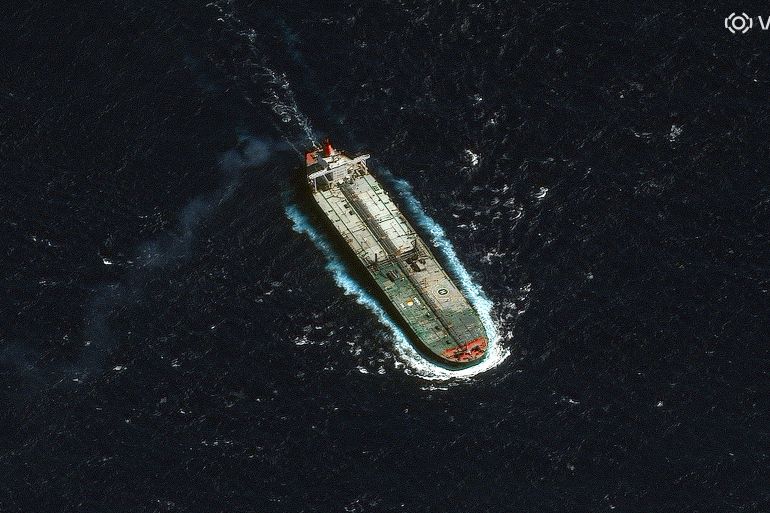
According to experts, the US attack did not directly target oil facilities, but it follows a previous campaign that included a naval blockade and sanctions that tightened the noose on Venezuela’s exports.
One analyst stated that “exports and production were already under downward pressure,” warning that this trend could continue.
Another expert explained that previous sanctions and attacks on ships “reduced production by about 25%,” but added that “the price impact will not be significant” given expectations of high global inventory builds.
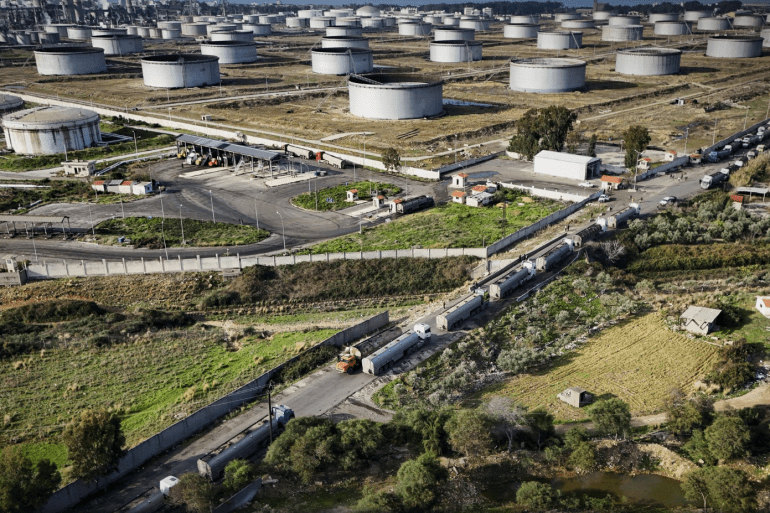
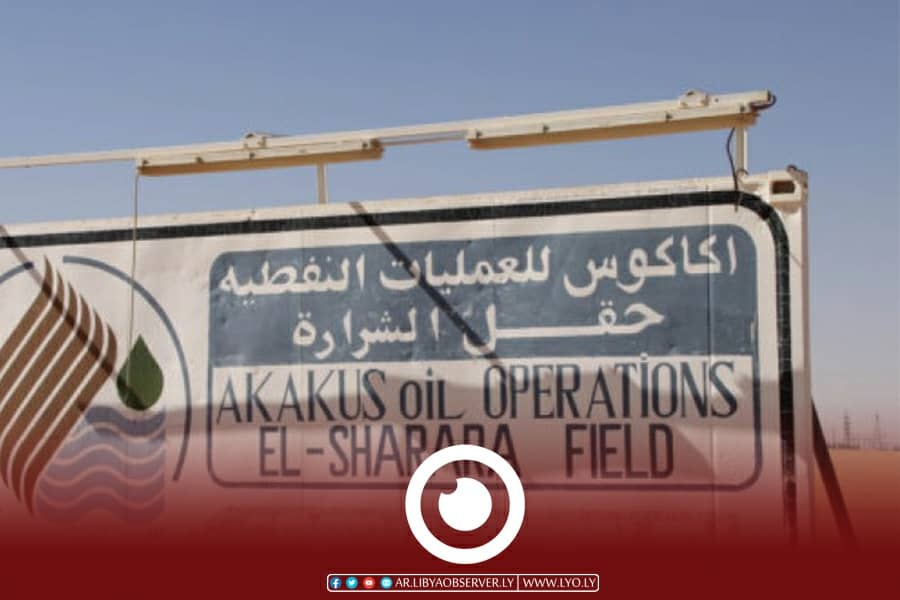
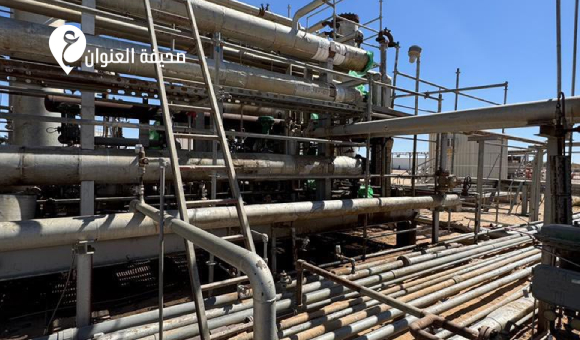
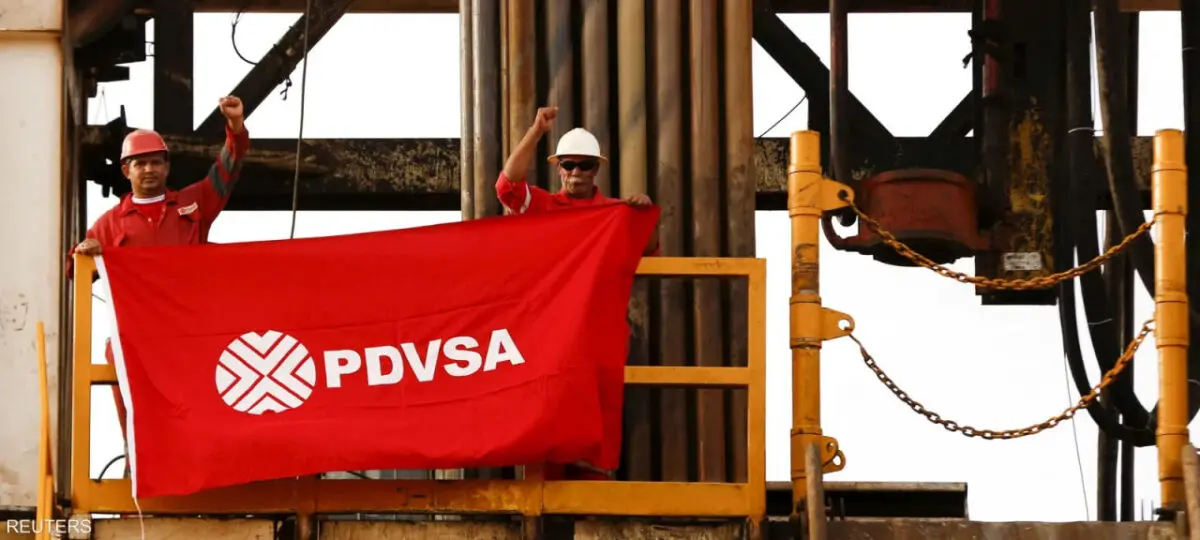
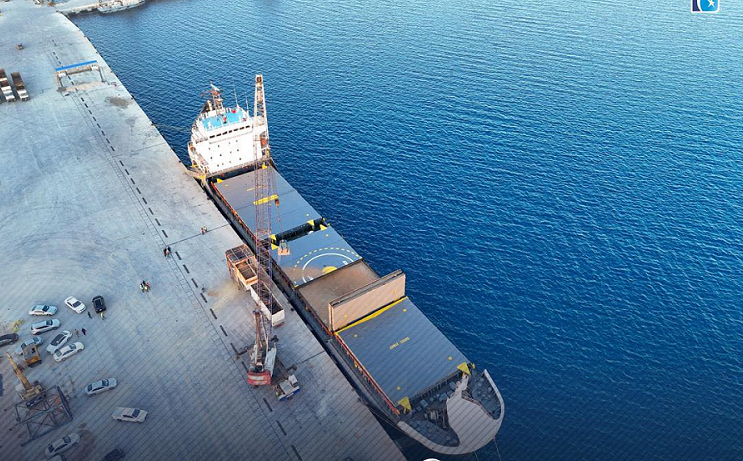
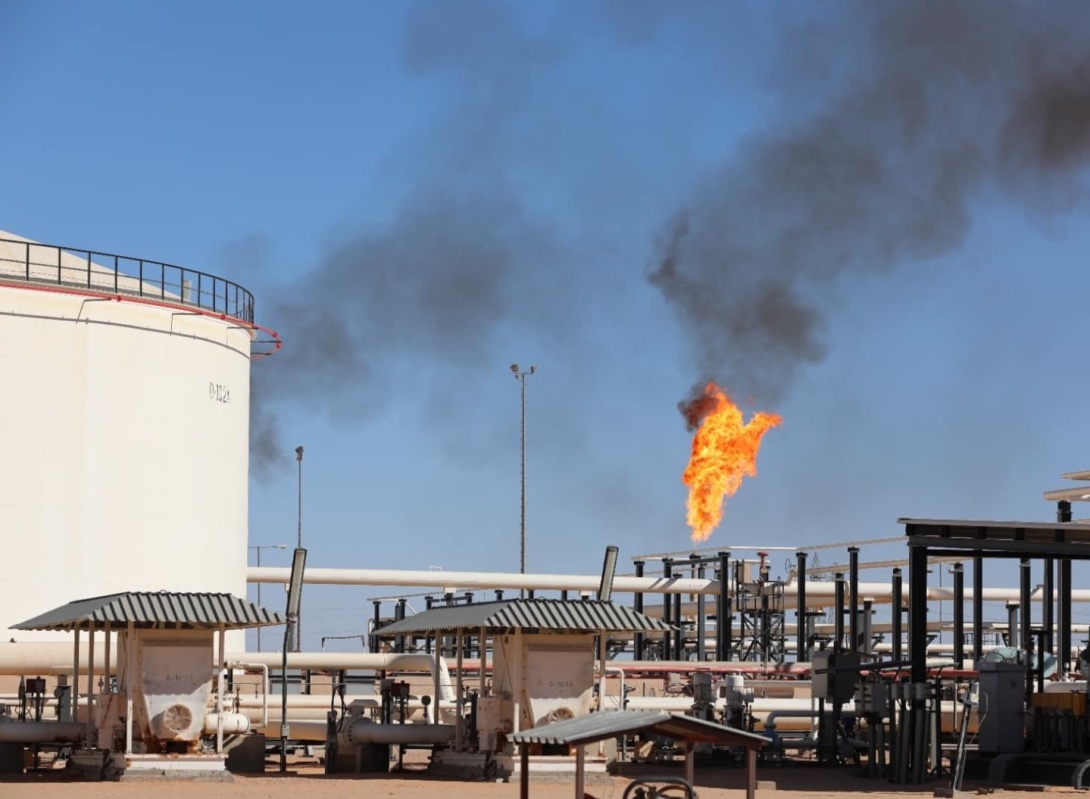
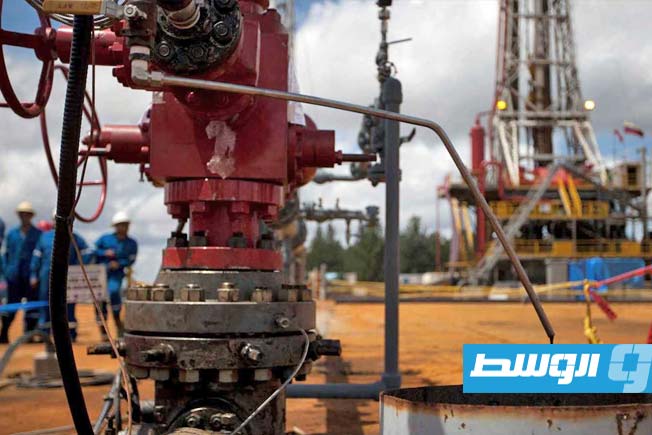
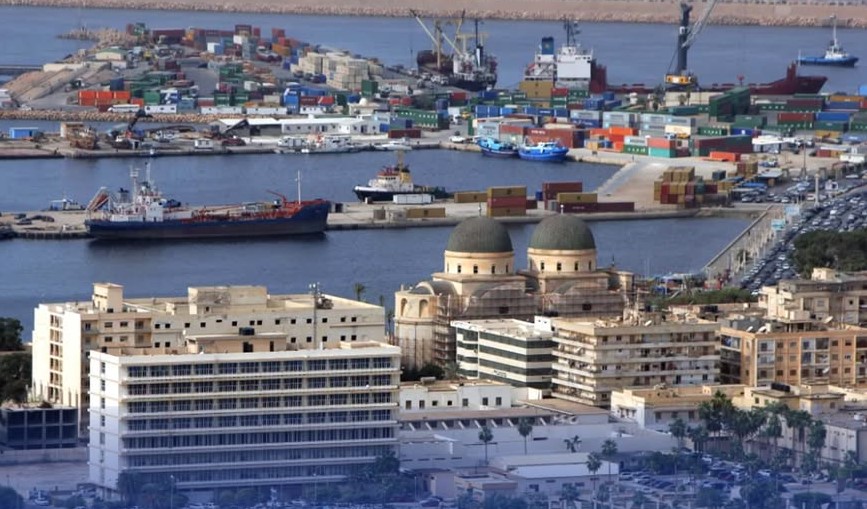
At the same time, sources at the Venezuelan national oil company reported that production and refining operations “are proceeding normally,” while significant damage was recorded at the non-oil port of La Guaira.
The World’s Largest Oil Reserves
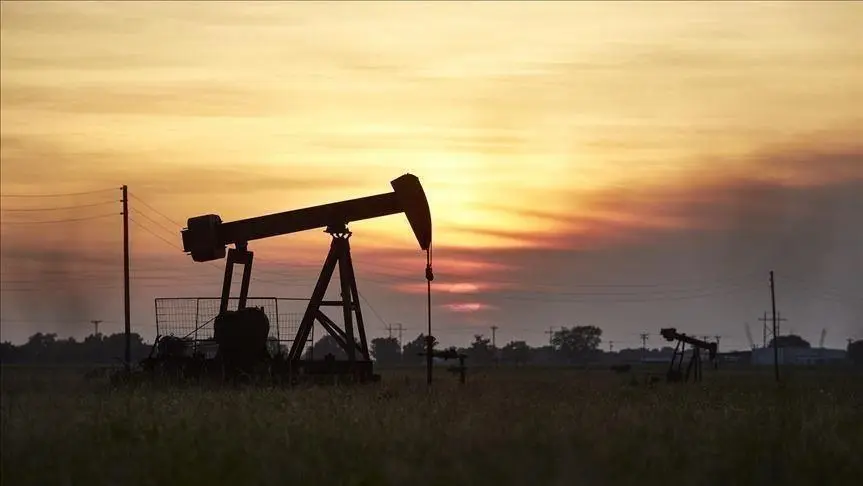
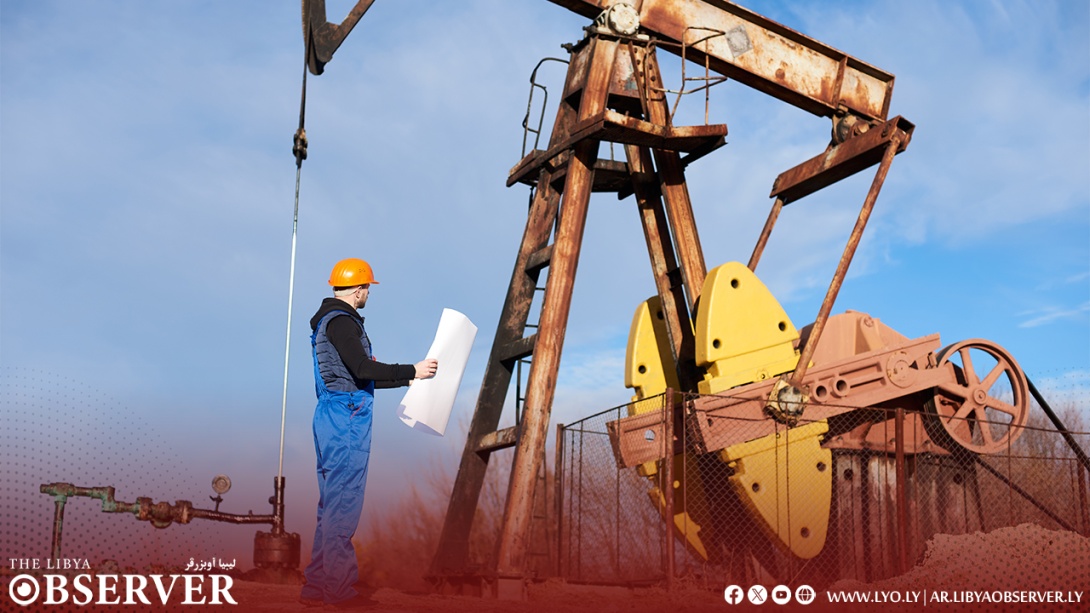
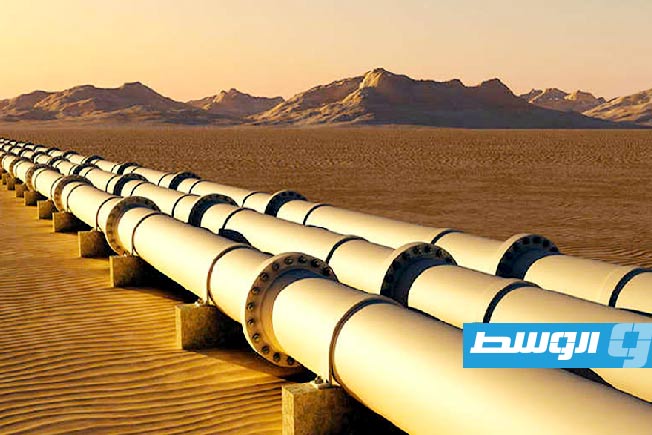
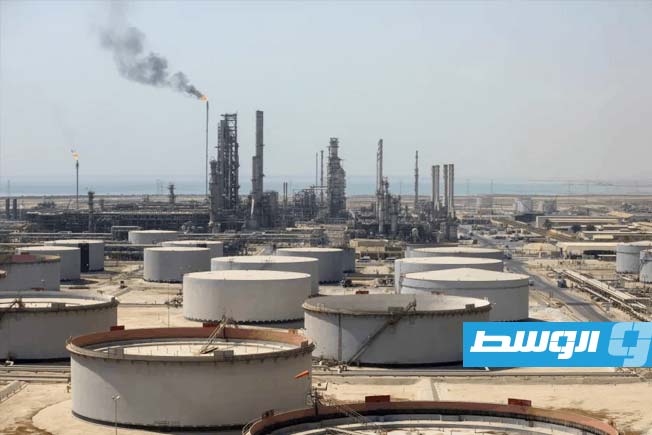
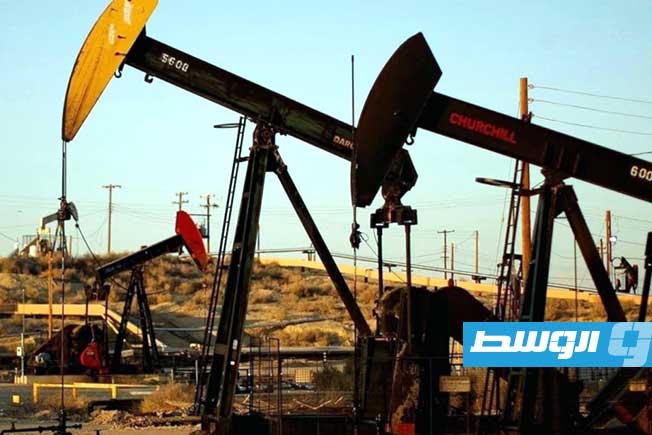
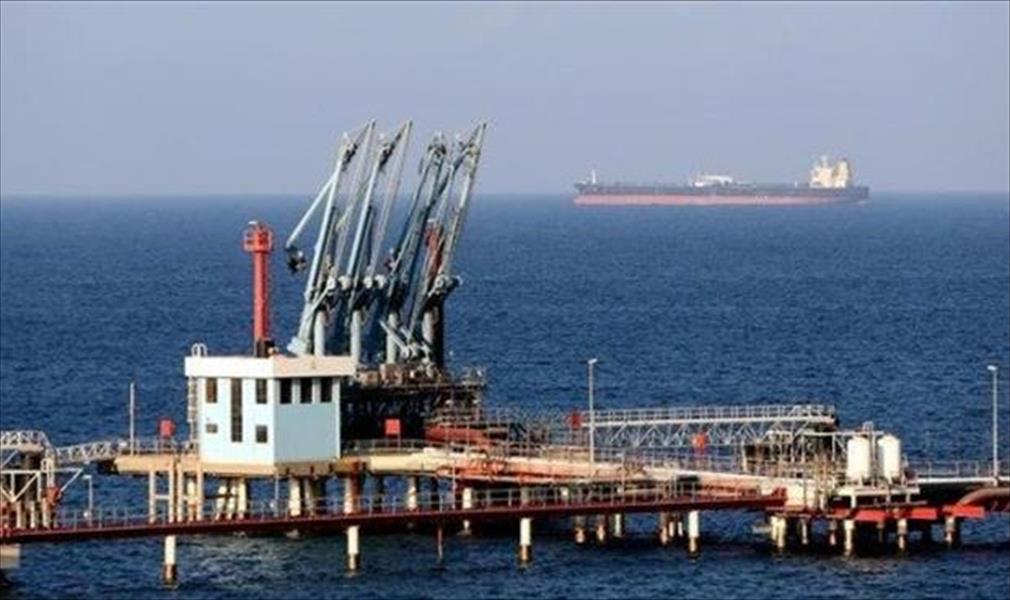
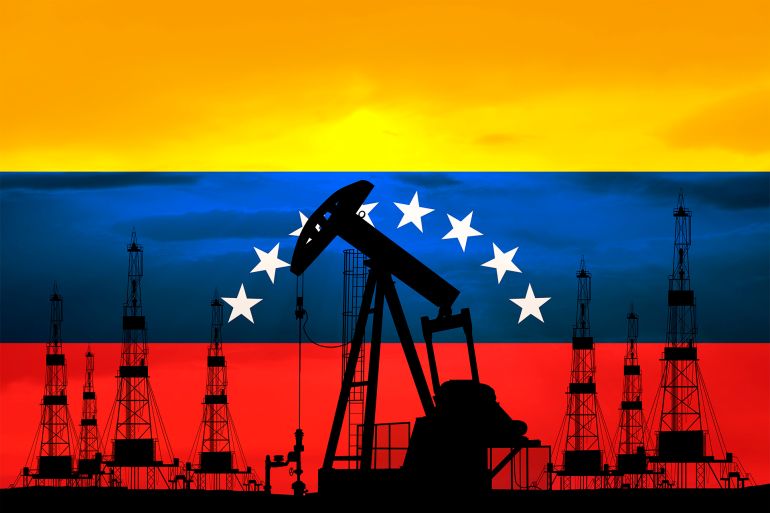
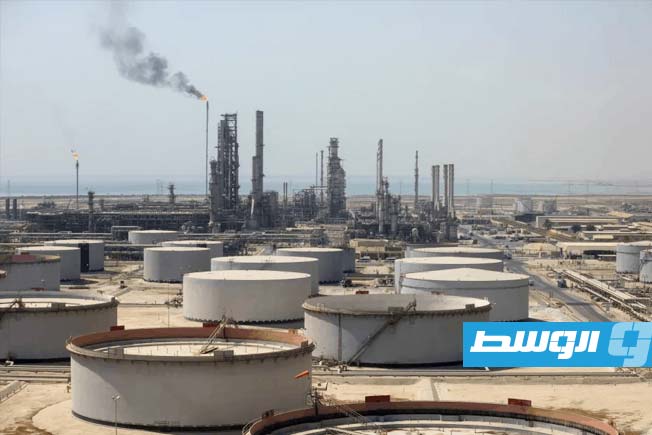
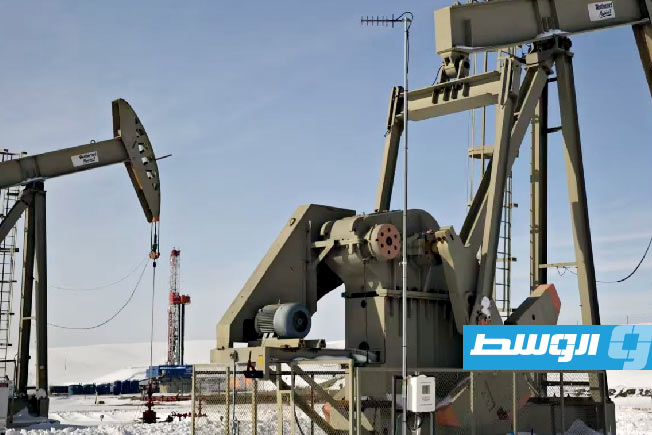
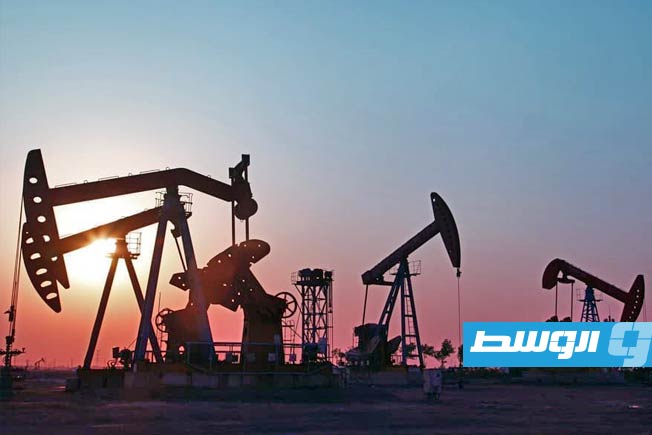
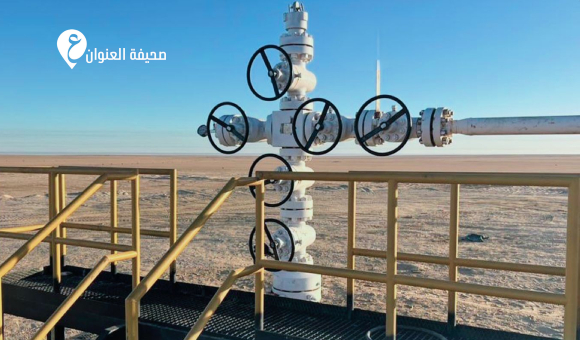
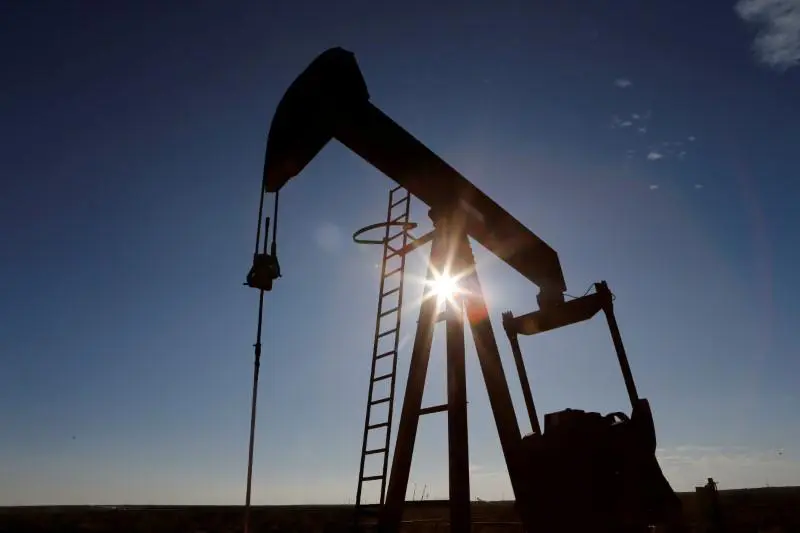
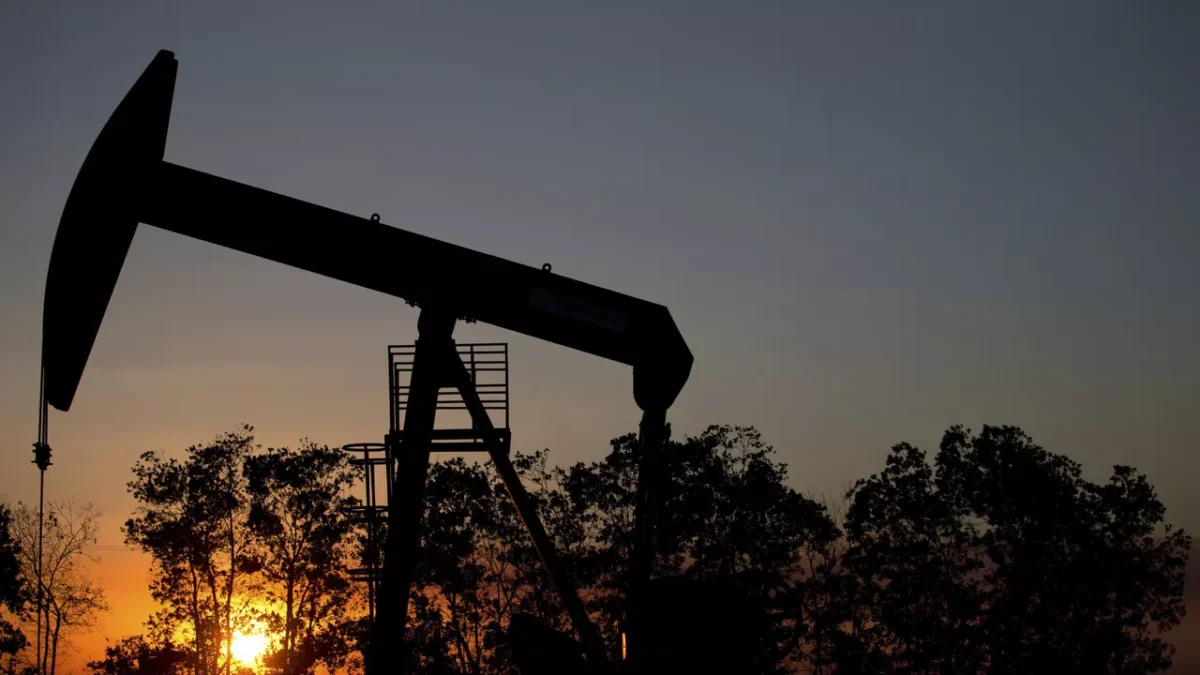
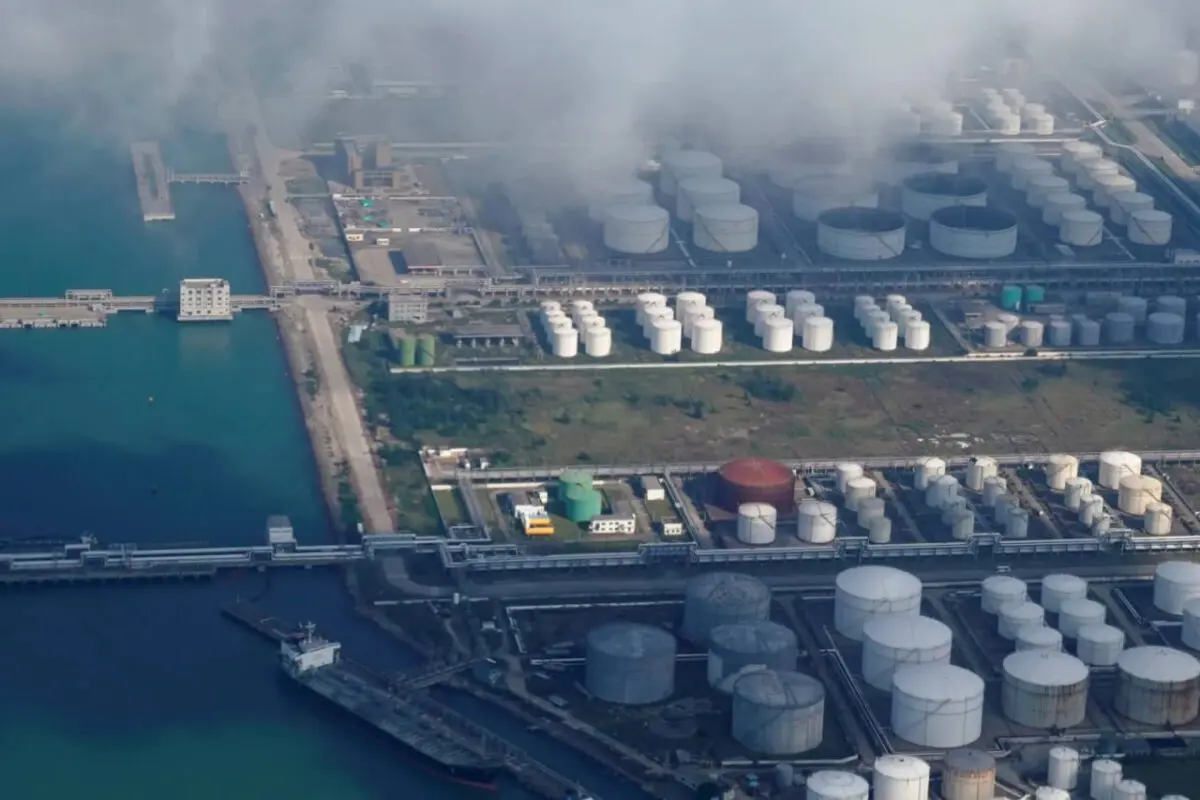
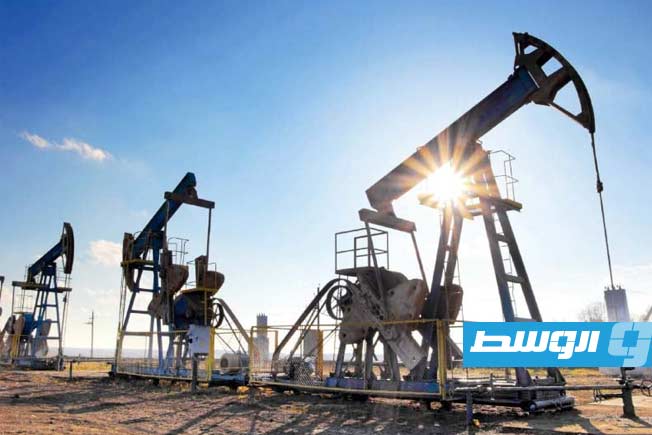
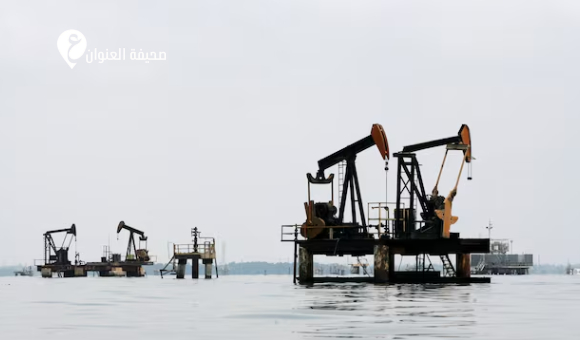
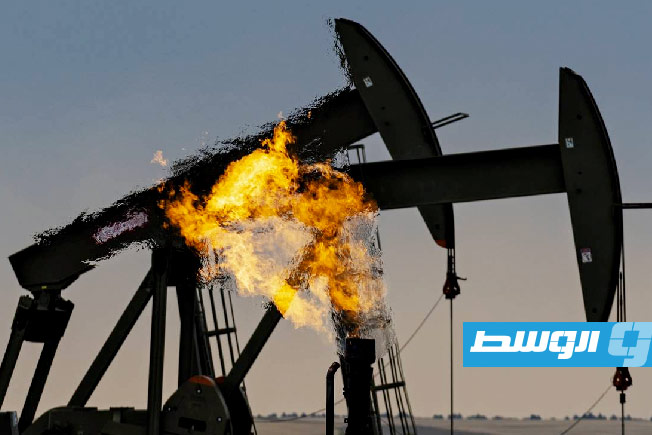
Venezuela possesses 303 billion barrels of crude oil, approximately one-fifth of the world’s reserves according to US energy data, a reserve that surpasses that of Saudi Arabia.
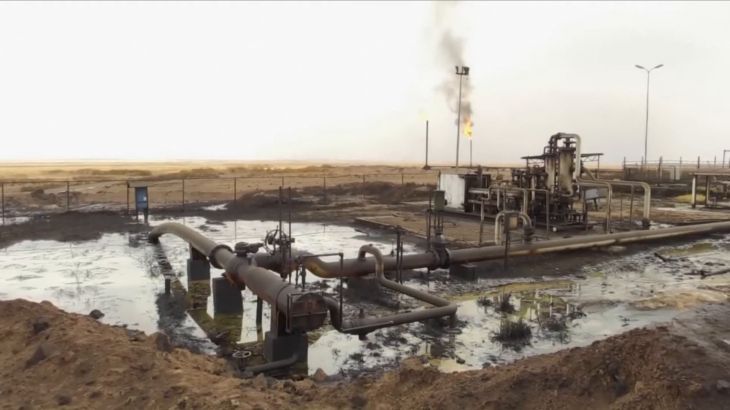
However, this enormous volume is not reflected in actual production, with current output not exceeding one million barrels per day, or less than 0.8% of global supplies, as confirmed by an energy analysis.
It is noted that current production has fallen to less than half the levels before President Maduro came to power in 2013, and to less than a third of Venezuela’s output before the socialist system took control.
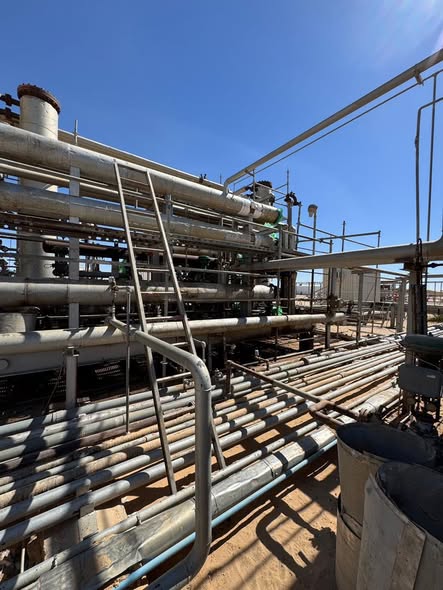
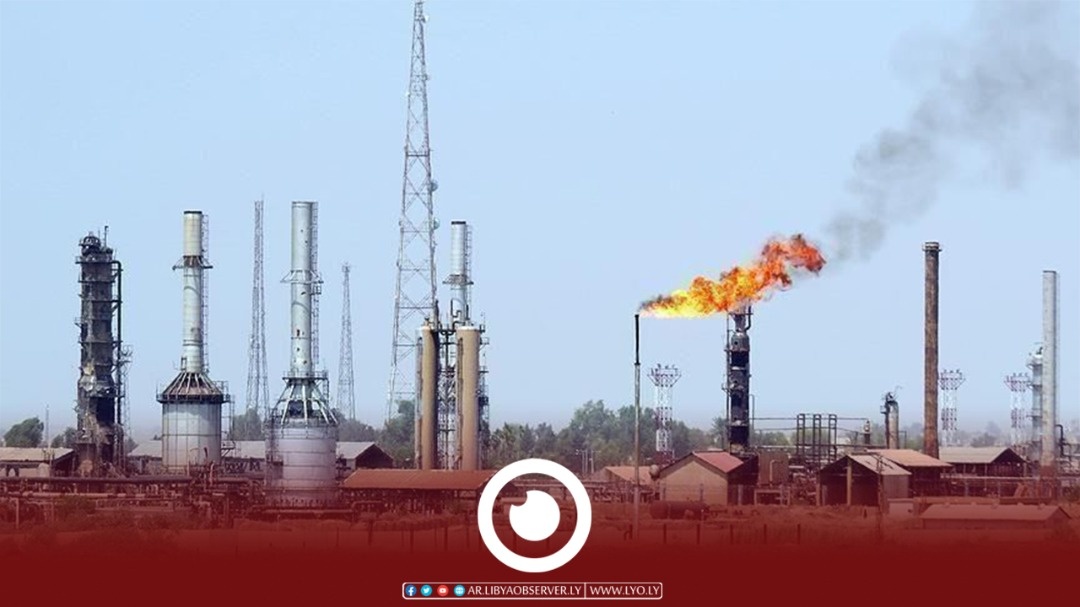
This decline is attributed to a combination of international sanctions, economic collapse, and “lack of investment and maintenance,” leading to the erosion of oil infrastructure and reduced production capacity.
Markets Between Supply Surplus and Risk Premium
One market CEO said the immediate repercussions “do not exceed a slight increase in the risk premium associated with Venezuela,” while another analyst pointed out that the market “is relatively downplaying geopolitical risks,” but the supply surplus reduces concern over the loss of additional supplies.
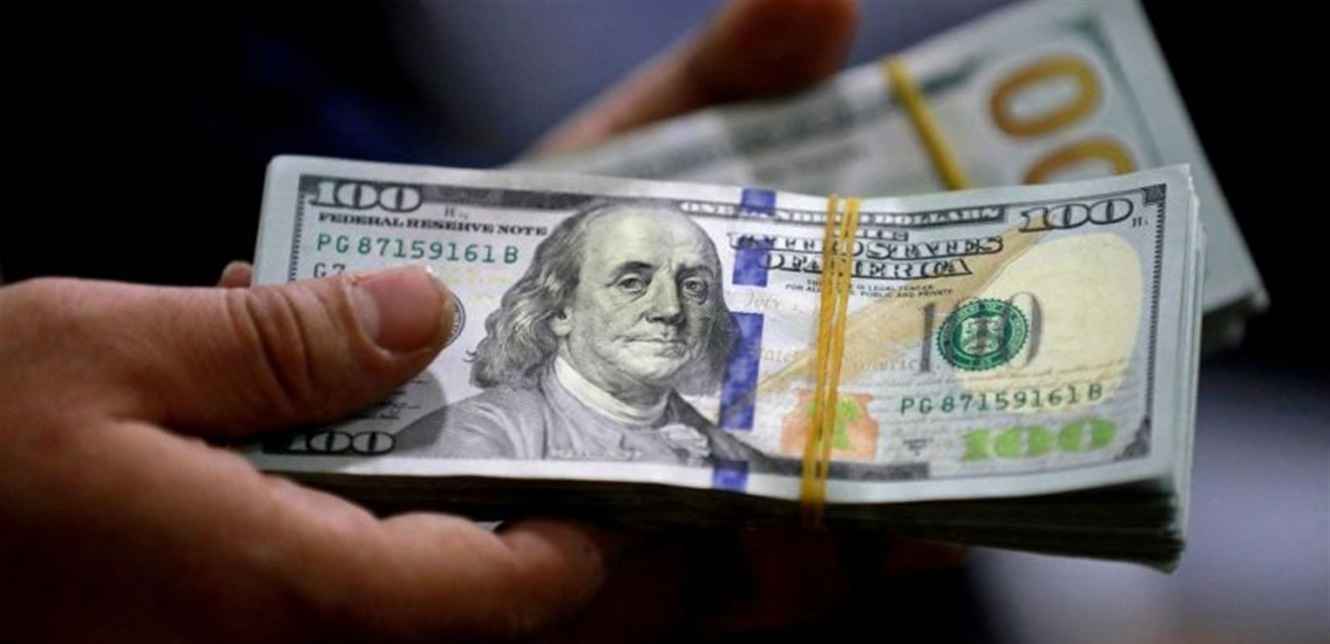
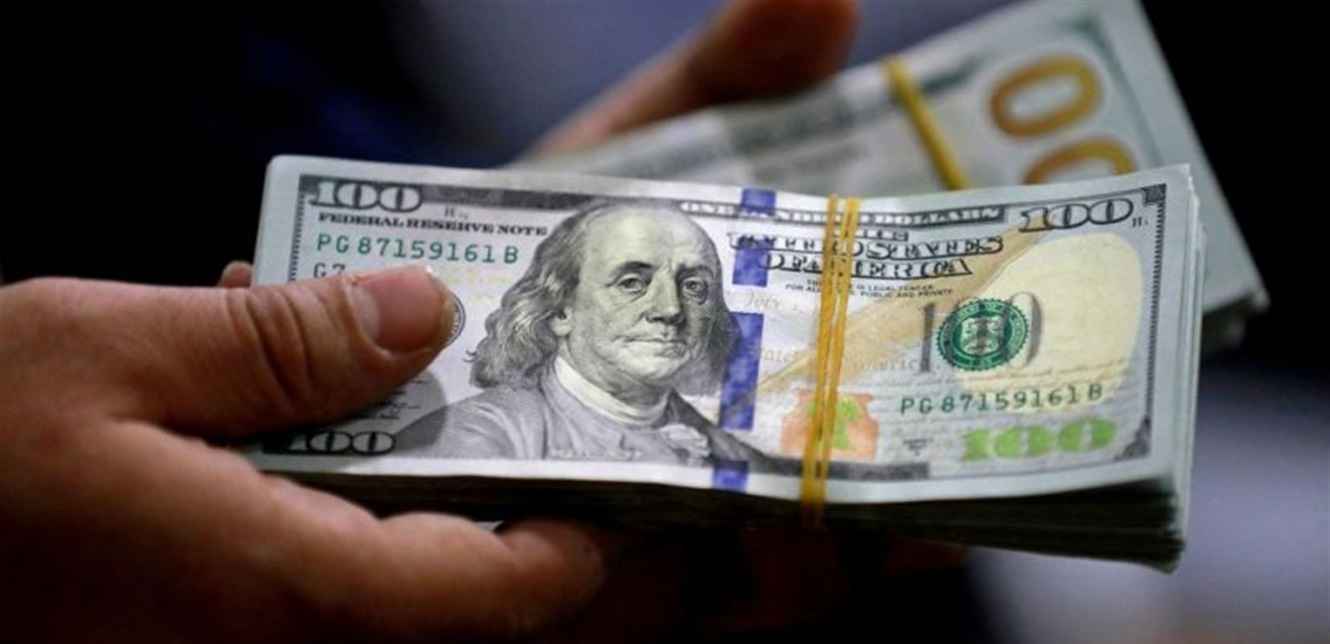
Oil prices traded near $61 per barrel at the start of 2026, amid the simultaneous impact of Ukrainian attacks on Russian facilities. However, the nature of Venezuela’s heavy crude – which constitutes more than 67% of its production – means any prolonged disruption could pressure refined product prices, even if the overall impact remains limited.
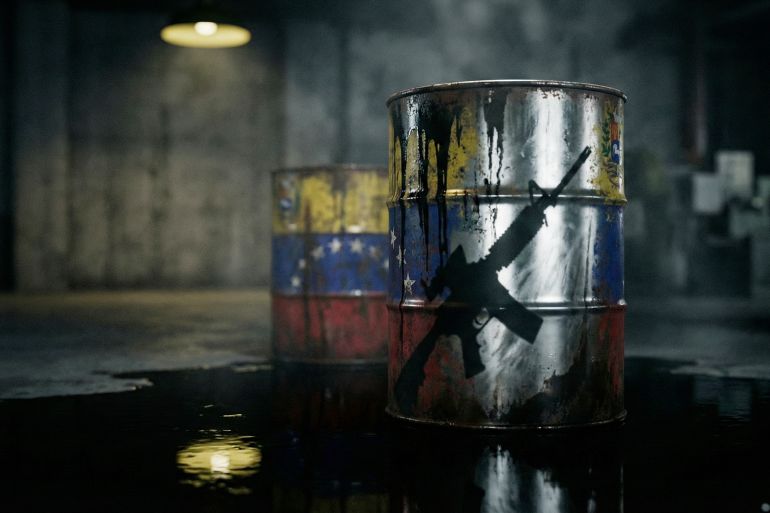
In its report, one network sees any potential price increase as “more psychological than structural,” given:
- Concerns over a global supply surplus
- Increased production from other major producers
- Slowing demand due to economic factors
- Declining purchasing power.
In this context, a chief market analyst was quoted as saying, “Venezuela has oil that can be easily replaced by other producers,” adding that “the impact will be limited unless the situation moves towards civil war or a broader regional escalation.”
Divergent Readings and Potential for a Temporary Shock
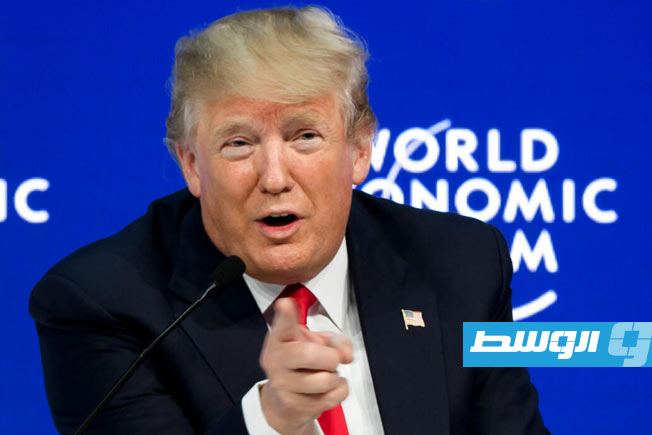
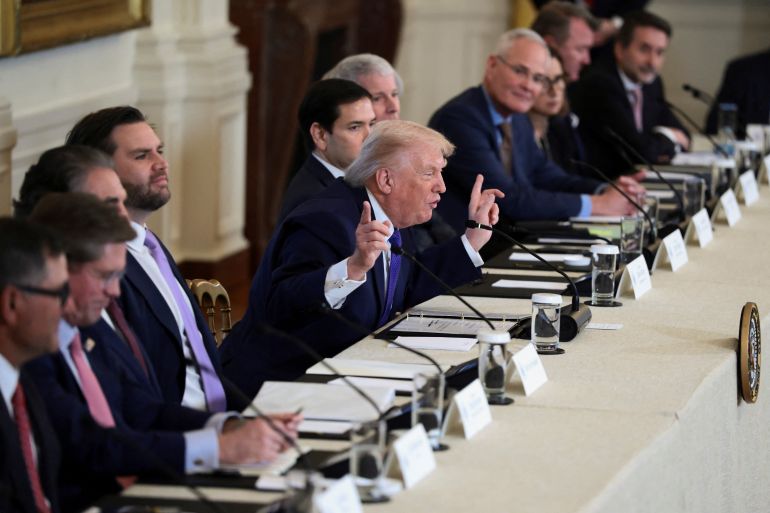
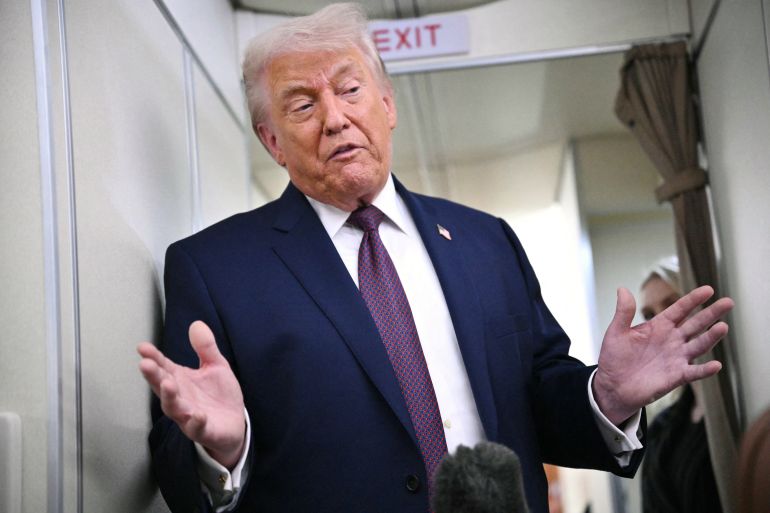
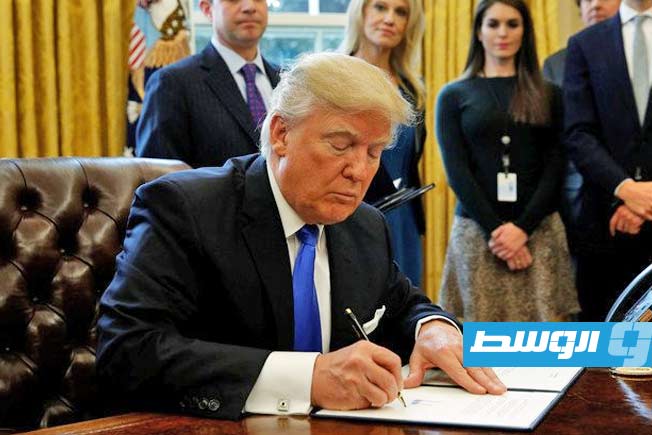
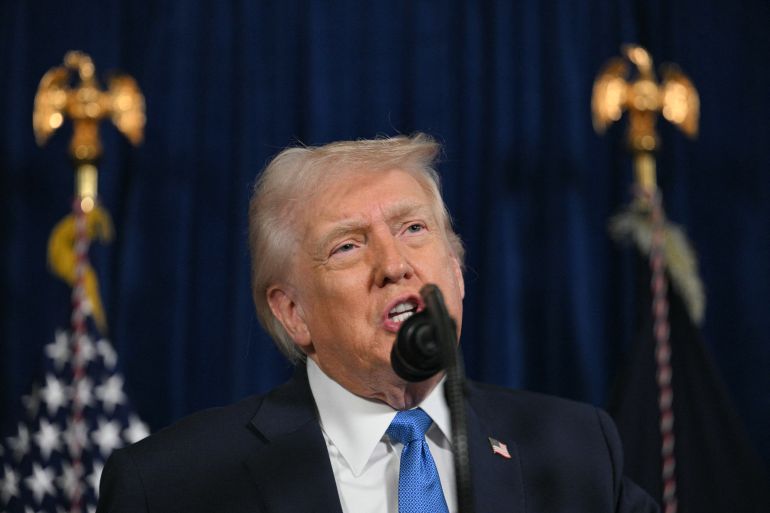
In an indicator of the file moving from assessment to political action, the US President announced that American companies intend to engage directly in the Venezuelan oil sector.
The President stated in a remark that US companies “will engage