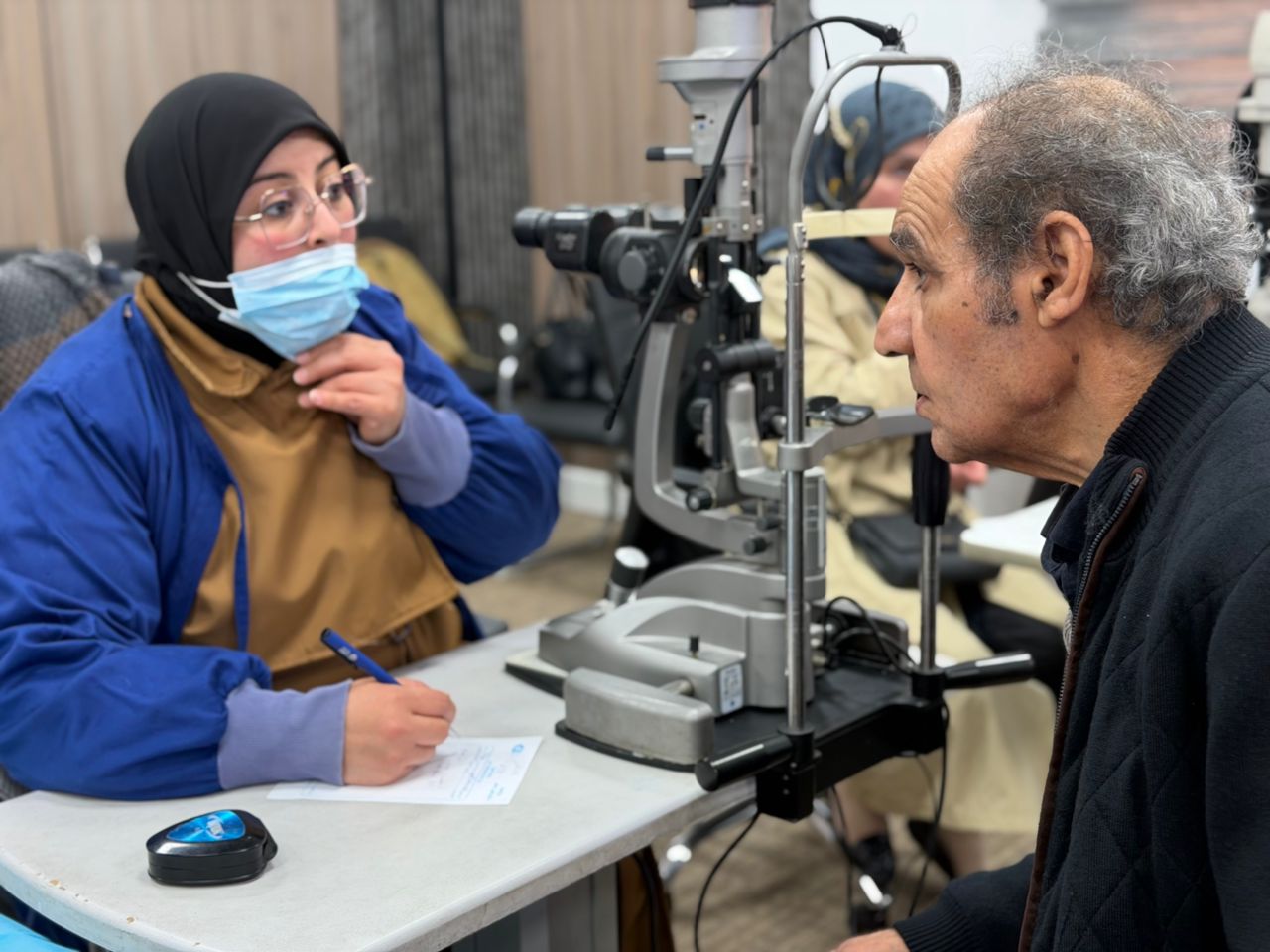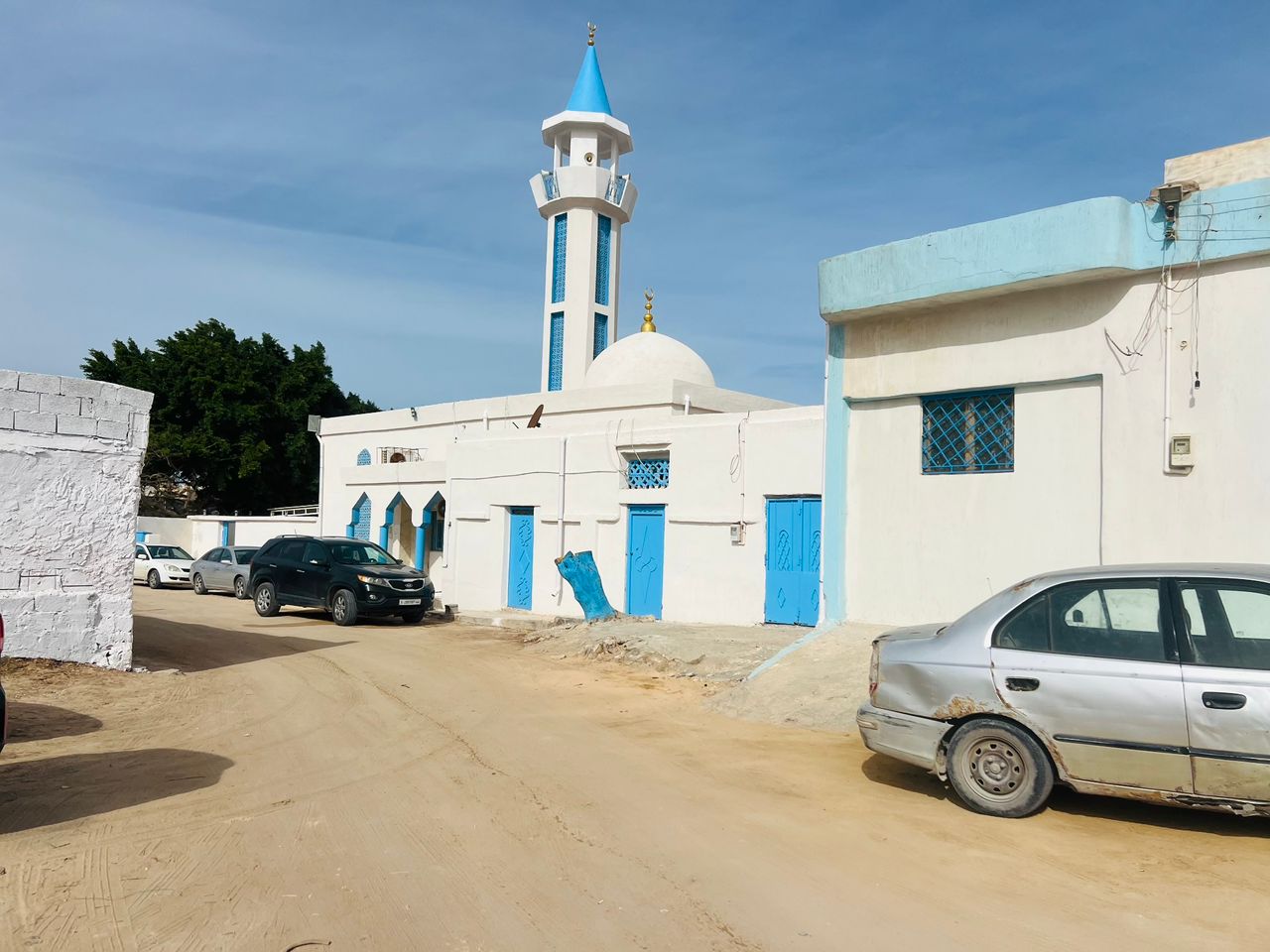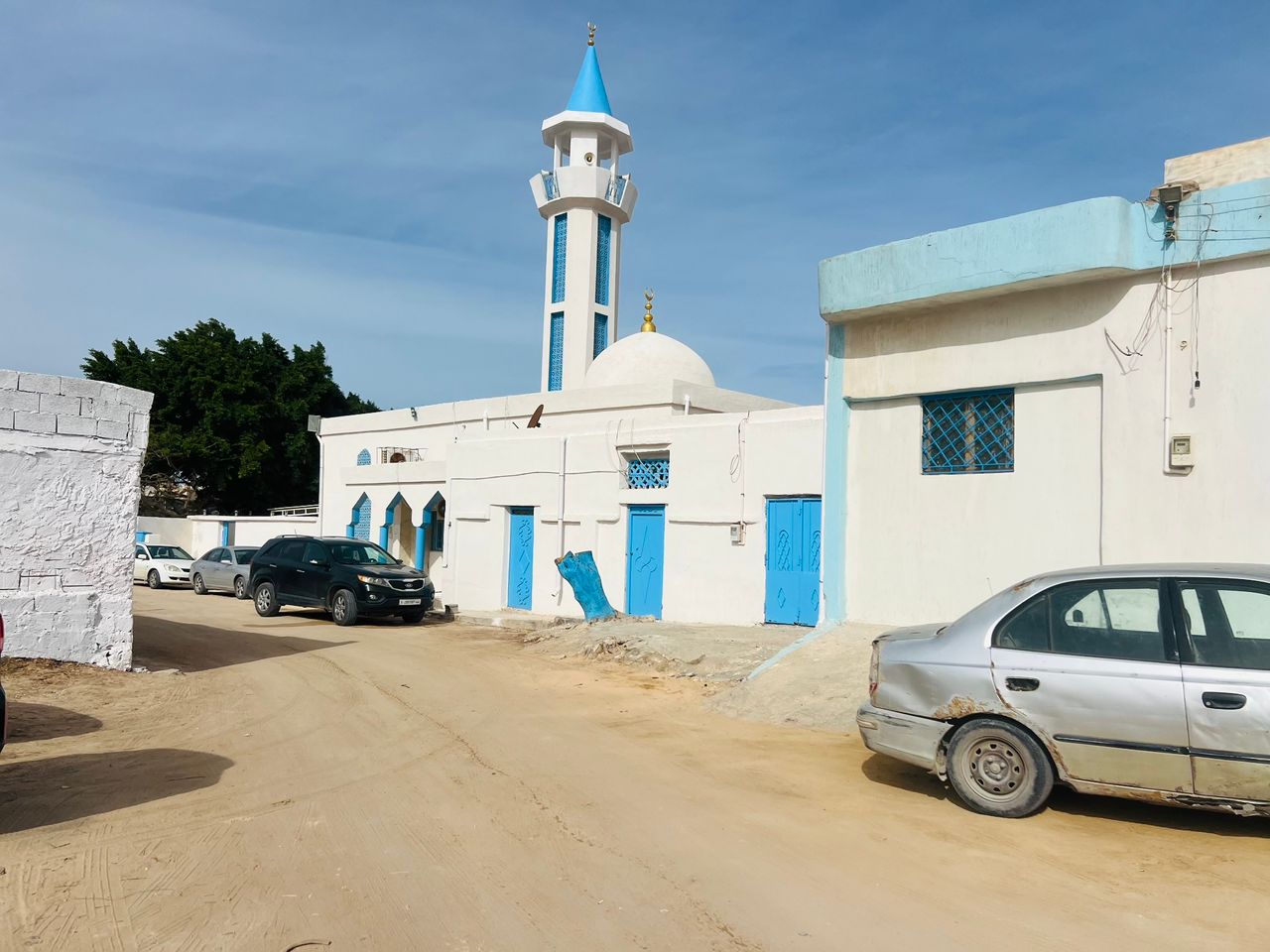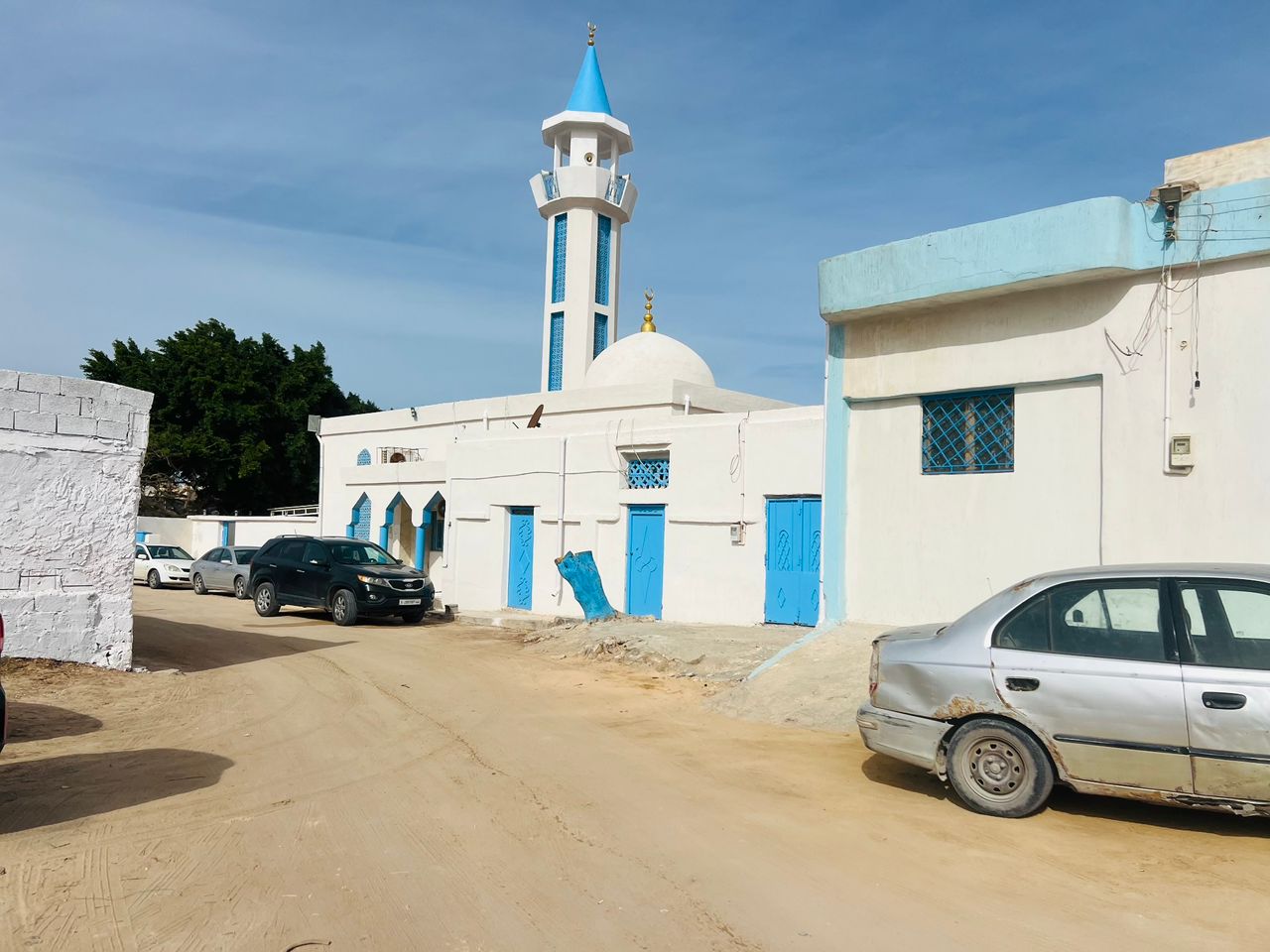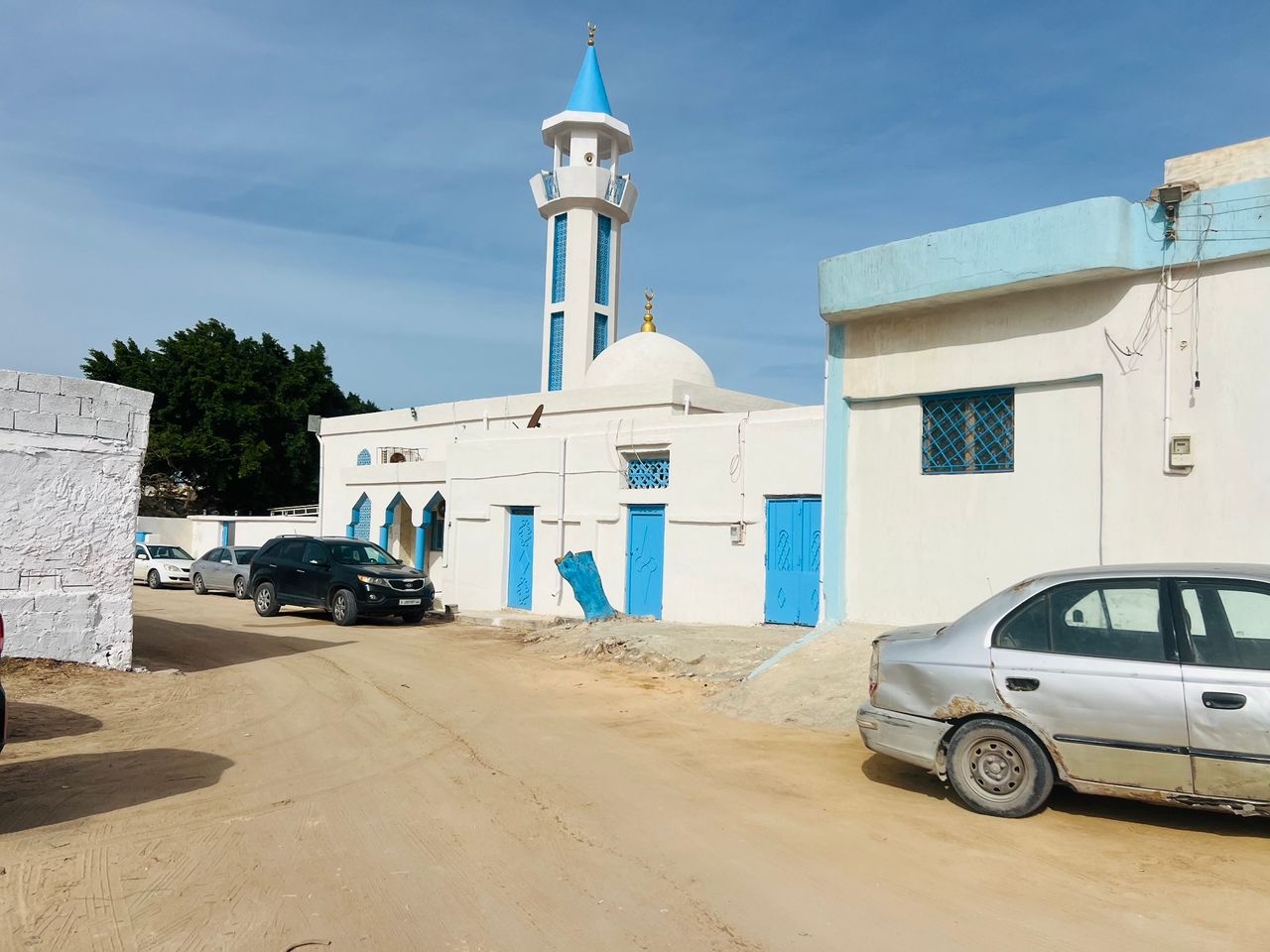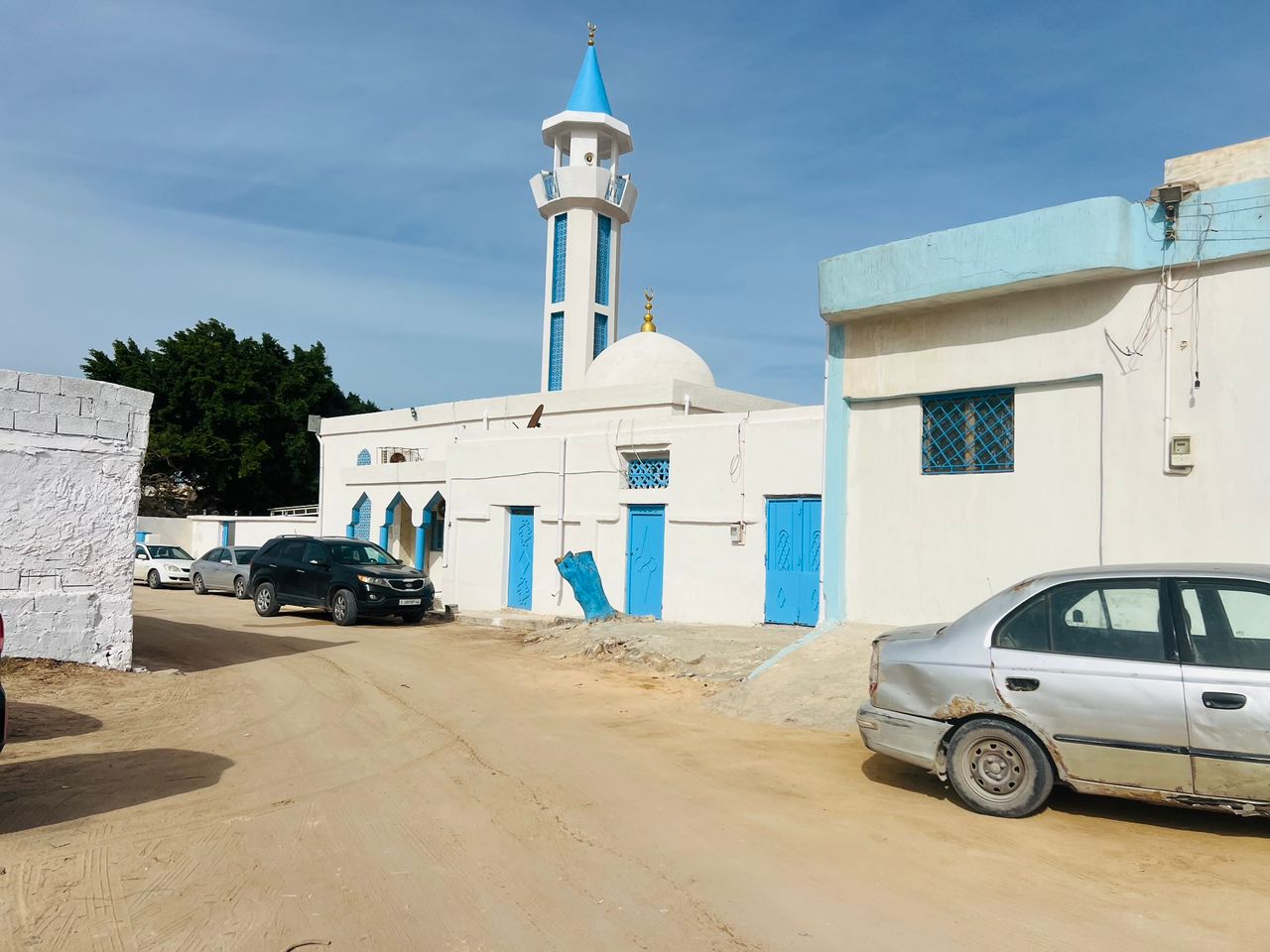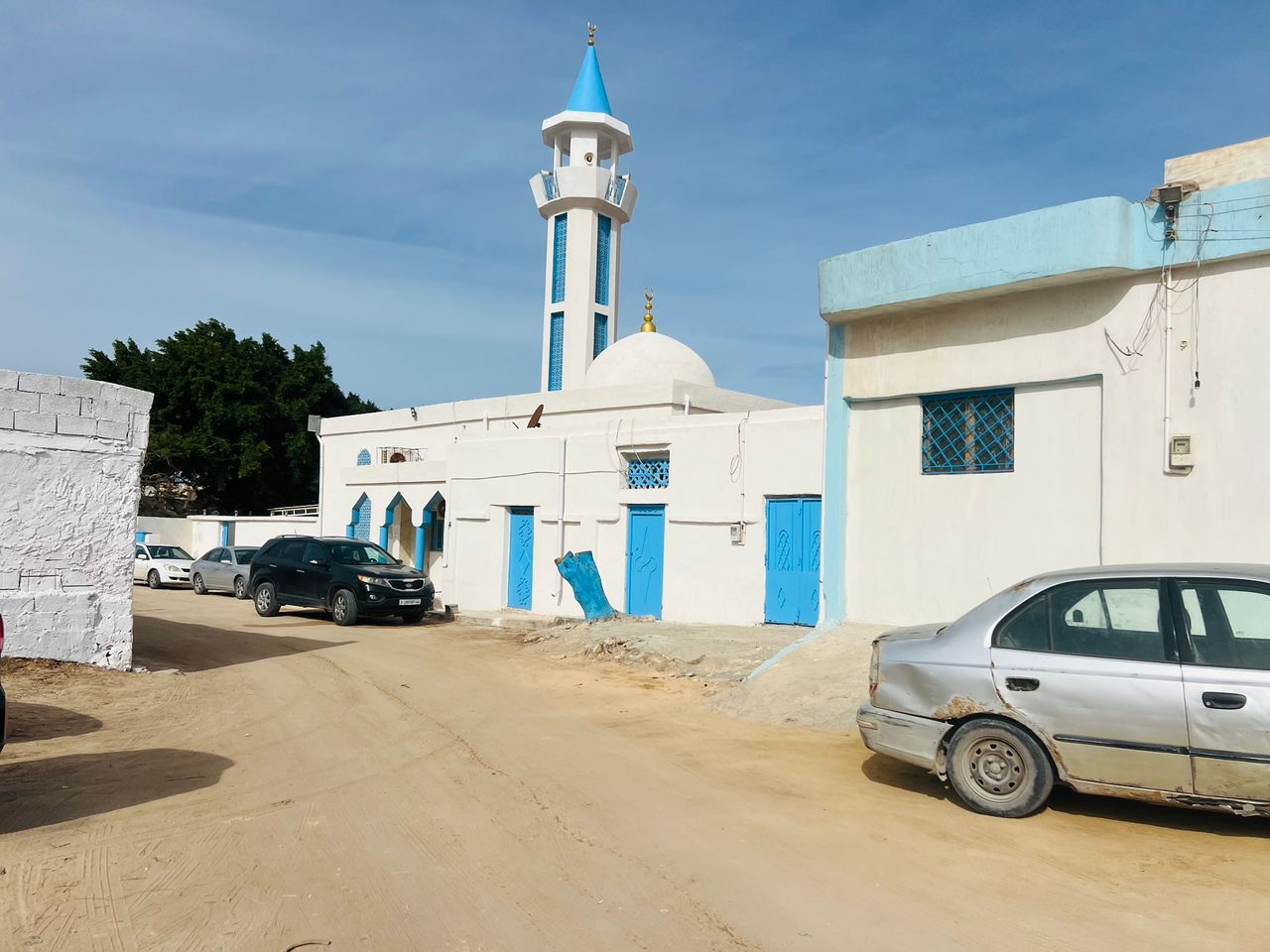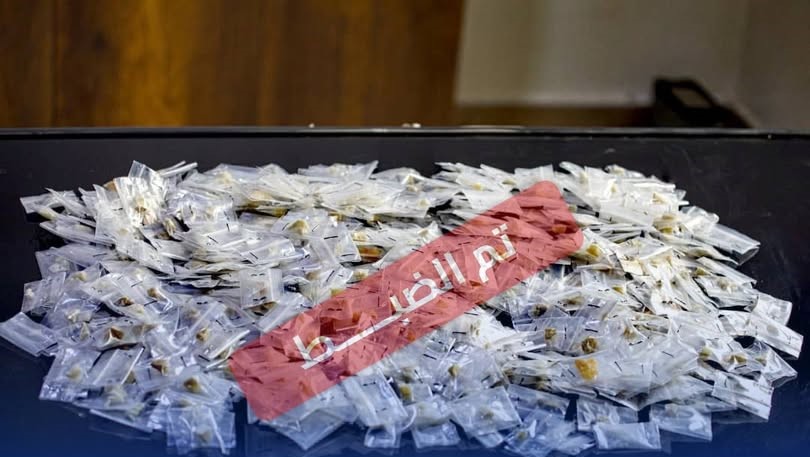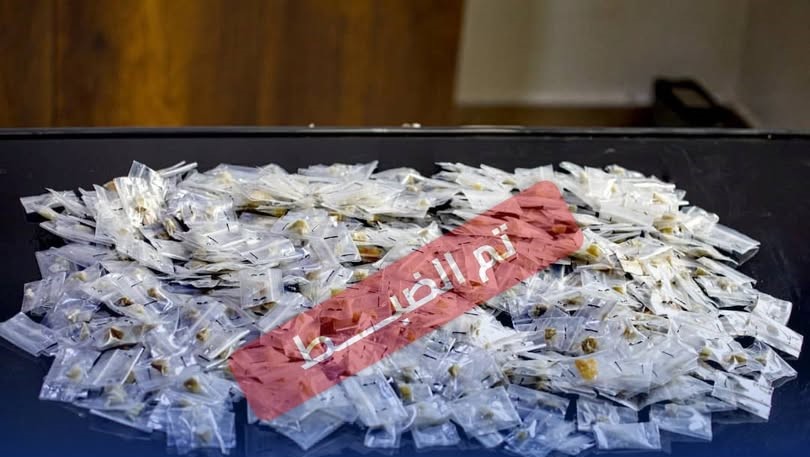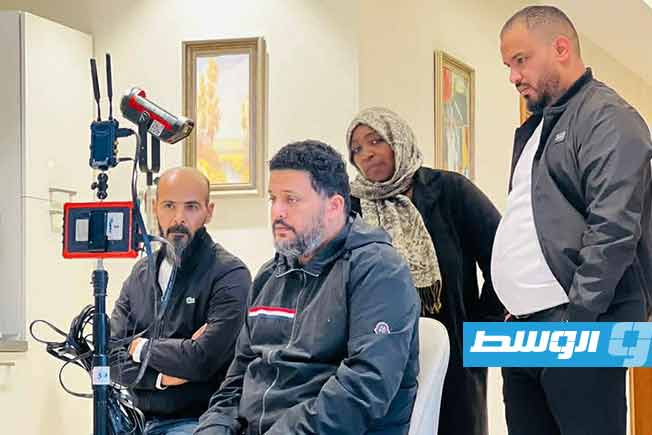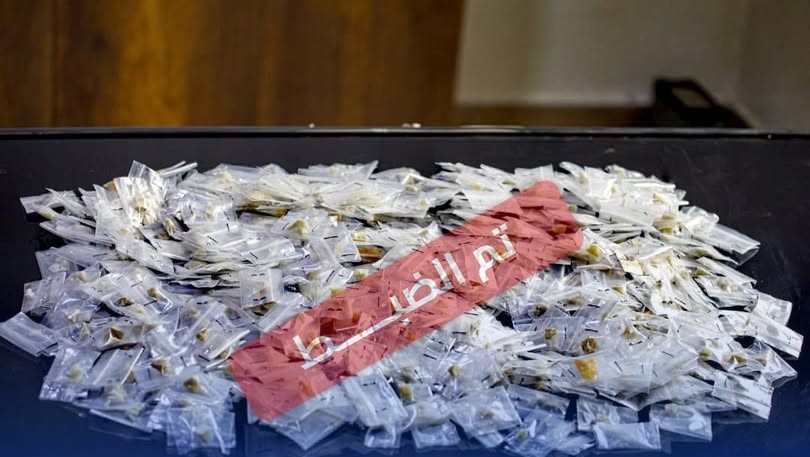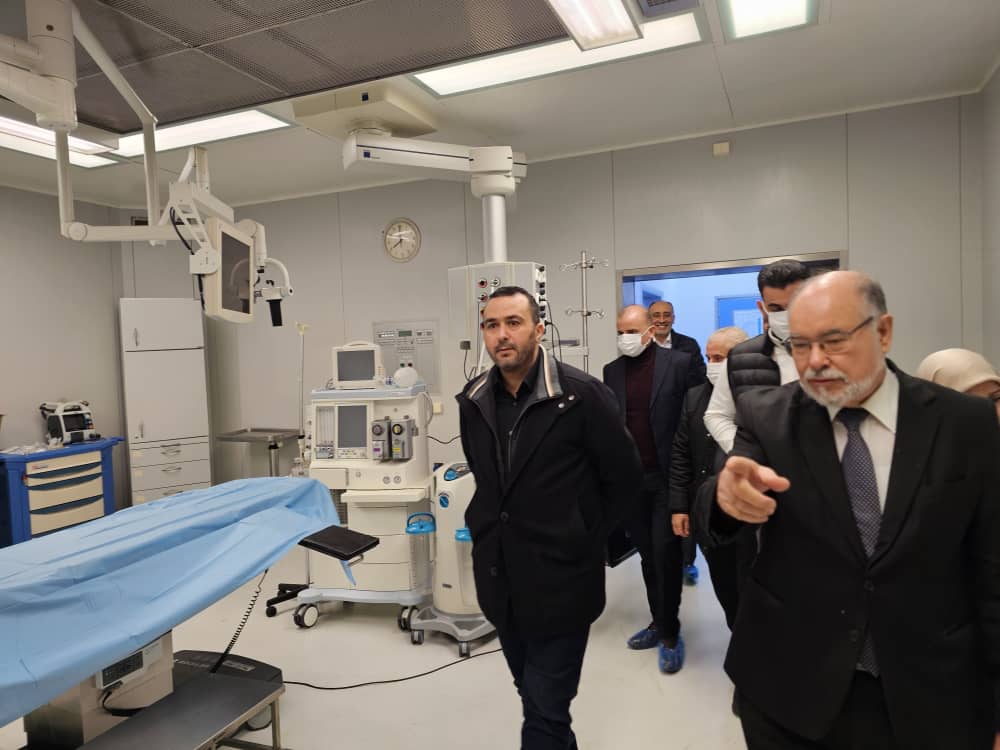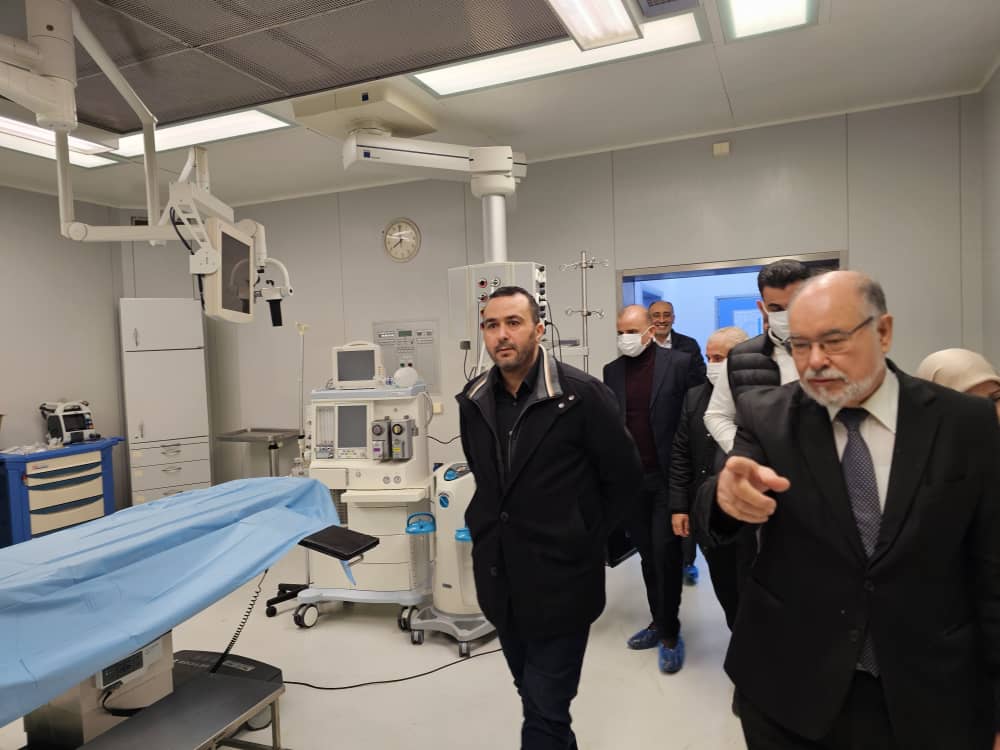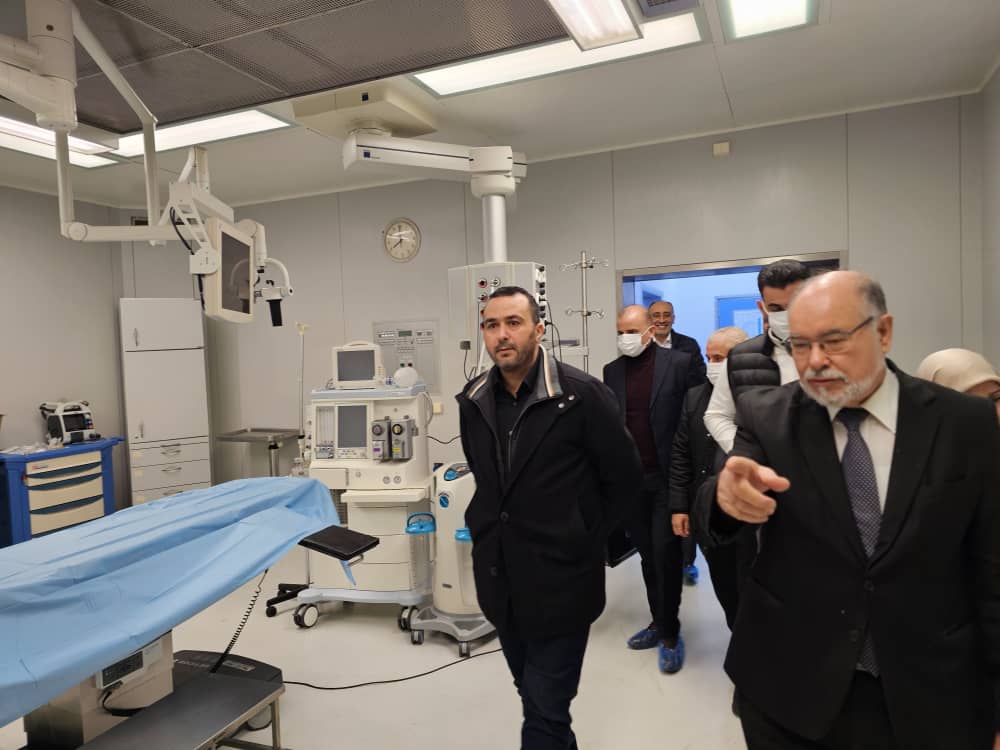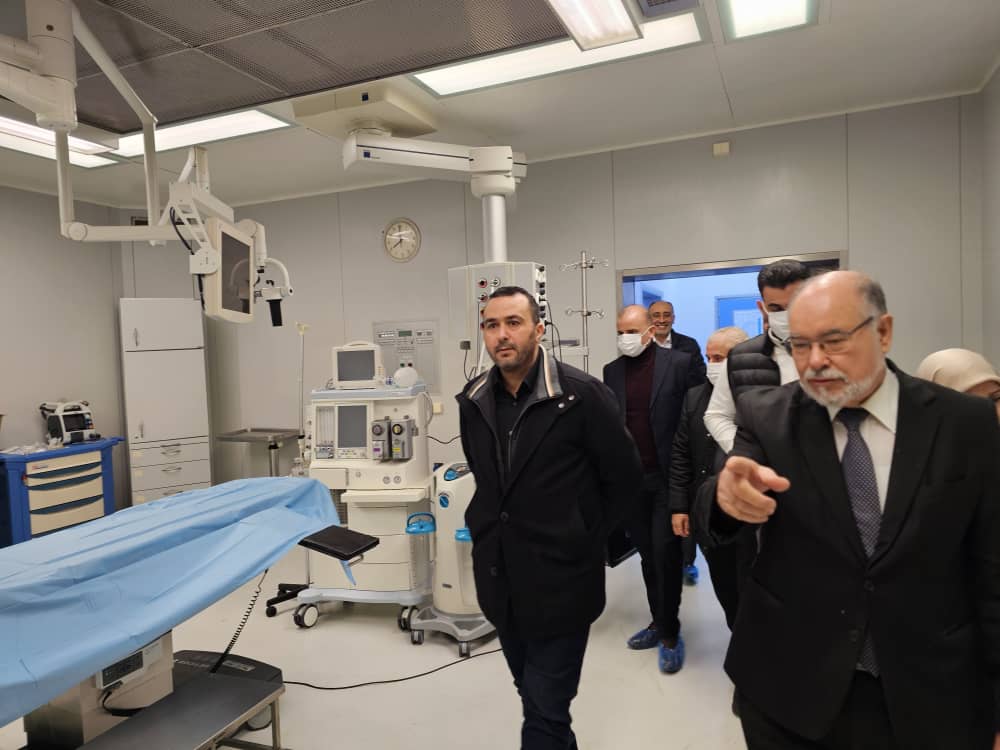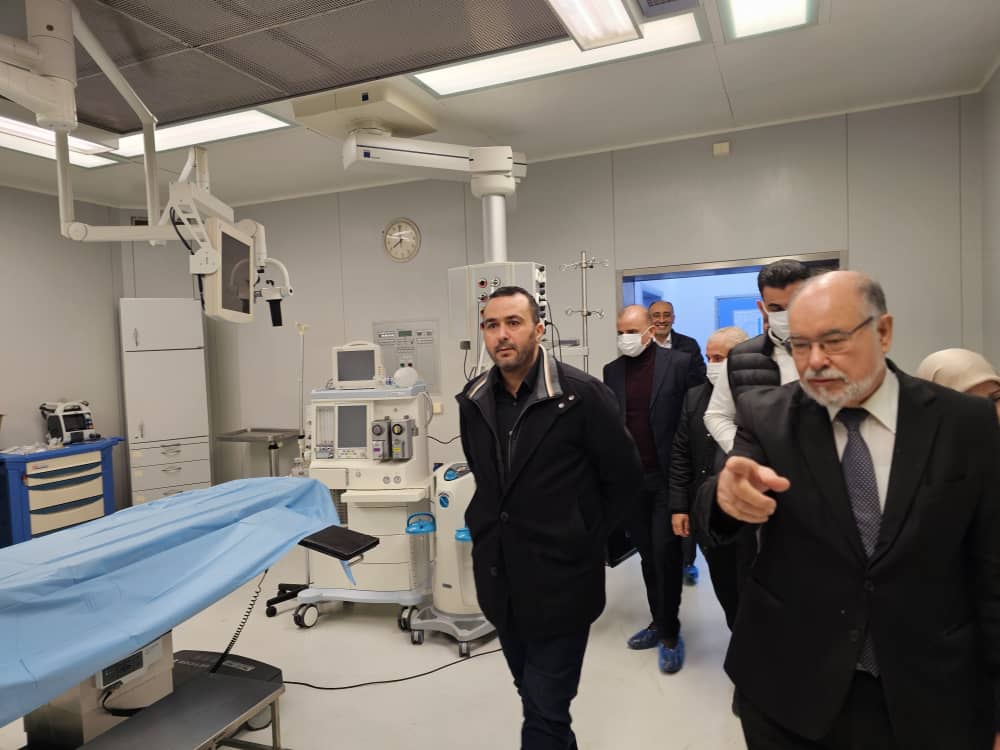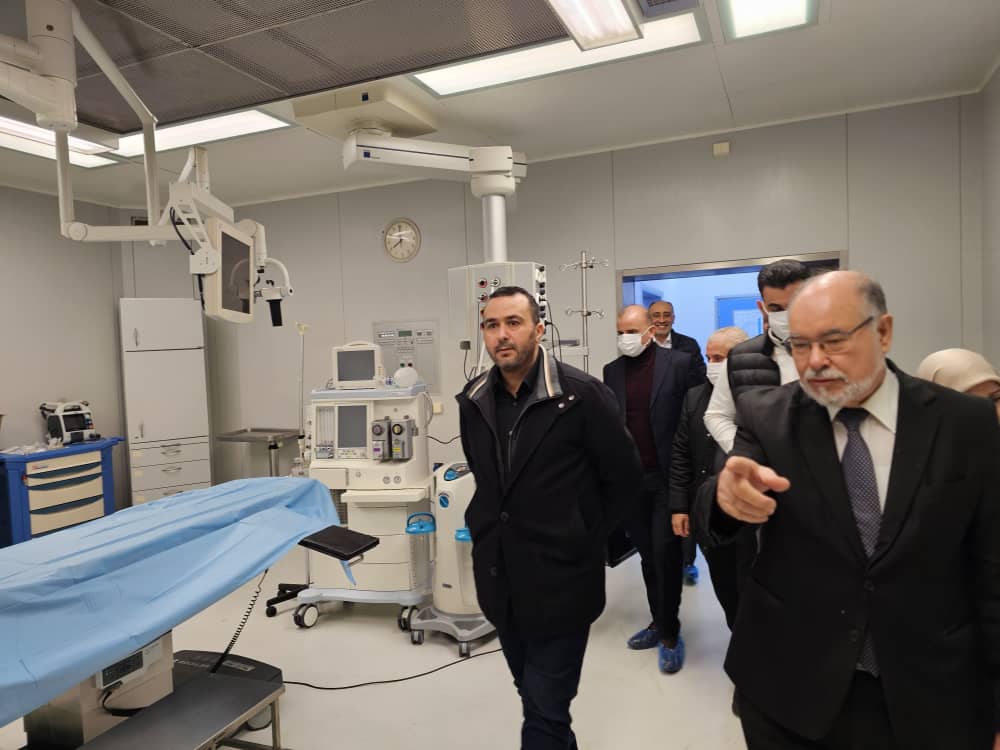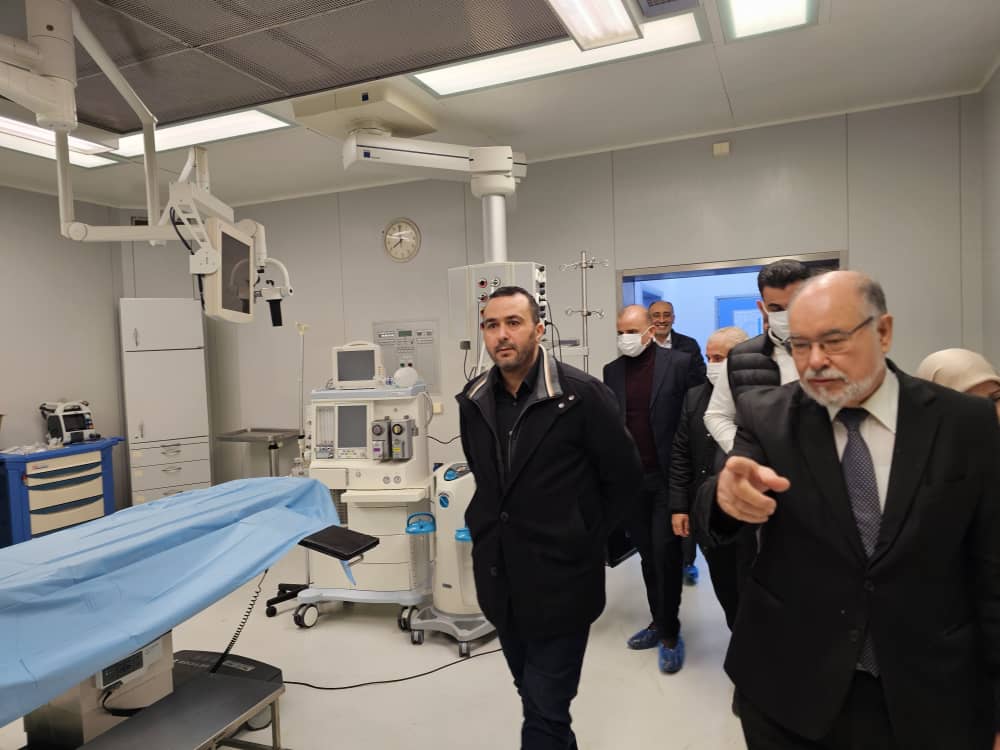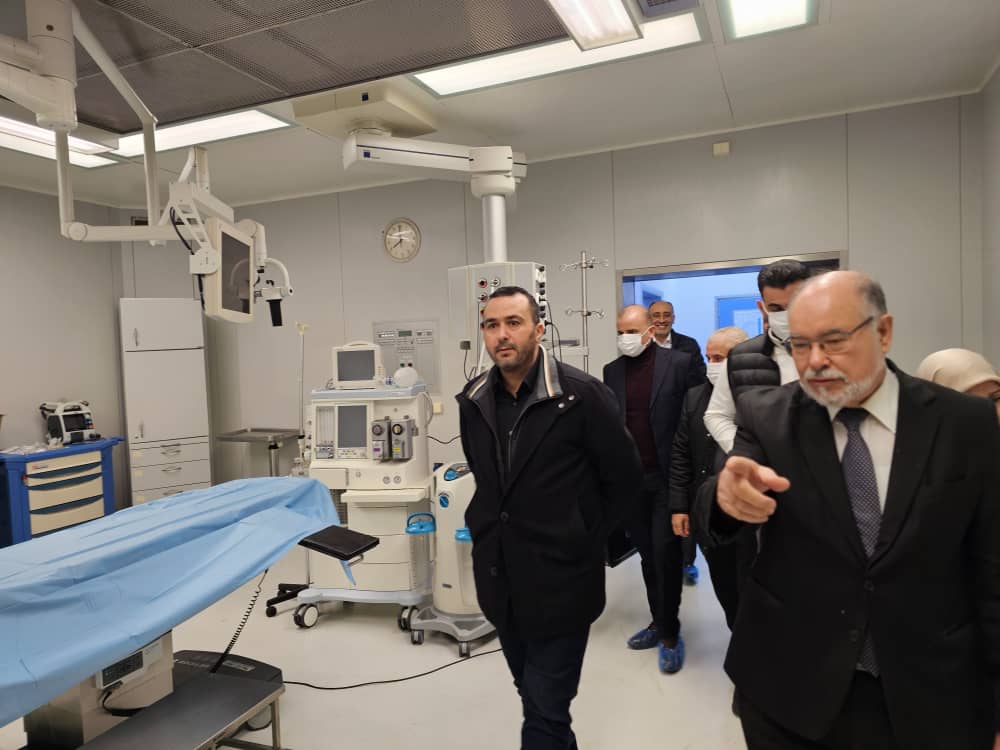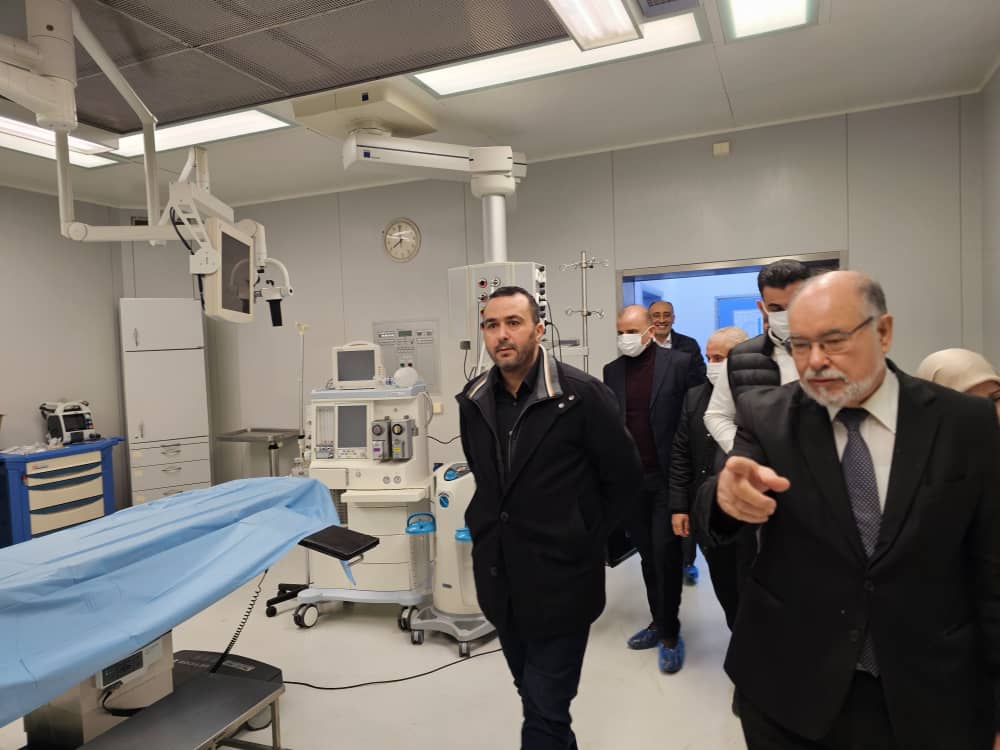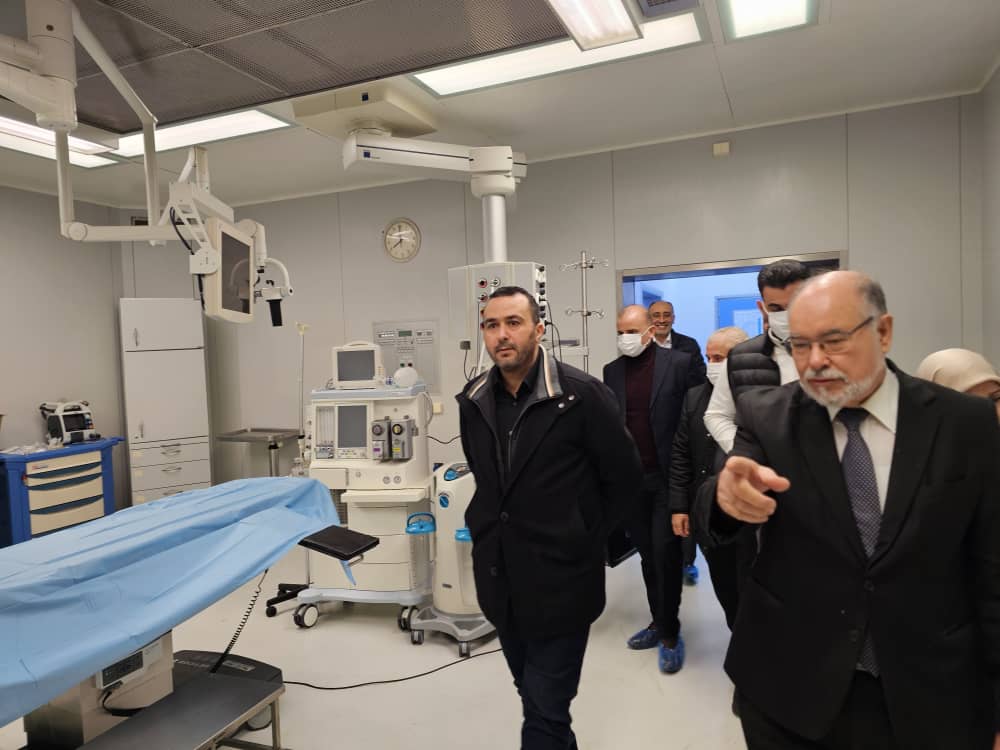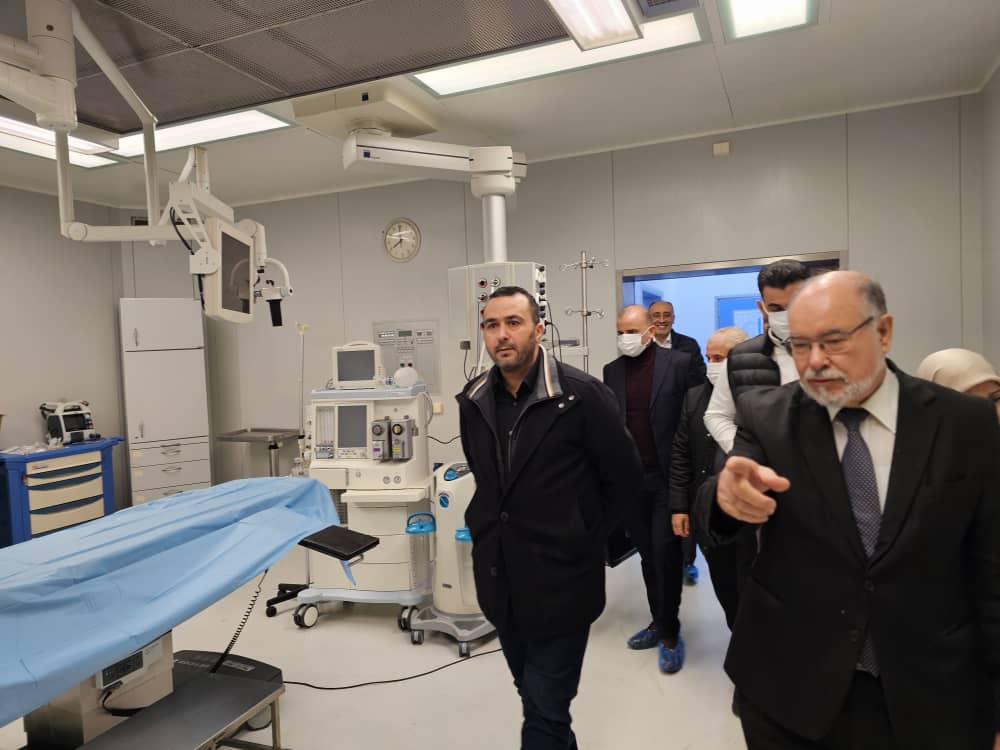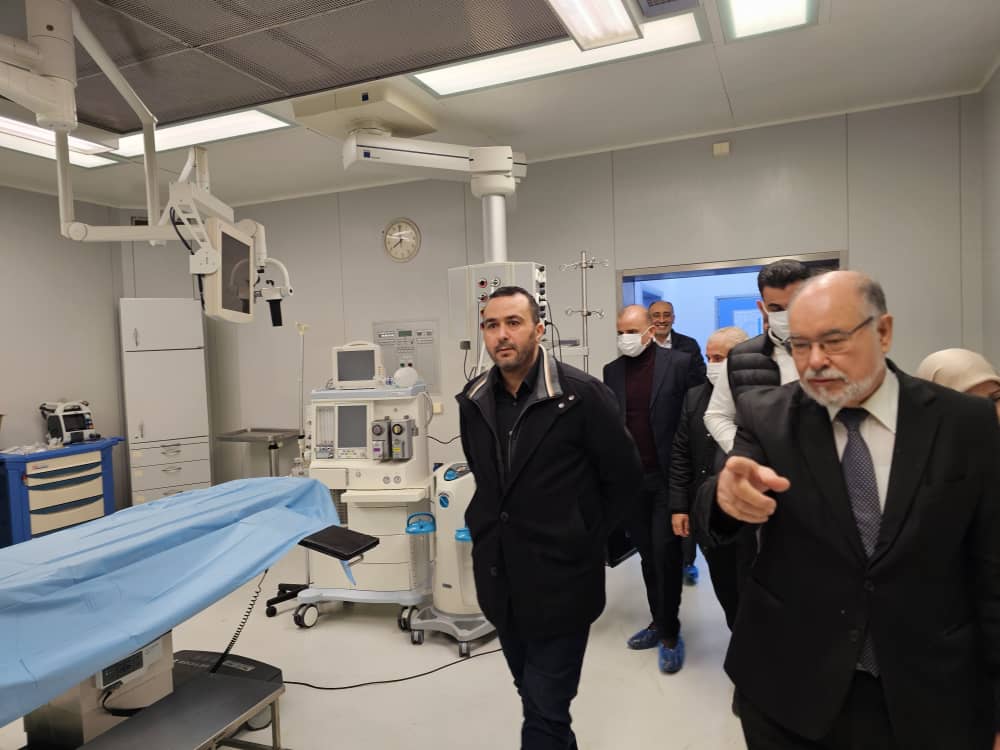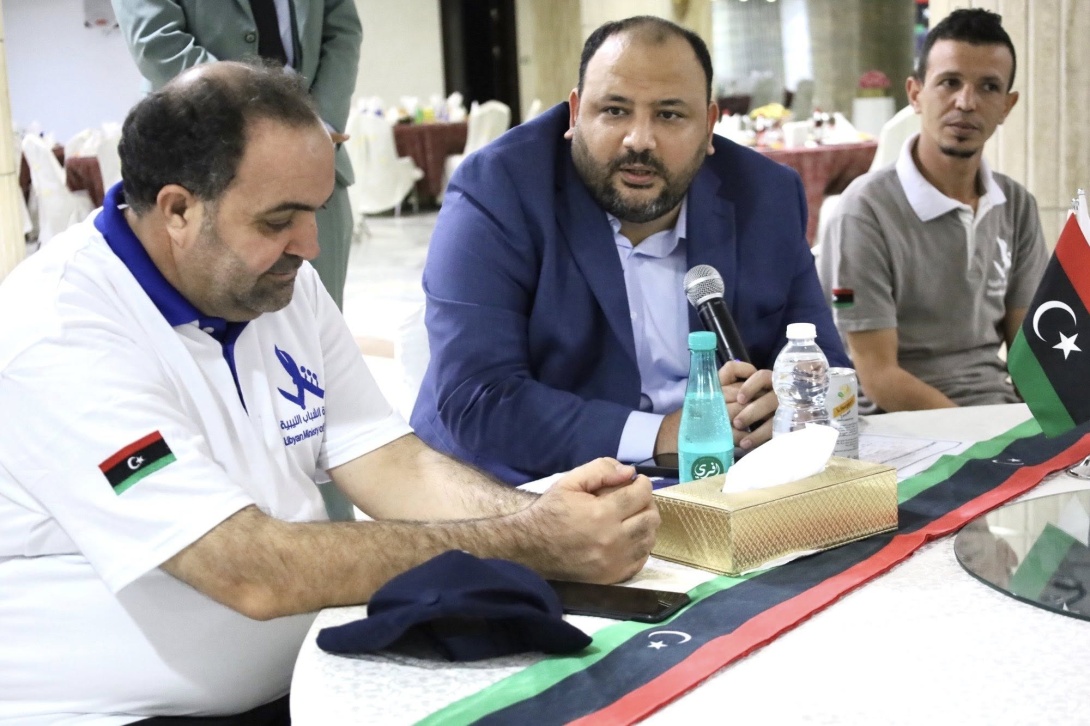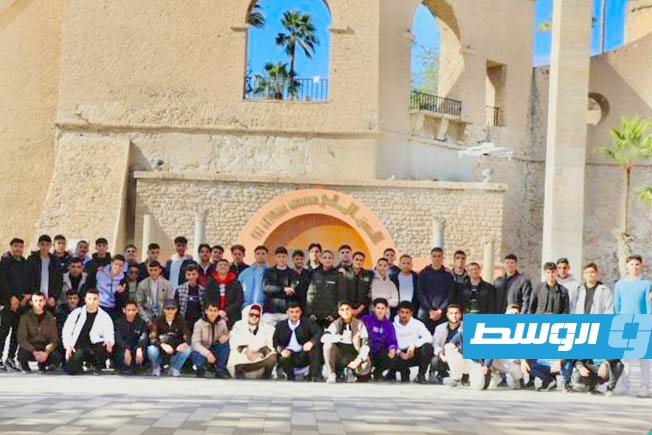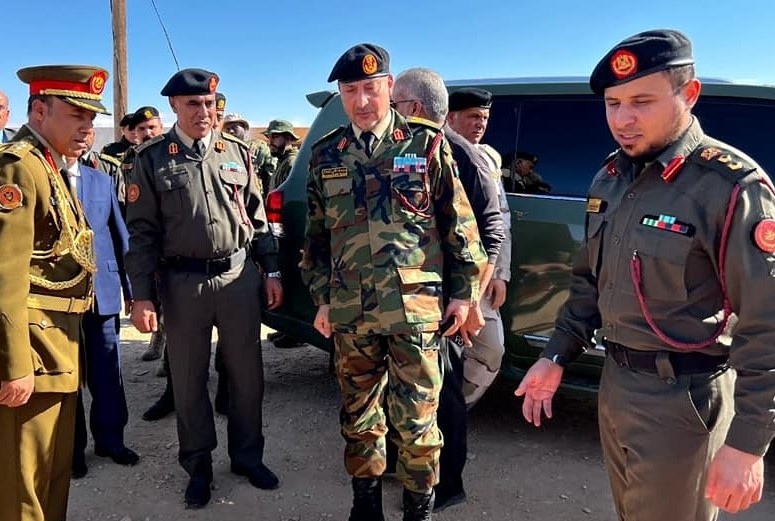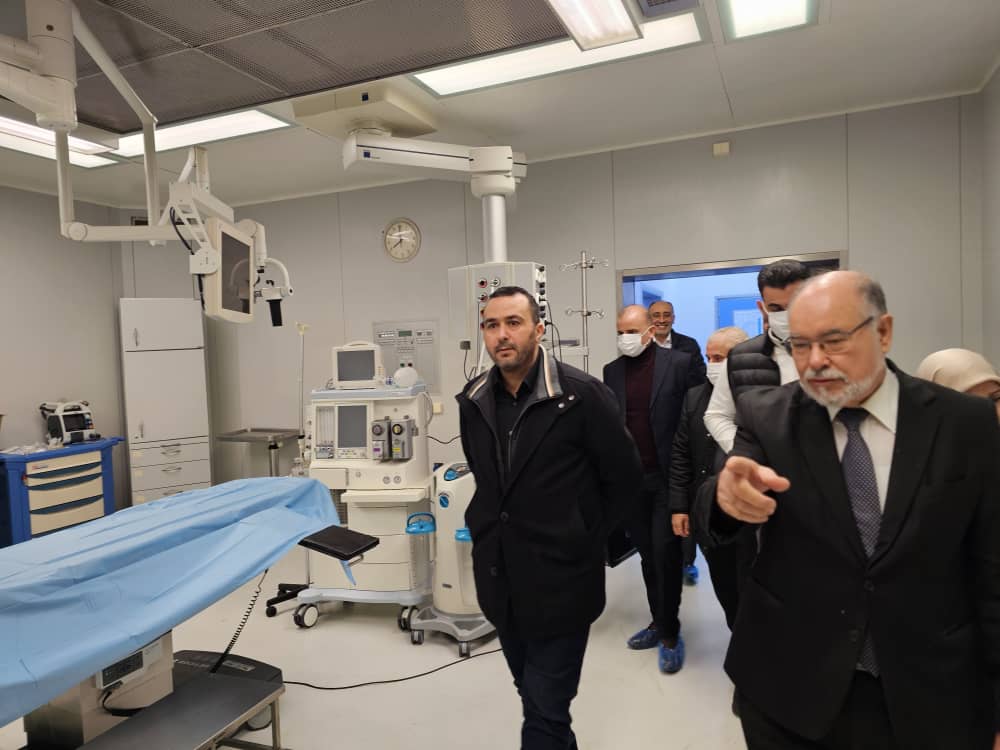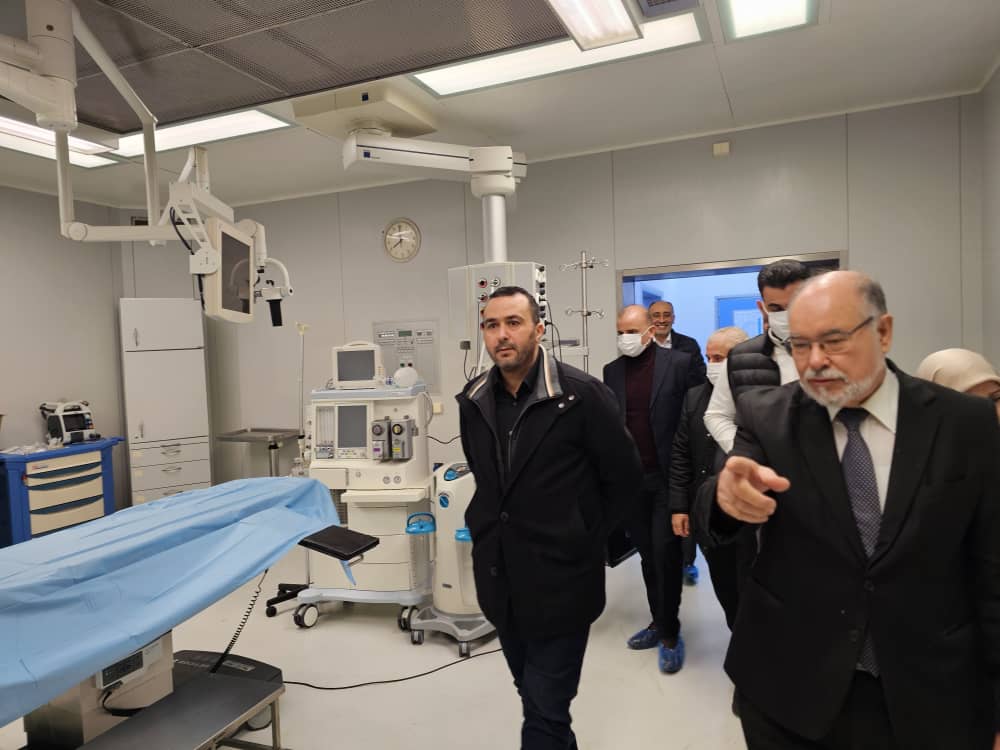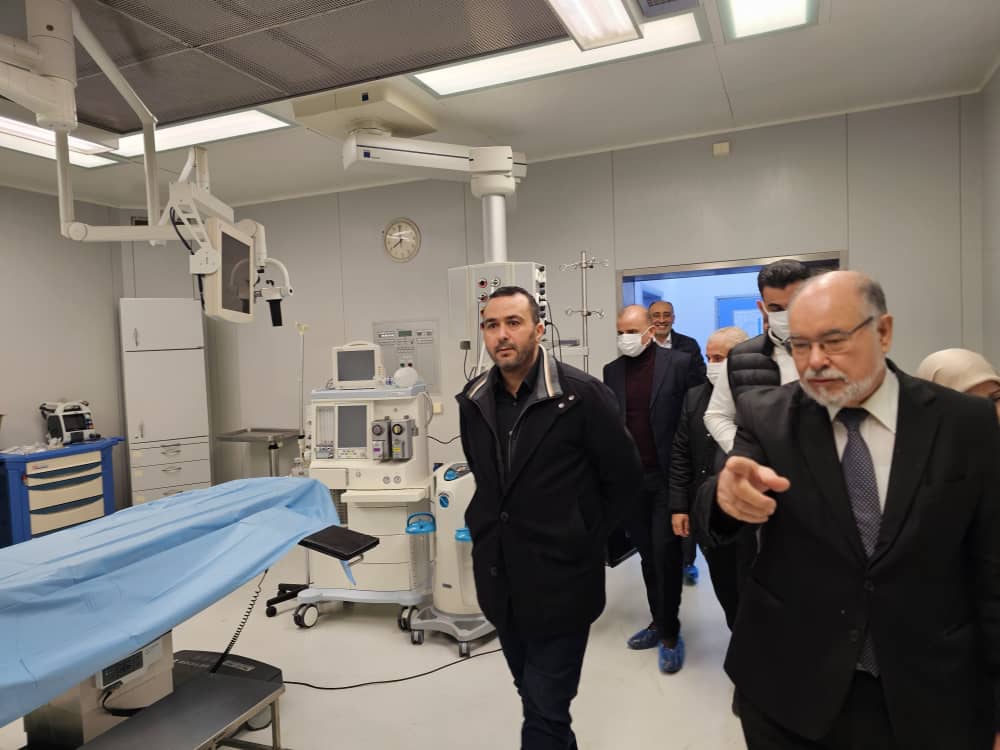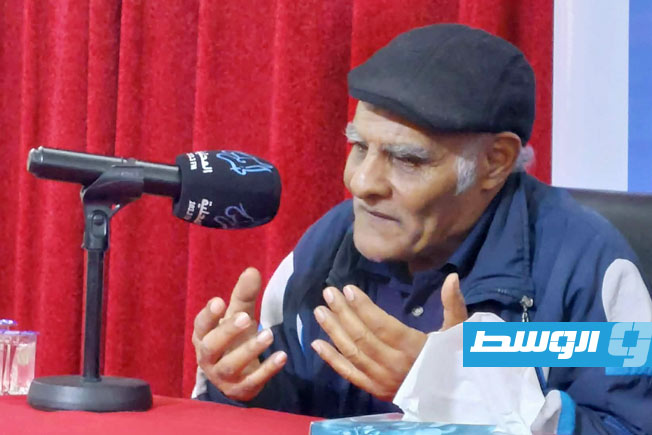
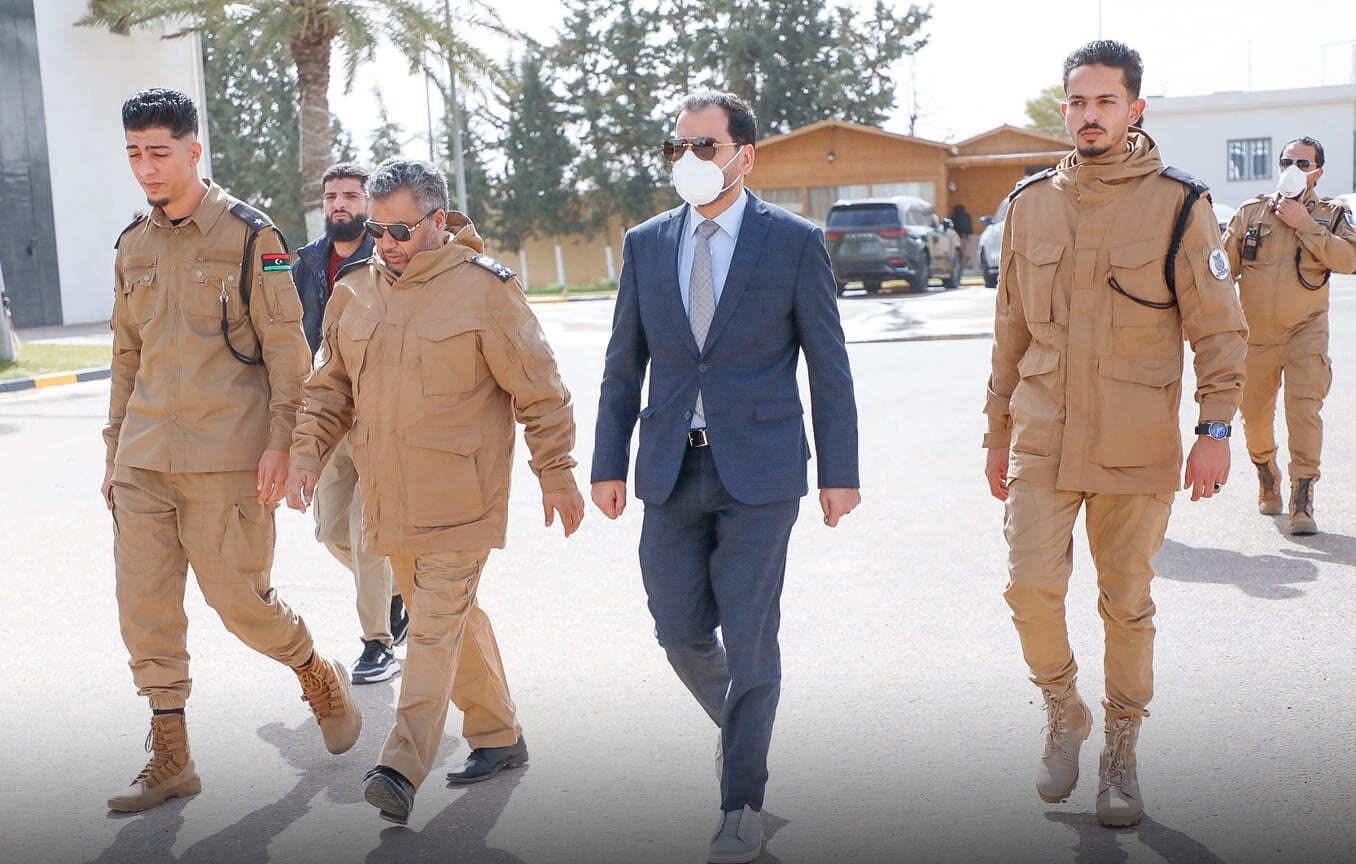
Tripoli, February 14, 2026 – The Emergency Medicine and Support Center – Zuwara Office – carried out a vaccination campaign inside the “Mellitah” Correction and Rehabilitation Institution, targeting inmates, police personnel, and staff.
The campaign – held in cooperation with the Zuwara Health Services Administration – included vaccinations for influenza and viral hepatitis, with the number of vaccinated individuals reaching 255. This step aims to limit the spread of diseases and enhance health safety within the institution.
…
Tripoli
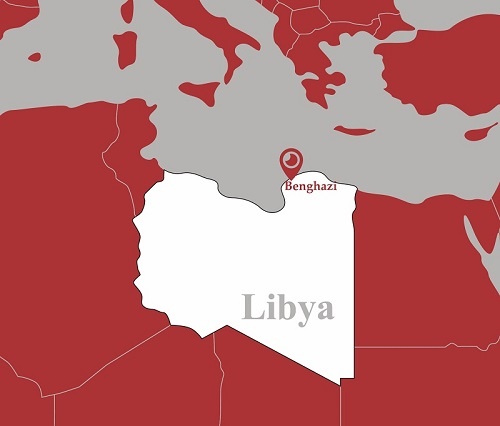
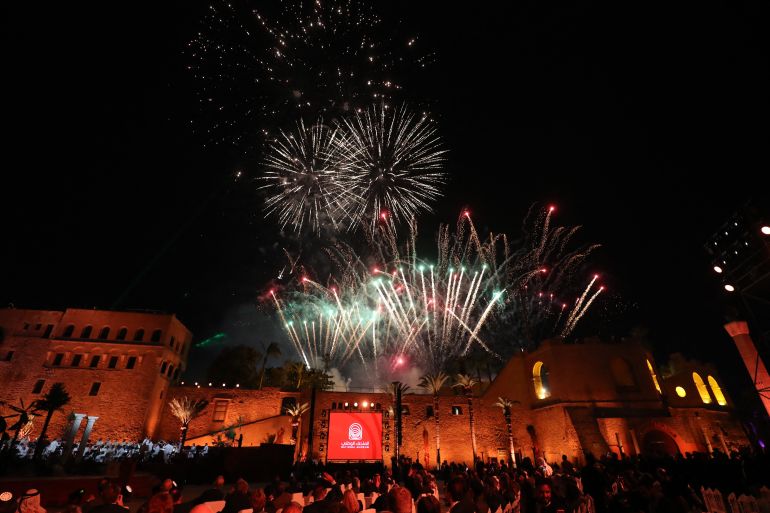
Tripoli is the capital and largest city of Libya, located on the country’s Mediterranean coast. Historically, it was founded by the Phoenicians in the 7th century BC and has since been ruled by the Romans, Arabs, Ottomans, and Italians, which is reflected in its diverse architecture, such as the ancient Red Castle (Assaraya al-Hamra).
Emergency Medicine and Support Center
The Emergency Medicine and Support Center is a specialized facility designed to provide rapid medical response and coordination during disasters and mass-casualty events. Its history is rooted in the evolution of modern emergency management systems, which developed significantly in the late 20th century to improve preparedness and save lives in crises.
Zuwara Office
The Zuwara Office is a local administrative and governmental building in the city of Zuwara, Libya. It serves as a central hub for municipal services in this historically significant Amazigh (Berber) coastal community, which has long been a center for trade and fishing.
Mellitah Correction and Rehabilitation Institution
The Mellitah Correction and Rehabilitation Institution is a prison facility located near the Mellitah Oil and Gas Complex in northwestern Libya. It was notably used to detain migrants and refugees attempting to cross the Mediterranean Sea to Europe.
Zuwara Health Services Administration
The Zuwara Health Services Administration is a public healthcare management body in the northwestern Libyan city of Zuwara. It oversees medical facilities and services in the region, which has historically been a center for the indigenous Amazigh (Berber) culture. Its establishment and operations are part of Libya’s broader national healthcare system developments in the late 20th and early 21st centuries.