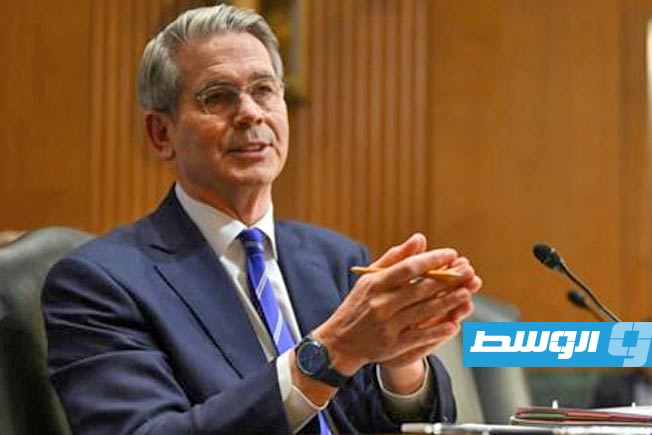
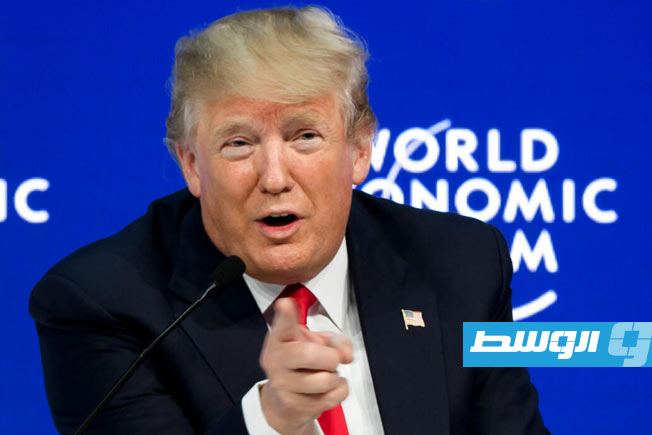
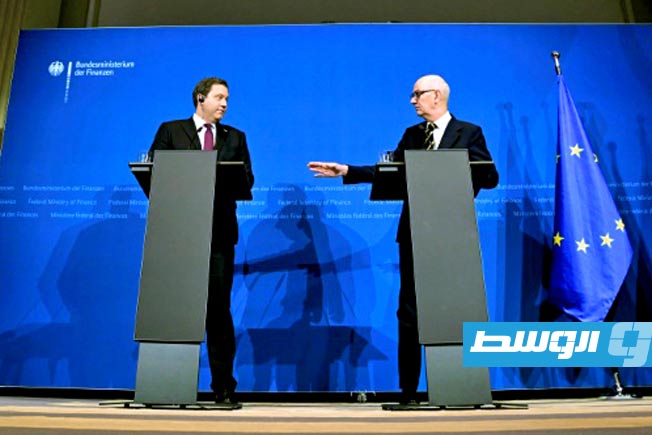
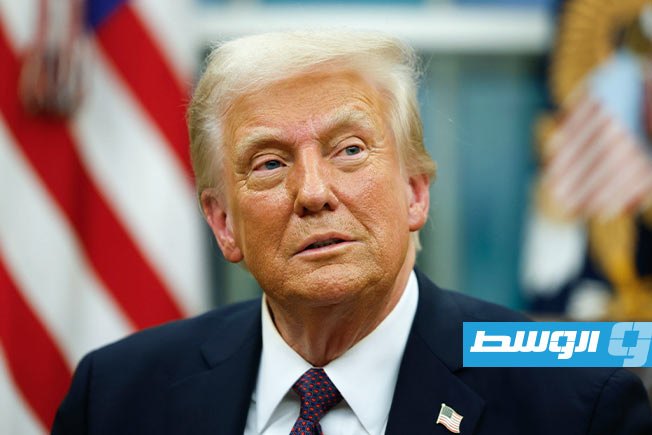
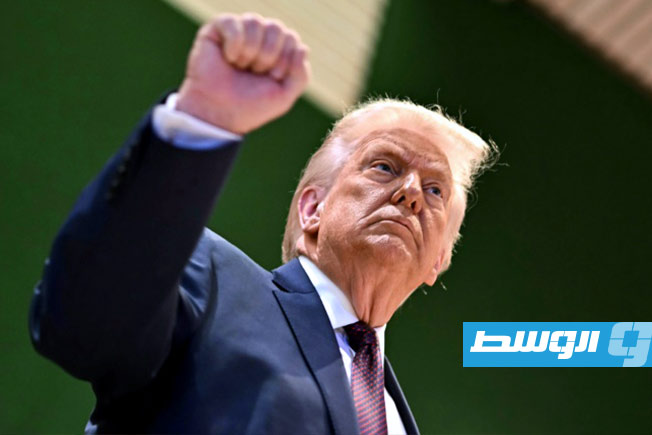
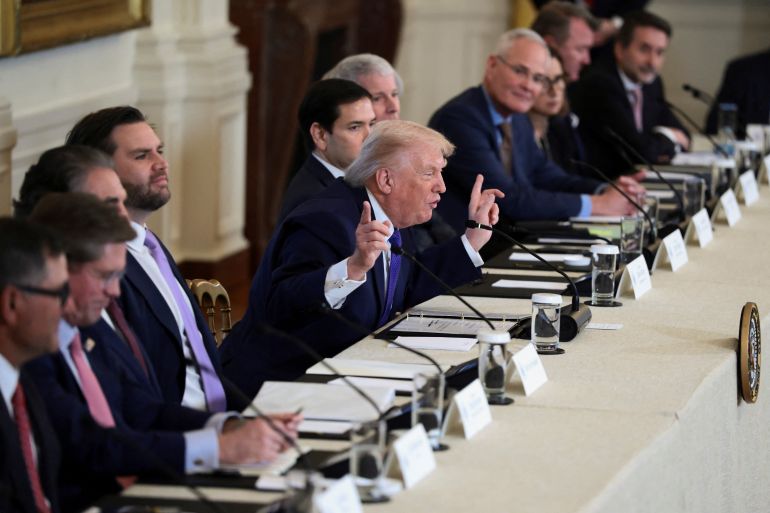
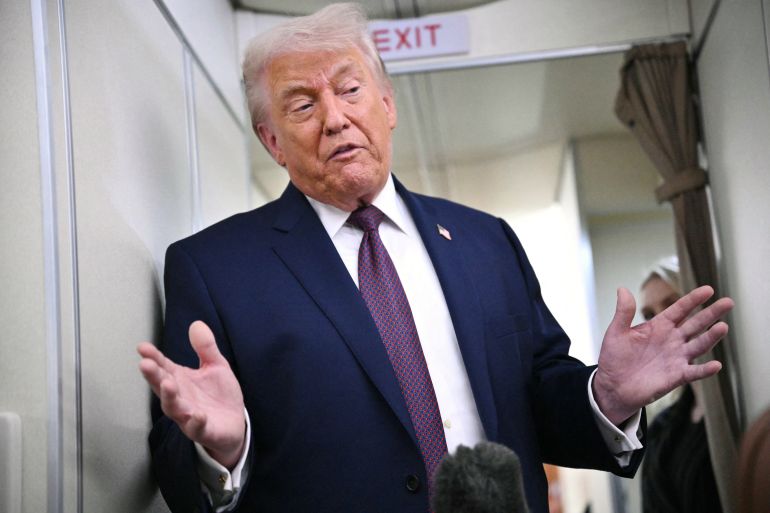
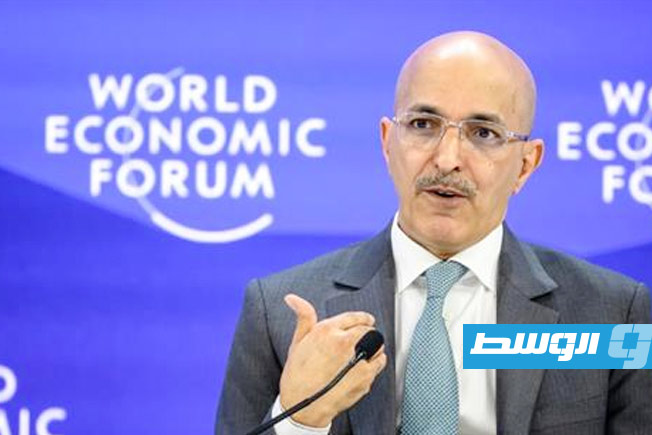
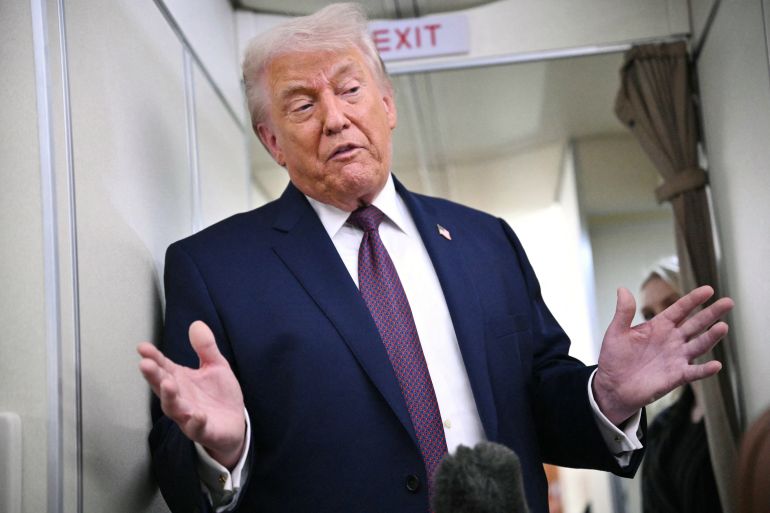
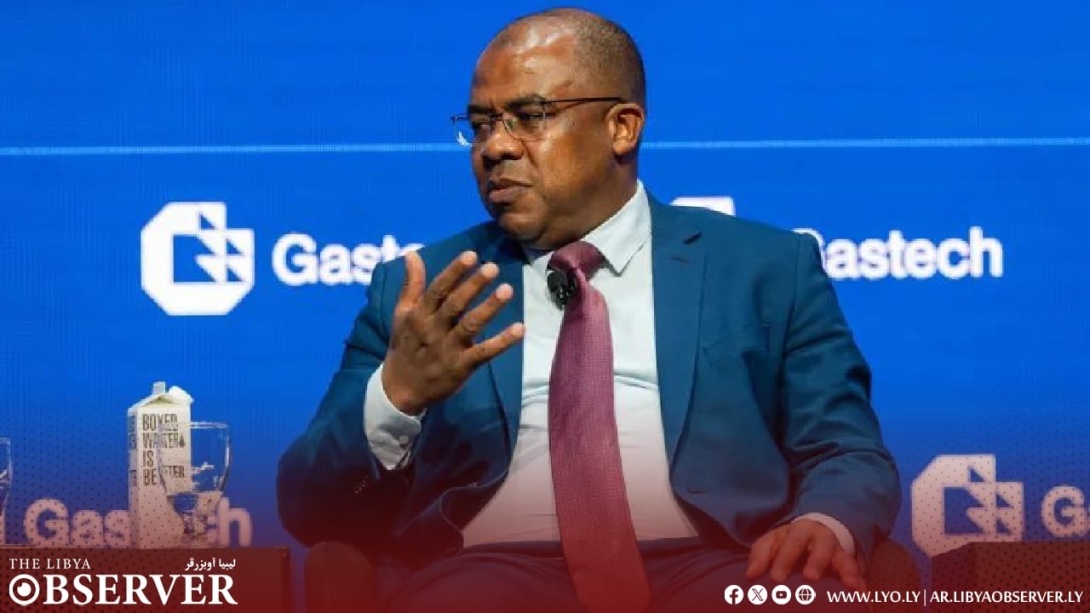
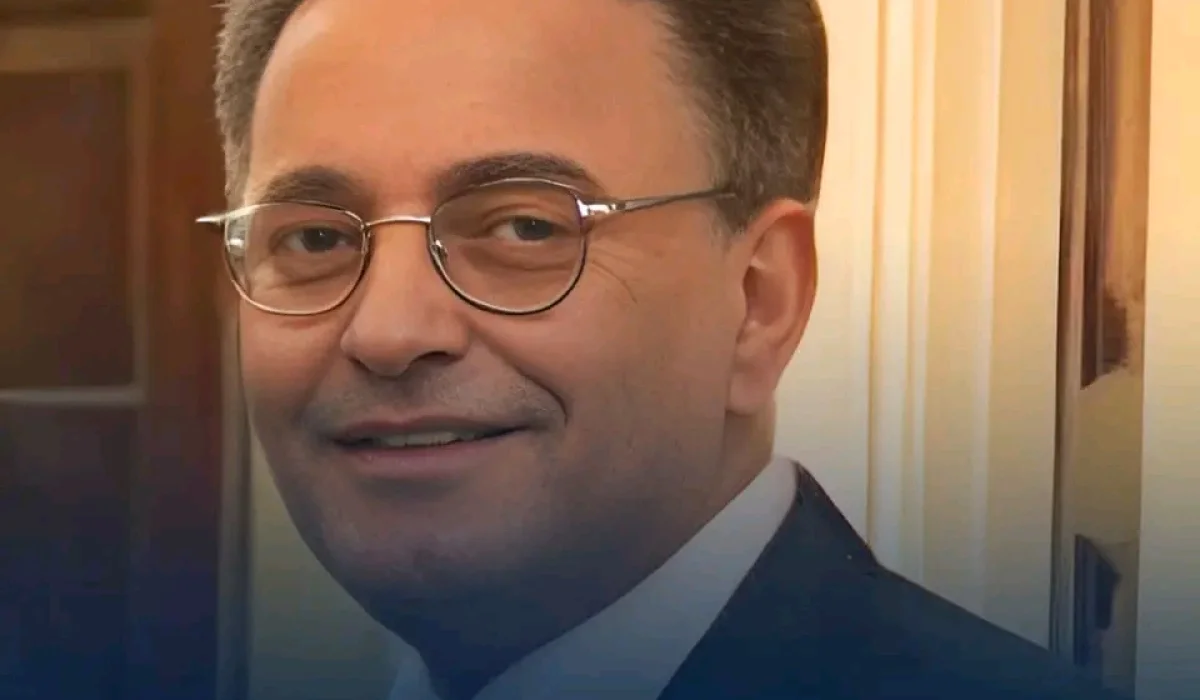
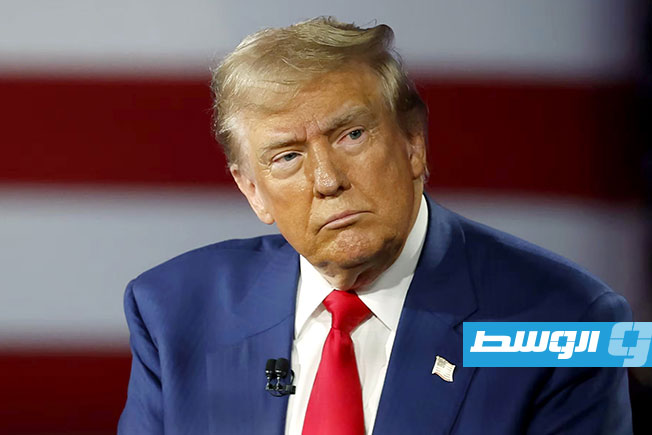
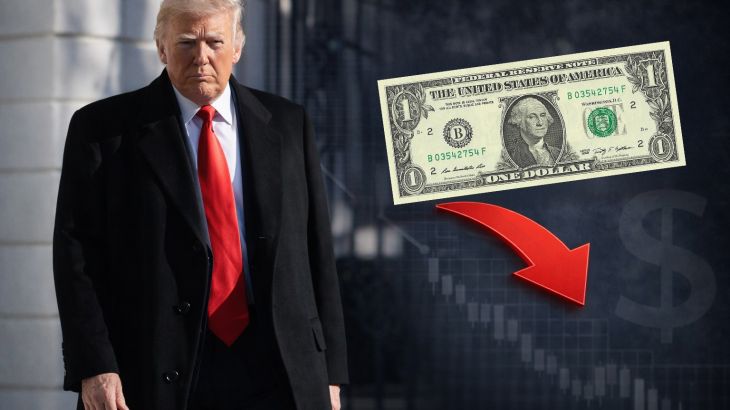
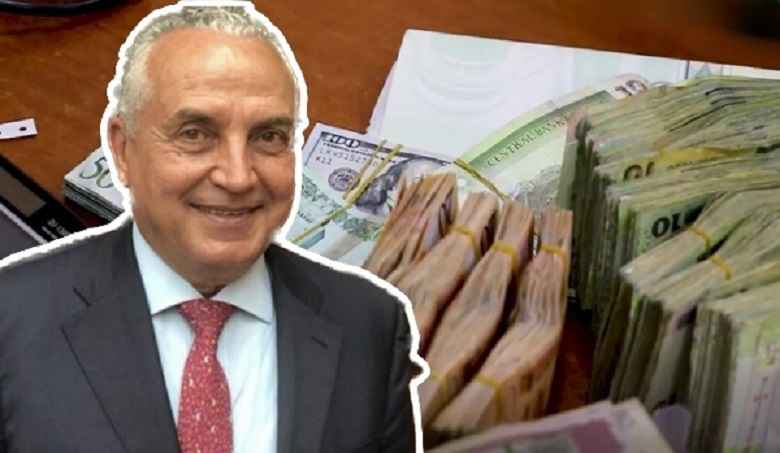
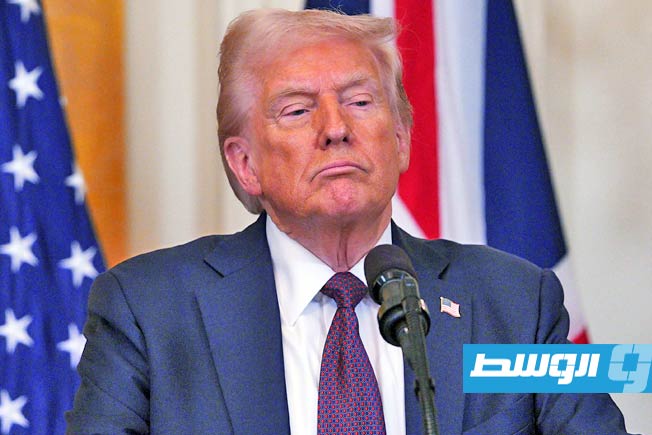
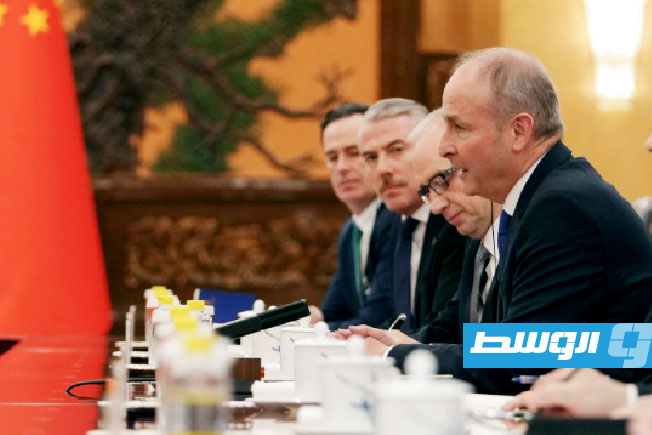
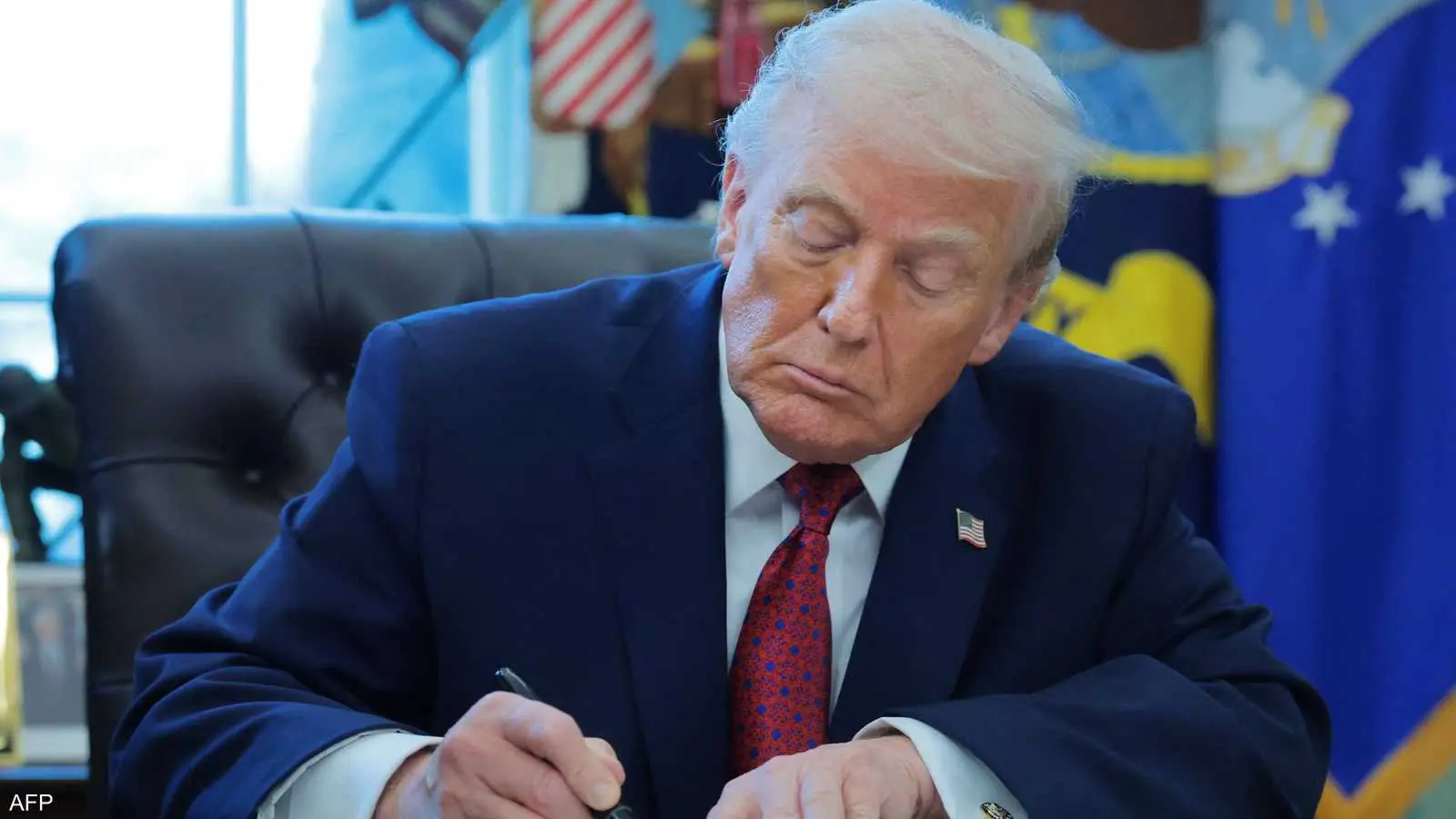
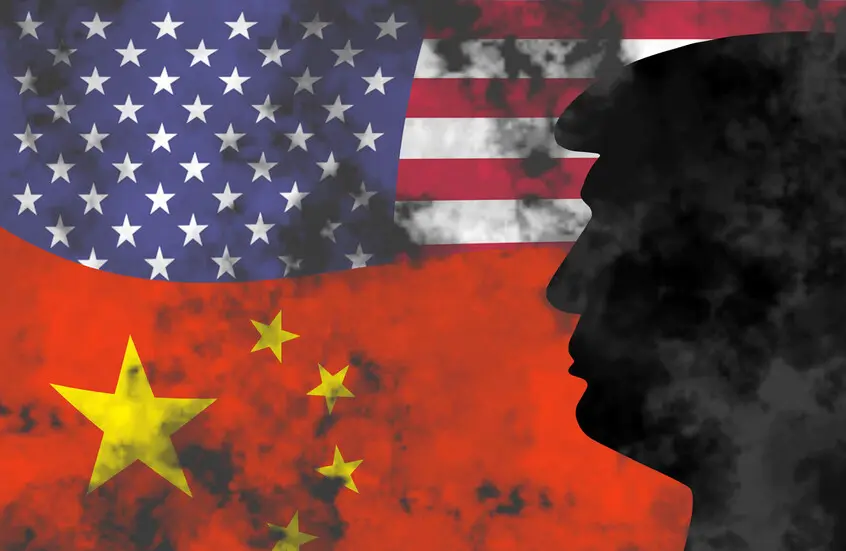
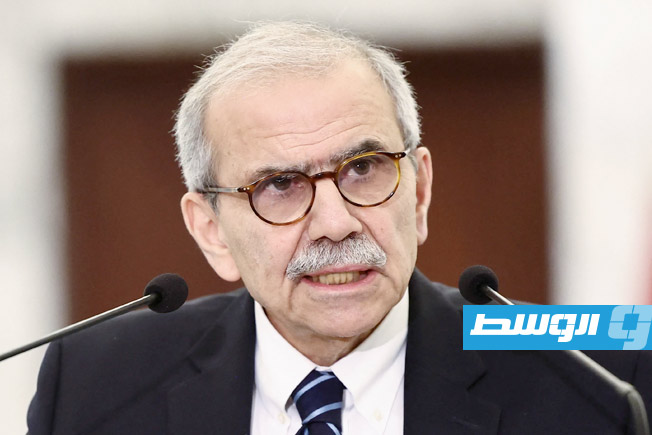
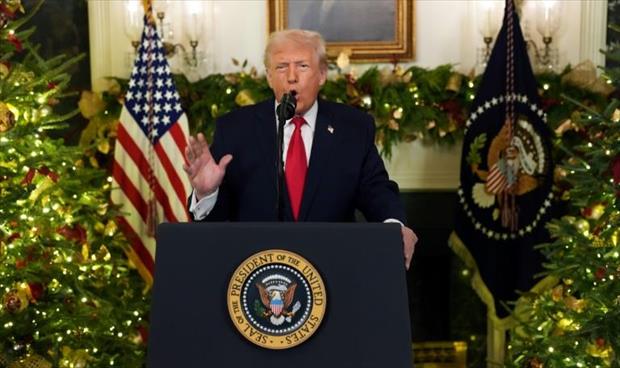
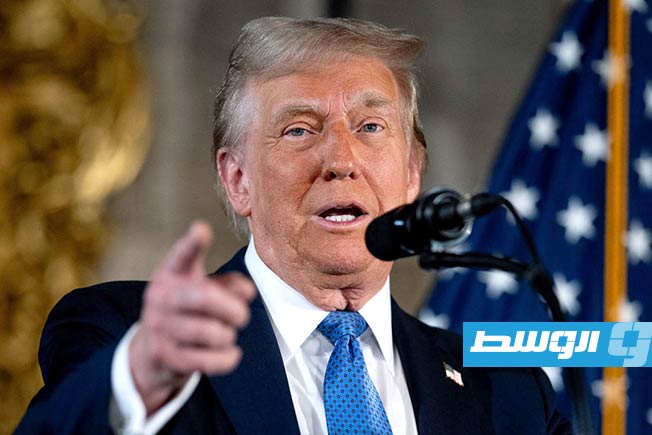
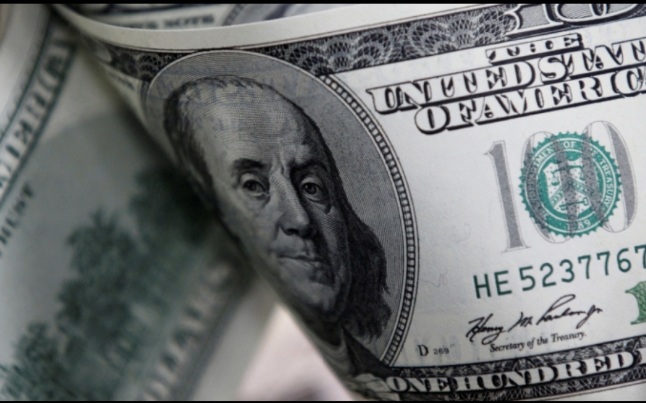
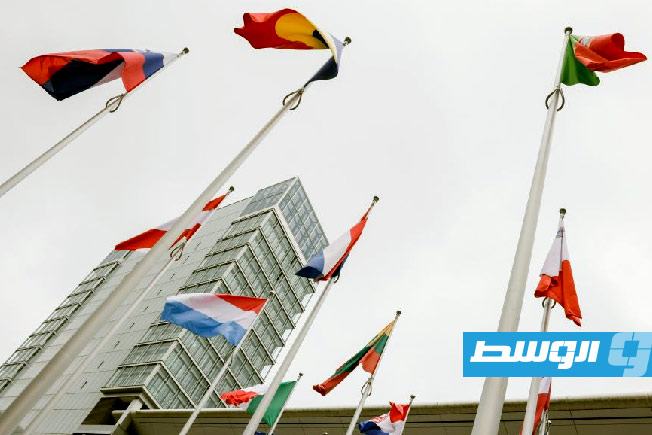
US Treasury Secretary Scott Bessent warned European countries on Monday against imposing counter-tariffs in response to the tariffs threatened by US President Donald Trump in order to acquire the vast Danish territory of Greenland.
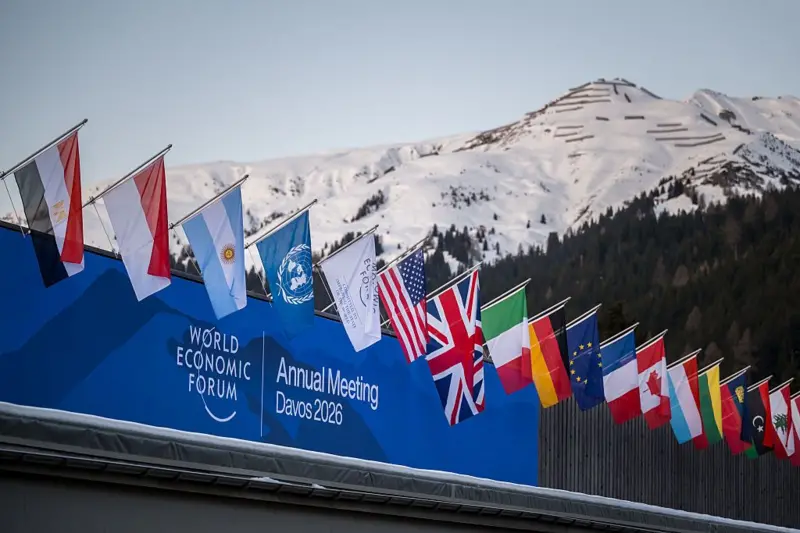
Bessent told journalists on the first day of the World Economic Forum in Davos, “I believe that would be an entirely unwise move.”
Bessent: Greenland is a strategic asset for America
He added that Trump wants to control the autonomous Danish territory because he considers it a “strategic asset” and “we will not entrust the security of the Western Hemisphere to any other party.”
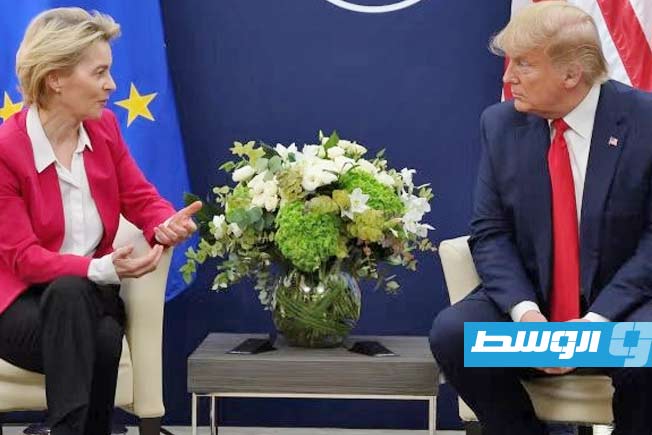
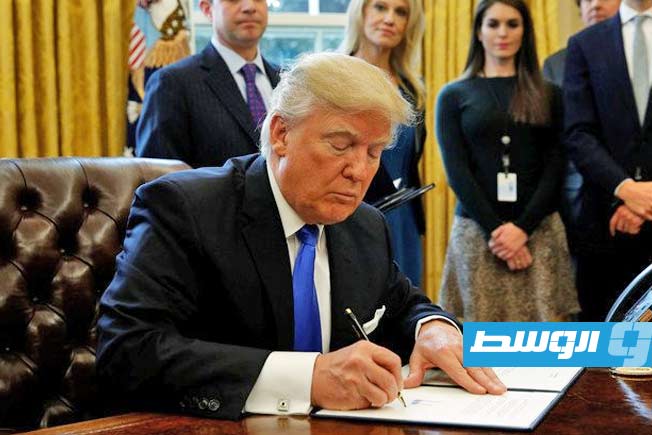
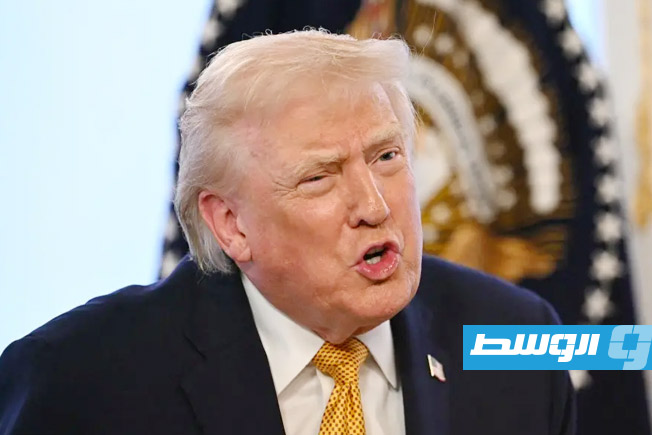
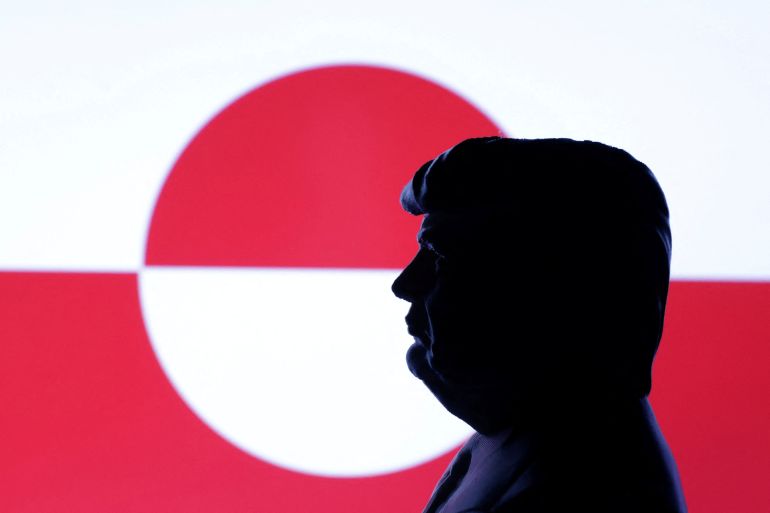
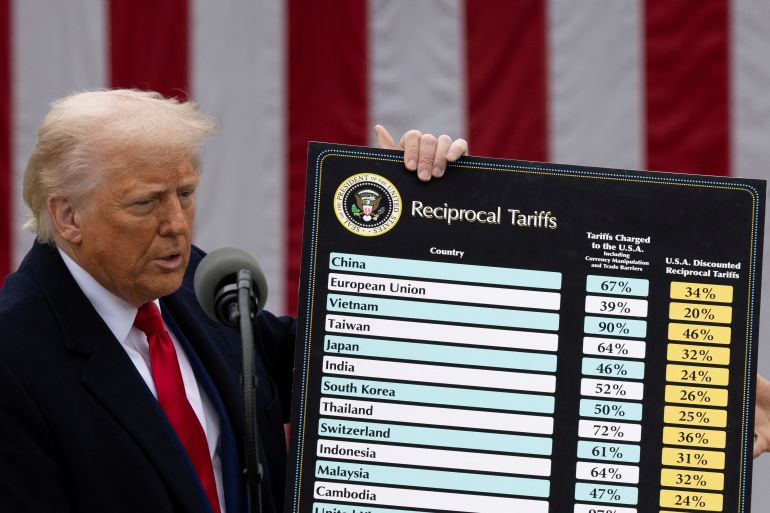
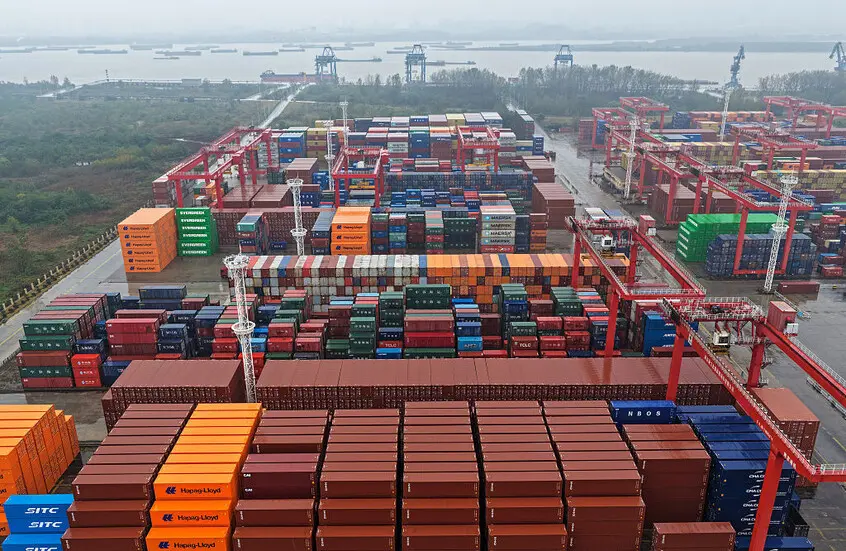
On Saturday, Trump announced via the Truth Social platform the imposition of a 10% tariff starting February 1 on goods from European countries that have shown solidarity with Greenland. He said the tariffs would rise to 25% unless a deal is reached to purchase Greenland in its entirety.
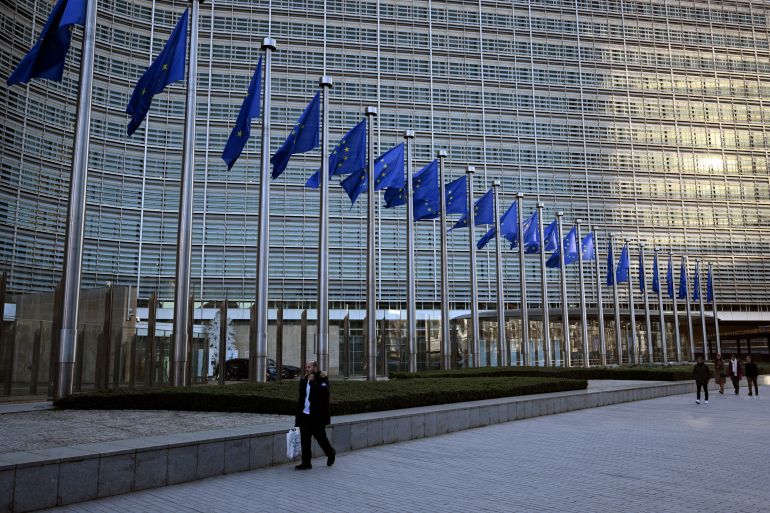
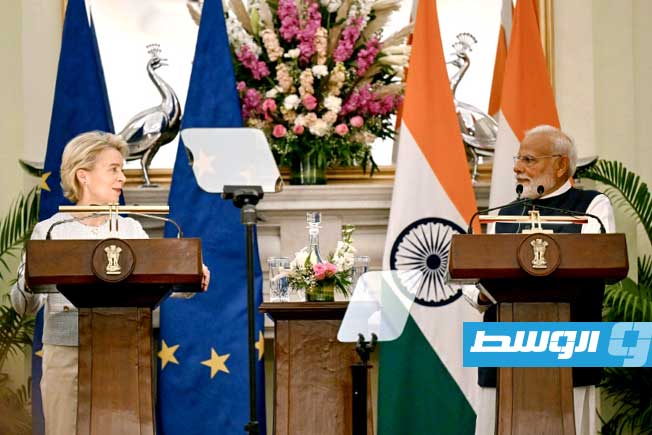
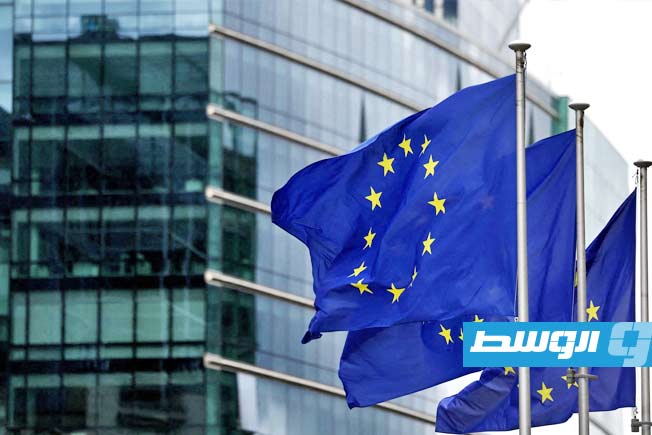
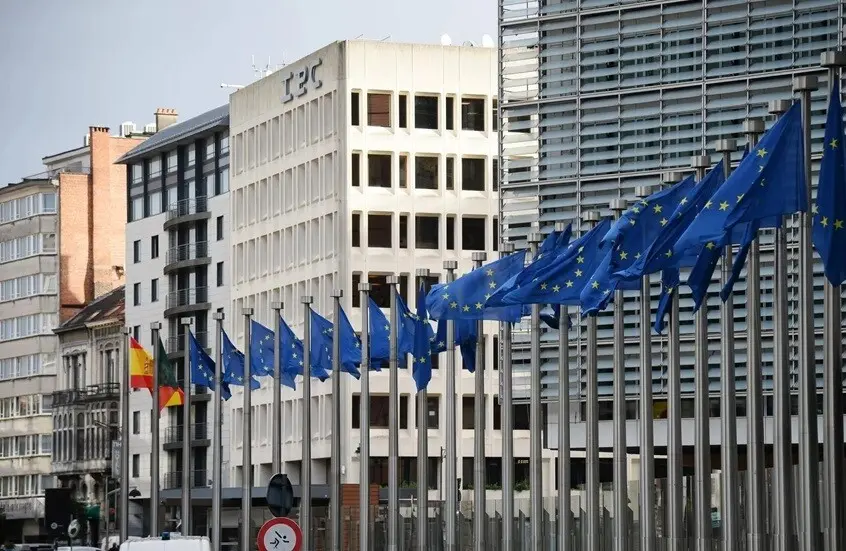
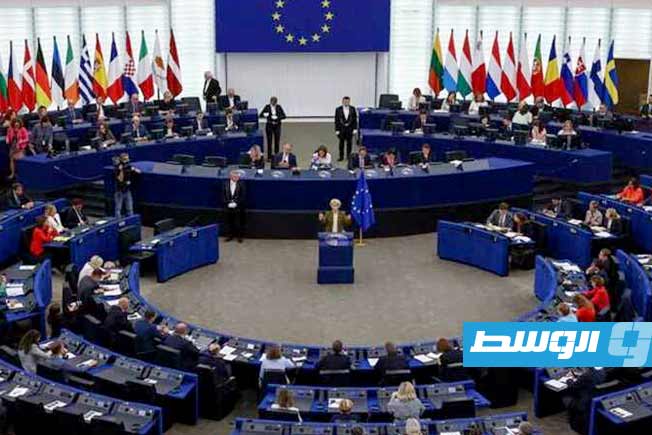
This announcement prompted immediate opposition from leaders in Brussels, with the President of the European Commission stating: “The tariffs will undermine transatlantic relations and will have serious repercussions.”
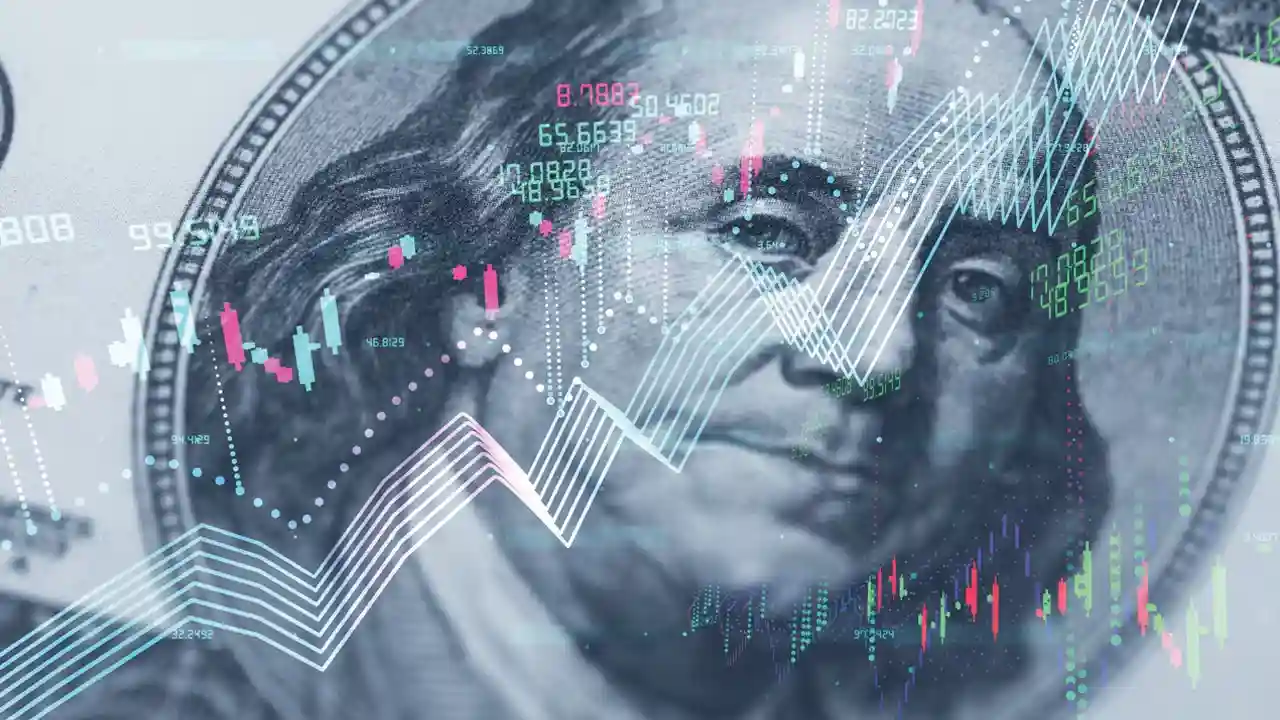
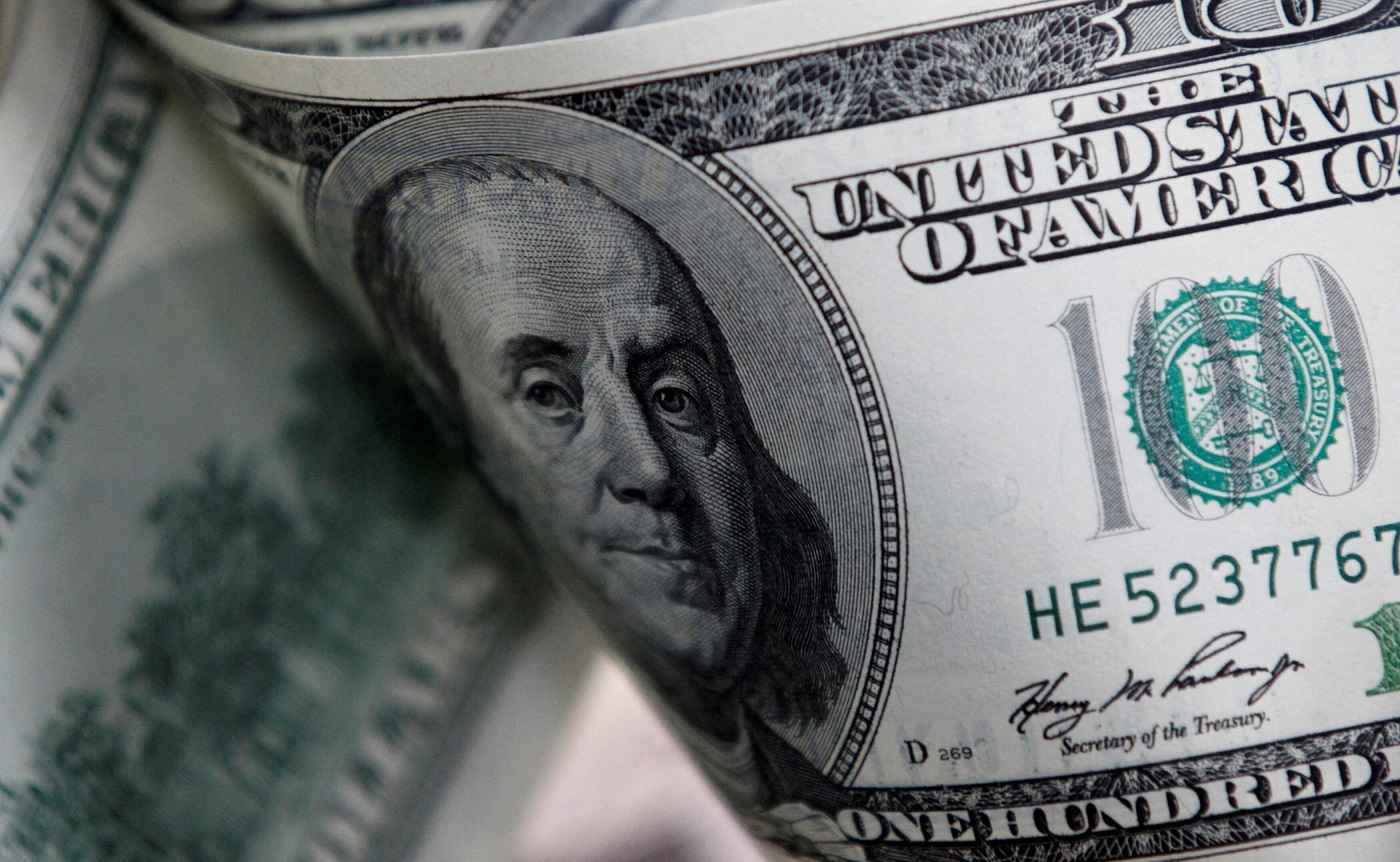
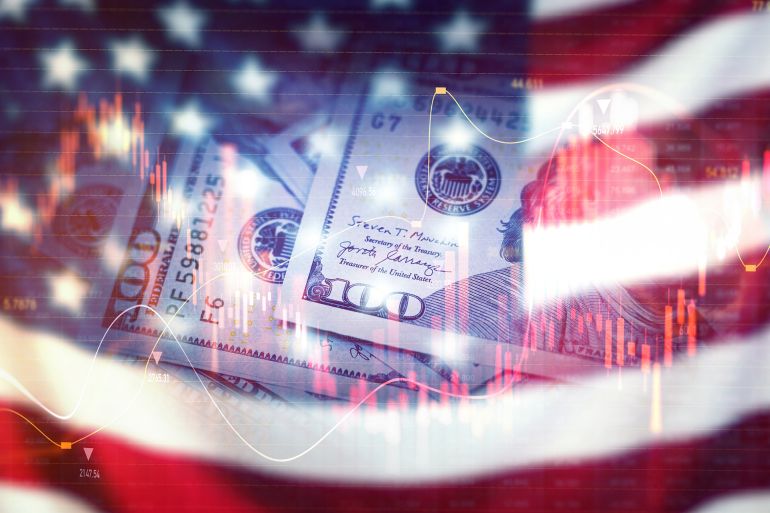
US Treasury
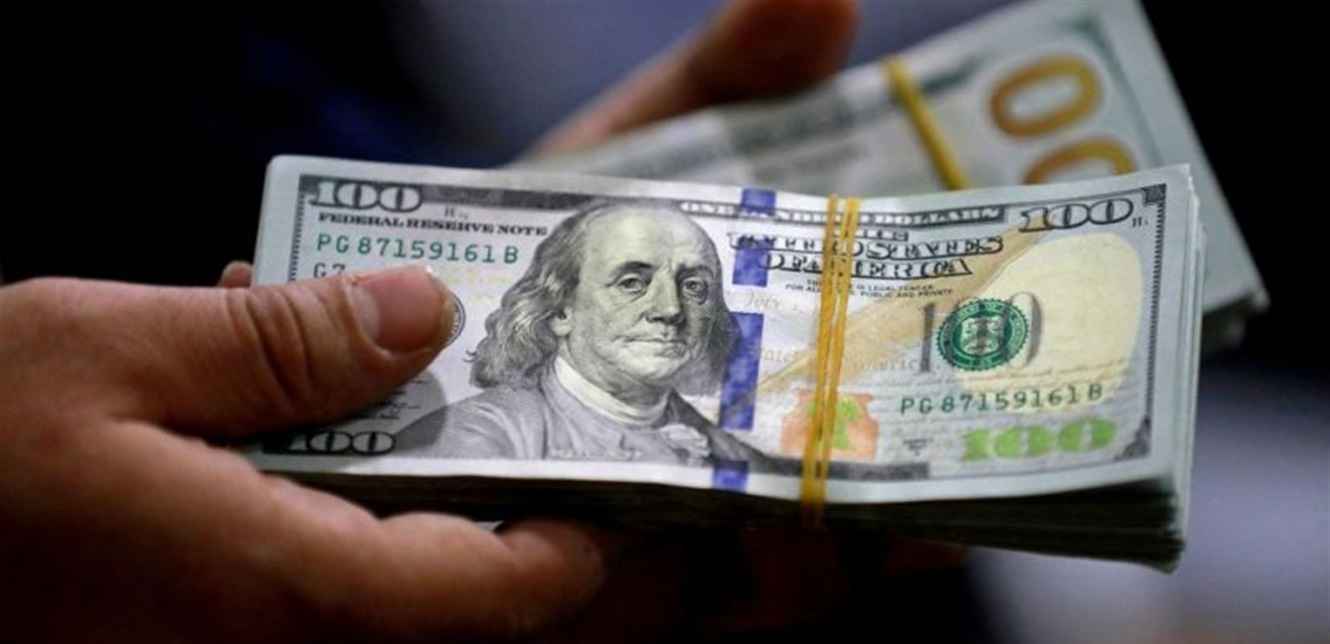
The United States Department of the Treasury, established by Congress in 1789, is the executive agency responsible for managing the government’s revenue, producing currency, and formulating economic and fiscal policy. Its history is deeply tied to Alexander Hamilton, the first Secretary of the Treasury, who founded the nation’s financial system.
Greenland
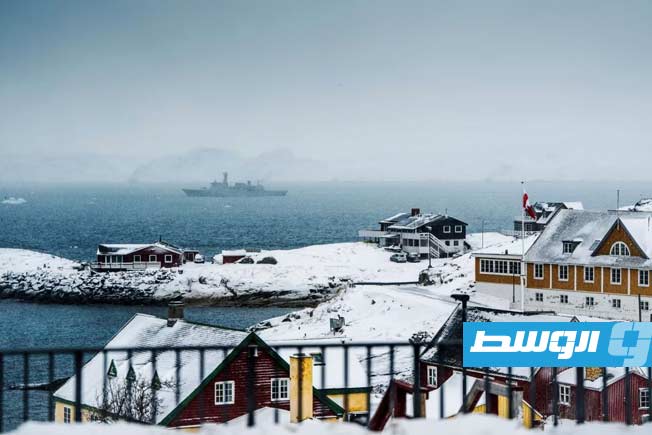
Greenland is the world’s largest island, located between the Arctic and Atlantic Oceans, and is an autonomous territory within the Kingdom of Denmark. Its history is marked by Paleo-Inuit cultures dating back millennia, Norse settlement starting in the 10th century, and later Danish colonization beginning in the 18th century. Today, it is known for its vast ice sheet and unique Inuit cultural heritage.
Denmark
Denmark is a Scandinavian country in Northern Europe with a rich history dating back to the Viking Age, when it was a major seafaring power. Today, it is a modern constitutional monarchy known for its design, social welfare model, and historical landmarks like Kronborg Castle, the setting of Shakespeare’s *Hamlet*.
World Economic Forum
The World Economic Forum (WEF) is an international non-governmental organization founded in 1971 by German engineer and economist Klaus Schwab. It is best known for its annual meeting in Davos, Switzerland, which brings together political, business, and cultural leaders to discuss global economic and social issues.
Davos
Davos is a Swiss Alpine town in the canton of Graubünden, historically known as a health resort and for its development as a winter sports destination. It is now most famous for hosting the annual World Economic Forum meeting, where global political and business leaders gather to discuss international issues.
Western Hemisphere
The Western Hemisphere is a geographical term for the half of Earth that lies west of the Prime Meridian and includes the Americas. Its modern history is profoundly shaped by millennia of indigenous civilizations, followed by European colonization beginning in the late 15th century, which led to widespread cultural and political transformation across the continents.
Truth Social
Truth Social is a social media platform launched in February 2022 by Trump Media & Technology Group, founded by former U.S. President Donald Trump. It was created following Trump’s bans from major platforms like Twitter and Facebook, positioning itself as a platform promoting free speech and an alternative to what it describes as “Big Tech censorship.”
European Commission
The European Commission is the executive branch of the European Union, responsible for proposing legislation, implementing decisions, and managing EU policies. It was established in 1958 as part of the then-European Economic Community, with its foundational role solidified by the Merger Treaty of 1967.
Brussels
Brussels is the capital city of Belgium and the de facto administrative center of the European Union. Historically, it grew from a 10th-century fortress town into a major commercial hub during the Middle Ages, later becoming a focal point for European politics and institutions in the 20th century.