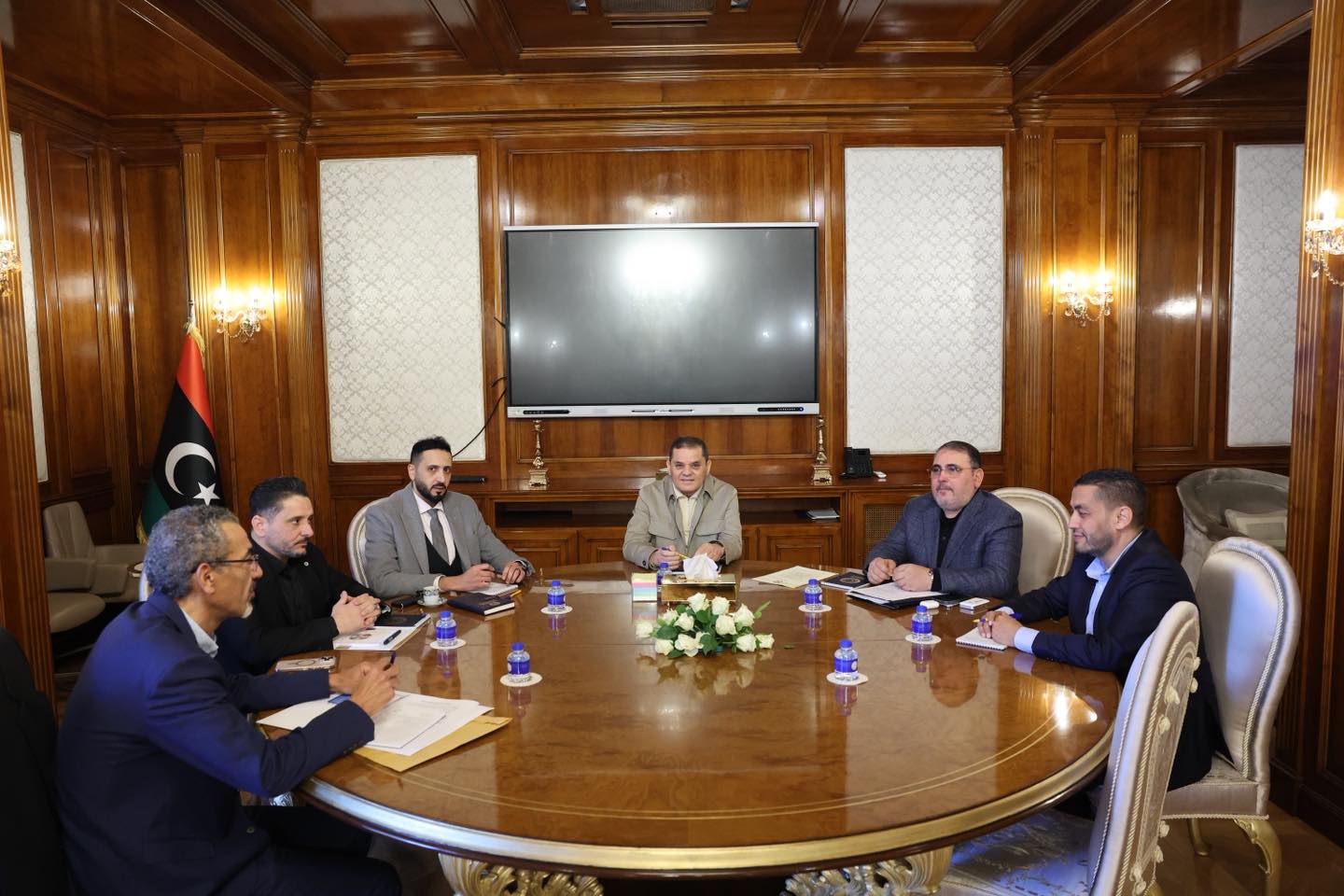
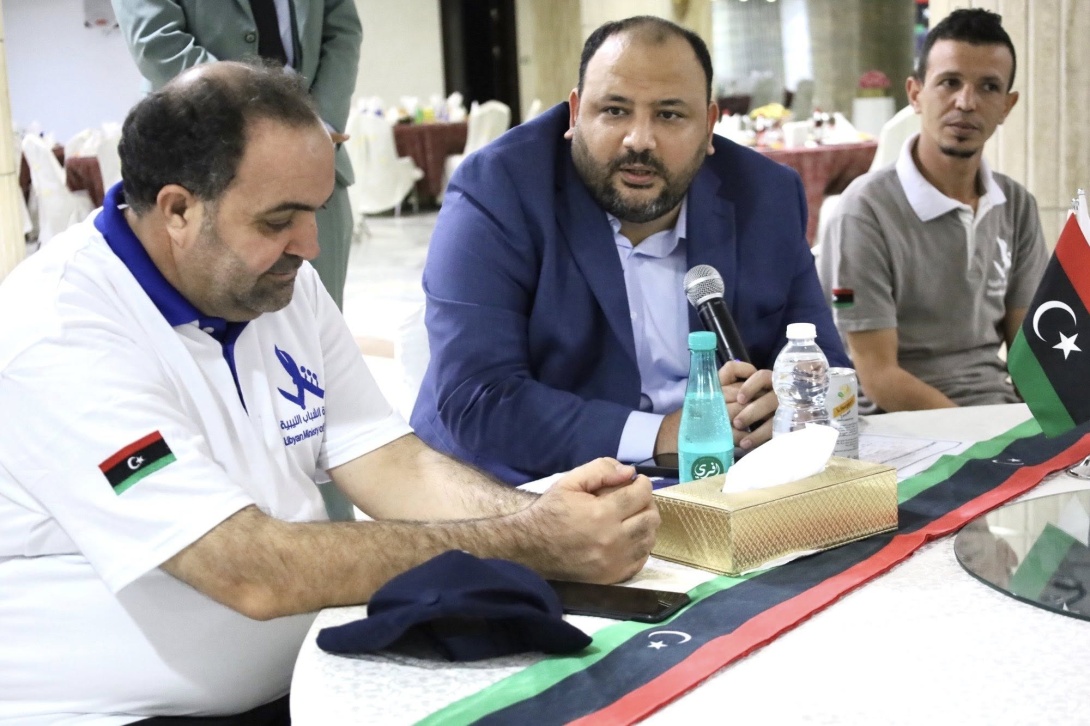
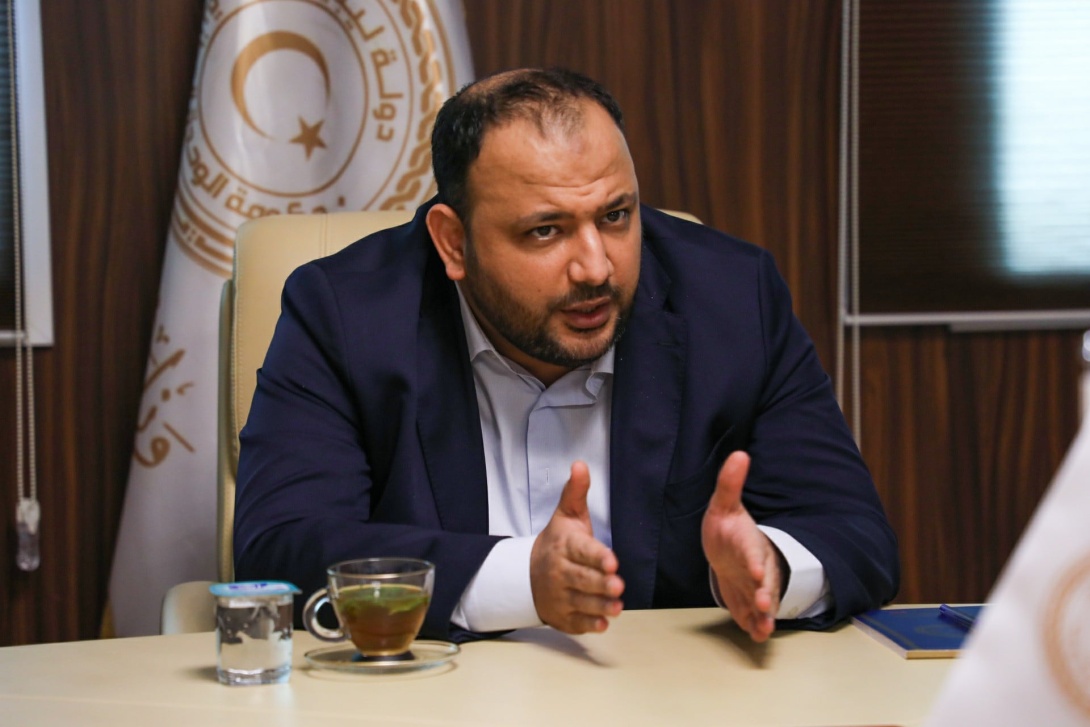
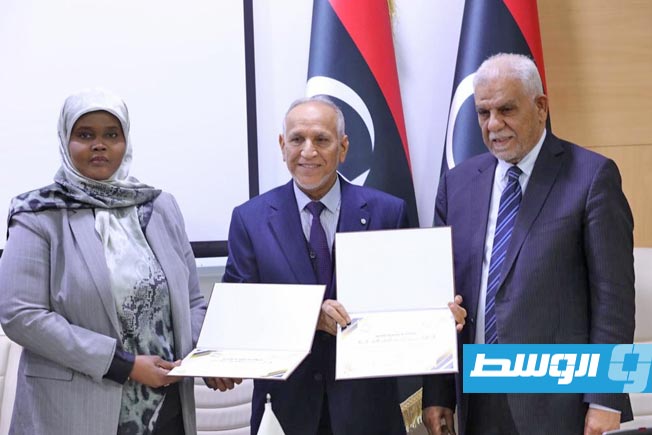
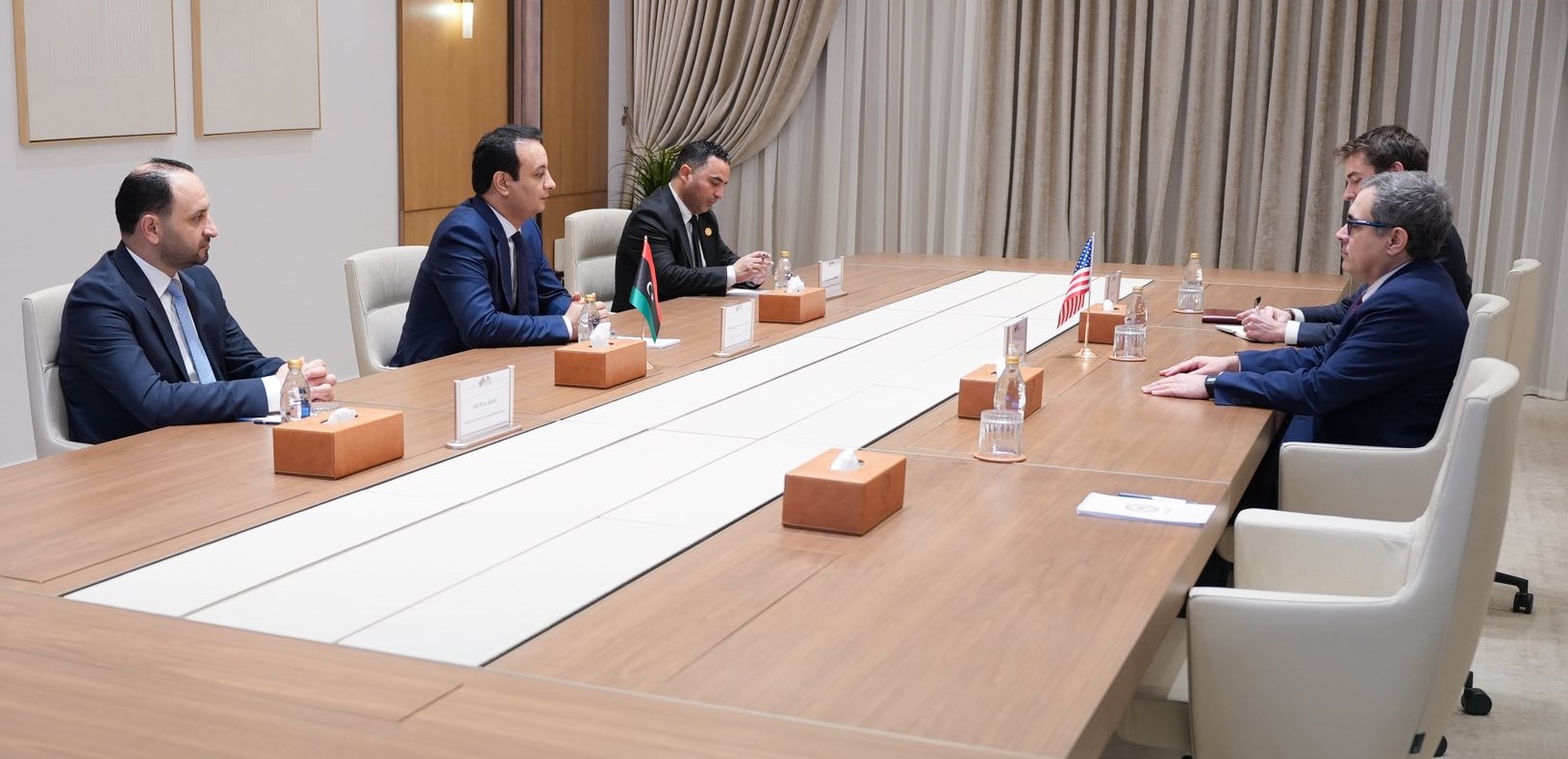
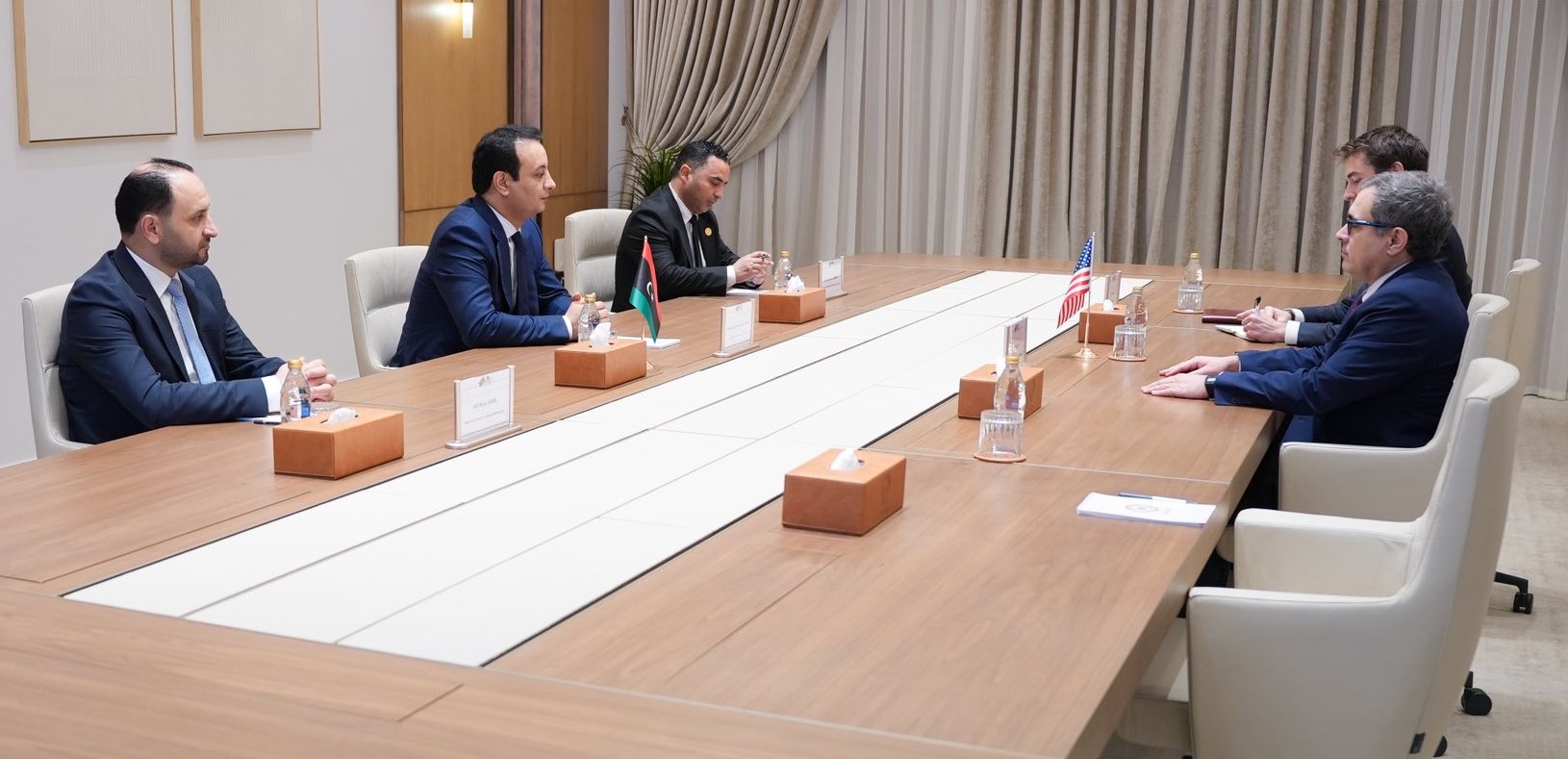
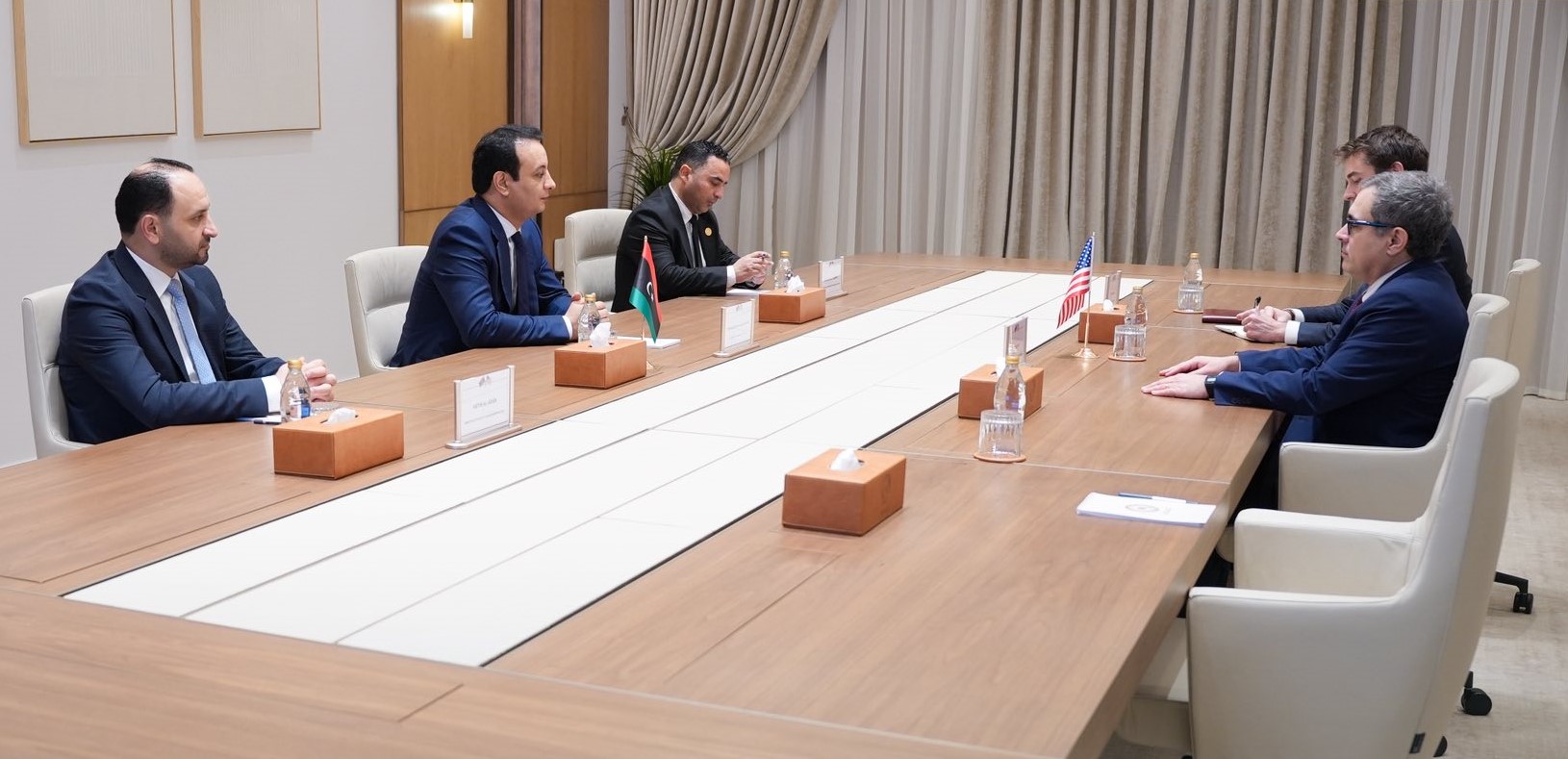
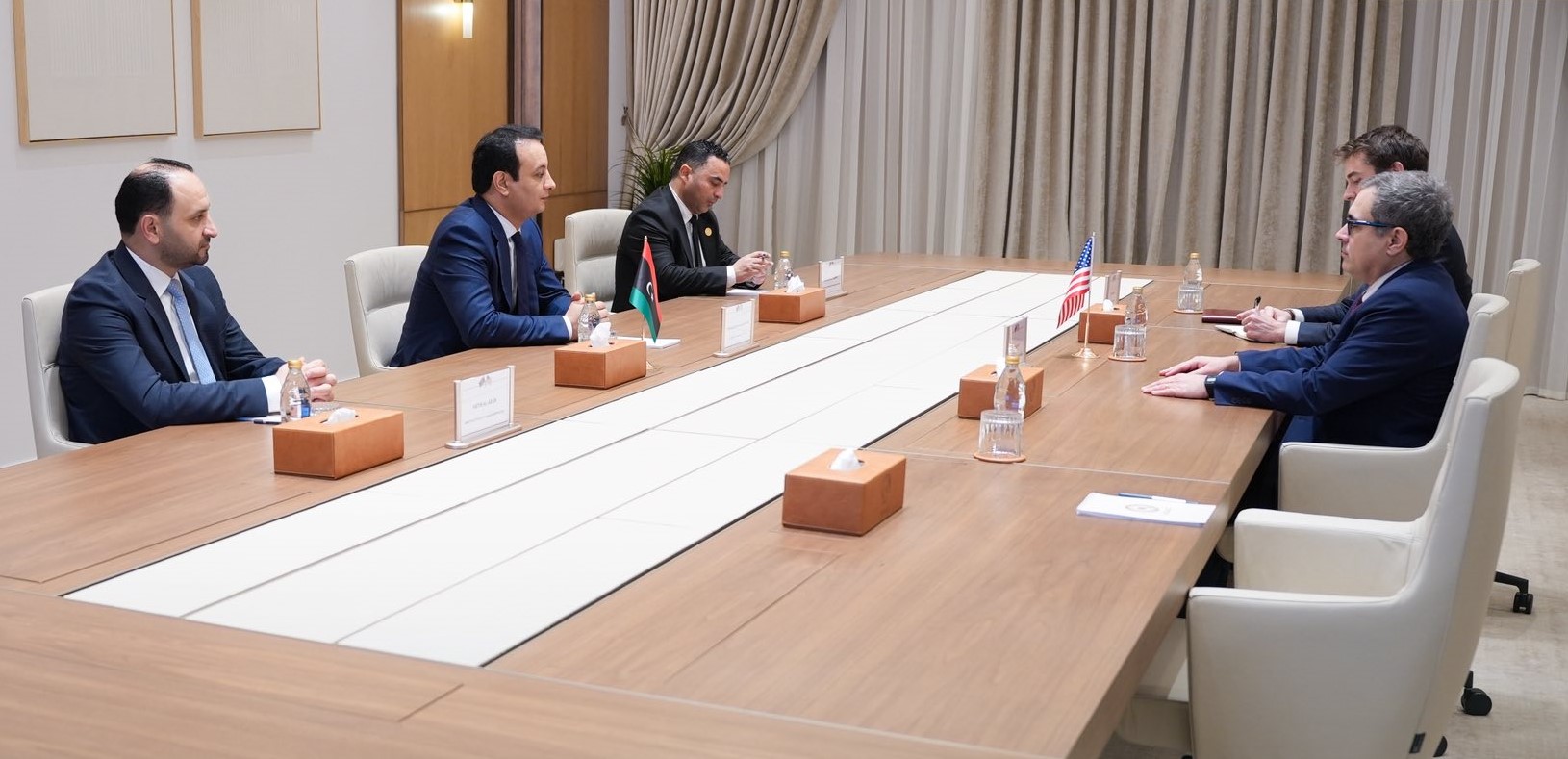
Tripoli, February 1, 2026 – The head of the Government of National Unity emphasized that controlling prices is a top priority for the government, calling for holding speculators and manipulators of citizens’ livelihoods accountable and preventing any monopolistic practices or violations that could harm the market or burden the citizen.
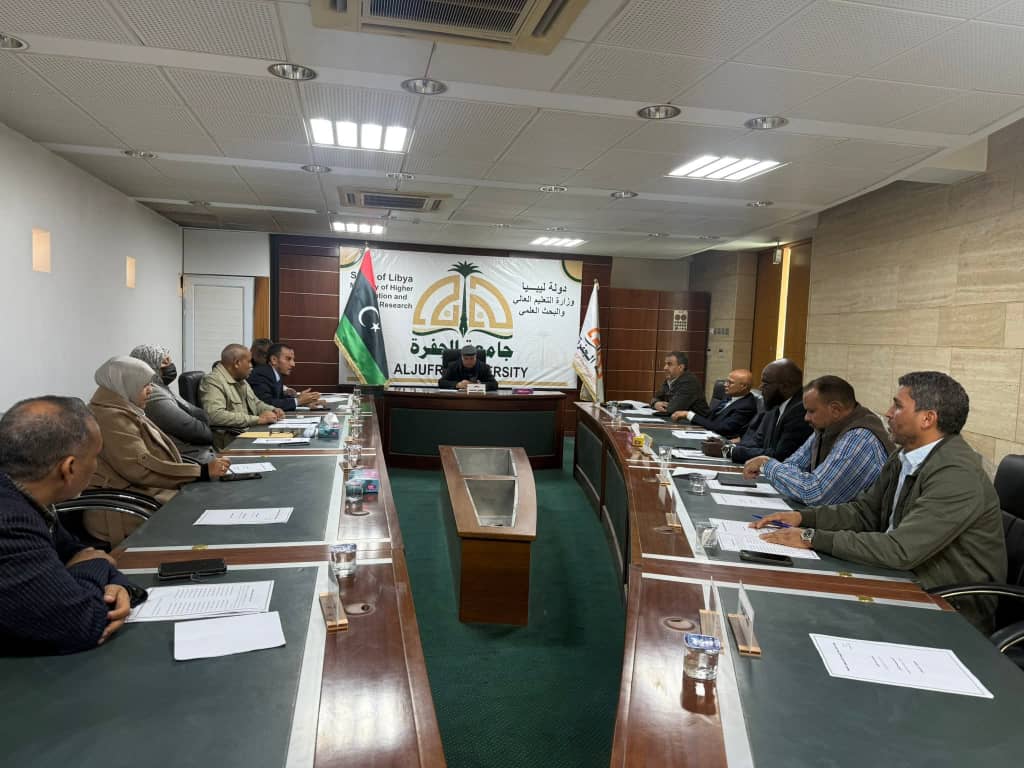
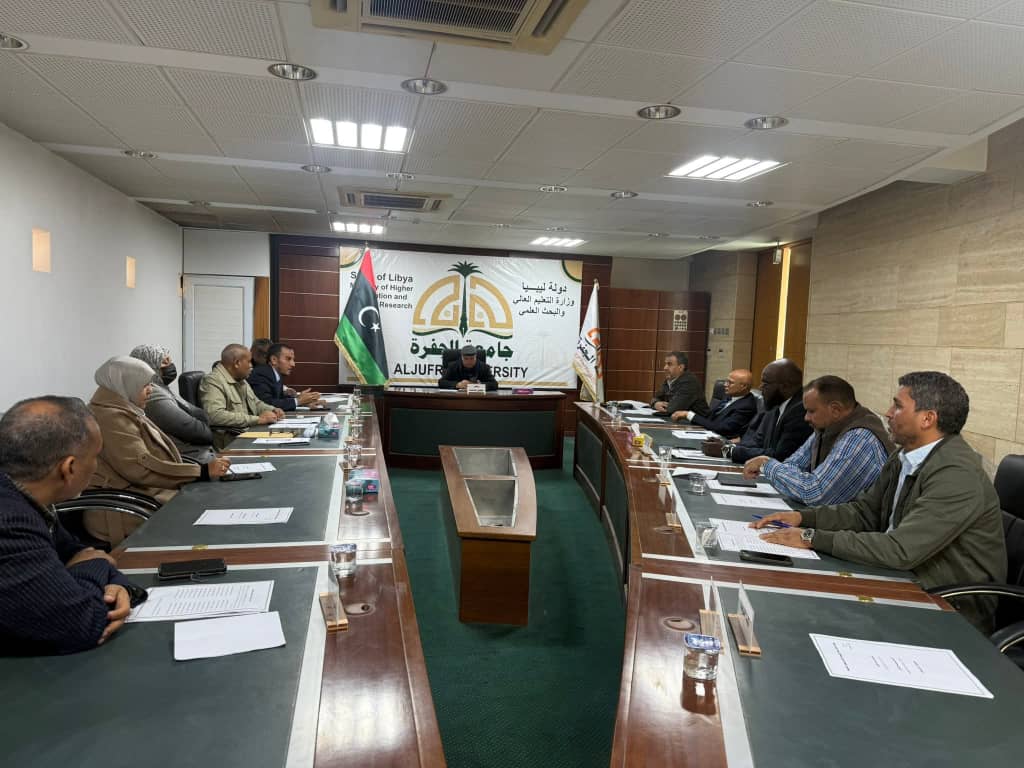
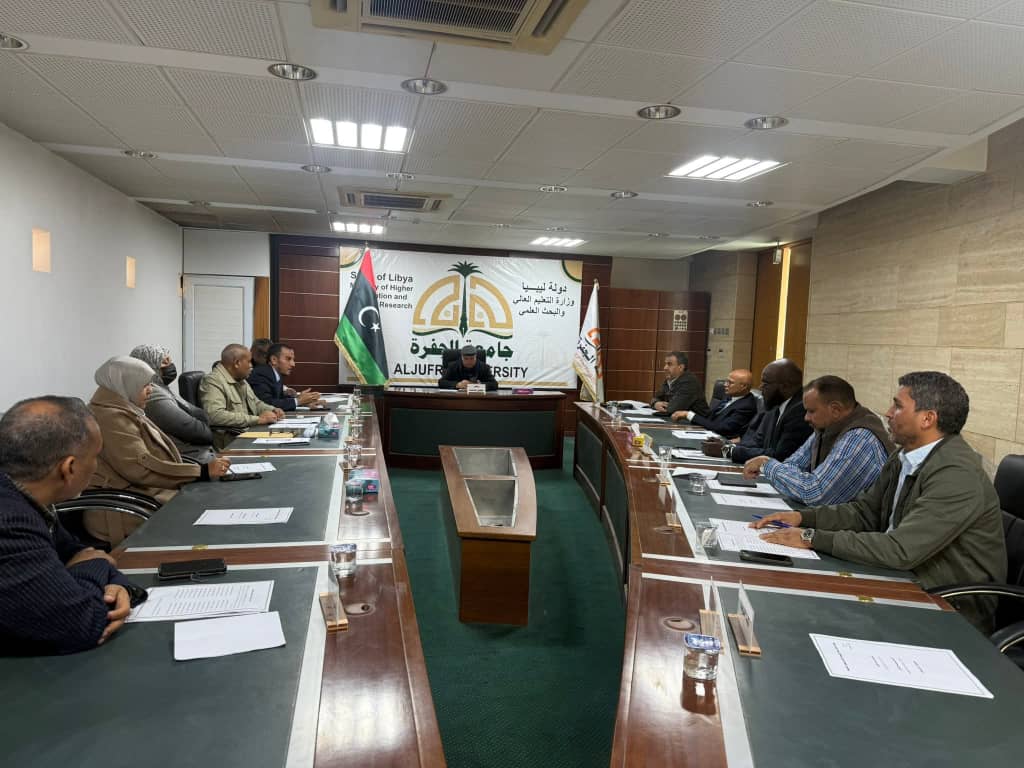
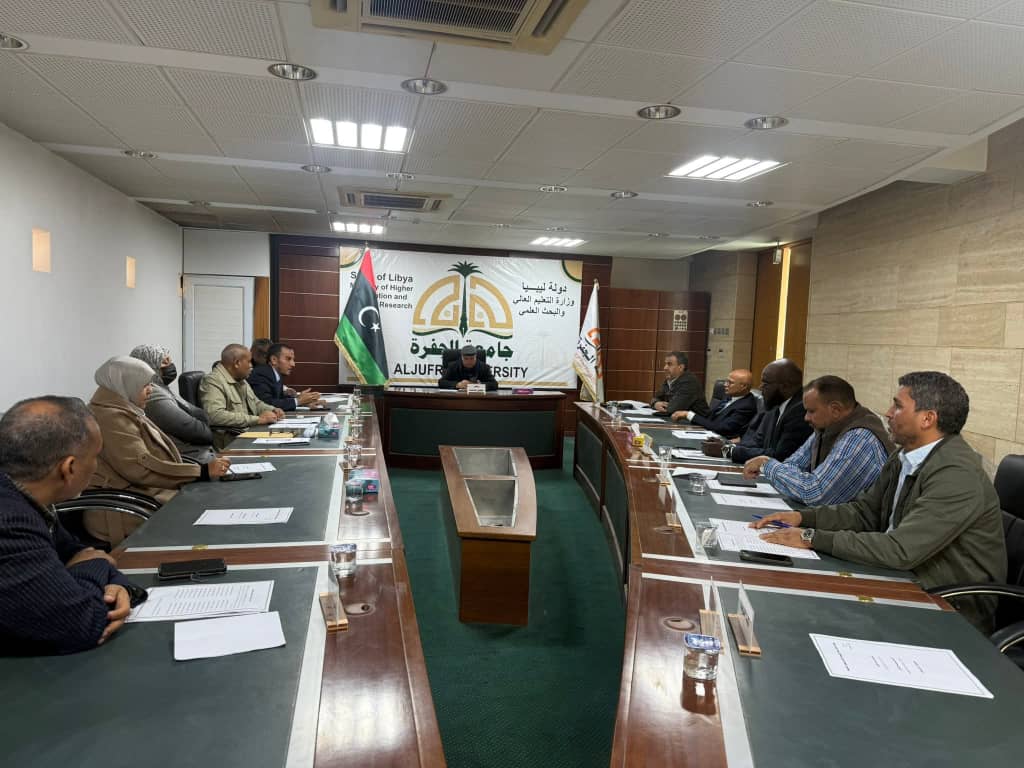
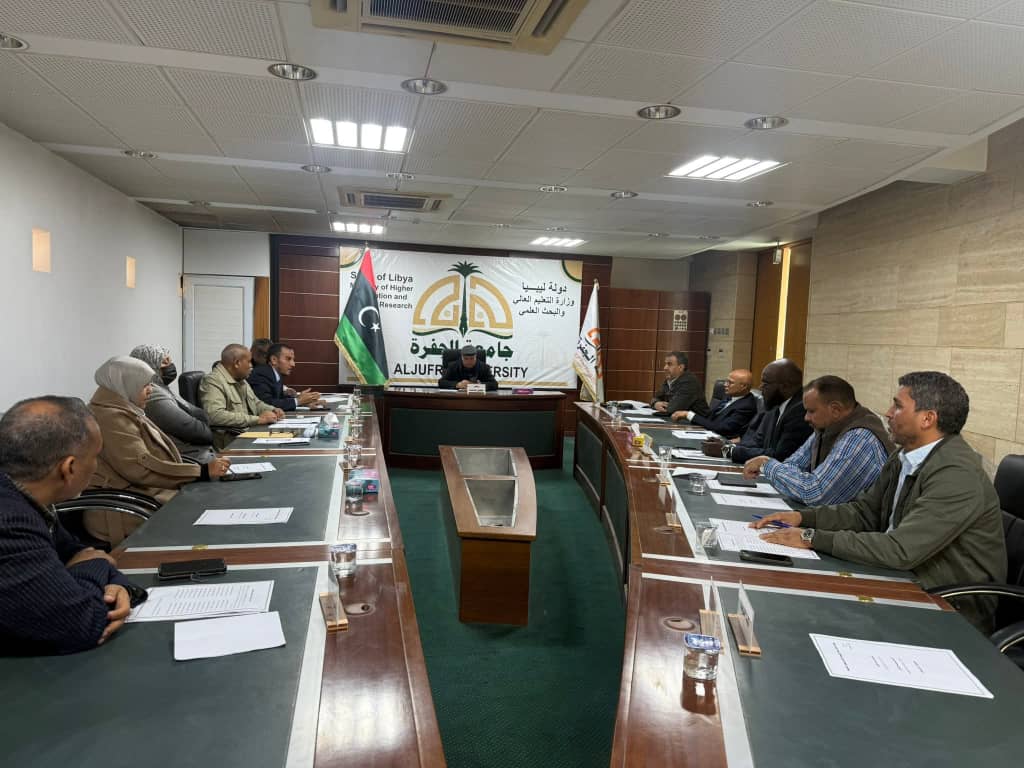
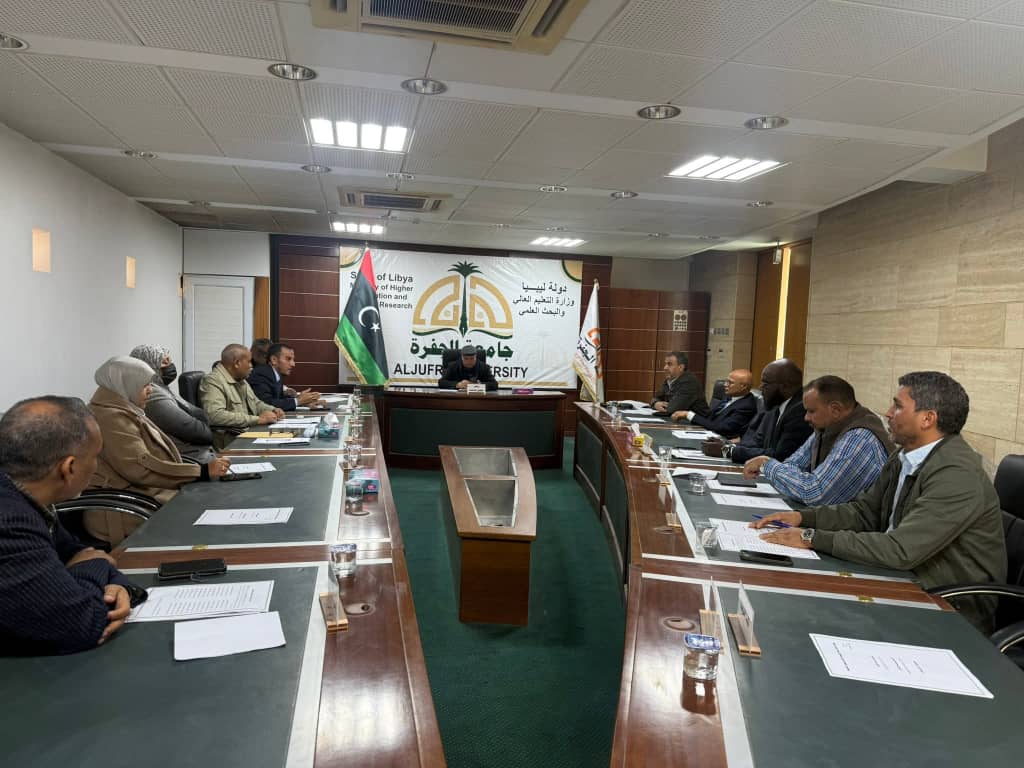
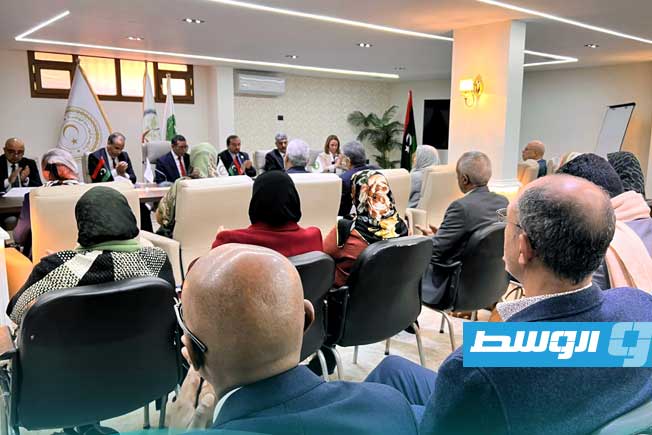
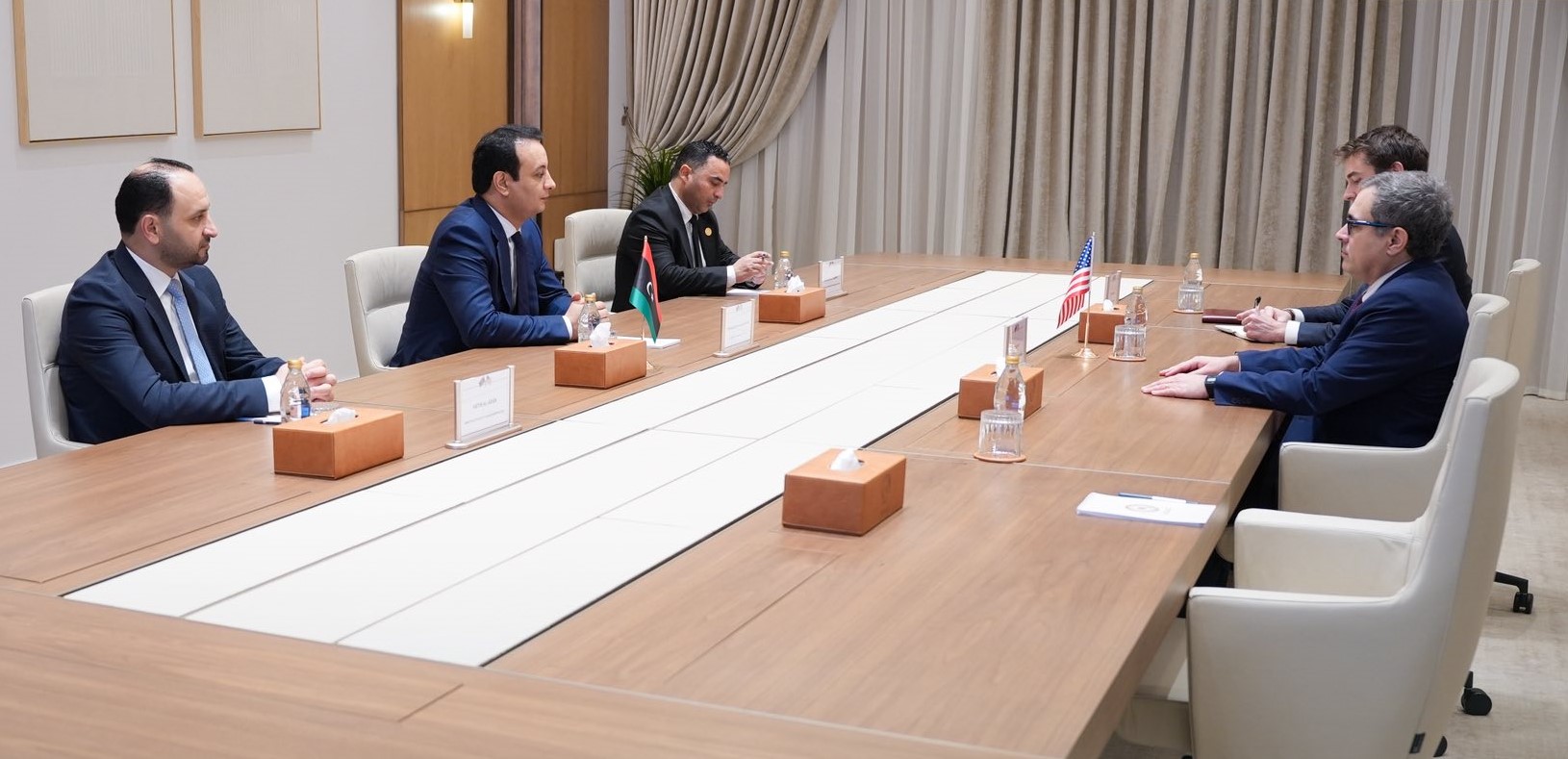
This came during the meeting held today, Sunday, to follow up on developments in the prices of basic commodities and animal feed in the local market.
The head of the government stressed the necessity of taking urgent and decisive measures to control prices, protect consumers, and ensure market stability.
During the meeting, the reasons for the price increases were reviewed, compliance with official pricing was followed up on, and mechanisms to enhance oversight of markets and supply and distribution outlets were discussed.
The head of the government directed the relevant authorities to intensify field inspection campaigns, enhance coordination between the Ministry of Economy and security agencies, and activate deterrent legal measures to ensure the implementation of decisions on the ground and protect citizens’ purchasing power.
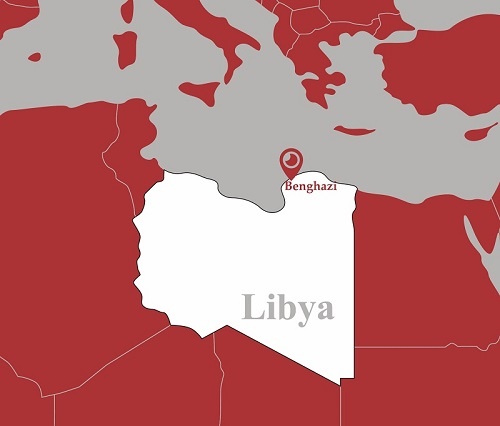
Tripoli
Tripoli is the capital and largest city of Libya, located on the country’s Mediterranean coast. Historically, it was founded by the Phoenicians in the 7th century BC and has since been ruled by the Romans, Arabs, Ottomans, and Italians, serving as a major port and cultural crossroads. Its historic core, the medina of Old Tripoli, contains significant architecture from these various periods.
Government of National Unity
The Government of National Unity (GNU) is a term most notably associated with the post-apartheid transitional government in South Africa, formed in 1994 following the country’s first multiracial elections. Led by President Nelson Mandela, it was a coalition government that included the African National Congress, the National Party, and the Inkatha Freedom Party, aimed at fostering reconciliation and stability during the nation’s democratic transition.
Ministry of Economy
The Ministry of Economy is a government department responsible for formulating and implementing national economic policy. Its history is tied to the development of the modern state, with such ministries typically being established or significantly reformed during periods of industrialization or major economic restructuring to guide fiscal, commercial, and industrial strategy.