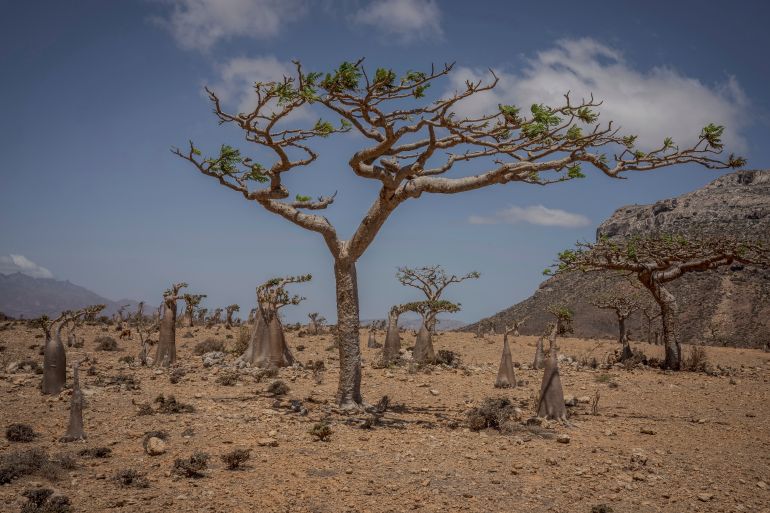
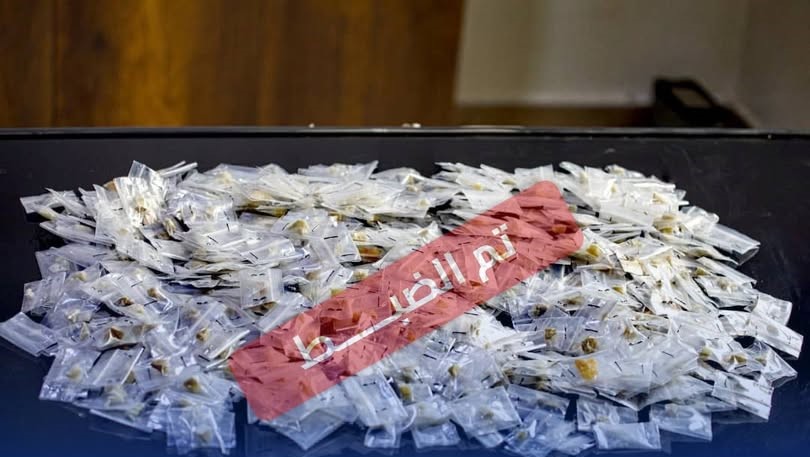
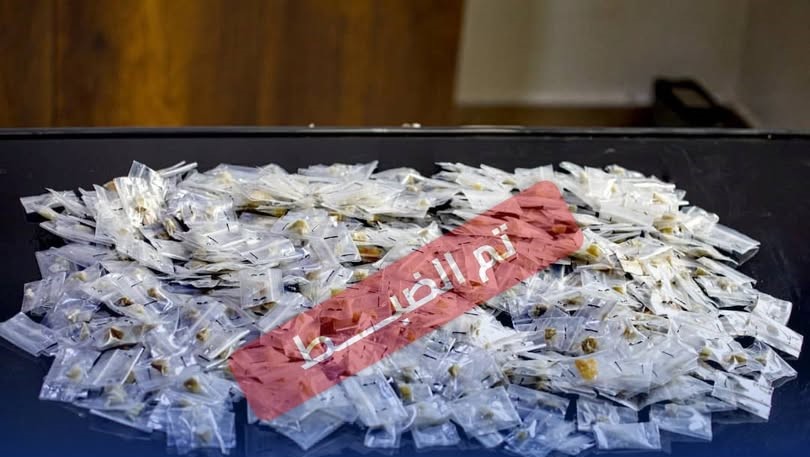
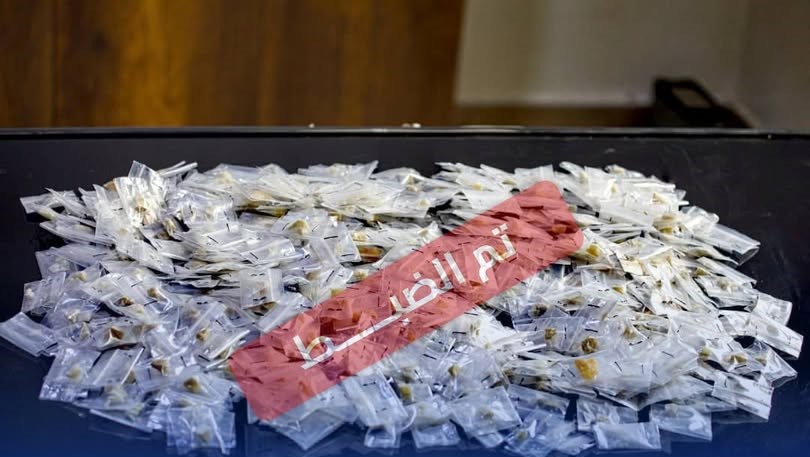
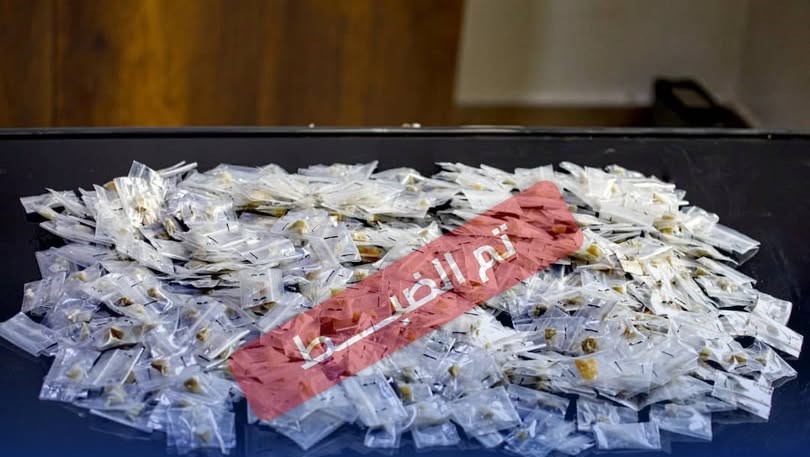
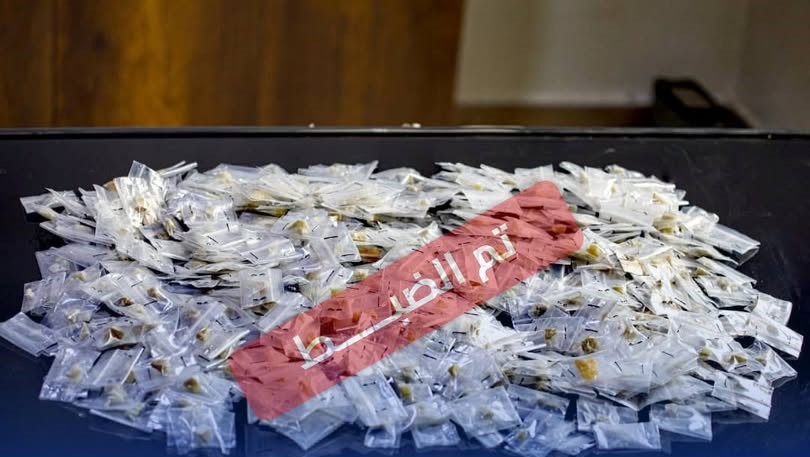
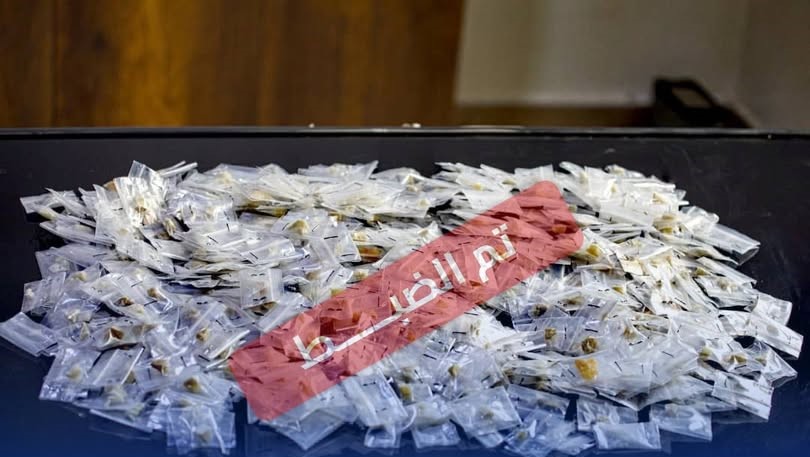
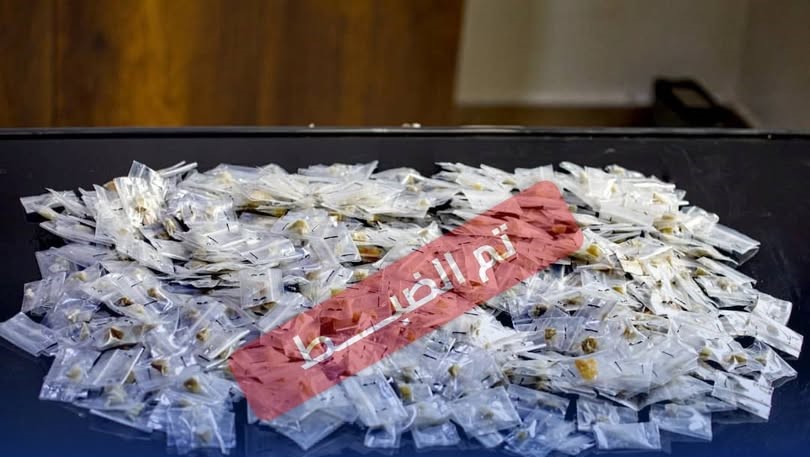
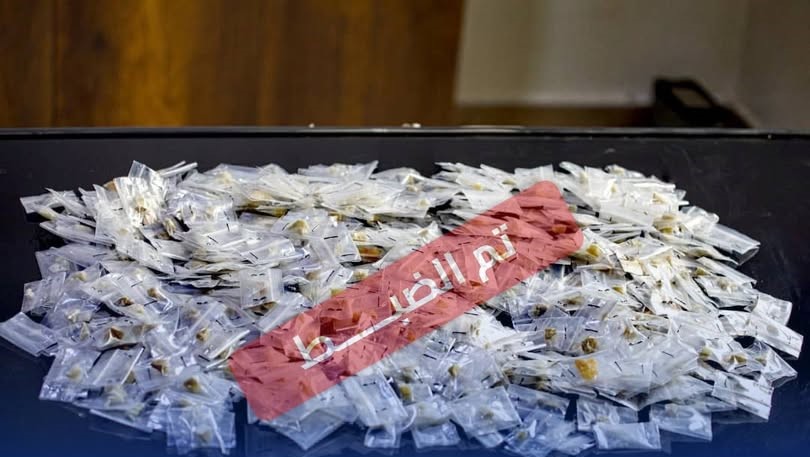
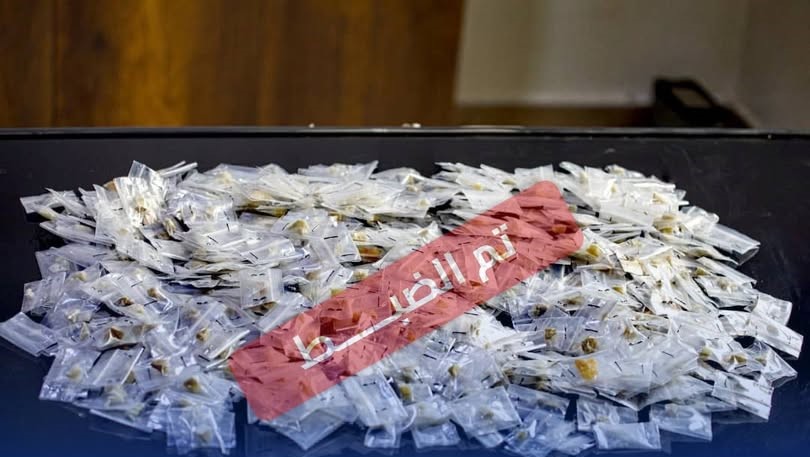
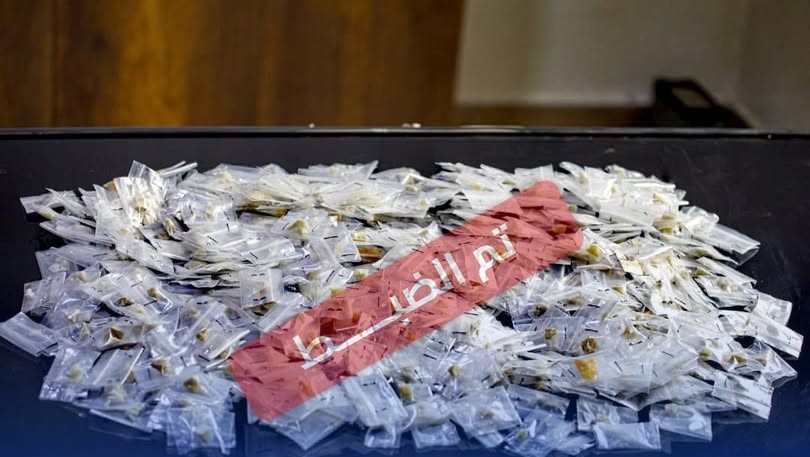
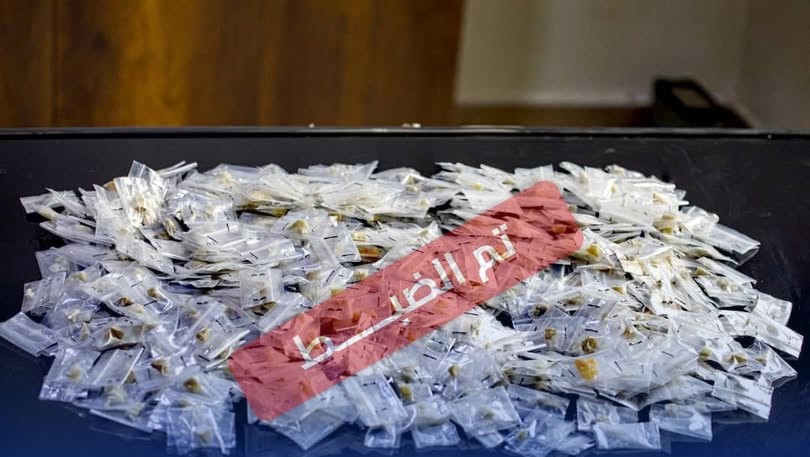
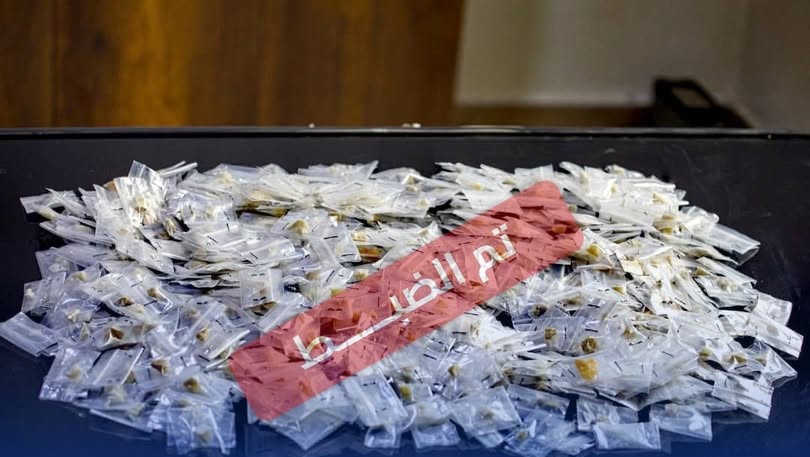
The Yemeni Ambassador to UNESCO stated that the organization has sent an international monitoring and response mission to the island of Socotra, following a request from the UNESCO World Heritage Committee.
He wrote on his social media account that the mission was dispatched with the participation of the International Union for Conservation of Nature, “following reports of violations on the island that contravene the provisions of the 1972 Convention concerning the Protection of the World Cultural and Natural Heritage.”
He added that “the mission will submit its report to the World Heritage Committee for discussion at its session to be held later this year.”
He also said that “the report will determine the nature of the violations that the island of Socotra has been subjected to in recent years, and it will be UNESCO—not the Yemeni government—that determines the nature of the violations so it cannot be said that the report was politicized.”
He continued, “The violations will be documented with testimony from a United Nations international organization, and the report will be preserved as an international document within UNESCO’s records.”
The Yemeni Ambassador to UNESCO expressed hope that “the report will not lead to Socotra being placed on the List of World Heritage in Danger, and that the violations of recent years will be addressed, with those responsible held accountable.”
Frankincense trees
Frankincense trees, primarily species of the genus *Boswellia*, are native to the arid regions of the Arabian Peninsula, the Horn of Africa, and parts of India. Historically, their aromatic resin was a cornerstone of ancient trade routes, fueling the economies of civilizations like the Nabateans and being used in religious rituals, medicine, and perfumery for millennia.
bottle trees
Bottle trees are a folk art tradition originating in the American South, where glass bottles are placed on tree branches or metal rods. This practice is believed to have roots in Central African spiritual traditions, brought by enslaved people, with the bottles thought to capture or ward off negative spirits. Today, they are commonly seen as colorful yard decorations and symbols of cultural heritage.
Yemeni island of Socotra
The Yemeni island of Socotra is a UNESCO World Heritage site renowned for its unique and endemic biodiversity, often described as the “Galapagos of the Indian Ocean.” Its long geographic isolation has resulted in a landscape dominated by distinctive species like the dragon’s blood tree. Historically, the island has been known since ancient times for its trade in valuable resins like frankincense and myrrh.
Socotra
Socotra is an isolated archipelago in the Indian Ocean, part of Yemen, renowned for its unique and endemic biodiversity, including the iconic Dragon’s Blood Tree. Its long geological isolation has created a distinct ecosystem, while its history includes ancient trade connections and periods under various influences, including the Mahra Sultanate and later Portuguese and British interest. Today, it is a UNESCO World Heritage Site recognized as a place of outstanding universal value.
UNESCO
UNESCO (United Nations Educational, Scientific and Cultural Organization) is a specialized agency of the United Nations, founded in 1945 in the aftermath of World War II to promote peace through international cooperation in education, the sciences, and culture. It is best known for its World Heritage program, which identifies, protects, and preserves cultural and natural heritage sites around the globe considered to be of outstanding value to humanity.
UNESCO World Heritage Committee
The UNESCO World Heritage Committee is an international body responsible for implementing the World Heritage Convention, established in 1972. It decides which cultural and natural sites are inscribed on the World Heritage List, monitors their conservation, and allocates financial assistance from the World Heritage Fund.
International Union for Conservation of Nature
The International Union for Conservation of Nature (IUCN) is a global environmental network founded in 1948, making it the world’s oldest and largest organization of its kind. It is best known for assessing the conservation status of species through its Red List and for bringing together governments and civil society to develop environmental policy and conservation tools.
1972 Convention concerning the Protection of the World Cultural and Natural Heritage
The 1972 Convention concerning the Protection of the World Cultural and Natural Heritage is an international treaty adopted by UNESCO to identify and protect sites of outstanding universal value. It established the World Heritage List, which includes cultural landmarks like the Pyramids of Giza and natural wonders like the Great Barrier Reef, ensuring their preservation for future generations.
World Heritage Committee
The World Heritage Committee is an intergovernmental body established in 1976 under the UNESCO World Heritage Convention. It is responsible for implementing the convention, deciding which sites are inscribed on the World Heritage List, and monitoring the conservation of listed sites. The committee meets annually and is composed of representatives from 21 elected State Parties.
List of World Heritage in Danger
The “List of World Heritage in Danger” is a register maintained by UNESCO to identify World Heritage sites that are threatened by serious and specific dangers, such as armed conflict, natural disasters, or unchecked urban development. Inclusion on the list is intended to mobilize urgent international support and conservation efforts for these culturally or naturally significant locations.
Yemeni government
The Yemeni government refers to the internationally recognized executive authority based in Aden, which has been engaged in a protracted civil war against the Houthi movement since 2014. Its history is rooted in the Republic of Yemen, formed in 1990 through the unification of North and South Yemen, though its effective control has been contested and fragmented due to the ongoing conflict.
United Nations
The United Nations is an international organization founded in 1945 after World War II to promote peace, security, and cooperation among nations. It replaced the ineffective League of Nations and is headquartered in New York City, with 193 member states working through bodies like the General Assembly and Security Council.