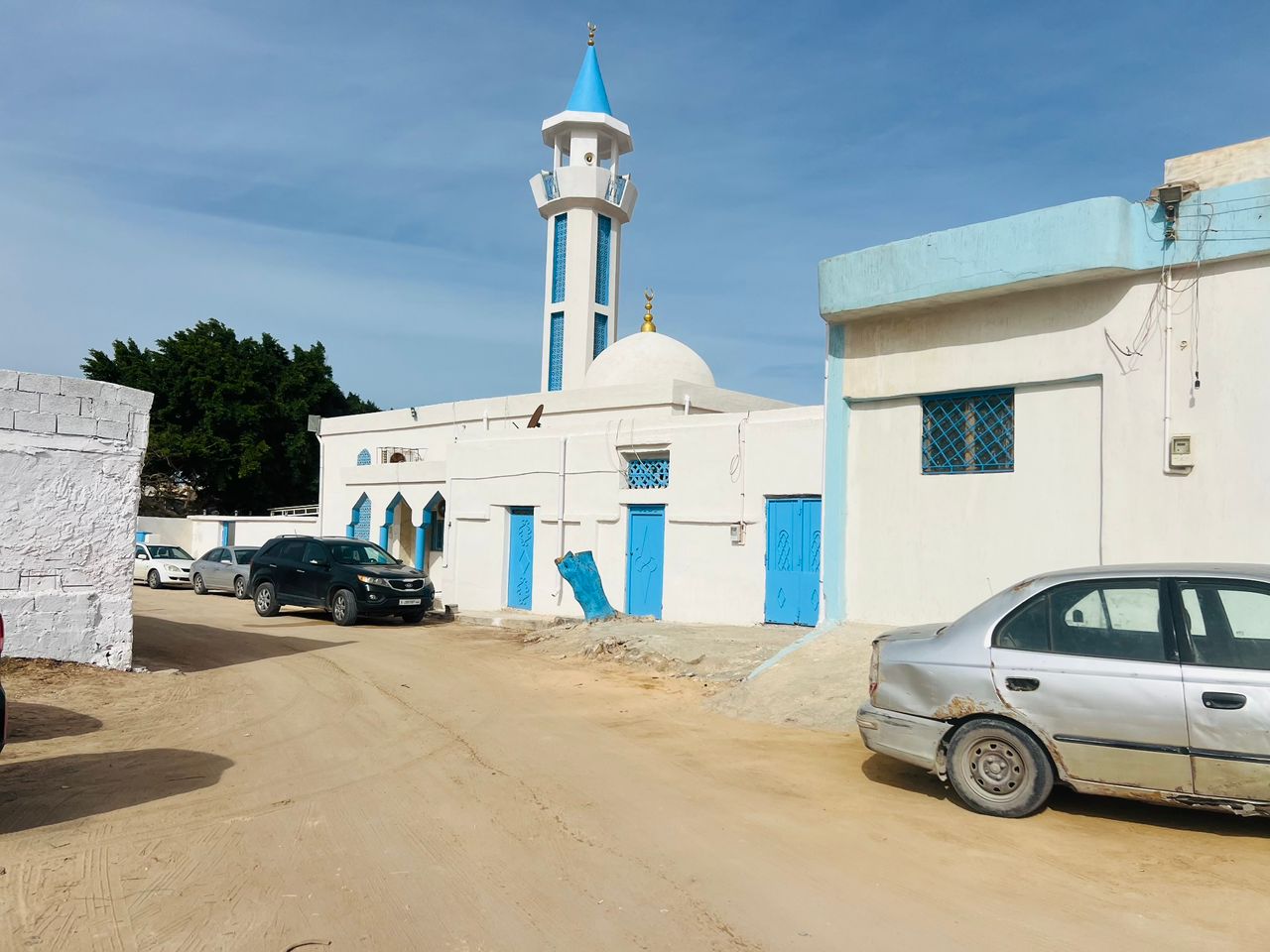
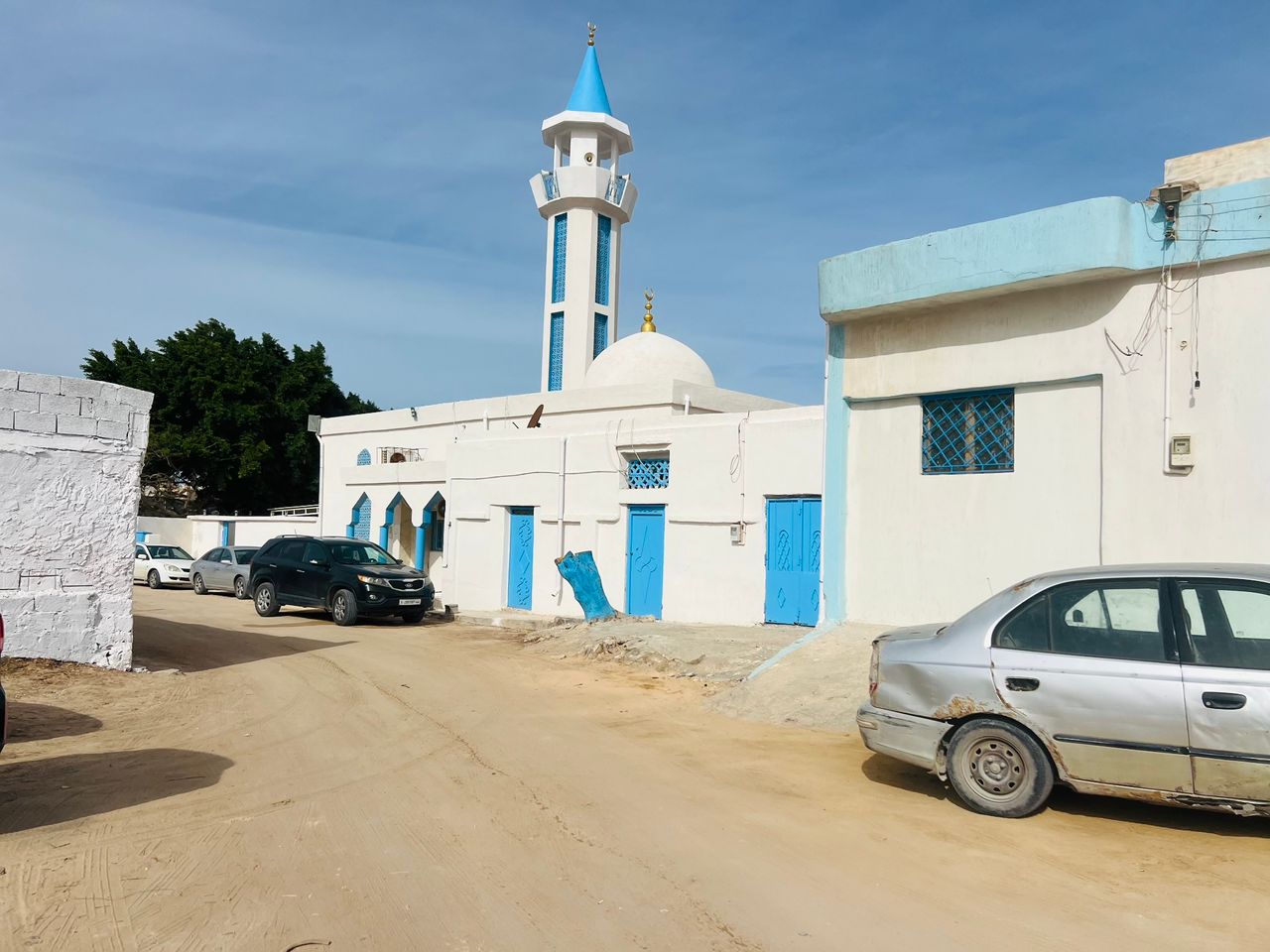
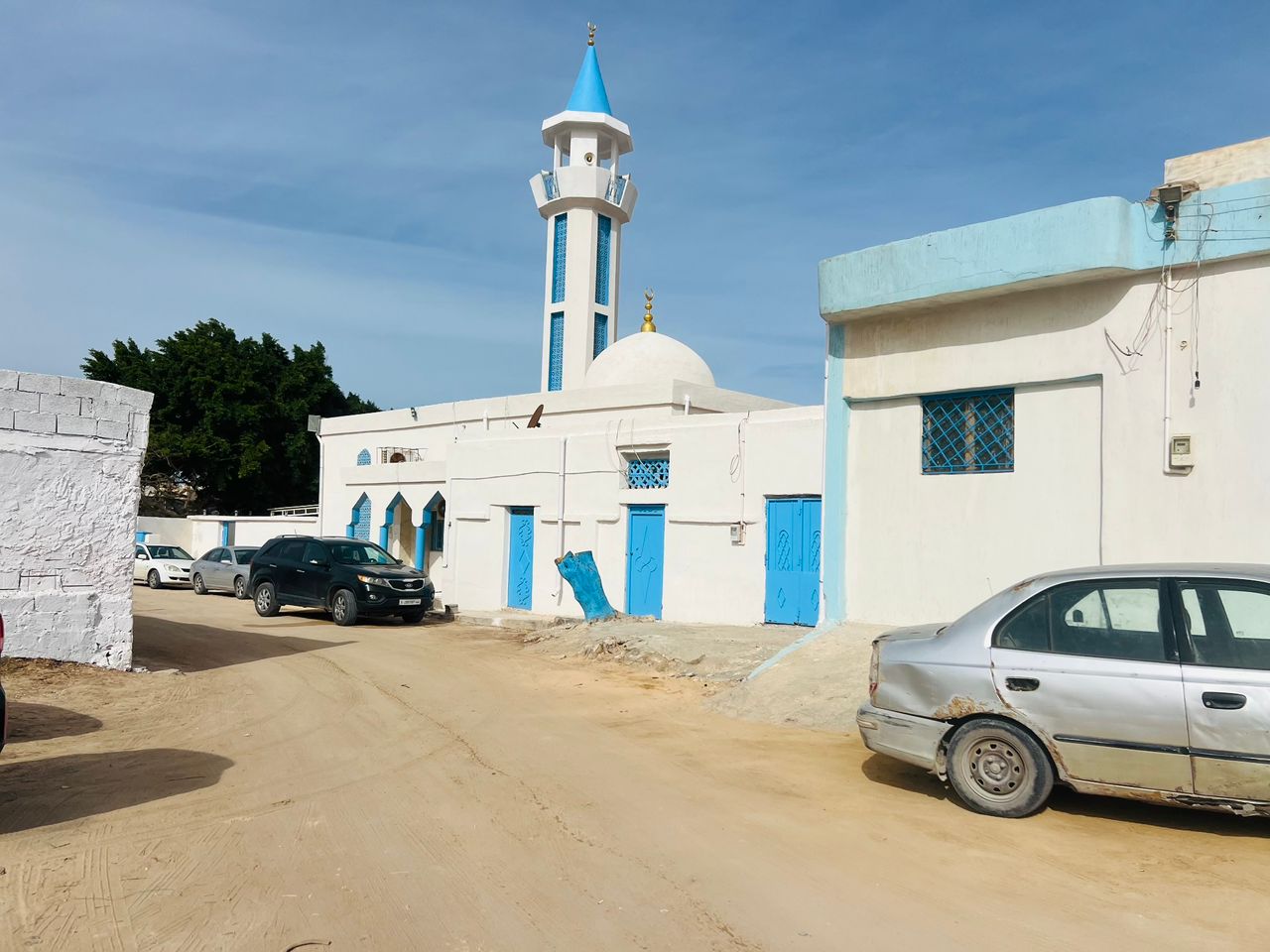
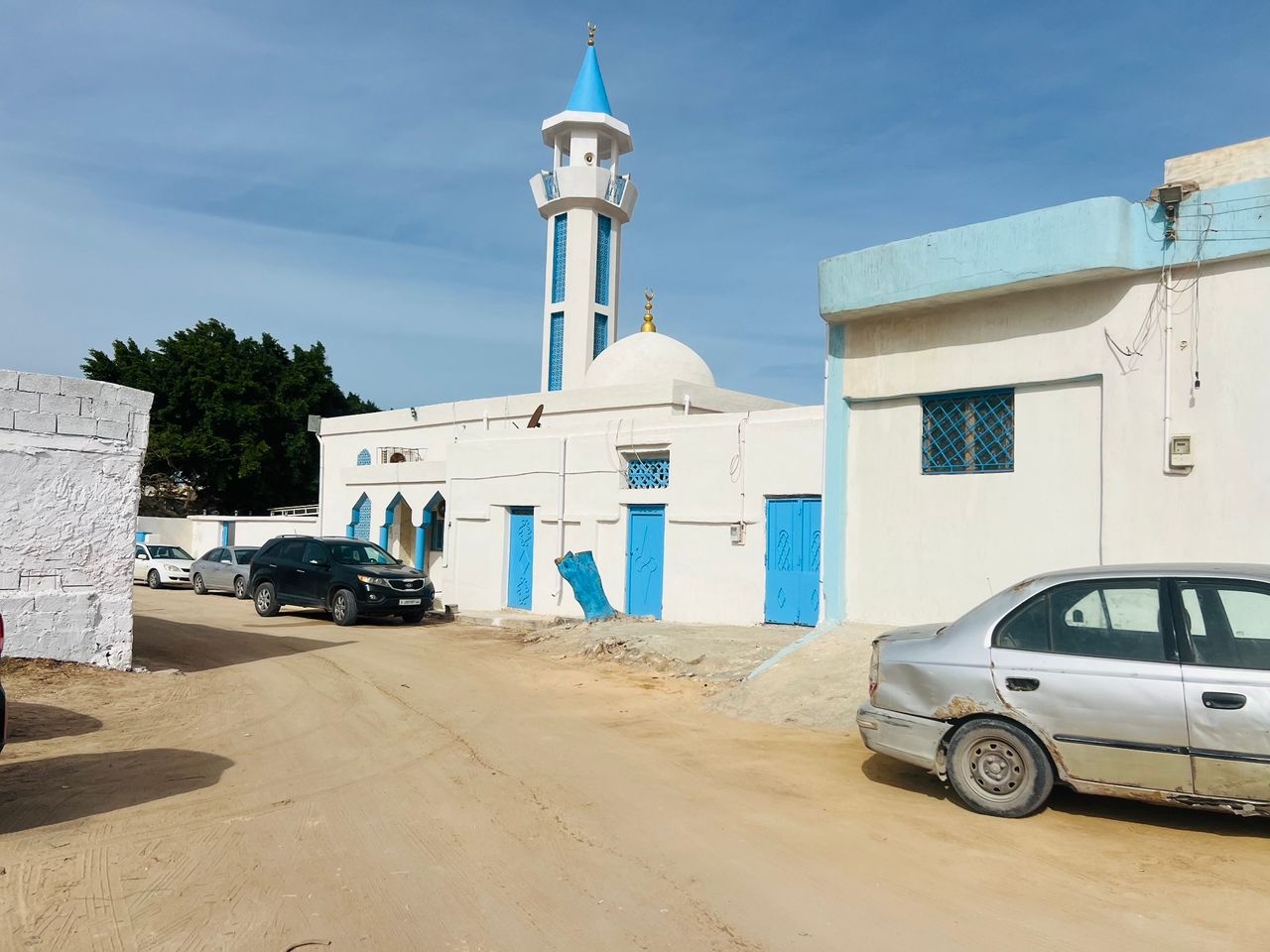
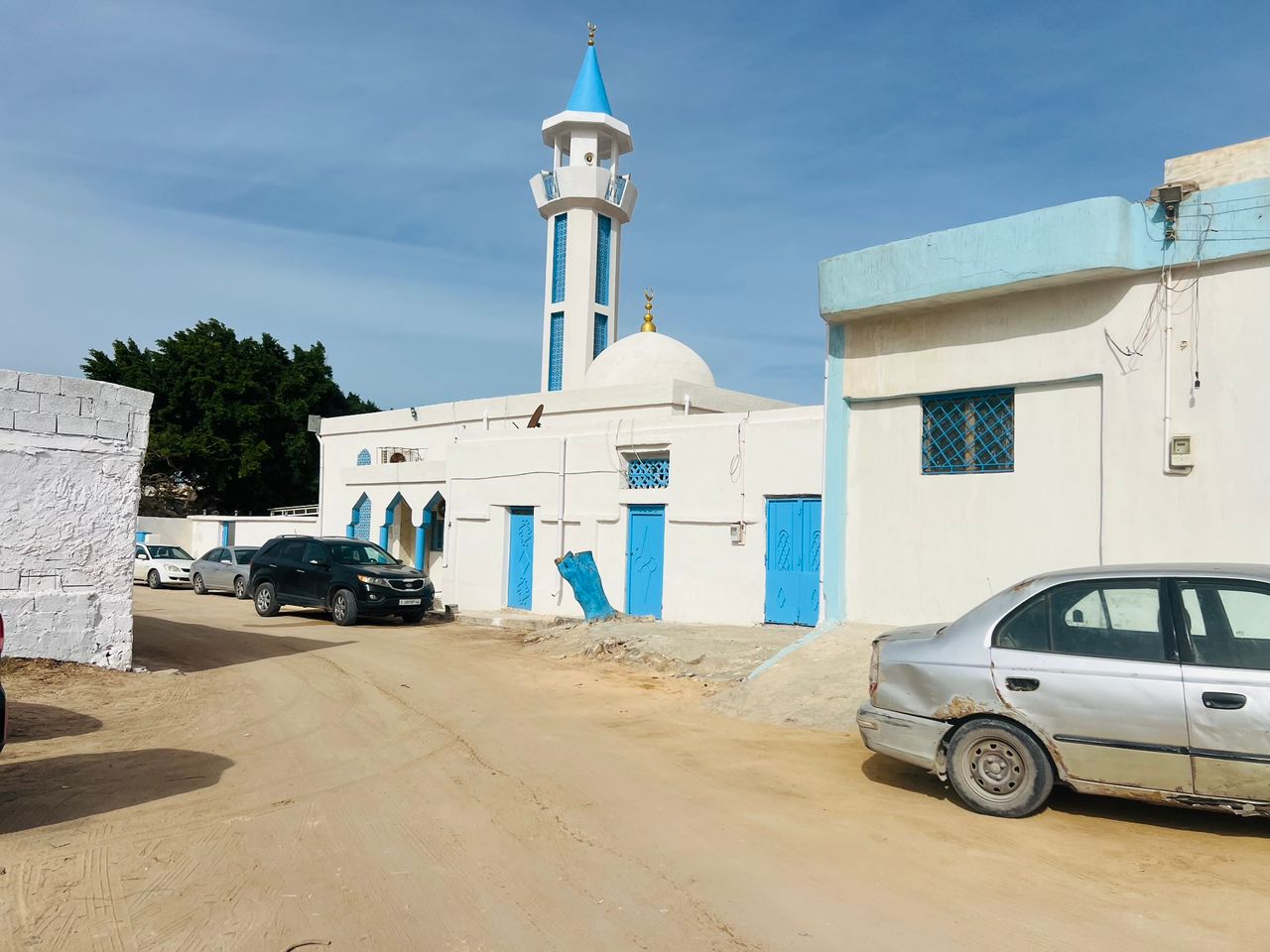
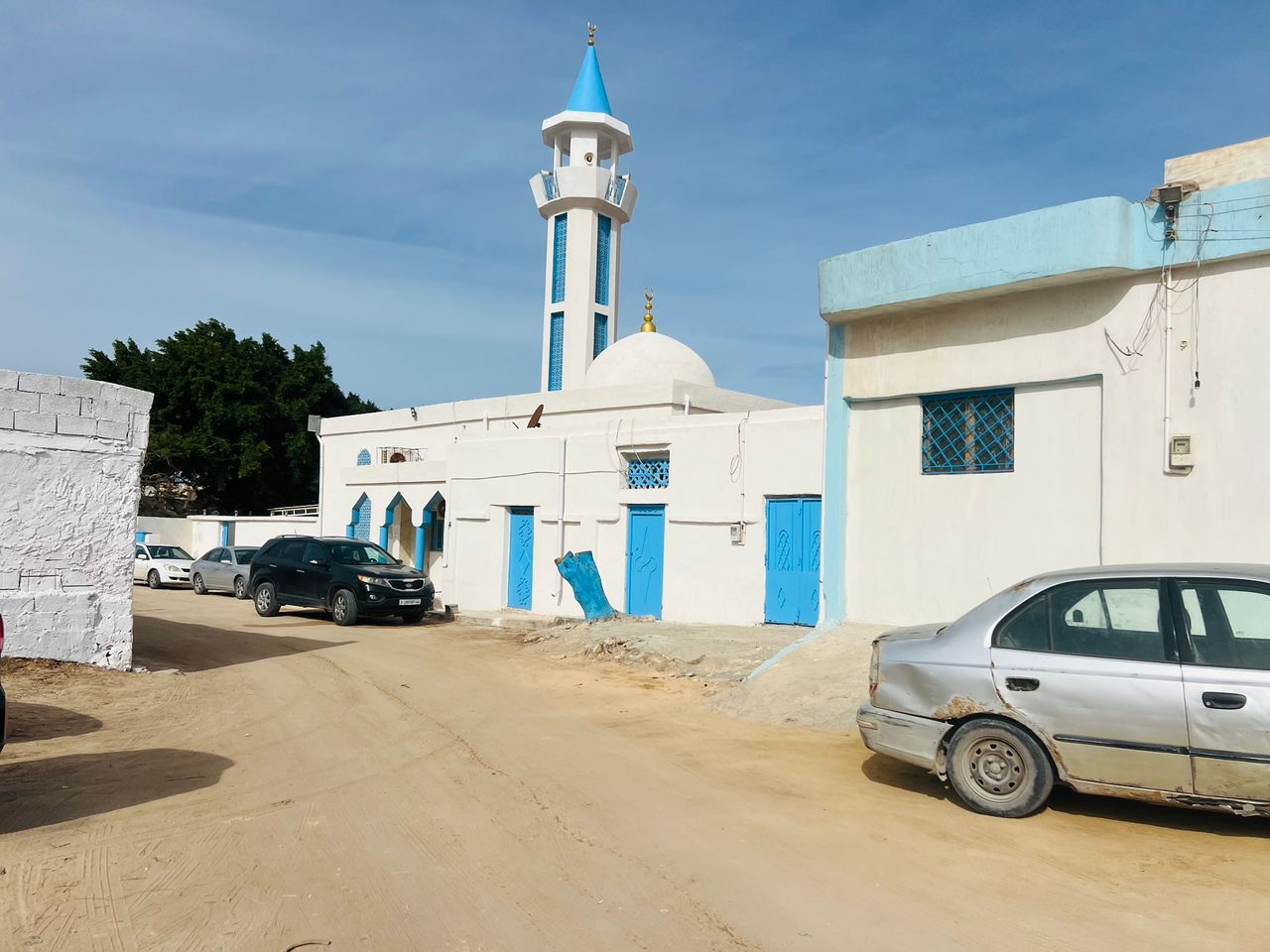
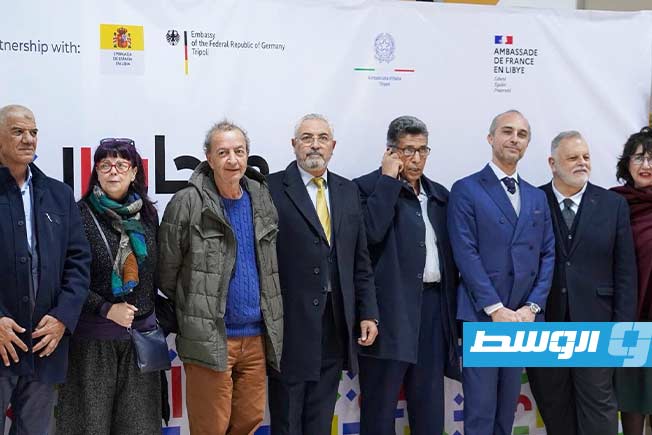
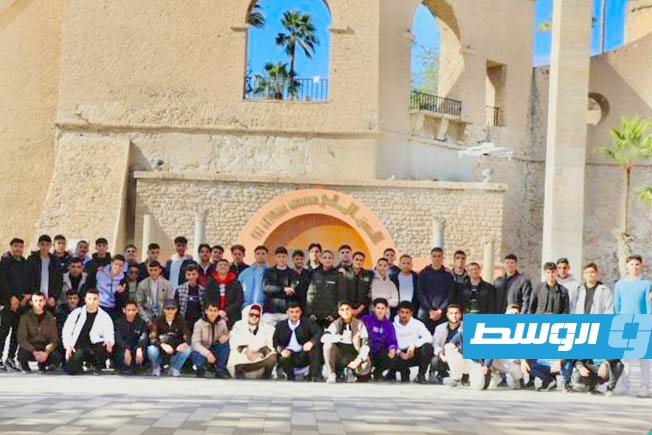
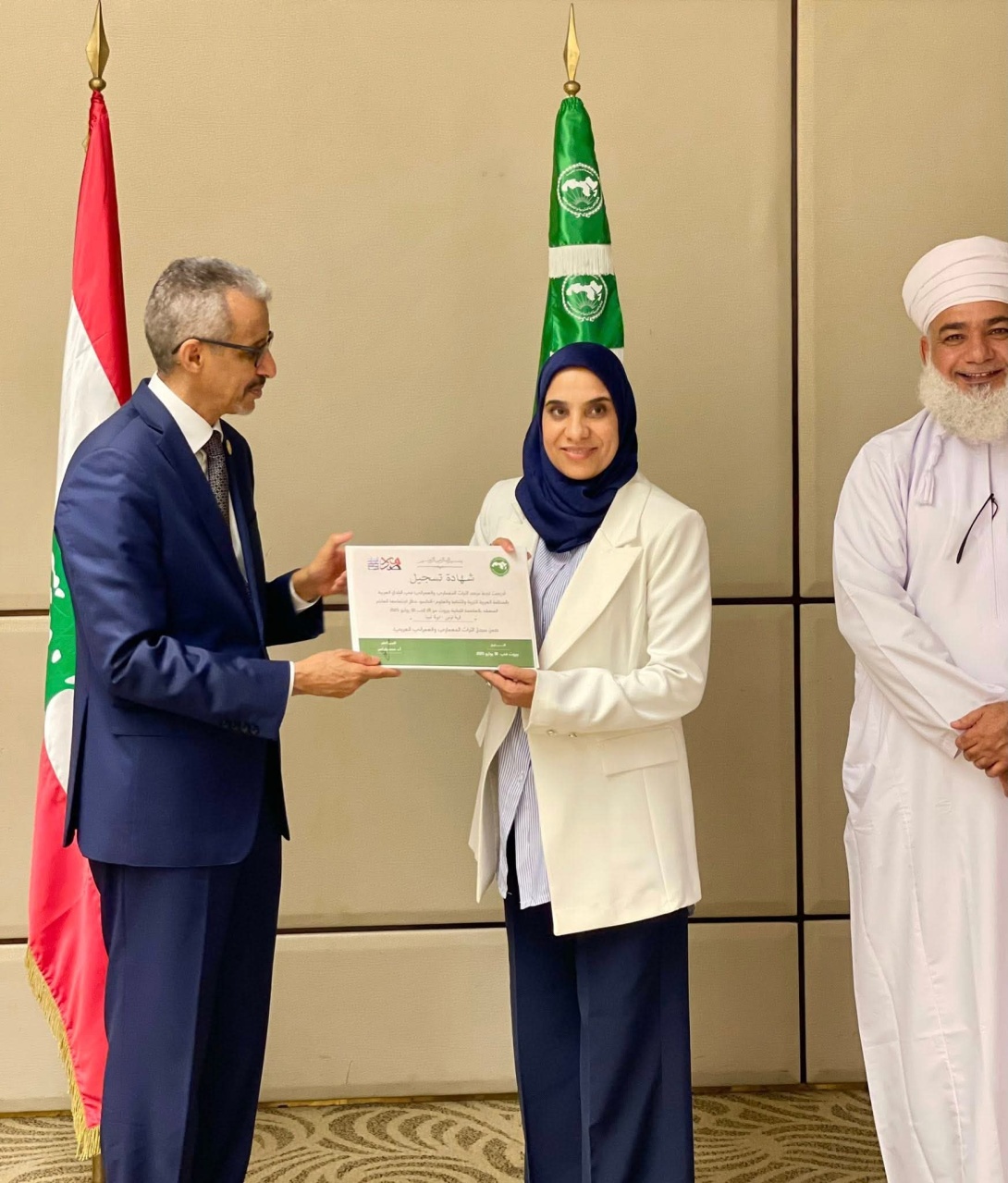
The Secretary-General of the Libyan National Commission for Education, Culture, and Science confirmed in a press statement on Wednesday that the United Nations Educational, Scientific and Cultural Organization (UNESCO) has removed the Old City of Ghadames from the List of World Heritage in Danger.
Libya’s former delegate to UNESCO described the decision as historic, saying in a comment: “The decision is not merely an administrative procedure; it is an international recognition of the exceptional resilience, deep-rooted belonging, and outstanding skill demonstrated by the Ghadames community and relevant stakeholders in preserving this cultural treasure.”
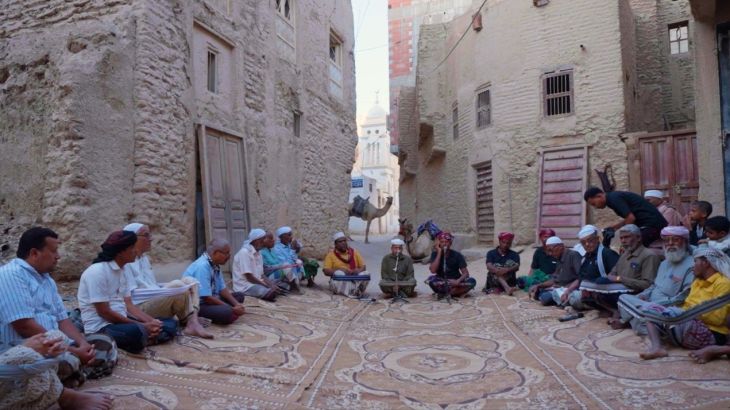
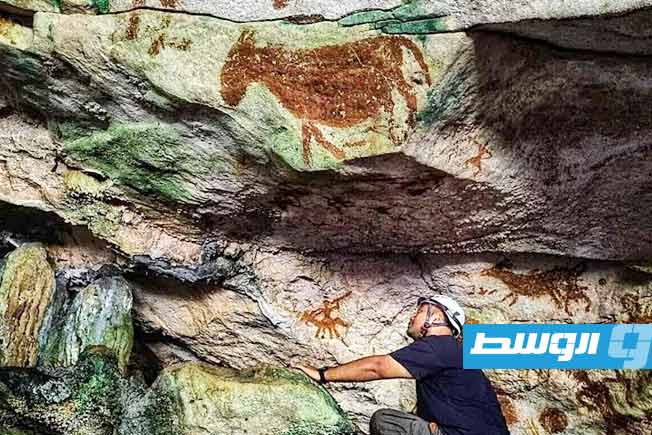
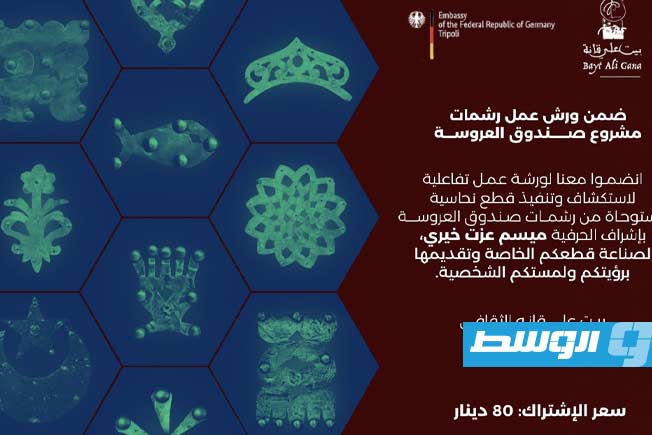
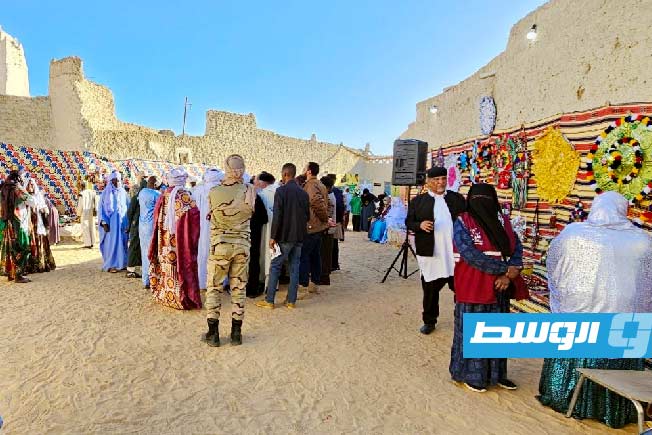
Since 2011, the residents of Ghadames have shown commitment to protecting their historic city through local initiatives aimed at restoring old buildings, rehabilitating traditional irrigation systems, and safeguarding artisanal heritage, which forms an essential part of the city’s identity, according to a study conducted earlier this year.
Ghadames
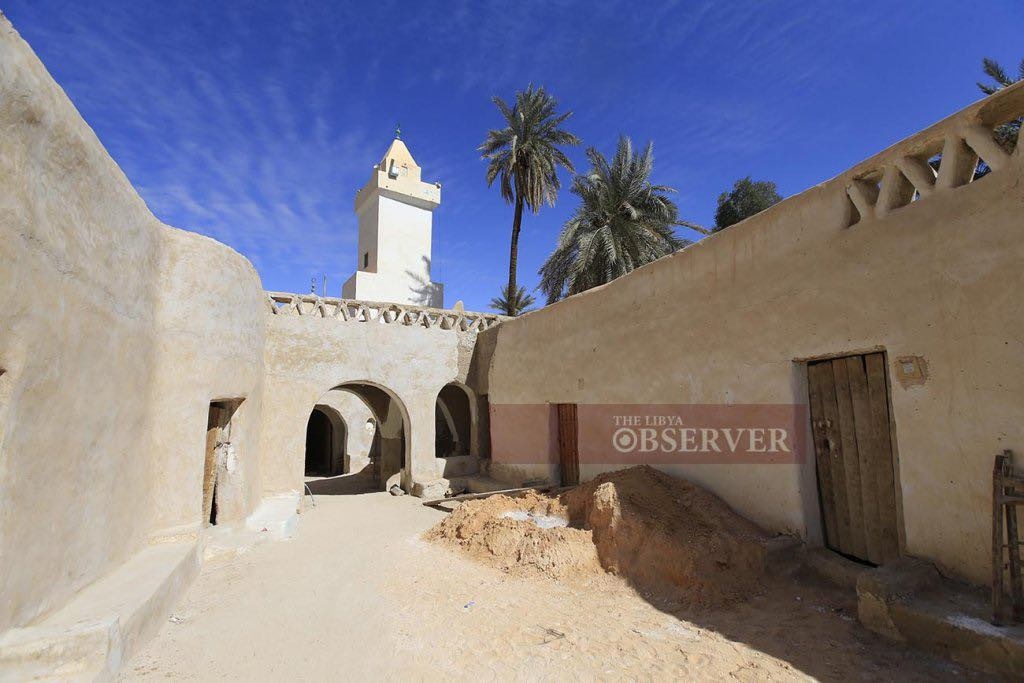
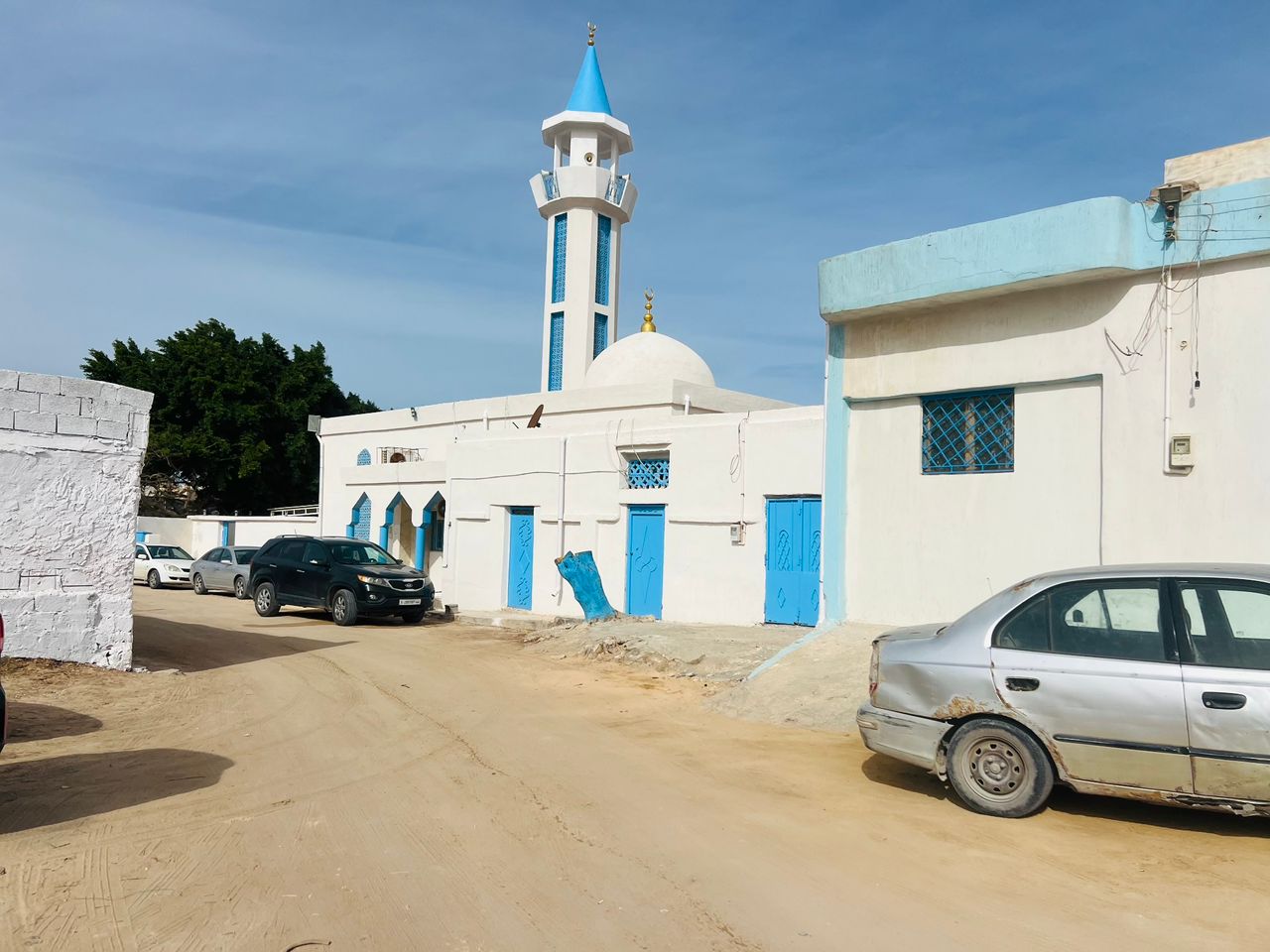
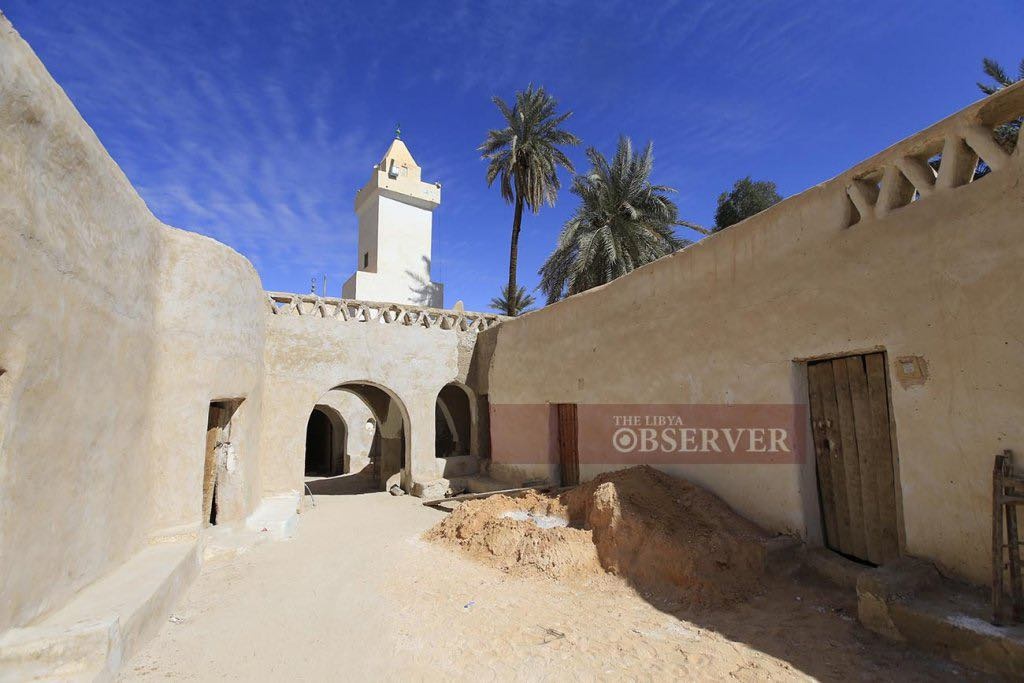
Ghadames is an ancient oasis town in western Libya, often called the “Pearl of the Desert,” known for its distinctive multi-story mud-brick architecture. Its history dates back over two millennia, serving as a crucial caravan hub for trans-Saharan trade. The old town, a UNESCO World Heritage site, features a unique urban structure designed to provide shelter from the desert heat.
Old City of Ghadames
The Old City of Ghadames is an ancient oasis settlement in western Libya, often called the “Pearl of the Desert.” Its unique, multi-story mudbrick architecture, with rooftop walkways separating pedestrian and private family areas, was developed by its Berber inhabitants to cope with the extreme desert climate. The city, a UNESCO World Heritage site, has been a crucial caravan hub since Roman times due to its strategic location on trans-Saharan trade routes.
Libya
Libya is a North African country with a rich history rooted in ancient civilizations like the Phoenicians and Romans, followed by centuries of Arab and Ottoman influence. In the modern era, it was an Italian colony before gaining independence in 1951, later becoming known for Muammar Gaddafi’s lengthy rule from 1969 until the 2011 revolution. Its cultural sites include the well-preserved Roman ruins of Leptis Magna, a UNESCO World Heritage site.
United Nations Educational, Scientific and Cultural Organization
UNESCO, the United Nations Educational, Scientific and Cultural Organization, is a specialized UN agency founded in 1945 to promote global peace through international collaboration in education, science, and culture. It is best known for its World Heritage program, which identifies and helps protect cultural sites and natural landmarks of outstanding universal value.
UNESCO
UNESCO (United Nations Educational, Scientific and Cultural Organization) is a specialized agency of the United Nations, founded in 1945 to promote world peace and security through international cooperation in education, science, culture, and communication. It is best known for its World Heritage program, which identifies, protects, and preserves cultural and natural heritage sites around the globe considered to be of outstanding value to humanity.
List of World Heritage in Danger
The “List of World Heritage in Danger” is a register maintained by UNESCO to identify World Heritage sites that are threatened by serious and specific dangers, such as armed conflict, natural disasters, or unchecked urban development. Its purpose is to highlight sites in peril and mobilize international support and resources for their safeguarding. Inclusion on the list often stems from a site’s history of damage or from imminent threats that could compromise the very qualities for which it was originally inscribed.
Leptis Magna
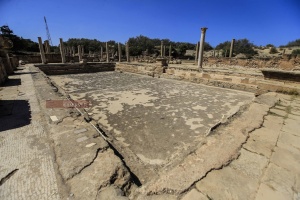
Leptis Magna is a remarkably well-preserved ancient Roman city located in present-day Libya, originally founded by the Phoenicians around 1000 BCE. It flourished as a major trading port and reached its peak under the reign of the Roman Emperor Septimius Severus, who was born there and commissioned a grand building program in the early 3rd century CE.