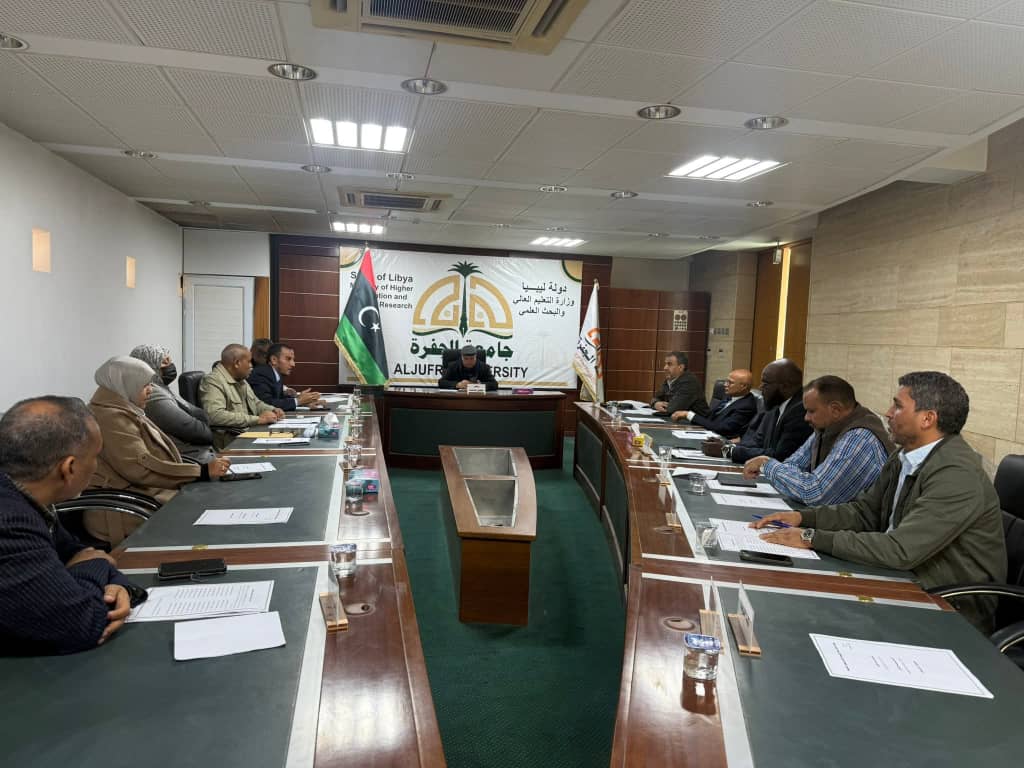
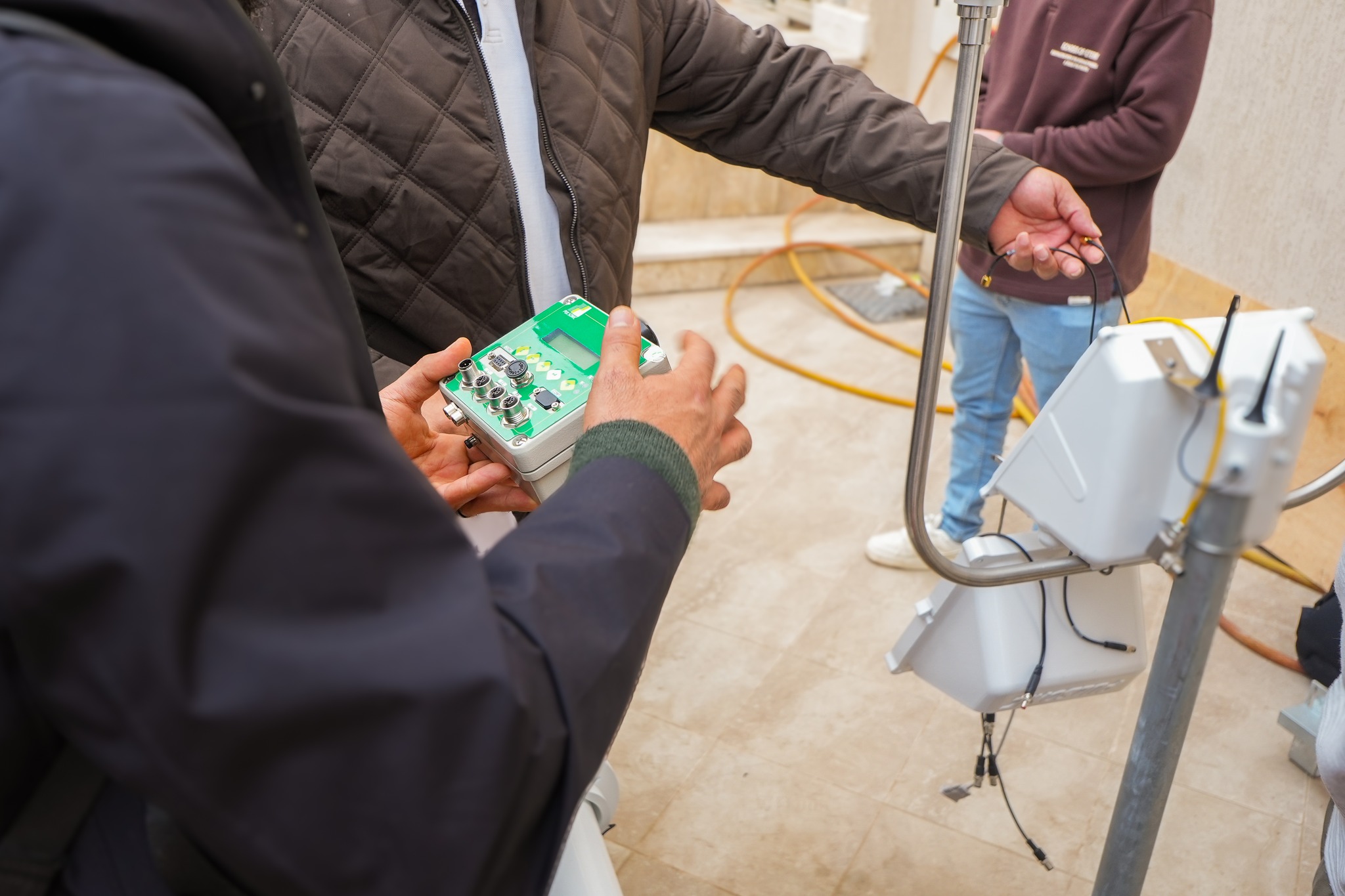
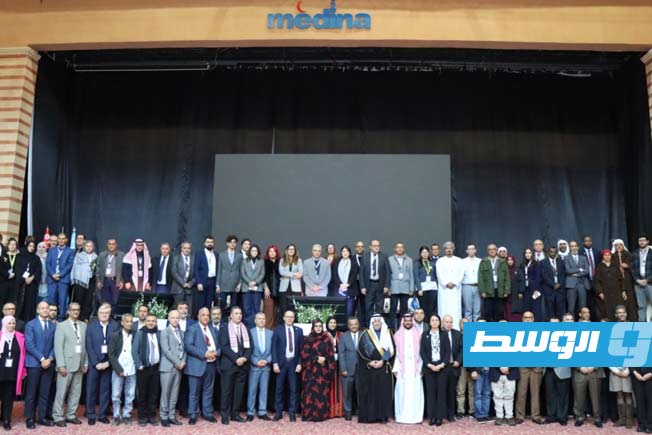
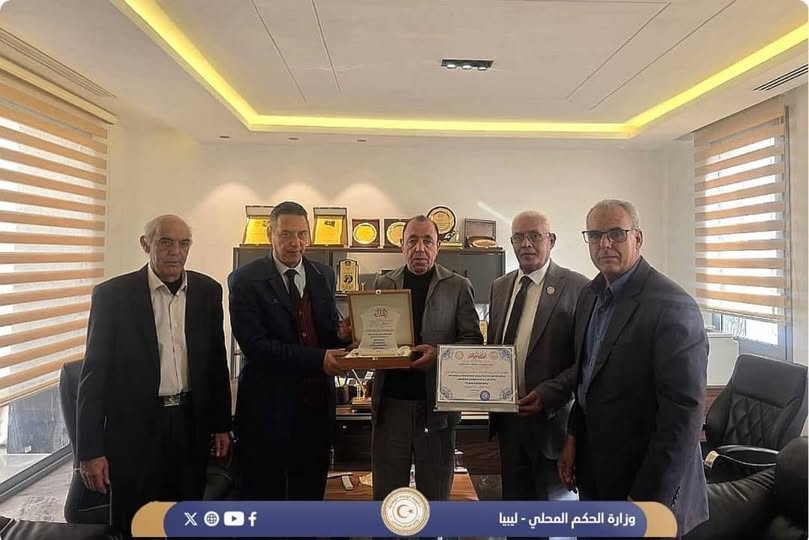
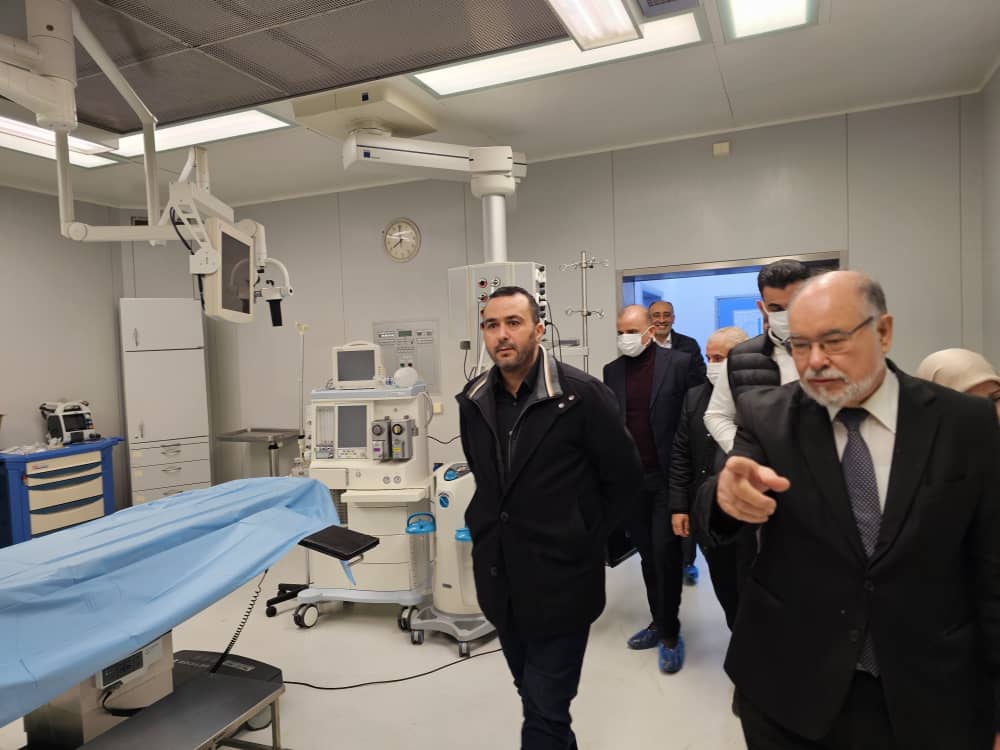
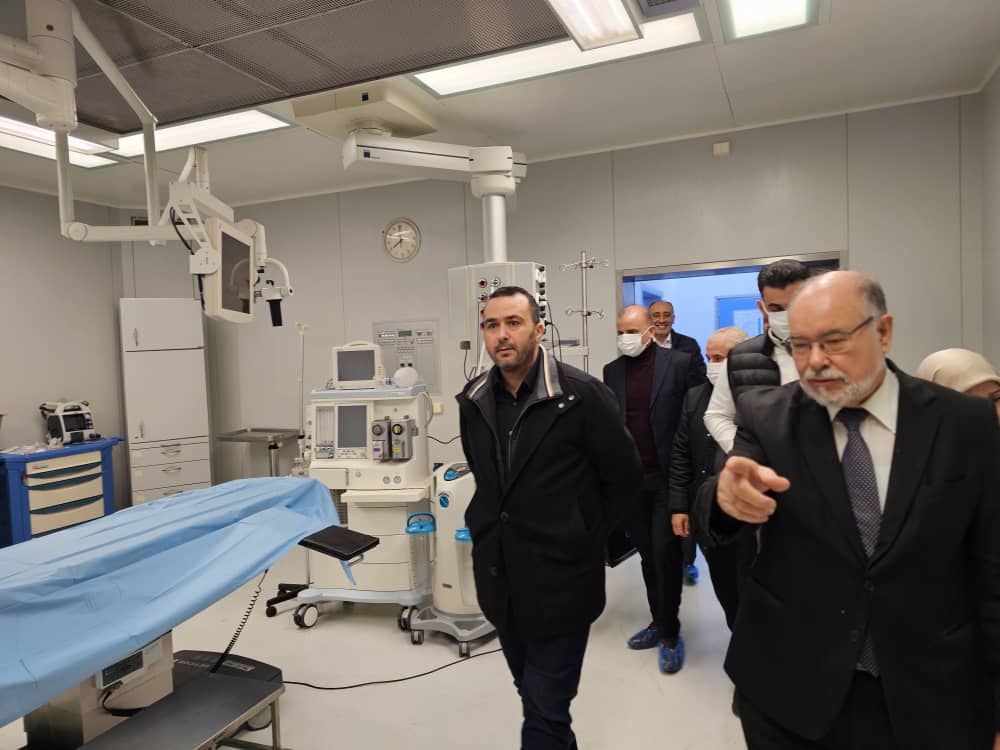
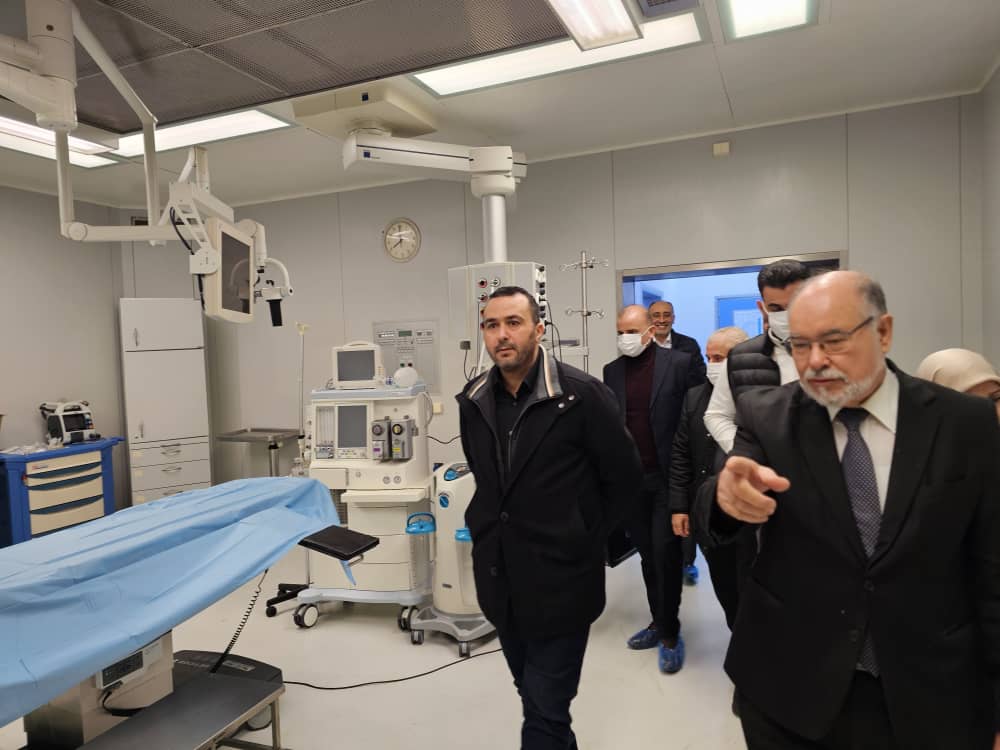
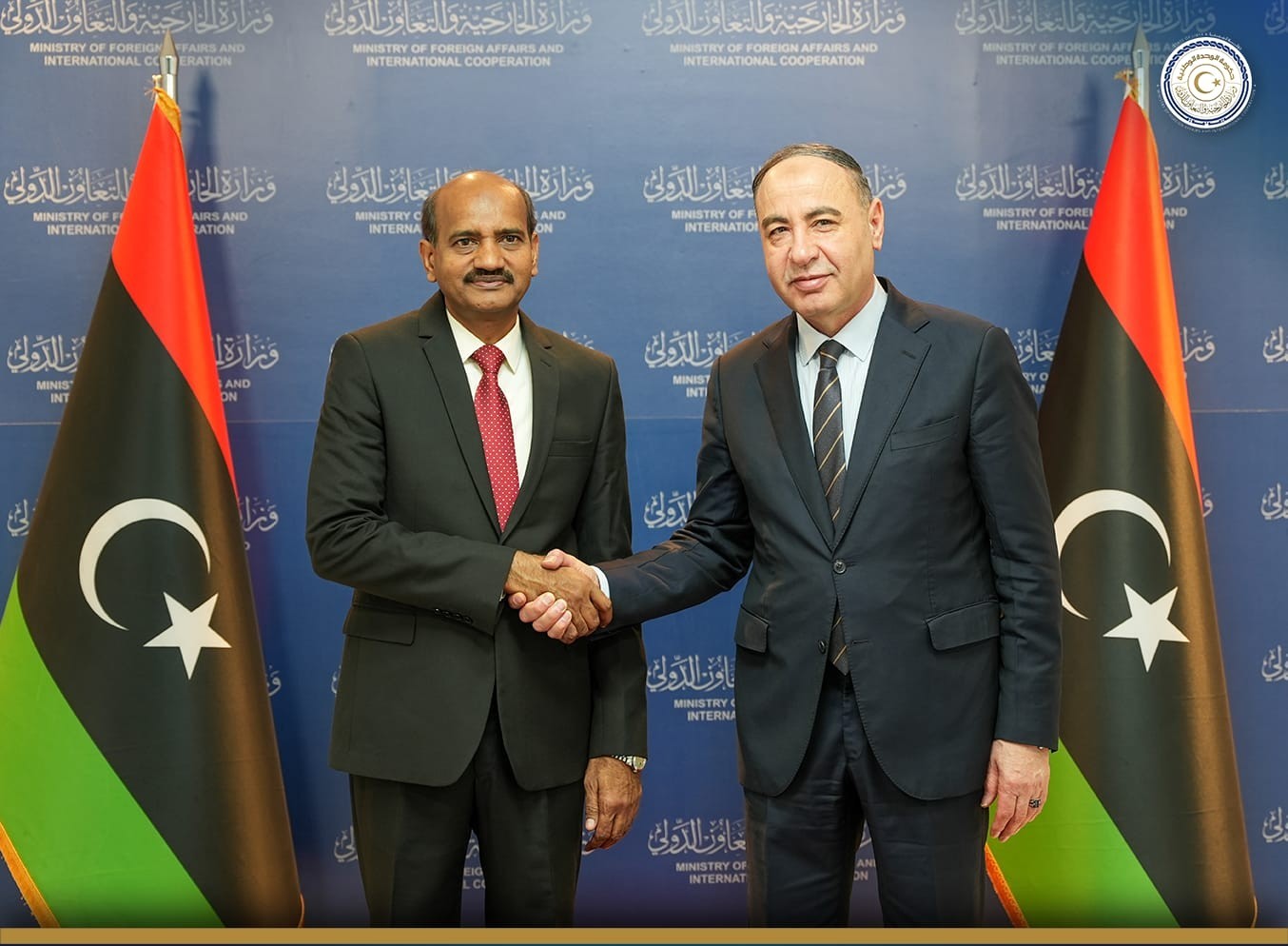
Tripoli, December 31, 2025 – The United Nations Development Programme (UNDP) mission in Libya has handed over modern automatic weather station equipment to the National Center of Meteorology.
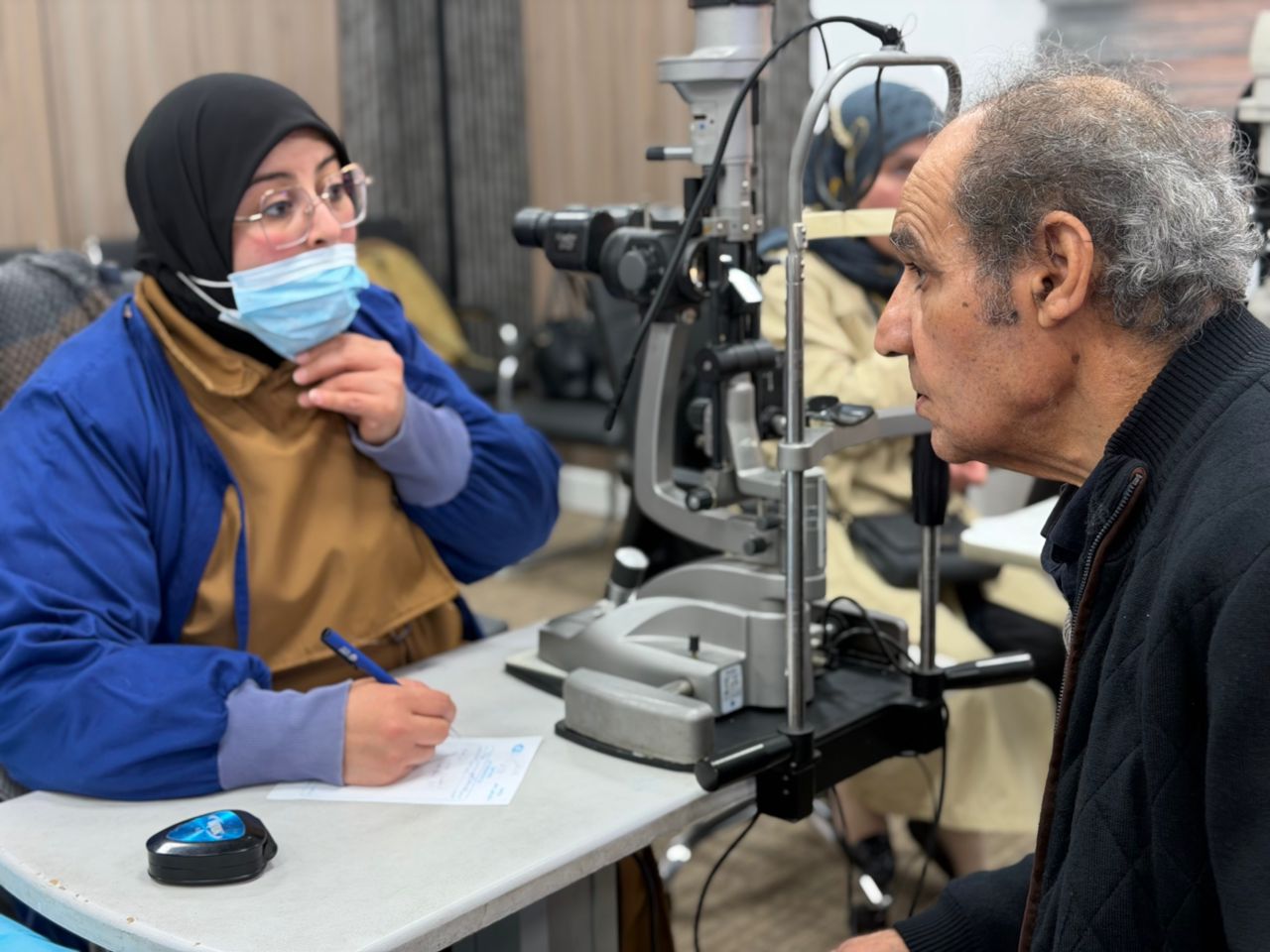
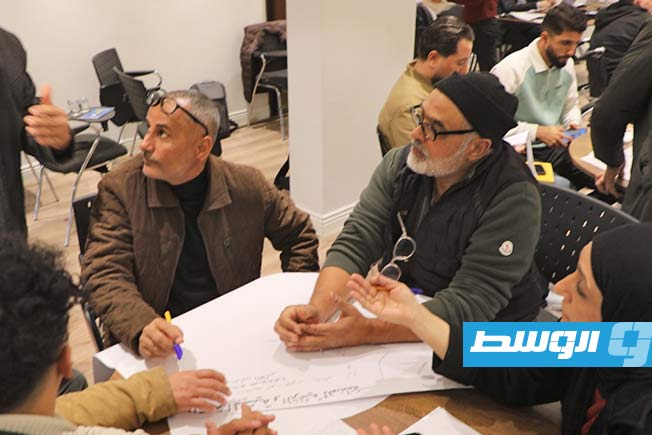
Technicians from the National Center of Meteorology received an intensive four-day training program, during which they acquired the necessary skills to effectively use this equipment in field working conditions.
These stations are expected to be installed in the coming periods in seven municipalities considered among the most exposed to climate risks and extreme weather phenomena: Al Bayda, Susa, Derna, Shahat, Al Marj, Ubari, and Ghat.
This initiative aims to enhance local capabilities in monitoring weather changes, improve early warning systems, and provide communities with more time to prepare and protect lives and property when severe weather conditions occur.
Tripoli
Tripoli is the capital and largest city of Libya, with a history dating back to the 7th century BC when it was founded by the Phoenicians. It later became a significant part of the Roman Empire, known as Oea, and has since been ruled by the Byzantines, Arabs, Ottomans, Italians, and finally achieved independence as part of modern Libya. The city’s historic core, the Medina, contains ancient architecture and landmarks like the Arch of Marcus Aurelius.
United Nations Development Programme
The United Nations Development Programme (UNDP) is a UN agency established in 1965 to promote sustainable development and eradicate poverty globally. It works in over 170 countries, focusing on areas such as democratic governance, climate resilience, and crisis recovery.
UNDP
The United Nations Development Programme (UNDP) is a global development network established in 1965 by the UN General Assembly. It works in over 170 countries and territories to eradicate poverty, reduce inequalities, and build resilience to crises and shocks.
Libya
Libya is a North African country with a rich history that includes ancient Phoenician and Greek settlements, most notably at Cyrene, and later Roman rule. It was part of the Ottoman Empire before Italian colonization in the early 20th century, gaining independence as a kingdom in 1951 and later becoming a republic under Muammar Gaddafi from 1969 until the 2011 revolution. The country is home to five UNESCO World Heritage Sites, including the extensive Roman ruins of Leptis Magna.
National Center of Meteorology
The National Center of Meteorology is the official agency responsible for weather forecasting, climate research, and atmospheric monitoring in the United Arab Emirates. It was established to enhance meteorological services and support national development, playing a key role in the UAE’s efforts in environmental sustainability and scientific advancement.
Al Bayda
Al Bayda is a city in northeastern Libya, historically known as a center for the study of Islamic law and theology. It served as the capital of the Kingdom of Libya from 1963 to 1969 under King Idris I, with several government buildings constructed during that period.
Susa
Susa is an ancient city located in present-day Iran, which served as a major capital of the Elamite, Persian, and Parthian empires. Its history spans several millennia, with significant archaeological finds including the Code of Hammurabi discovered there. The site features notable ruins such as the Apadana Palace from the Achaemenid Persian period.
Derna
Derna is a historic port city in eastern Libya, situated in a fertile valley along the Mediterranean coast. It has a long history dating back to ancient Greek times and was later an important center under Ottoman rule, known for its distinctive architecture and cultural heritage. In recent decades, the city has faced significant challenges, including severe damage from catastrophic flooding in 2023.
Shahat
Shahat is the modern name for the ancient Greek city of Cyrene, located in present-day Libya. Founded in the 7th century BCE, it became a major center of the Hellenistic world and later a significant Roman city. Its extensive ruins, a UNESCO World Heritage Site, include temples, tombs, and a well-preserved Greek theater.
Al Marj
Al Marj is a city in northeastern Libya, historically significant as the site of the ancient Greek colony of Barca, founded around 560 BCE. It later became an important Roman and Byzantine center before its modern development as a regional capital in the Jabal al Akhdar region.
Ubari
Ubari is a town in southwestern Libya, located in the Fezzan region near the Ubari Sand Sea. Historically, it was a significant stop on trans-Saharan trade routes and is known for its nearby lakes, such as Lake Umm al-Maa, which are remnants of a much larger ancient lake that existed when the Sahara had a wetter climate.
Ghat
A ghat refers to a series of steps leading down to a river, particularly in the Indian subcontinent, and is most famously associated with the sacred city of Varanasi on the Ganges. These embankments have served for centuries as essential sites for daily rituals, religious ceremonies, and cremation rites in Hindu tradition. Their history is deeply intertwined with the spiritual life of India, functioning as bustling public spaces for both the living and as portals for the deceased.