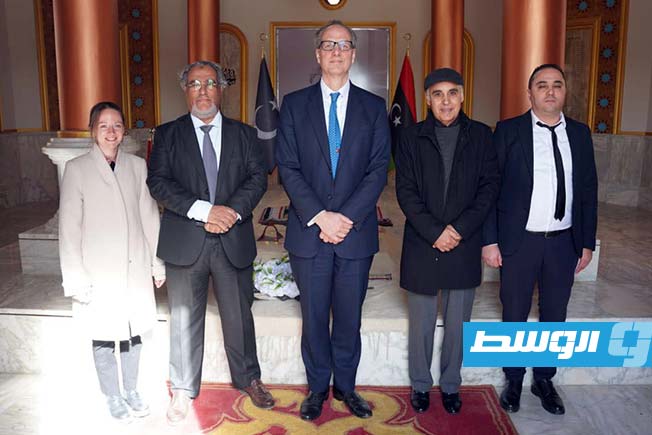
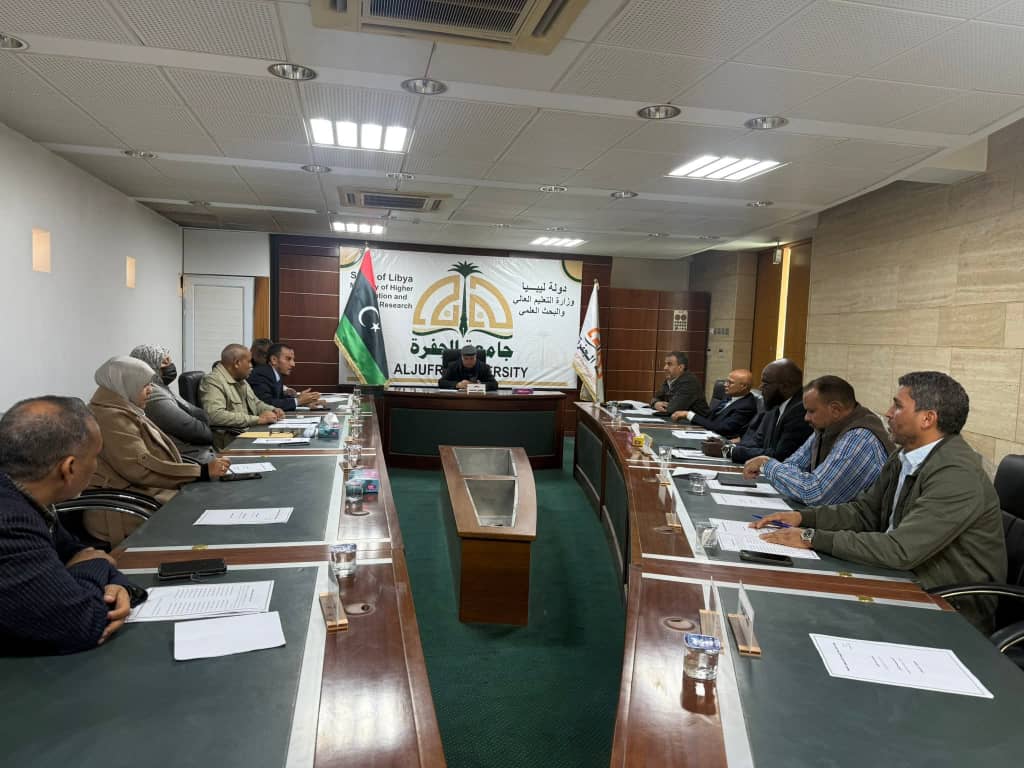
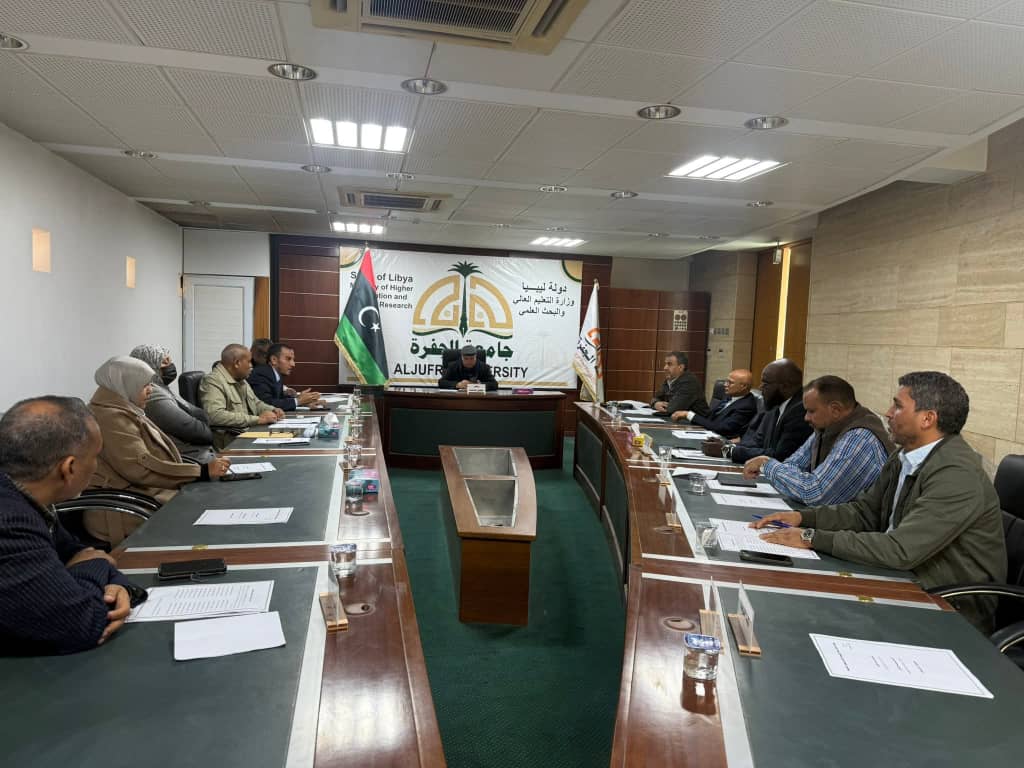
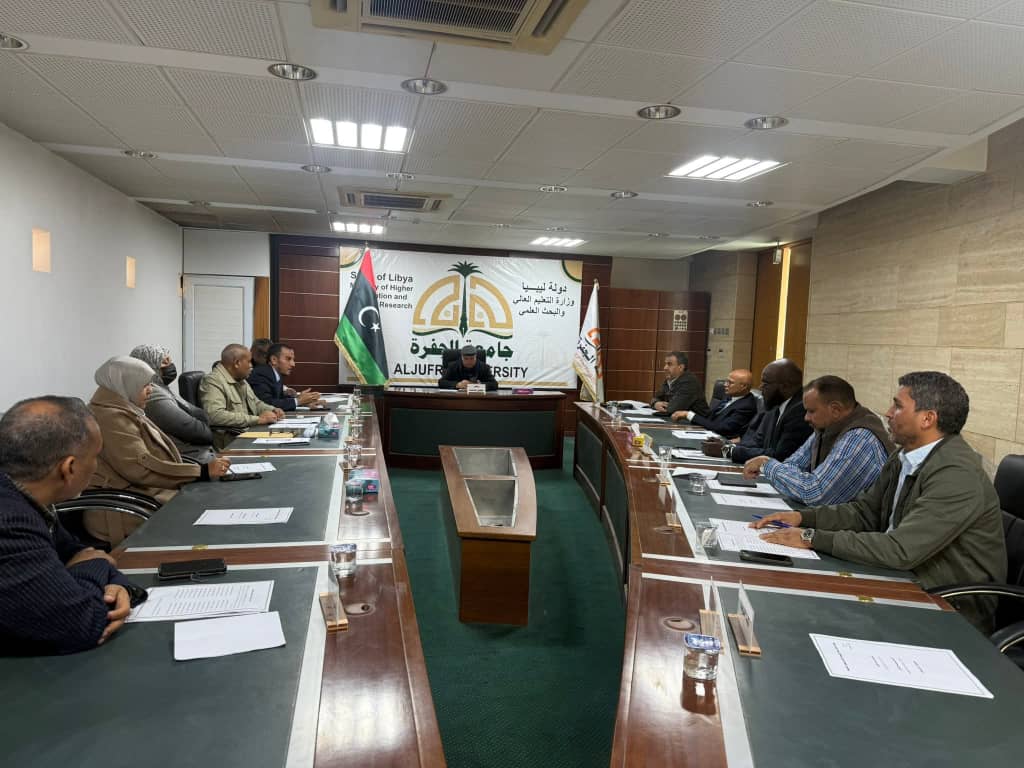
Tripoli, December 22, 2025 – The United Nations Development Programme in Libya announced the approval of funding from the Global Environment Facility (GEF) for a project in the Ubari Lakes Basin worth 5.8 million US dollars, to be jointly implemented with the Ministry of Environment.
It was reported that the Global Environment Facility (GEF) approved providing 5.8 million US dollars for a new pioneering initiative that will help Libya halt land degradation, protect biodiversity, and enhance resilience to climate change. It was indicated that the Ministry of Environment will implement the “Integrated Land and Water Management to Enhance Ecosystem Goods and Services in Libya” initiative, with support from the United Nations Development Programme.
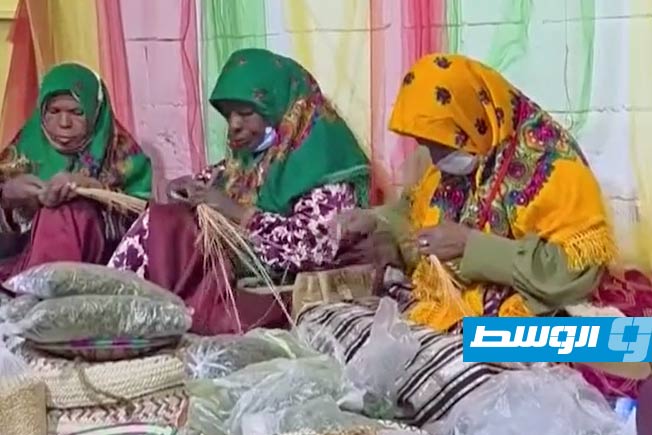
It was clarified that this five-year initiative, focusing on the Ubari Lakes Basin, will address critical challenges of land degradation and biodiversity loss while promoting sustainable economic development. According to the initiative, the foundation will be laid for establishing the proposed “Ubari Lakes National Park” over an area of 100,000 hectares, rehabilitating 225 hectares of wetlands and oases, and supporting 2,250 people (50% of whom are women) with sustainable livelihood opportunities, creating nearly 700 new jobs in the fields of ecotourism and sustainable agriculture.
It was noted that the program is based on integrating nature-based solutions with authentic local cultures, taking a significant step towards achieving Libya’s climate goals under the United Nations Convention to Combat Desertification (UNCCD) and the 2030 Agenda.
According to the program, the project in the Ubari Lakes Basin aims to reverse the trend of ecosystem, biodiversity, and land degradation while mitigating the effects of climate change. Its goal is to integrate land and water management, align environmental conservation with national priorities, and ensure the sustainable use of natural resources. This GEF-supported initiative will provide a coordinated policy and operational framework that integrates land and water management, biodiversity, and livelihoods.
This approval was welcomed, with a statement noting: “This initiative in the Ubari Lakes Basin represents a strategic and timely investment in people and ecosystems, helping Libya protect its natural heritage, expand sustainable livelihood opportunities, and build long-term resilience to climate change.”
To achieve these goals, the initiative is expected to enhance environmental governance, including supporting national partners in laying the groundwork for the proposed 100,000-hectare “Ubari Lakes National Park,” and updating policy and planning tools to integrate biodiversity conservation, land degradation neutrality, and climate adaptation. The initiative will also rehabilitate 225 hectares of degraded ecosystems in lakes, wetlands, and oases, and promote sustainable and resilient land and water management practices across 2,000 hectares, helping to restore ecosystem services and reduce pressure on scarce natural resources.
A statement said: “By working together with all communities, economic development and environmental balance can be achieved. With a strong focus on inclusive participation and indigenous knowledge, this initiative will make the Ubari Lakes Basin a national site for learning about nature-based solutions in arid environments.”
Tripoli
Tripoli is the capital and largest city of Libya, located on the country’s Mediterranean coast. Historically, it was founded by the Phoenicians in the 7th century BC and has since been ruled by the Romans, Arabs, Ottomans, and Italians, serving as a major port and cultural crossroads. Its historic core, the medina of Old Tripoli, contains significant architecture from these various eras.
United Nations Development Programme
The United Nations Development Programme (UNDP) is a UN agency established in 1965 to promote sustainable development and eradicate poverty globally. It works in over 170 countries, focusing on areas such as democratic governance, crisis prevention, climate change, and economic inequality.
Libya
Libya is a North African country with a rich history rooted in ancient civilizations like the Phoenicians and Romans, followed by centuries of Arab and Ottoman influence. In the modern era, it was an Italian colony before gaining independence in 1951, later becoming known for Muammar Gaddafi’s lengthy rule from 1969 until the 2011 revolution. The country is home to UNESCO World Heritage sites, such as the ancient Greek city of Cyrene and the Roman ruins of Leptis Magna.
Global Environment Facility
The Global Environment Facility (GEF) is an international partnership established in 1991 on the eve of the Rio Earth Summit to address global environmental issues. It provides grants and funding to developing countries for projects related to biodiversity, climate change, land degradation, and other environmental challenges. Since its inception, it has become one of the world’s largest funders of such initiatives, operating as a financial mechanism for several major environmental conventions.
Ubari Lakes Basin
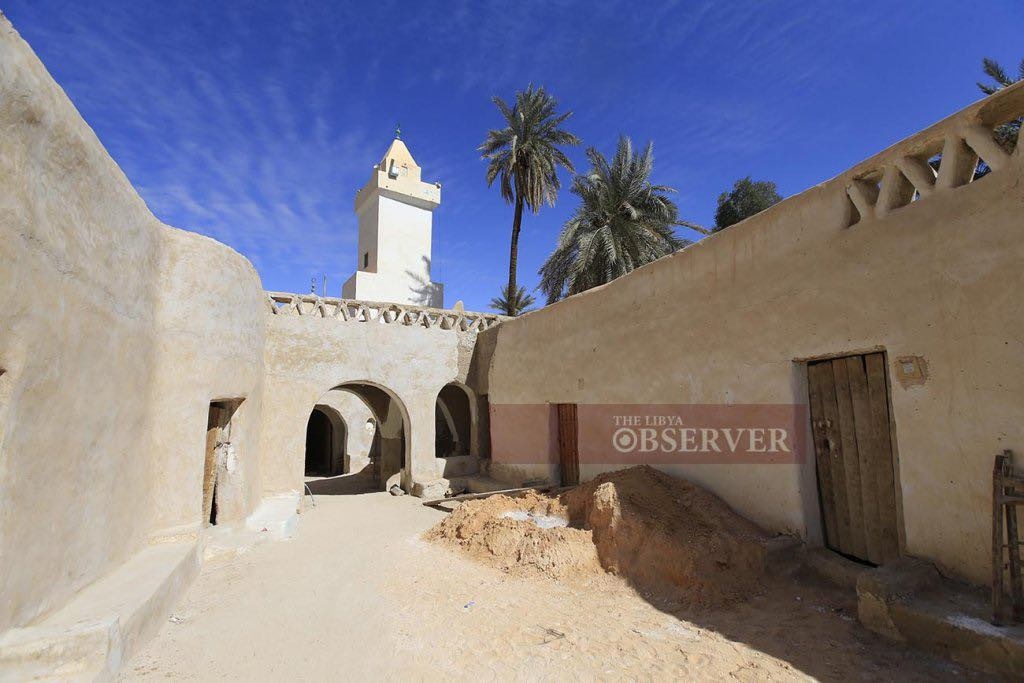
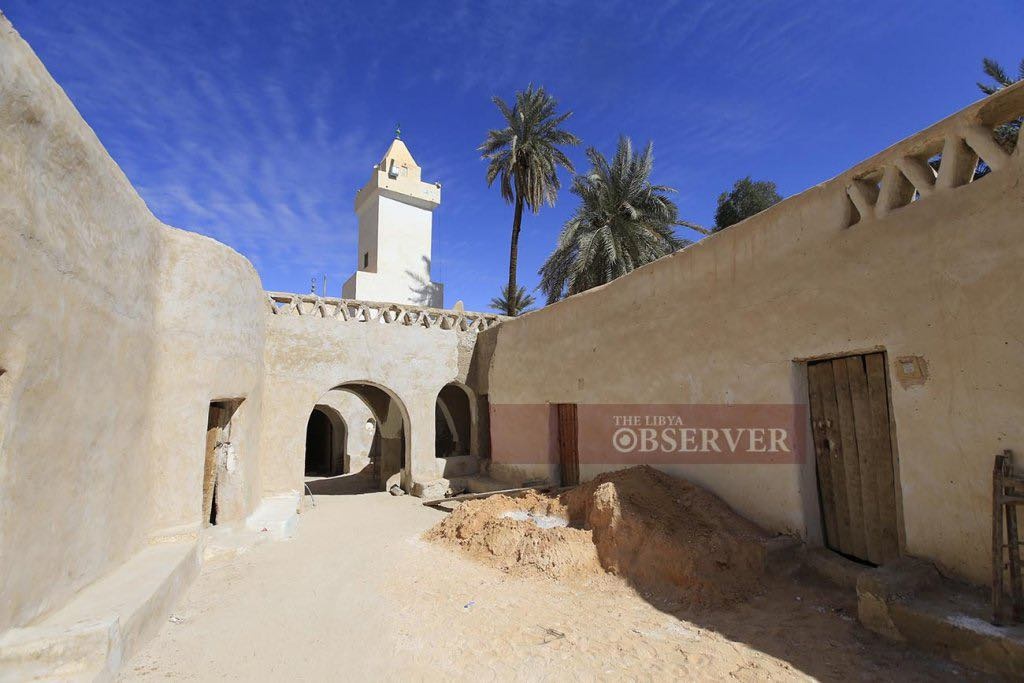
The Ubari Lakes Basin is a group of about 20 saline lakes located in the heart of the Libyan Sahara’s Fezzan region. These lakes are remnants of a vast ancient lake system that existed tens of thousands of years ago during a wetter climatic period. Today, they form striking desert oases surrounded by dunes and palm groves, with settlements like Germa nearby marking the area’s historical importance as part of the Garamantian civilization.
Ministry of Environment
The Ministry of Environment is a governmental department responsible for developing and implementing policies related to environmental protection, conservation, and sustainability. Such ministries were typically established in the late 20th century, often following major international conferences like the 1972 UN Conference on the Human Environment, as nations formally recognized the need for dedicated environmental governance. Its core functions include regulating pollution, managing natural resources, and addressing climate change.
Ubari Lakes National Park
Ubari Lakes National Park is located in southwestern Libya’s Fezzan region and is known for its striking oasis lakes set amidst the dunes of the Libyan Sahara. These lakes, such as Lake Umm al-Maa, are remnants of a vast ancient lake system that existed tens of thousands of years ago when the region had a wetter climate. Today, the lakes are sustained by fossil water from the Nubian Sandstone Aquifer, creating a unique and fragile desert ecosystem.
United Nations Convention to Combat Desertification
The United Nations Convention to Combat Desertification (UNCCD) is an international treaty adopted in 1994 to address land degradation and desertification, particularly in Africa. It focuses on sustainable land management practices and improving living conditions in drylands through cooperative action by its member countries.
2030 Agenda
The 2030 Agenda for Sustainable Development is a global action plan adopted by all United Nations Member States in 2015. It outlines 17 Sustainable Development Goals (SDGs) aimed at addressing worldwide challenges like poverty, inequality, and climate change by the year 2030.