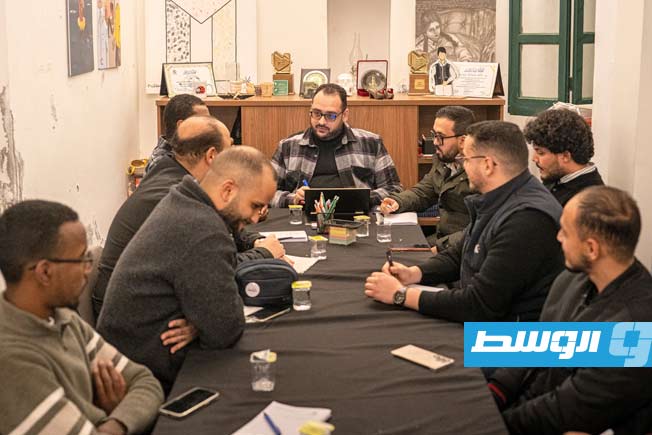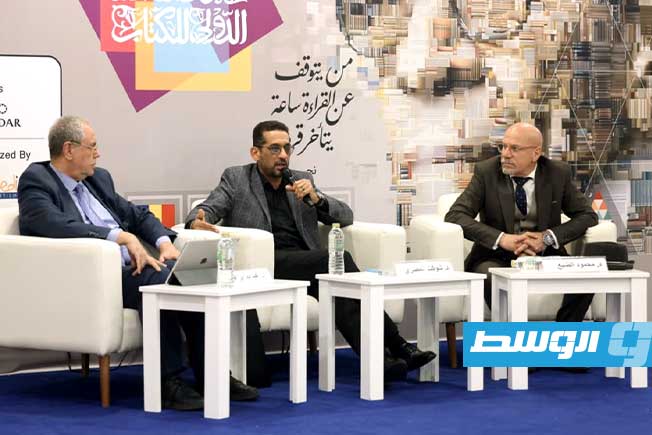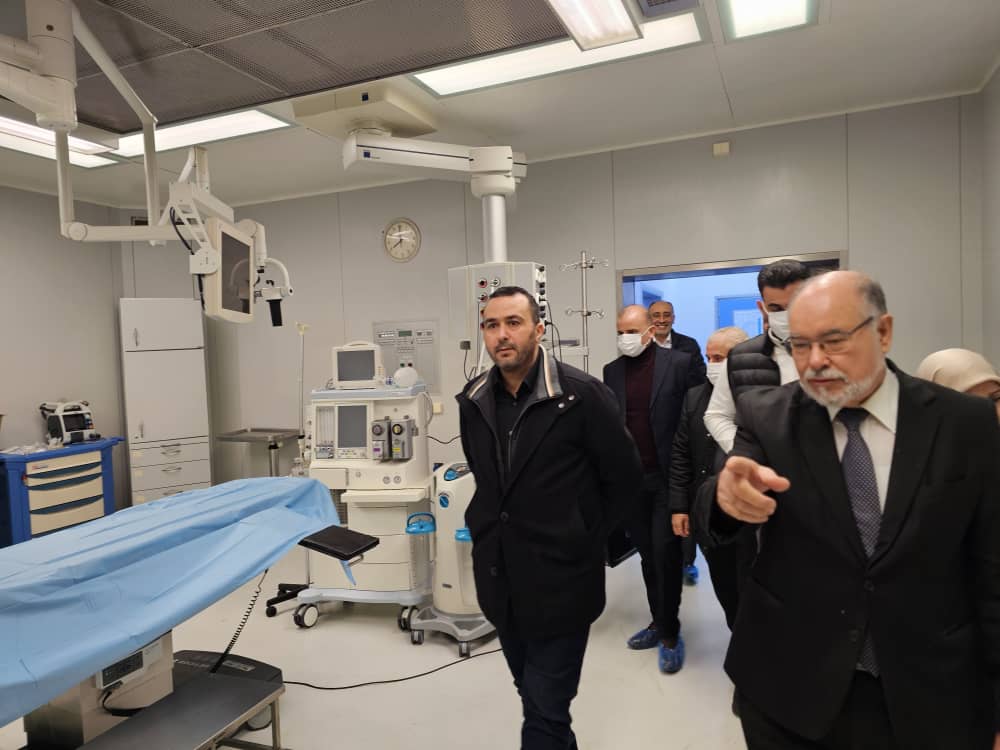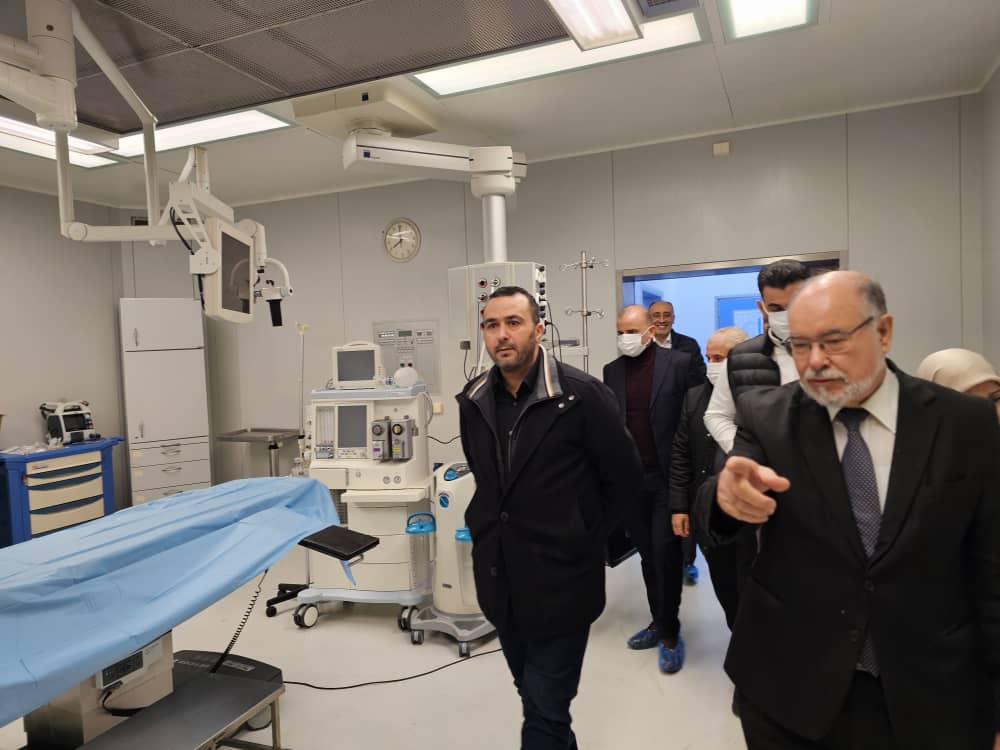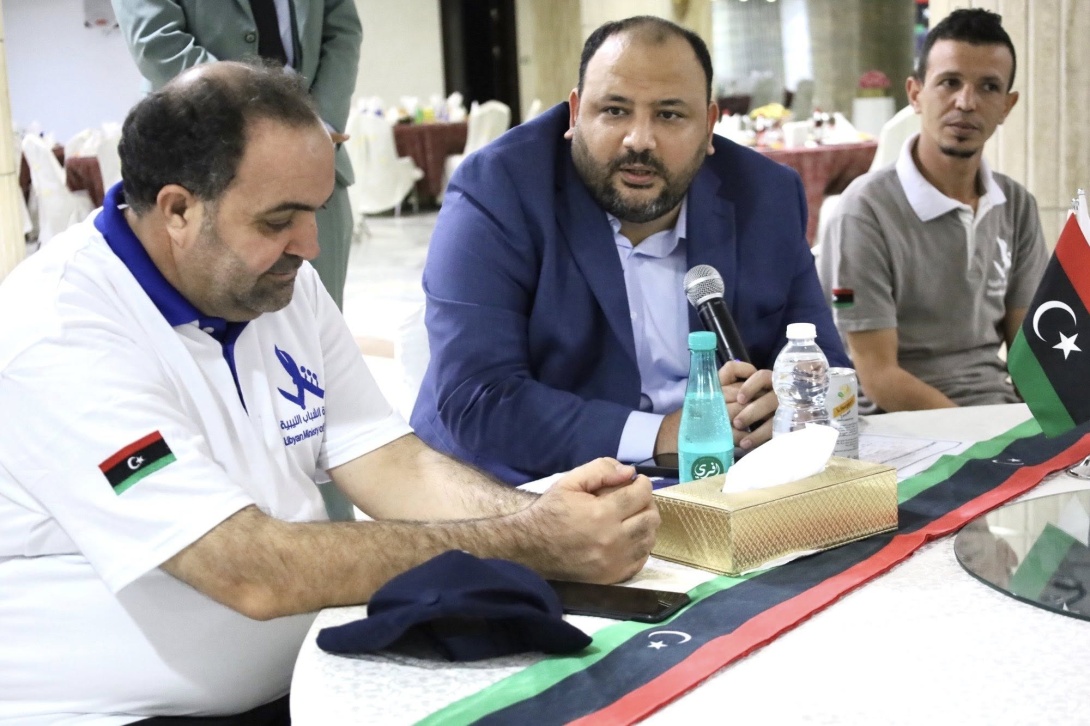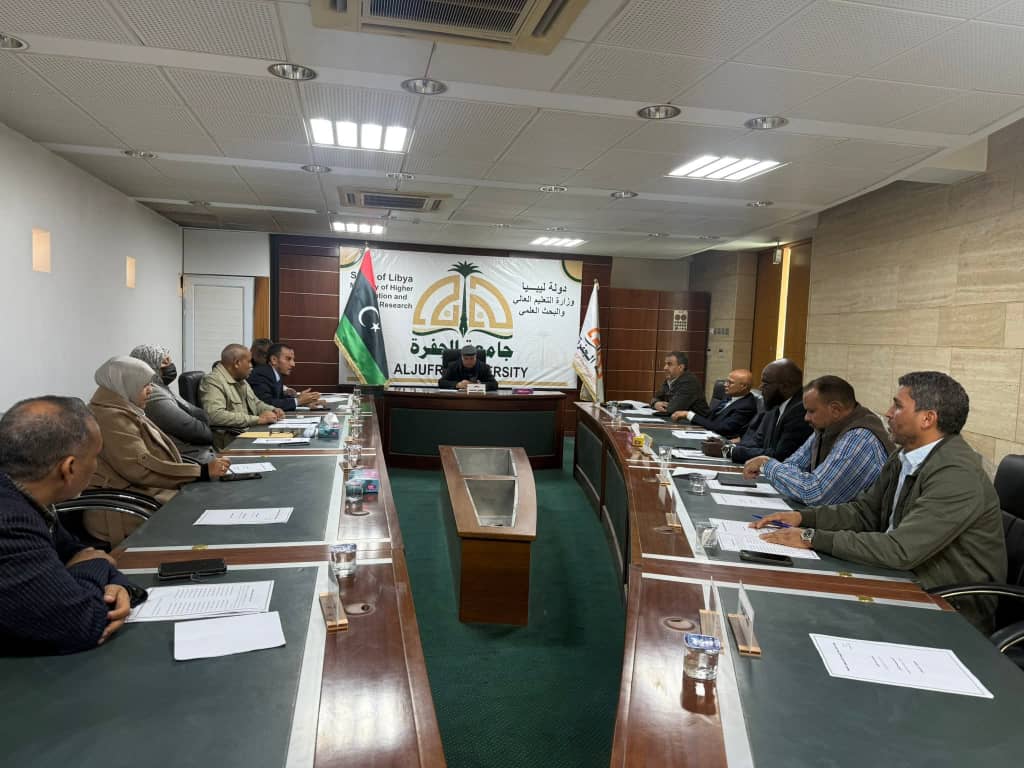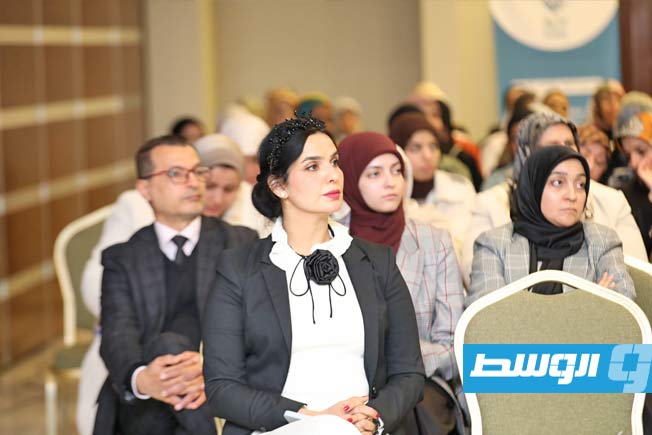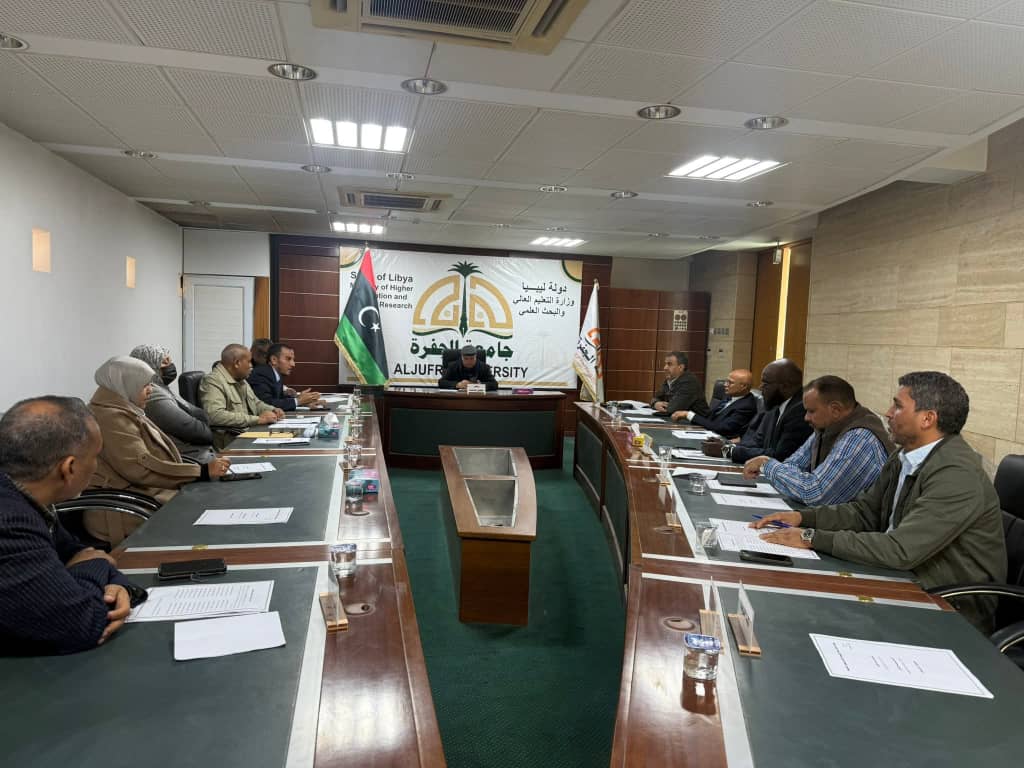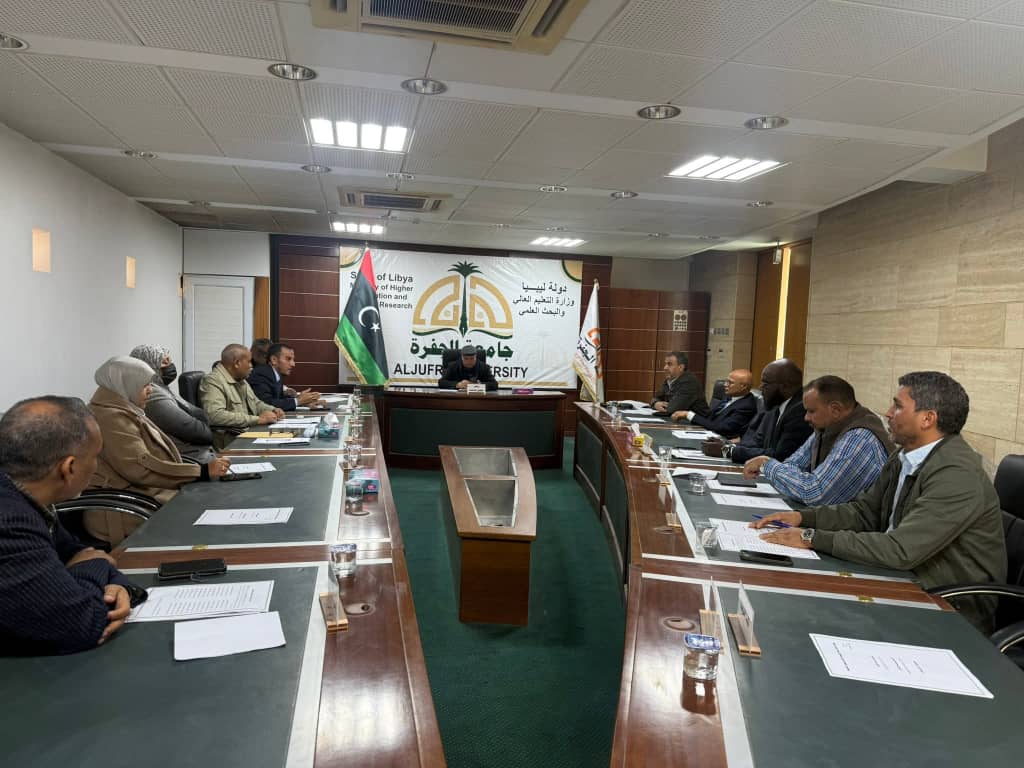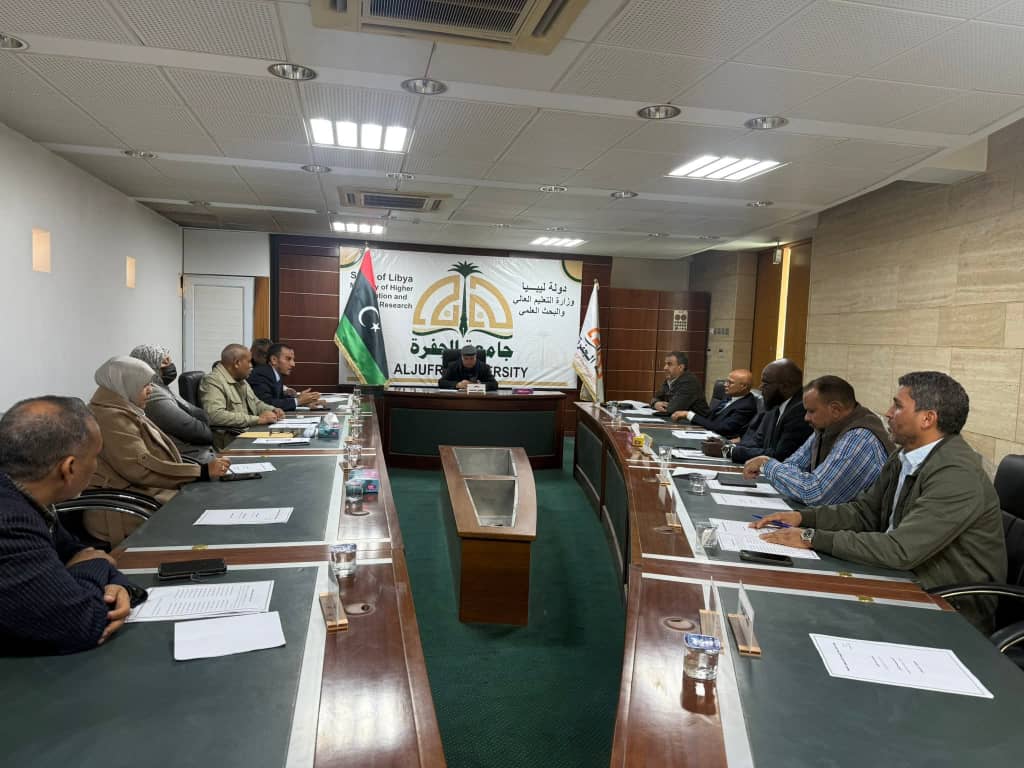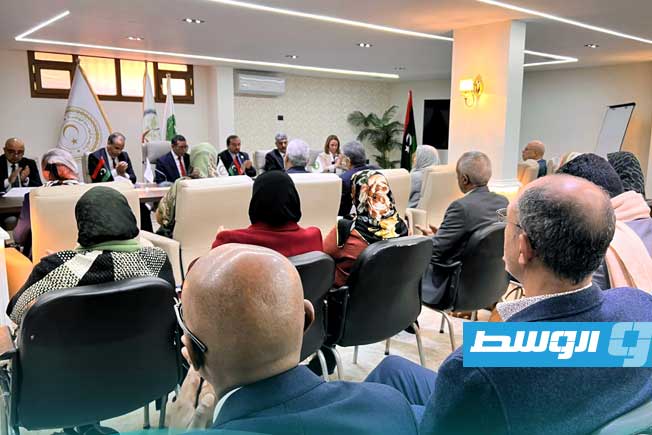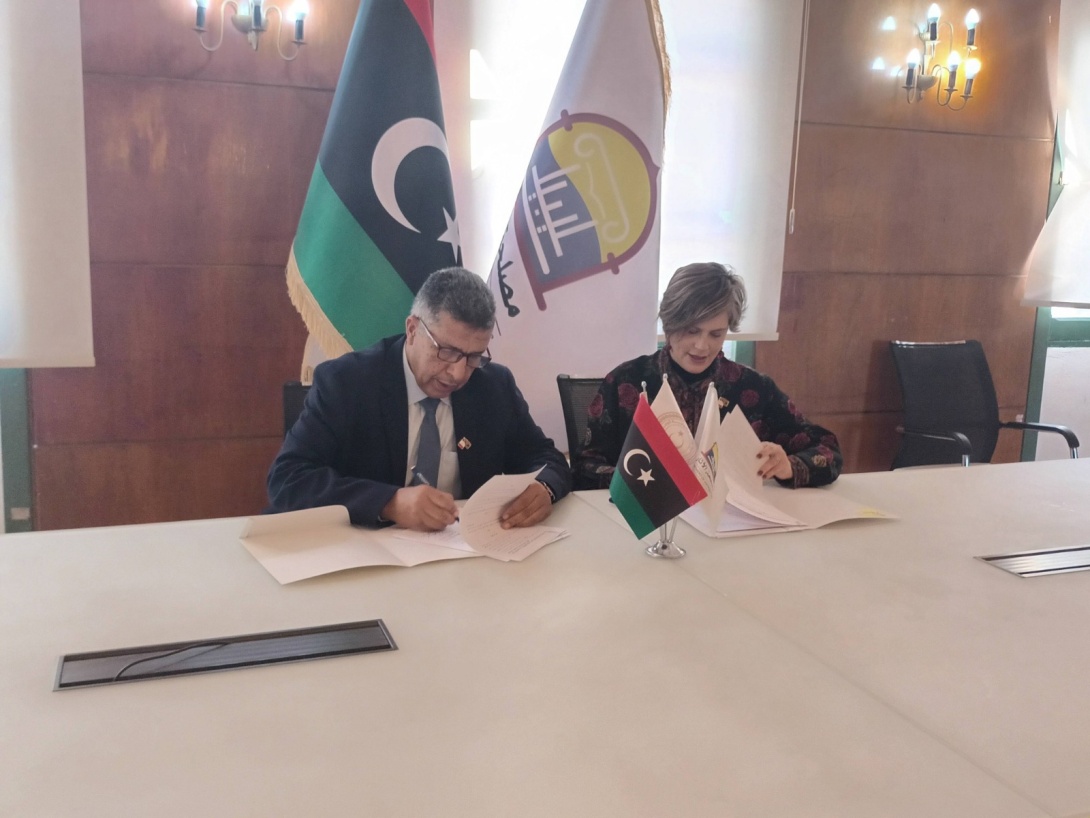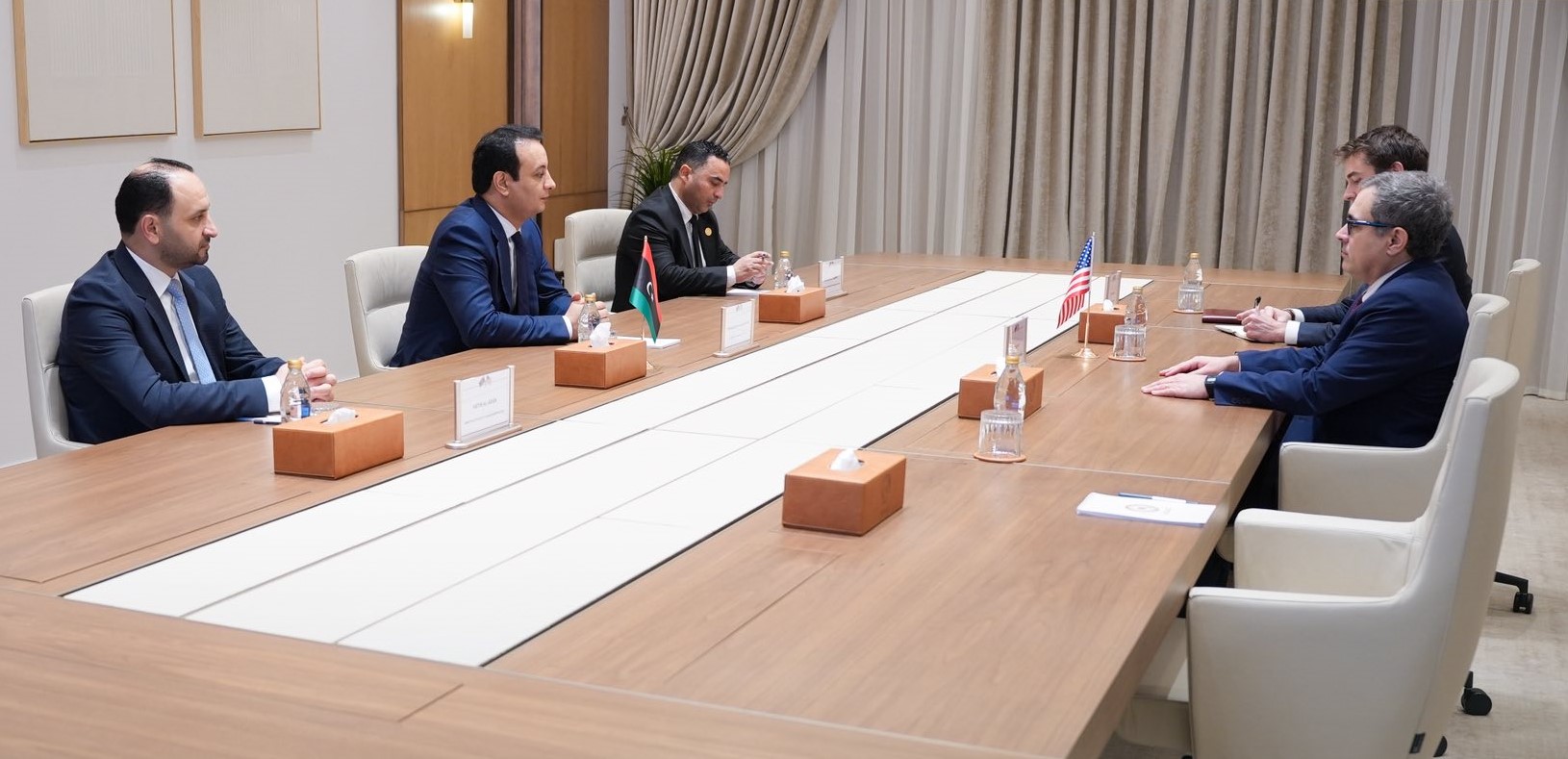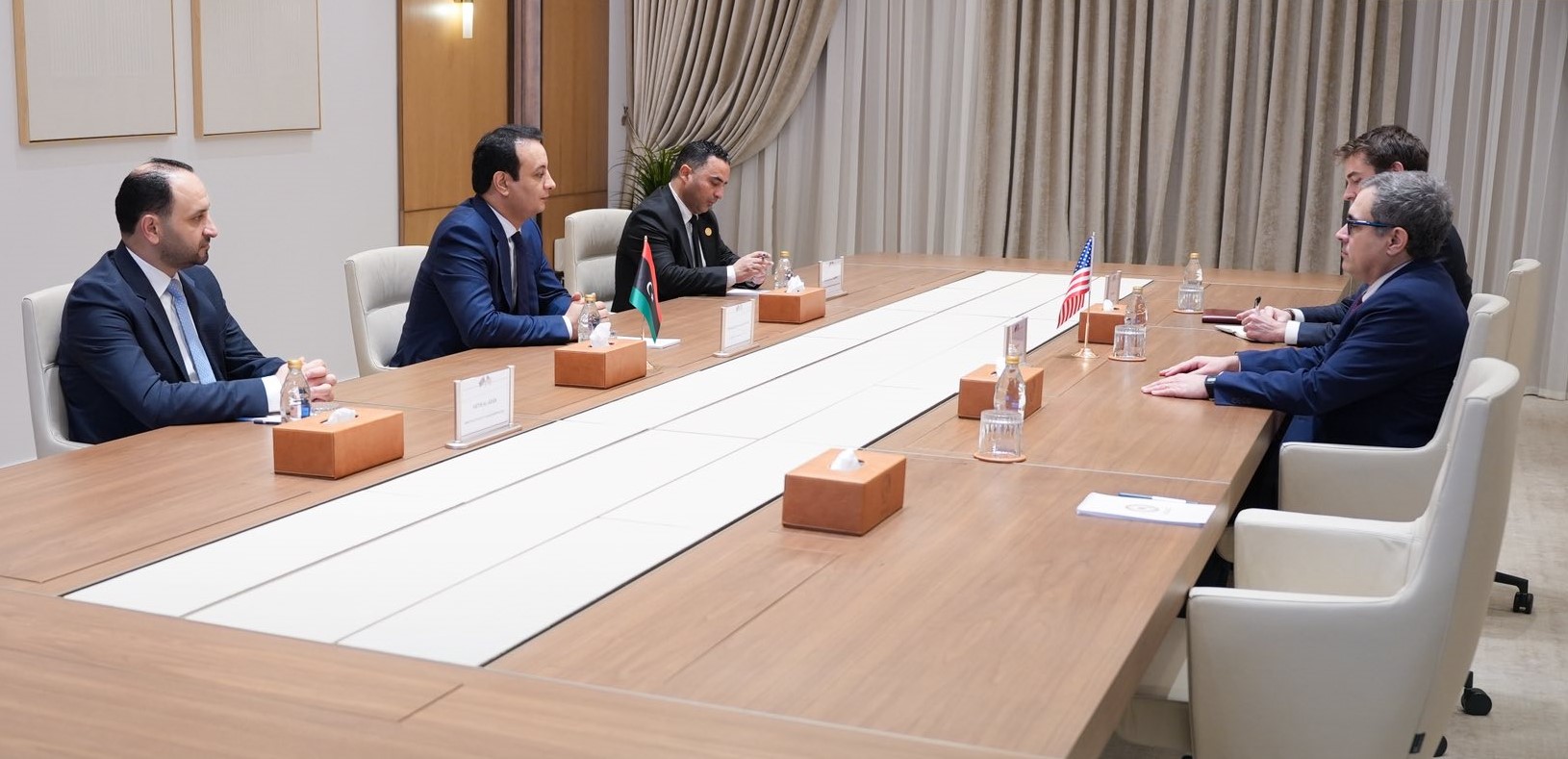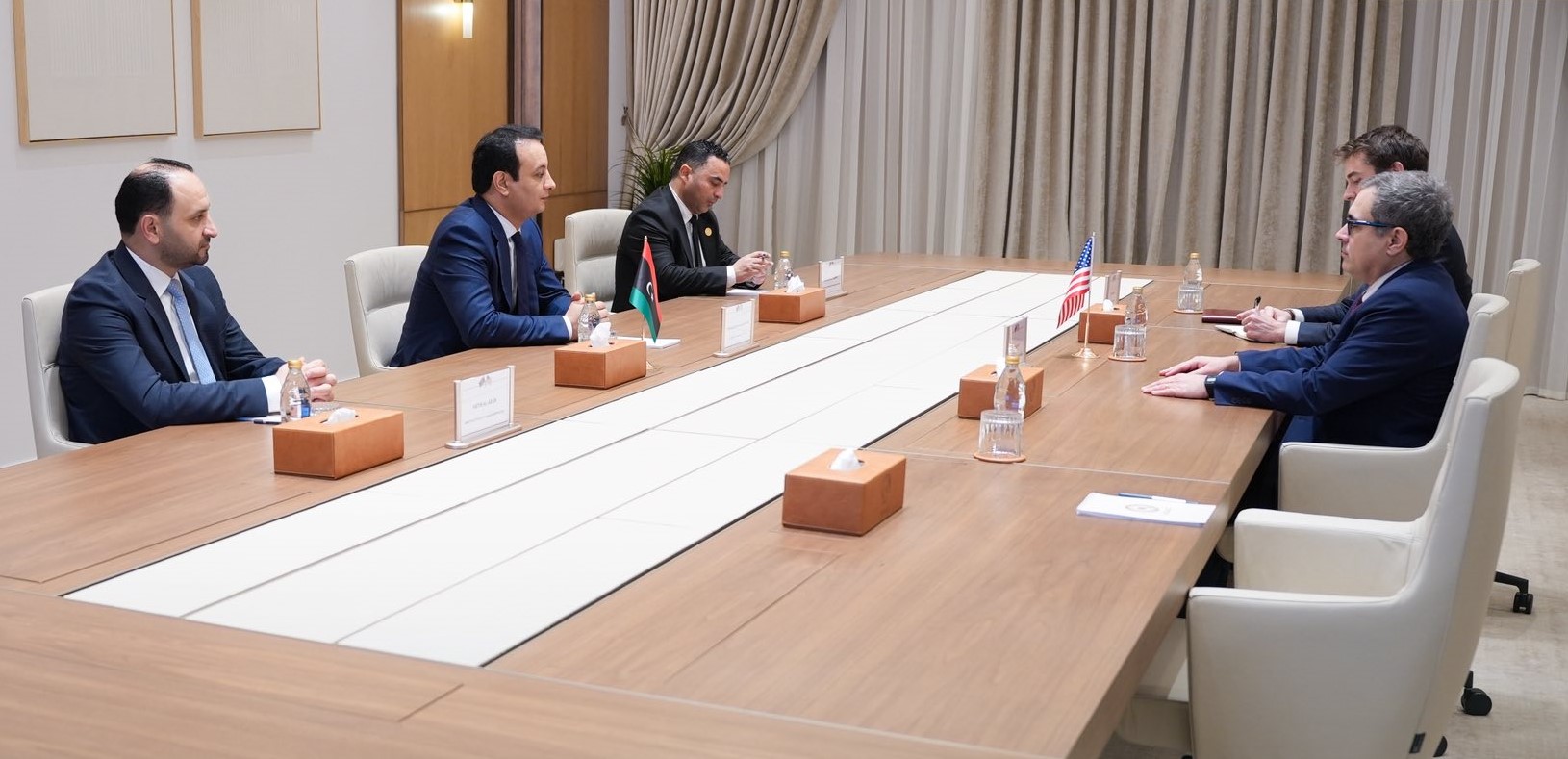
Tripoli, December 30, 2025 – The inaugural International Conference on the Role of Media in Promoting Stability and Achieving Development has commenced in the capital, Tripoli. The conference is organized by the Faculty of Media and Communication at the University of Tripoli in cooperation with the Libyan Center for Studies and Policy Planning.
The two-day conference, held under the slogan “Responsible Media… Sustainable Stability and Comprehensive Development,” aims to study and analyze the pivotal role of media in its various forms in promoting societal stability and supporting sustainable development paths. This comes amid rapid global transformations at political, economic, and technological levels. The conference seeks to outline a future vision for responsible and effective media capable of positively contributing to addressing societal issues and keeping pace with contemporary challenges, especially given the widespread reach of digital media and its growing influence.
The conference’s vision also aims to establish a professional and responsible media model that contributes to enhancing societal stability, achieving sustainable development, and supporting values of positive interaction among individuals and various institutions in society. Additionally, it provides a scientific platform for serious dialogue and discussion on the role of media in building societies and promoting stability by encouraging scientific research and applied studies.
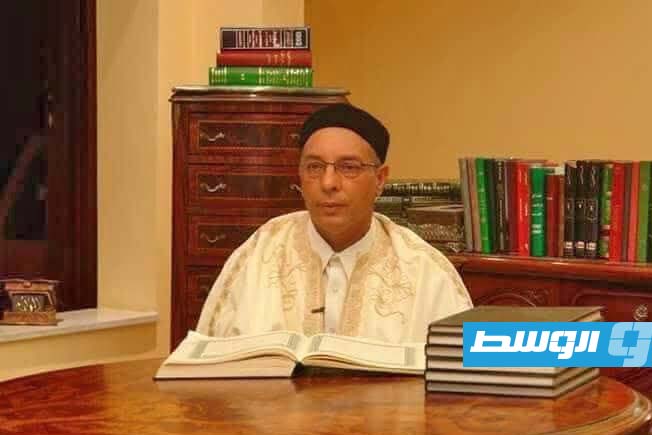
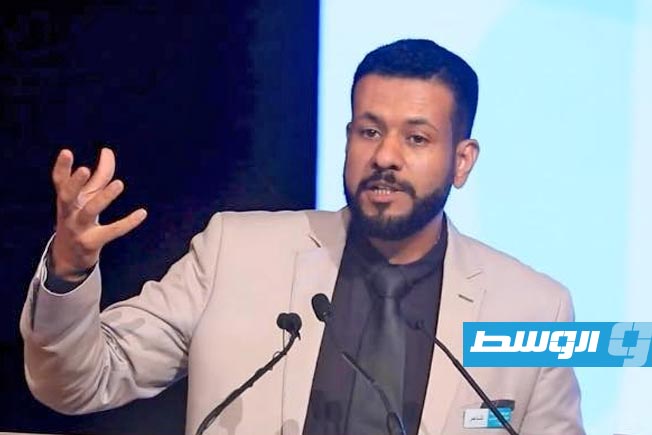
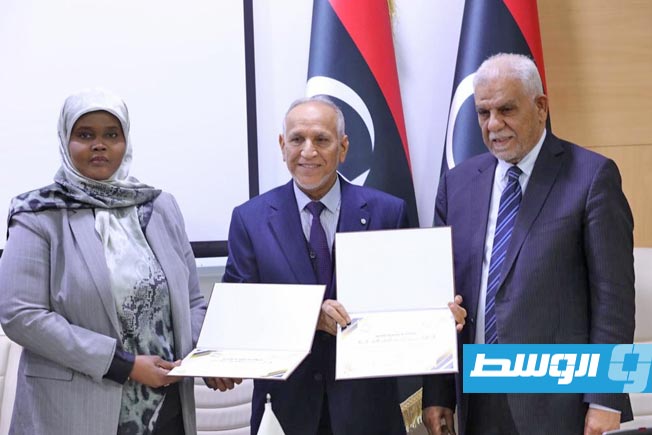
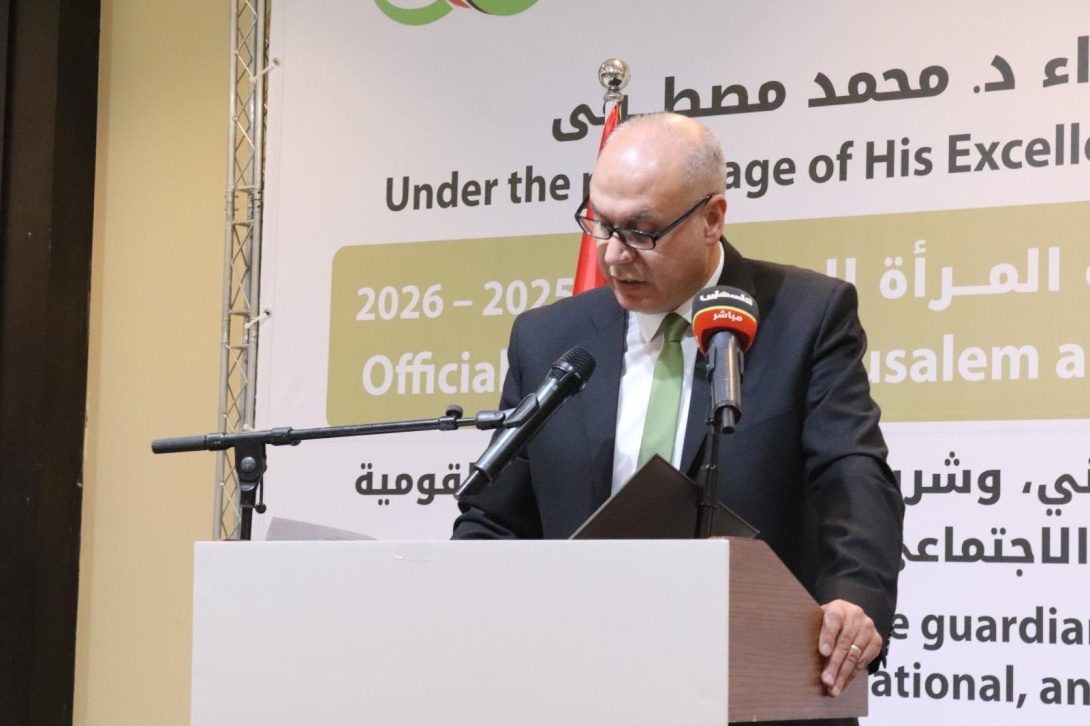
In his speech at the conference’s opening session, the President of the University of Tripoli praised the participants in this first international conference, emphasizing the importance of this scientific event in supporting academic and media dialogue and enhancing the role of responsible media in serving societal issues.
He highlighted the importance of utilizing this academic and media conference to convey a true and transparent picture of the reality of higher education in Libyan universities, shedding light on the achievements of Libyan universities, including the University of Tripoli, in local and international rankings. This serves as reassurance that the level of our universities remains advanced and has achieved real scientific accomplishments, contrary to attempts by some to downplay the scientific and academic level in Libya.
He stated that the prestigious University of Tripoli, concluding the year 2025, has taken the lead in international rankings among Libyan universities. He explained that it ranked first locally in the QS ranking by a notable margin over other universities and continued its regional and international progress by entering the list of the top 1500 universities worldwide. He pointed out that the university had achieved advanced positions in the Arab world in recent years, confirming its upward trajectory in academic rankings. He noted that achieving this ranking among the top 1500 universities globally is a significant accomplishment, as thousands of universities from around the world enter these rankings.
He clarified that the University of Tripoli leads Libyan universities in the field of scientific research according to the Scimago and EDL Albert Adler rankings and ranked 90th in Africa. He considered these results a reflection of the efforts made by faculty members and researchers and the university’s role in supporting scientific research and serving development.
For his part, the Advisor to the President of the Presidential Council stated that scientific conferences represent a fundamental pillar in building the modern state as platforms for producing ideas and solutions and bridges for communication between universities, research centers, and decision-makers. He emphasized that their goal is to serve humanity and shape the future through the language of science and knowledge.
The Dean of the Faculty of Media and Communication confirmed that the conference seeks to create constructive dialogue and present new ideas that contribute to enhancing stability and supporting development paths. He indicated that its scientific sessions and accompanying workshops aim to build effective communication bridges between academics and media professionals to formulate a professional and responsible media discourse.
A member of the conference’s preparatory committee explained that the conference aims to elevate media performance and showcase successful experiences in local media. He noted that this scientific event is the first of its kind for the Faculty of Media and Communication under its new name and witnesses international and Arab participation alongside broad attendance from Libyan universities.
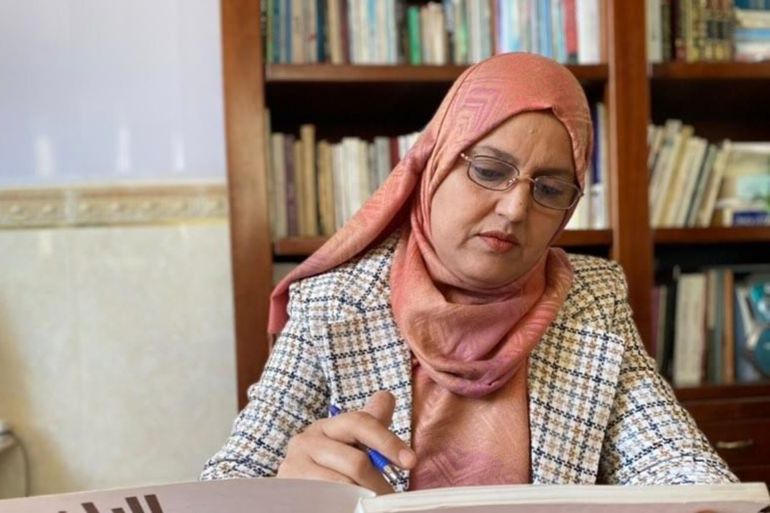
The Head of the Journalism Department at the Faculty of Media and Communication confirmed that the conference focuses on supporting development and achieving stability through specialized scientific papers. She pointed to the media support the conference enjoys and the organizational efforts made to ensure its success.
A member of the advisory committee at the Libyan Center for Studies and Policy Monitoring and a member of the conference’s scientific committee reported that the conference will witness the presentation of approximately 29 research papers distributed across multiple scientific sessions. These sessions will address the social responsibility of media, its role in confronting rumors and managing crises, with the aim of producing practical recommendations to be submitted to the relevant authorities.
The organization of this conference stems from the increasing importance that media holds in modern societies, as one of the fundamental pillars in building public awareness, shaping public opinion, and entrenching the values of dialogue and tolerance. This is in addition to its vital role in supporting development policies and contributing to achieving social stability.
The organizers confirmed that the