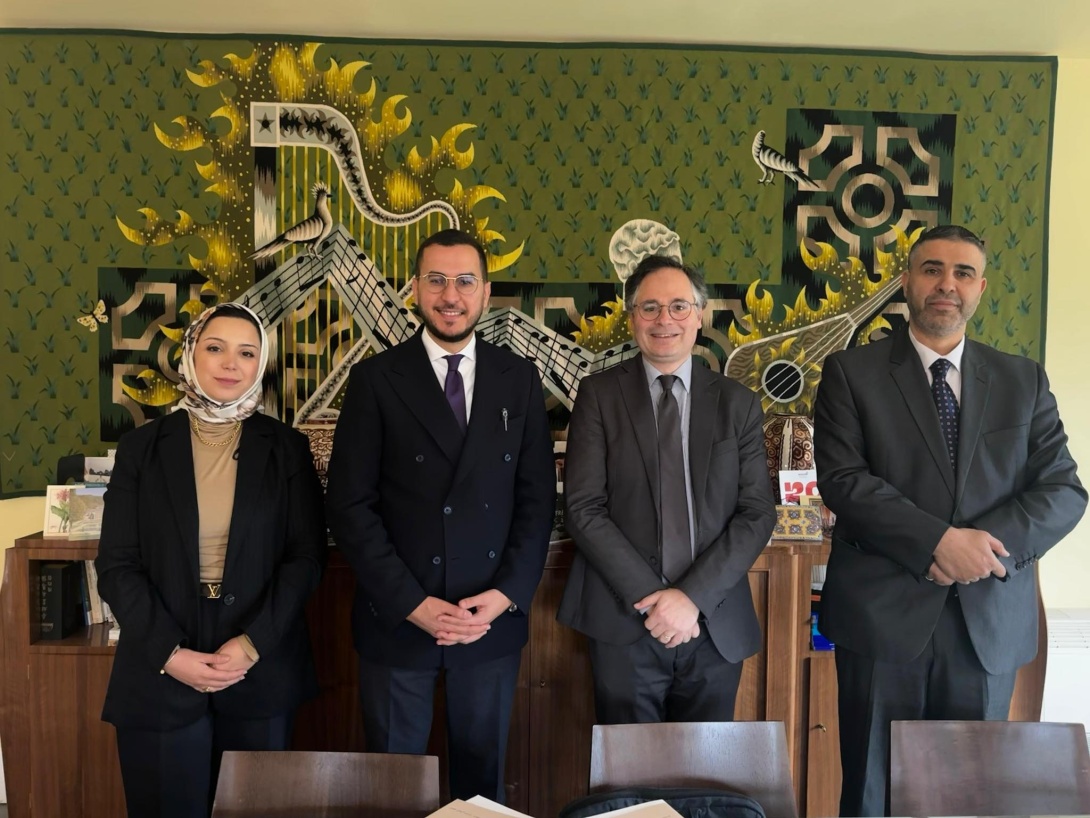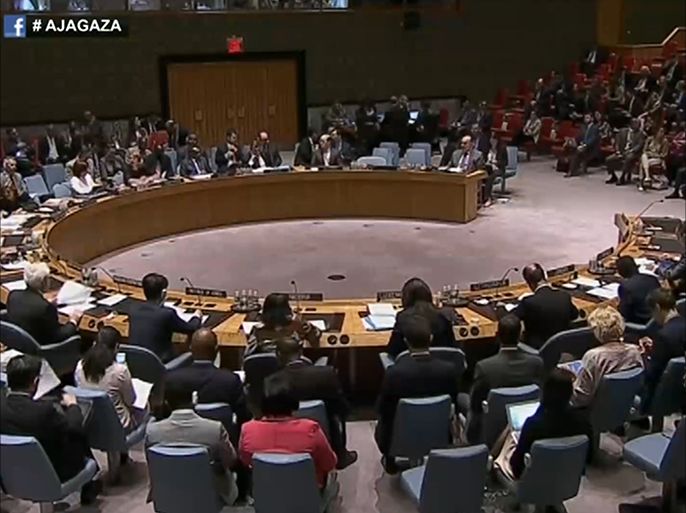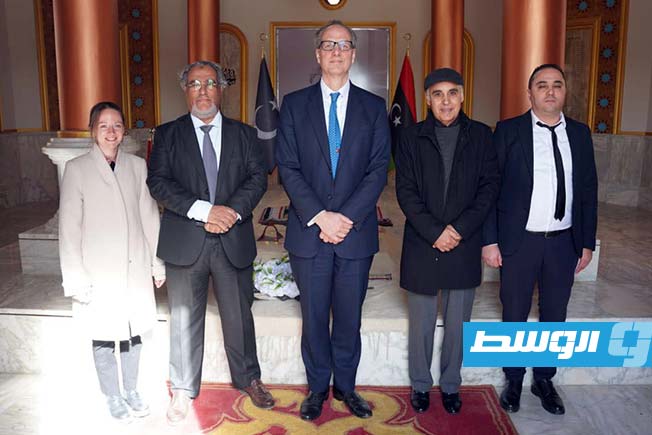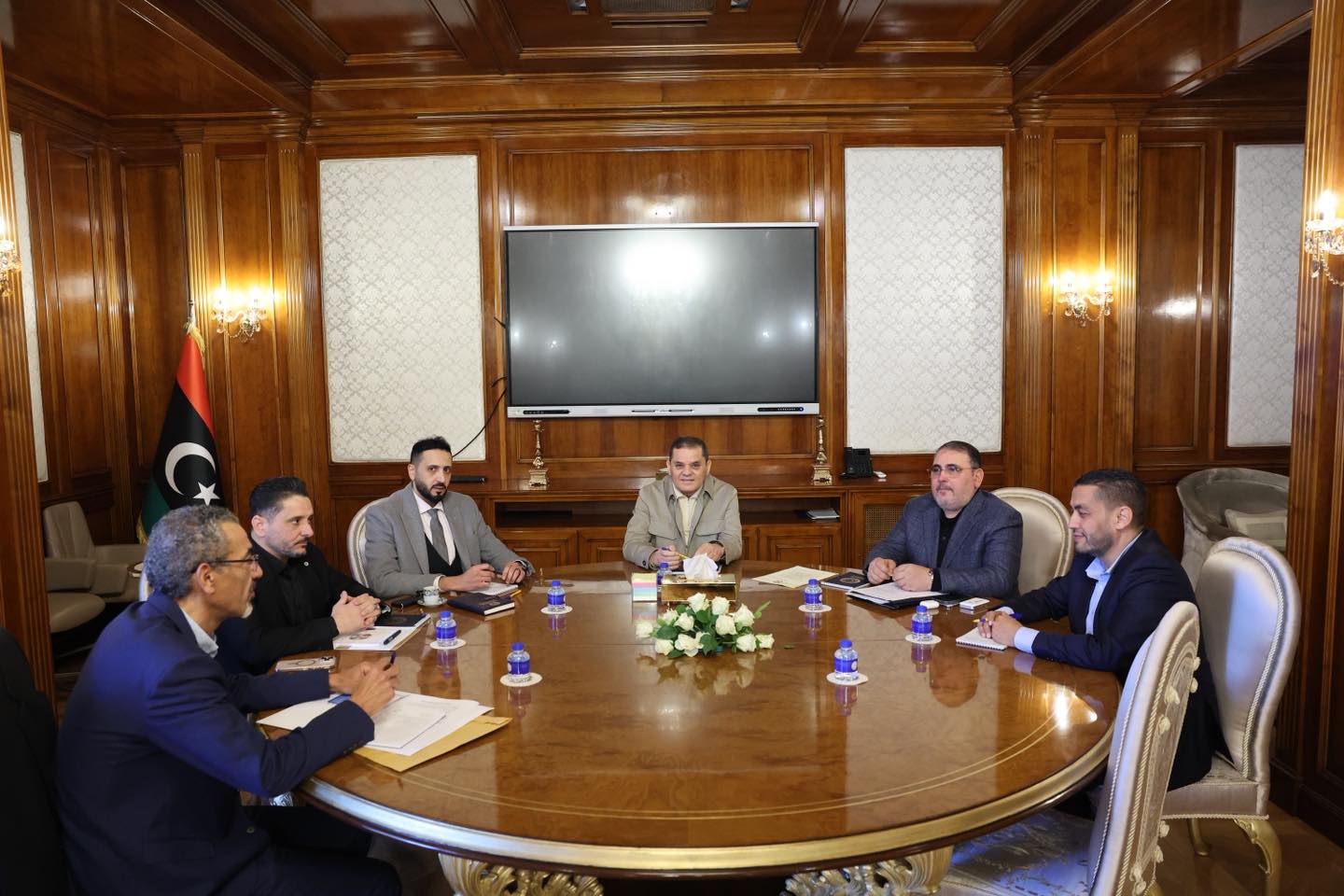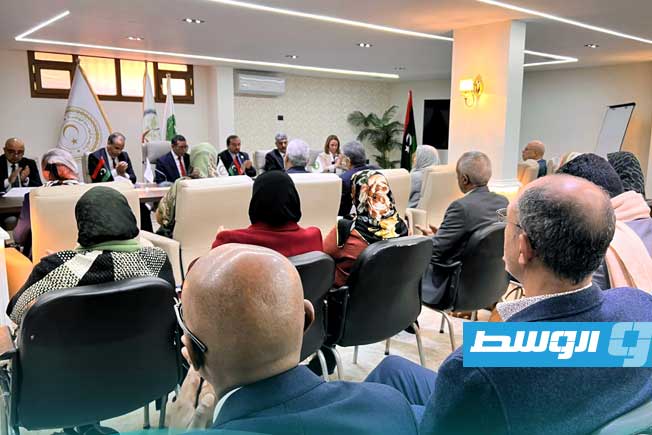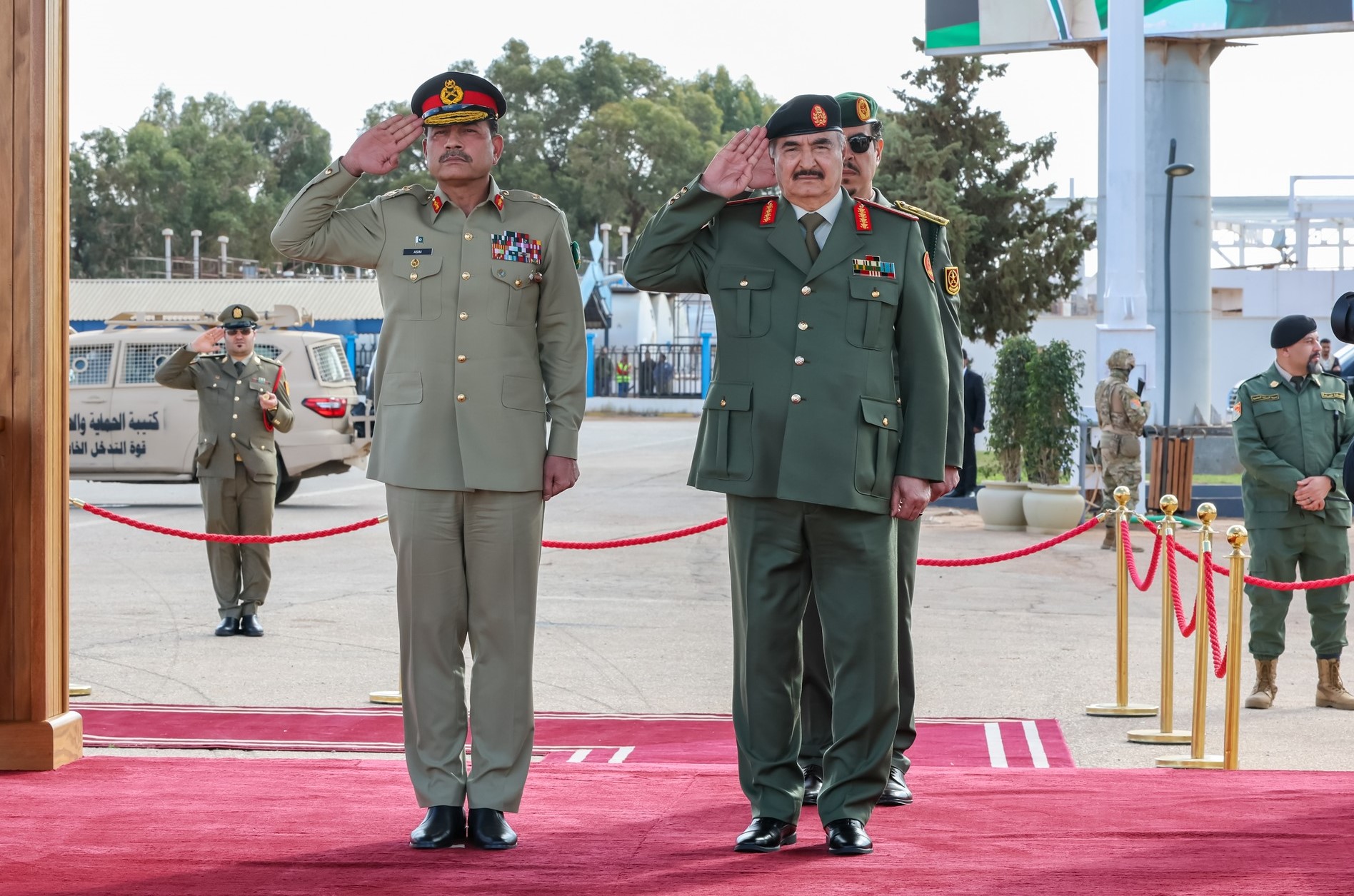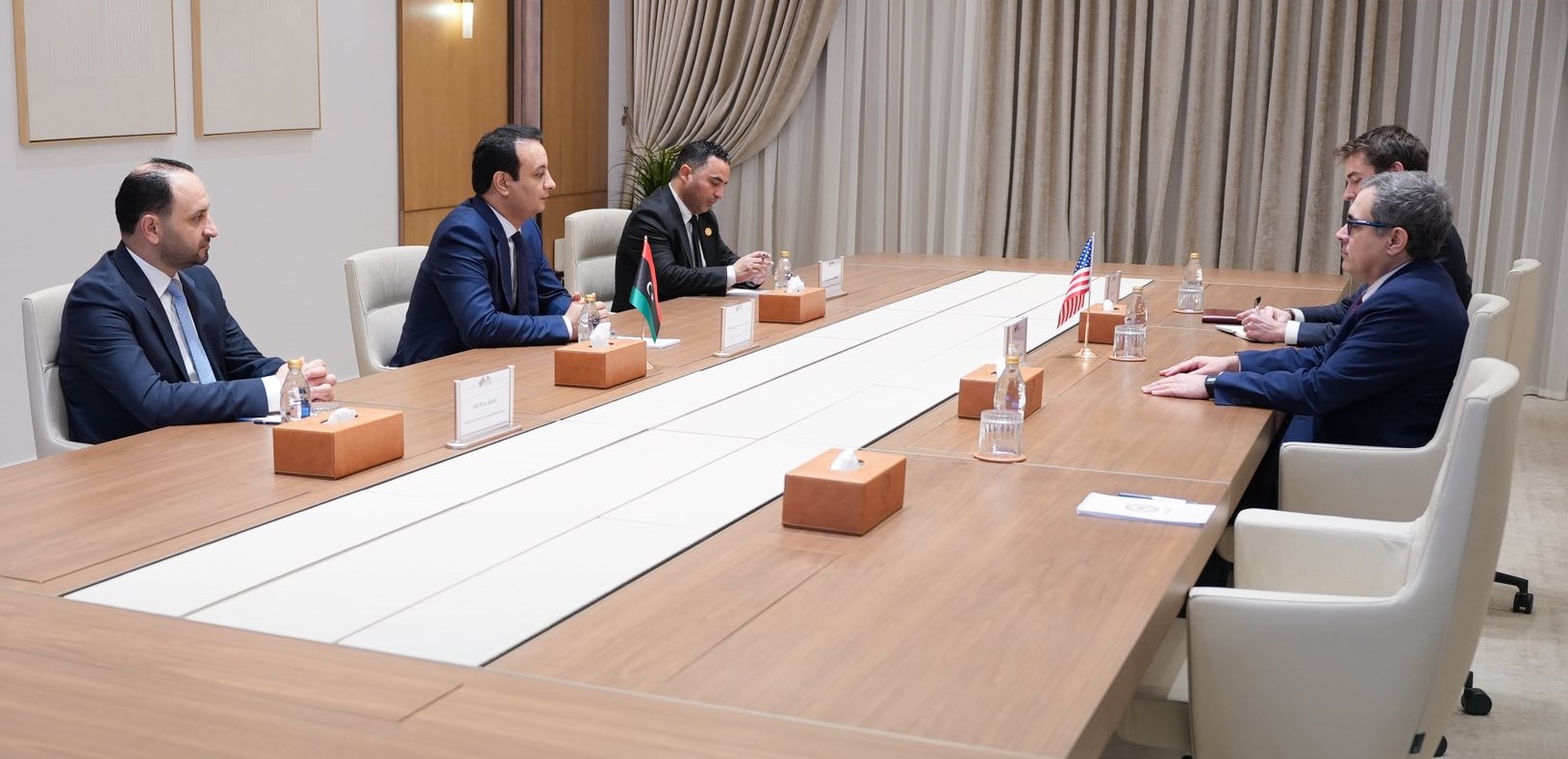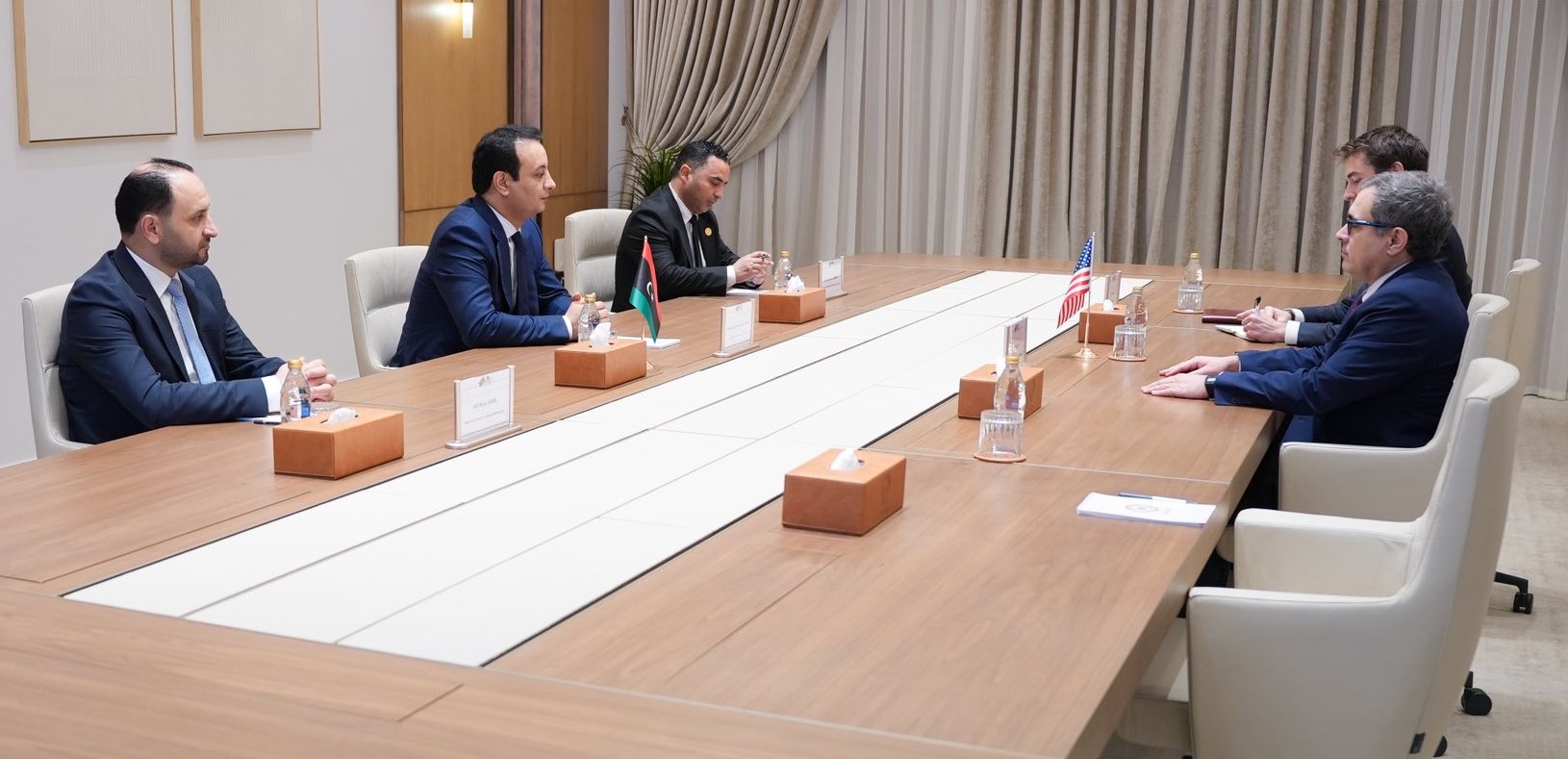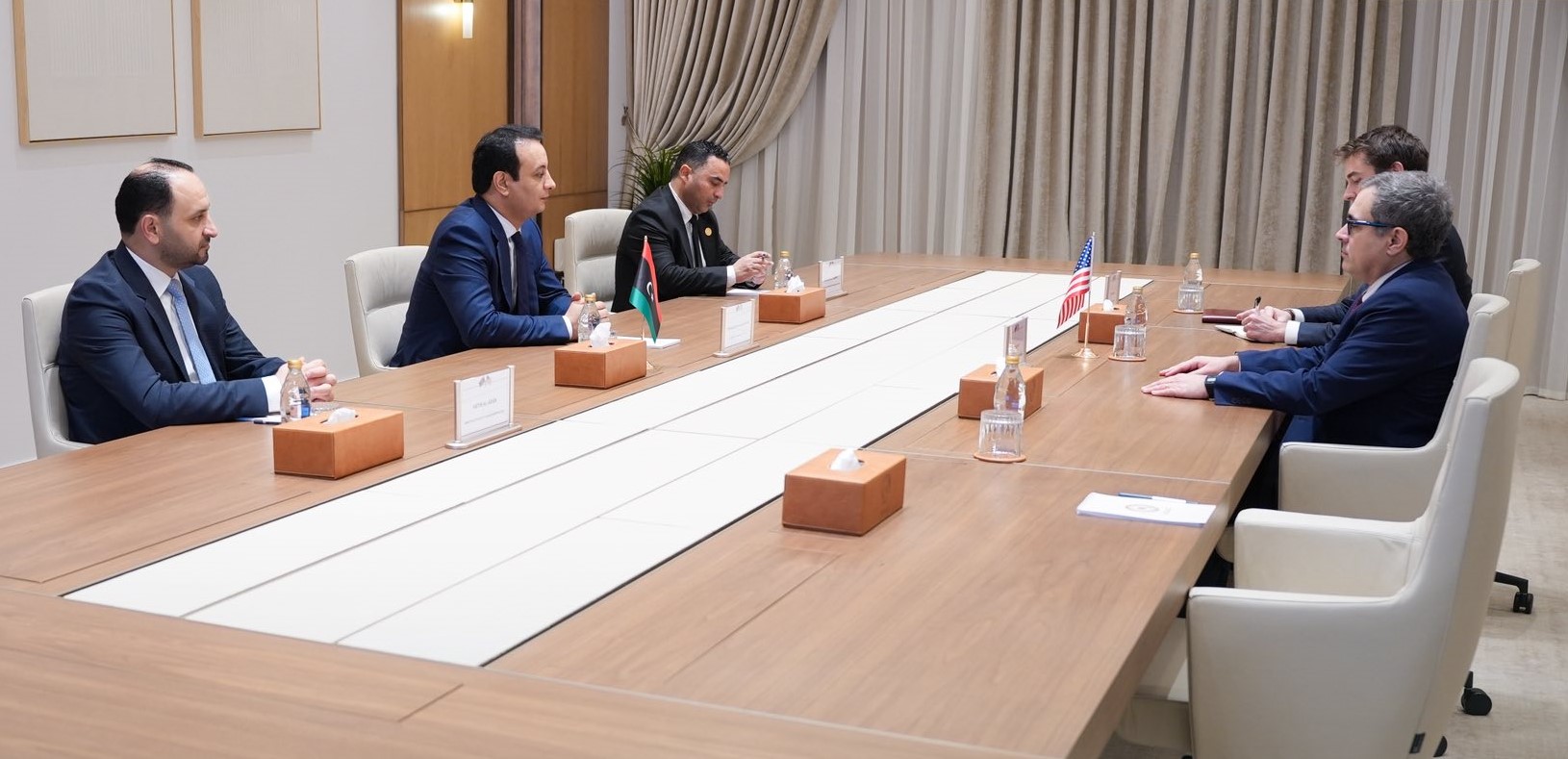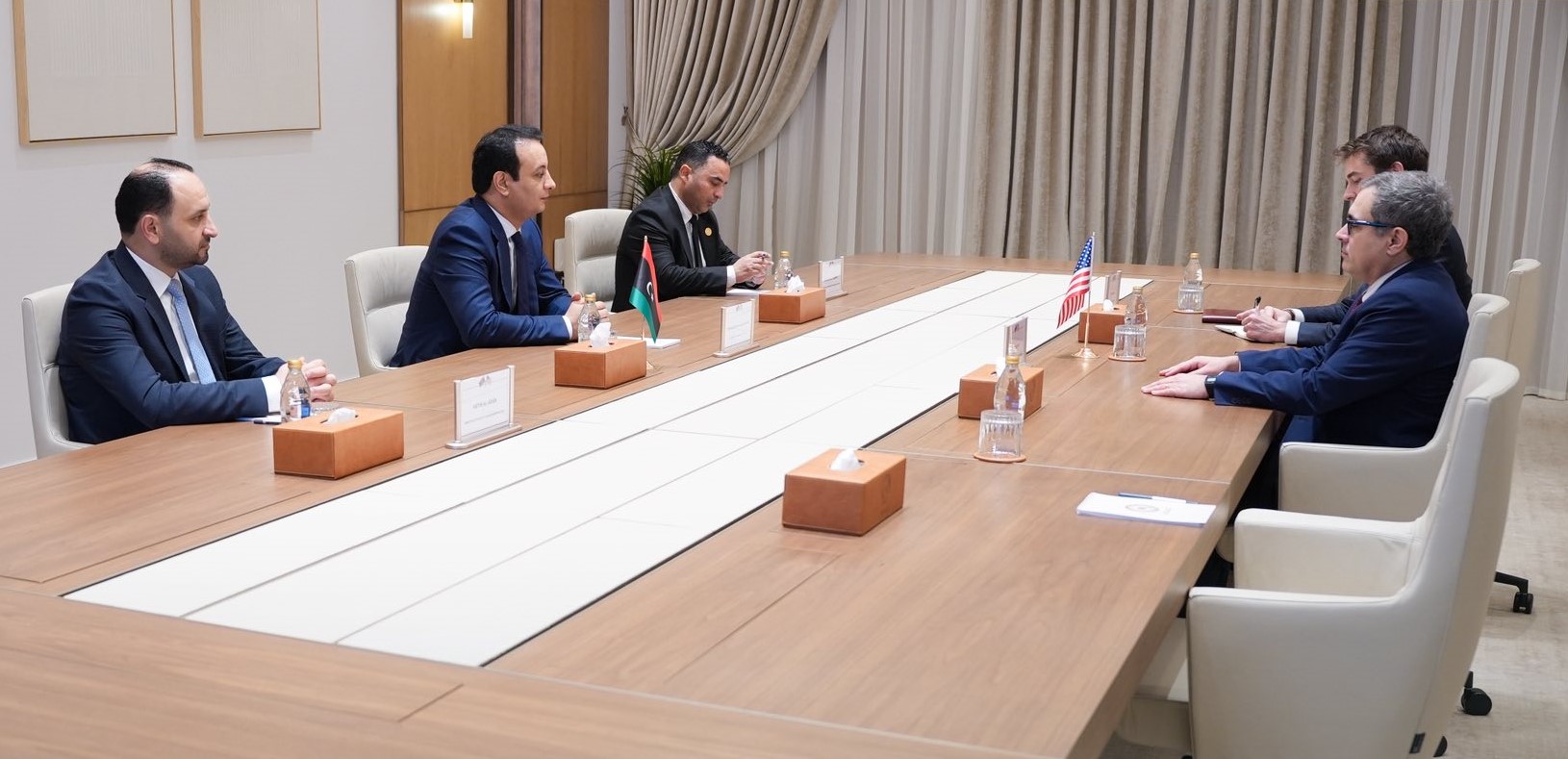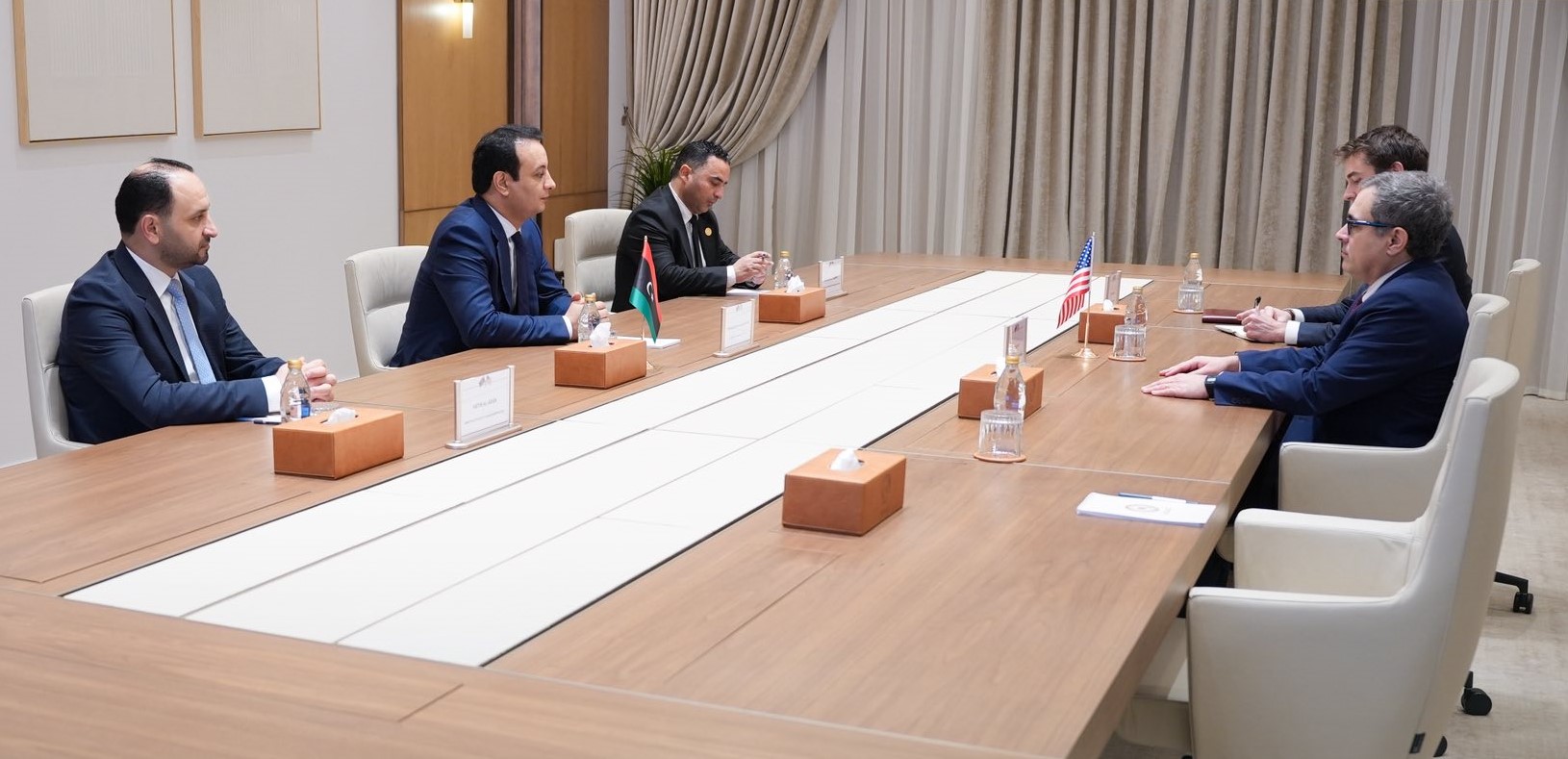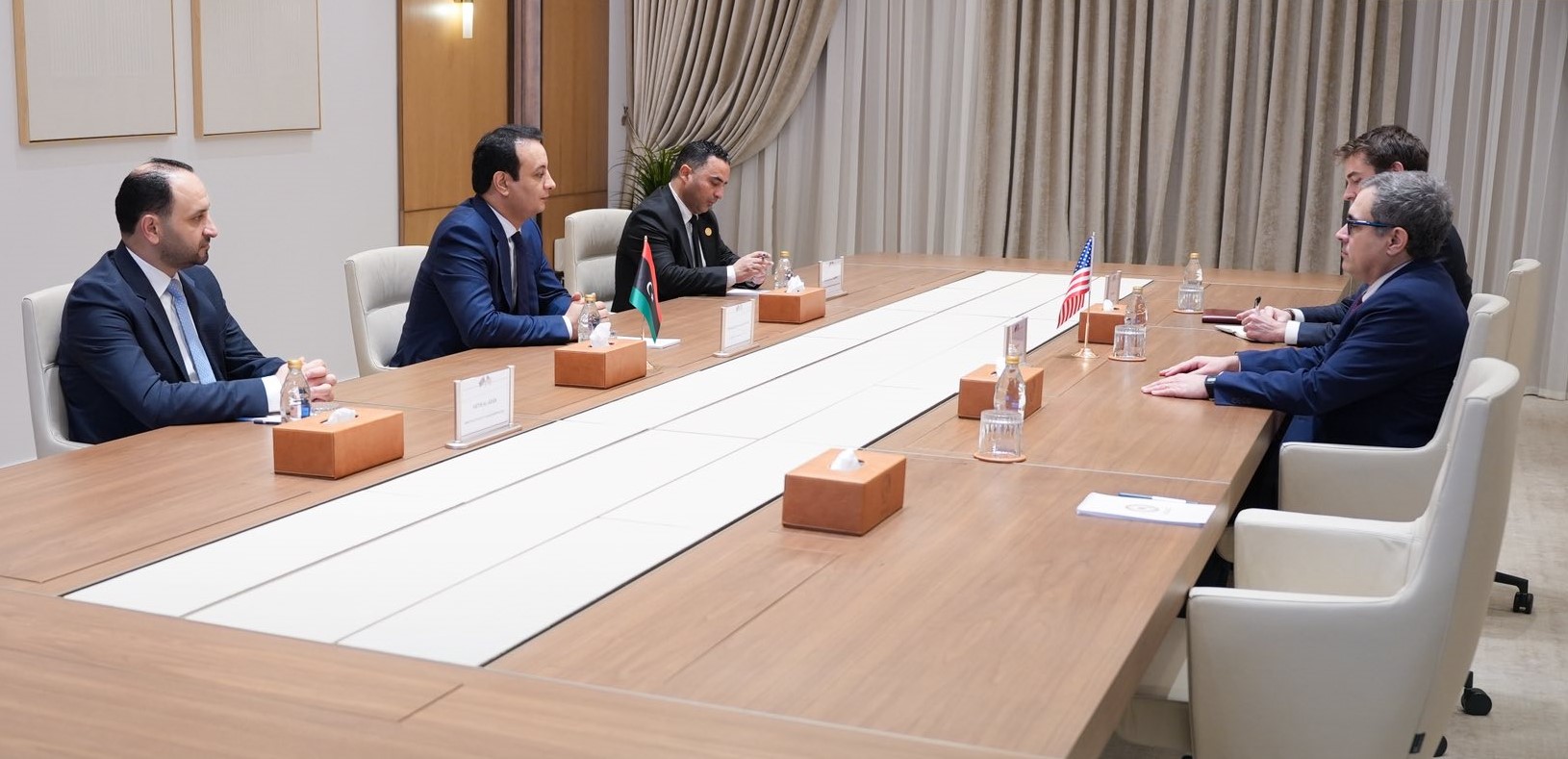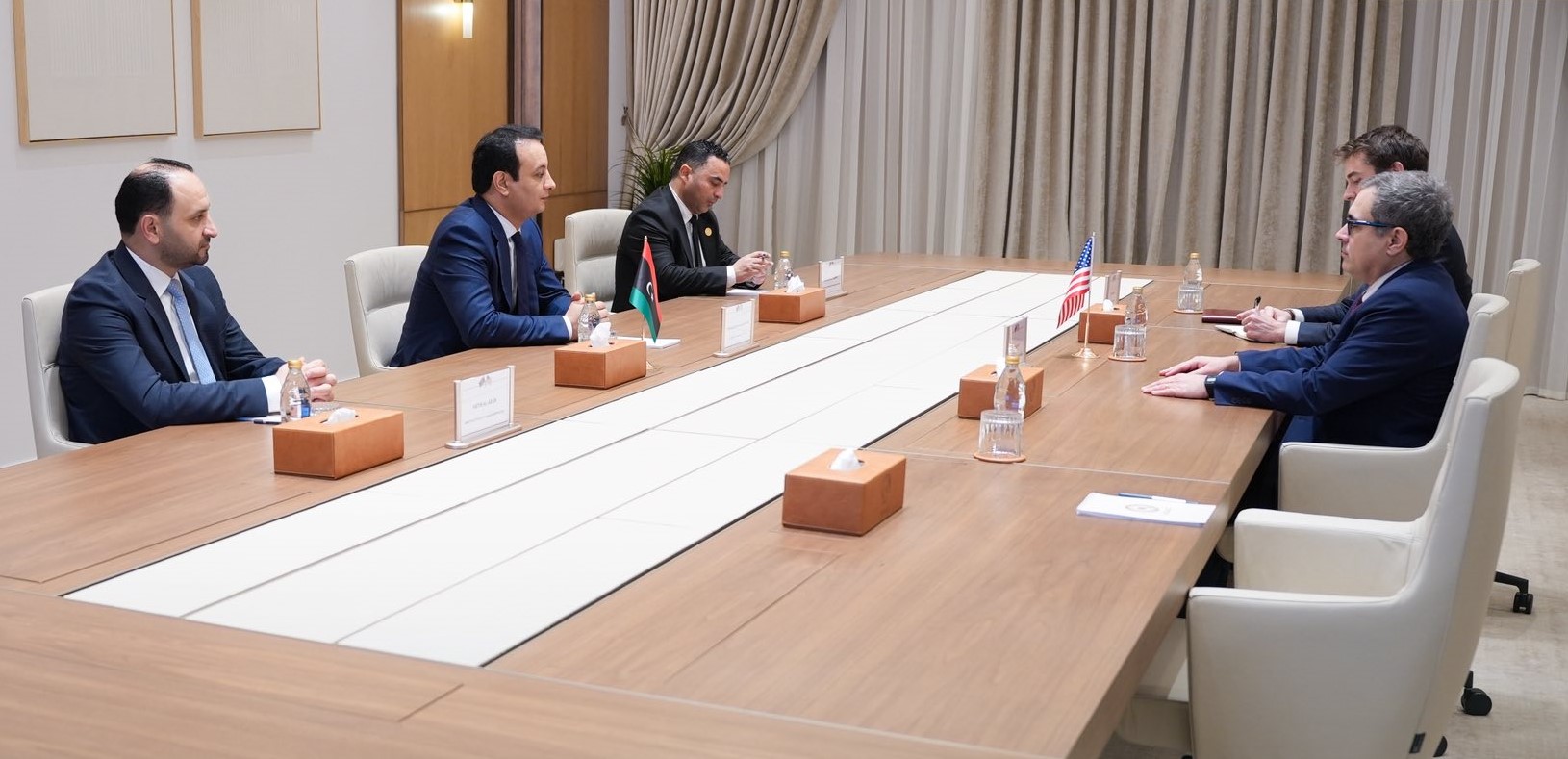
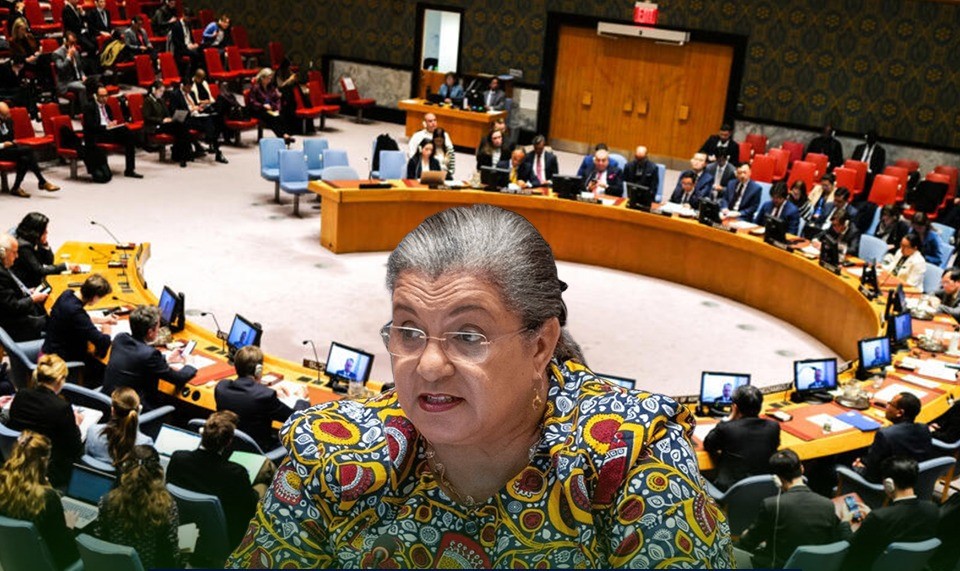
Tripoli, February 15, 2026 – The United Nations Security Council will hold a special session on Libya next Wednesday. The session will include a briefing by the UN team on developments in the situation in Libya.
During the session, the UN Envoy is scheduled to review the latest political, security, and humanitarian developments, as well as assess the efforts of the UN mission and the progress of the dialogue among the Libyan parties.
…
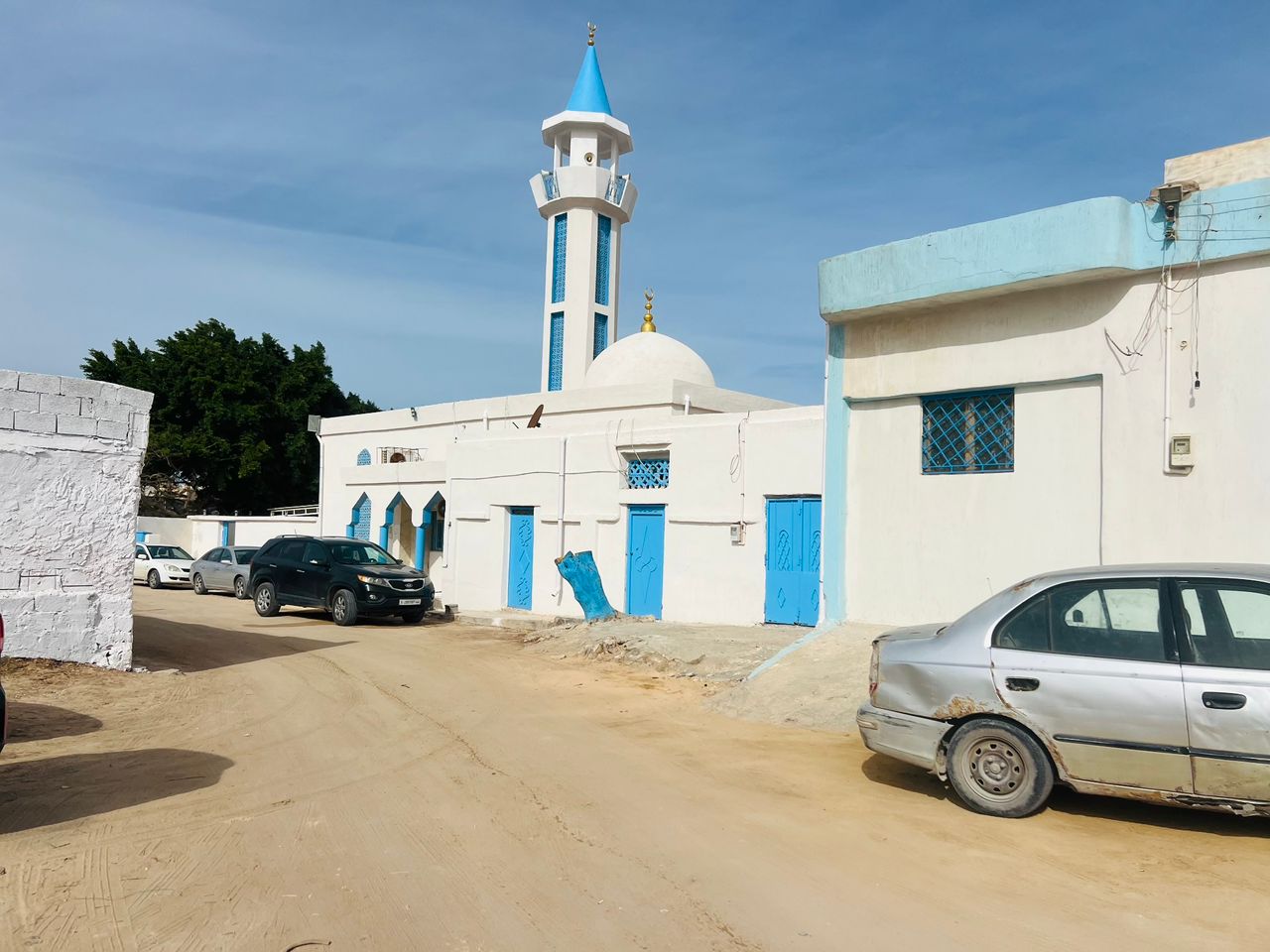
Tripoli
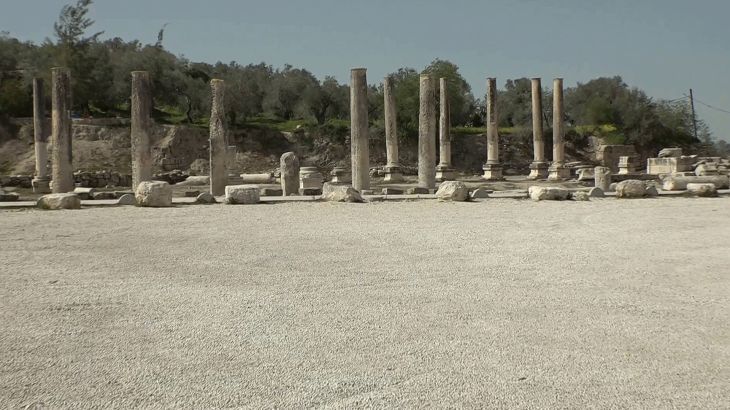
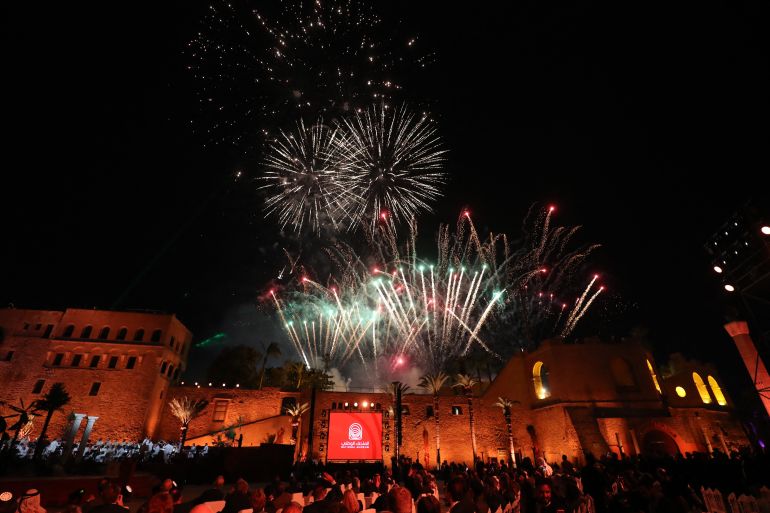
Tripoli is the capital and largest city of Libya, located on the country’s Mediterranean coast. Historically, it was founded by the Phoenicians in the 7th century BC and has since been ruled by the Romans, Arabs, Ottomans, and Italians, serving as a major port and cultural crossroads. Its historic core, the medina of Old Tripoli, contains significant architecture from these various periods.
United Nations Security Council
The United Nations Security Council is the primary body within the UN responsible for maintaining international peace and security. Established in 1945 following World War II, its five permanent members—China, France, Russia, the United Kingdom, and the United States—hold veto power over substantive resolutions.
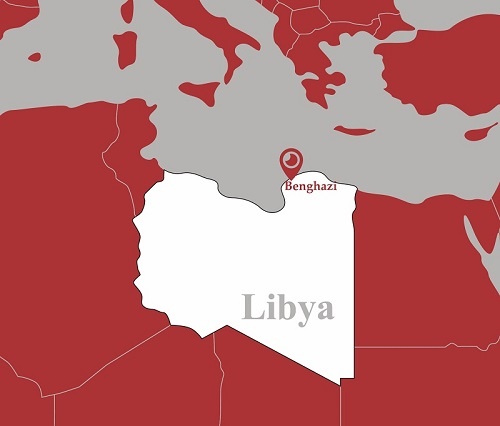
Libya
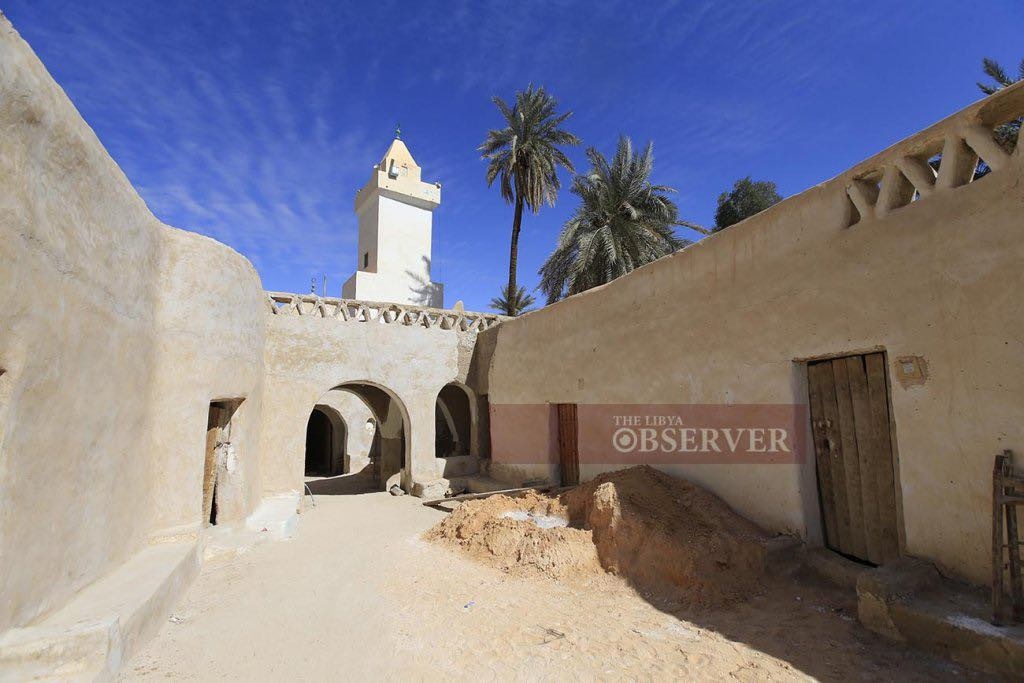
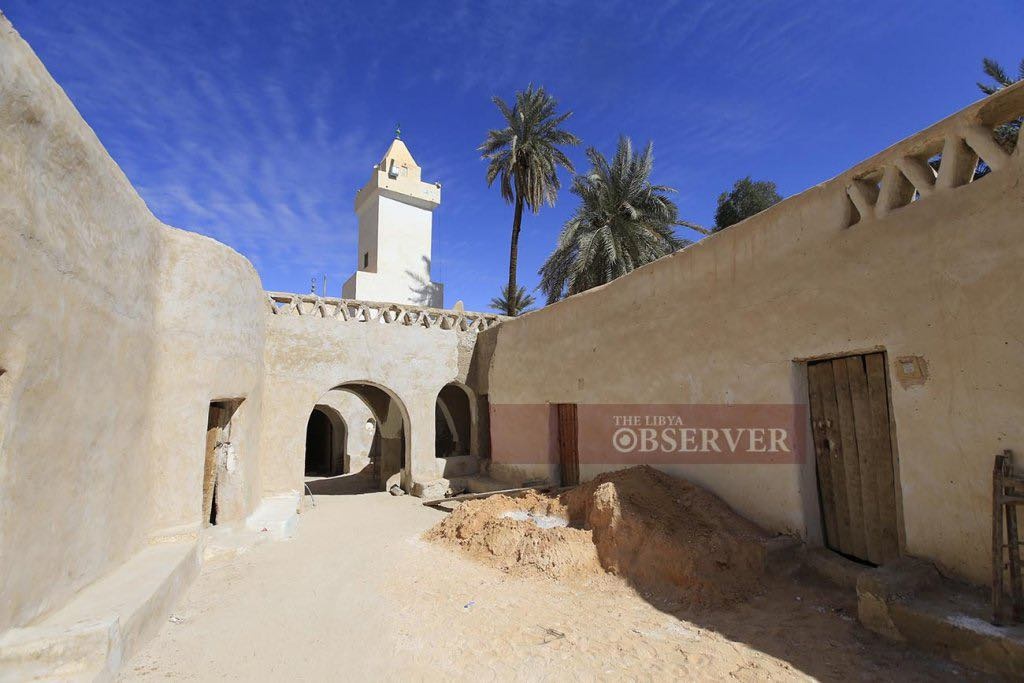
Libya is a North African country with a rich history rooted in ancient civilizations like the Phoenicians and Romans, followed by centuries of Arab and Ottoman influence. In the modern era, it was an Italian colony before gaining independence in 1951, later becoming known for Muammar Gaddafi’s lengthy rule from 1969 until the 2011 revolution. Its cultural heritage includes UNESCO World Heritage sites such as the ruins of Leptis Magna and the old town of Ghadamès.
UN mission
The United Nations mission refers to the deployment of UN personnel, often including peacekeepers, diplomats, and aid workers, to areas of conflict or crisis to maintain peace, provide humanitarian assistance, and support political processes. These missions are established by the UN Security Council and have been a core function of the organization since its first peacekeeping mission in 1948 to monitor the Arab-Israeli ceasefire. They operate under mandates to protect civilians, facilitate peace agreements, and help countries transition from conflict to stability.