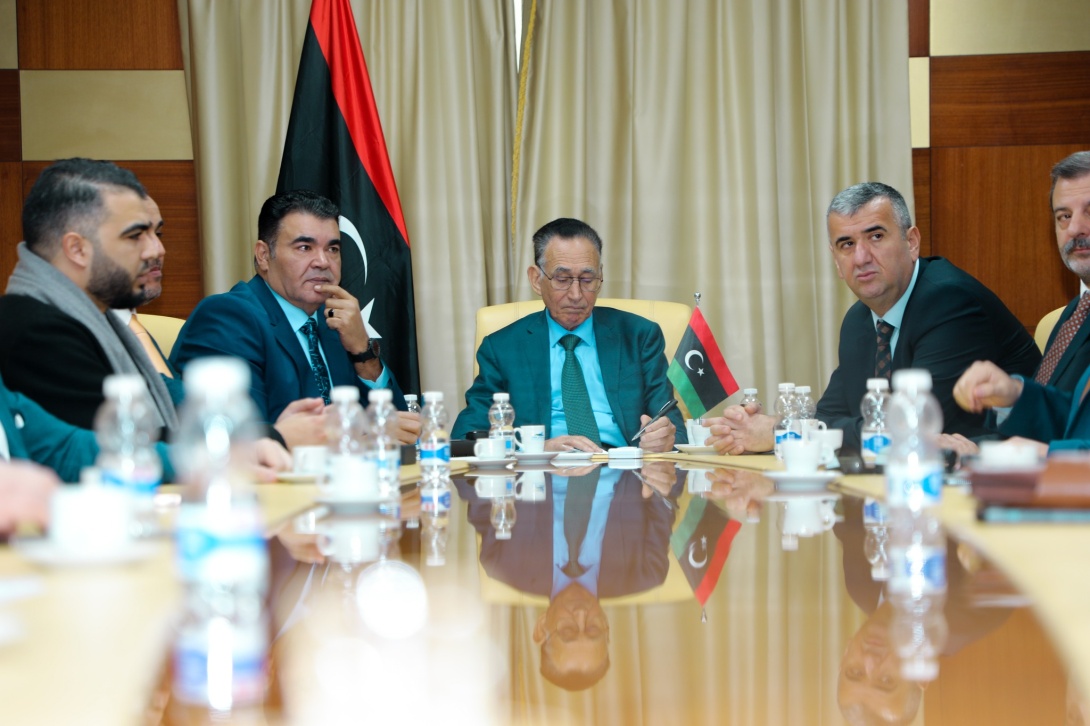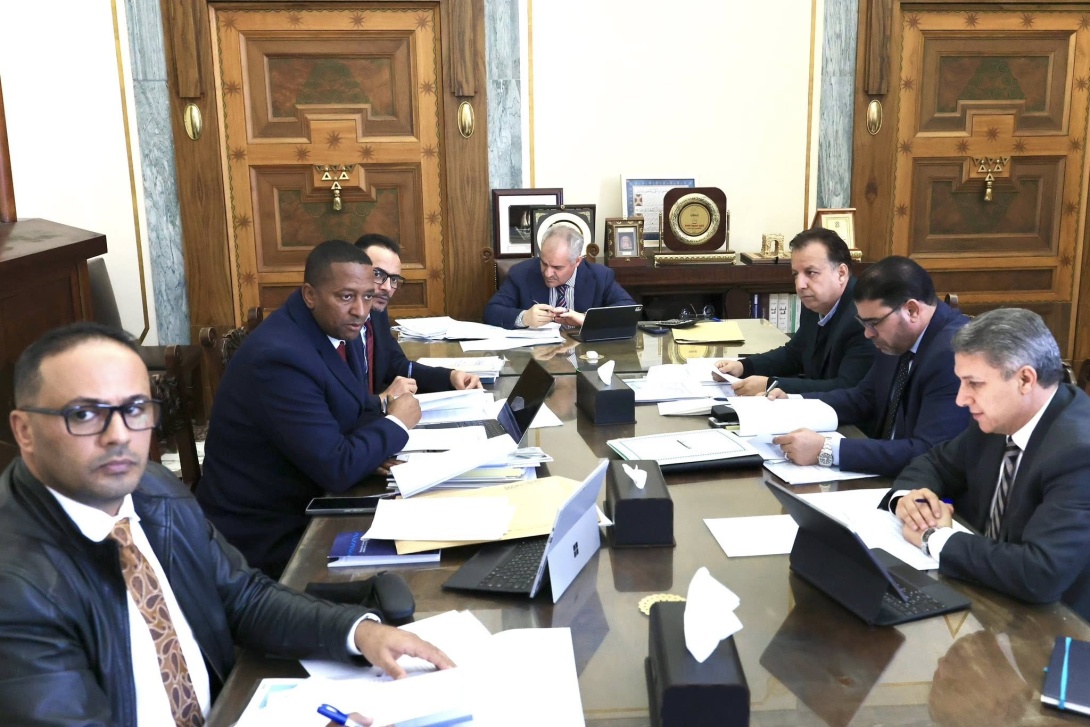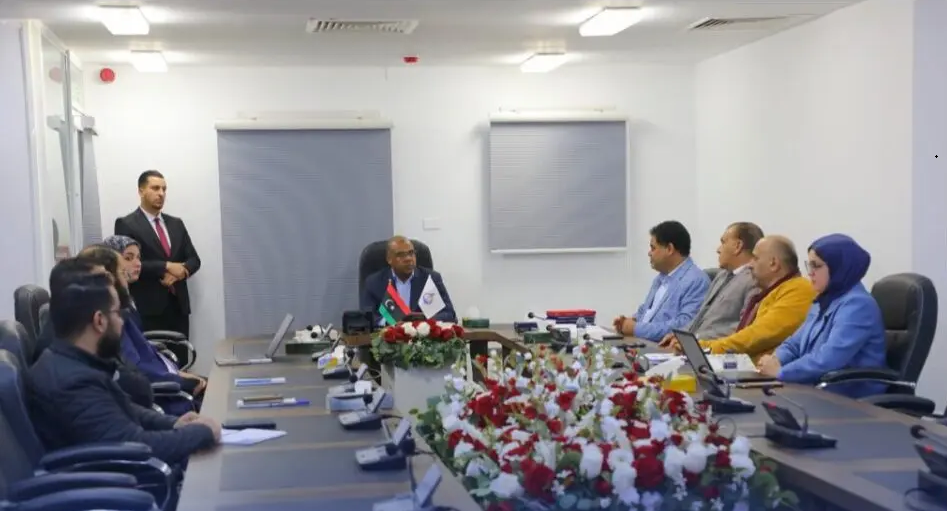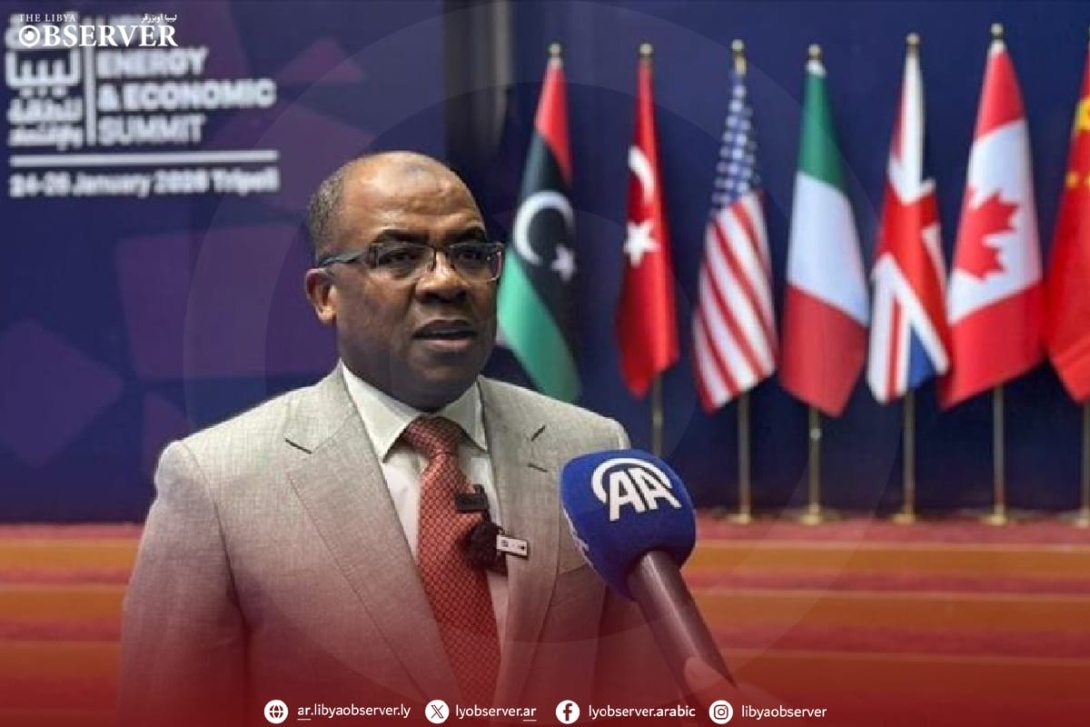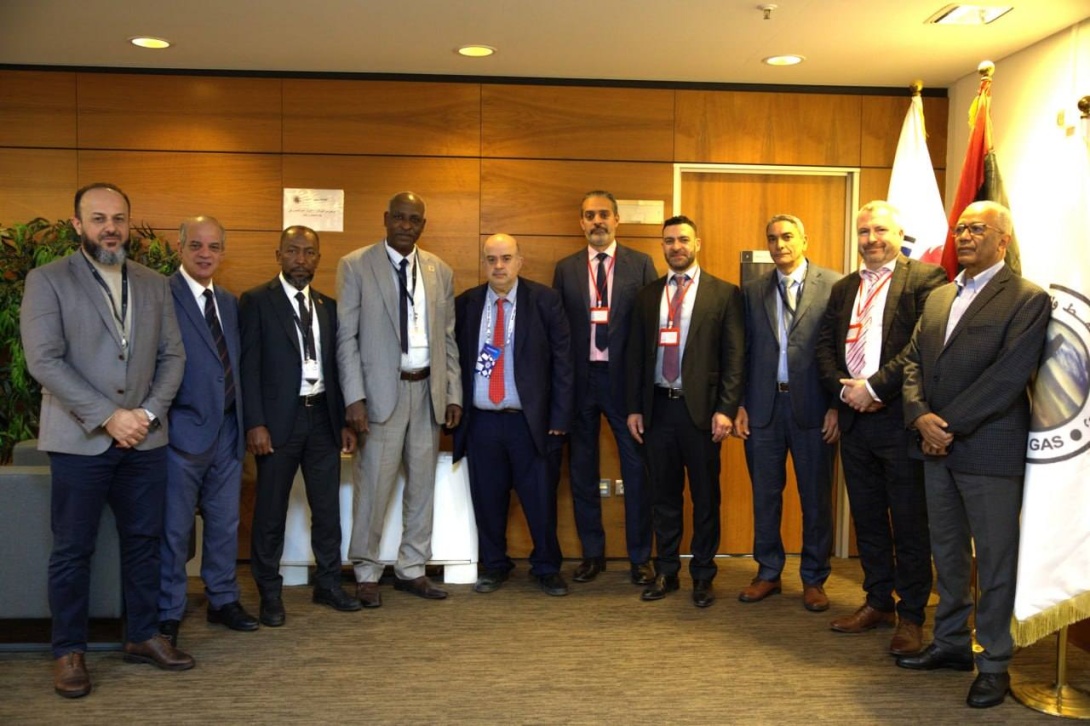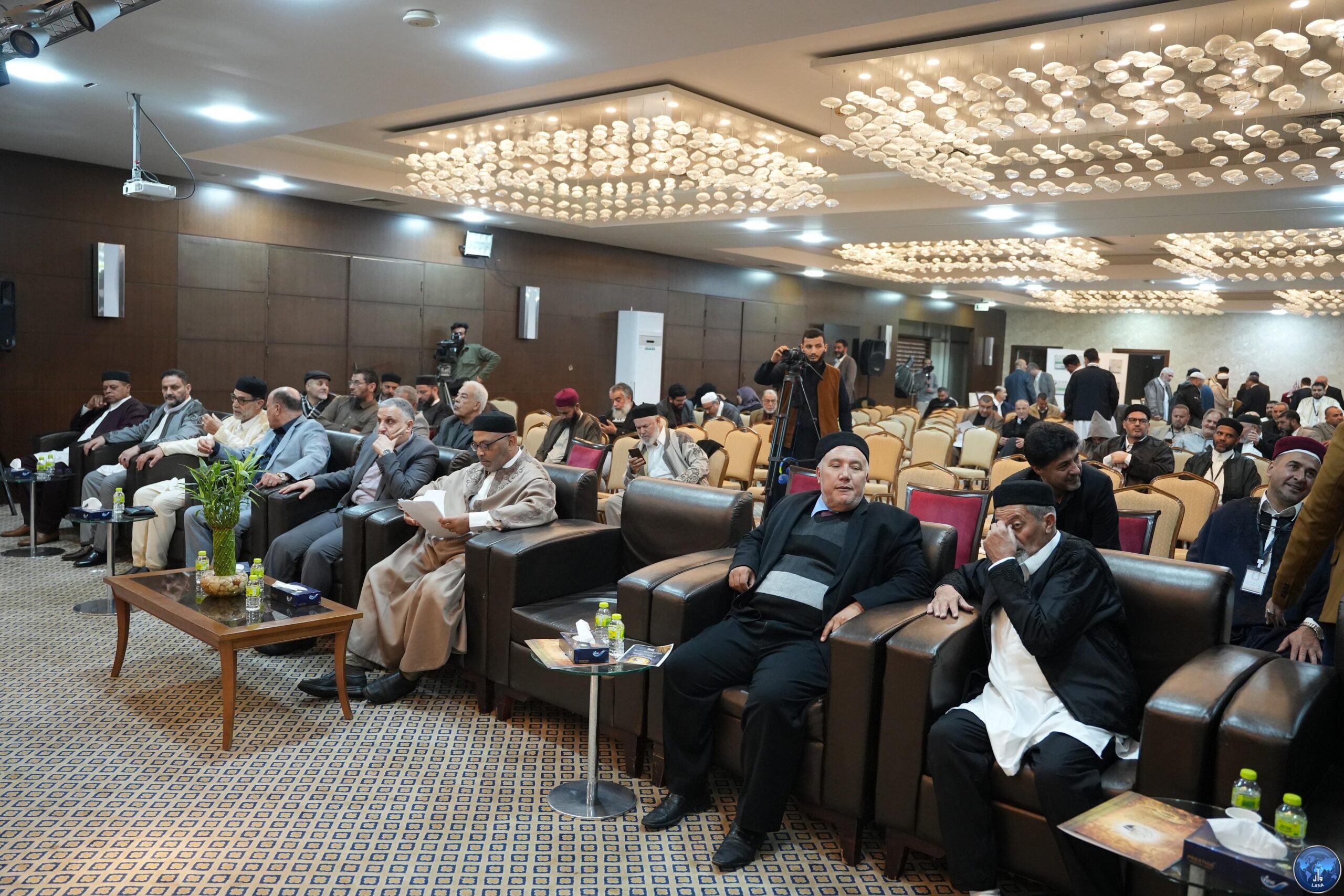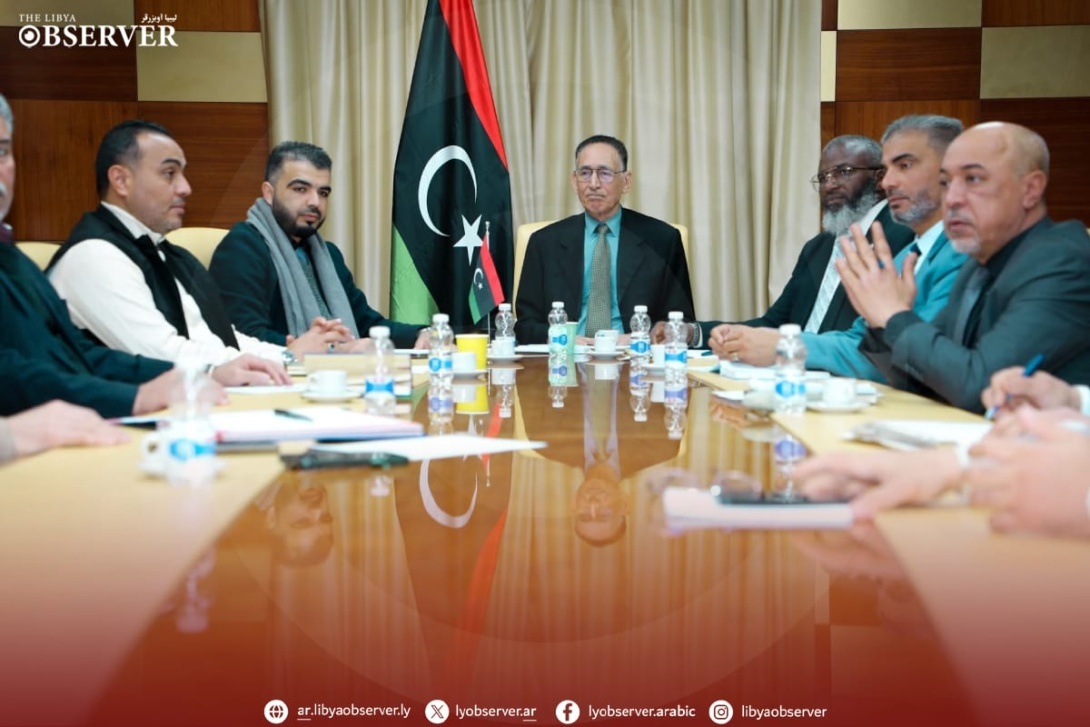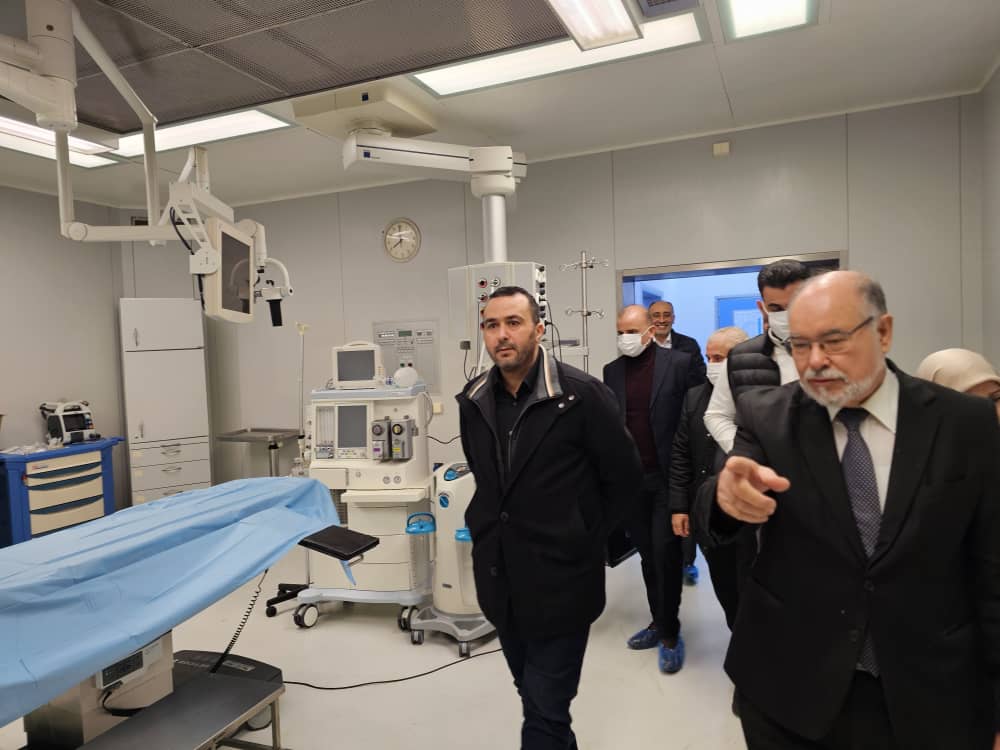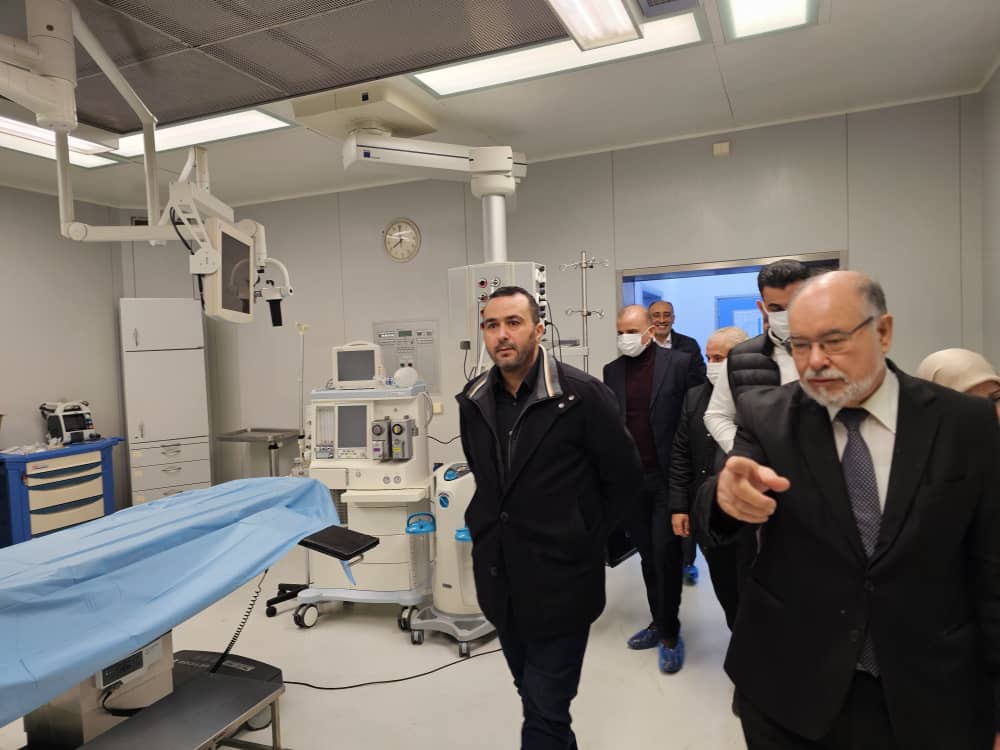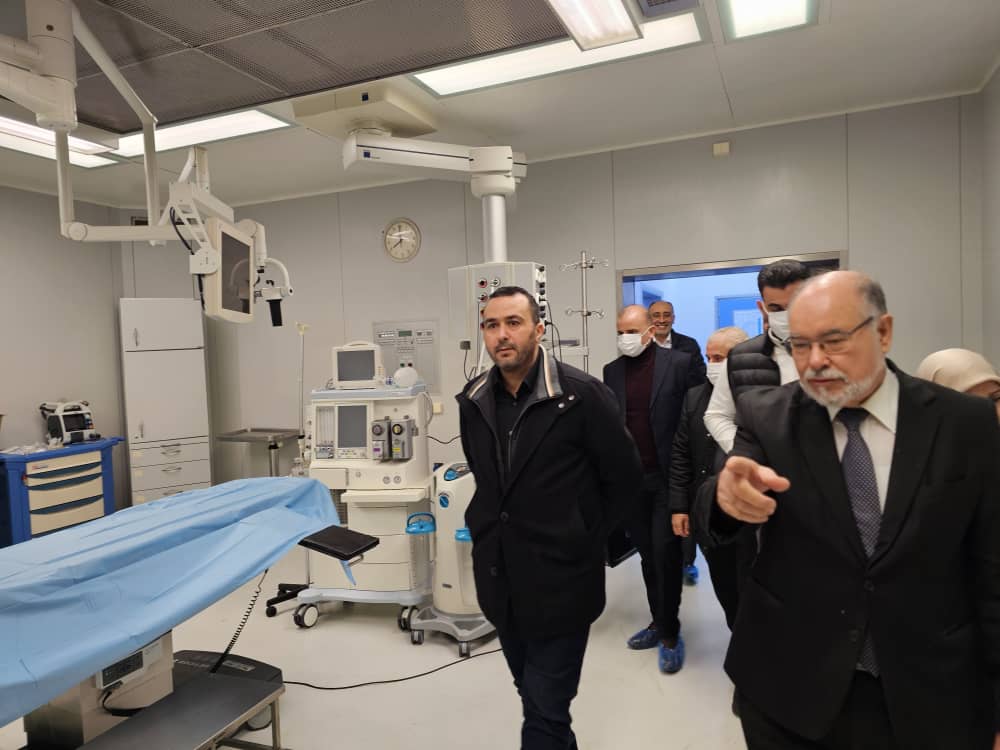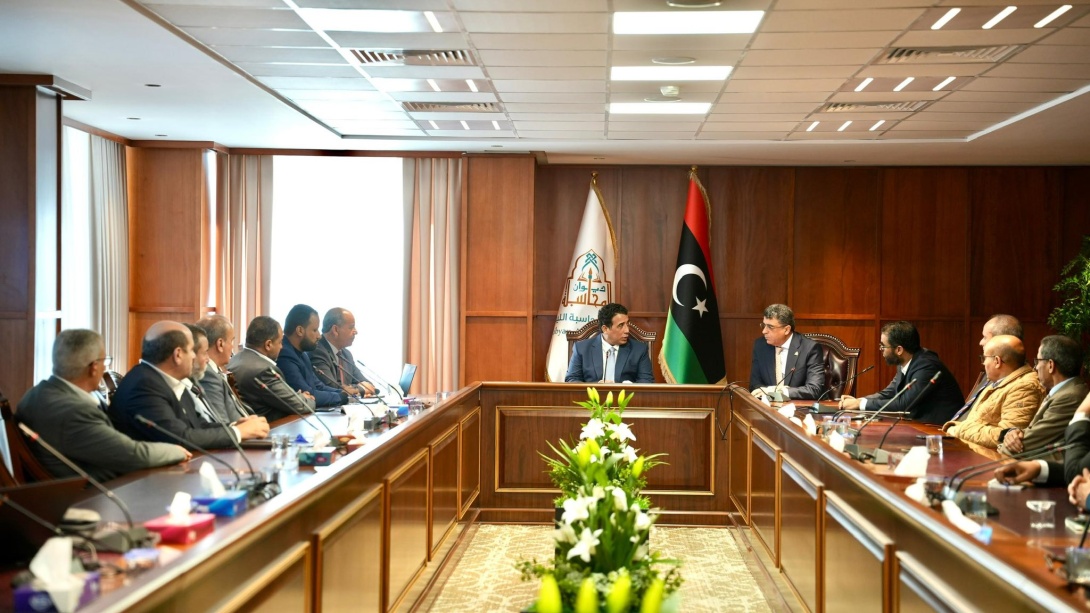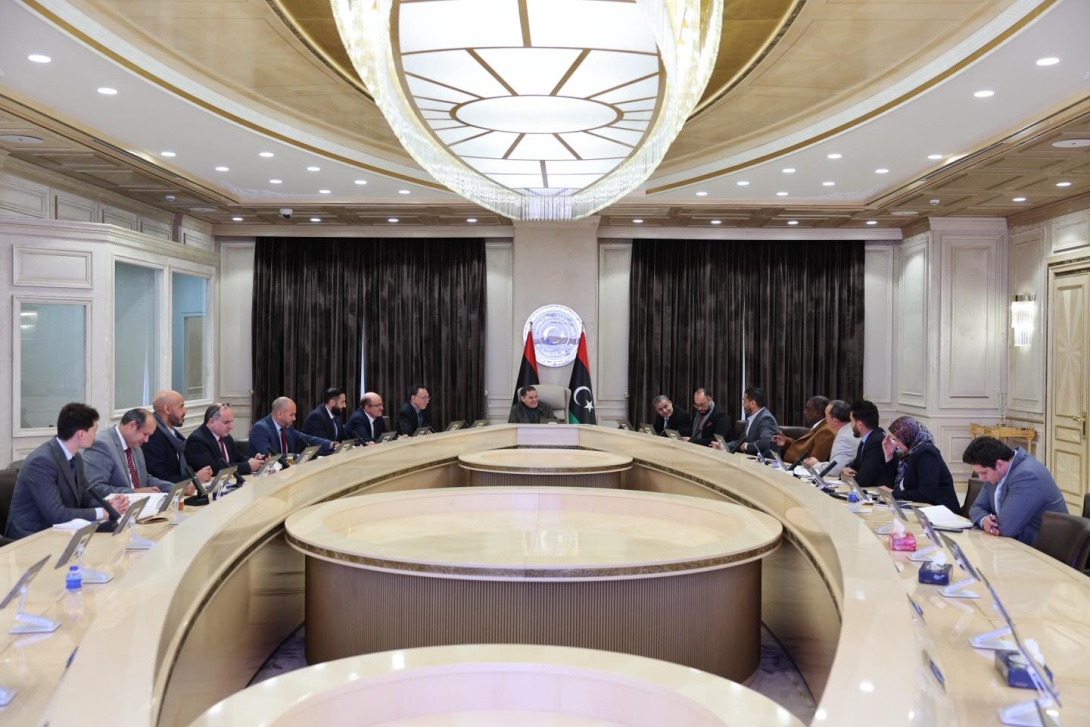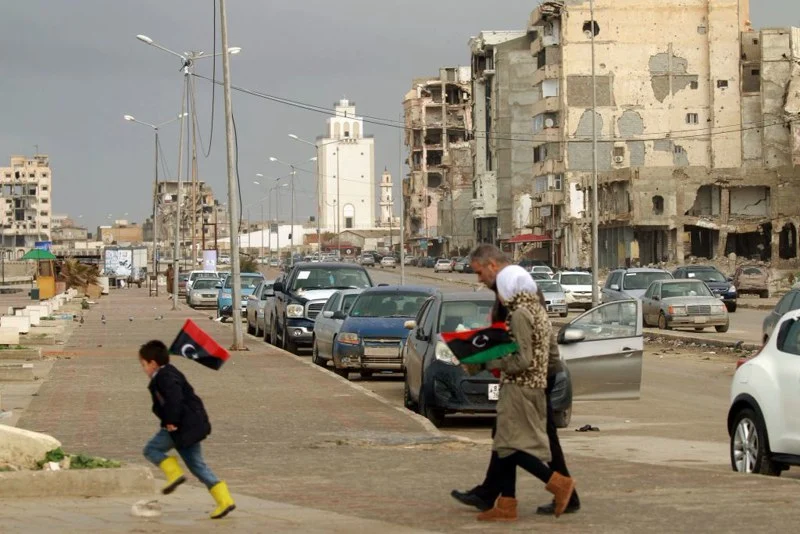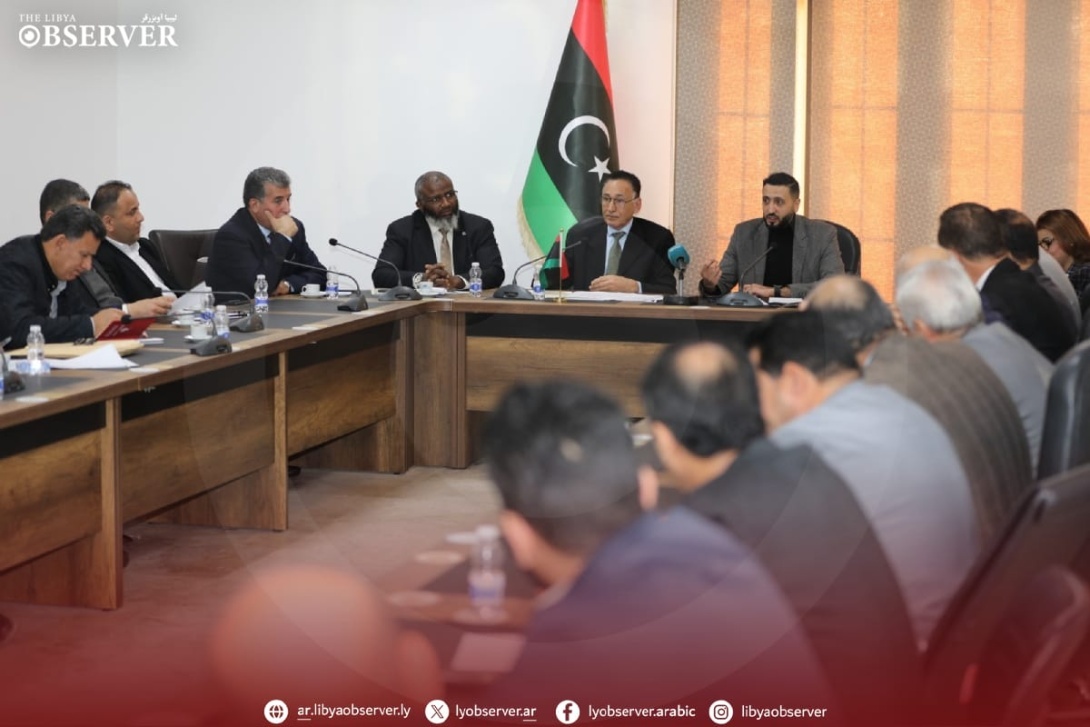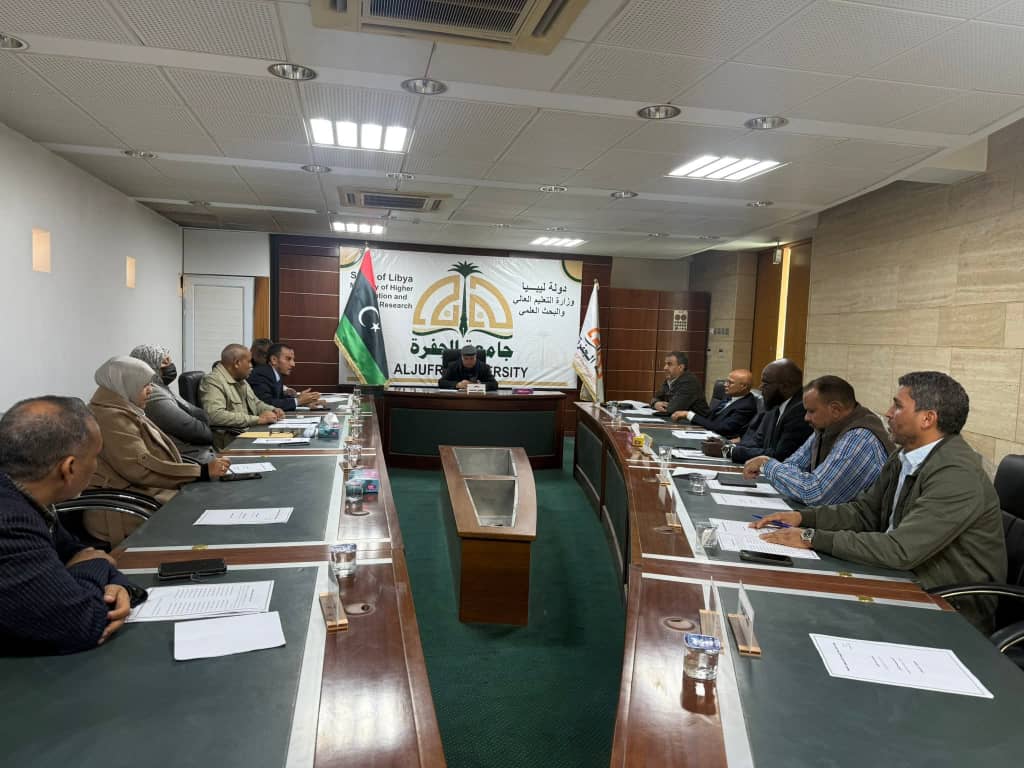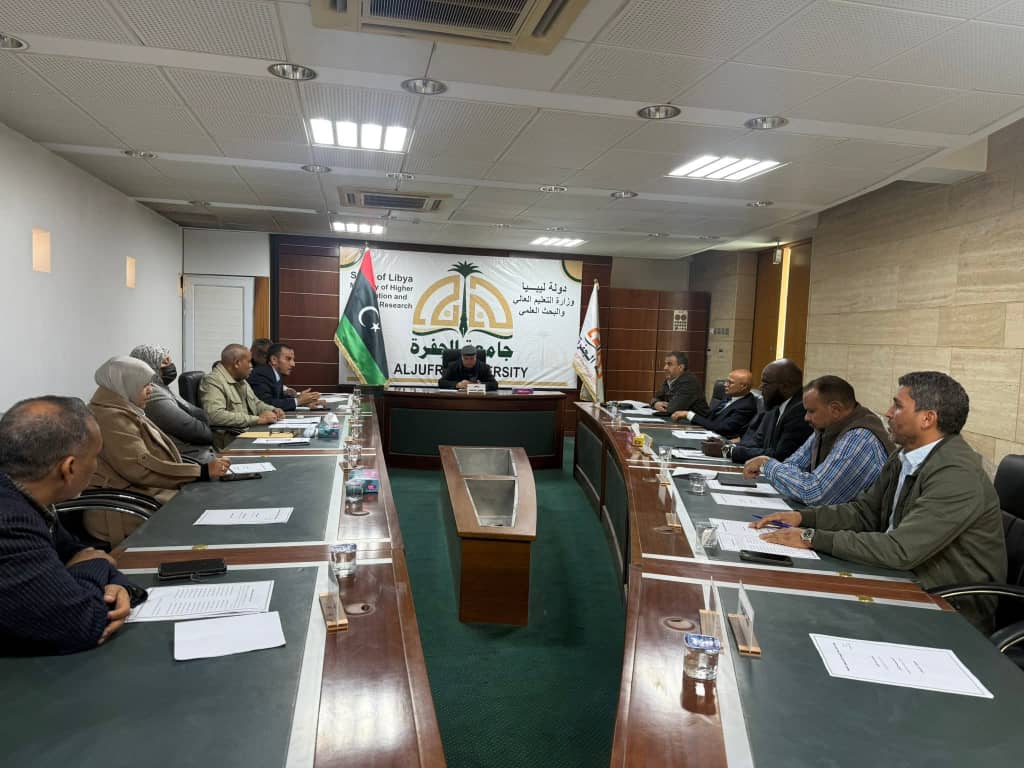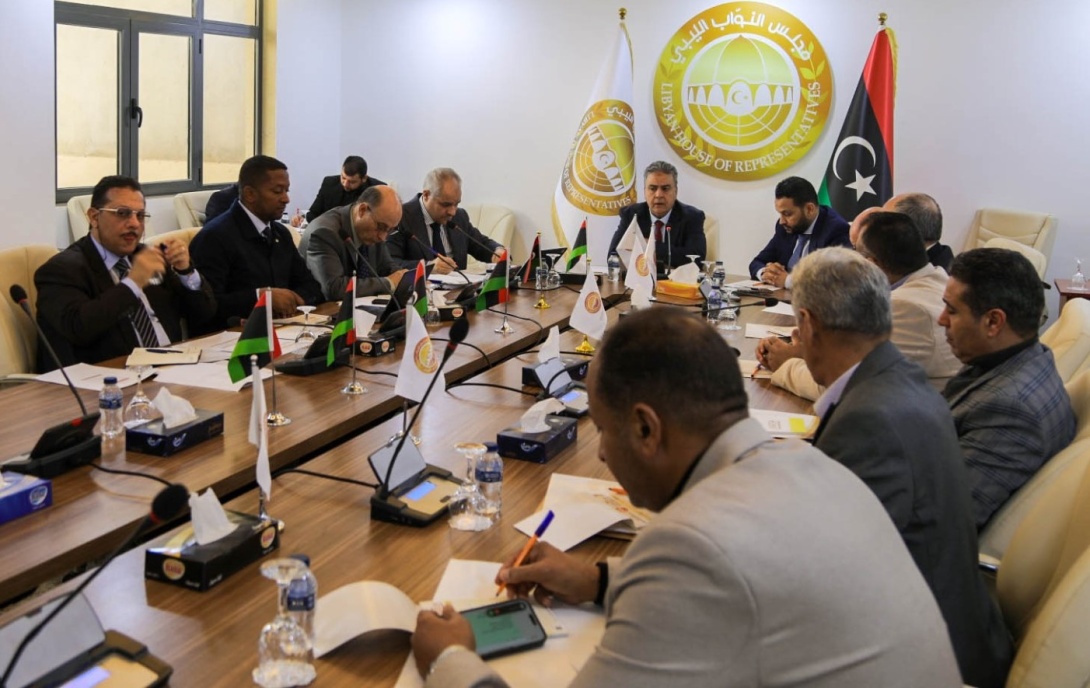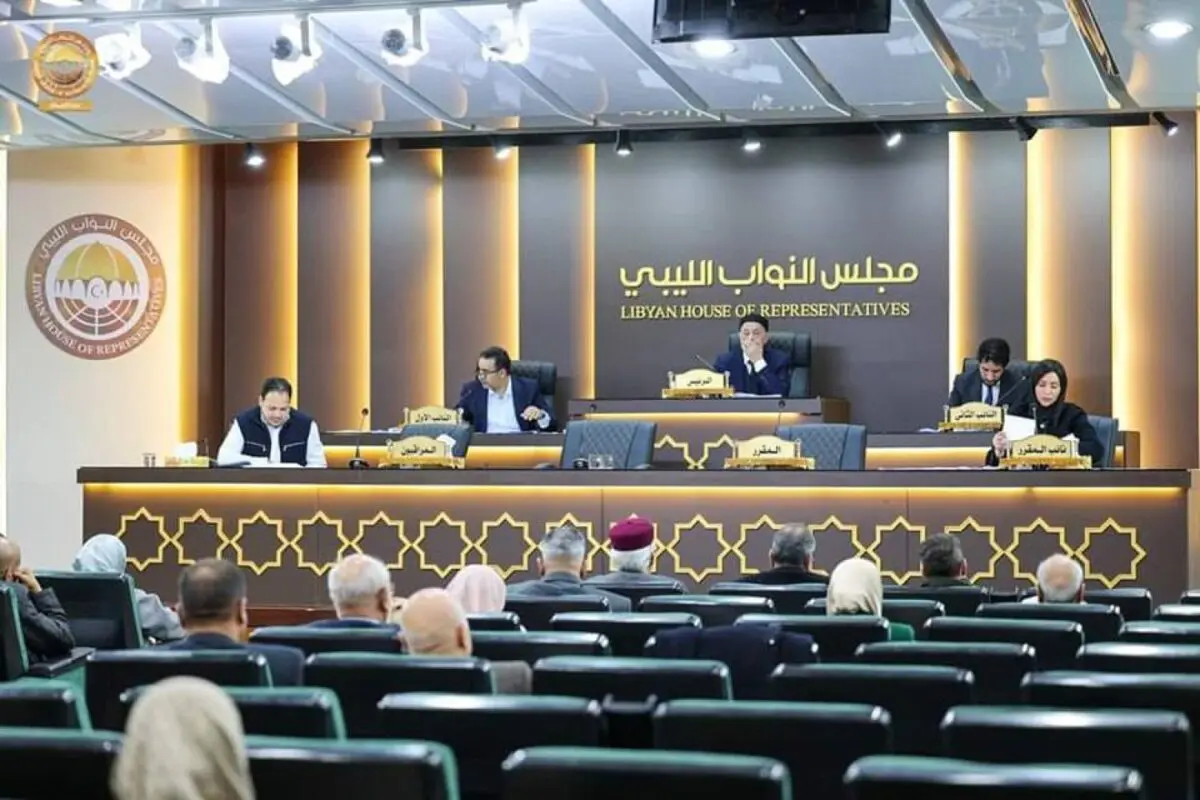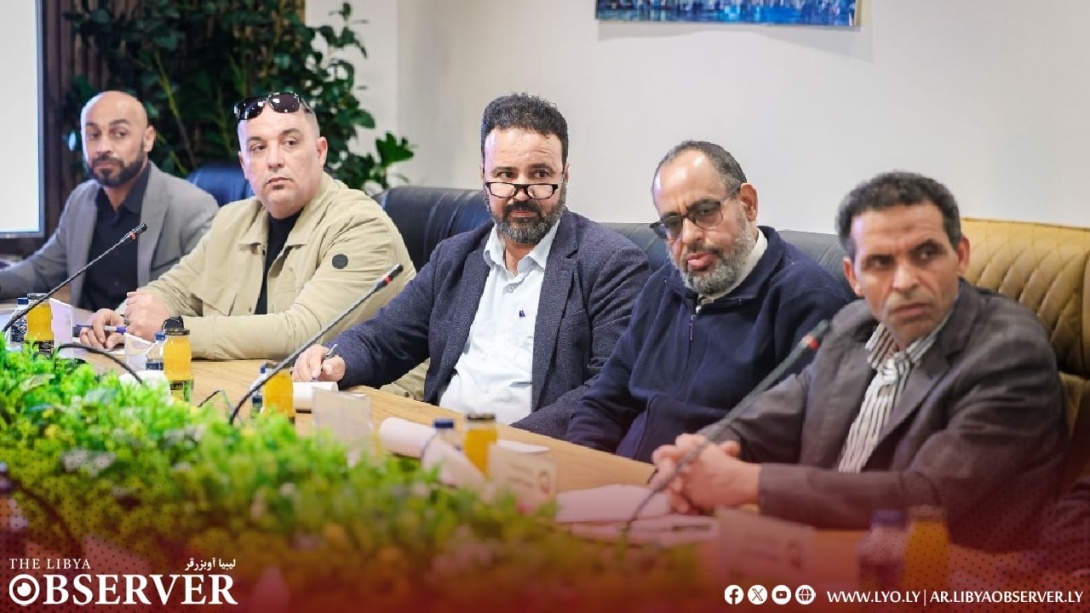
Tripoli – December 17, 2025 – The United Nations Support Mission in Libya presented the summaries of its extensive consultations on the “Structured Dialogue,” which launched last Sunday in the capital, Tripoli, with the participation of more than 120 members from the east, south, and west of the country, reflecting Libya’s geographical, political, social, and cultural diversity.
The mission clarified that these summaries were presented during the dialogue’s opening session, noting that the consultations included in-person and online meetings, in addition to conducting several opinion polls.
The results published by the mission on its official page showed that the core of the Libyan crisis is primarily political, represented by deep institutional and regional divisions, the existence of competing authorities, and the absence of a single executive authority with national legitimacy, which has negatively impacted economic and security conditions and governance paths.
The consultations concluded that unifying institutions is the main entry point for any sustainable settlement, alongside forming a single recognized government linked to a clear timeline and adopting a unified budget.
The results affirmed that elections form the basis of governance in Libya and cannot be treated as a path separate from the comprehensive political process.
Regarding the upcoming government, the consultations emphasized the necessity of it having a clear and specific mandate, transparent appointment criteria, and effective oversight mechanisms, with its tasks focused on preparing for fair and comprehensive elections within an agreed constitutional and legal framework.
They also highlighted the importance of prioritizing the government’s efforts on improving basic services, achieving economic stability, and preparing for elections before embarking on wide-ranging development programs. The need to define the government’s term and powers, adopt transparent mechanisms for selecting the executive authority, and enhance local governance and decentralization was also stressed.
On representation, the results showed that the prevailing view remains regional in character, while emphasizing the necessity of ensuring fair and balanced representation for women and youth.
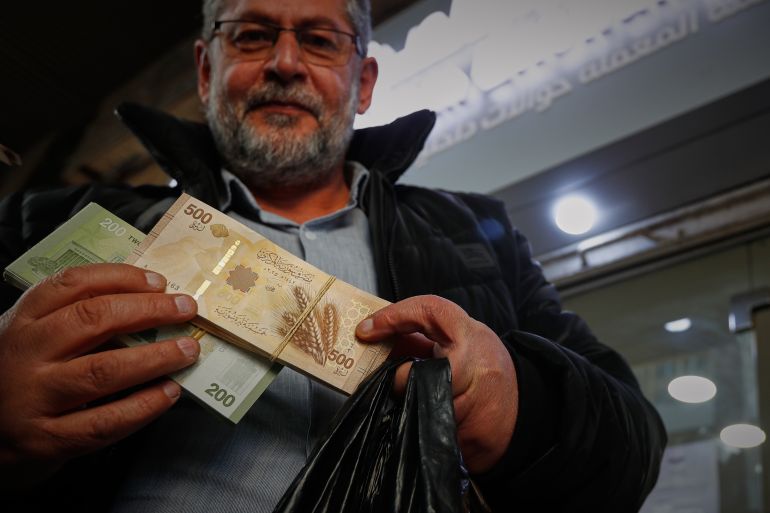
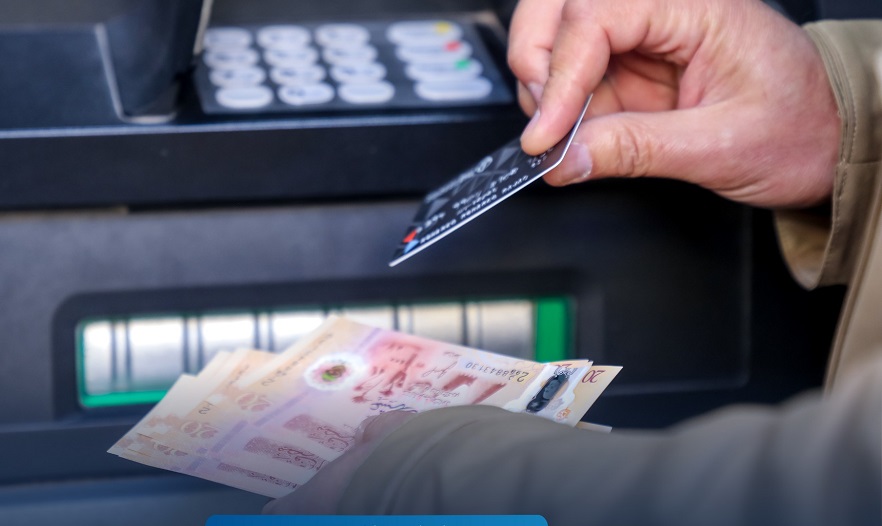
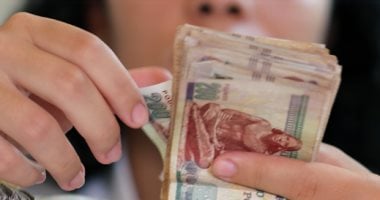
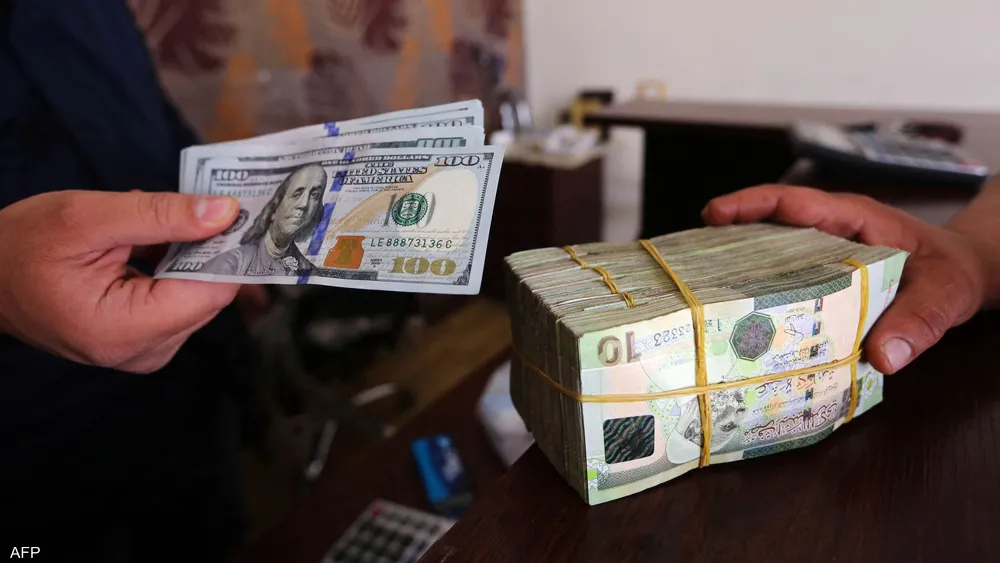
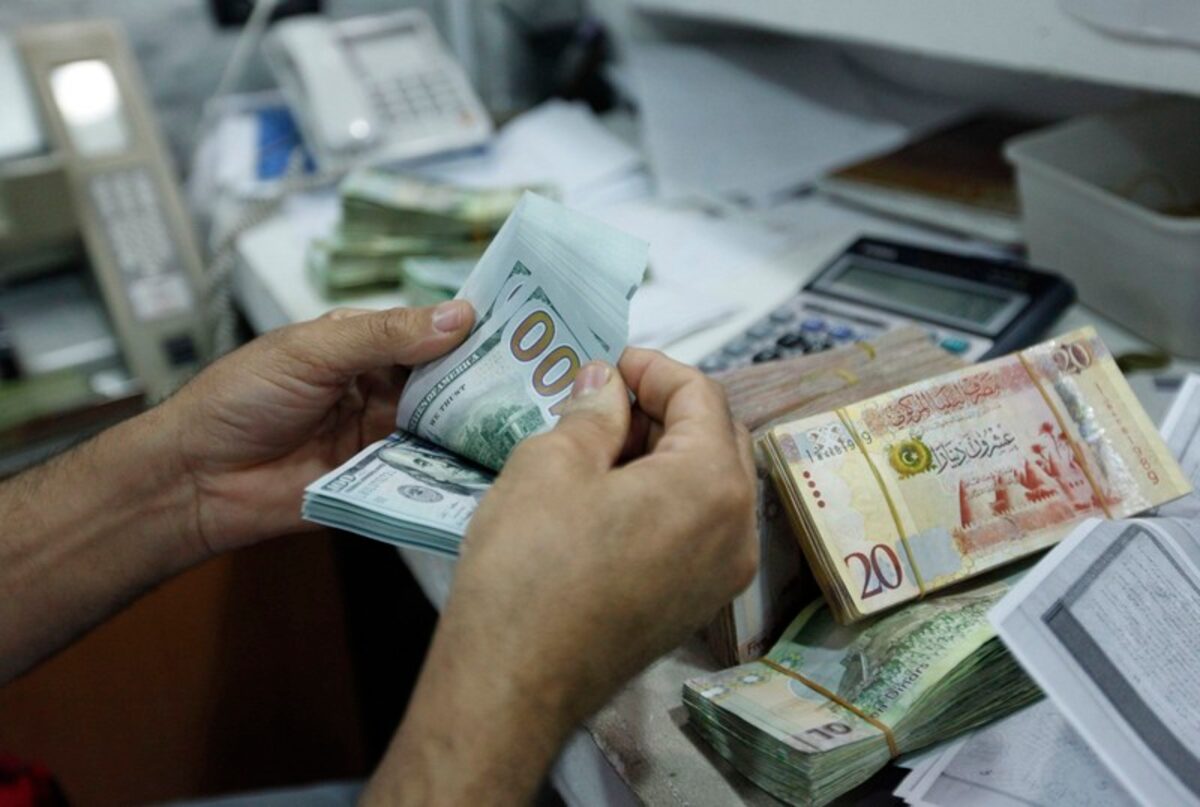
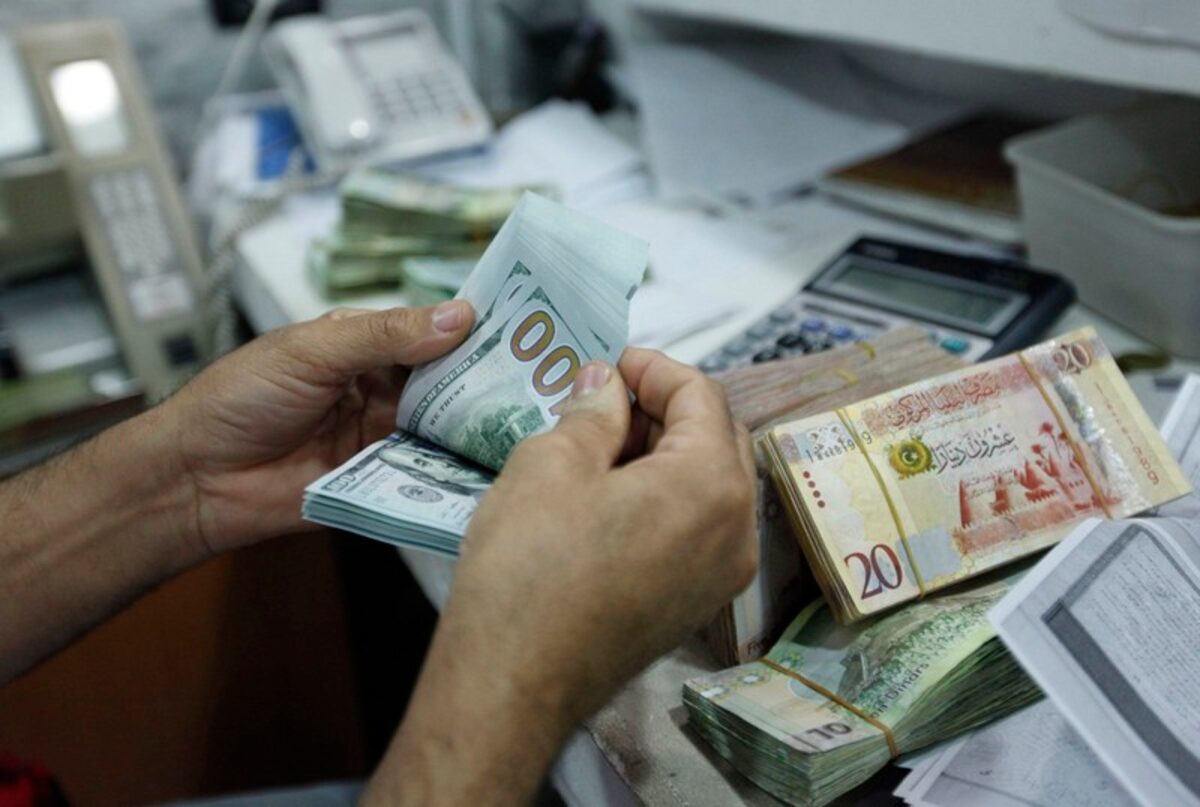
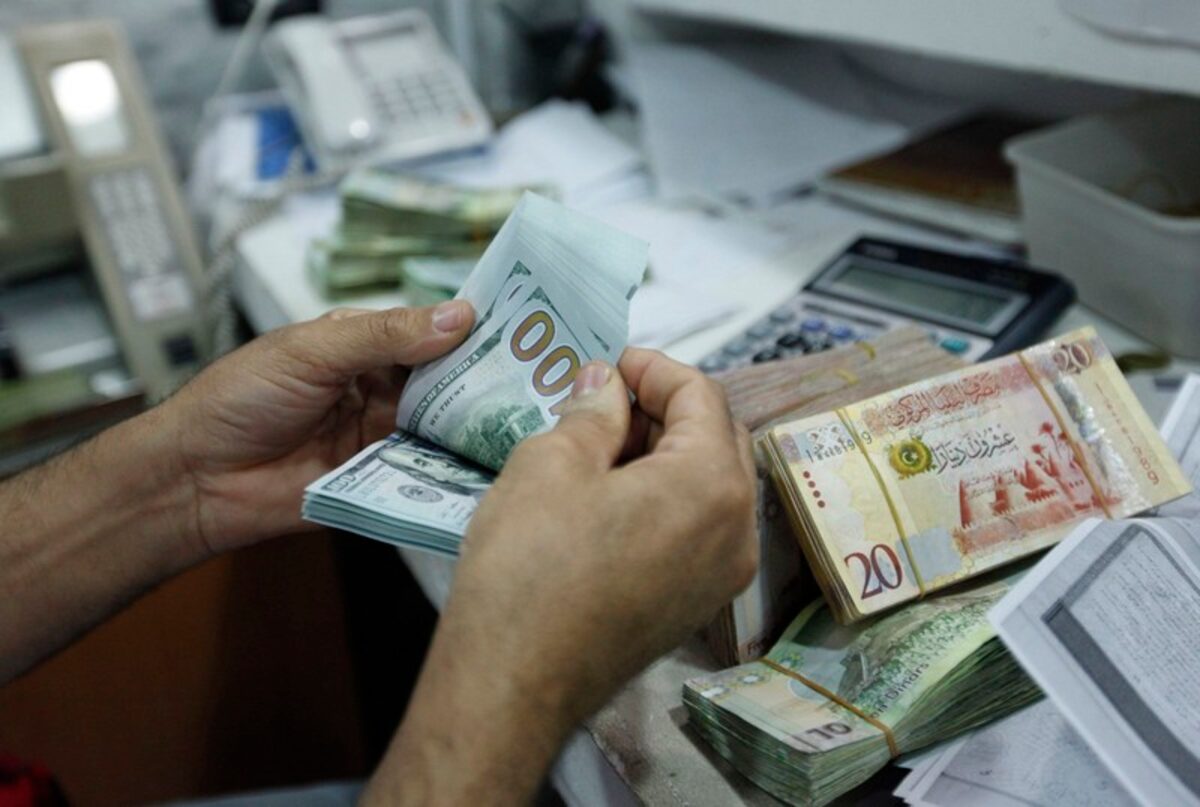
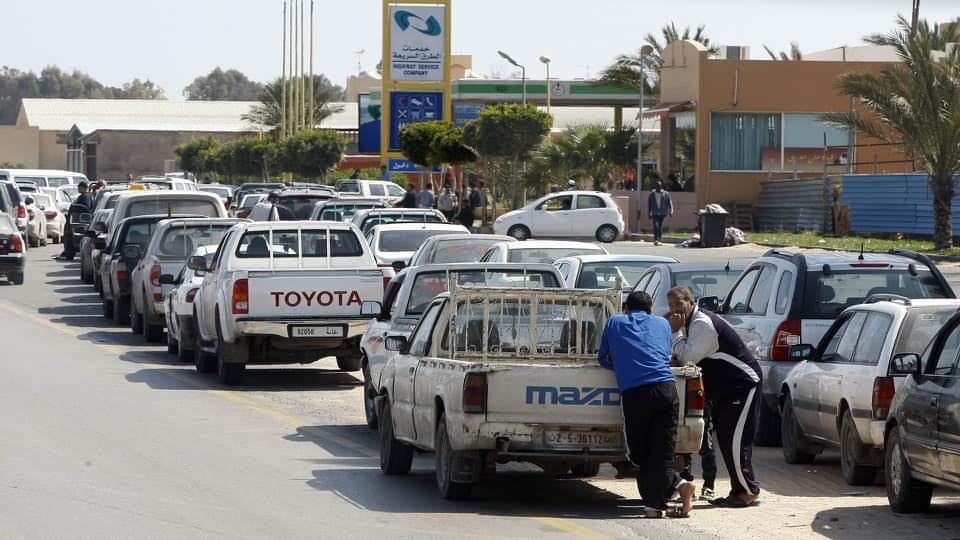
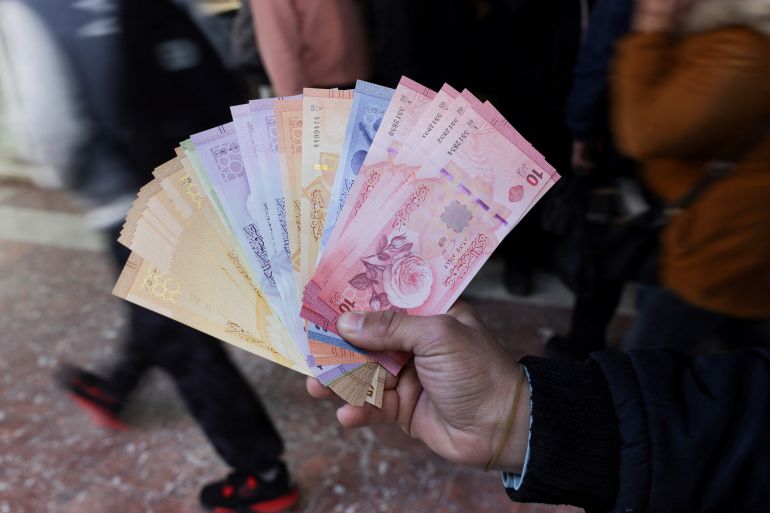
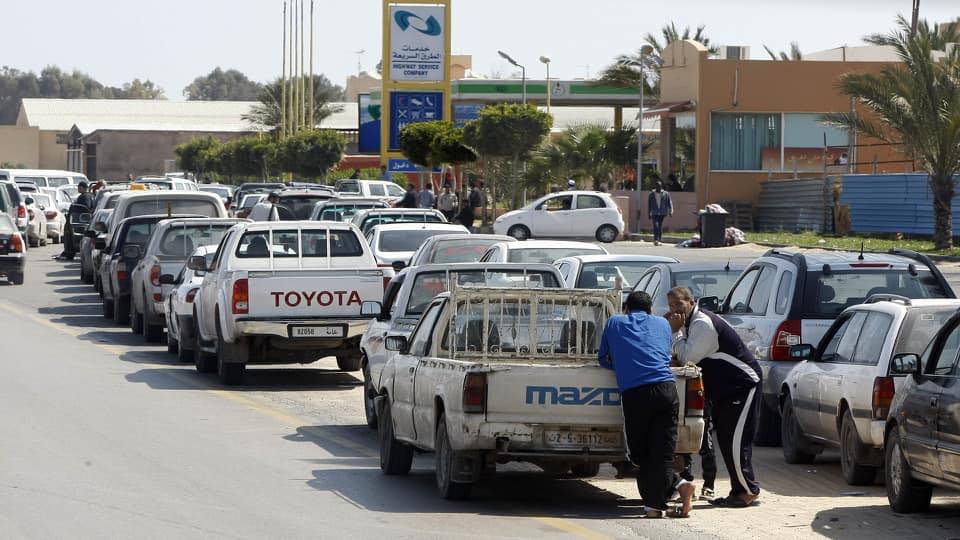
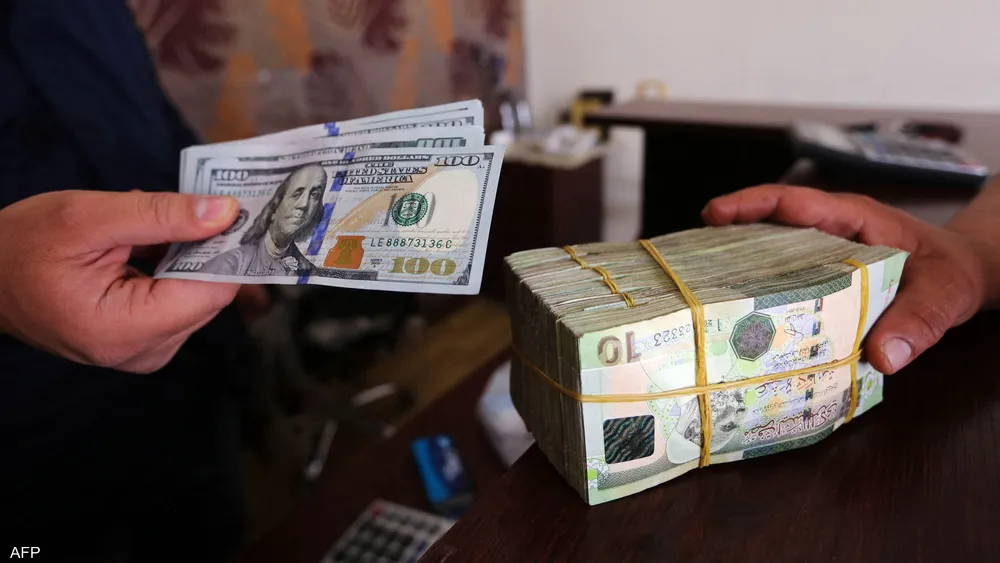
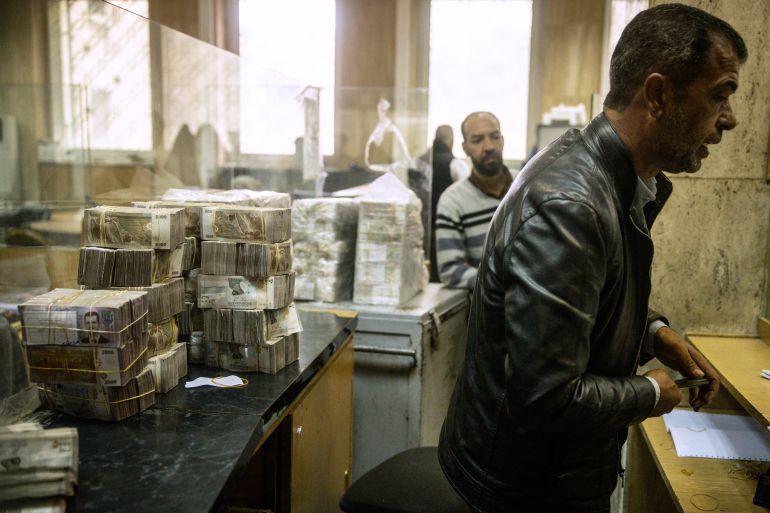
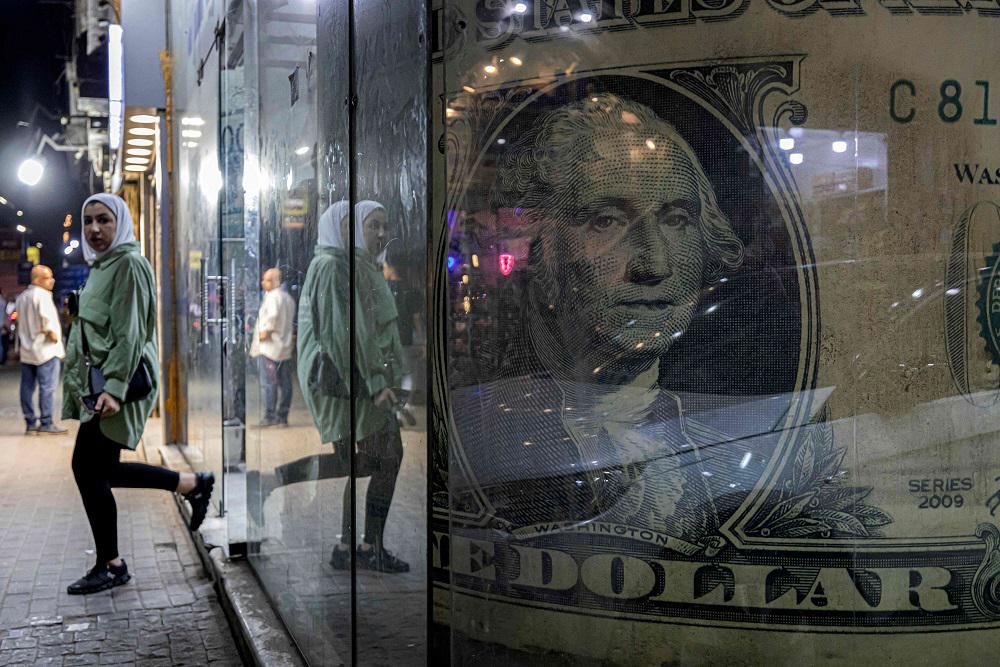
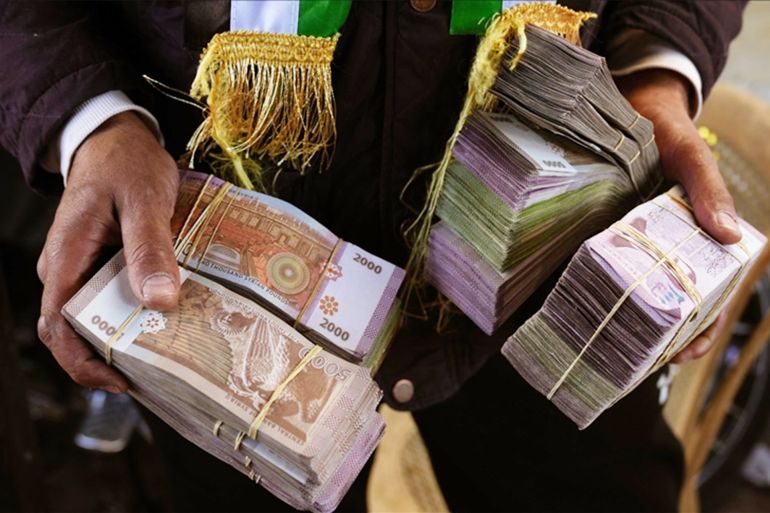
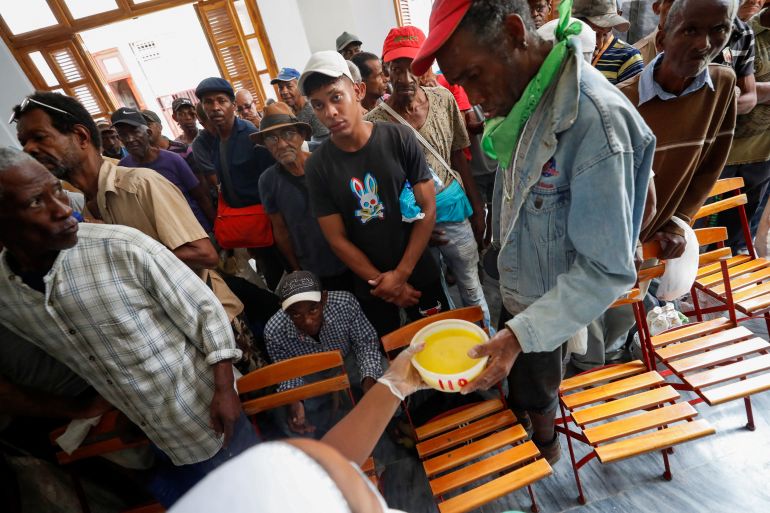
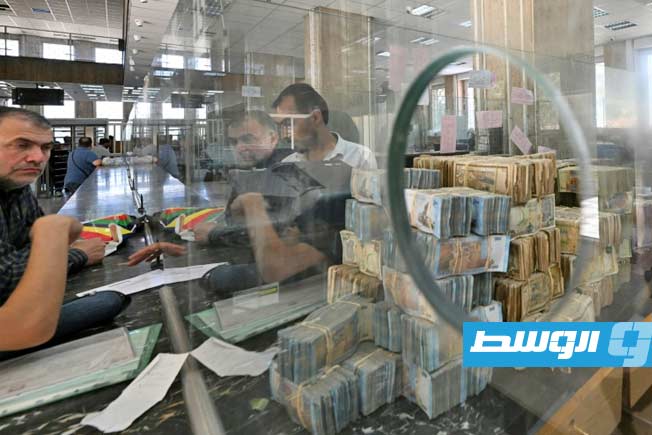
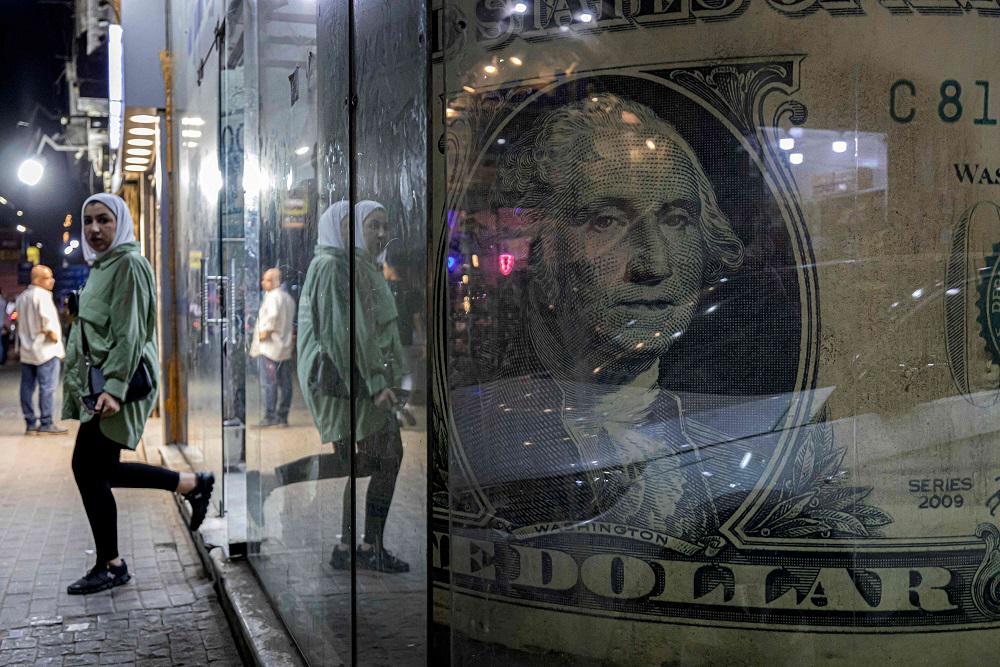
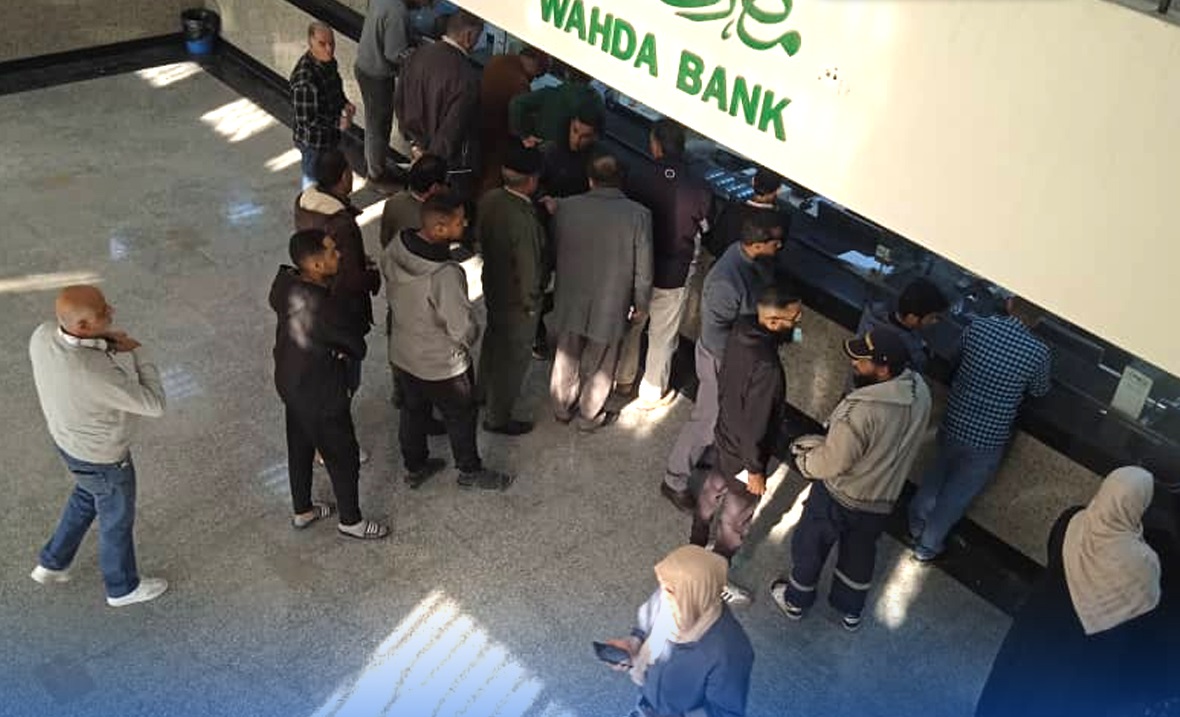
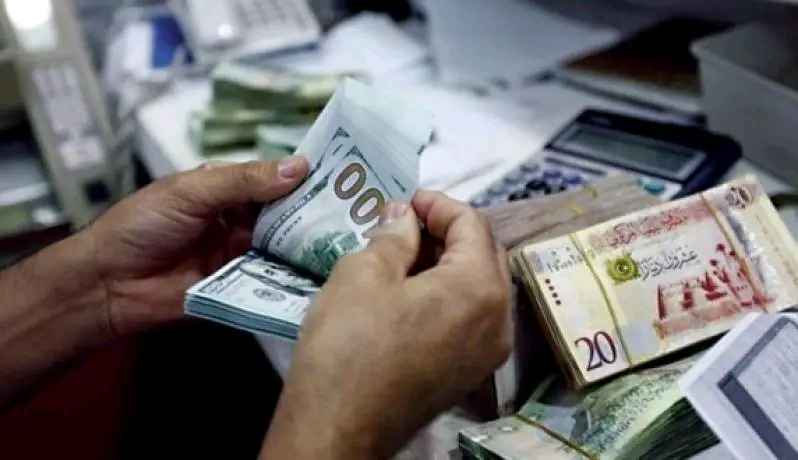
On the economic front, the consultations linked living challenges, the high cost of living, currency devaluation, and weak services to political division, institutional fragmentation, widespread corruption, and the interference of armed formations.
They recommended setting an economic reform agenda focused on good governance, limiting the interference of armed formations and political actors in economic institutions, and strengthening oversight, auditing, and accountability mechanisms.
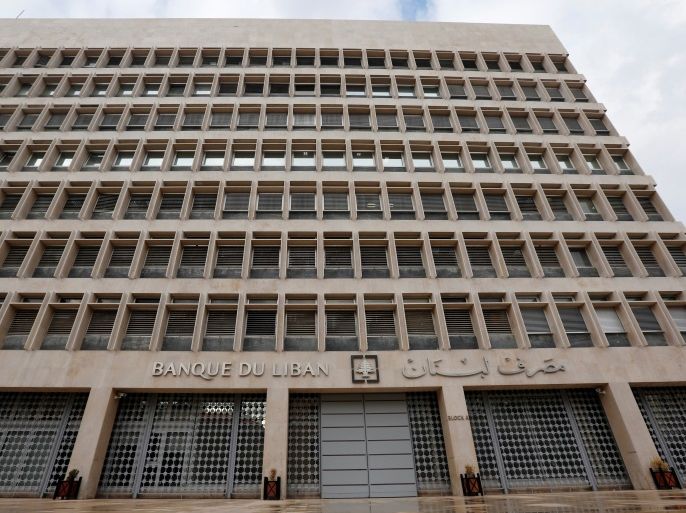
They also emphasized the importance of adopting transparent financial management based on anti-corruption, conflict-of-interest, and anti-money laundering standards, and establishing clear criteria for selecting bank leadership.
The results confirmed the necessity of diversifying the economy, improving access to finance, supporting non-oil sectors—especially small and medium enterprises in agriculture and renewable energy—alongside ensuring the fair distribution of wealth and strengthening the social protection system.
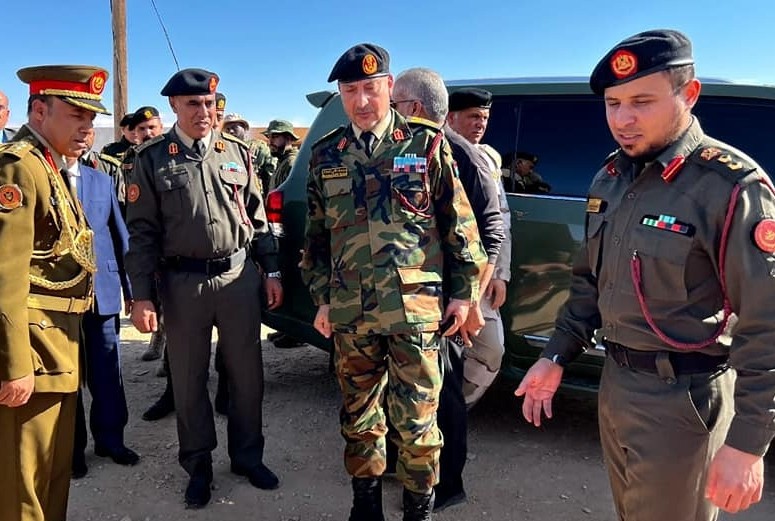
On the security side, the consultations concluded that disarming and reintegrating armed formations is a top priority, with militias to be dissolved or integrated under state authority.
Armed formations were considered a major obstacle to holding elections and achieving lasting peace, calling for the unification of the military and security institution, the consolidation of civilian control, and the building of a unified and accountable security sector.
…
United Nations Support Mission in Libya
### **Key Mandates and Functions:**
1. **Political Support** – Facilitating inclusive political dialogue, national reconciliation, and the electoral process.
2. **Security Sector Reform** – Assisting in disarmament, demobilization, and reintegration (DDR) of armed groups.
3. **Human Rights Monitoring** – Documenting violations and promoting human rights and transitional justice.
4. **Governance and Rule of Law** – Supporting institution-building, constitutional reform, and public administration.
5. **Humanitarian Coordination** – Working with UN agencies to address humanitarian needs and migration-related challenges.
### **Current Context:**
– UNSMIL operates in a complex environment due to political fragmentation, conflict, and the presence of multiple governing bodies.
– The mission has adapted its mandate over time, focusing on mediation between rival governments (e.g., the Government of National Unity based in Tripoli and eastern authorities).
– Recent efforts emphasize securing a pathway to national elections and unifying state institutions.
### **Headquarters and Leadership:**
– **Headquarters:** Tripoli, Libya (with operational presence in Tunis, Tunisia, due to security concerns).
– **Current Head:** Special Representative of the Secretary-General (SRSG) **Abdoulaye Bathily** (since 2022).
UNSMIL works alongside other UN agencies (e.g., UNHCR, IOM) and international partners to stabilize Libya following years of conflict after the 2011 uprising.