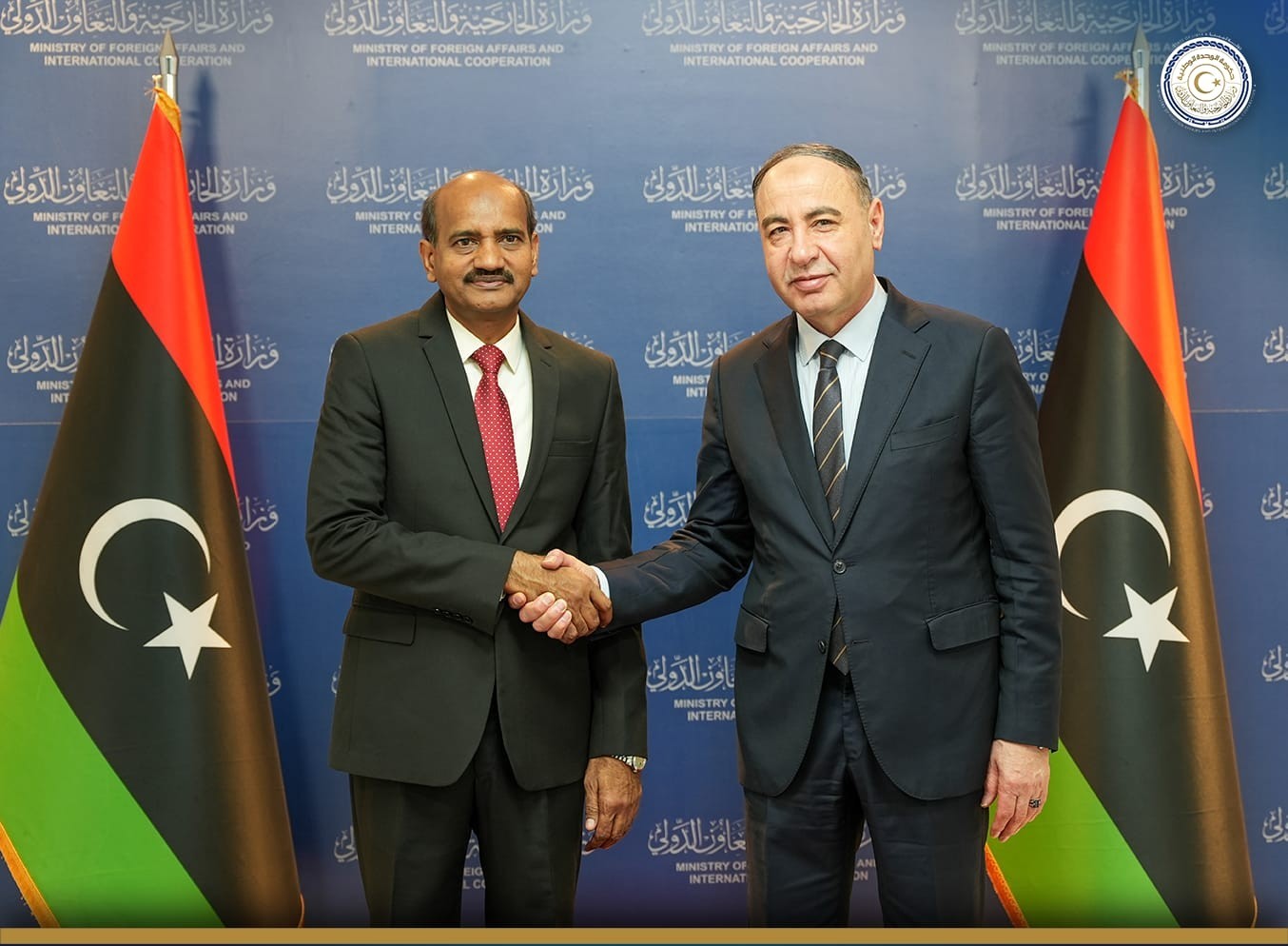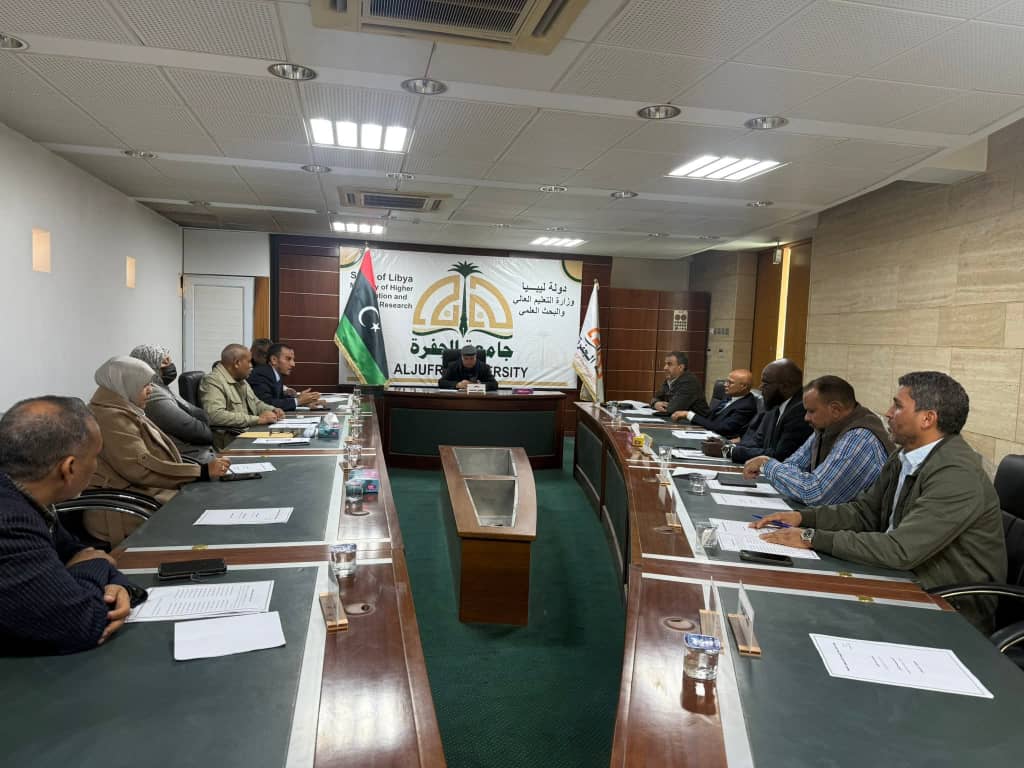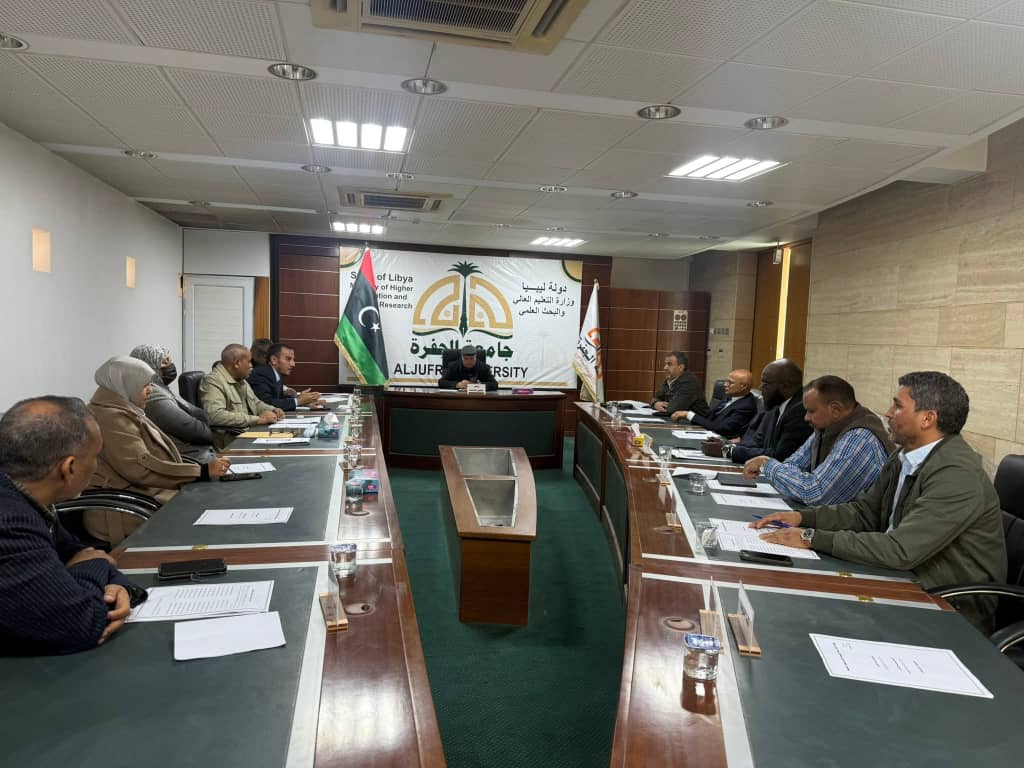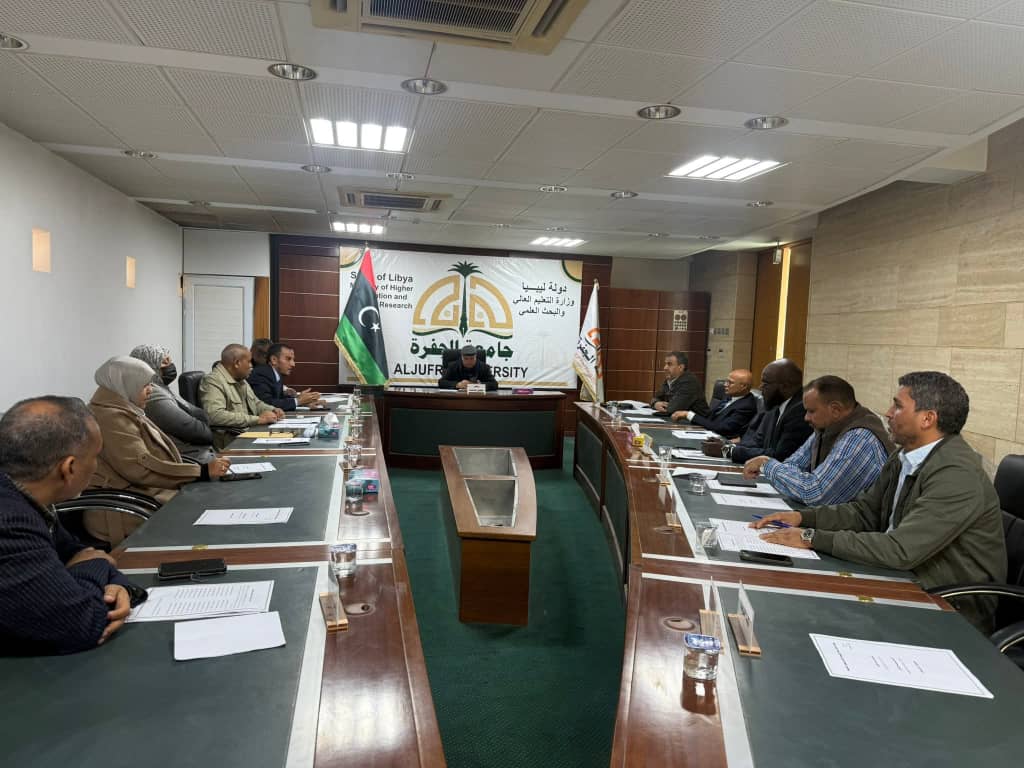
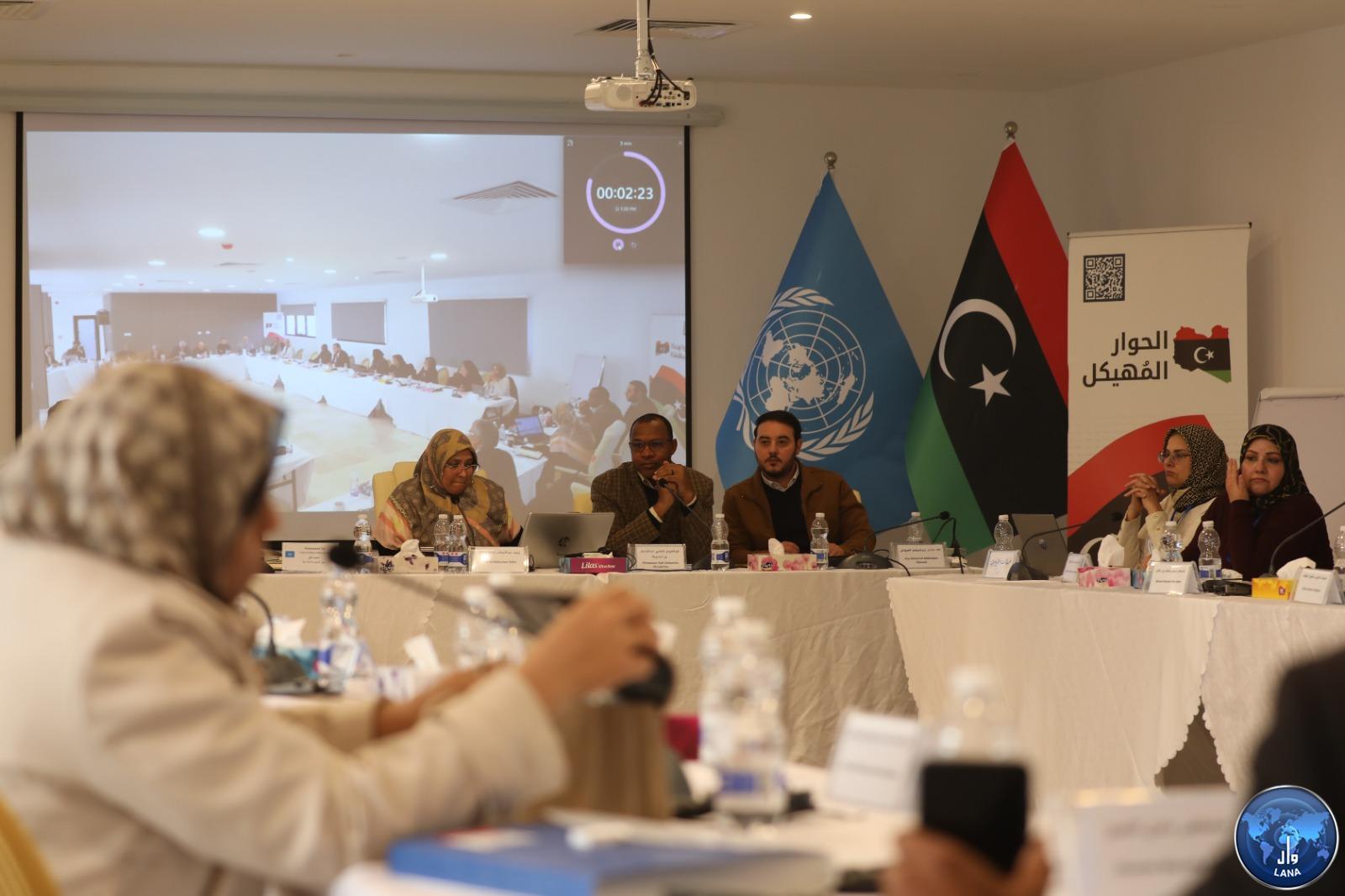
Tripoli, January 23, 2026 – The UN Mission announced that members of the Economic Track of the Structured Dialogue have reached a significant consensus on the necessity of unifying the national budget and reforming the governance of oil revenues.
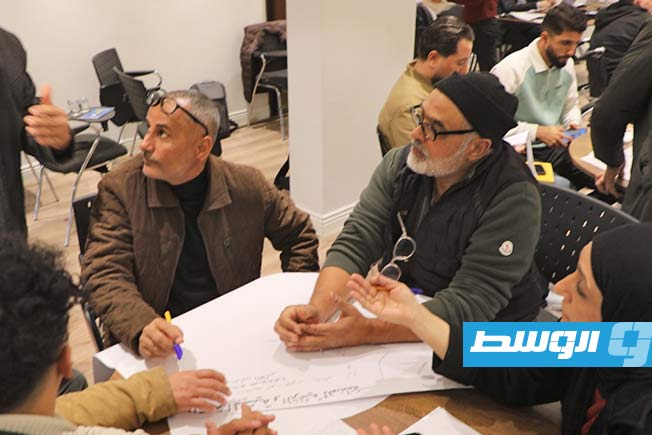
The Mission revealed that members of the Track agreed during its first five-day session this week on the need to prioritize addressing current financial pressures, such as liquidity shortages, increasing public debt, a widening foreign exchange deficit, and exchange rate fluctuations. These factors are placing a heavy burden on a large segment of the population in Libya.
The Mission indicated that the issues the team agreed to review align with the main public concerns identified in a survey conducted by the UN Support Mission in Libya in November, which included over 1,000 participants. The survey participants expressed strong support (66 percent) for adopting a unified and transparent national budget as a top priority for economic reform. Many in their written responses noted that the absence of a single national budget contributes to duplicated spending and a lack of fairness in service delivery. Simultaneously, 71 percent of survey participants expressed significant concern about corruption and the misuse of public funds, with a large number explicitly pointing to a lack of transparency in oil revenue flows and the political capture of sovereign resources.
The Mission stated that in the coming months, the Economic Track, facilitated by the Mission, will work to explore practical steps aimed at advancing urgent stabilization measures, strengthening state institutions, addressing the drivers of conflict in the short and long term, and building consensus around a national vision to guide Libya’s path towards sustainable peace. In parallel with the other Structured Dialogue tracks – Governance, Security, and Human Rights & National Reconciliation – the Economic Track will also propose mechanisms to help ensure the implementation of recommendations that will be presented.
In remarks on the opening day of the Economic Track session, it was stated that “The challenge is to propose solutions based on a clear understanding of the current state of the economy and the shortcomings in current public financial management practices. There is a need for a broader understanding of risks and institutional vulnerabilities, and to recommend appropriate measures to address them in order to prevent further deterioration of the economy.”
It was added that without adopting practical policies to address these issues, the economy will continue to face challenges regardless of who holds leadership positions. There is a common belief that business as usual can continue, considering Libya has sufficient reserves to fund all current demands and obligations placed on the country’s resources; however, these reserves are not unlimited. Efficient and responsible management of the country’s resources is a fundamental element in promoting accelerated growth and development.
In its statement, the Mission addressed the Economic Track dialogues, saying that over the five days, experts from the Economic Track provided presentations that established a shared factual basis for discussions, reviewing challenges, institutional constraints, and key priority areas. The Track also benefited from exchanging views with Libyan officials working in anti-corruption and with international financial institutions.
Members also launched in-depth discussions on the management of oil and sovereign resources, noting that the oil sector remains the country’s most important economic asset while simultaneously representing its greatest vulnerability. There was broad agreement on the necessity of managing oil resources transparently and depoliticizing the decision-making process.
They affirmed that economic and financial reforms depend on political legitimacy, controlling the behavior of the security sector, and governance cohesion. Conversely, making progress on those tracks requires achieving reliable economic results to restore public trust and deliver tangible developmental gains for citizens across Libya. This reinforces the need for balanced and coordinated progress across the Structured Dialogue tracks, with institutional accountability considered a unifying pillar across all tracks.
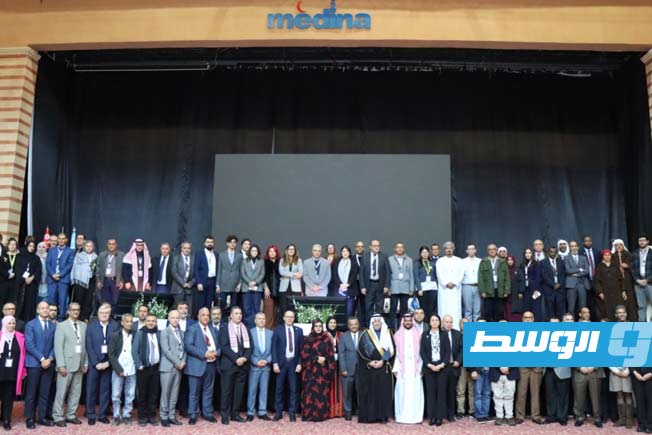
The Mission noted that the work of the Structured Dialogue aligns with the mandate of the UN Support Mission in Libya to use its good offices to facilitate a comprehensive political process, owned and led by Libyans themselves without imposing outcomes, and to promote consensus on governance arrangements leading to elections and long-term stability. The Dialogue includes representatives from across the country, from municipalities, political parties, security actors, universities, and technical institutions, alongside women’s and youth groups and civil society organizations, including human rights organizations, victim groups, and persons with disabilities. Women constitute 35 percent of the participants.
The Mission pointed out that the Human Rights and Reconciliation Track will convene from January 25 to 29, and all other thematic dialogue teams will continue their meetings online before resuming in-person meetings again in February.