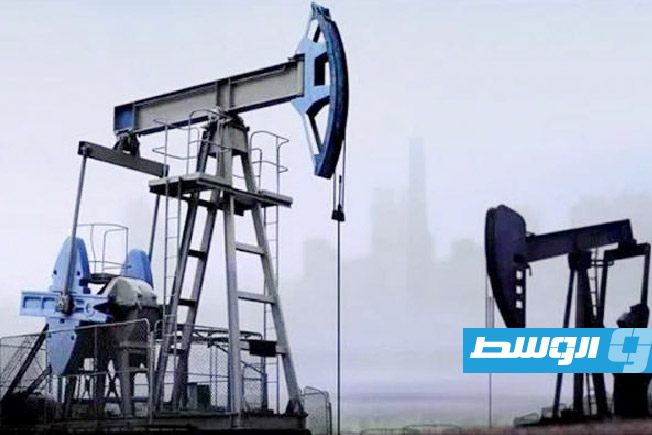
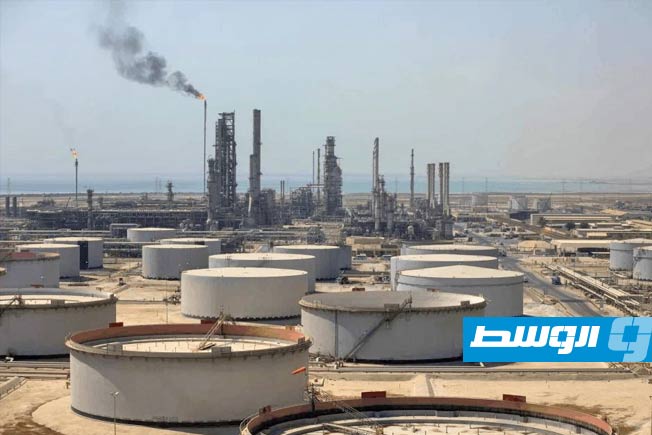
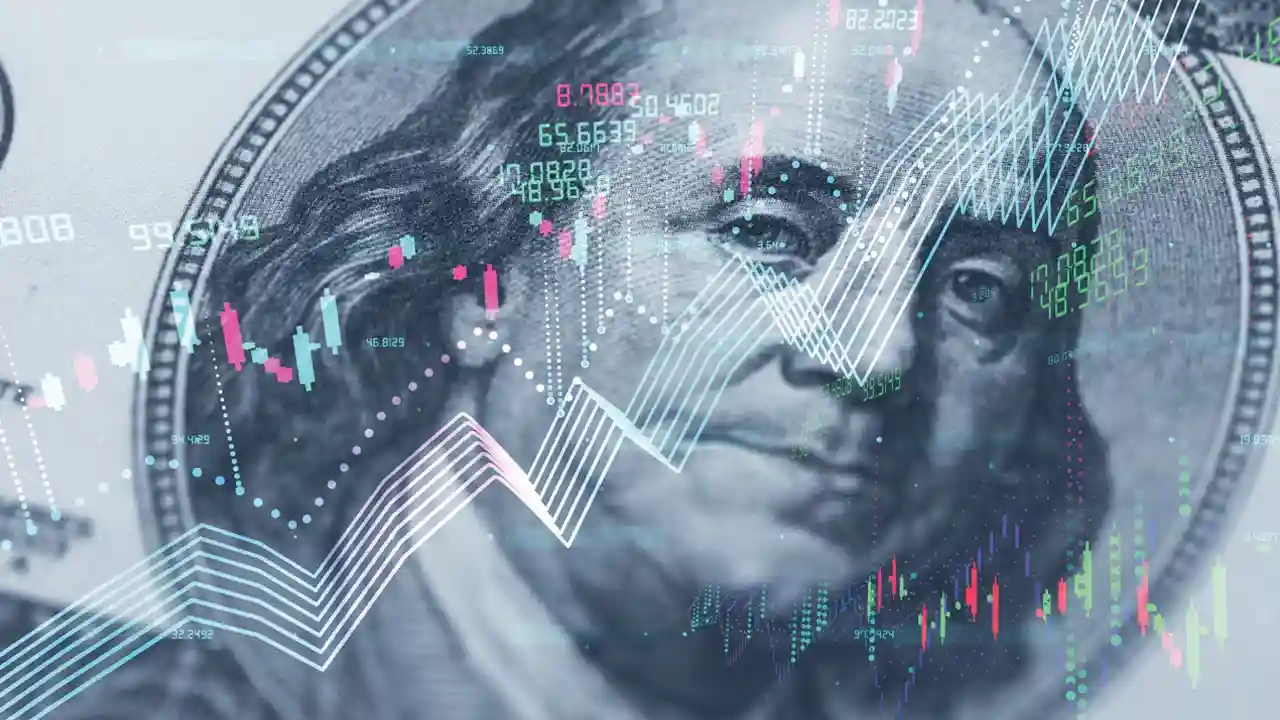
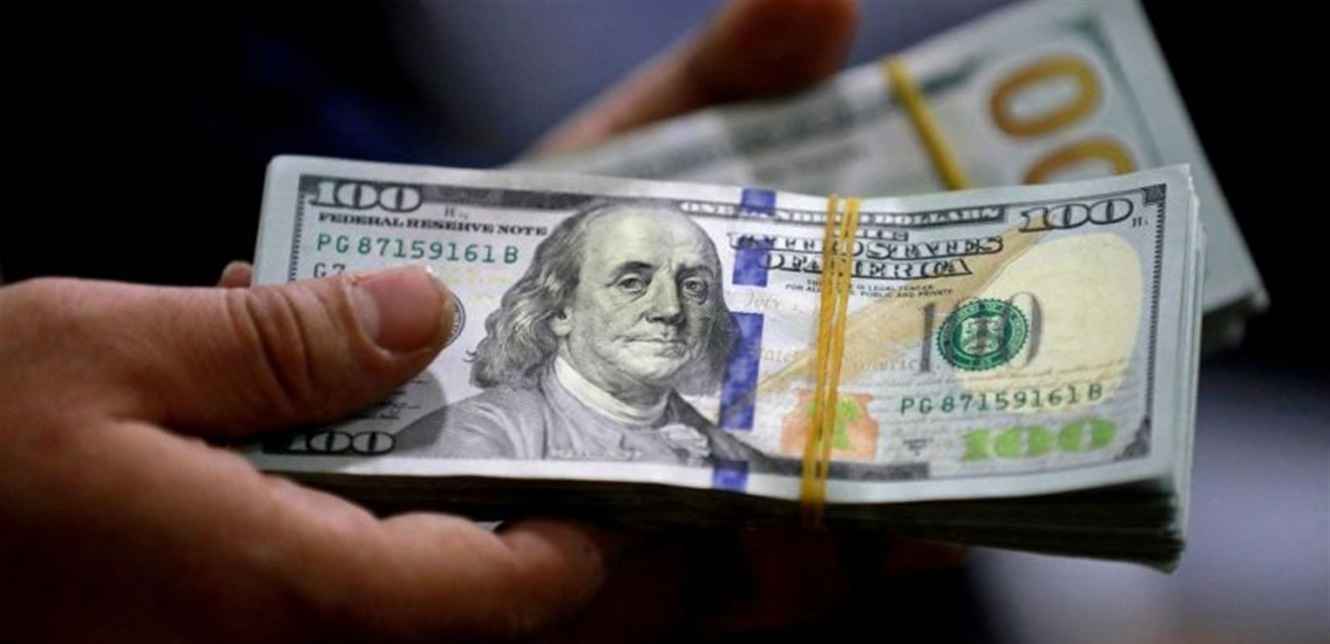
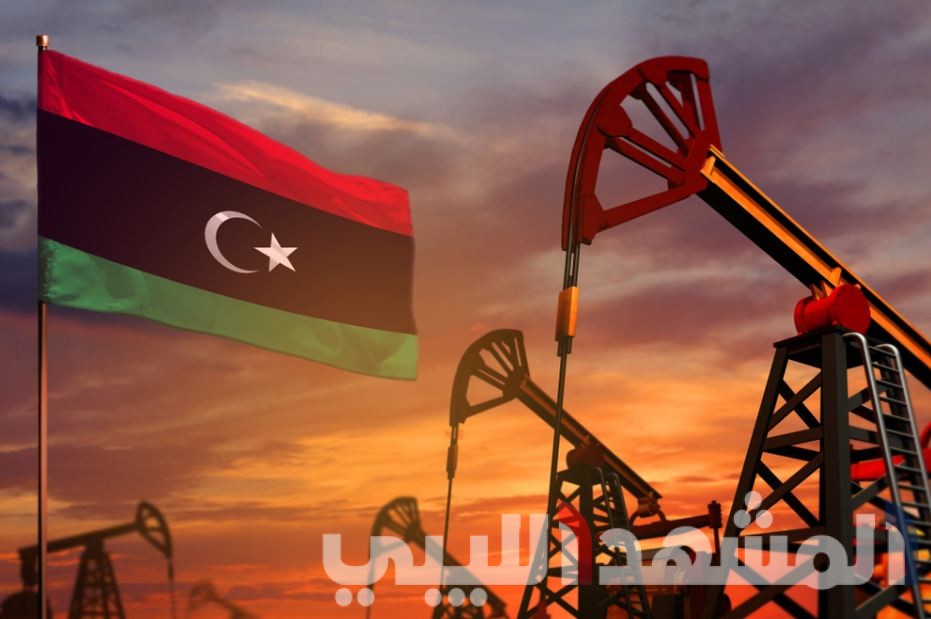
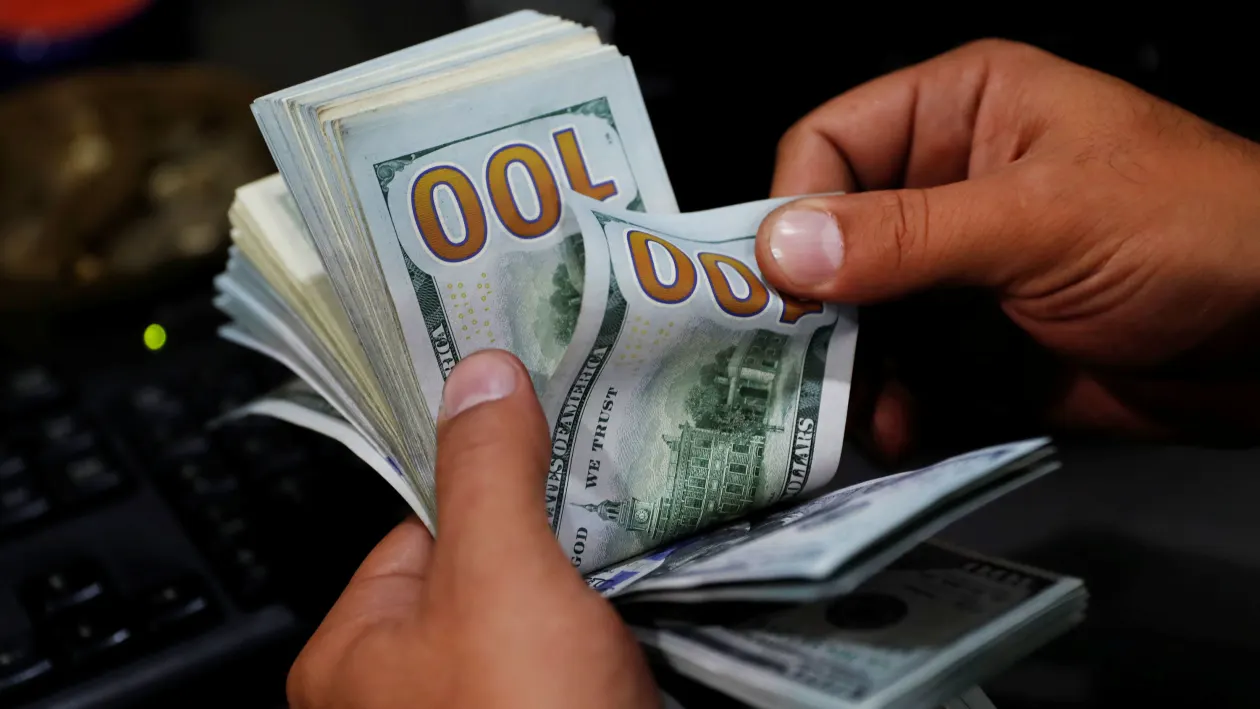
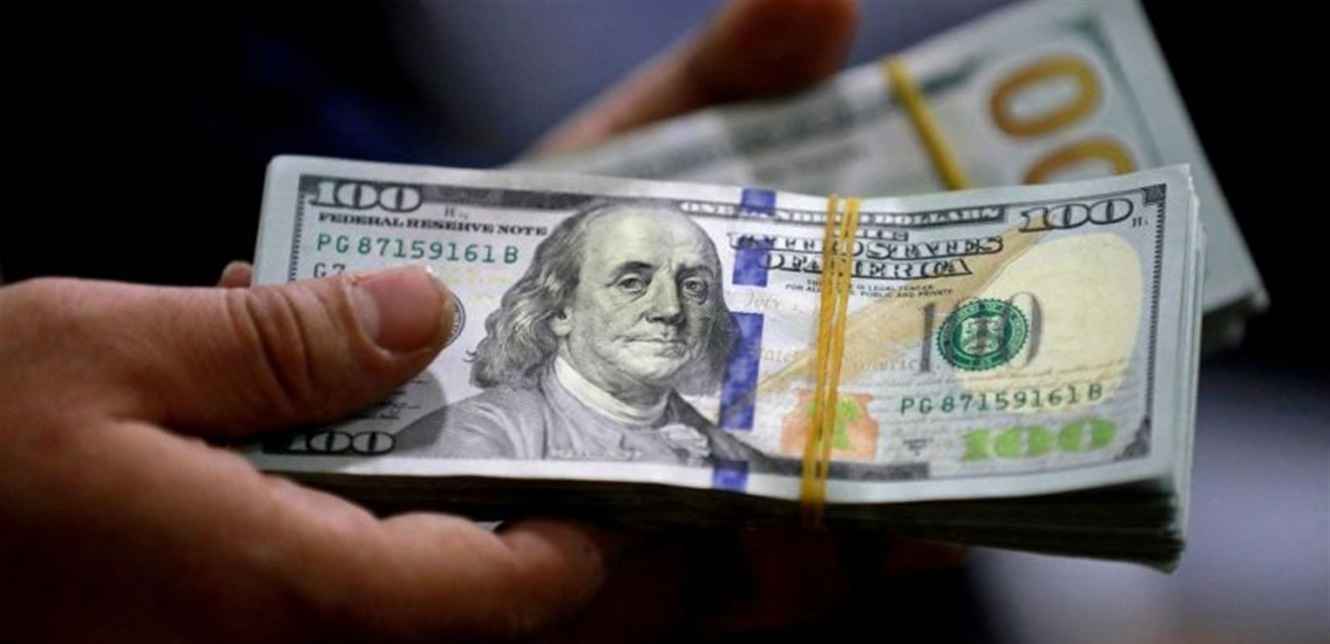
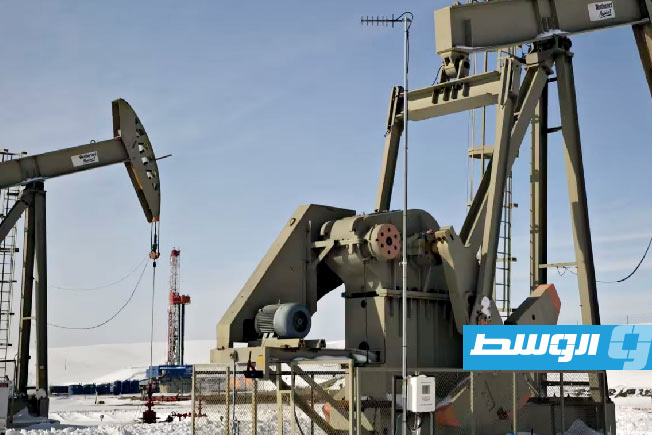
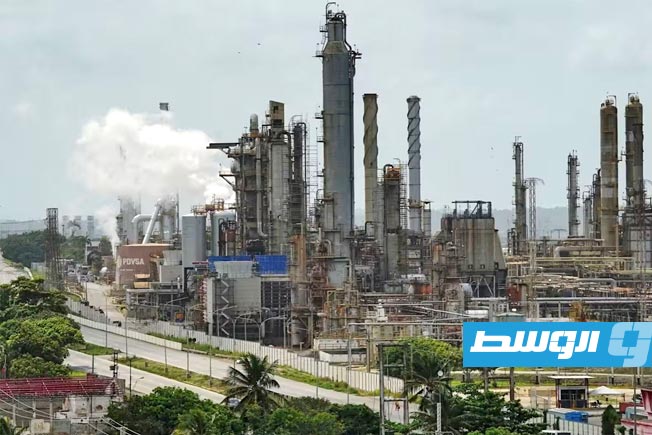
The expected revenue from the sale of Venezuelan oil, which has been under U.S. management for approximately five weeks, is projected to reach five billion dollars in the coming months.
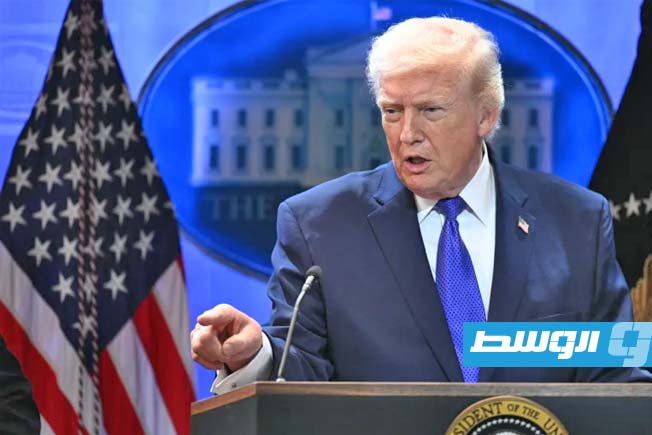
In an interview, it was stated: “Today’s sales exceed one billion dollars, and in fact, we have short-term agreements for the next few months that will bring in another five billion dollars.”
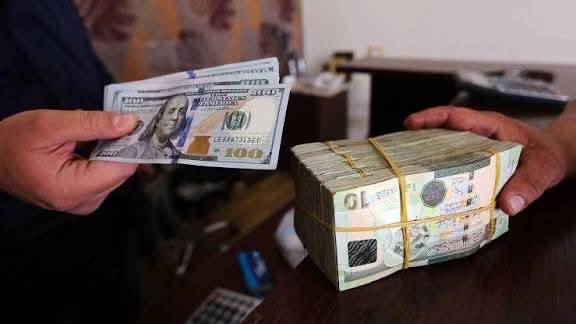
It was clarified: “The United States has already transferred $500 million from the proceeds of Venezuelan crude oil sales to Caracas, following a deal agreed upon between the two countries last January.”
Need for Massive Investments
It was added: “All funds generated from the oil sales, managed by major commodity traders, are returned to Venezuela from an account controlled by the U.S. Treasury Department.”
However, at the same time, it was emphasized that there is a need for “significant effort and massive investments in Venezuela to restore the country’s full oil industry capacity. But it is on its way to becoming an investment destination.”
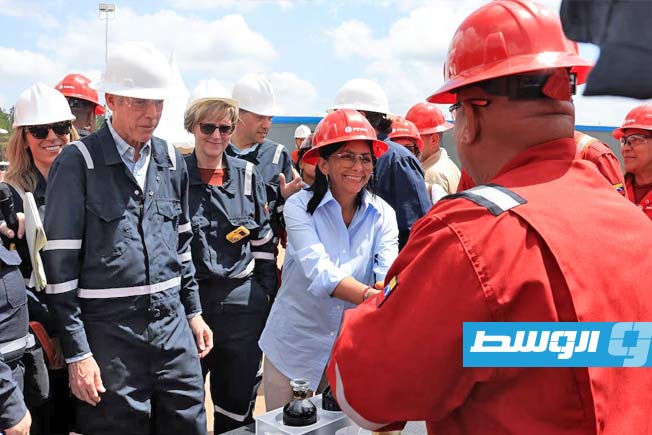
During a recent visit to Venezuela, it was predicted that “Venezuela’s crude oil production could jump at any time this year,” adding: “This year, we can achieve a significant increase in Venezuelan oil production, Venezuelan natural gas production, and Venezuelan electricity production.”
Some U.S. oil companies have previously expressed concern about responding to the call and investing heavily in Venezuela. During a meeting at the White House last month with oil company executives, it was stated: “The current legal and commercial frameworks in Venezuela make it uninvestable.”
U.S. Energy Secretary
The U.S. Energy Secretary is the head of the U.S. Department of Energy, a cabinet-level position established in 1977 in response to the energy crises of that decade. The secretary oversees national energy policy, nuclear security, and scientific research, including the management of the nation’s nuclear weapons program and strategic petroleum reserve.
Venezuela
Venezuela is a South American country with a history of indigenous inhabitation before Spanish colonization in the 16th century, leading to its independence in 1811 under Simón Bolívar. It is known for its significant oil reserves and diverse natural landscapes, including Angel Falls, the world’s highest uninterrupted waterfall. The nation’s modern history has been heavily shaped by its petroleum economy and periods of significant political and economic volatility.
Caracas
Caracas is the capital and largest city of Venezuela, founded in 1567 by Spanish conquistador Diego de Losada. It grew as a colonial administrative center and later became a pivotal site for the South American independence movement, being the birthplace of Simón Bolívar. Today, it is a major metropolitan and cultural hub, though it faces significant economic and social challenges.
U.S. Treasury Department
The U.S. Department of the Treasury is a federal executive department established by Congress in 1789 to manage the government’s revenue. It is responsible for producing currency, collecting taxes, and advising on economic policy, with its history deeply intertwined with the nation’s financial development, including the founding of the national banking system.
White House
The White House is the official residence and workplace of the President of the United States, located in Washington, D.C. It was designed by James Hoban and its construction was completed in 1800, with President John Adams being the first to occupy it. The building has been expanded and renovated over the centuries, including a major reconstruction after being burned by British forces in 1814.