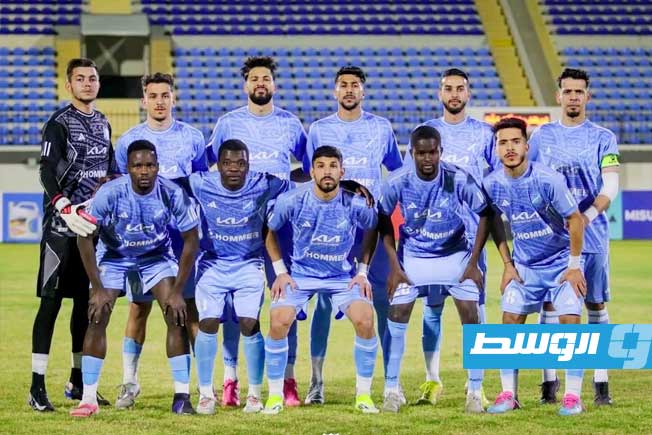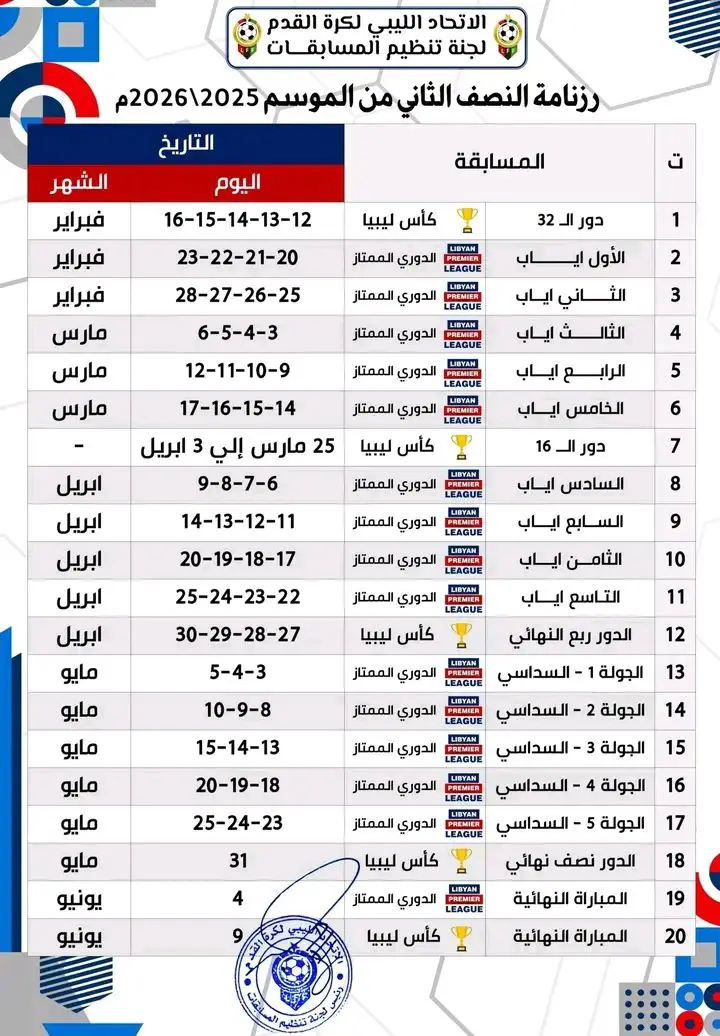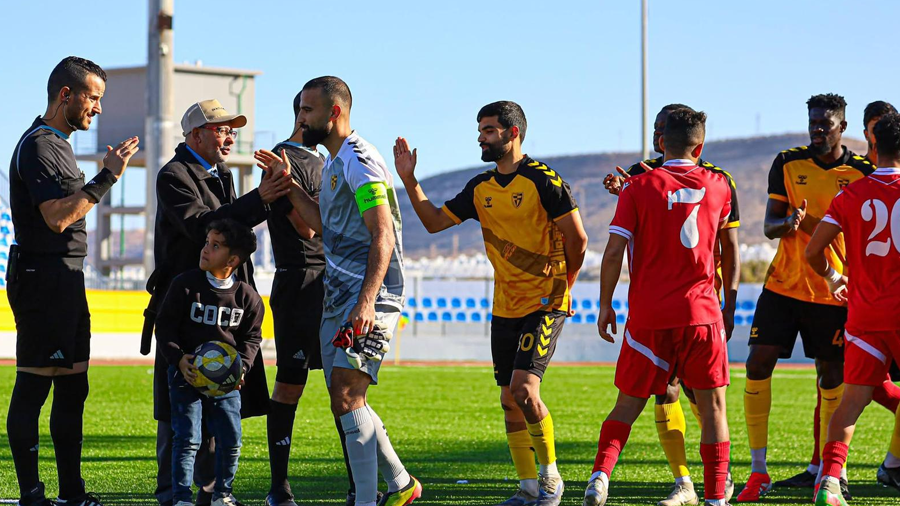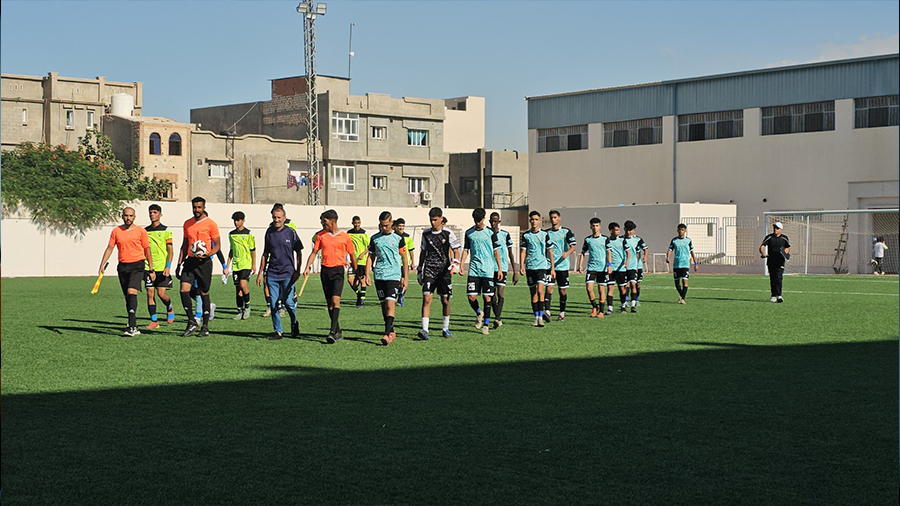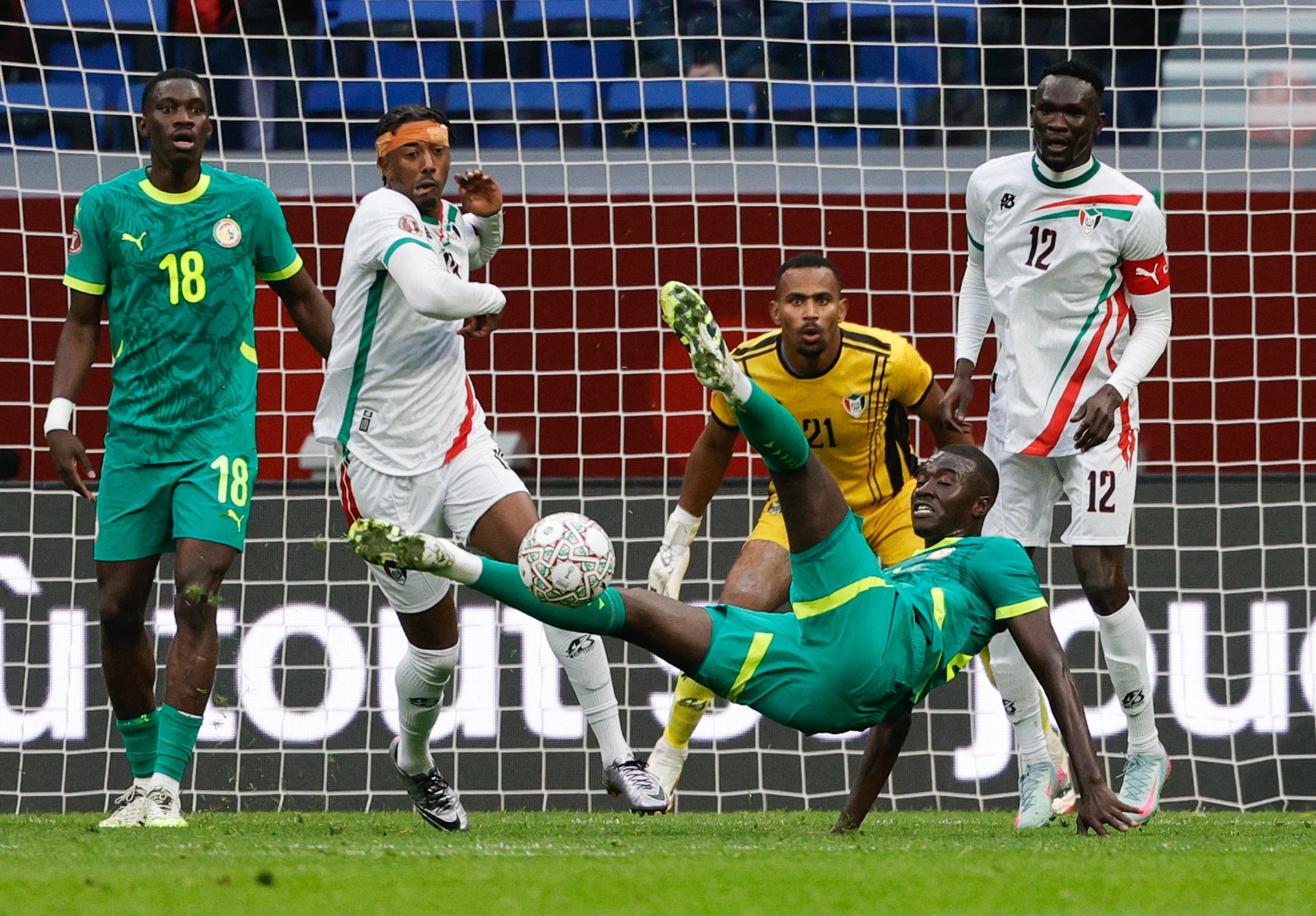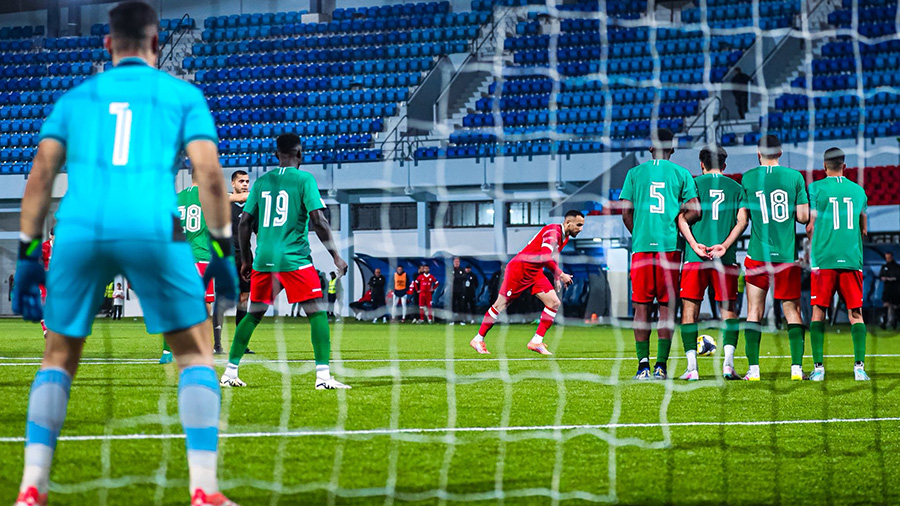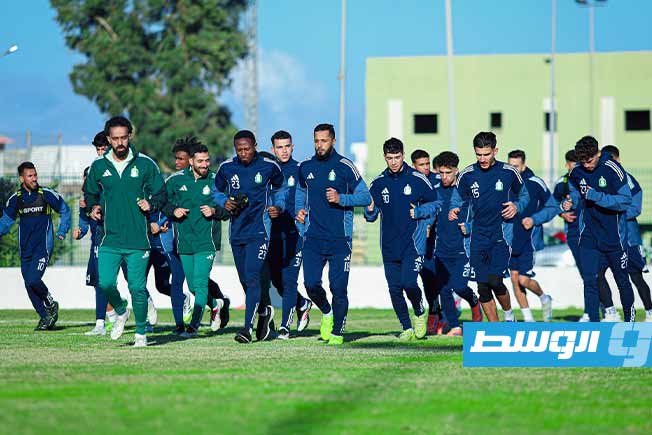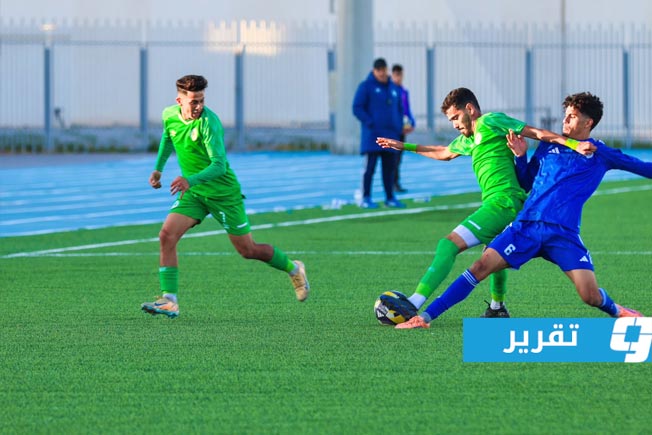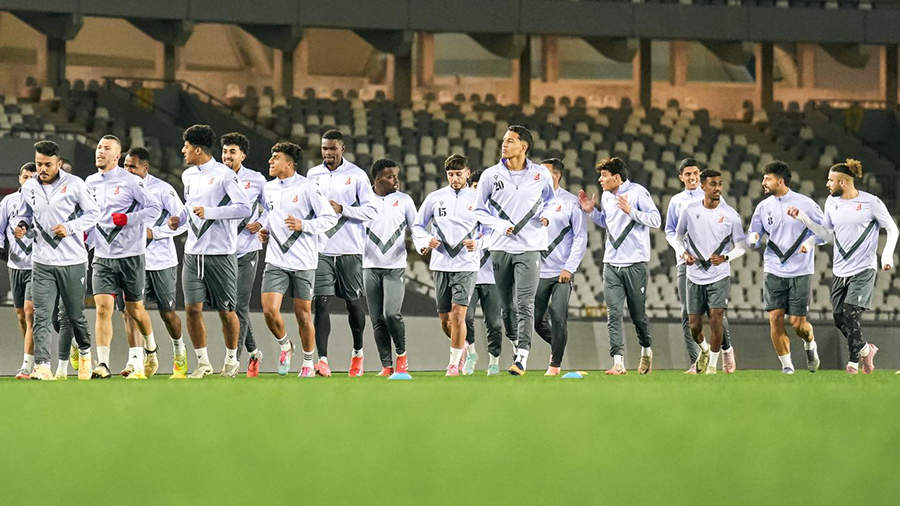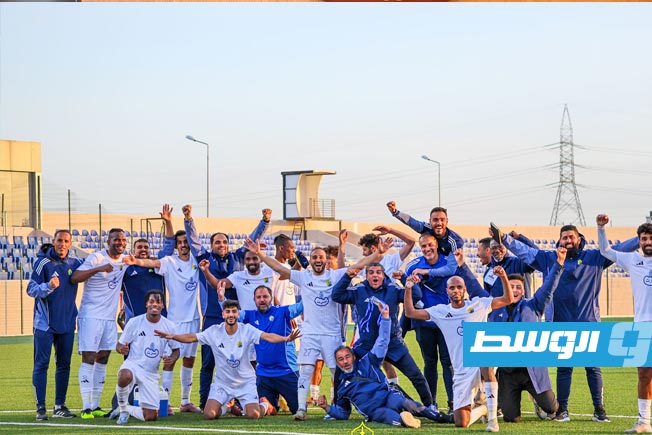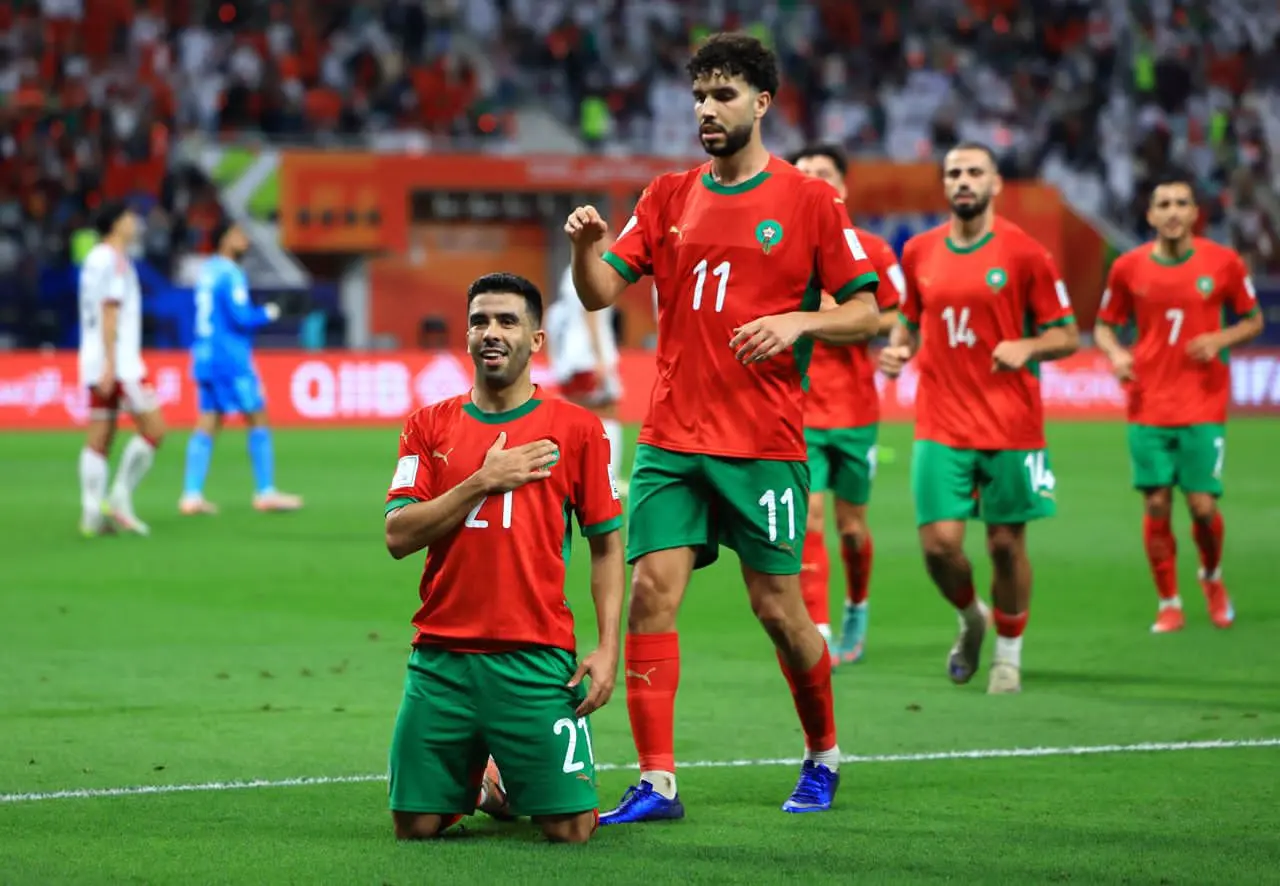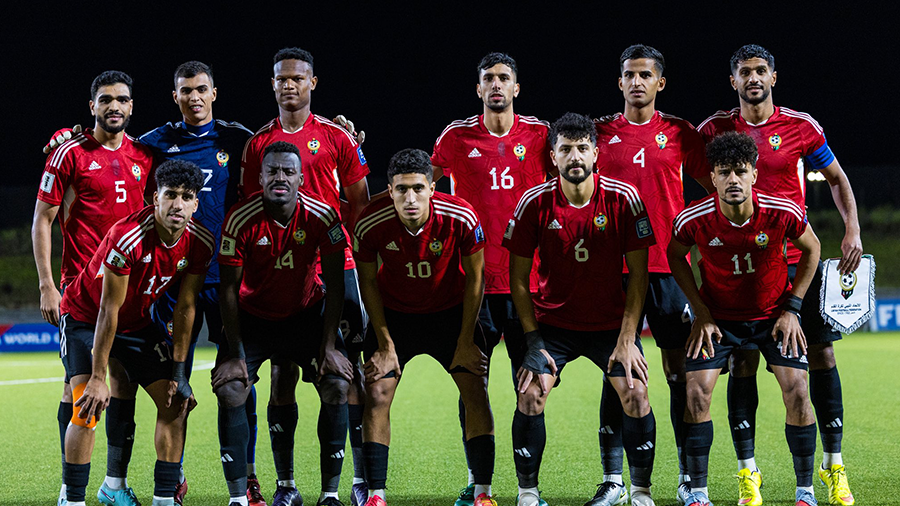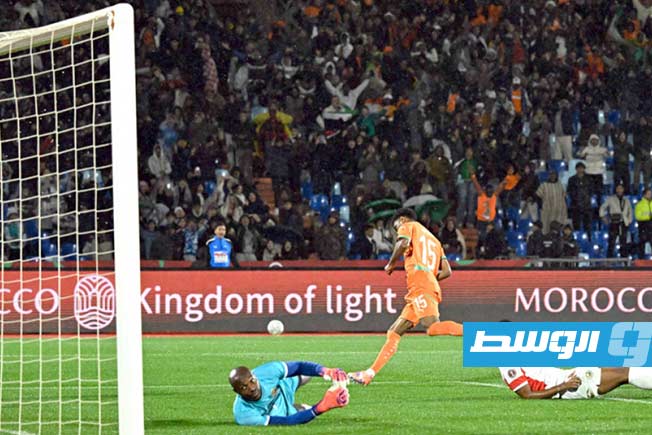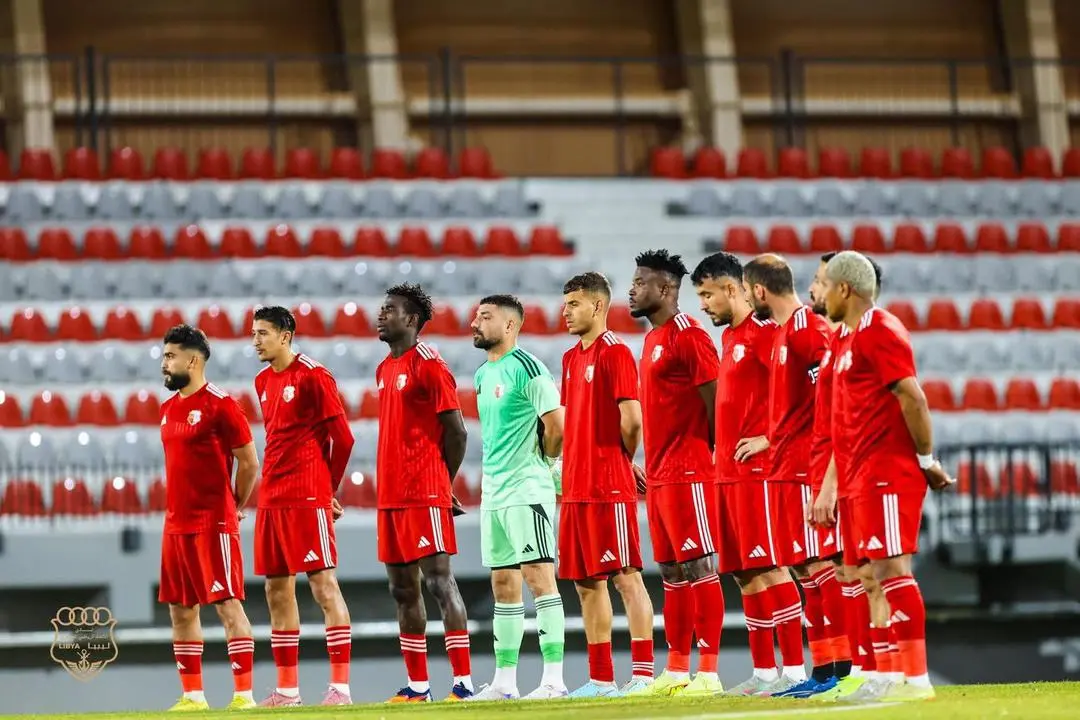
In the Group Four competitions, two matches will be held tomorrow, Thursday, as part of the postponed fifth round matches from last week.
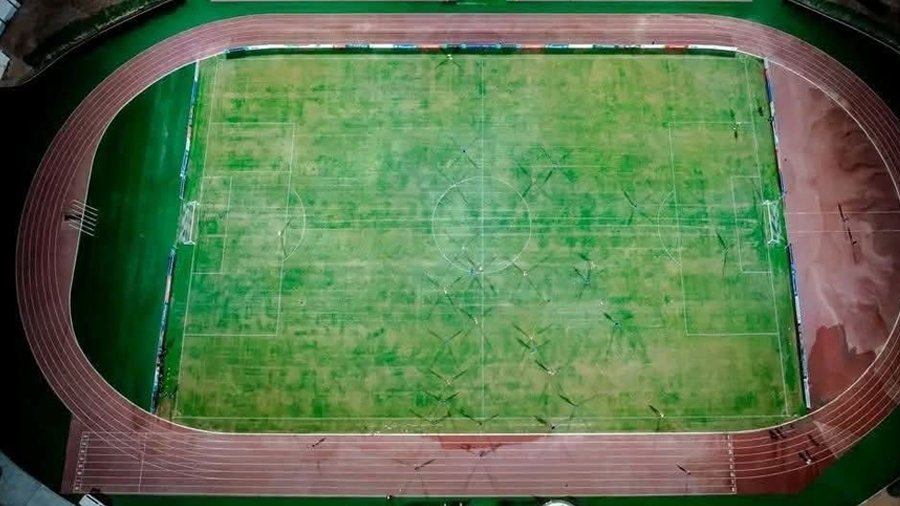
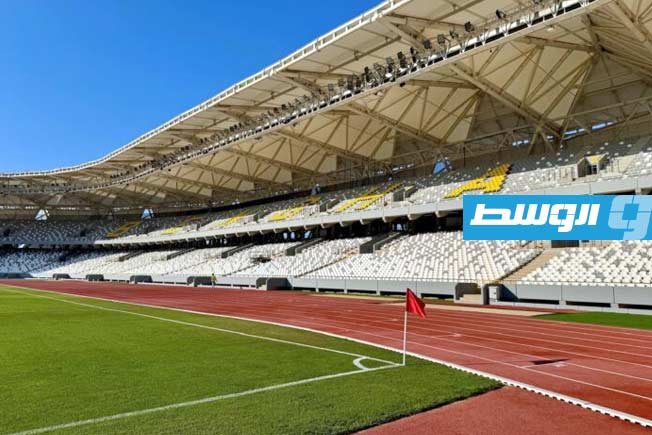
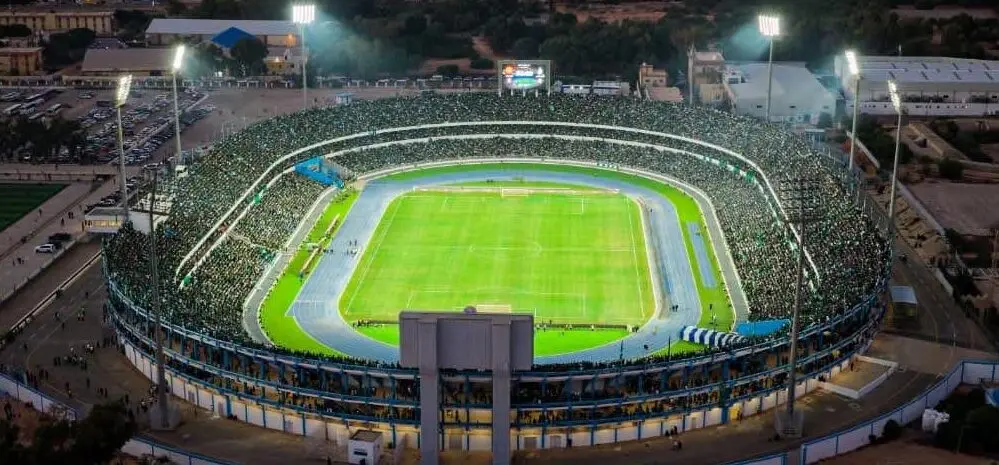
The round’s matches will kick off at the Bashir Jouda Stadium in Al-Marj, where the Al-Marj team will host its rival Al-Tahadi, while Al-Nasr will welcome its guest Al-Wefaq Ajdabiya at the Benghazi International Stadium.
The round’s matches will conclude on Friday with a meeting between Gulf of Sirte and Al-Afriqi, and a match for Al-Akhdar against its guest Al-Andalus.
Bashir Jouda Stadium
Bashir Jouda Stadium is a multi-purpose stadium located in Omdurman, Sudan, primarily used for football matches. It was constructed in 1962 and named in honor of Bashir Jouda, a prominent Sudanese footballer from the mid-20th century. The stadium has served as a key venue for domestic matches and has hosted the Sudan national football team.
Al-Marj
Al-Marj is a city in northeastern Libya, historically significant as the site of the ancient Greek city of Barca, which was an important regional center in the Cyrenaica region. It later became a notable Ottoman and Italian colonial settlement, though much of its historic architecture was heavily damaged by an earthquake in 1963. Today, it serves as a major agricultural hub in the fertile plain of the Jabal al Akhdar.
Al-Tahadi
Al-Tahadi is a prominent sports stadium located in Benghazi, Libya. It was originally constructed in the 1960s and has since served as a major venue for football matches and other national events. The stadium’s history is intertwined with Libyan sports culture, having hosted significant domestic and international fixtures.
Al-Nasr
Al-Nasr is a district in Baghdad, Iraq, historically known for its commercial and residential significance. It was heavily developed in the mid-20th century and became a central hub for transportation and trade.
Al-Wefaq Ajdabiya
Al-Wefaq Ajdabiya is a significant cultural and social institution located in the city of Ajdabiya, Libya. Historically, it has served as a major gathering place and venue for community events, discussions, and cultural activities, particularly during and after the 2011 Libyan revolution. Its name, meaning “The Accord” or “The Reconciliation,” reflects its role in fostering local dialogue and unity.
Benghazi International Stadium
Benghazi International Stadium is a major sports venue located in Benghazi, Libya, which opened in 2009. It was built to host the 2009 African Cup of Nations and has since served as a key stadium for football matches and other large events in the country.
Gulf of Sirte
The Gulf of Sirte is a large body of water on the coast of Libya in the Mediterranean Sea. Historically, it has been a significant maritime region since antiquity and was the site of the World War II Battle of Sirte. In more recent history, it was the focal point of a 1973 Libyan territorial claim, designating the entire gulf as its internal waters.
Al-Afriqi
“Al-Afriqi” is a historical name for the continent of Africa, derived from the Latin “Africus” and famously used by the medieval Arab geographer Muhammad al-Idrisi in his 12th-century work “Kitab Rujar” (The Book of Roger). The term reflects the early Islamic world’s cartographic and cultural understanding of the African continent.
Al-Akhdar
Al-Akhdar, also known as the Green Mountain, is a prominent mountain range in eastern Libya, part of the Jabal al Akhdar plateau. Historically, this fertile region was a significant center of the ancient Greek colony of Cyrene and later became an important area during the Roman and Byzantine periods. Its name, meaning “The Green,” comes from its relatively lush vegetation compared to the surrounding desert landscape.
Al-Andalus
Al-Andalus refers to the Muslim-ruled territories on the Iberian Peninsula from the 8th to the 15th centuries, encompassing much of modern-day Spain and Portugal. This period was marked by significant advancements in science, philosophy, and architecture, as well as a notable degree of religious coexistence among Muslims, Christians, and Jews. It ended with the completion of the Christian Reconquista in 1492.