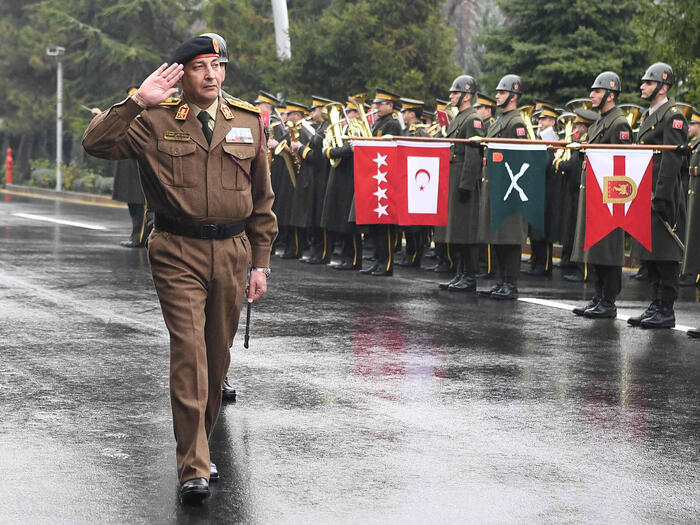
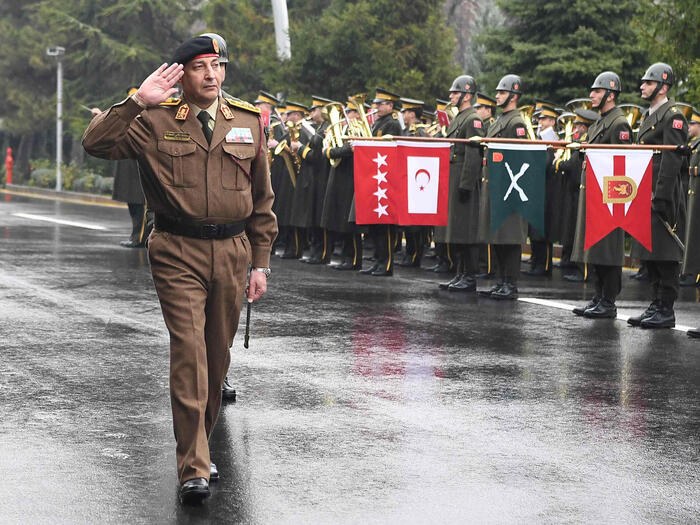
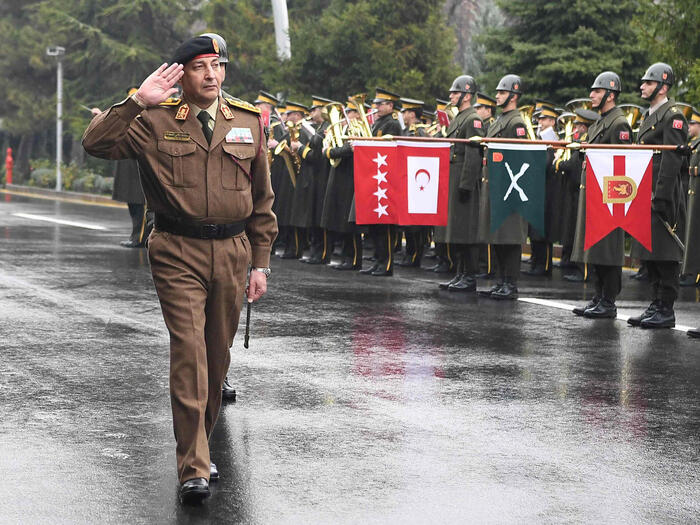
Turkish Ambassador confirms during meeting with the exiled that investigations into the crash of the Haddad plane will continue and a full report on the incident will be presented.
libyawire.org > News > Society > Turkish Ambassador confirms during meeting with the exiled that investigations into the crash of the Haddad plane will continue and a full report on the incident will be presented.
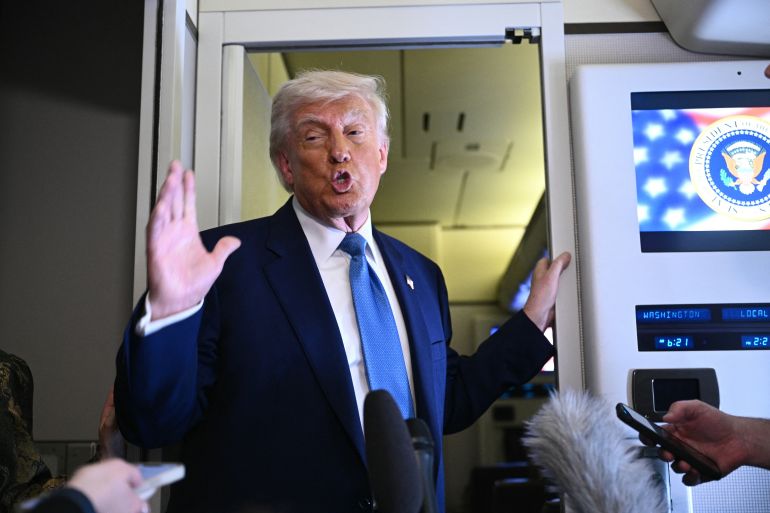
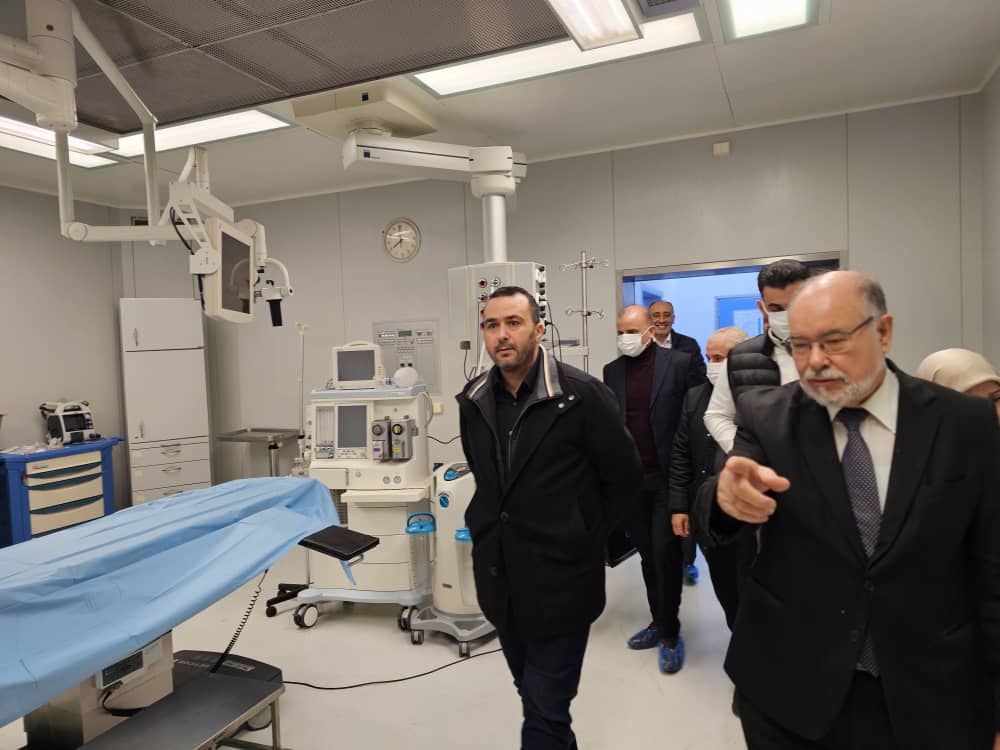
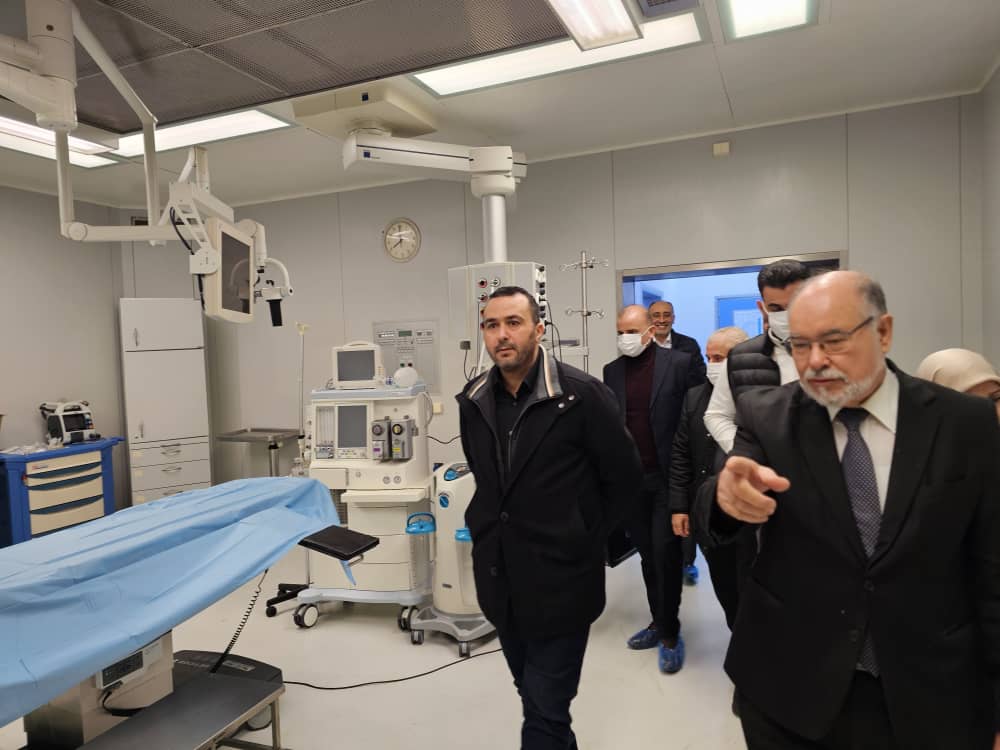
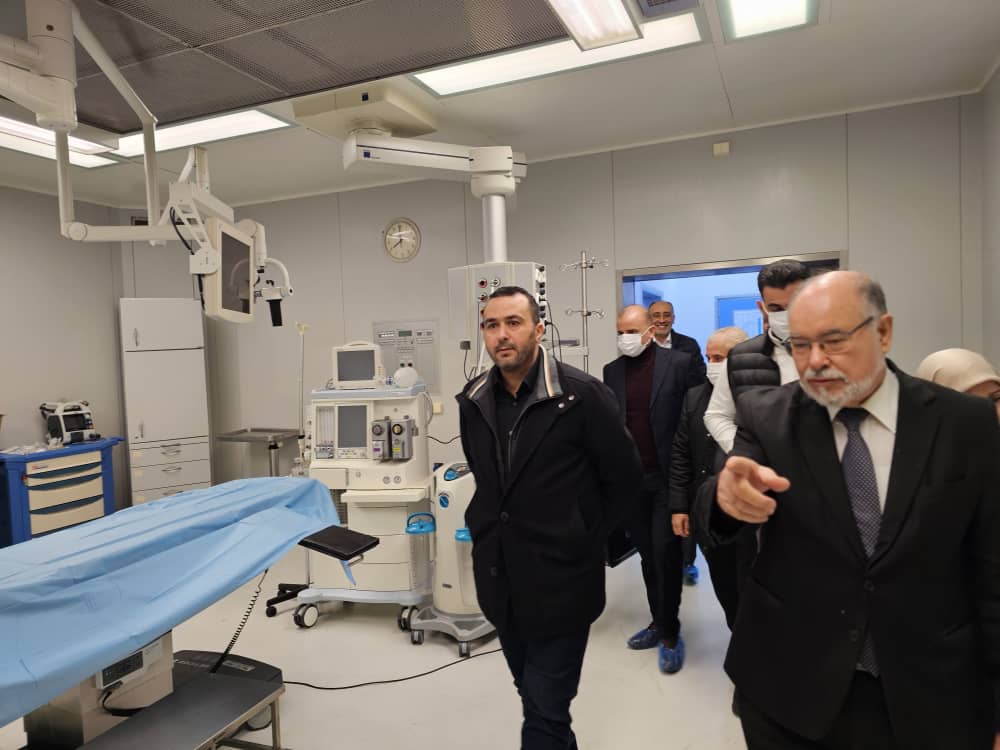
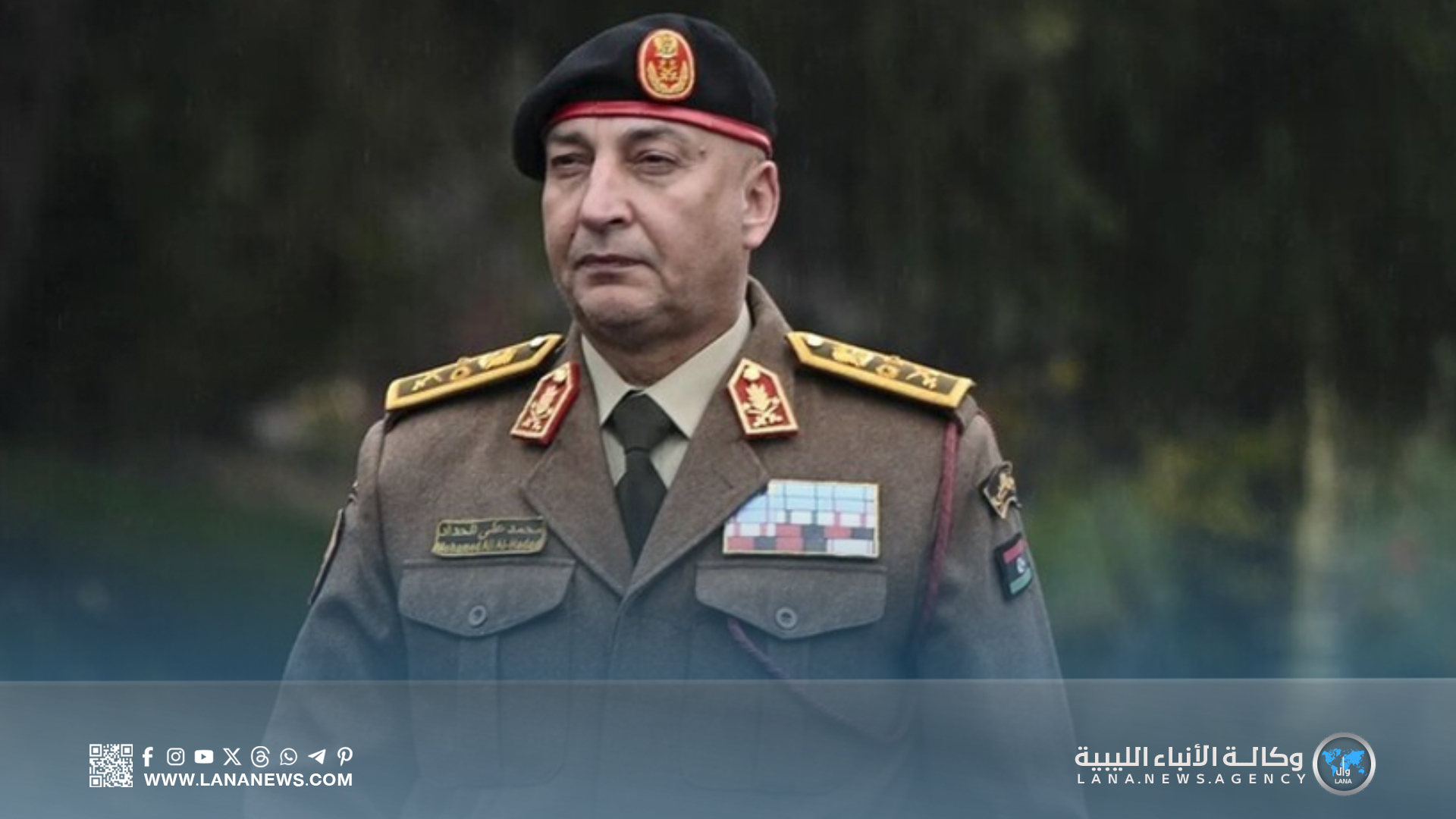
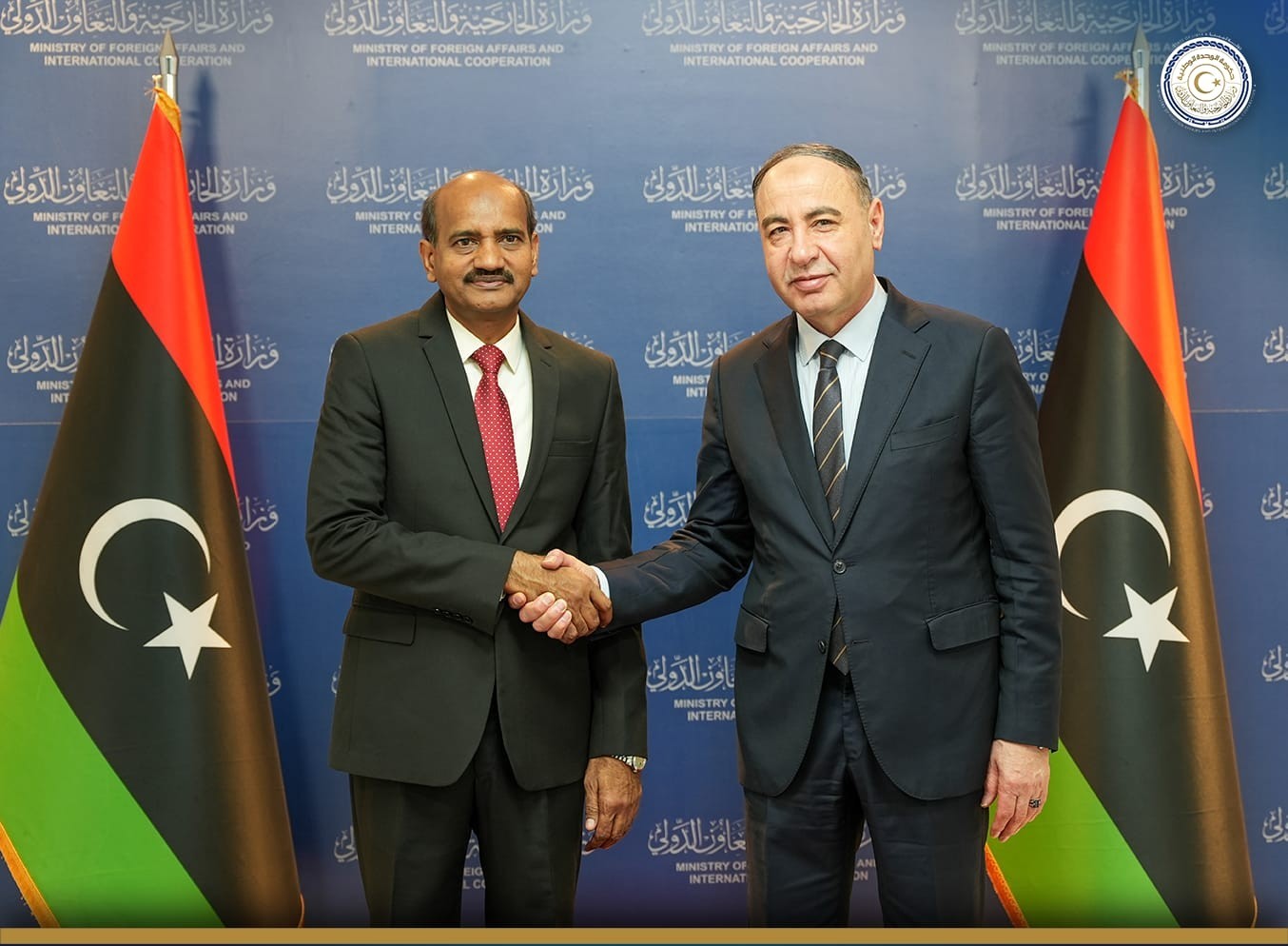
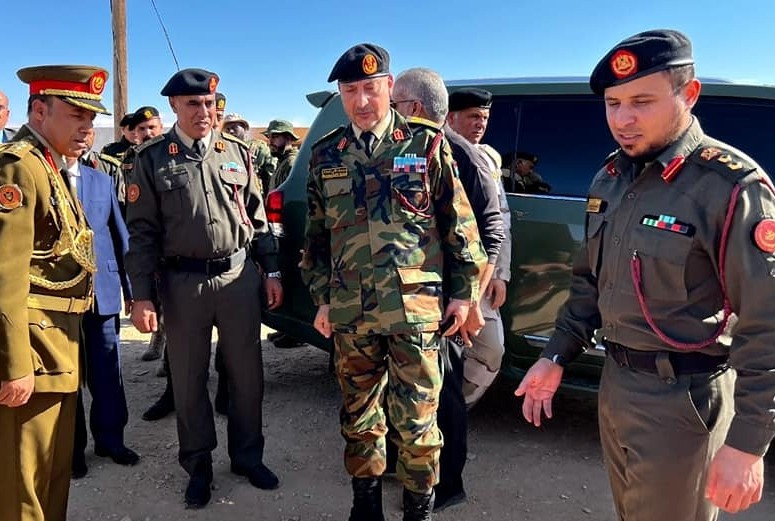
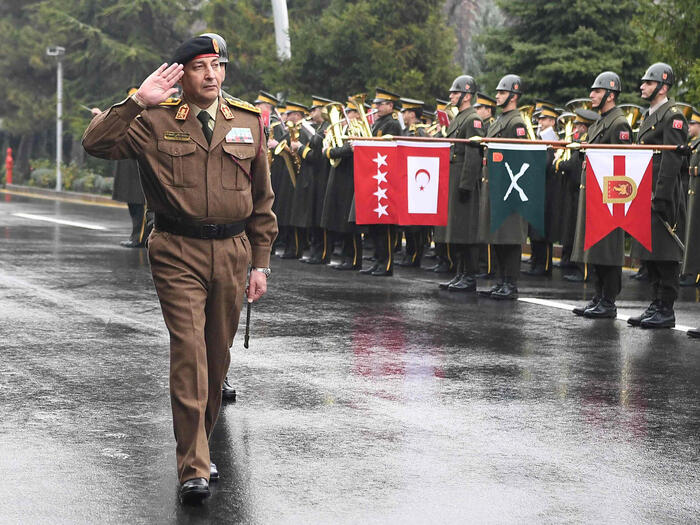
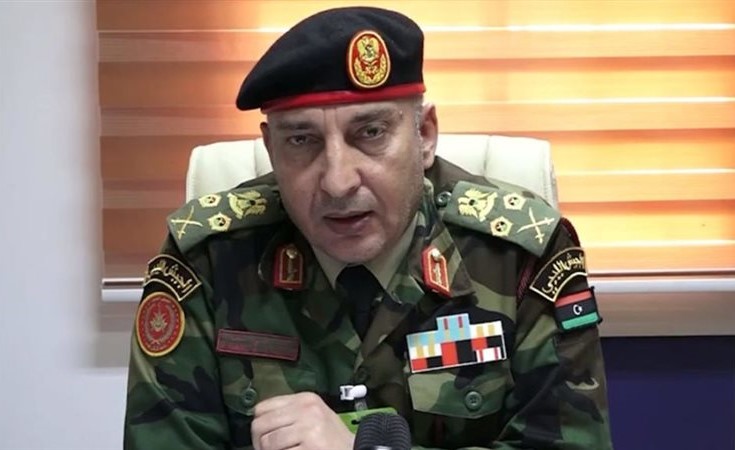
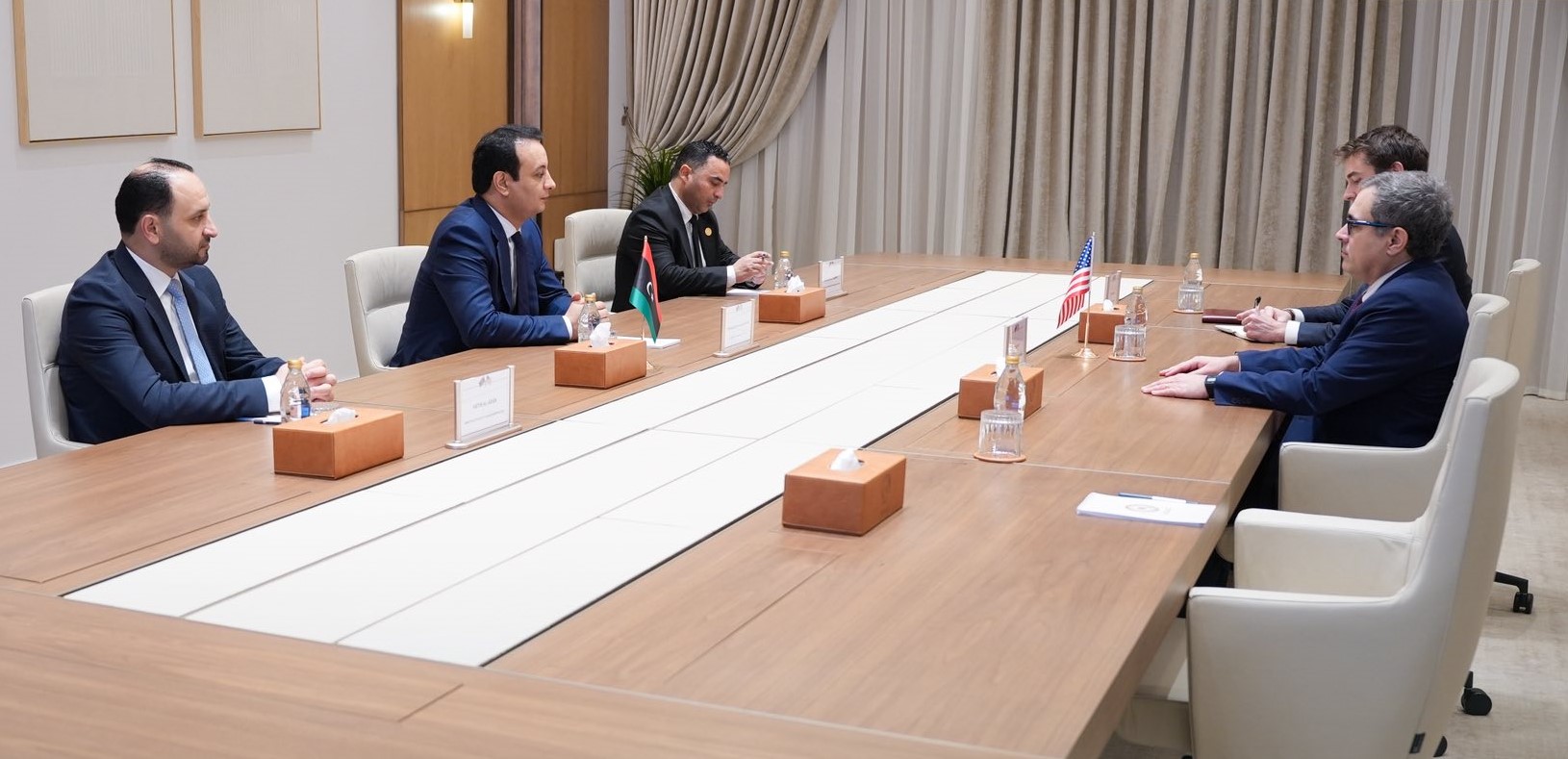
Tripoli, December 25, 2025 – The Turkish Ambassador to Libya confirmed that the Turkish authorities are continuing their investigations into the file of the plane crash incident that was carrying the Chief of the General Staff of the Libyan Army and his companions, and will provide a full report on the incident after the ongoing investigations are completed.
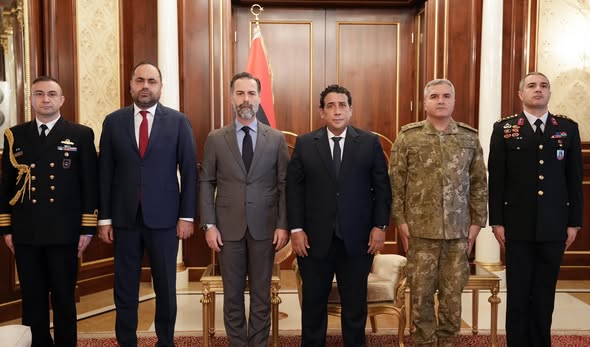
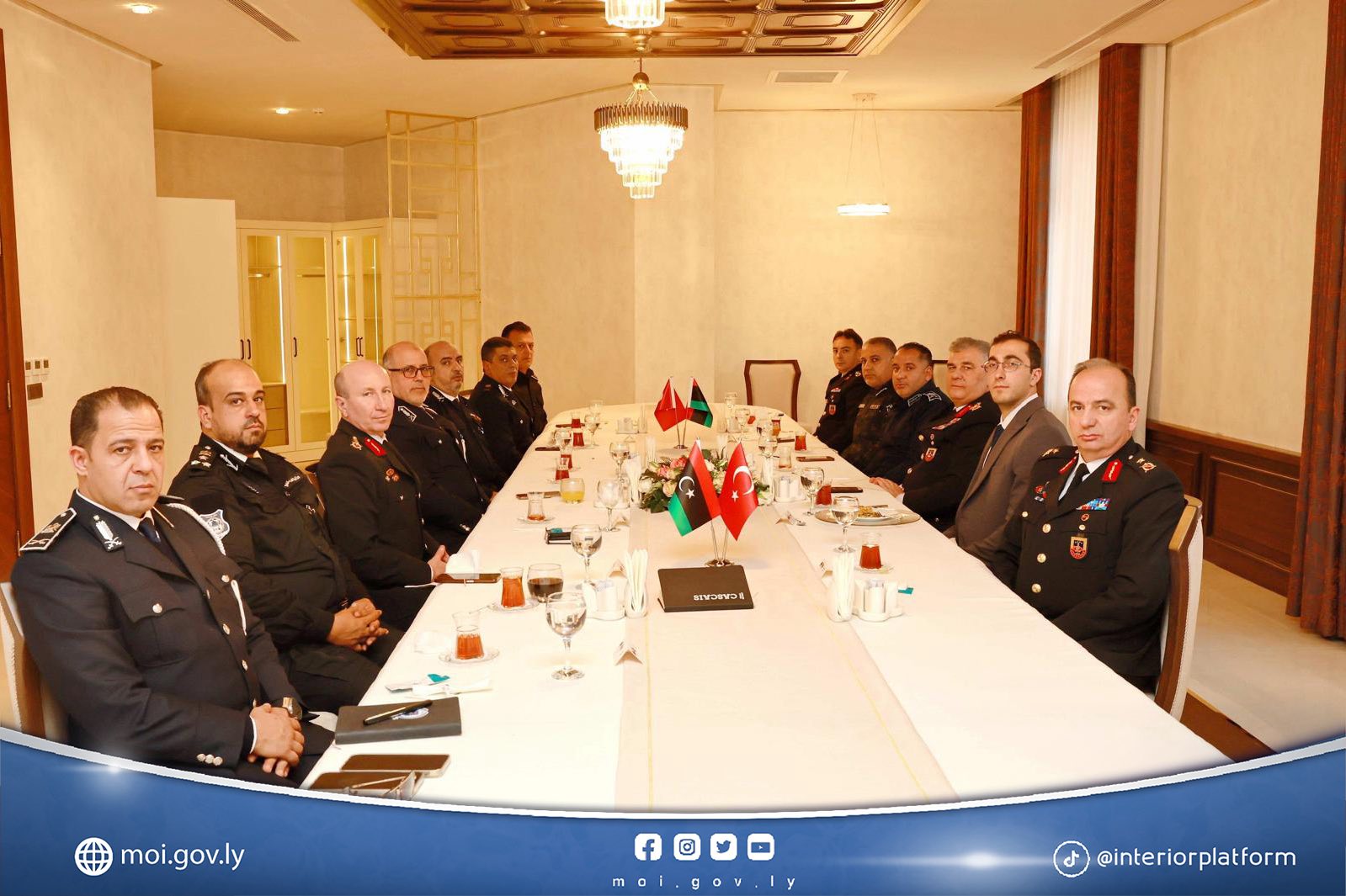
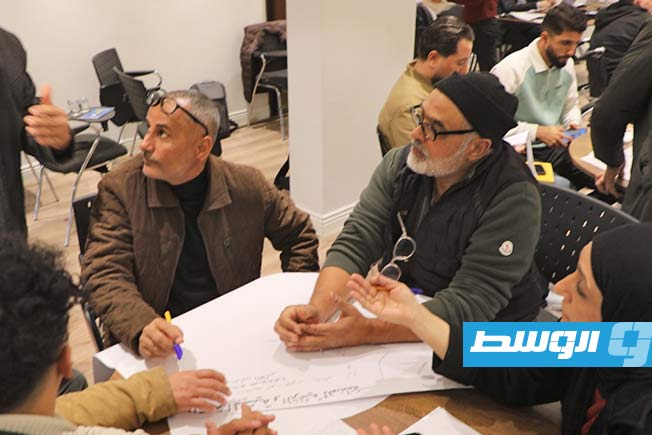
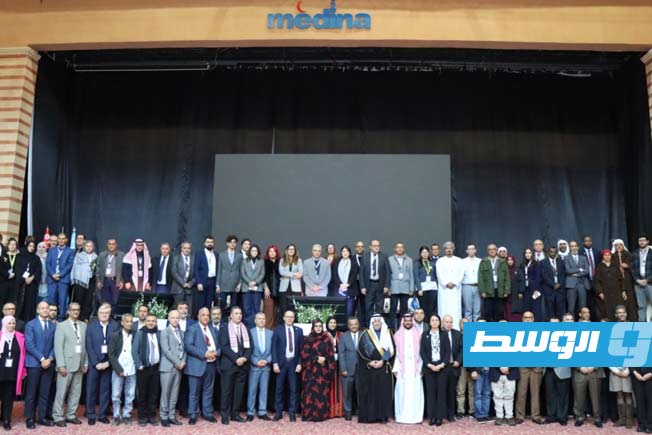
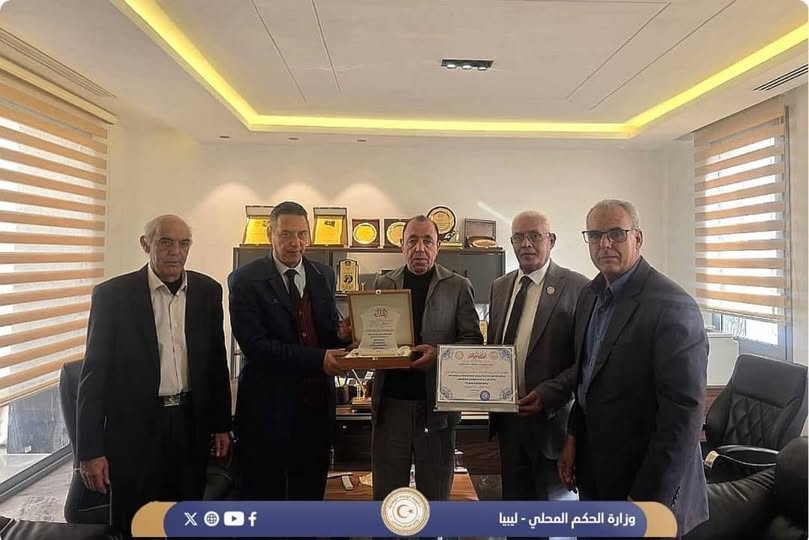
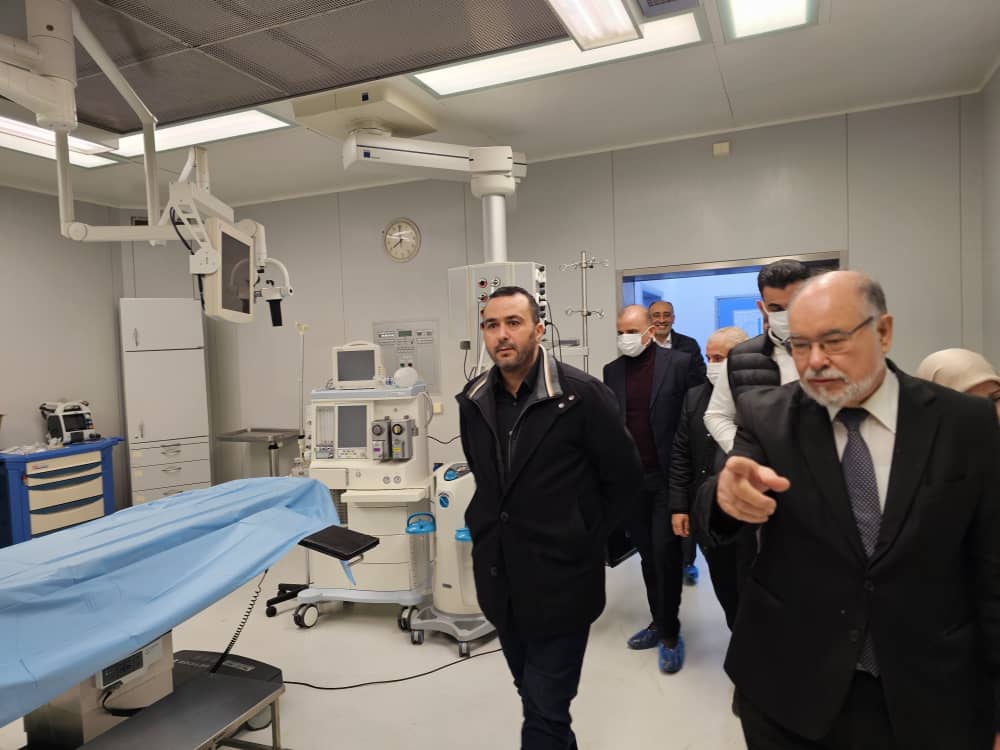
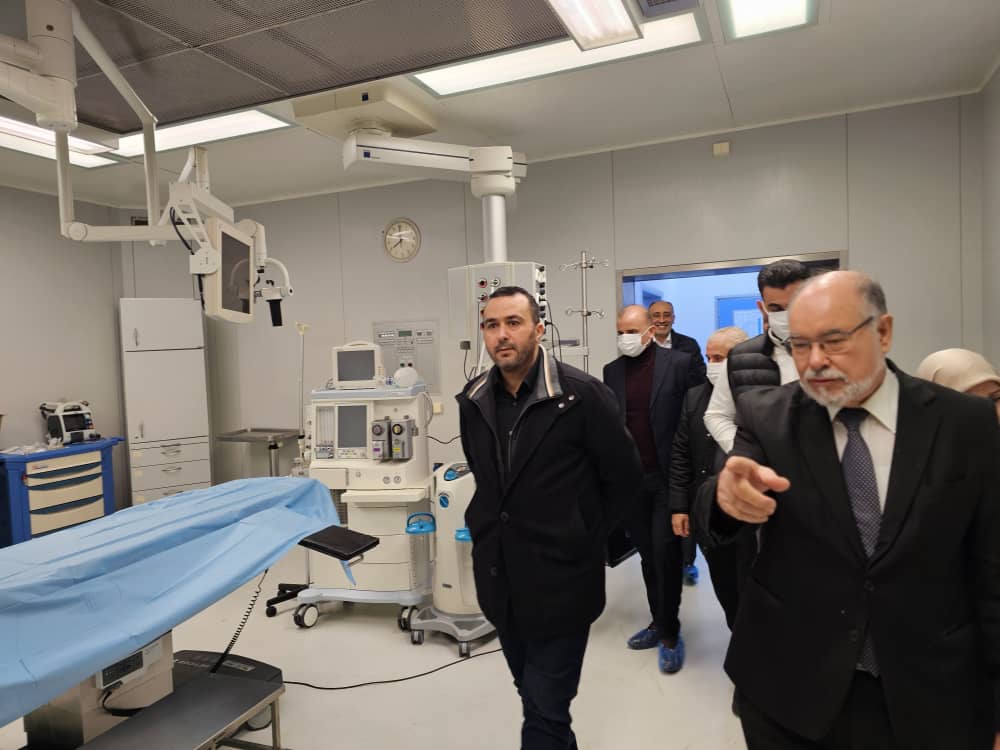
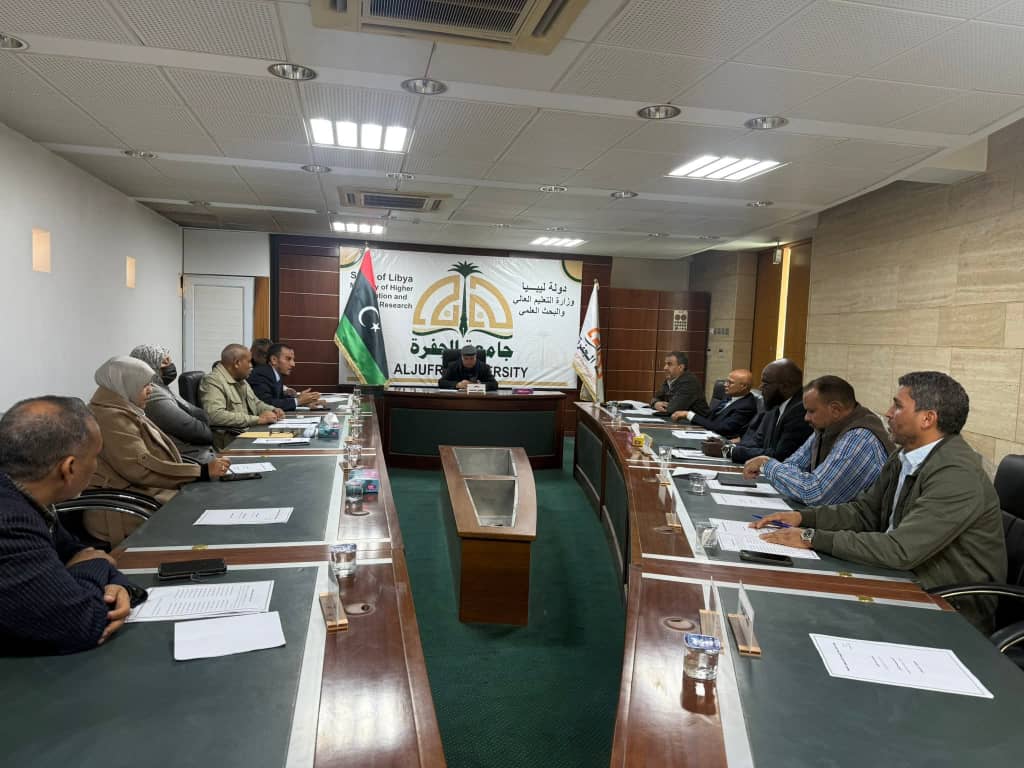
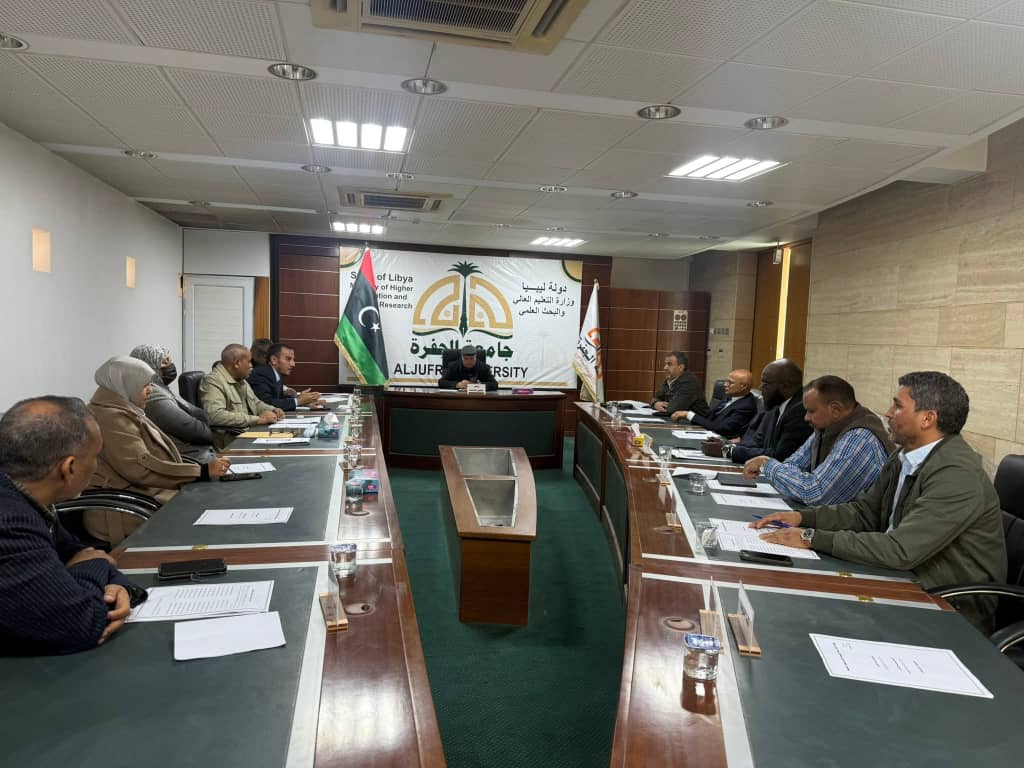
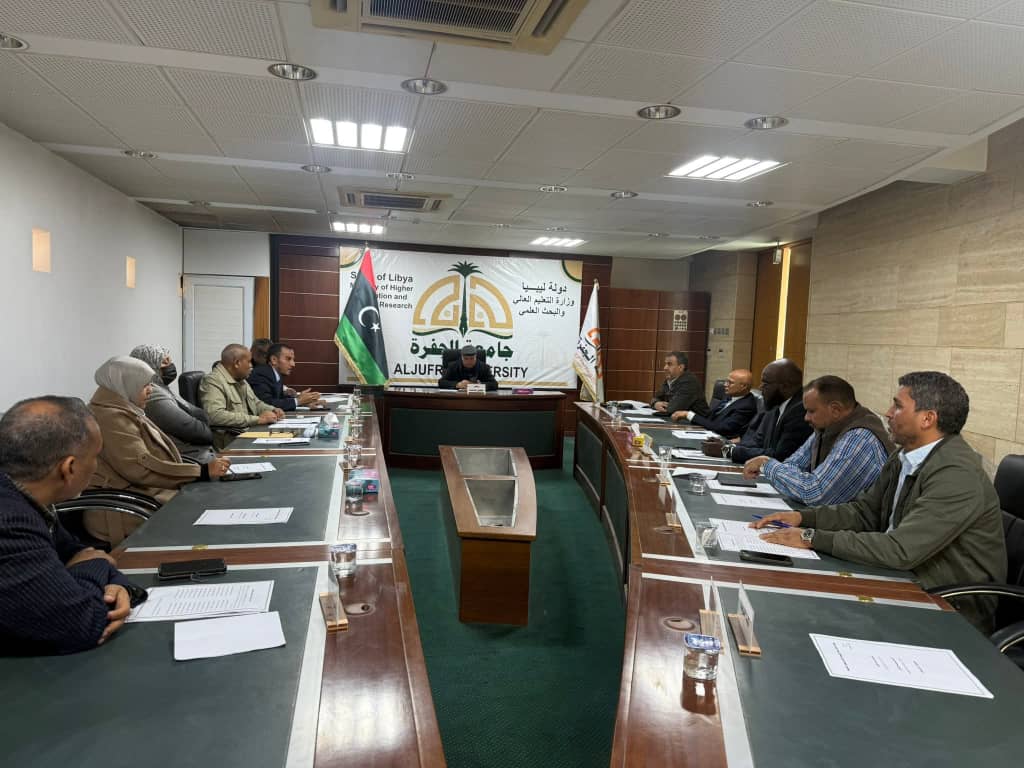
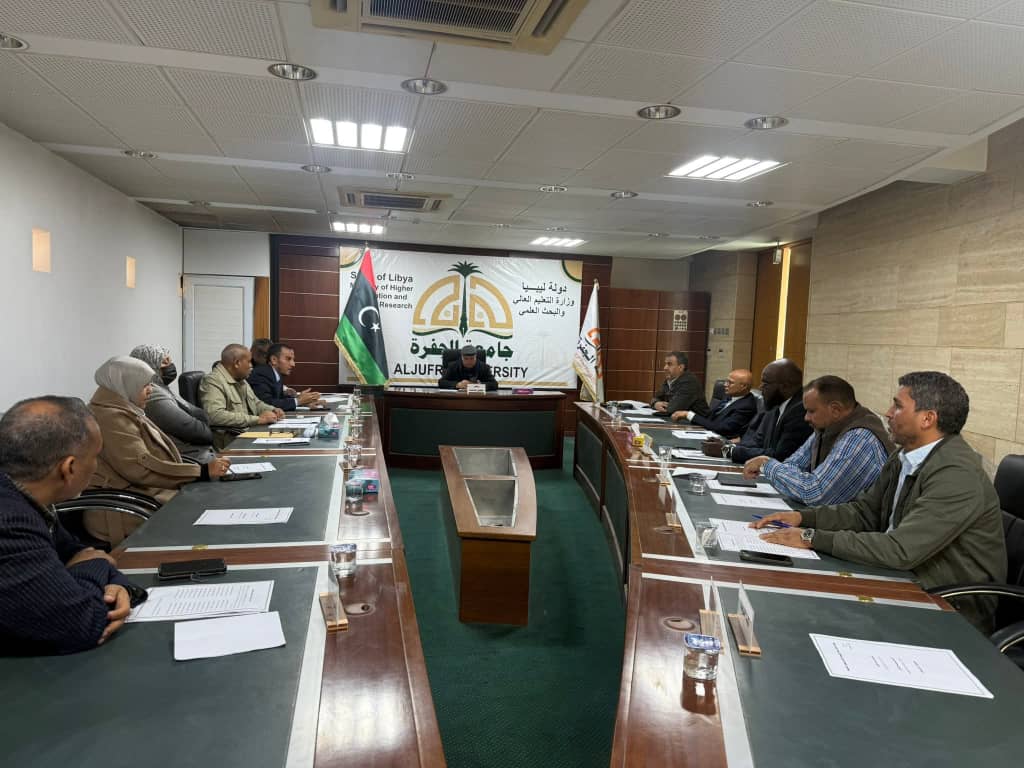
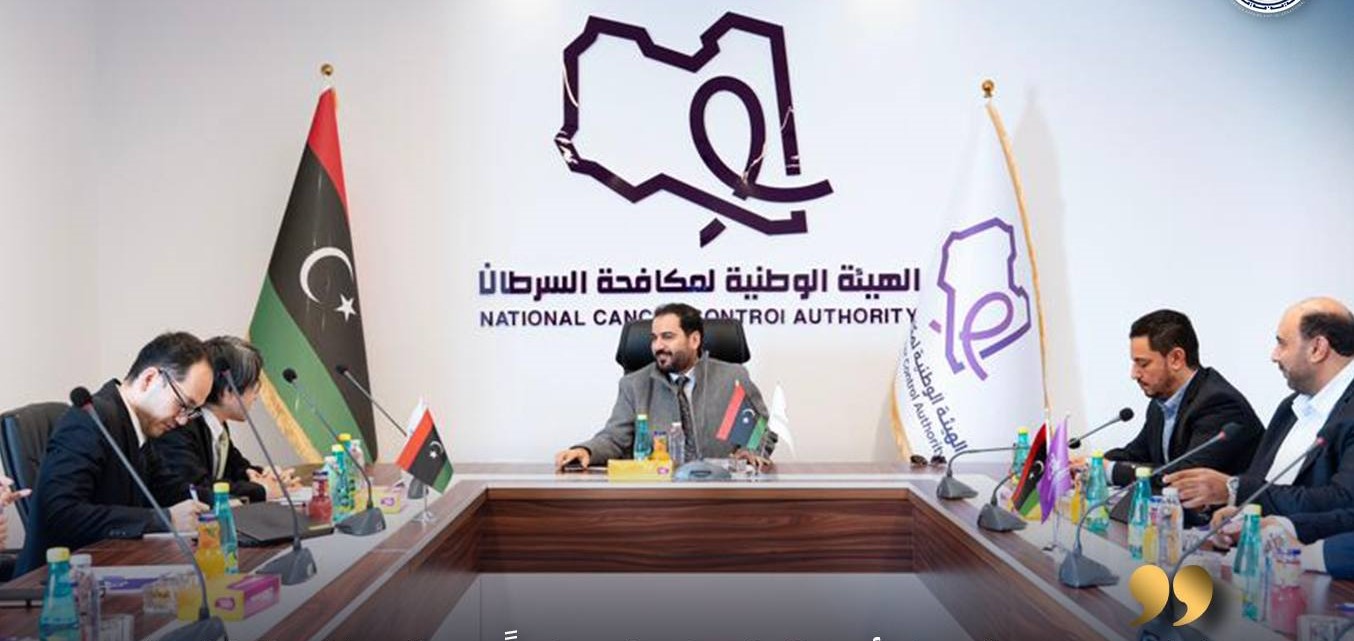
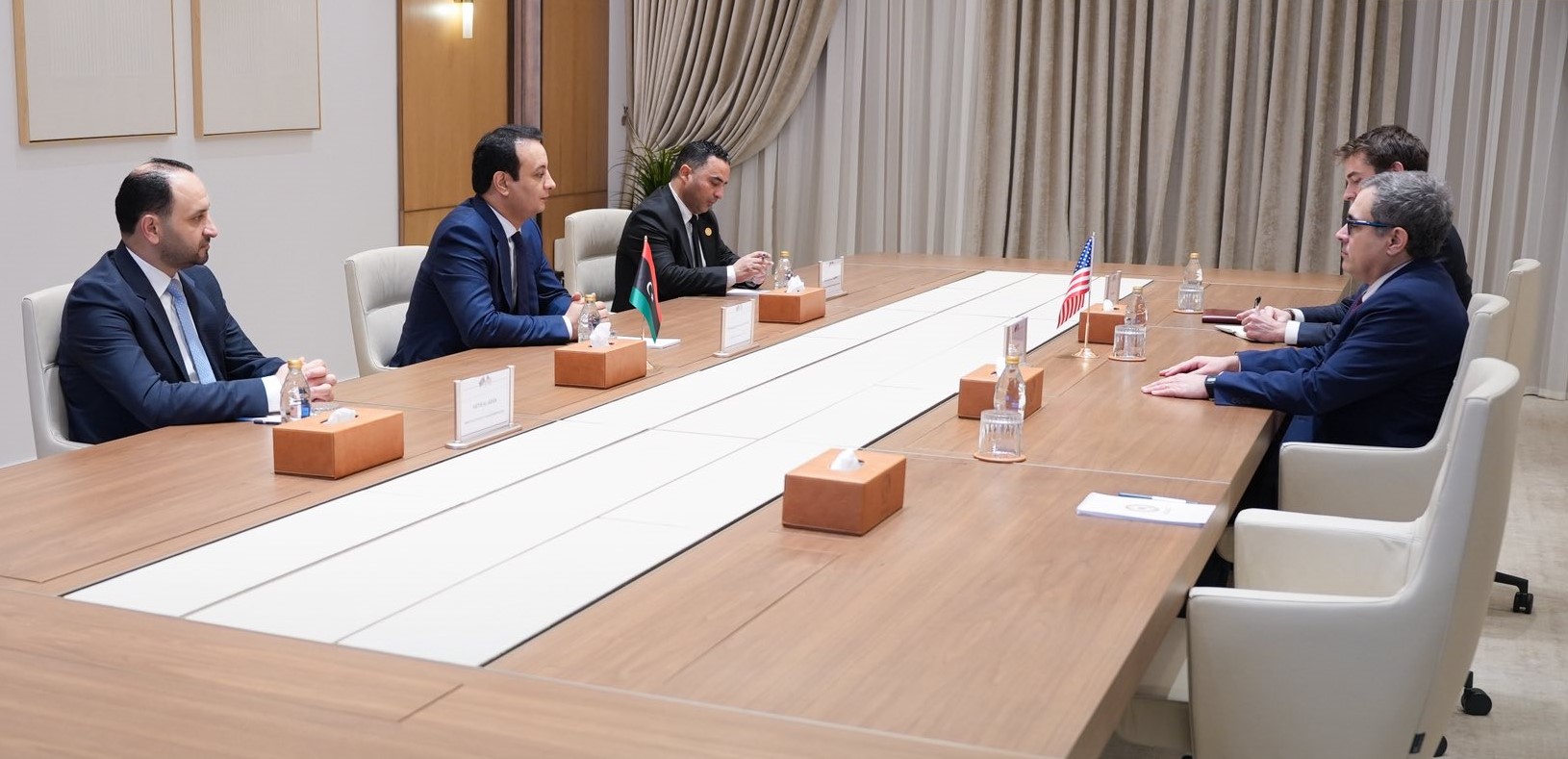
This came during a meeting in Tripoli on Thursday, where the Turkish Ambassador to Libya and his accompanying delegation were received.
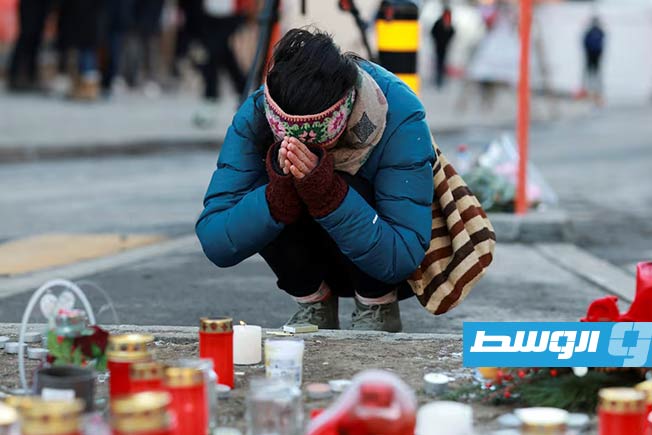
The Turkish Ambassador conveyed condolences for the great calamity and painful incident that claimed the lives of the Chief of the General Staff of the Libyan Army, the Chief of Staff of the Ground Forces, and a number of their companions, expressing deep sorrow and being affected by this painful event. He expressed his profound sympathy to the families of the victims, wishing them patience and solace.
Tripoli
Tripoli is the capital and largest city of Libya, with a history dating back to the 7th century BC when it was founded by the Phoenicians. It later became a significant part of the Roman Empire, known as Oea, and has since been ruled by the Byzantines, Arabs, Ottomans, Italians, and others, shaping its diverse architectural and cultural heritage.
Turkey
Turkey is a transcontinental nation straddling Eastern Europe and Western Asia, with a rich history as the heartland of the Byzantine and Ottoman Empires. Its cultural identity is deeply shaped by this imperial past, visible in landmarks like Istanbul’s Hagia Sophia and Topkapı Palace, alongside its modern status as a secular republic founded in 1923.
Libya
Libya is a North African country with a rich history rooted in ancient civilizations like the Phoenicians and Romans, followed by centuries of Arab and Ottoman influence. In the modern era, it was an Italian colony before gaining independence in 1951, later ruled by Muammar Gaddafi from 1969 until the 2011 revolution. Its cultural sites include the well-preserved Roman ruins of Leptis Magna, a UNESCO World Heritage site.
Turkish Ambassador to Libya
The Turkish Ambassador to Libya represents Turkey’s diplomatic interests in Libya, operating within the complex political landscape following the 2011 revolution. The embassy has played a significant role in recent years, particularly since Turkey’s increased engagement in support of the UN-recognized Government of National Accord during the Libyan civil war.
Libyan Army
The Libyan Army is the official military force of Libya, originally established after the country gained independence in 1951. Its structure and allegiances have been fragmented and contested since the 2011 civil war and the fall of Muammar Gaddafi, leading to a complex landscape of rival armed groups vying for control.
Chief of the General Staff of the Libyan Army
The Chief of the General Staff of the Libyan Army is the highest-ranking military officer and professional head of the Libyan Armed Forces. The position’s history is marked by significant changes, having been a key role under the Gaddafi regime and later becoming a central figure in the fragmented military structure following the 2011 civil war. The authority and allegiance of the officeholder have often been contested between rival governments in the ongoing conflict.
Chief of Staff of the Ground Forces
The Chief of Staff of the Ground Forces is a senior military leadership position responsible for the operational command and administration of a nation’s army. Historically, such roles have evolved from traditional army commanders to modern, structured posts within a defense ministry or joint staff framework, centralizing authority and improving coordination of land-based military operations.