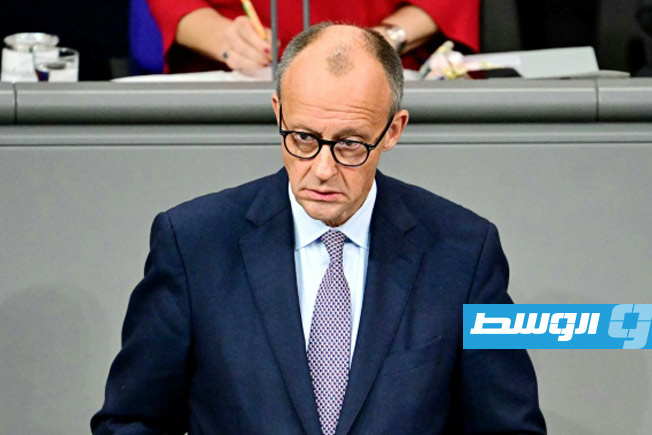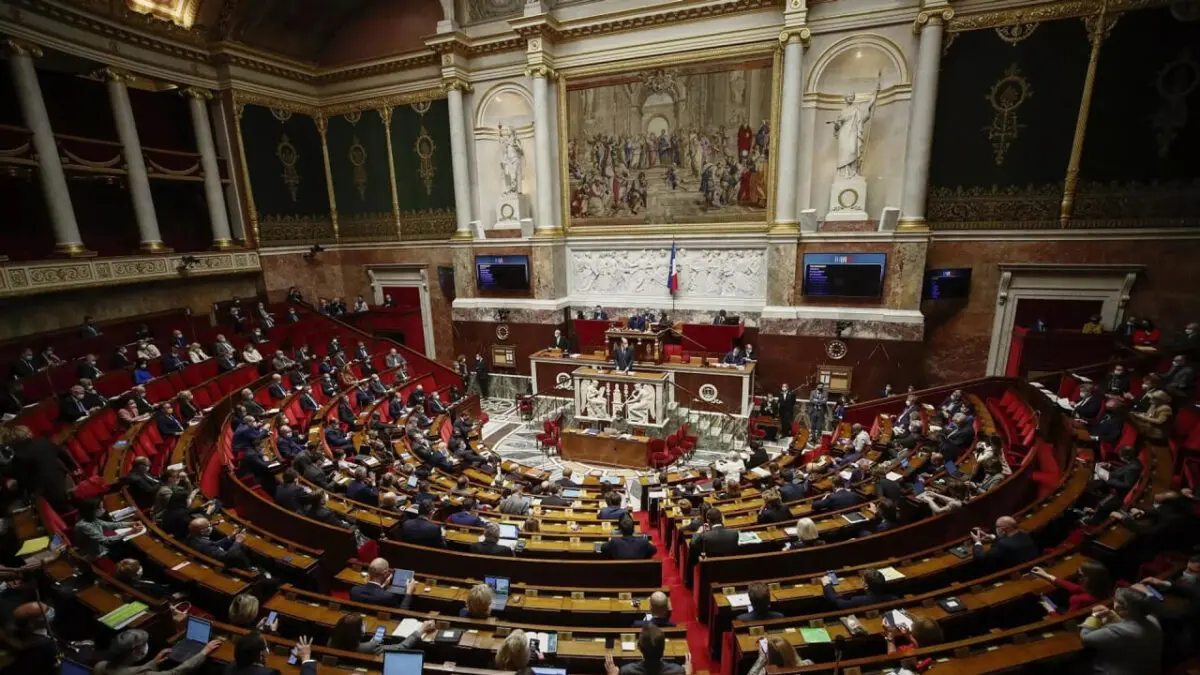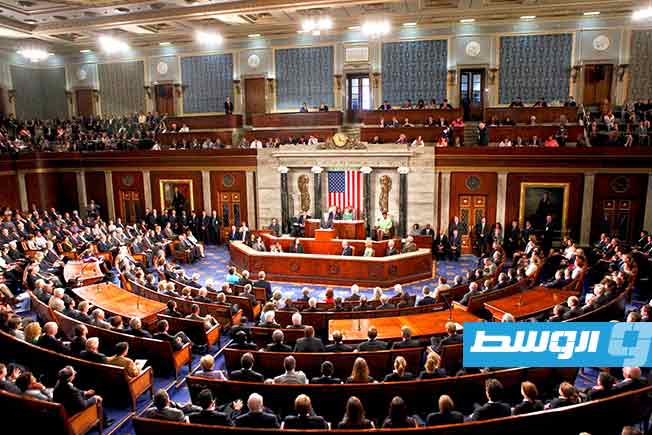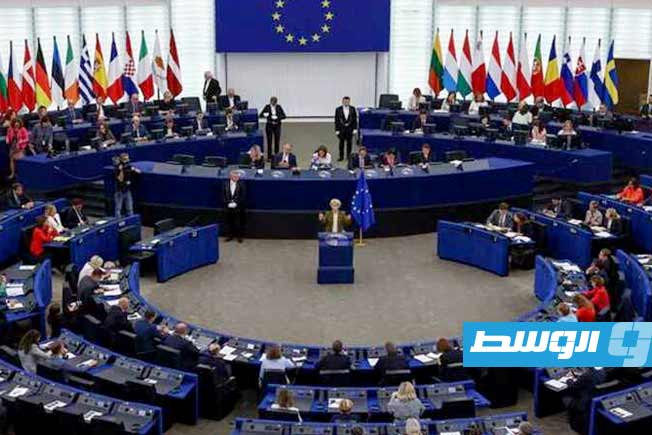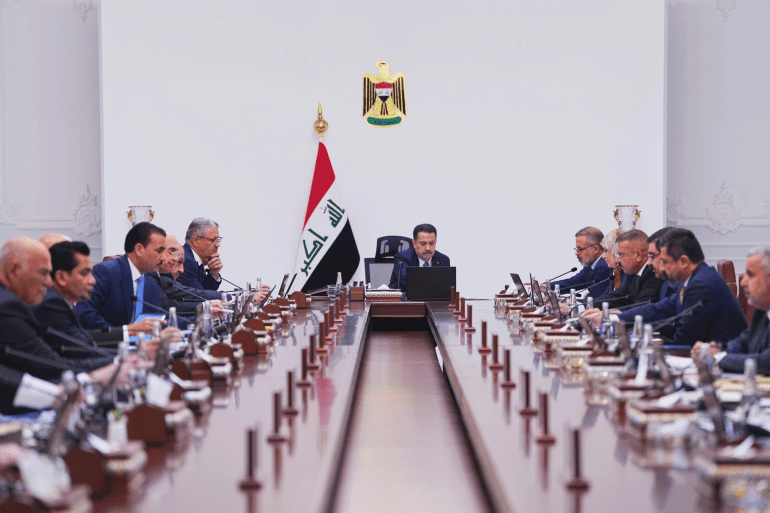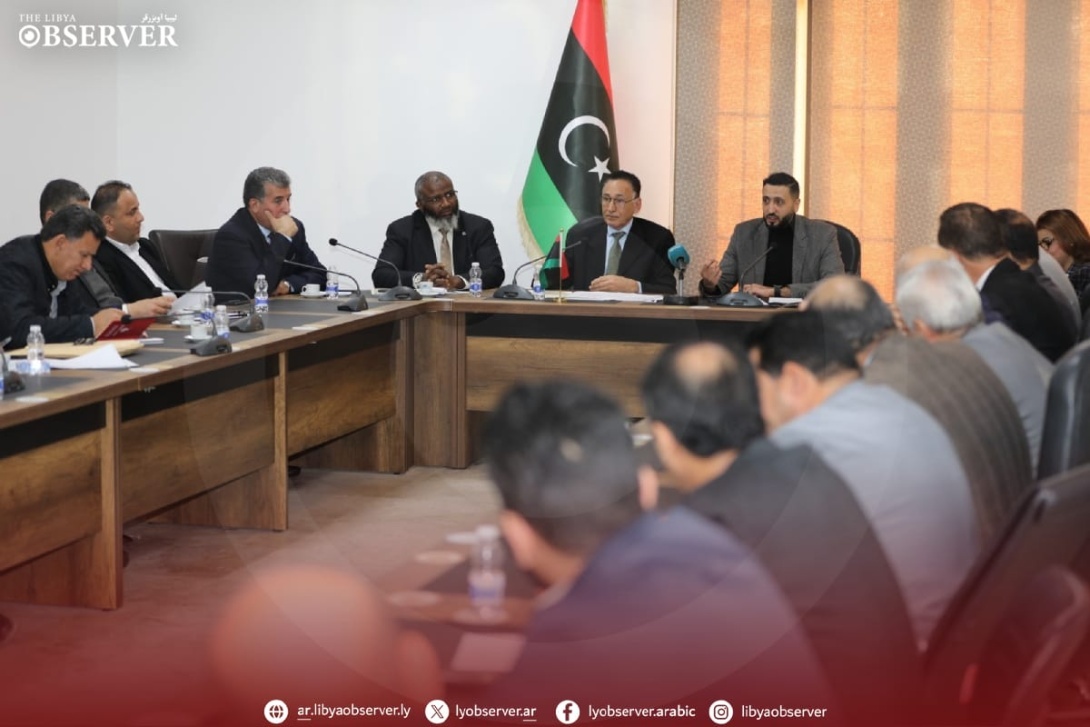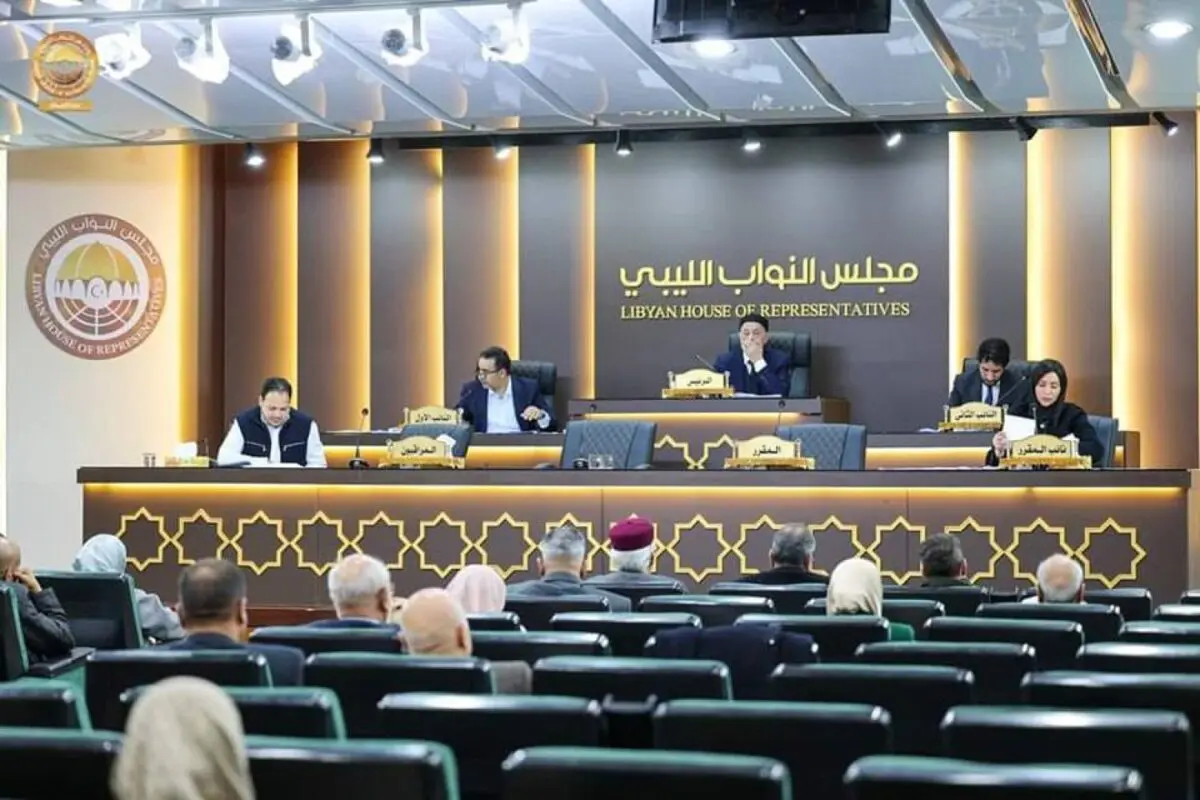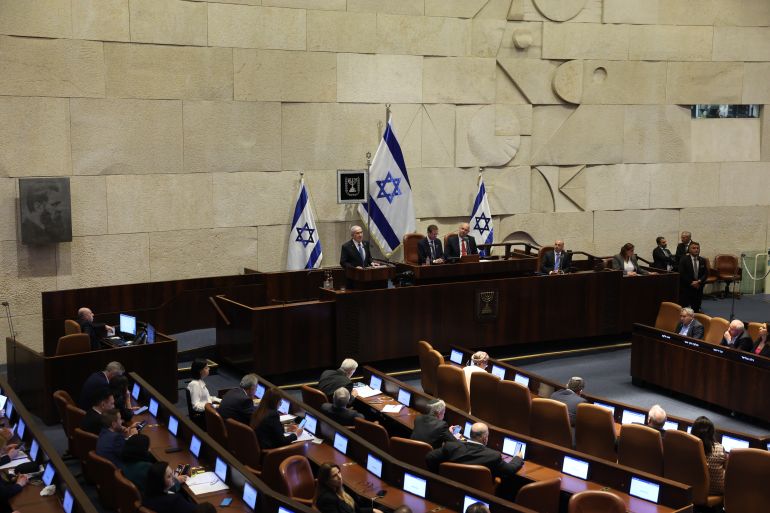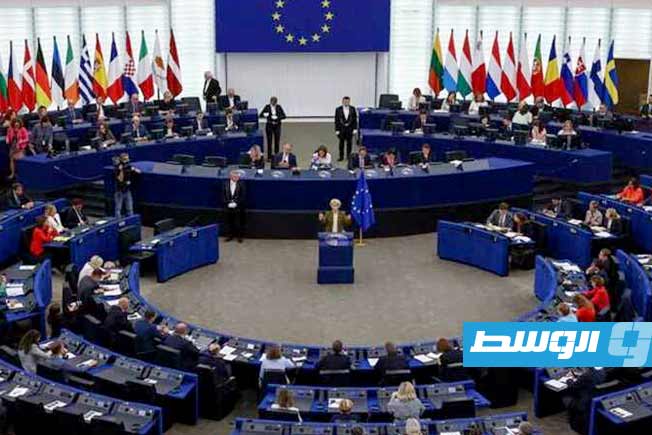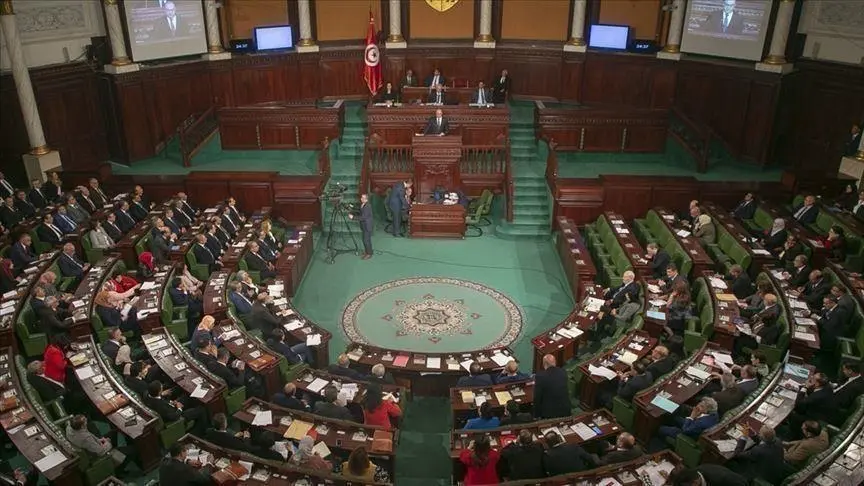
Calls have emerged within the Tunisian parliament for an urgent government reshuffle, against the backdrop of an assessment of the current government’s performance, which deputies described as ineffective in handling economic, social, and political dossiers.
A deputy confirmed that the general situation in Tunisia can no longer tolerate waiting, stressing the necessity of implementing changes that include both policies and personnel to ensure the government responds to citizens’ aspirations.
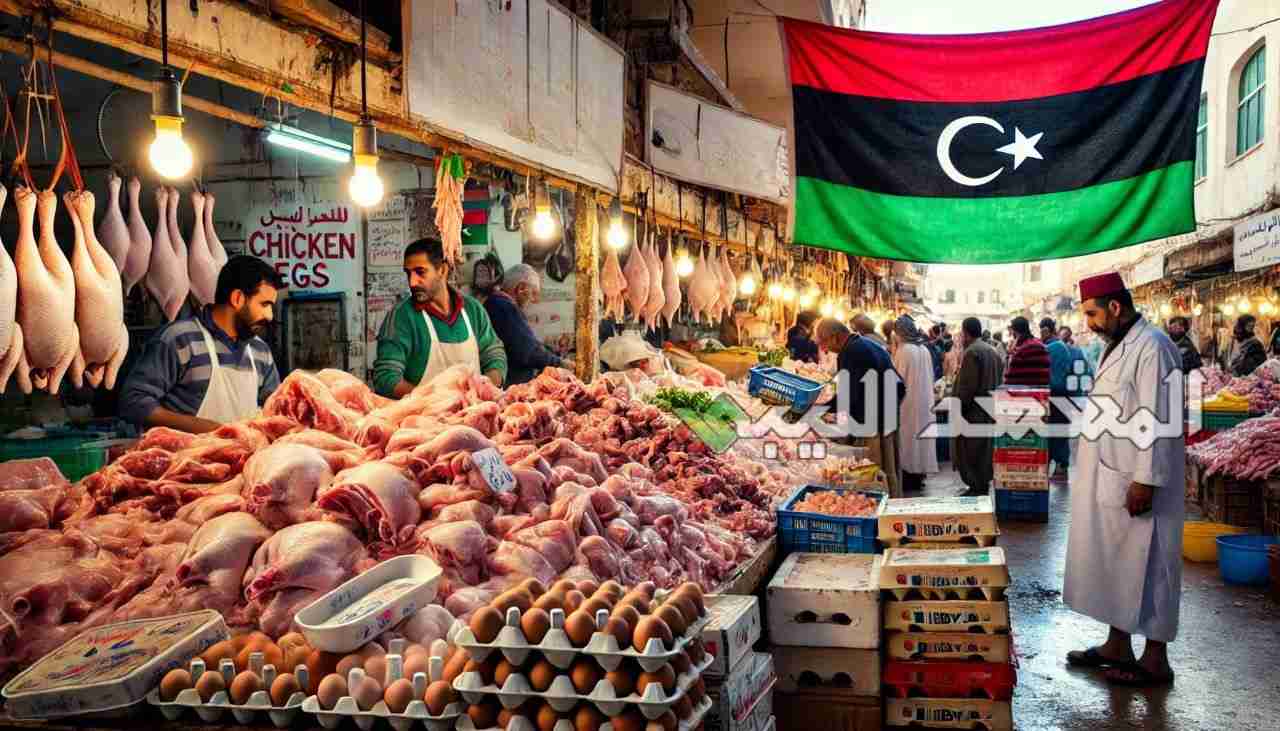
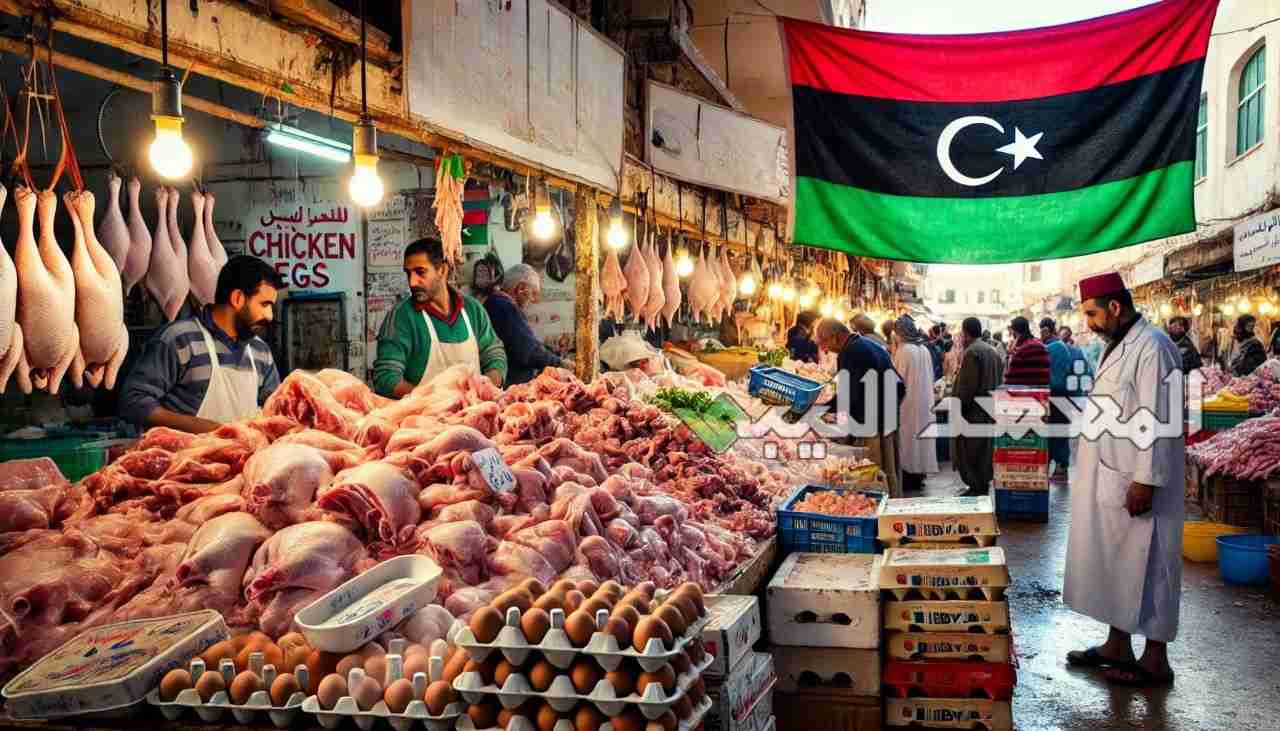
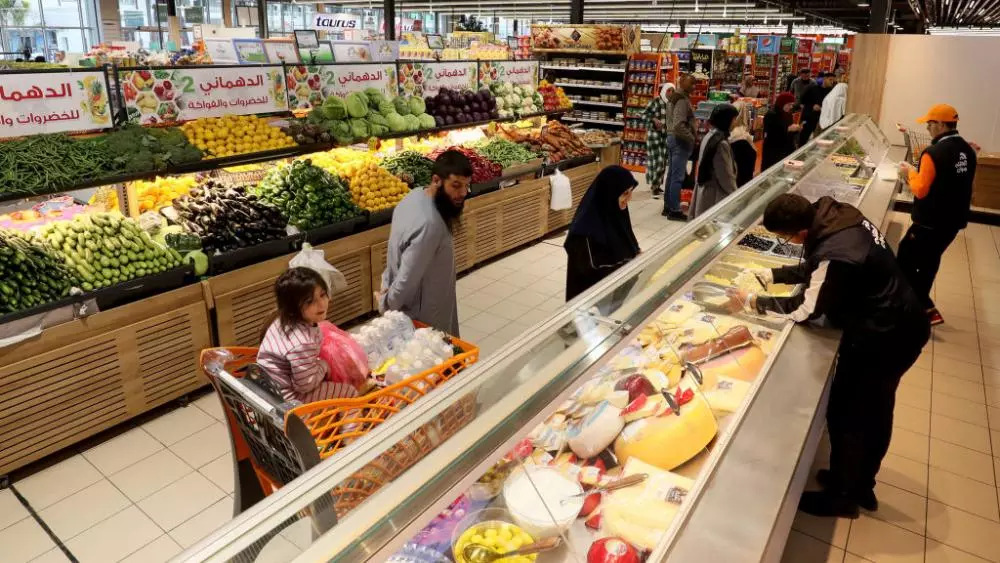
It was clarified that the current government operates without a clear vision, which has negatively impacted citizens suffering from rising prices and scarcity of basic goods in the markets, in addition to a lack of tangible progress in combating corruption.
It was added that the finance bill primarily relied on tax resources and loans, which increases the burden on citizens and deepens the social crisis. Criticism was also directed at the failure to effectively exploit natural resources to reduce unemployment and decrease the volume of debt accumulated since 2011.
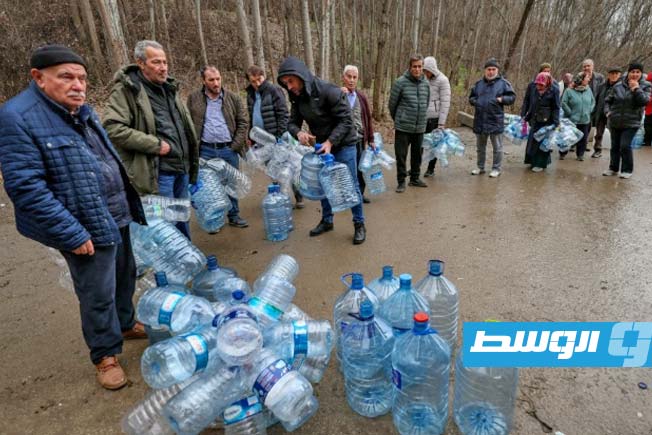
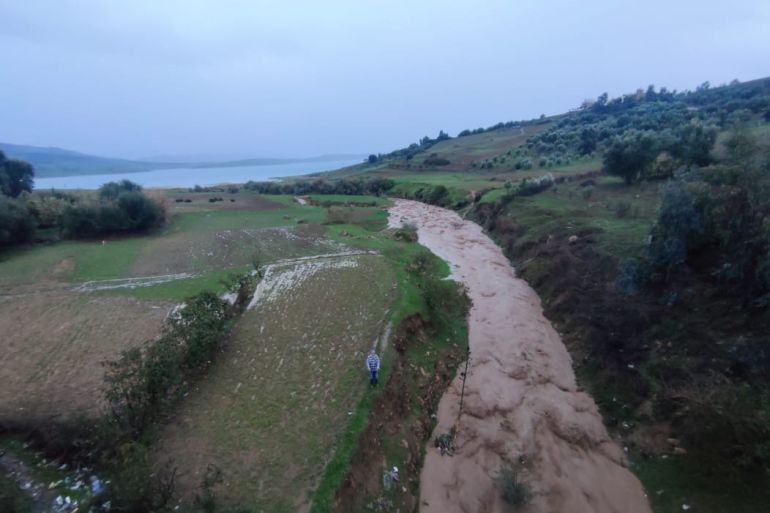
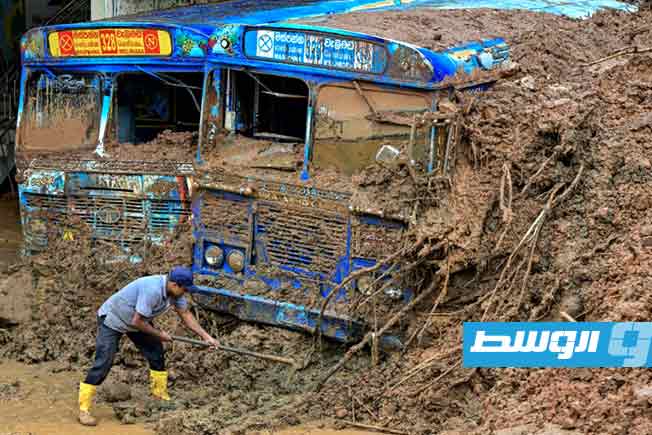
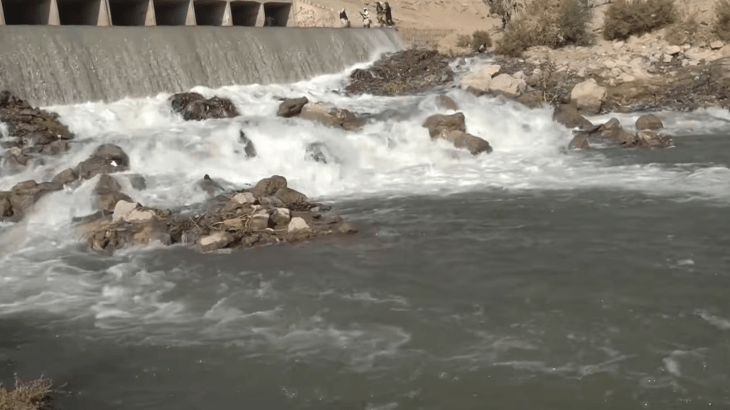
For its part, a political party has demanded a ministerial reshuffle to inject new blood into the government to break the deadlock and resolve stalled projects, noting that recent floods revealed the government’s weak performance in facing crises.
It was added that forming a political government including parties supporting a specific political path would be more capable of translating this path into tangible policies and programs, with the view that the President remains the only party seriously seeking to find solutions to environmental, economic, and social problems.
In contrast, a political analyst considered that calls for a government reshuffle at this time hold no real meaning, pointing out that the management of governmental affairs is conducted under the direct supervision of the President, and that successive governments remain “formal governments.”
It was added that placing sole responsibility for failure on the government or using that as a pretext for a ministerial reshuffle lacks objective foundations. It was emphasized that the executive authority is working to reform general conditions and conclude agreements to enhance foreign relations and develop trade exchanges, and that calls to dismiss the government represent an attempt to satisfy certain parties and obstruct the President’s program, rather than stemming from an actual need for change.
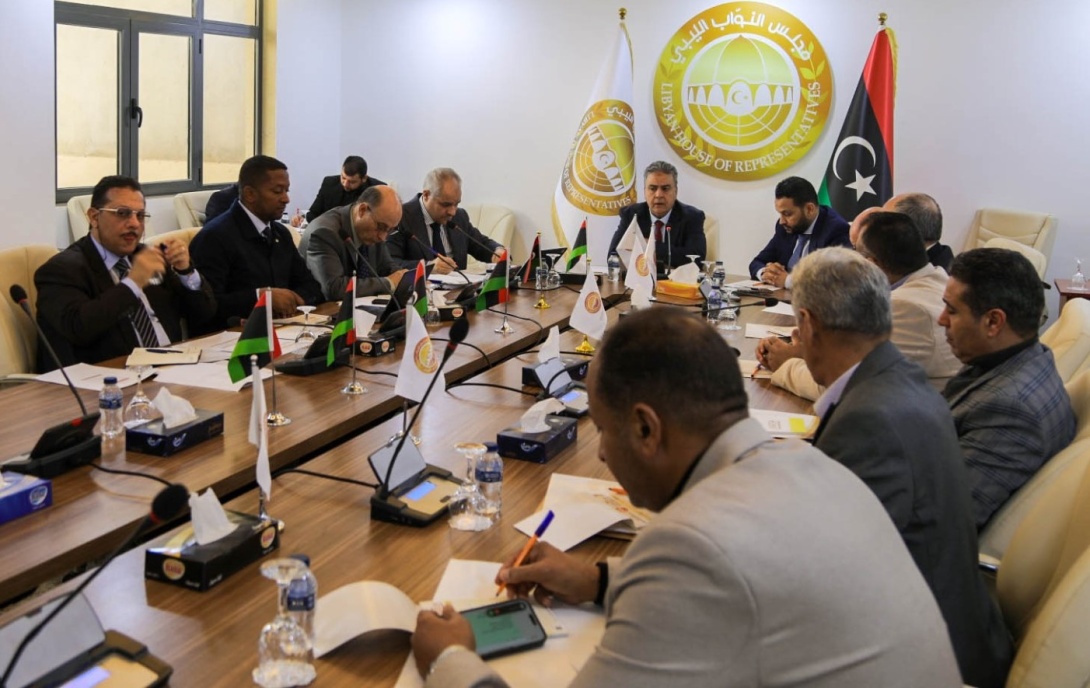
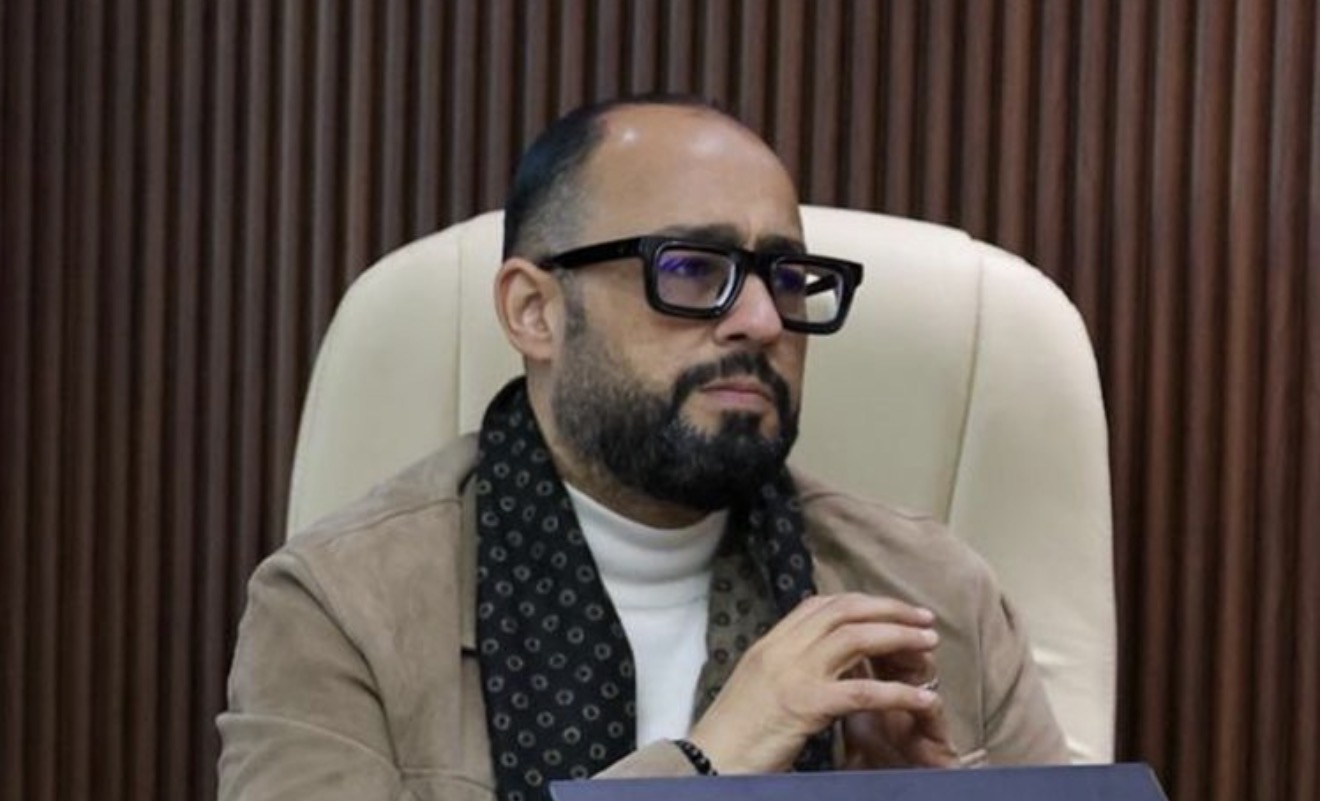
In a related context, the Tunisian Council of Representatives has demanded respect for the constitutional guarantees afforded to its members in any judicial proceedings, following the arrest of a deputy, who is an assistant to the President in charge of major reforms.
This came in a statement issued by the Council’s bureau following a meeting dedicated to discussing the deputy’s situation, confirming the necessity of “respecting the constitutional guarantees afforded to every people’s deputy in any criminal or judicial pursuit against them.”
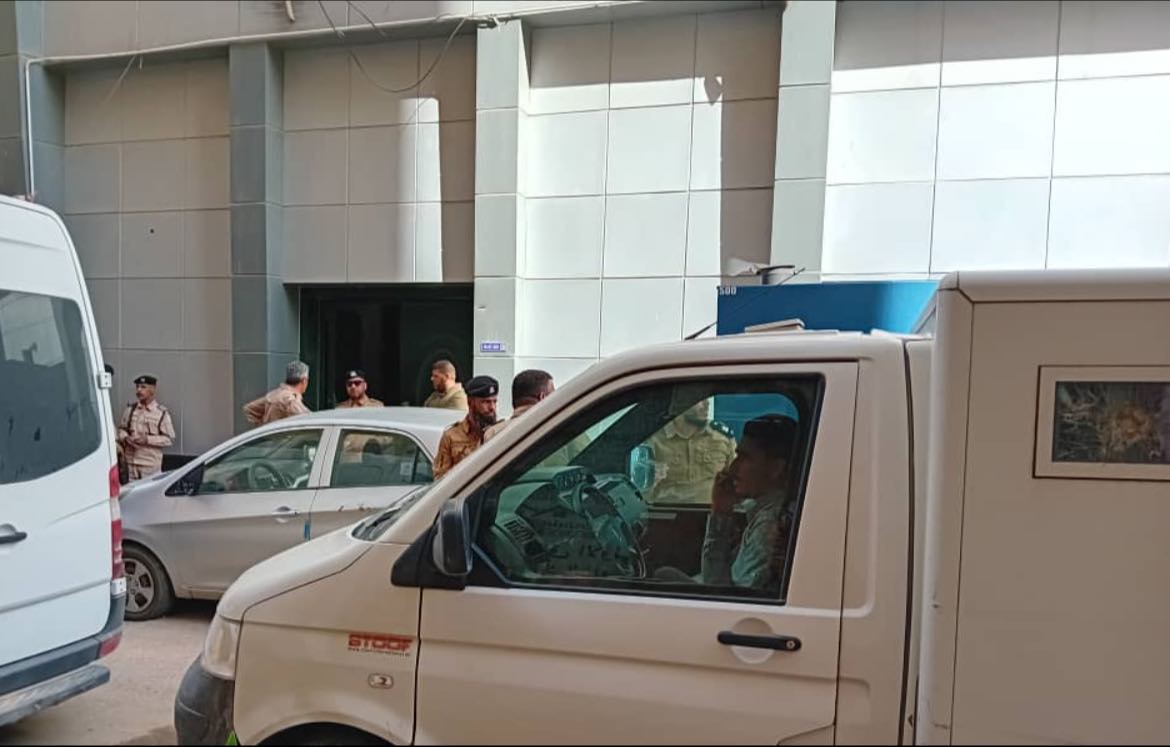
Security authorities had arrested the deputy on Wednesday in the Bizerte governorate in northern Tunisia, under a judicial order, before he was held by the specialized unit for combating cybercrimes.
Local media reported on Friday that the judiciary issued an order for his imprisonment and referral to trial on charges related to “defamation of others via the public telecommunications network,” with no official clarifications issued so far.
The deputy, who belongs to the “National Sovereign Line” bloc consisting of 15 out of 161 deputies, is known for his continuous criticism of the policies of the current authority and the President.