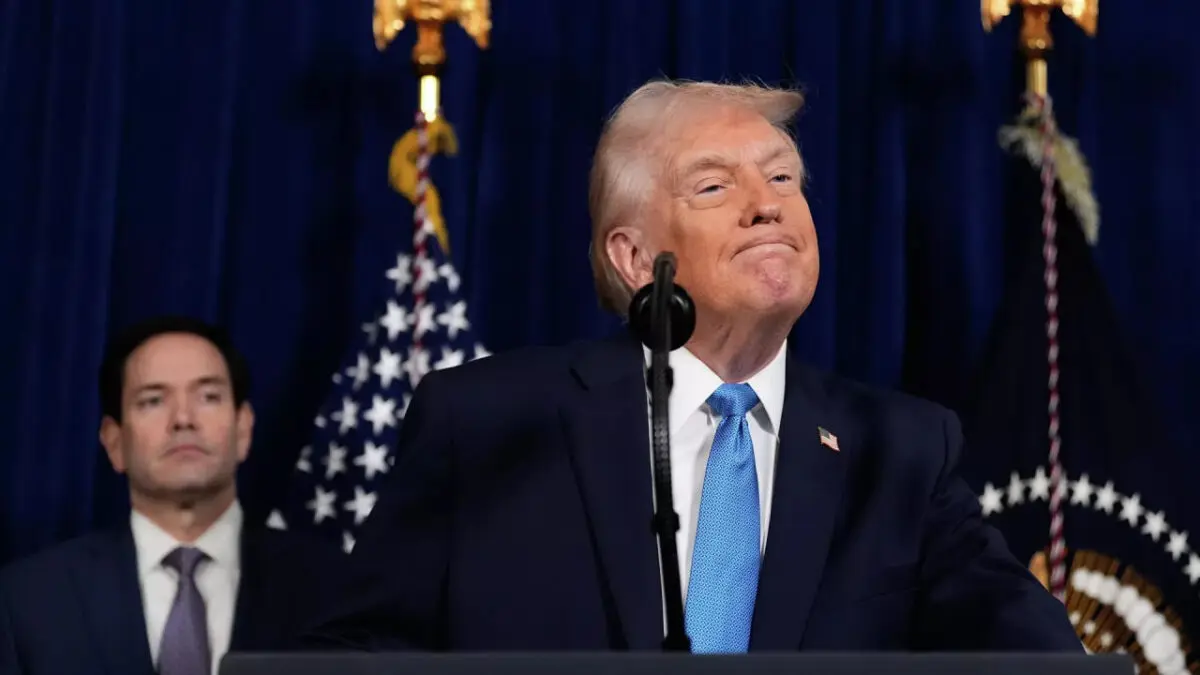
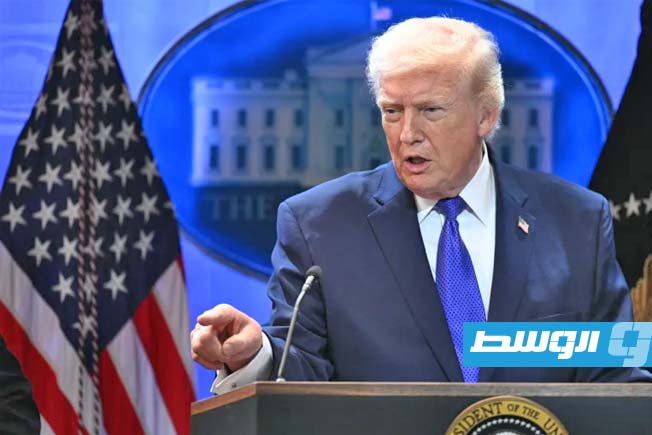
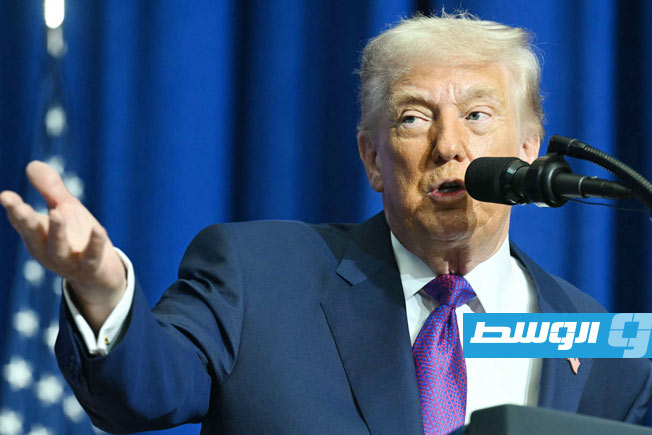
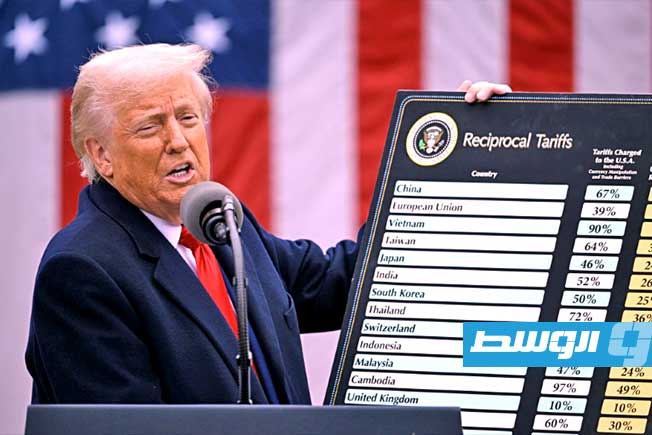
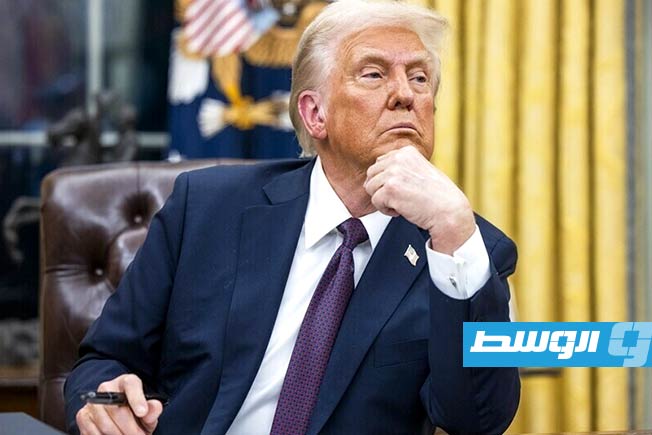
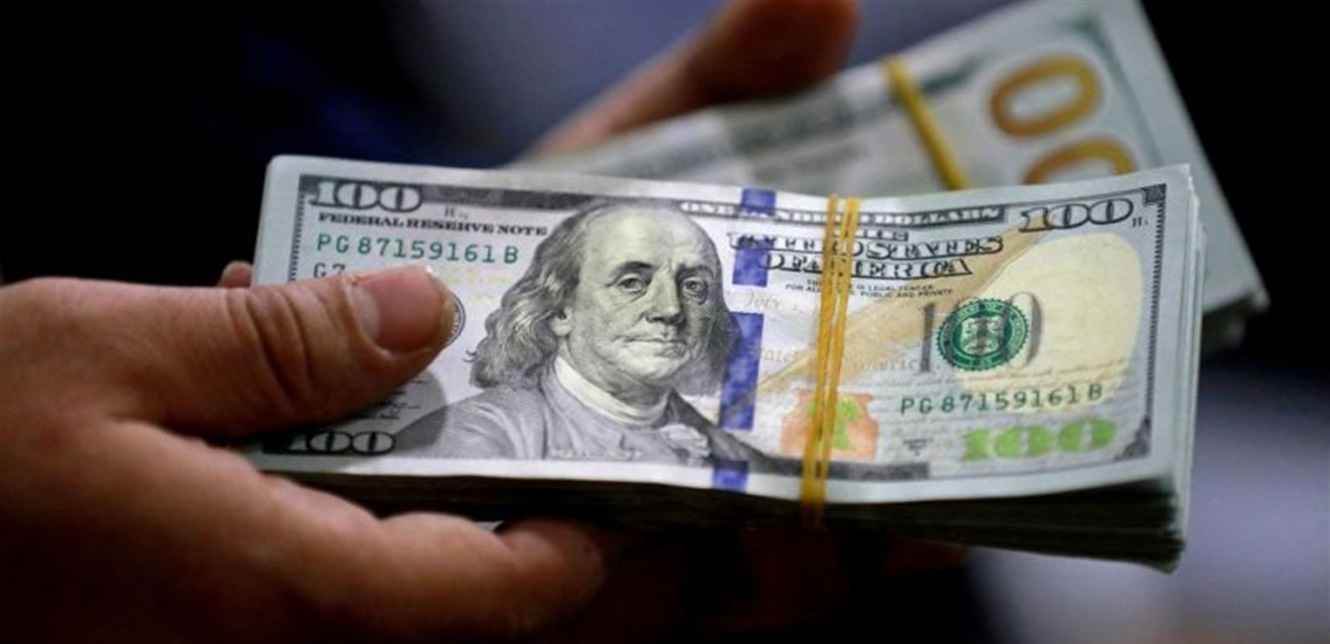
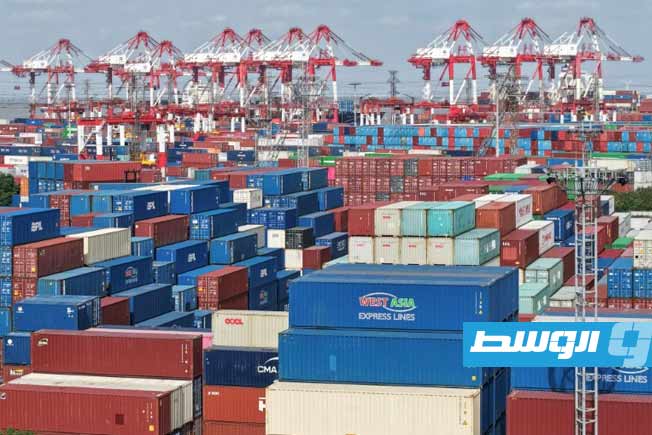
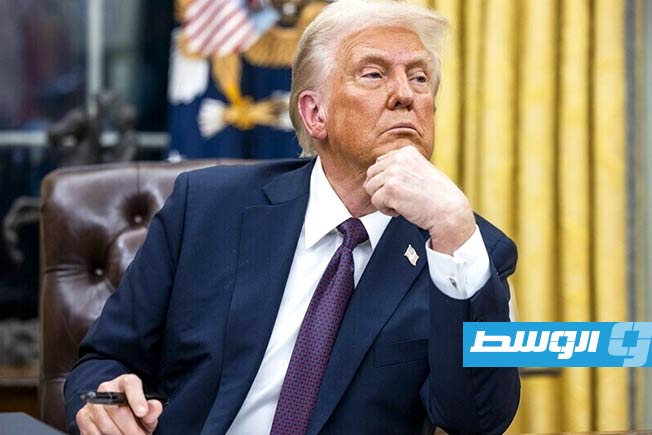
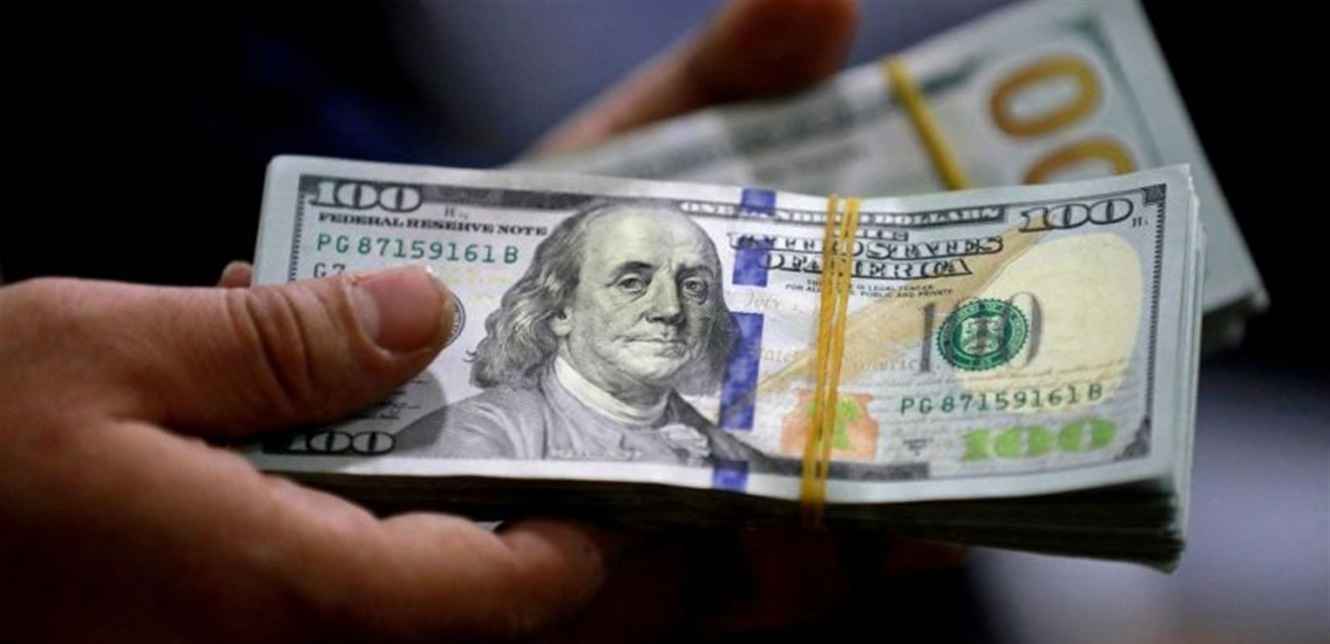
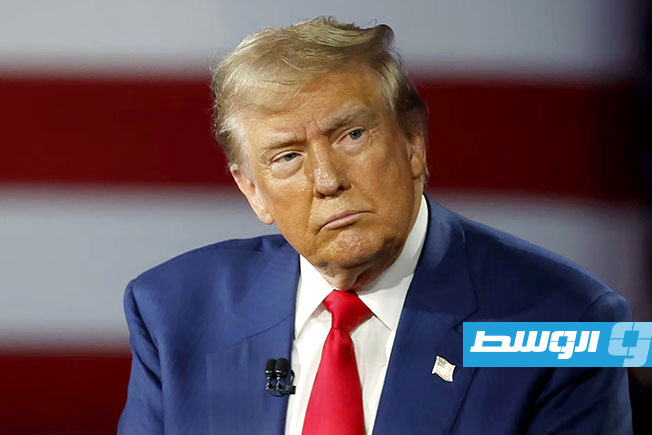
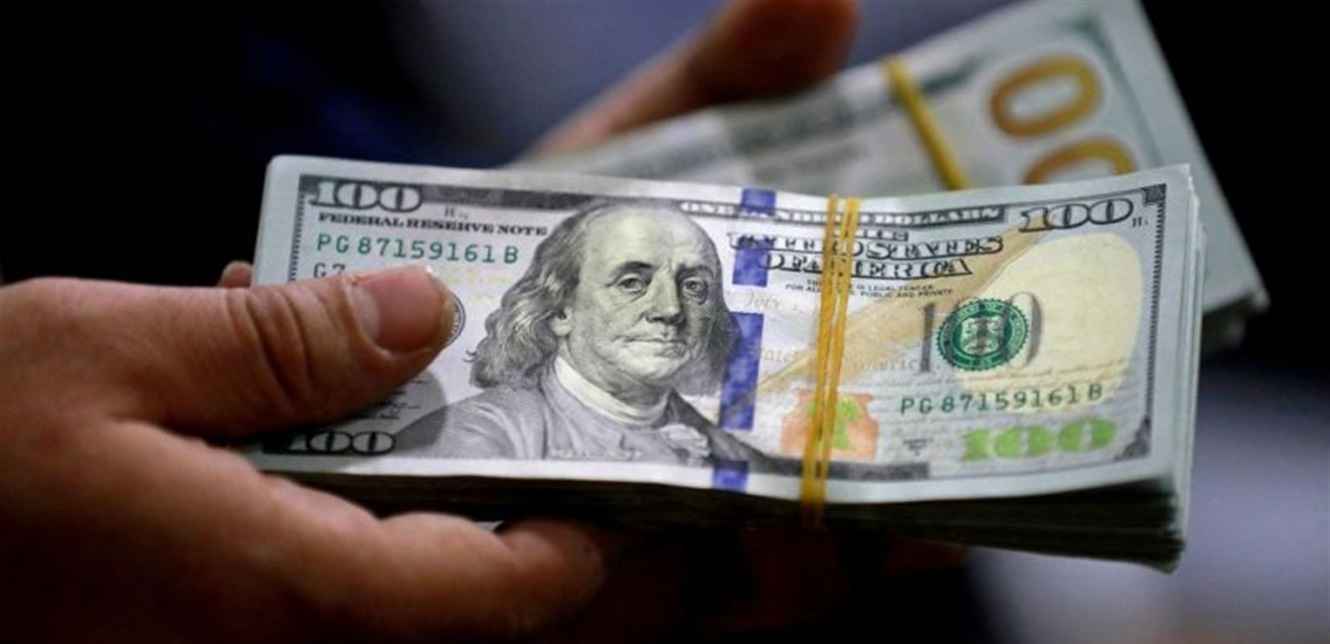
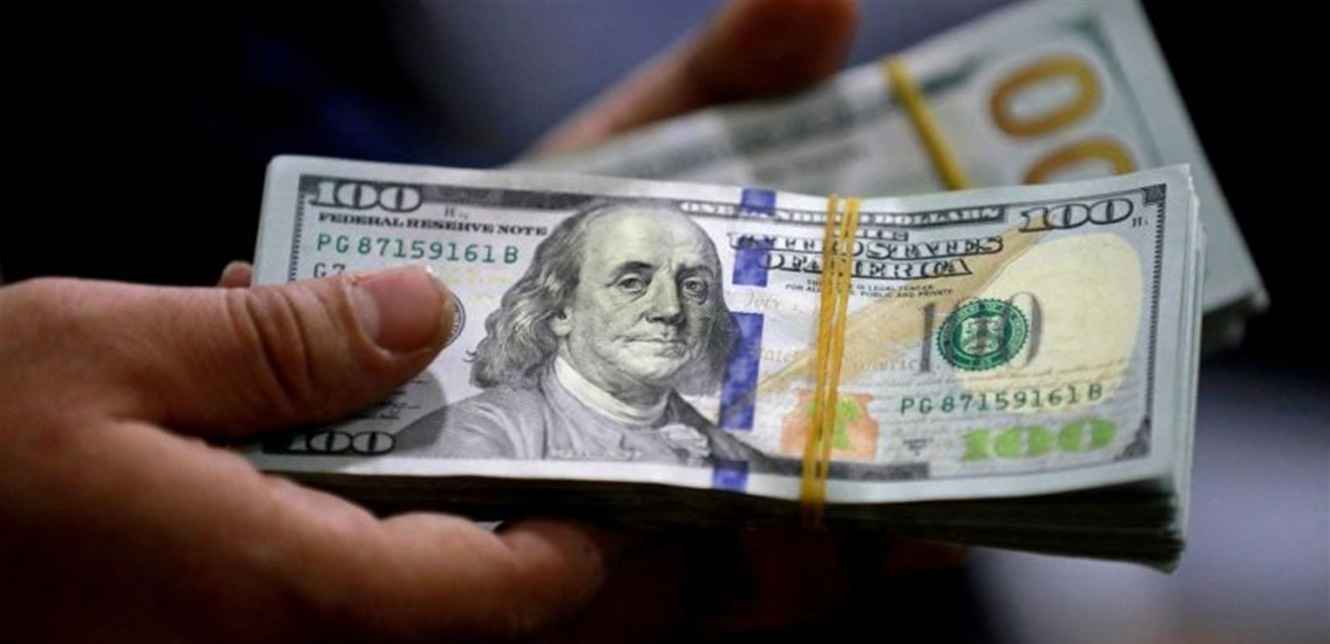
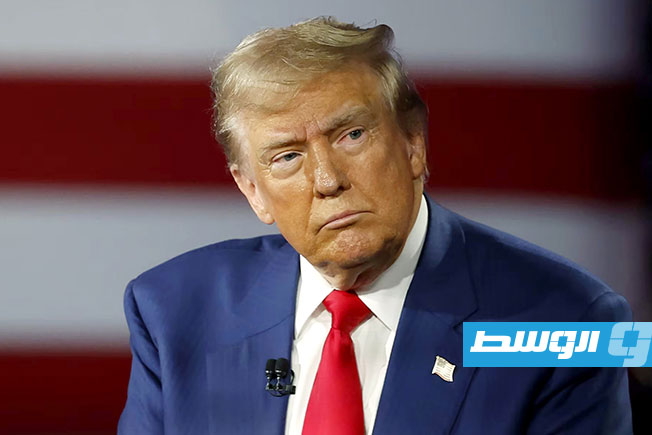
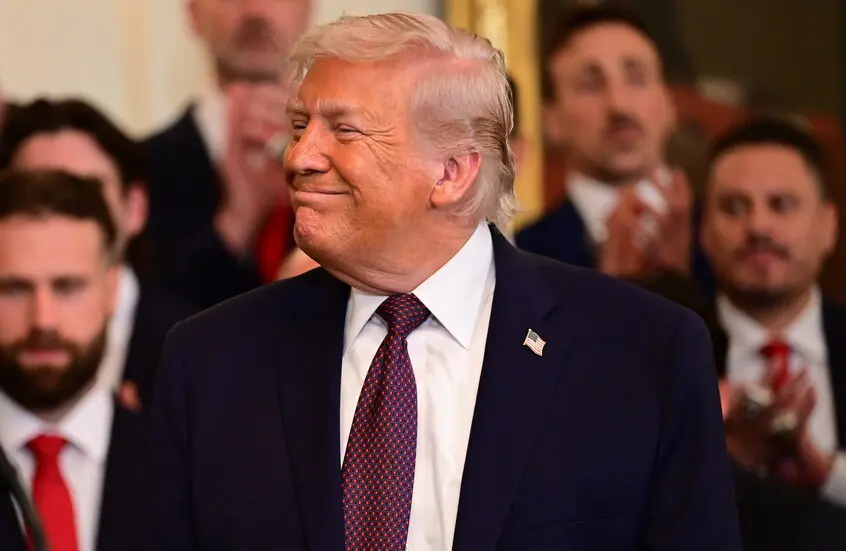
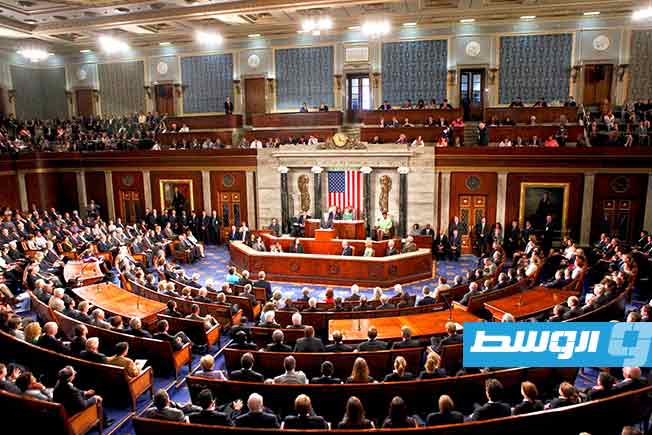
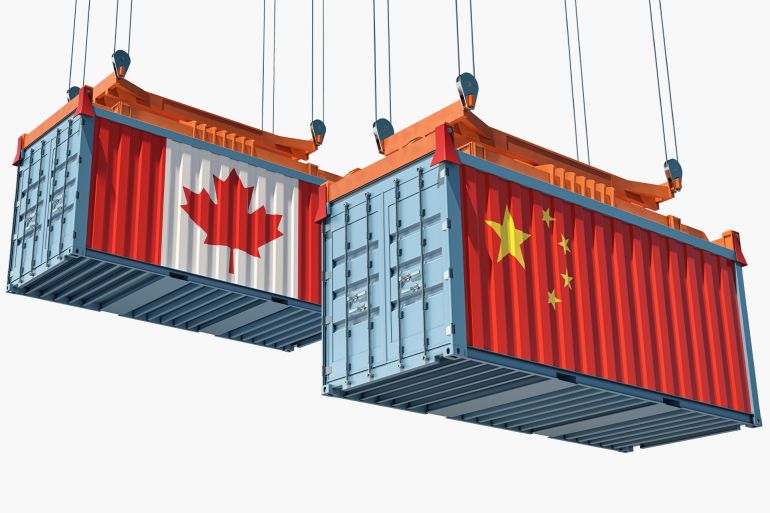
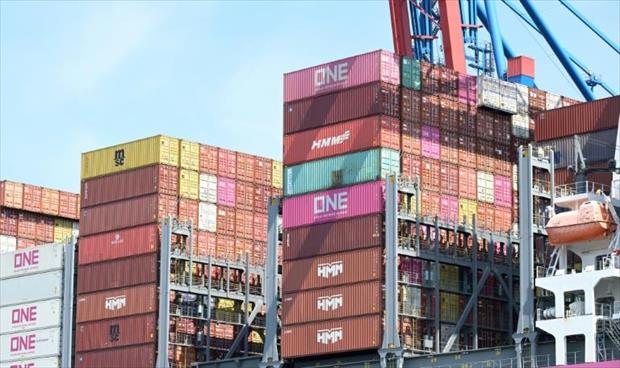
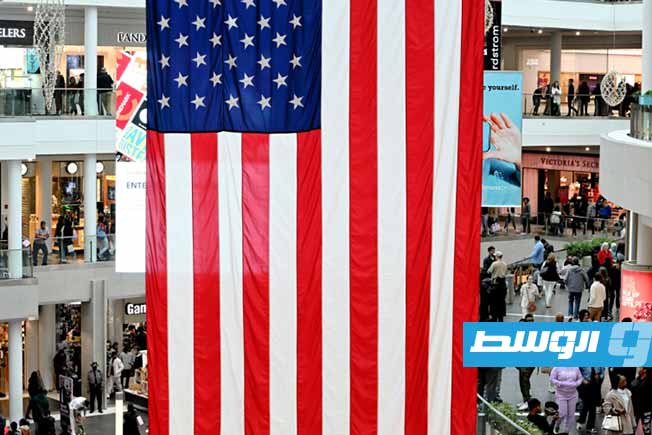
US President Donald Trump issued an executive order on Saturday threatening to impose additional 25 percent tariffs on countries that engage in trade with Iran.
The order issued by the White House states that “additional duties may be imposed on goods imported into the United States that are produced in any country that purchases, imports, or obtains in any manner, directly or indirectly, goods or services from Iran.”
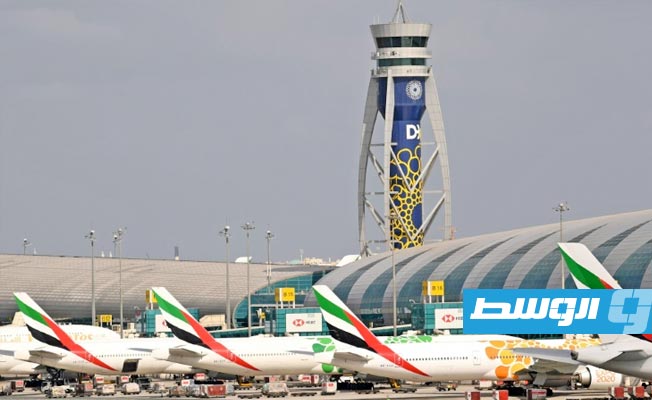
This order comes as the US Treasury Department announced the addition of 15 companies and two individuals to the sanctions list related to Iran. The companies are registered in the UAE, Turkey, Georgia, China, and other countries.
This announcement follows the conclusion of the latest round of indirect negotiations between Iran and the United States in the Omani capital, Muscat. The Iranian Foreign Minister stated that the atmosphere was positive, while noting “a significant lack of trust at this time, which is a challenge for the negotiations.”
Furthermore, the Pentagon’s 2026 National Defense Strategy indicated that the United States believes Iran may be attempting to acquire nuclear weapons, including by refusing to negotiate over its nuclear program, and that Tehran intends to rebuild its forces.
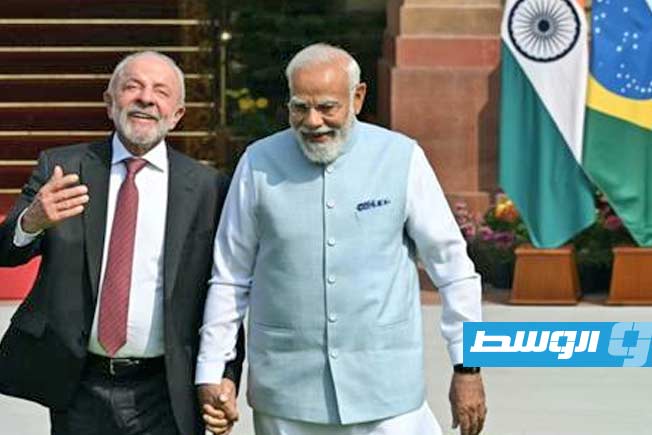
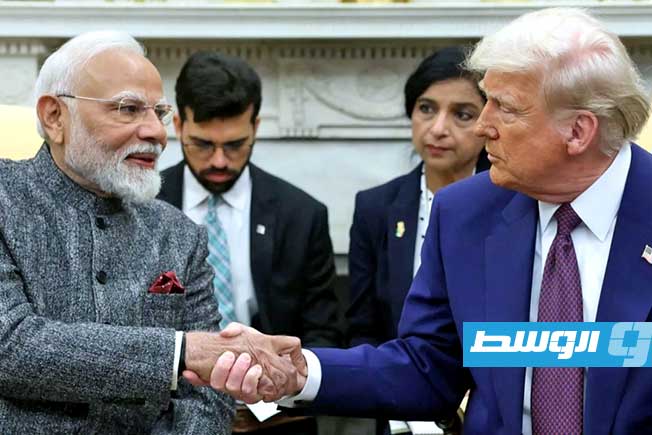
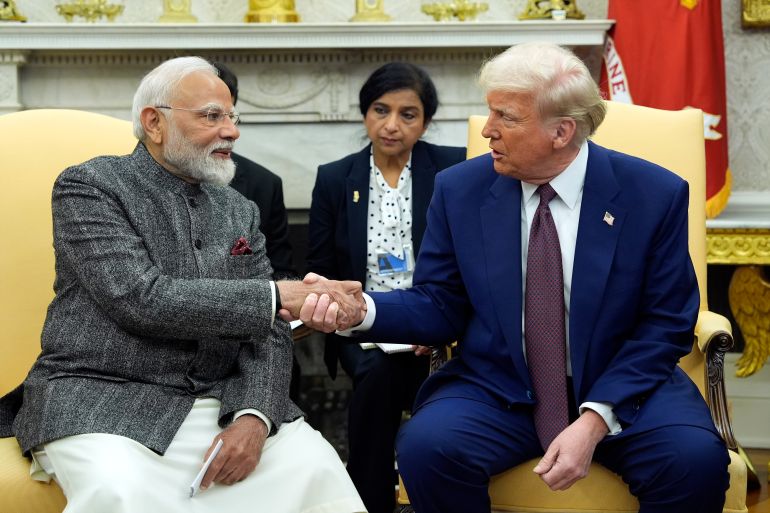
In a separate move, US President Donald Trump canceled the additional 25 percent tariffs on imports from India, citing New Delhi’s cessation of Russian oil purchases. The new order states that “beginning February 7, 2026, goods arriving from India will not be subject to any additional duties.”
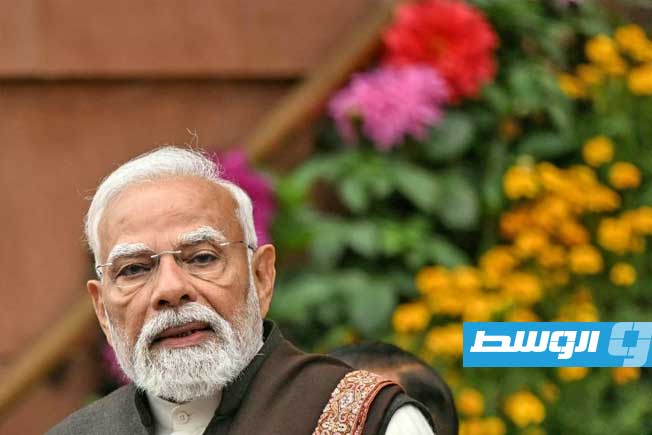
Last February, the US President and the Indian Prime Minister announced plans to increase the volume of bilateral trade between the two countries to more than $500 billion by the end of the current decade. This comes amid trade tensions that began in 2025 due to India’s purchase of Russian oil and Washington’s imposition of significant tariffs on its imports from India.
United States
The United States is a federal republic founded in 1776 after declaring independence from Great Britain, with its modern government established by the Constitution in 1789. Its history encompasses westward expansion, the Civil War, industrialization, and its emergence as a global superpower in the 20th century. The nation is characterized by its diverse population, democratic institutions, and significant cultural and economic influence worldwide.
Iran
Iran, historically known as Persia, is home to one of the world’s oldest continuous civilizations, with a rich cultural history spanning thousands of years. It features numerous UNESCO World Heritage sites, including the ancient ruins of Persepolis, which was the ceremonial capital of the Achaemenid Empire founded in the 6th century BCE. The country’s culture is deeply influenced by its pre-Islamic Zoroastrian heritage and its later role as a center of Islamic art, architecture, and scholarship.
UAE
The United Arab Emirates (UAE) is a federation of seven emirates on the Arabian Peninsula, established in 1971 following the end of British protection. Historically a region of pearl diving and trade, it has rapidly transformed into a global hub known for its modern architecture, such as the Burj Khalifa, and its deep-rooted Islamic and Bedouin cultural heritage.
Turkey
Turkey is a transcontinental nation straddling Eastern Europe and Western Asia, with a rich history as the heartland of the Byzantine and Ottoman Empires. Its cultural landscape is defined by iconic sites like the Hagia Sophia in Istanbul, which has served as a cathedral, mosque, and museum over its 1,500-year history. Modern Turkey was founded as a republic in 1923 by Mustafa Kemal Atatürk following the collapse of the Ottoman Empire.
Georgia
Georgia is a country in the Caucasus region of Eurasia, known for its ancient history and distinctive cultural heritage. It was one of the earliest nations to adopt Christianity in the 4th century and is home to historic sites like the cave city of Uplistsikhe and the medieval churches of Mtskheta. The country has a rich tradition of winemaking, polyphonic singing, and has maintained its unique alphabet for over a millennium.
China
China is one of the world’s oldest continuous civilizations, with a recorded history spanning over four millennia. It is home to numerous UNESCO World Heritage sites, such as the Great Wall and the Forbidden City, which reflect its long imperial past and profound cultural achievements.
Oman
Oman is a country on the southeastern coast of the Arabian Peninsula with a rich maritime history as a powerful trading empire. Its cultural identity is deeply tied to Ibadism, a form of Islam, and historic sites like the Bahla Fort, a UNESCO World Heritage site, reflect its ancient settlements and architectural heritage.
Muscat
Muscat is the capital city of Oman, a historic port that has been a center for trade and cultural exchange for centuries due to its strategic location on the Arabian Sea. Its history is reflected in landmarks like the 16th-century Portuguese forts of Al Jalali and Al Mirani, which overlook the old harbor. Today, the city blends its traditional architecture with modern development, serving as the political and economic heart of the Sultanate.
Pentagon
The Pentagon is the headquarters of the United States Department of Defense, located in Arlington, Virginia. Constructed during World War II and completed in 1943, it was built to consolidate the nation’s war offices. It remains one of the world’s largest office buildings and a symbol of the U.S. military.
India
India is a South Asian country with a rich and ancient history, home to one of the world’s oldest civilizations in the Indus Valley. Its cultural landscape is profoundly shaped by major historical developments, including the rise of Hinduism and Buddhism, the Mughal Empire, and British colonial rule, which ended with independence in 1947. Today, it is a vast, diverse republic known for its multitude of languages, religions, and iconic sites like the Taj Mahal.
New Delhi
New Delhi is the capital city of India, officially inaugurated in 1931 as the new administrative center during British rule. It was designed by architects Edwin Lutyens and Herbert Baker, featuring wide boulevards and grand government buildings like the Rashtrapati Bhavan and India Gate. Today, it serves as the seat of the Indian government and is a major political and cultural hub.
Russia
Russia is the largest country in the world by land area, spanning Eastern Europe and Northern Asia. Its history is marked by the rule of the Tsarist Empire, the Soviet Union, and the modern Russian Federation, with a rich cultural heritage in literature, music, and the arts.