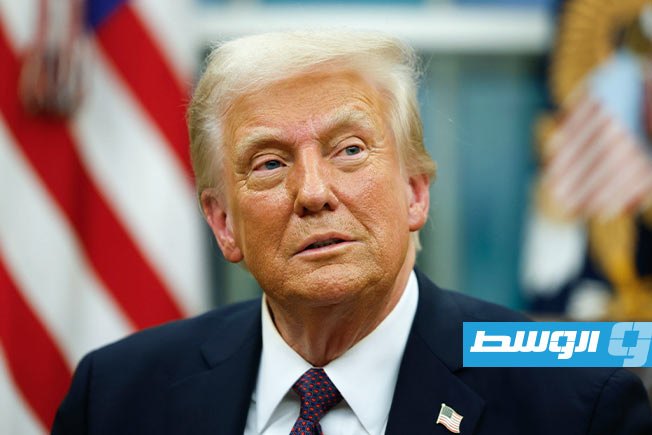
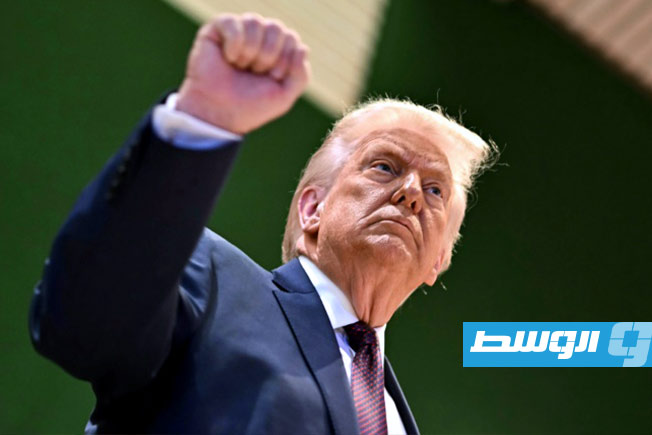
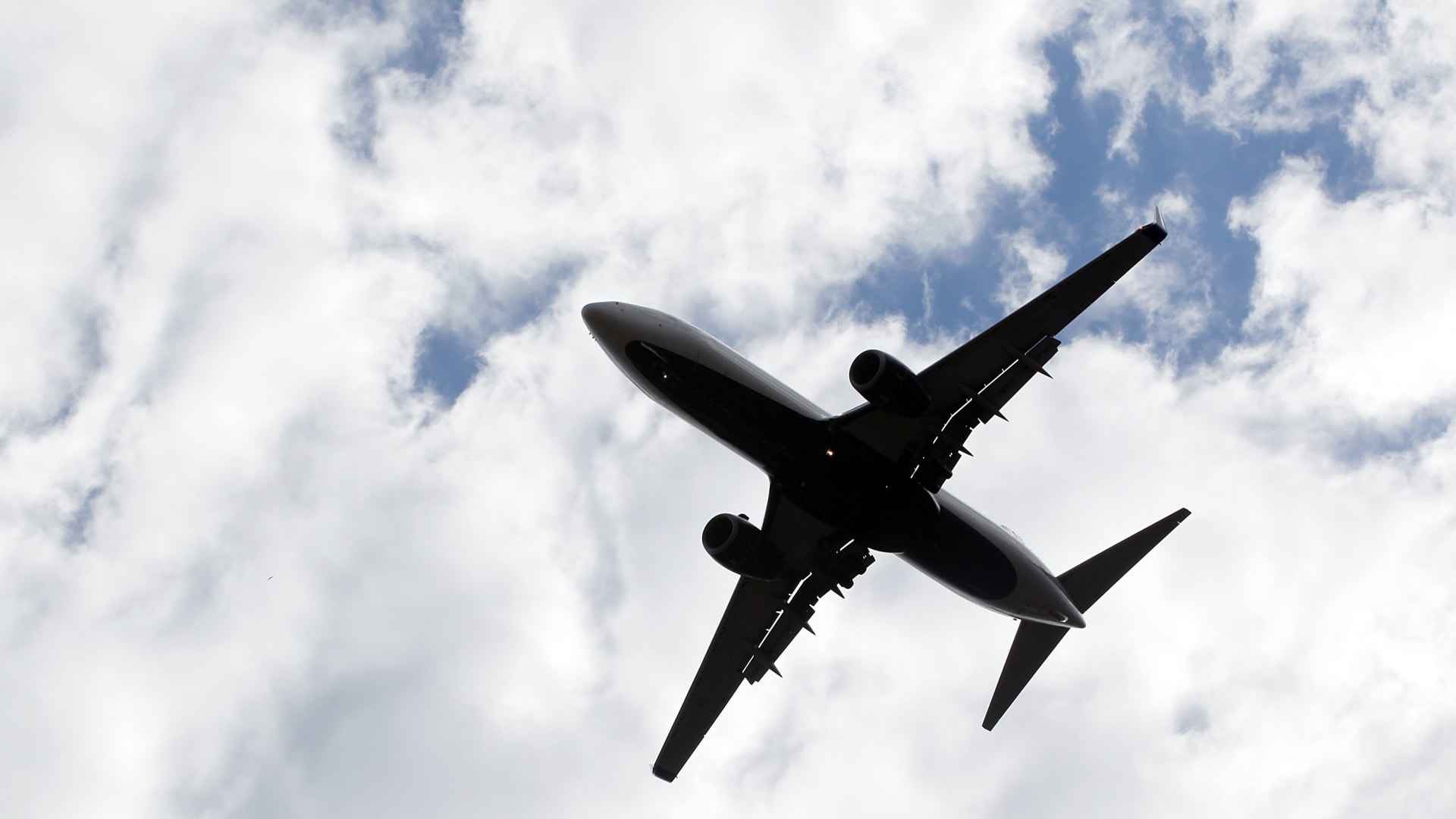
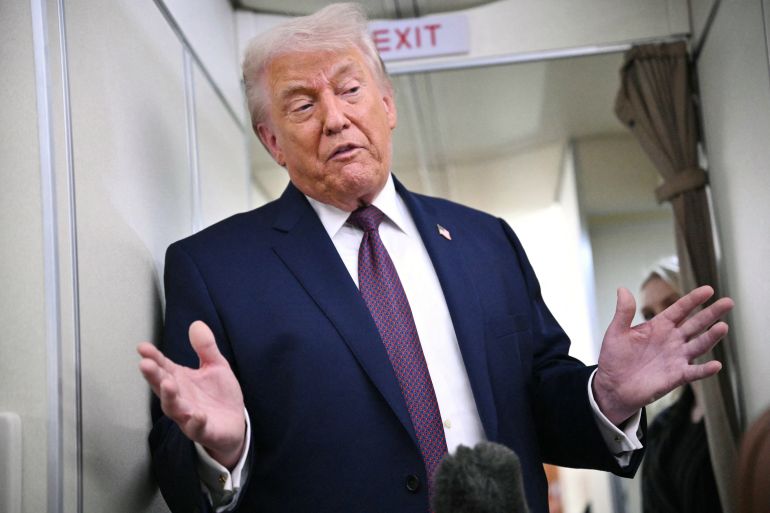
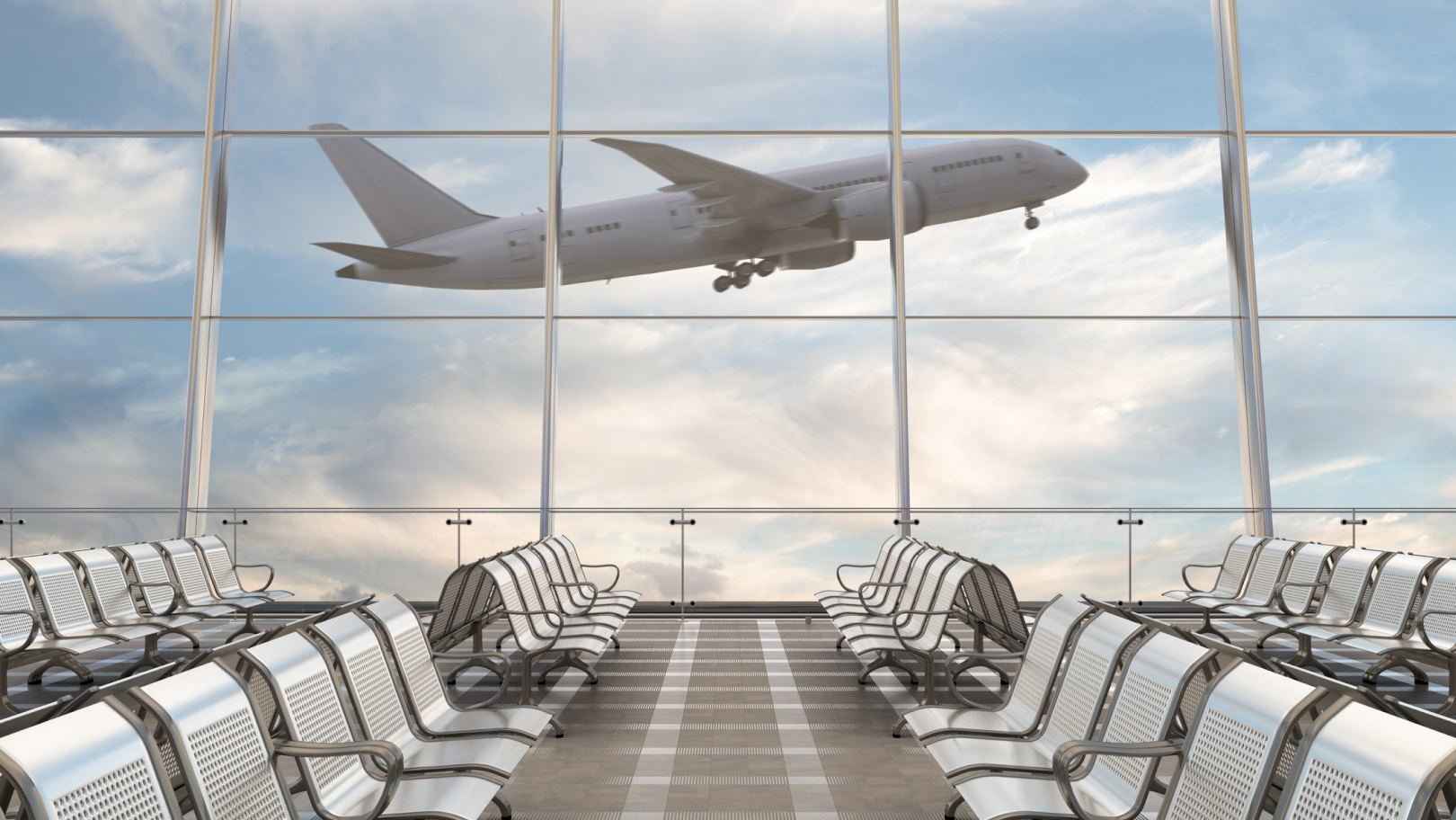
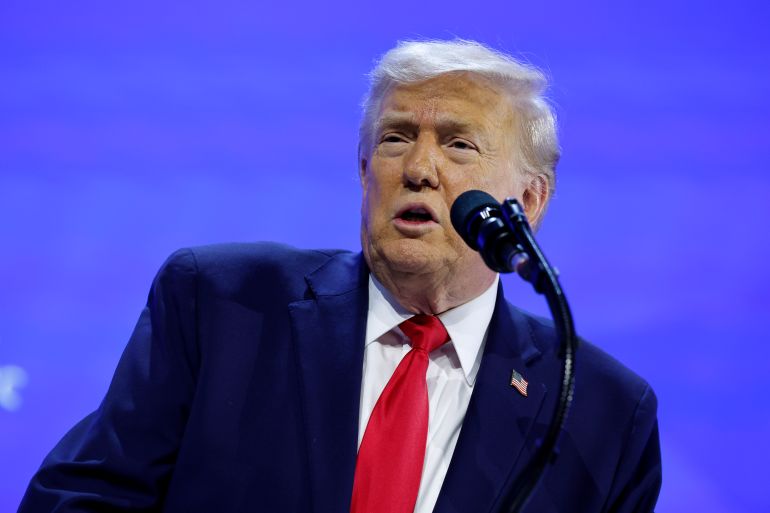
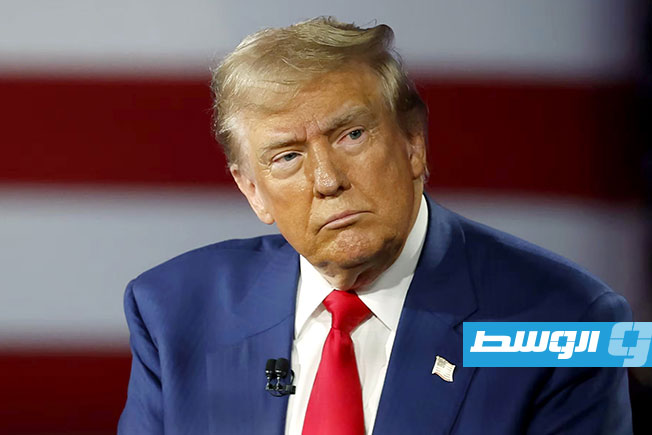
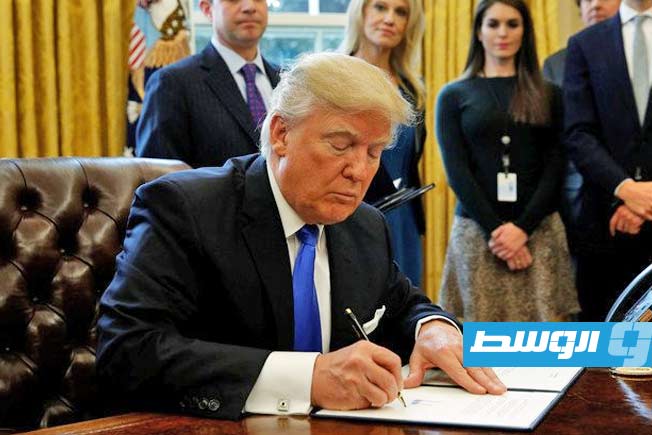
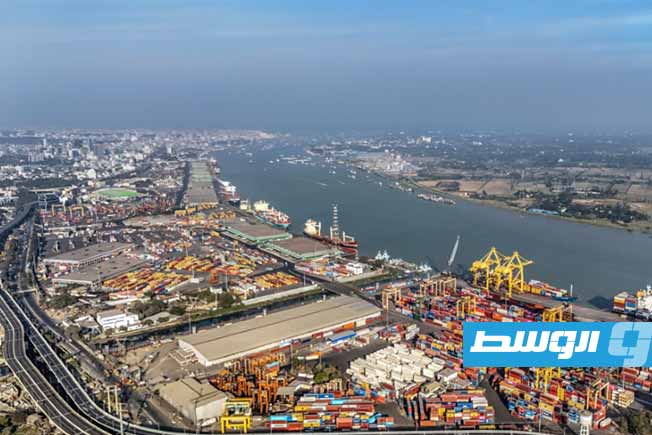
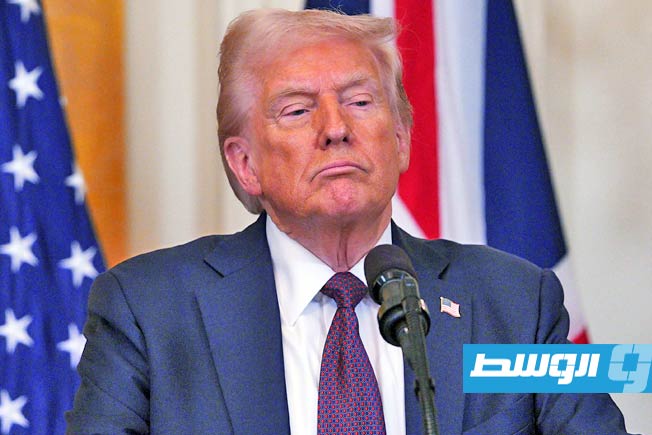
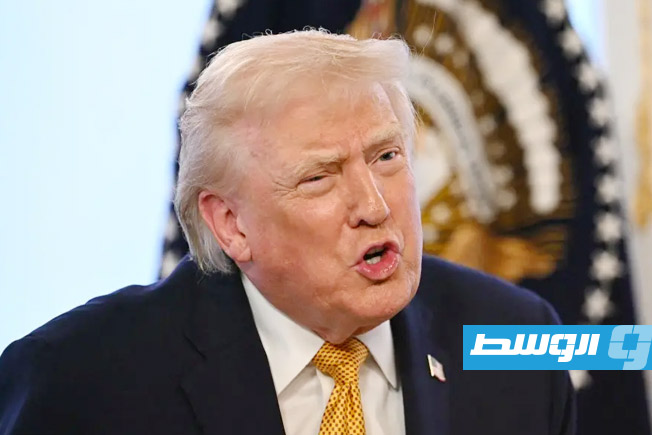
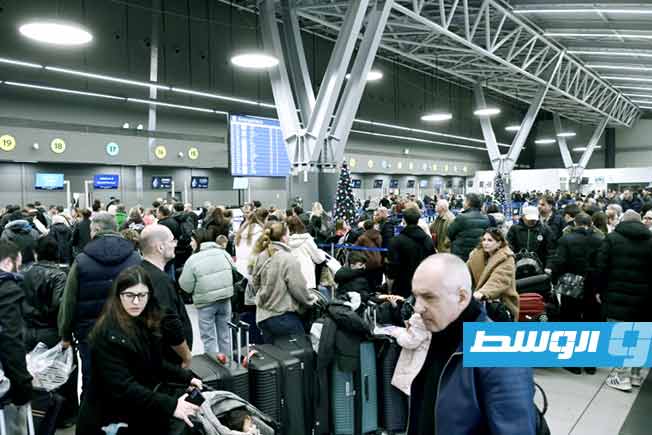
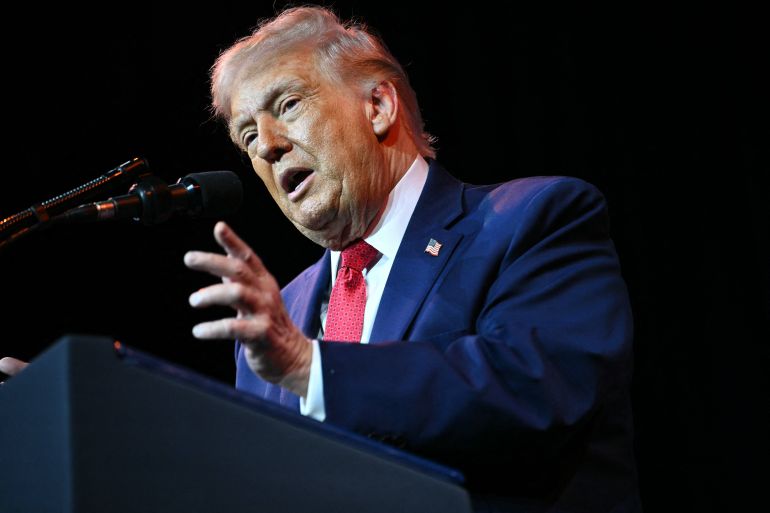
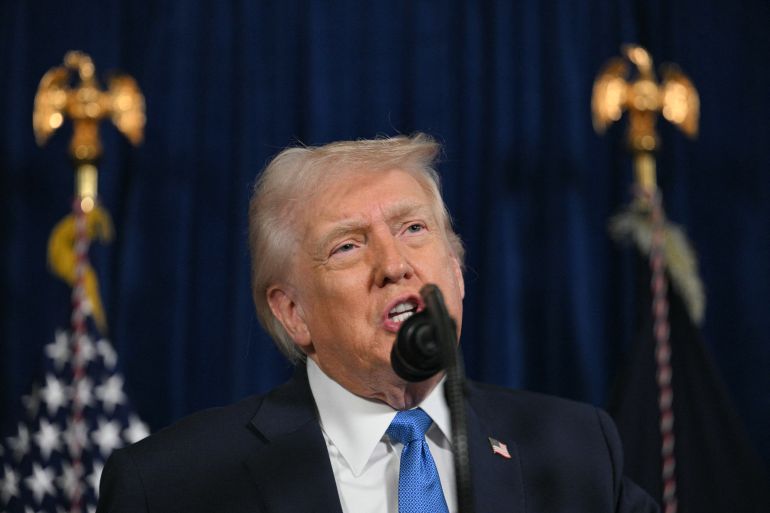
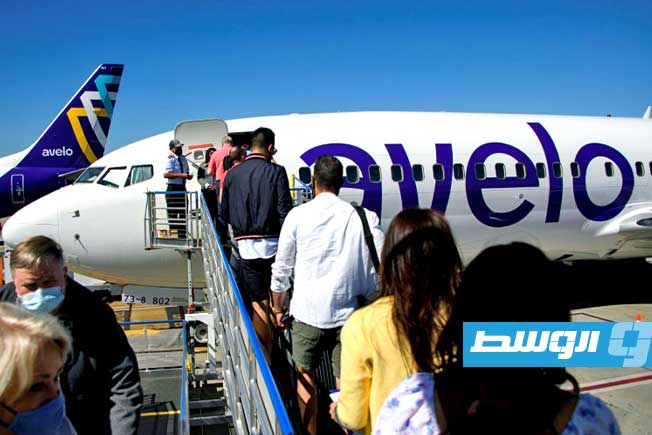
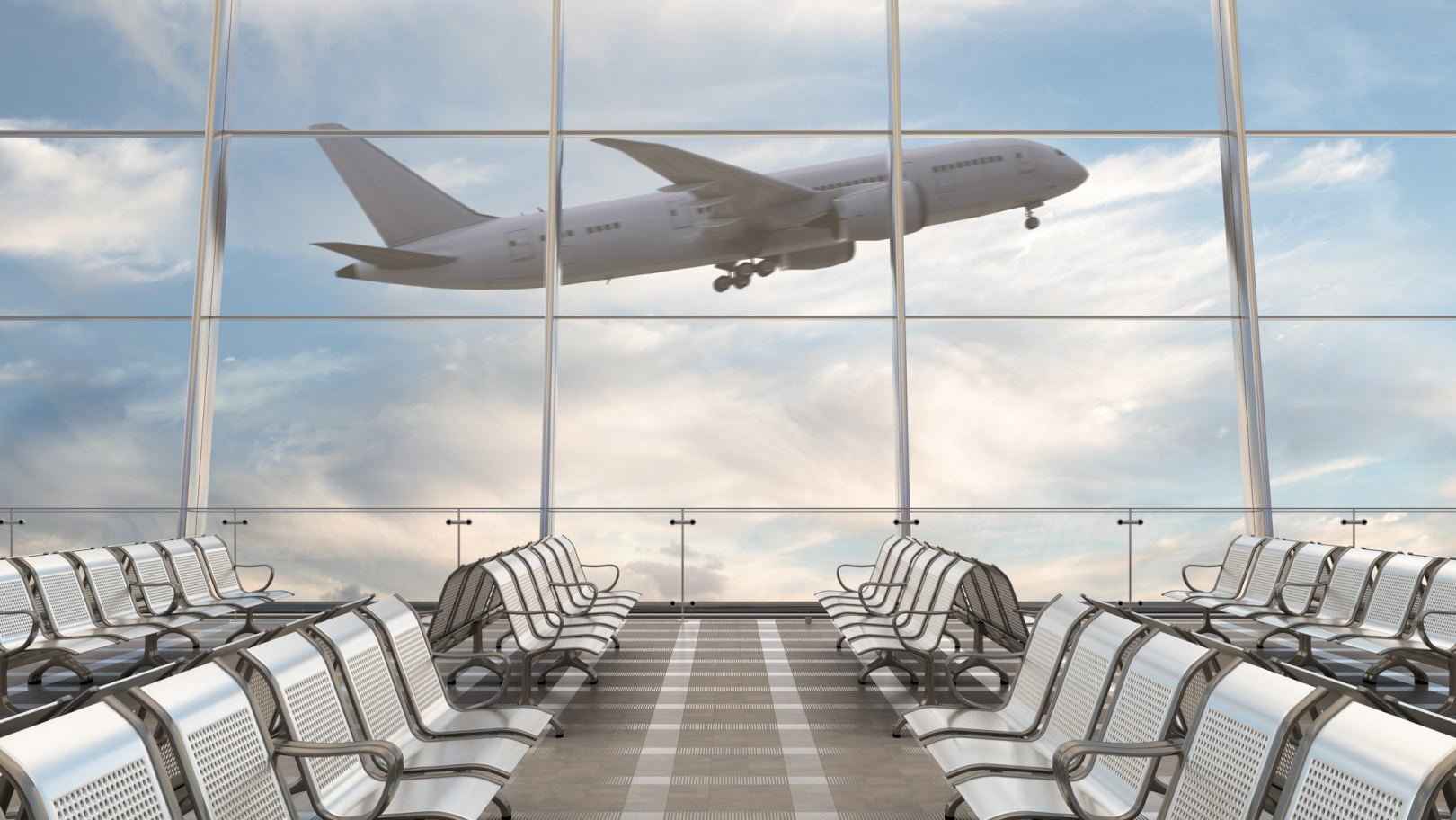
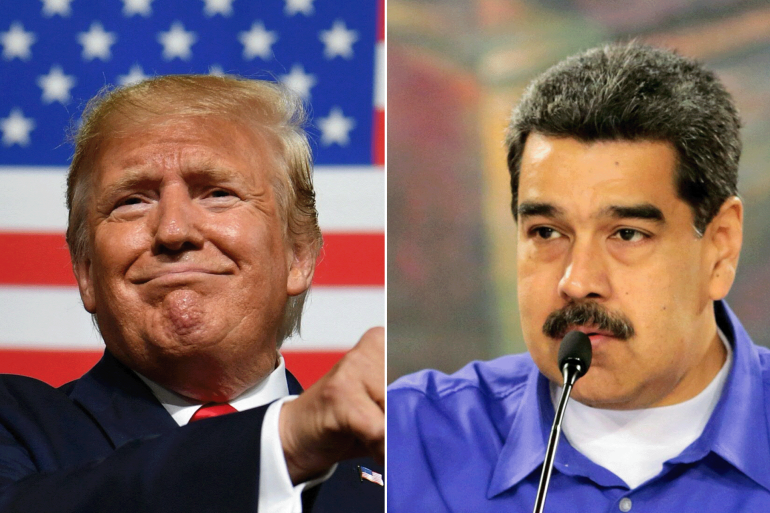
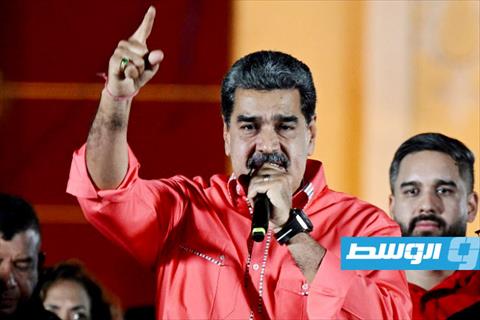
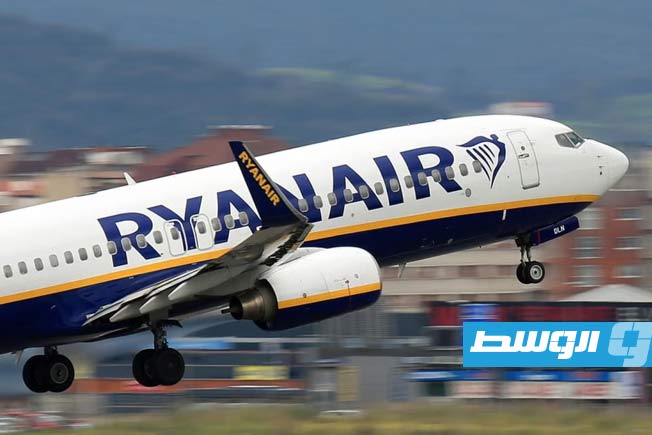
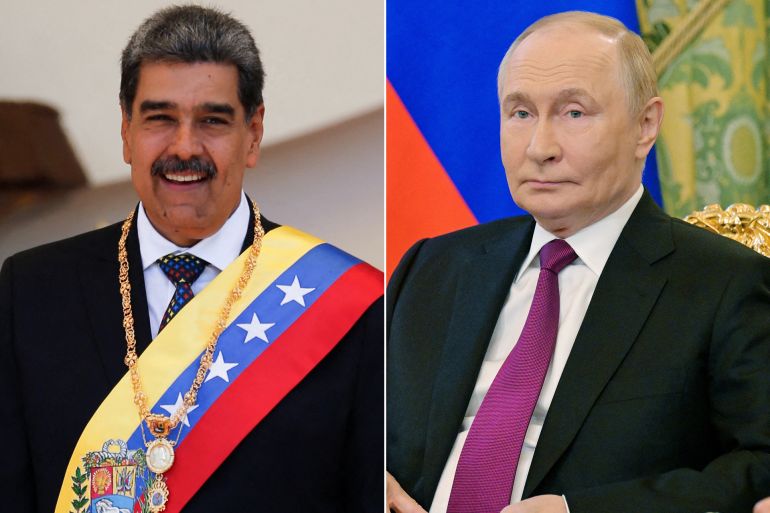
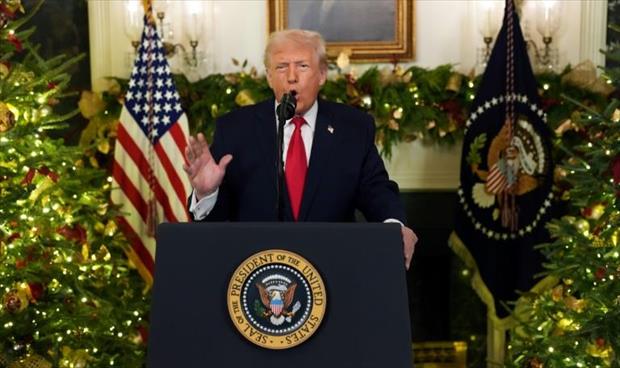
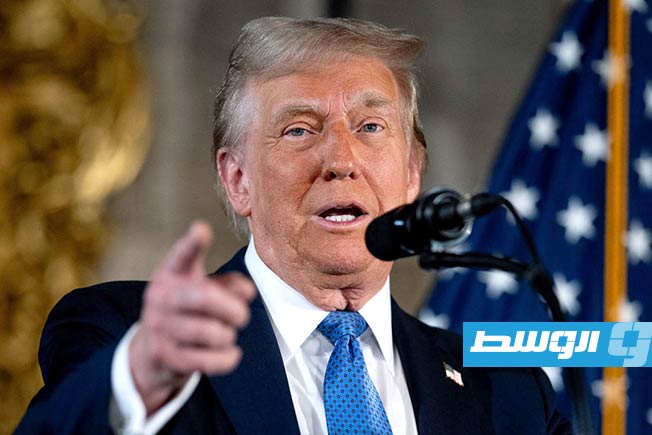
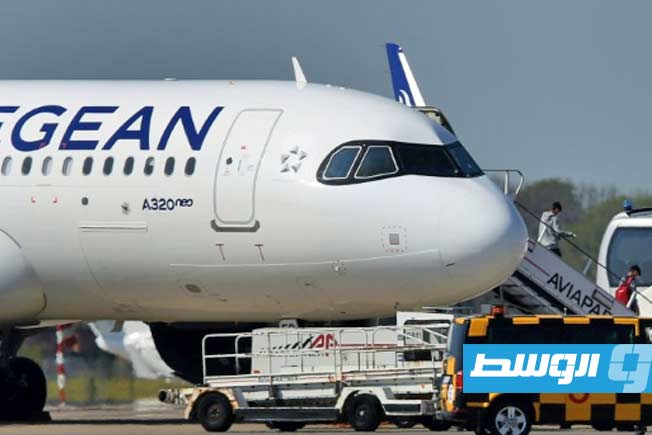
U.S. President Donald Trump announced on Thursday that Venezuelan airspace will be reopened to commercial flights, nearly four weeks after a U.S. military operation resulted in the abduction of President Nicolas Maduro.
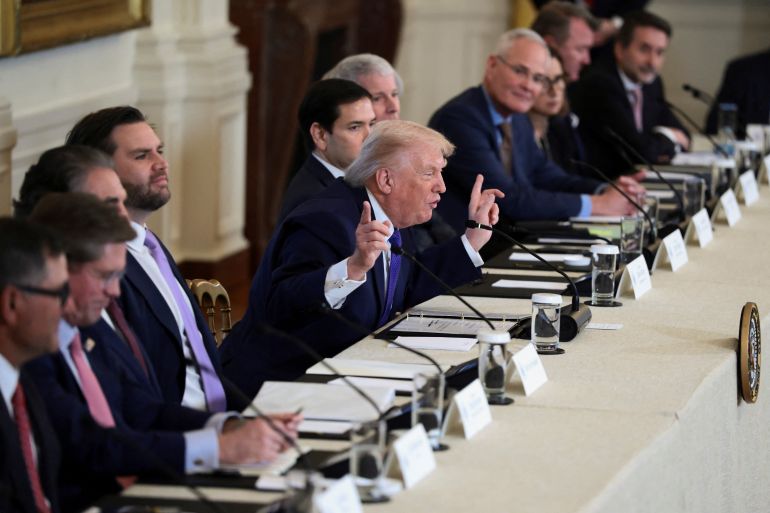
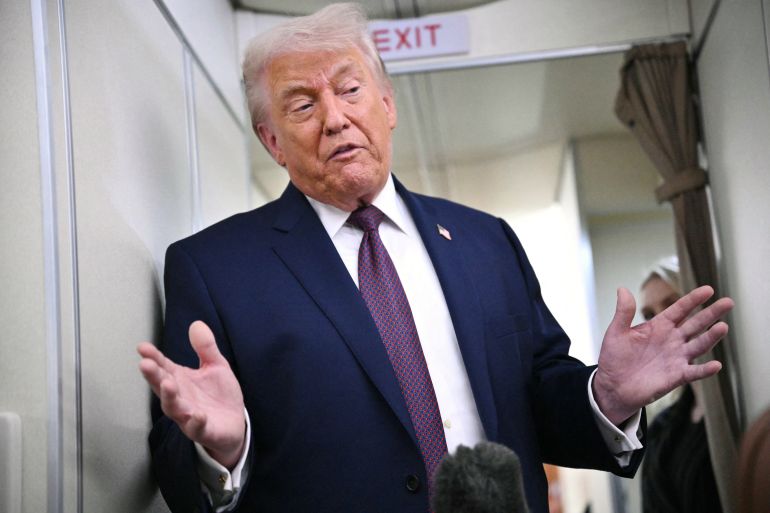
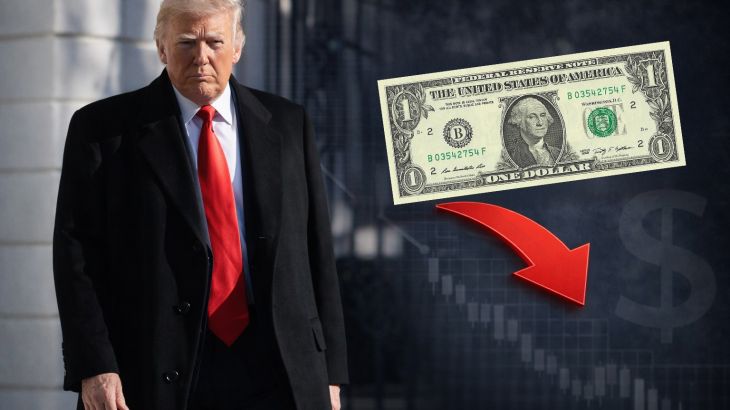
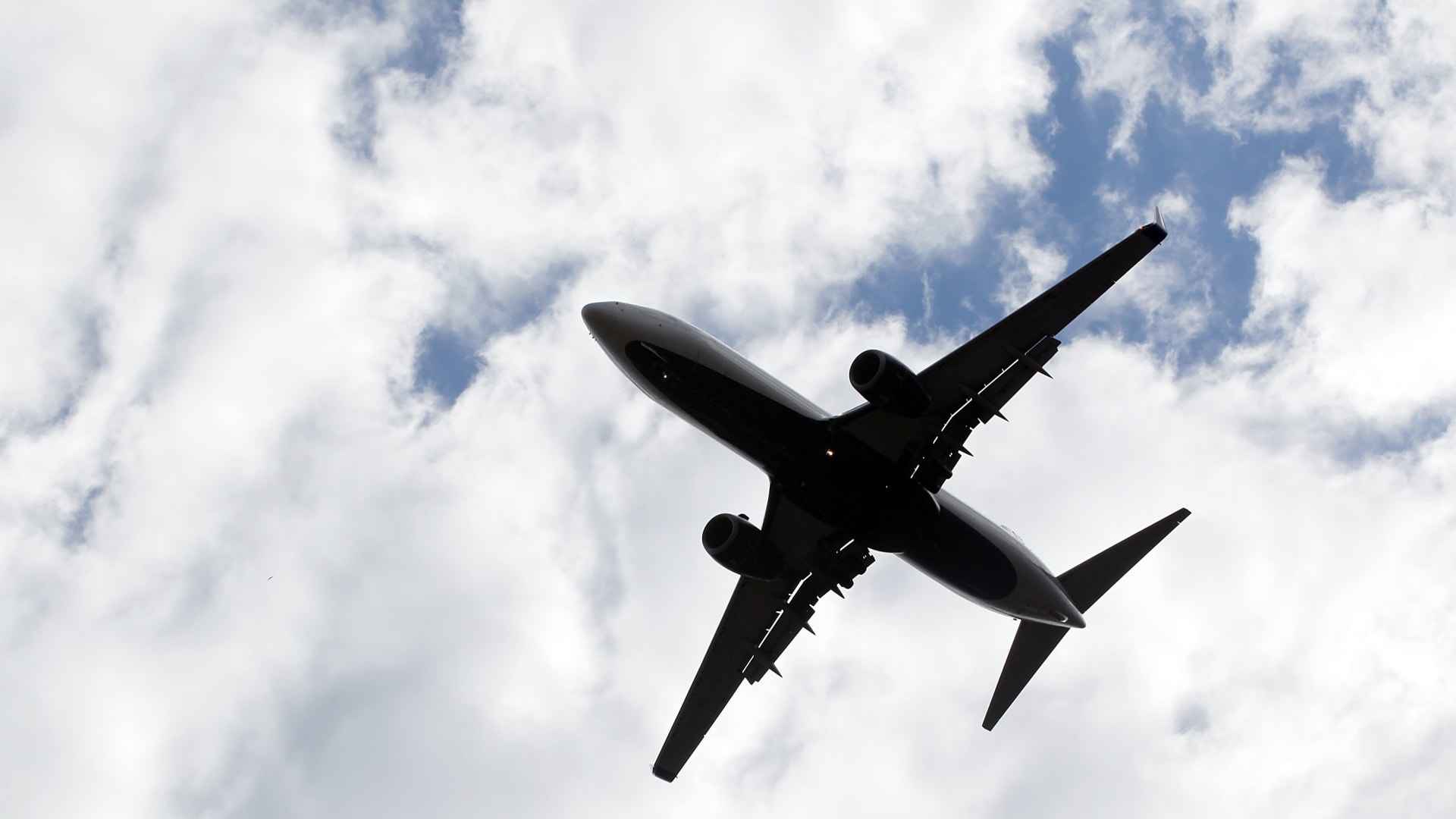
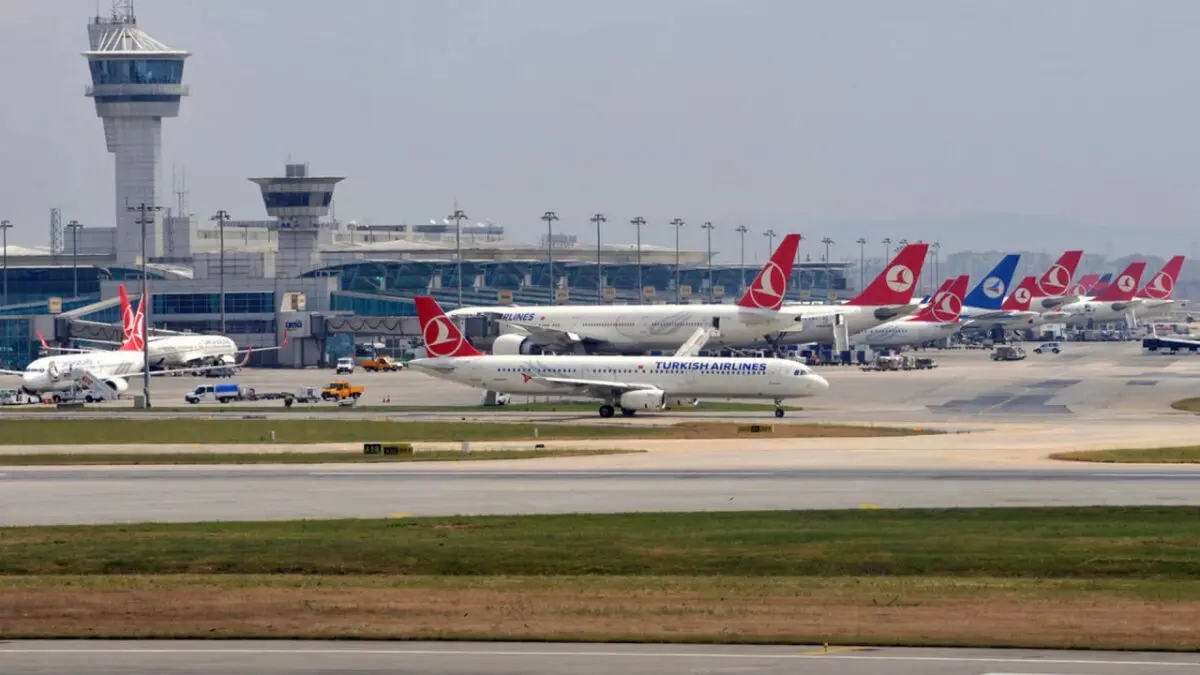
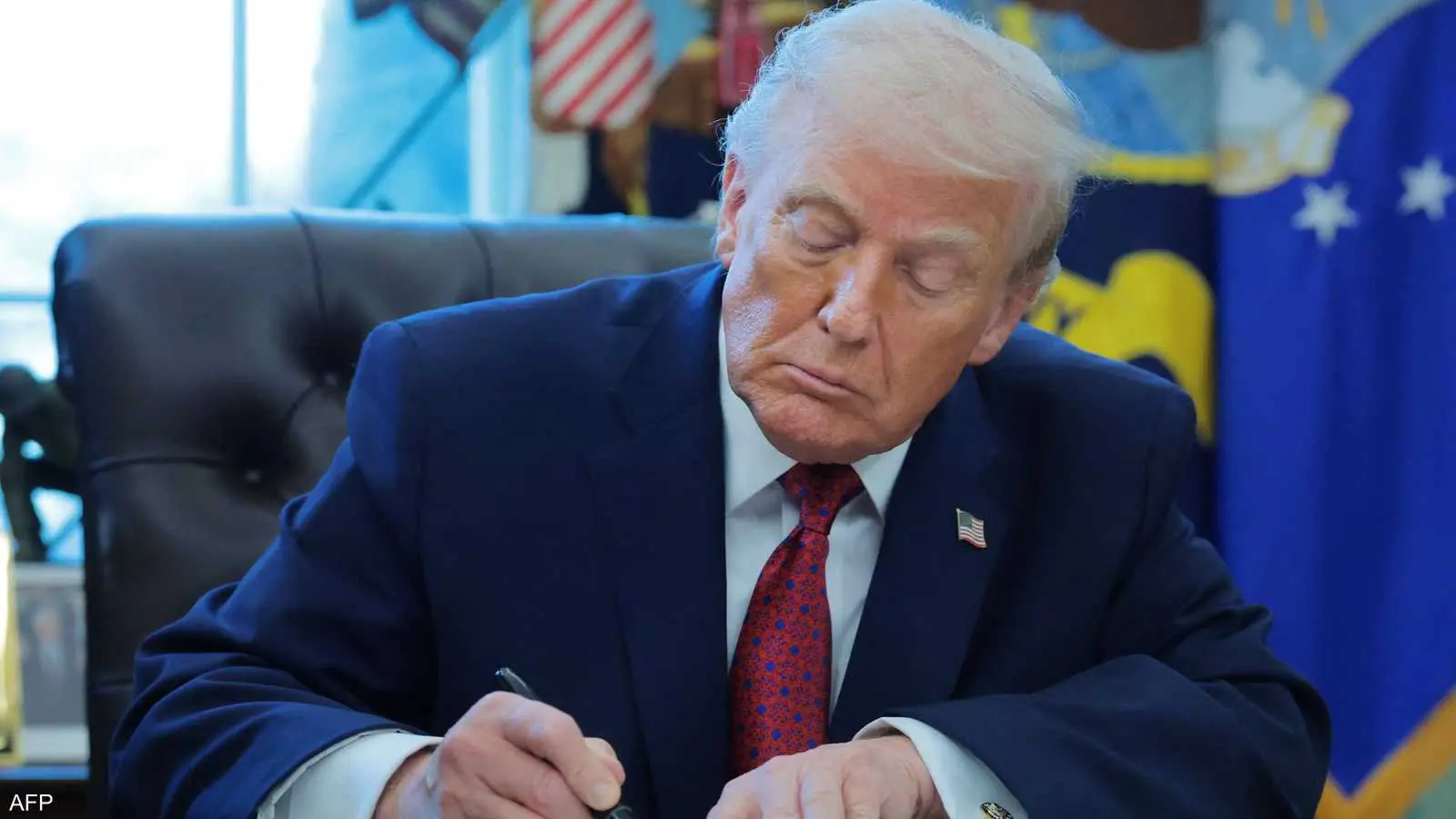
Trump said at the start of a cabinet meeting at the White House that he had just spoken with Venezuela’s interim president, Delcy Rodriguez, “and informed her that we will fully reopen commercial airspace over Venezuela.”
He added that he had instructed Transportation Secretary Sean Duffy “and all other relevant parties, including the military, that if possible, by the end of the day I would like the airspace over Venezuela to be opened.”
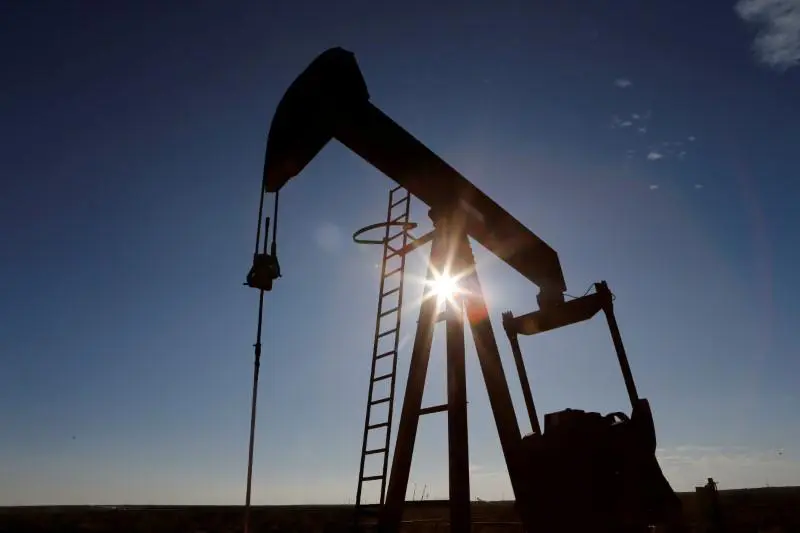
Easing restrictions on the Venezuelan oil industry
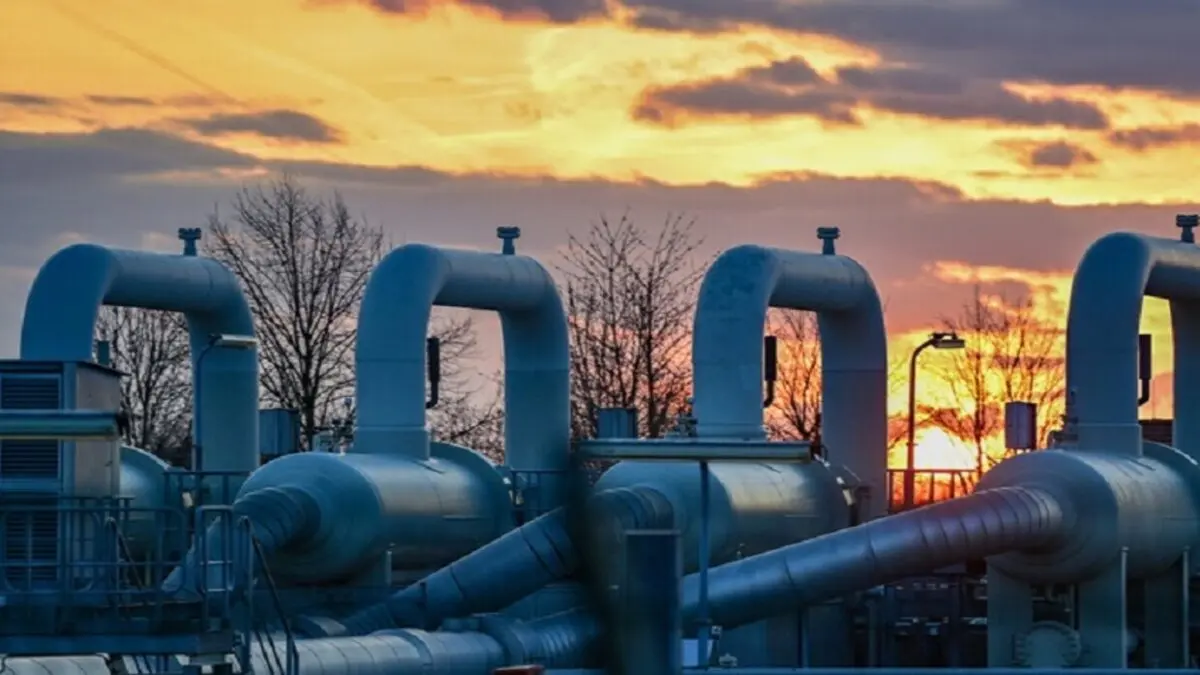
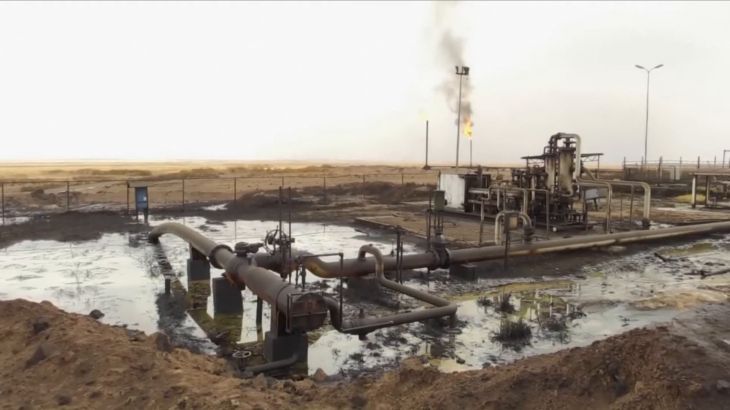
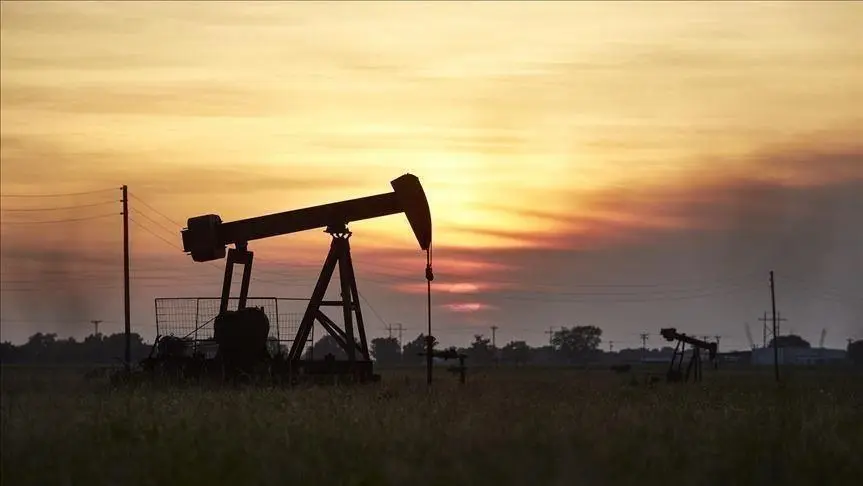
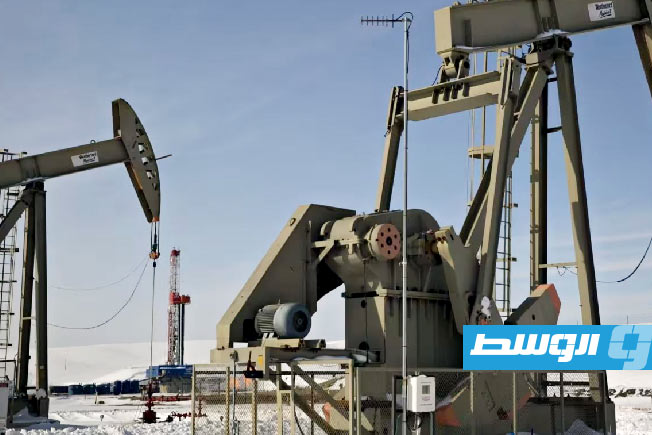
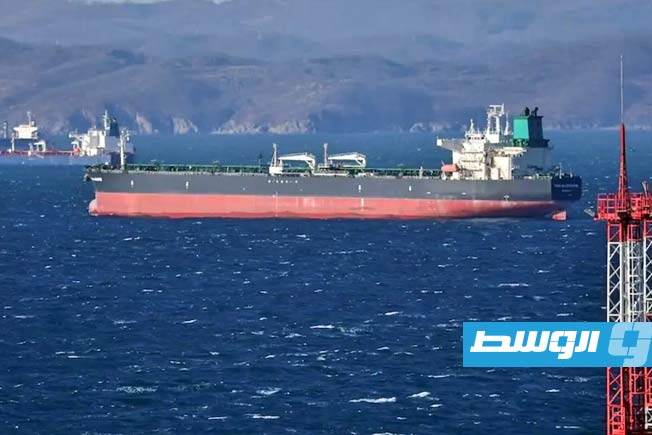
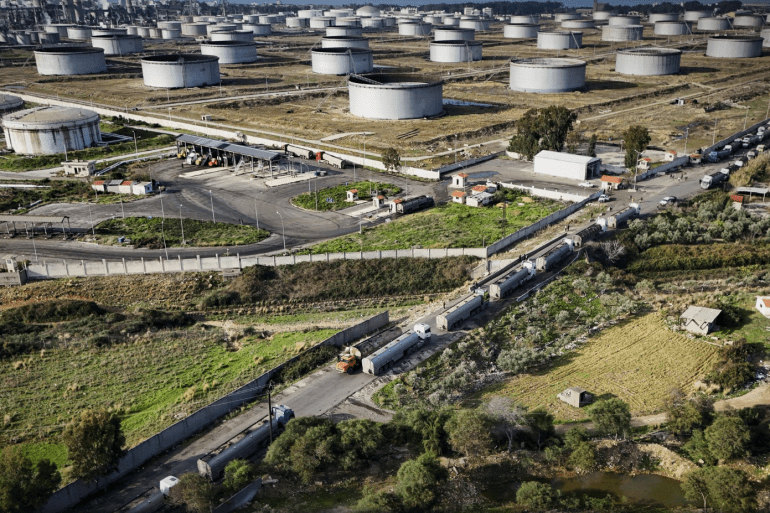
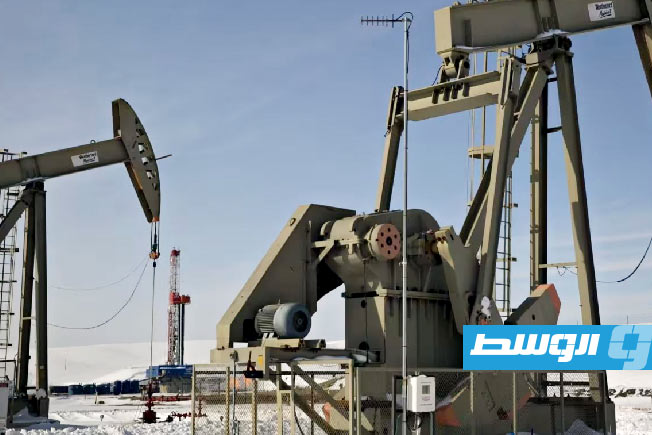
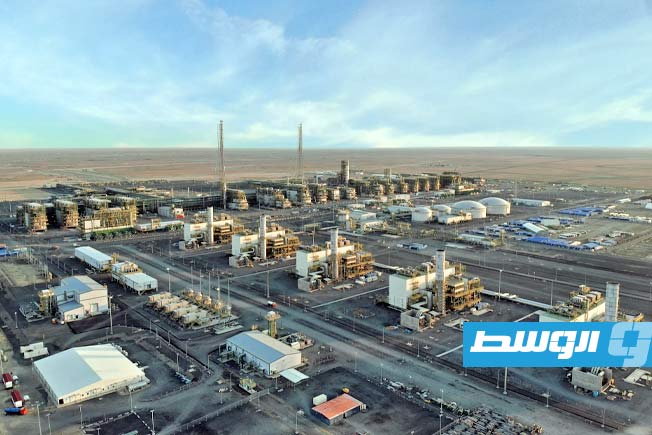
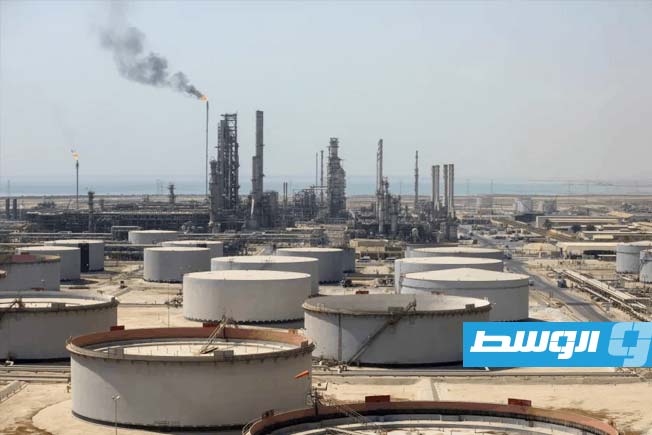
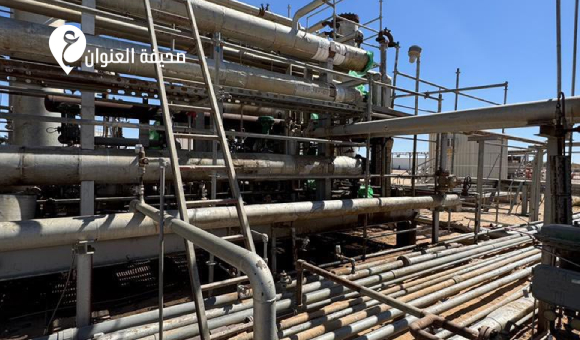
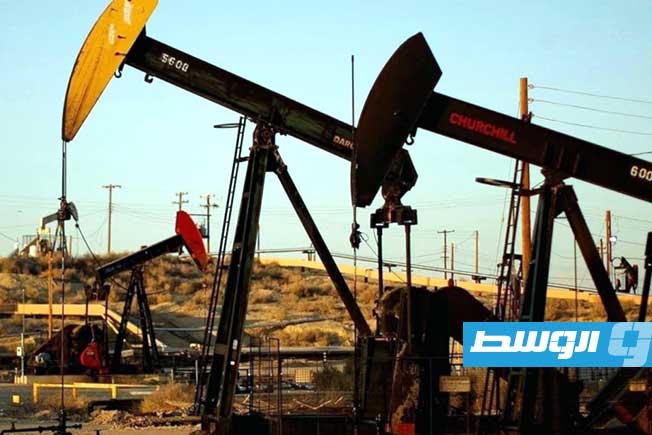
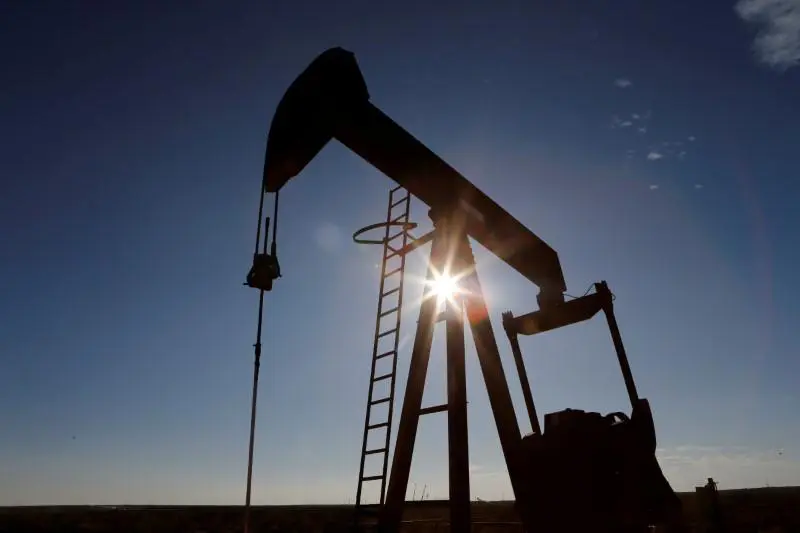
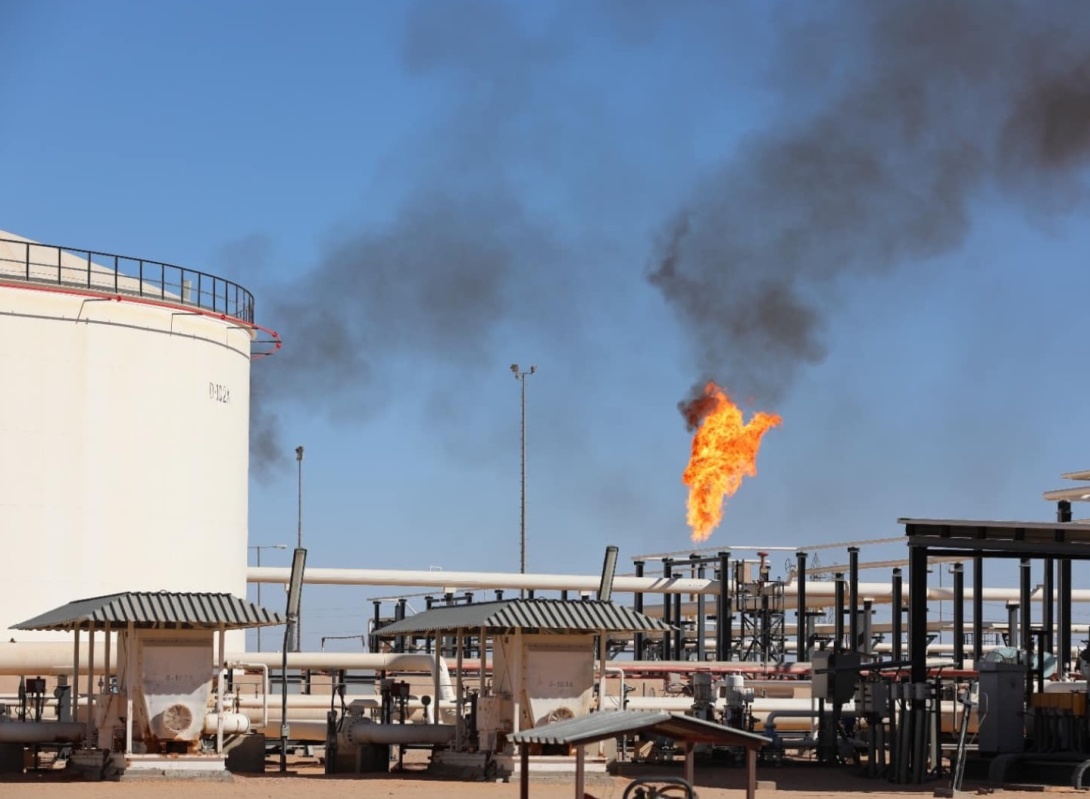
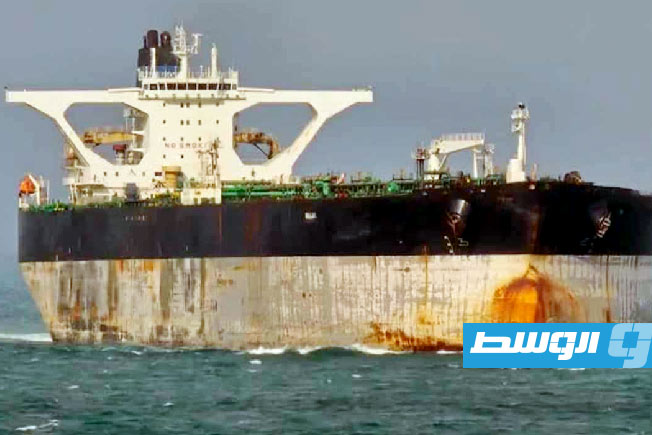
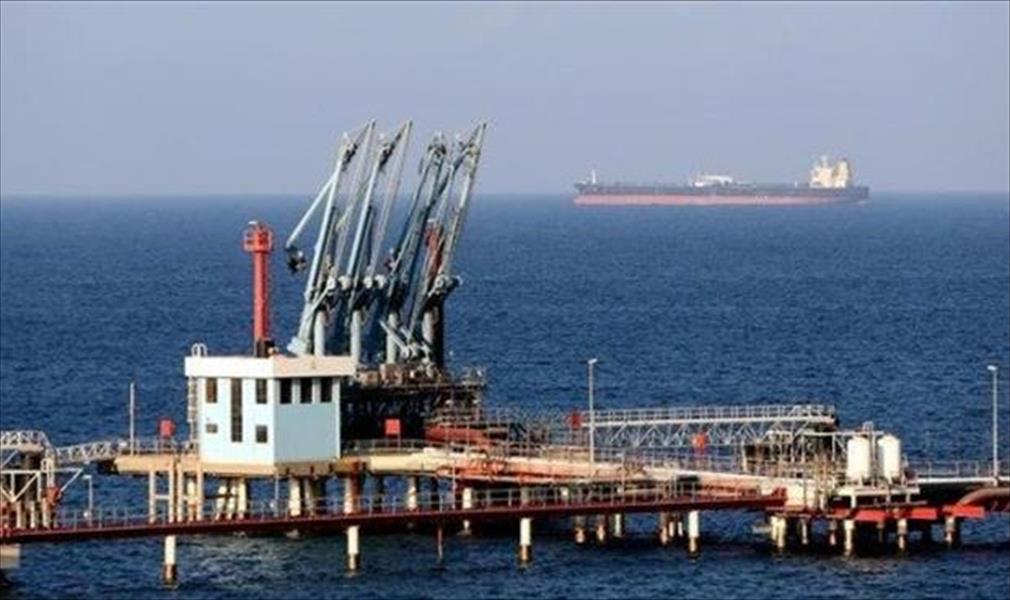
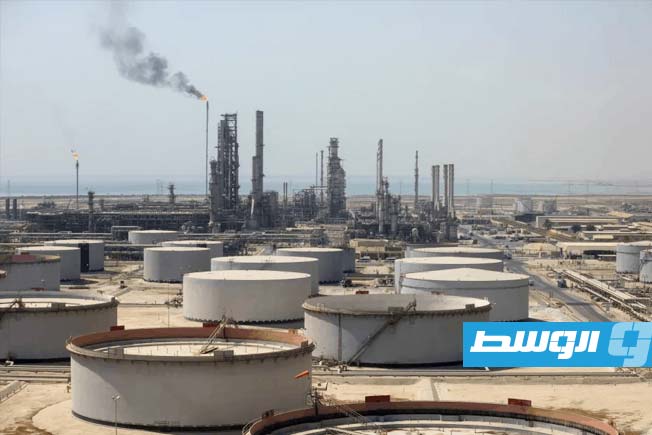
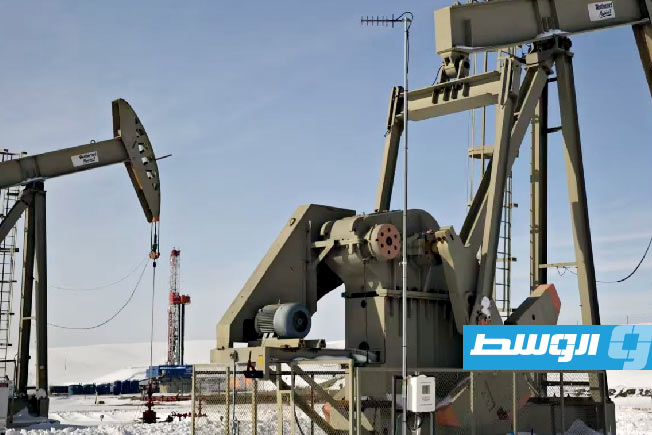
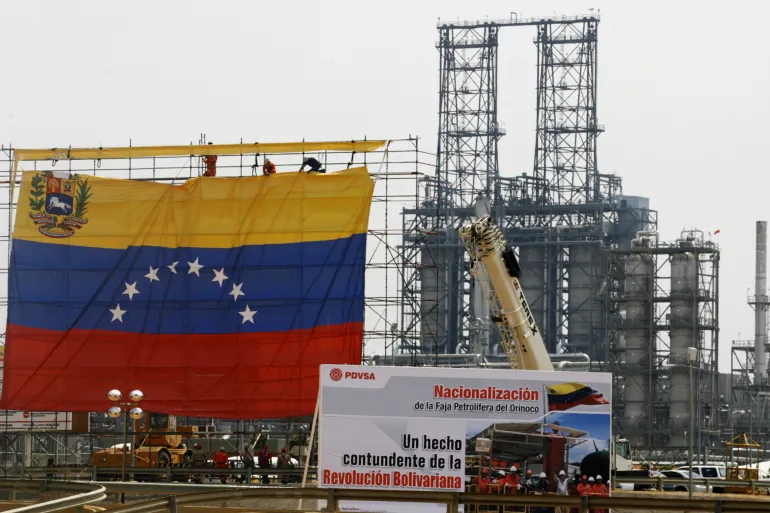
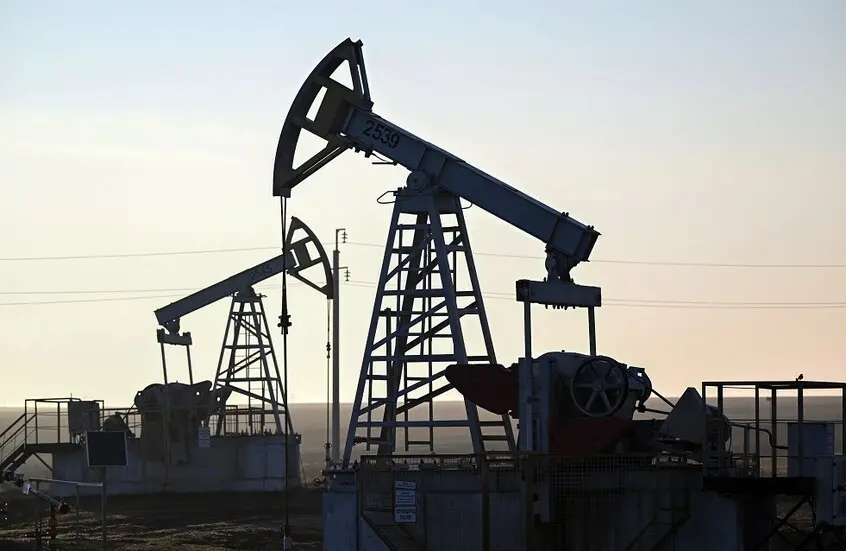
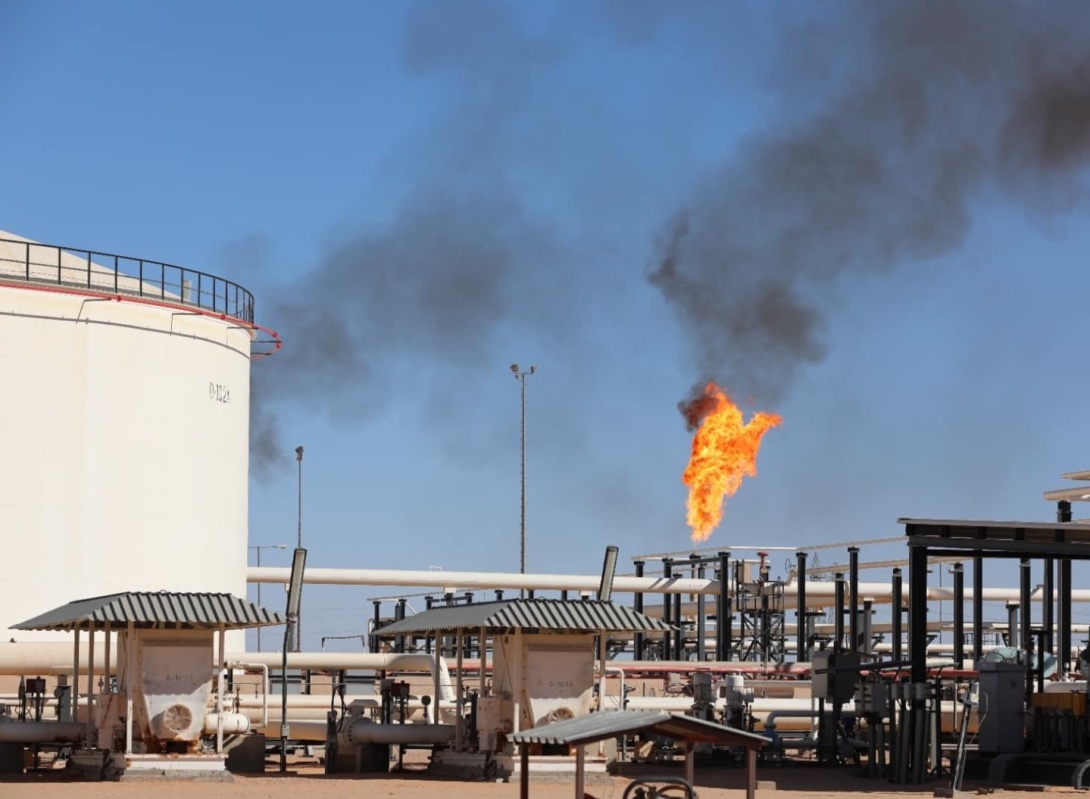
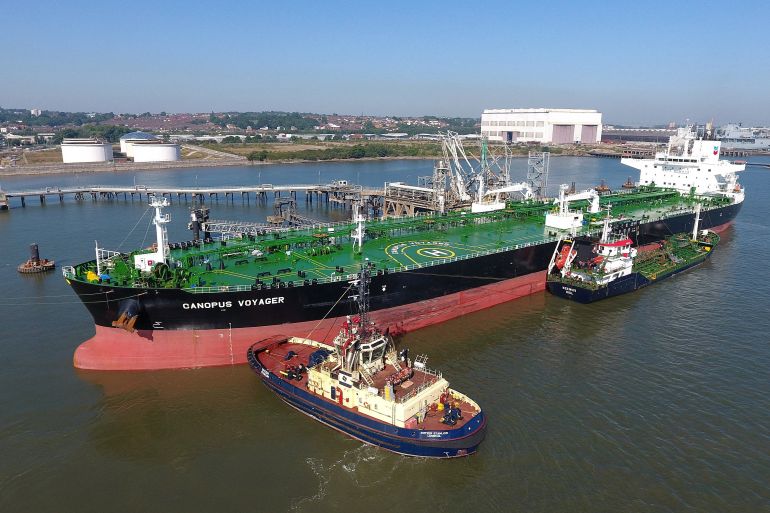
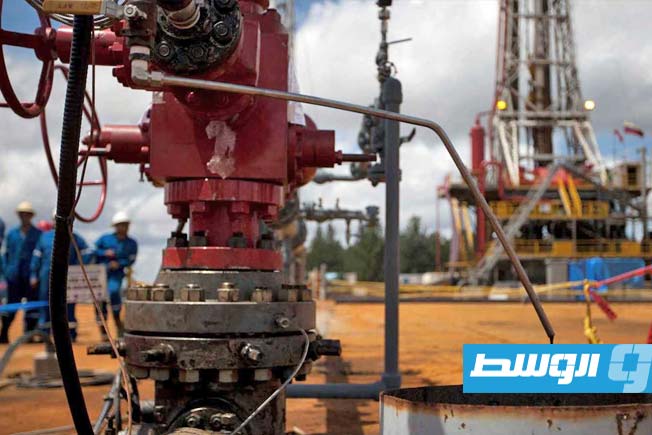
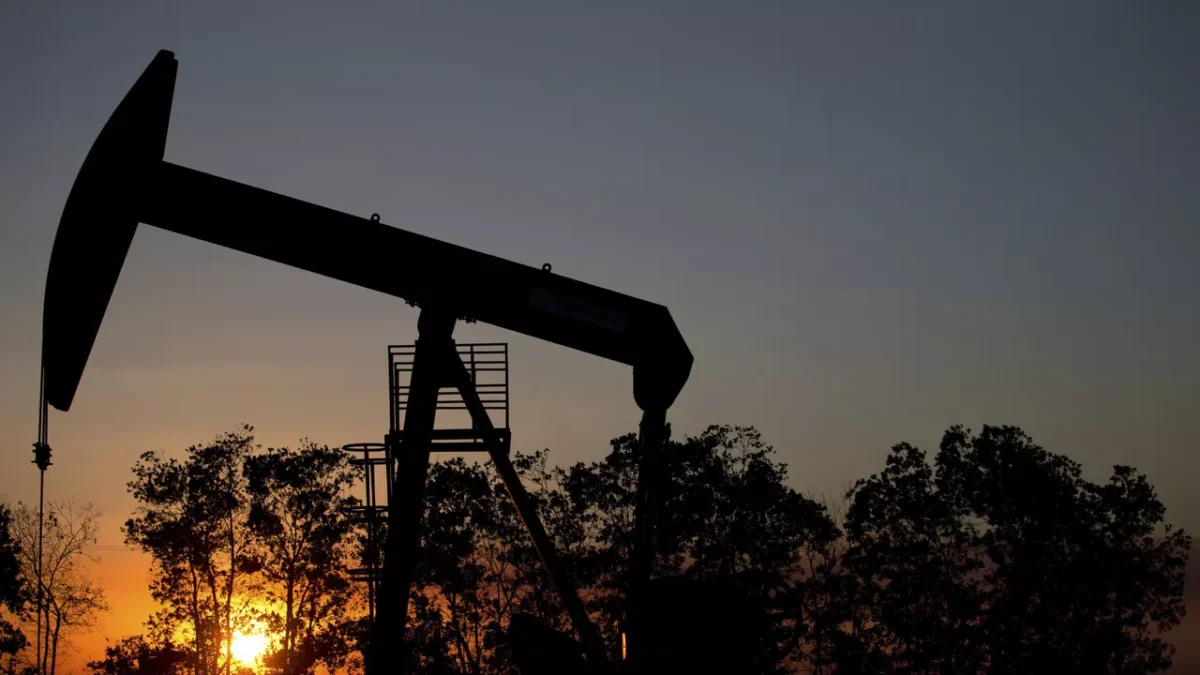
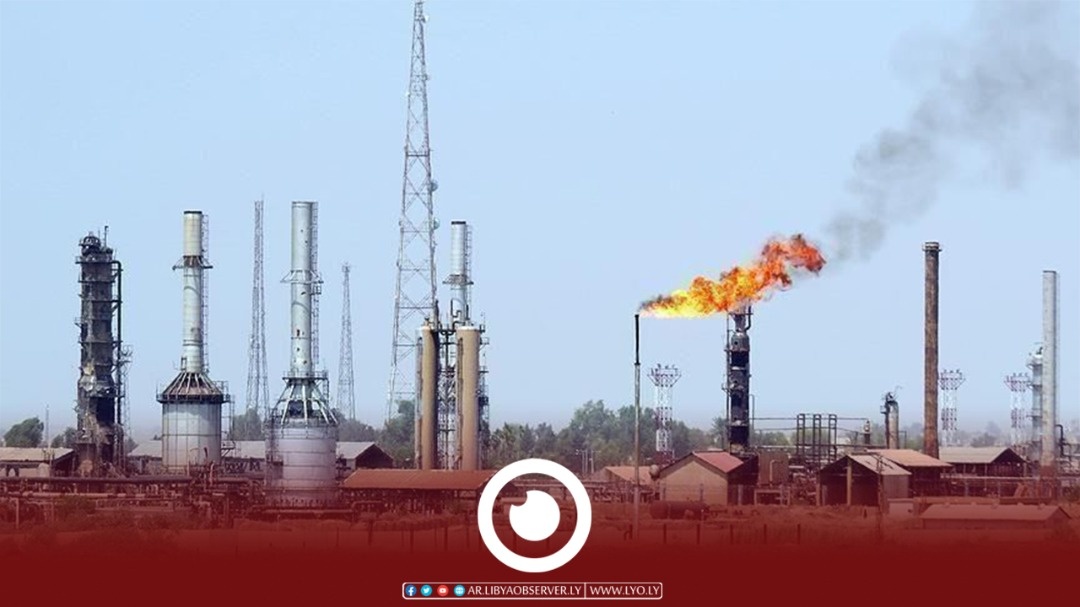
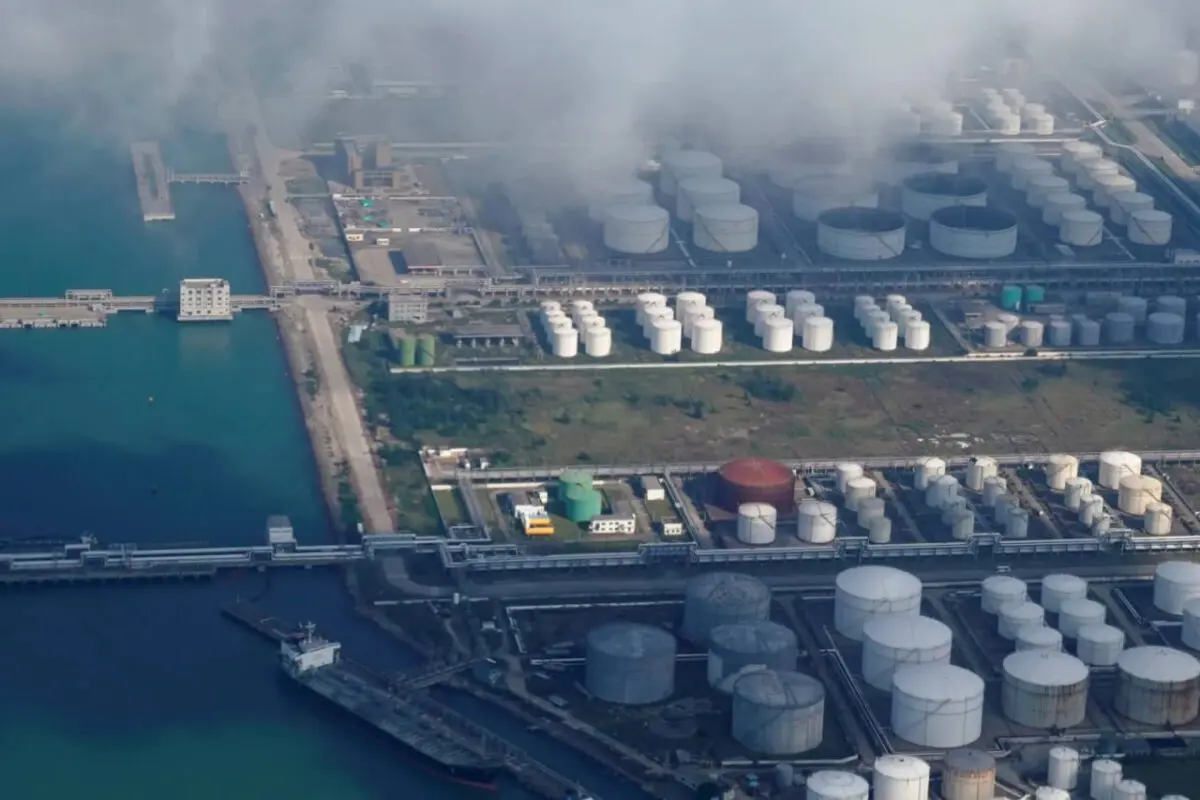
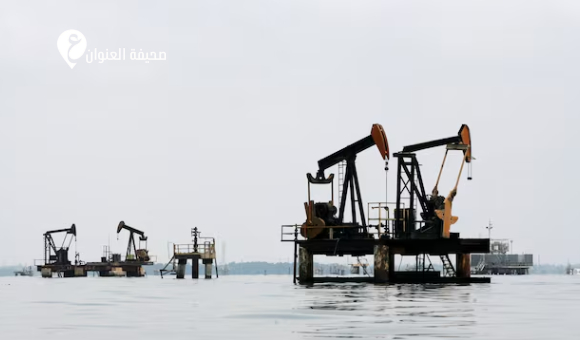
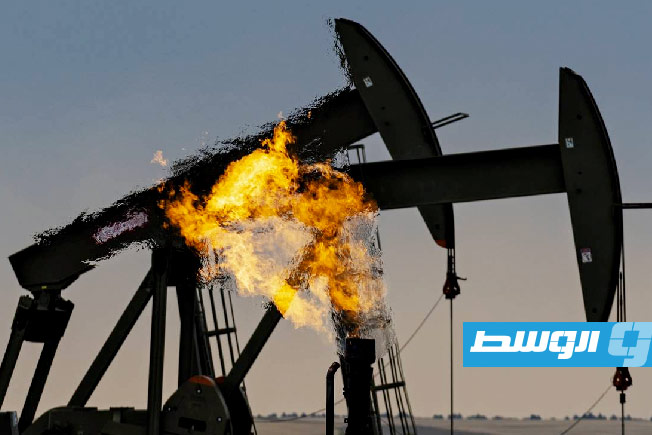
In a parallel development, U.S. officials announced on Wednesday that they are considering issuing a general license that would ease some sanctions on Venezuela’s energy sector.
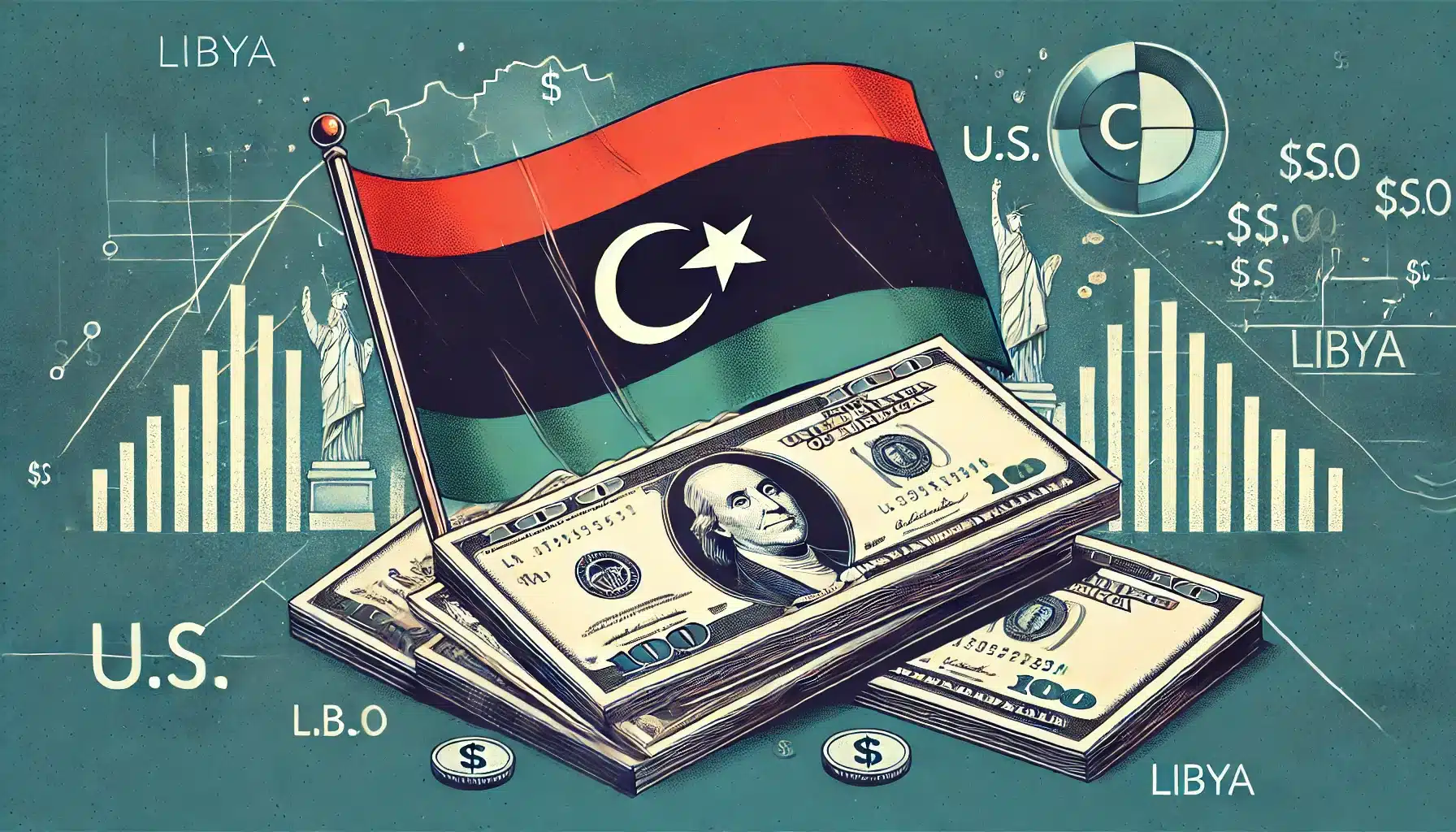
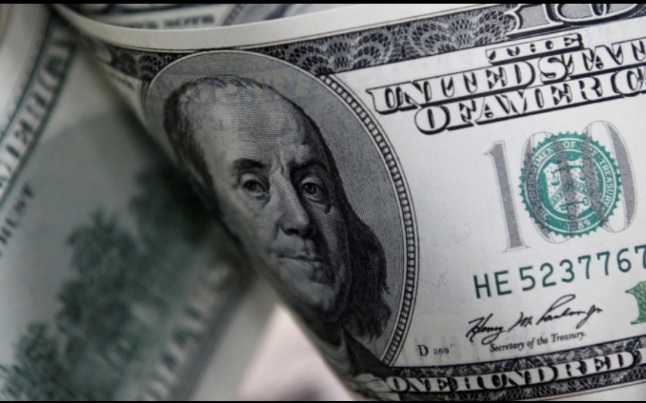
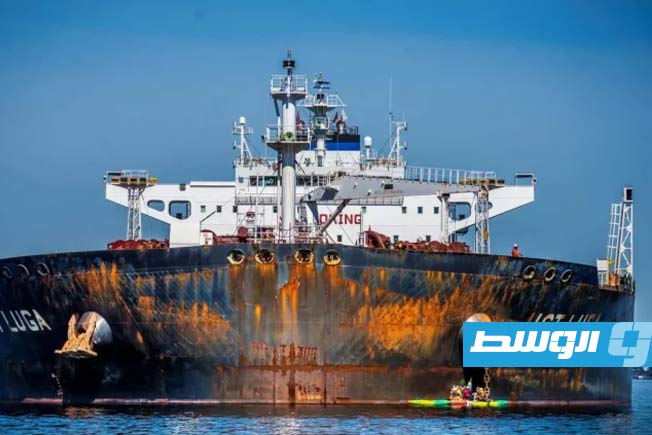
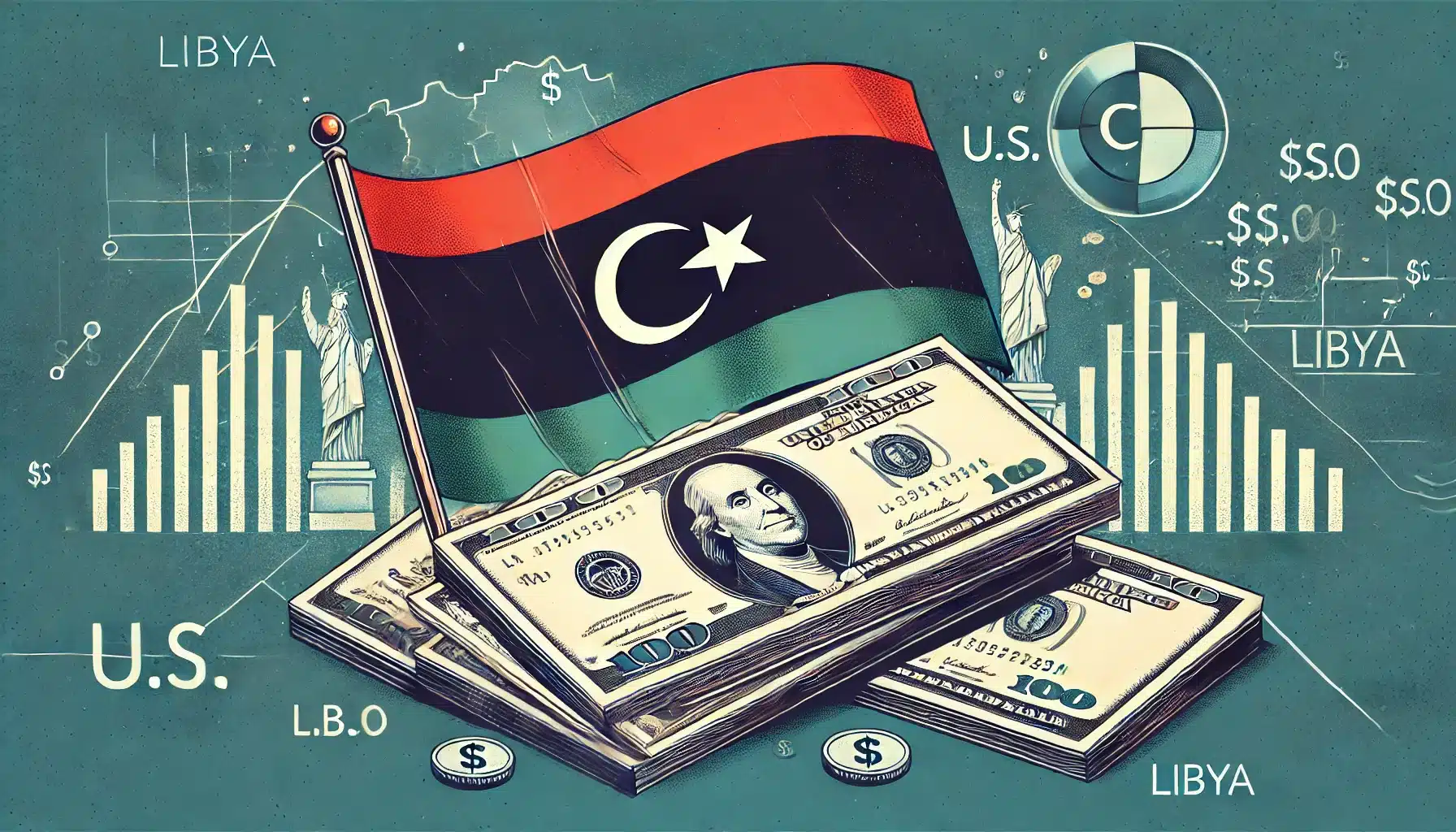
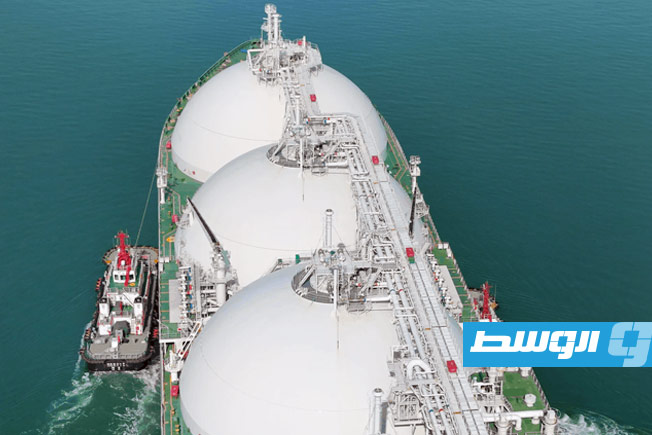
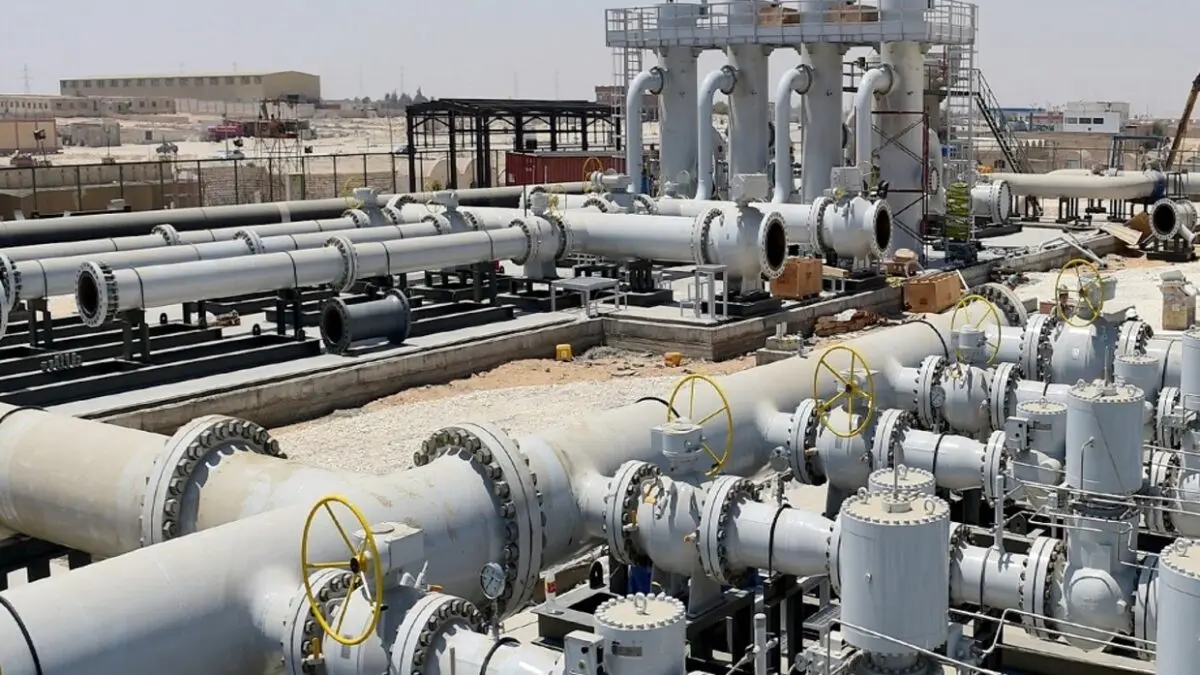
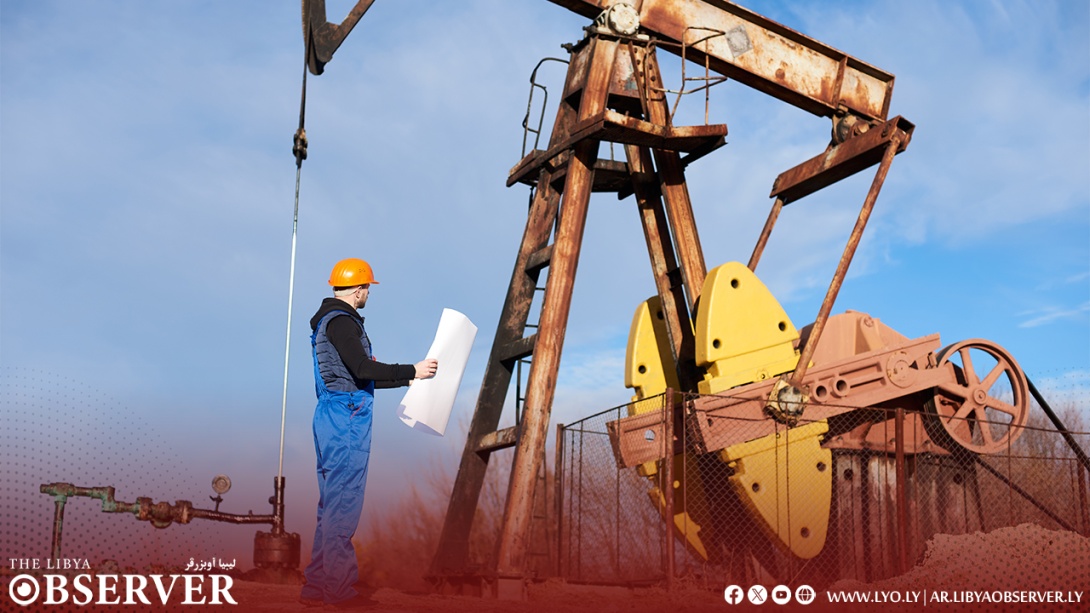
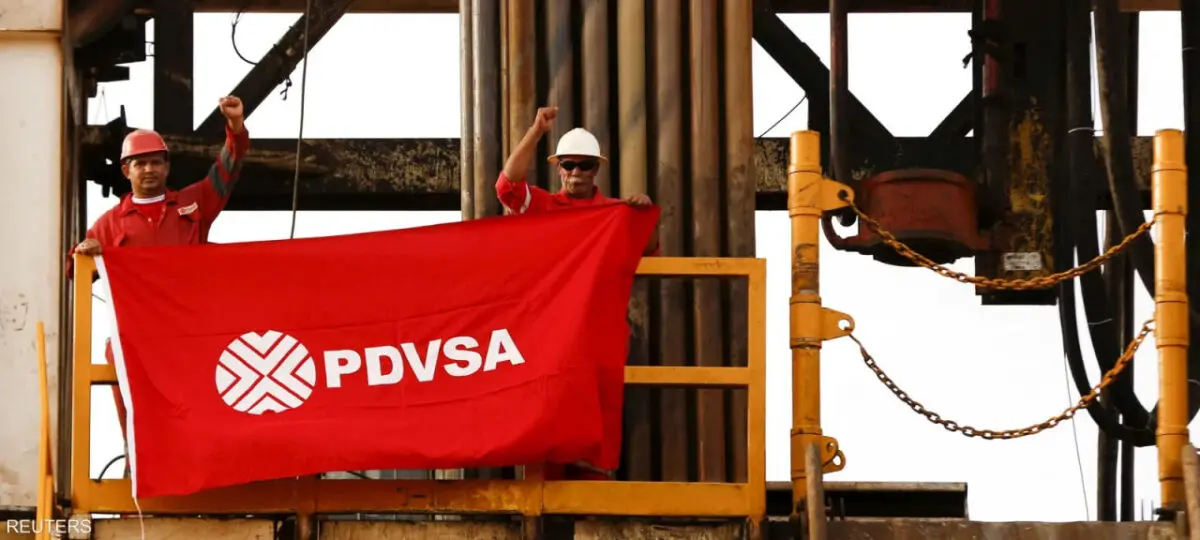
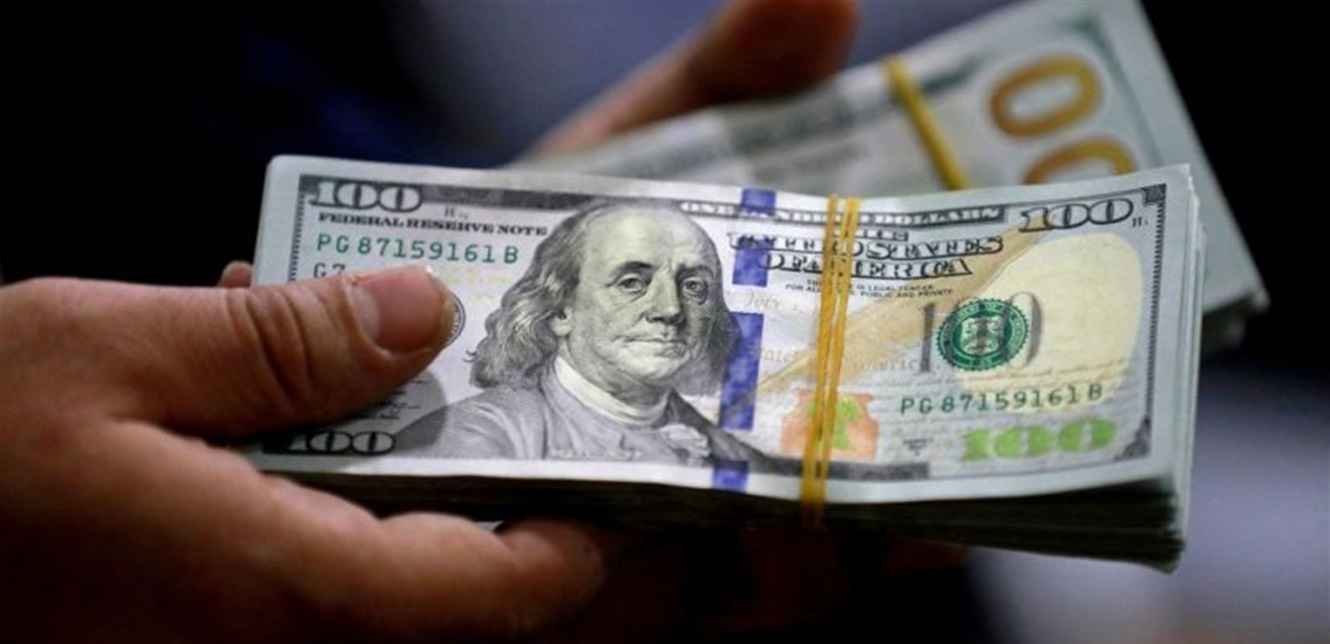
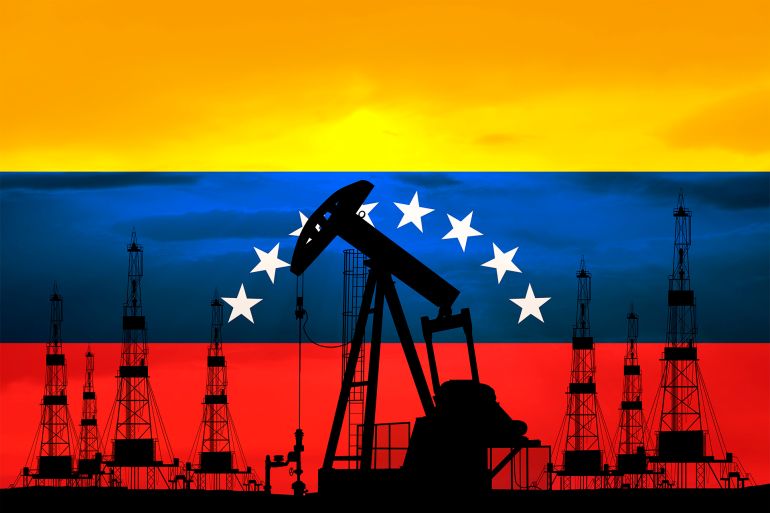
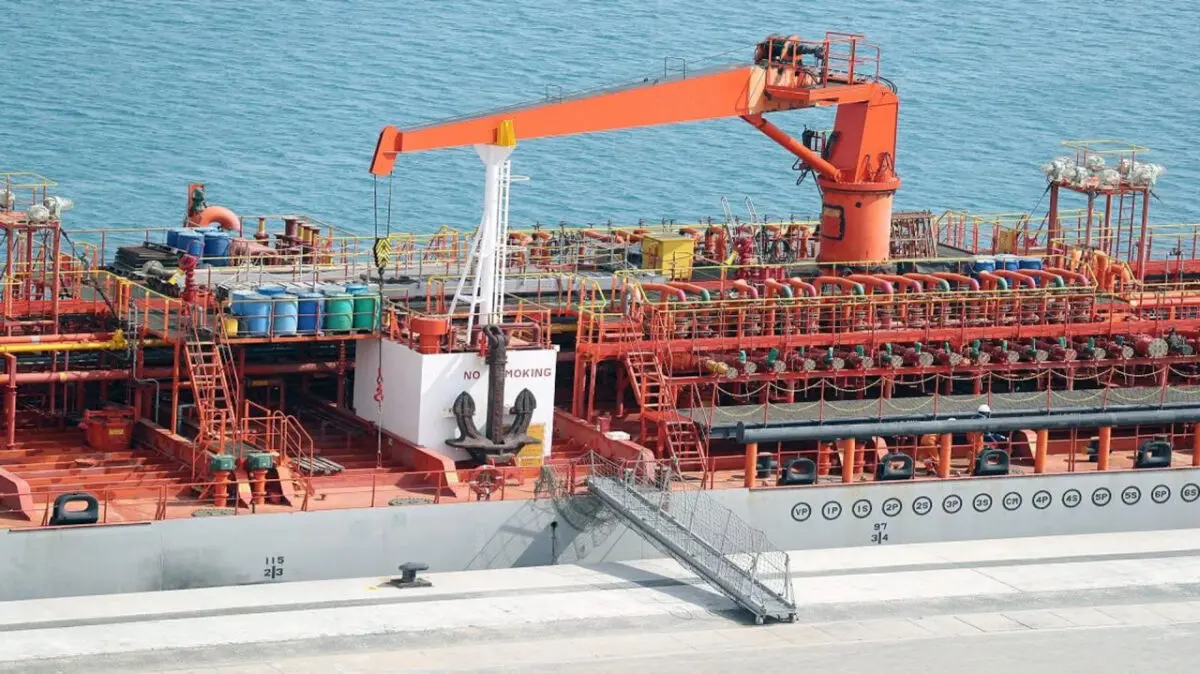
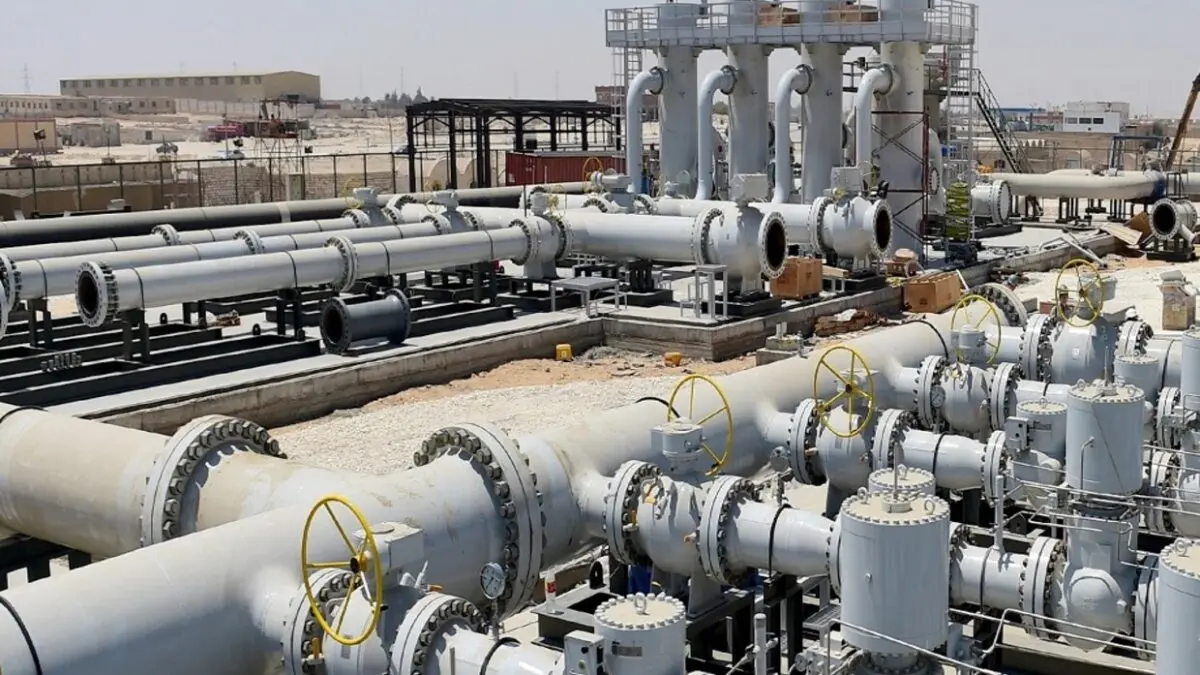
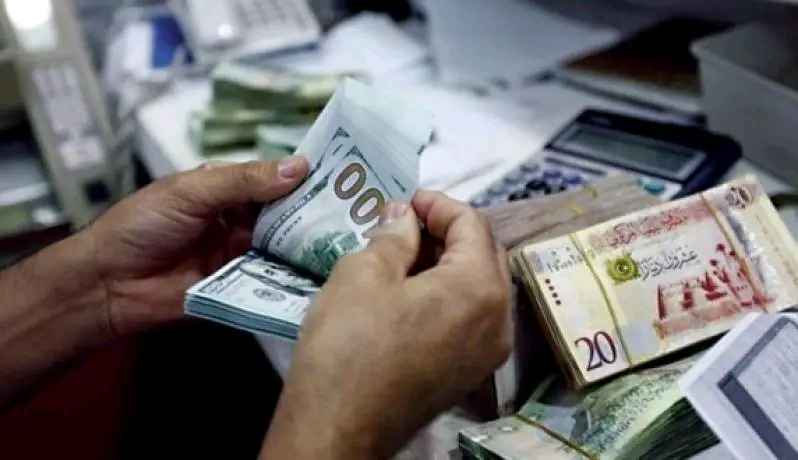
This move comes after Washington announced earlier this month its intention to ease restrictions on the Venezuelan oil industry, aiming to facilitate a $2 billion oil supply deal between Caracas and Washington, as well as support an ambitious $100 billion oil sector reconstruction plan.
Venezuelan airspace
Venezuelan airspace refers to the sovereign air territory over Venezuela and its coastal waters, which is regulated by the country’s aviation authority. Its control and defense have been historically managed by the Venezuelan Air Force, with its importance growing significantly following the discovery of oil in the early 20th century.
United States
The United States is a federal republic founded in 1776 following the American Revolution, which established its independence from Great Britain. Its history includes westward expansion, a civil war over slavery, and its emergence as a global superpower in the 20th century. The nation is defined by its diverse population, democratic institutions, and significant cultural influence worldwide.
Donald Trump
Donald Trump is a businessman and media personality who served as the 45th President of the United States from 2017 to 2021. His presidency was marked by a populist “America First” agenda, significant tax reforms, and a distinctive, often controversial, communication style.
Nicolas Maduro
Nicolas Maduro is the current president of Venezuela, having assumed the office in 2013 following the death of his predecessor, Hugo Chávez. His presidency has been marked by a severe political and economic crisis in the country, leading to significant international controversy and sanctions.
White House
The White House is the official residence and workplace of the President of the United States, located in Washington, D.C. It was designed by James Hoban and its construction was completed in 1800, with President John Adams being the first to reside there. The building has been expanded and renovated over the centuries, notably after being burned by British forces in 1814.
Delcy Rodriguez
Delcy Rodríguez is a Venezuelan politician who has held several high-ranking positions, including Executive Vice President and Minister of Foreign Affairs. Her political career is closely associated with the governments of Hugo Chávez and Nicolás Maduro, and she has been a prominent figure in the United Socialist Party of Venezuela (PSUV).
Sean Duffy
Sean Duffy is a fictional character, not a real-world place or cultural site. He is the protagonist of a series of crime novels by author Adrian McKinty, set primarily in Belfast during the Troubles of the 1980s and 1990s. As a Catholic detective in the Royal Ulster Constabulary, his stories explore the complexities and dangers of policing during that turbulent period.
Venezuela
Venezuela is a South American country known for its diverse natural landscapes, including the Andes Mountains, the Amazon rainforest, and Angel Falls, the world’s tallest waterfall. Historically, it was a Spanish colony until achieving independence in the early 19th century under leaders like Simón Bolívar, and its modern economy has been heavily shaped by its vast petroleum reserves.
Caracas
Caracas is the capital and largest city of Venezuela, founded in 1567 by Spanish conquistador Diego de Losada. It grew as a colonial administrative center and later became a pivotal site for the South American independence movement, serving as the birthplace of Simón Bolívar. Today, it is a major metropolitan and cultural hub situated in a valley of the Venezuelan coastal mountain range.
Washington
Washington, D.C., is the capital city of the United States, founded in 1790 following the ratification of the U.S. Constitution. It was established as a federal district through the Residence Act and named after the first U.S. president, George Washington, with its core design influenced by architect Pierre Charles L’Enfant. The city is home to iconic national monuments, museums, and the branches of the U.S. government, serving as a central symbol of American history and democracy.