Tripoli University Law Students Union: Disrupting the Judicial Scene in Libya Has Serious Repercussions on the Justice System
libyawire.org > News > Culture > Tripoli University Law Students Union: Disrupting the Judicial Scene in Libya Has Serious Repercussions on the Justice System
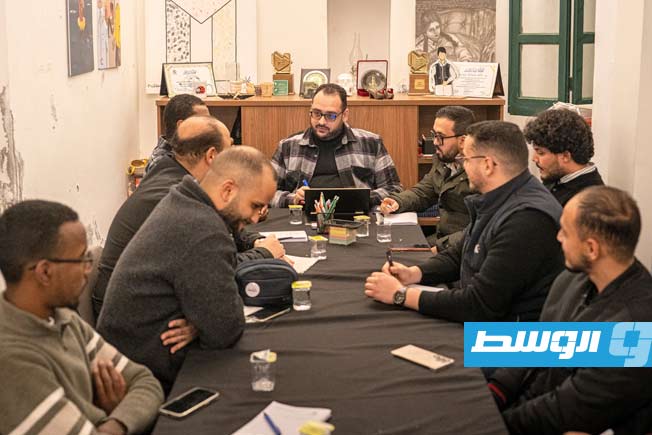
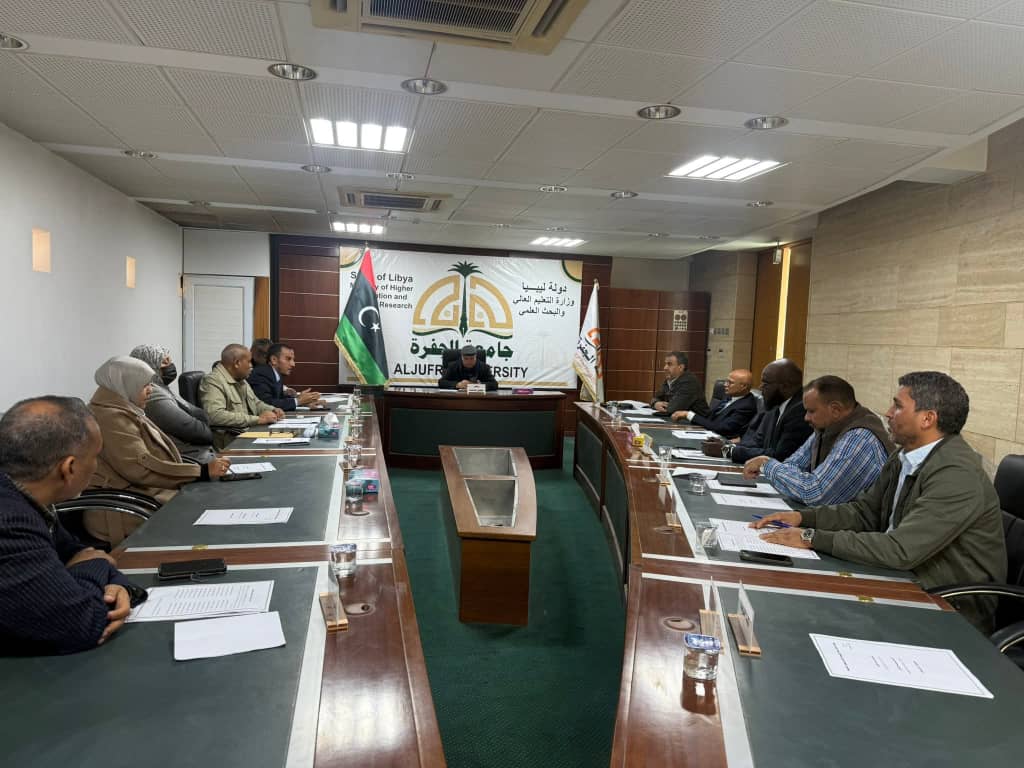
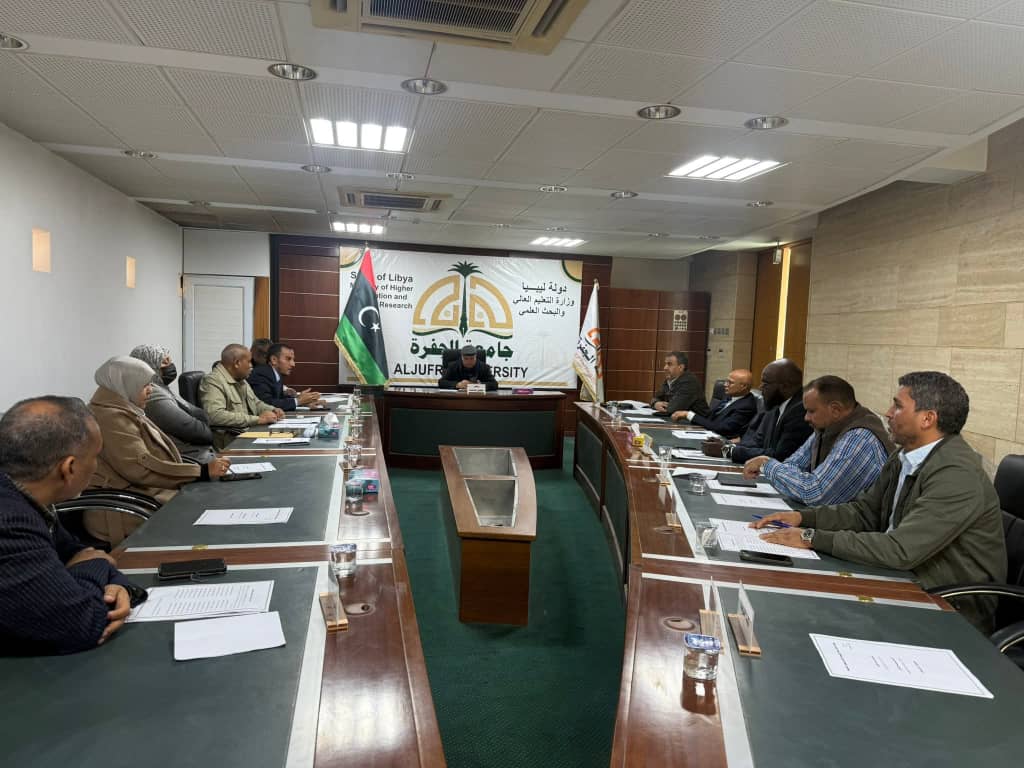
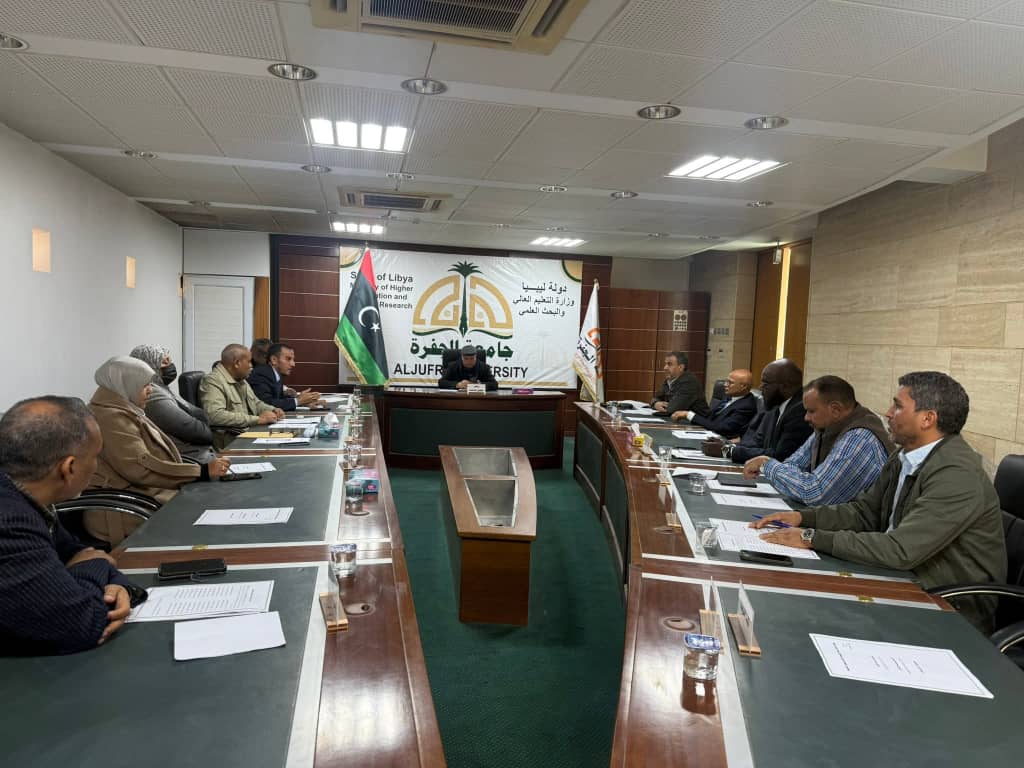
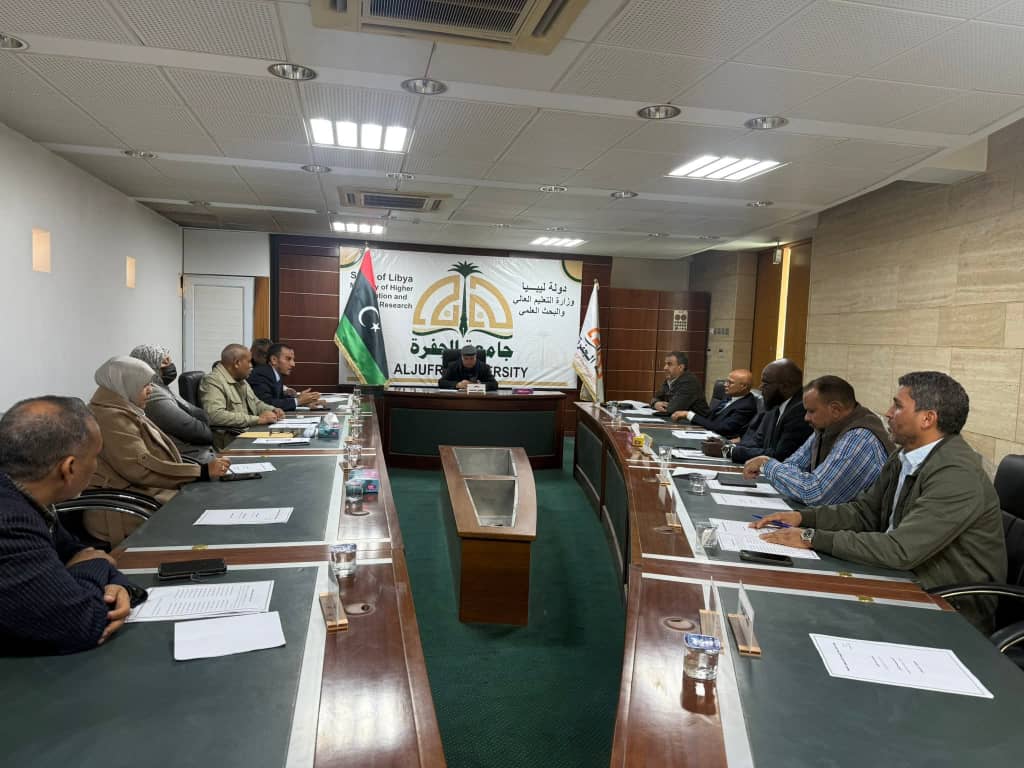
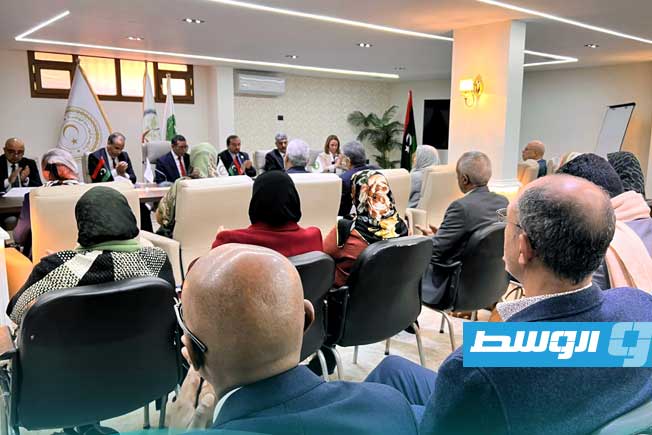
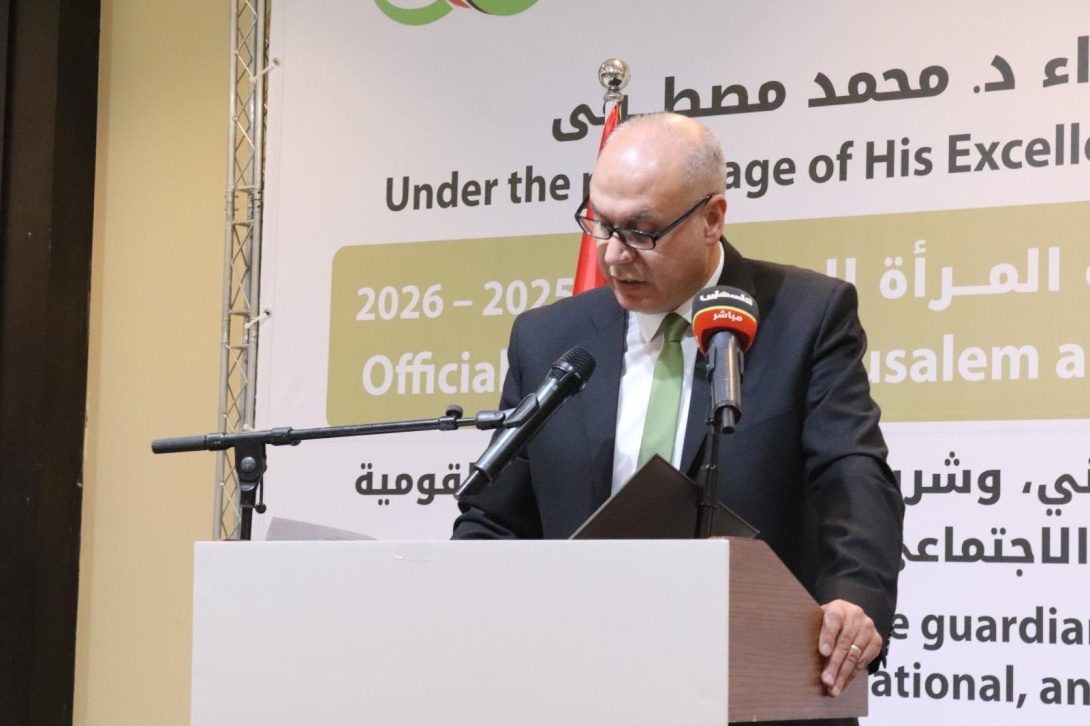
Tripoli, January 30, 2026 – The Law School Student Union at the University of Tripoli affirmed its united stand with the unity and independence of the judiciary, its commitment to preserving its status and prestige, and safeguarding its role as an institution entrusted with the task of establishing justice and protecting rights.
The Union stated in a statement that the unity and independence of the judiciary are among the established principles linked to public order, and that any action or measure that threatens this unity or affects its basic structure and function is considered a departure from constitutional and legal frameworks and a threat to the security and stability of the state.
The statement pointed out that preserving the constitutional function of the judiciary necessitates refraining from any actions that could disrupt the judicial scene or affect the neutrality and independence of the judiciary, due to the serious repercussions this has on public confidence in the justice system, based on the principle that “preventing harm takes precedence over bringing benefits.”
The Union appreciated the efforts undertaken by the Office of the Attorney General and its affiliated prosecution offices in exercising their legal competencies, especially in combating corruption, protecting public prosecution, promoting the rule of law, and preserving the foundations of national identity, considering this a fundamental pillar of criminal justice and a guarantee for protecting society.
The Law School Student Union at the University of Tripolis expressed its rejection of any infringement on the unity, independence, and constitutional function of the judiciary, believing that a unified and independent judiciary remains the supreme guarantee for achieving justice and establishing a state of law and institutions.
The statement emphasized that the Libyan judiciary was, still is, and will remain a single, unified judiciary, based on the foundations of constitutional legitimacy and the rule of law, managed by the Supreme Judicial Council, and the Supreme Court will remain the apex of the judicial pyramid, the guardian of legality, and the unifier of legal interpretation.
Tripoli
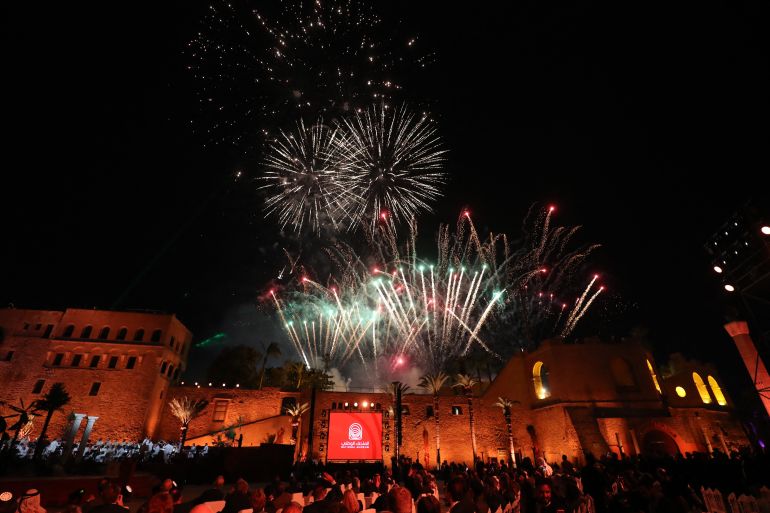
Tripoli is the capital and largest city of Libya, located on the country’s Mediterranean coast. Historically, it was founded by the Phoenicians in the 7th century BC and has since been ruled by the Romans, Arabs, Ottomans, and Italians, which is reflected in its diverse architecture like the ancient Red Castle (Assaraya al-Hamra).
University of Tripoli
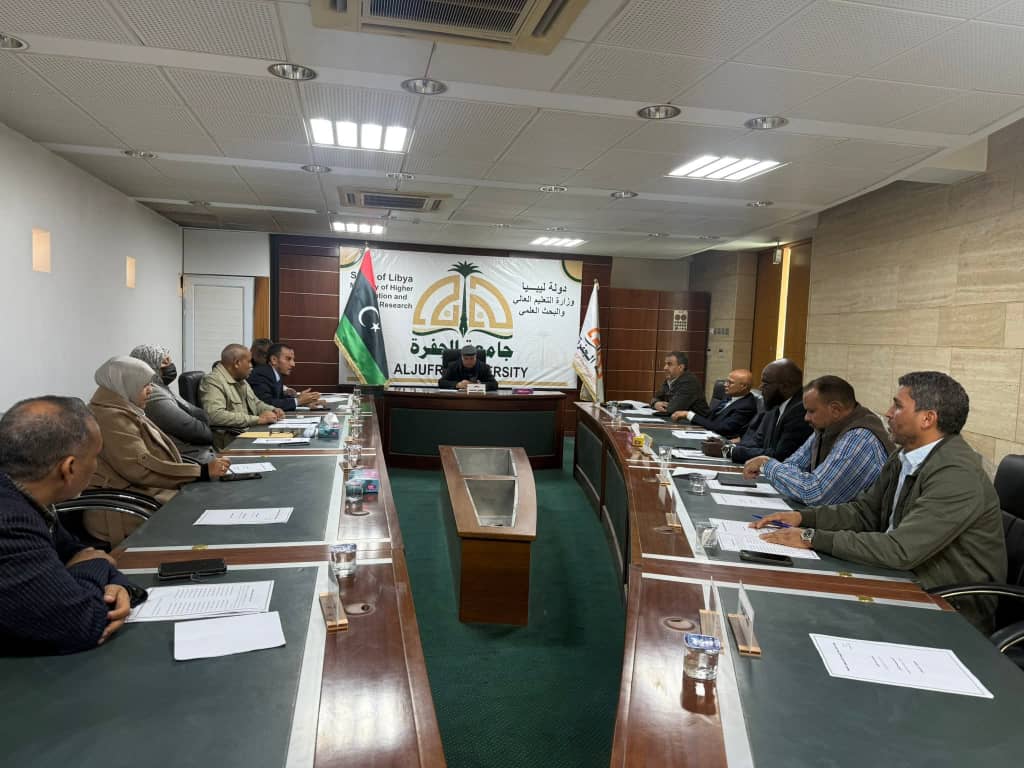
The University of Tripoli is the largest and oldest university in Libya, founded in 1957 as the University of Libya with its first faculty in Benghazi. Its main campus in the capital, Tripoli, was established later and has since expanded to encompass numerous colleges and institutes. The university has played a central role in the country’s higher education system, though its operations have been significantly disrupted by the political instability following the 2011 civil war.
Law School Student Union
The Law School Student Union is a student-led organization within a university’s law faculty, typically established to represent the interests of law students. Its history is generally tied to the founding of the specific law school, evolving to provide academic support, career resources, and a forum for professional and social engagement among its members.
Office of the Attorney General
The Office of the Attorney General is the chief legal advisor and law enforcement officer for a government, typically representing the state in legal matters. Its history varies by country, but the role often originates from English common law traditions, evolving from the medieval “King’s Attorney” to become a central figure in the modern executive branch.
Supreme Judicial Council
The Supreme Judicial Council is a high-level judicial body in many countries, often responsible for overseeing the judiciary, ensuring its independence, and managing the affairs of judges. Its history typically stems from constitutional reforms aimed at separating judicial governance from direct executive control, with its specific powers and formation varying by nation.
Supreme Court
The Supreme Court of the United States is the highest federal court in the nation, established in 1789 under Article III of the U.S. Constitution. It serves as the final arbiter of federal law and the Constitution, with its landmark decisions shaping American civil rights, governance, and society throughout history.
Libyan judiciary
The Libyan judiciary is the nation’s system of courts responsible for interpreting and applying the law. Its modern structure was established following independence in 1951, but it has faced significant challenges and periods of dysfunction due to prolonged conflict and political fragmentation since the 2011 revolution.