While treating your pet for a common problem like fleas and ticks, you might inadvertently create a serious issue for the environment that could affect its balance.
You might wonder about the connection between a medication taken by pets and the environment. In short, the active ingredient in your pet’s medication, when it seeps into the environment, can pose a danger to beneficial insects.
A European medicines agency had previously warned about this problem, but the warning did not receive significant attention because the scientific data was limited. However, a new study has addressed this gap by highlighting the real environmental danger of “isoxazoline” medications, which are effective against both fleas and ticks.

Transfer to the Environment
These medications were first launched in 2013. They are advantageous because they are administered orally and their effect lasts for a month or more, which is why they have become widely used globally in veterinary medicine.
Researchers found in the study published in the journal “Environmental Toxicology and Chemistry” that the problem with these drugs occurs after ingestion. The animal’s body eliminates the active ingredient through feces (and sometimes urine or shedding hair). This means these toxins, lethal to fleas and ticks, do not disappear but are transferred to the surrounding environment.
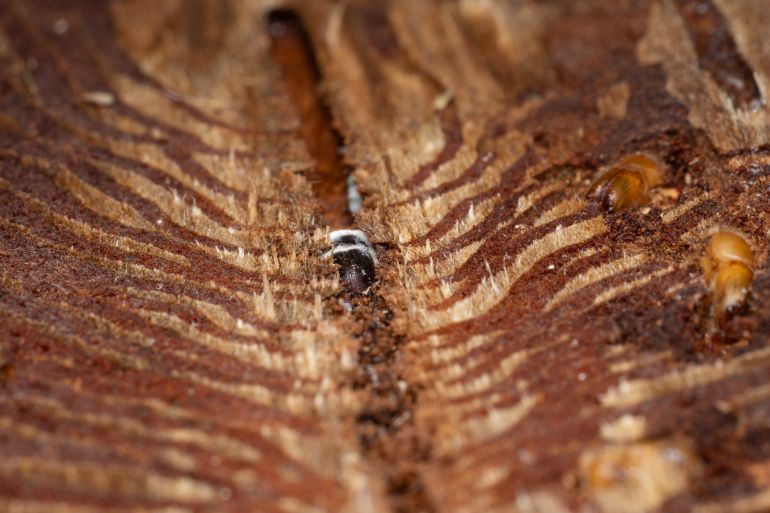
The issue is that when these medications enter the environment, they do not distinguish between the harmful insects they were designed for and other beneficial ones. The greater concern, as researchers explained, lies with insects that feed on dung, such as flies, dung beetles, and some butterfly species. These insects play vital roles in nutrient cycling, improving soil health, and limiting the spread of pests.
How Was the Environmental Risk Proven?
To reach this conclusion, researchers monitored 20 dogs and 20 cats, all owned by veterinary students. These animals were treated with “isoxazoline” medications for 3 months. Samples of the animals’ feces were collected to measure the amount of toxins that dung-feeding insects might be exposed to. Two active ingredients out of the four found in “isoxazoline” drugs were detected in the animals’ feces, even after the recommended treatment period had ended.
Consequently, the researchers concluded that dung-feeding insects could be exposed to high levels of these toxins, which might lead to catastrophic consequences for natural ecological cycles.