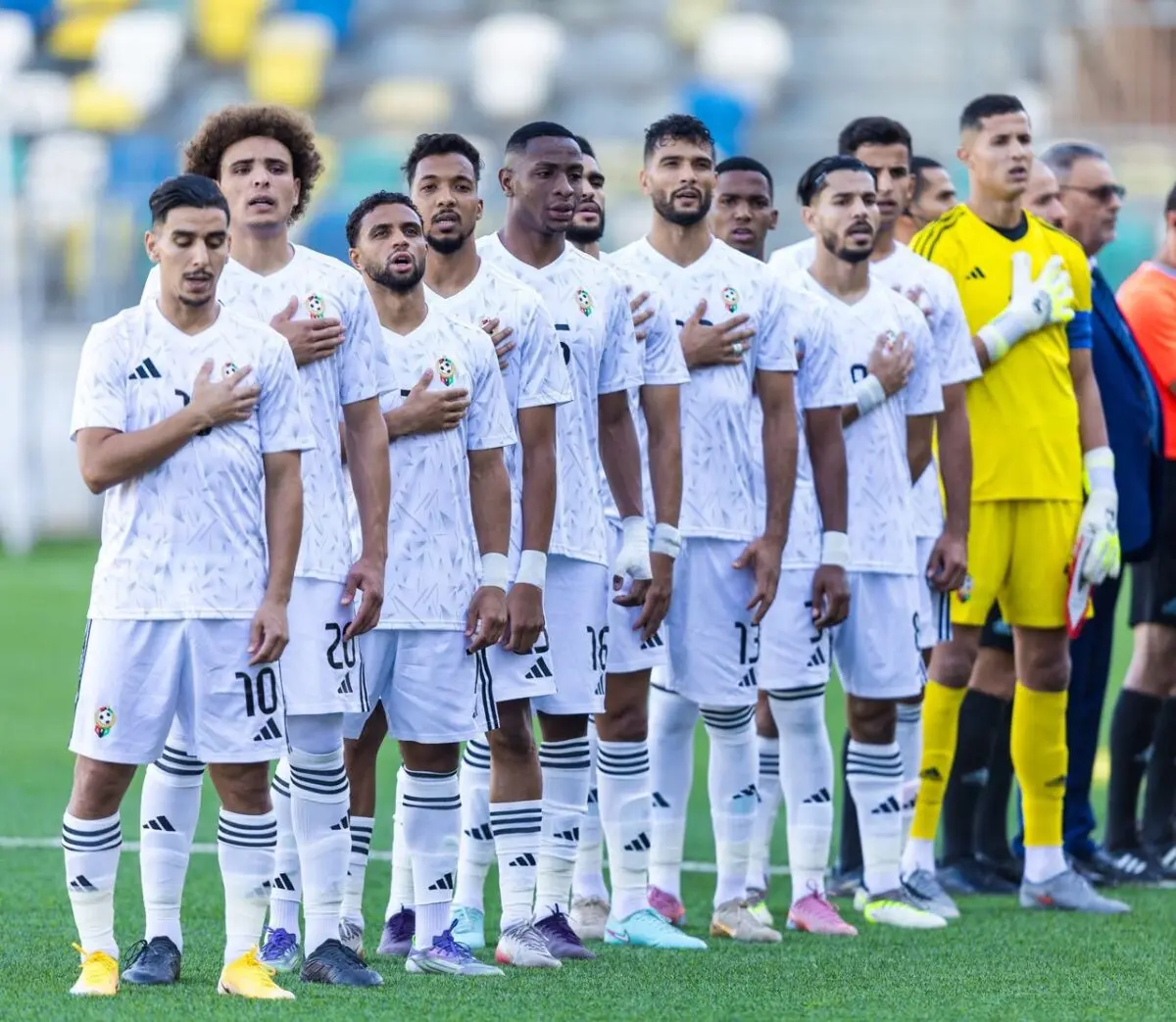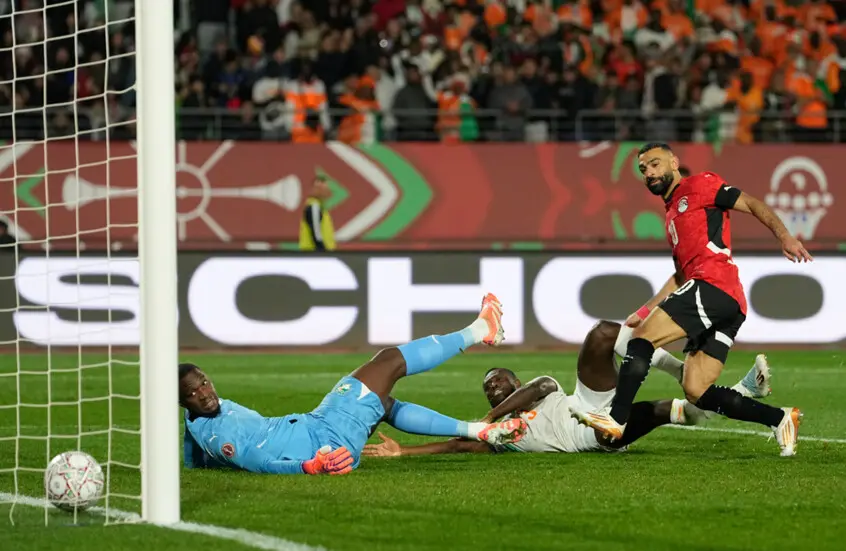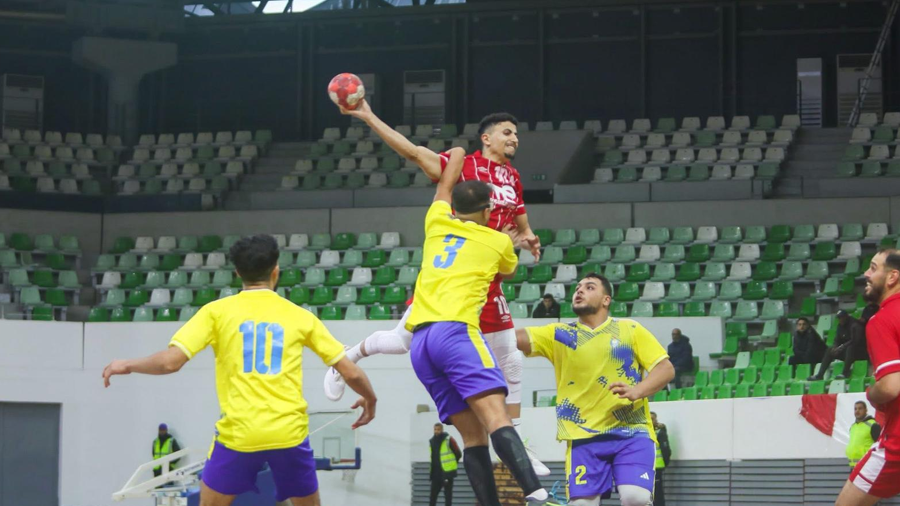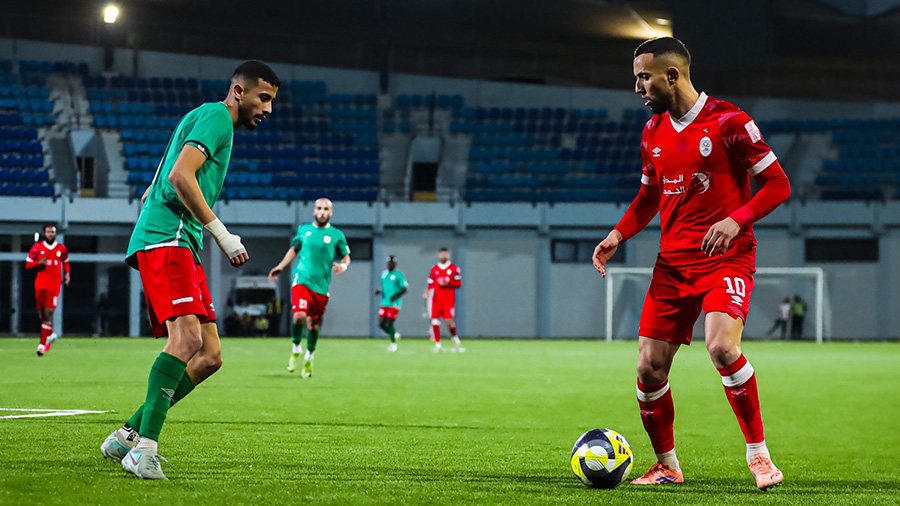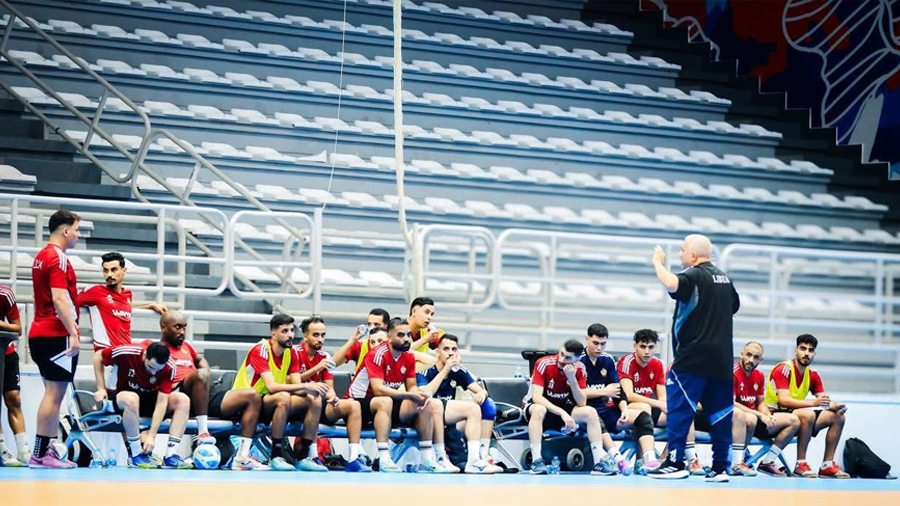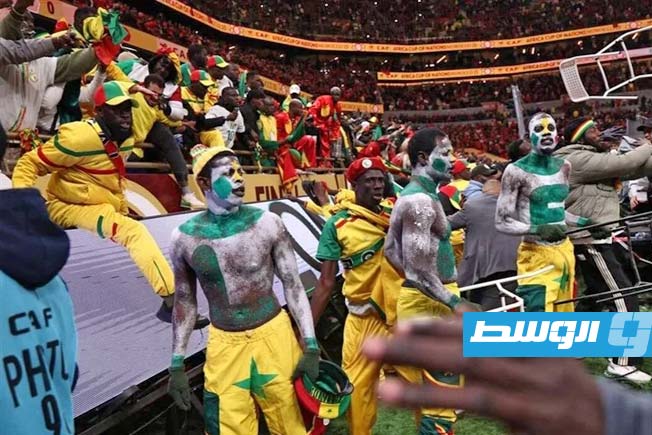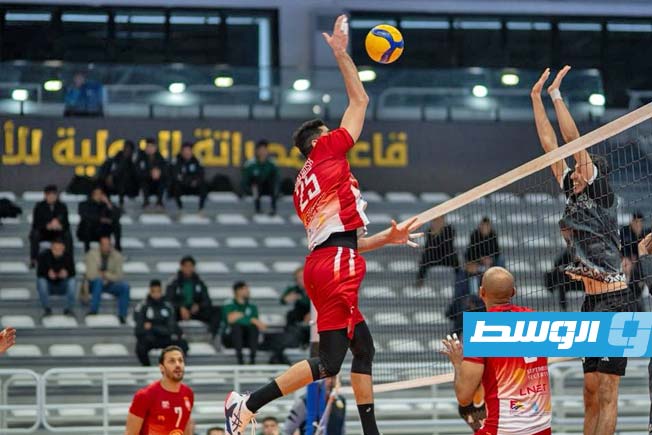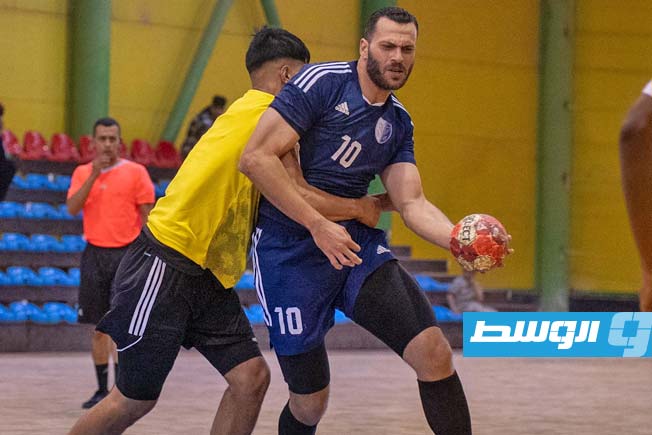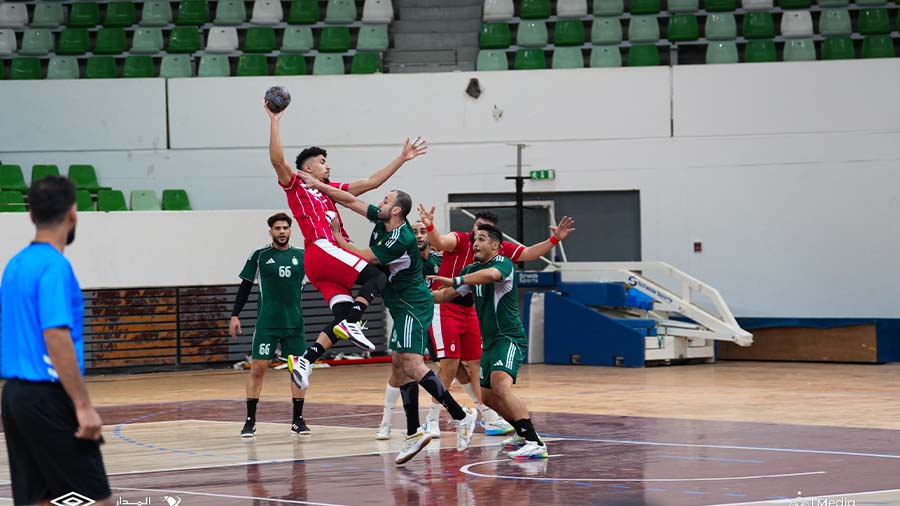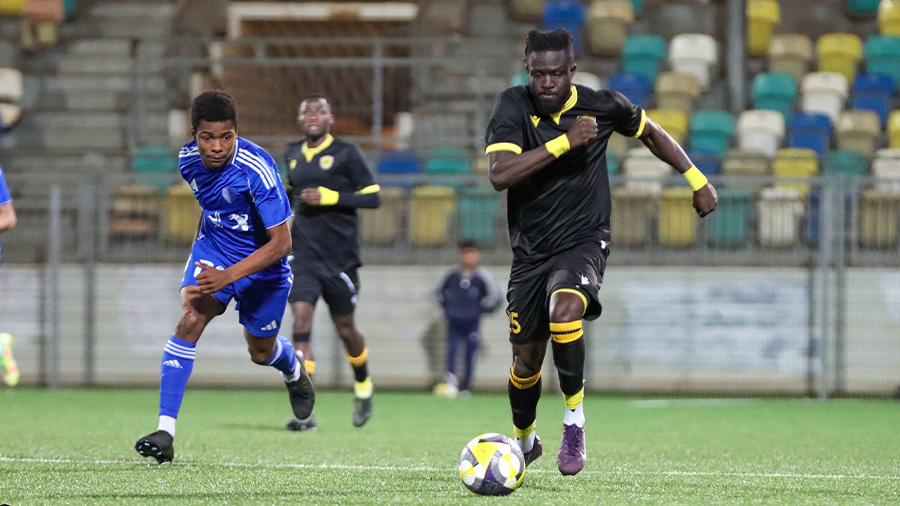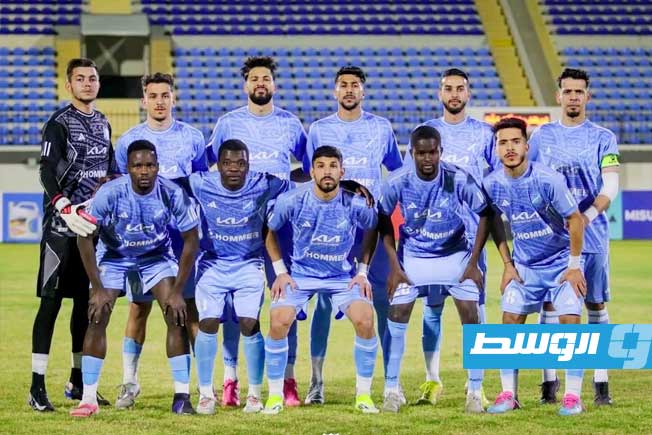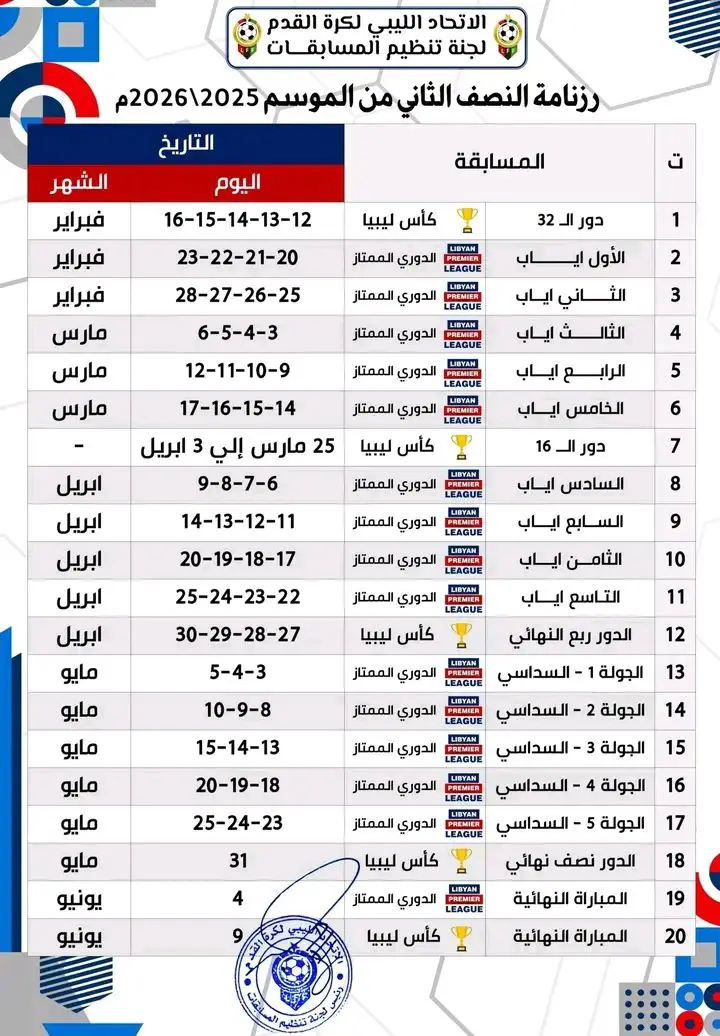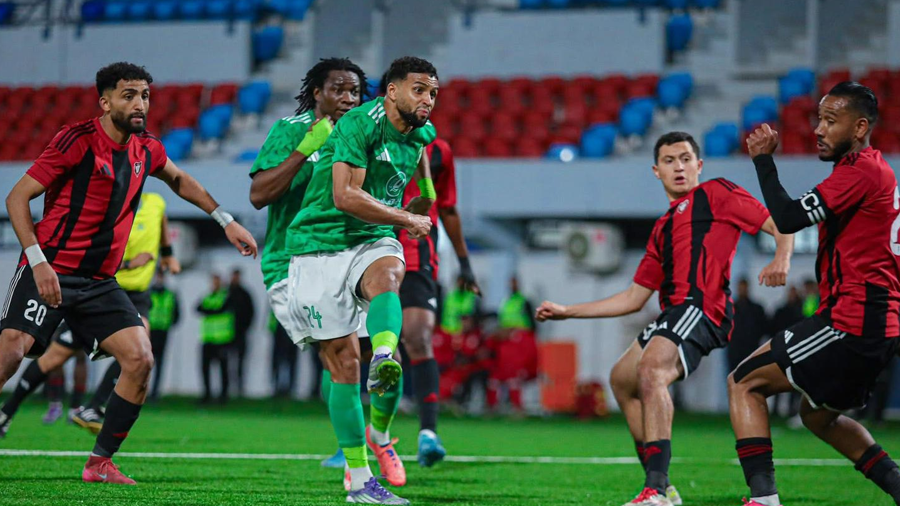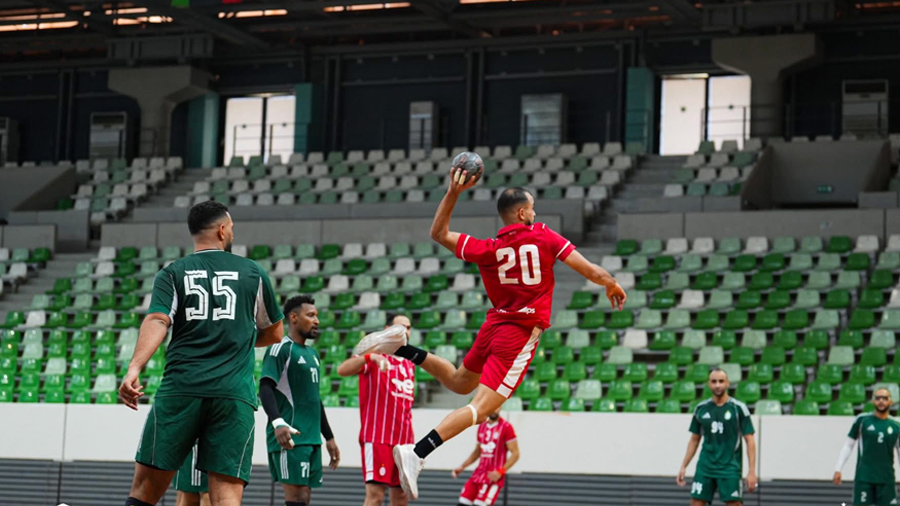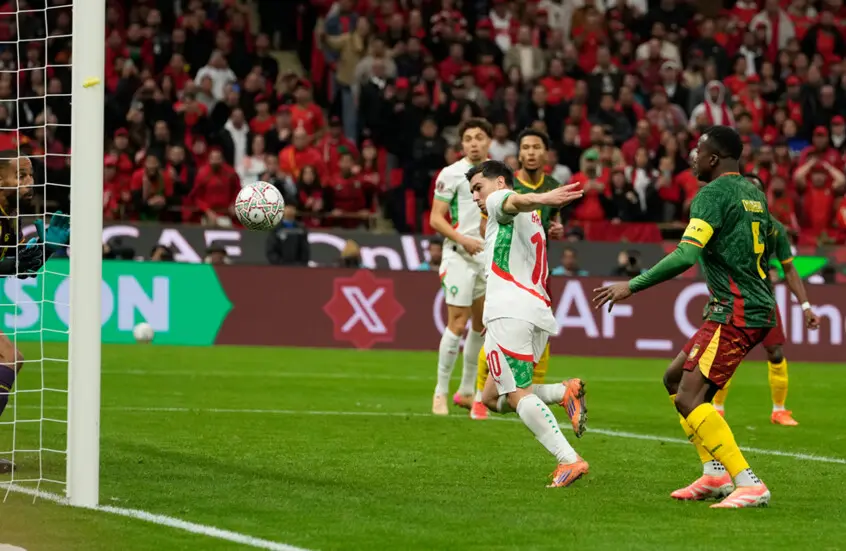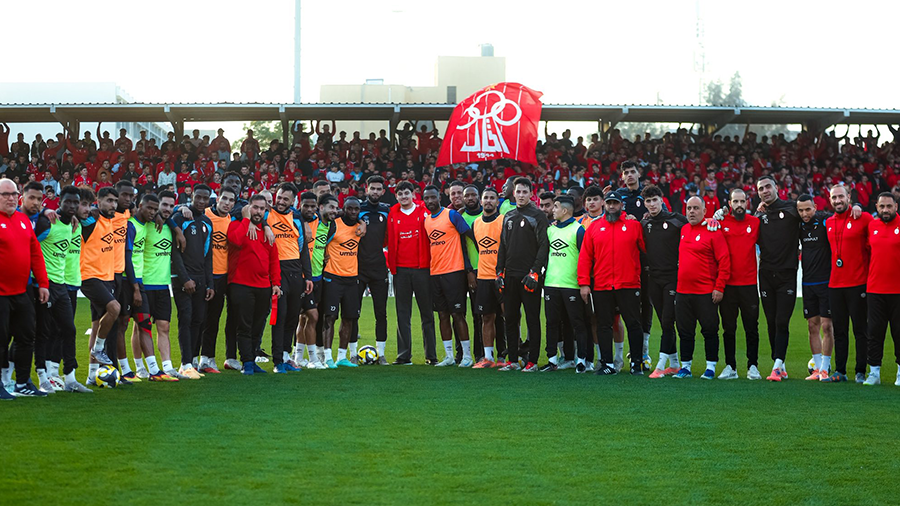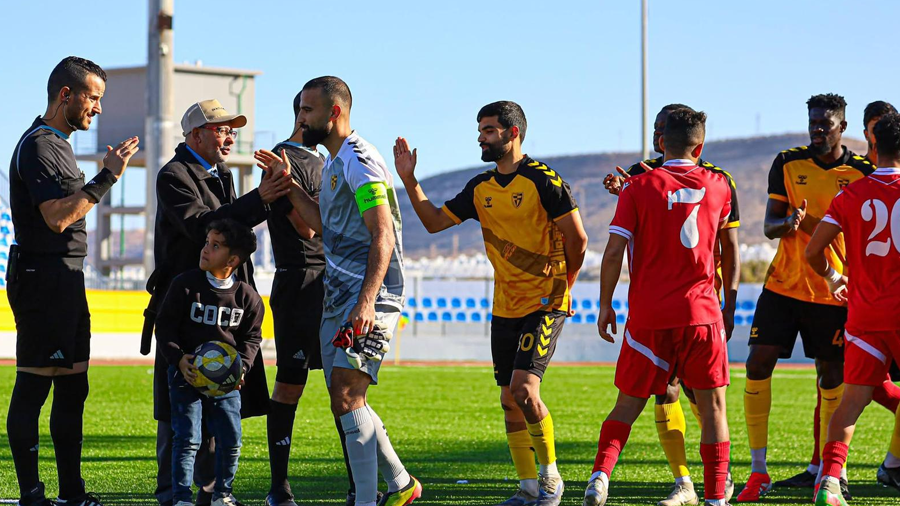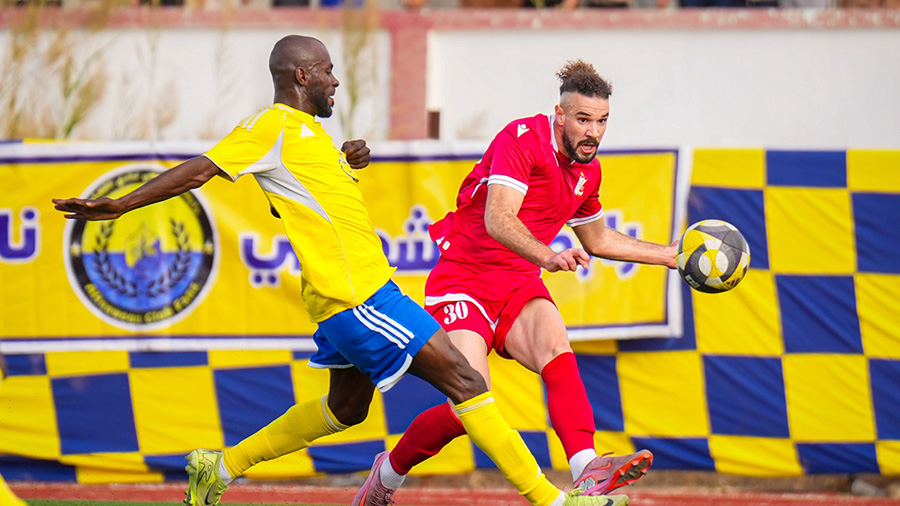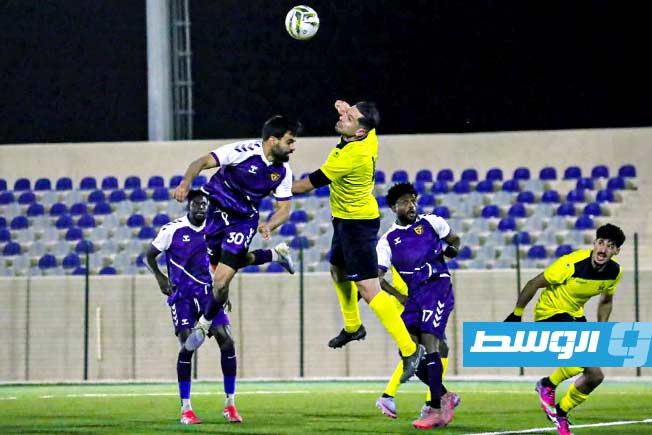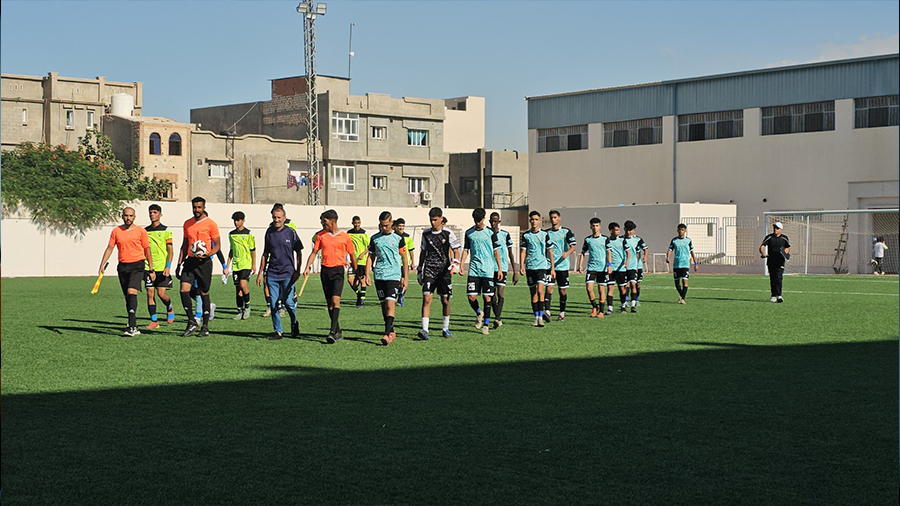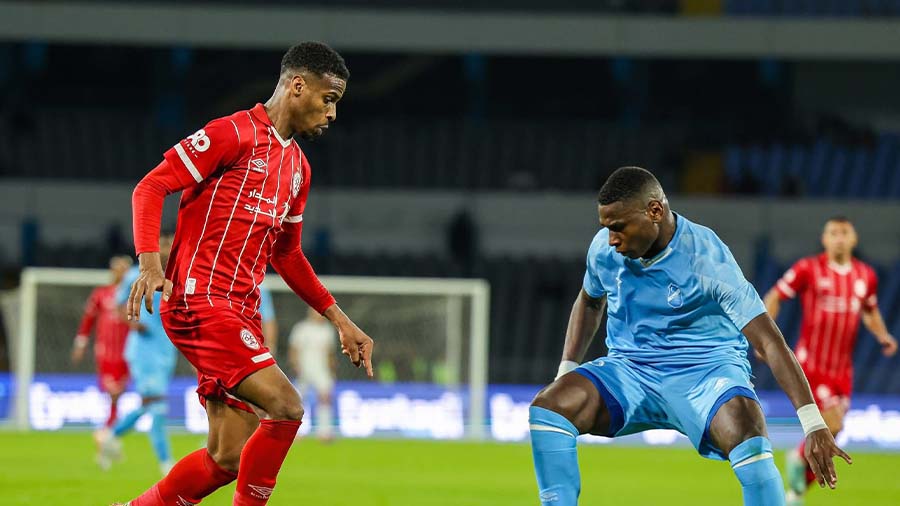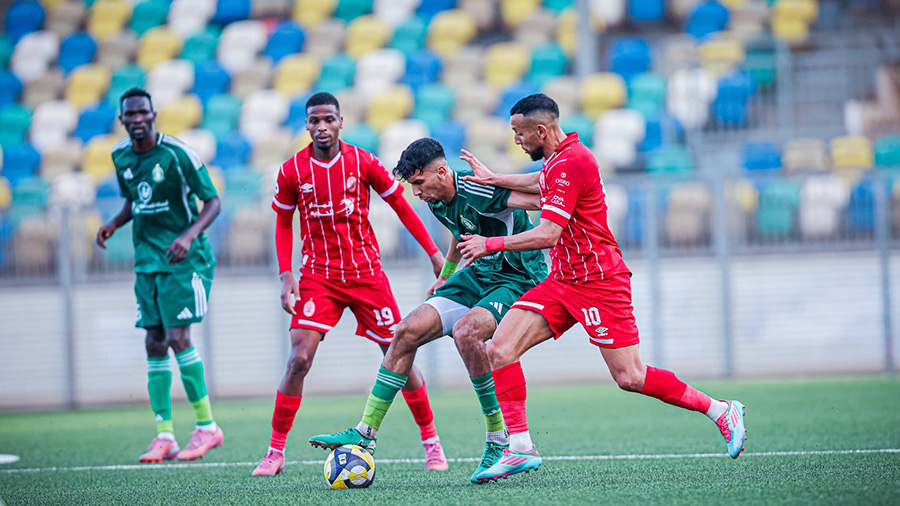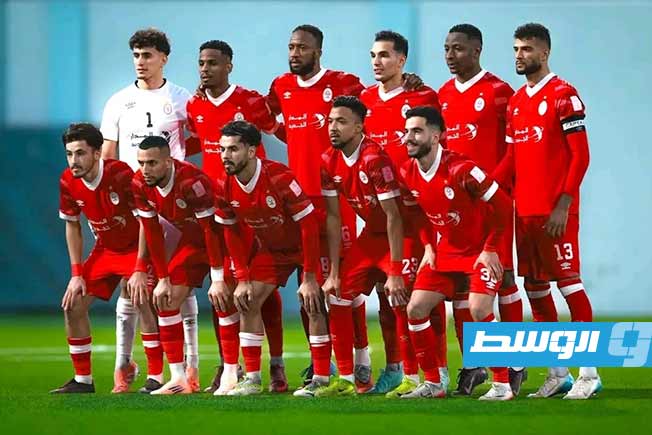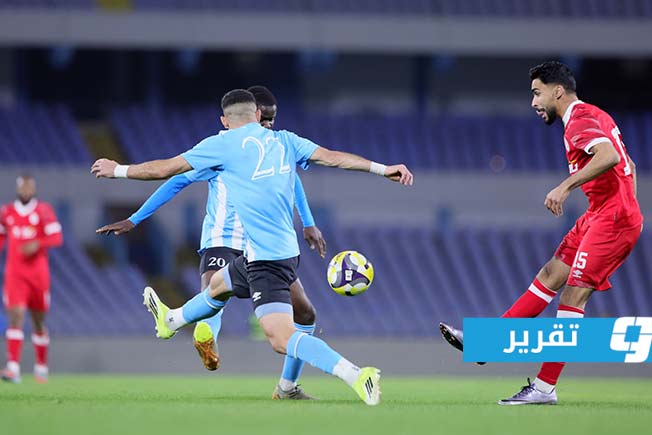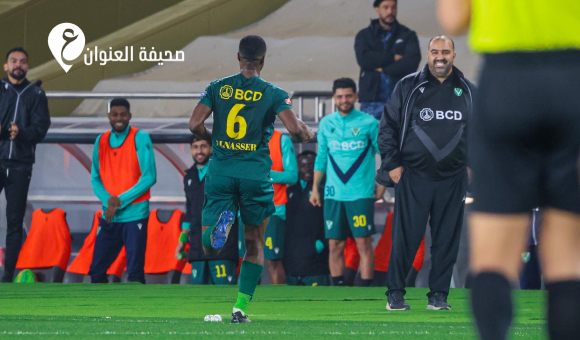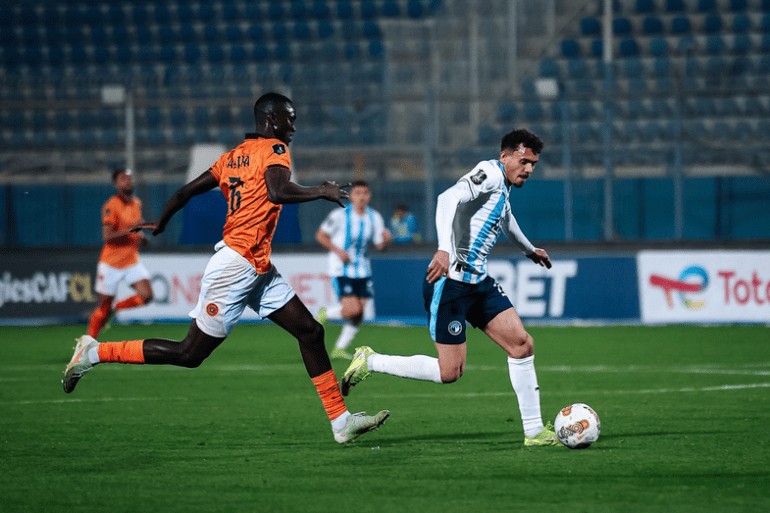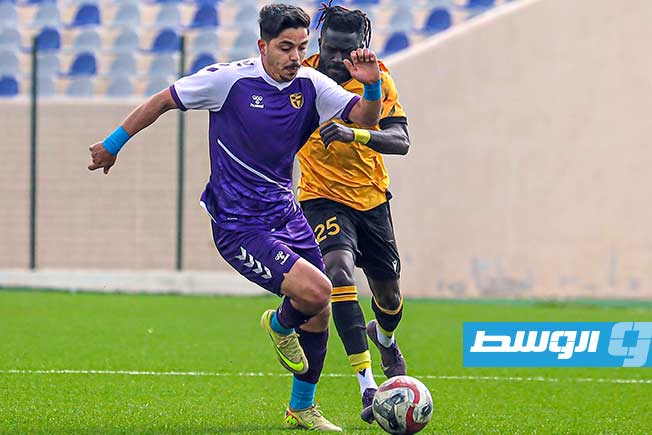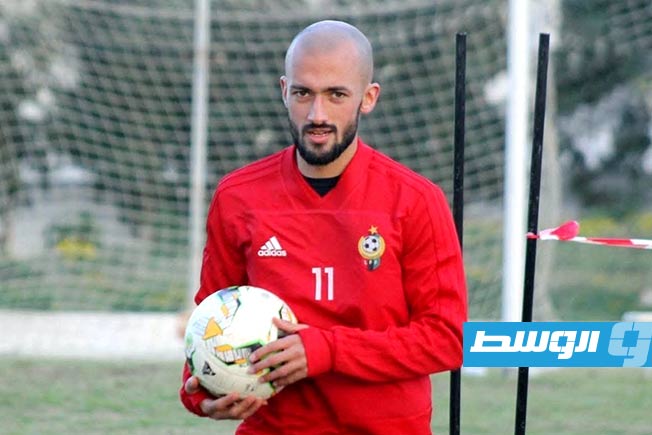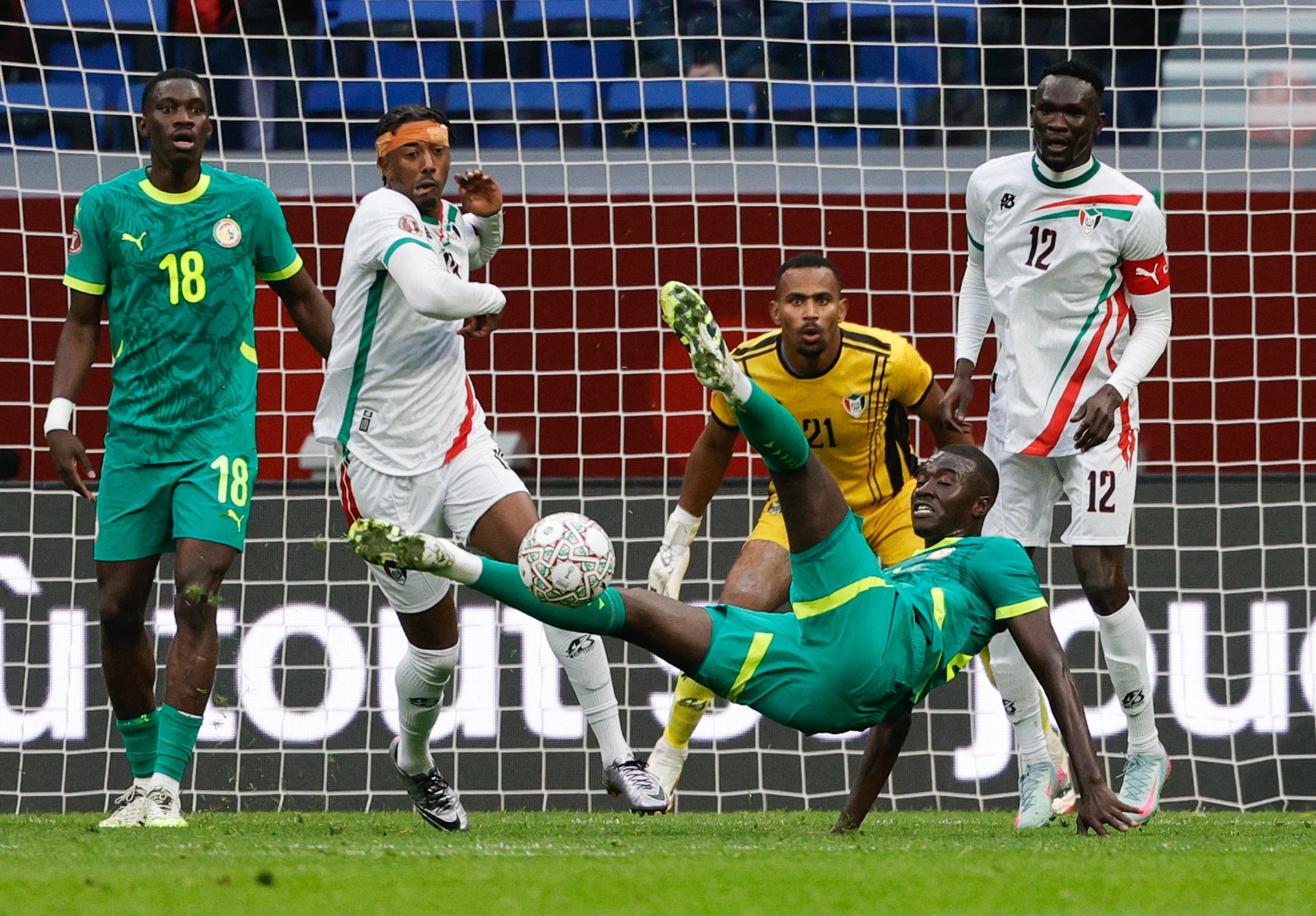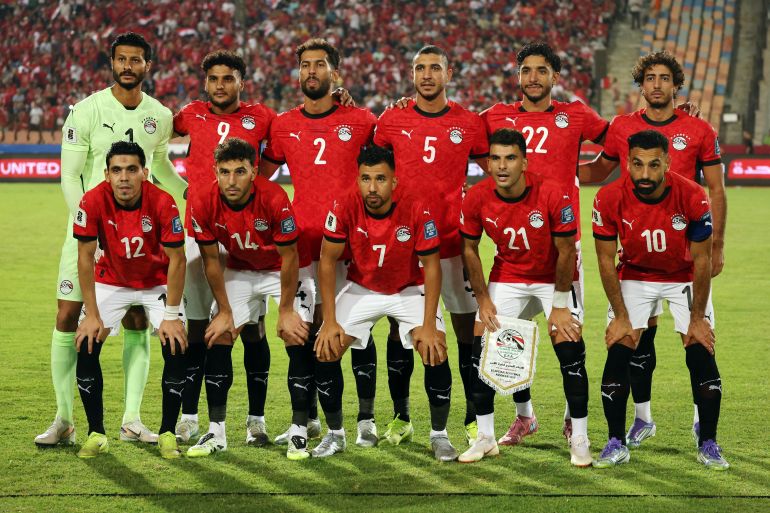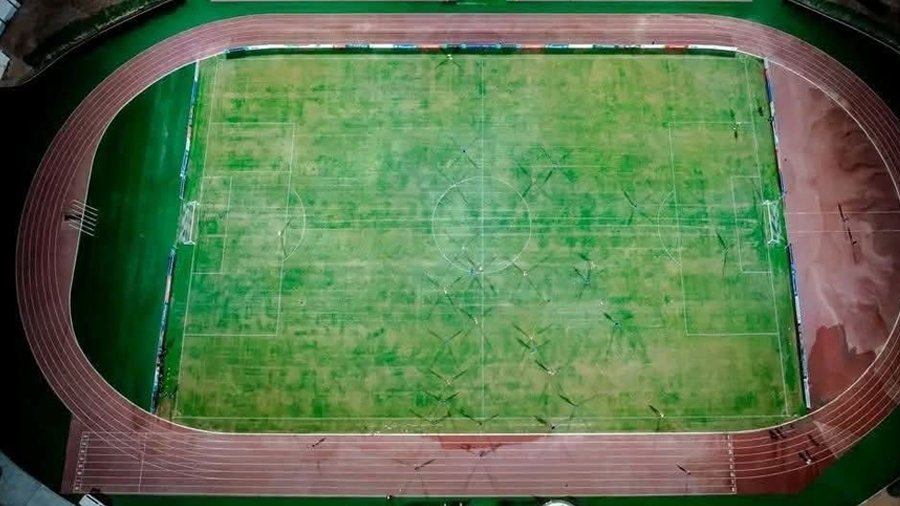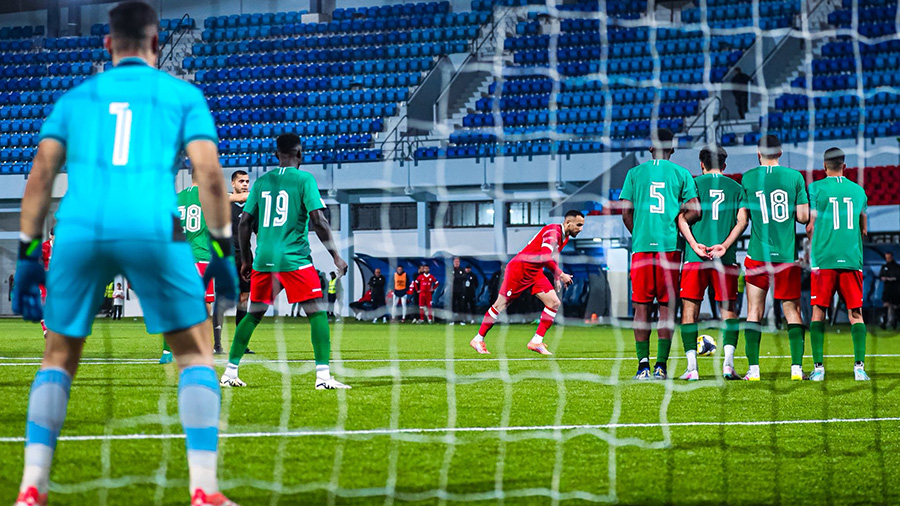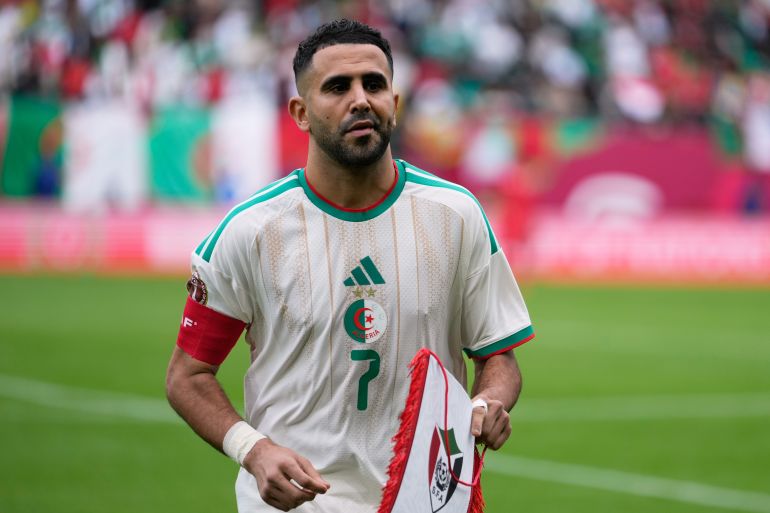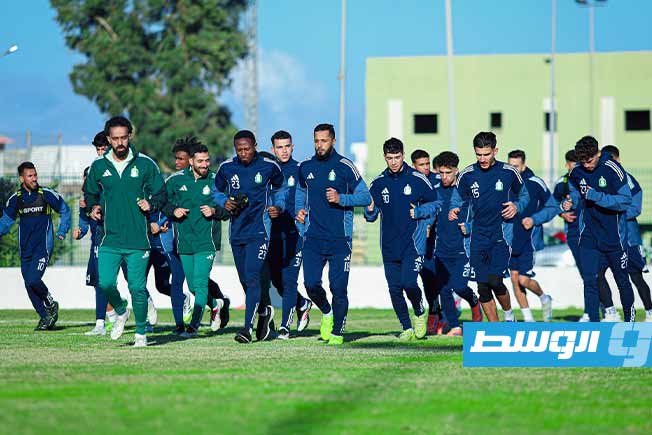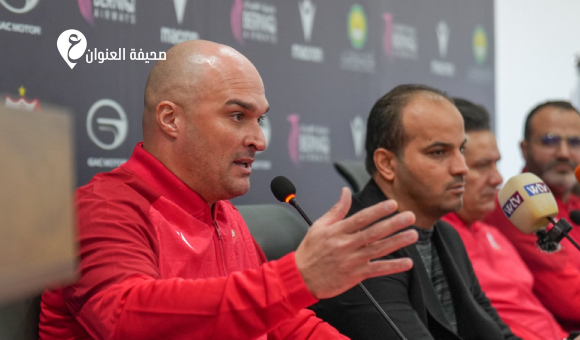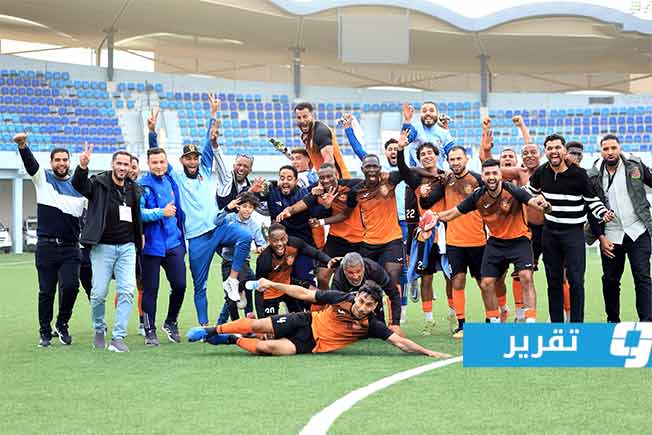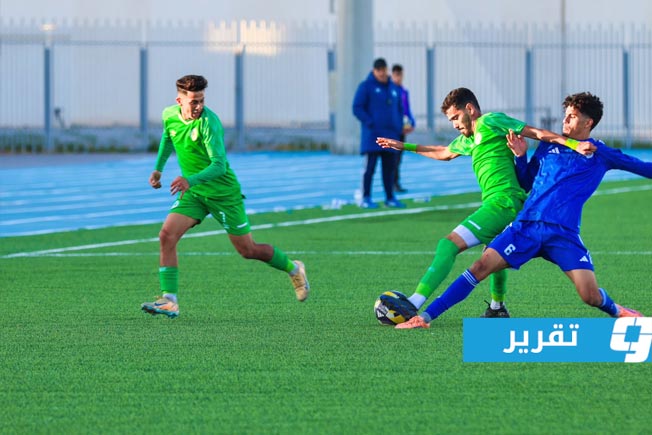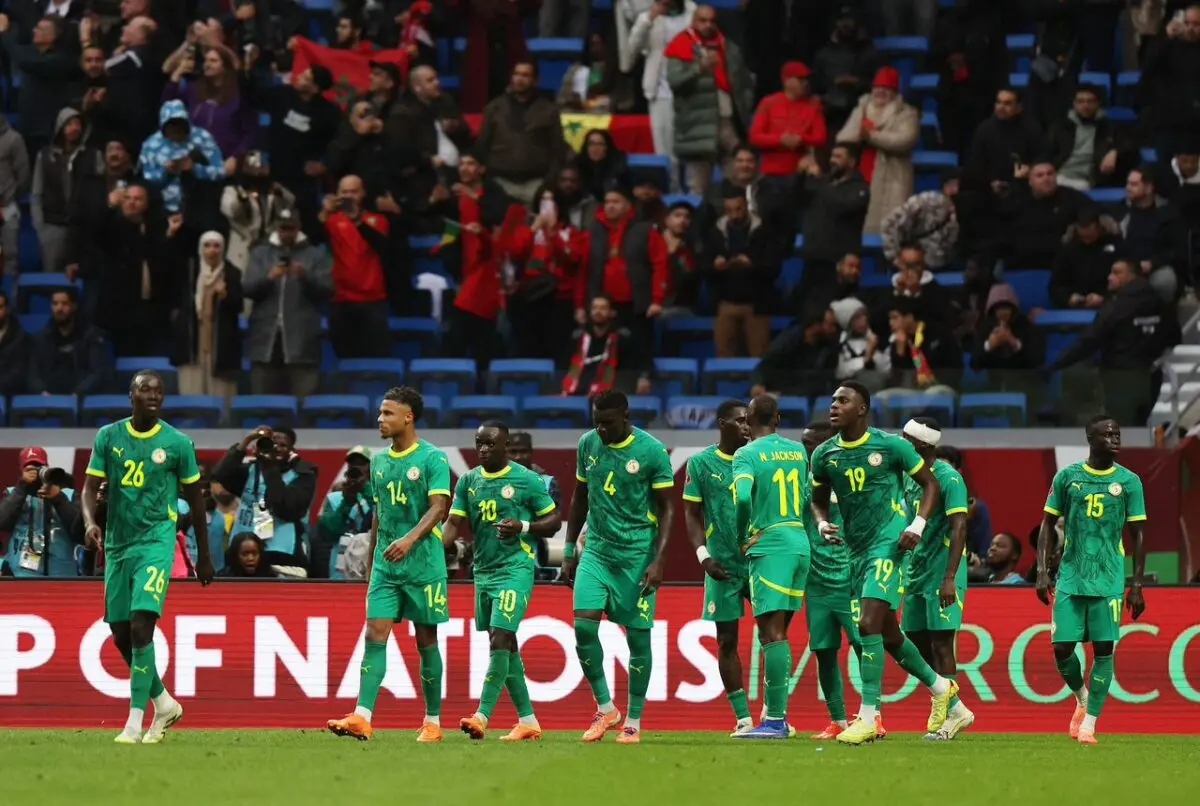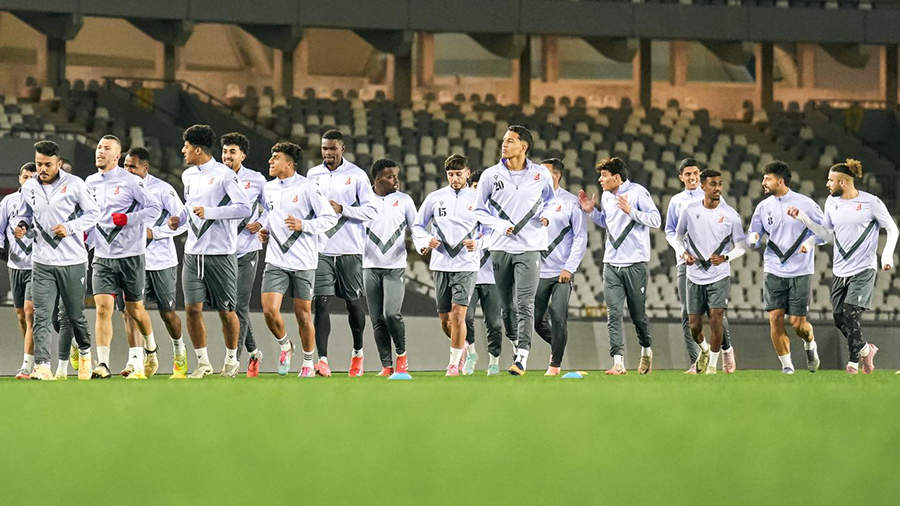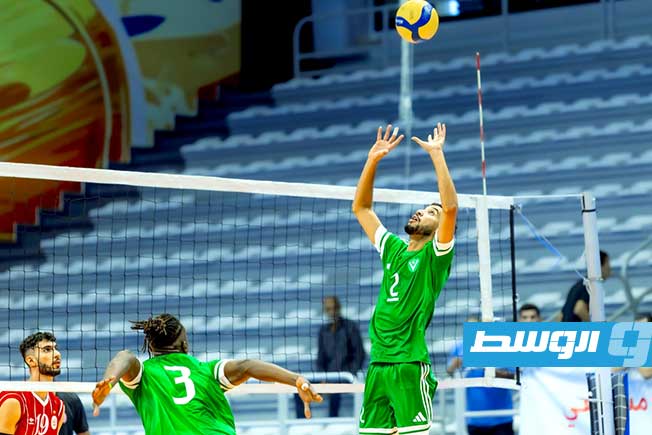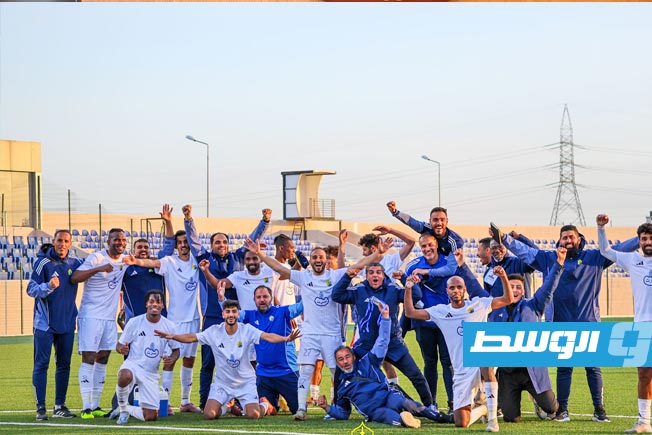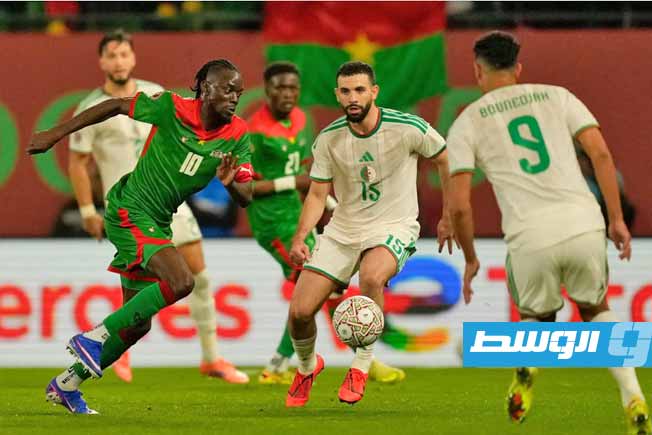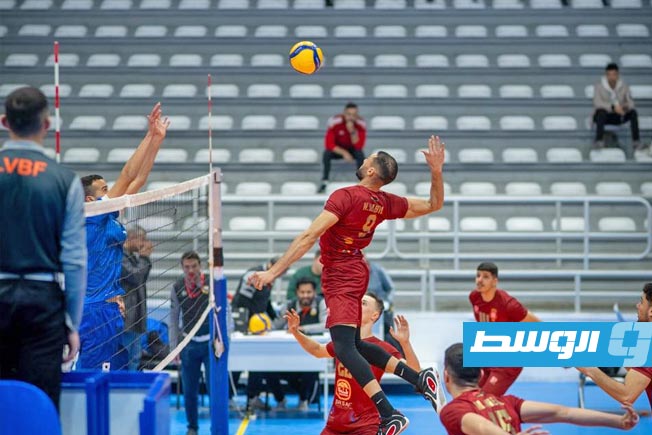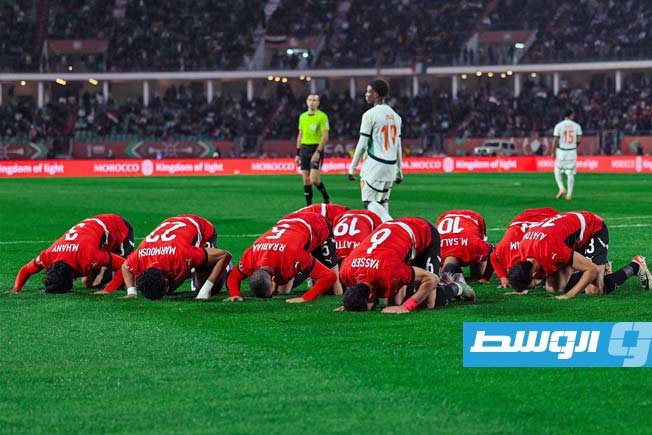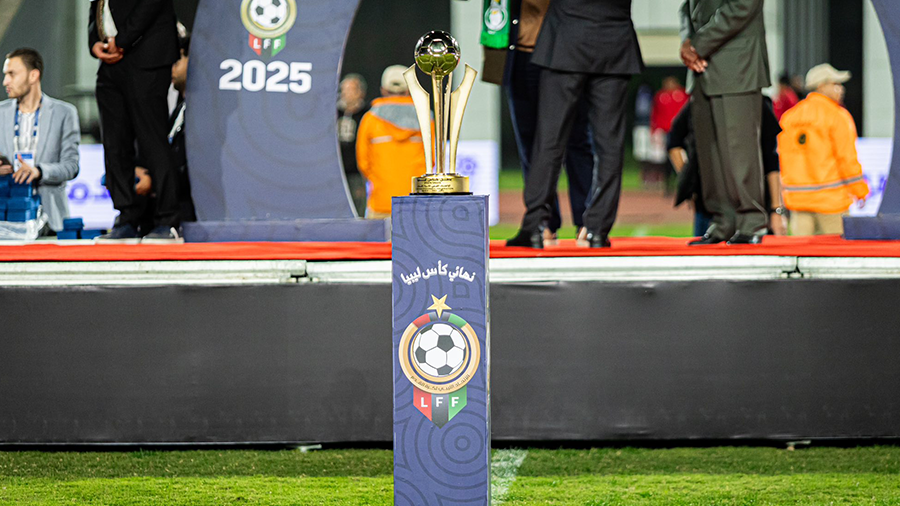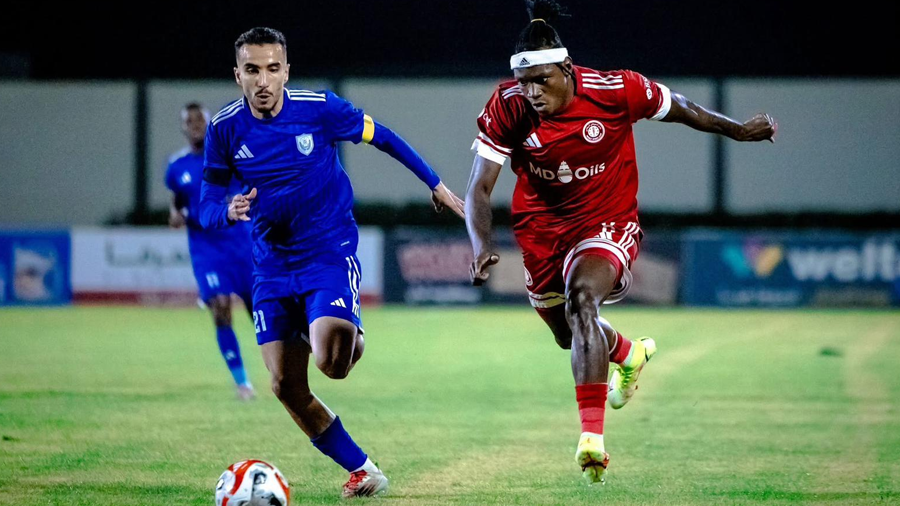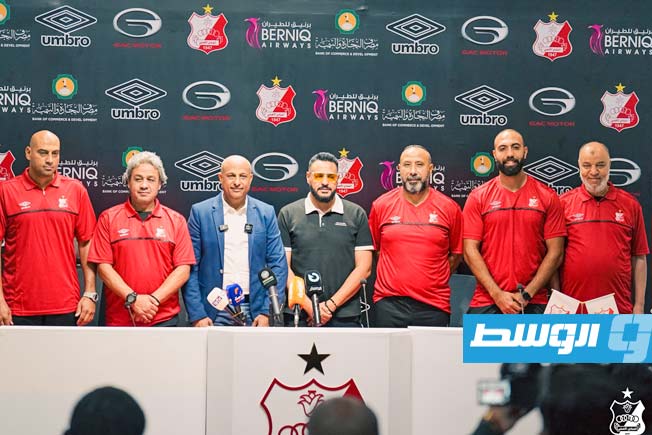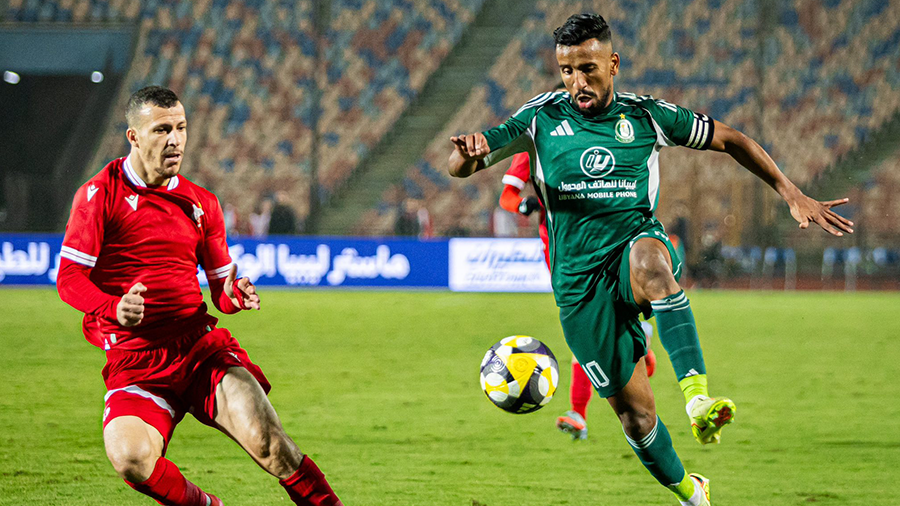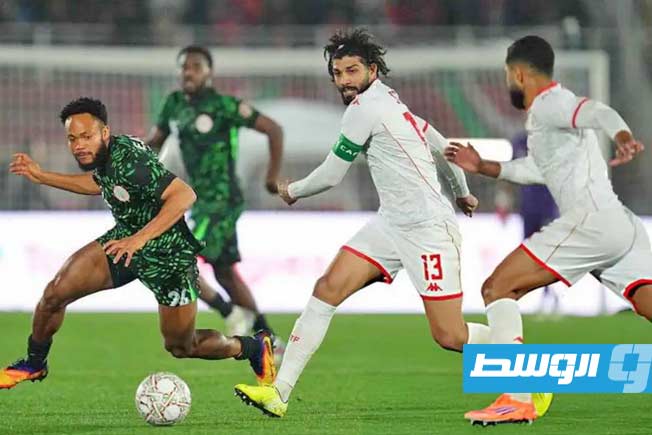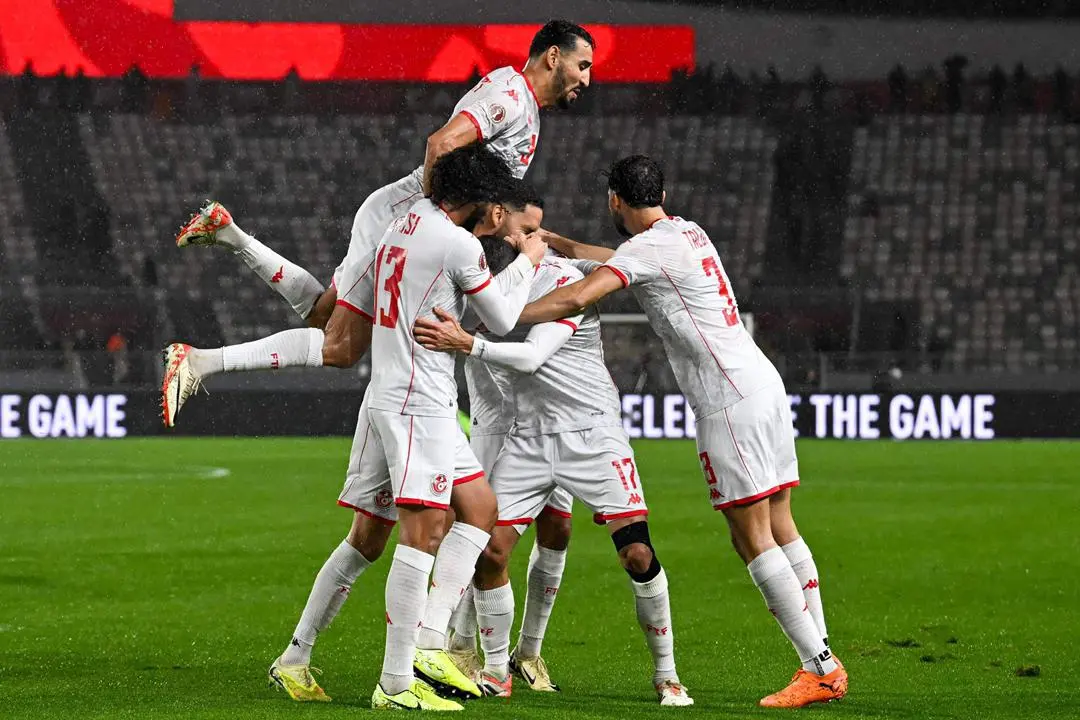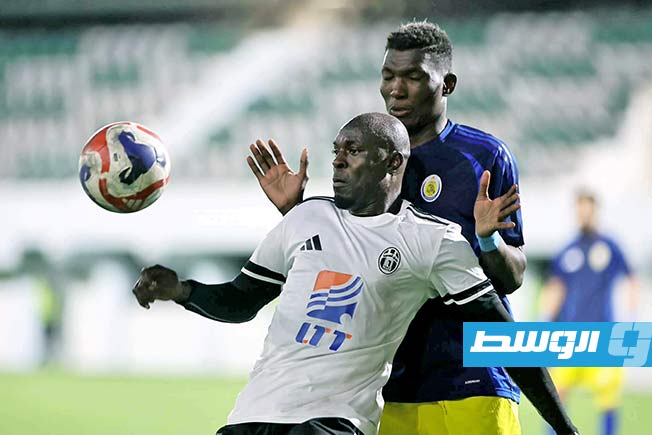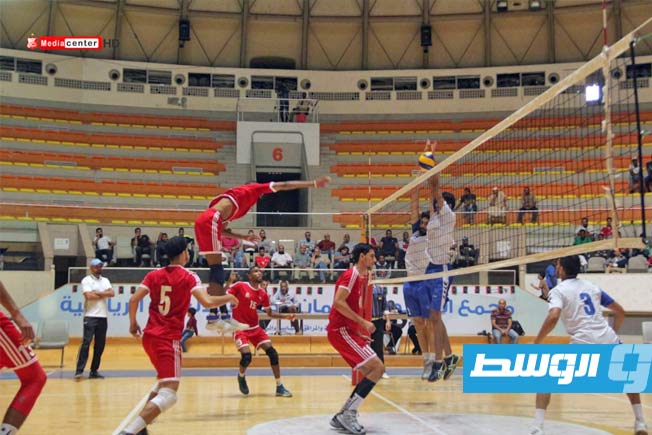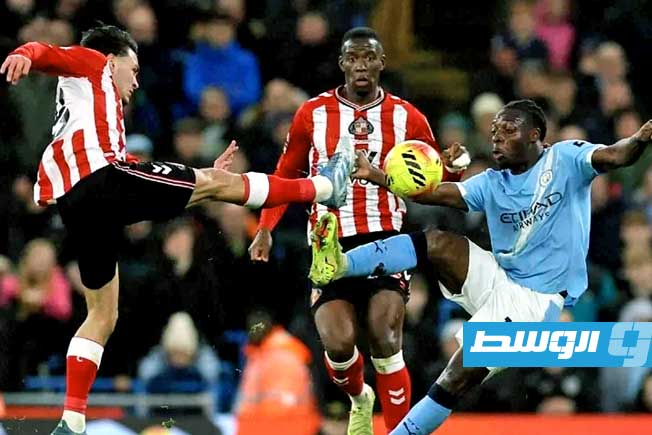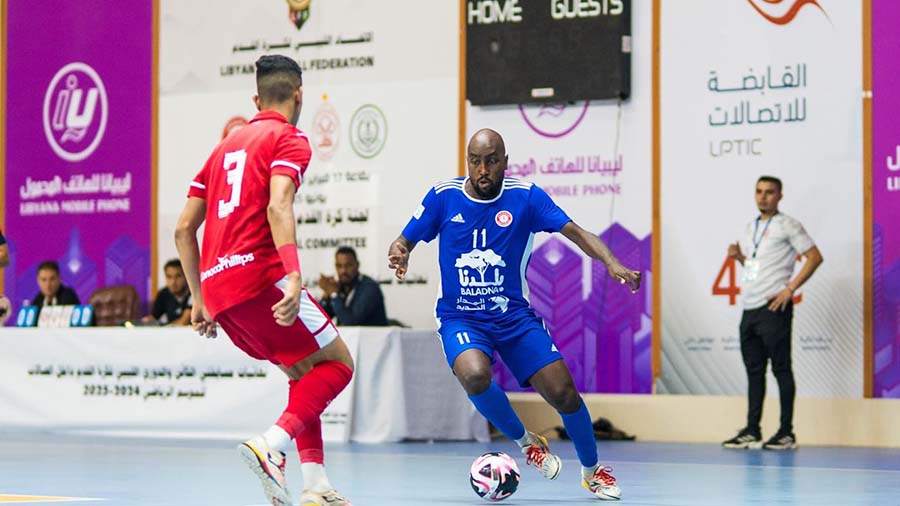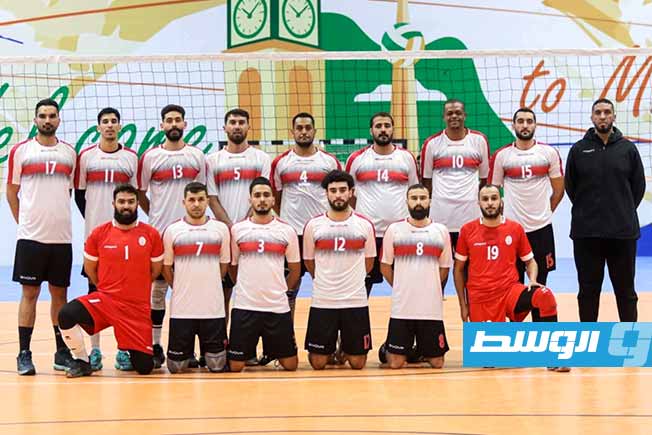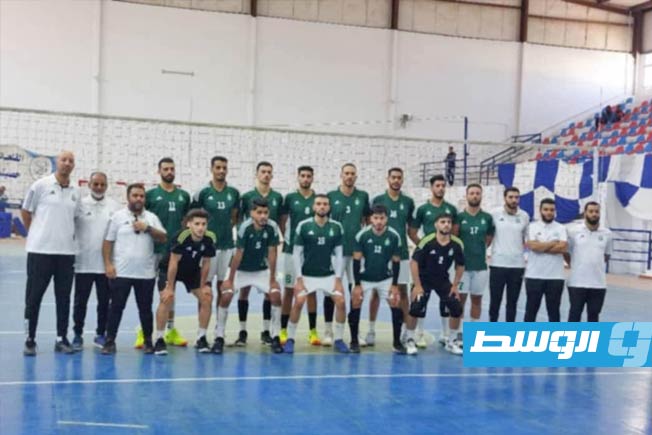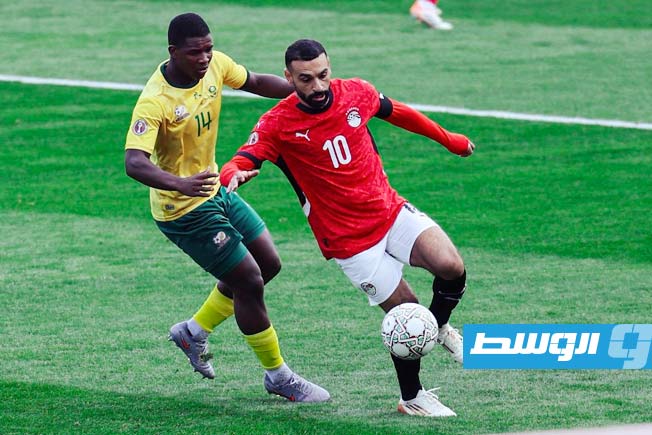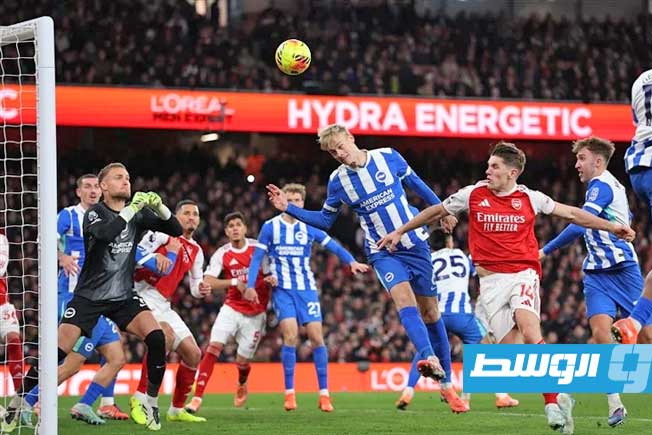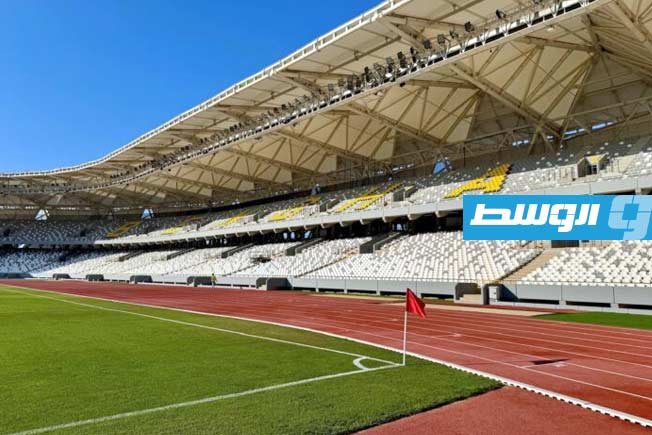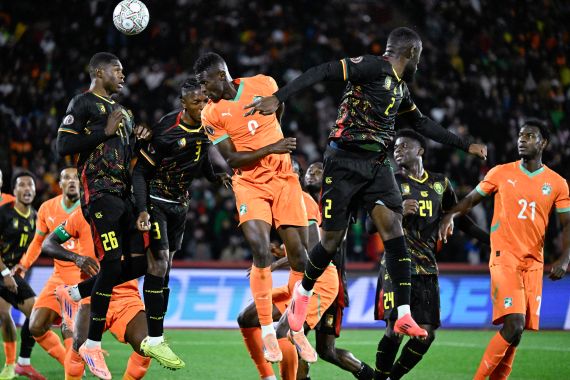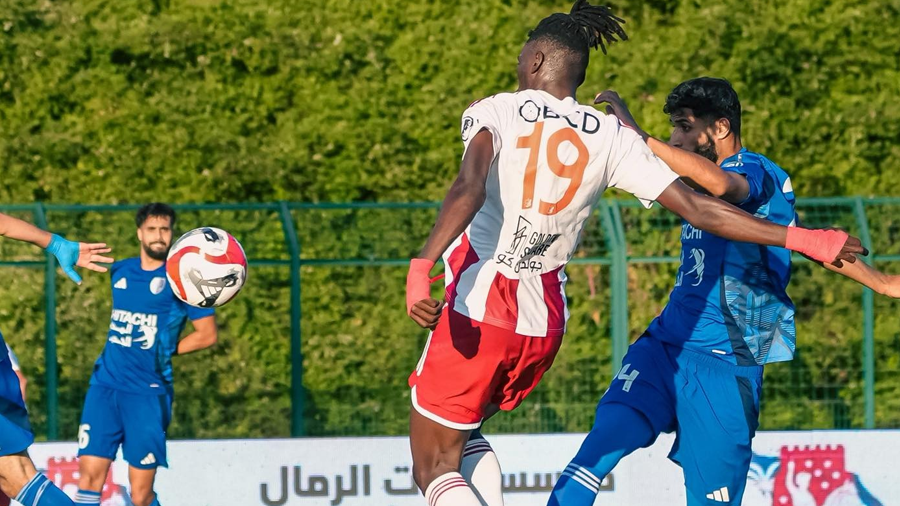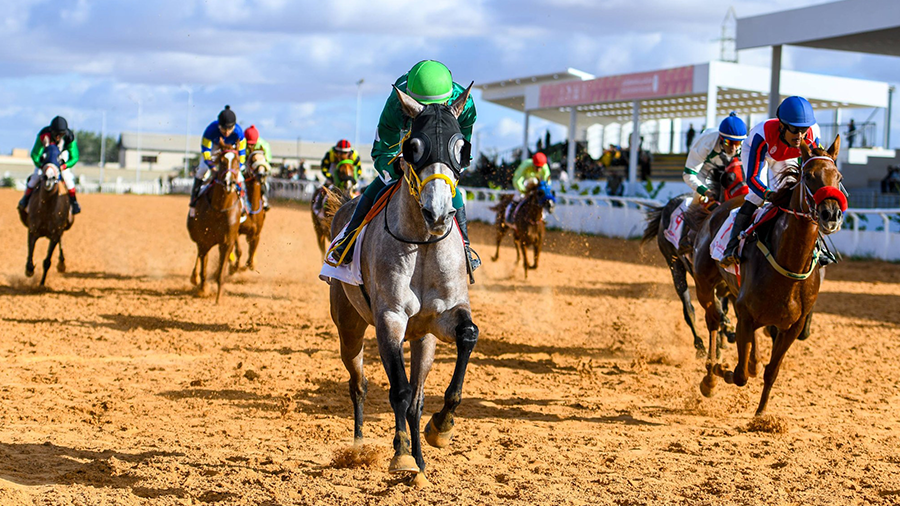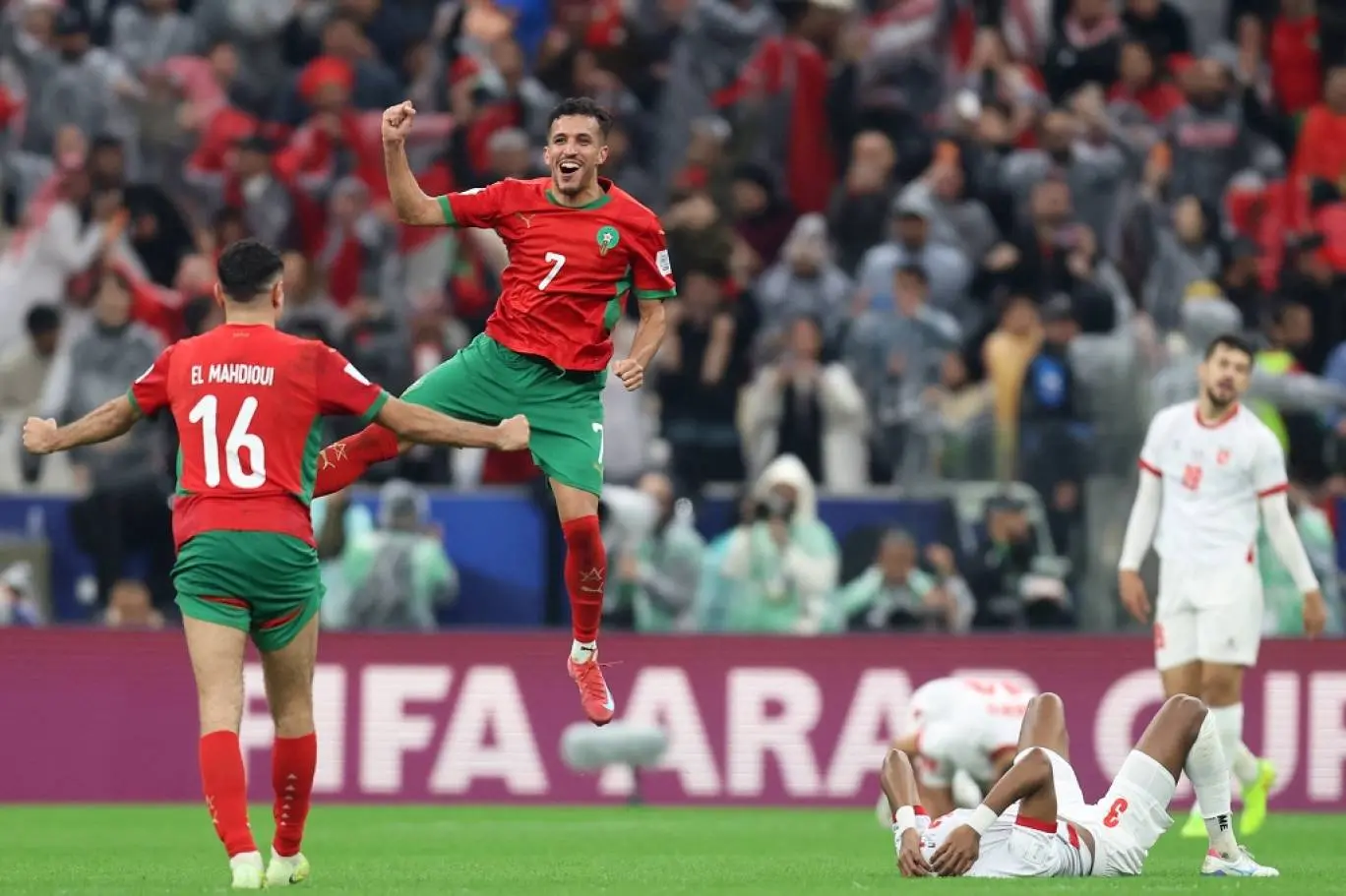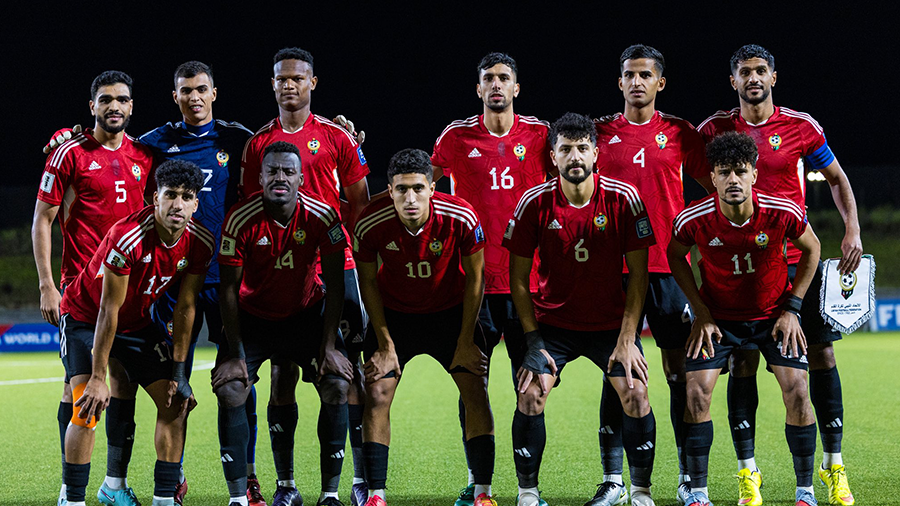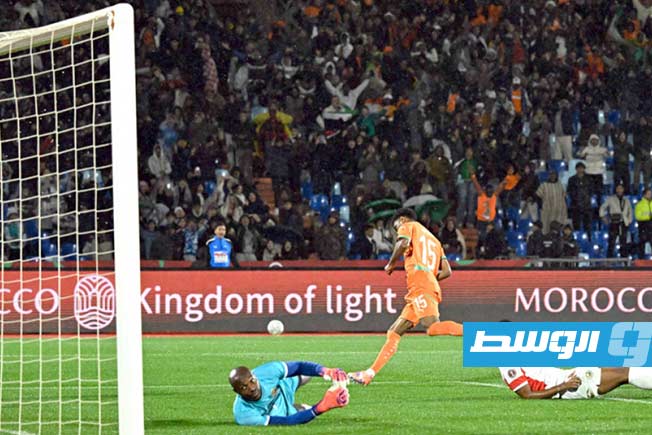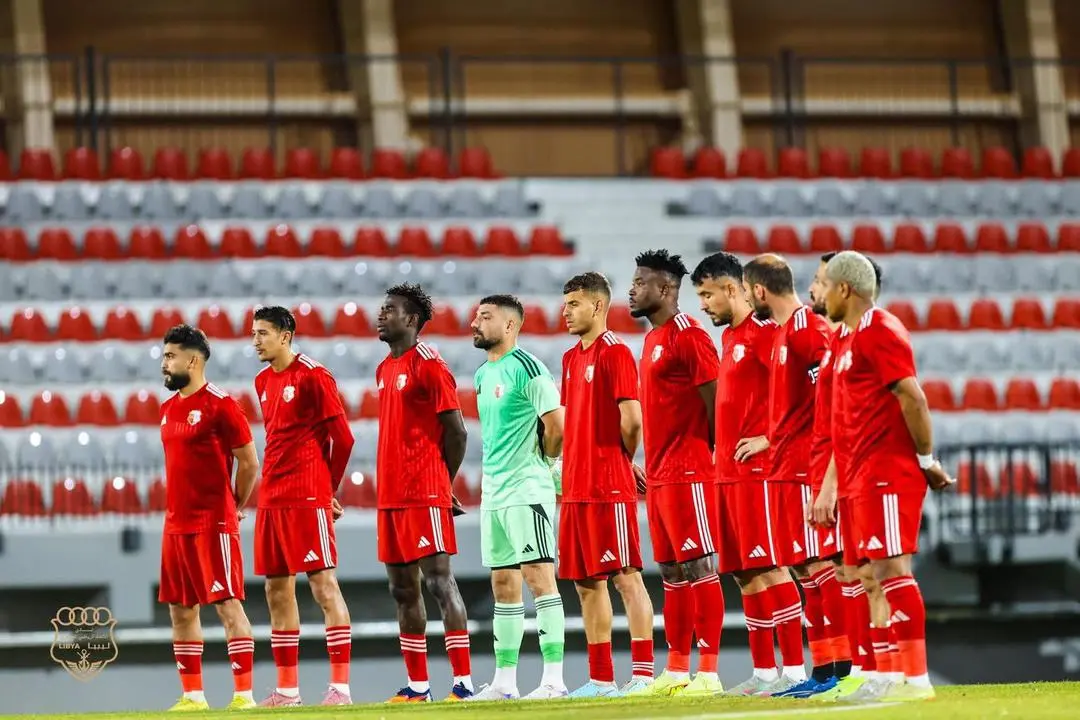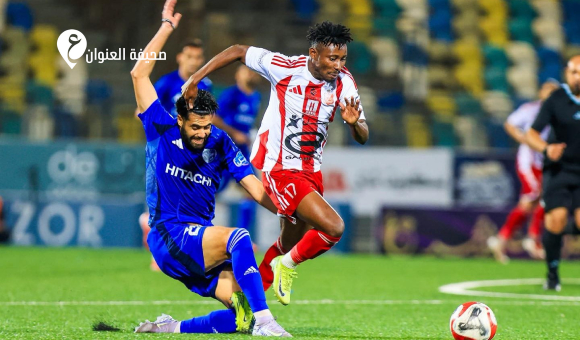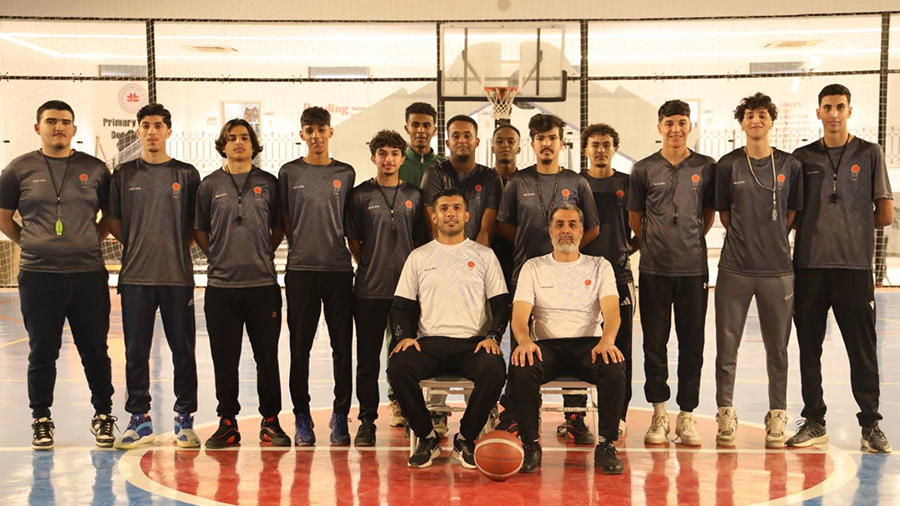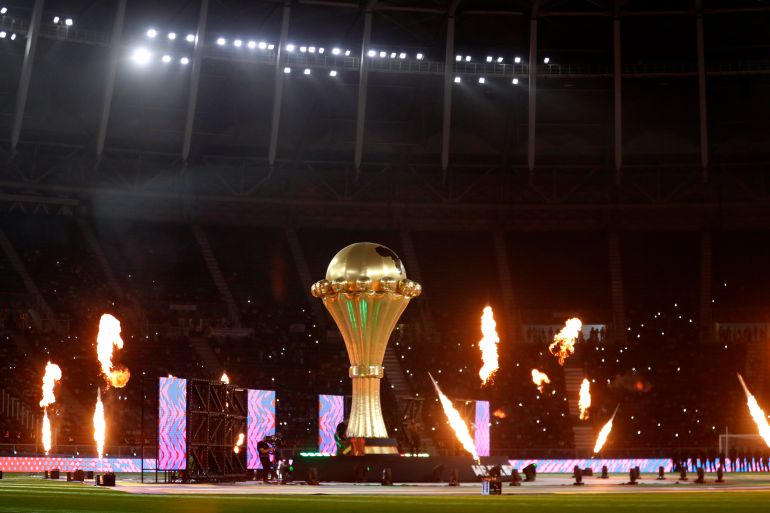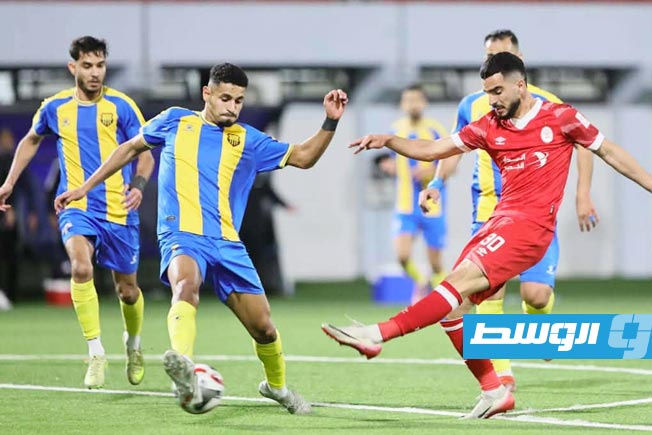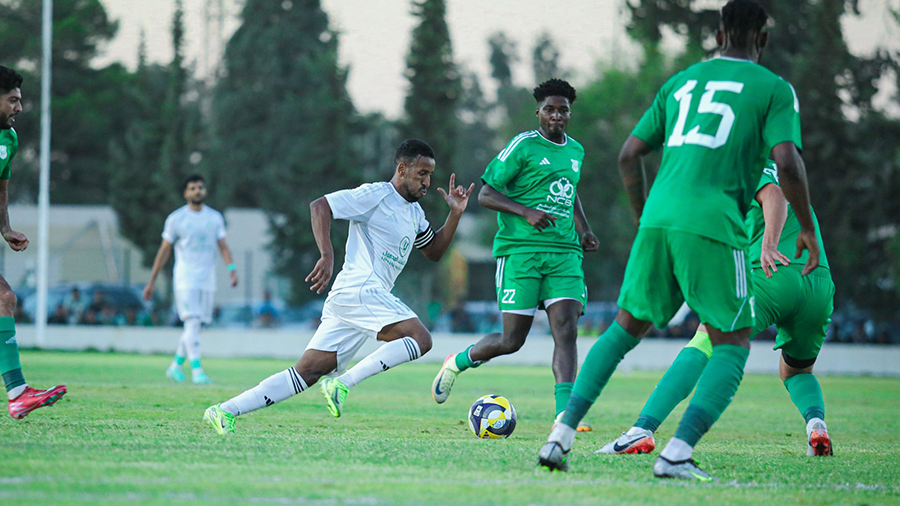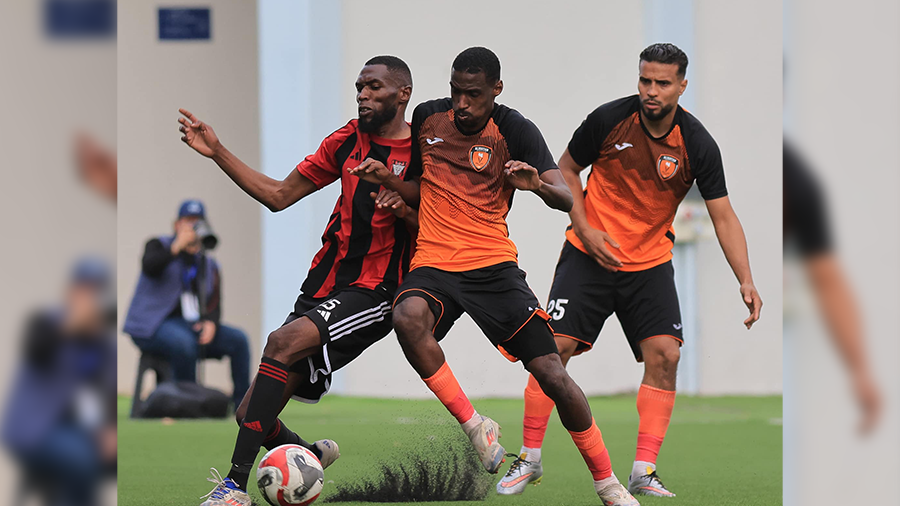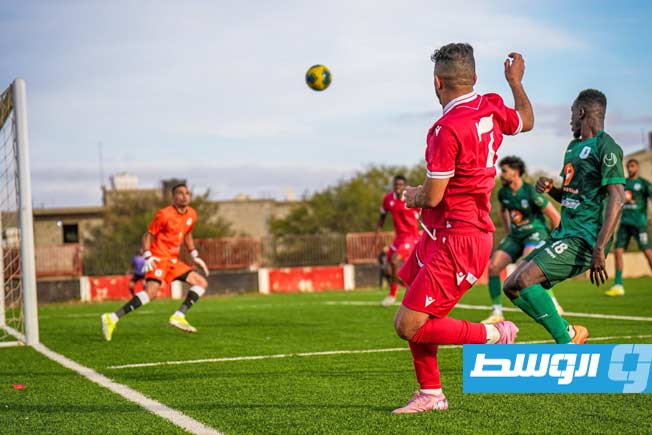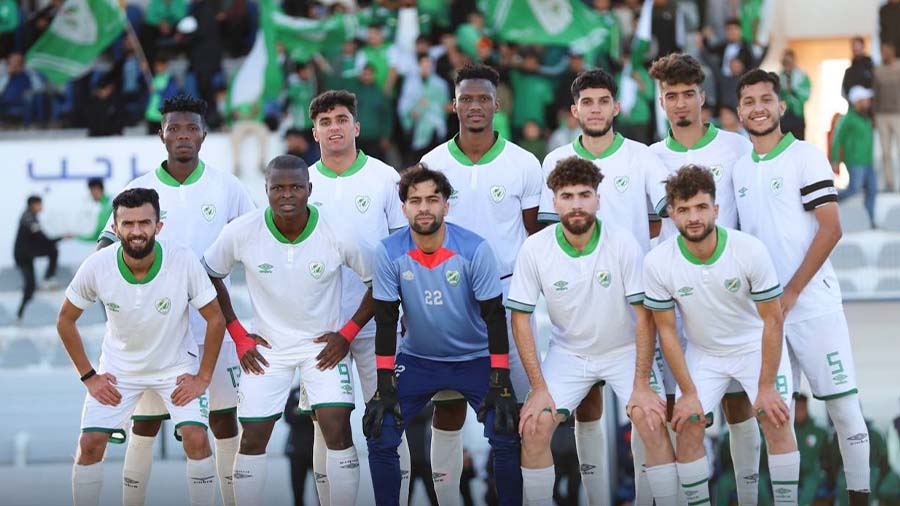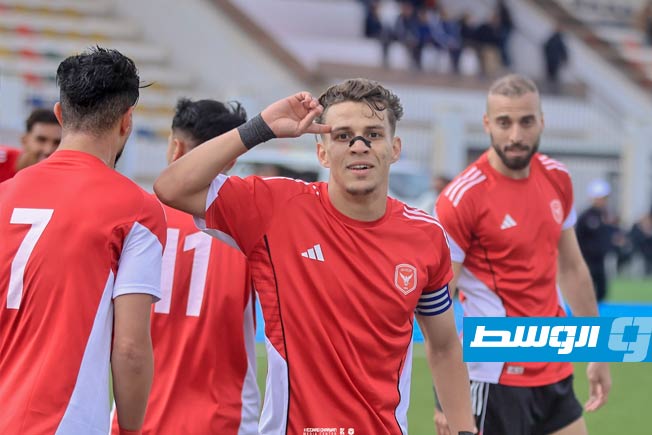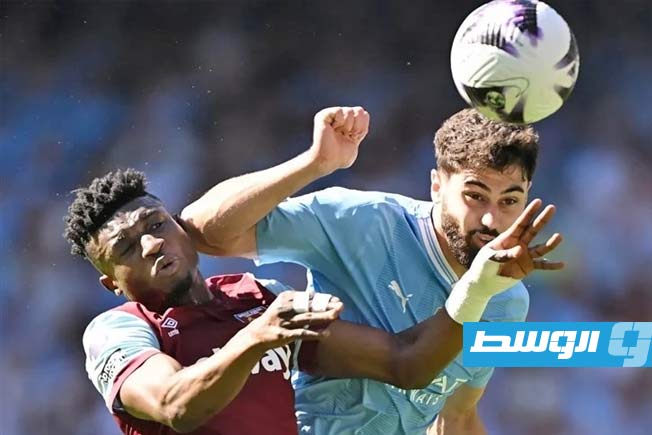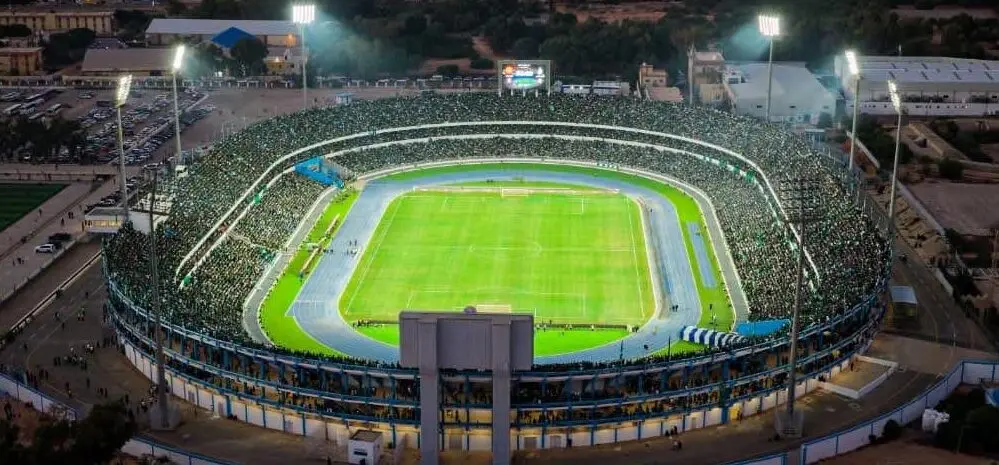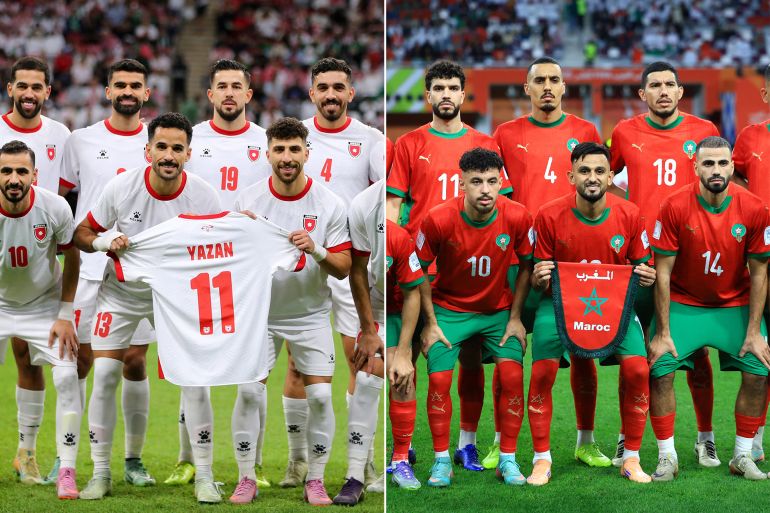
Wednesday, December 17, 2025 – The matches for the Premier Football League for the 2025-2026 season kick off today, with four games scheduled as part of the competitions for Groups One and Three.
The first match will see Al-Taawon face Al-Suqoor at the June 10 Stadium in the city of Ajdabiya, as part of Group Three. At Al-Zawiya Stadium, Al-Watan will meet Al-Madina in a Group One match.
Shuhada Benina Stadium will host the match between Al-Hilal and Darnes, part of Group Three. Meanwhile, the match between Al-Zahra and Al-Khums will be held at the Artificial River Stadium as part of Group One.
And…

Al-Taawon
In various contexts, “Al-Taawon” can refer to:
1. **Social and Community Cooperation** – Encouraging people to help one another in daily life, charity, and community projects.
2. **Islamic Principle** – Rooted in the Quranic verse: *”And cooperate in righteousness and piety, but do not cooperate in sin and aggression.”* (Quran 5:2)
3. **Organizations and Institutions** – Many businesses, sports clubs, and NGOs in the Arab world use “Al-Taawon” in their names to reflect this value. For example, there are football clubs named Al-Taawon in Saudi Arabia and Syria.
4. **Economic Context** – It can refer to cooperative societies or credit unions that operate on principles of shared ownership and mutual benefit.
If you have a specific context in mind (like a particular organization, place, or usage), feel free to share, and I can provide more detailed information!
Al-Suqoor
In Arab culture, falcons hold special significance:
– **Symbolism**: They represent strength, freedom, nobility, and courage.
– **Falconry**: Historically, falconry has been a cherished tradition in the Arabian Peninsula, especially among Bedouin tribes and Gulf Arab societies. Falcons are trained for hunting and are highly valued.
– **Cultural icon**: Falcons appear in poetry, art, and even as national symbols — for example, the falcon is featured on the coats of arms of several Arab countries, including the UAE, Qatar, and Saudi Arabia.
If you’re referring to something specific named “Al-Suqoor” — such as a place, a brand, a sports team, or an organization — please provide more context so I can give a more precise answer.
Al-Watan
### 1. **Newspapers**
– **Al-Watan (Saudi Arabia):** A major Arabic-language daily newspaper published in Saudi Arabia, known for its coverage of local and international news.
– **Al-Watan (Qatar):** A daily newspaper in Qatar, offering news in both Arabic and English.
– **Al-Watan (Kuwait):** Another prominent Arabic daily in Kuwait.
– **Al-Watan (Oman):** A popular newspaper in Oman.
### 2. **TV Channels & Media**
– **Al-Watan TV:** Various TV channels in the Arab world carry this name, often focusing on news, politics, and cultural programming.
### 3. **Cultural & Political Significance**
– The term “Al-Watan” is deeply tied to **patriotism and national identity** in Arabic-speaking countries. It appears in poetry, songs, and political discourse emphasizing love for one’s country.
### 4. **Organizations & Institutions**
– Many schools, cultural associations, and even political parties use “Al-Watan” in their names to express a connection to national heritage and values.
If you’re referring to a specific “Al-Watan,” such as a particular newspaper or organization, feel free to provide more context so I can give more detailed information!
Al-Madina
Beyond this, “Al-Madina” can refer to:
* Other cities in the Arab world with “Madina” in their name.
* The historic city center or old quarter in many Arab cities (e.g., Madinat Tunis).
* Various institutions, businesses, newspapers, and cultural projects named after it.
Would you like more specific information about the city of Medina, its history, or its religious significance?
Al-Hilal
### **Al-Hilal Saudi Football Club**
– **Founded:** 1957, in Riyadh, Saudi Arabia.
– **Stadium:** Kingdom Arena (Riyadh).
– **Achievements:**
– Multiple Saudi Professional League titles (record holder).
– AFC Champions League winners (multiple times).
– Numerous domestic cups.
– **Rivalry:** Intense rivalry with **Al-Nassr** (known as the “Riyadh Derby”).
– **Recent Notable Signings:** Neymar Jr., Aleksandar Mitrović, Malcom, Ruben Neves, Kalidou Koulibaly, Sergej Milinković-Savić.
### **Other Meanings**
– **Al-Hilal** means “The Crescent” in Arabic, symbolizing growth and beauty.
– It can refer to other entities, such as:
– **Al-Hilal (newspaper)** – a historic Sudanese newspaper.
– **Al-Hilal TV** – a Saudi sports channel.
– Various clubs in other Arab countries (e.g., Al-Hilal Club in Sudan, Al-Hilal SC in Bahrain).
### **Cultural Significance**
The name is widely respected, especially in sports, representing excellence, ambition, and a massive fan base known as “Hilawi.”
If you were referring to something specific about Al-Hilal, feel free to ask for more details!
Darnes
If you meant a specific word, name, or concept, could you provide a little more context? For example:
– Are you referring to a **person’s name** or a **place**?
– Did you mean **”Darnes”** as in a surname or a misspelling of something else (like “Darnés” or “Darnell”)?
– Or is this related to a particular topic (e.g., literature, geography, a brand)?
Let me know, and I’ll be happy to help!
Al-Zahra
### 1. **Religious Significance**
– **Fatimah al-Zahra**: The most prominent reference is to **Fatimah al-Zahra**, the daughter of the Prophet Muhammad and his wife Khadijah. She is revered by Muslims, especially in Shia Islam, where she is considered an exemplary figure of piety, resilience, and devotion. The title “al-Zahra” means “the Radiant One” or “the Shining One,” symbolizing her spiritual luminosity.
### 2. **Meaning of the Name**
– **Arabic Origin**: “Al-Zahra” derives from the Arabic root *ز-ه-ر* (z-h-r), meaning “to shine,” “to blossom,” or “to flourish.” It can be translated as:
– **The Radiant / The Luminous**
– **The Blossoming / The Flourishing**
– It is often used as a female given name in the Arab and Muslim world, reflecting beauty, light, and virtue.
### 3. **Historical and Cultural References**
– **Madinat al-Zahra**: A famous fortified palace-city built in the 10th century near Córdoba, Spain, by the Umayyad Caliph Abd al-Rahman III. It was named after his favorite wife, Zahra, and served as the administrative capital of al-Andalus. Its ruins are now a UNESCO World Heritage Site.
– **Al-Zahra University**: Several educational institutions bear this name, such as Al-Zahra University in Tehran (a prominent women’s university) and others in various countries, often emphasizing education and empowerment.
### 4. **Modern Usage**
– **Given Name**: Popular among Muslim families, especially for girls, as it carries positive connotations of brightness, purity, and honor.
– **Place Names**: Besides the historical Madinat al-Zahra, the name appears in streets, neighborhoods, and institutions across the Middle East.
– **Literature and Arts**: Often used in poetry and prose to symbolize beauty, hope, or spiritual enlightenment.
### 5. **Symbolism**
– In a broader sense, “Al-Zahra” embodies ideals of enlightenment, growth, and moral integrity. It is sometimes associated with the concept of *noor* (divine light) in Islamic mysticism (Sufism).
If you have a specific context in mind—such as a person, place, or institution named “Al-Zahra”—feel free to share, and I can provide more tailored information!
Al-Khums
### **Overview**
– **Arabic name:** الخمس
– **Population:** Approximately 200,000–250,000 (estimates vary).
– **Region:** Situated in the **Murqub District**.
– **Historical significance:** The area has ancient roots, with nearby archaeological sites dating back to the Phoenician and Roman eras.
### **Key Features**
1. **Port City:** Al-Khums has a major commercial port, which is important for trade and fishing.
2. **Economy:** Besides the port, the local economy relies on agriculture (especially olives and grains), light industry, and services.
3. **Transportation:** It lies along Libya’s main coastal highway, connecting Tripoli to eastern cities like Misrata and Benghazi.
### **Historical & Archaeological Sites**
– **Leptis Magna:** One of the most prominent Roman archaeological sites in the Mediterranean, located just a few kilometers east of Al-Khums. It was originally a Phoenician settlement before becoming a major Roman city under Emperor Septimius Severus (born there). Leptis Magna is a **UNESCO World Heritage Site**.
– **Other ruins:** The area includes remnants of ancient harbors, theaters, basilicas, and forums.
### **Modern Context**
– During the 2011 Libyan Civil War and subsequent conflicts, Al-Khums saw periods of instability but has remained a significant urban center.
– The city has been involved in political and military developments in post-Gaddafi Libya, often under the control of various factions.
### **Cultural & Social Life**
– The population is predominantly Sunni Muslim.
– Traditional Libyan culture is strong here, with influences from Arab, Berber, and Mediterranean heritage.
If you have a specific question about Al-Khums—such as travel, current situation, history, or something else—feel free to ask!