A new study published on December 16 in the journal Royal Society Open Science reveals unprecedented behavior in the insect world.
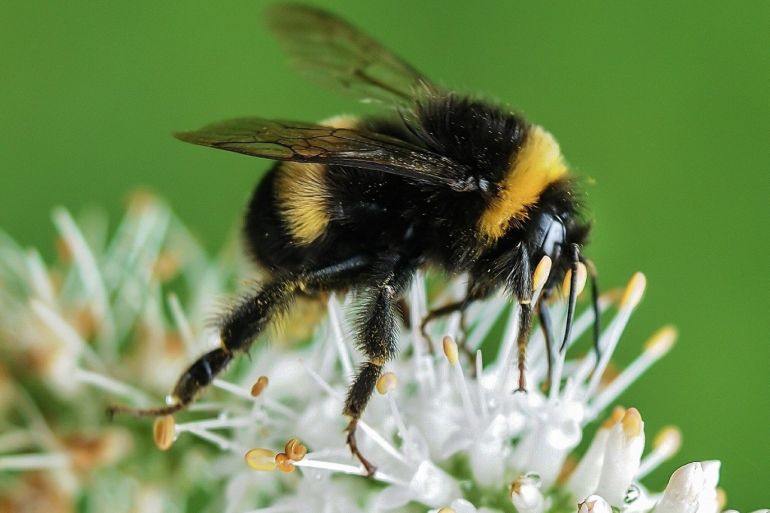
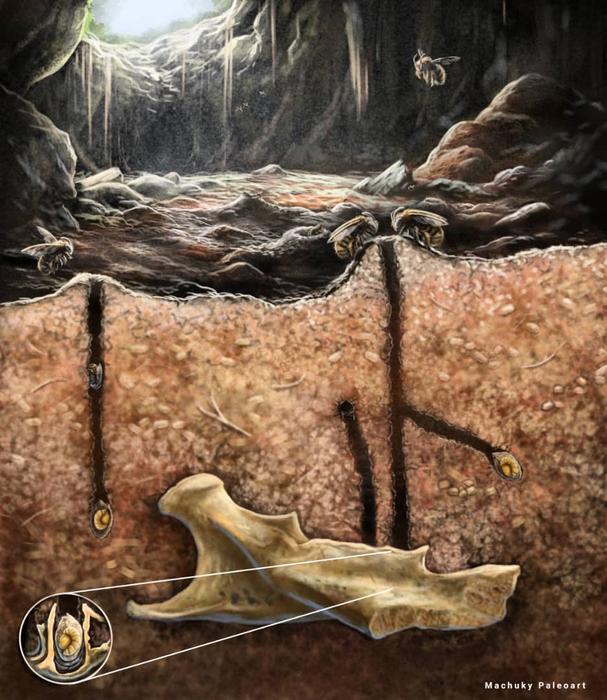
This behavior shows that ancient bees used empty tooth sockets in animal bones as nests to lay their eggs, around 20,000 years ago. This is the first known evidence of bees using animal bones as nesting sites.
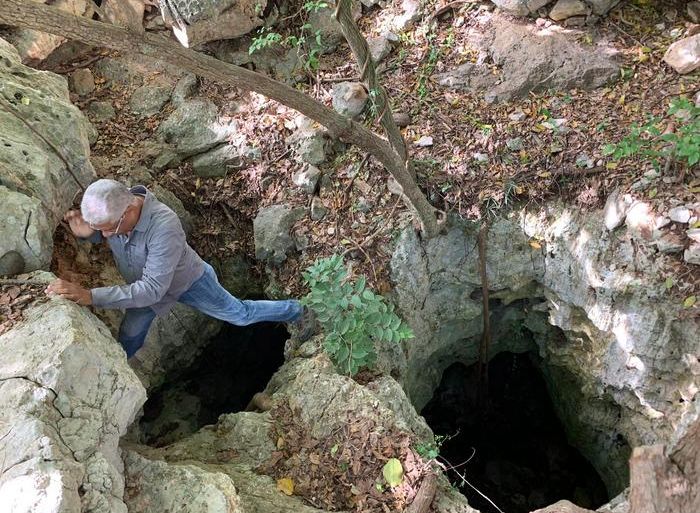
The story goes back to a cave on the island of “Hispaniola” in the Caribbean, which today comprises Haiti and the Dominican Republic. Thousands of years ago, this cave was home to a family of owls.
Those owls would swallow their prey whole and later regurgitate pellets containing the bones of the animals they hunted. As these remains accumulated on the cave floor, bees found an unexpected opportunity to make use of them.
Layers of Fossils
The lead researcher of the study notes that the island of Hispaniola is full of limestone caves, adding that in some areas, a sinkhole can be found approximately every 100 meters. This geological nature therefore provided an ideal environment for preserving fossil records over thousands of years.
The team identified a shallow cave in the south of the island as a site rich in fossils. It is noted that upon entering the cave at night, the glowing eyes of giant spiders can be seen in the dark, but after walking through a tunnel about 10 meters underground, the fossils begin to appear.
Researchers found successive layers of fossils separated by carbon layers formed during rainy periods in the distant past. The remains included rodent and lizard bones, birds, and reptiles, representing more than 50 different species. According to the researchers, this diversity indicates that the cave was an owl shelter over many generations, perhaps for hundreds or thousands of years.
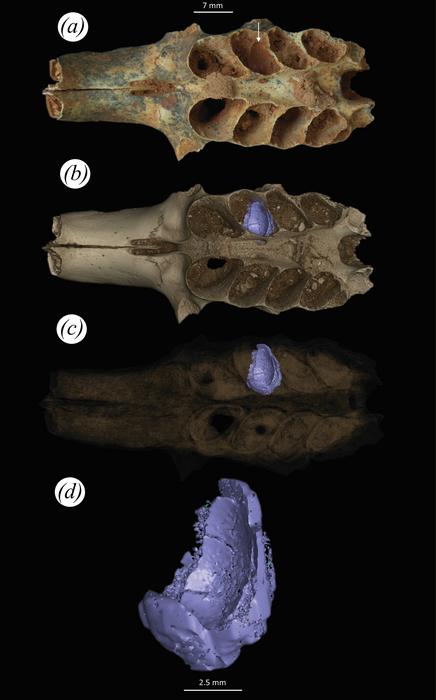
While cleaning the bones of mammals that were owl prey, something strange was noticed in the empty tooth sockets of some jaws. The sediment inside these cavities appeared smooth and concave, unlike random sediment accumulation.
The researcher says: “Their shape reminded me of wasp nests I had seen before. This scene brought back a previous experience when, during my fieldwork in the US state of Montana, I saw fossilized remains of wasp nests—small chambers of dried mud where larvae transformed into adult insects. The similarity between those nests and the sediment inside the teeth was striking.”
Verifying the Hypothesis
To verify the hypothesis, researchers turned to 3D computed tomography imaging of the jawbones, allowing them to study the internal structure of the sediment without damaging the fossils.
The images showed that these structures closely resemble the mud nests built by some contemporary bee species. Researchers also found fossilized pollen grains inside some nests, likely stored by female bees as food for their larvae.
The team believes the bees mixed their saliva with dirt to make these small nests, each no larger than a pencil eraser. They also suggest that building nests inside bones was a way to protect the eggs from predators like wasps.
Although no direct remains of the bees themselves were found—an expected outcome due to the hot and humid climate inside the cave—researchers were able to classify these fossil nests as a new type, named “Oncidium almonti” in honor of the person who discovered the site.
The study’s lead author indicates that the bees that built these nests may be of a species that still exists today, or perhaps of a type that went extinct along with many other animals whose bones were found in the cave.
It is added: “We know very little about the bee ecology on these islands, which makes this discovery important for understanding ancient ecosystems.”
The researchers believe this unprecedented behavior resulted from a combination of several factors, including the