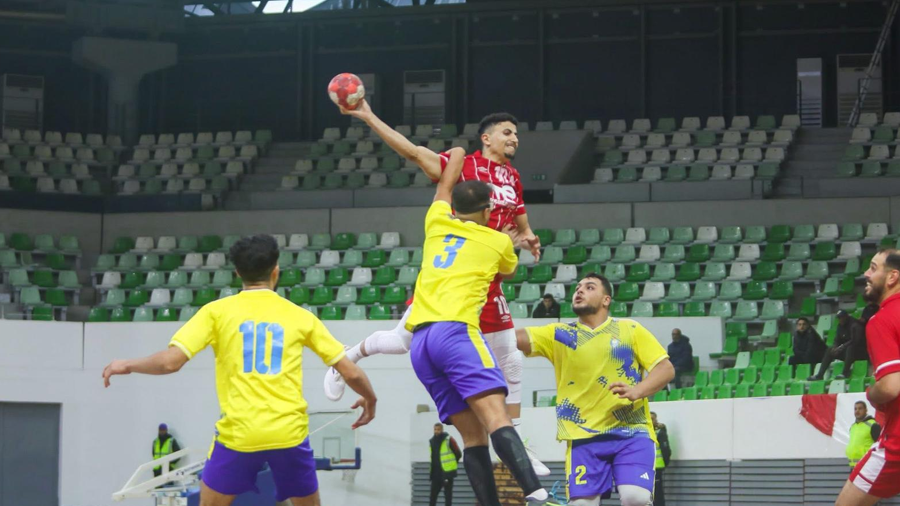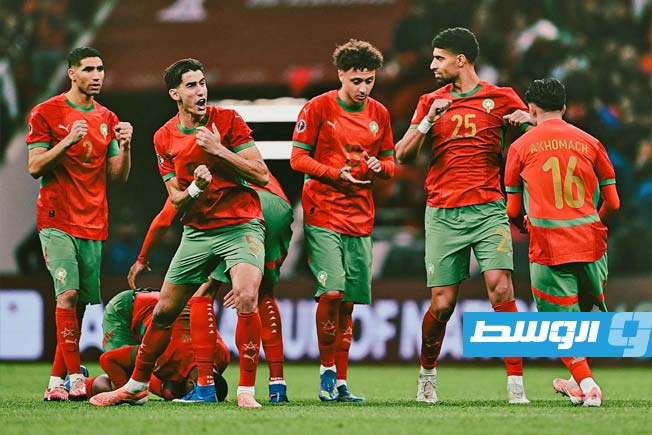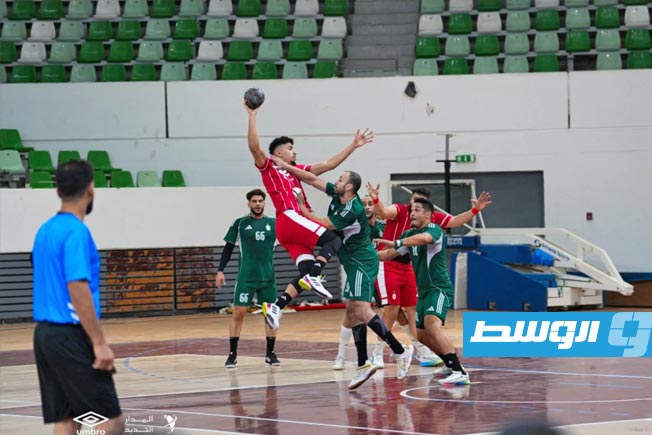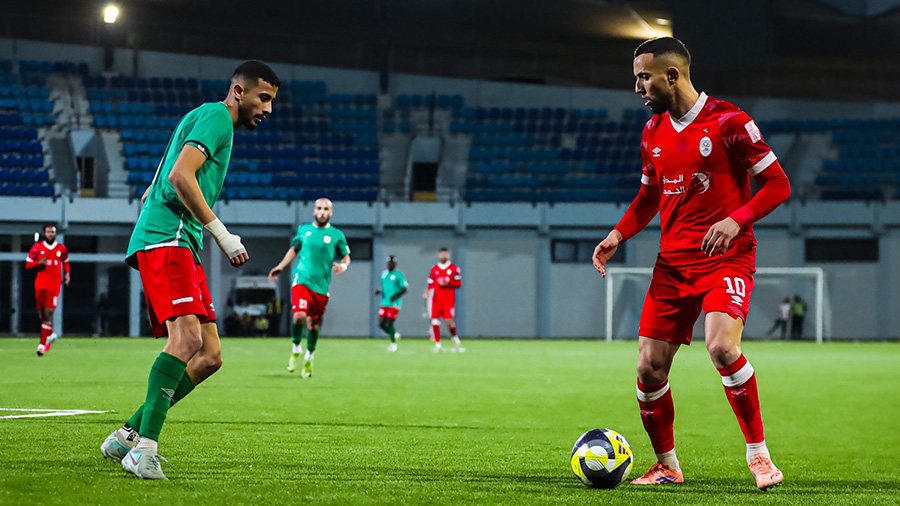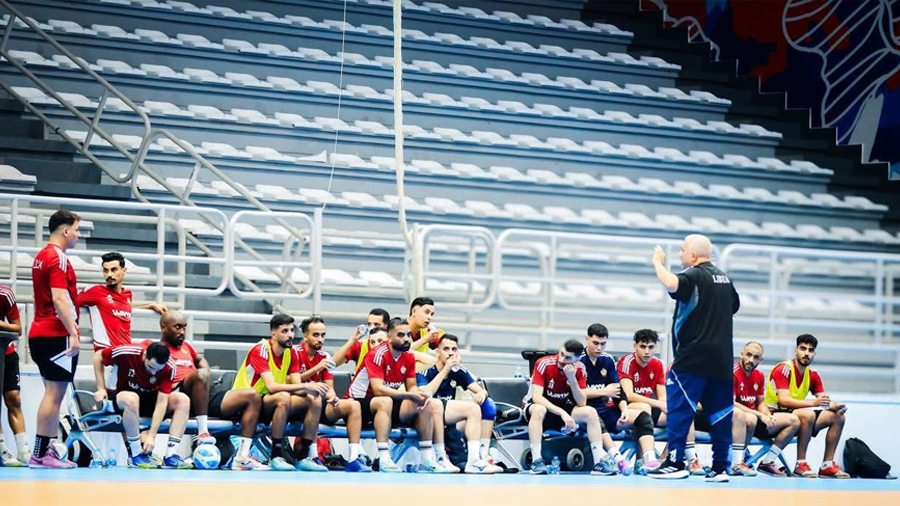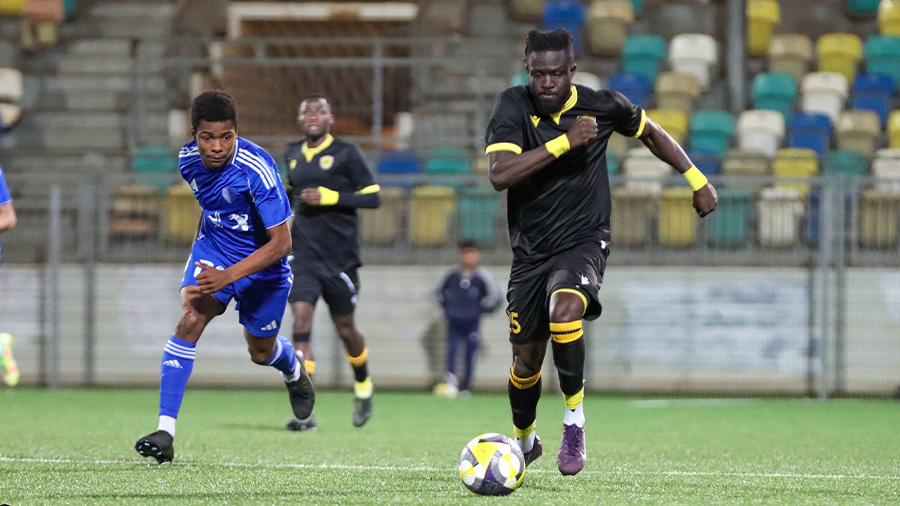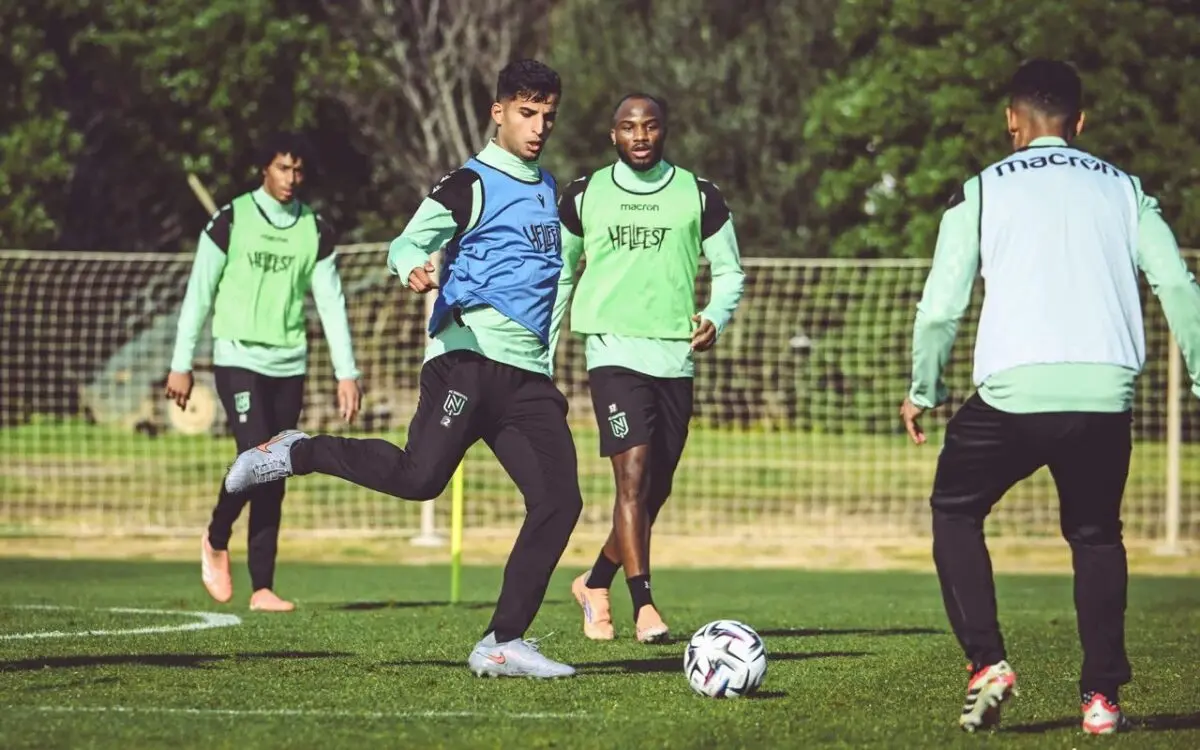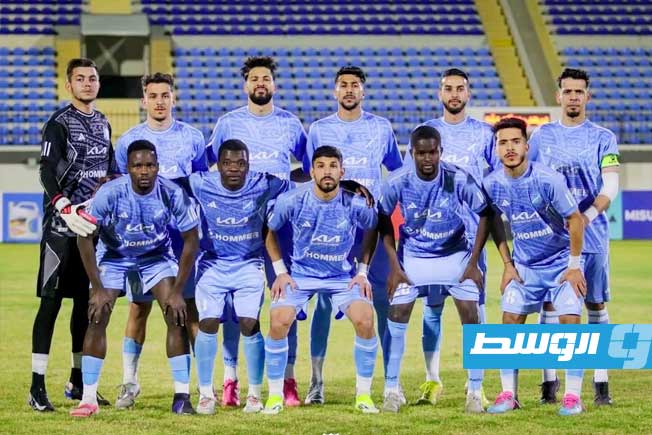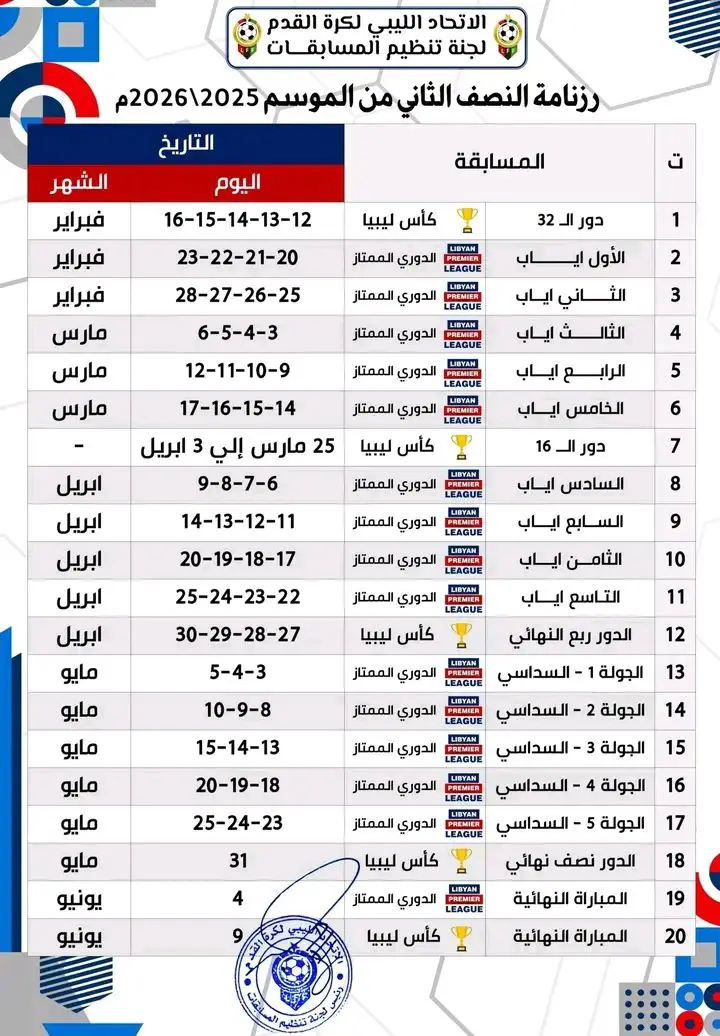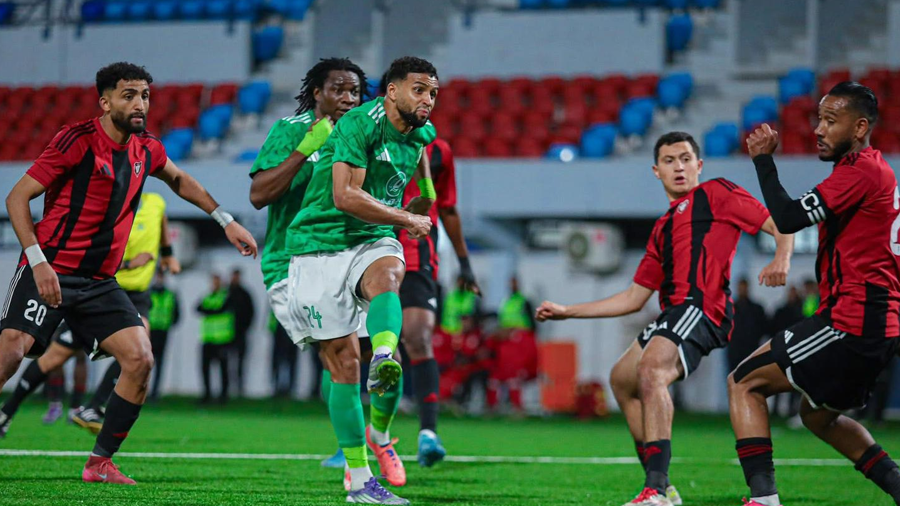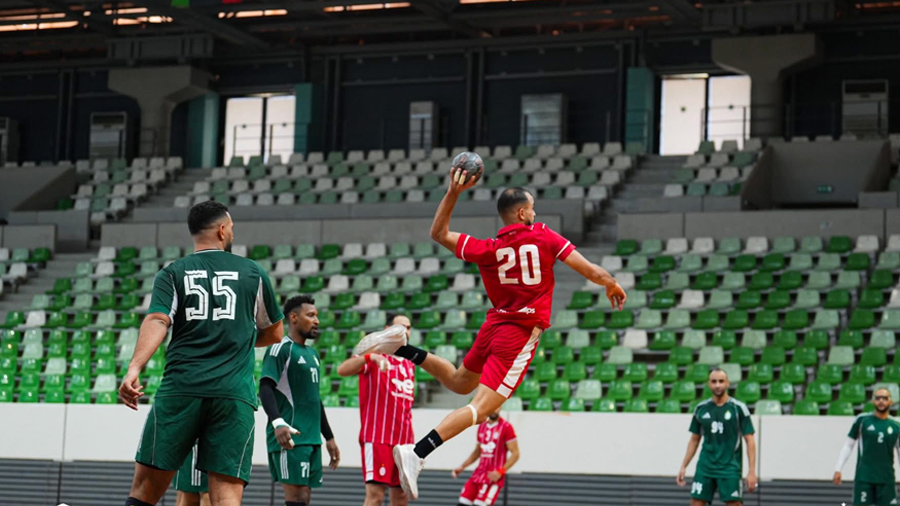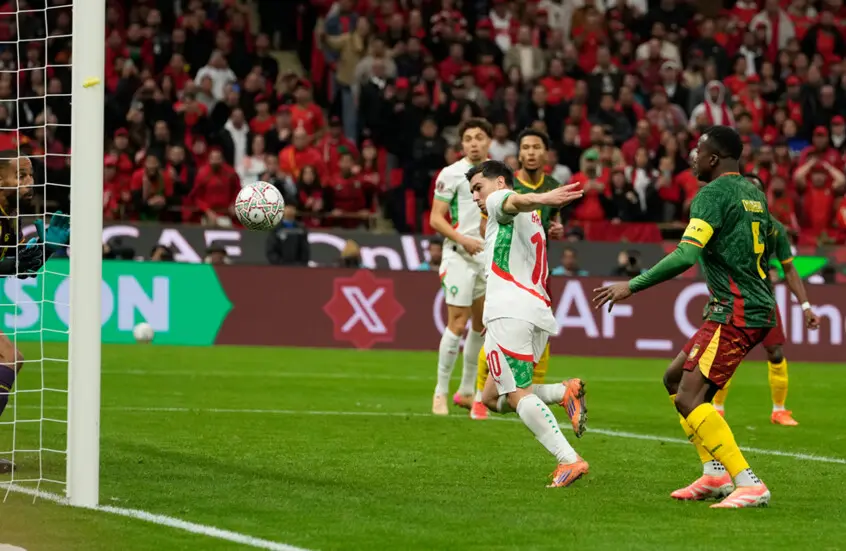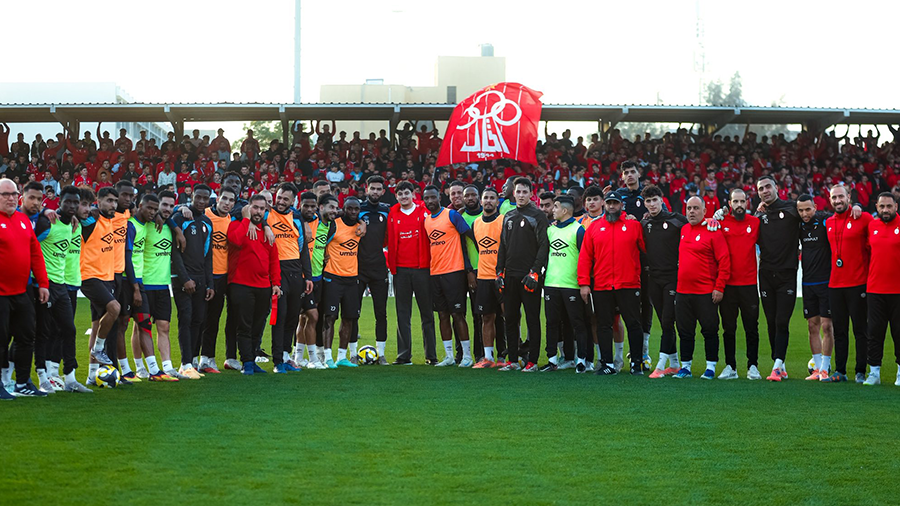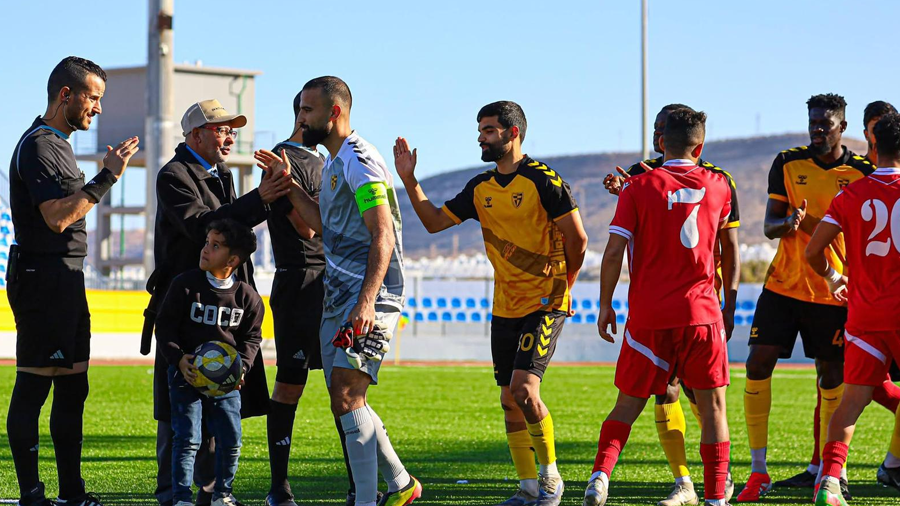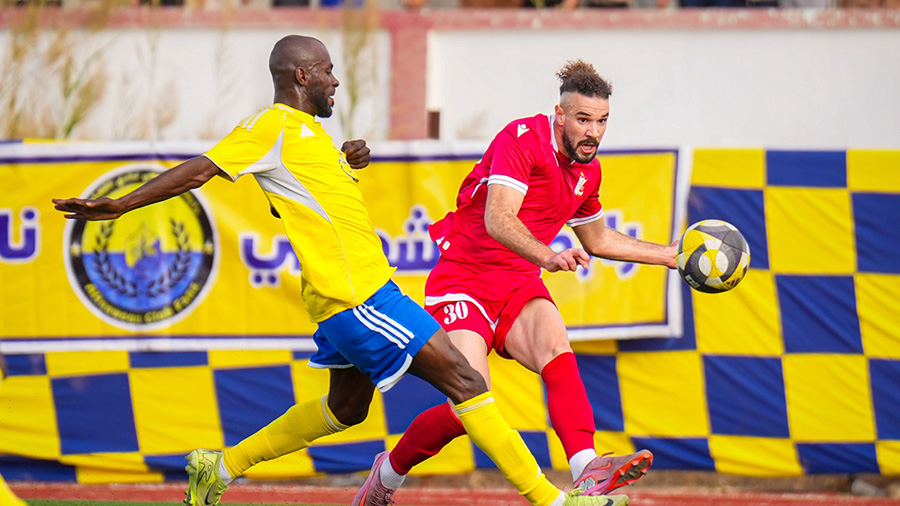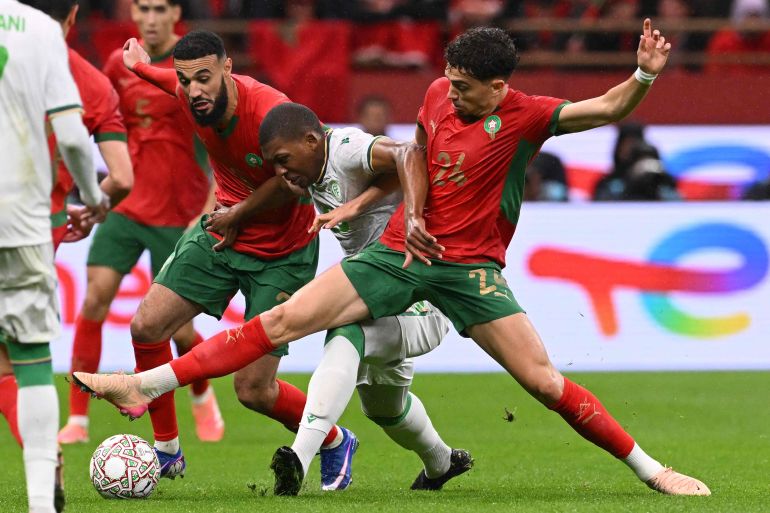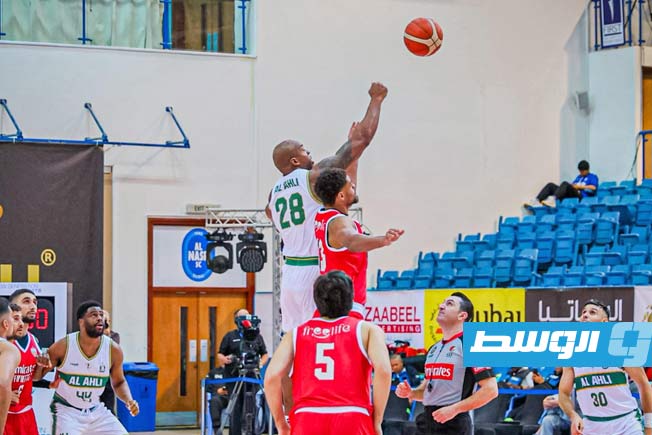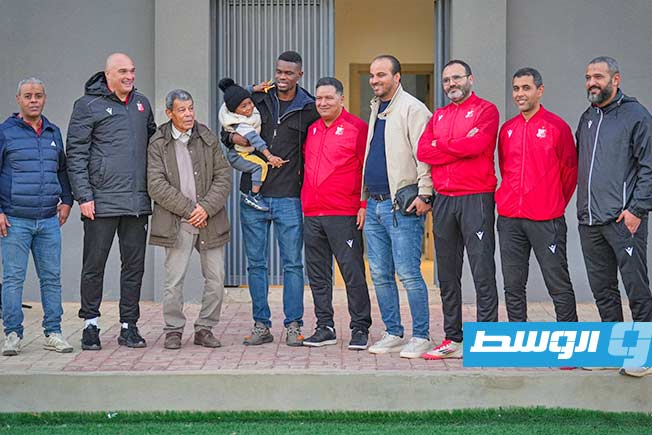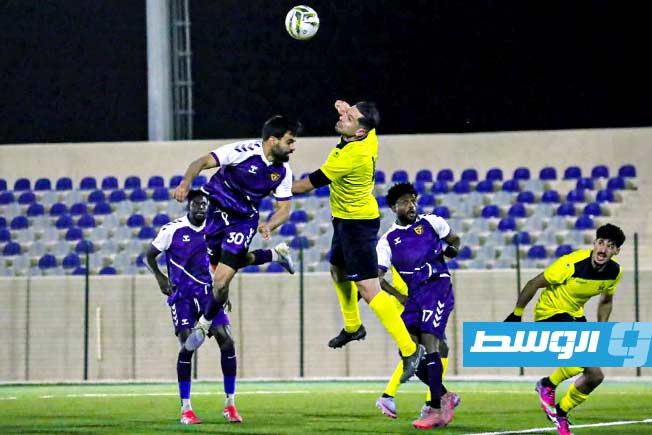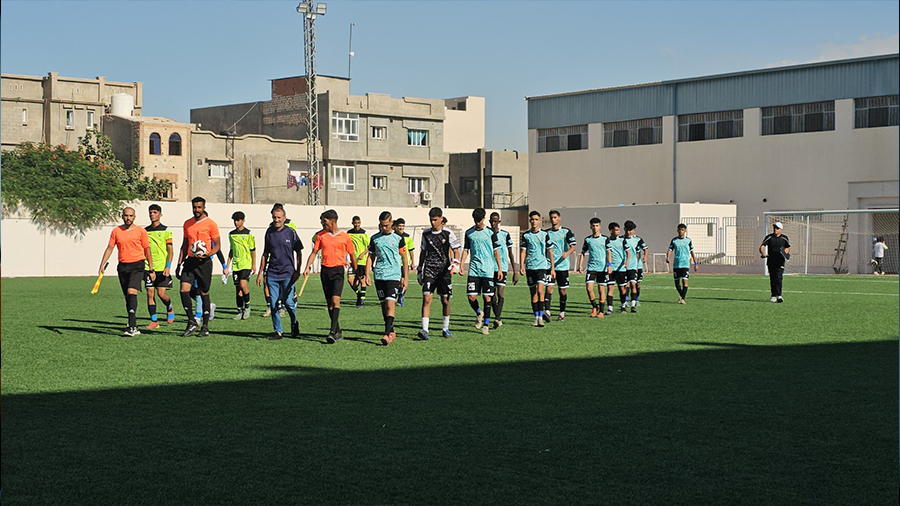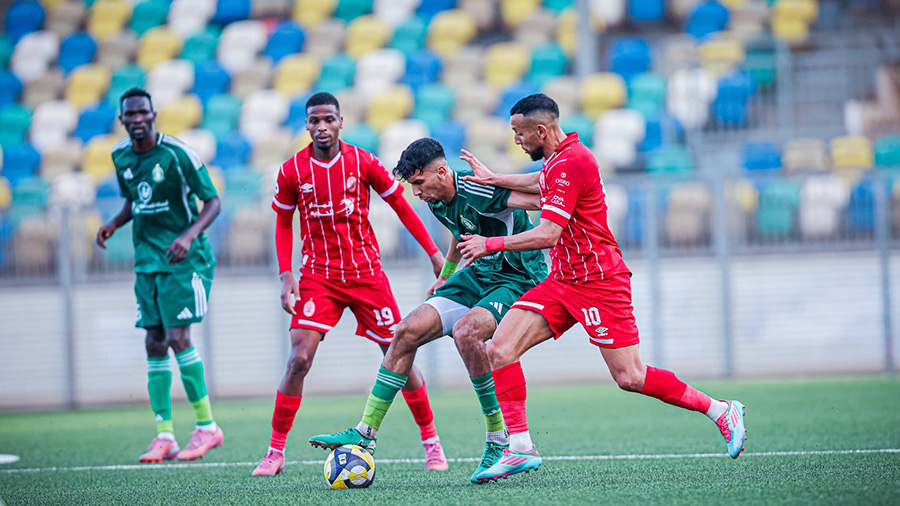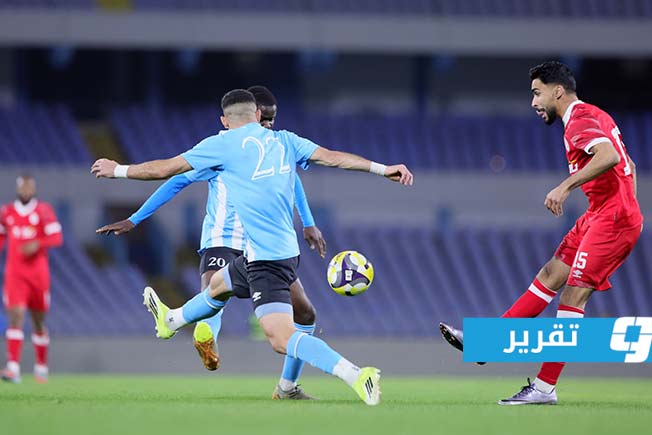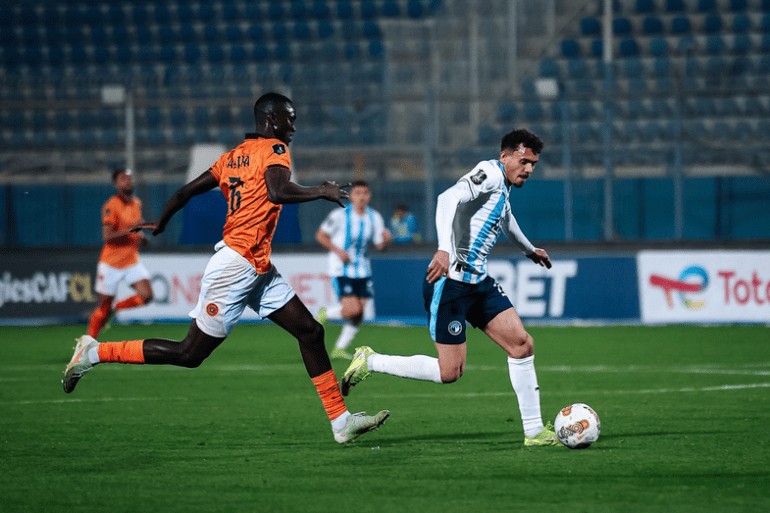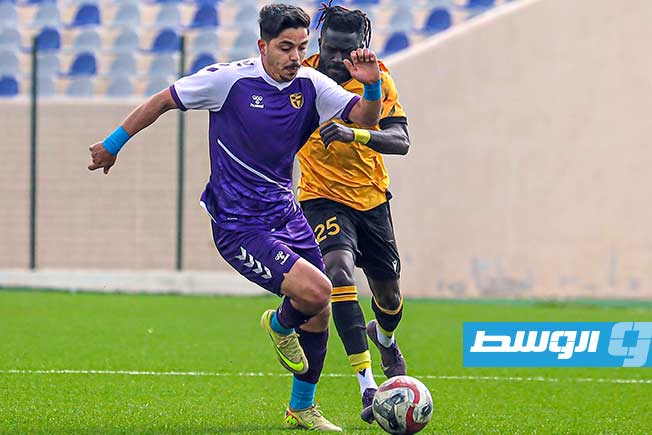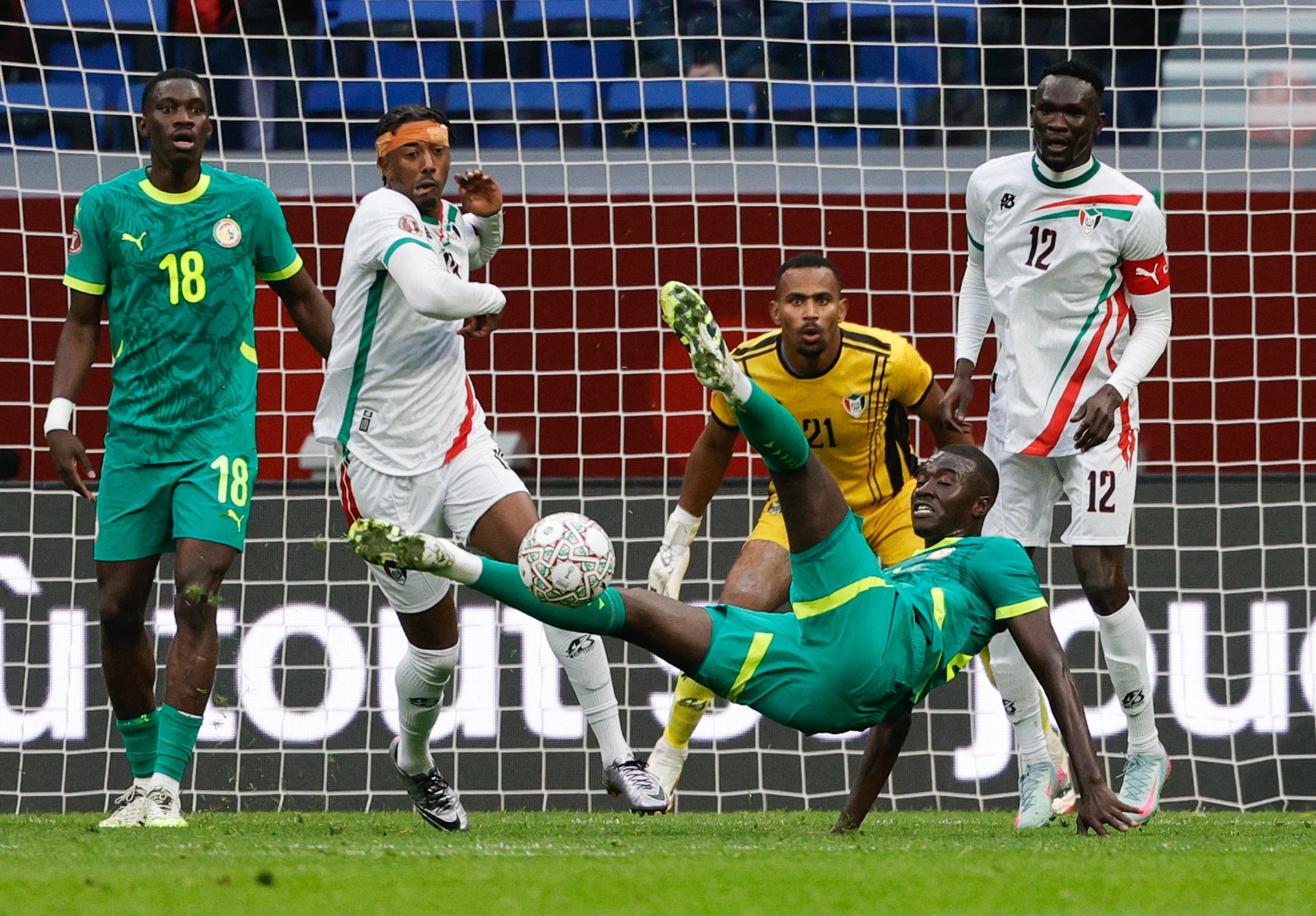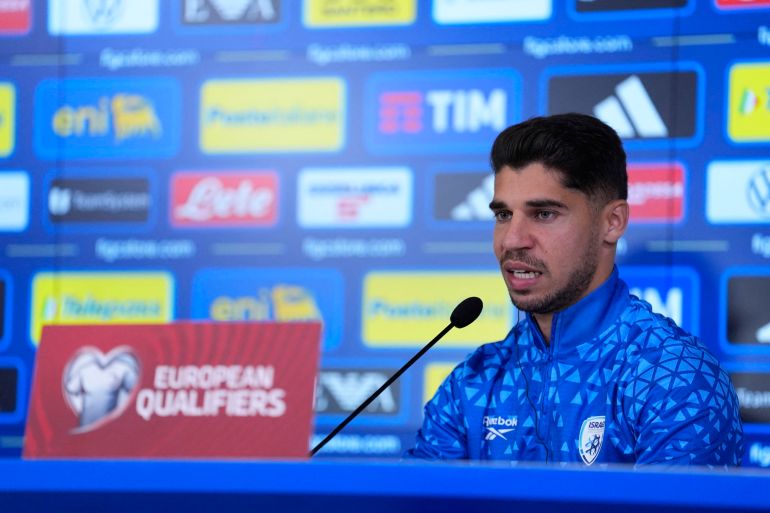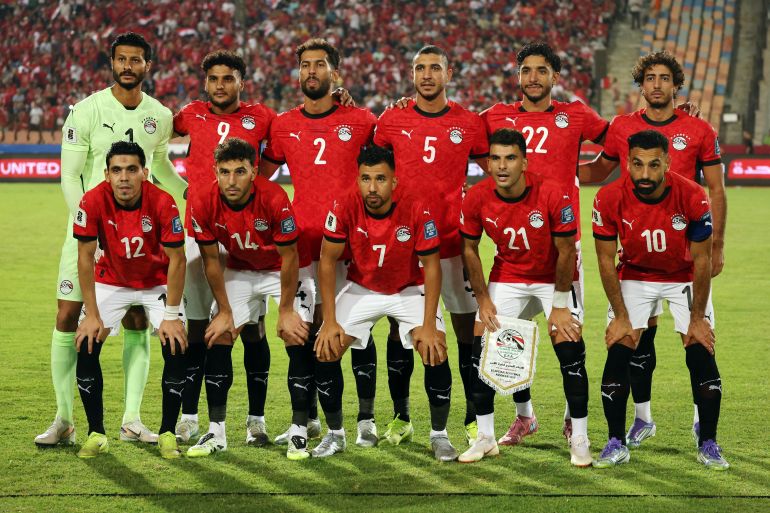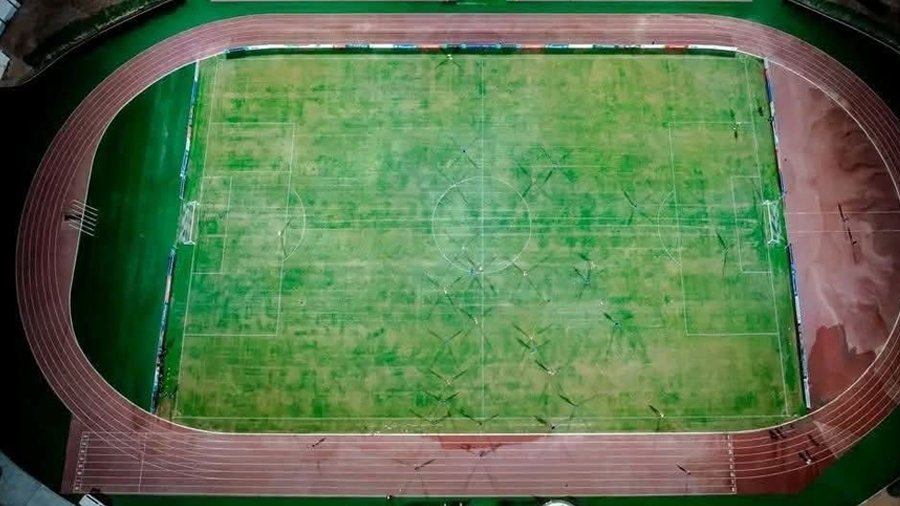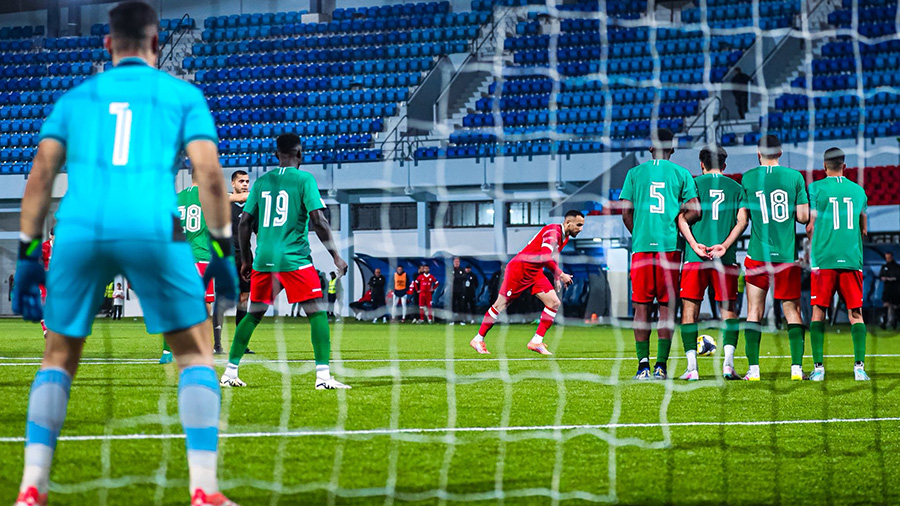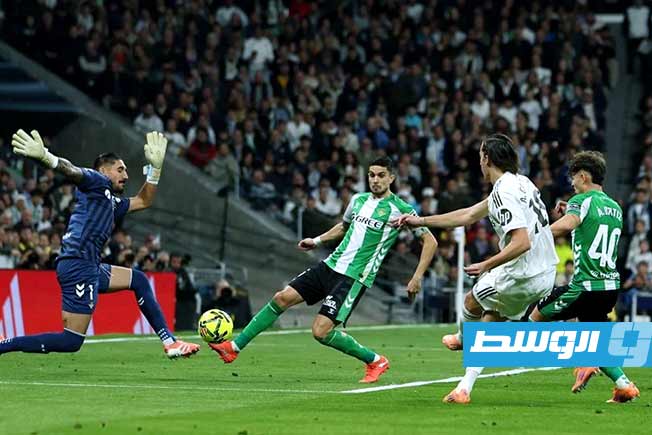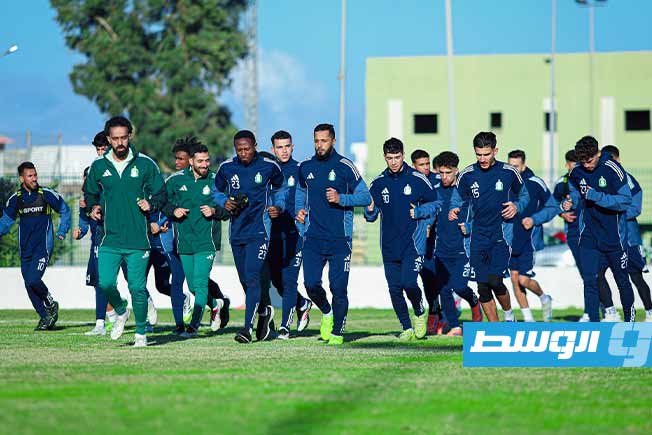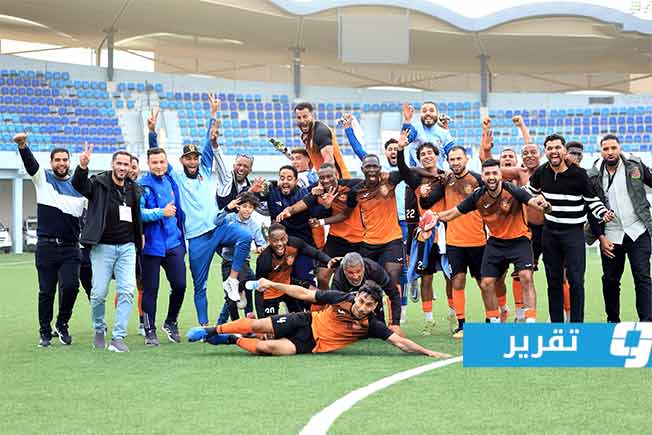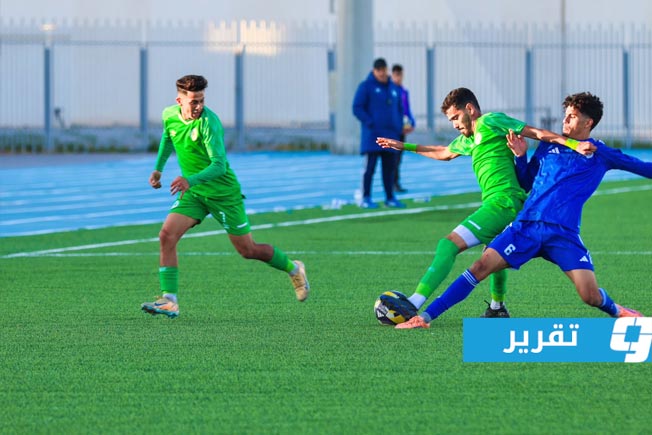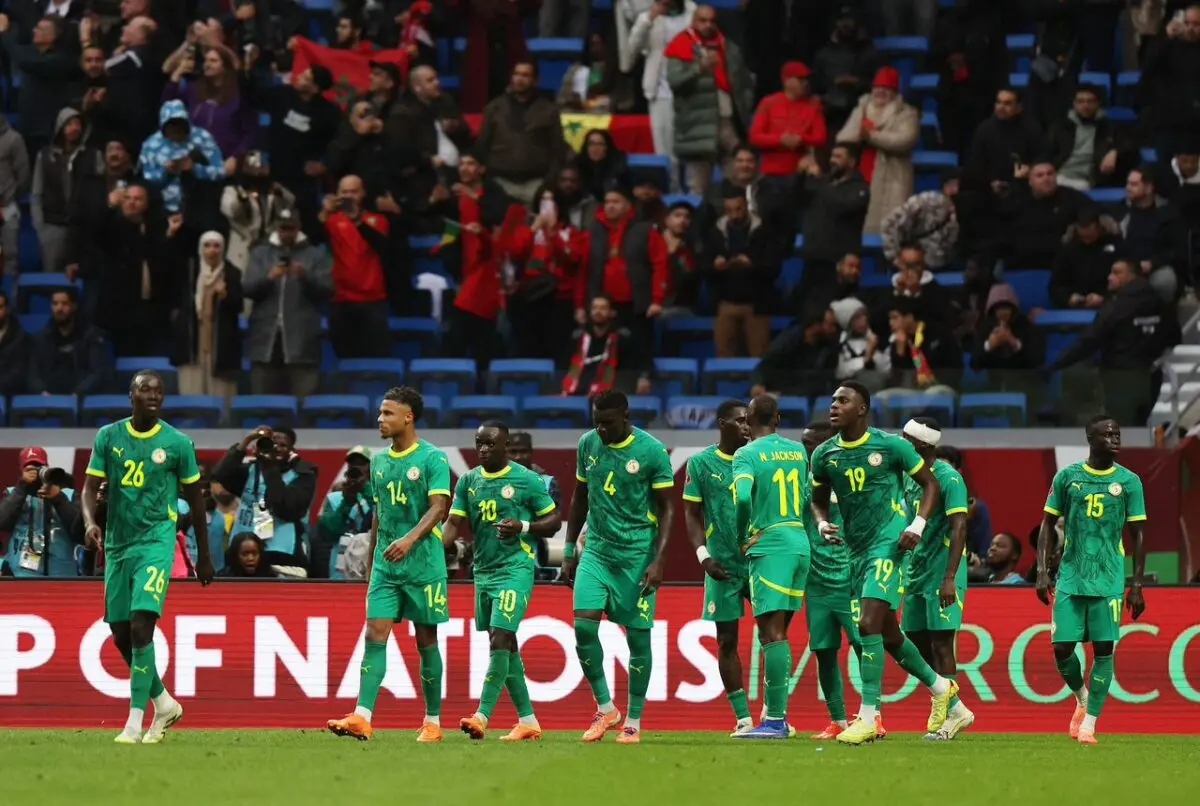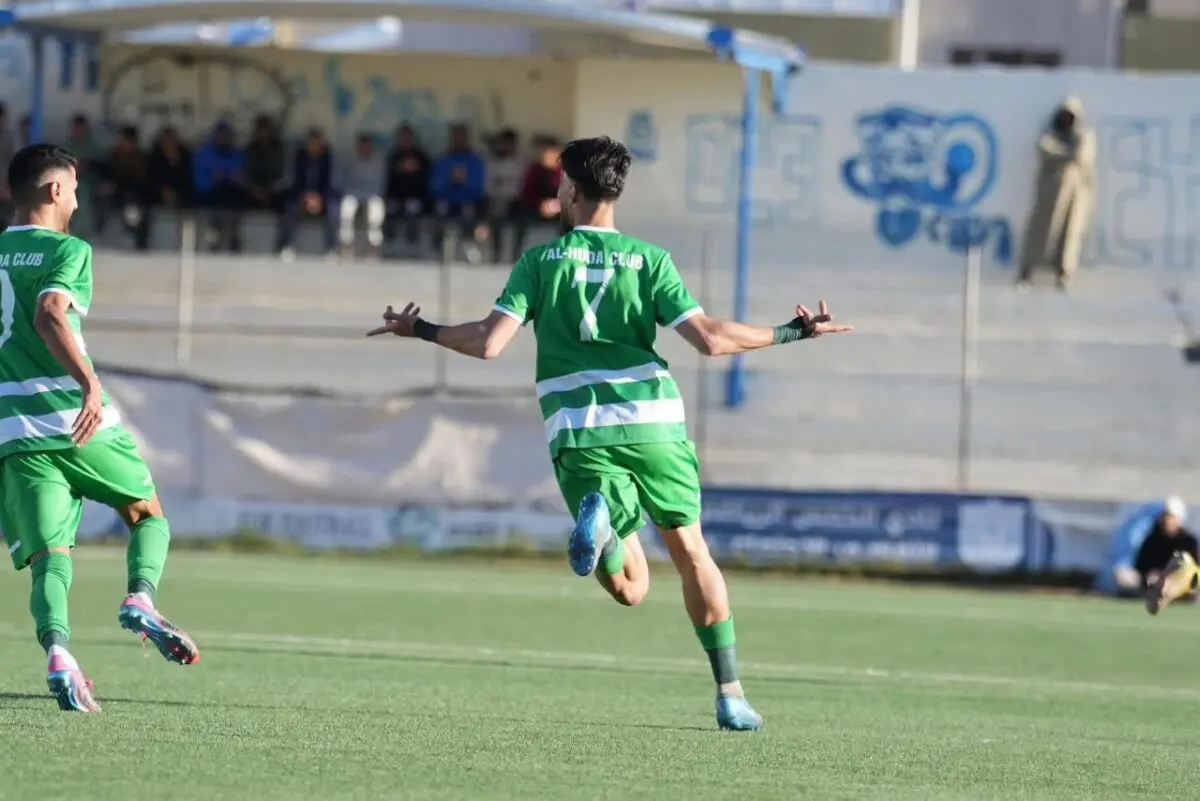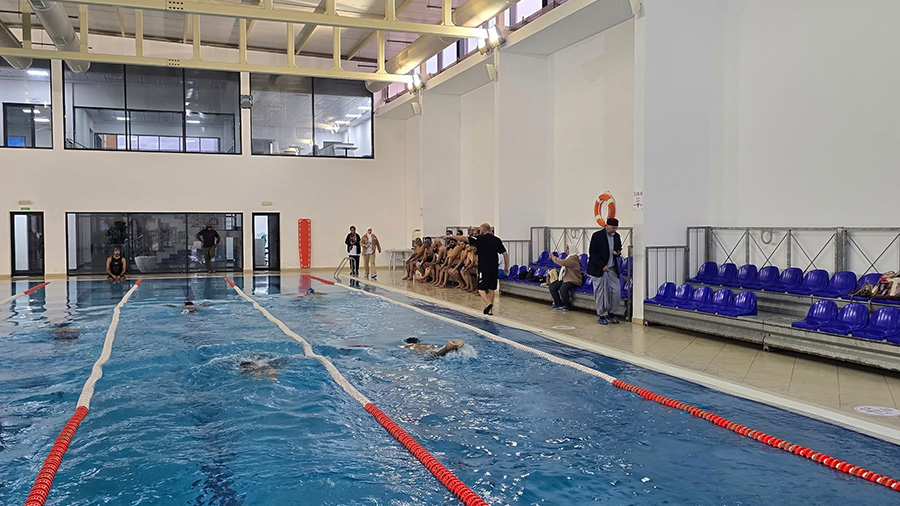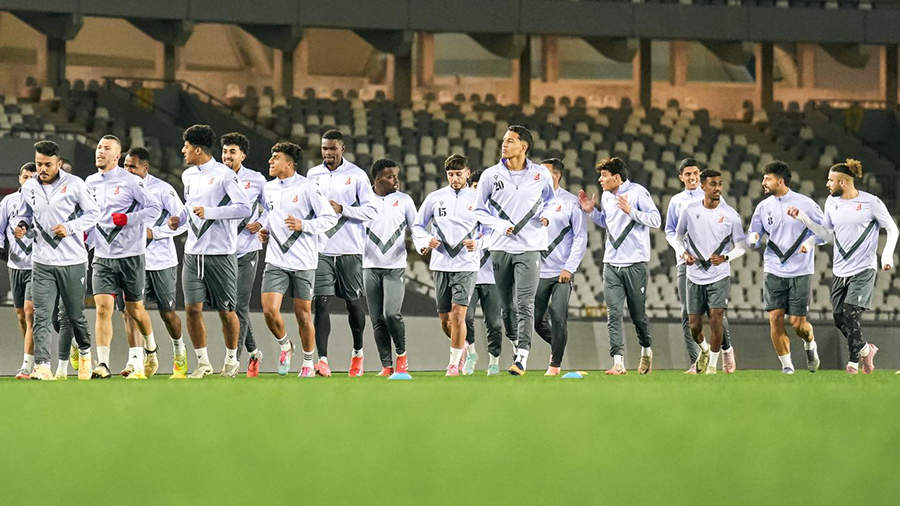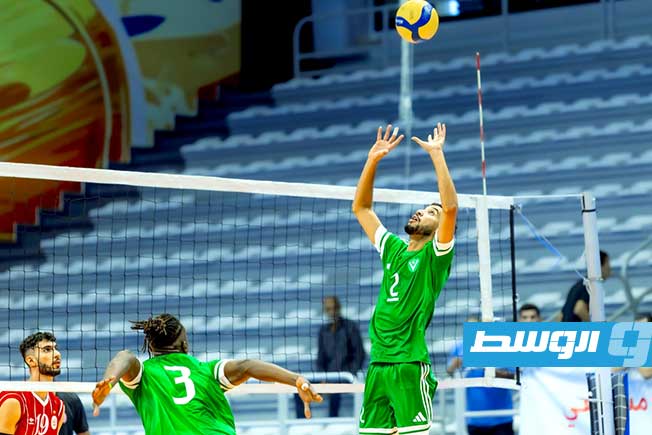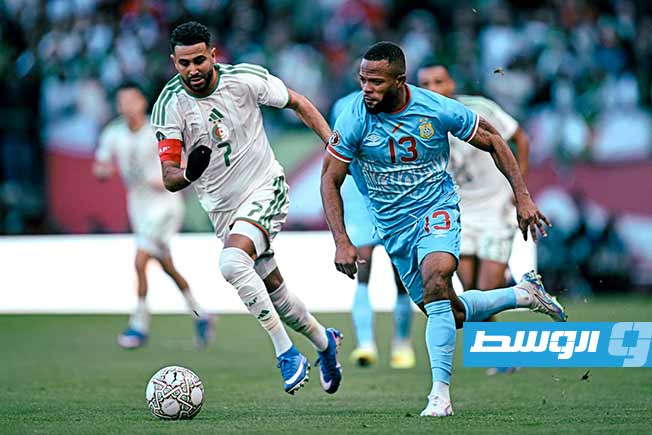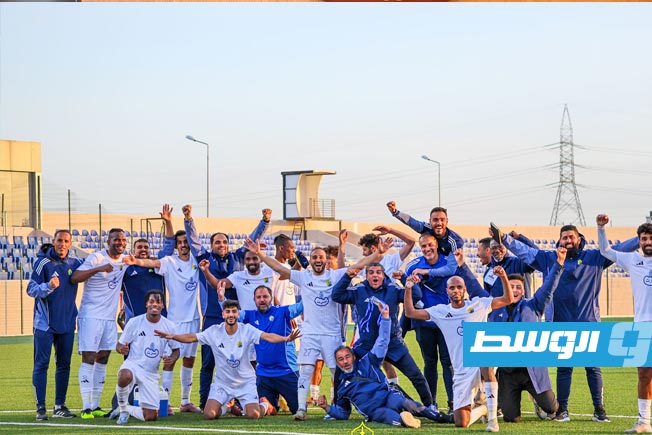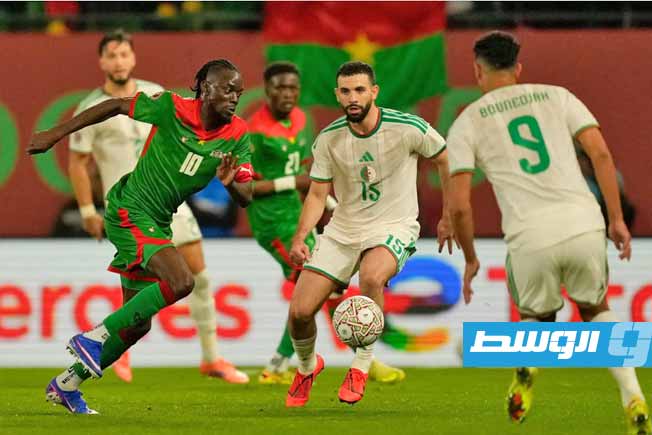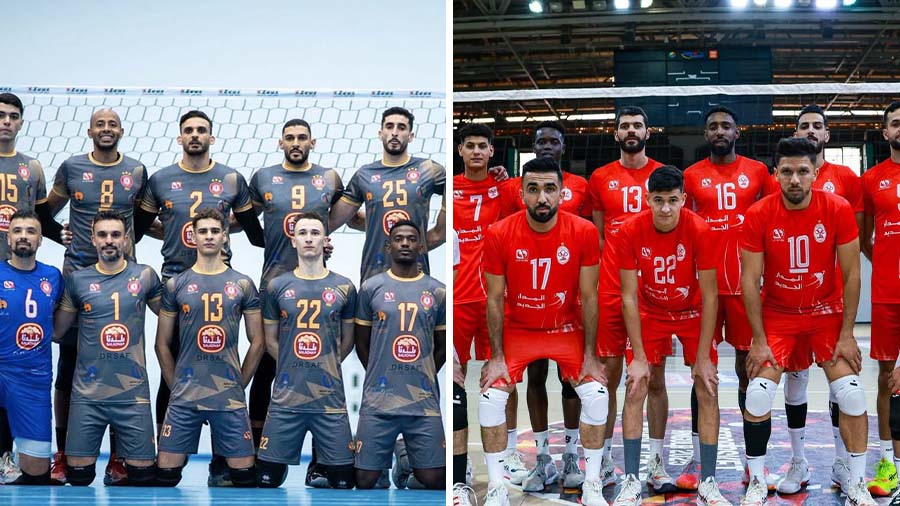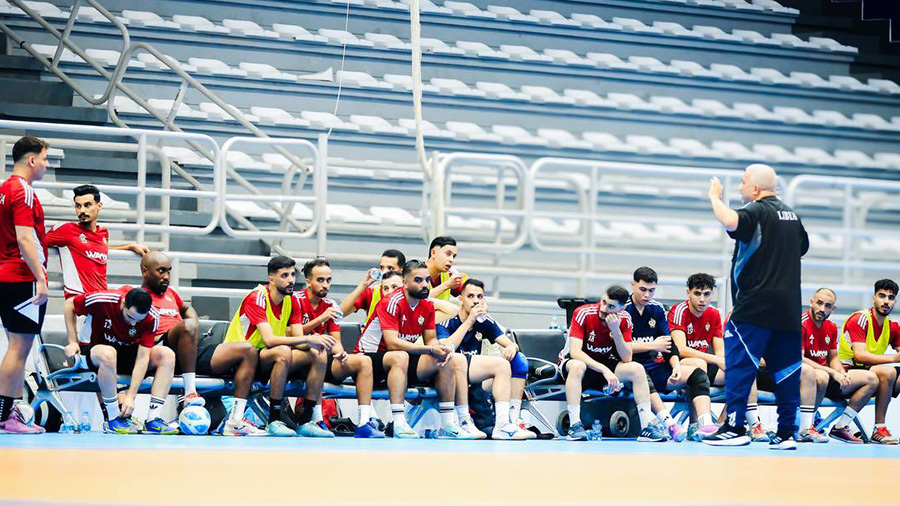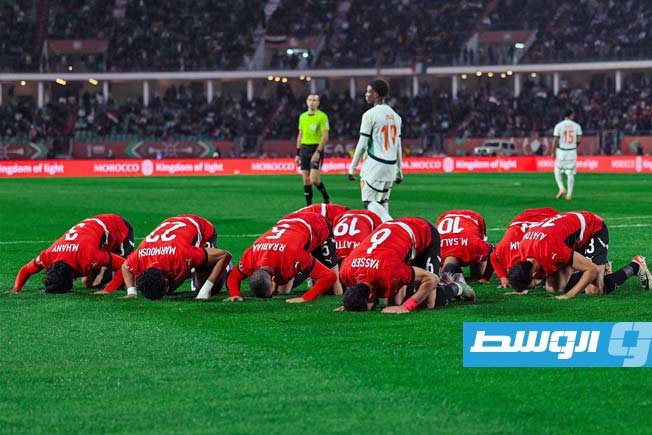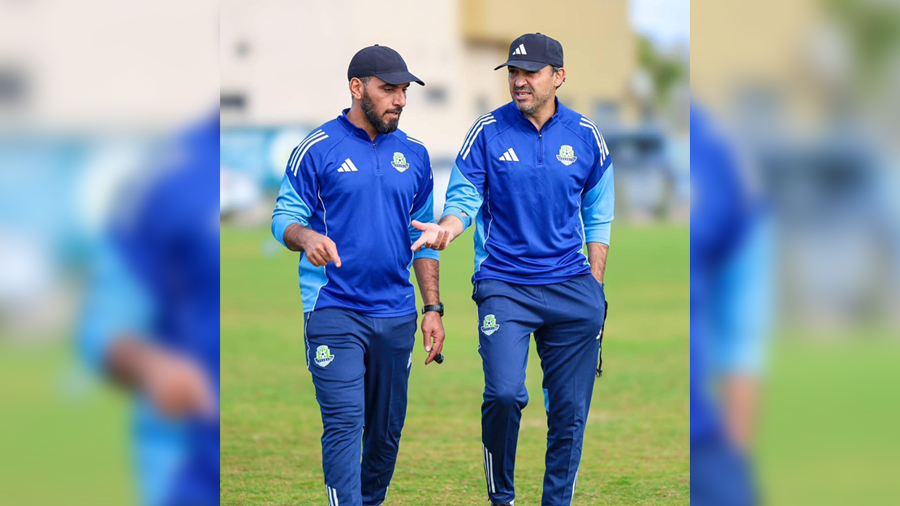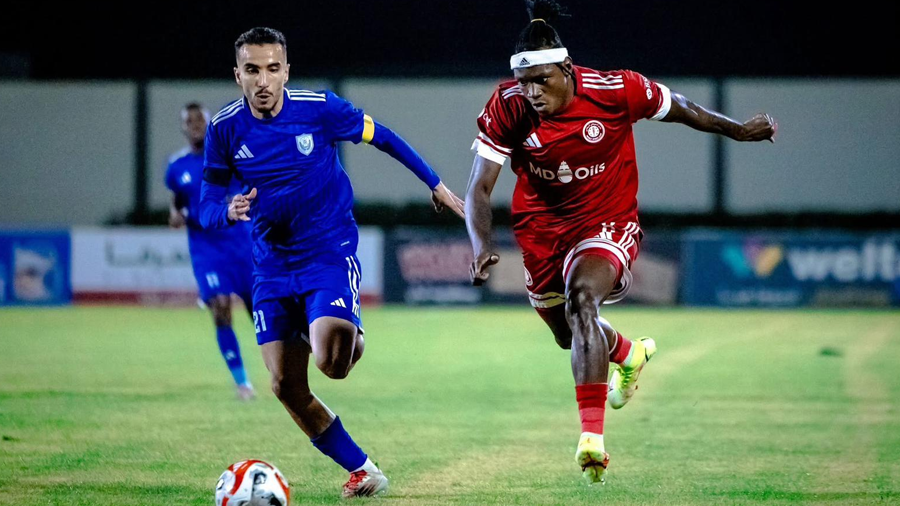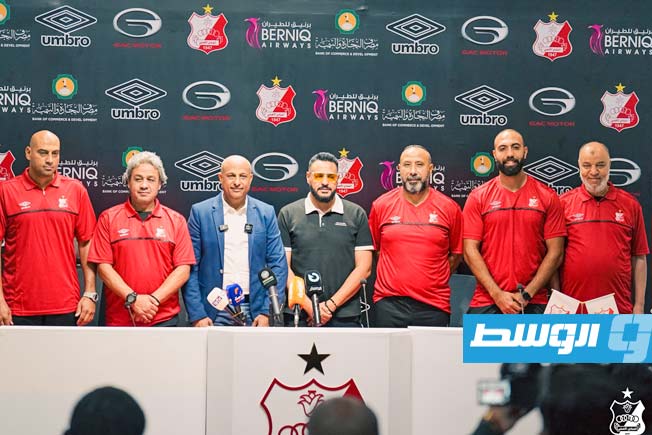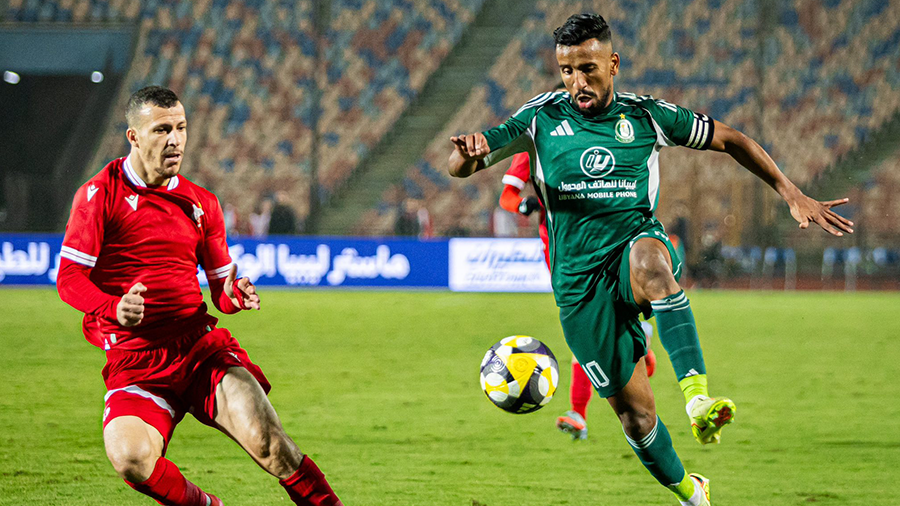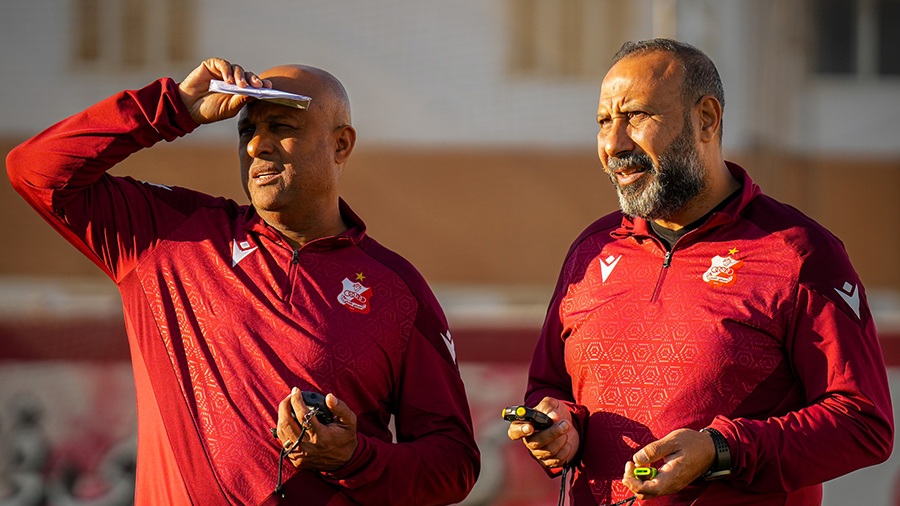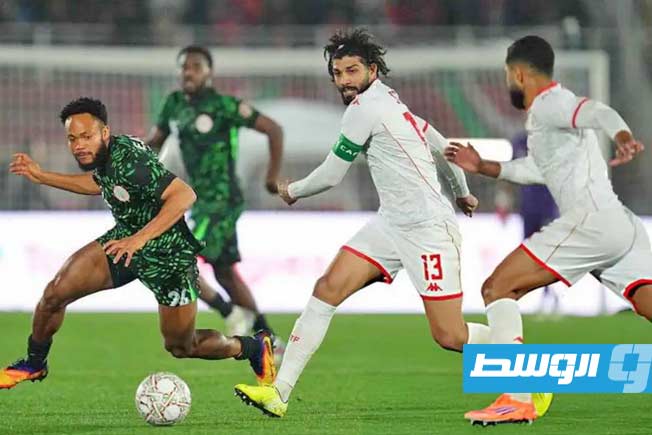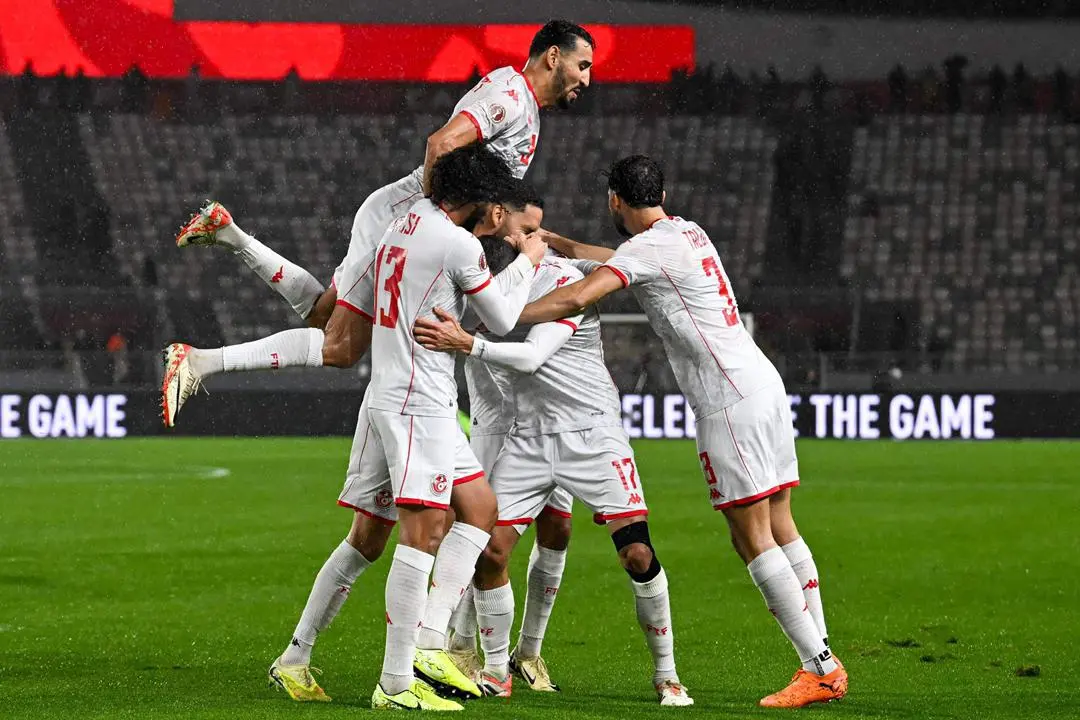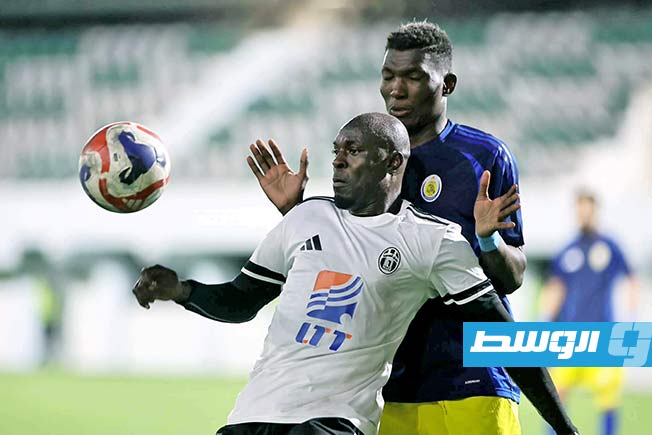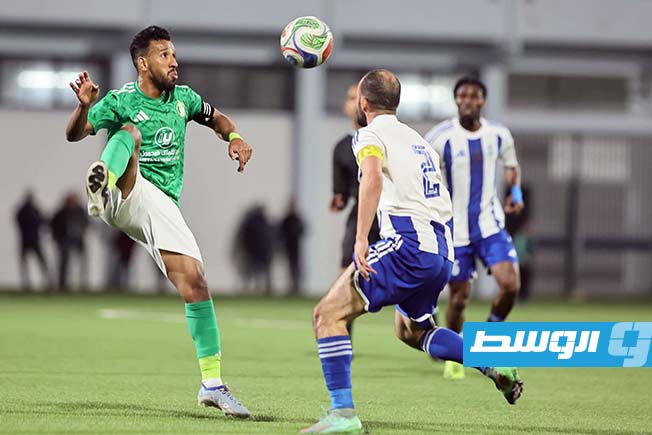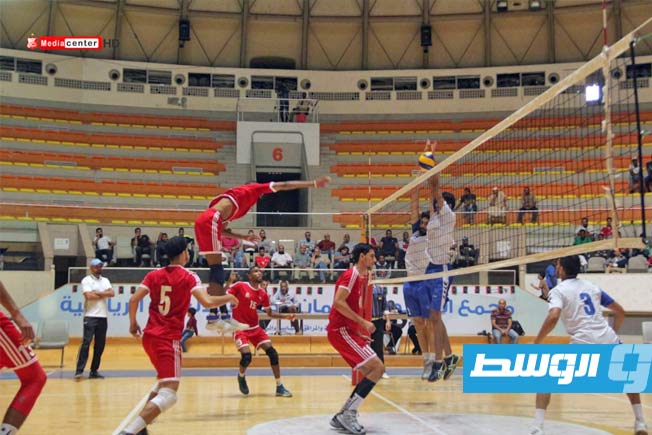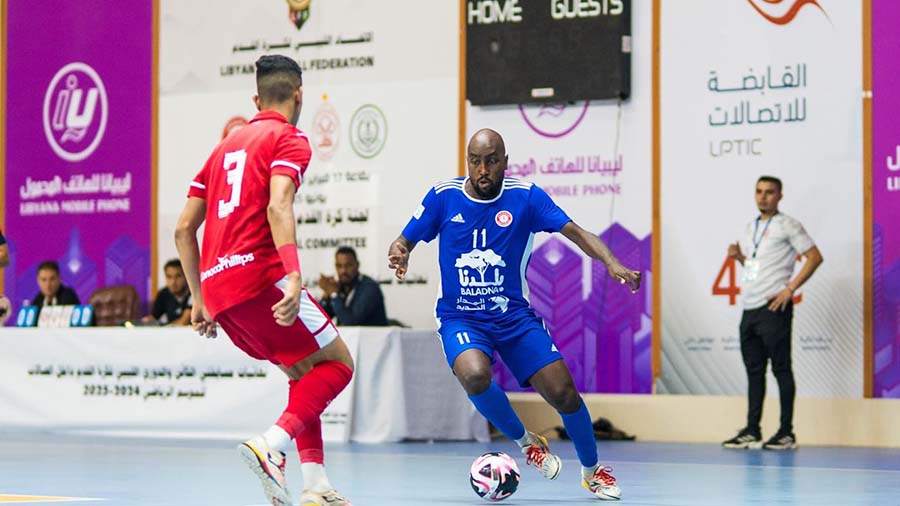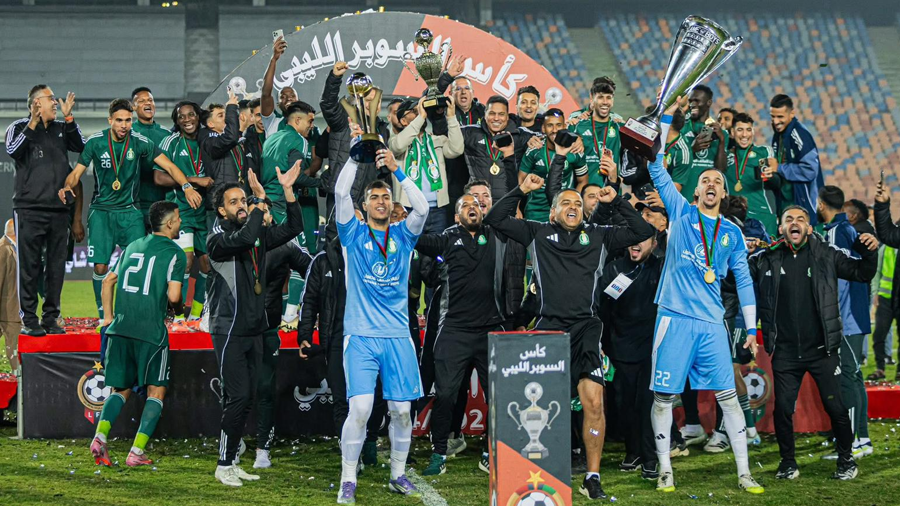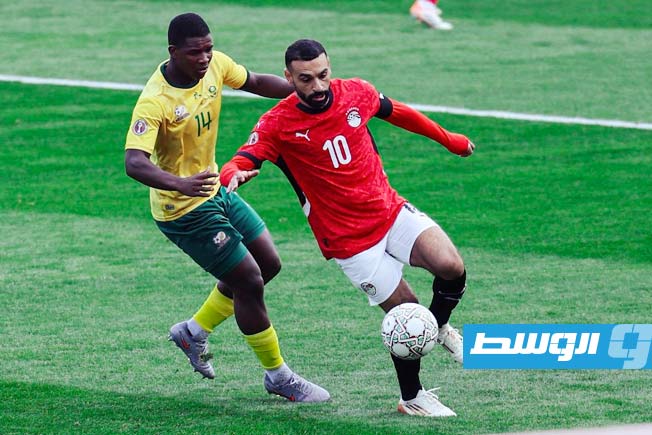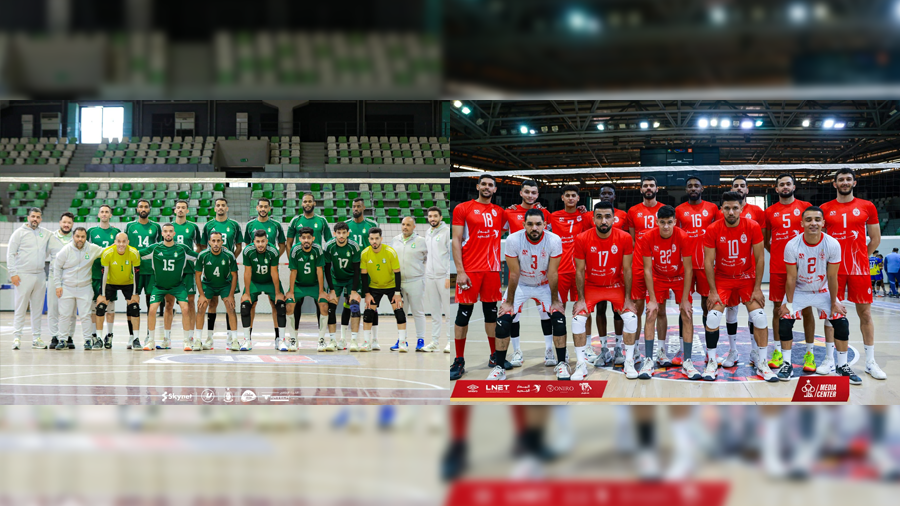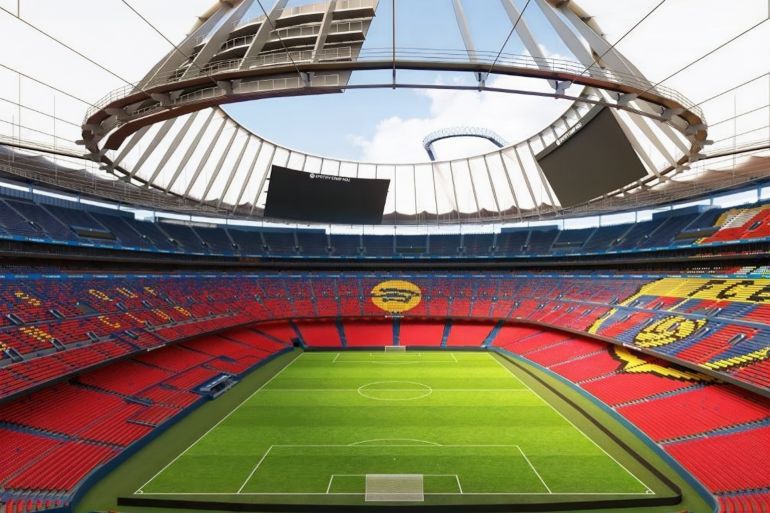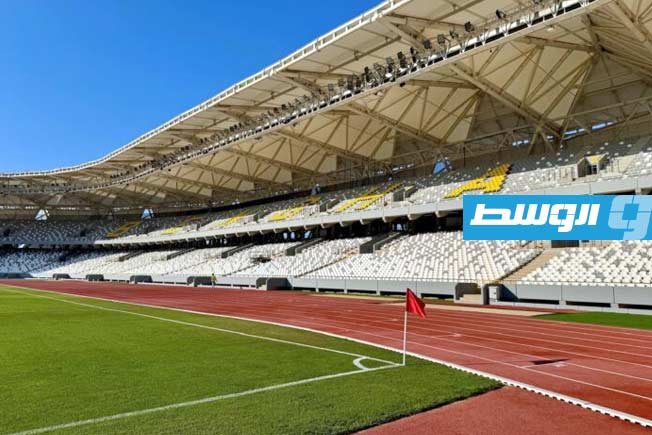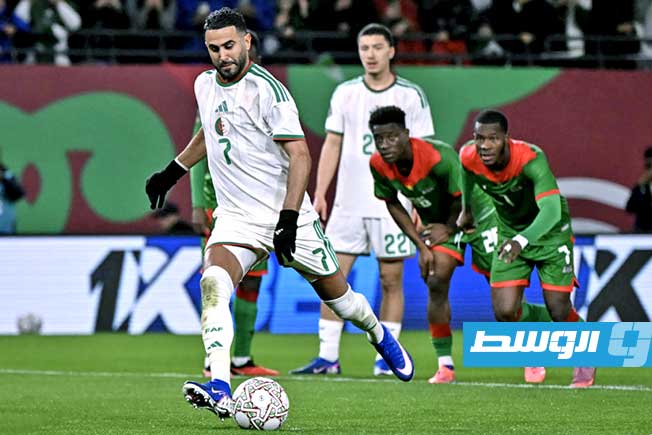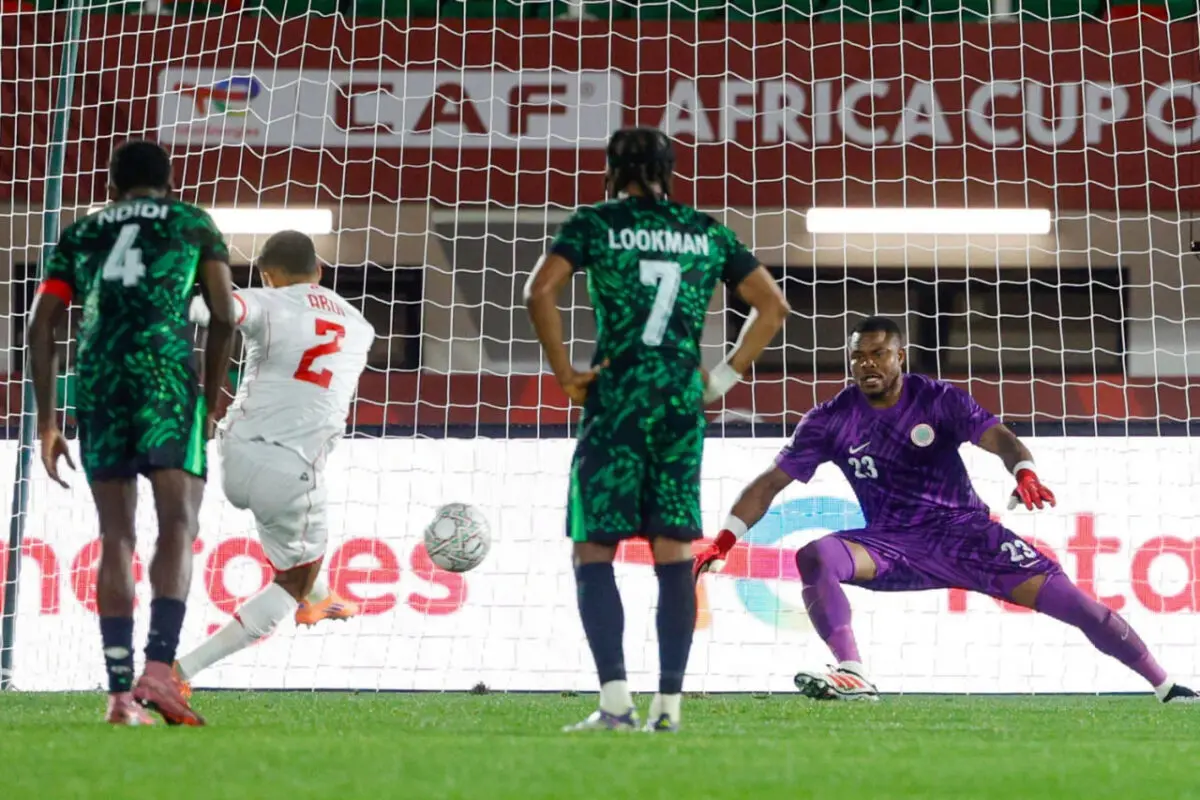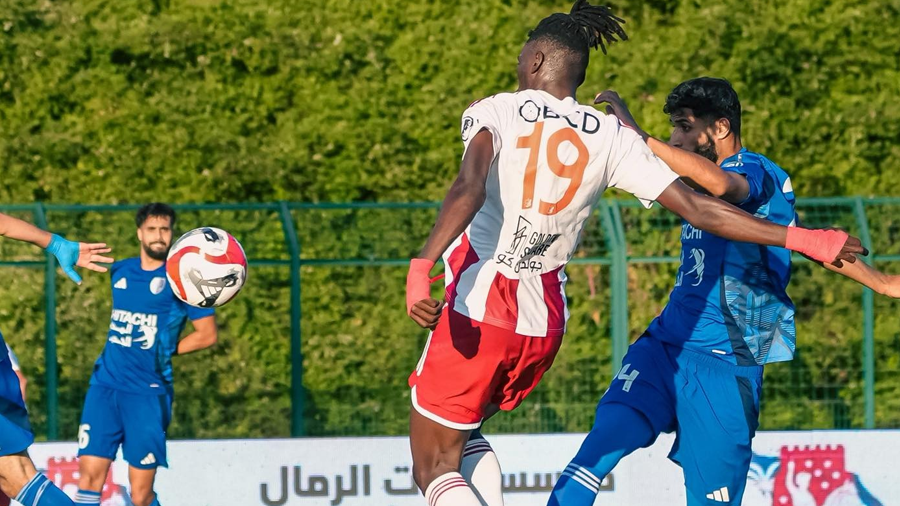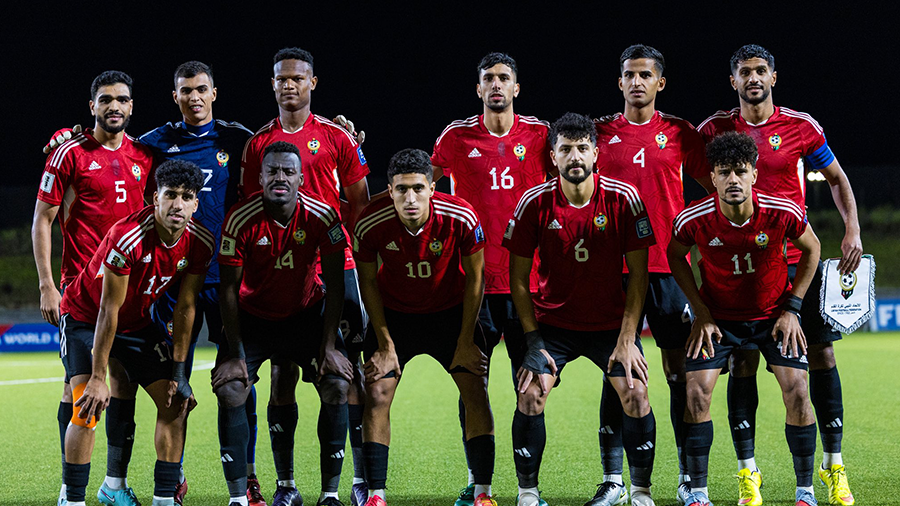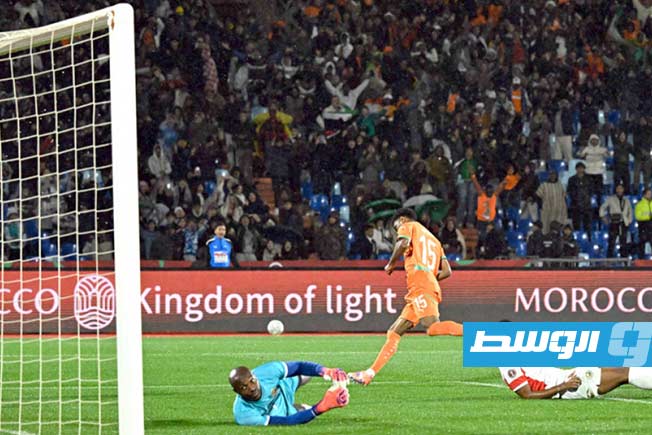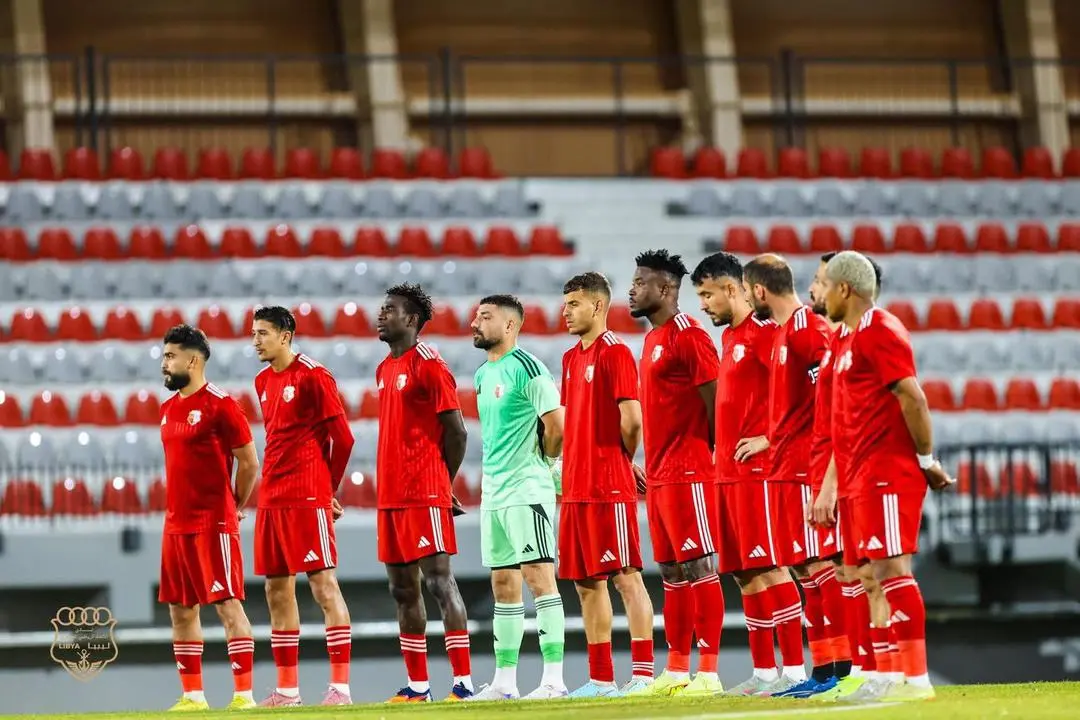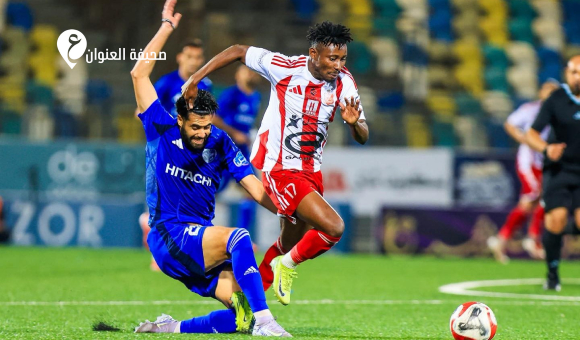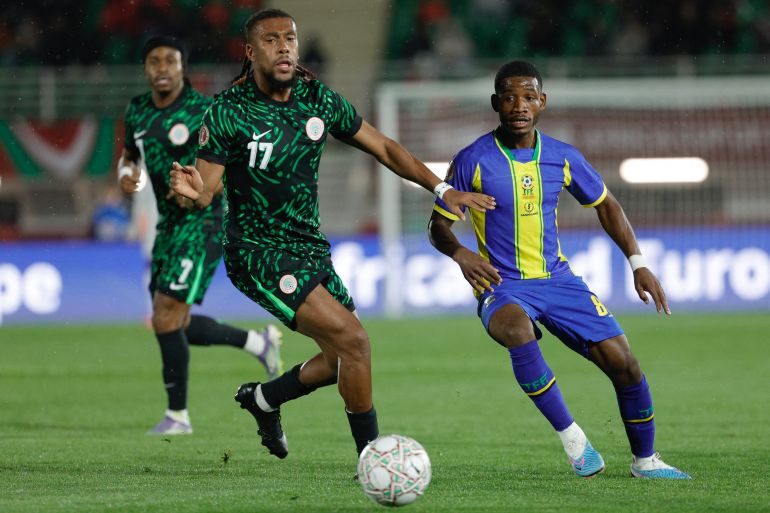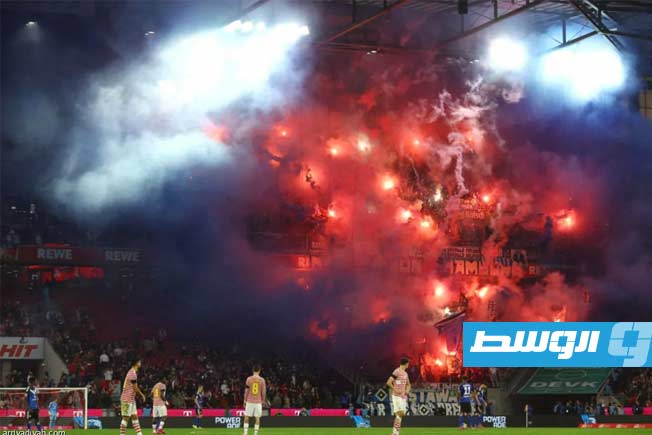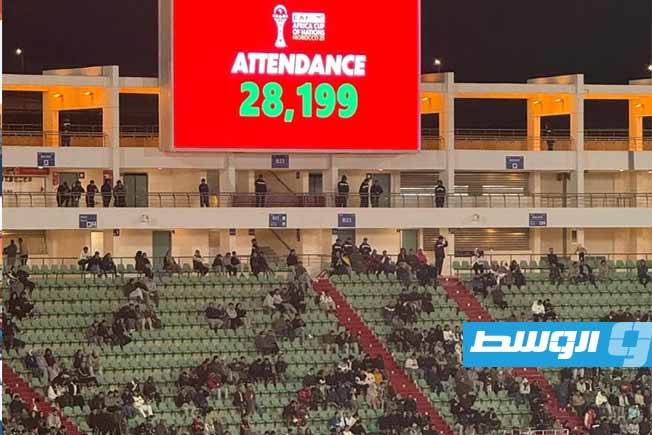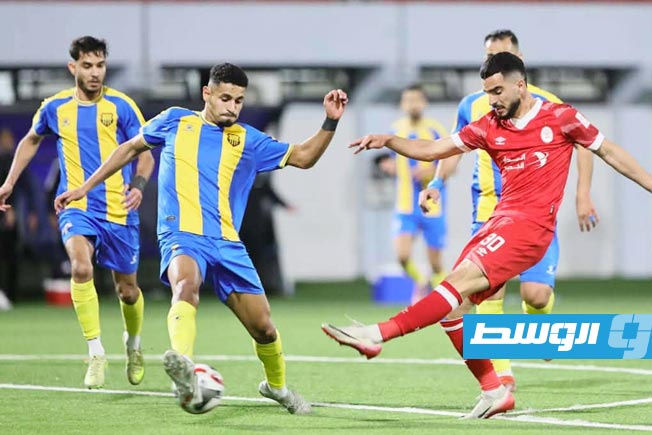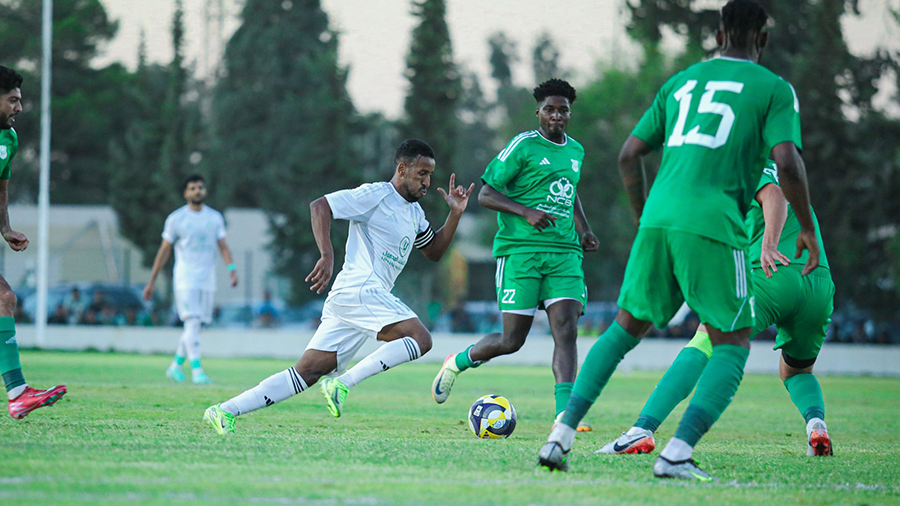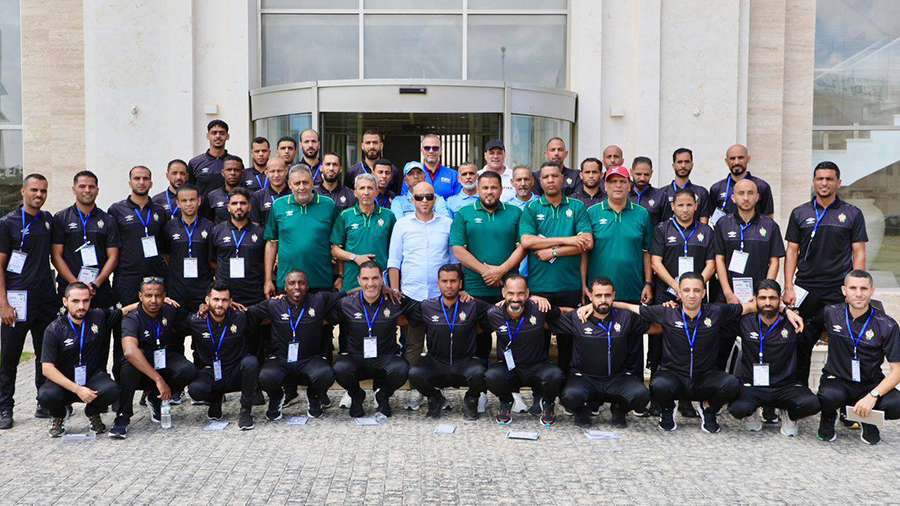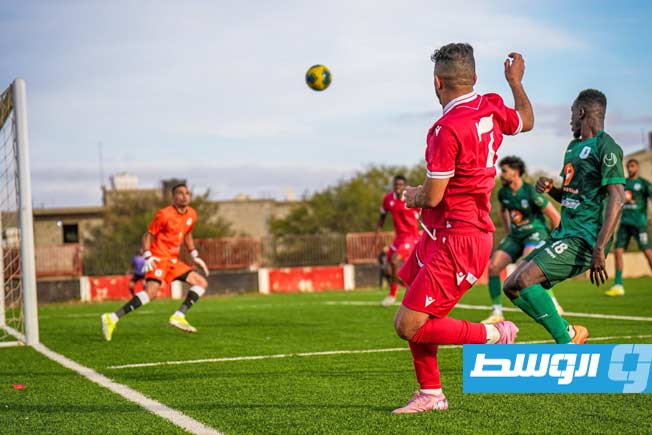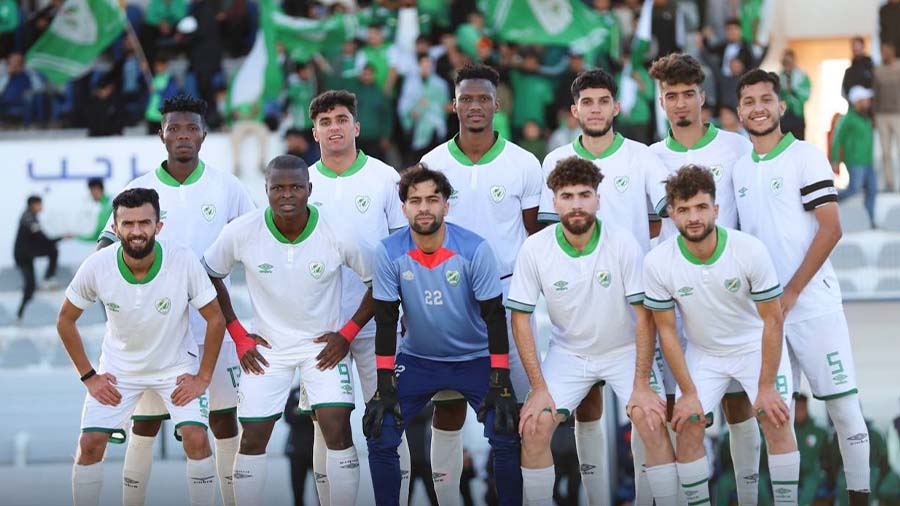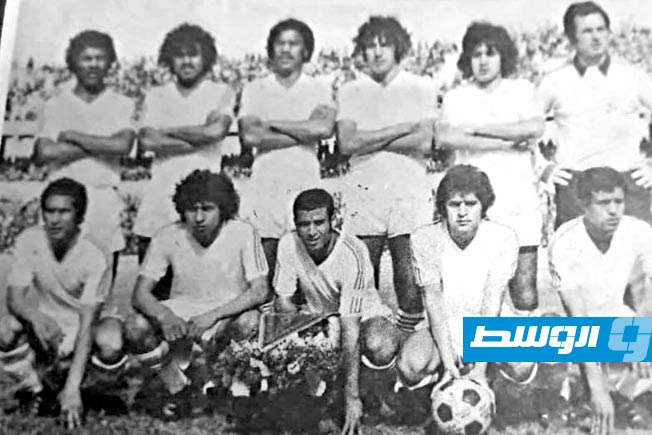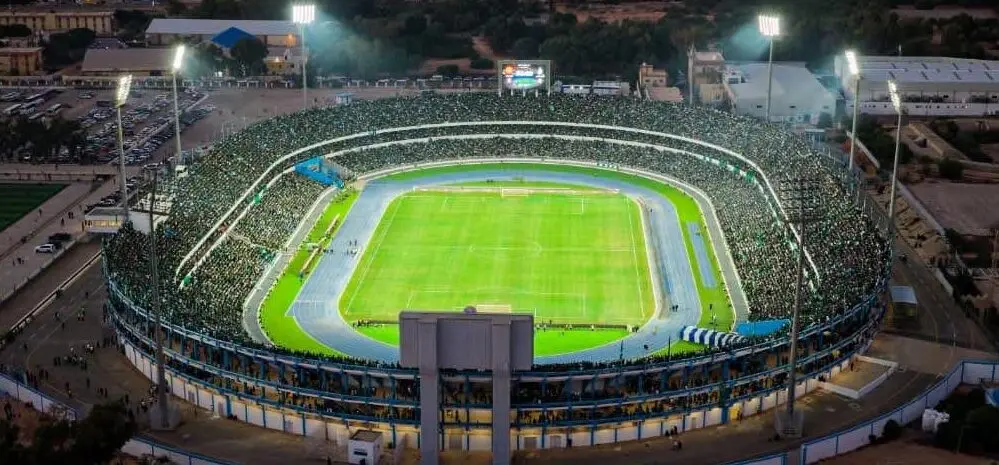
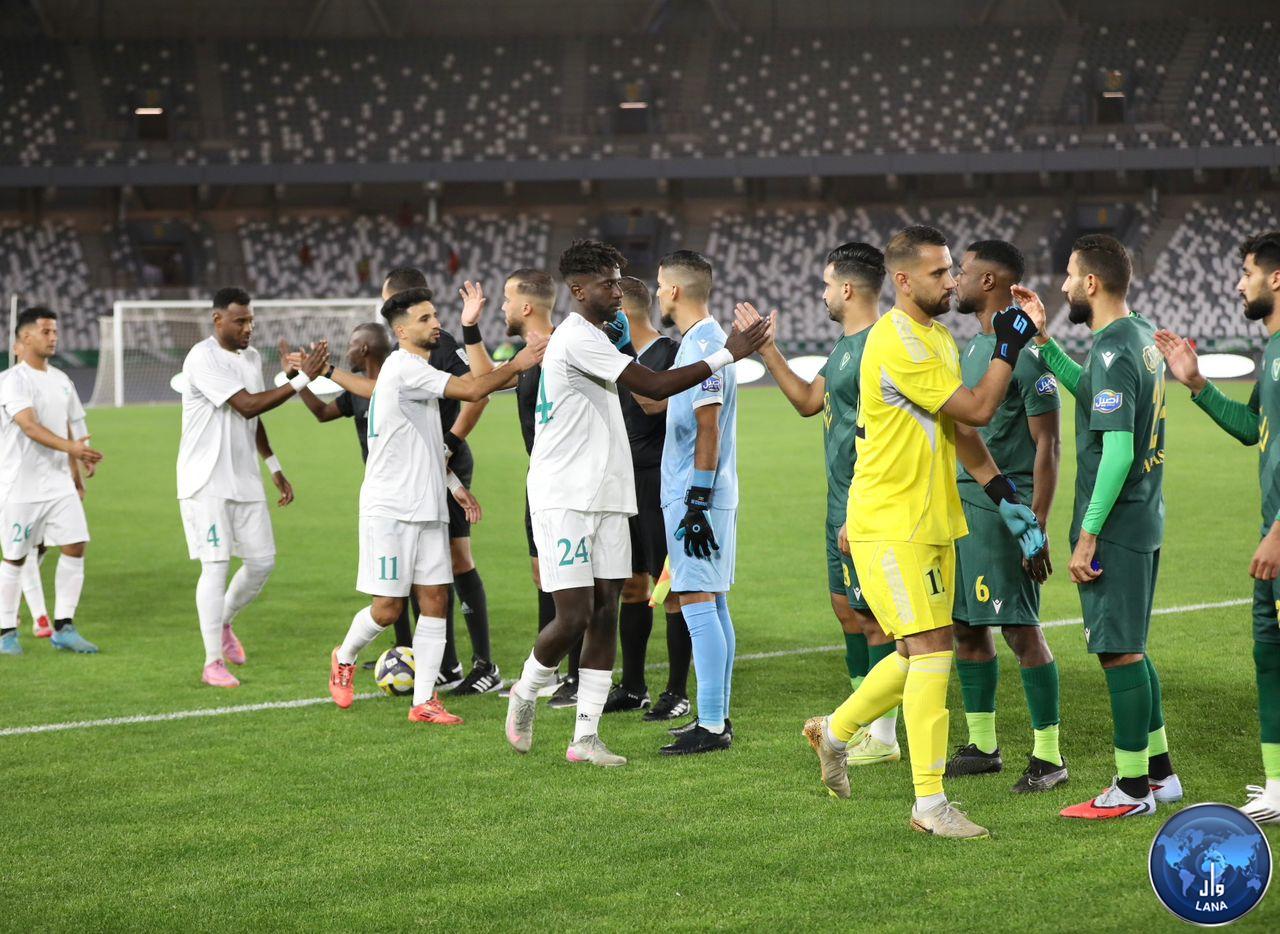
Tripoli, January 1, 2025 – As part of the third round matches for Group Two of the Premier Football League, the Al-Ittihad Gheryan team will meet its counterpart Al-Ittihad Misrati this evening at 15:30 at the Zintan Stadium, while the Al-Shamoua team will host Al-Ittihad at the Misrata Stadium at 18:30.
Within the framework of the Group Four competitions, the Al-Afriqi Benghazi team will face its counterpart Al-Wefaq Ajdabiya at the Derna Stadium at 15:00, while the Al-Akhdar team will meet the Al-Muruj team at the Al-Wadi Al-Kabir Stadium.
…
Tripoli
Tripoli is the capital and largest city of Libya, located on the country’s Mediterranean coast. Historically, it was founded by the Phoenicians in the 7th century BC and has since been ruled by the Romans, Arabs, Ottomans, and Italians, serving as a major port and cultural crossroads. Its historic core, the medina of Old Tripoli, contains significant architecture from these various periods.
Al-Ittihad Gheryan
Al-Ittihad Gheryan is a Libyan football club based in the city of Gharyan. Founded in 1970, the club has historically competed in the Libyan Premier League and is known for its strong local support in the Nafusa Mountains region.
Al-Ittihad Misrati
Al-Ittihad Misrati is a Libyan professional football club based in Misrata, founded in 1944. It is one of the oldest and most successful clubs in the country, historically associated with the city’s port and commercial community. The club has won multiple Libyan Premier League titles and is known for its strong fan base.
Zintan Stadium
Zintan Stadium is a football stadium located in the city of Zintan in northwestern Libya. It was constructed in the early 2000s and has served as a home ground for local clubs, playing a role in the community’s sporting life before and after the 2011 Libyan Civil War.
Al-Shamoua
Al-Shamoua is a historic Christian monastery located in the Syrian Desert near the city of Maaloula. It is believed to have been founded in the 4th century AD, making it one of the oldest surviving monasteries in Syria, and is traditionally associated with Saint Thecla. The site has served as an important center for pilgrimage and monastic life for centuries.
Misrata Stadium
Misrata Stadium is a major sports venue located in Misrata, Libya, primarily used for football matches. It was constructed in the 1970s and has since served as an important hub for local athletics and large public events. The stadium gained wider historical recognition during the 2011 Libyan Civil War when it was used as a key gathering point and humanitarian aid distribution center.
Al-Afriqi Benghazi
Al-Afriqi Benghazi is a prominent cultural and commercial complex in Benghazi, Libya, which opened in 2017. It was developed as a modern hub featuring shops, restaurants, and entertainment venues, representing a significant post-revolution investment in the city’s infrastructure and social life.
Al-Wefaq Ajdabiya
Al-Wefaq Ajdabiya is a prominent mosque and cultural center located in the city of Ajdabiya, Libya. It serves as a key religious and social hub for the local community, reflecting the city’s Islamic heritage. While specific details of its founding are not widely documented, it has long been a central gathering place in this historically significant region of Cyrenaica.
Derna Stadium
Derna Stadium is a football stadium located in Derna, Libya, which historically served as a key sporting and community venue for the city. It gained international attention during the Libyan Civil War when it was used as a mass execution site by ISIS militants in 2014, marking a tragic chapter in its history.
Al-Akhdar
Al-Akhdar, also known as the Green Mountain, is a prominent mountainous region in eastern Libya, historically significant as a natural fortress and a center for resistance. It served as a key stronghold for Libyan forces during the Italian colonization in the early 20th century. The area is also noted for its unique Mediterranean forest ecosystem and ancient archaeological sites.
Al-Muruj
Al-Muruj is a historical and cultural area located in Riyadh, Saudi Arabia, known for its ancient rock art and inscriptions that date back thousands of years. The site features numerous petroglyphs depicting human and animal figures, offering valuable insights into the prehistoric civilizations of the Arabian Peninsula.
Al-Wadi Al-Kabir Stadium
Al-Wadi Al-Kabir Stadium is a multi-purpose sports venue located in Muscat, Oman. It was historically the primary national stadium and a key venue for football matches, including Omani domestic finals and international fixtures, before the development of larger modern stadiums in the country.