A renowned American heart surgeon has revealed the foods and drinks he makes a point of avoiding to reduce the risk of cardiovascular disease.
In a video that recently went viral on TikTok, the surgeon identified four main categories he steers clear of, emphasizing that sticking to this helps maintain heart health.
Fast Food
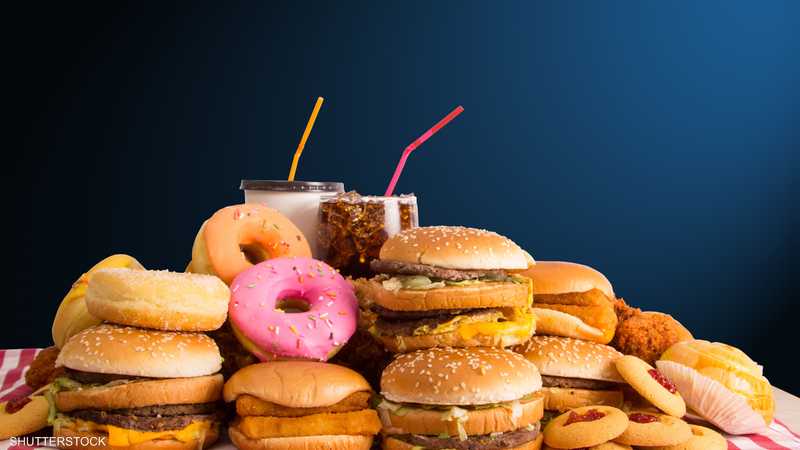
The surgeon avoids fast food because it is rich in saturated fats, sugars, and sodium, and is typically processed with additives like emulsifiers, thickeners, and artificial colors, which cause inflammation and raise blood pressure, putting extra strain on the heart.
The surgeon says: “Most of what is served in fast-food chains is an ‘edible food product.’ It is not real food.”
He explained that burgers and fries may be technically safe to eat, but they lack essential nutrients.
Sodas
The surgeon warned against both regular and diet sodas, noting that a single can of soda contains about 40 grams of added sugar, which is close to the maximum recommended daily sugar intake (50 grams).
He explained that excessive consumption of sugary drinks increases blood pressure and harmful cholesterol, leading to artery blockage and fat buildup. Meanwhile, the artificial sweeteners found in diet drinks may cause similar health problems, including an increased risk of heart attacks, strokes, and irregular heartbeats.
High-Fat Dairy Products
The surgeon advises caution when consuming high-fat dairy products like cheese and butter, explaining that whole milk can be high in saturated fats that raise cholesterol.
However, some studies suggest that fermented dairy products like yogurt may reduce the risk of heart disease, and that the protein and calcium in whole milk may protect against inflammation and plaque buildup in coronary arteries.
Alcohol
Finally, the surgeon warned against alcohol consumption, stating that even moderate and occasional use may increase the risk of heart disease by damaging the heart muscle and raising stress hormone levels, which increases heart rate and blood pressure.
He pointed out that alcohol is classified by the International Agency for Research on Cancer as a Group 1 carcinogen, alongside asbestos, radiation, and tobacco, and that there is no safe limit for its consumption.
The surgeon said: “If we are putting in all this effort to improve our health, the least we can do is stop harming our bodies.”
Fast Food
### Characteristics:
1. **Speed** – Made with pre-cooked or quickly assembled ingredients.
2. **Affordability** – Usually low-cost compared to sit-down restaurants.
3. **Consistency** – Standardized recipes ensure the same taste across locations.
4. **Convenience** – Often available via drive-thru, delivery, or grab-and-go counters.
5. **High in calories** – Many items are rich in fats, sugars, and sodium.
### Common Examples:
– Burgers & fries (e.g., McDonald’s, Burger King)
– Pizza (e.g., Domino’s, Pizza Hut)
– Fried chicken (e.g., KFC)
– Tacos & burritos (e.g., Taco Bell)
– Sandwiches & subs (e.g., Subway)
### Pros & Cons:
| Pros | Cons |
|——————————————-|——————————————-|
| Quick & convenient | Often unhealthy (linked to obesity, heart issues) |
| Budget-friendly | Environmental impact (packaging waste) |
| Widely available | Can lack nutritional variety |
| Predictable taste | May contribute to overconsumption |
### Cultural Impact:
Fast food is a global phenomenon, shaping diets, economies, and even urban landscapes. While criticized for health and environmental reasons, it remains popular due to its accessibility and marketing.
Would you like to explore specific aspects, such as health alternatives, history, or its role in different cultures?
Sodas
### 1. Carbonated Soft Drinks (Most Common Meaning)
This is the primary meaning in American English. “Soda” is a common term for a sweetened, carbonated beverage.
* **Examples:** Coca-Cola, Pepsi, Sprite, root beer, ginger ale.
* **Usage:** “Would you like any sodas with your pizza?” or “The store has a whole aisle dedicated to sodas.”
* **Regional Note:** In different parts of the U.S. and the world, these are also called **pop**, **coke** (generically), or **fizzy drinks**.
### 2. Soda Water / Club Soda
In a culinary or bar context, “soda” can refer to plain carbonated water, often used as a mixer.
* **Example:** “A whiskey and soda” or “Add a splash of soda to the juice.”
### 3. Chemical Compounds (Science Context)
“Soda” can refer to various sodium compounds.
* **Baking Soda:** Sodium bicarbonate, used in baking and cleaning.
* **Washing Soda:** Sodium carbonate, a cleaning agent.
* **Caustic Soda:** Sodium hydroxide, a strong industrial alkali.
### 4. Ice Cream Sodas / Float
A **soda** can also be a dessert drink made with ice cream and carbonated beverage.
* **Example:** A **root beer float** is a type of ice cream soda.
—
**In summary:** If someone simply says “sodas,” they are most likely talking about **carbonated soft drinks**. The context (a restaurant, grocery store, party) usually makes this clear.
Would you like to know more about the history of sodas, their different regional names, or something else?
High-Fat Dairy Products
### What Are High-Fat Dairy Products?
These are dairy products made from milk that retain most or all of the milk’s natural fat content, as opposed to low-fat or skim versions. The fat content is what gives them their rich texture, flavor, and culinary properties.
### Nutritional Profile
* **High in Saturated Fats:** The primary fat is saturated. Modern research suggests the health impact of dairy saturated fat may be more complex than previously thought, potentially differing from saturated fats in processed meats.
* **Rich in Nutrients:** They are excellent sources of:
* **Fat-Soluble Vitamins:** A, D, E, and K (especially in products from grass-fed animals).
* **Calcium:** Essential for bone health.
* **Conjugated Linoleic Acid (CLA):** A fatty acid with potential health benefits, found in higher amounts in grass-fed dairy.
* **Protein:** High-quality complete protein.
* **Other Minerals:** Phosphorus, magnesium, and potassium.
### Health Considerations: The Debate
The role of high-fat dairy in a healthy diet is a nuanced topic:
* **Traditional View:** Due to saturated fat content, it was long associated with increased risk of heart disease. This led to dietary guidelines recommending low-fat dairy.
* **Modern Research:** More recent observational studies often find a **neutral or even beneficial link** between full-fat dairy consumption and health outcomes like heart disease, type 2 diabetes, and obesity. Some hypotheses for this include:
* **Satiety:** The fat helps you feel fuller longer, potentially reducing overall calorie intake.
* **The “Dairy Matrix”:** The nutrients in dairy may interact in a way that blunts the negative effects of saturated fat.
* **Fermentation:** Products like yogurt and kefir have probiotics, which benefit gut health.
**Important:** Current dietary guidelines (like the U.S. Dietary Guidelines) still generally recommend low-fat or fat-free dairy for adults to limit saturated fat intake. However, many nutrition experts now advocate for a more personalized approach, emphasizing whole, unprocessed foods—which includes full-fat dairy for those who tolerate it.
### Common Examples of High-Fat Dairy Products
| Product | Typical Fat Content (approx.) | Notes |
| :— | :— | :— |
| **Heavy (Whipping) Cream** | 36-40% | Used in sauces, desserts, coffee. Very high in fat. |
| **Butter** | ~80% | Essentially pure milk fat. Used for cooking, baking, and spreading. |
| **Full-Fat Cheese** (e.g., Cheddar, Brie) | 20-35% | Varieties differ greatly. Hard, aged cheeses are very concentrated. |
| **Whole Milk** | ~3.25% | The base for many other products. |
| **Full-Fat Yogurt** | ~3-5% (often higher for Greek) | Can be a great source of probiotics and protein. |
| **Sour Cream** | 20% | Cultured cream, used as a condiment or in baking. |
| **Crème Fraîche** | 30-45% | Cultured, thicker, and less tangy than sour cream. |
| **Mascarpone** | 60-75% | An Italian cream cheese, key ingredient in tiramisu. |
| **Ice Cream (Premium)** | 14-18% | High in sugar and fat; considered a dessert. |
### Who Might Choose High-Fat Dairy?
* Those following **low-carb or ketogenic diets**.
* People focusing on **whole, minimally processed foods**.
* Individuals without specific heart disease risk factors or elevated cholesterol who tolerate dairy well.
* For **culinary purposes** where texture and flavor are paramount (e.g., in sauces, pastries).
### Key Takeaway
High-fat dairy products are nutrient-dense whole foods. While they are high in calories and saturated fat, emerging science does not uniformly condemn them and may even suggest benefits when consumed as part of a balanced diet. As with many foods, **moderation and context are key**—enjoying a piece of full-fat cheese or whole-milk yogurt is different from consuming excessive amounts of ice cream or butter-laden pastries daily.
**Always consult with a healthcare provider or registered dietitian for personalized advice,** especially if you have specific health conditions like heart disease or high cholesterol.
Alcohol
### 1. **Types of Alcohol**
– **Ethanol**: Consumed recreationally, used as a disinfectant, and in fuels.
– **Methanol**: Toxic; used in antifreeze and industrial processes.
– **Isopropyl alcohol**: Rubbing alcohol, used as a disinfectant.
### 2. **Effects on the Body**
– **Short-term**: Relaxation, impaired judgment, coordination issues, and potential alcohol poisoning in high doses.
– **Long-term**: Can lead to addiction (alcohol use disorder), liver disease, heart problems, and increased cancer risk.
### 3. **Legal and Social Aspects**
– Regulations vary globally (legal drinking age, sales restrictions).
– Cultural attitudes range from acceptance to prohibition.
### 4. **Health Guidelines**
– Many health organizations recommend moderation (e.g., up to 1 drink per day for women, 2 for men, though some advise less).
– Abstinence is advised for certain groups (e.g., pregnant individuals, those with specific health conditions).
### 5. **Risks and Harm Reduction**
– Excessive use contributes to accidents, addiction, and social issues.
– Strategies include drinking in moderation, avoiding binge drinking, and seeking help if needed.
If you have a specific question about alcohol—such as its chemistry, health impacts, or cultural role—feel free to ask!