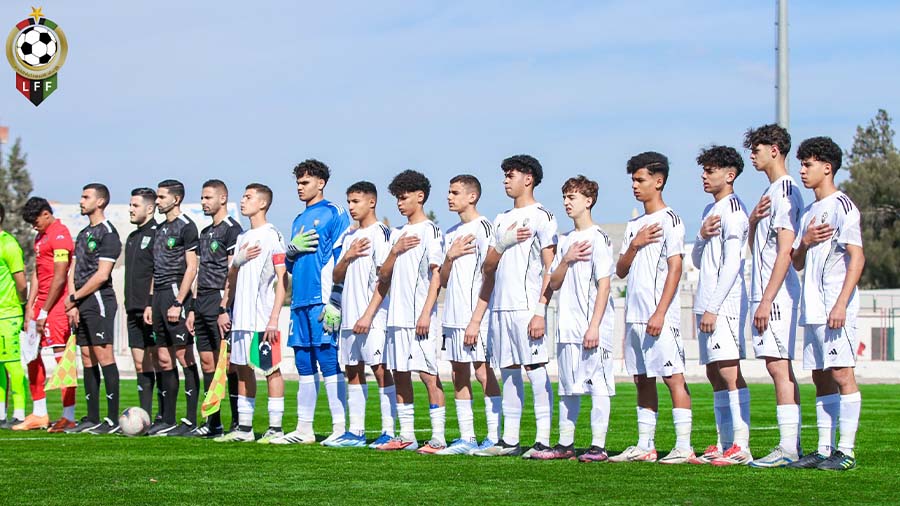
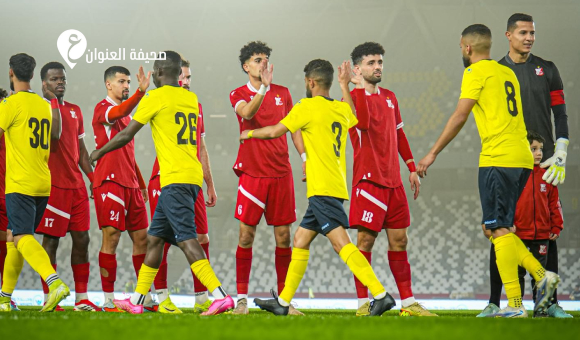
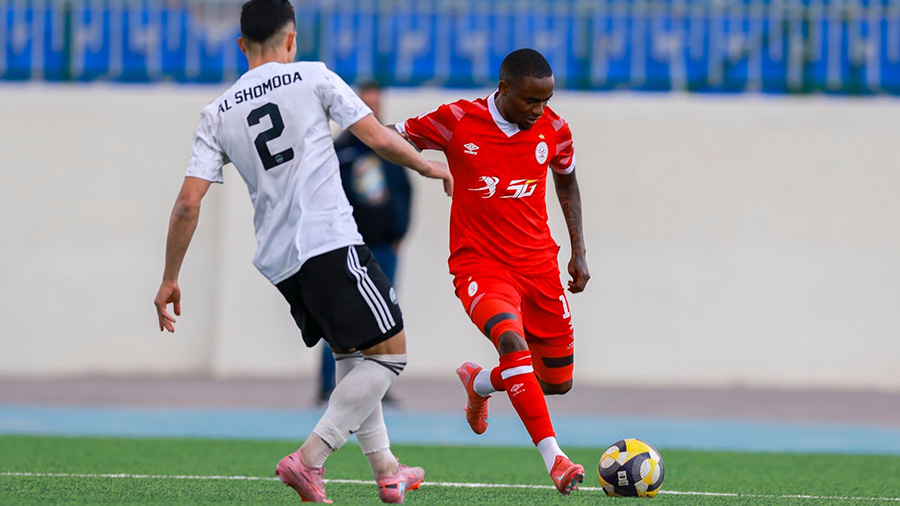
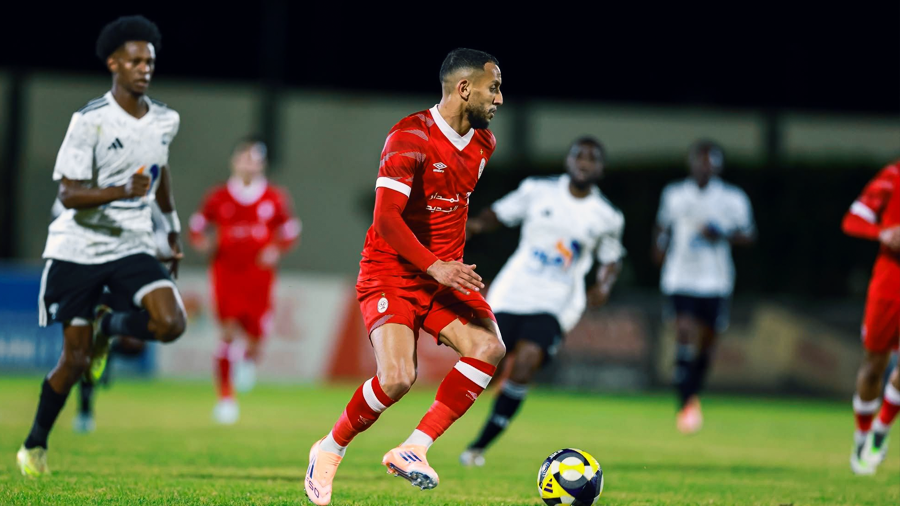
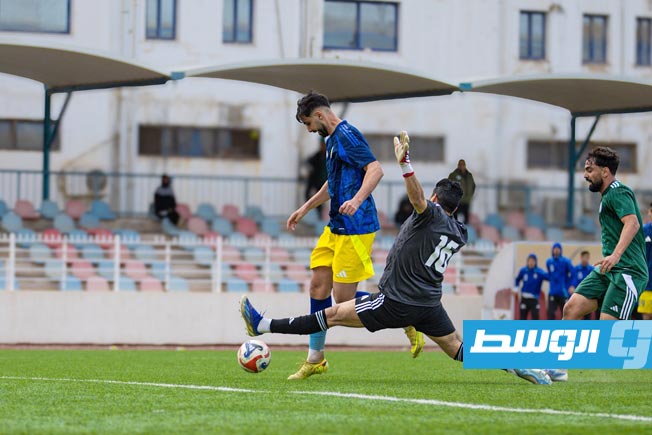
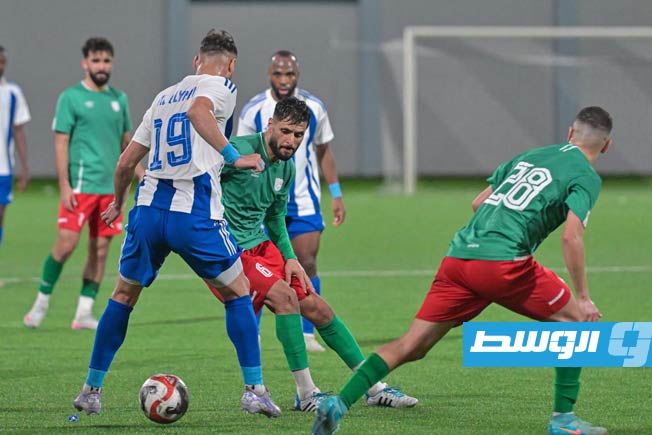
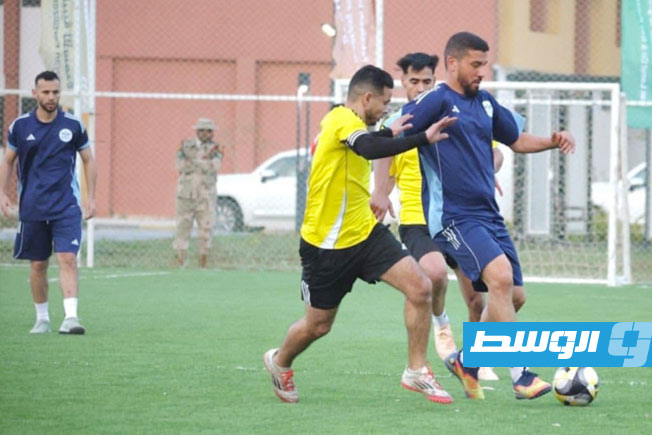
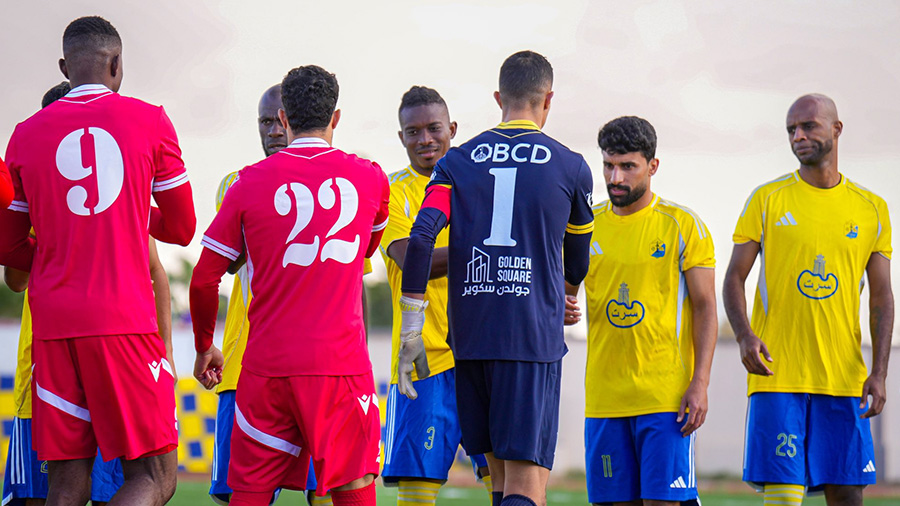
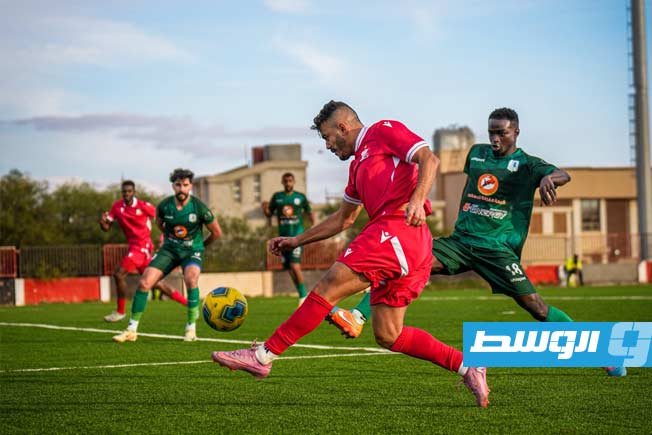
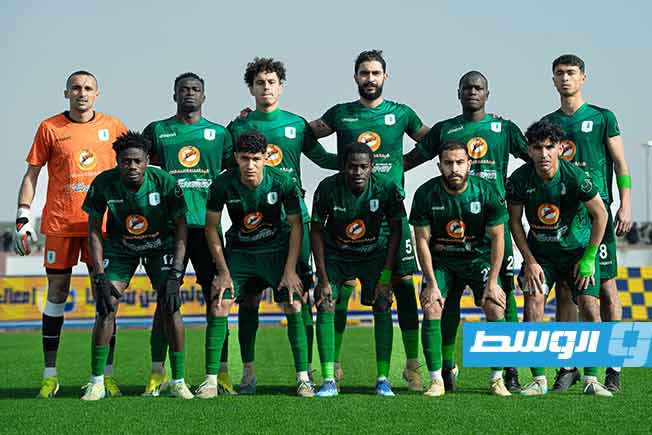
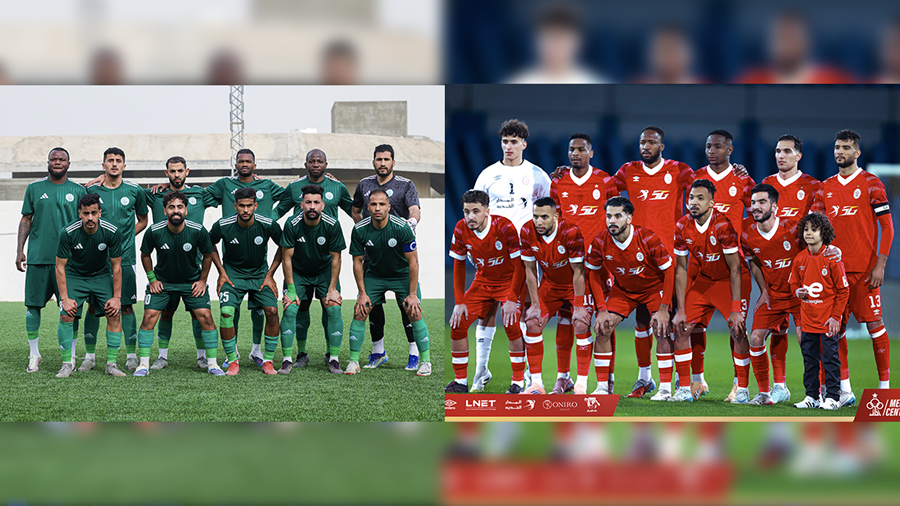
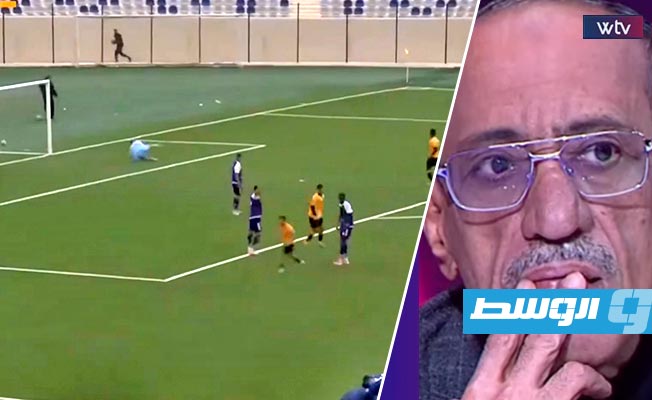
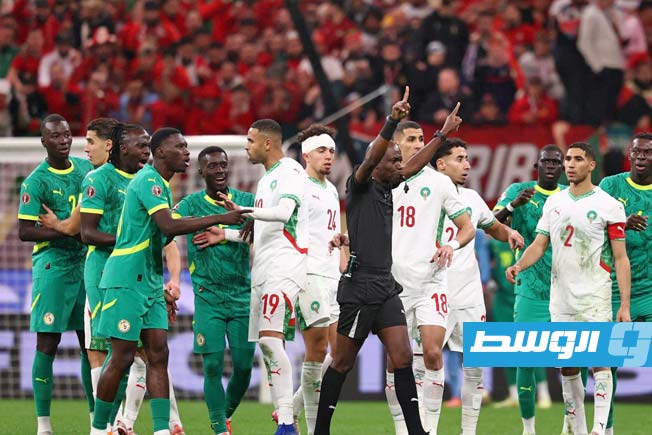
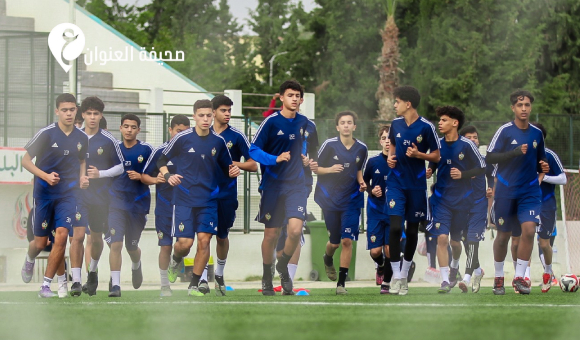
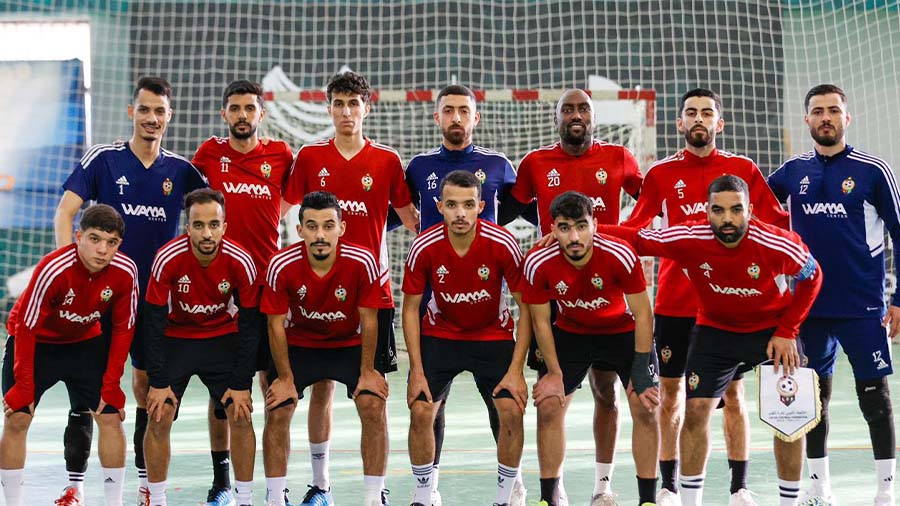
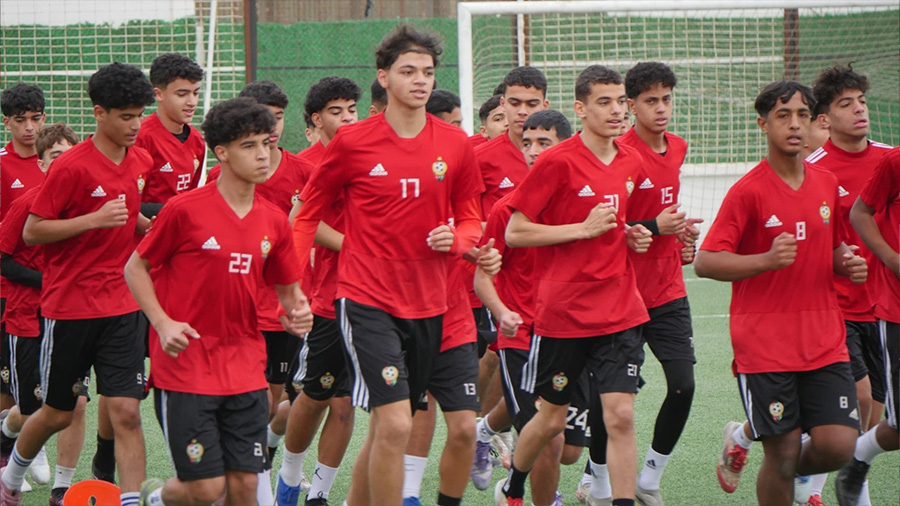
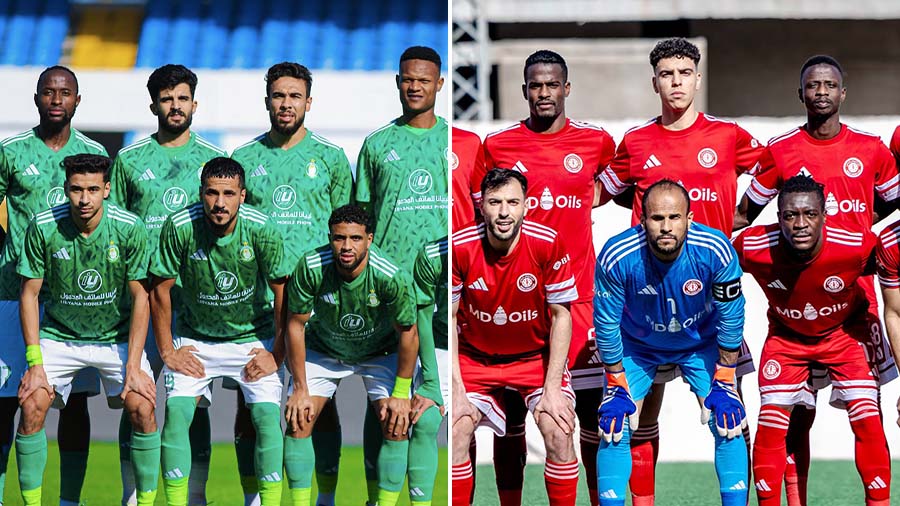
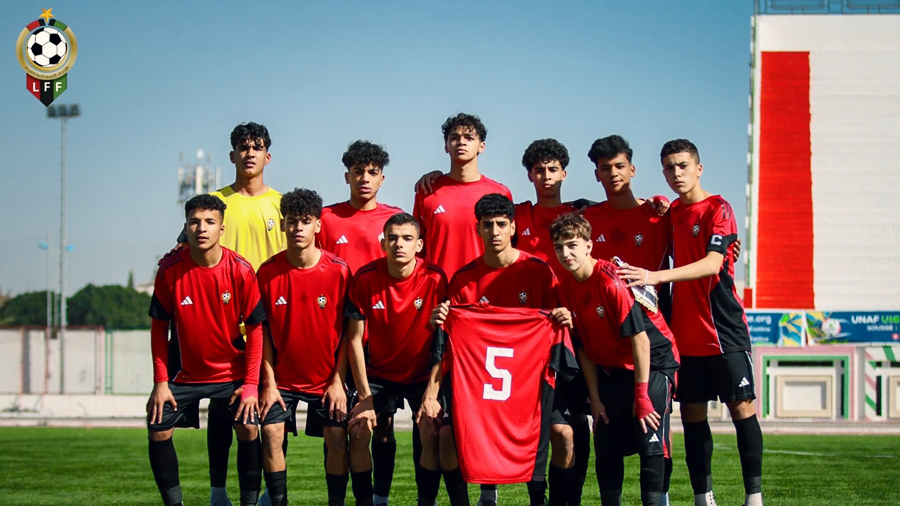
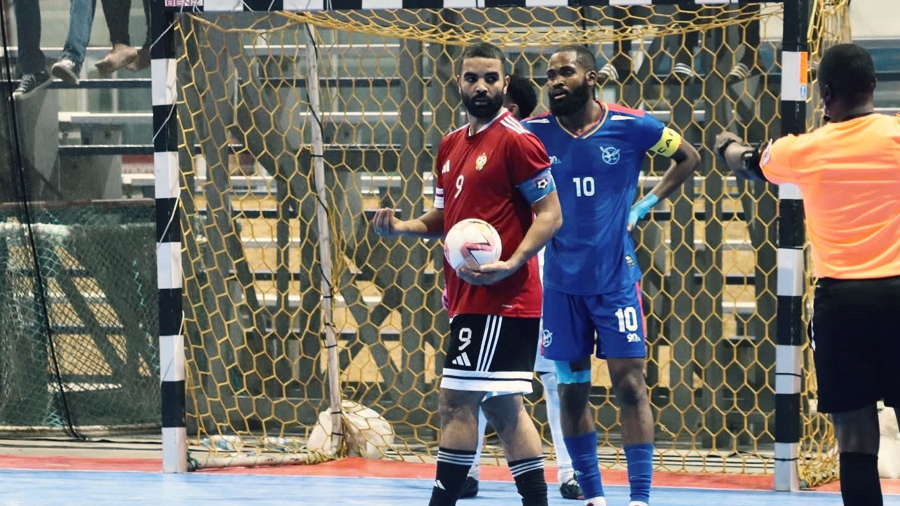
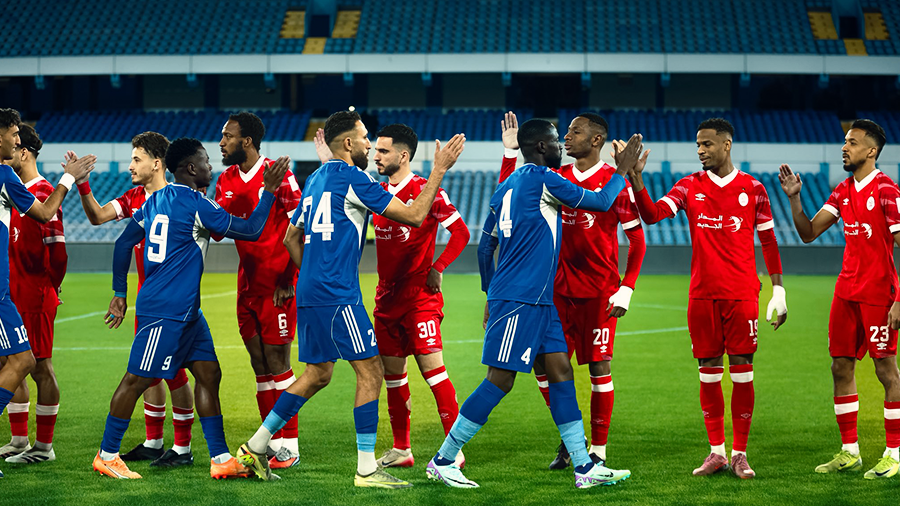
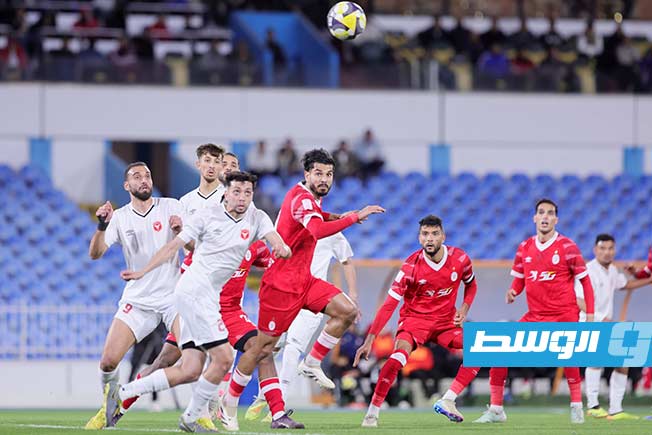
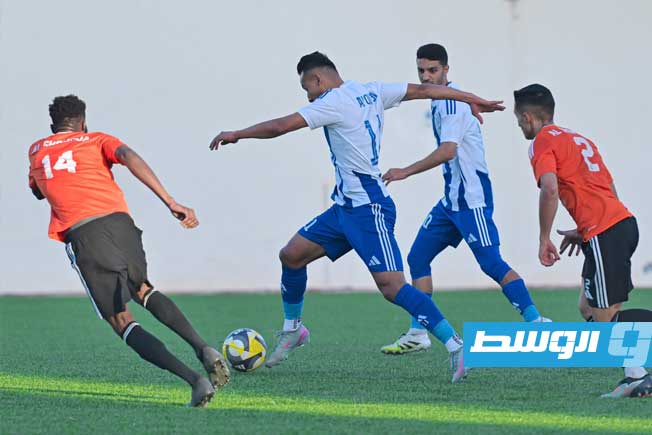
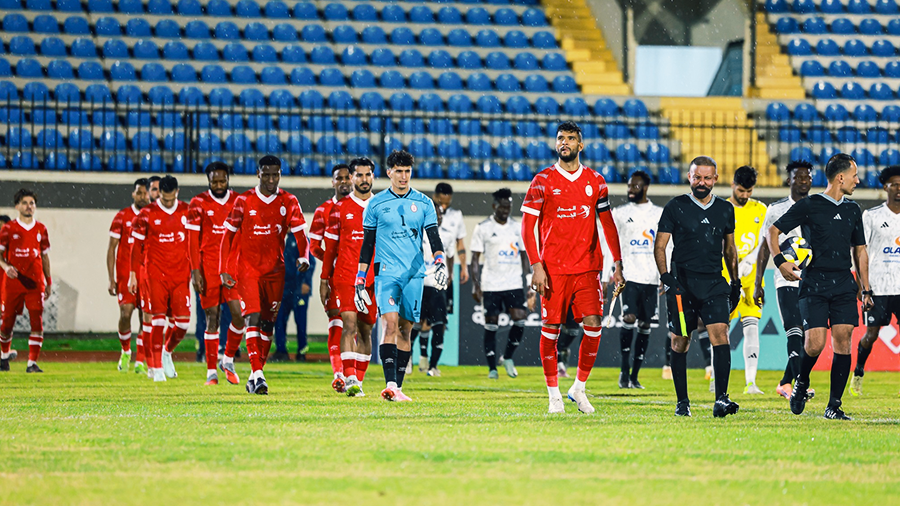
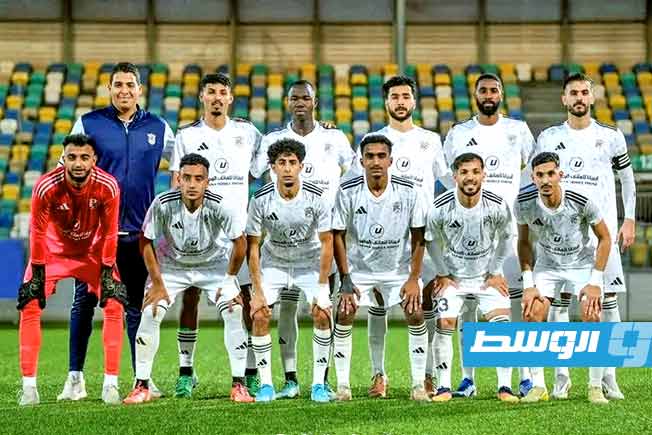
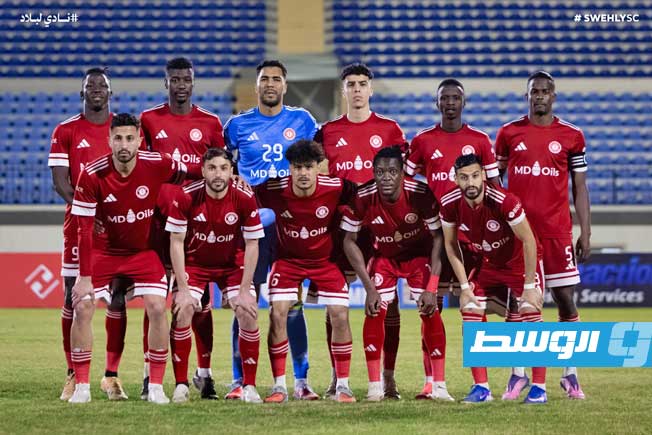
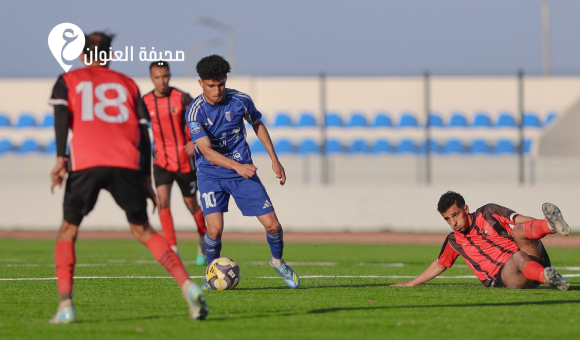
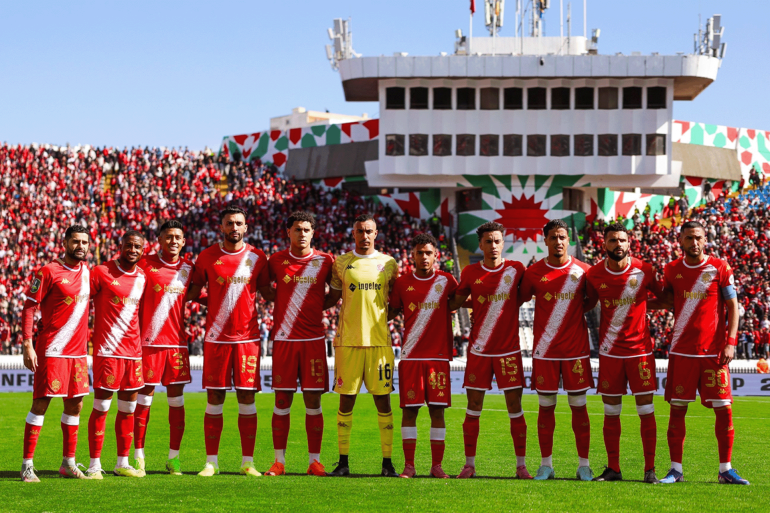
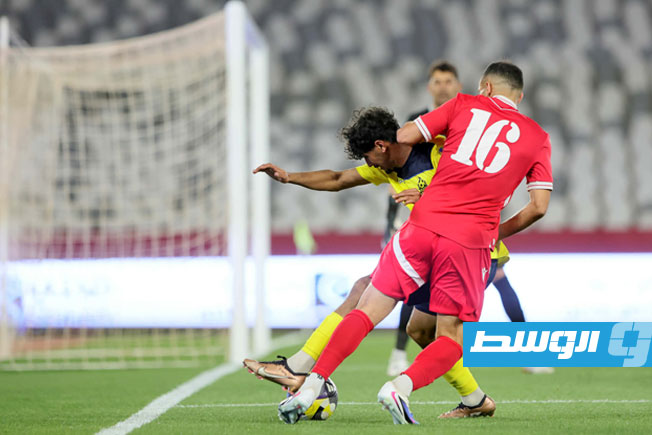
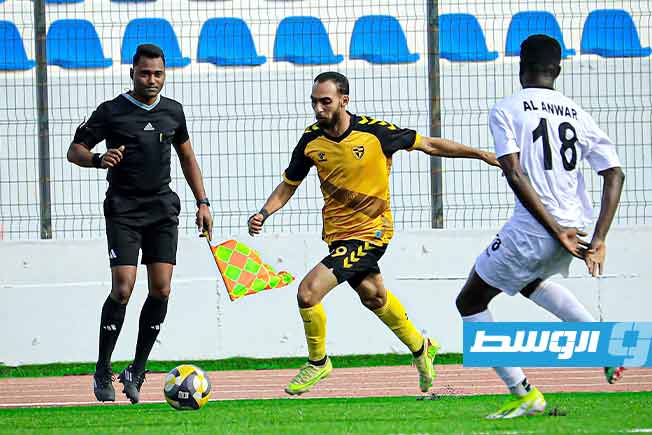
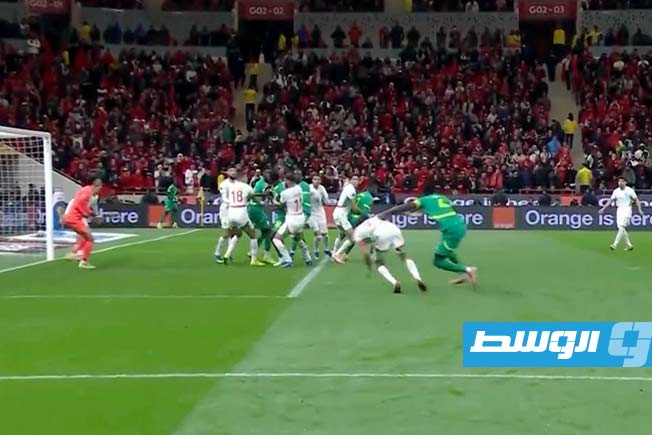
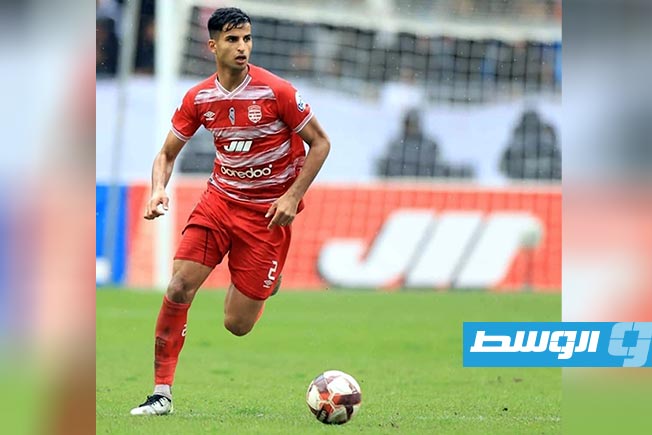
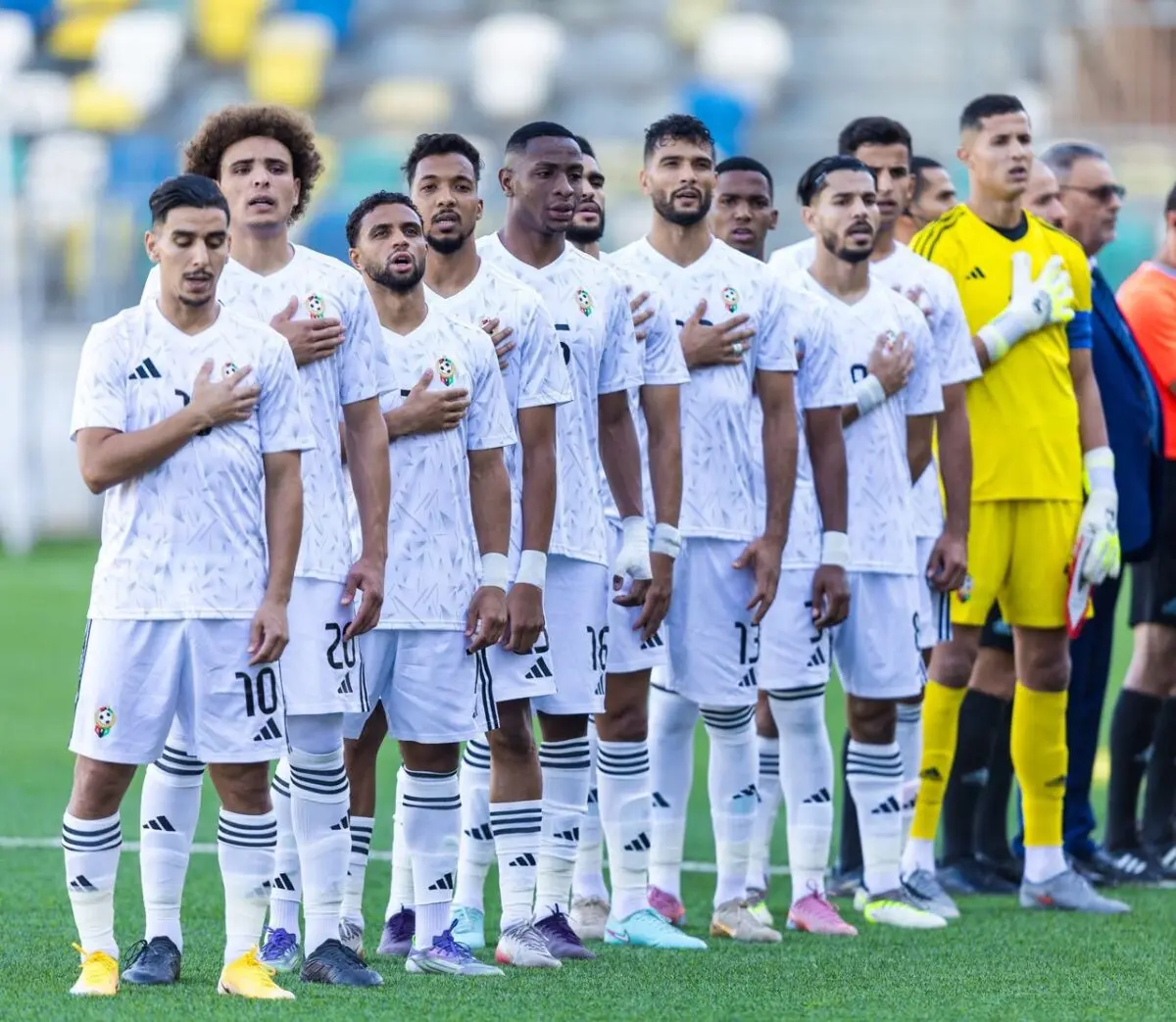
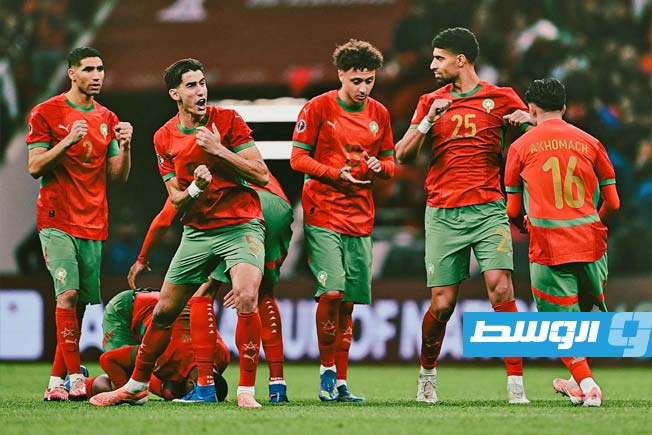
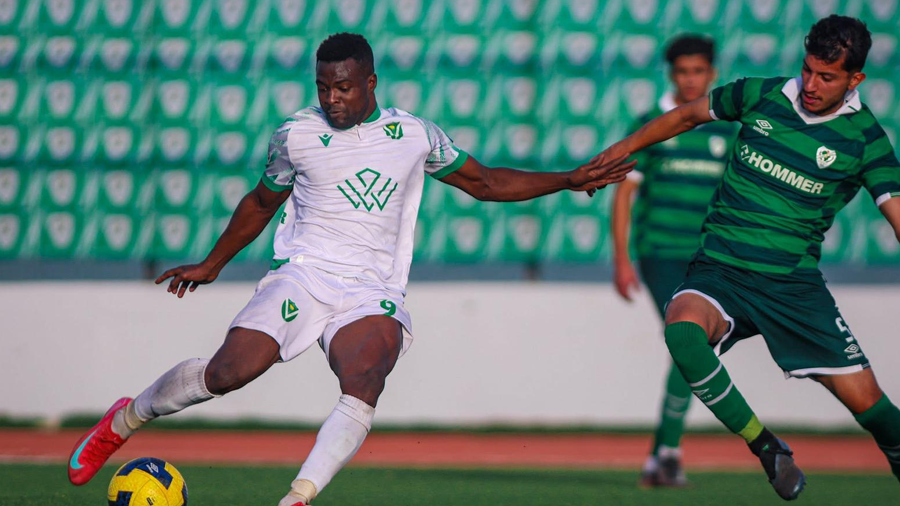
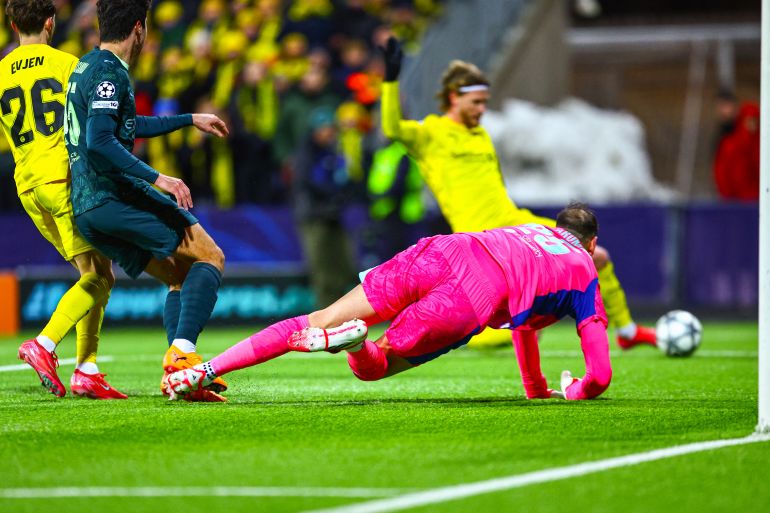
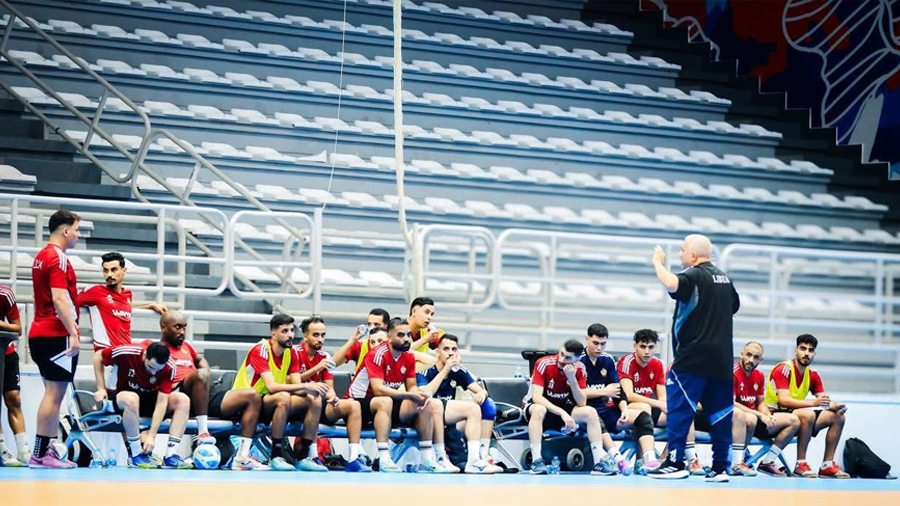
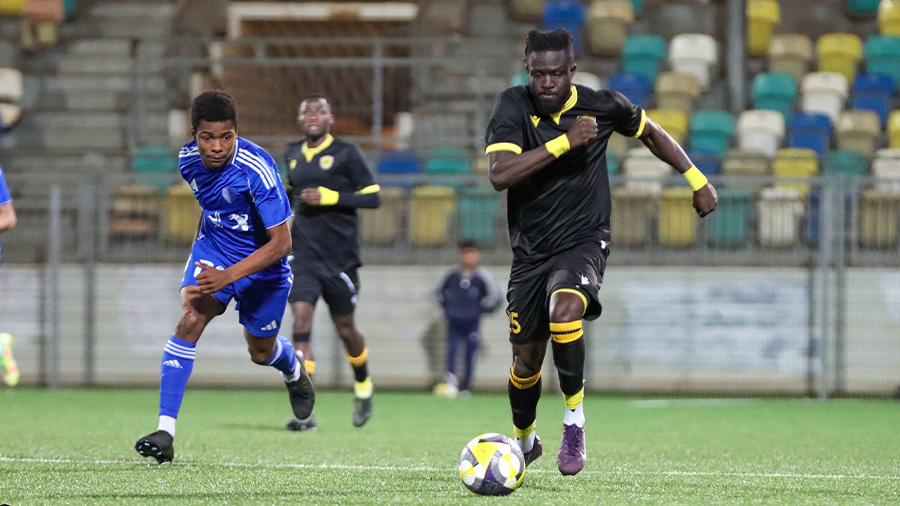
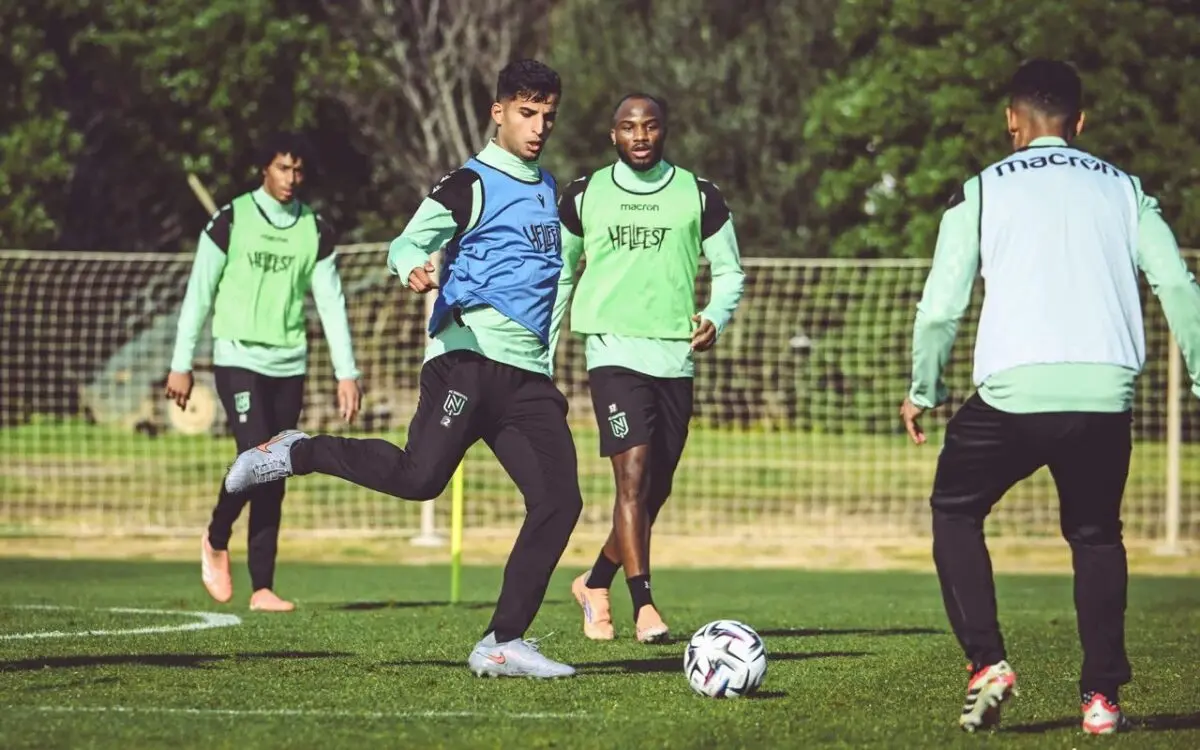
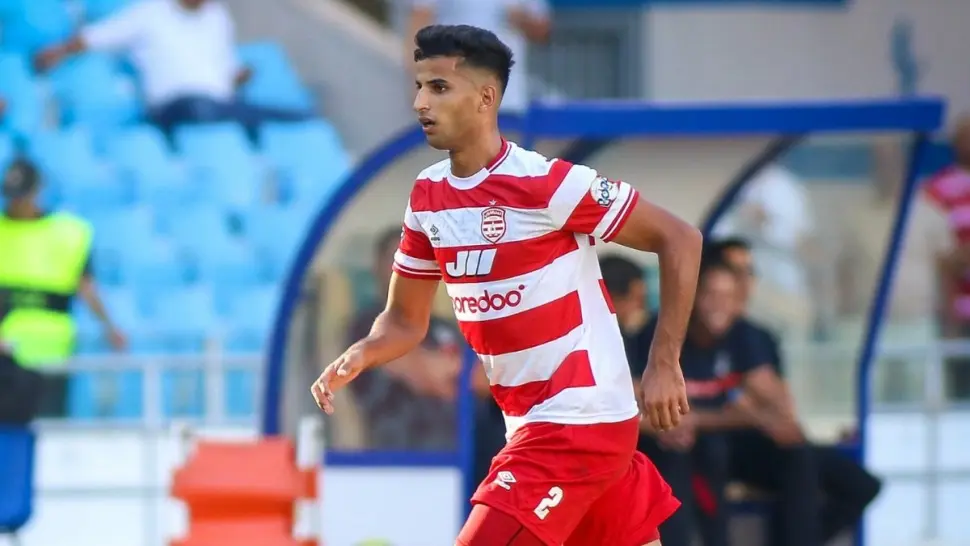
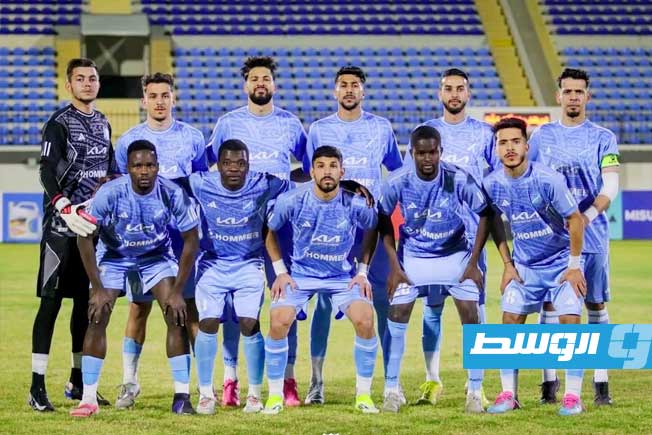
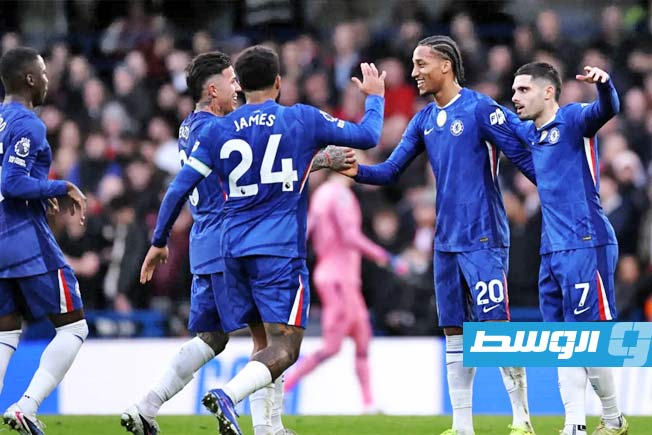
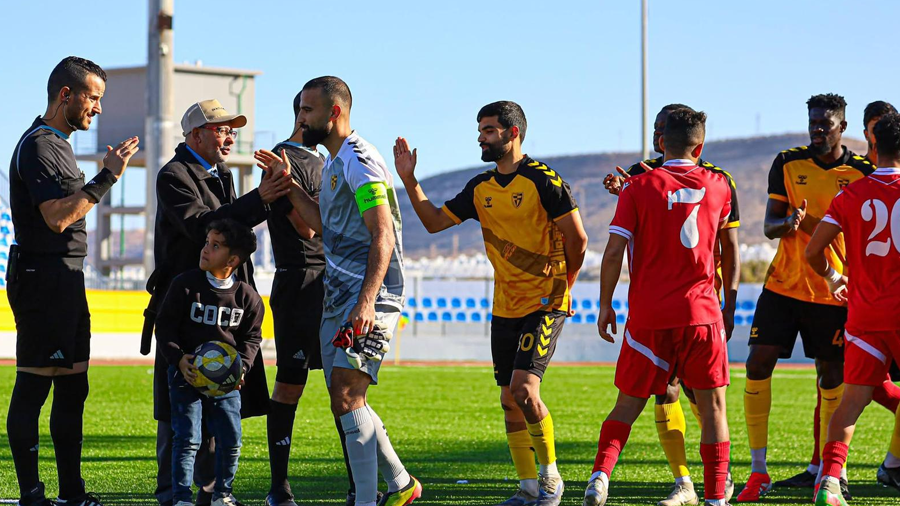
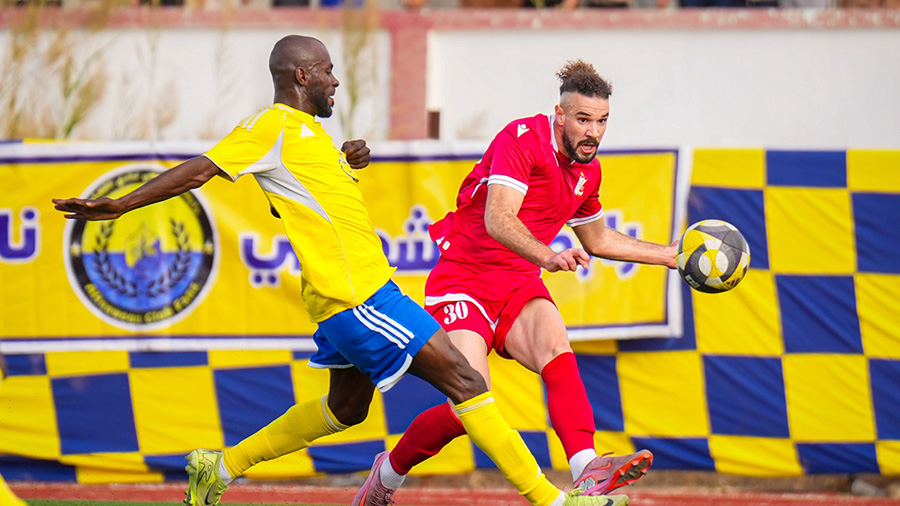
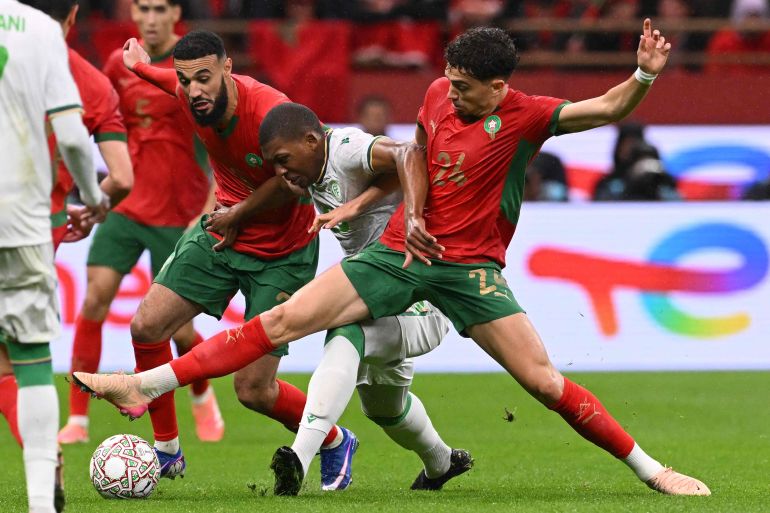
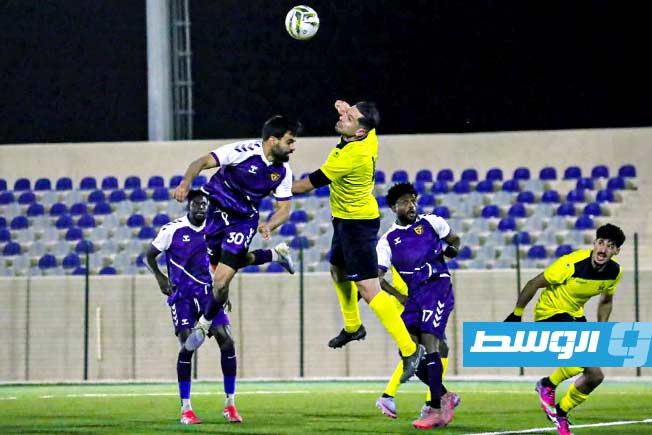
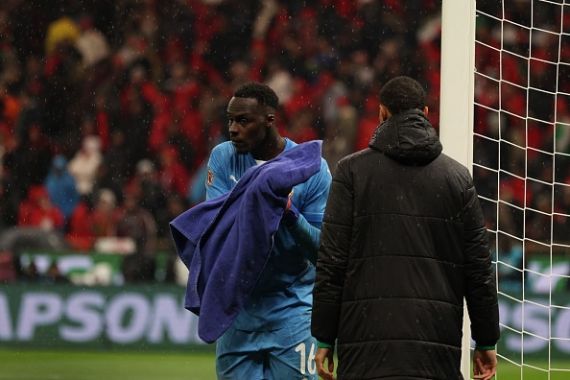
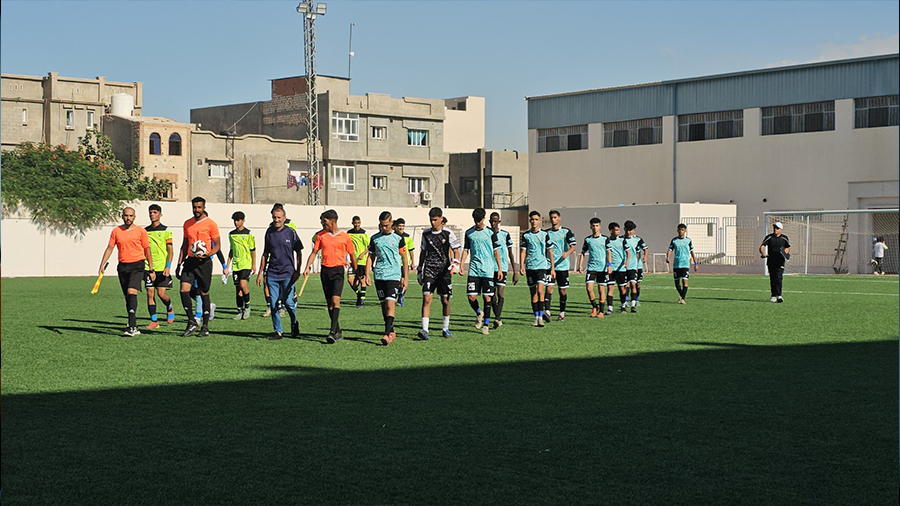
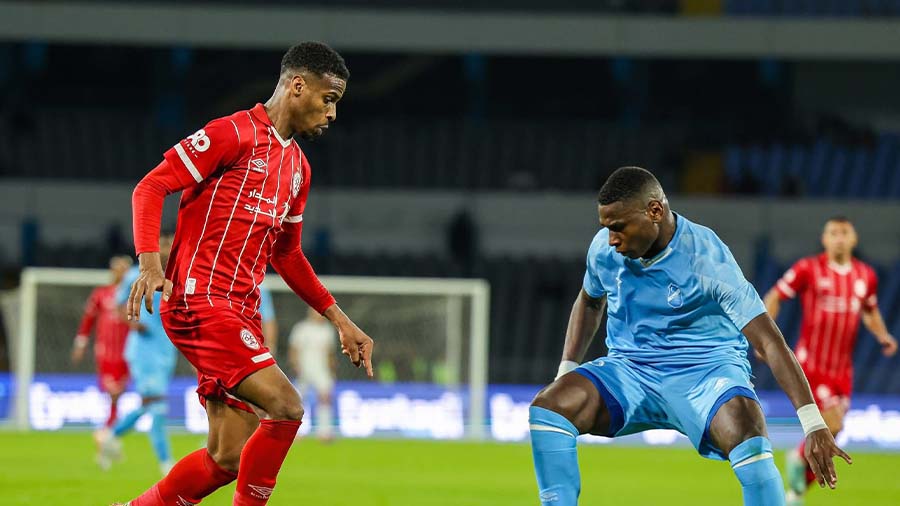
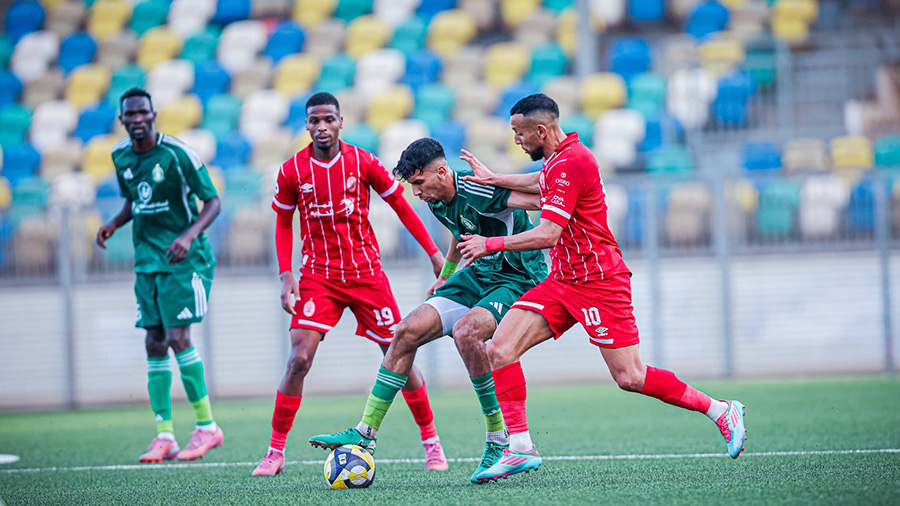
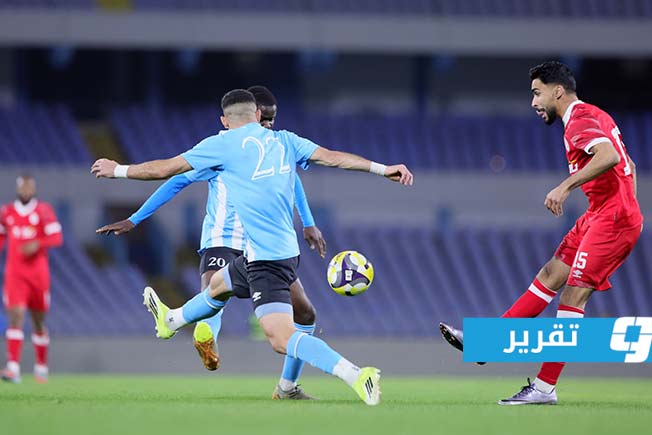
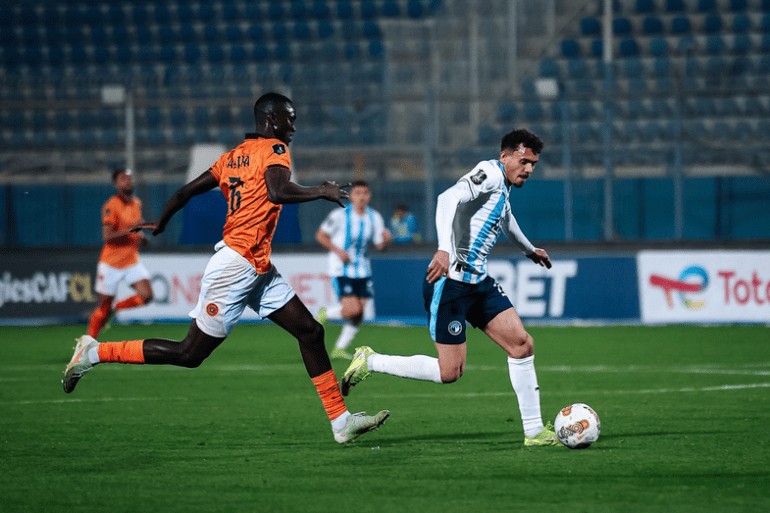
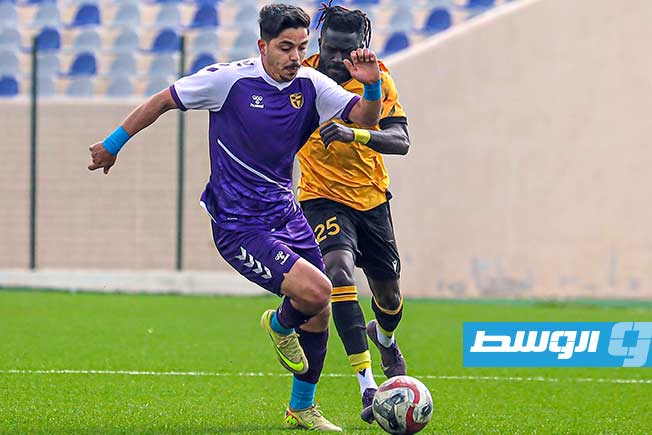
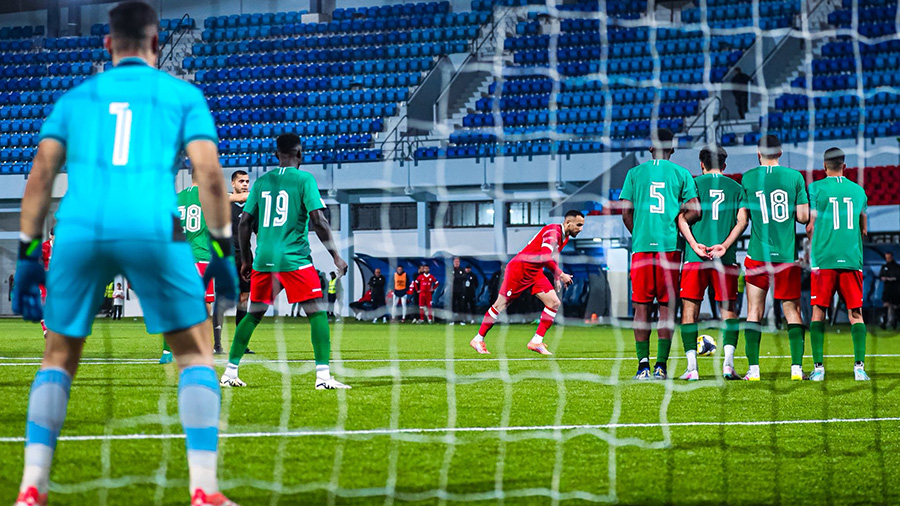
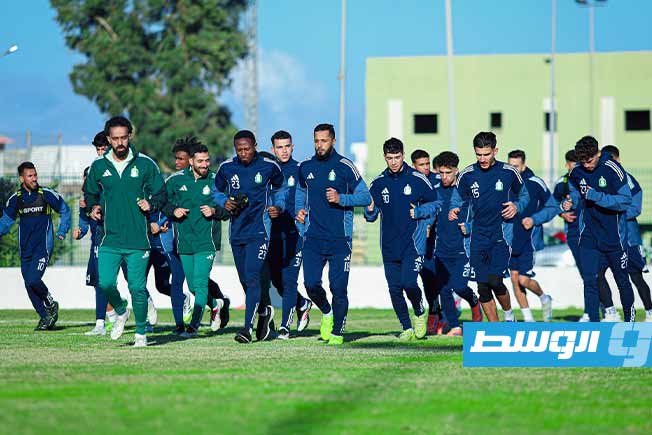
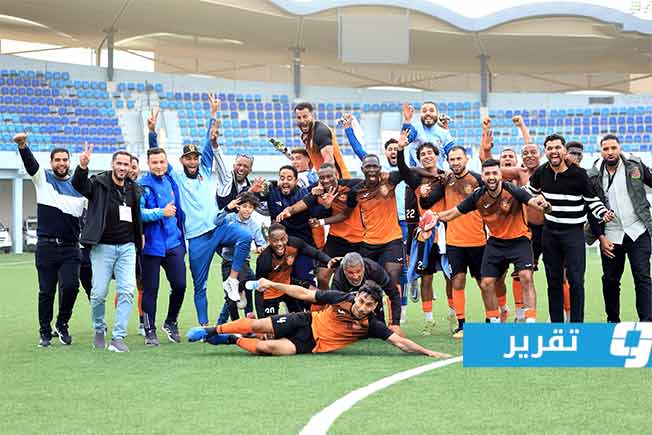
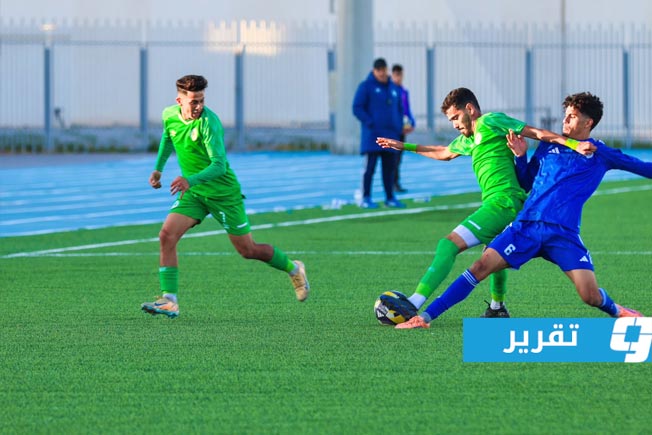
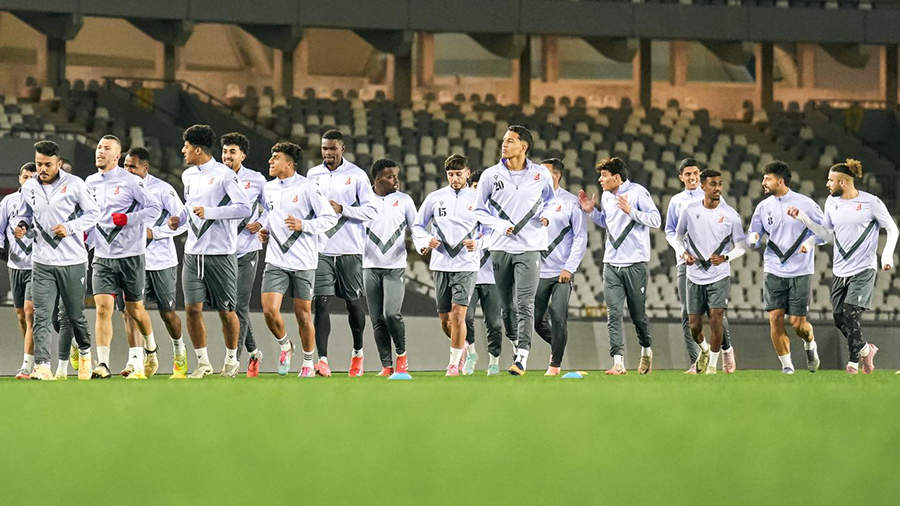
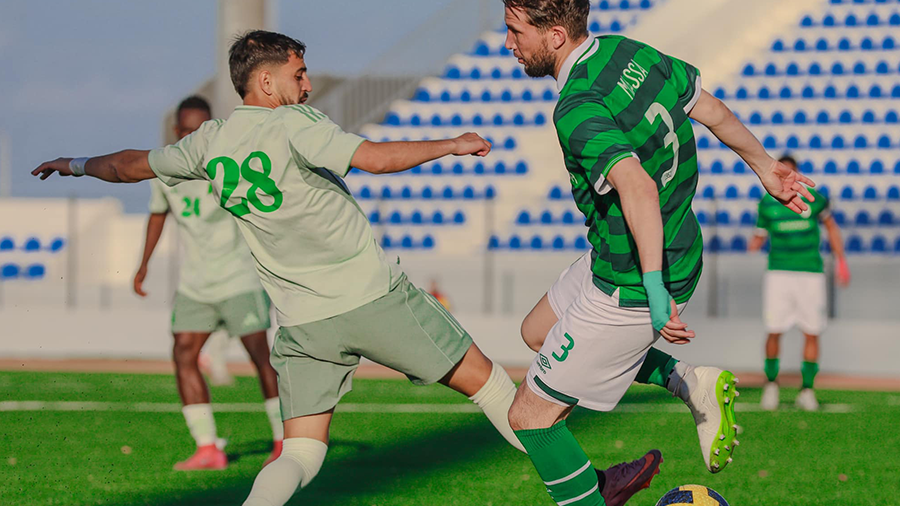
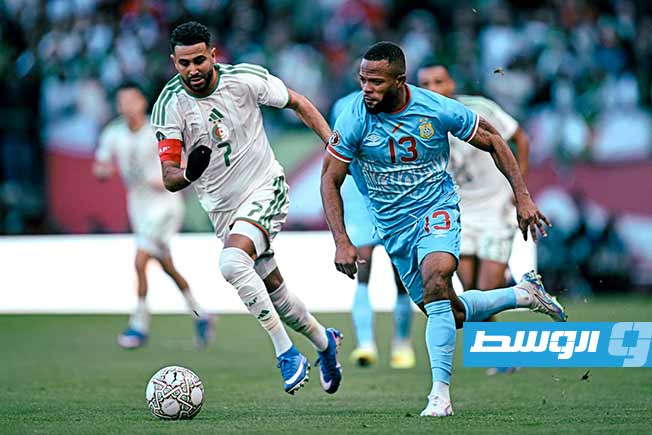
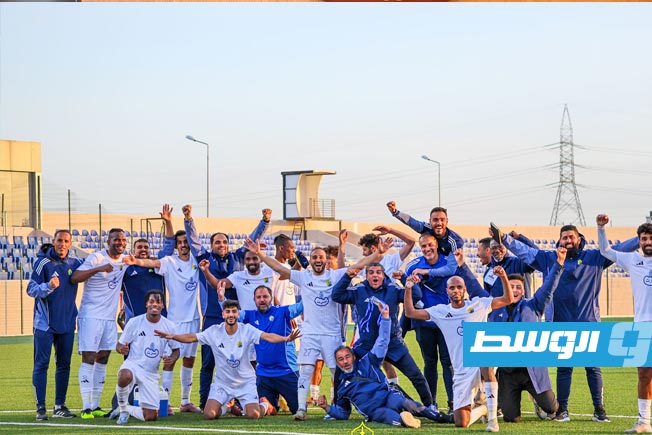
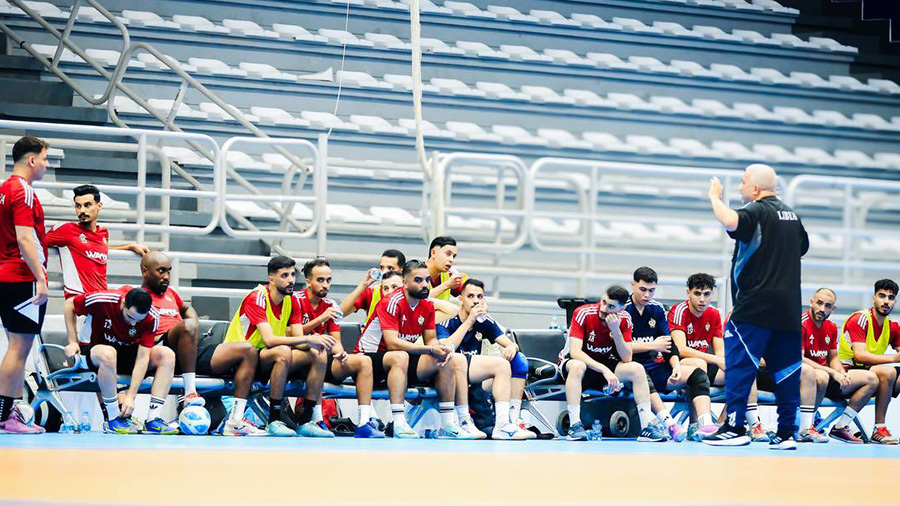
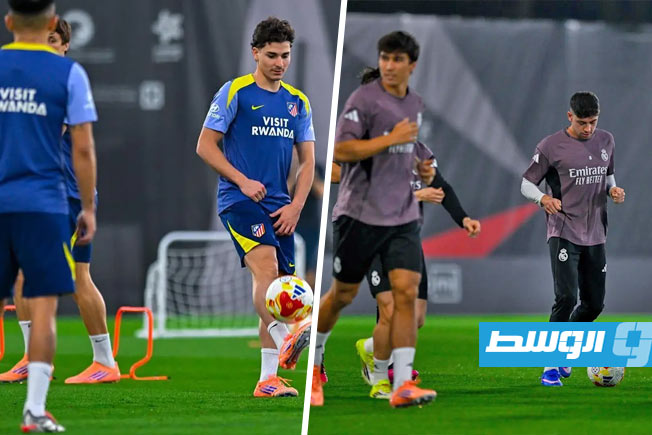
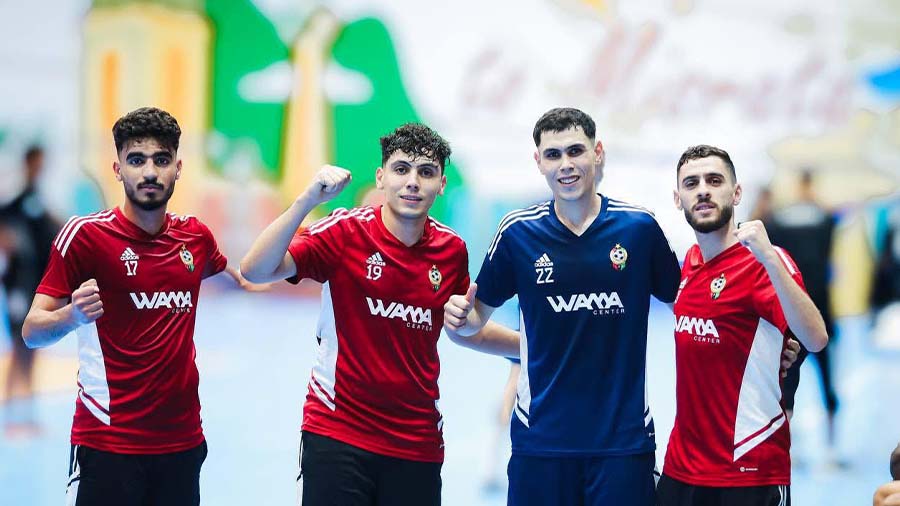
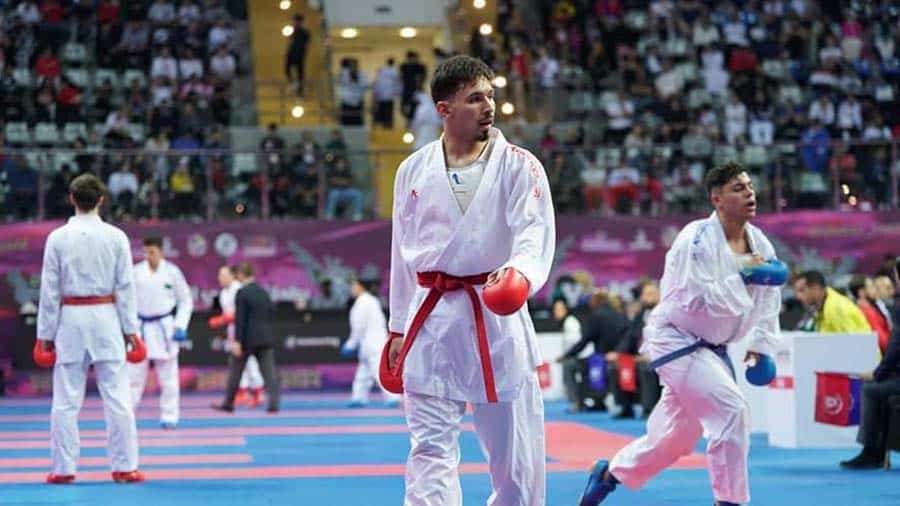
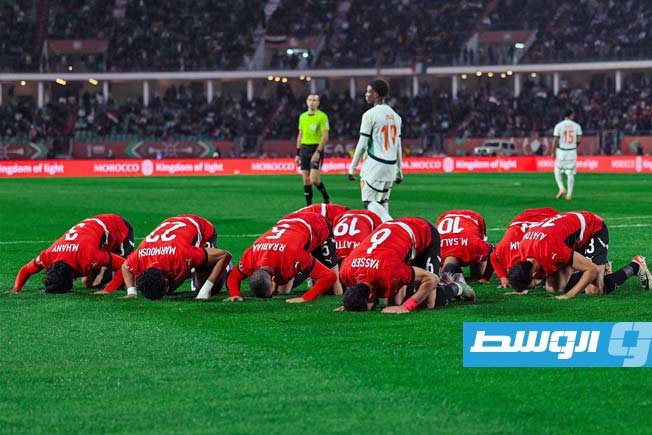
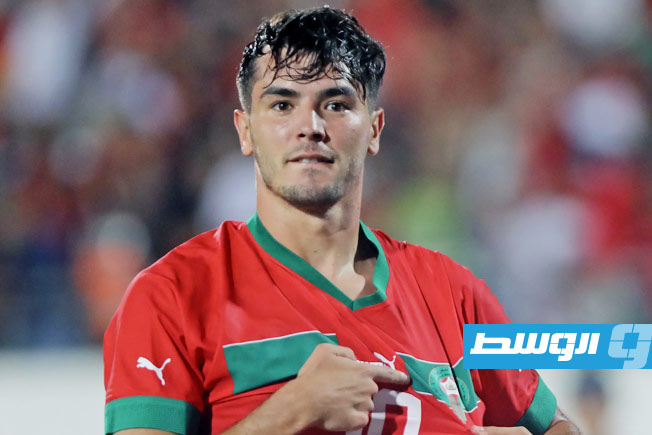
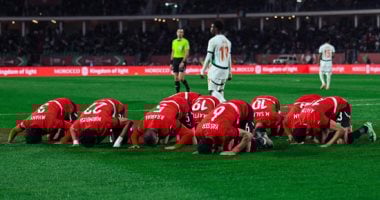
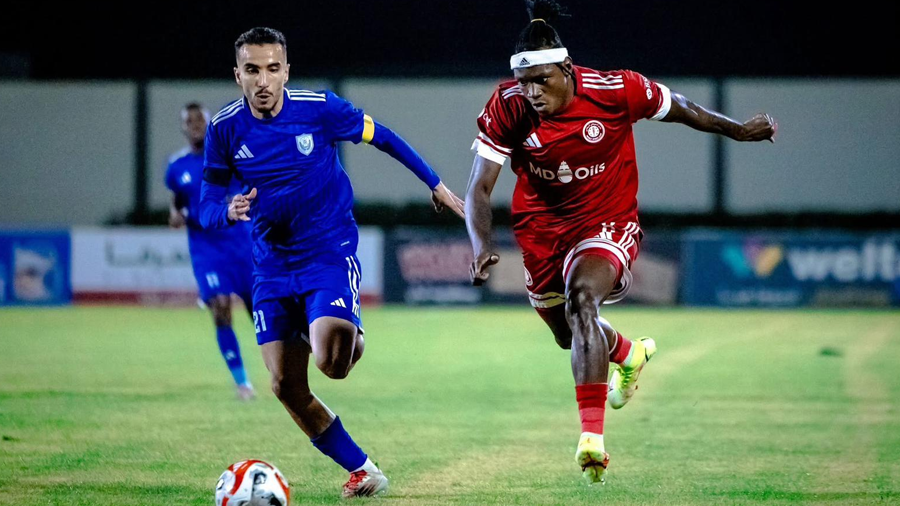
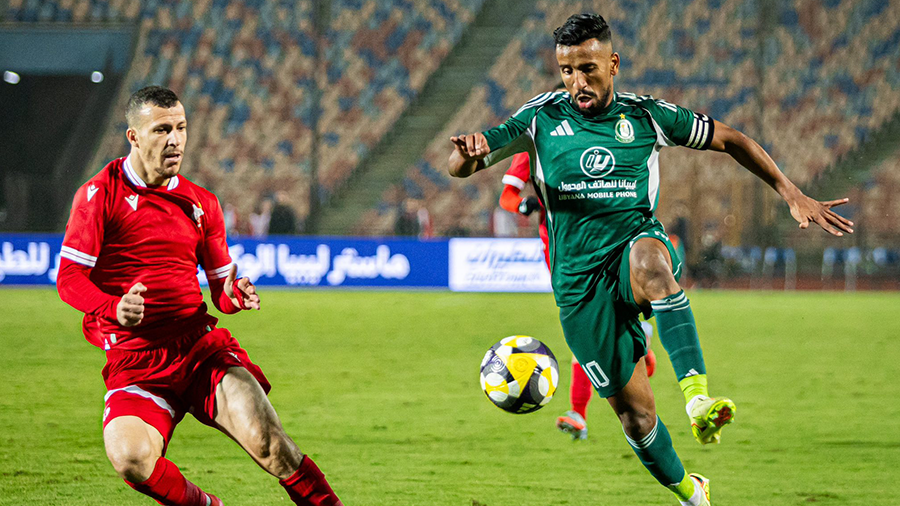
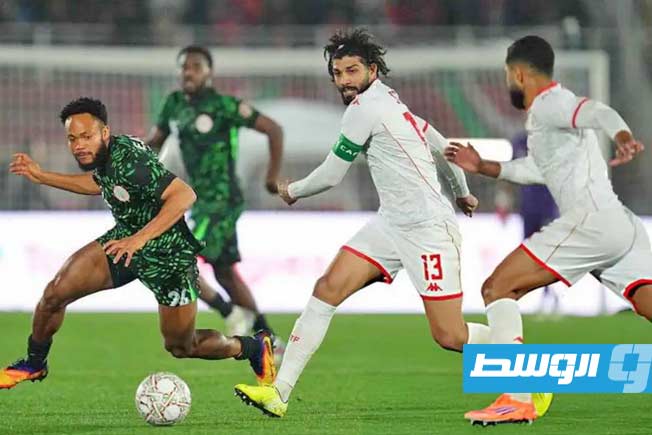
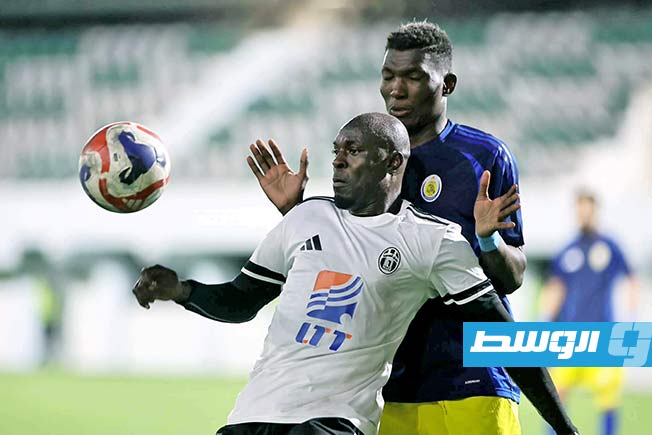
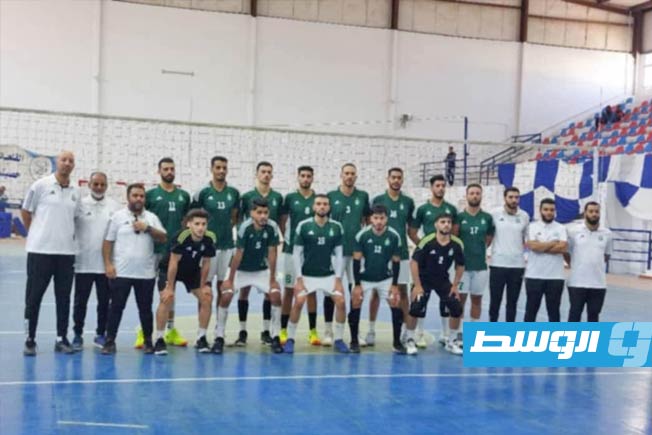
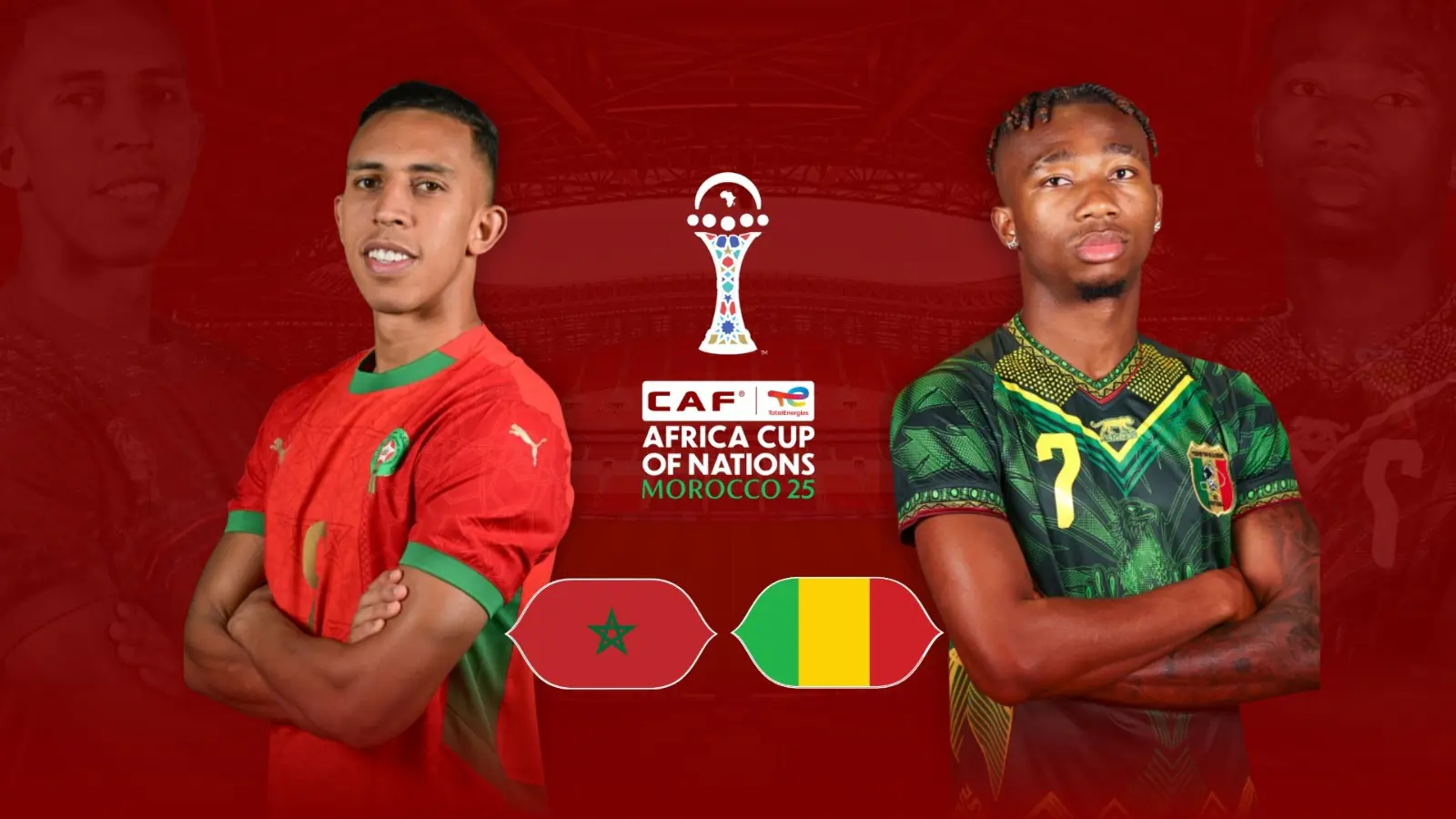
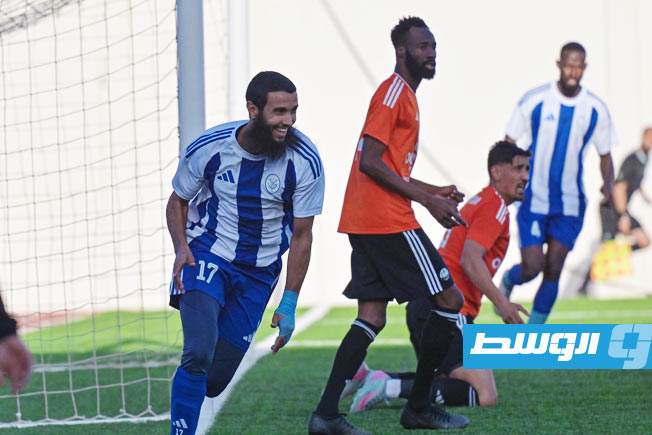
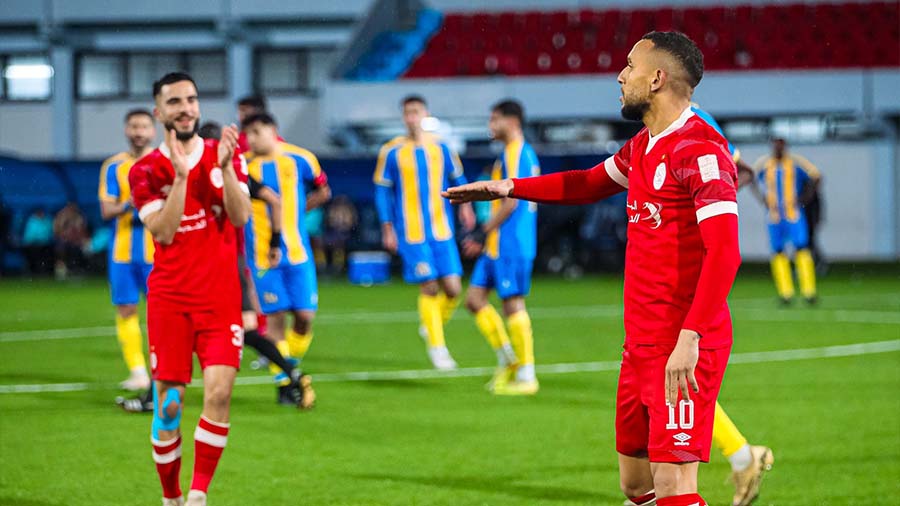
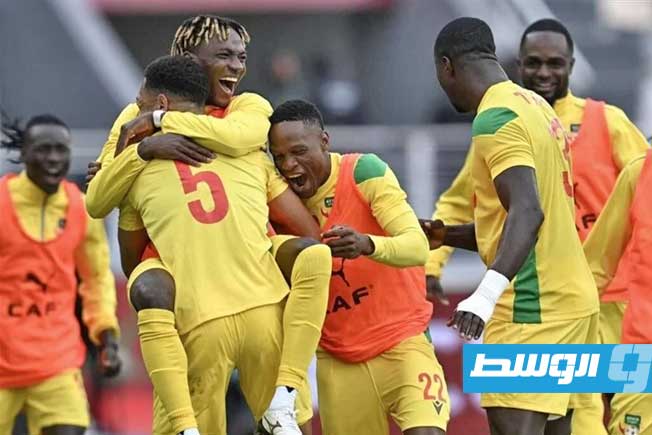
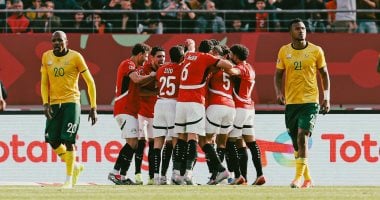
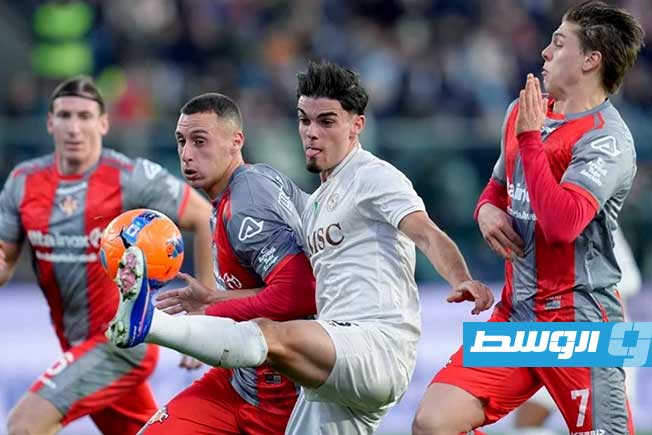
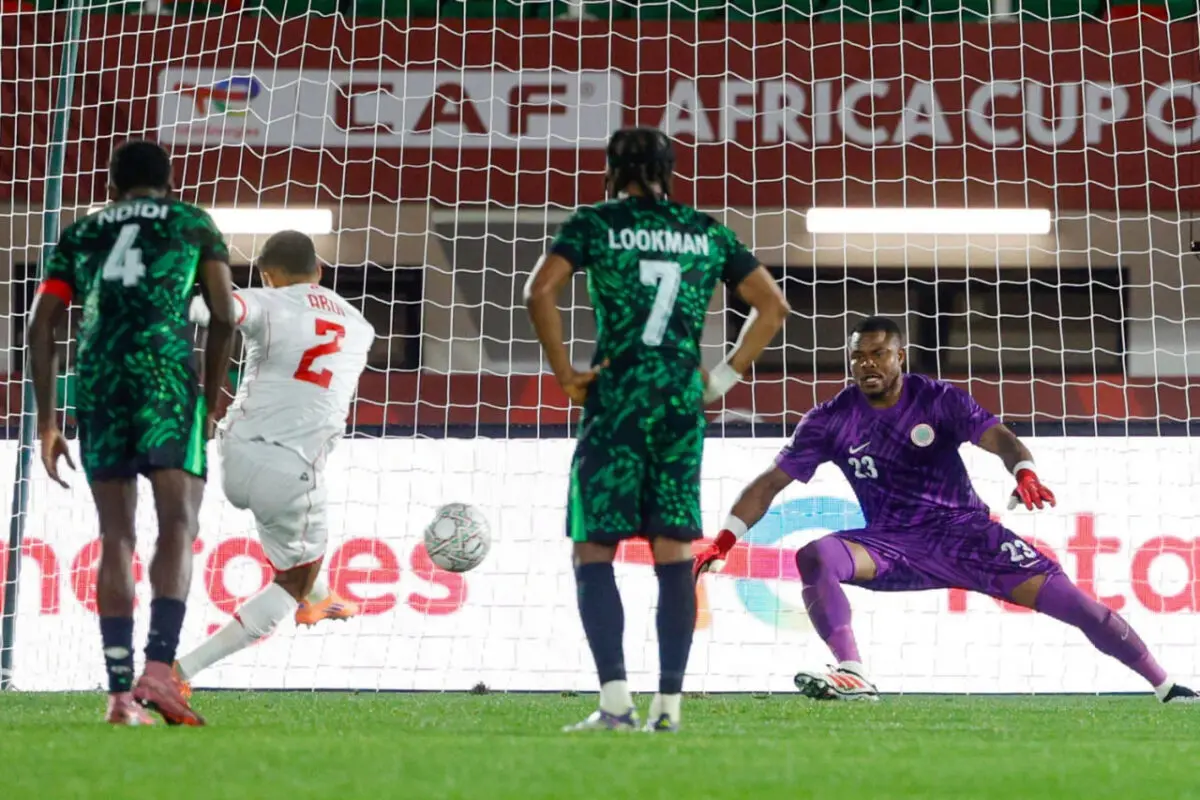
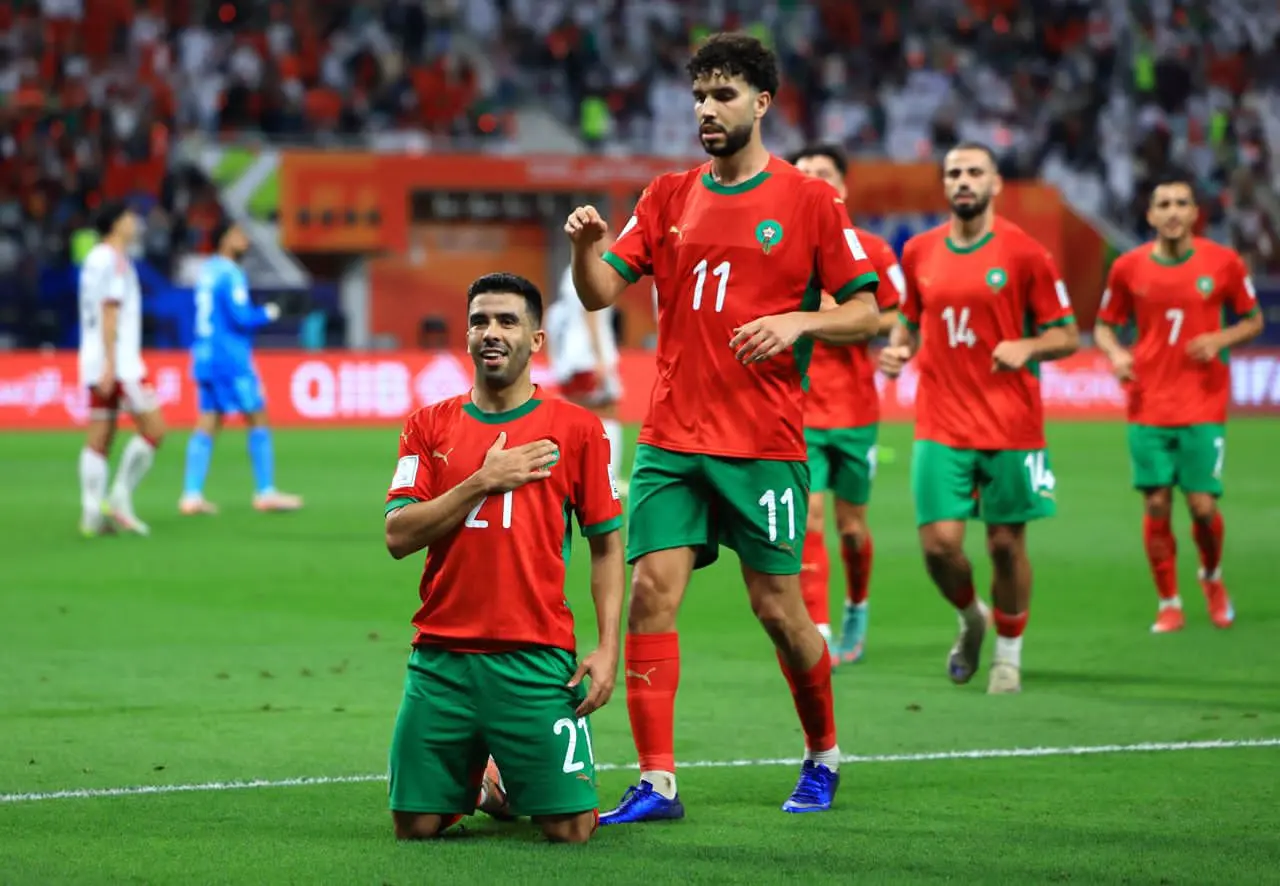
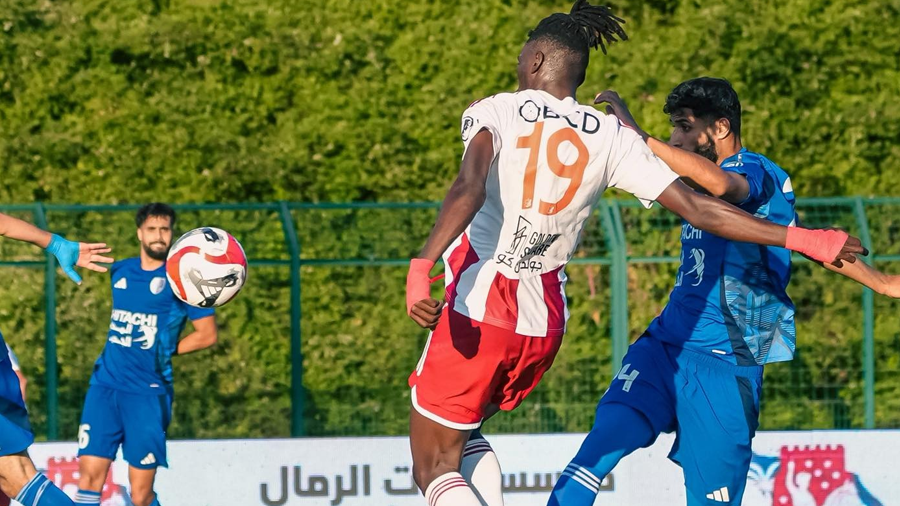
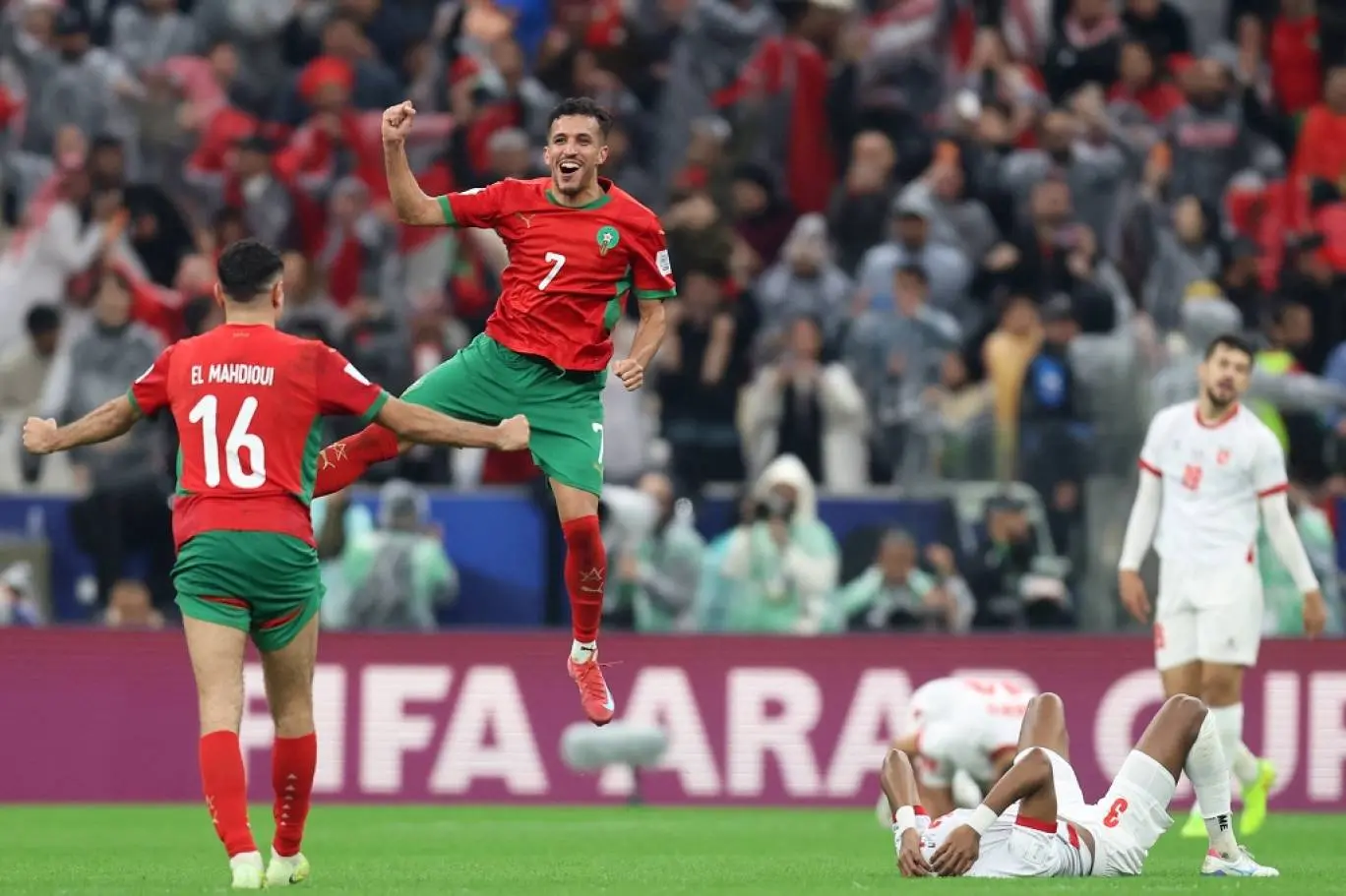
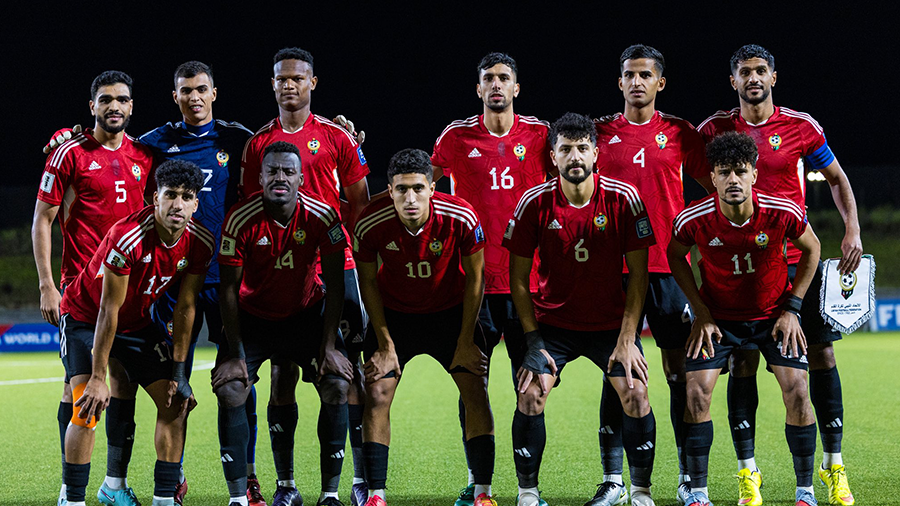
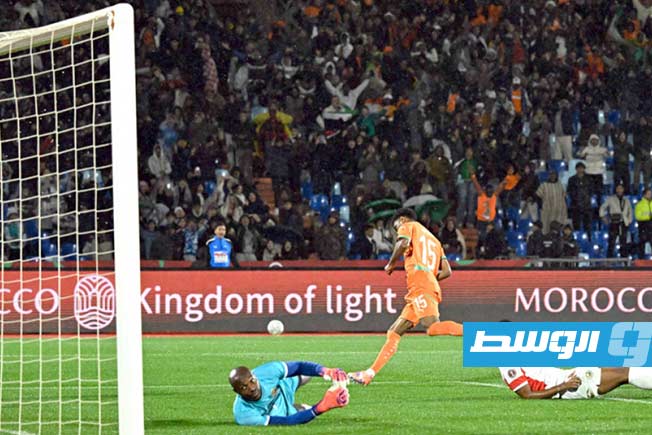
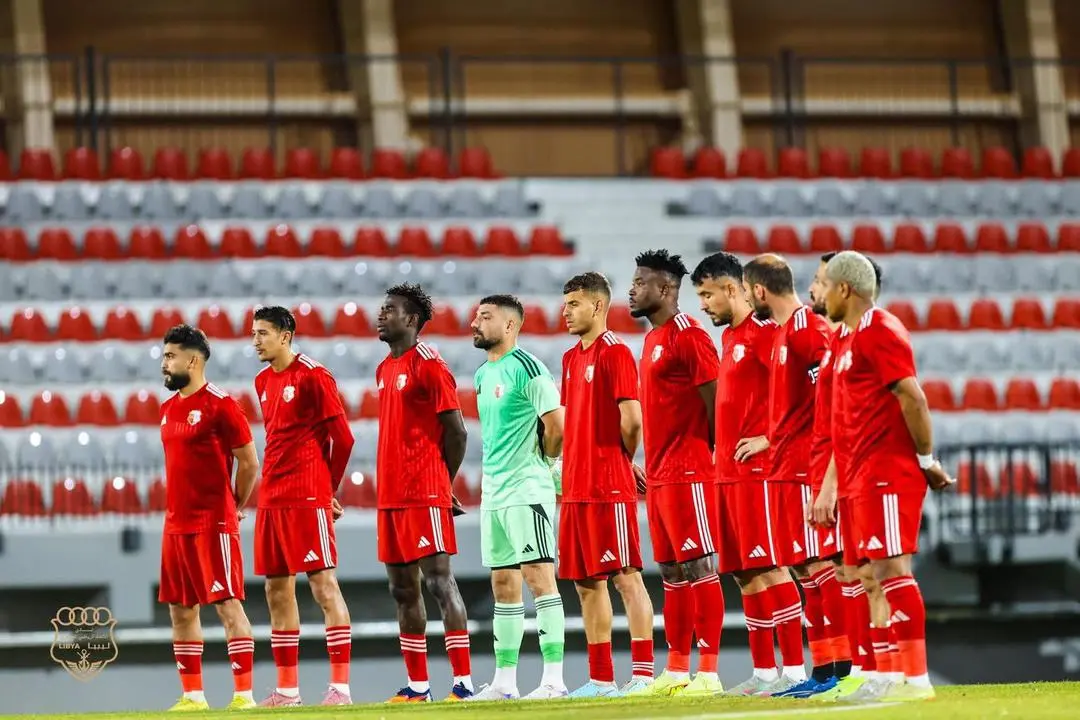
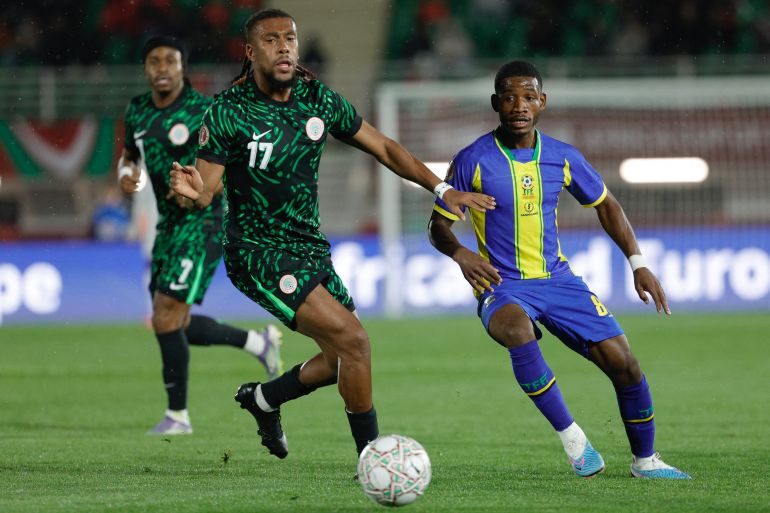
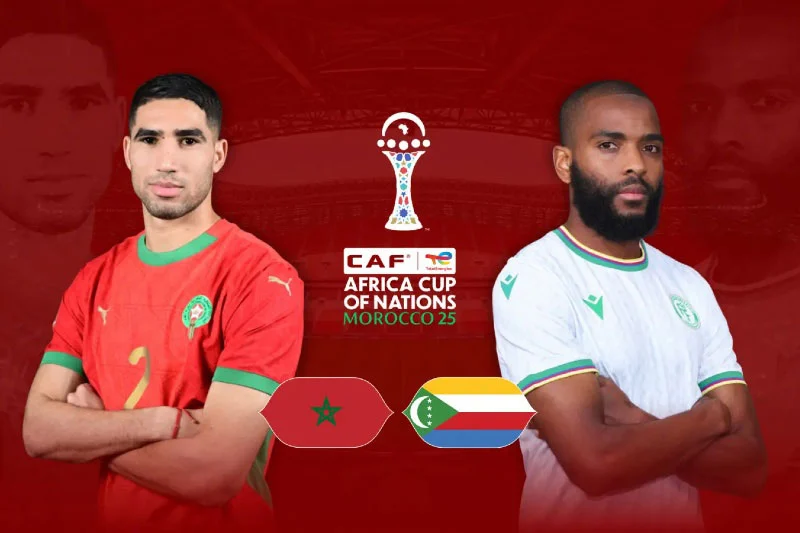
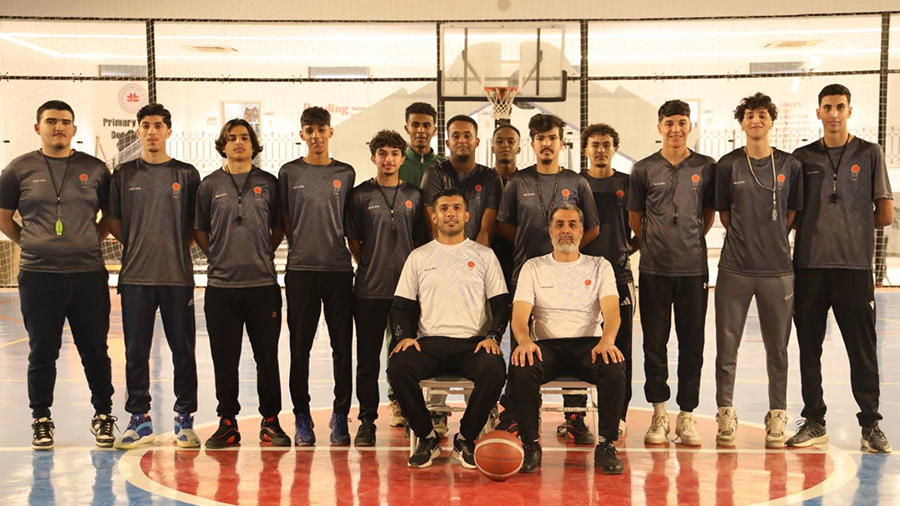
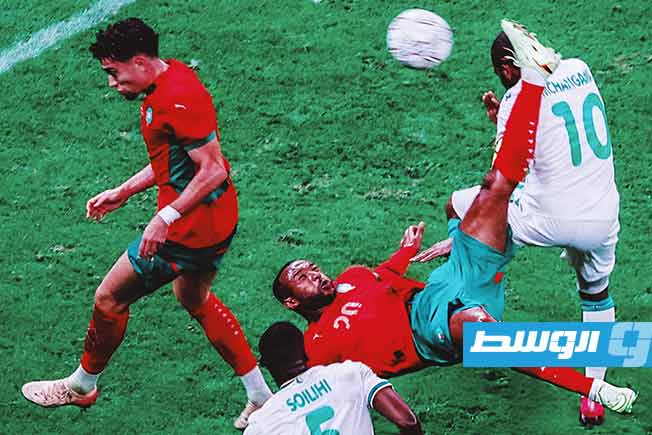
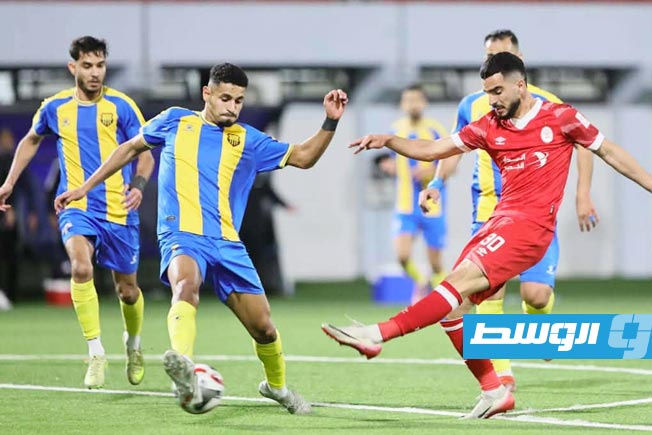
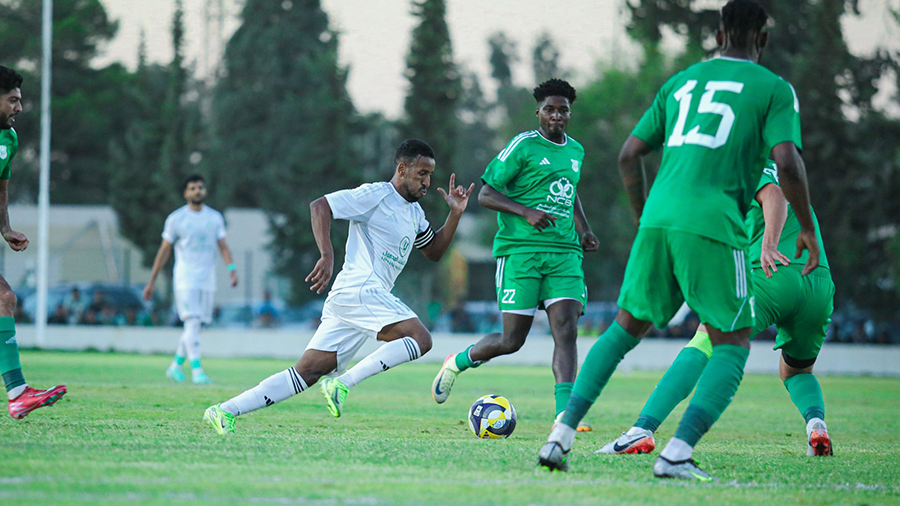
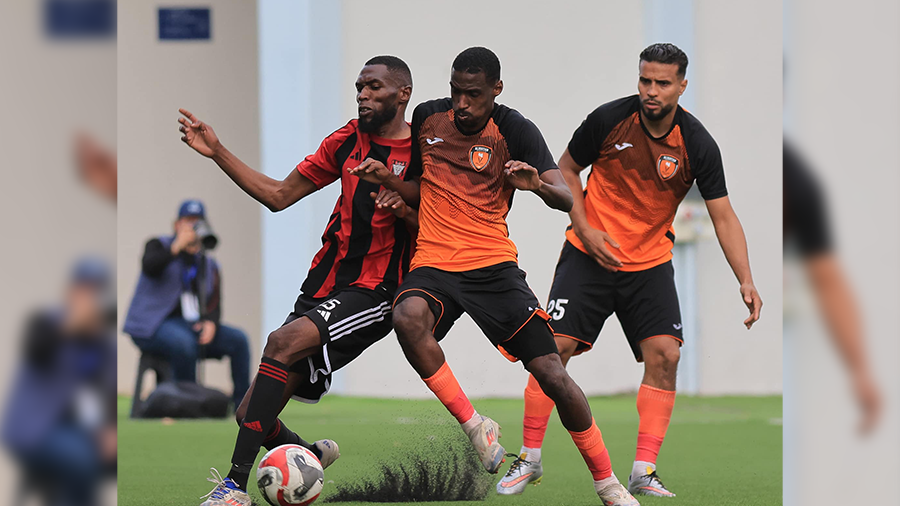
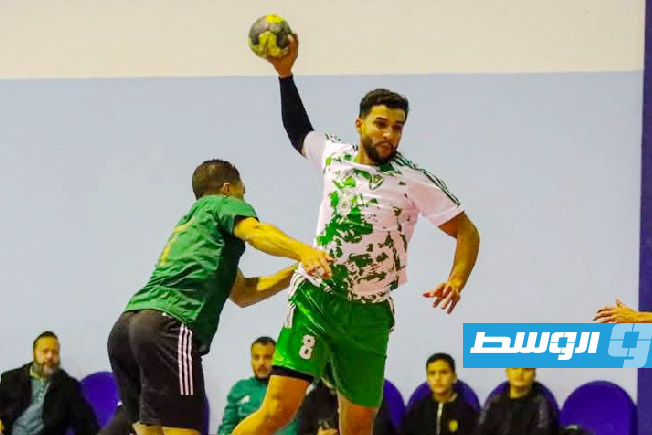
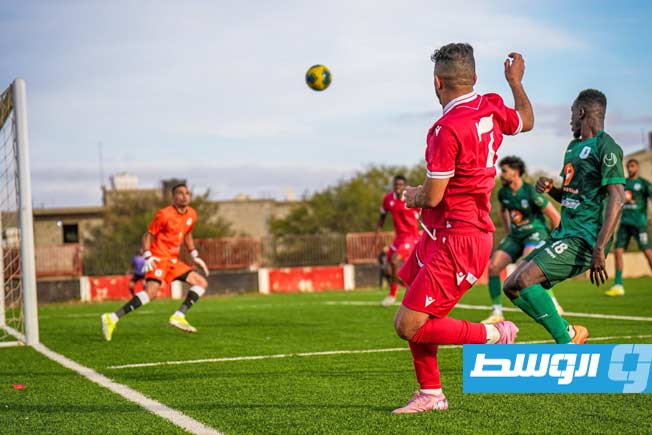
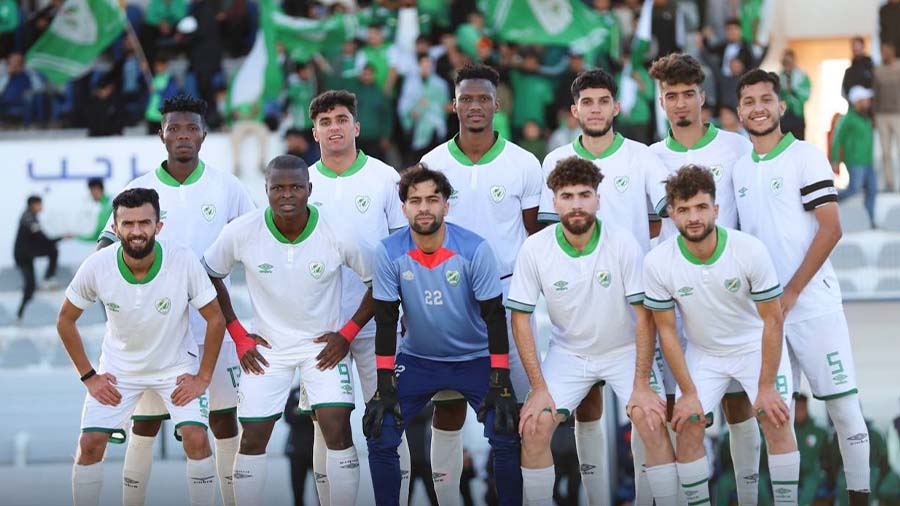
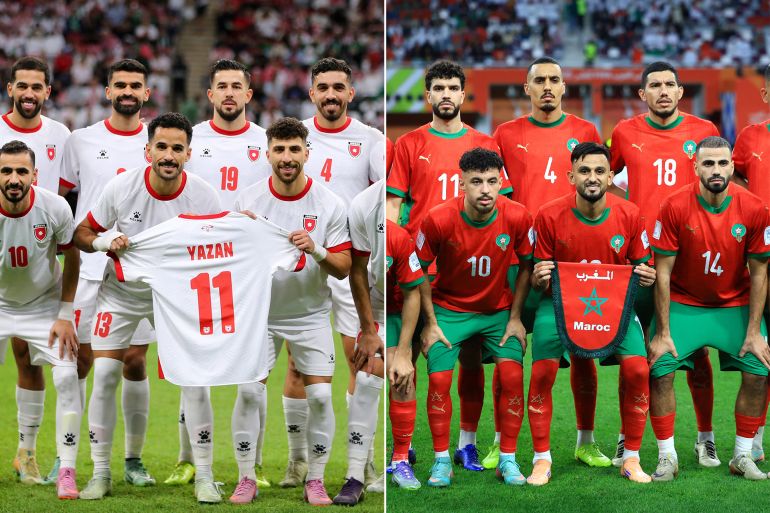
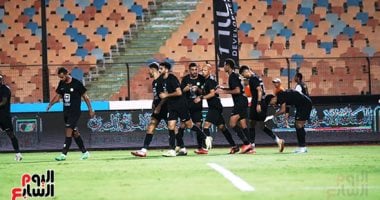
The Libyan national under-16 football team will face the Moroccan team tomorrow, Friday, in its second match of the North African Championship being held in Tunisia.
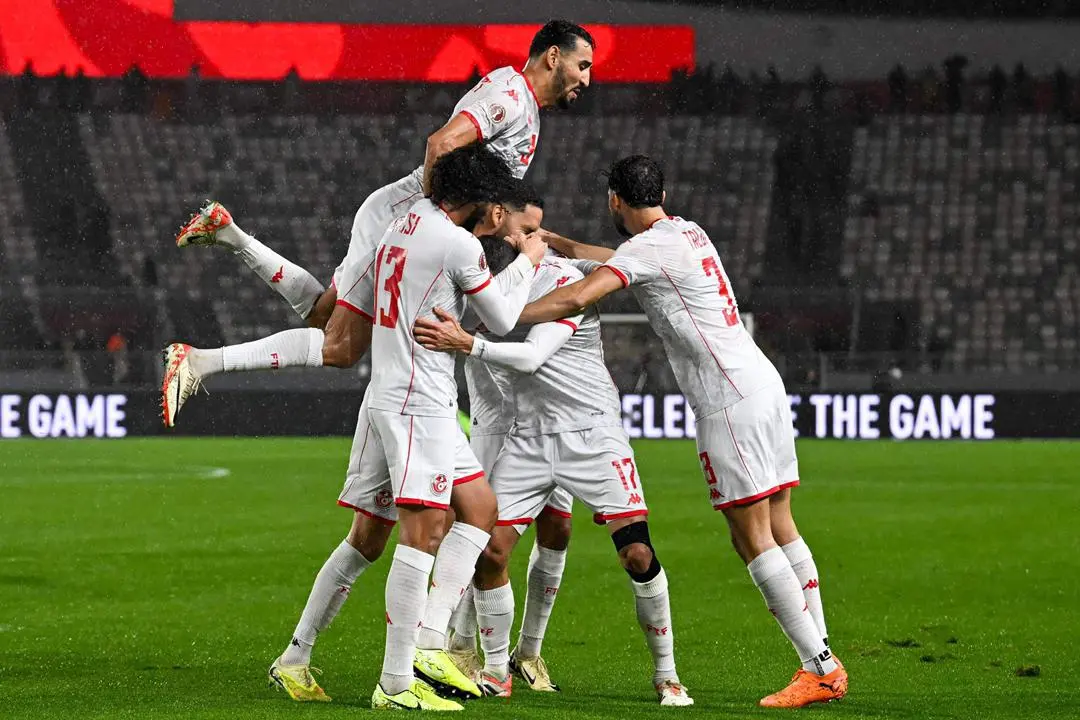
The national youth team enters its second match against Morocco hoping to make up for its first loss against Tunisia, which ended 3-0.
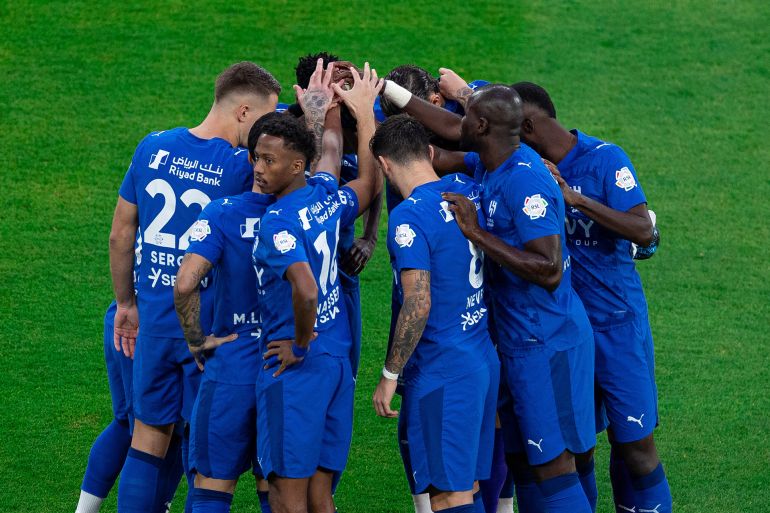
The national team will strive hard for a victory to revive its hopes and remain among the teams competing for the North African Championship.
Tunisia leads the standings with three points, followed by Morocco and Algeria in second and third place with a single point each after their 1-1 draw in the first round. The national team is in fourth place with no points.
The national team will conclude its participation in the North African Championship next Sunday by facing the Algerian team at the end of the competitions.
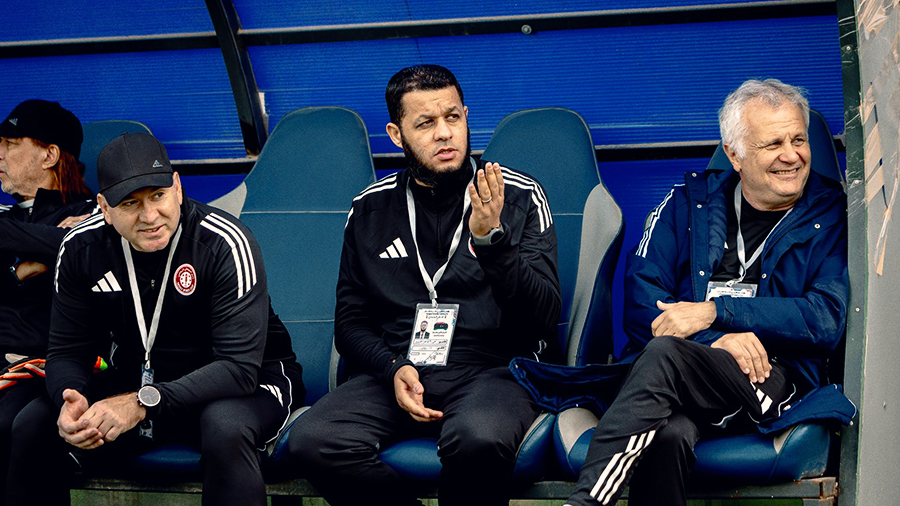
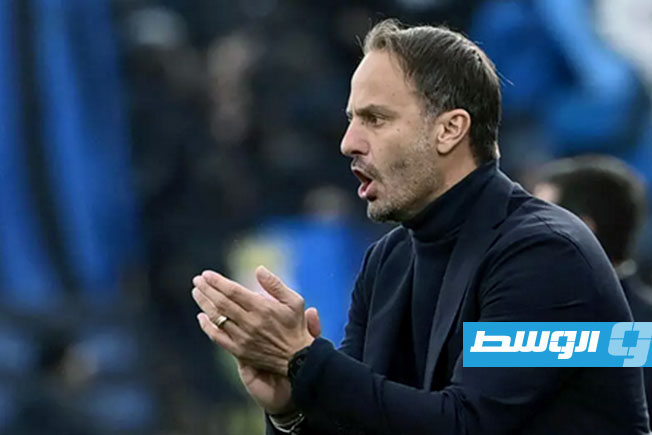
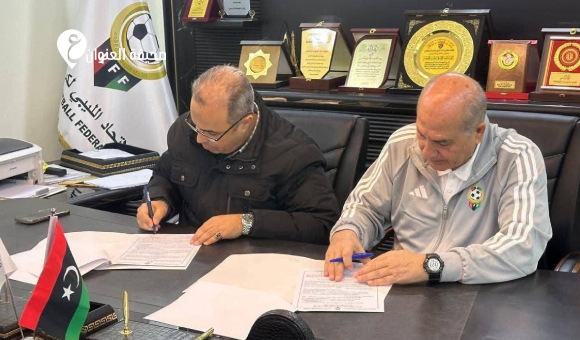
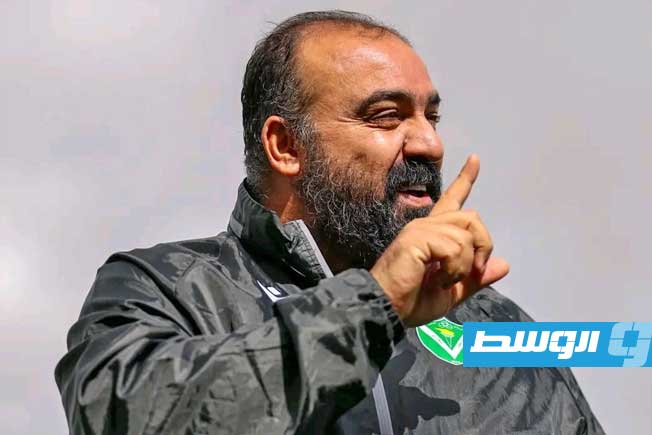
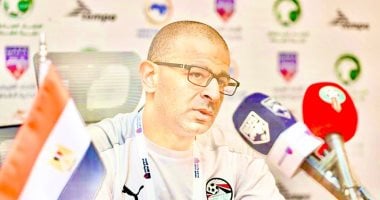
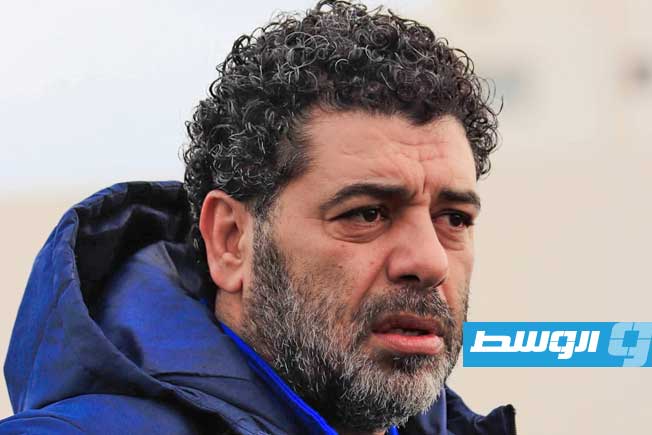
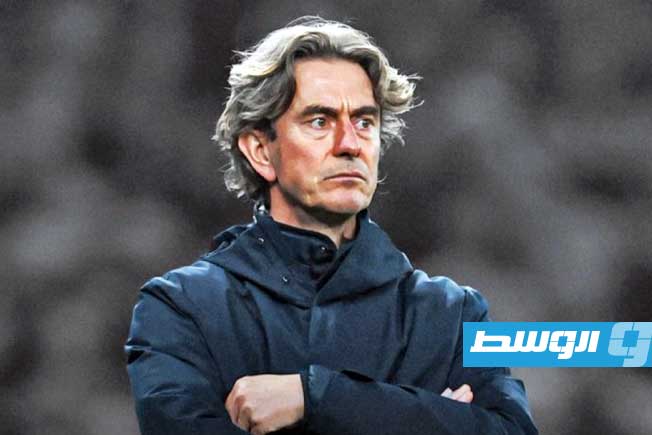
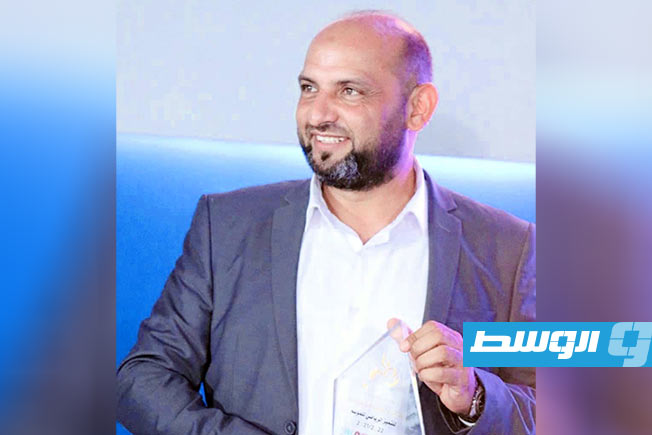
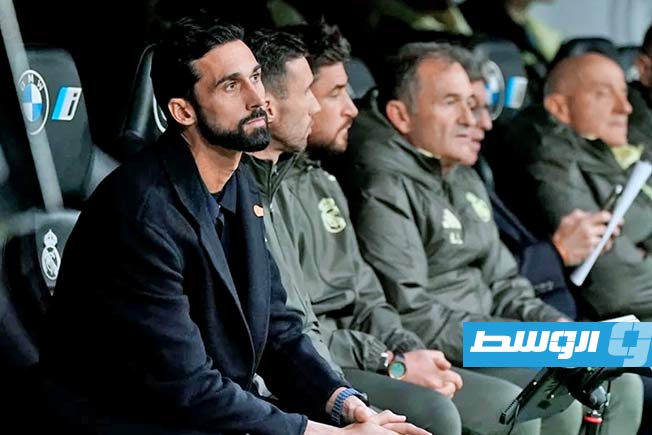
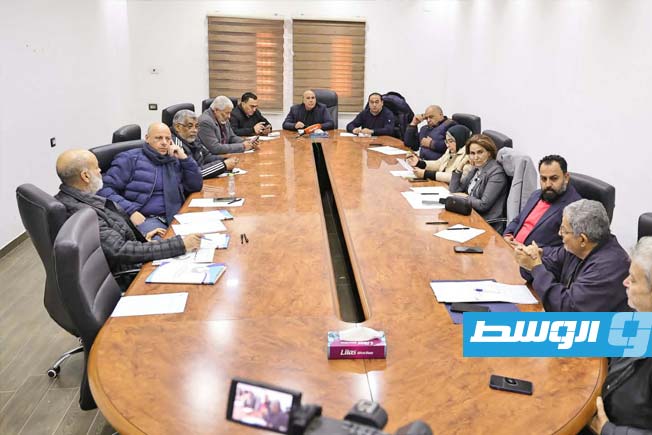
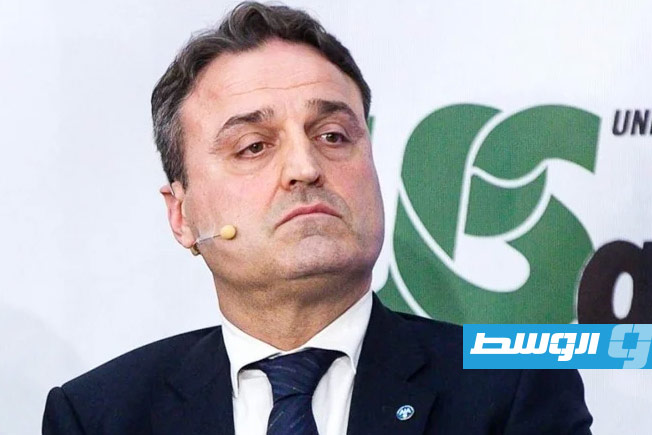
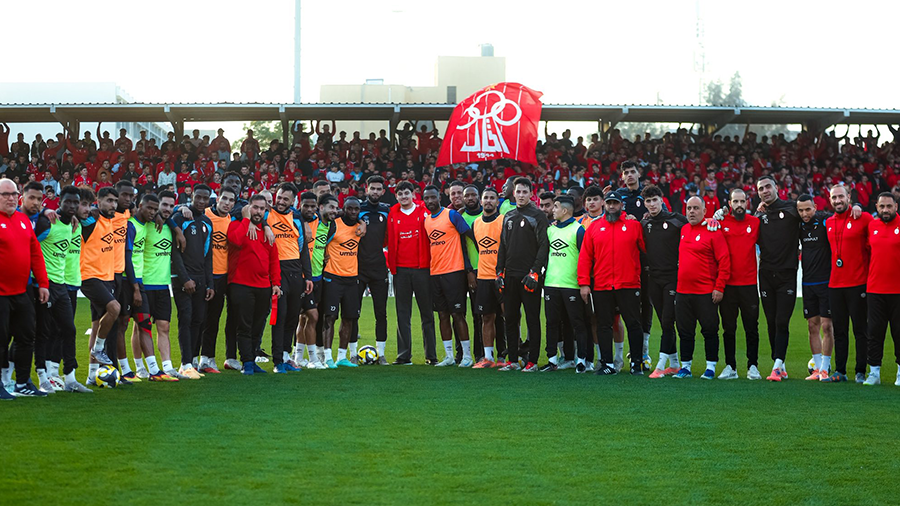
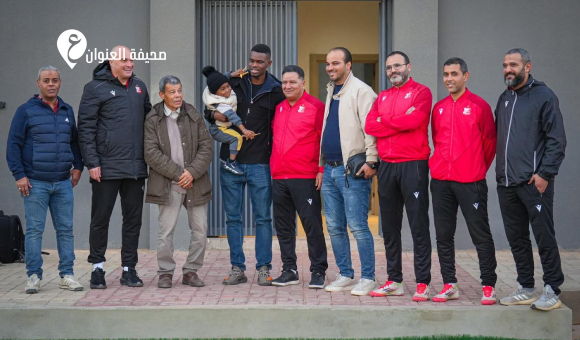
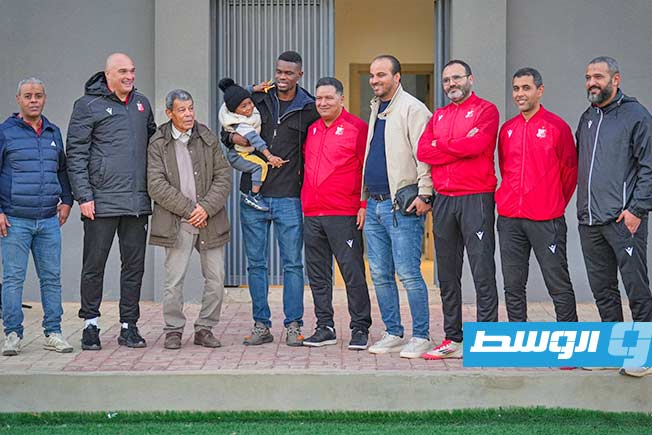
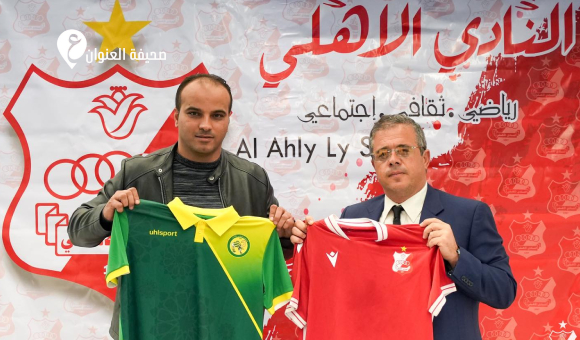
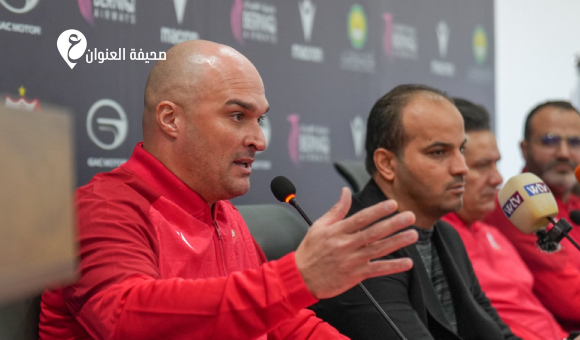
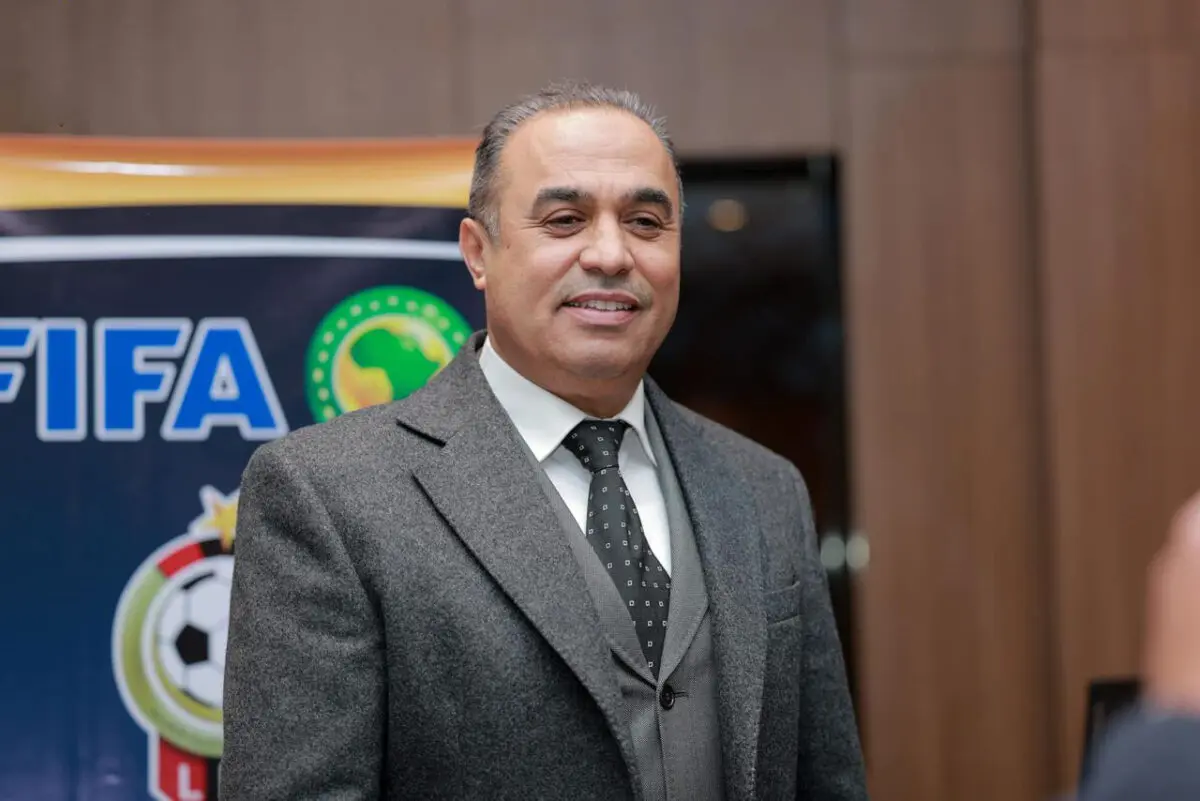
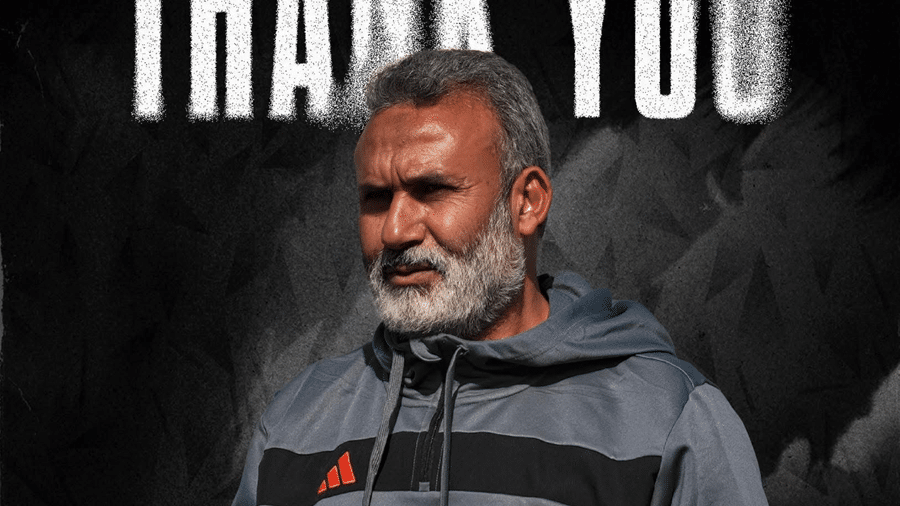
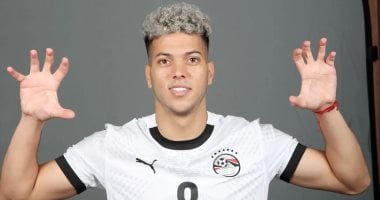
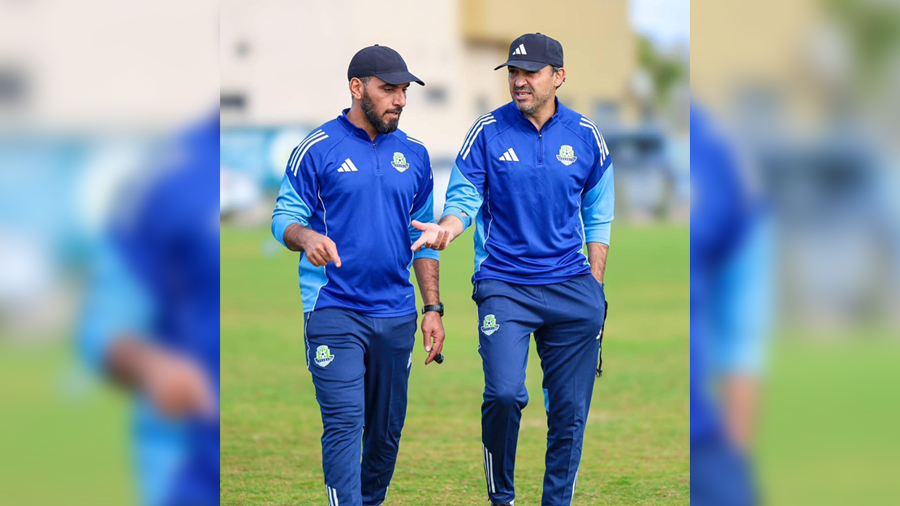
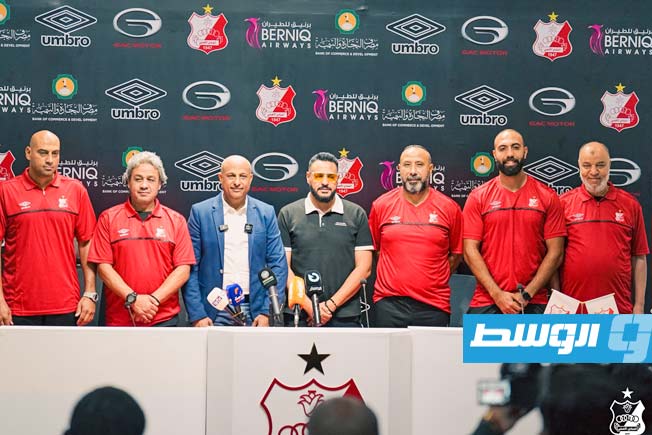
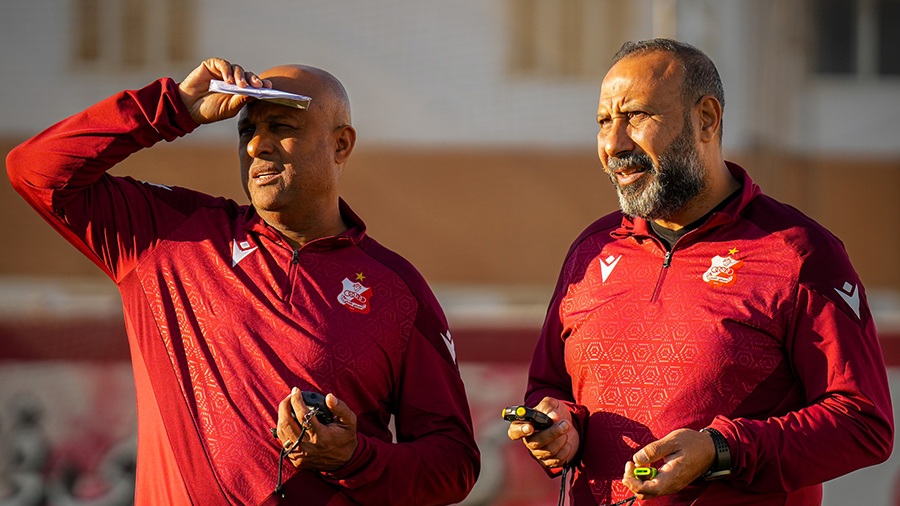
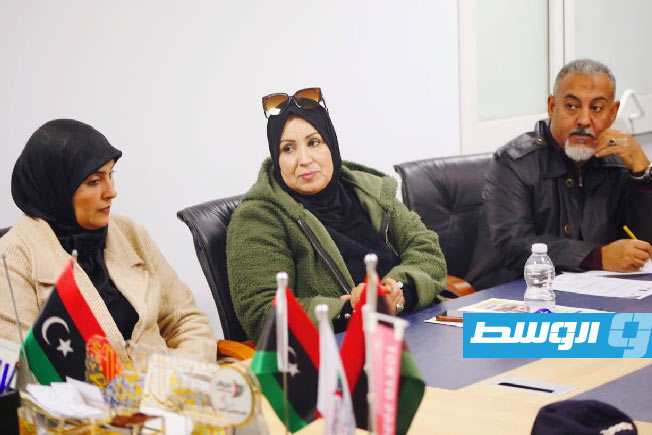
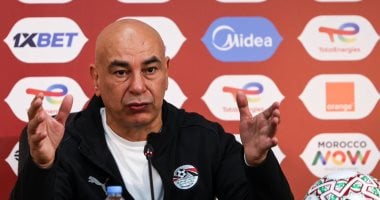
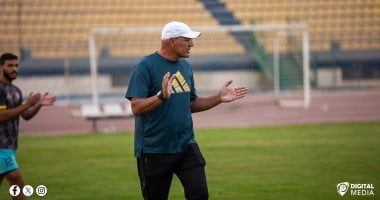
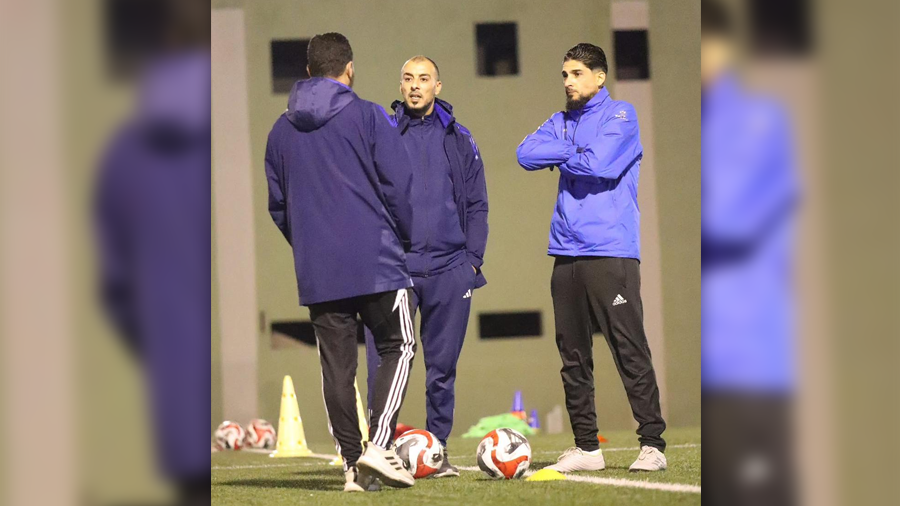
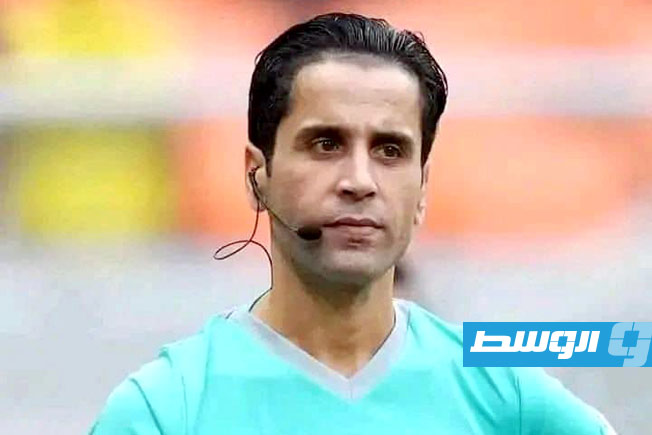
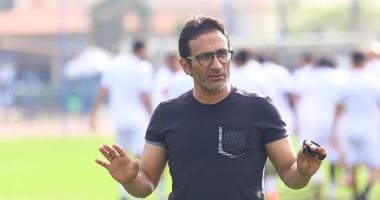
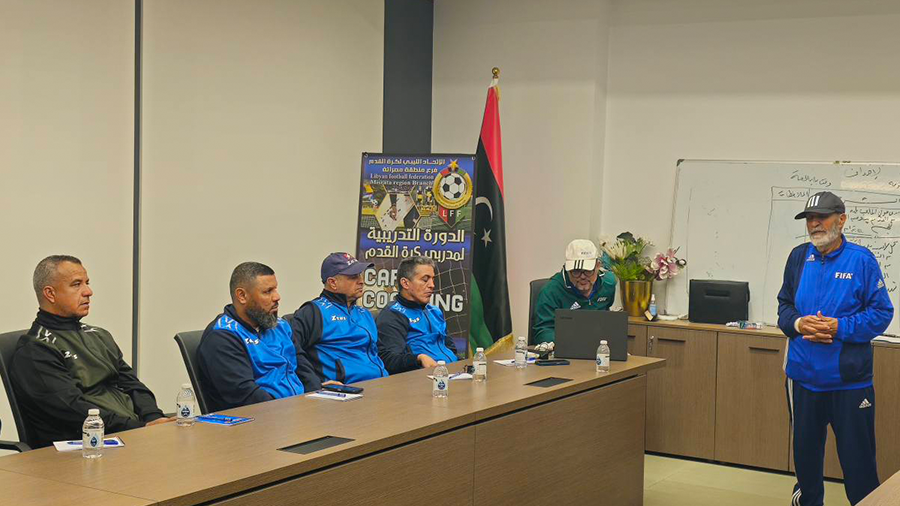
The Libyan Football Federation had appointed Egyptian coach Badr Hamed to oversee the national youth teams, and he began his duties in this role by supervising the youth team in the North African Championship.
Libyan national under-16 football team
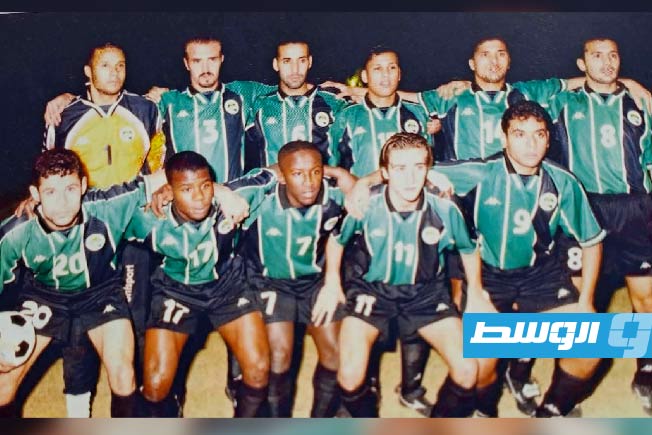
The Libyan national under-16 football team represents Libya in international youth football competitions. Its history is intertwined with the nation’s broader football development, often facing challenges due to domestic political instability affecting consistent international participation.
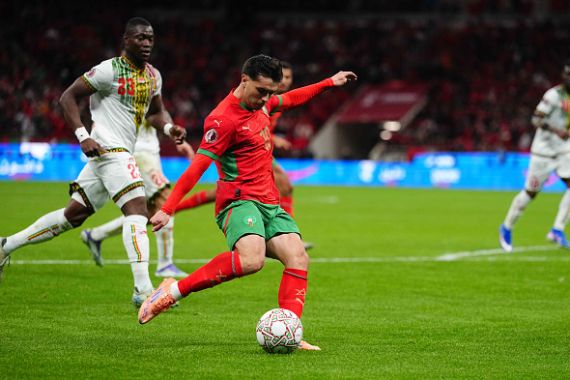
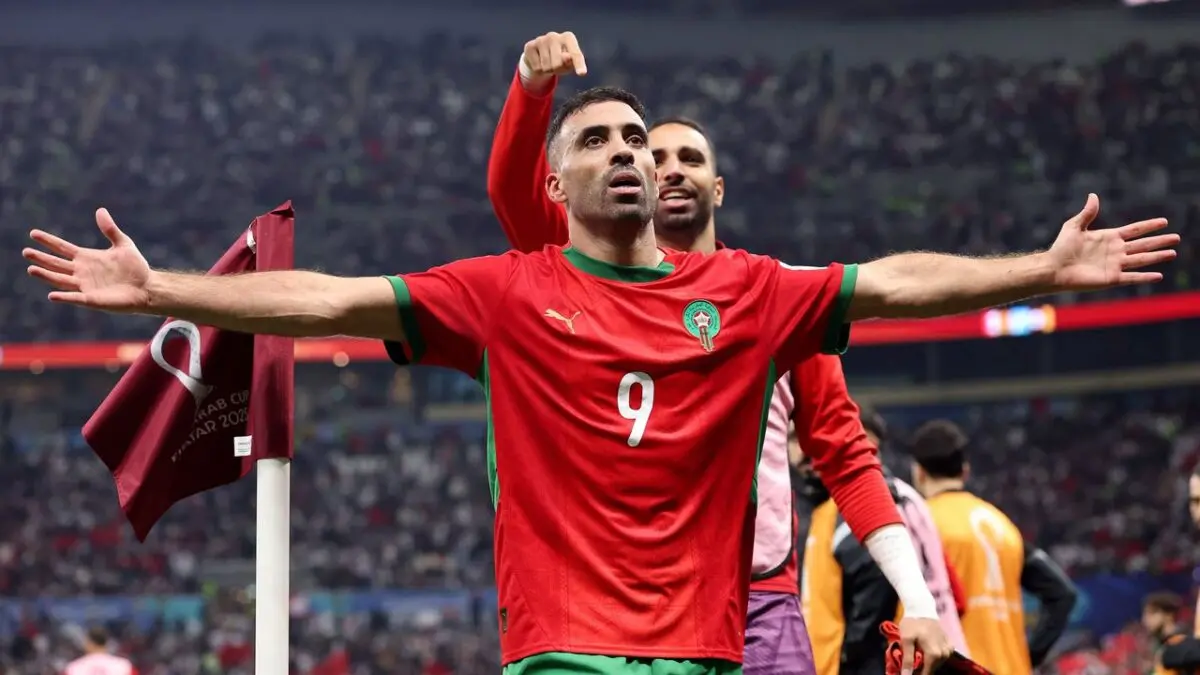
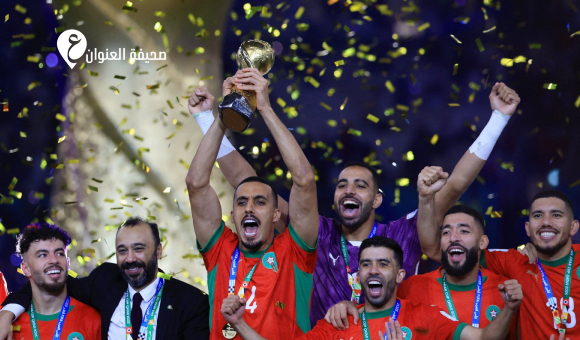
Moroccan team
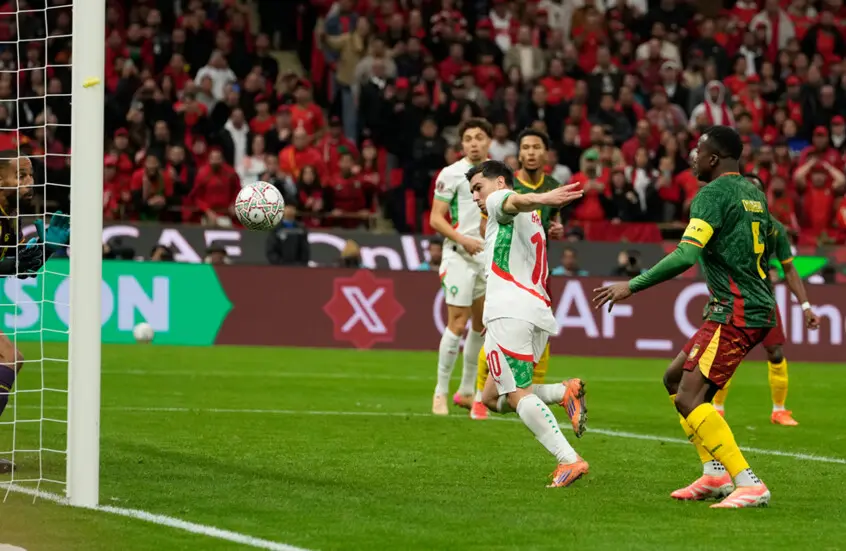
The Moroccan national football team, known as “The Atlas Lions,” was established in 1955 following the country’s independence. It made history as the first African and Arab team to reach the FIFA World Cup semi-finals in 2022, building on a legacy that includes being the first African nation to win a group at the World Cup in 1986.
North African Championship
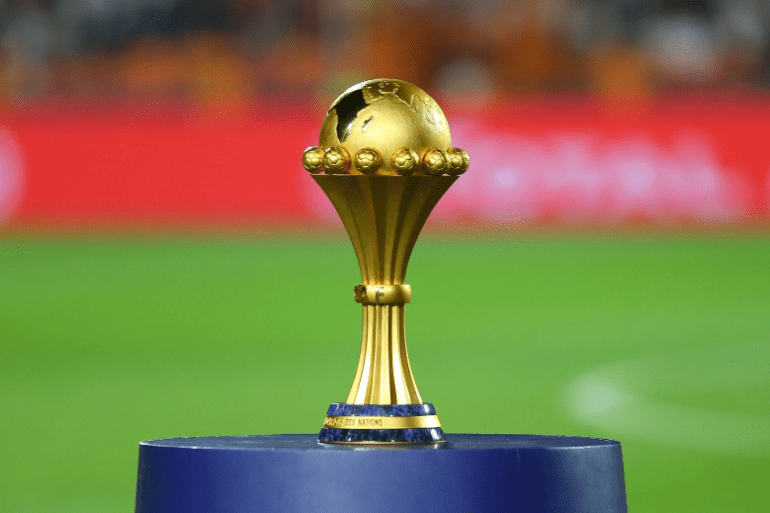
The North African Championship is a regional football competition contested by national teams from North Africa. It was first held in 2009, with Tunisia winning the inaugural tournament, and has been organized intermittently by the North African Football Federation (UNAF).
Tunisia
Tunisia is a North African country with a rich history shaped by numerous civilizations, including the ancient Phoenicians, Romans, Arabs, and Ottomans. Its cultural landscape is famously marked by the ruins of Carthage, the vast Roman amphitheater at El Jem, and the historic medina of Tunis, a UNESCO World Heritage site.
Morocco
Morocco is a North African country with a rich history shaped by indigenous Amazigh (Berber) cultures, Arab influence from the 7th century, and successive dynasties like the Almoravids and Almohads. Its cultural sites, such as the ancient city of Fez and the Koutoubia Mosque in Marrakech, reflect this blend of Arab, Islamic, and Amazigh heritage. The country is also known for its well-preserved medinas, kasbahs, and the historic crossroads of trade and culture in cities like Casablanca and Tangier.
Algeria
Algeria is a North African country with a rich history shaped by ancient Berber kingdoms, Roman rule, and centuries of Ottoman influence. It gained independence from France in 1962 after a prolonged war, and its cultural heritage includes numerous UNESCO World Heritage sites, such as the Roman ruins of Timgad and the Casbah of Algiers.
Libyan Football Federation
The Libyan Football Federation is the governing body for football in Libya, founded in 1962. It oversees national teams and domestic competitions, though its operations have been disrupted by political instability and conflict in the decades following Muammar Gaddafi’s rule.
Egyptian coach Badr Hamed
The Egyptian coach Badr Hamed is not a place or cultural site, but a person. Therefore, it is not possible to provide a historical summary of a location or monument in this context.