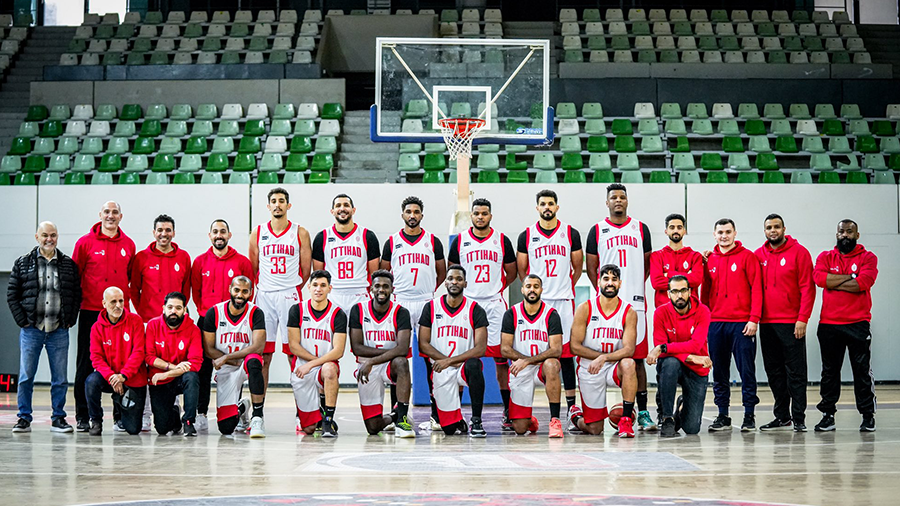
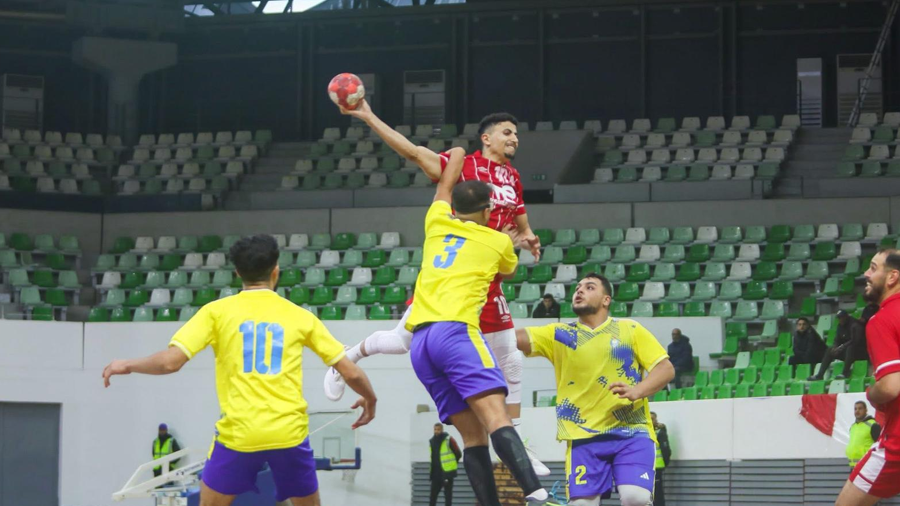
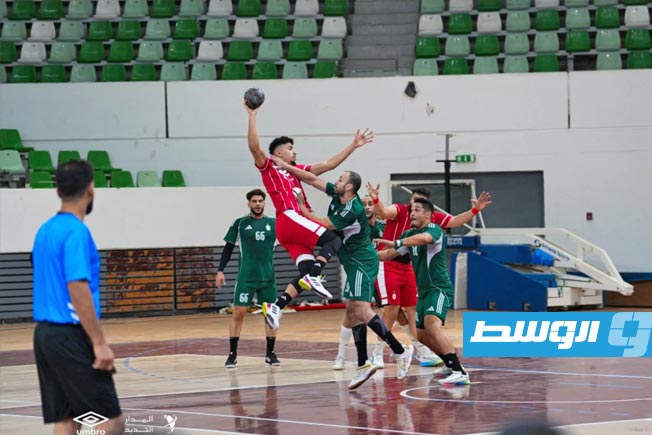
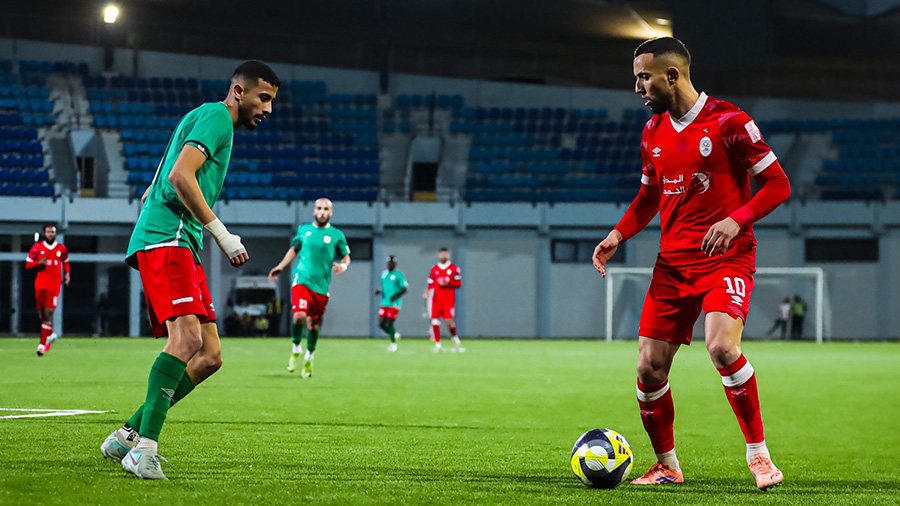
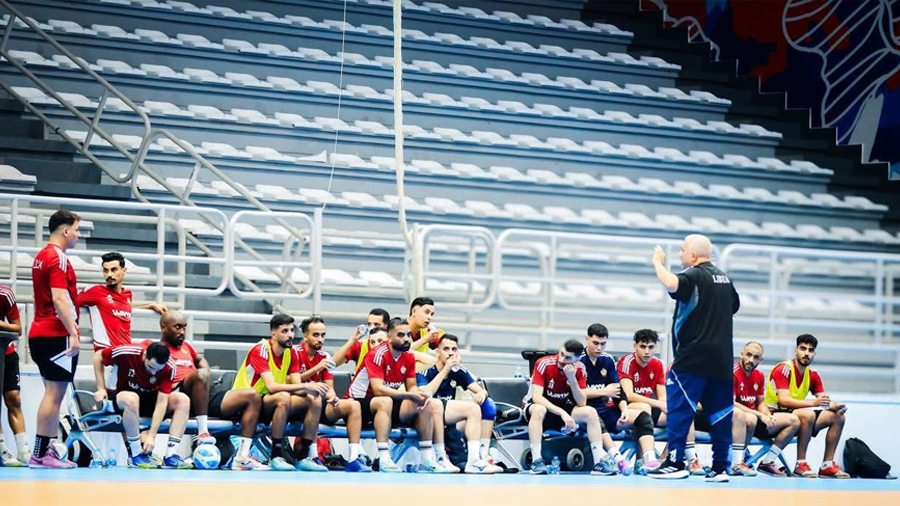
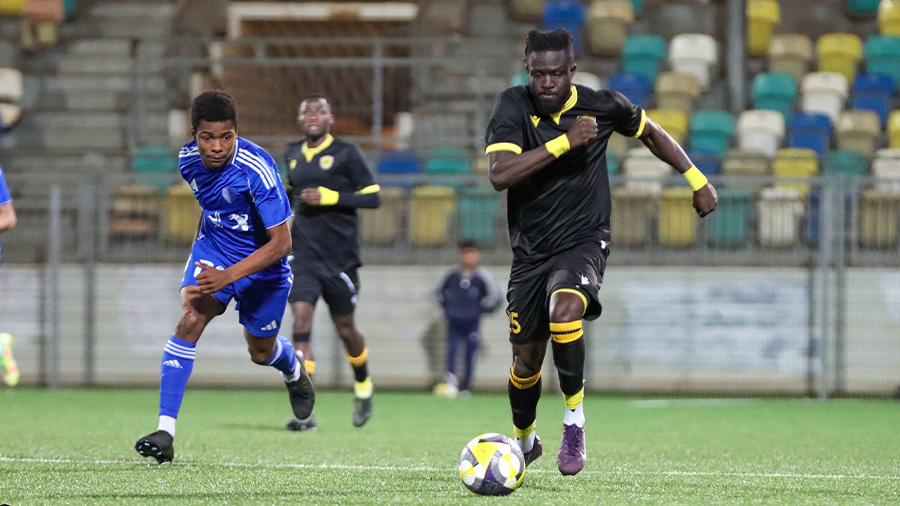
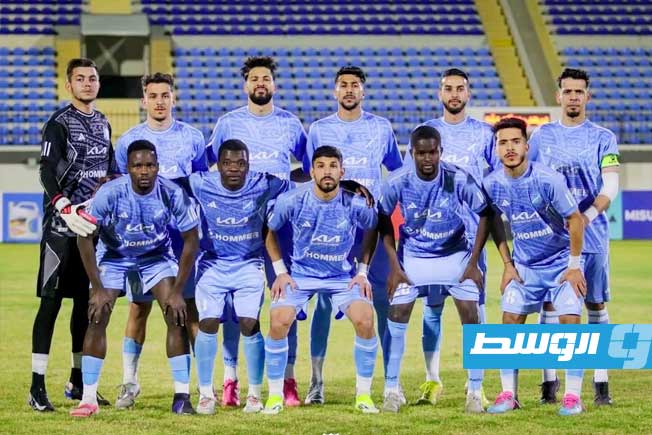
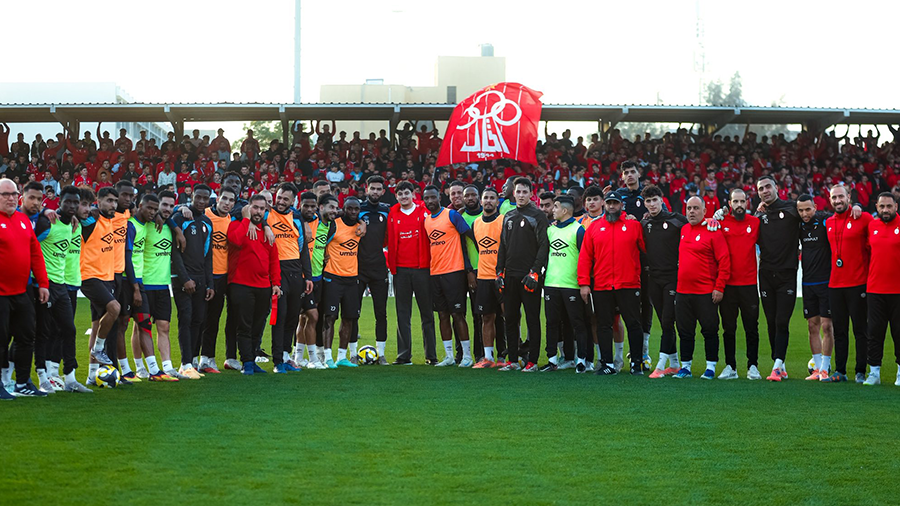
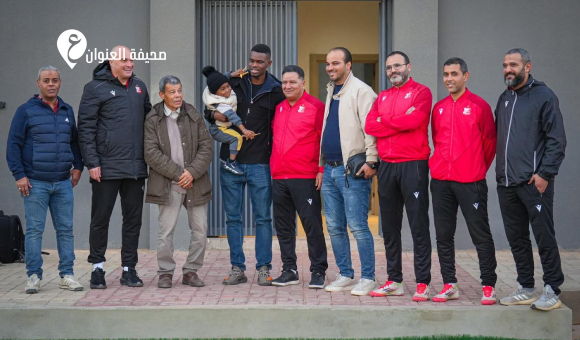
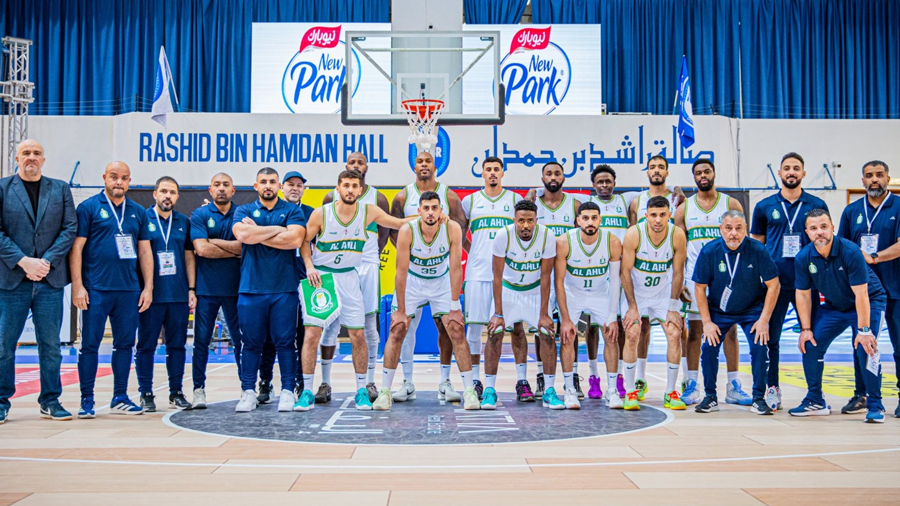
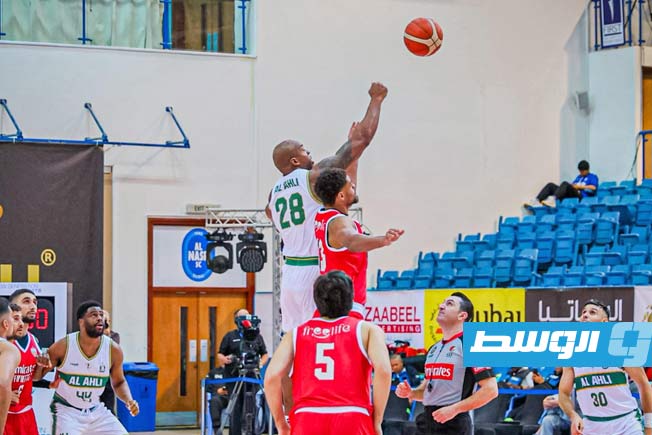
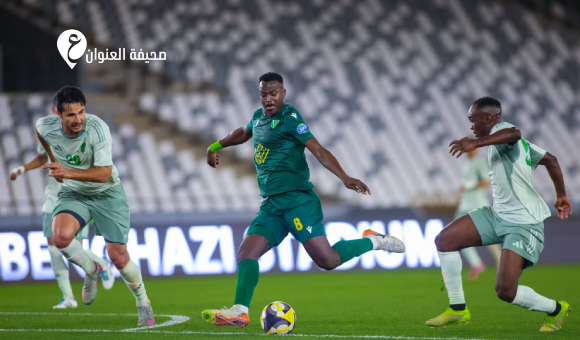
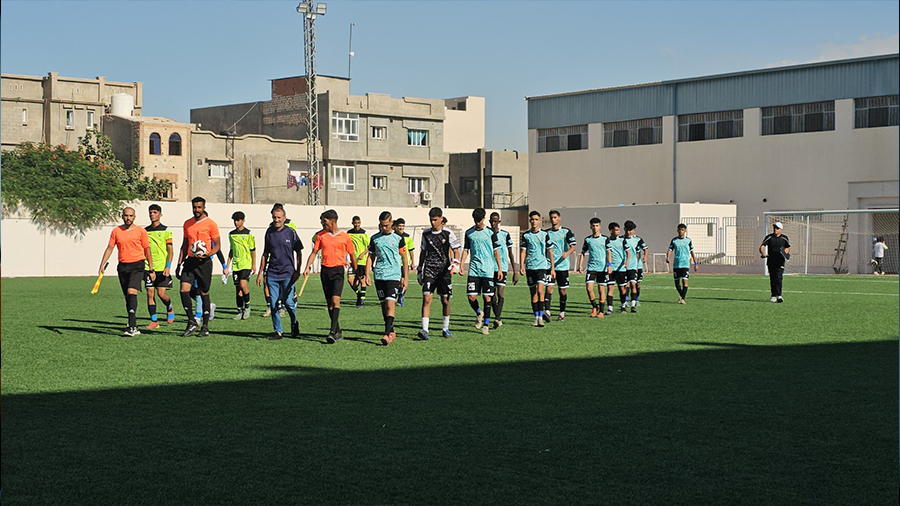
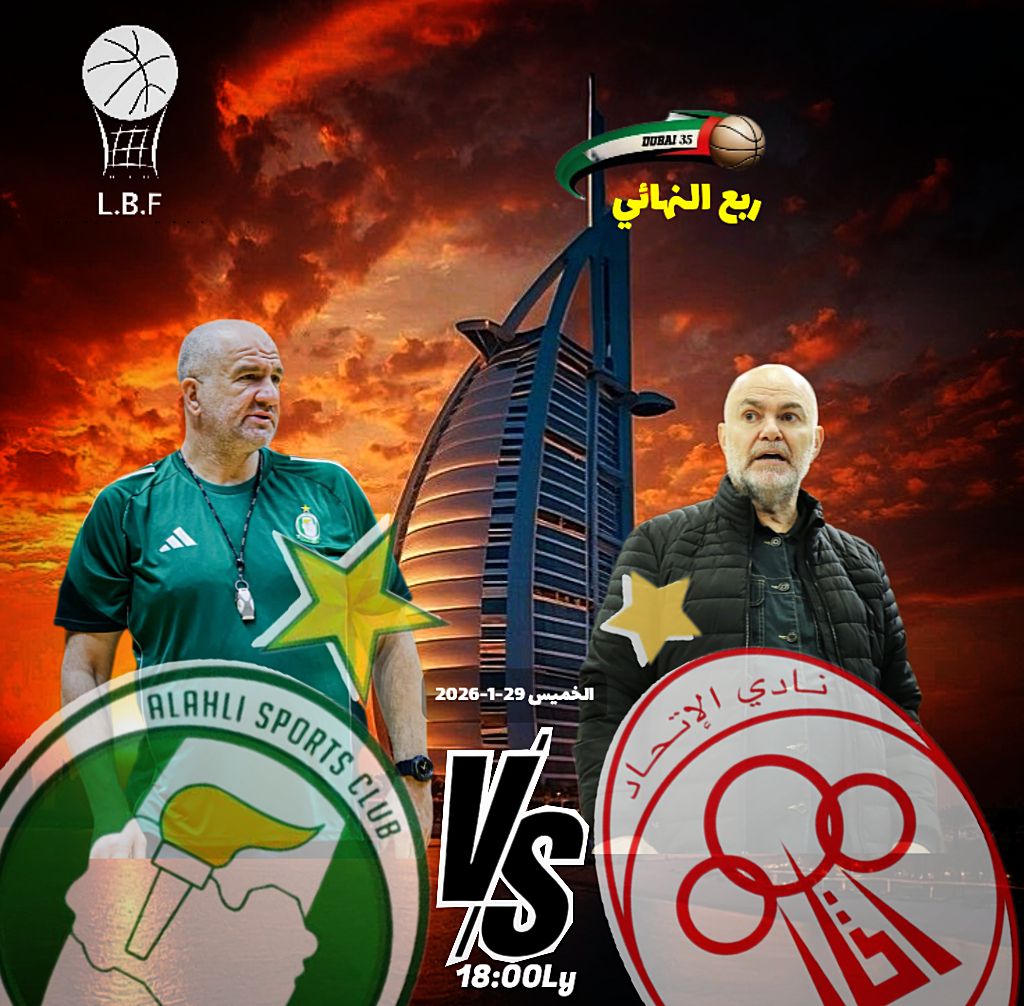
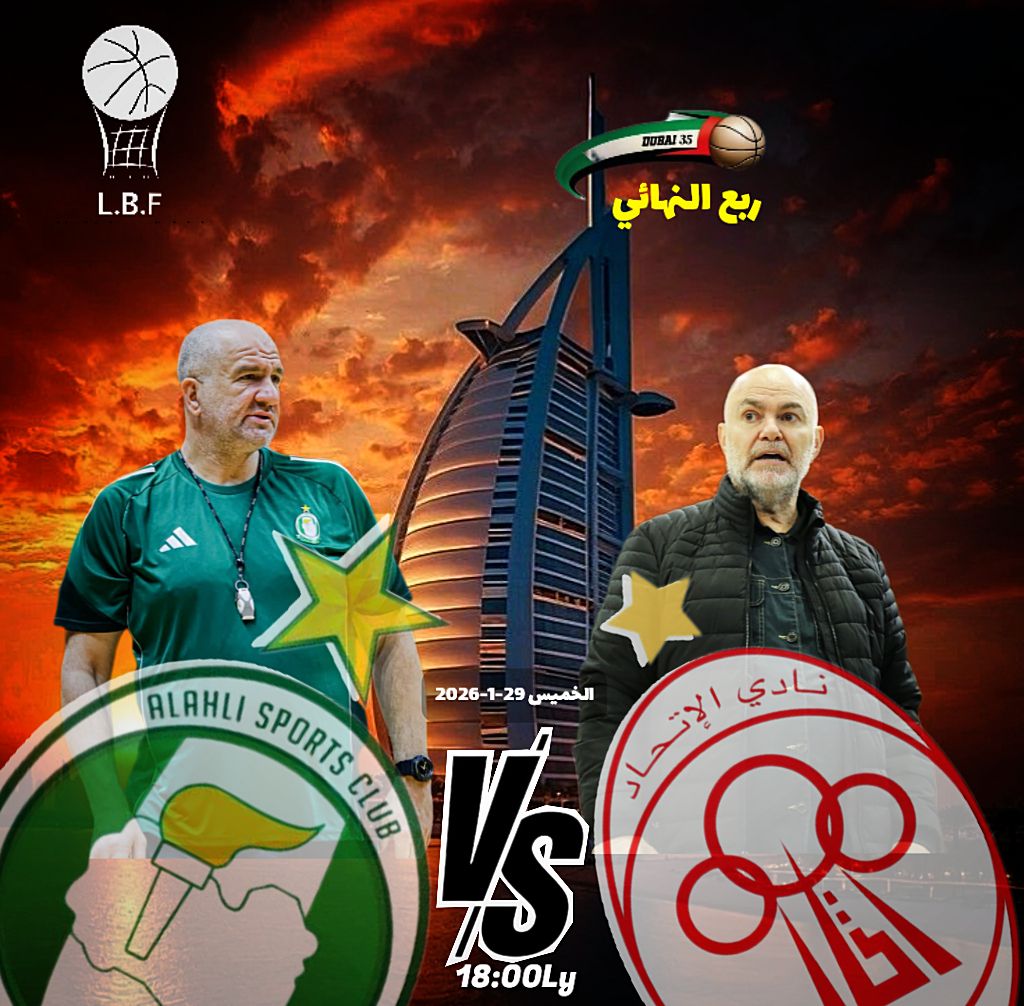
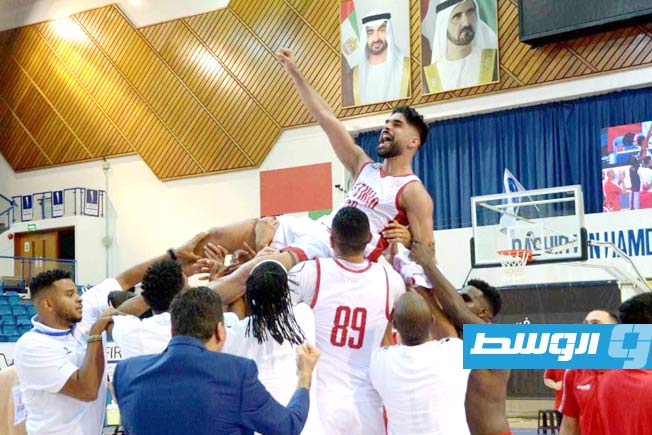
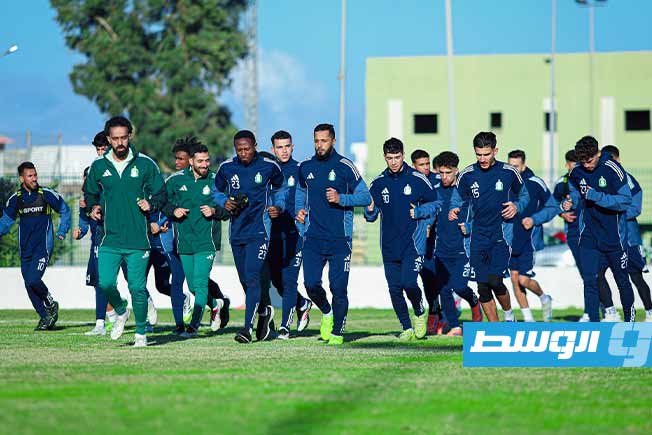
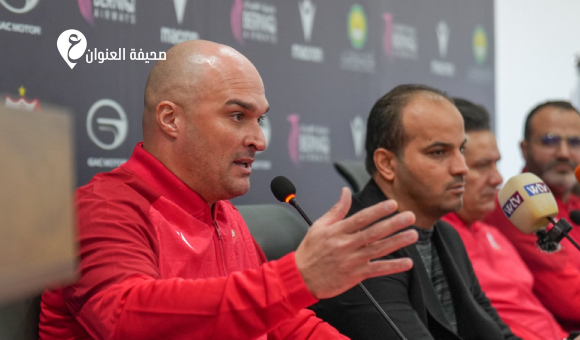
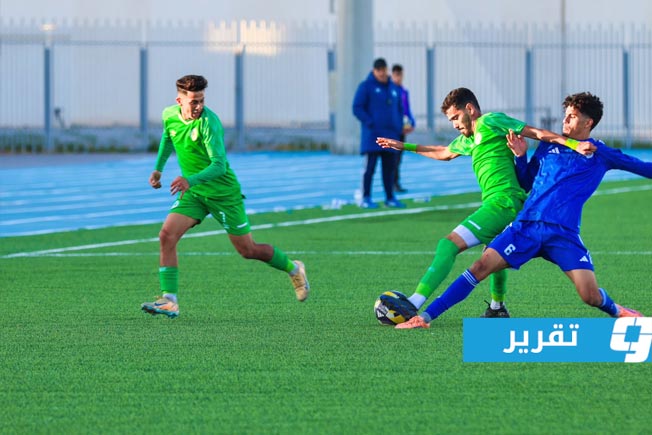
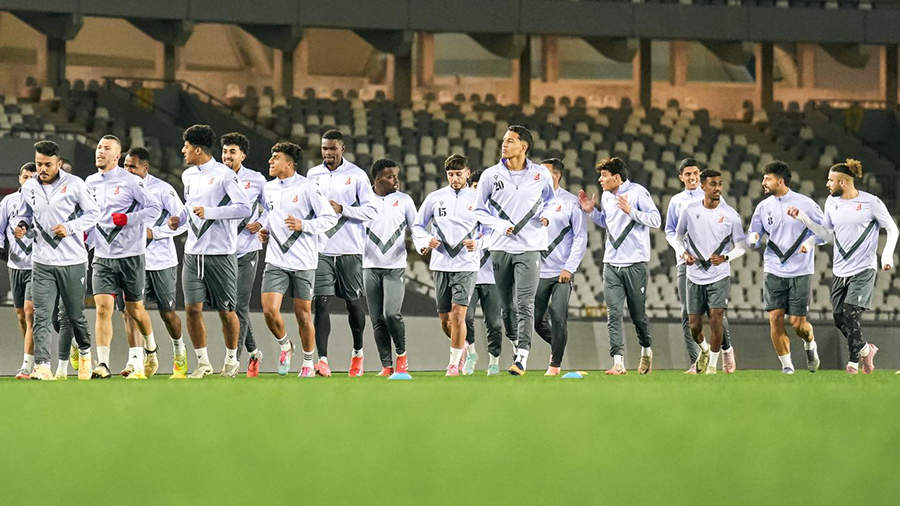
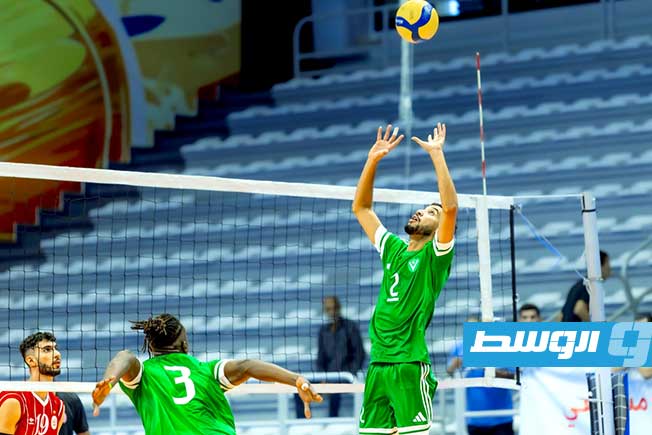
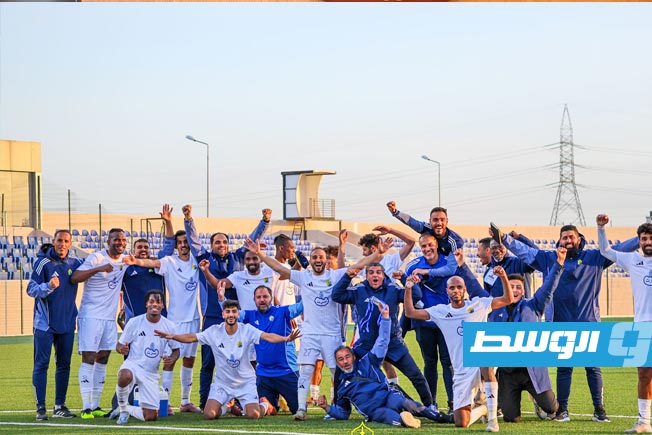
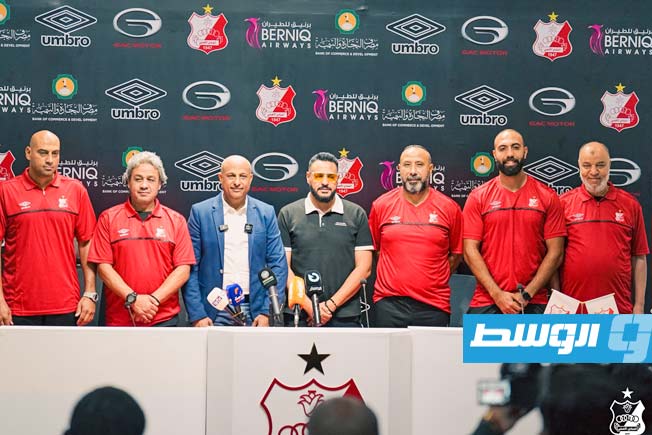
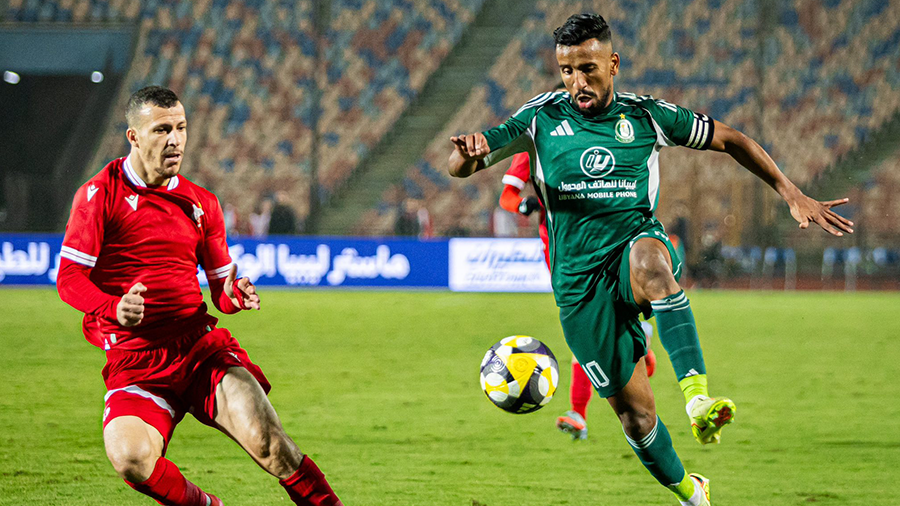
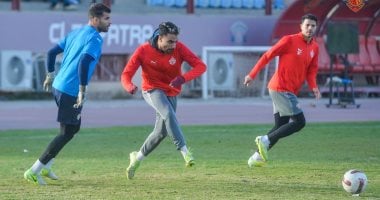
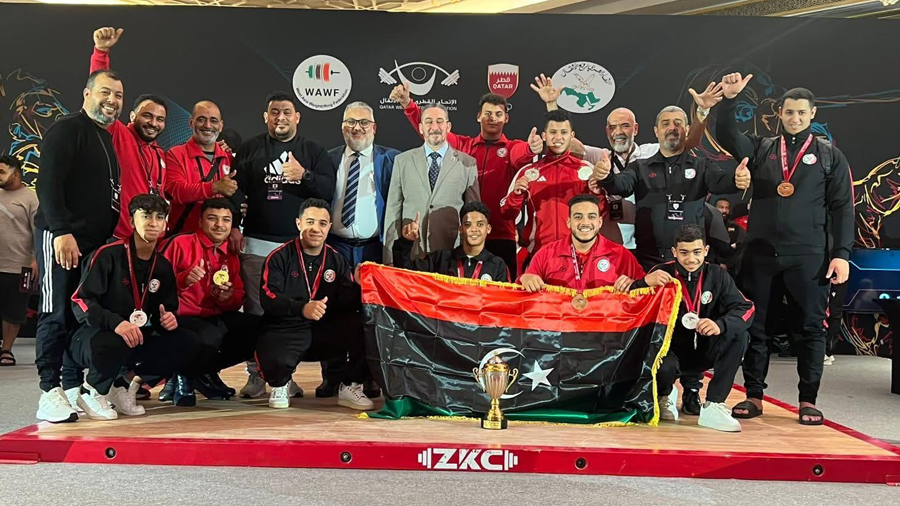
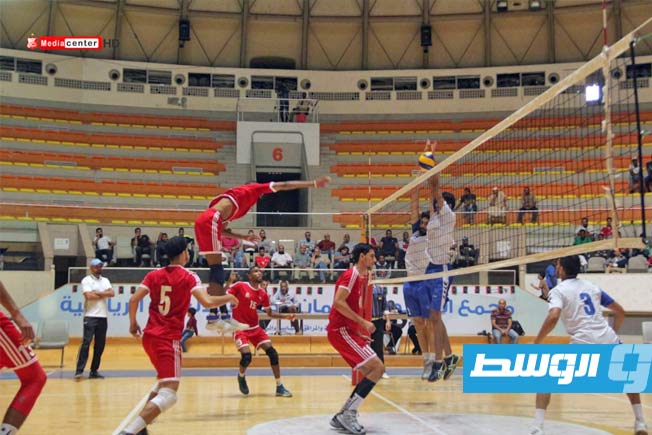
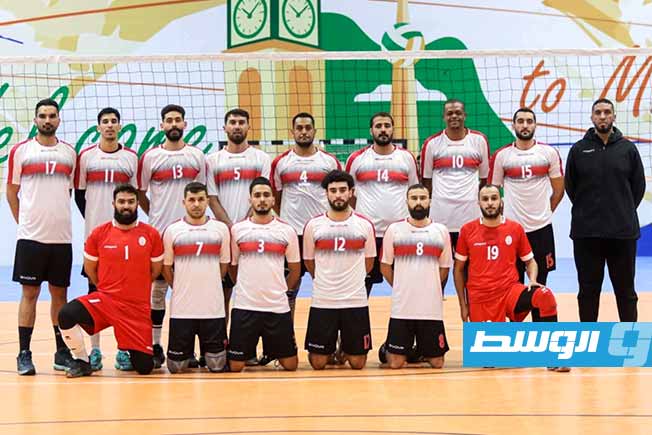
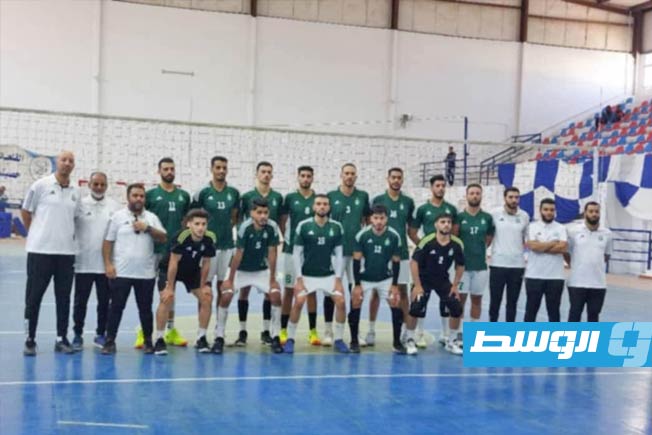
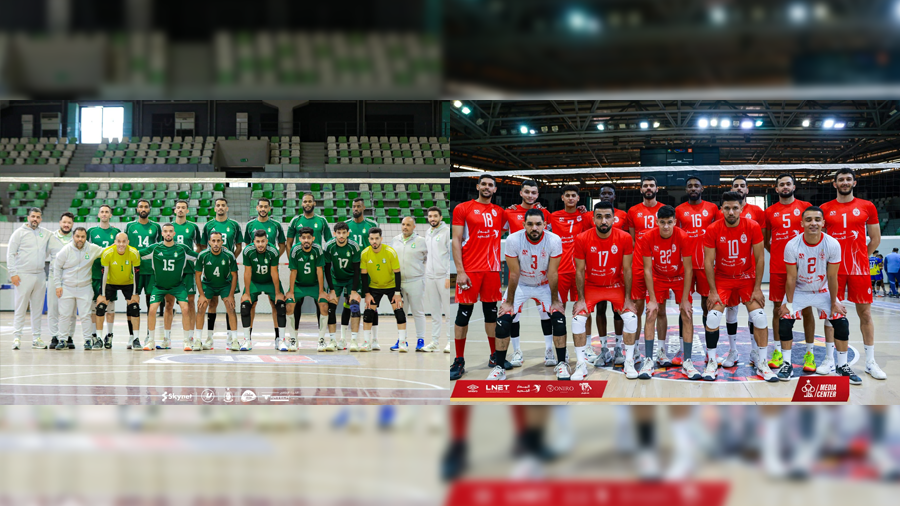
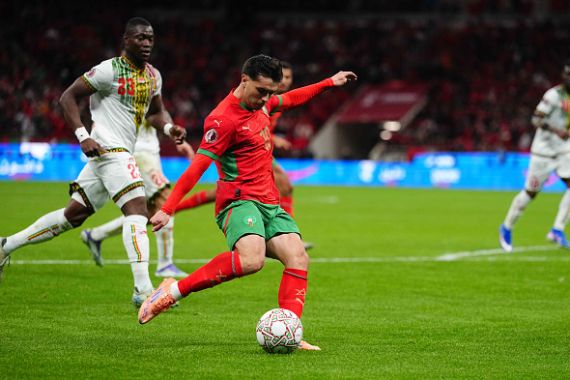
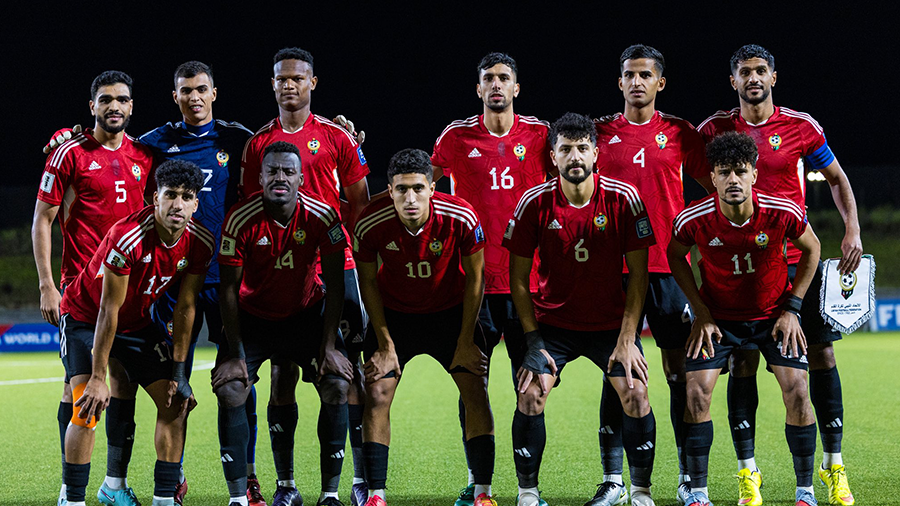
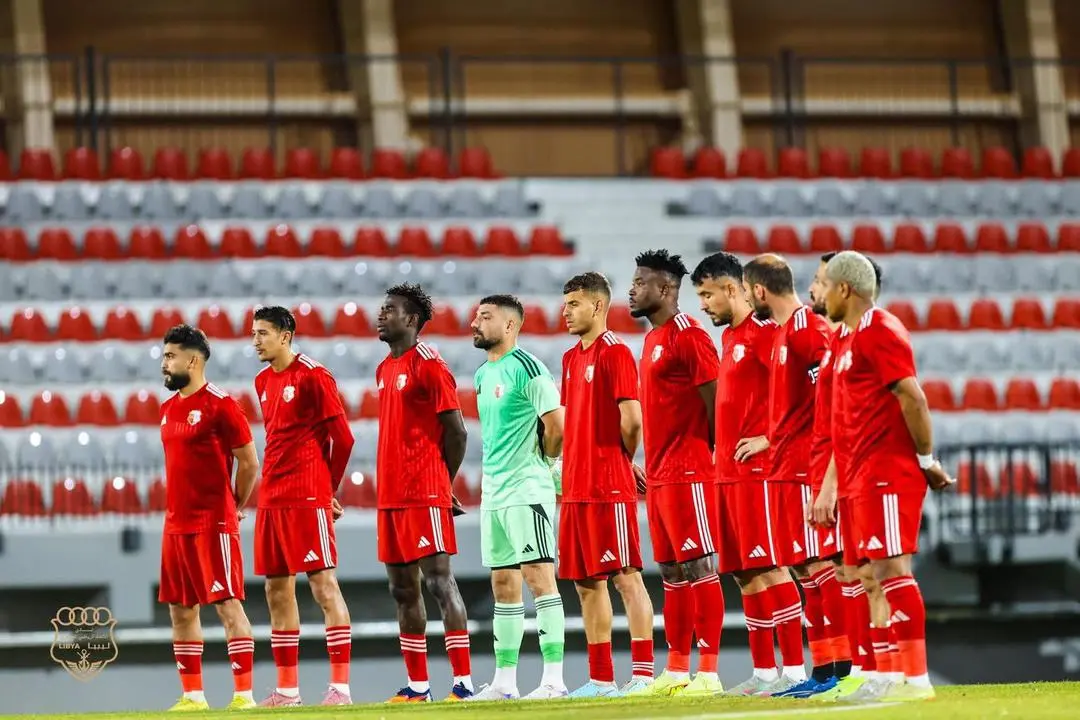
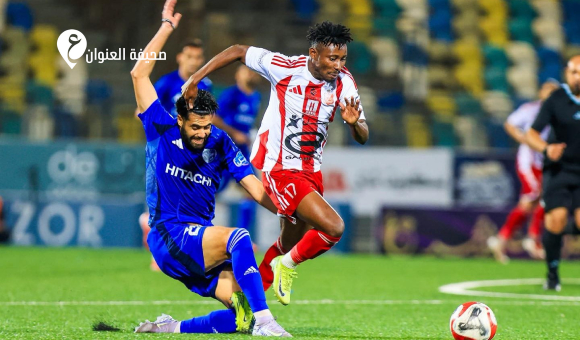
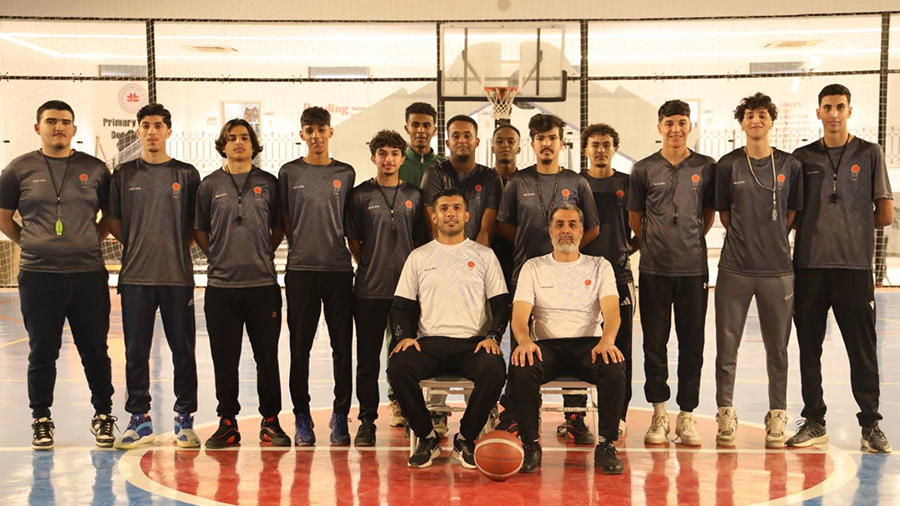
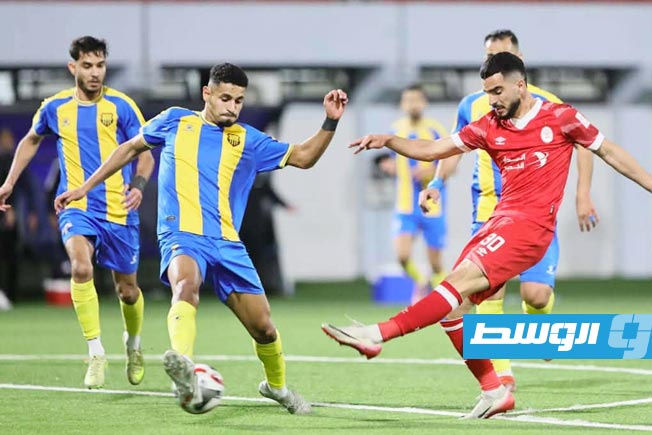
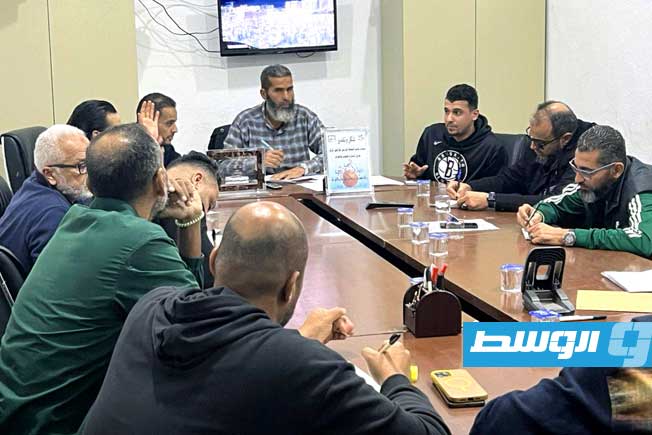
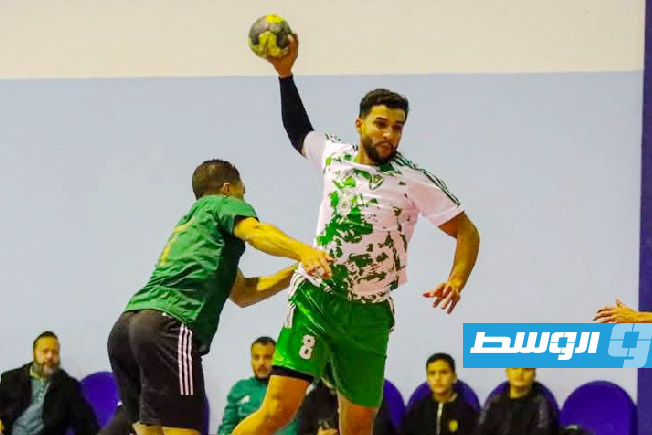
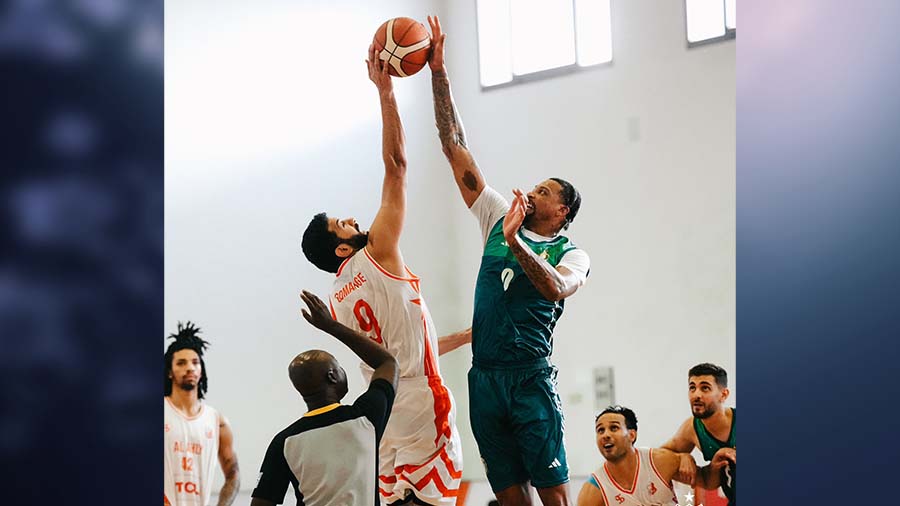
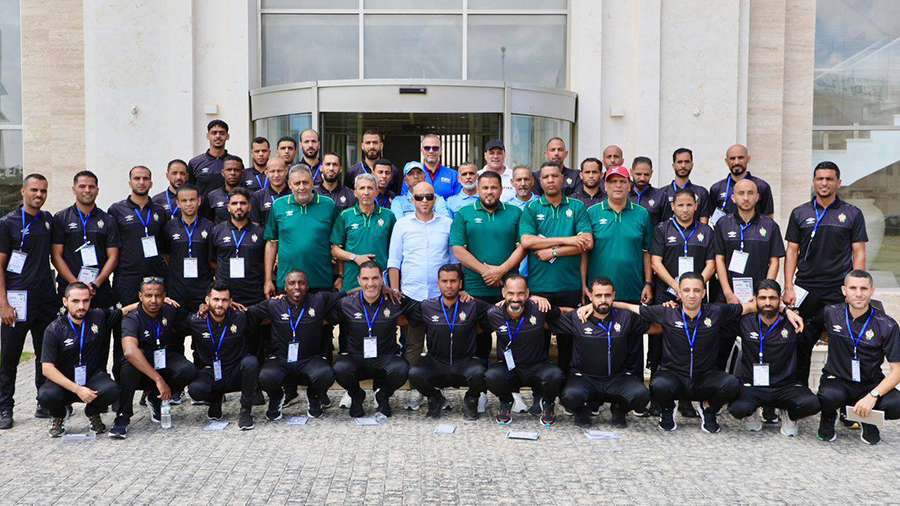
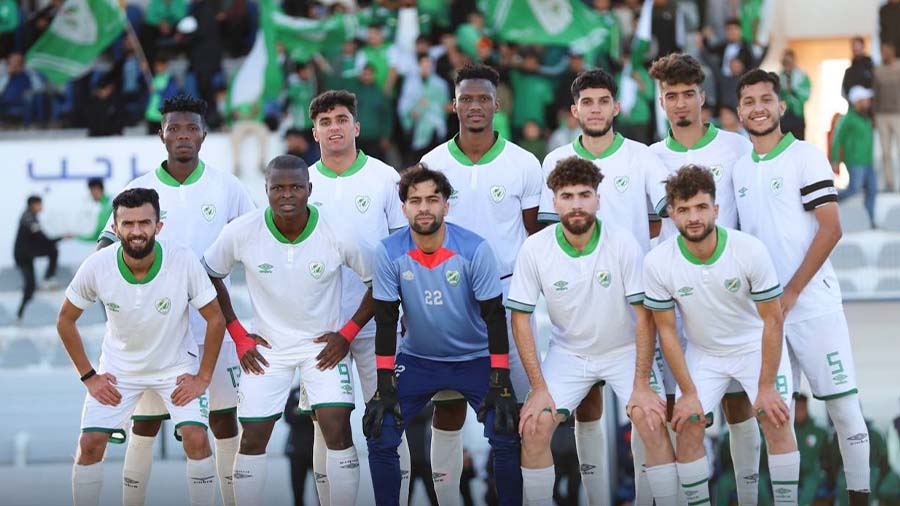
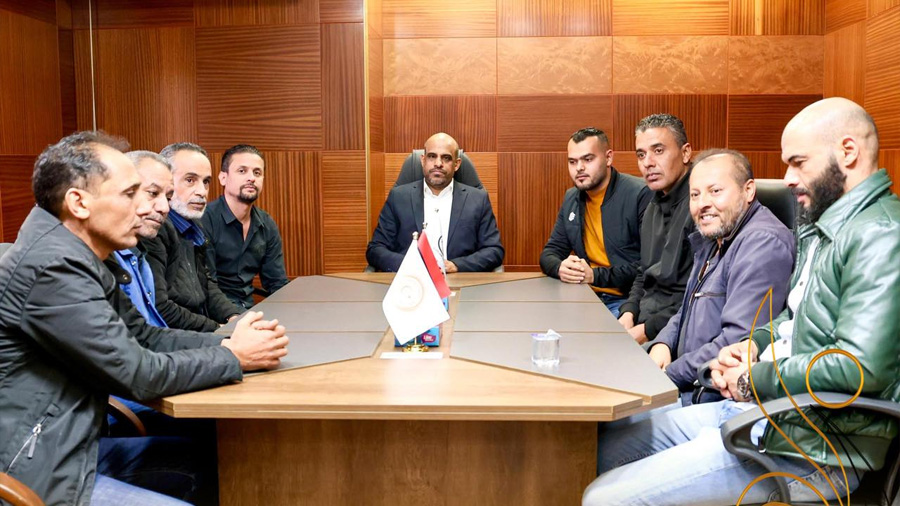
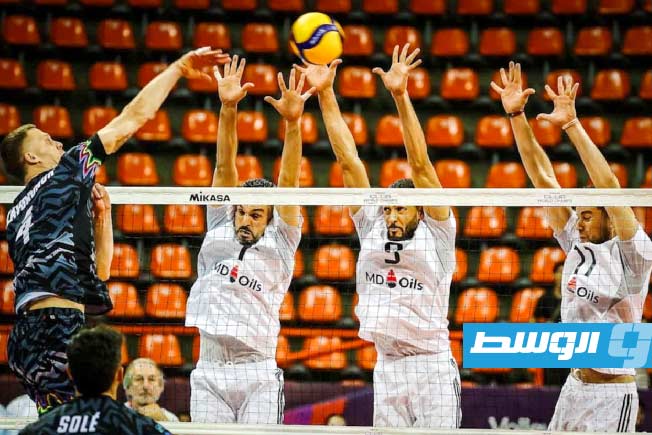
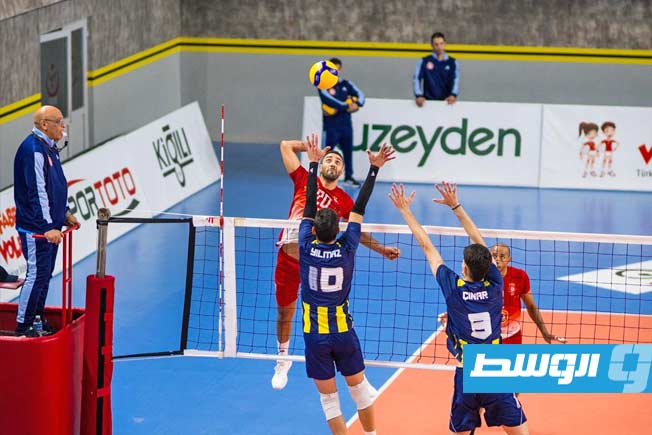
The delegation of the Al-Ittihad basketball team will head to Dubai tomorrow, Wednesday, in preparation for participating in the Dubai International Championship, which is scheduled to start next Friday.
The draw for the Dubai International Championship placed Al-Ittihad team in Group One alongside the UAE national team, Al-Nasr (UAE), in addition to Hama Syria and Al-Wehda Syria.
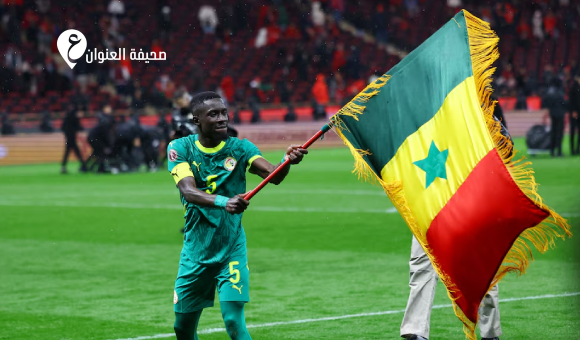
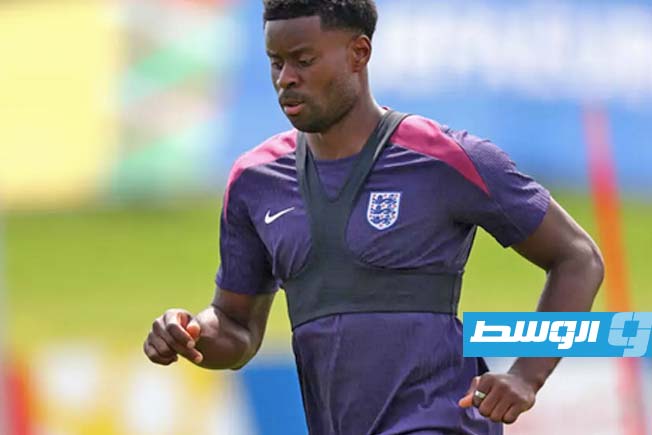
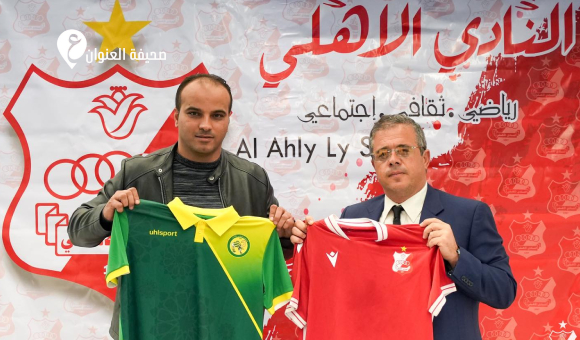
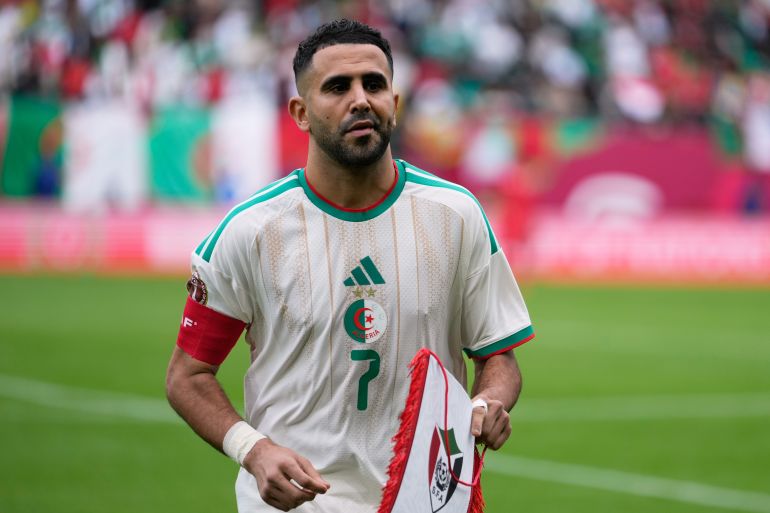
Al-Ittihad has strengthened its ranks with three professional players for the tournament: Senegalese Jean Jacques Boassi, Algerian Mohamed Harath, and American Melvin Fraser.
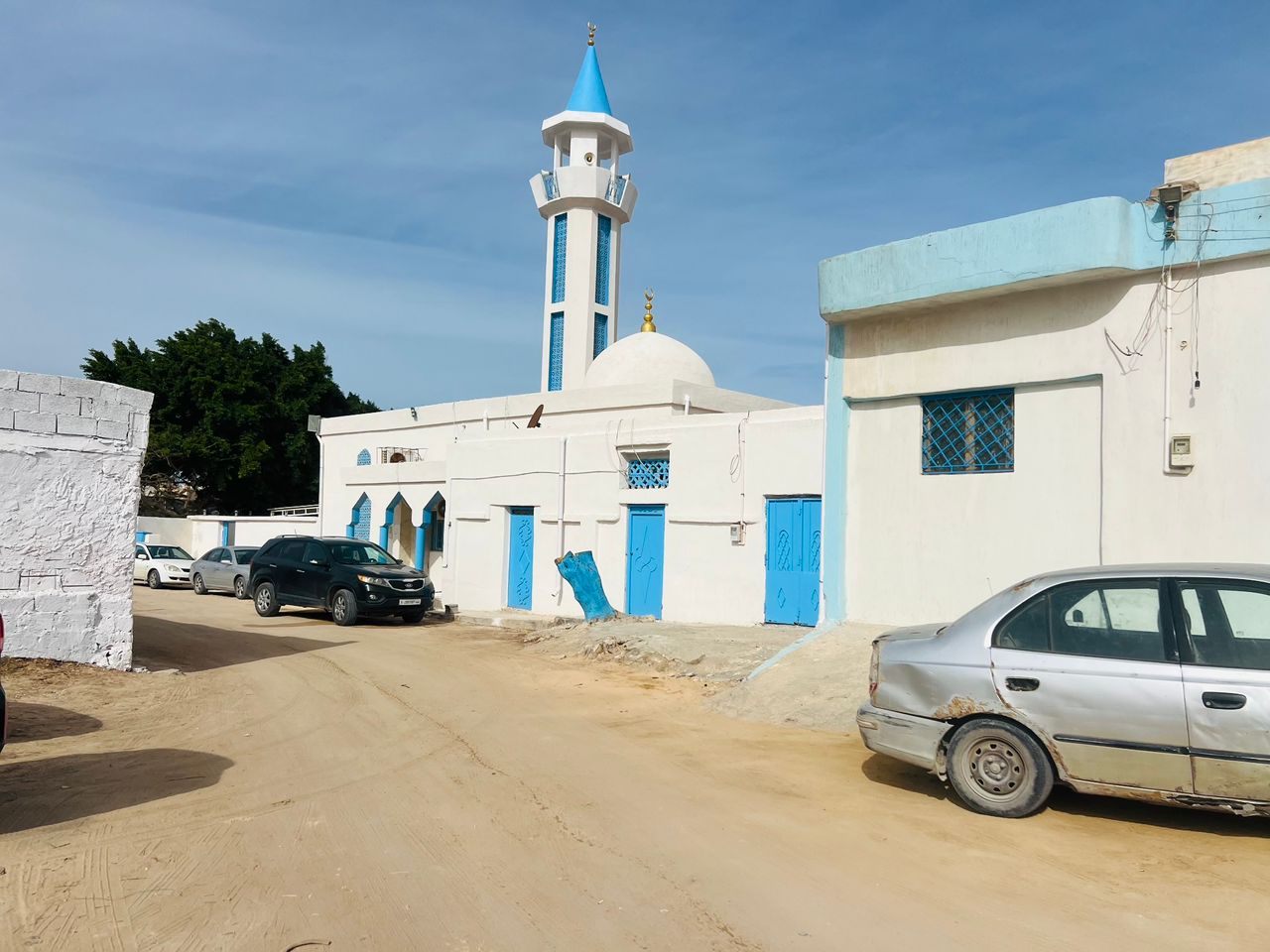
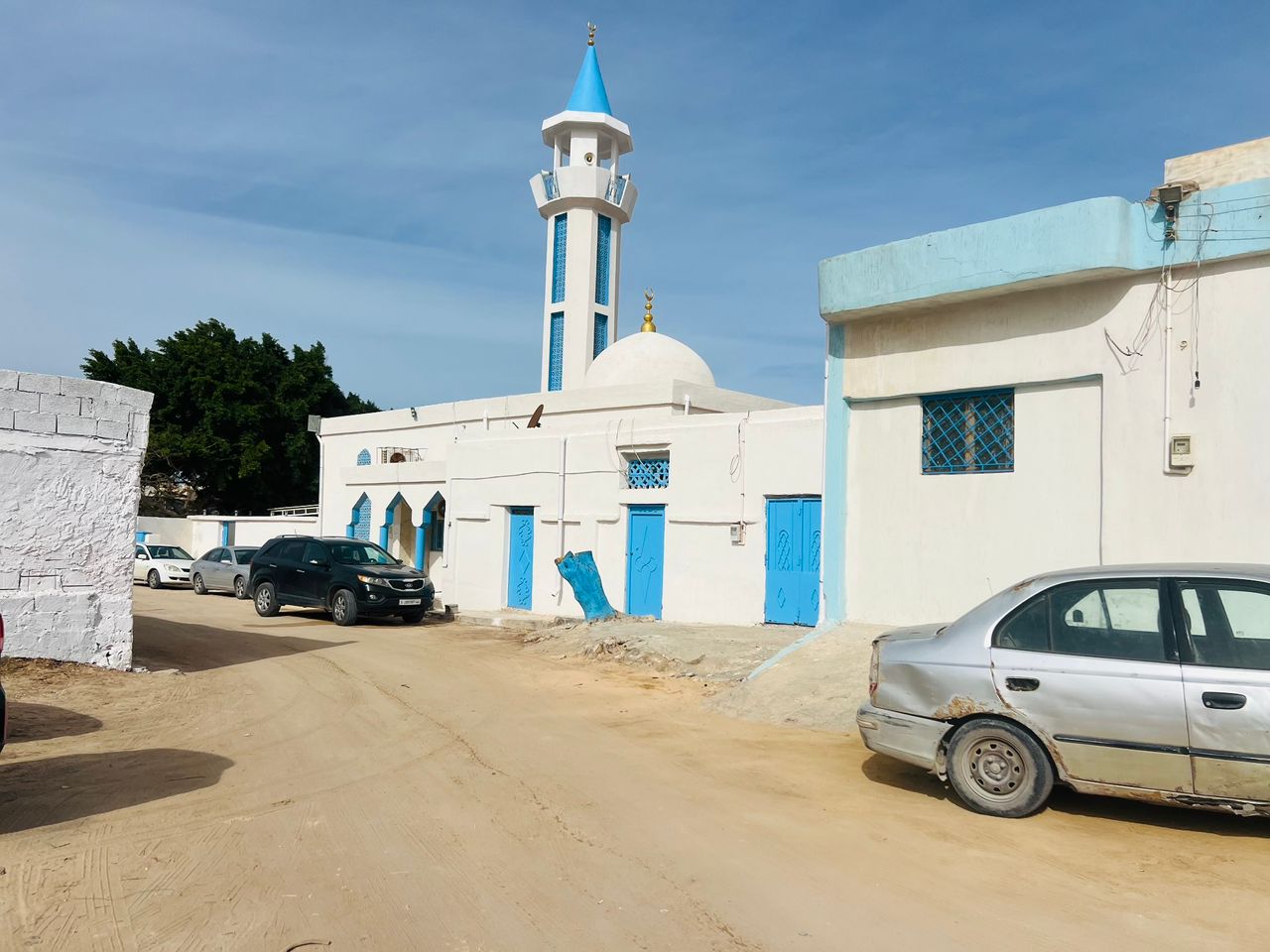
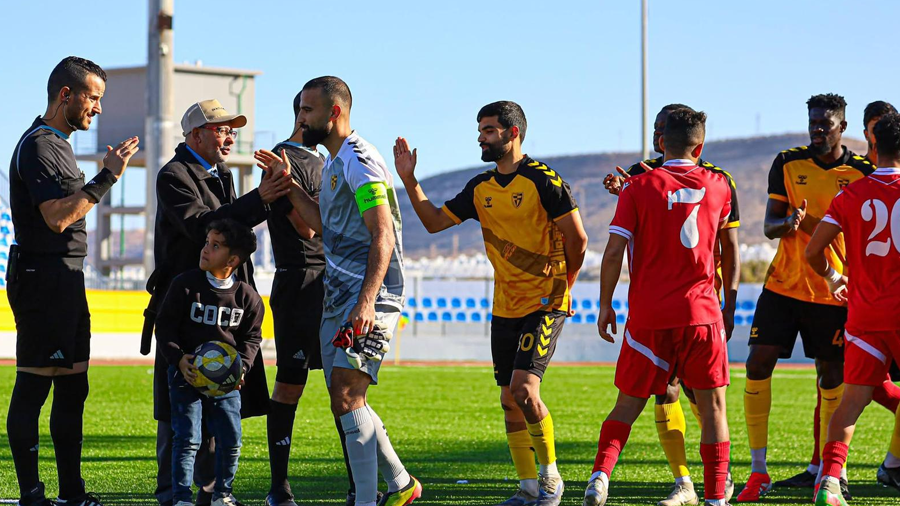
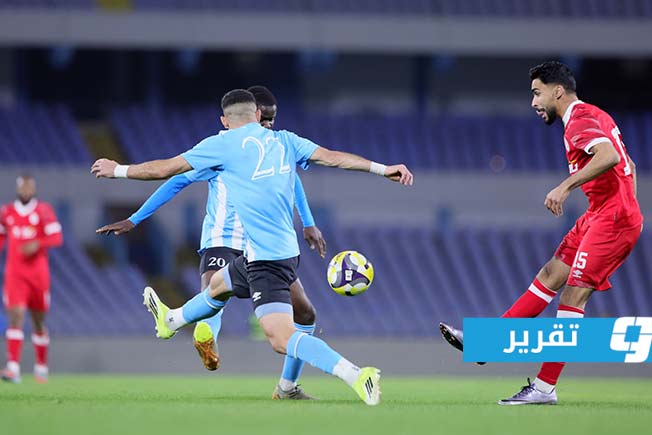
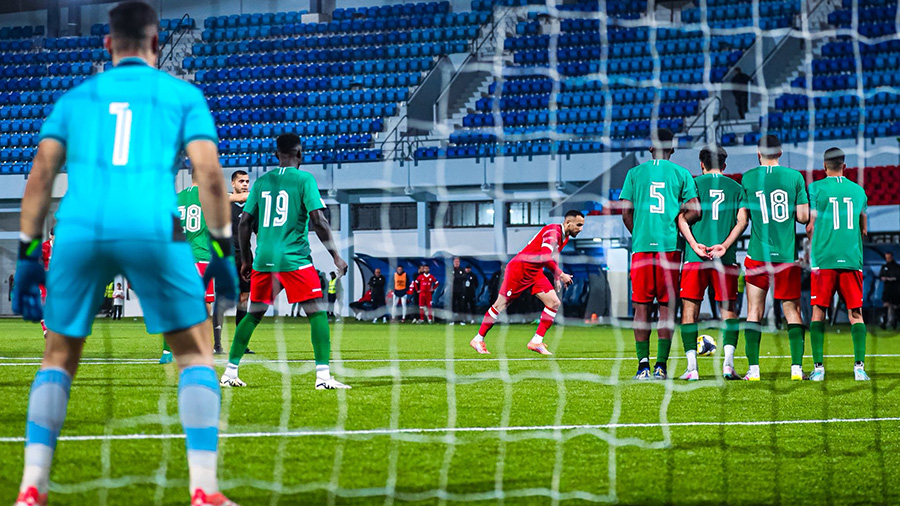
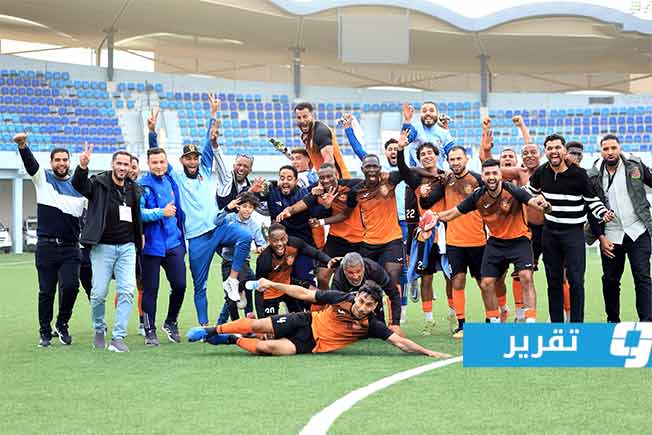
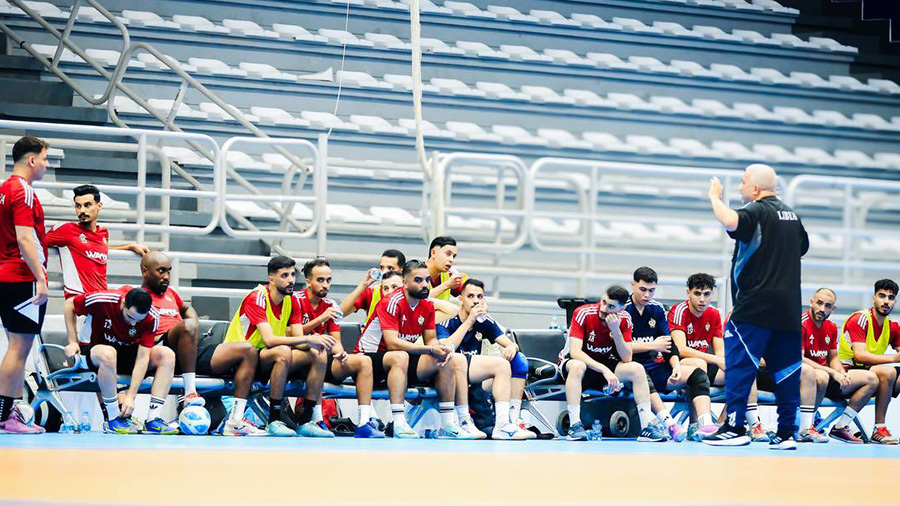
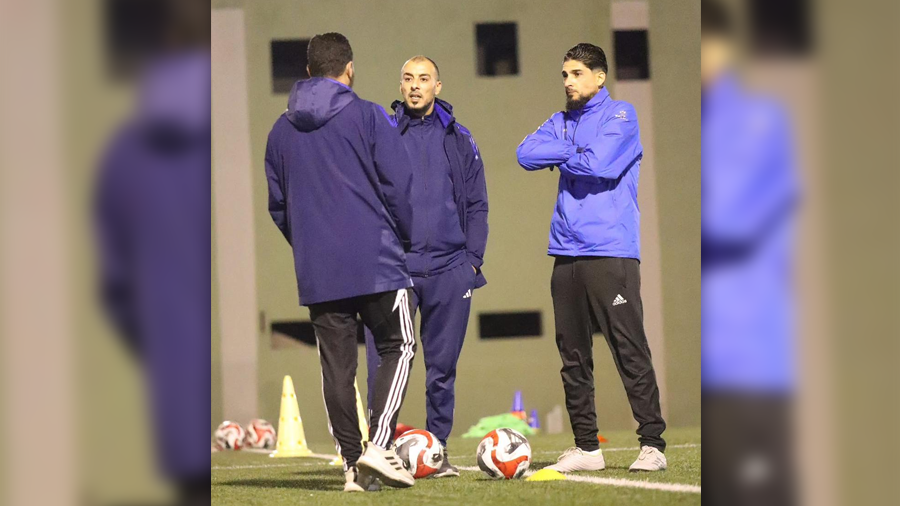
The Al-Ittihad team prepared for the tournament with two training camps, one external in Tunisia and one internal in Tripoli. Through these, they played several friendly matches in addition to competing in the first round of the Libyan League, where they achieved a victory over Al-Yarmouk with a score of 97-32.
Al-Ittihad basketball team
Al-Ittihad is a Saudi Arabian professional basketball club based in Jeddah, founded in 1957. It is one of the most successful clubs in the Saudi Premier League, having won numerous national championships. The team is part of the larger Al-Ittihad multi-sport club, which is famous primarily for its highly successful football team.
Dubai
Dubai is a major global city and emirate in the United Arab Emirates, historically known as a small fishing and pearling village. Its modern transformation began with the discovery of oil in the 1960s, which funded massive infrastructure projects, leading to its current status as a hub for tourism, finance, and trade. It is now famous for iconic landmarks like the Burj Khalifa, artificial islands, and luxury shopping.
Dubai International Championship
The Dubai International Championship is a professional golf tournament that began in 2009 as the season-ending event for the European Tour’s Race to Dubai. It is held annually at the Jumeirah Golf Estates and has historically featured a high-profile field competing for one of the tour’s most significant prize funds.
UAE national team
The UAE national football team, representing the United Arab Emirates, was founded in 1972 following the country’s independence. It has since become a competitive force in Asian football, most notably qualifying for the FIFA World Cup in 1990.
Al-Nasr
Al-Nasr is a bronze monument located in Baghdad, Iraq, originally erected in 1959 to commemorate the founding of the Iraqi Republic. The sculpture, depicting a woman holding a sword and a palm frond, was designed by artist Jawad Saleem and became a prominent national symbol.
Hama Syria
Hama is a city in western Syria, historically known for its large norias—ancient wooden water wheels used for irrigation along the Orontes River, some dating back to Byzantine times. It was an important center during various empires, including the Ayyubid and Mamluk periods, but suffered significant damage during a conflict in 1982.
Al-Wehda Syria
Al-Wehda Syria is a professional football club based in Damascus, founded in 1928. It is one of the oldest and most successful clubs in Syria, historically associated with the city’s working-class neighborhoods and known for its strong fan support. The club has won multiple Syrian Premier League championships and the Syrian Cup throughout its long history.
Senegalese Jean Jacques Boassi
“Senegalese Jean Jacques Boassi” does not refer to a known place or cultural site; it appears to be the name of an individual. Therefore, no summary of a location or its history can be provided.
Algerian Mohamed Harath
Mohamed Harath is a public square in the city of Oran, Algeria, named in honor of a local nationalist figure who opposed French colonial rule. Historically, it has served as a central gathering place and a significant site for political and social events throughout Algeria’s modern history.
American Melvin Fraser
American Melvin Fraser is a fictional character, not an actual place or cultural site. Therefore, there is no real-world history or location to summarize.
Tunisia
Tunisia is a North African country with a rich history shaped by numerous civilizations, including the ancient Phoenicians, Romans, Arabs, and Ottomans. Its cultural landscape is famously marked by the archaeological site of Carthage, the well-preserved Roman amphitheater at El Jem, and the historic medina of Tunis. This blend of influences is also evident in its distinctive architecture, cuisine, and traditions.
Tripoli
Tripoli is the capital and largest city of Libya, located on the country’s northwestern coast. Historically, it was founded by the Phoenicians in the 7th century BC and has since been ruled by the Romans, Arabs, Ottomans, and Italians, serving as a major Mediterranean port. Its historic core, the medina of Tripoli, features well-preserved architecture from these various periods.
Libyan League
The Libyan League, also known as the “Tripolitanian Republic,” was a short-lived state and political entity declared in 1918 following the collapse of Ottoman rule. It was established by local notables and tribal leaders in the region of Tripolitania, aiming for self-government and independence from the impending Italian colonial occupation.
Al-Yarmouk
Al-Yarmouk is a historically significant district in southern Damascus, Syria, best known as the site of the decisive Battle of Yarmouk in 636 CE, where Muslim Arab forces defeated the Byzantine army, leading to the Muslim conquest of the Levant. In modern times, it became a densely populated neighborhood and a major hub for Palestinian refugees after 1948.