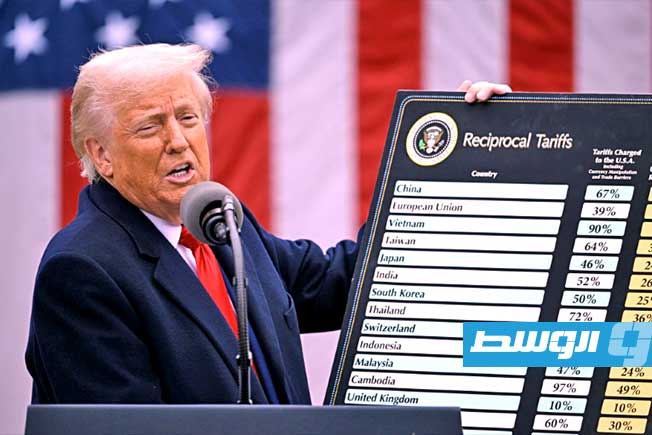
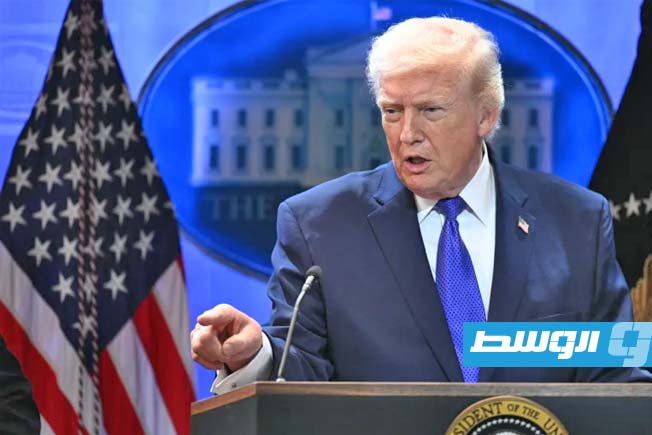
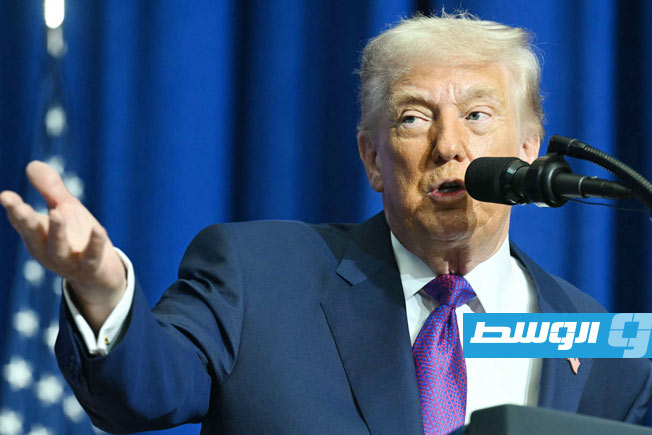
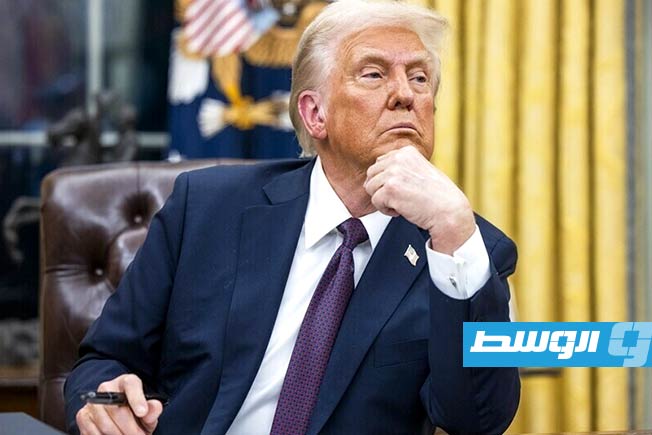
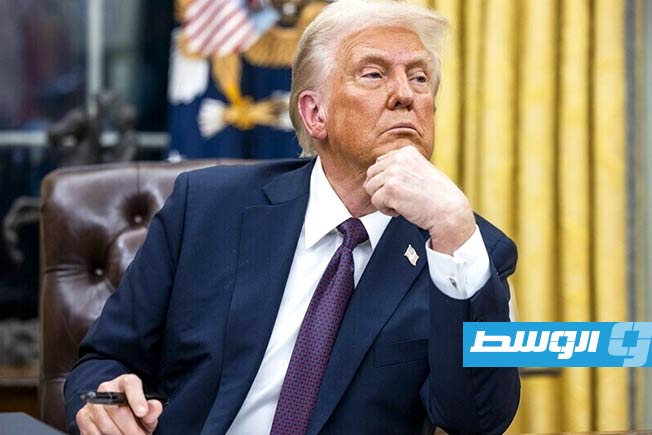
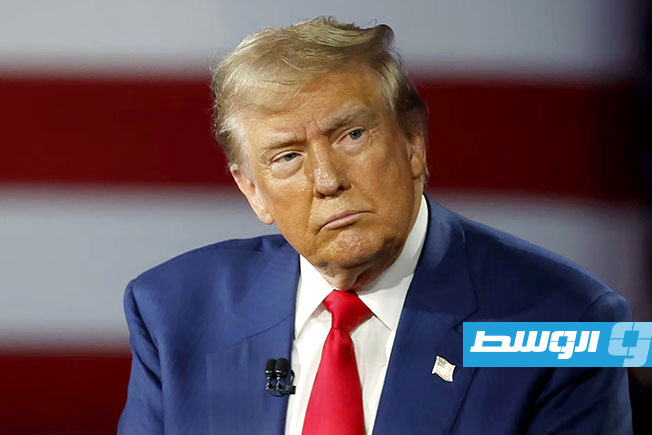
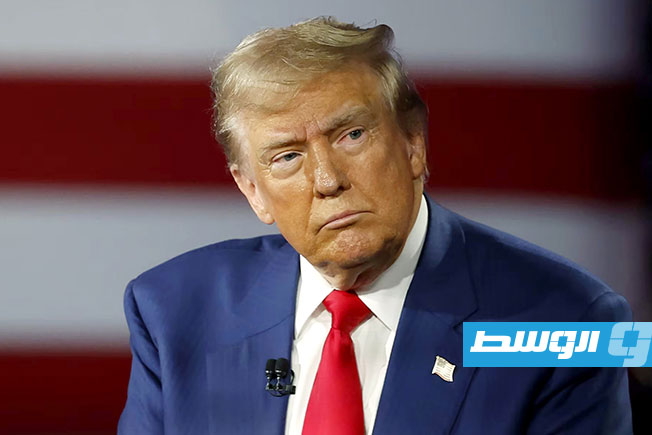
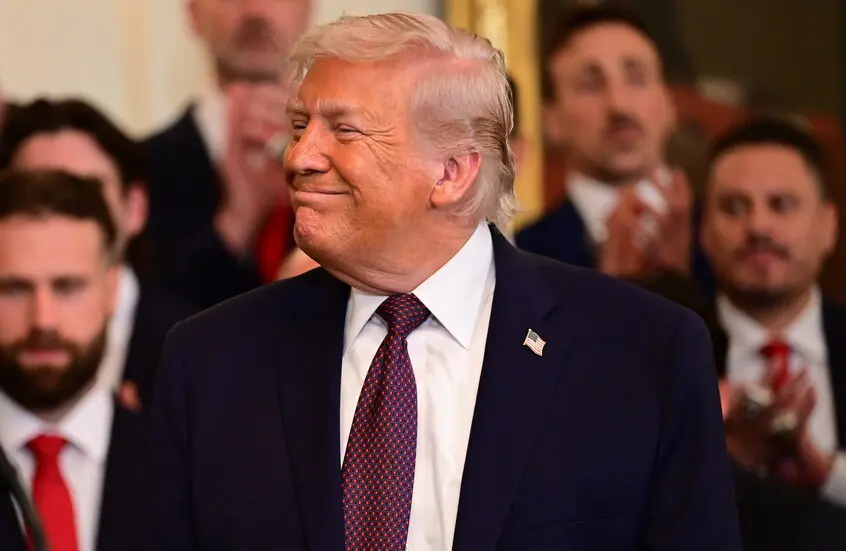
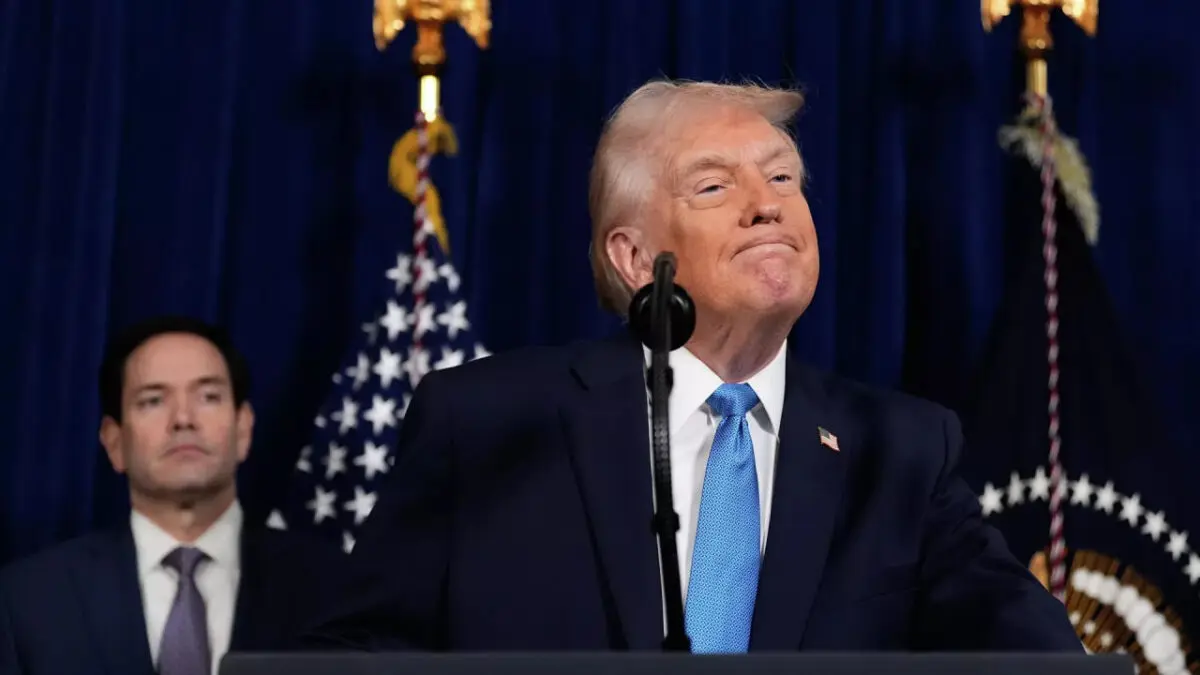
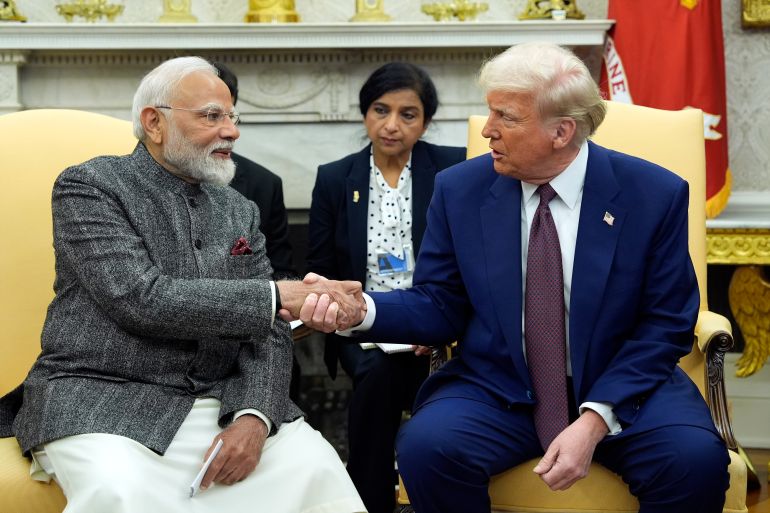
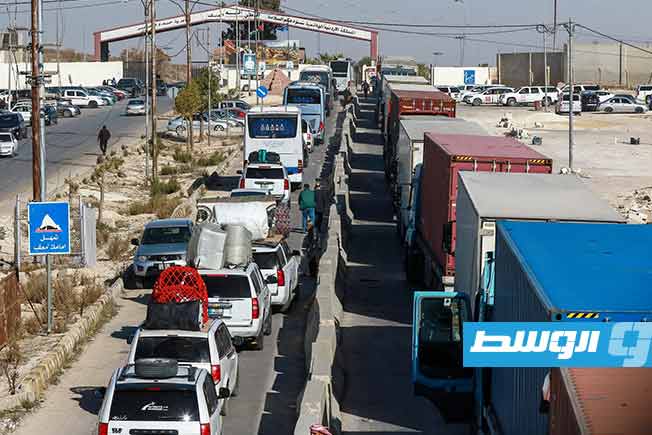
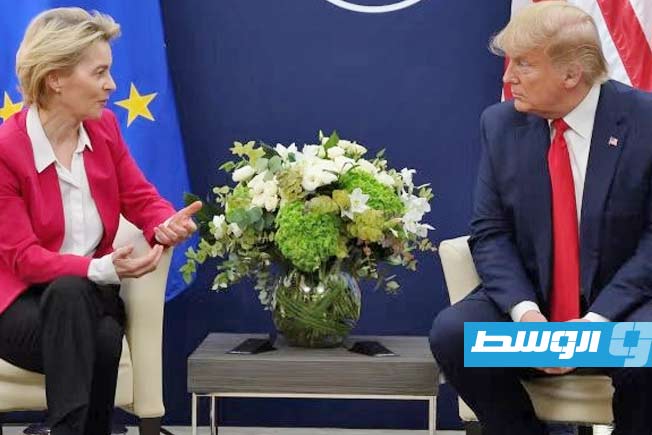
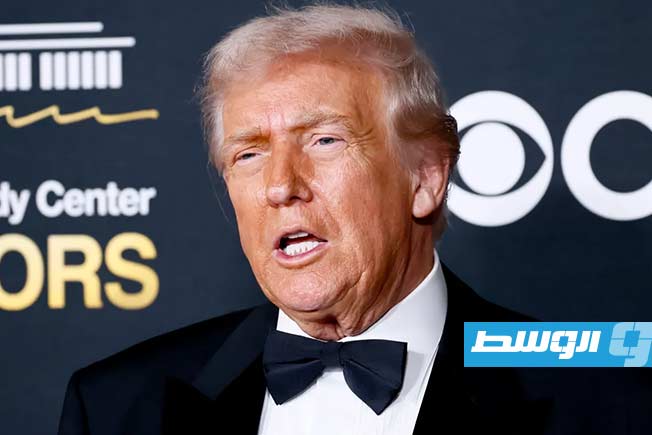
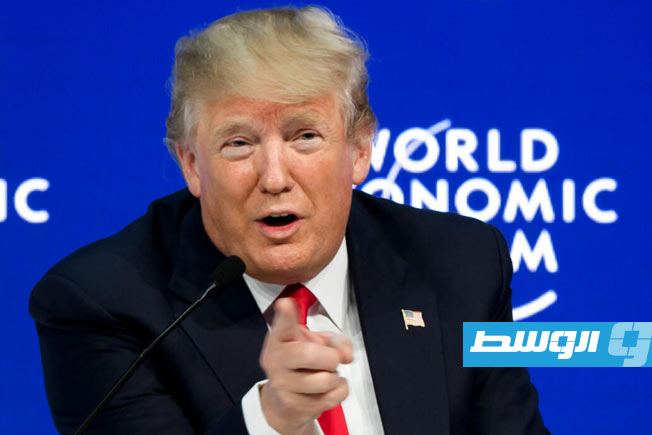
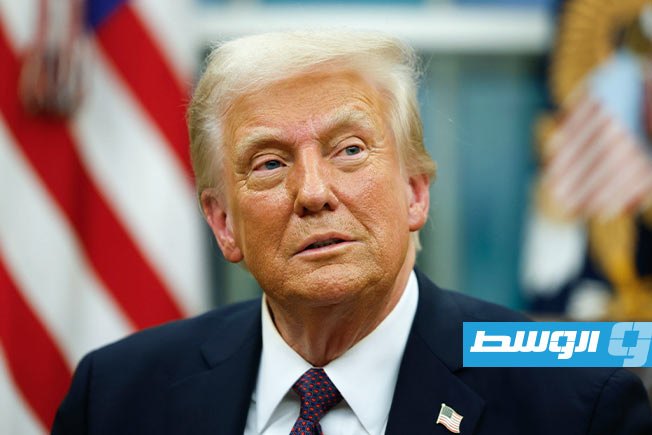
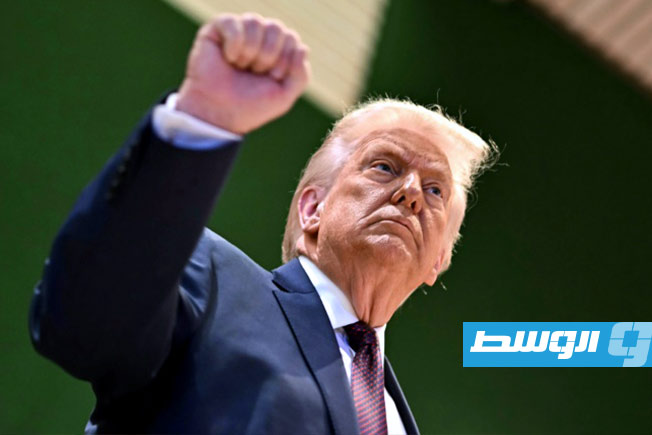
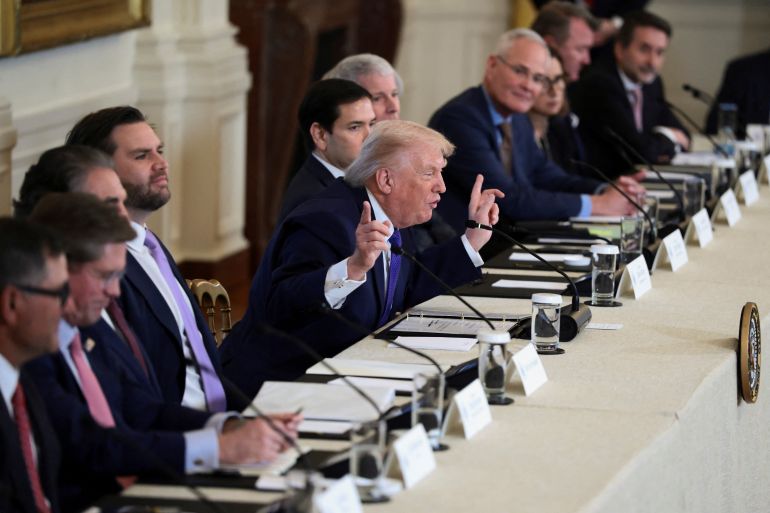
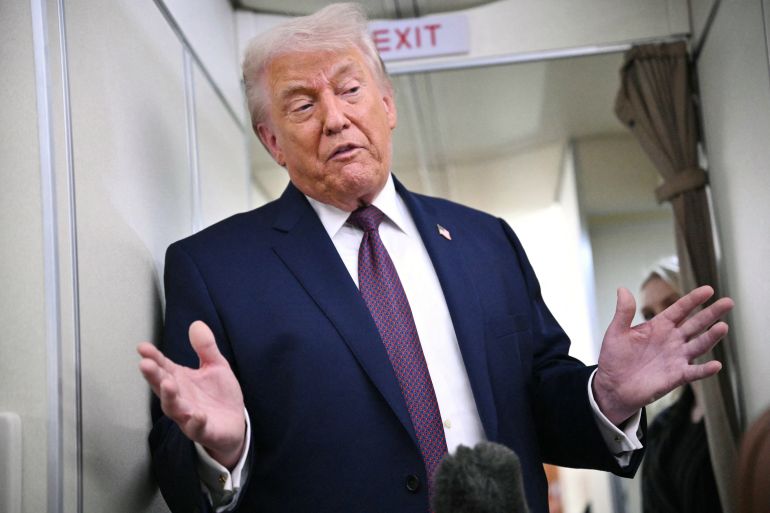
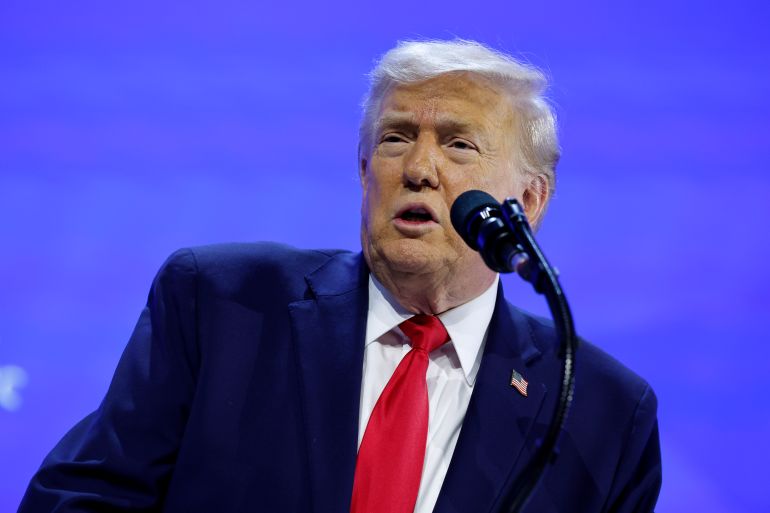
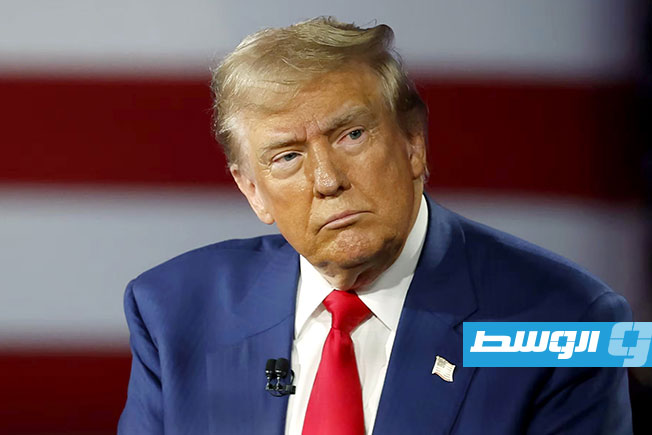
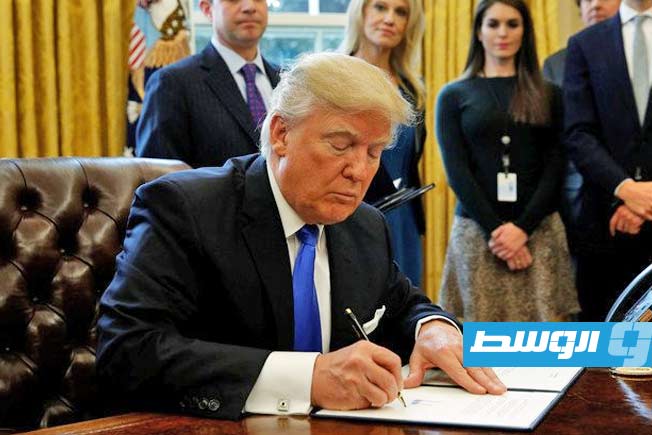
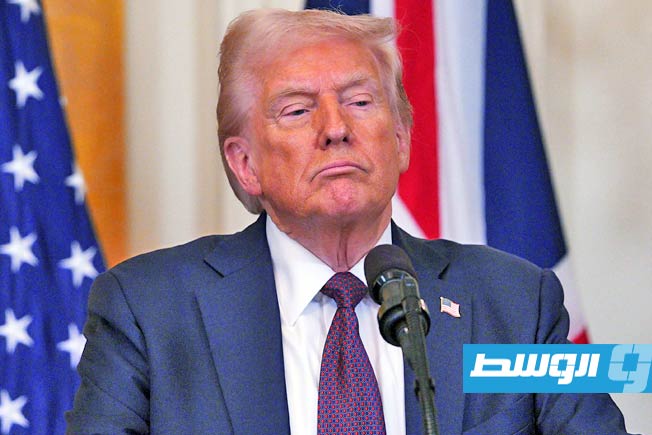
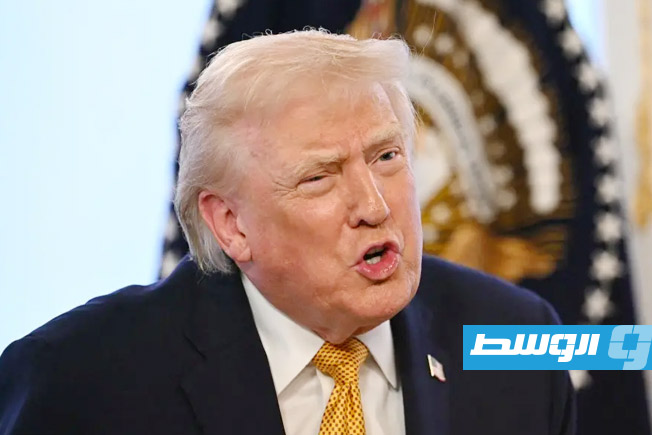
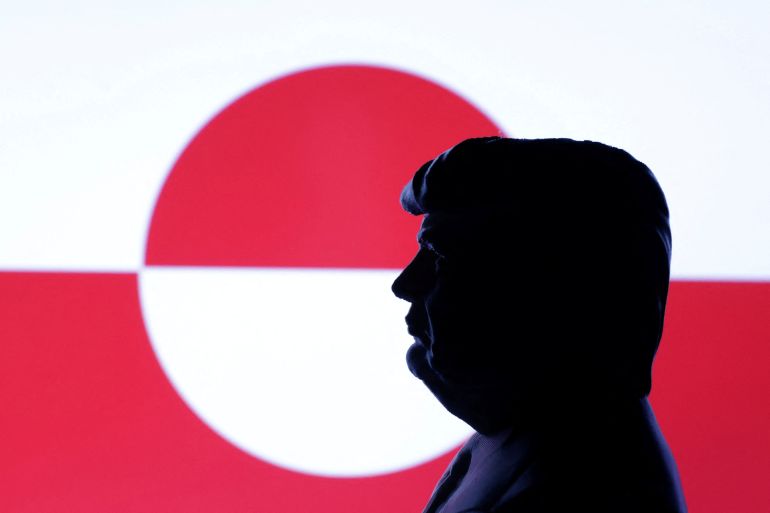
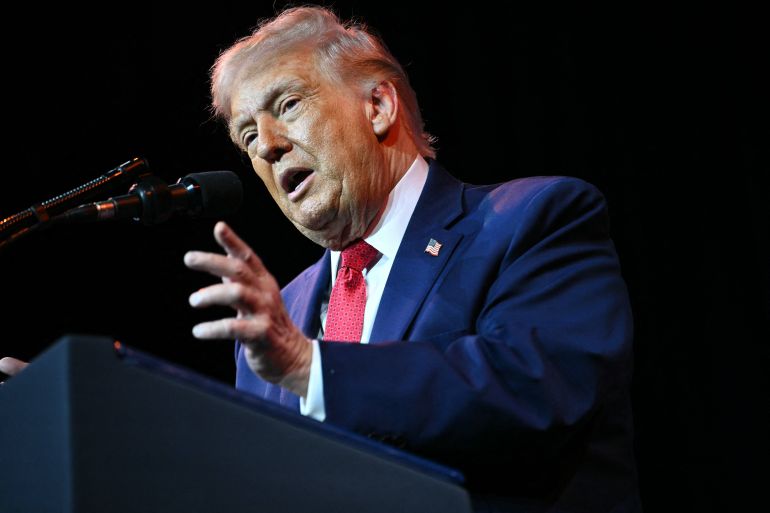
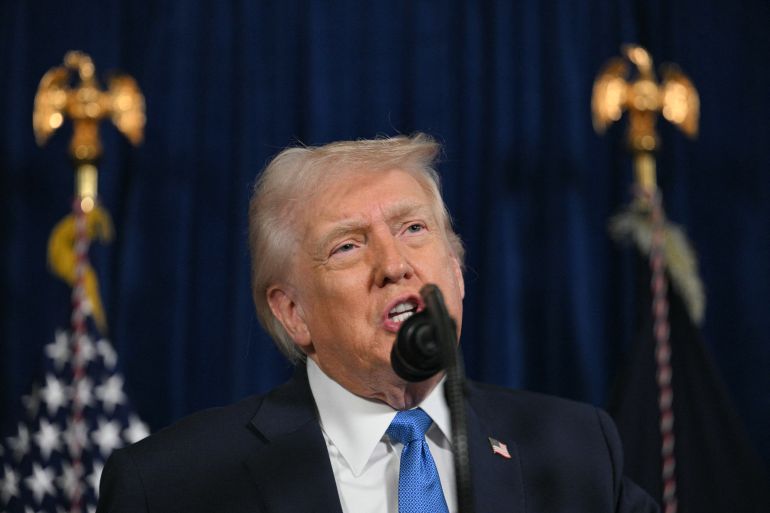
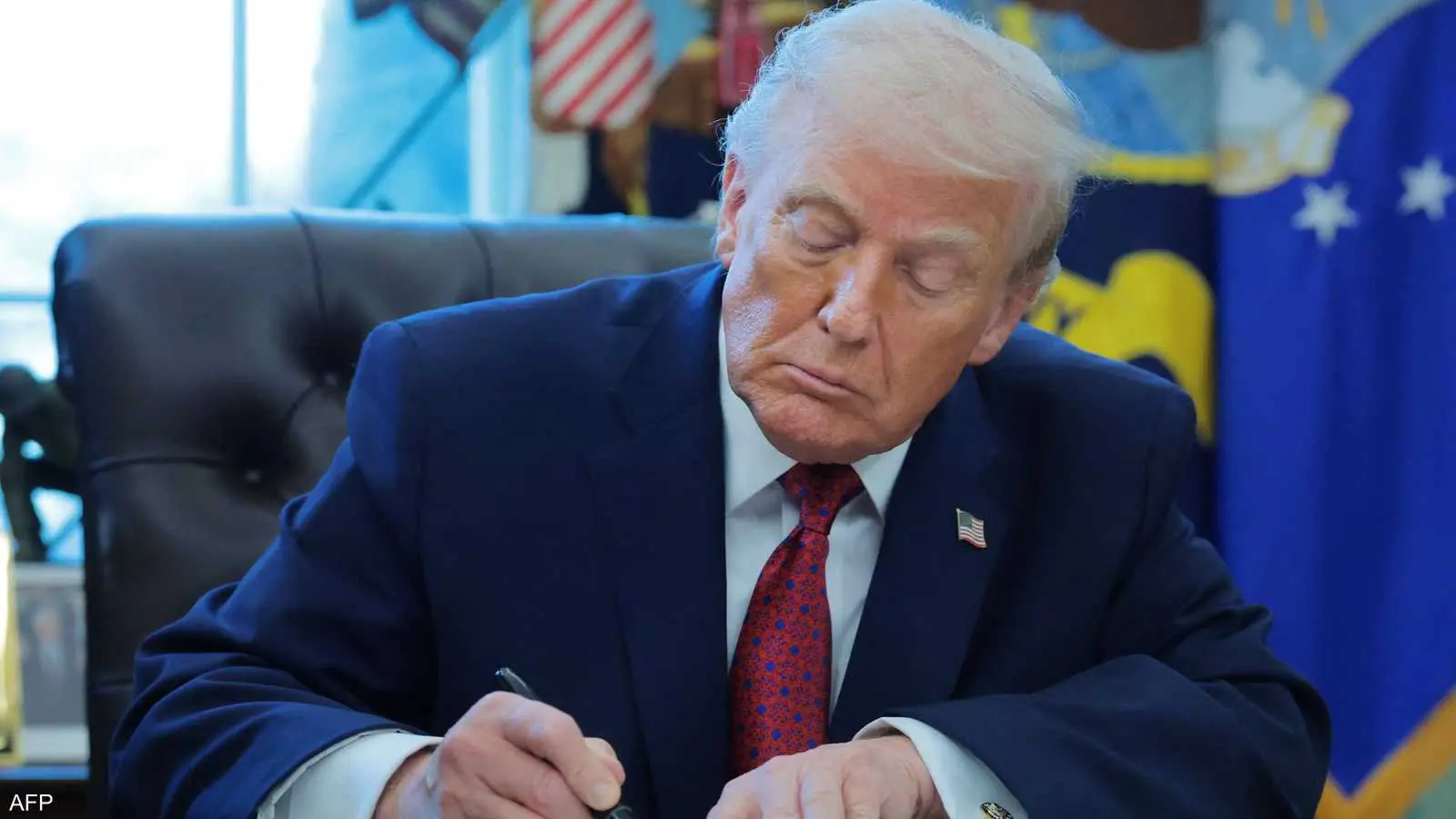
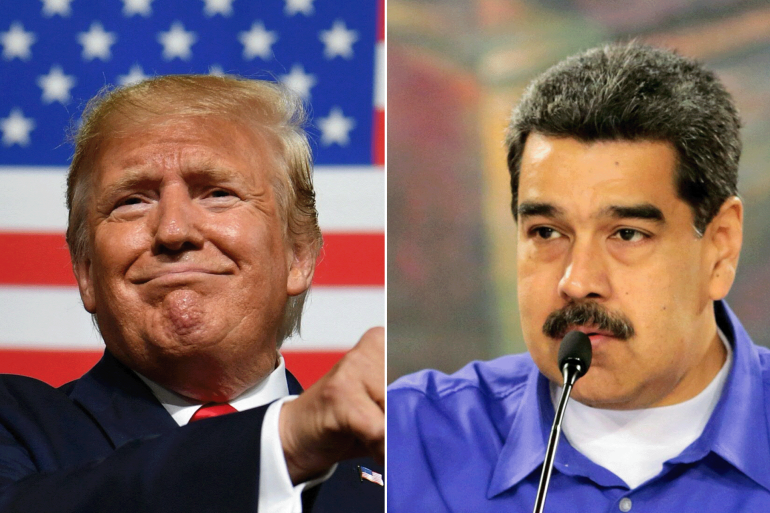
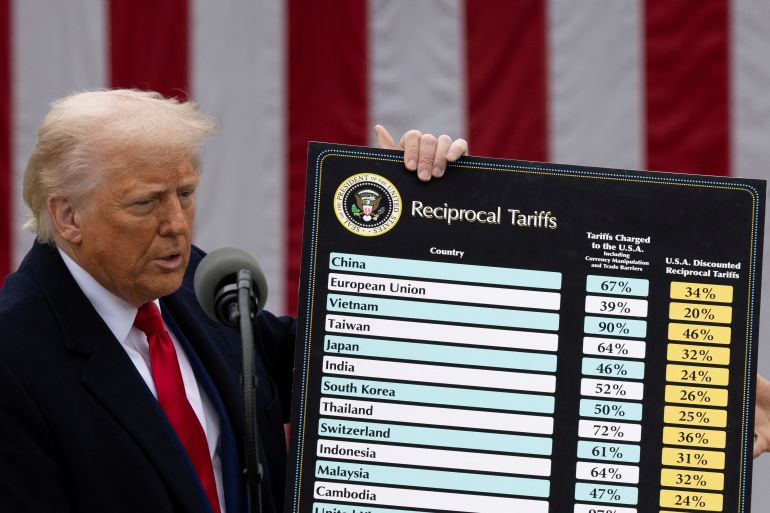
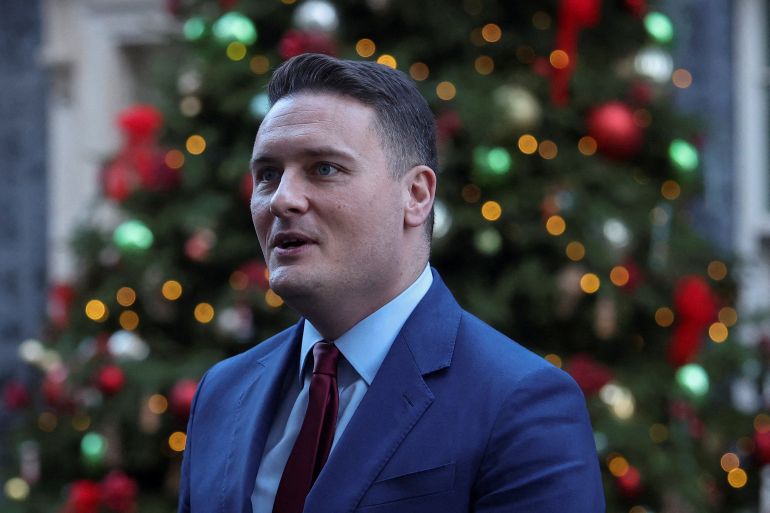
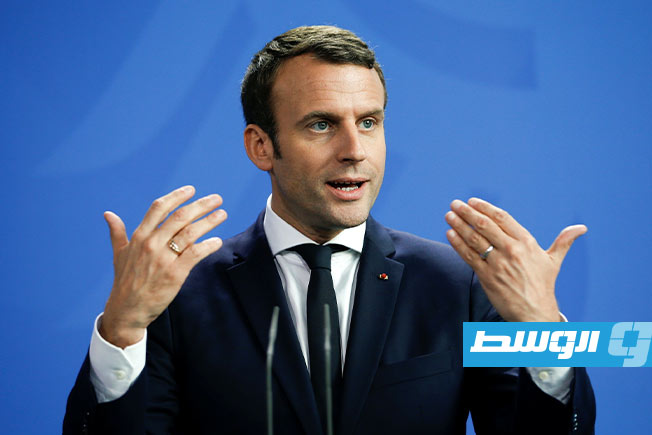
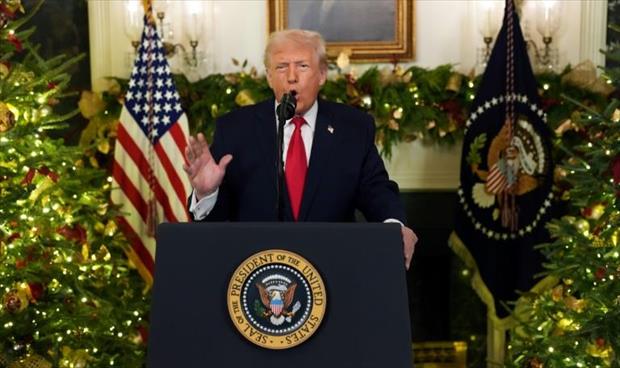
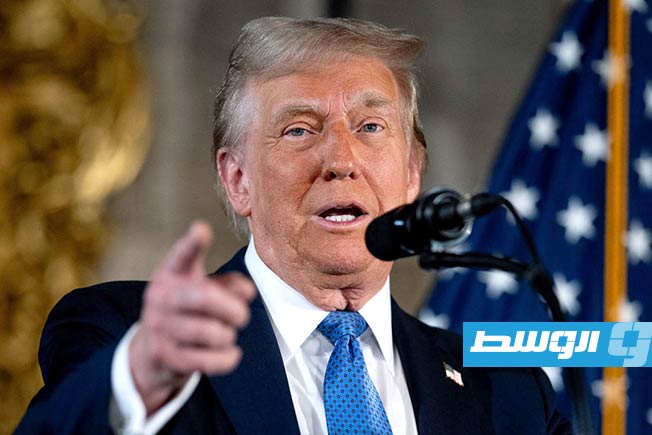
US President Donald Trump announcing reciprocal tariffs at the White House in Washington, April 2, 2025.
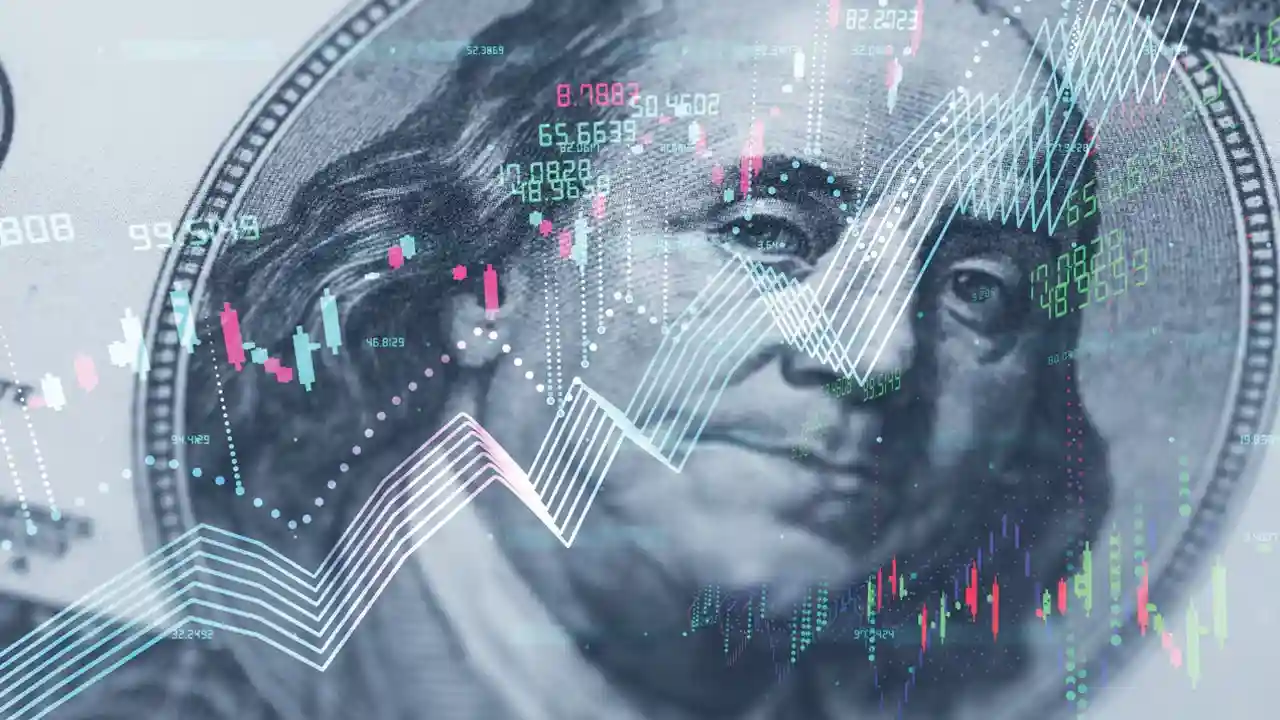
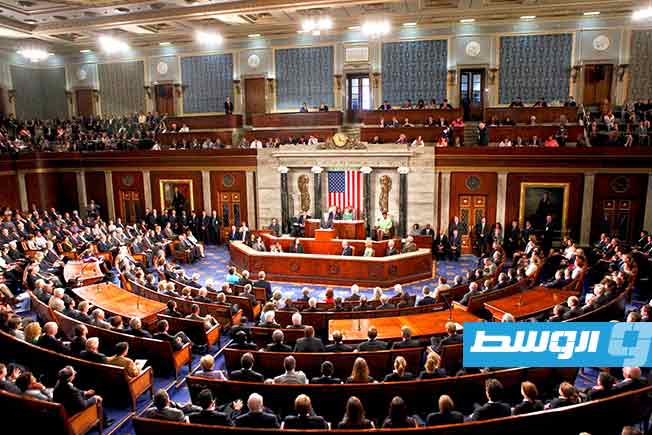
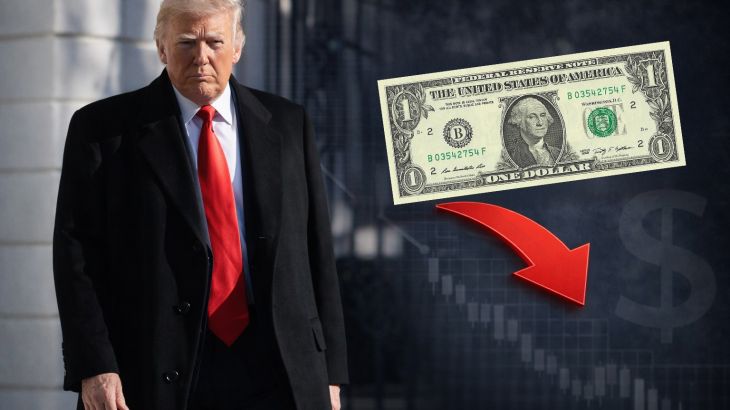
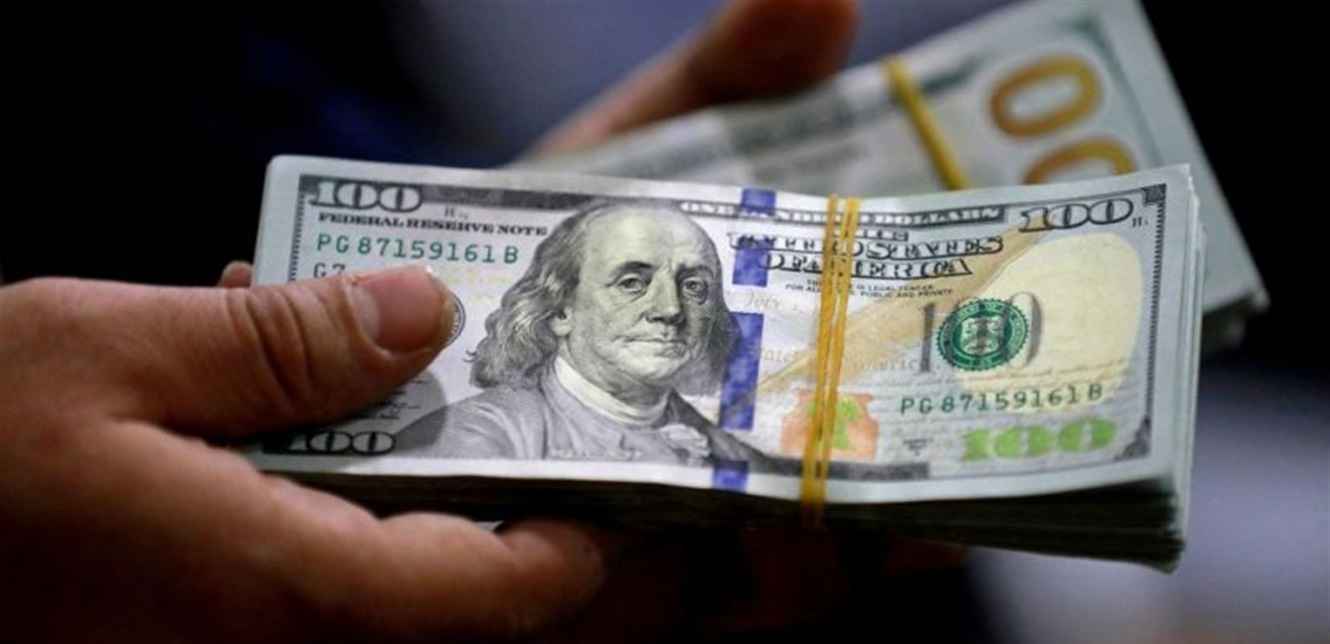
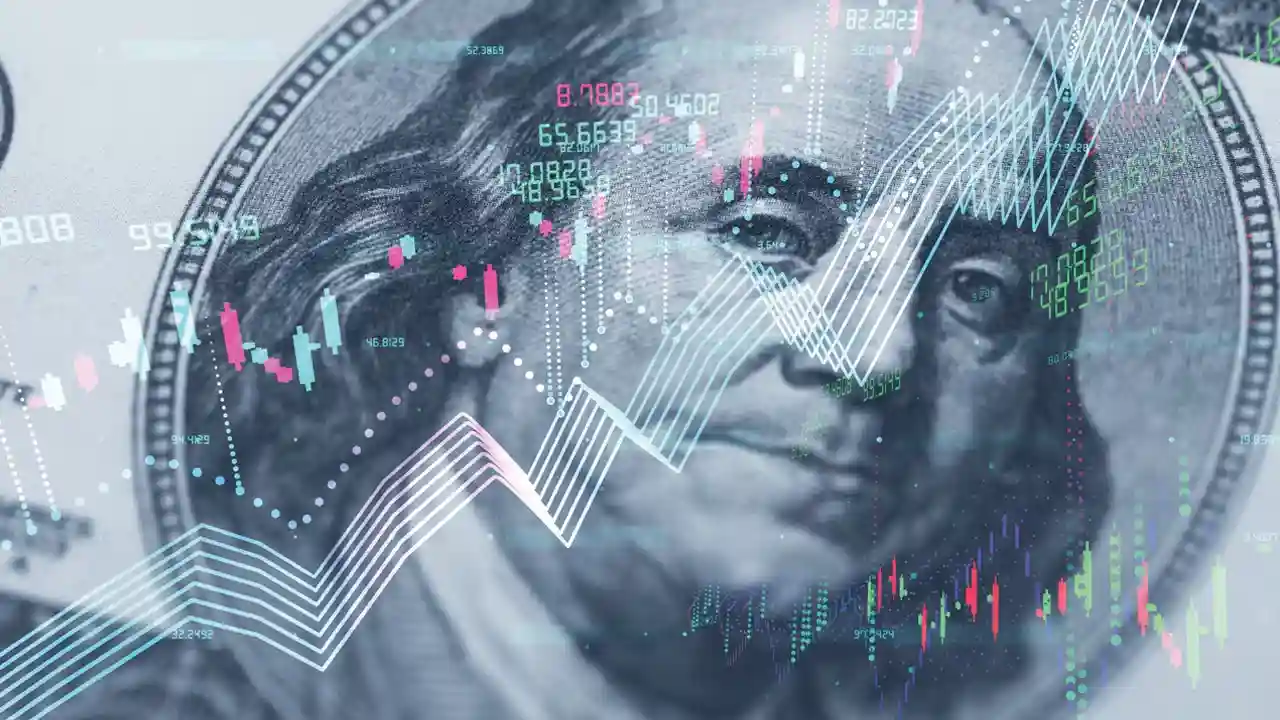
The US Supreme Court issued a ruling against the Trump tariffs on Friday, stating that the Emergency Economic Powers Act “does not give the President the authority to impose tariffs.”
The ruling was issued by the conservative-majority US court by a vote of six to three.
– The US Supreme Court to consider the “legality” of Trump tariffs next Wednesday
The court concluded that the US President overstepped his authority by imposing a series of tariffs that disrupted global trade, thereby hindering a key tool he used to advance his economic agenda.
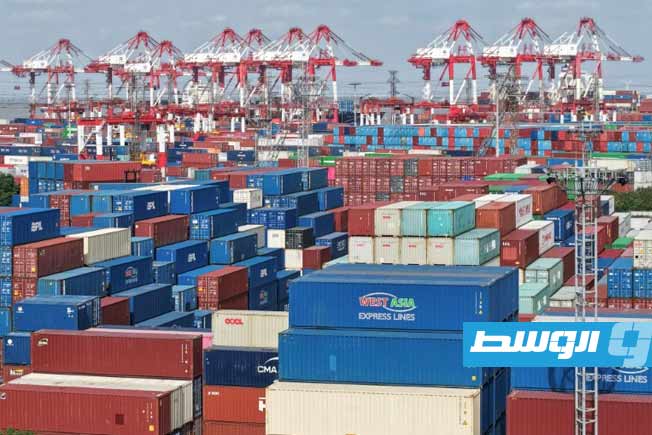
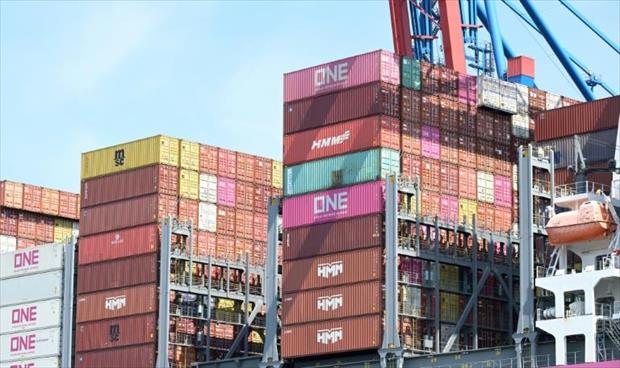
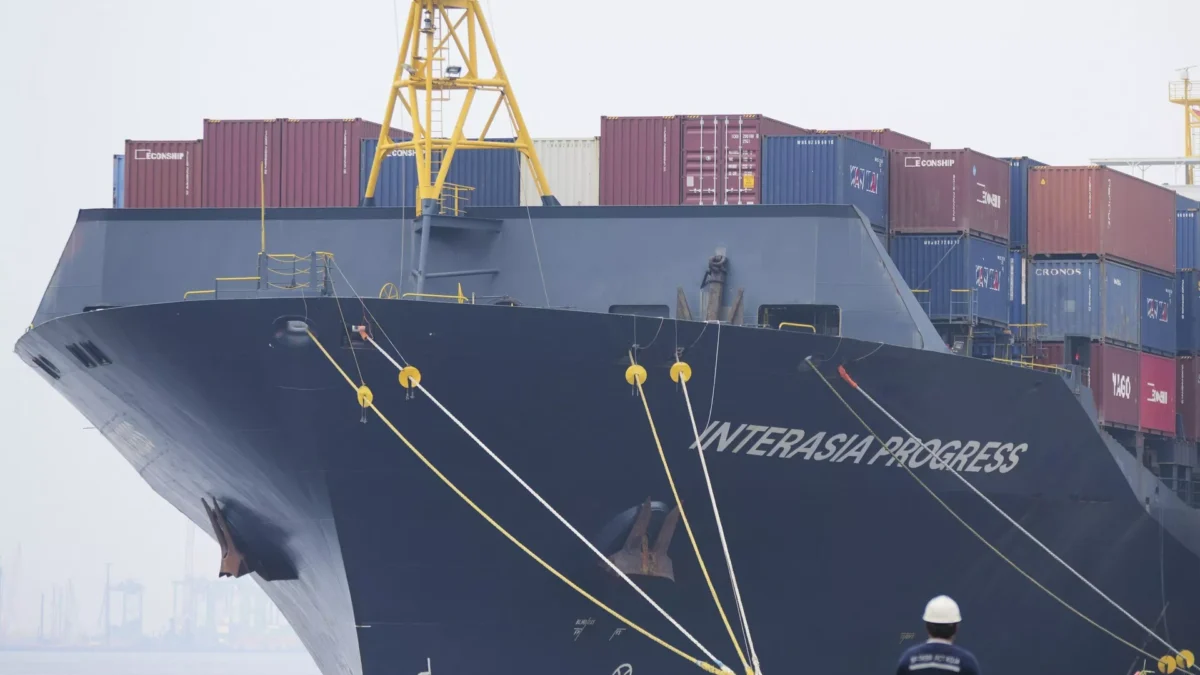
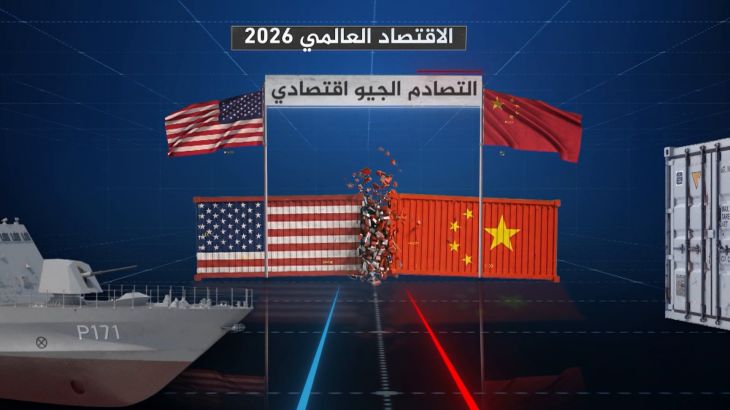
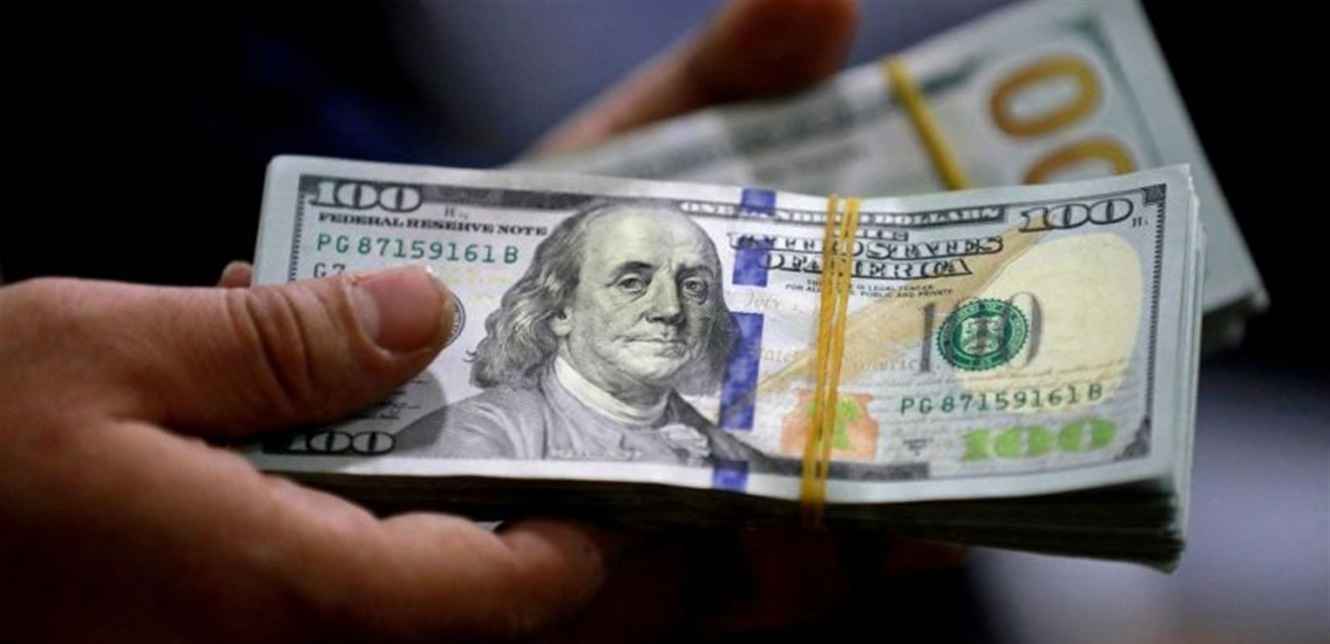
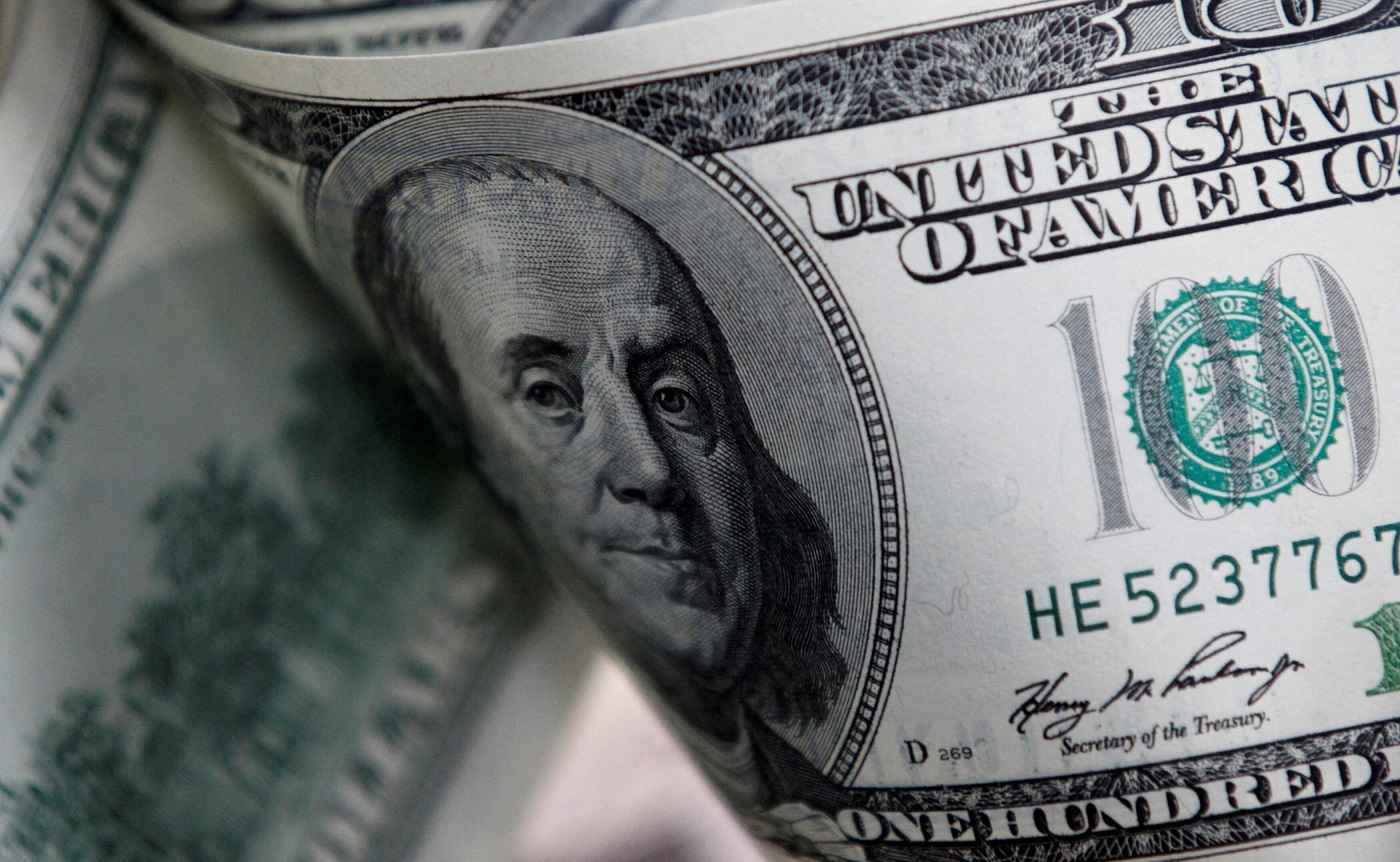
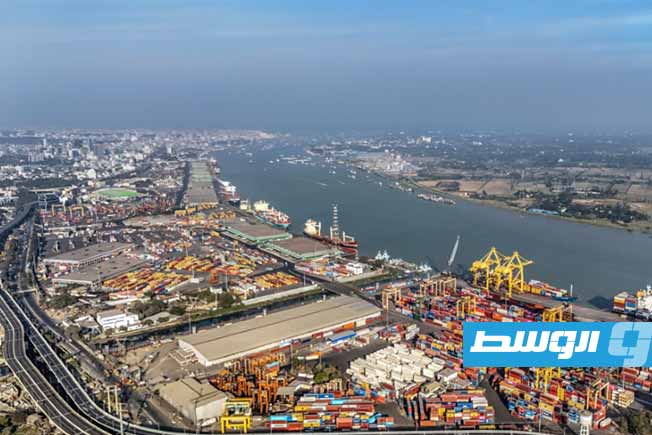
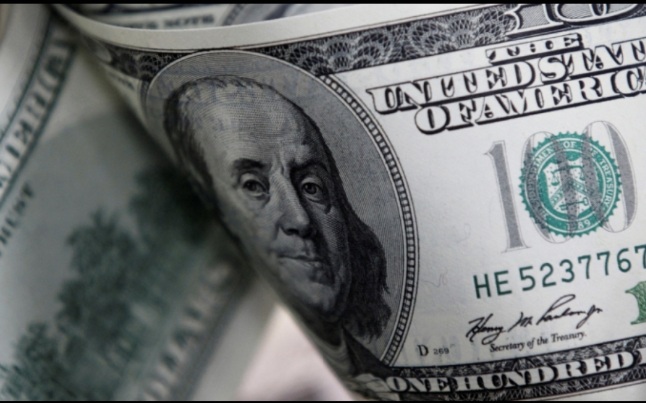
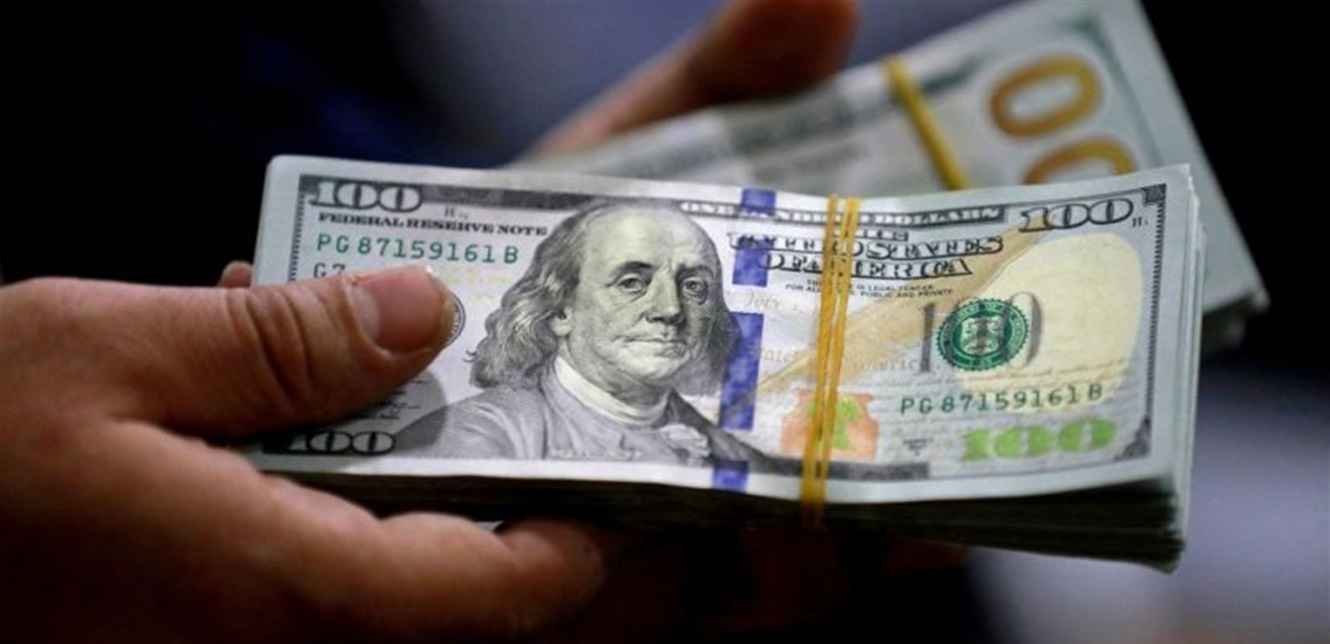
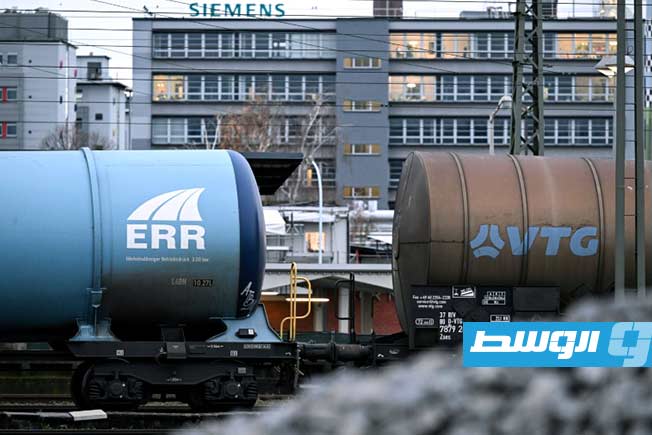
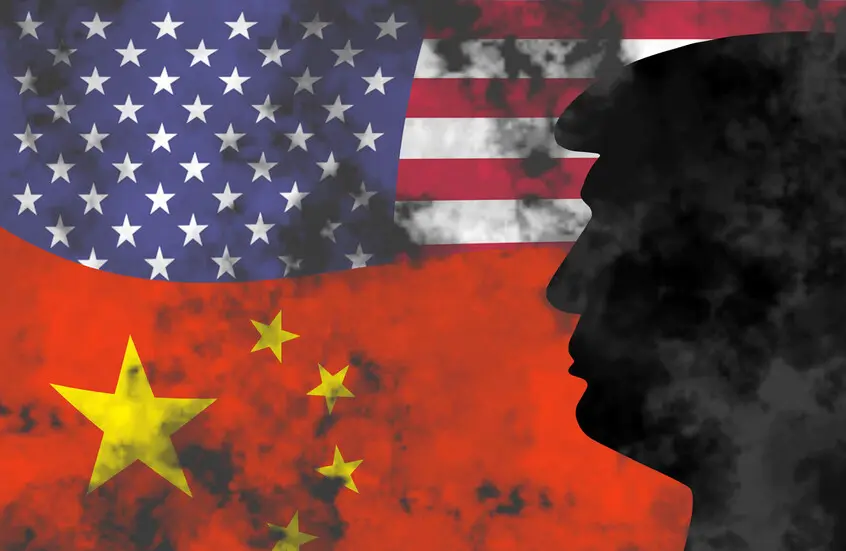
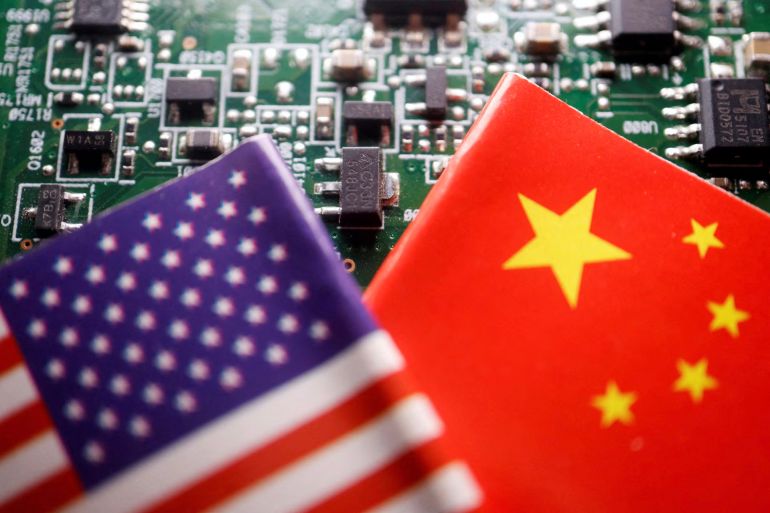
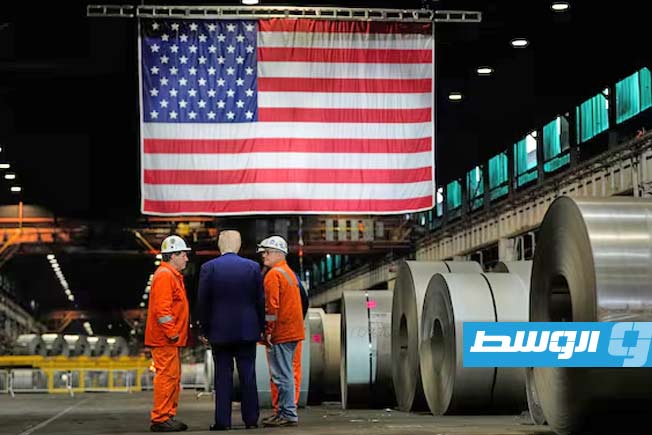
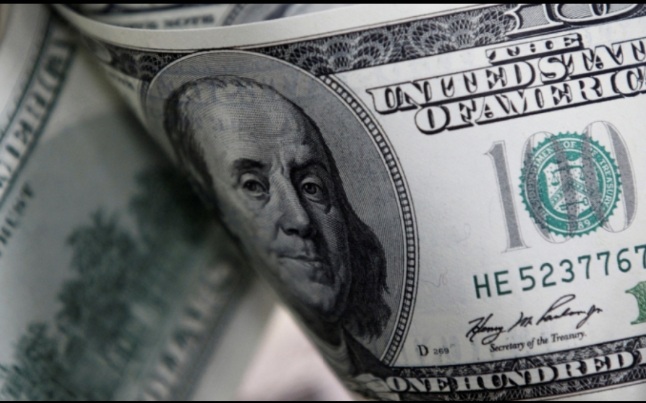
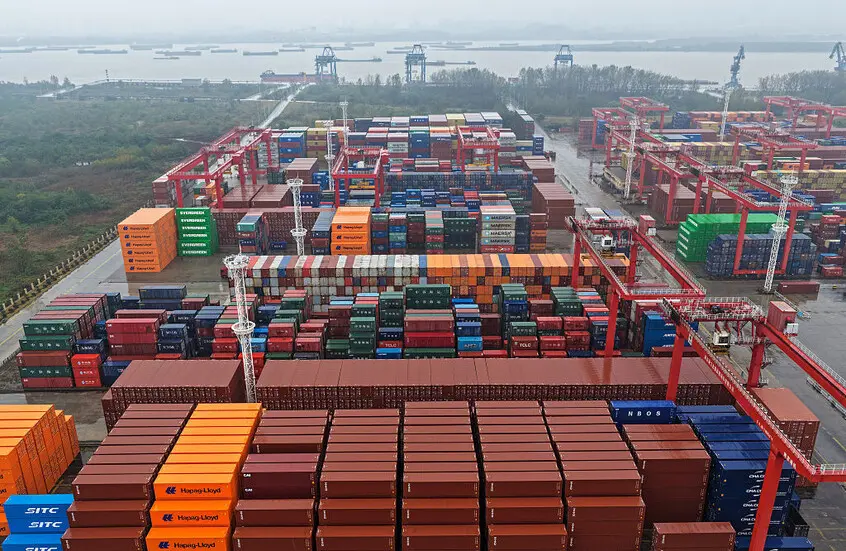
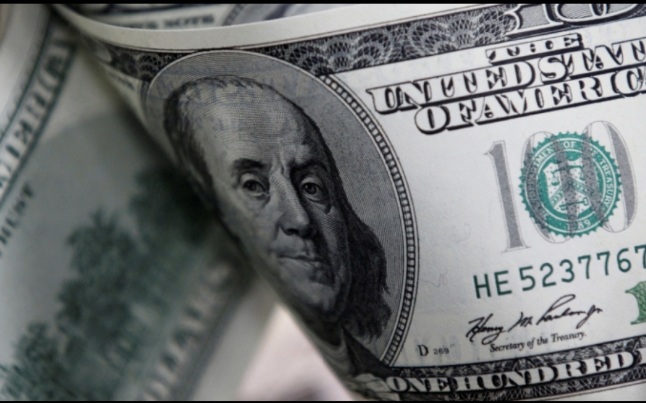
Trump announced a series of new tariffs on goods entering the United States, aiming to boost domestic industry and reduce the US trade deficit. These tariffs range from 10% to 50%, depending on circumstances and countries.
US Supreme Court
The US Supreme Court is the highest federal court in the United States, established in 1789 by Article III of the US Constitution. It serves as the final interpreter of federal law and the Constitution, with its landmark decisions shaping American civil rights, governance, and society throughout history.
Trump tariffs
The Trump tariffs refer to a series of import taxes, primarily on steel, aluminum, and goods from China, implemented by the administration of U.S. President Donald Trump starting in 2018. These measures were based on national security concerns and allegations of unfair trade practices, aiming to protect domestic industries and reduce trade deficits. The policy sparked significant global trade tensions and led to retaliatory tariffs from affected trading partners.
White House
The White House is the official residence and workplace of the President of the United States, located in Washington, D.C. It was designed by James Hoban and its construction was completed in 1800, with President John Adams being the first to reside there. The building has been expanded and renovated over the centuries, including after being burned by British forces in 1814.
Washington
Washington, D.C., is the capital city of the United States, founded in 1790 and named after the first U.S. president, George Washington. It is renowned for its iconic national monuments, museums, and federal buildings, including the White House, the U.S. Capitol, and the Smithsonian Institution.
United States
The United States is a federal republic founded in 1776 following a war for independence from Great Britain. Its history is marked by westward expansion, a civil war over slavery, and its emergence as a global superpower in the 20th century. The nation is defined by its diverse population, democratic institutions, and significant cultural influence worldwide.
Emergency Economic Powers Act
The Emergency Economic Powers Act (EEPA) is a United States federal law passed in 1977 that grants the President broad authority to regulate international economic transactions during a declared national emergency. It is most commonly used to impose economic sanctions, such as asset freezes and trade restrictions, against foreign countries, organizations, or individuals deemed to pose an unusual threat to U.S. national security, foreign policy, or economy.