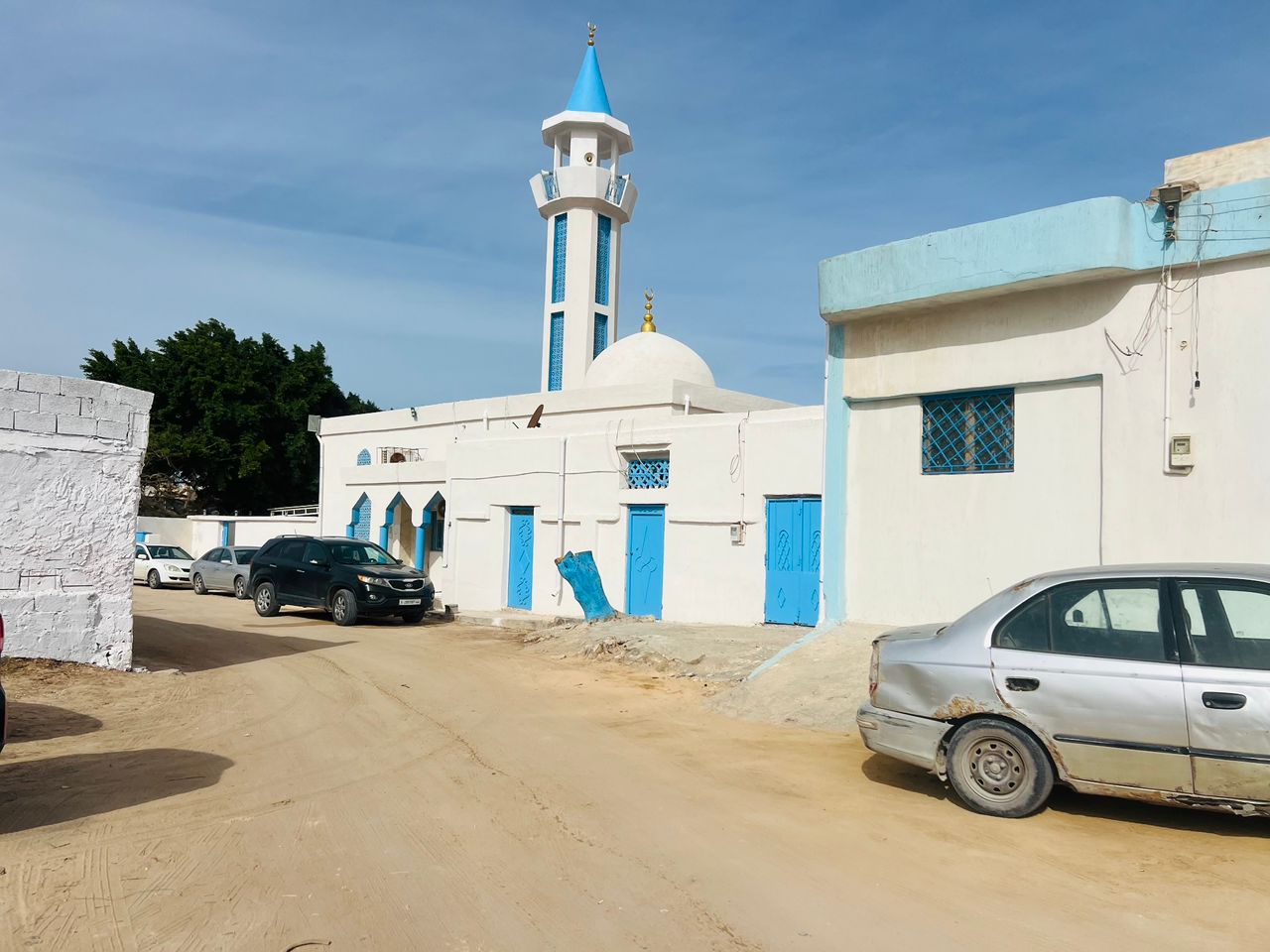
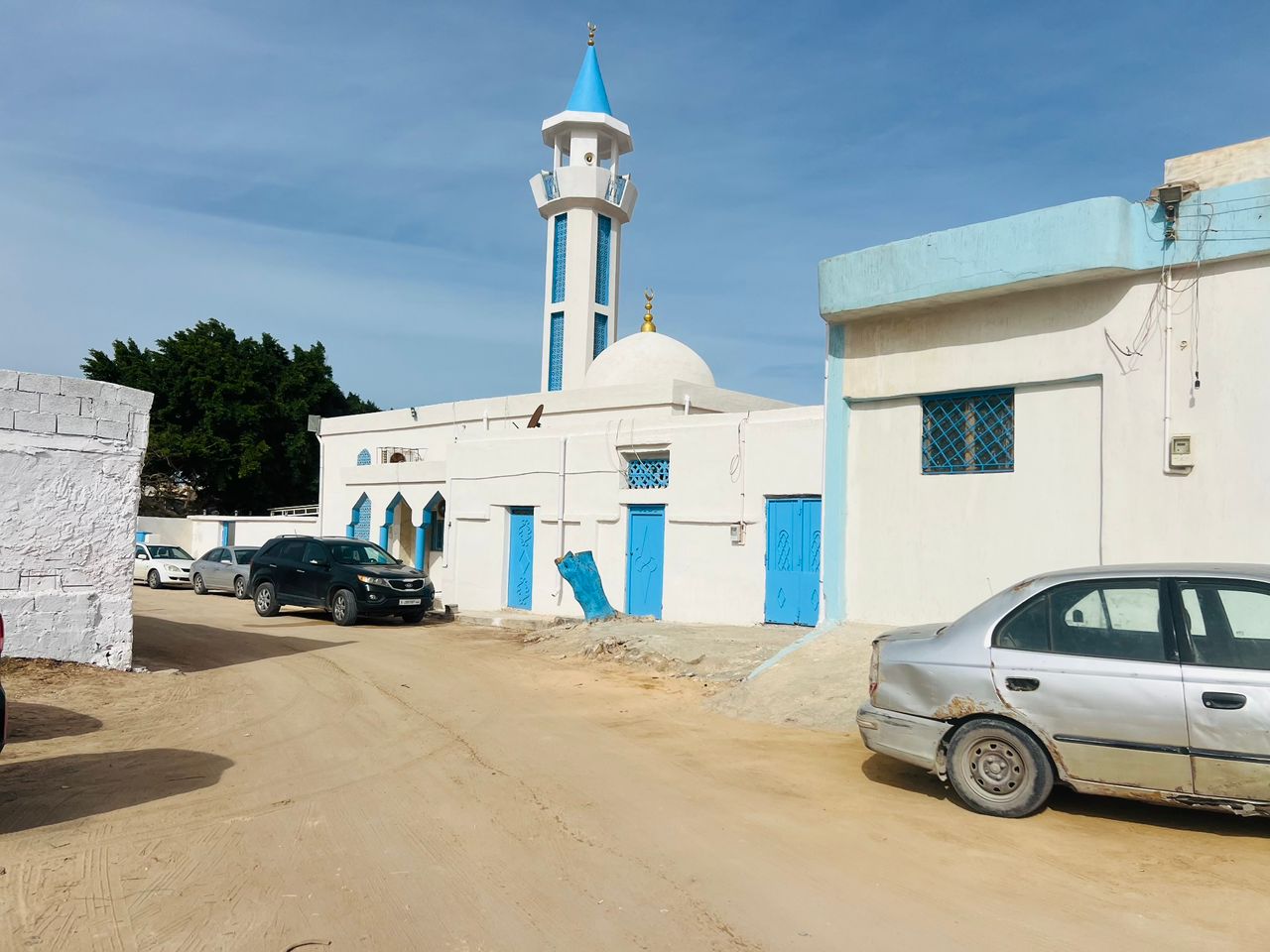
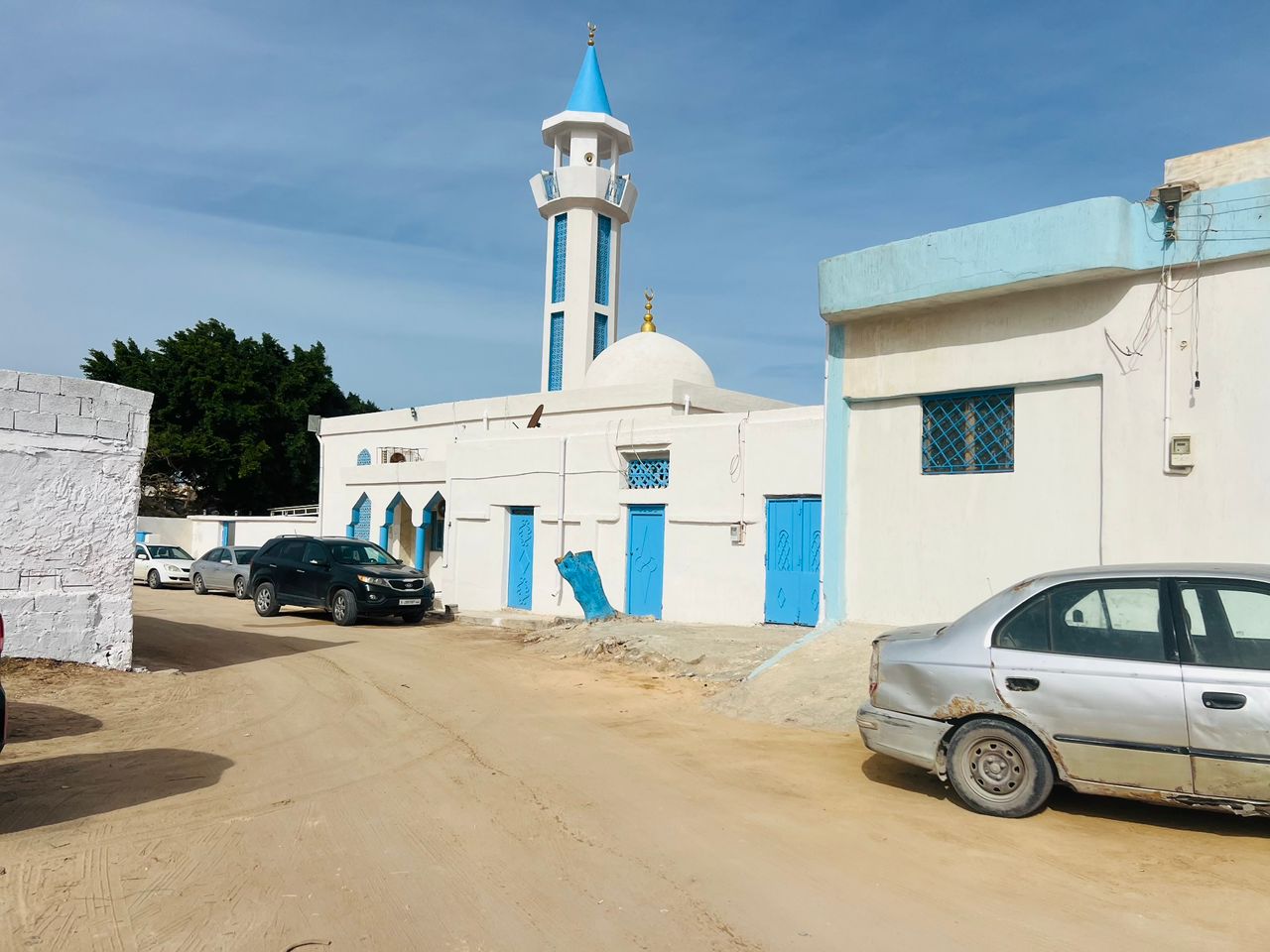
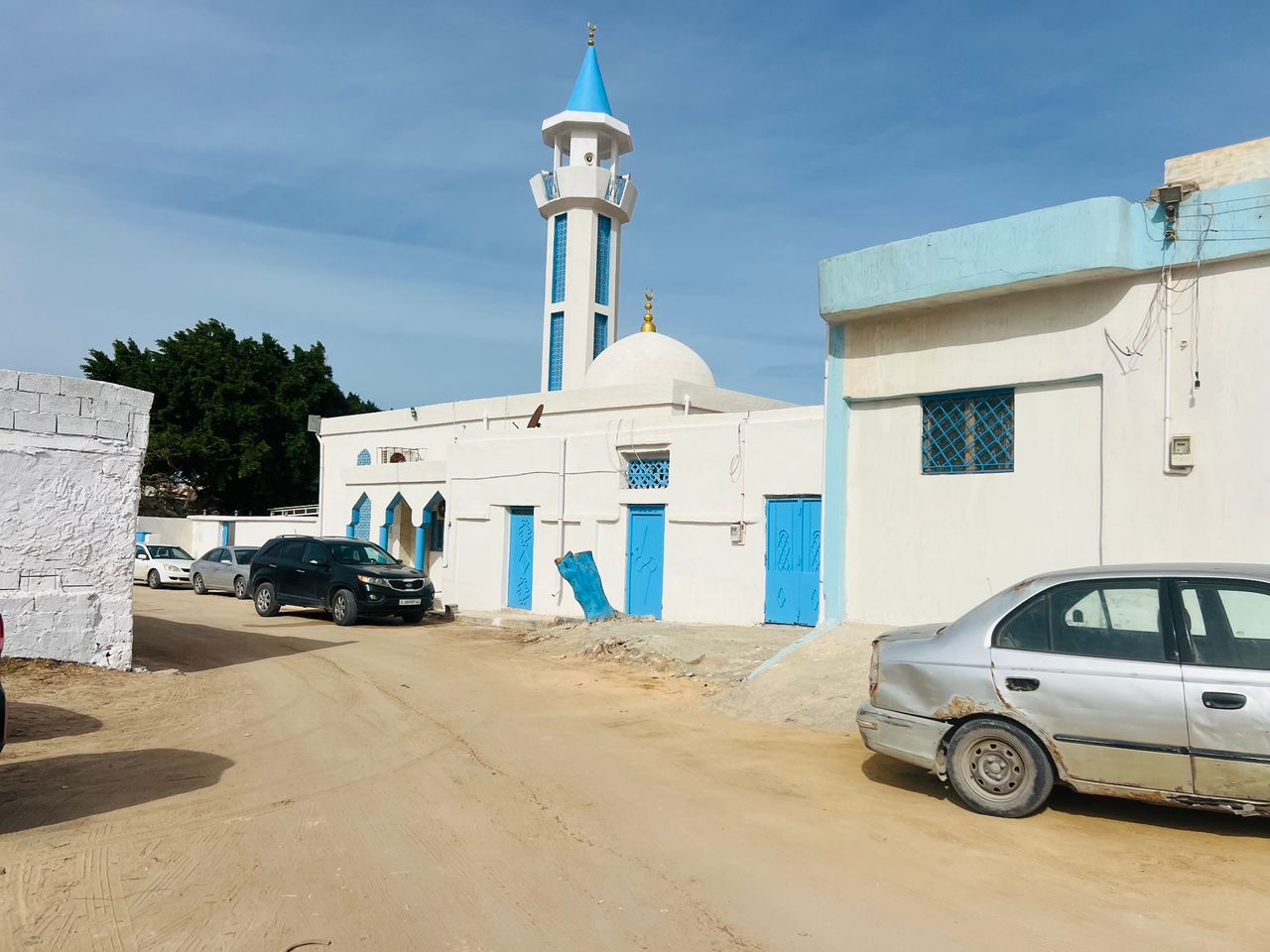
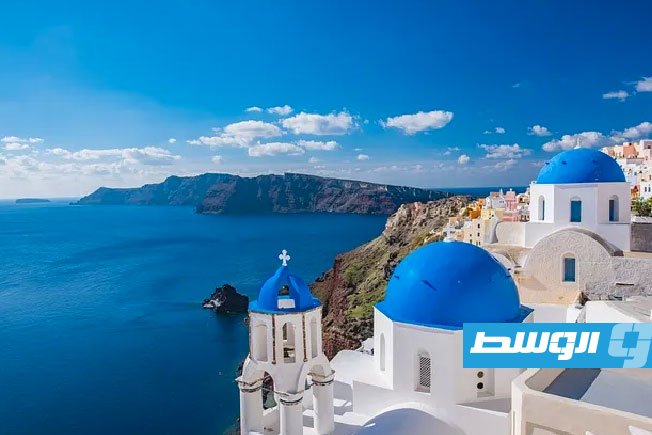
The village of Sidi Bou Said, an icon of Tunisian tourism with its architectural style blending blue and white on a hill overlooking the Gulf of Carthage, is now threatened by landslides following the recent wave of weather fluctuations accompanied by heavy rainfall.
This rainfall, described as “exceptional,” was of an unprecedented intensity in over 70 years according to the National Institute of Meteorology, and affected several regions of the country, including the northern suburbs of the capital Tunis where Sidi Bou Said is located.
This rainfall, which left at least five dead according to authorities, caused rocks to scatter as they rolled down from the top of the hill into some of the winding alleys of the village famous for its traditional doors studded with nails, while large quantities of mud and soil blocked other roads.
The regional director of civil protection in Tunisia warned that “there are fears and the situation in Sidi Bou Said is critical and requires urgent intervention because some houses are in grave danger.”
The village, classified as a protected site, awaits a decision on Tunisia’s request to include it on UNESCO’s World Heritage List.
“Everything happened so quickly”
Although the hill has not experienced a landslide of the scale recently seen in Sicily, a number of residents expressed fear of their homes collapsing. Among them is Maya (50 years old), who had to temporarily leave her family villa, saying: “Everything happened so quickly, I saw a mass of mud descending towards the house and then the electricity cut out. I was truly afraid.”
Worker Said bin Farhat explained that the water-saturated soil destroyed the kitchen wall, warning of a “catastrophe if more heavy rain falls.”
Local authorities ordered precautionary measures including the evacuation of some stalls and banning heavy trucks and buses from entering, which angered merchants who depend on tourism. They appealed to President Kais Saied during his visit to the site, saying: “We want to work, Mr. President.”
Saied: The cause is “corruption”
For his part, Saied considered that what happened is due to “corruption” and the construction of homes on the heights in past decades.
A doctor in applied geology stressed that climate change makes protecting the hill an urgent necessity, explaining in a statement that storms now occur “suddenly and with force,” noting that clay soil loses 70% of its cohesion when saturated with water.
In addition to coastal erosion and urban expansion, experts have proposed solutions including banning new constructions, establishing a better rainwater drainage system, and building support walls while preserving the village’s architectural identity, as they await authorities to announce a comprehensive plan to protect the site.
Sidi Bou Said
Sidi Bou Said is a picturesque village in Tunisia, perched on a cliff overlooking the Mediterranean Sea. It is renowned for its distinctive blue-and-white architecture and was historically shaped by Andalusian refugees in the 17th century, later becoming an artistic hub in the 20th century.
Tunisian tourism
Tunisian tourism is centered around the country’s diverse attractions, including Mediterranean beaches, ancient ruins like the UNESCO World Heritage site of Carthage, and Saharan desert landscapes. Its modern tourism industry developed significantly in the 1960s, becoming a major economic sector by capitalizing on its historical and geographical assets.
Gulf of Carthage
The Gulf of Carthage is a broad bay on the northeast coast of Tunisia, adjacent to the capital city of Tunis. It is historically significant as the maritime heart of the ancient Phoenician and later Roman city of Carthage, a major power in the Mediterranean until its destruction in 146 BCE. Today, the gulf’s shores contain both modern urban development and extensive archaeological ruins of the ancient civilization.
National Institute of Meteorology
The National Institute of Meteorology (INMET) is Brazil’s official federal agency responsible for monitoring and providing meteorological and climatic data. It was founded in 1909, initially under the name “Diretoria de Meteorologia e Astronomia,” to support agriculture and public safety with weather forecasts and climate studies. Today, it operates a nationwide network of observation stations and issues critical weather warnings.
Tunis
Tunis is the capital and largest city of Tunisia, historically founded by the Berbers and later becoming a major center under the Hafsid dynasty in the medieval period. The city’s heart is the UNESCO-listed Medina, a dense maze of souks and monuments reflecting its rich Arab-Islamic heritage. Its history was further shaped by periods of Ottoman rule and French colonization before Tunisia’s independence in 1956.
Portugal
Portugal is a country in southwestern Europe on the Iberian Peninsula, with a rich history as a global maritime power during the Age of Discoveries in the 15th and 16th centuries. Its cultural identity is deeply shaped by this era of exploration, visible in historic sites like the Belém Tower in Lisbon and the port wine region of the Douro Valley.
Storm ‘Cristina’
Storm ‘Cristina’ is not a place or cultural site, but a meteorological event. It was a powerful hurricane that formed in the Eastern Pacific Ocean in 2014, notable for its rapid intensification.
‘Lake Hotel’
Lake Hotel is a historic lodge located in Yellowstone National Park, Wyoming, USA. It was originally built in 1889-1891 and is the oldest operating hotel in the park, designed in the Colonial Revival style to offer comfortable accommodations for early park visitors amidst the wilderness.
Tunisia
Tunisia is a North African country with a rich history shaped by ancient civilizations, including the Phoenicians who founded Carthage, followed by Roman, Arab, Ottoman, and French influences. It is home to numerous cultural sites, such as the well-preserved Roman amphitheater at El Jem and the historic medina of Tunis, a UNESCO World Heritage site. The country gained independence from France in 1956 and is known as the birthplace of the Arab Spring pro-democracy movement in 2011.
UNESCO
UNESCO, the United Nations Educational, Scientific and Cultural Organization, is a specialized UN agency founded in 1945 to promote global peace through international collaboration in education, science, culture, and communication. It is best known for its World Heritage program, which identifies and helps protect cultural sites and natural landmarks of outstanding universal value.
World Heritage List
The World Heritage List is a catalog of sites of outstanding universal value to humanity, maintained by UNESCO since 1972. It includes cultural landmarks, natural wonders, and mixed properties that are recognized for their exceptional importance and are legally protected by international treaty. To be inscribed, sites must meet strict criteria and demonstrate a commitment to preservation for future generations.
Sicily
Sicily is the largest island in the Mediterranean Sea, with a history of successive colonization by the Greeks, Romans, Arabs, Normans, and others, each leaving a distinct cultural and architectural mark. This rich past is evident in sites like the Valley of the Temples and the Palatine Chapel in Palermo, making the island a unique mosaic of art, cuisine, and traditions.
President Kais Saied
President Kais Saied is the current President of Tunisia, who took office in October 2019 after a landslide electoral victory. A constitutional law professor with no prior political party affiliation, his presidency has been defined by a populist anti-corruption platform and a series of unilateral political actions, including the suspension of parliament in July 2021 and the consolidation of executive power through a new constitution.