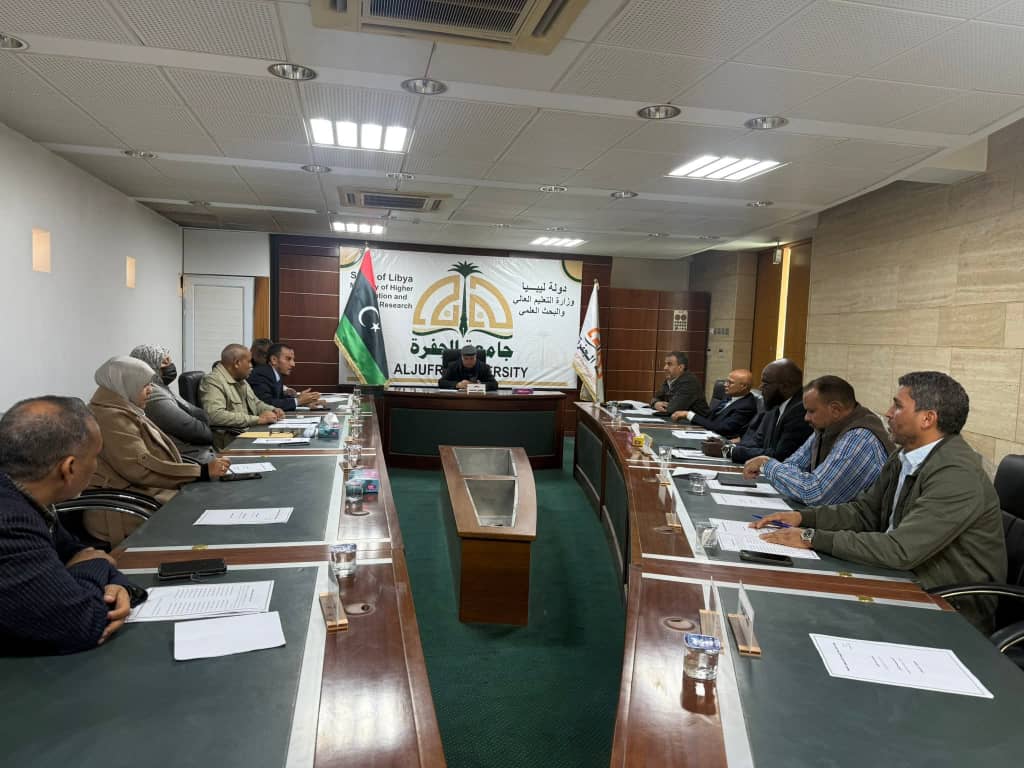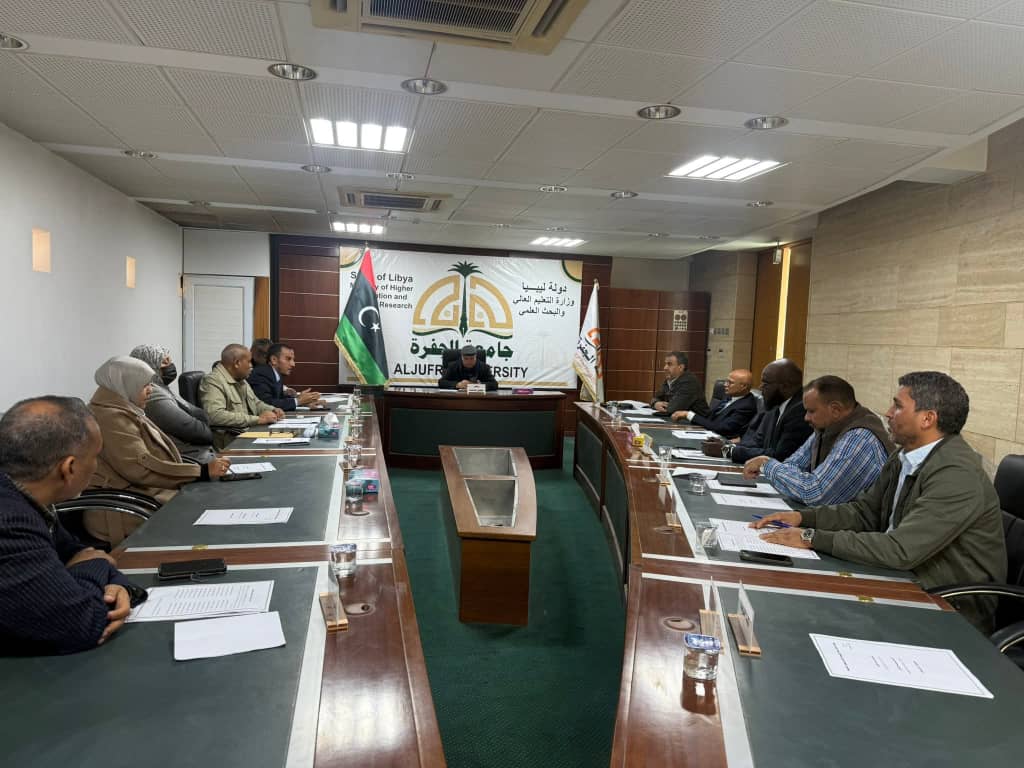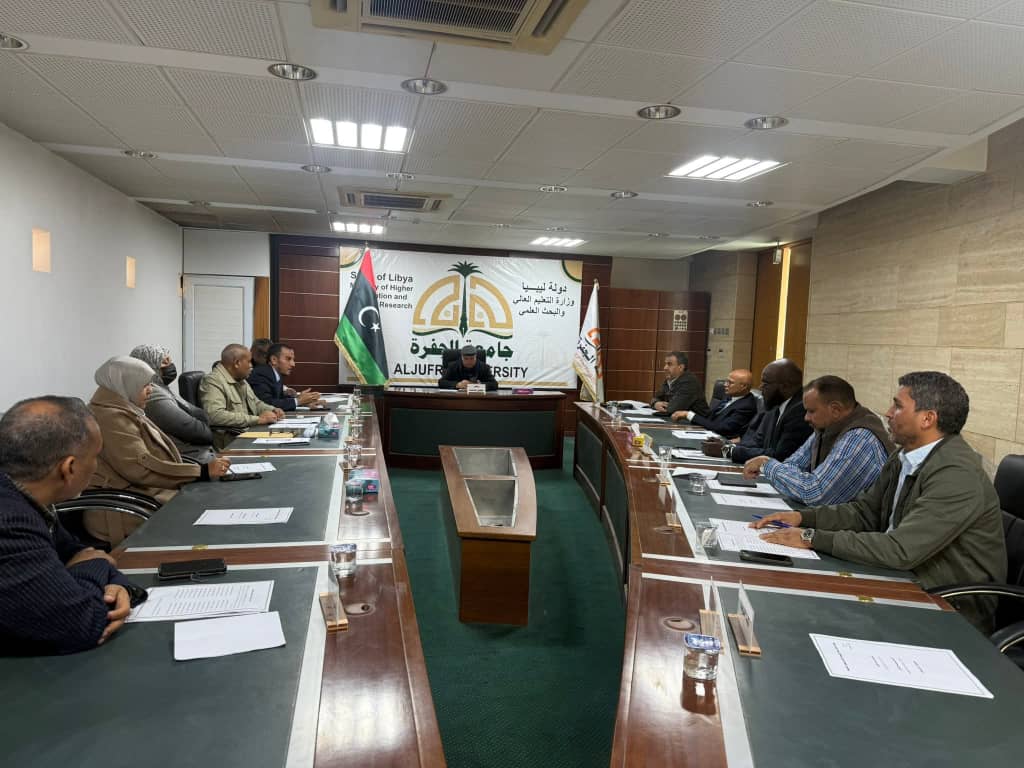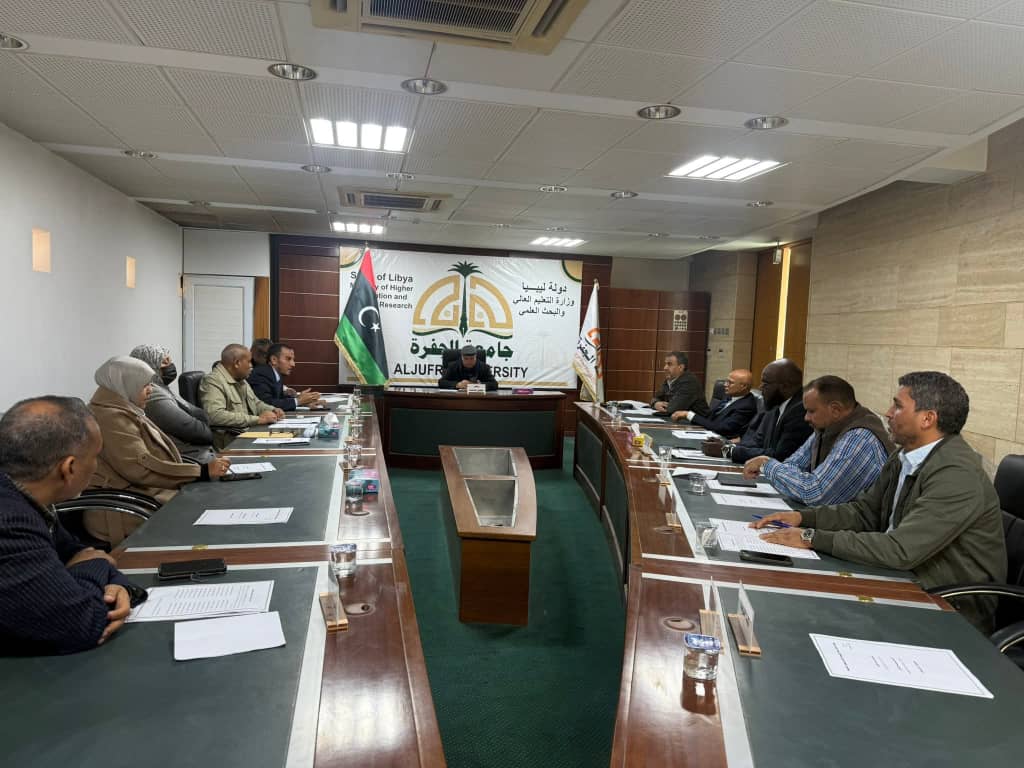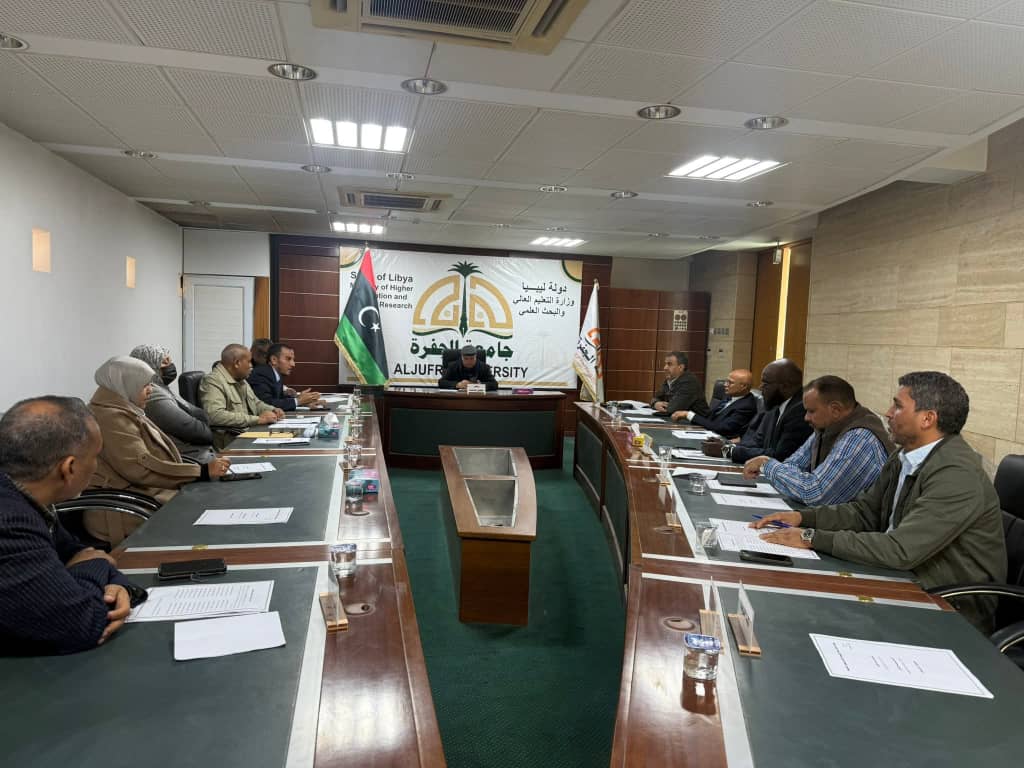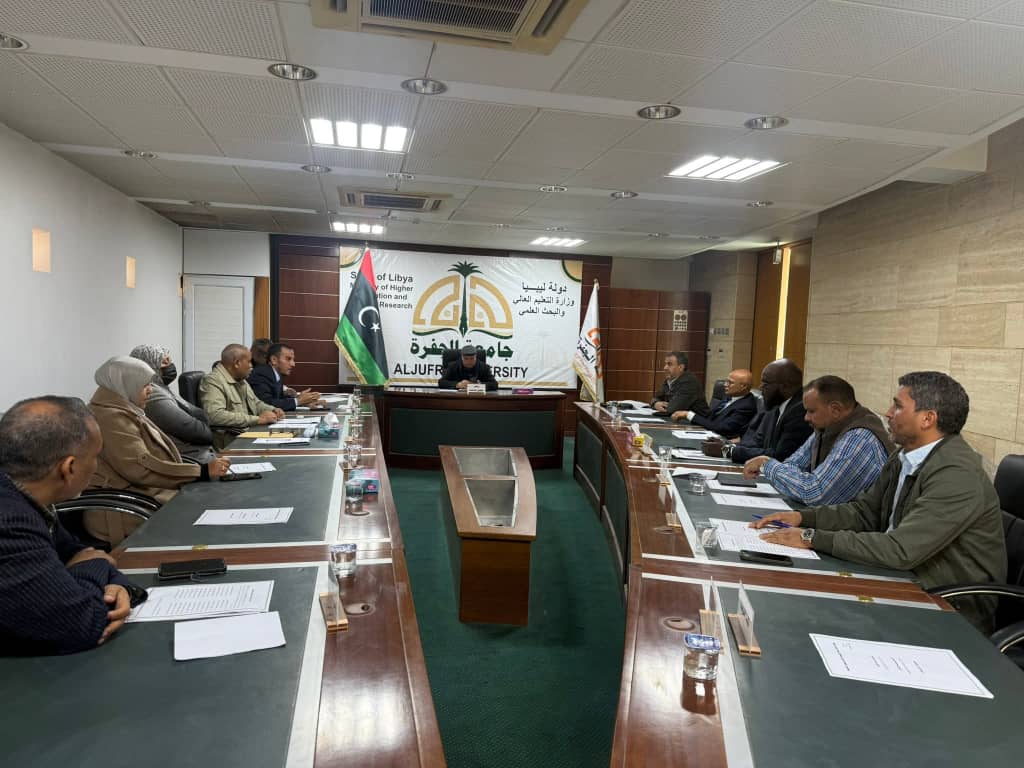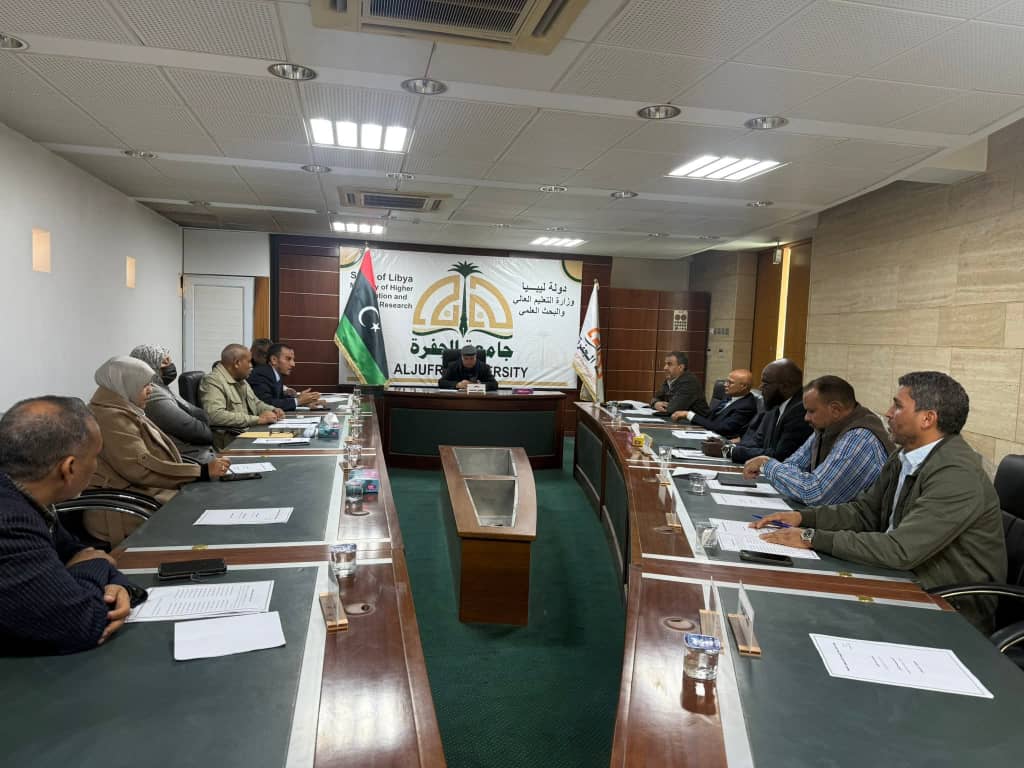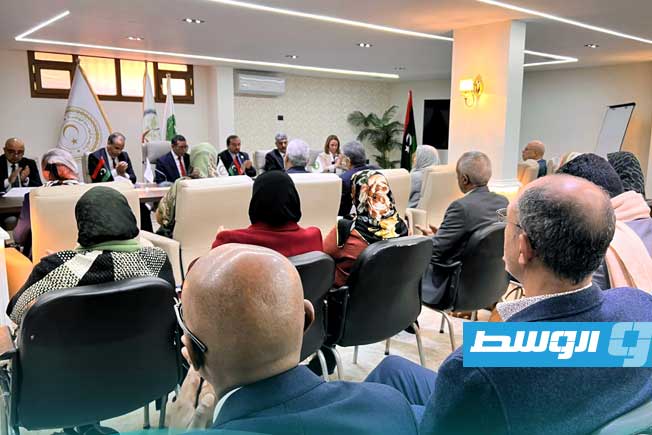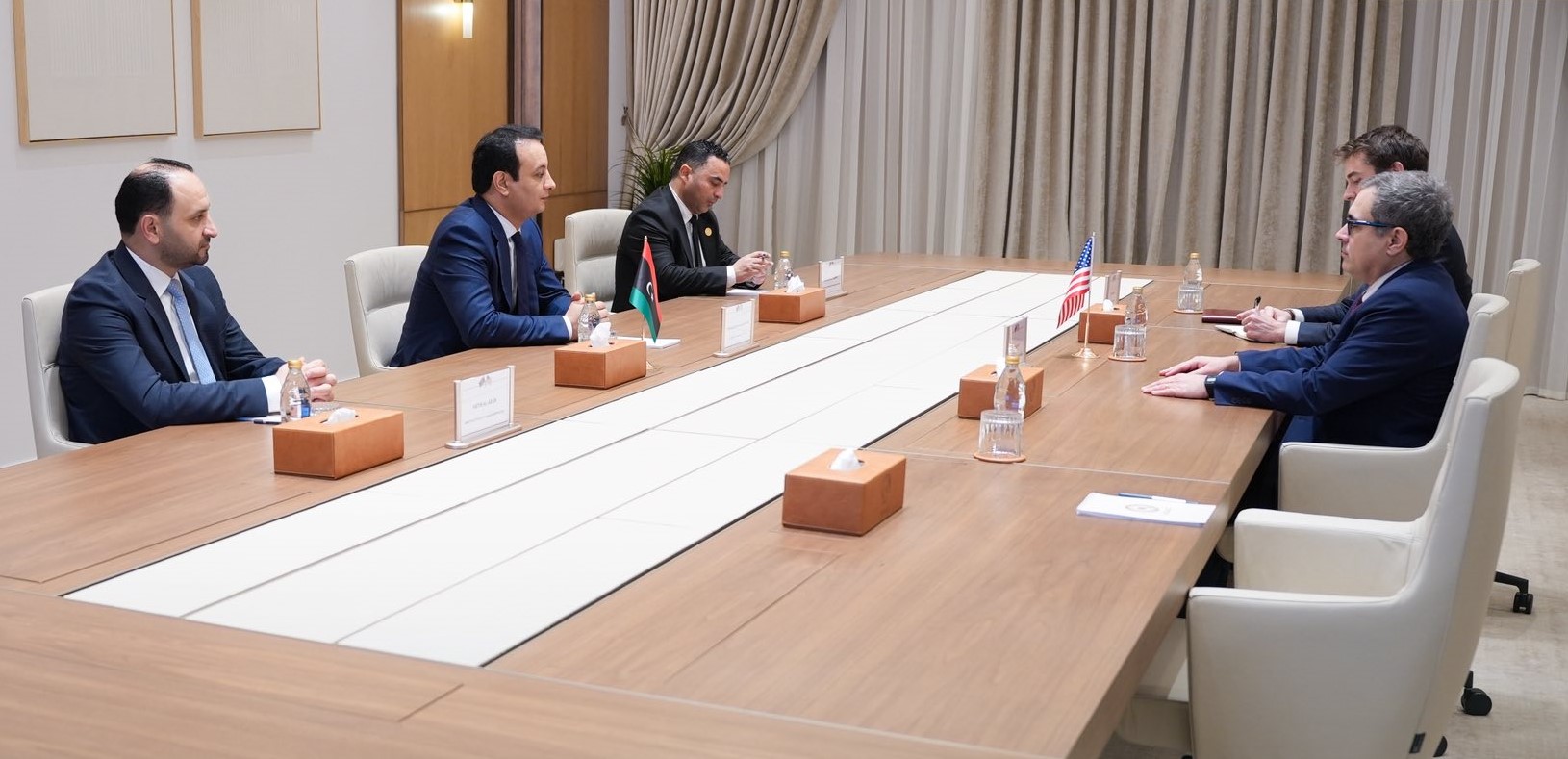

Tripoli, January 1, 2026 – The High Council of State announced its full and unconditional support for the statement issued by the Supreme Court, stressing that its content embodies a responsible national stance at a pivotal moment in defense of the Constitutional Declaration as the supreme legal framework governing public authorities and in safeguarding the independence of the judiciary.
The Council stated in a release today, Thursday, “The systematic campaigns of doubt and political pressure targeting the Libyan judiciary, headed by the Supreme Court, constitute a serious assault on the principle of separation of powers and a clear violation of the governing constitutional principles, which no legislative or executive authority may undermine, circumvent, or reinterpret outside their constitutional framework.”
The Council expressed its deep concern regarding the continued escalation by the Presidency of the House of Representatives towards the judicial authority, and its attempts to establish parallel judicial entities lacking constitutional basis, while trying to impose political interpretations on the judiciary’s jurisdictions. It noted that this reflects a determination to manage the transitional phase with a unilateral logic that undermines the foundations of national consensus, pushes the country towards further division and instability, and threatens to derail what remains of the entire political process, according to the statement.
The High Council of State affirmed that the House of Representatives, as a temporary legislative body with limited powers as established by constitutional jurisprudence, possesses no constitutional mandate authorizing it to redefine legitimacy, override the Constitutional Declaration, or challenge the jurisdictions of the judicial authority. It stated that persisting on this path poses a direct threat to the unity of the state and practically returns Libya to the initial stage of division.
The High Council of State called on the United Nations Support Mission in Libya (UNSMIL) to adopt a clear and responsible stance towards these repeated transgressions and to refrain from lending any political or de facto legitimacy to actions or outcomes issued outside the framework of constitutional consensus, given the profound impact this has on deepening the crisis and undermining opportunities for reaching a sustainable political solution.
The Council emphasized that protecting the judiciary and respecting the Constitutional Declaration are not political choices subject to bargaining or exploitation, but rather a national, constitutional, and moral obligation. It stressed that any tampering with them will only deepen chaos and prolong the transitional phase, which the High Council of State categorically rejects.
The General Assembly of the Supreme Court had expressed in a statement yesterday its profound regret and strong condemnation of the stance taken by the President of the House of Representatives towards the country’s judicial authority, represented at its highest level, and the attack on the professional reputation of its head, unjustly accusing him and the court of bias and lack of integrity, describing it as a dangerous precedent.