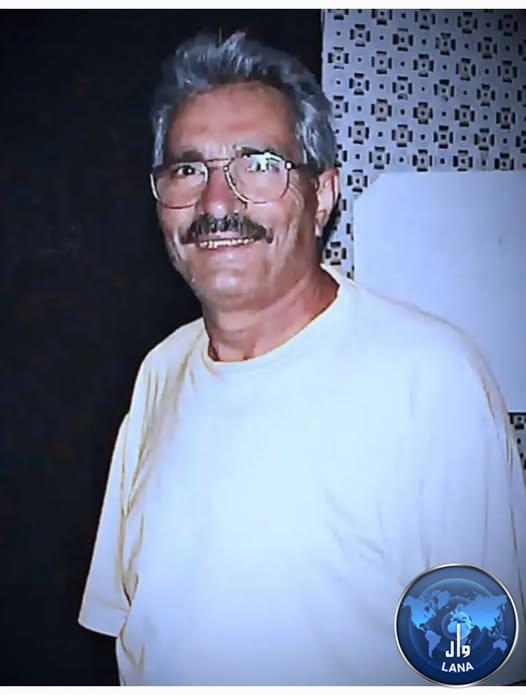
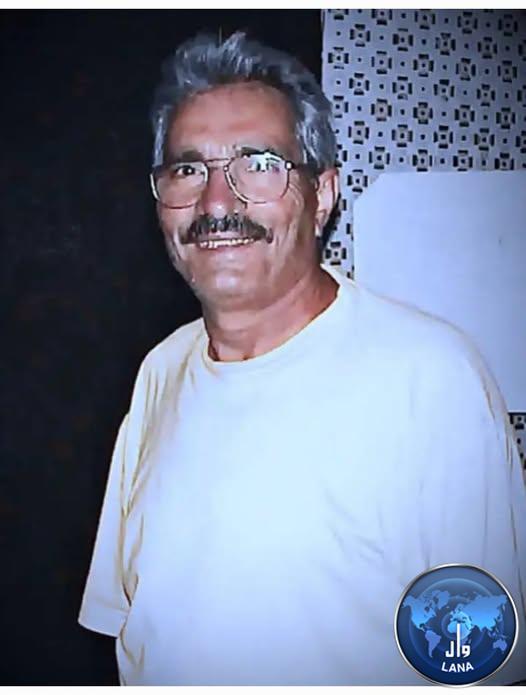
The Sunni representative before the Security Council warns of parallel spending and calls for its unification and rationalization.
libyawire.org > News > Economy > The Sunni representative before the Security Council warns of parallel spending and calls for its unification and rationalization.
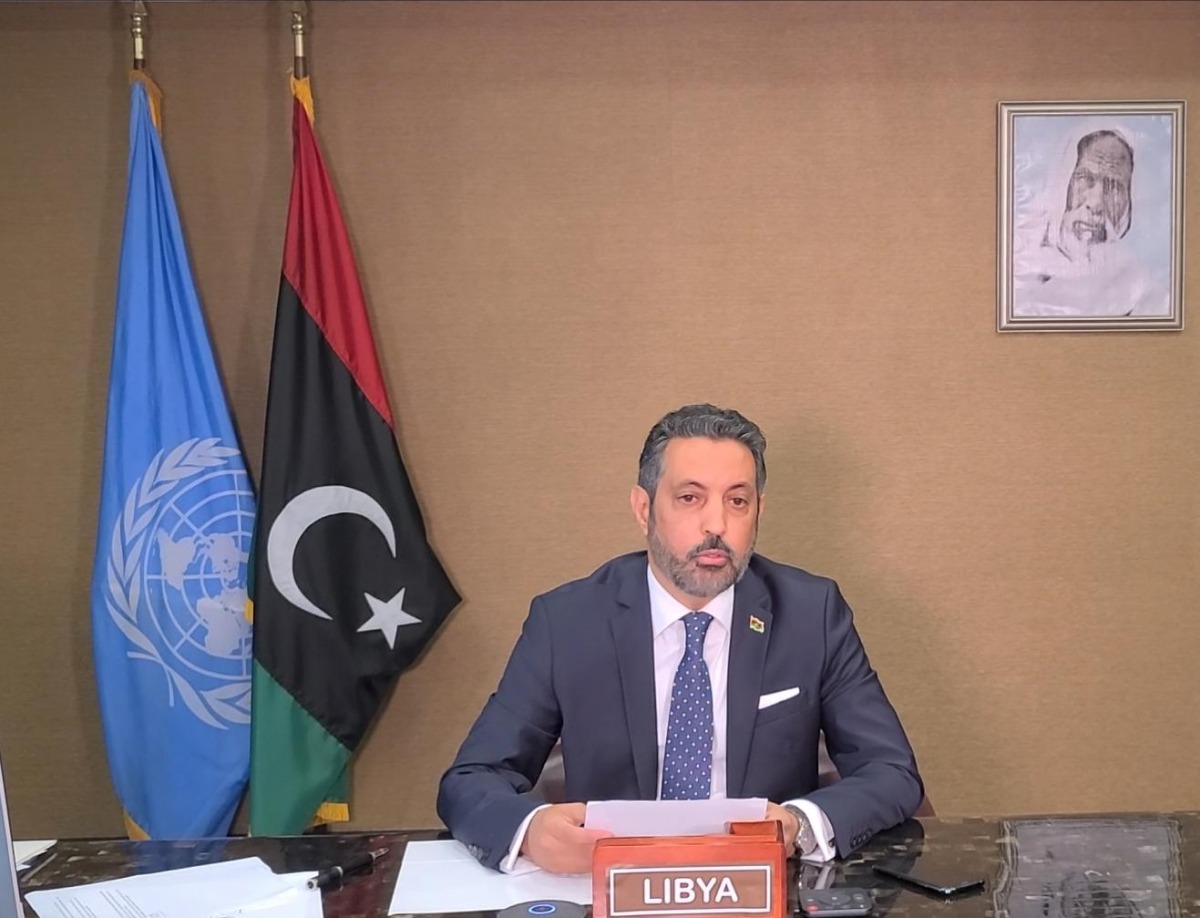
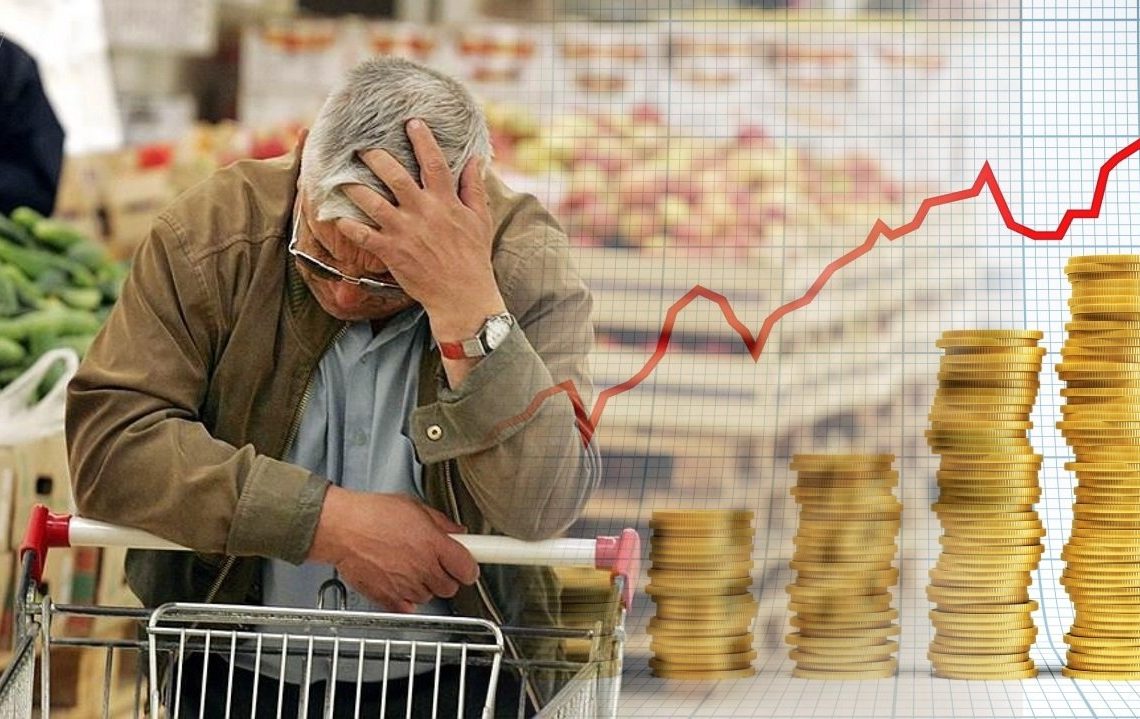
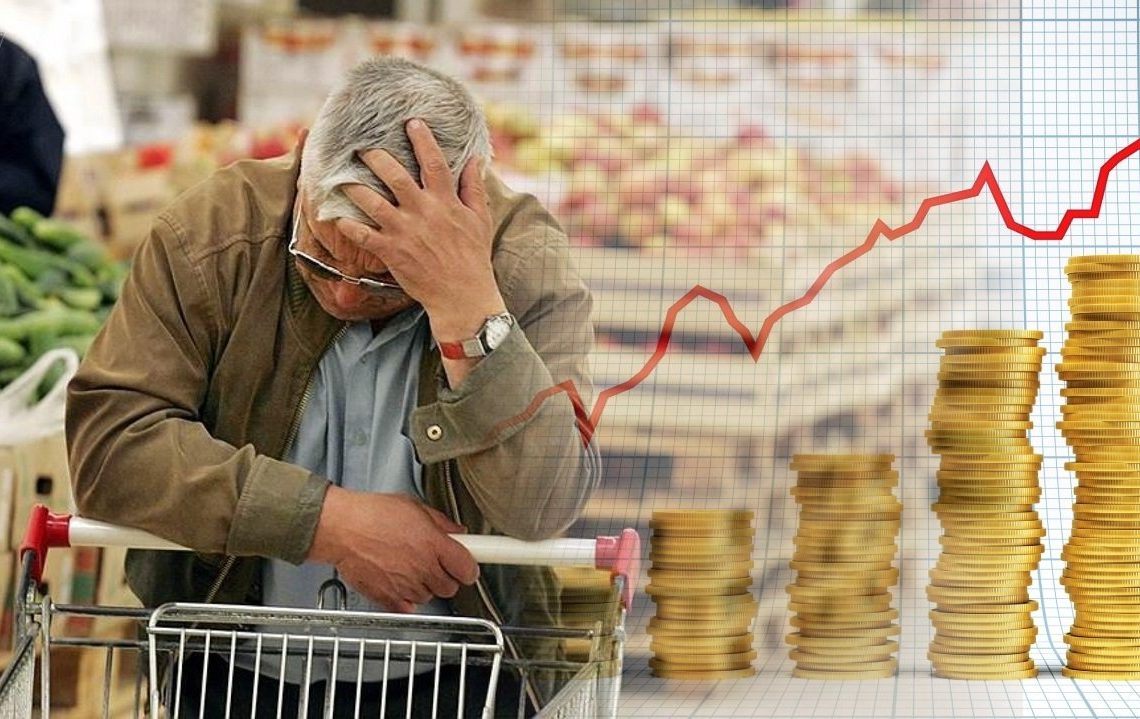
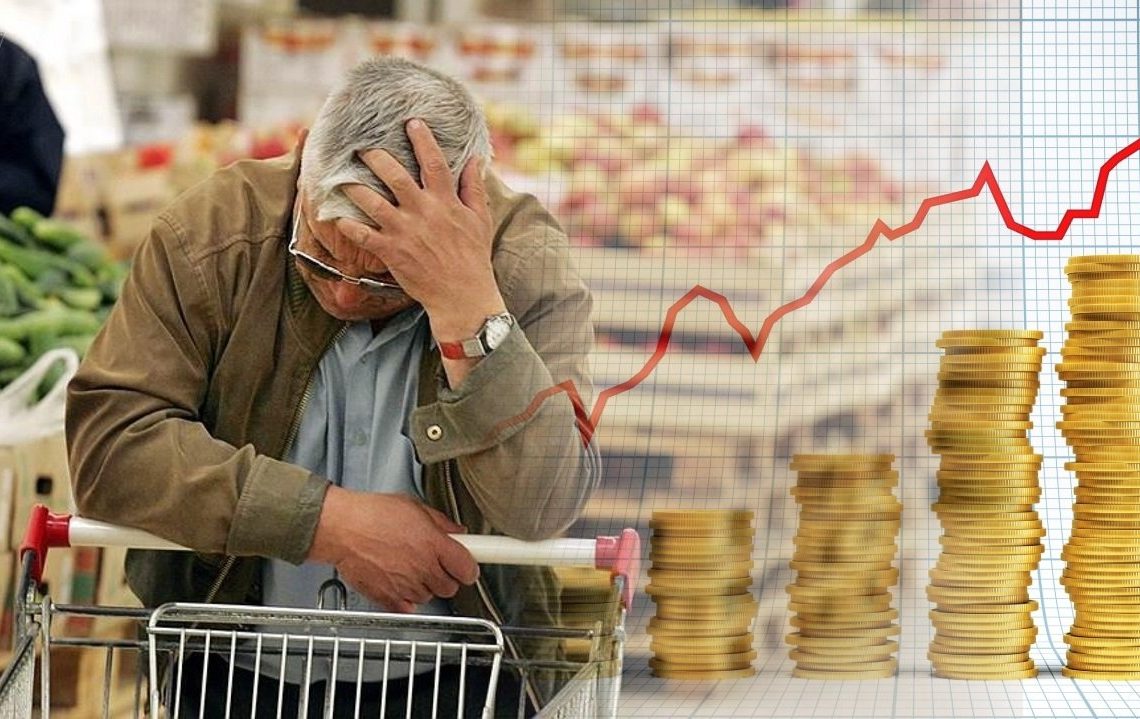
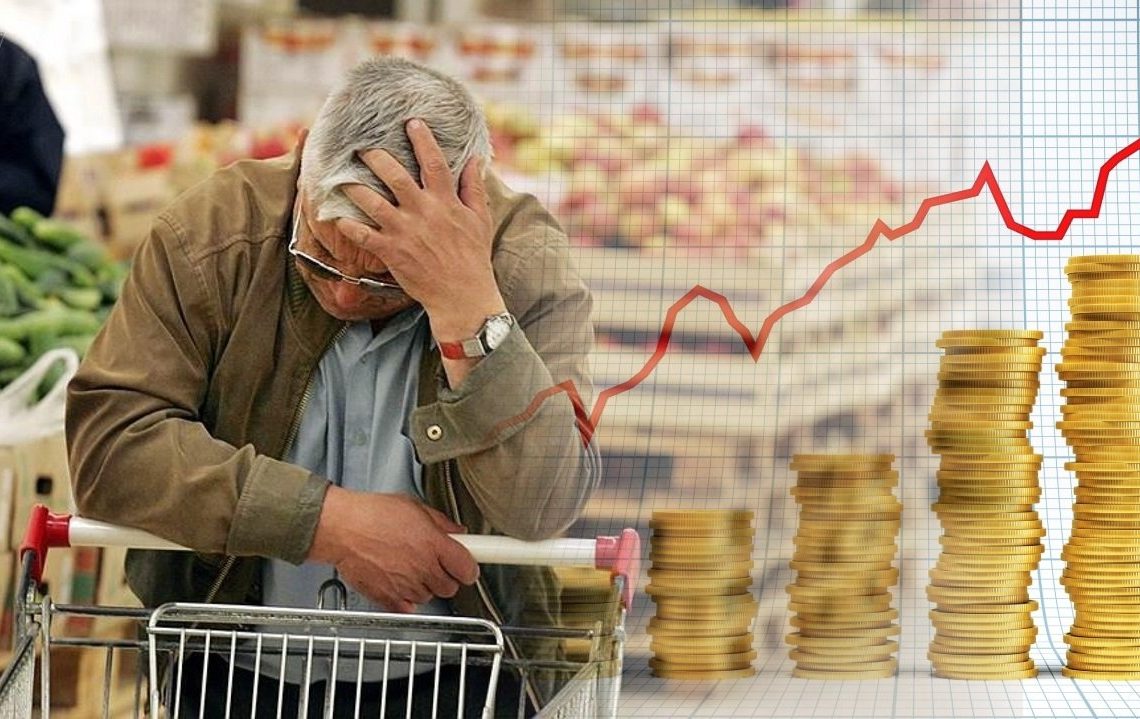
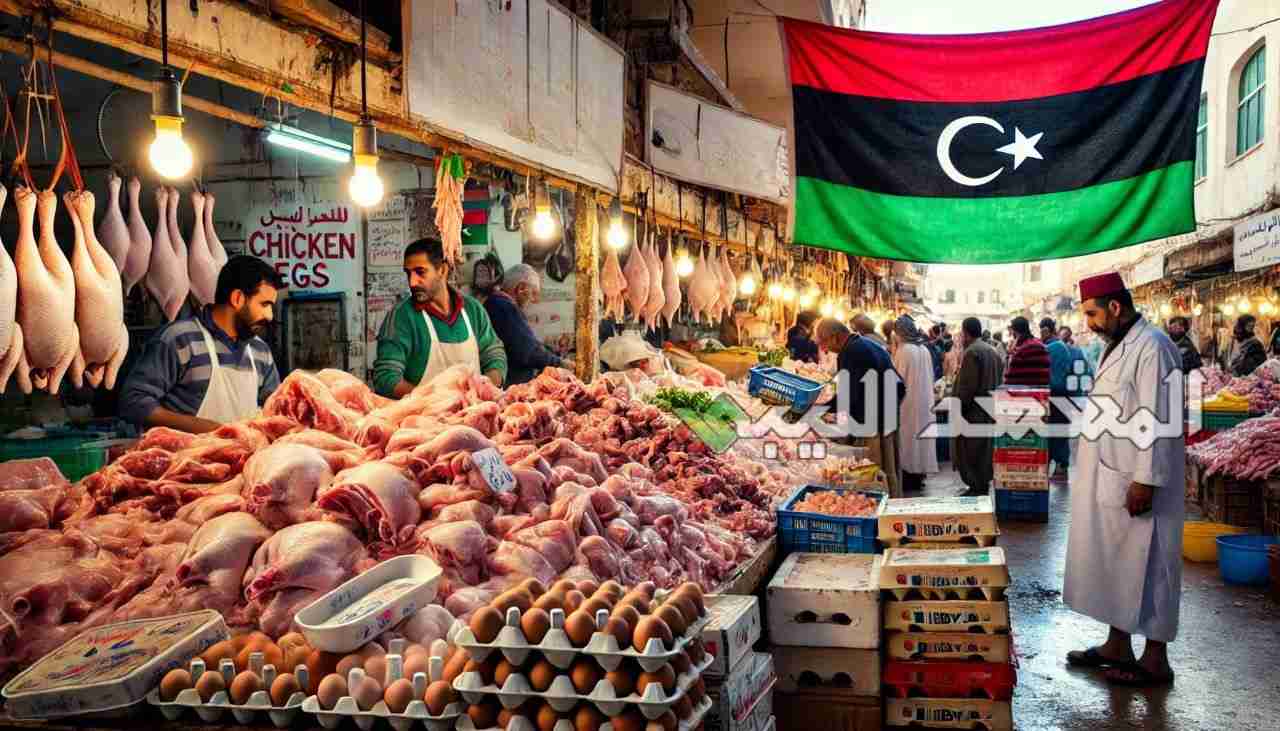
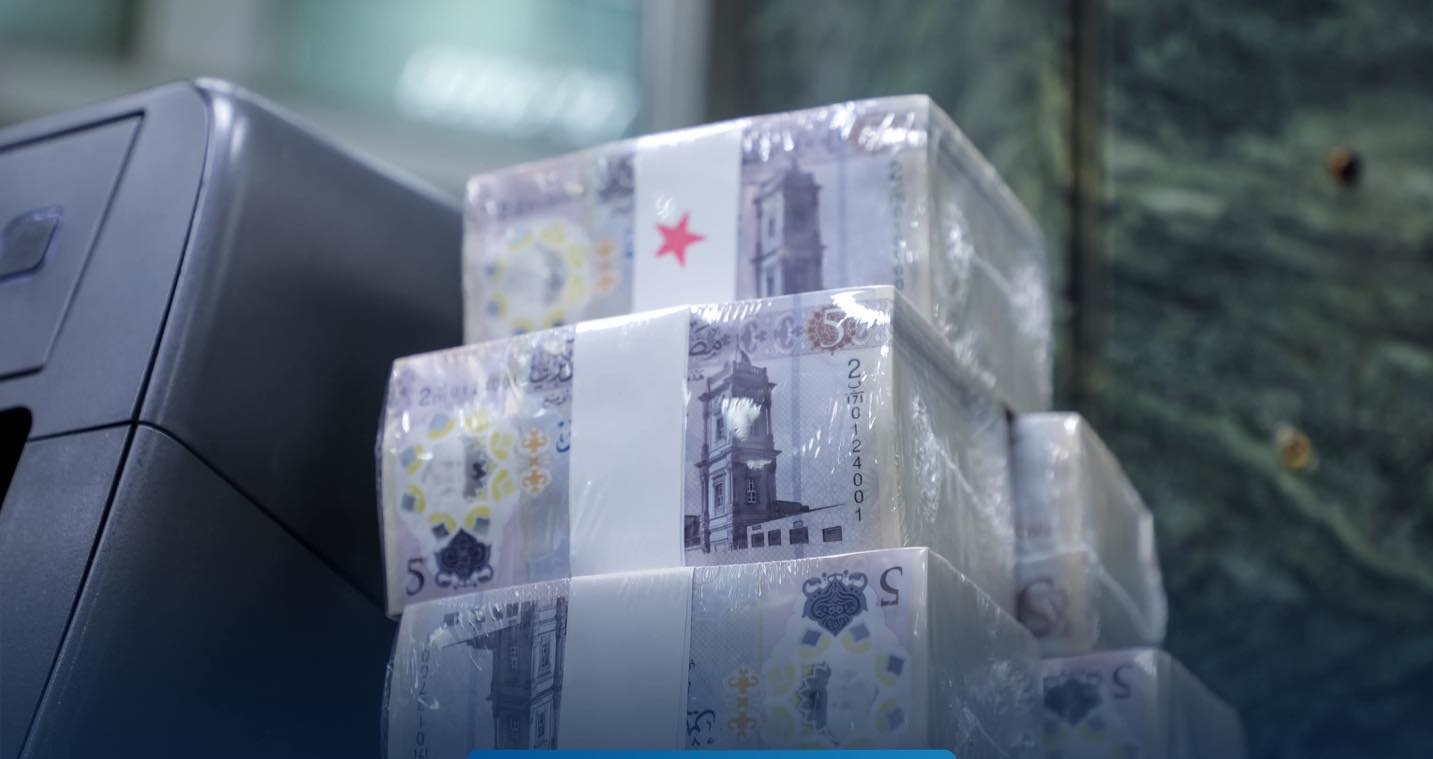
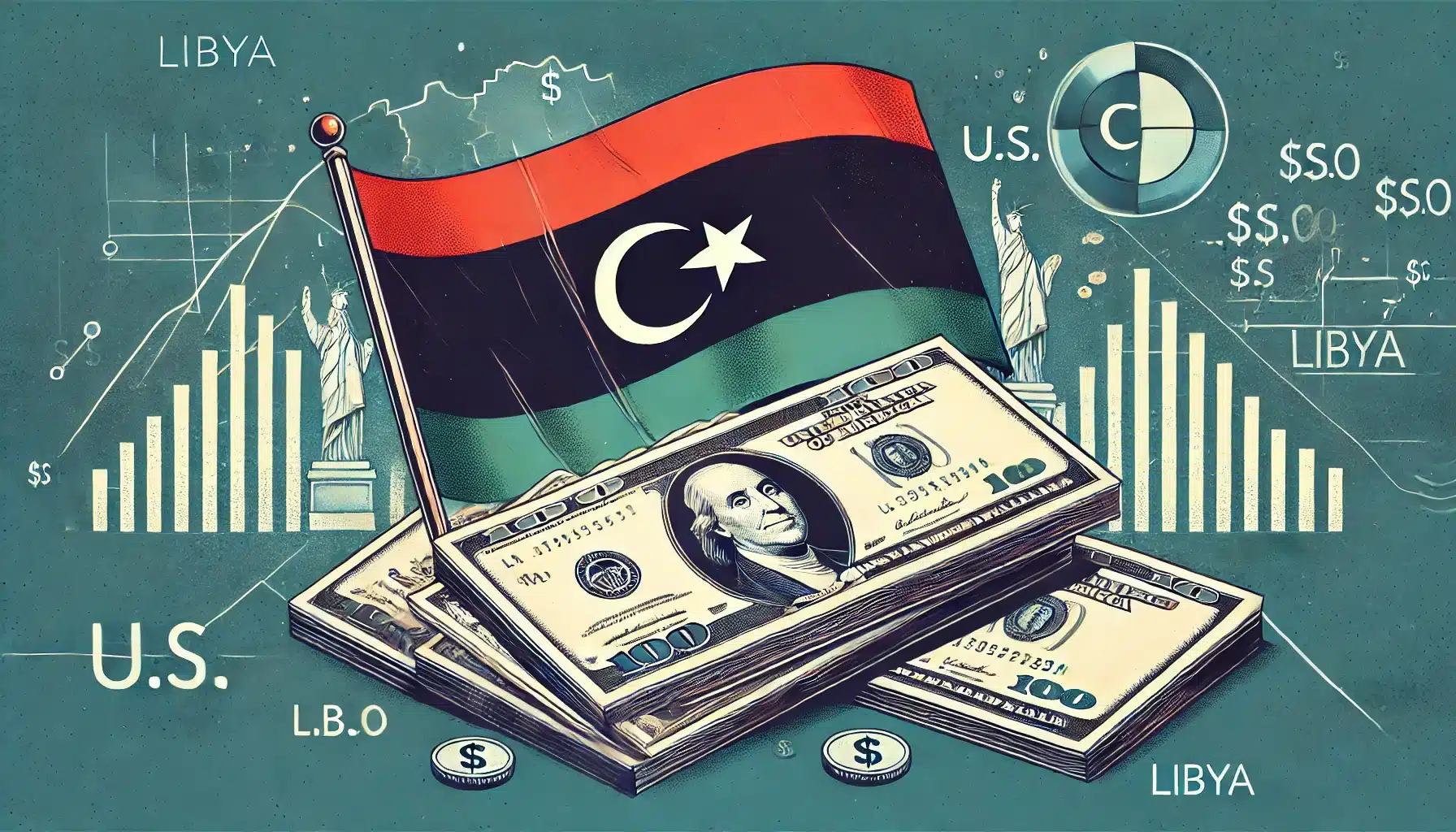
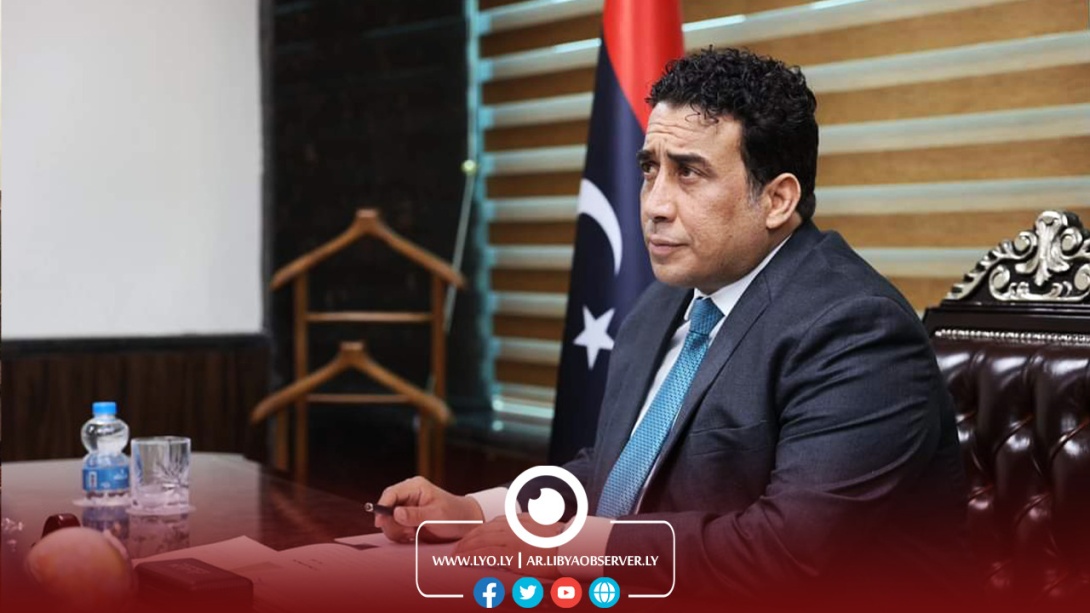
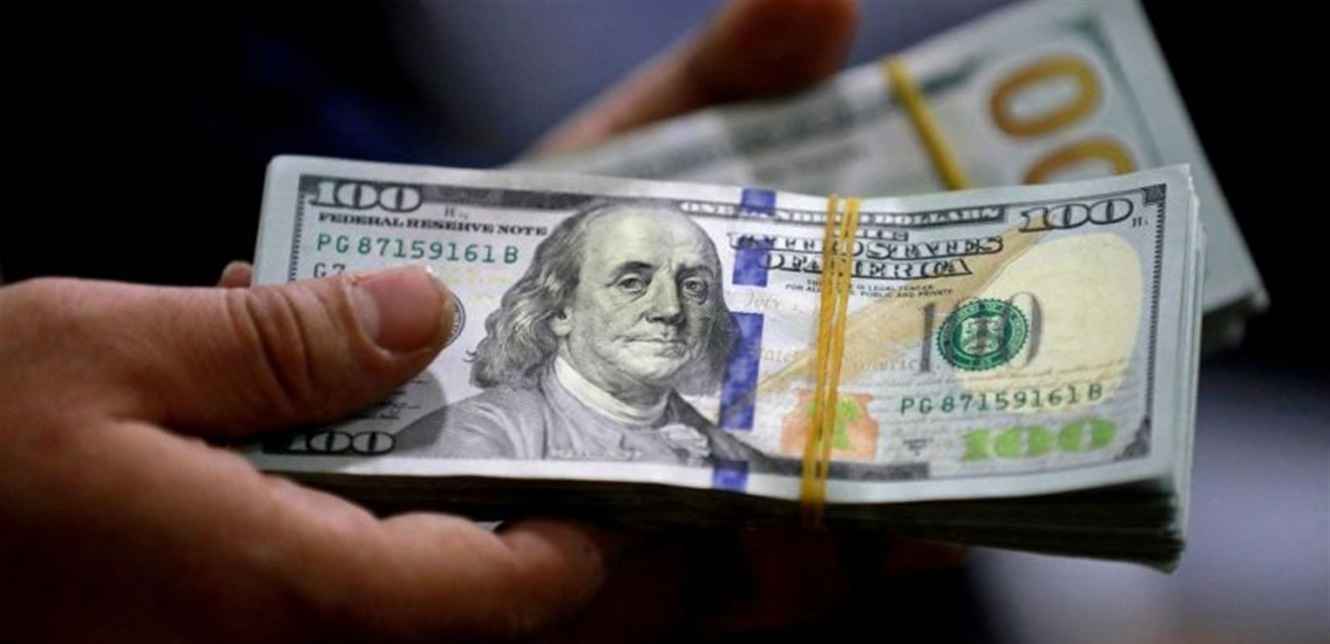
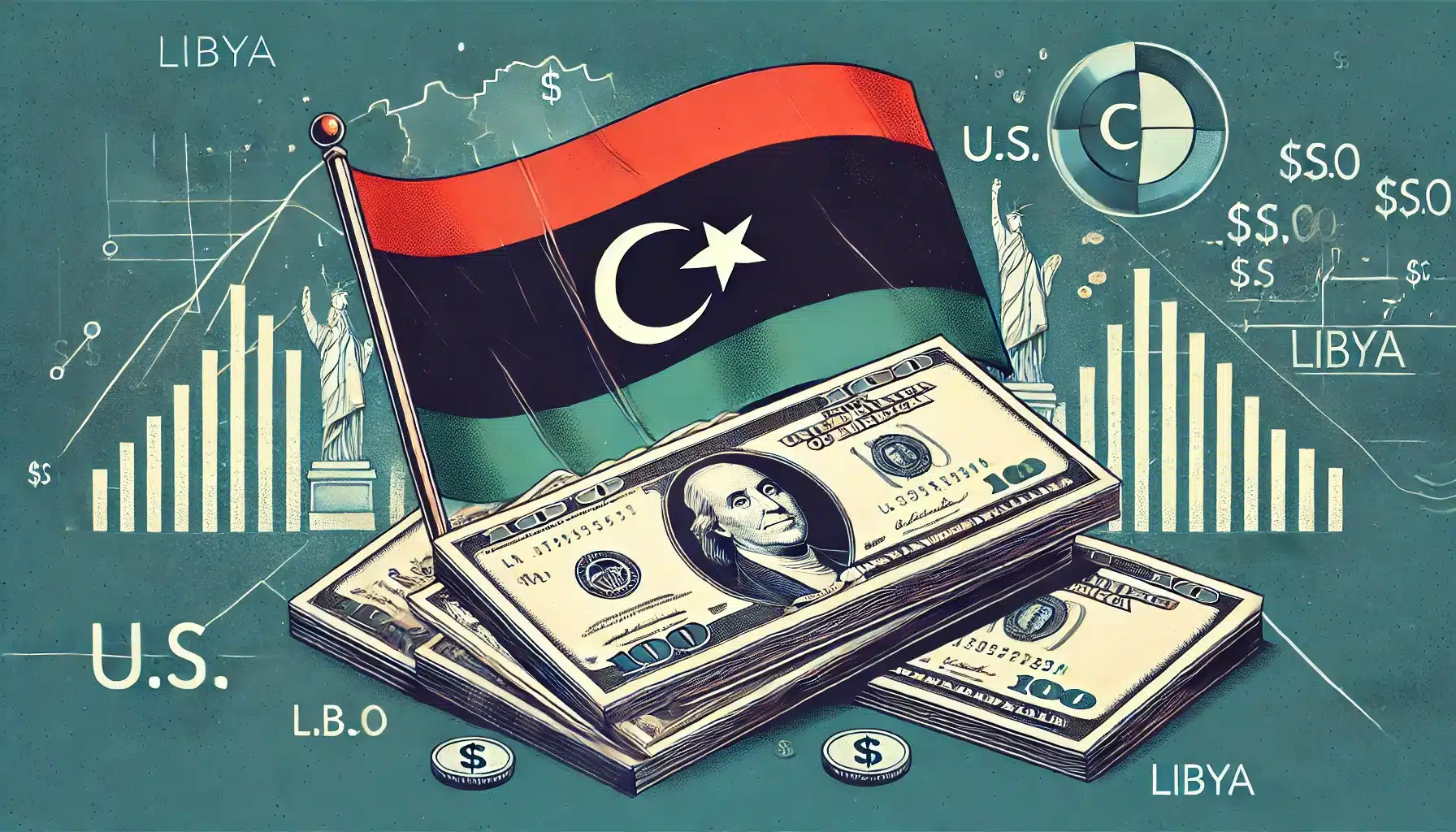
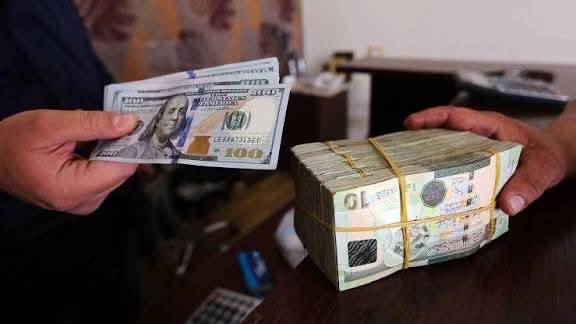
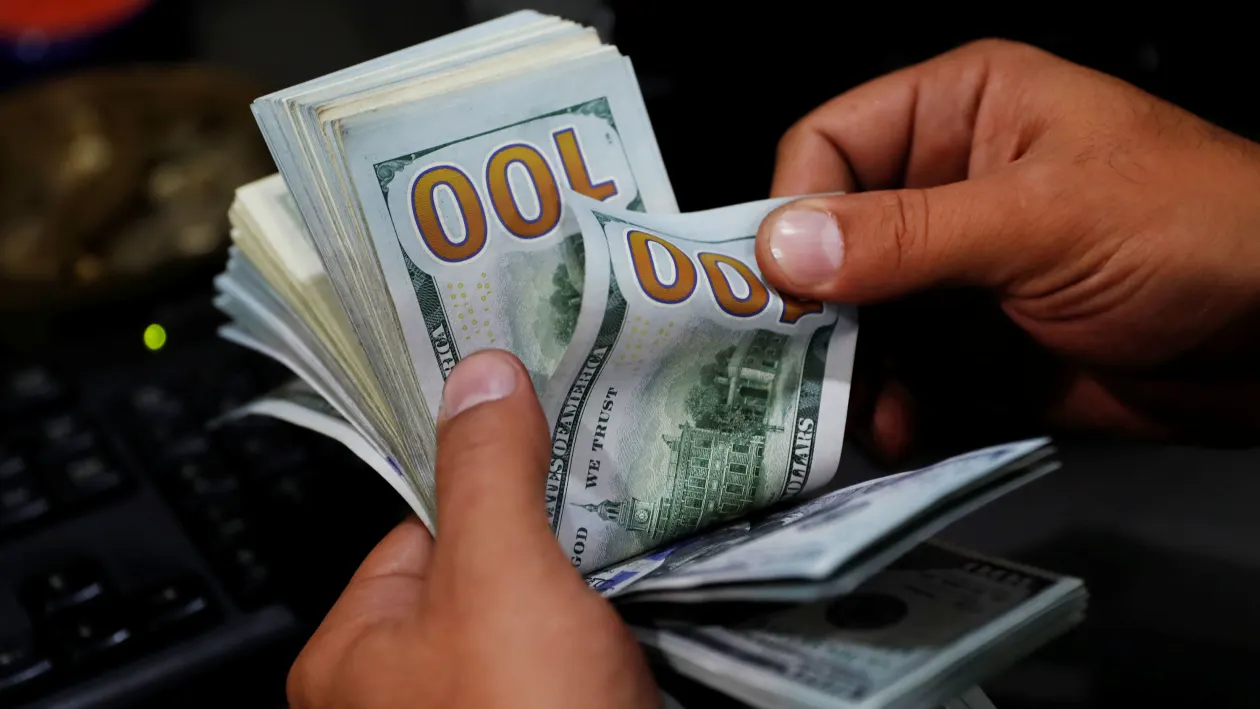
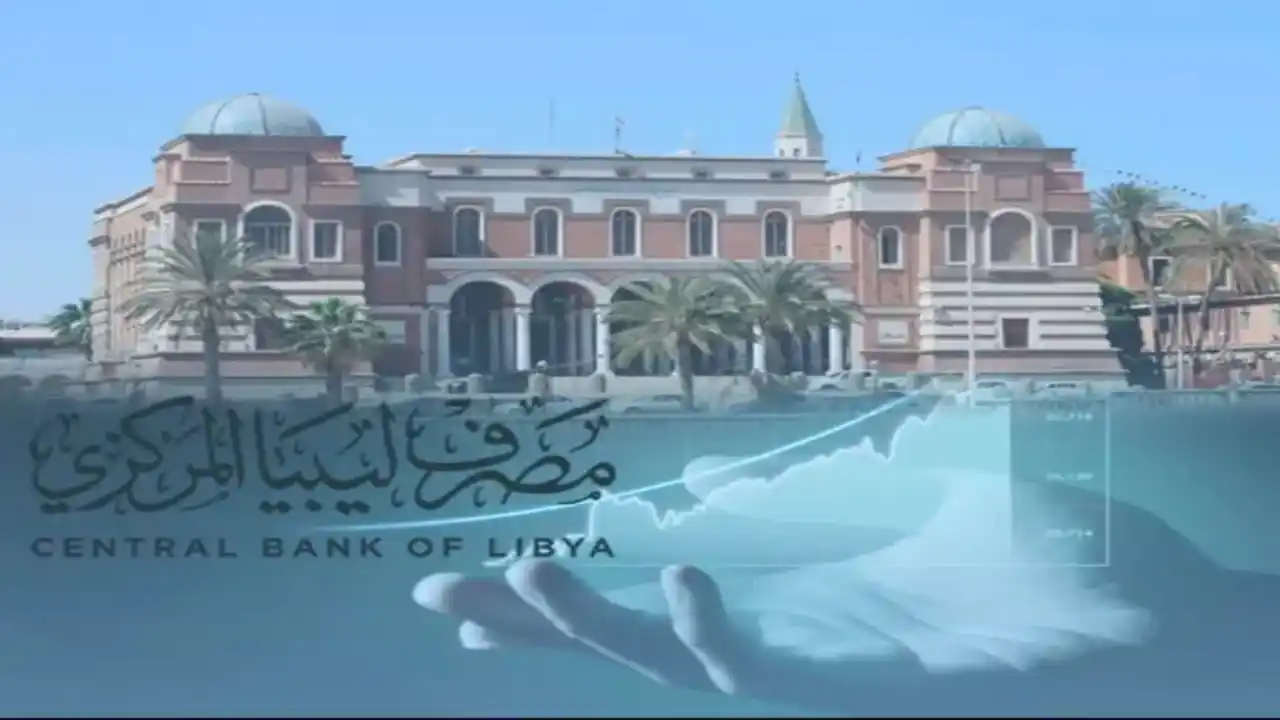
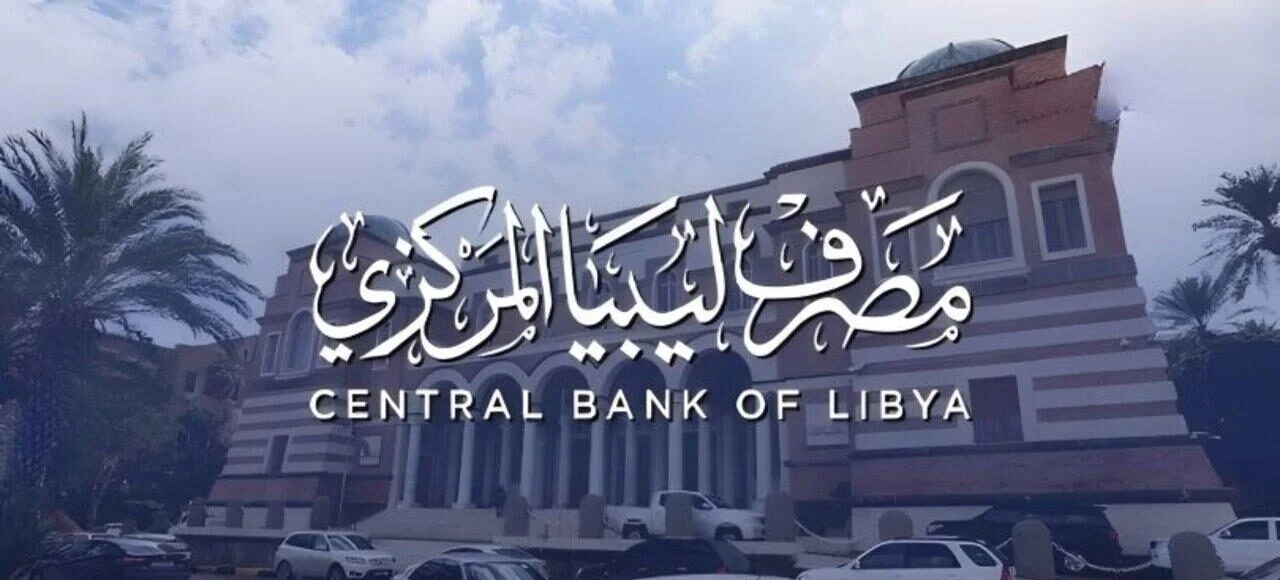
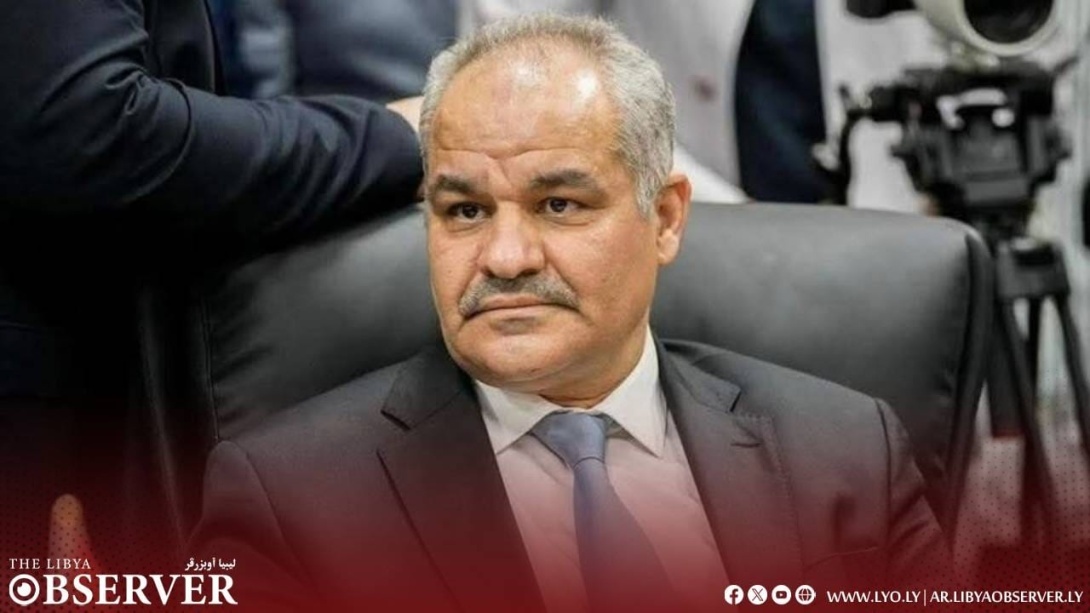
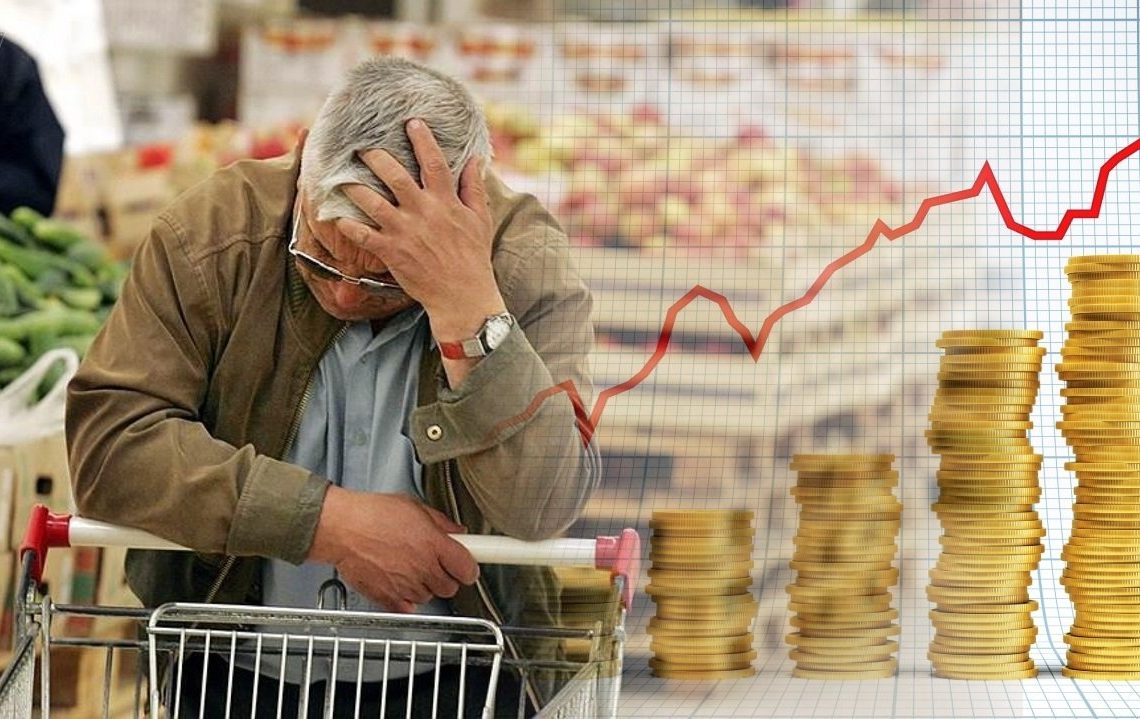
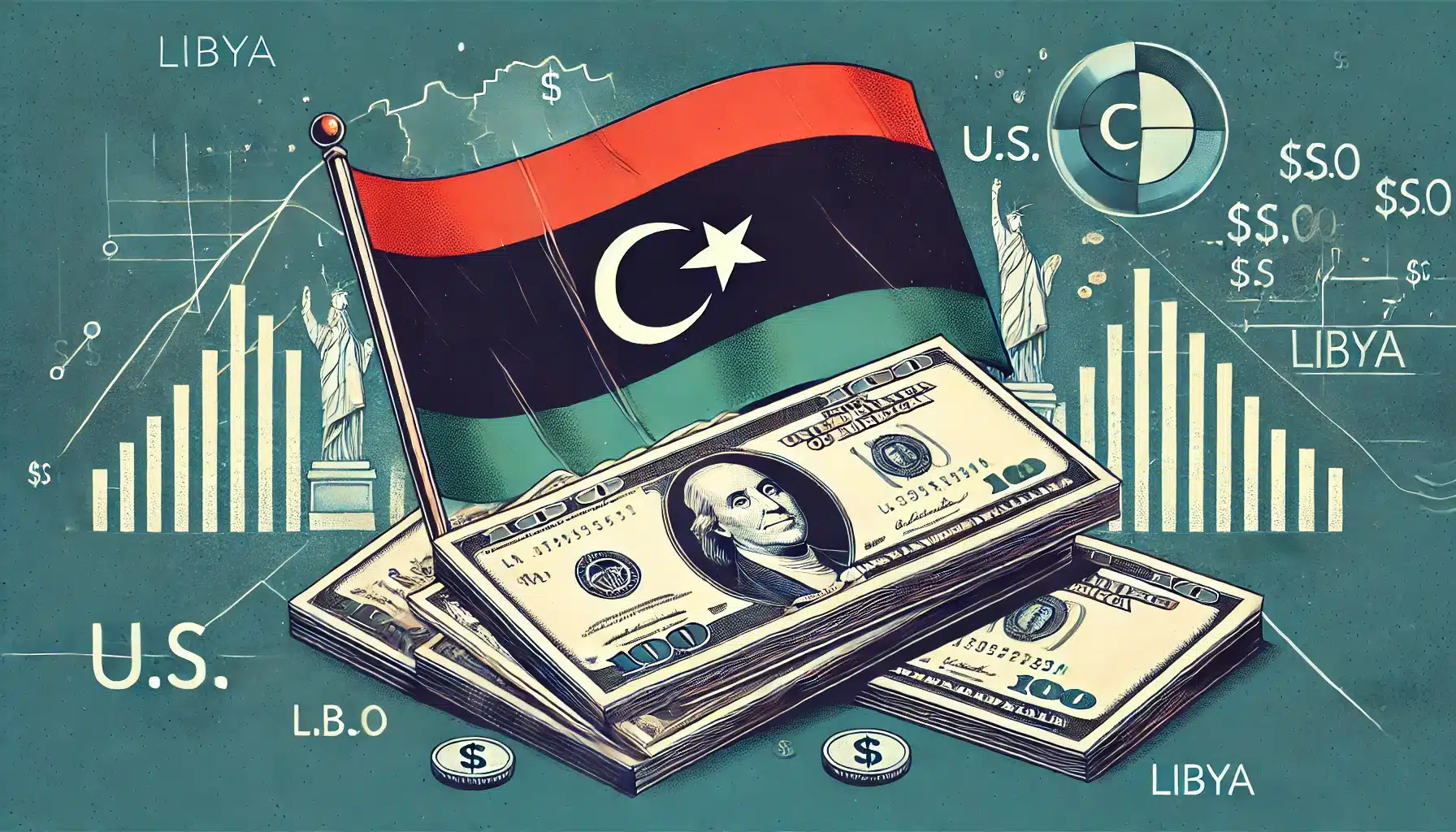
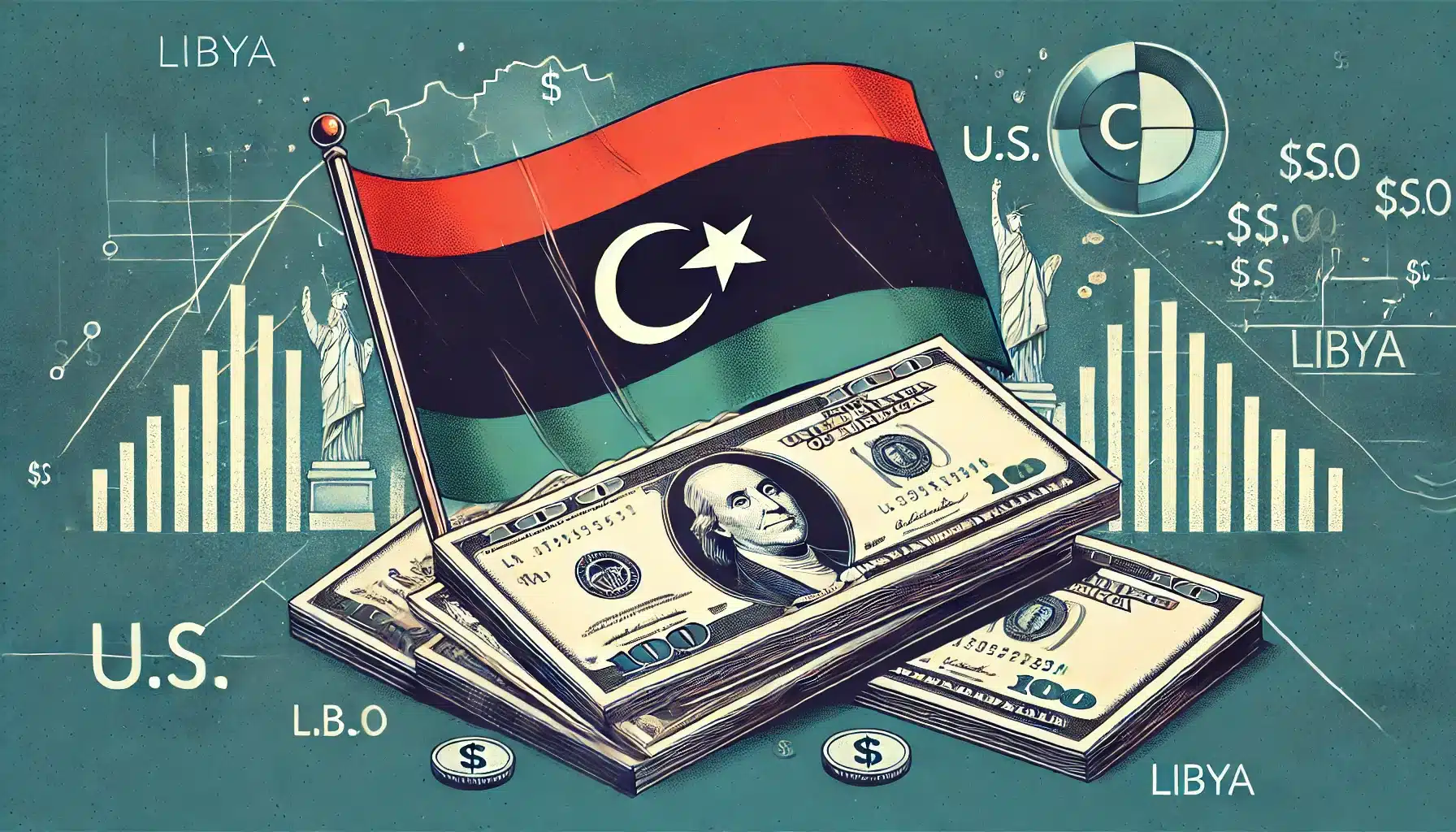
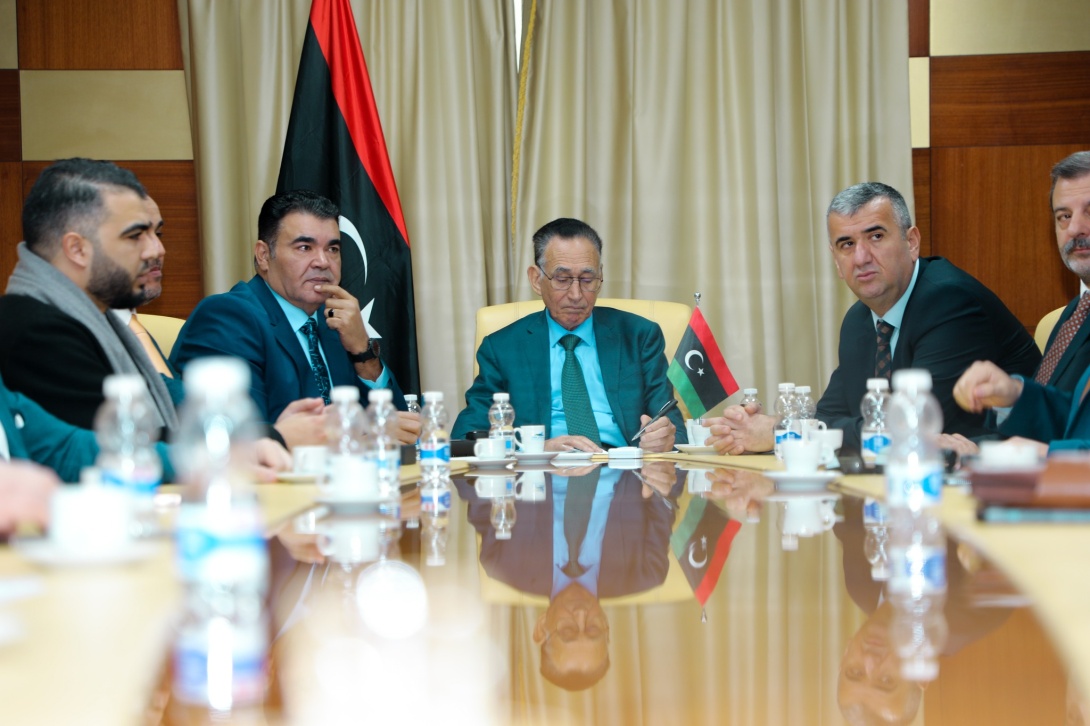
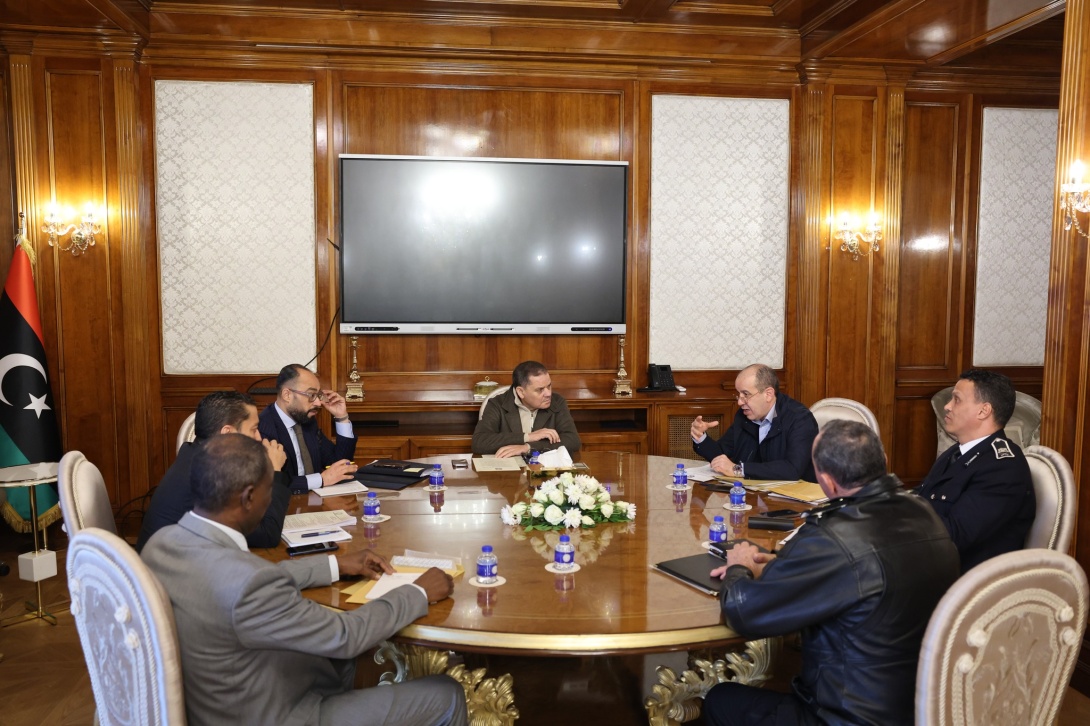
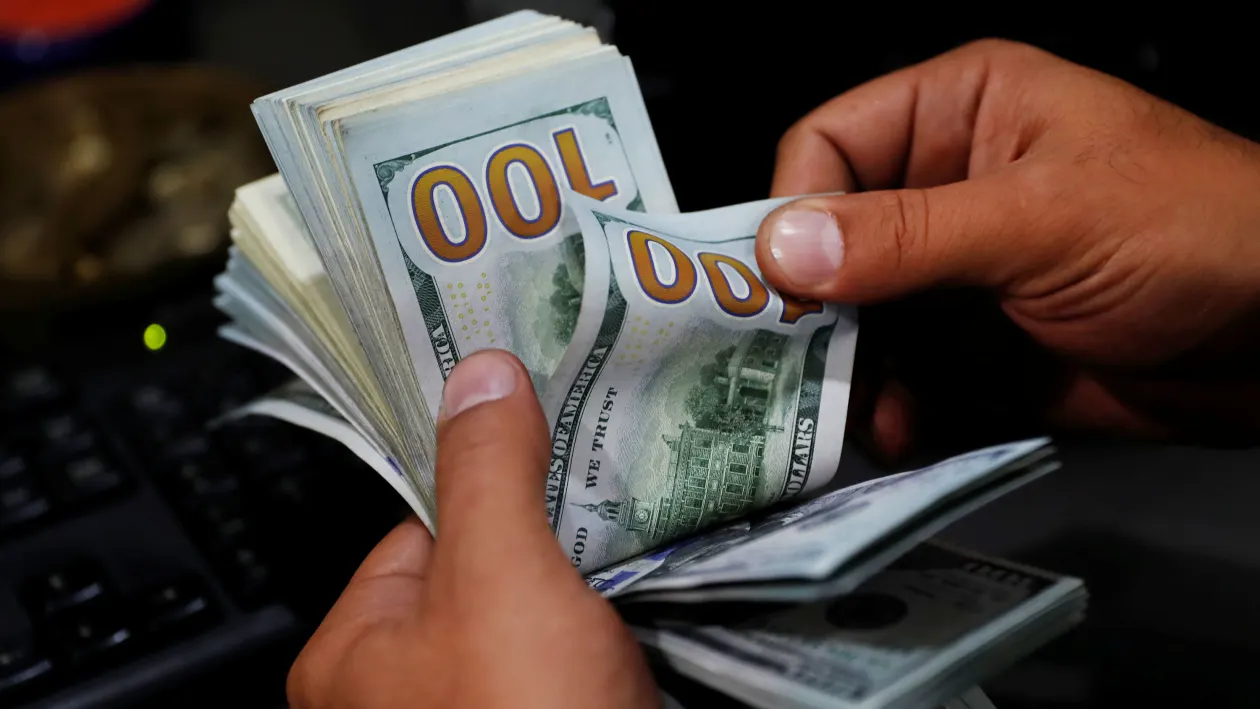
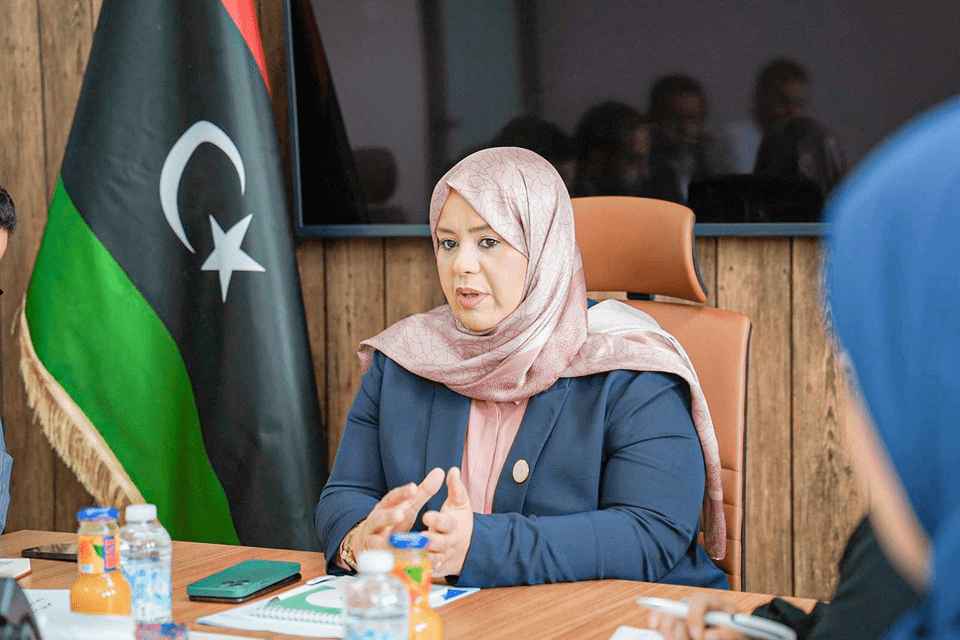
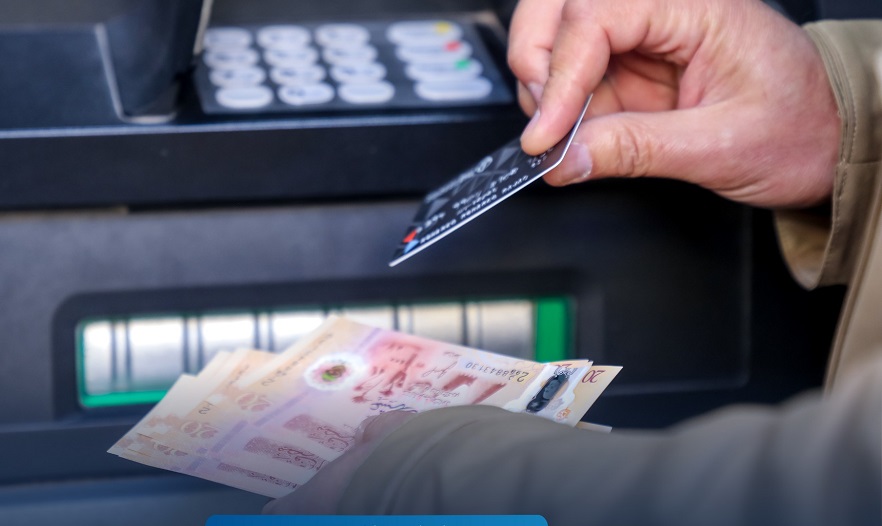
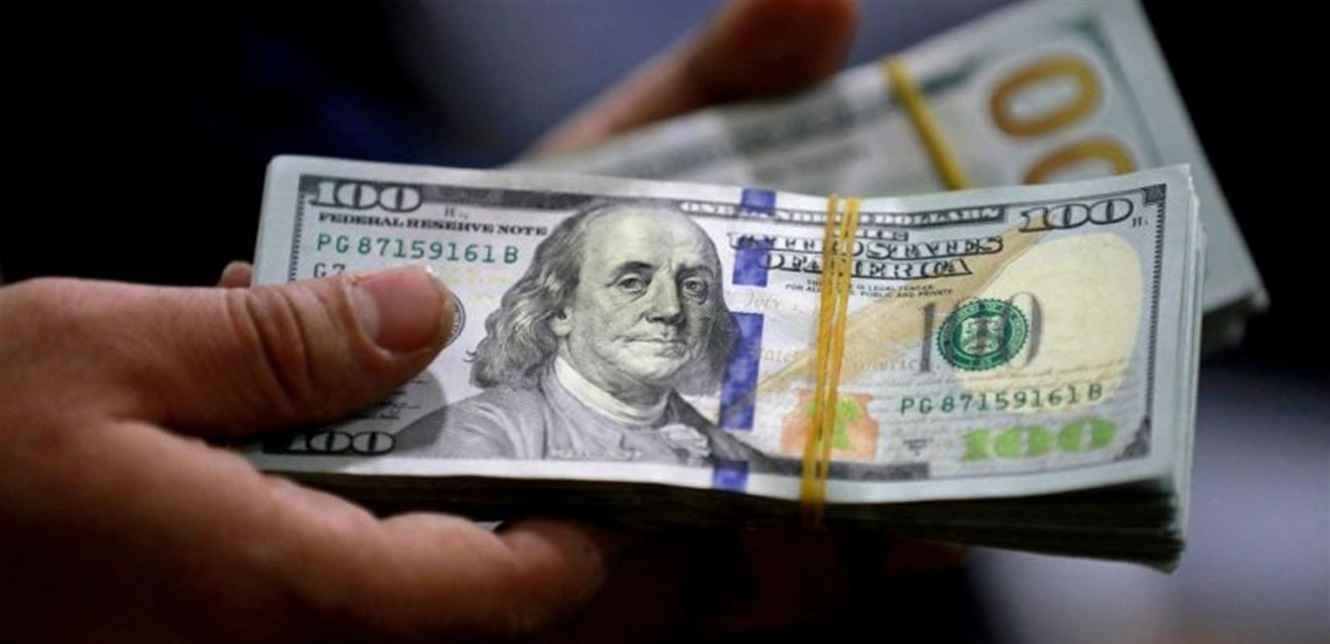
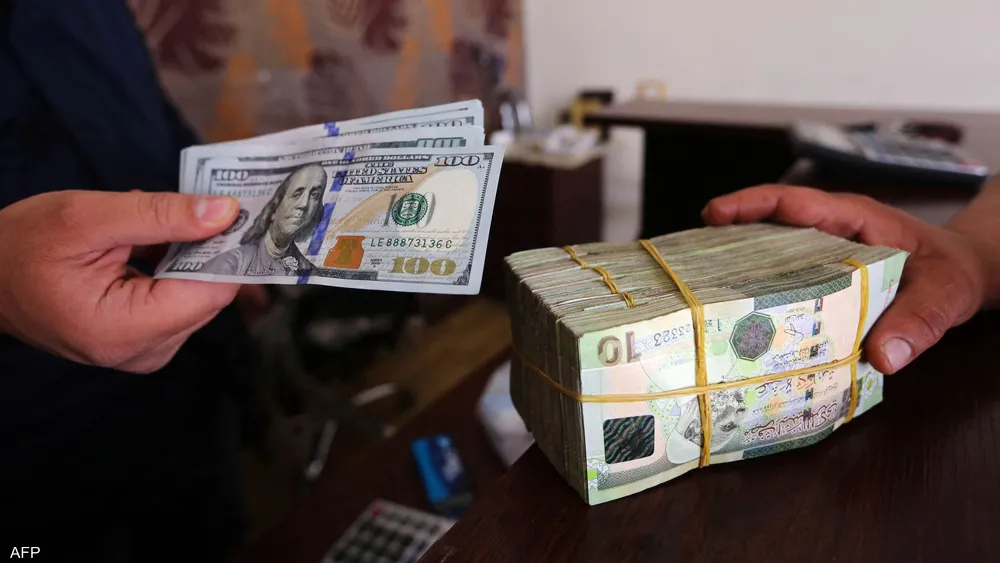
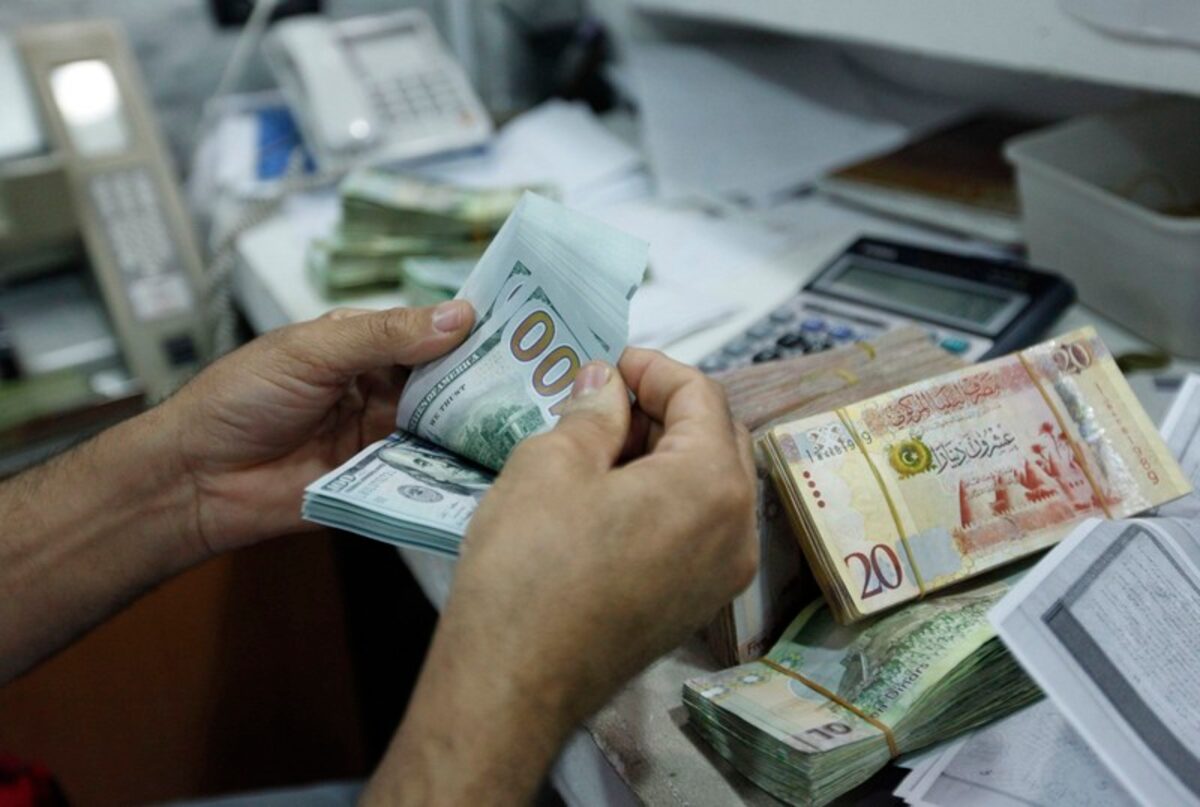
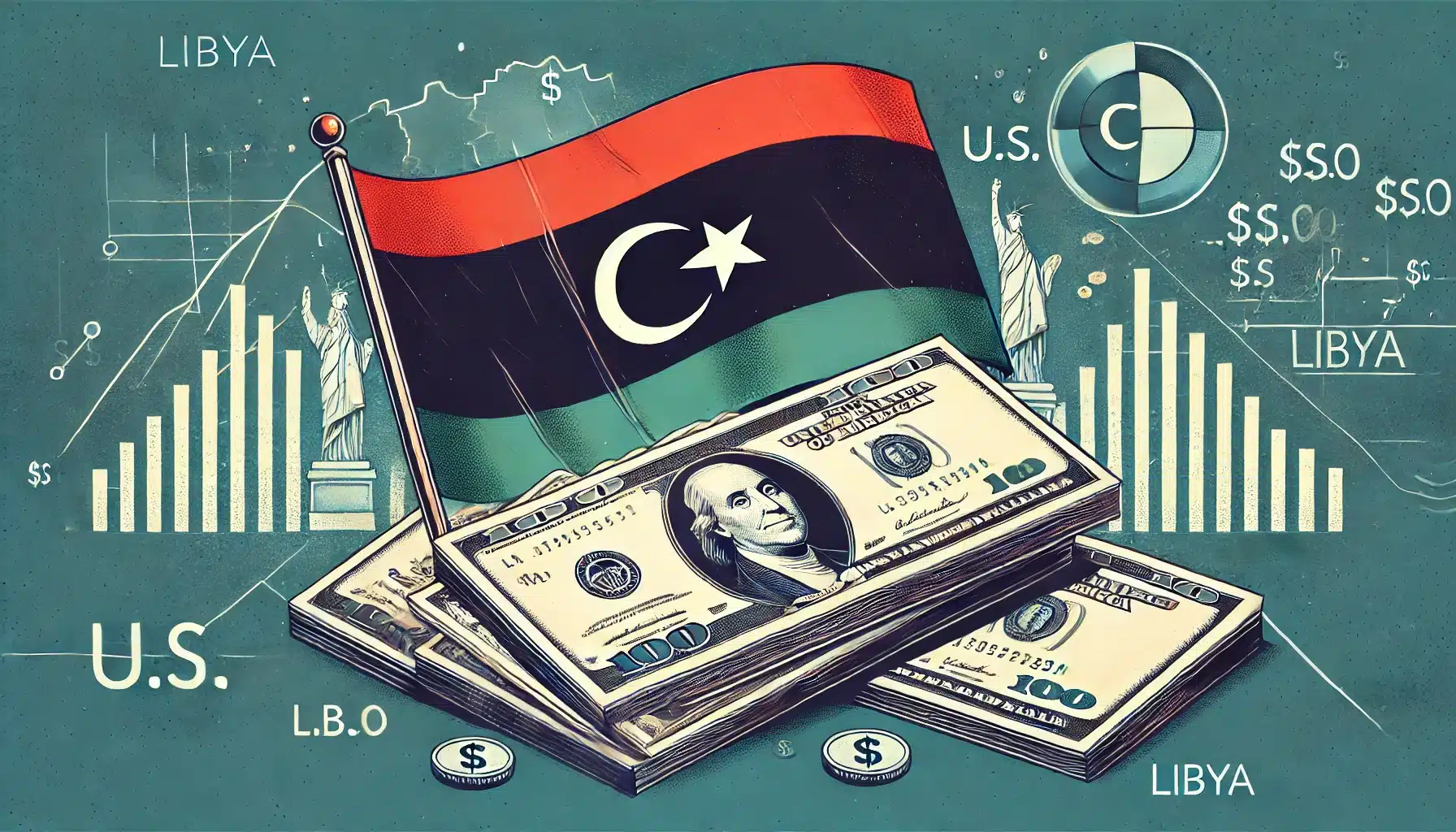
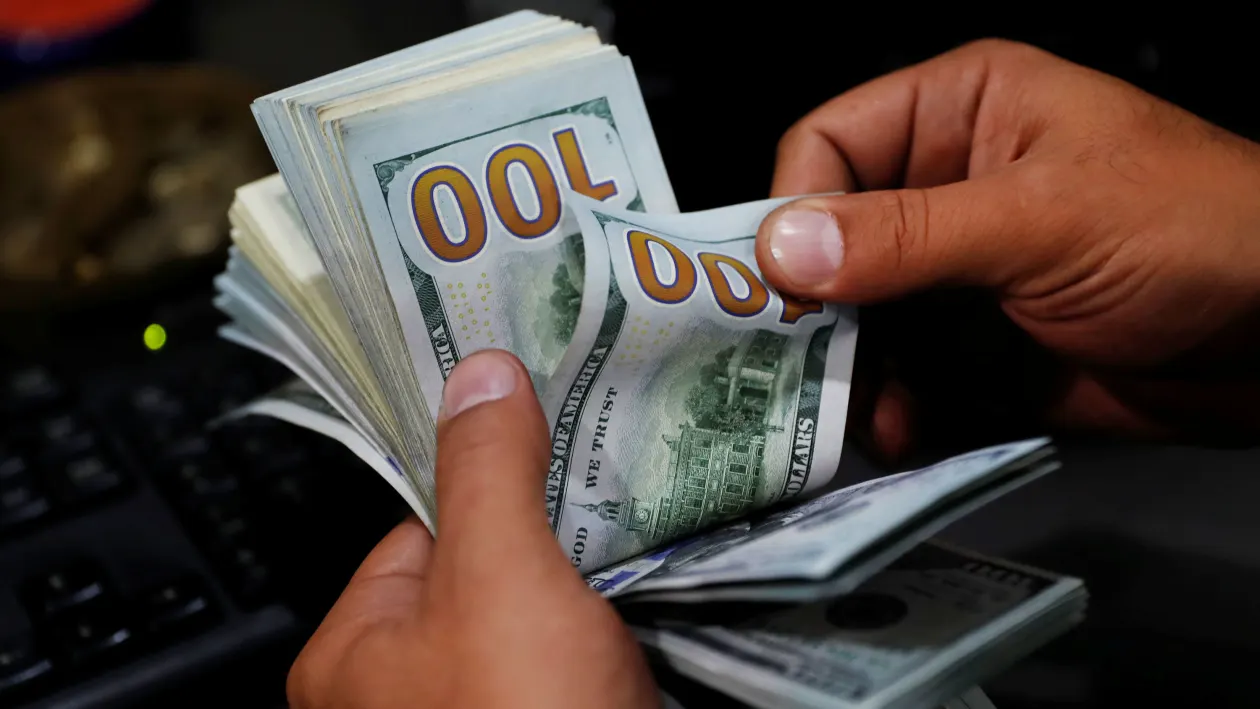
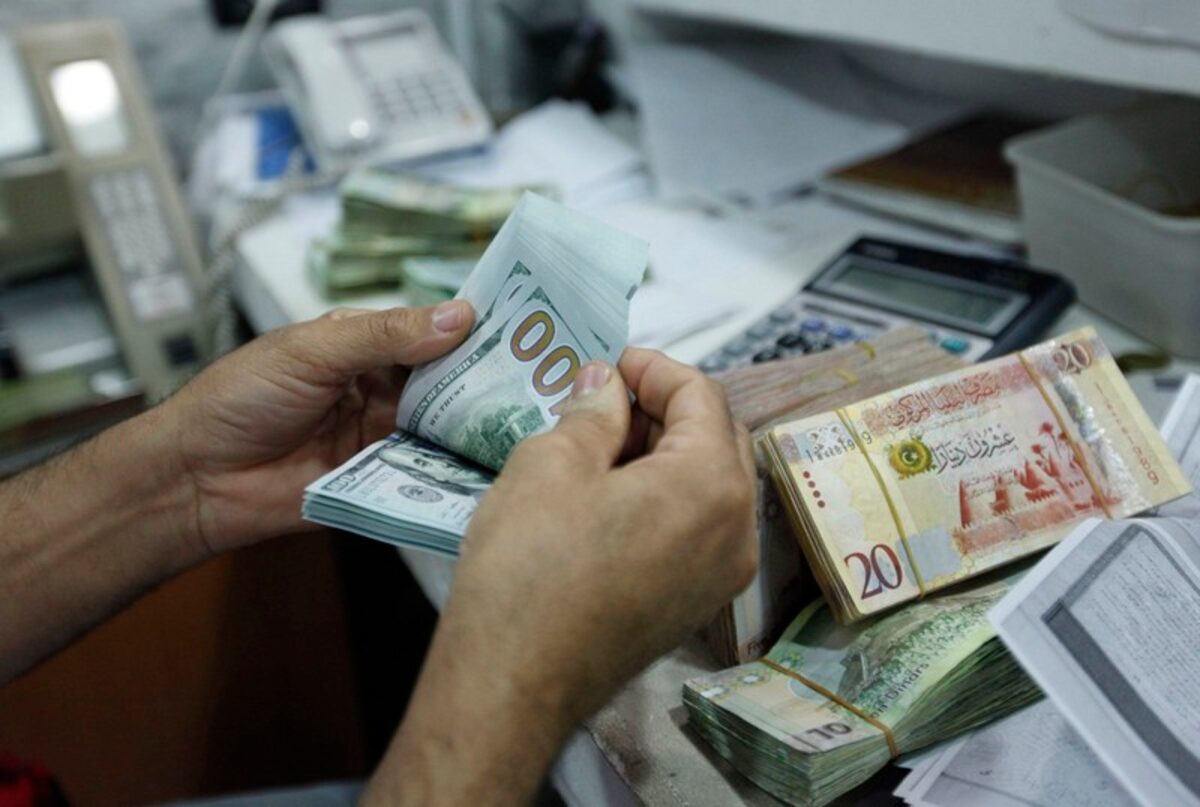
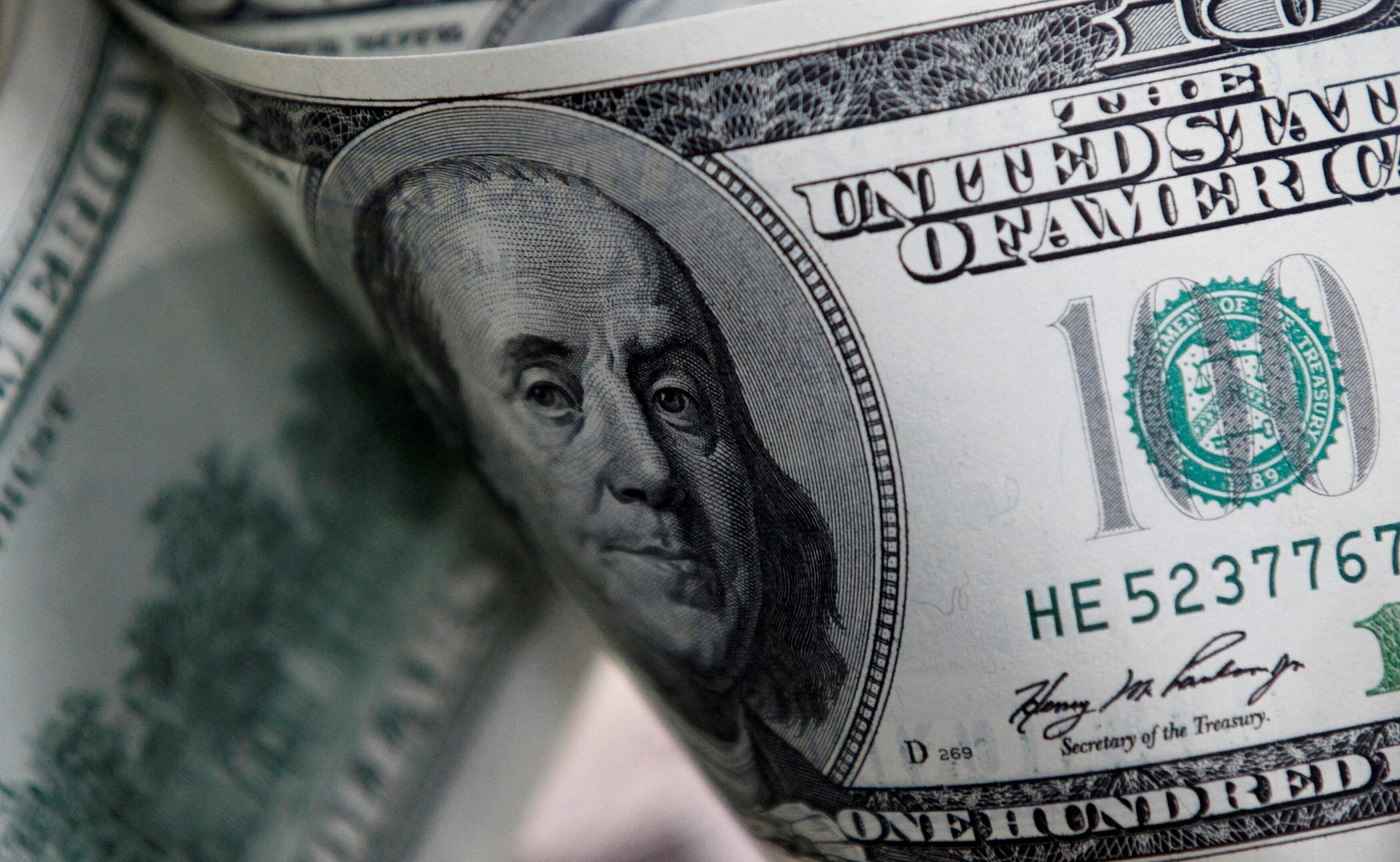
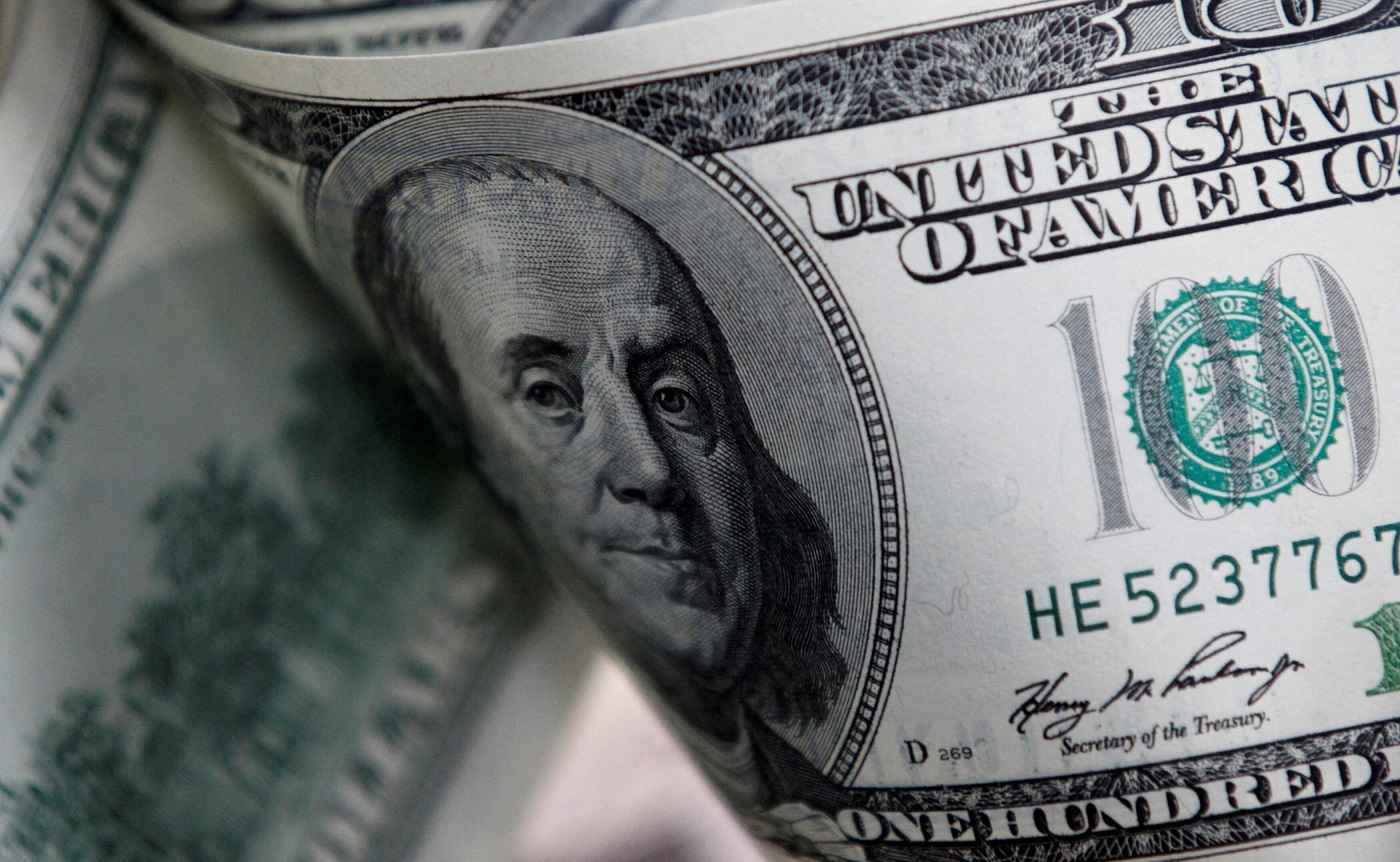
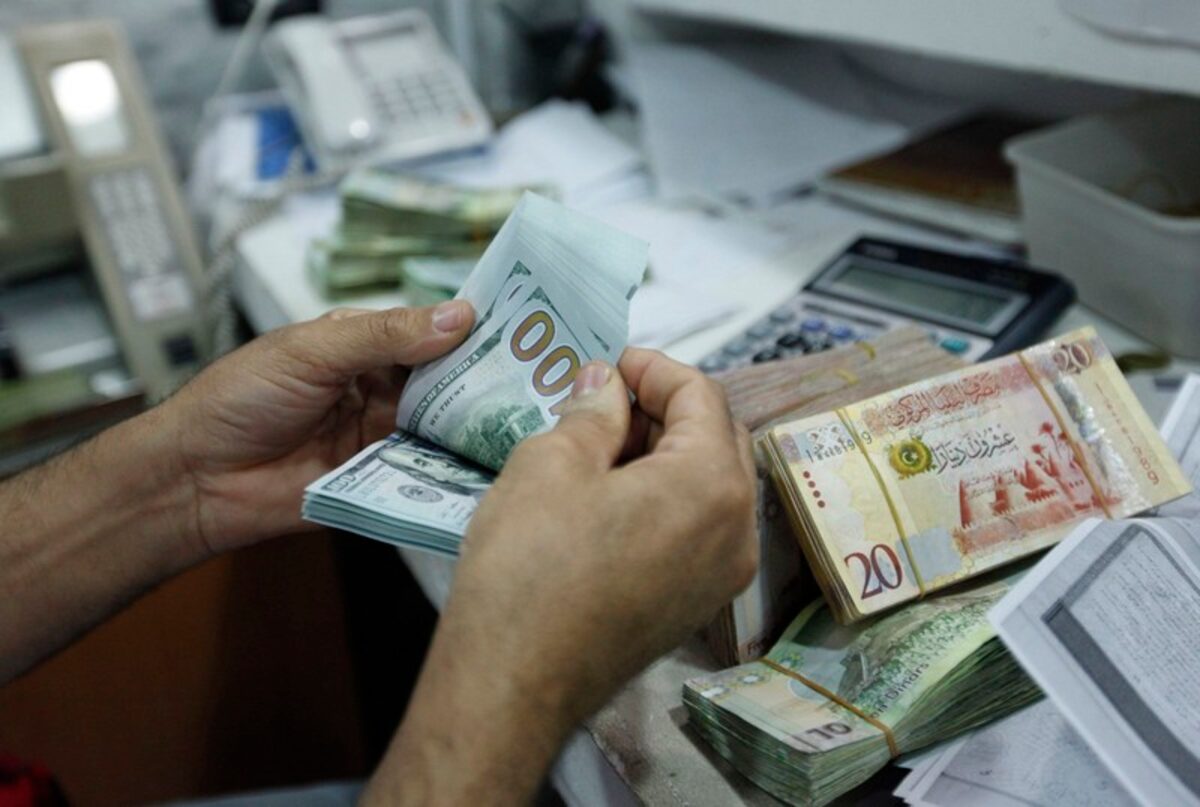
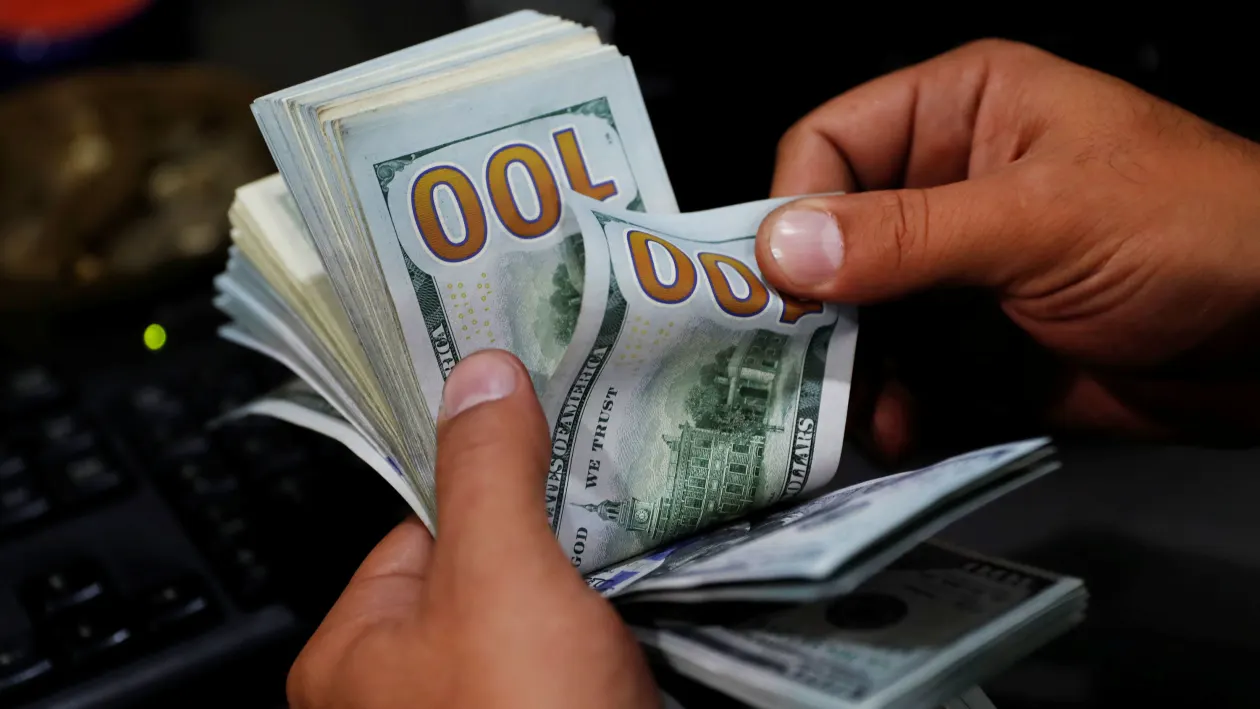
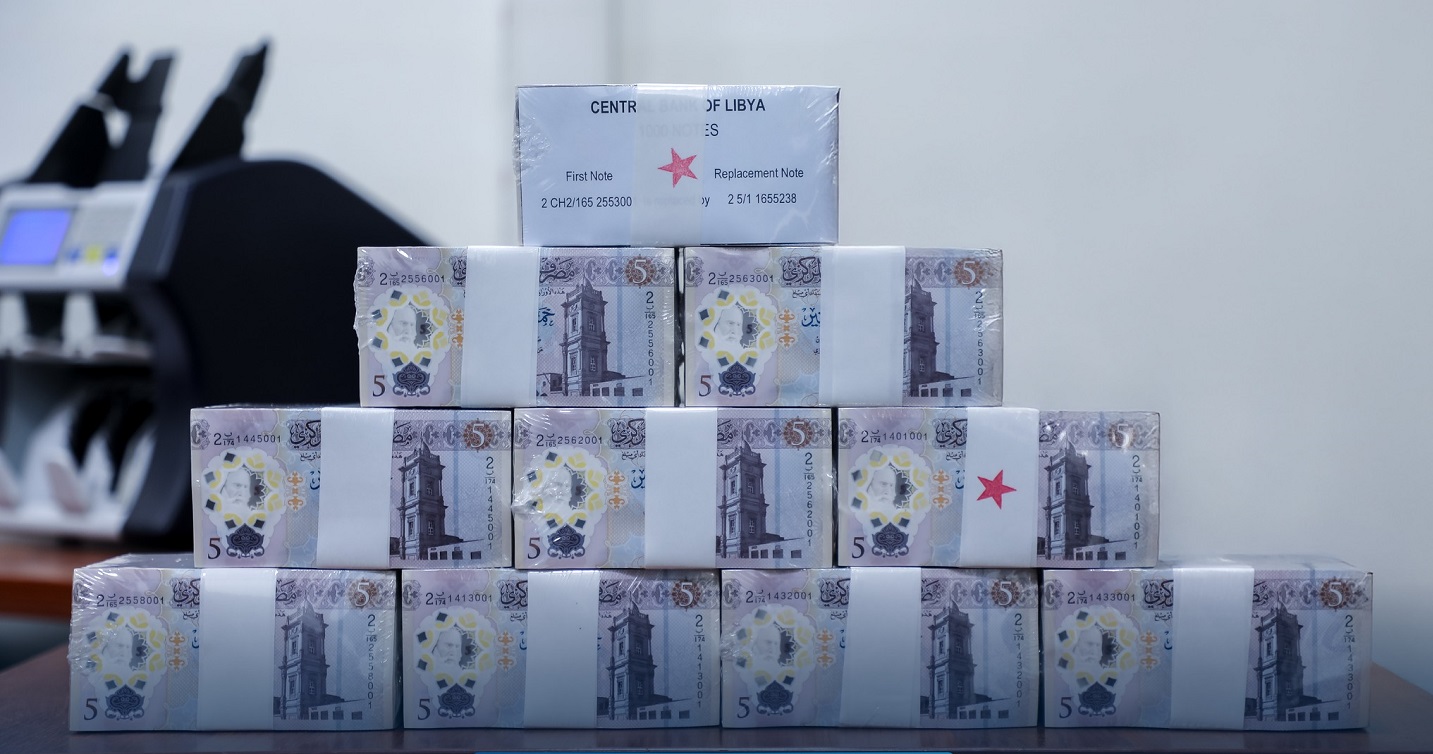
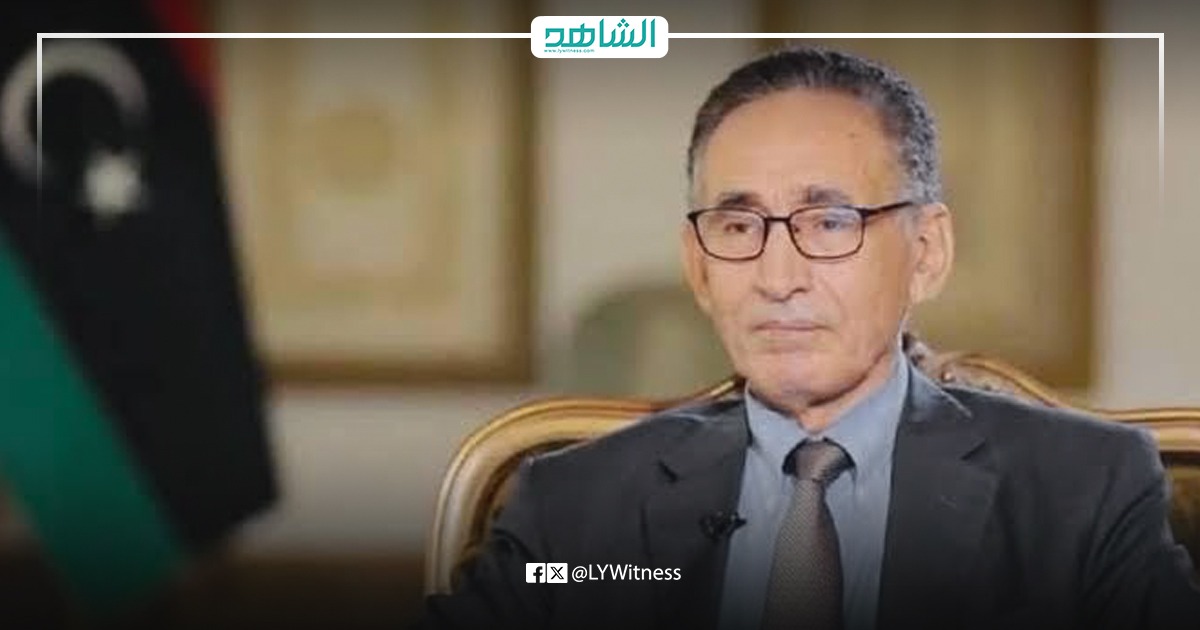
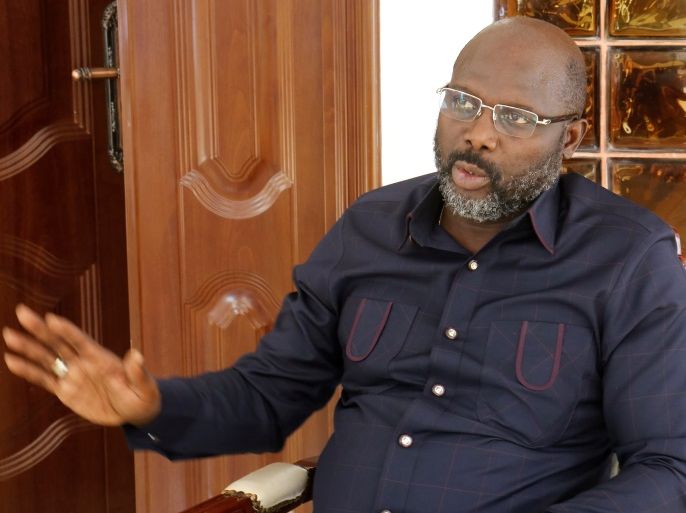
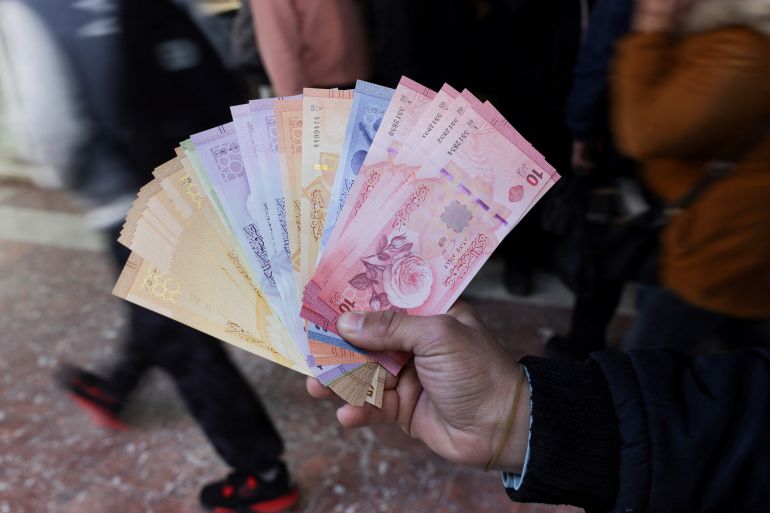
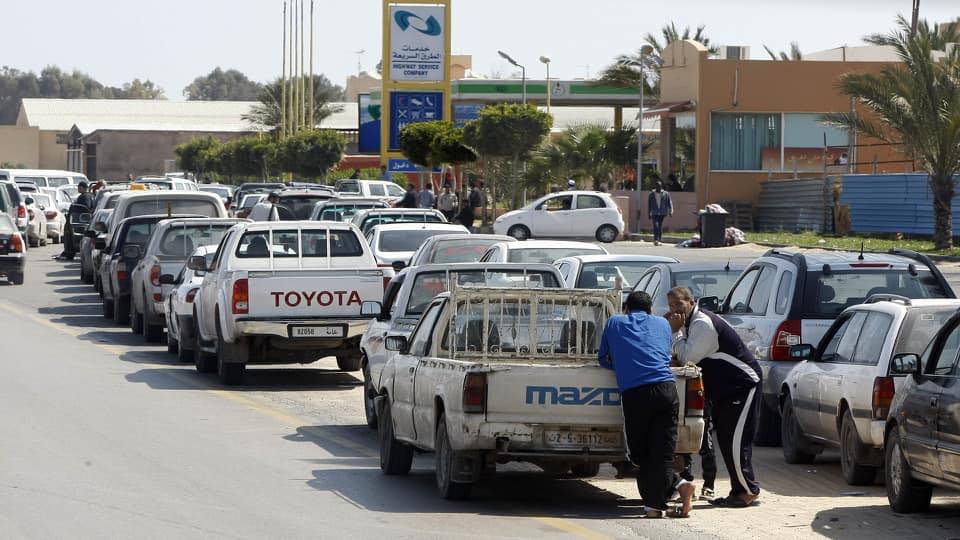
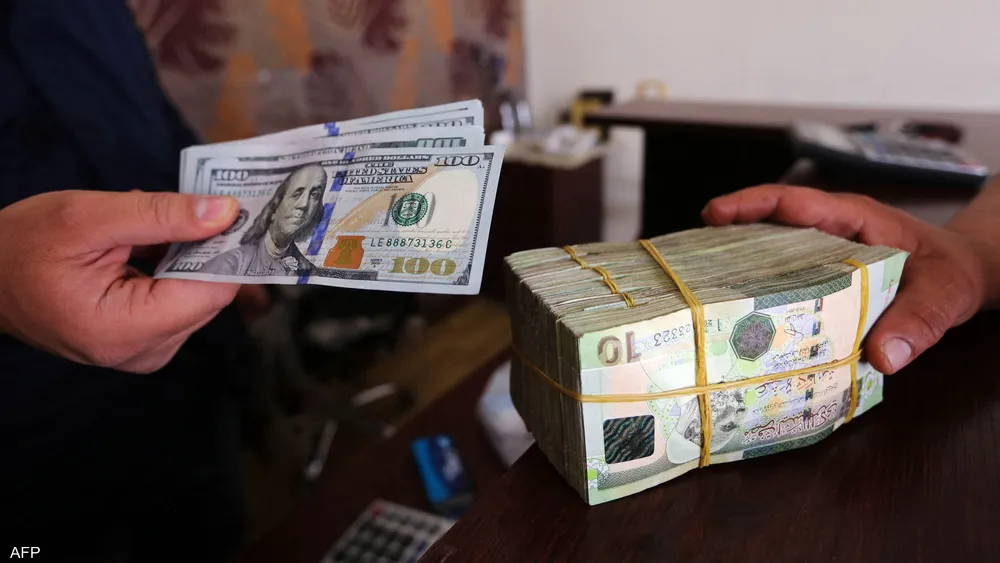
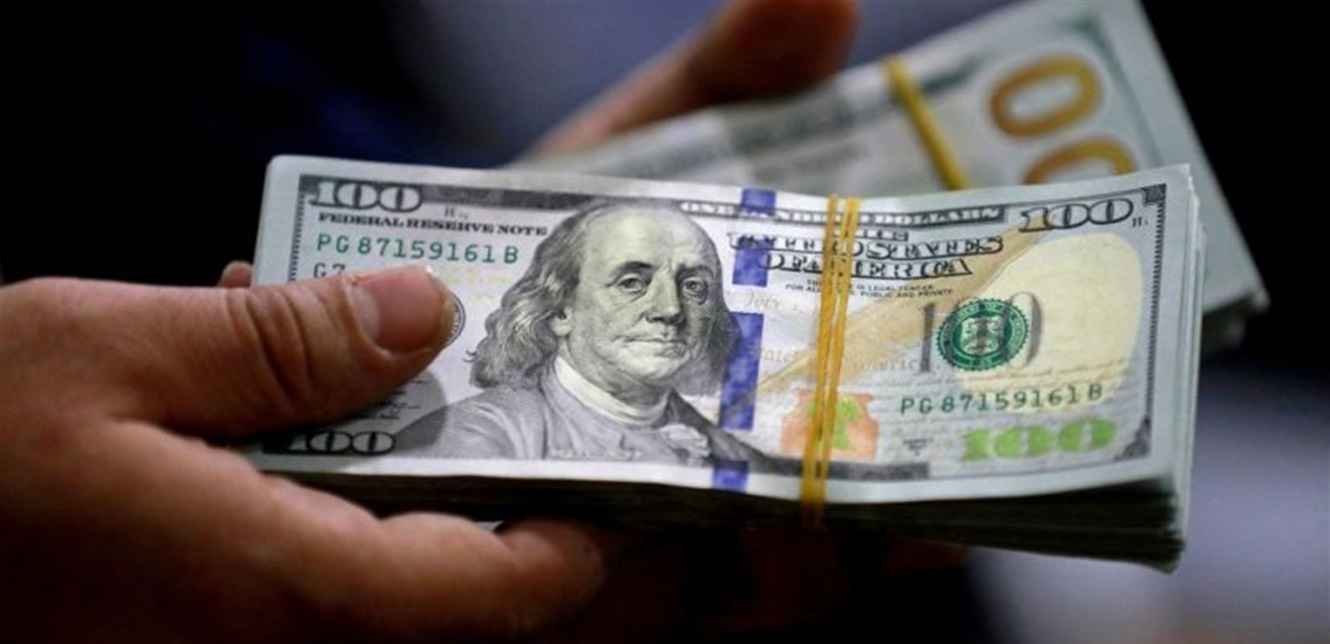
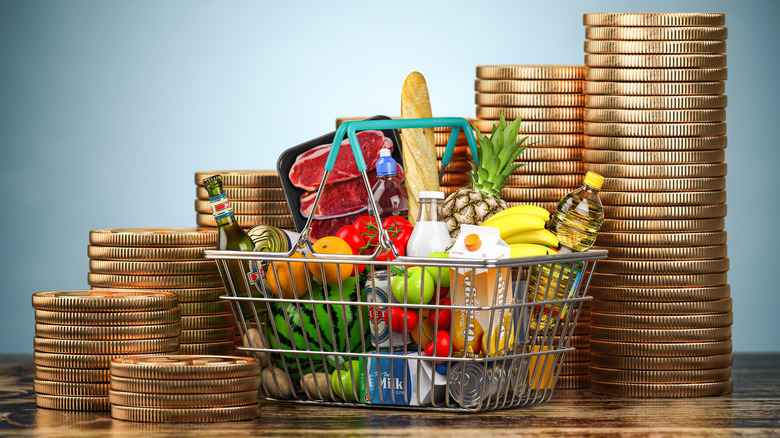
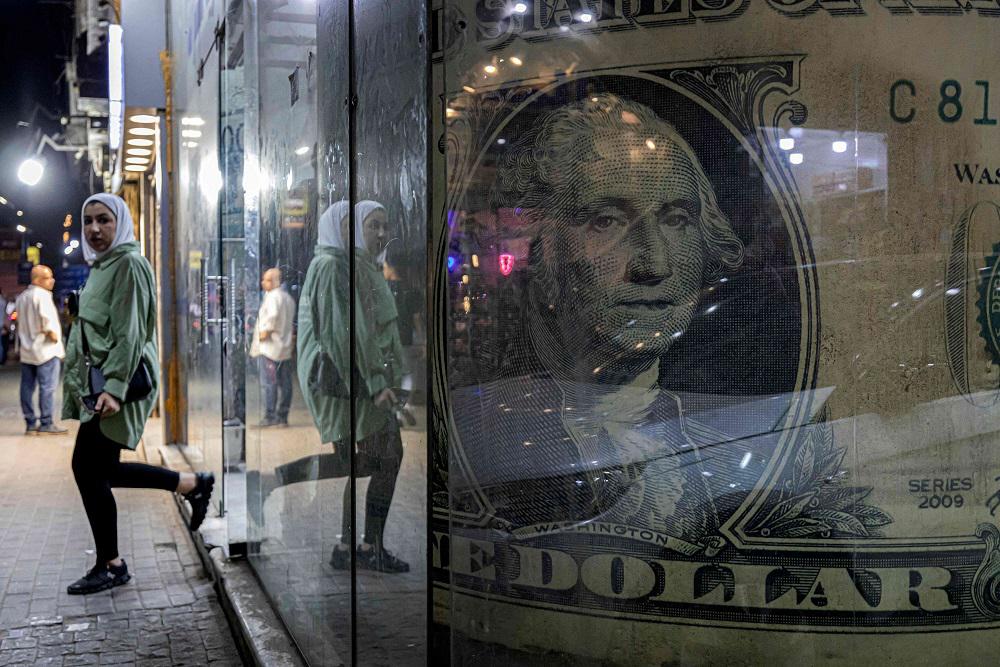
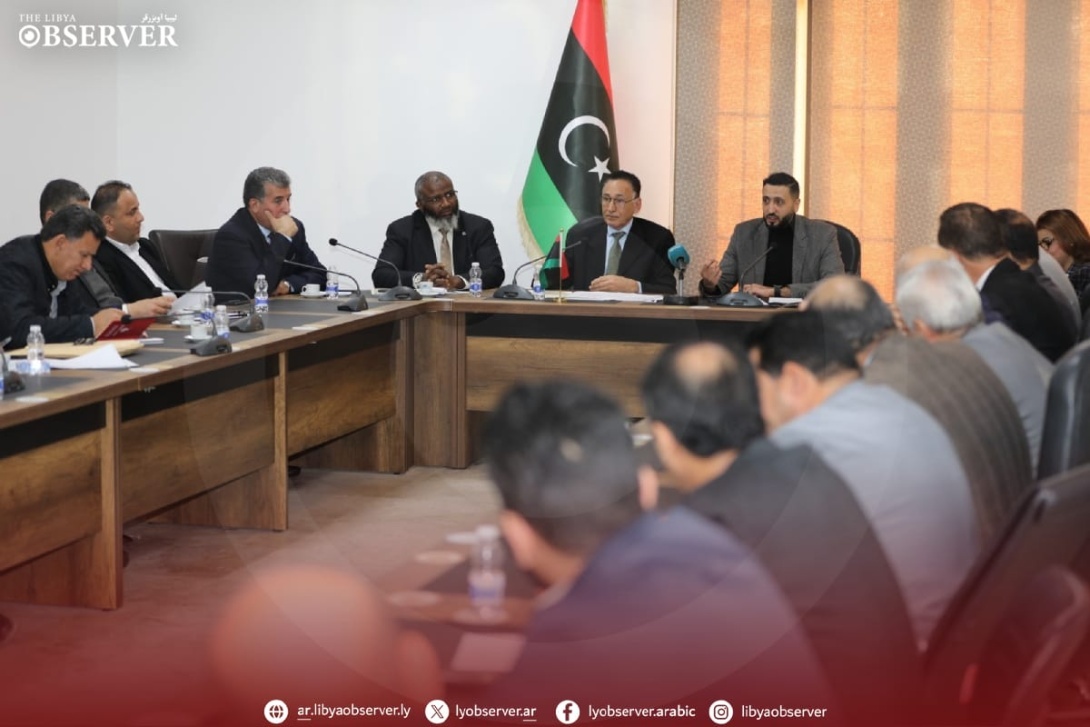
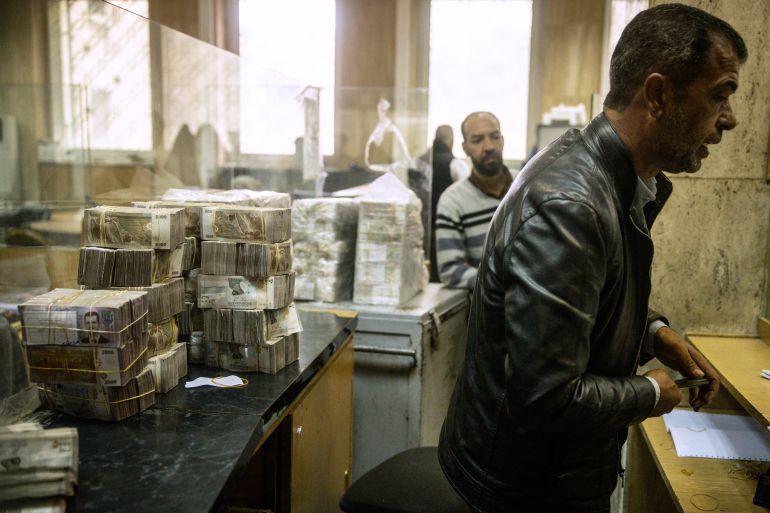
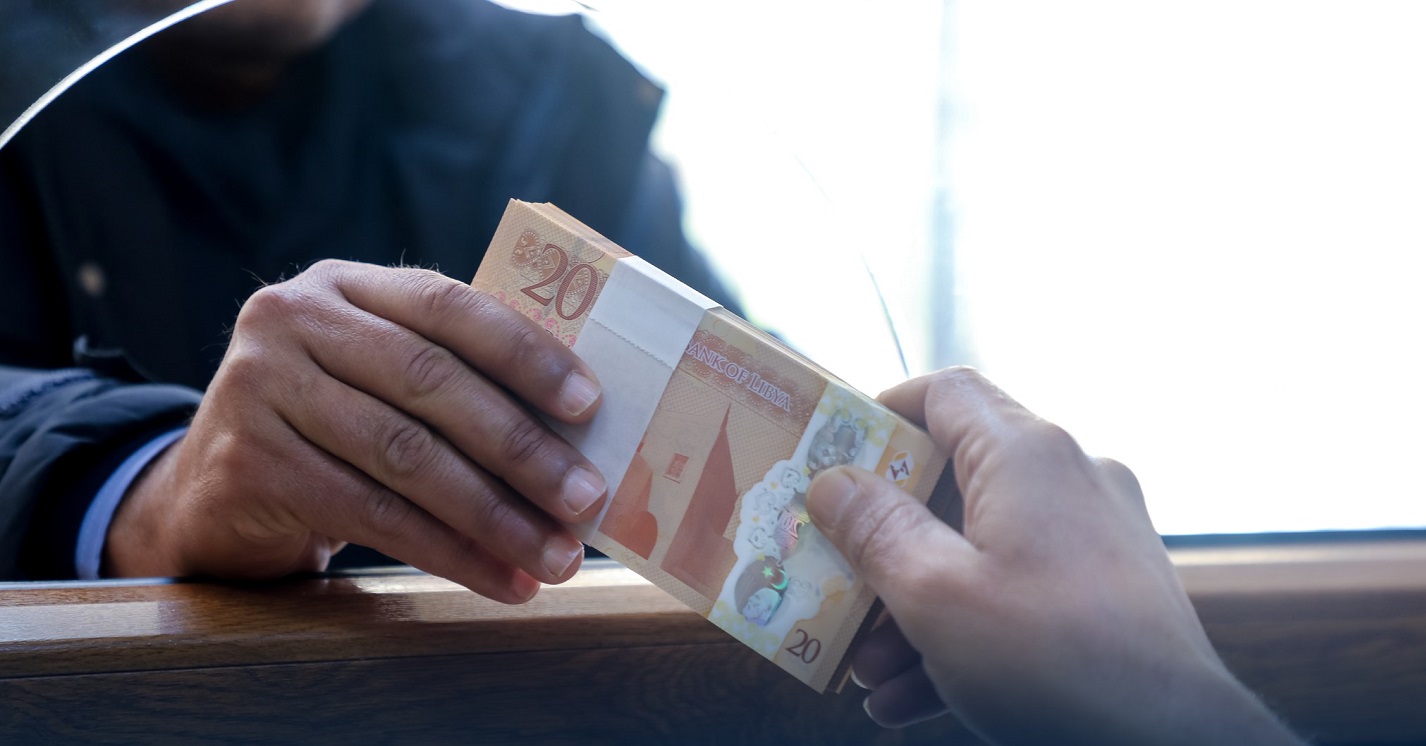
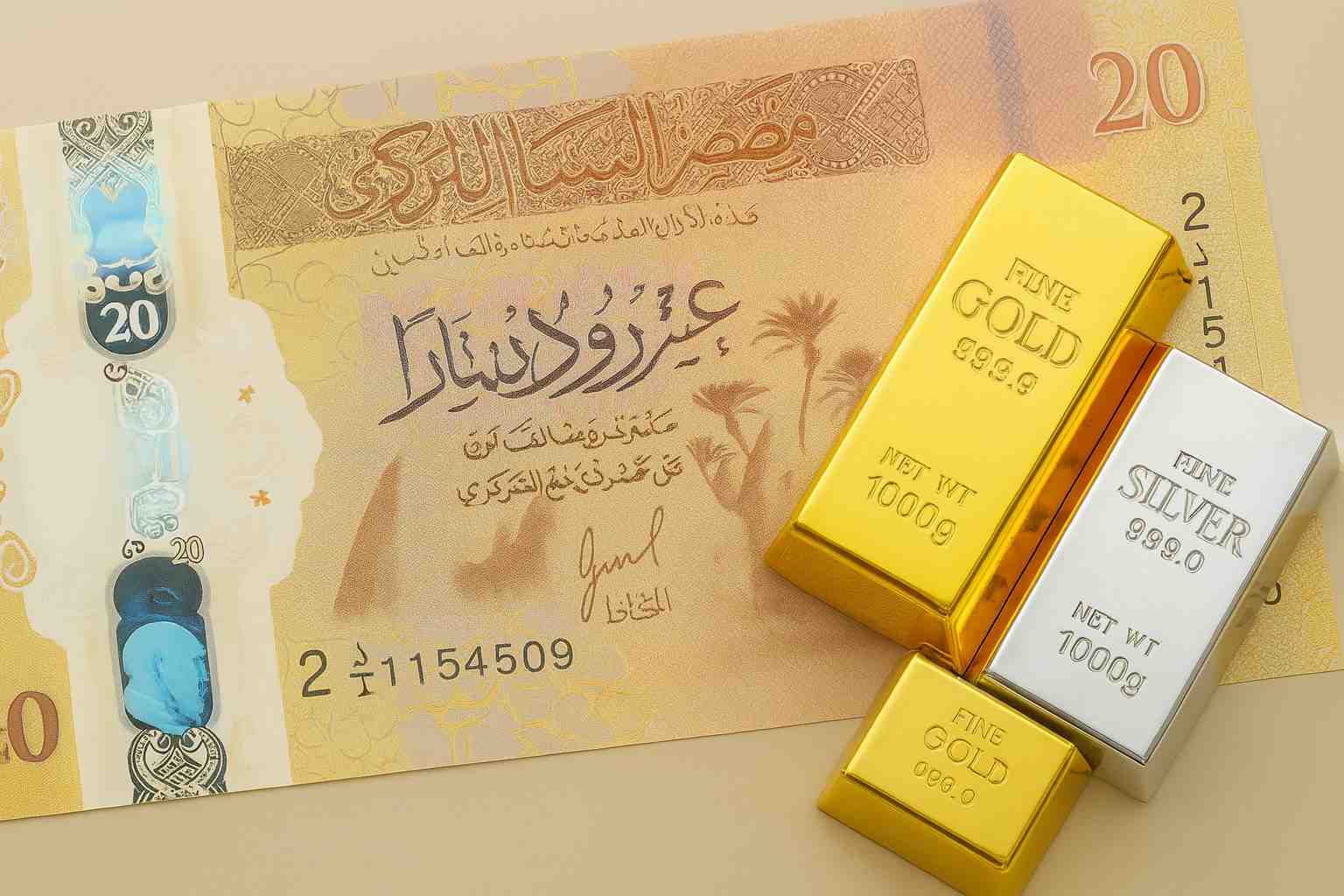
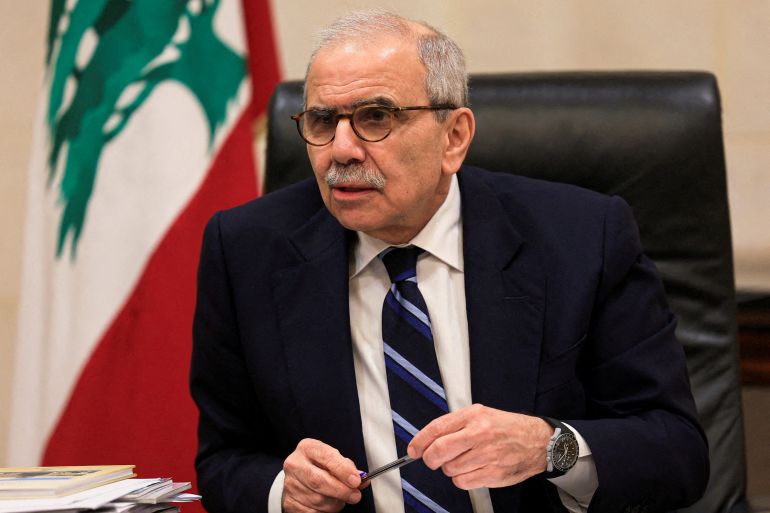
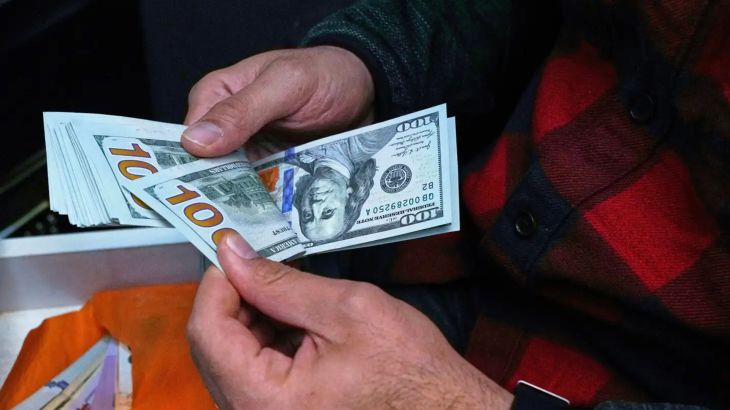
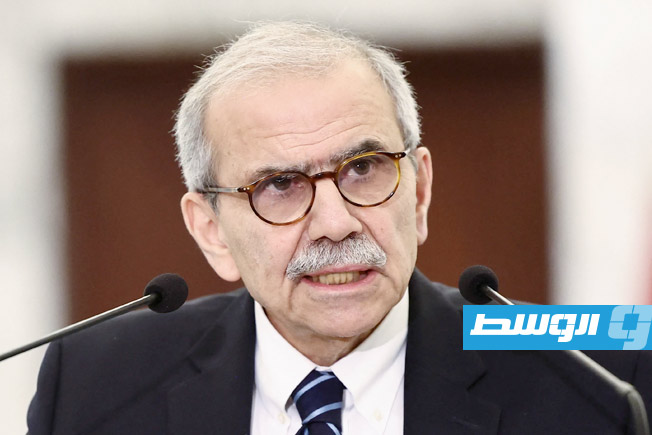
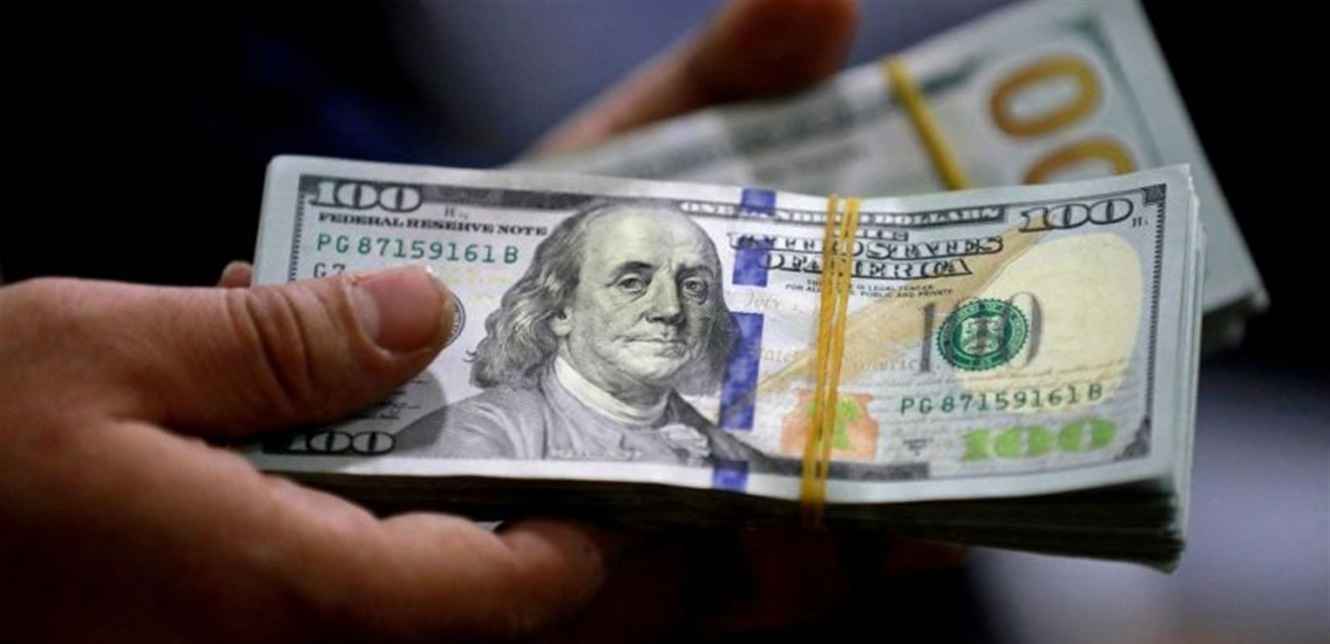
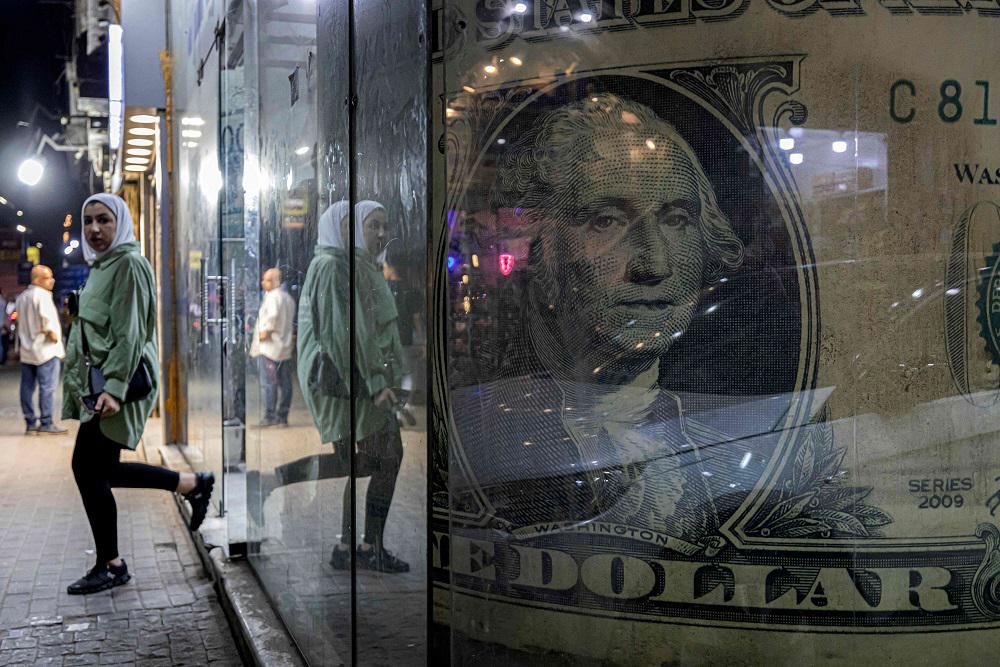
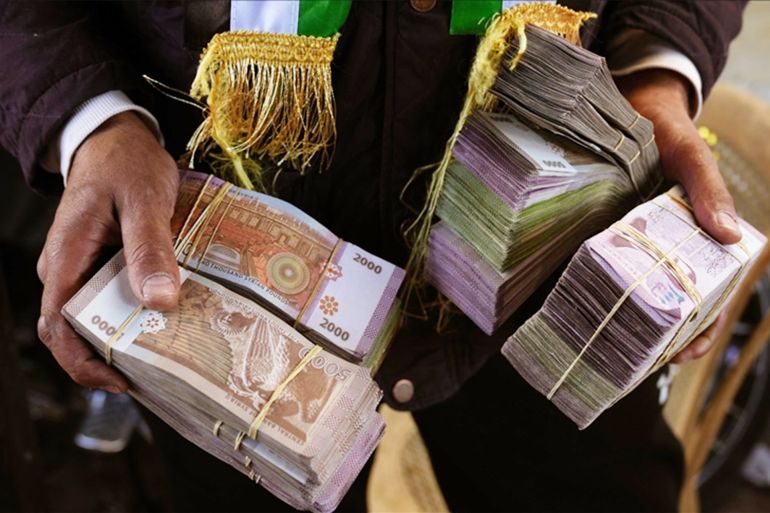
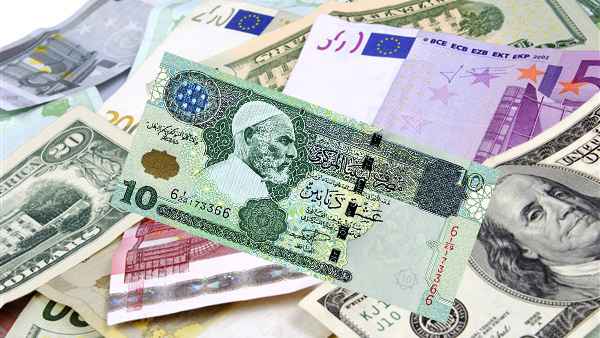
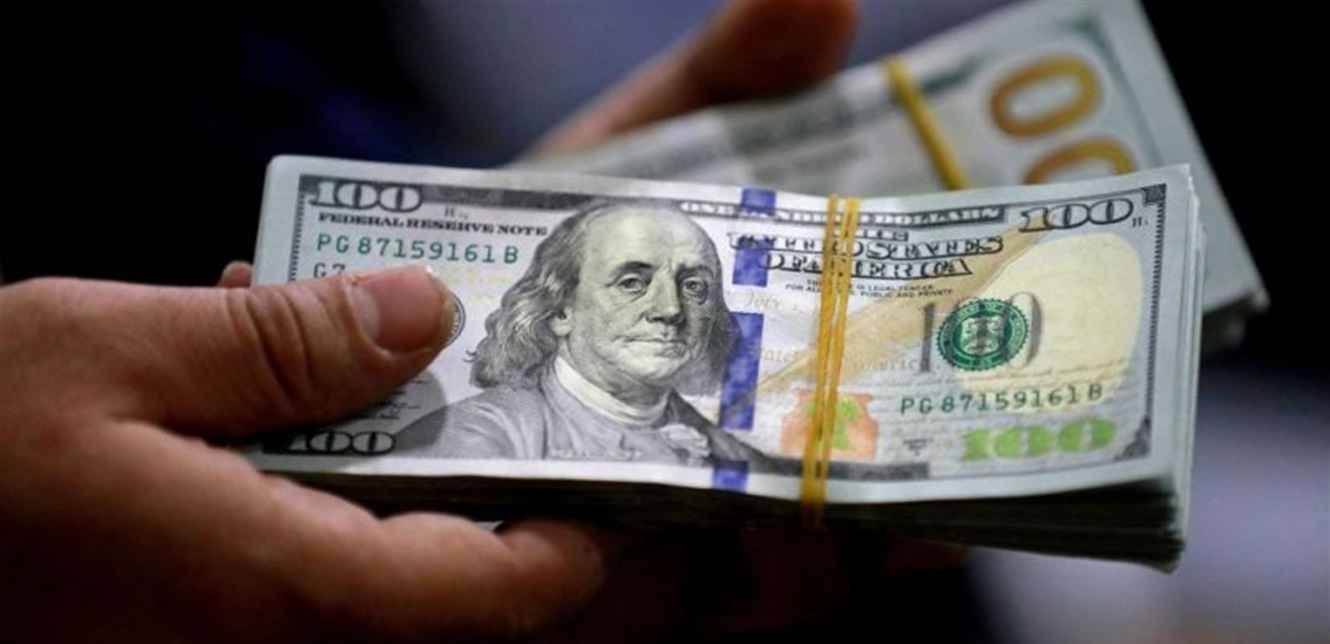
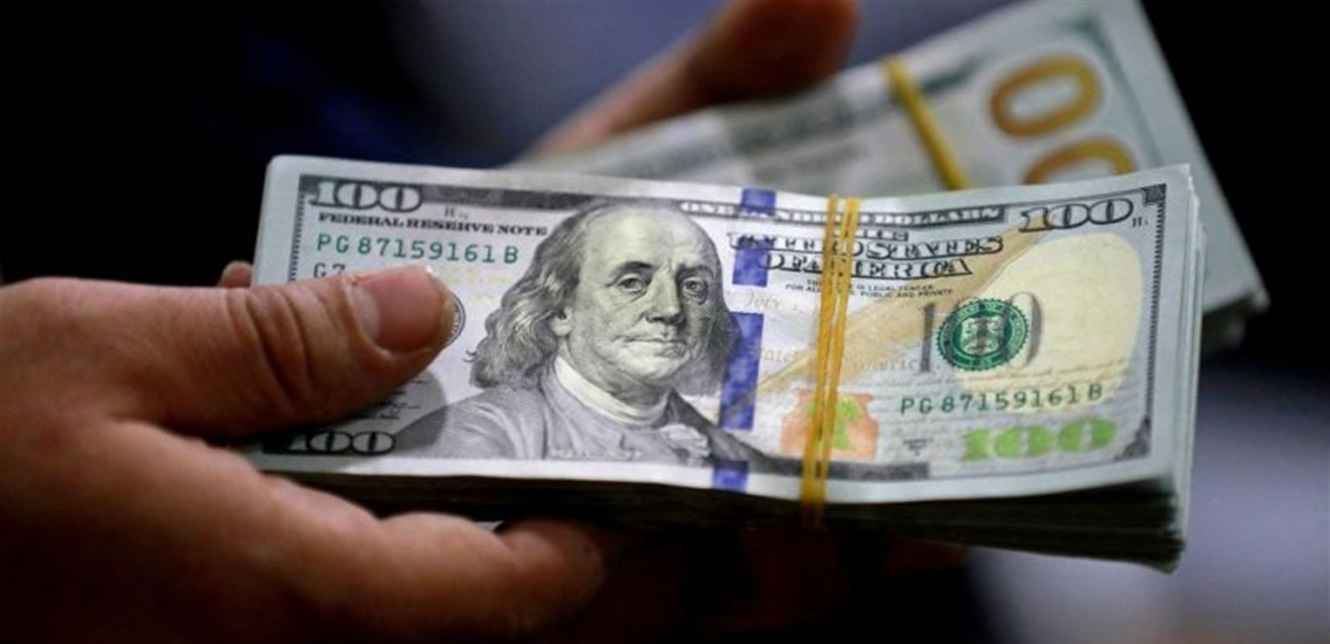
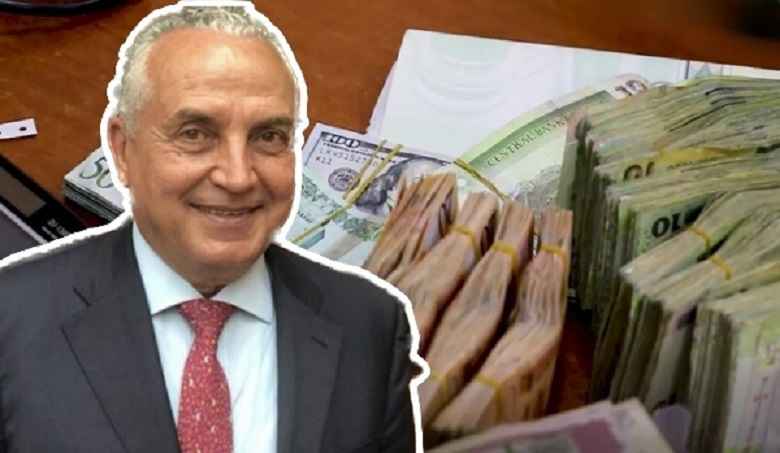
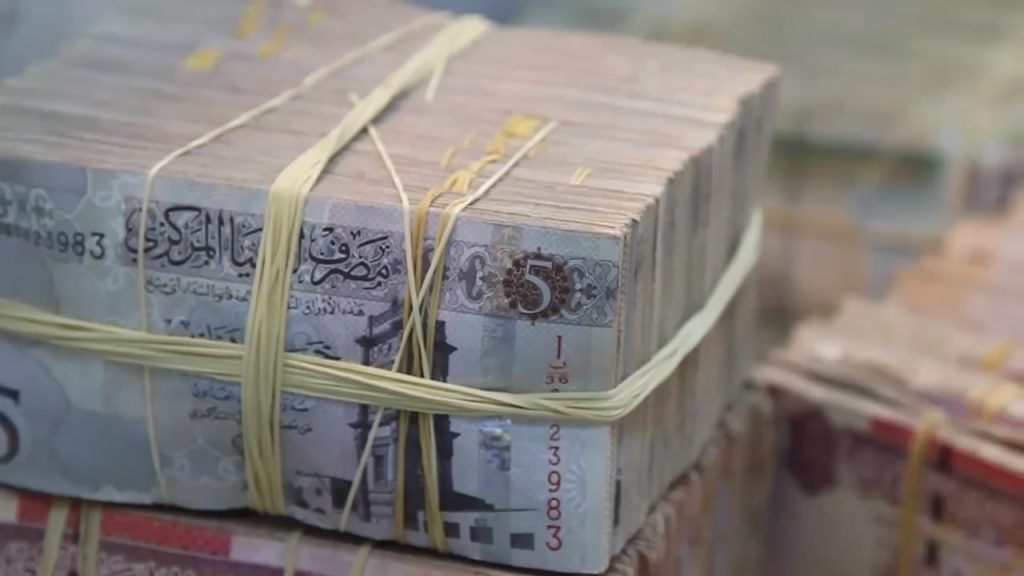
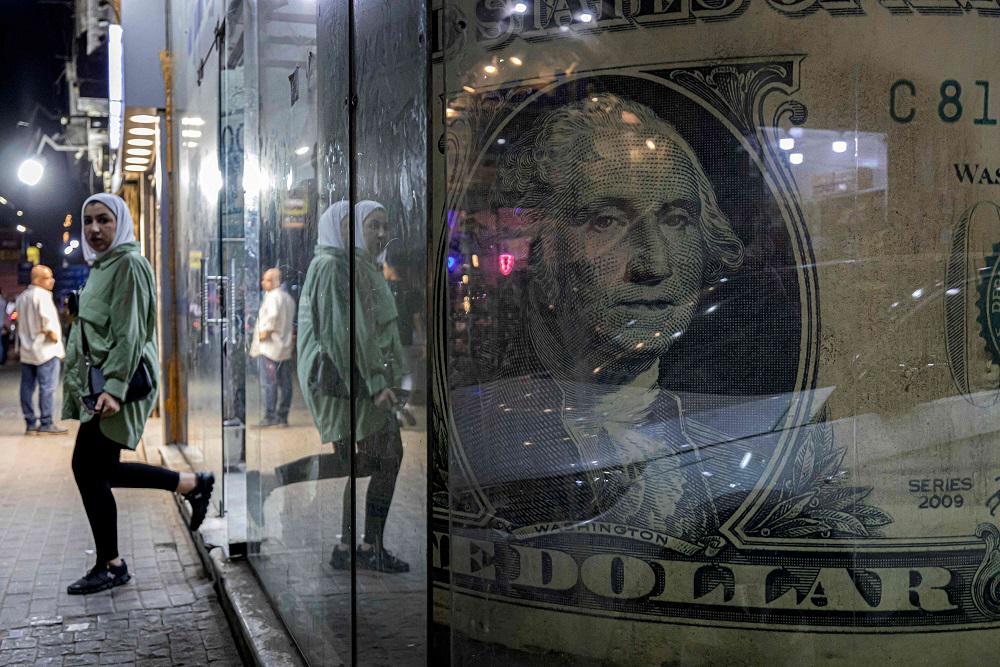
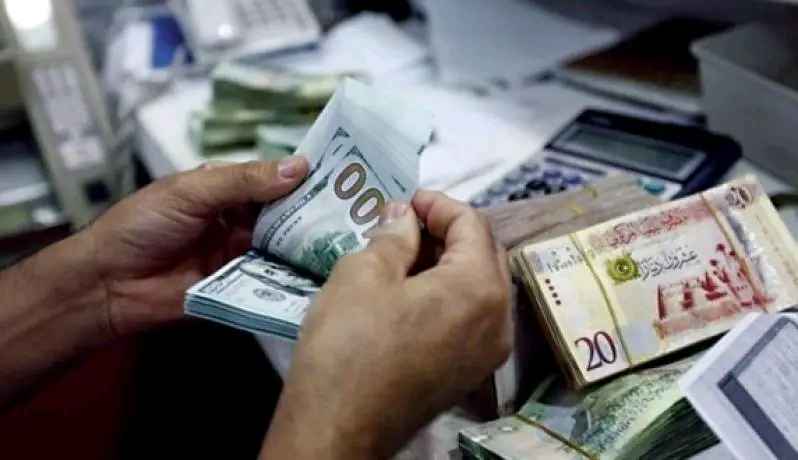
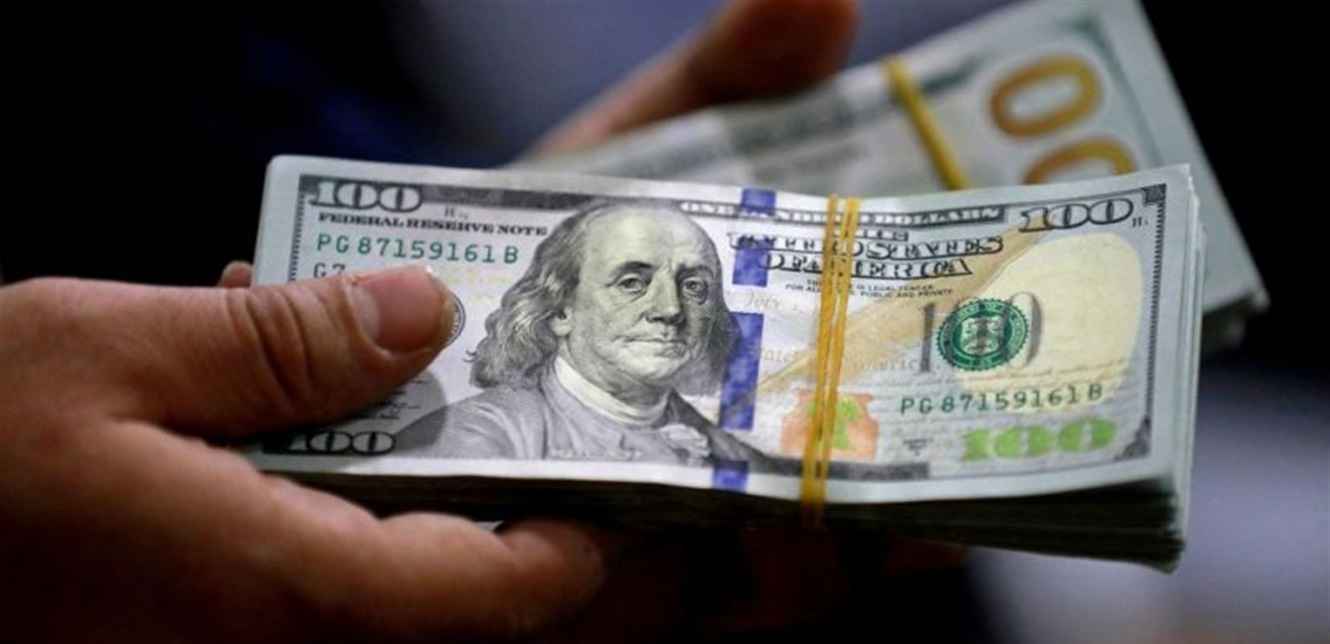
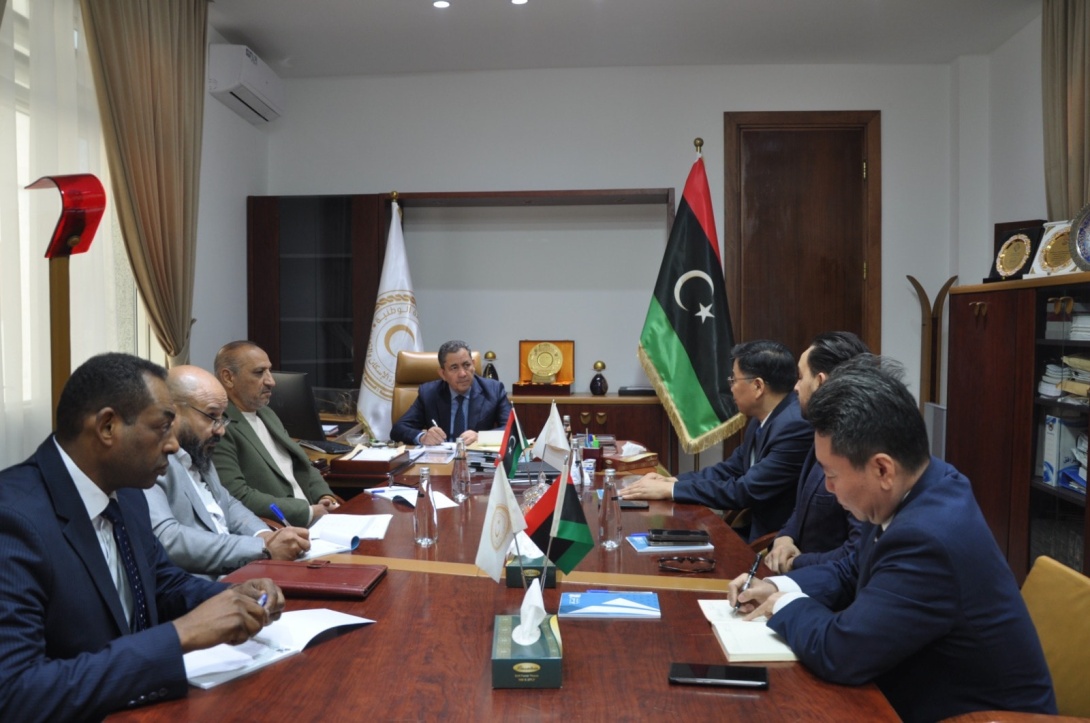
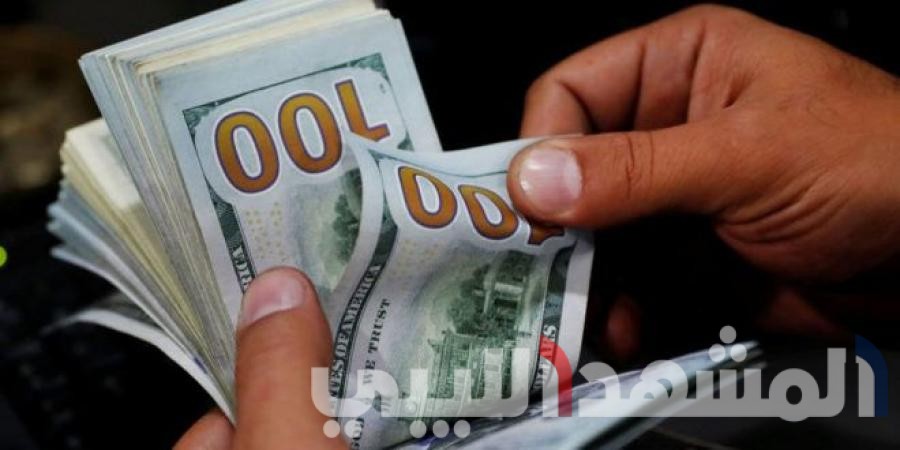
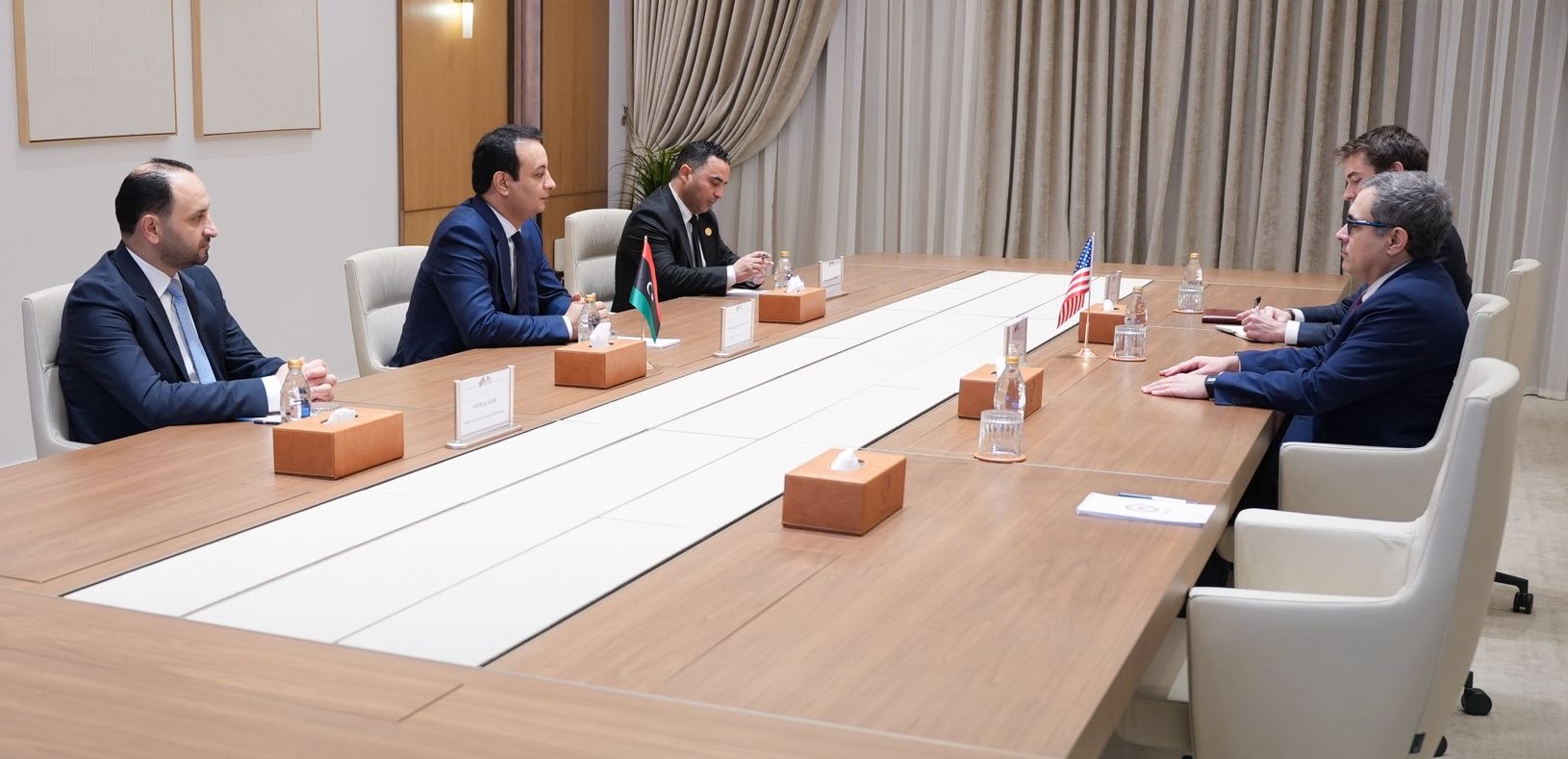
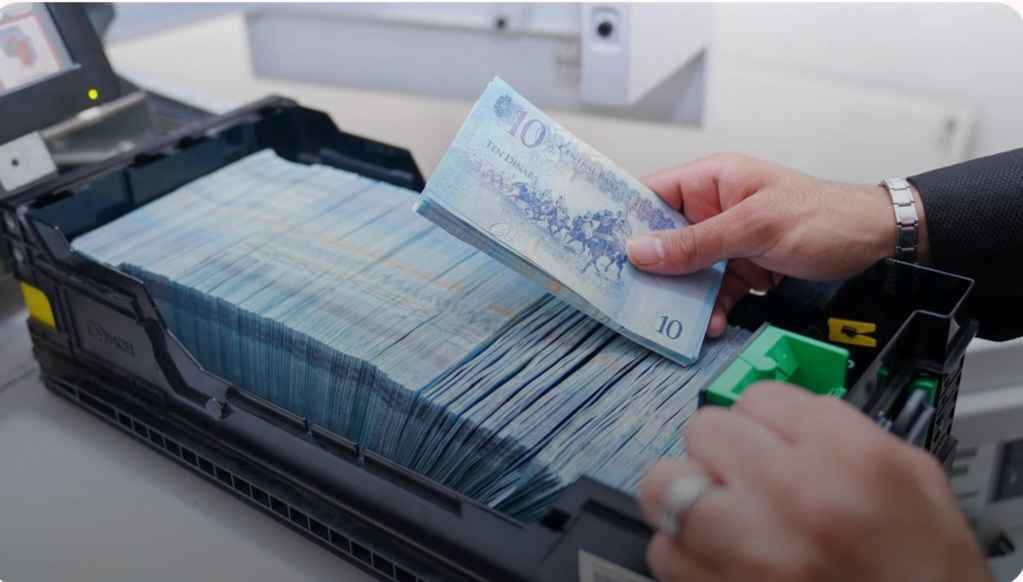
Tripoli, February 19, 2026 – Libya’s representative to the United Nations warned that the continuation of parallel spending outside approved frameworks is one of the main reasons for the worsening exchange rate crisis, rising prices, and the erosion of citizens’ purchasing power.
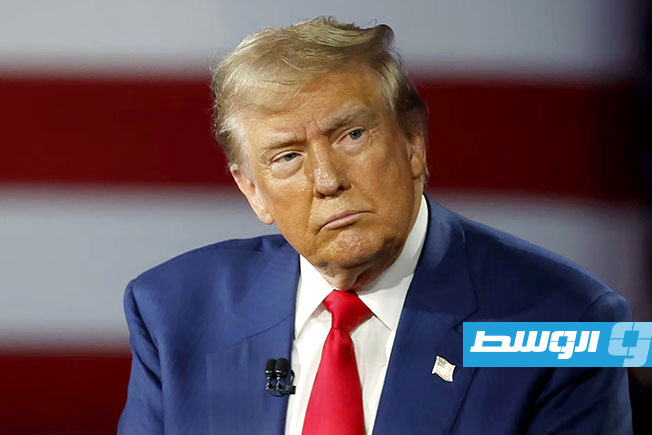
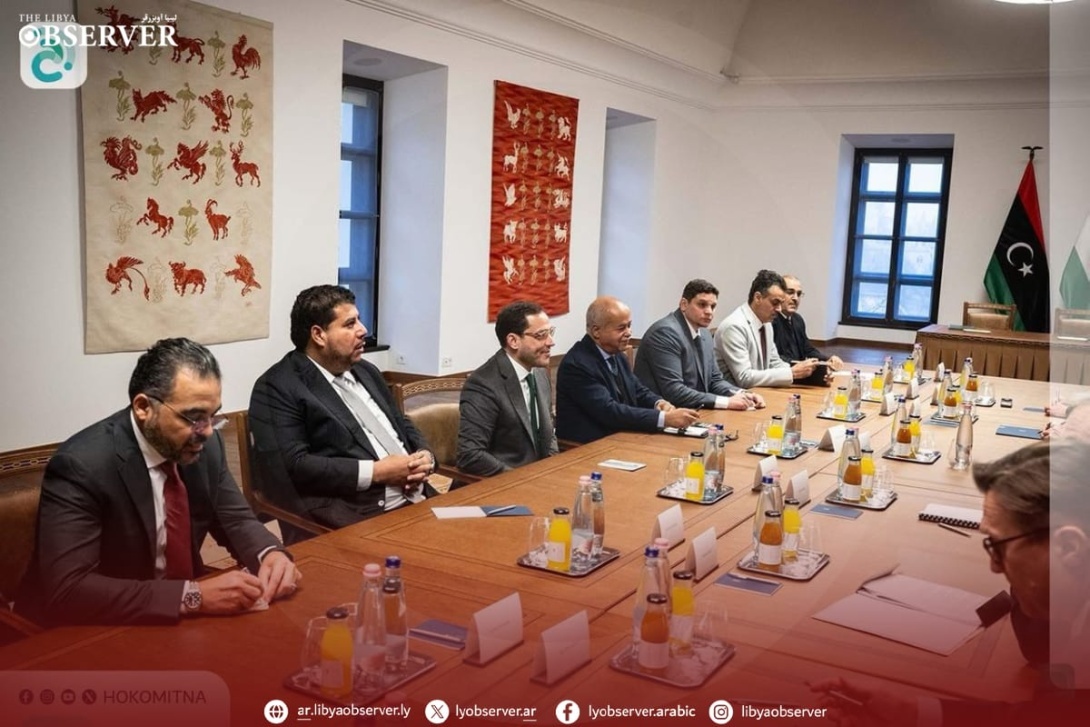
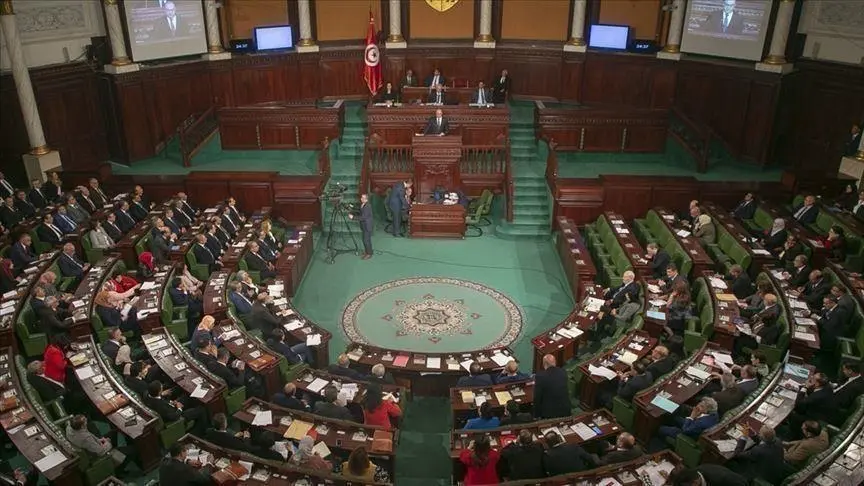
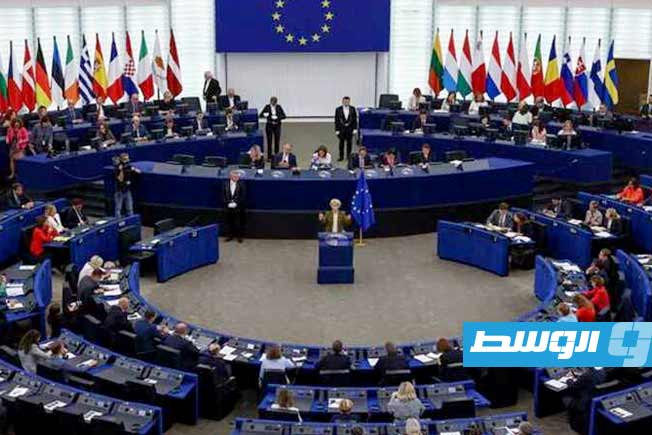
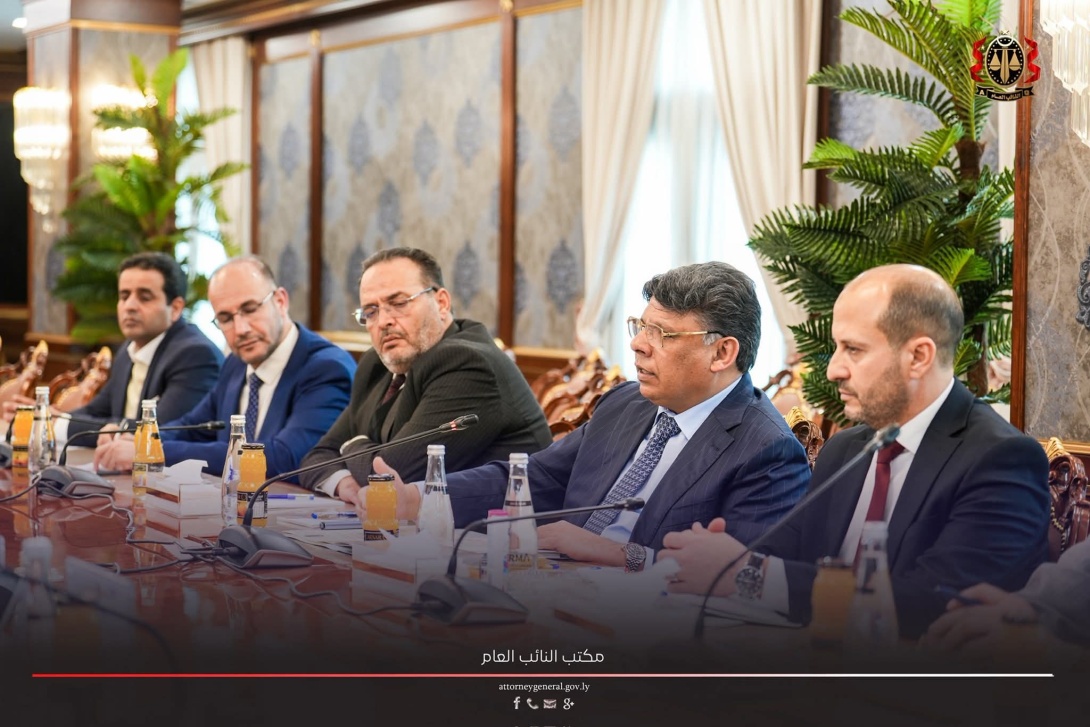
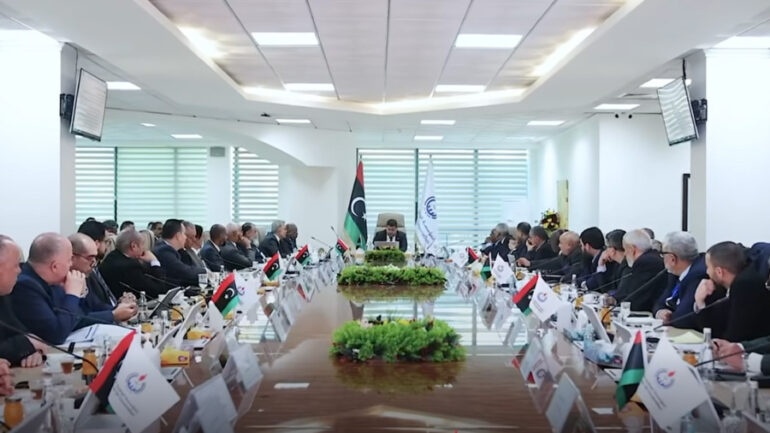
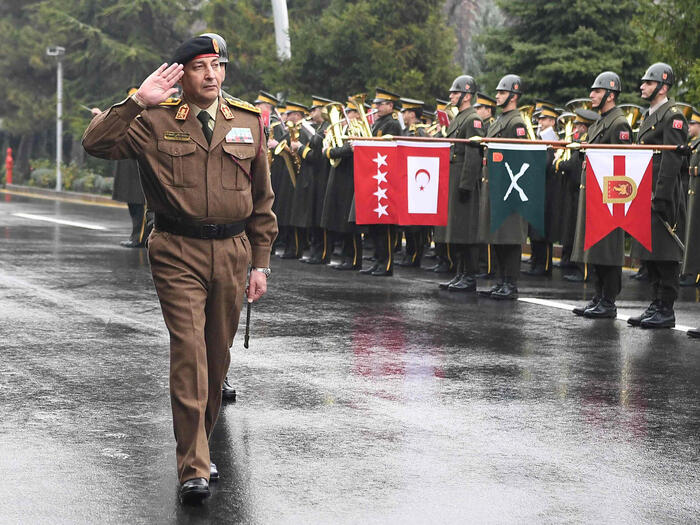
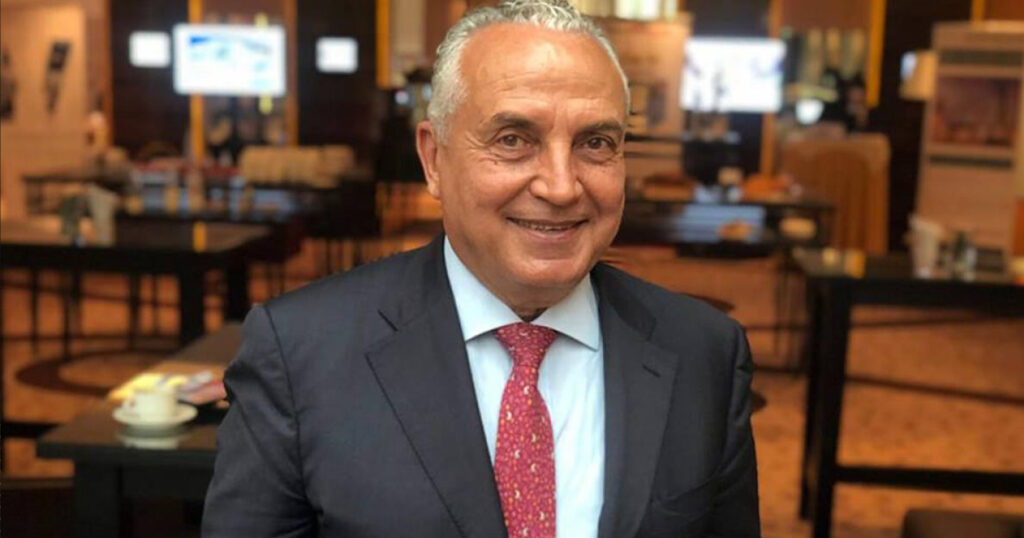
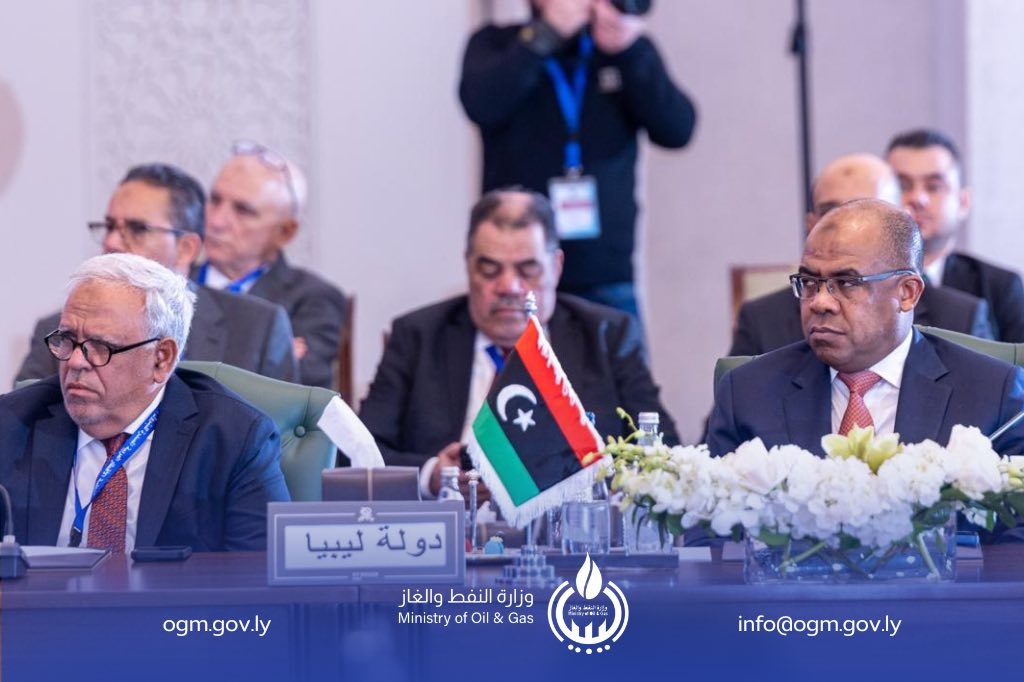
This came in his speech delivered on Wednesday before the Security Council during its session dedicated to discussing the latest developments in Libya.
He pointed out that opening monthly allocations in the absence of a unified budget poses a danger to financial and monetary stability, calling for the unification and rationalization of spending, and supporting the unified development agreement to control development expenditures.
He affirmed that the future of Libya’s relationship with its international partners must be based on respect for national sovereignty and the enhancement of economic partnerships, away from negative interventions.
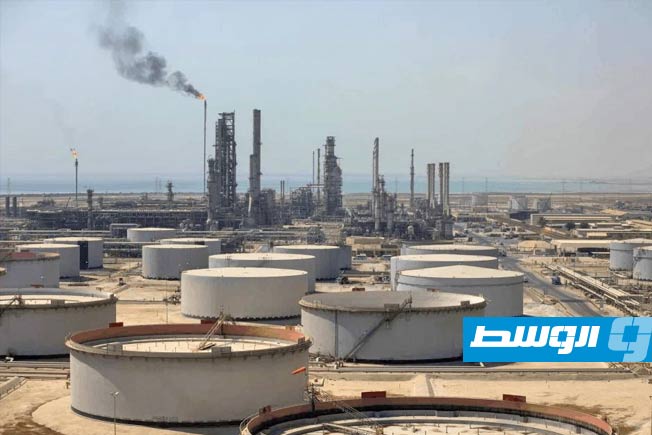
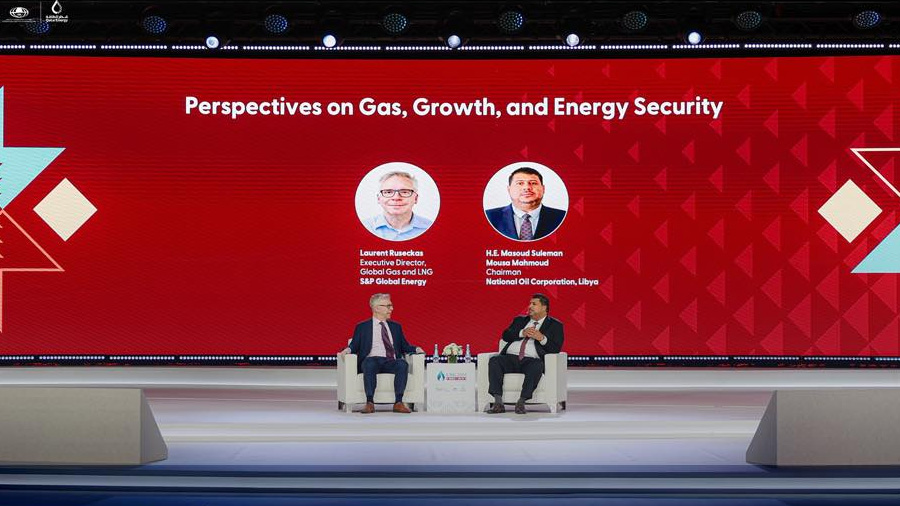
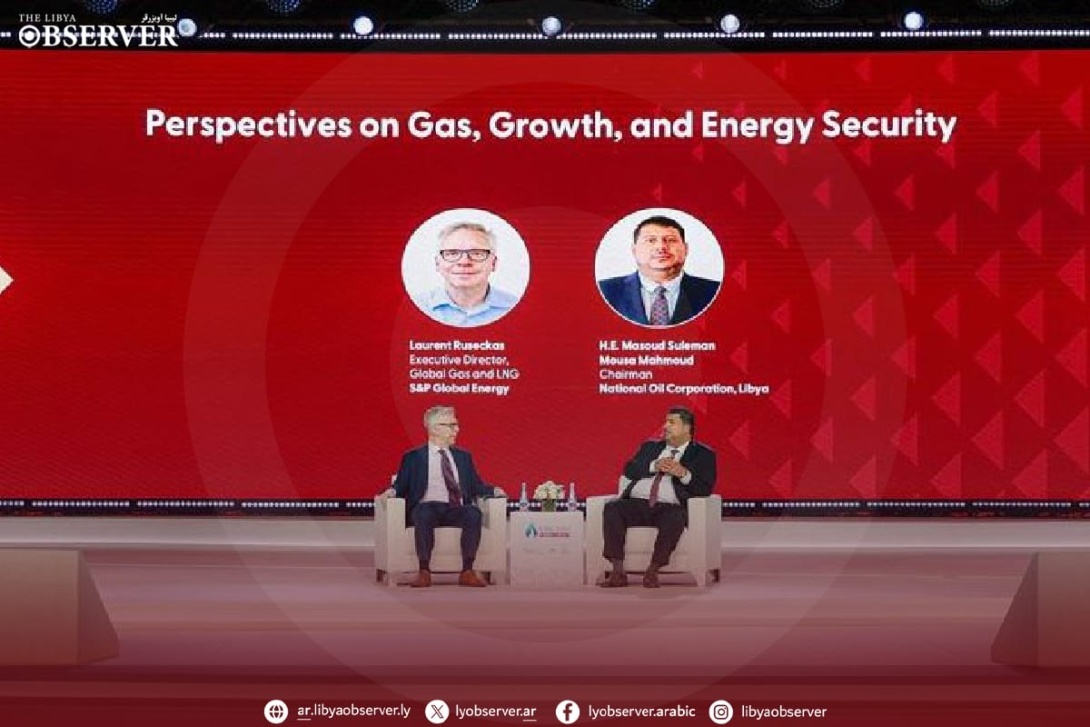
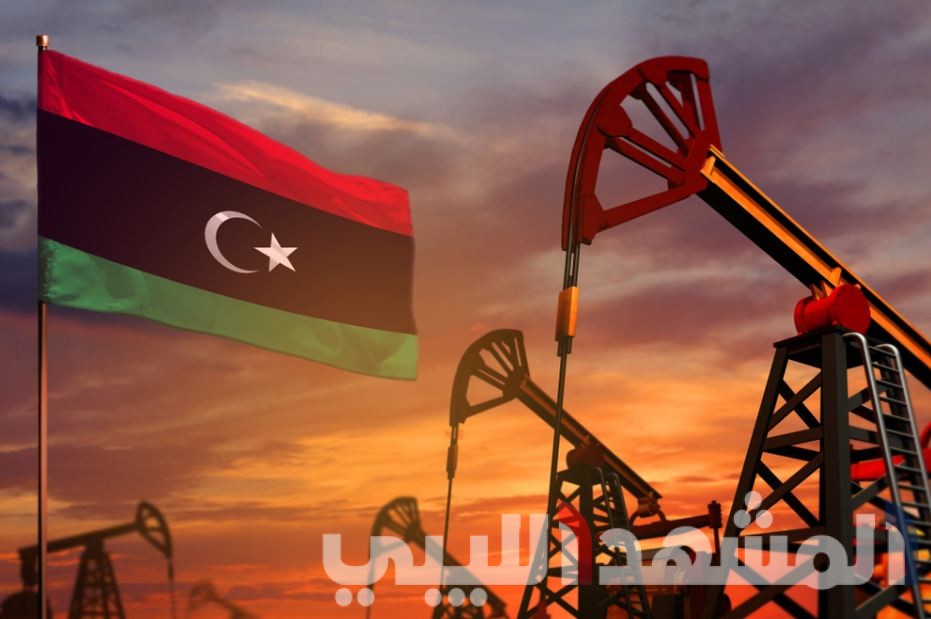
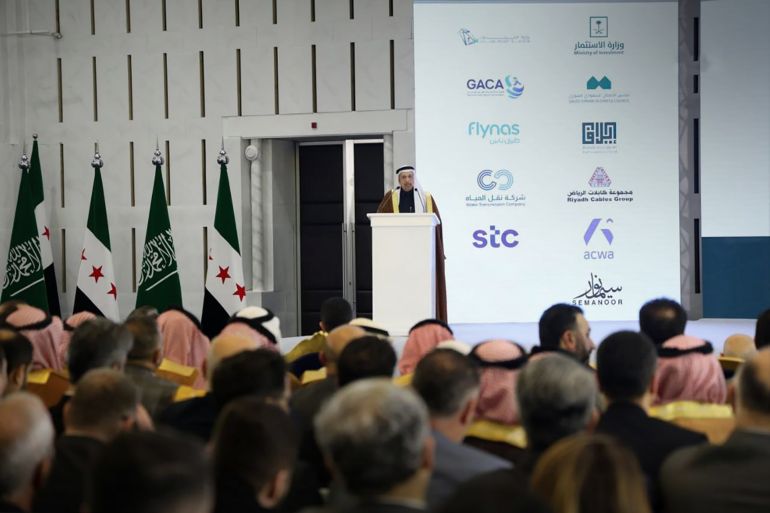
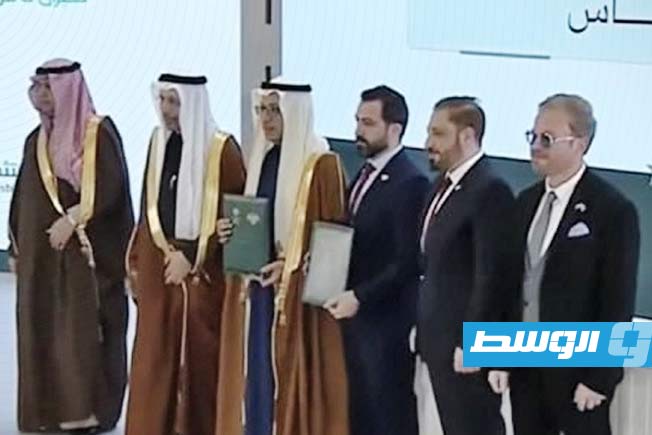
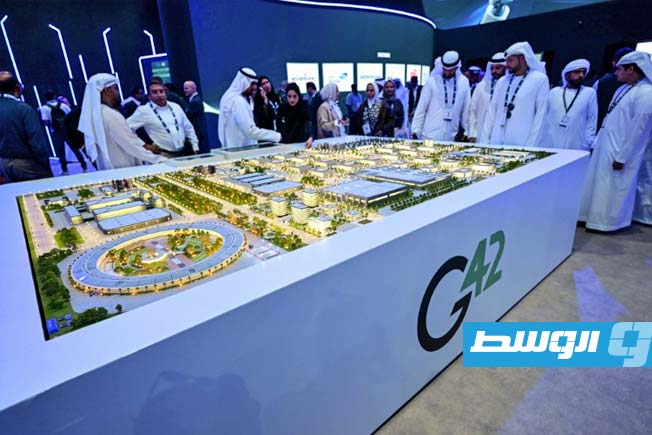
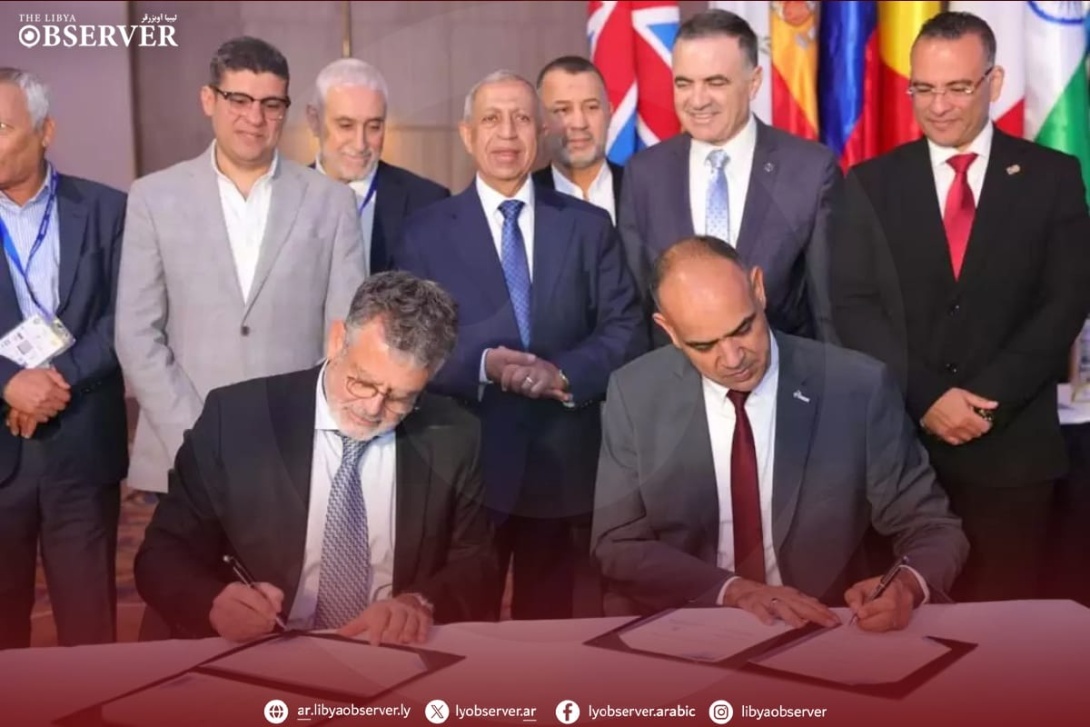
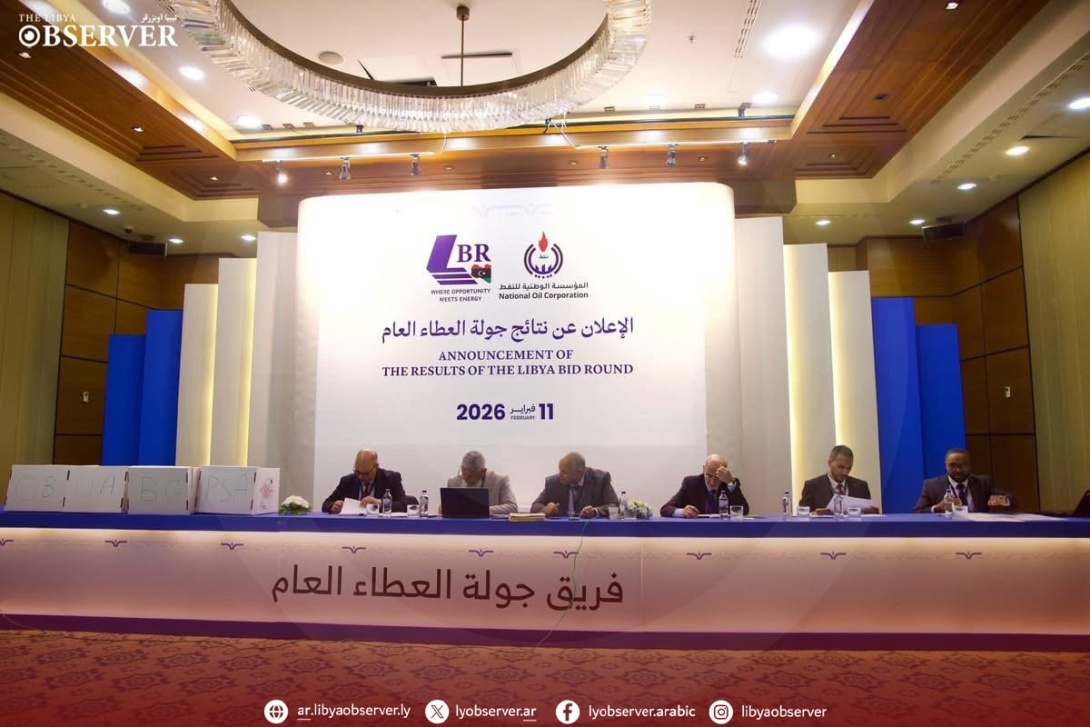
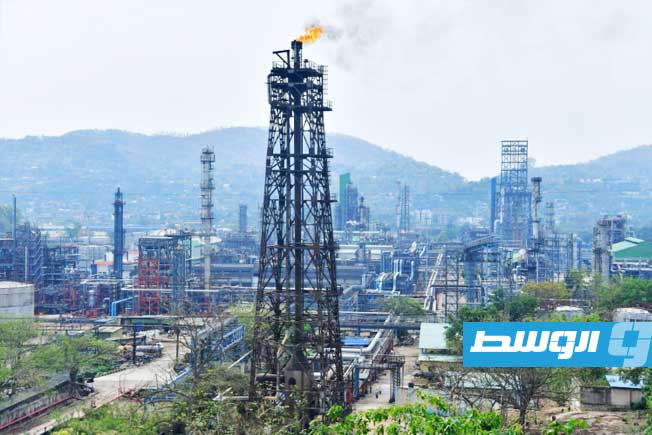
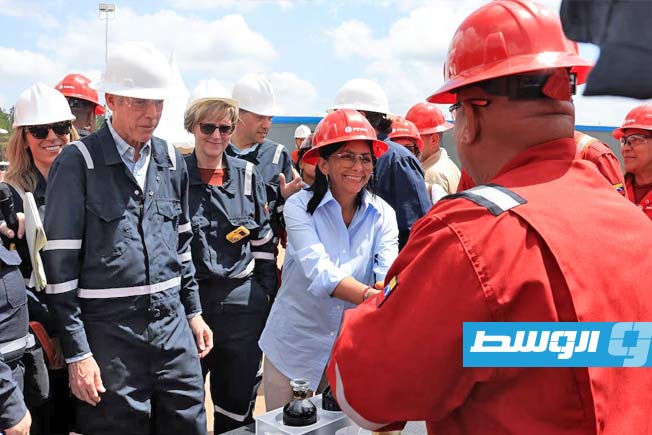
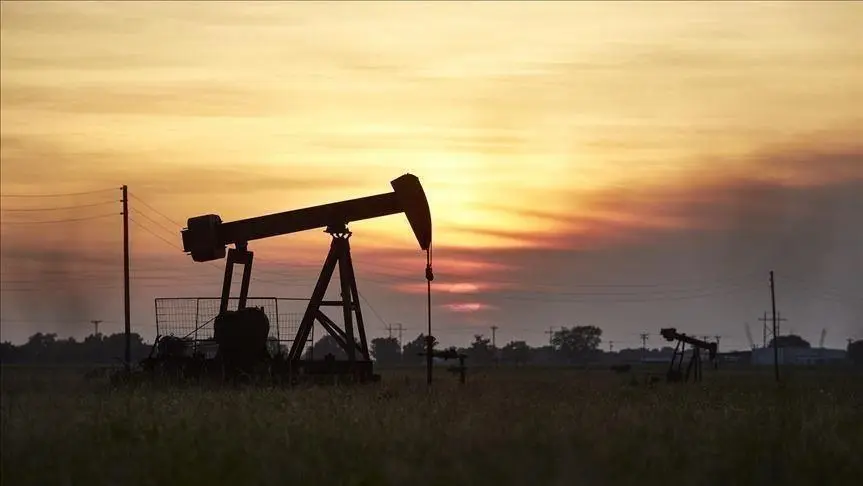
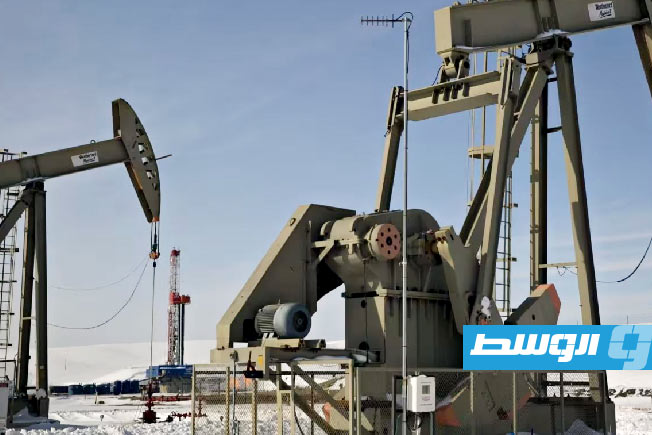
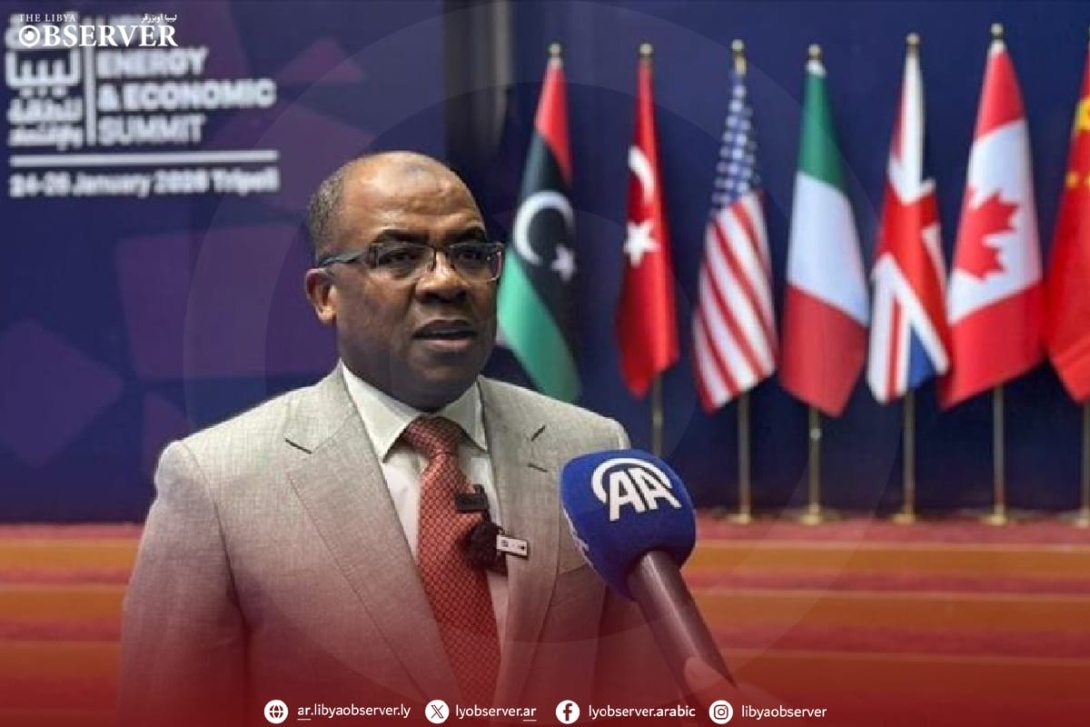
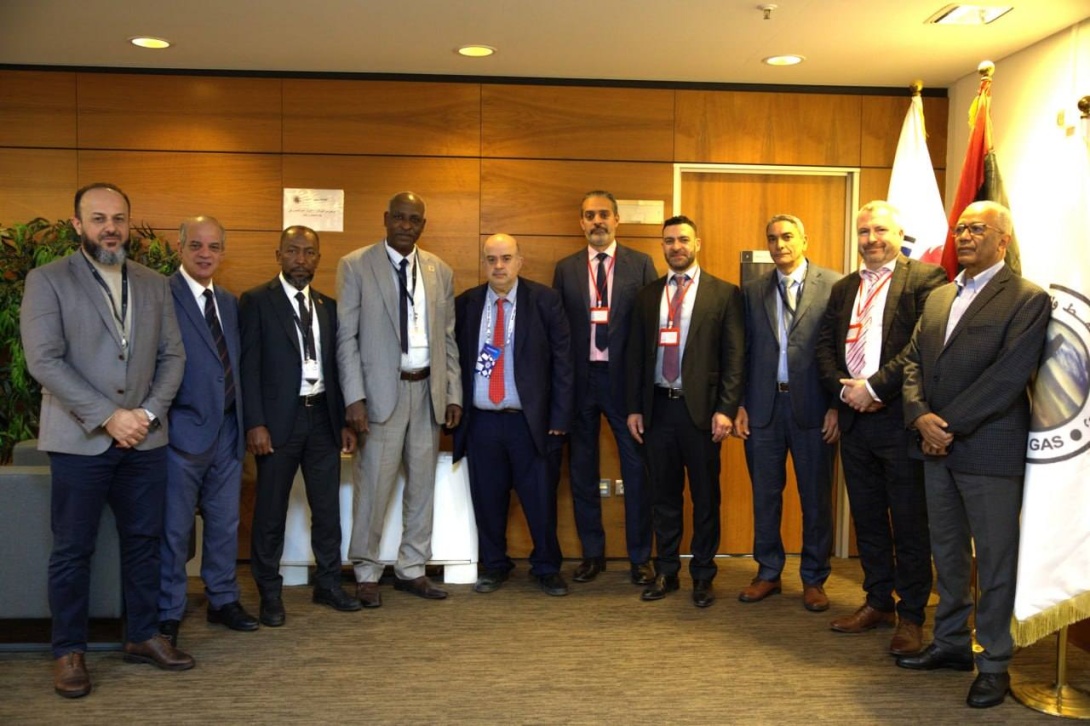
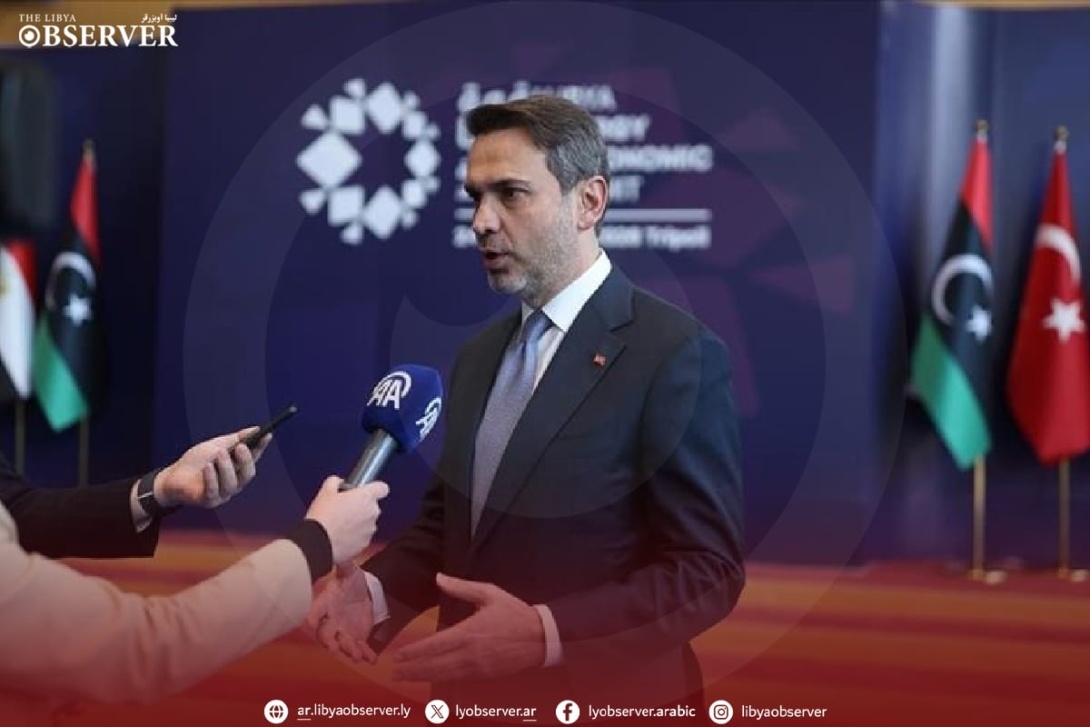
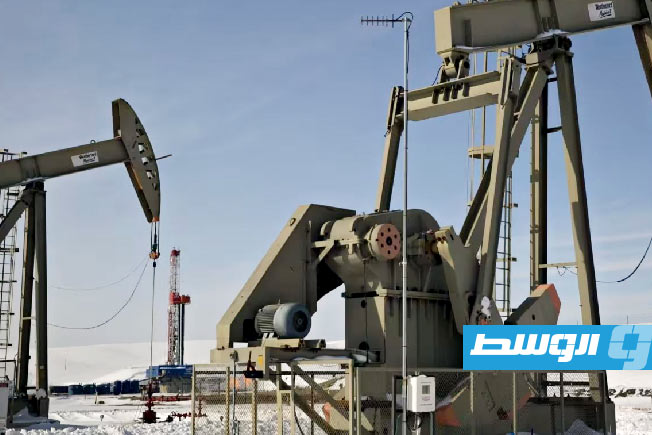
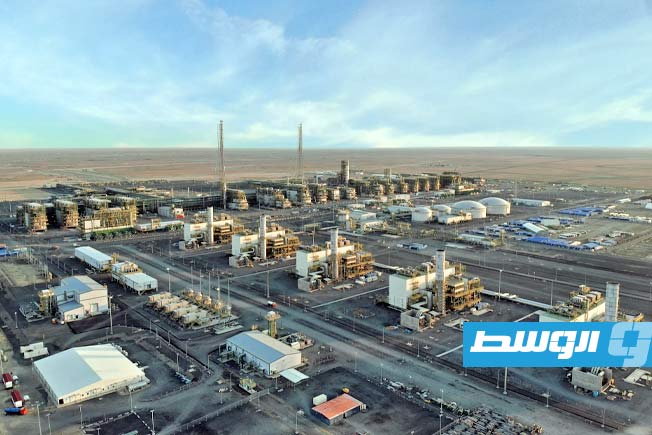
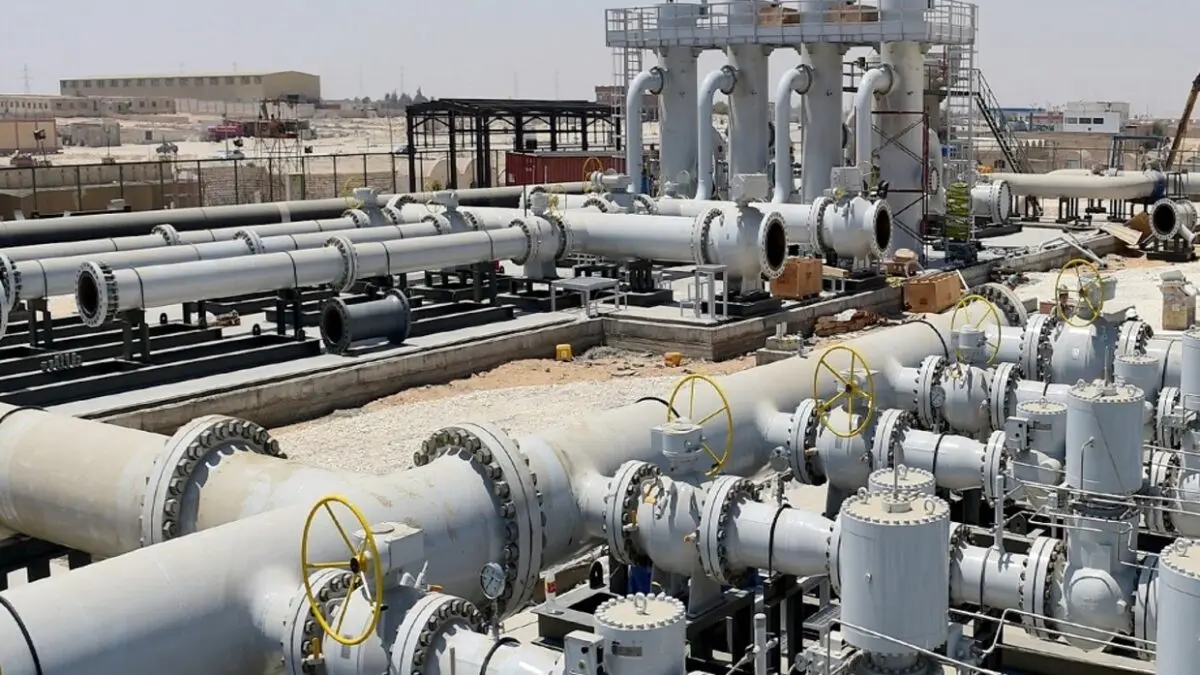
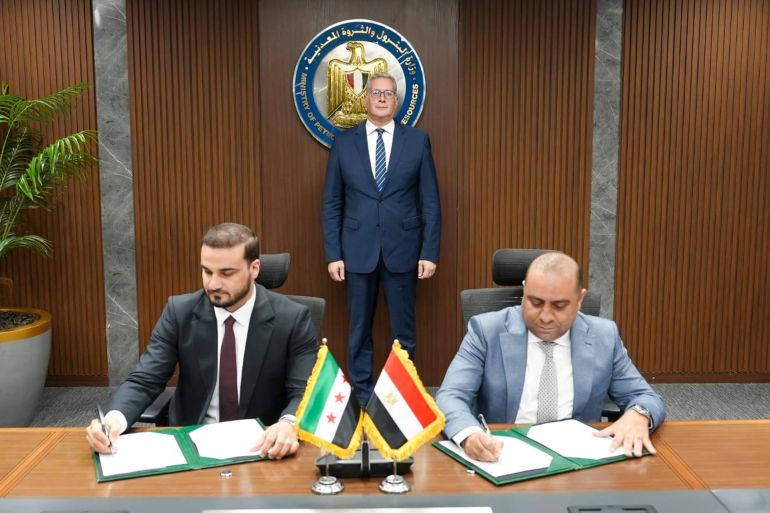
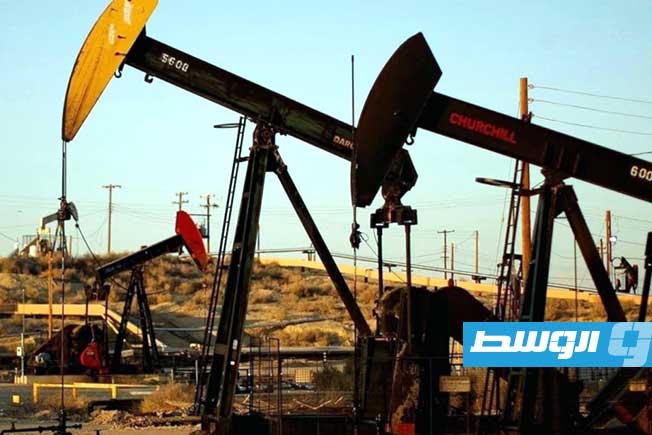
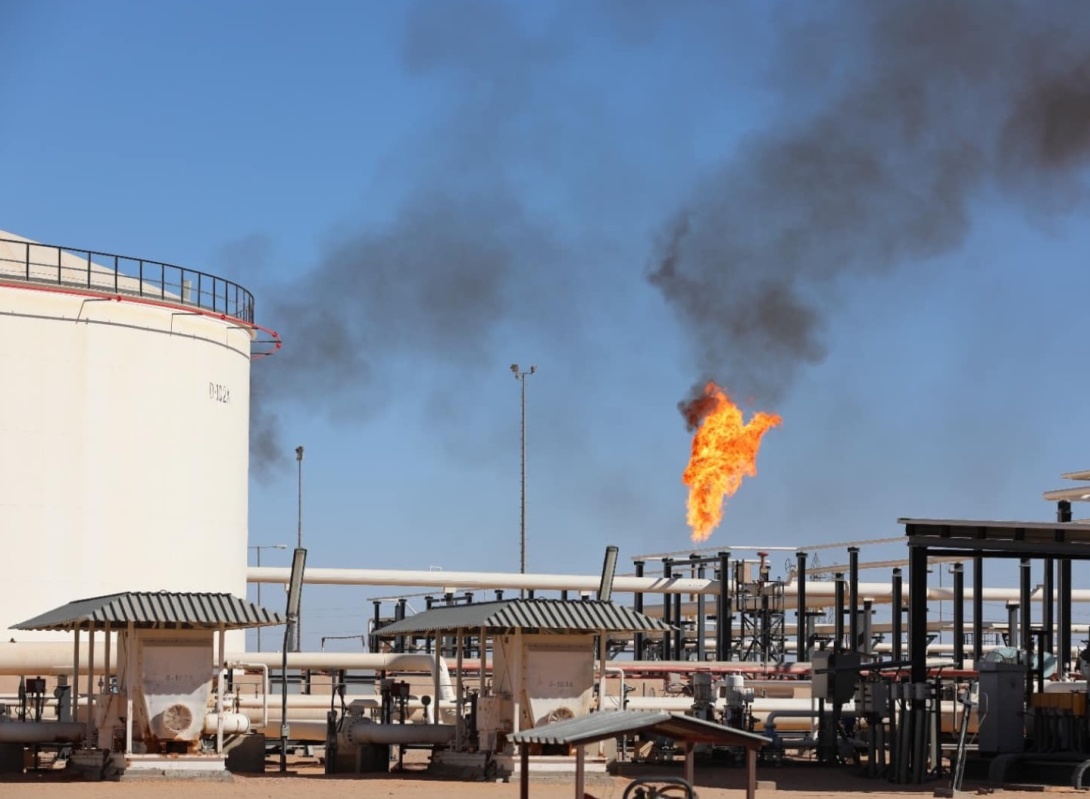
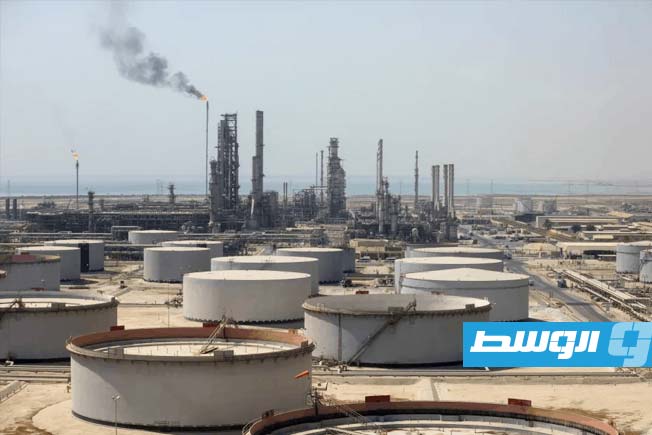
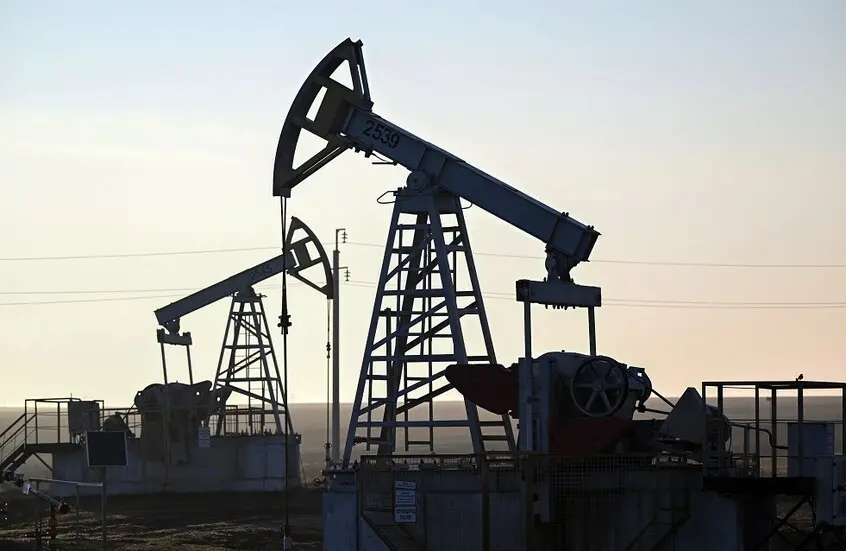
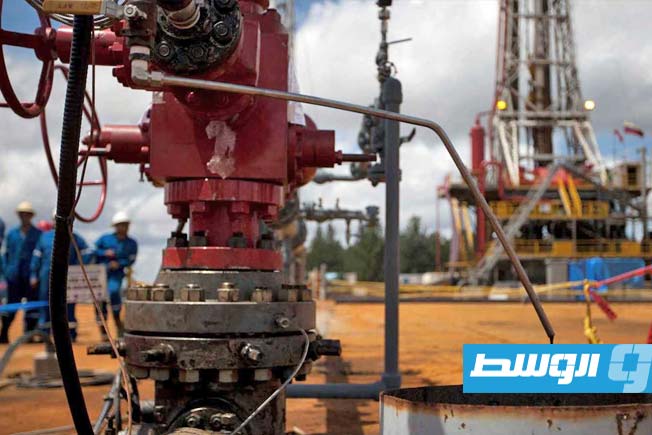
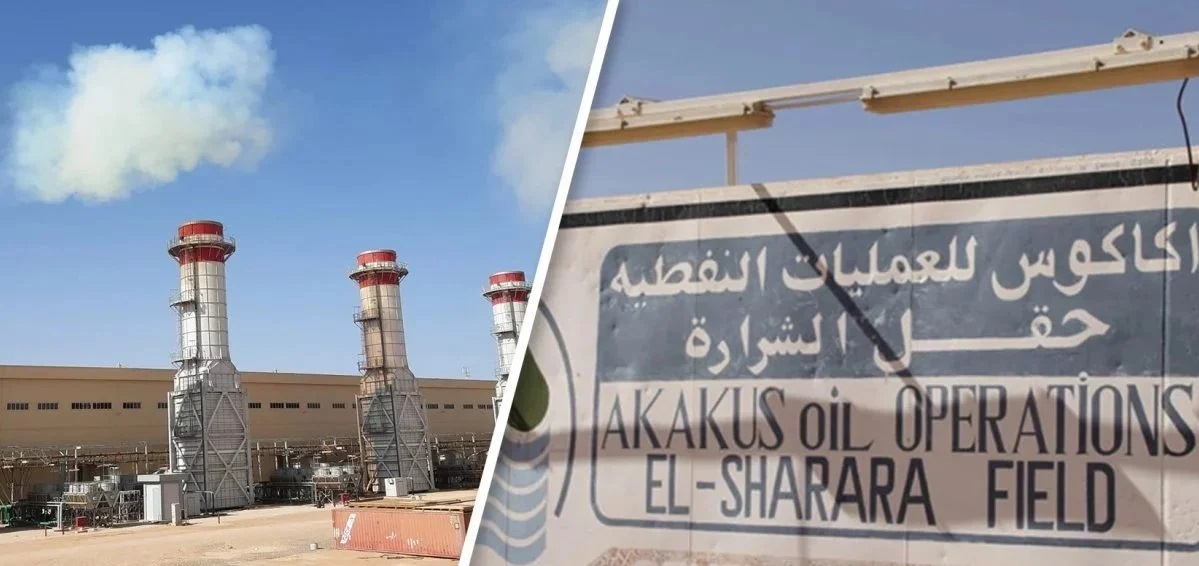
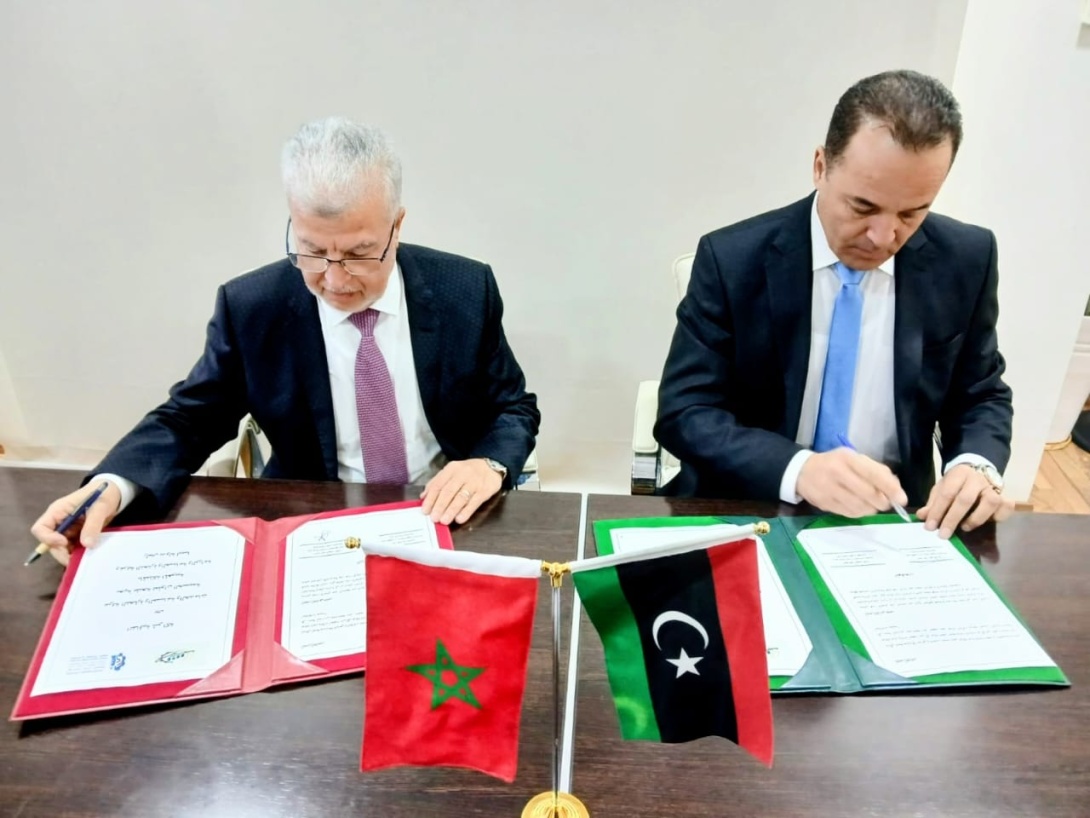
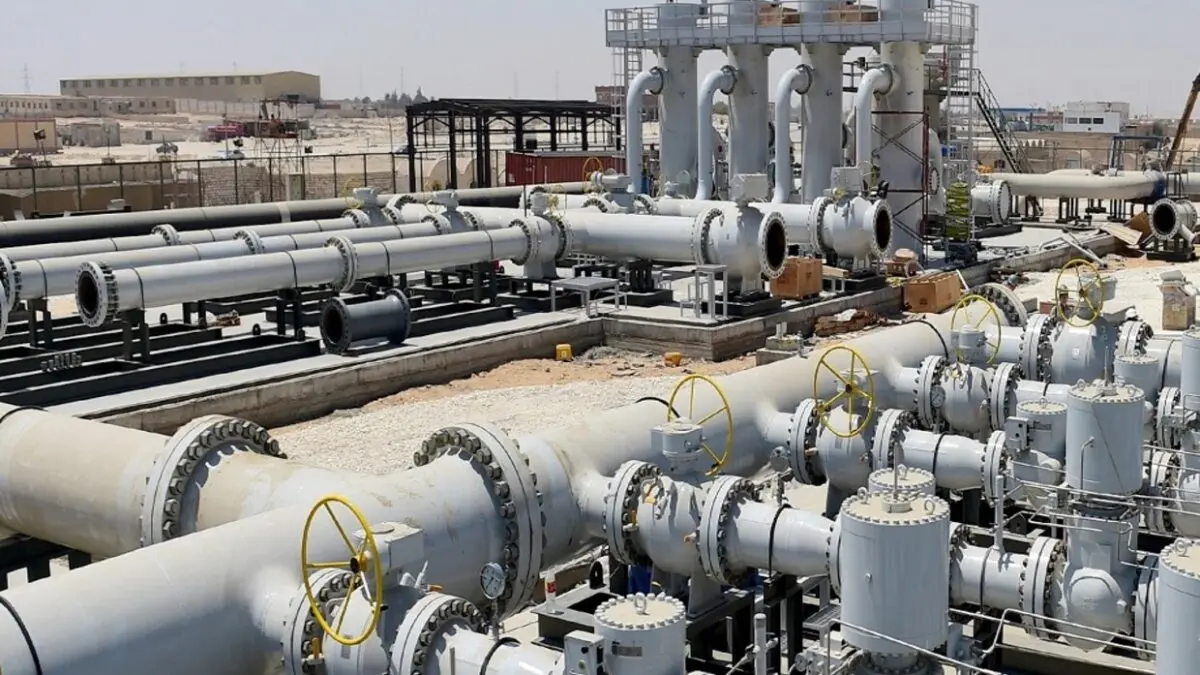
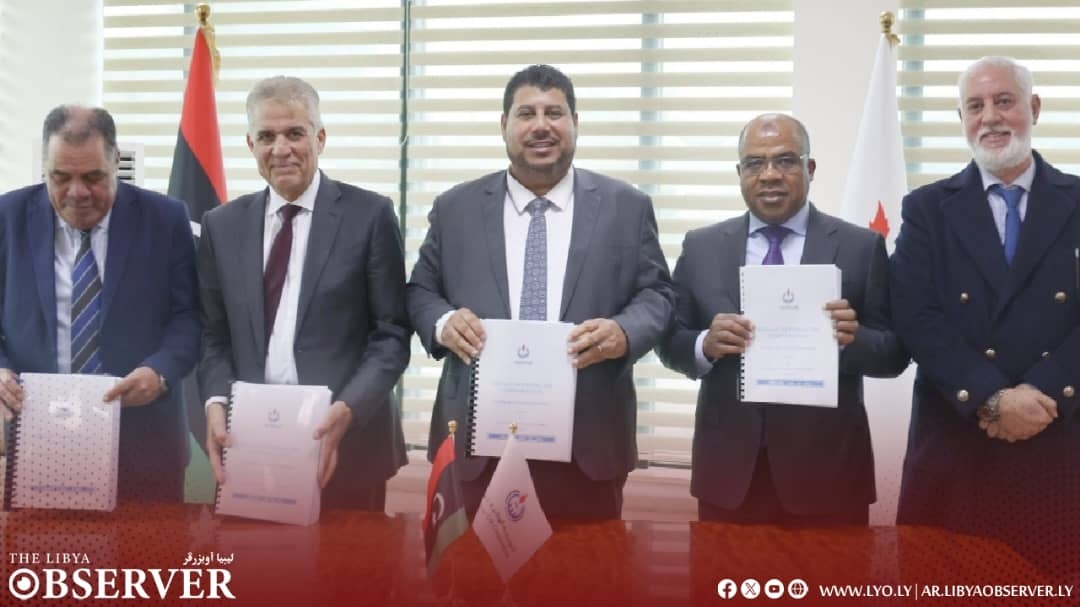
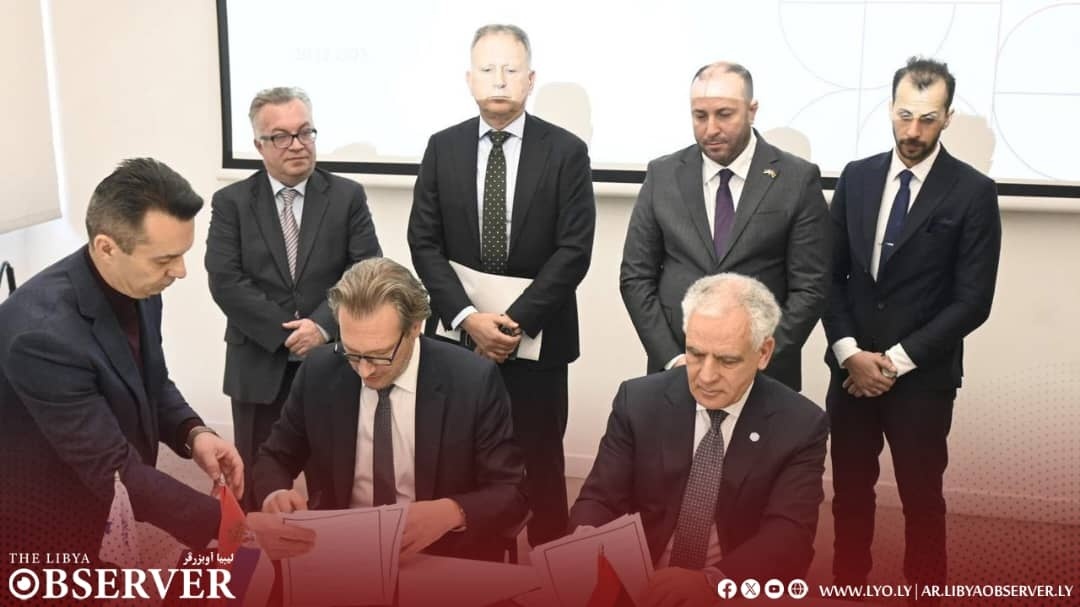
In this context, he noted the successful convening of the “Libya Energy and Economy Summit” in Tripoli in late January, which saw broad participation from international companies and institutions, and resulted in the signing of investment agreements in the oil and energy sectors estimated at around $20 billion, with expectations of net returns exceeding $370 billion in the medium and long term.
Concluding his speech, he stressed that the core of the Libyan crisis lies in political division, and that all economic, security, and humanitarian challenges, including issues of terrorism and migration, will only be addressed by ending this division and renewing legitimacy through a clear constitutional framework and general elections through which the Libyan people decide their fate.
He affirmed that Libyans do not lack the desire for peace or democracy, but rather need a political path with a defined outcome, and international support that respects national sovereignty, ends all forms of foreign presence, and opens a page of equal partnership free from guardianship or dictates.
Tripoli
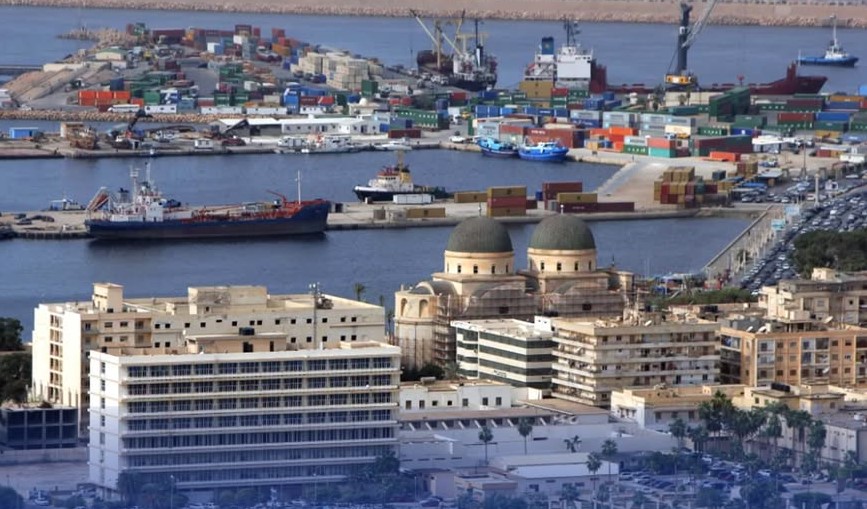
Tripoli is the capital and largest city of Libya, located on the country’s Mediterranean coast. Historically, it was founded by the Phoenicians in the 7th century BC and has since been ruled by the Romans, Arabs, Ottomans, and Italians, serving as a major port and cultural crossroads. Its historic core, the medina of Old Tripoli, contains significant architecture from these various periods.
Libya
Libya is a North African country with a rich history rooted in ancient civilizations like the Phoenicians and Romans, followed by centuries of Arab and Ottoman influence. In the modern era, it was an Italian colony before gaining independence in 1951, later becoming known for Muammar Gaddafi’s lengthy rule from 1969 until the 2011 revolution. The country is home to UNESCO World Heritage sites, such as the ancient Greek city of Cyrene and the Roman ruins of Leptis Magna.
United Nations
The United Nations is an international organization founded in 1945 after World War II to promote peace, security, and cooperation among nations. It replaced the ineffective League of Nations and is headquartered in New York City, with 193 member states working through bodies like the General Assembly and Security Council.
Security Council
The United Nations Security Council is one of the six principal organs of the UN, established in 1945 following World War II. It holds primary responsibility for maintaining international peace and security, with its fifteen members including five permanent members possessing veto power.
Libya Energy and Economy Summit
The Libya Energy and Economy Summit is an annual conference focused on the nation’s key economic sectors, particularly its vital oil and gas industry. It was established to foster investment, discuss modernization, and shape policy for Libya’s post-conflict reconstruction and economic diversification. The summit brings together government officials, international energy companies, and financial institutions to address the challenges and opportunities in rebuilding the Libyan economy.