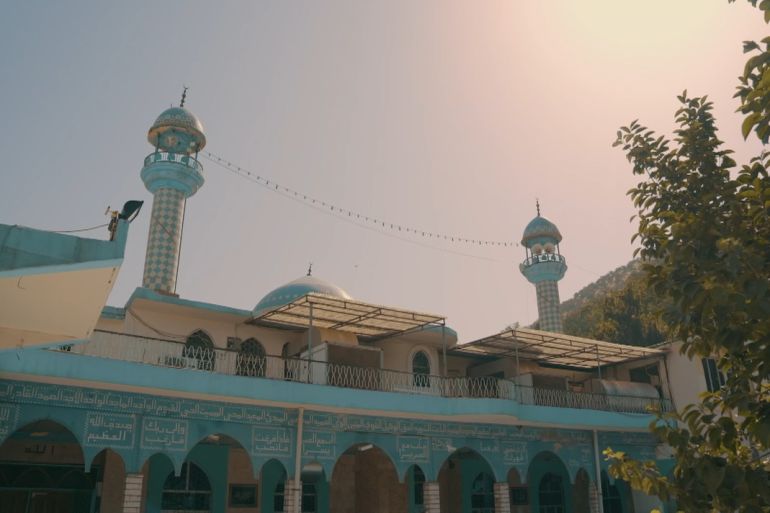
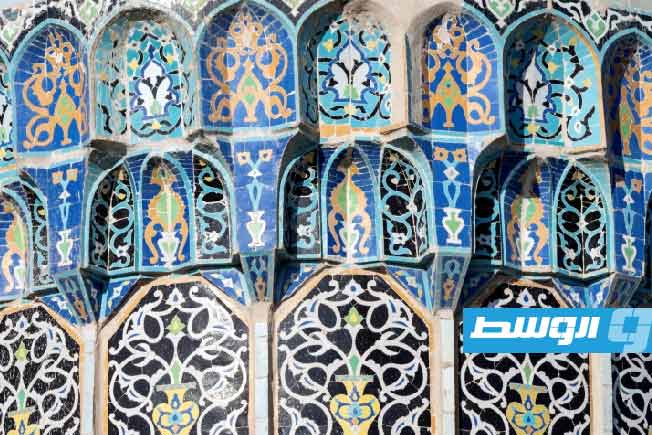
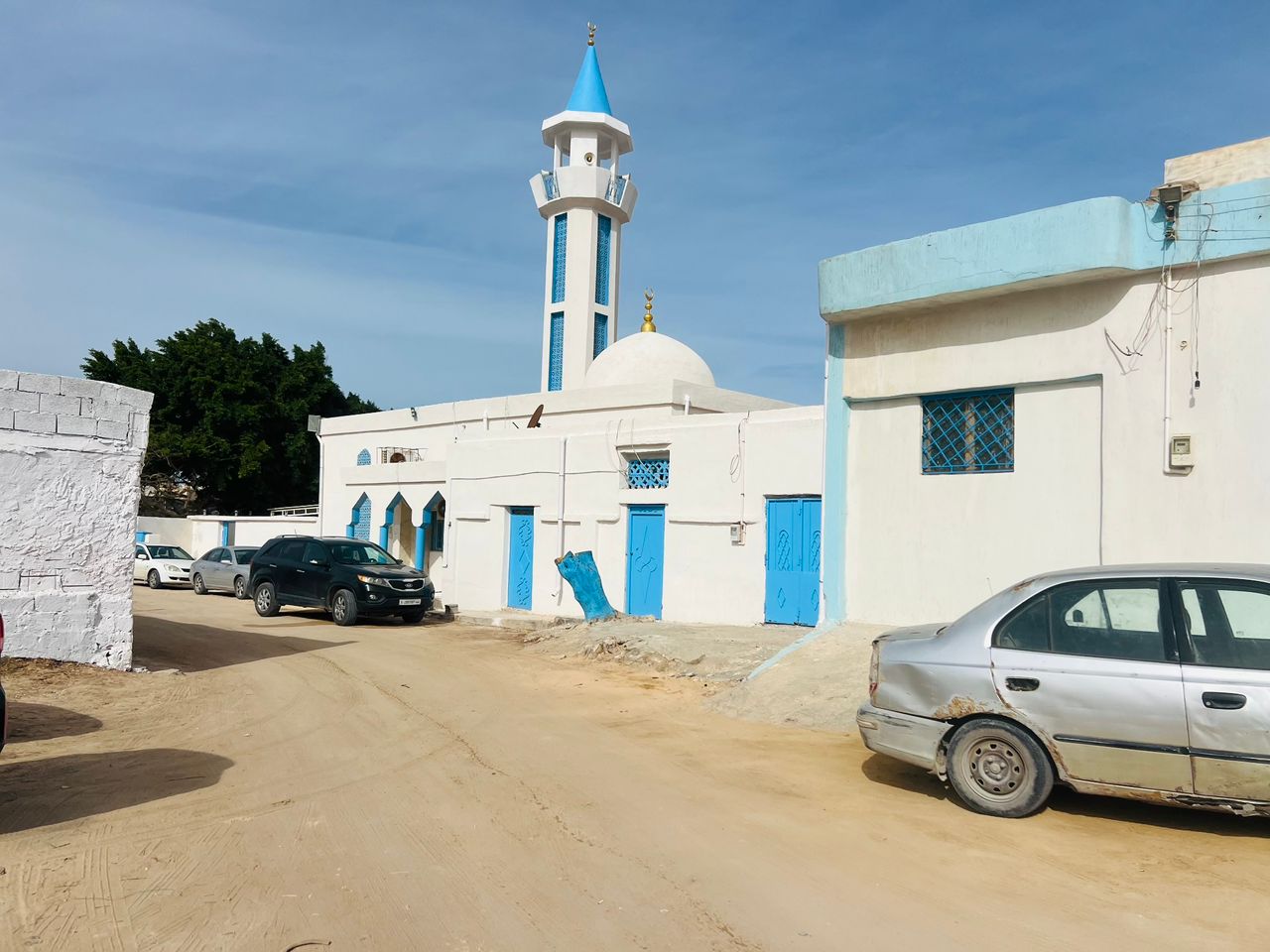
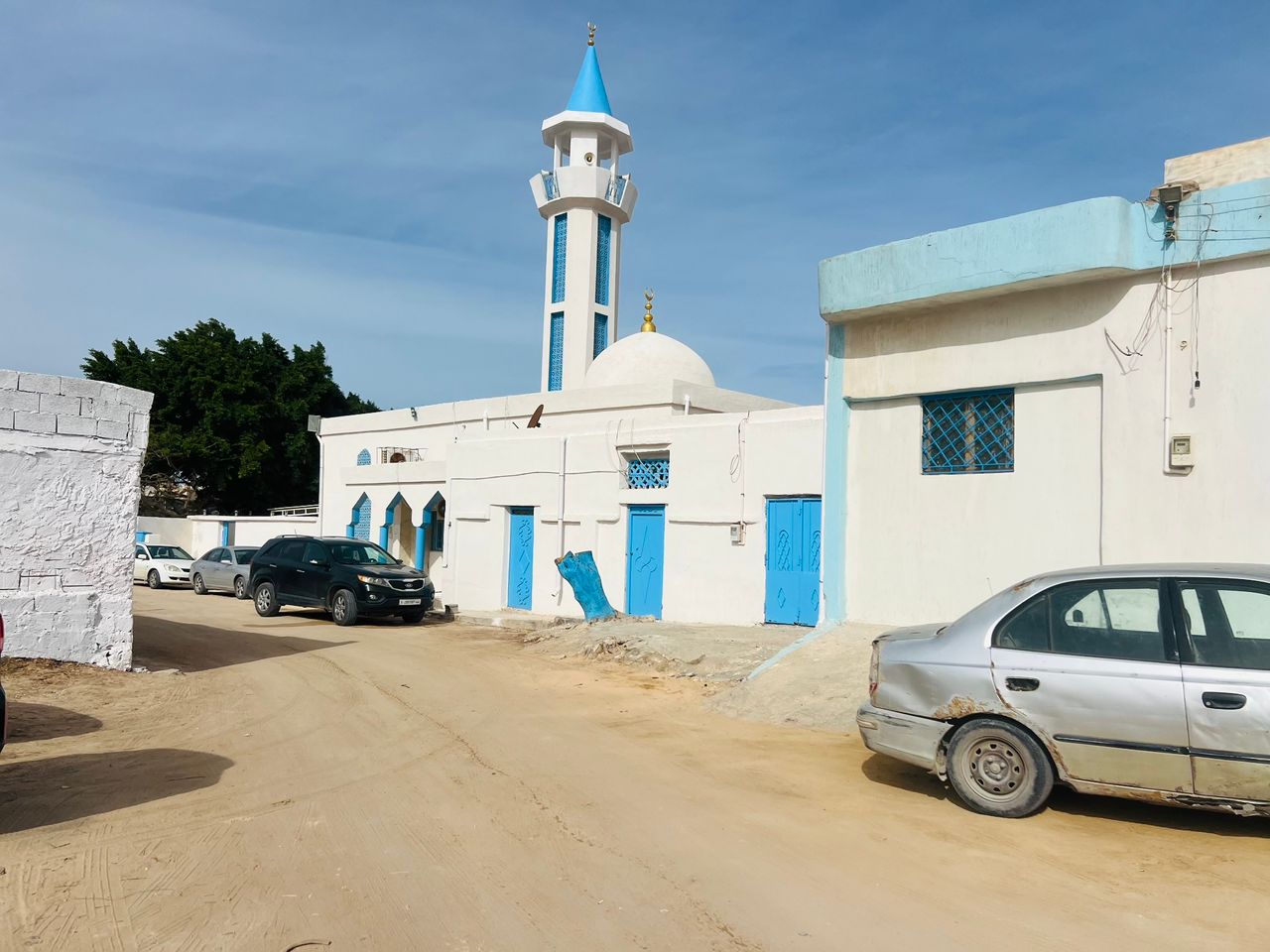
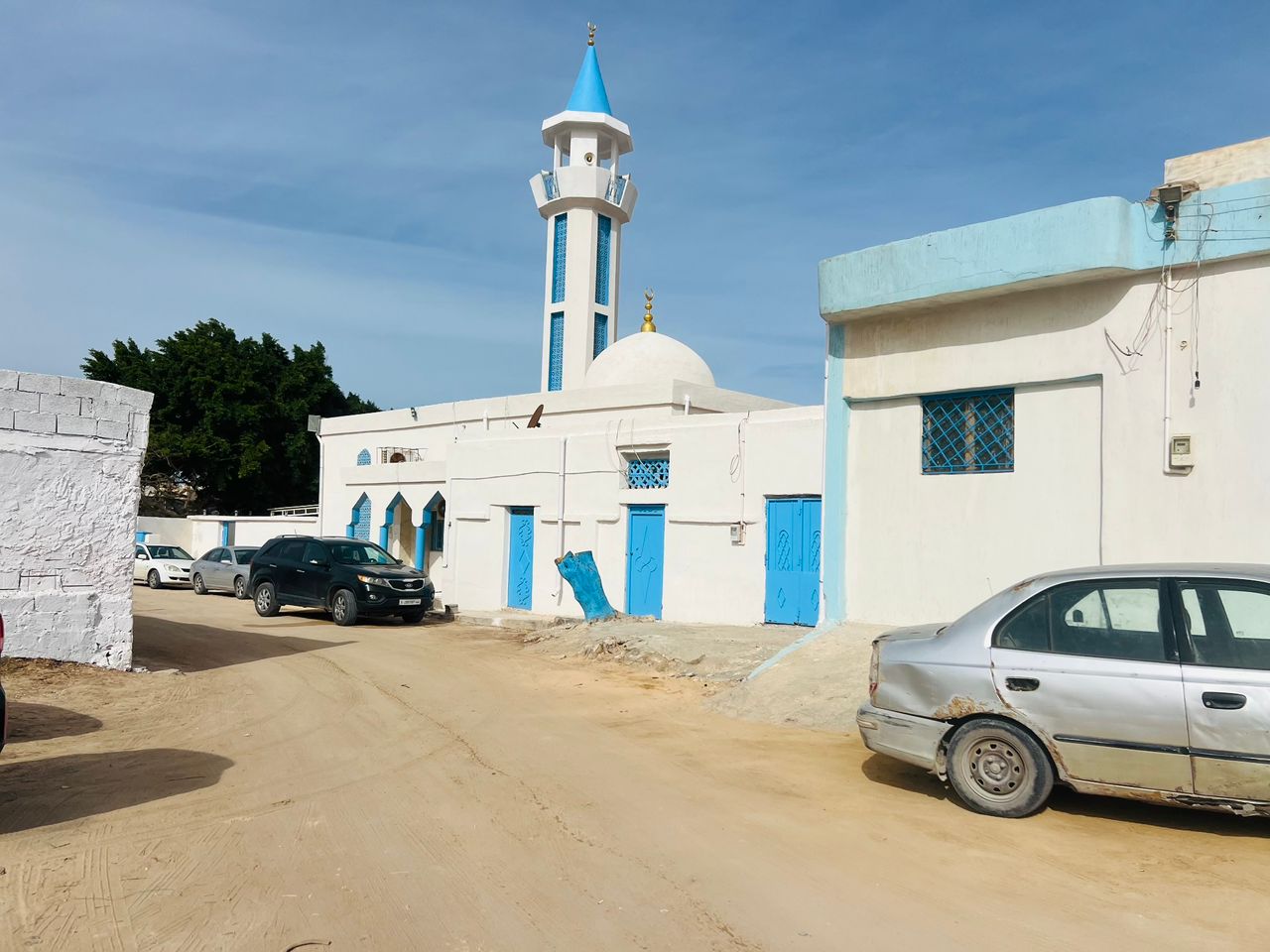
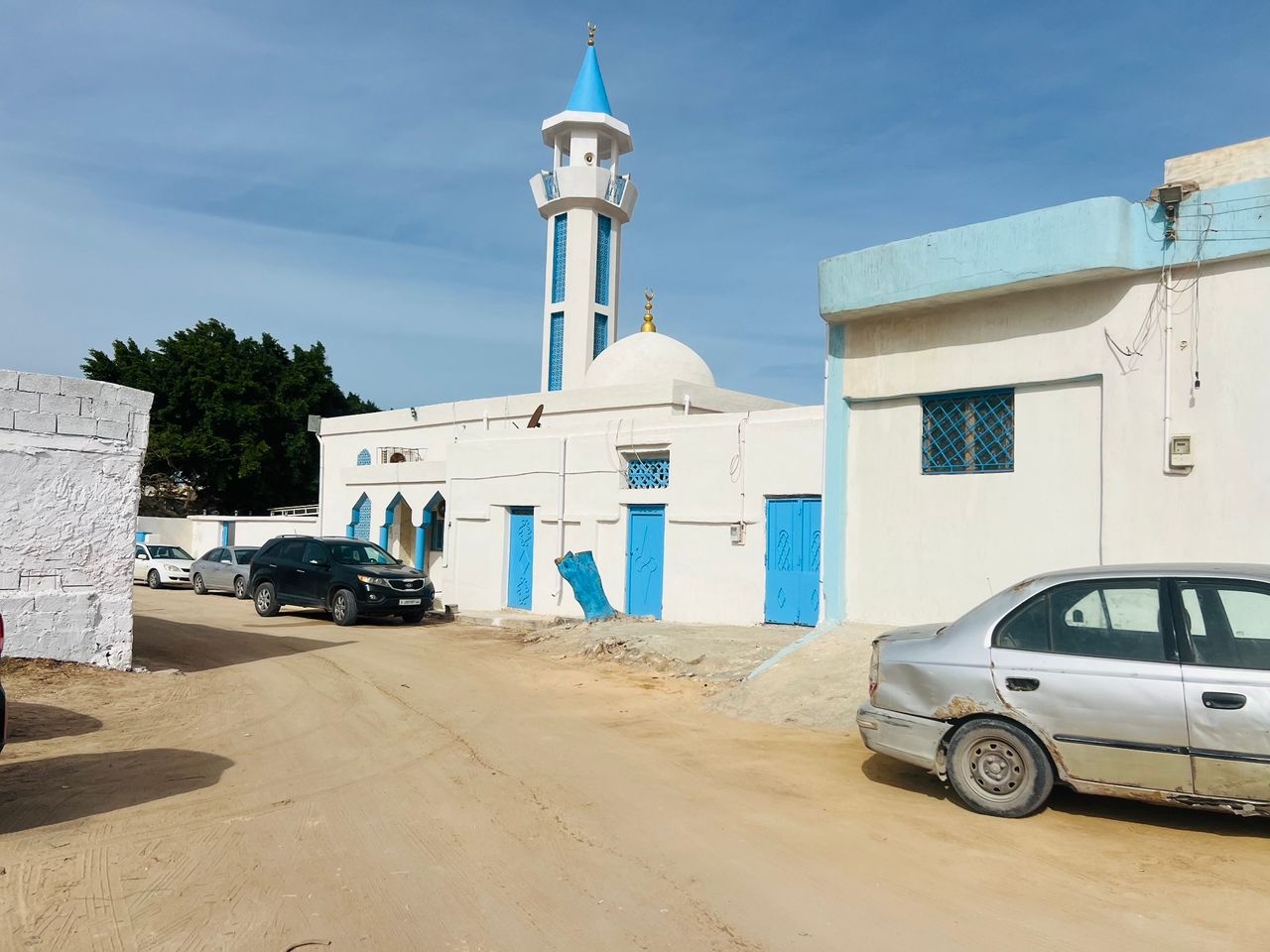
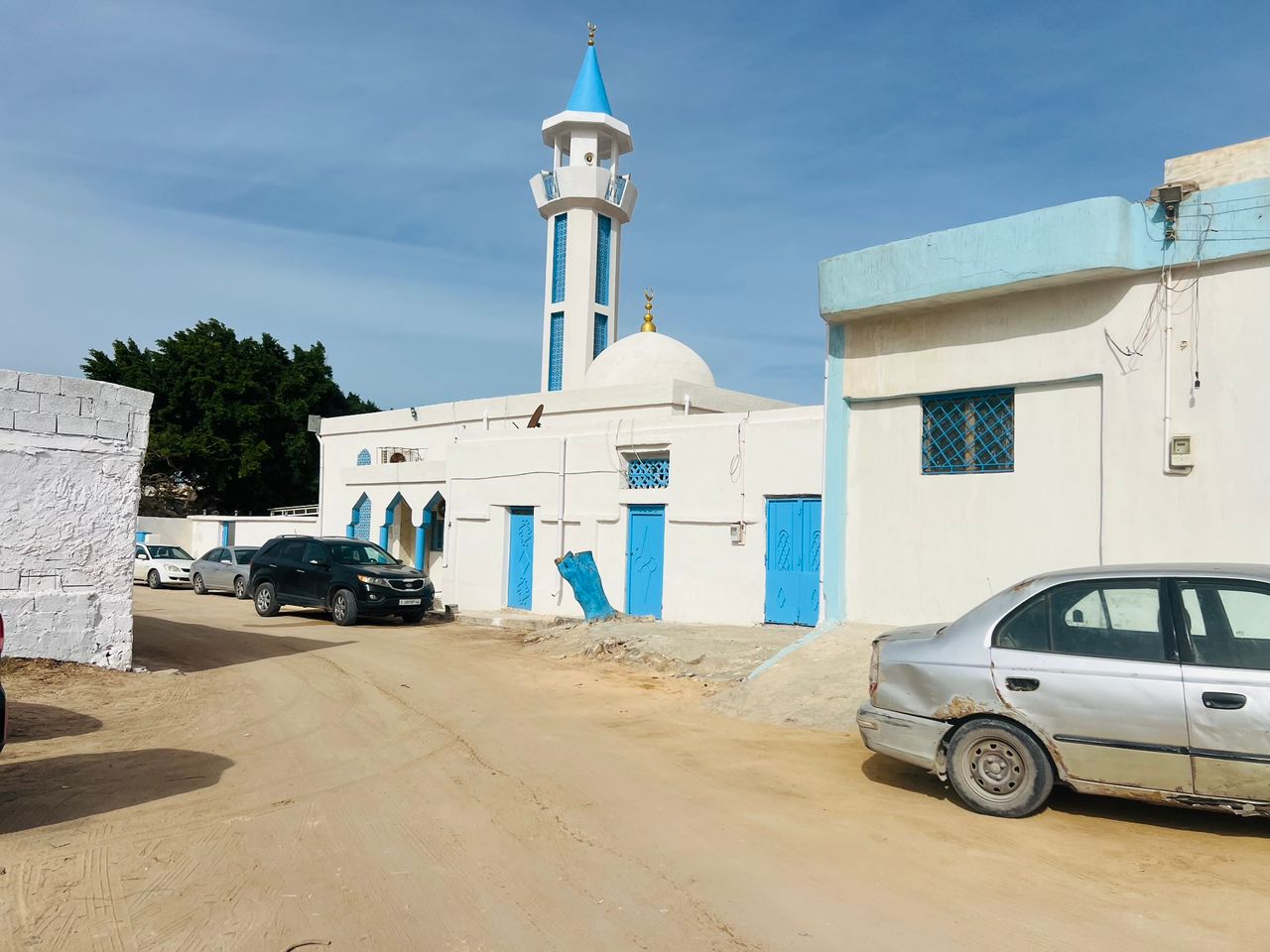
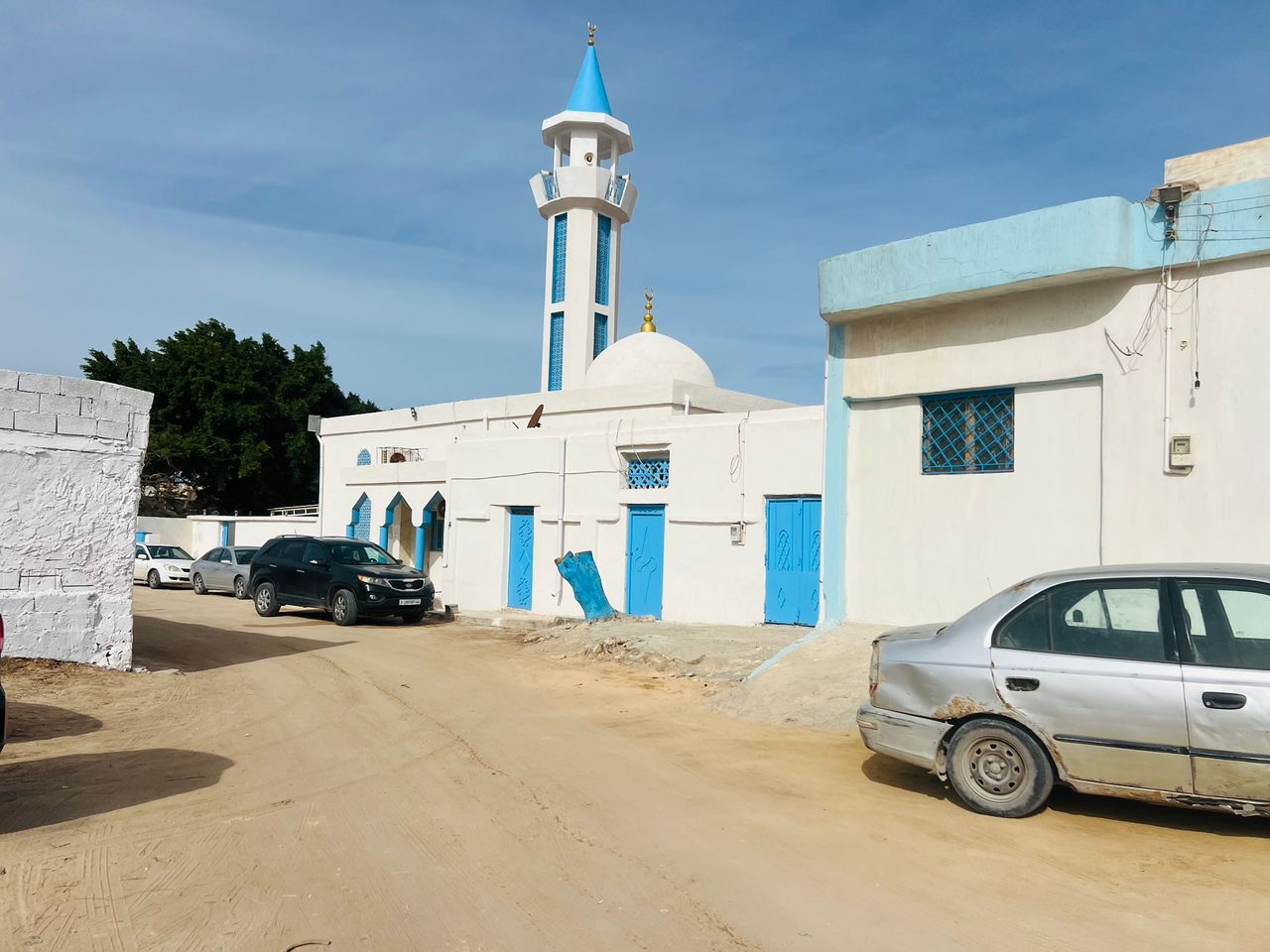
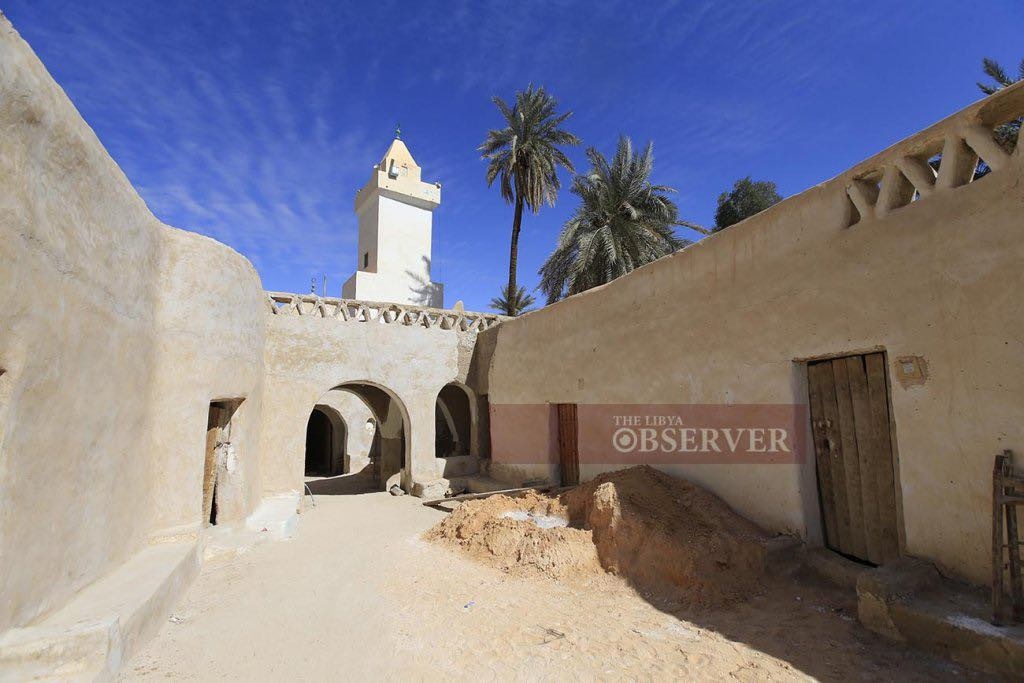
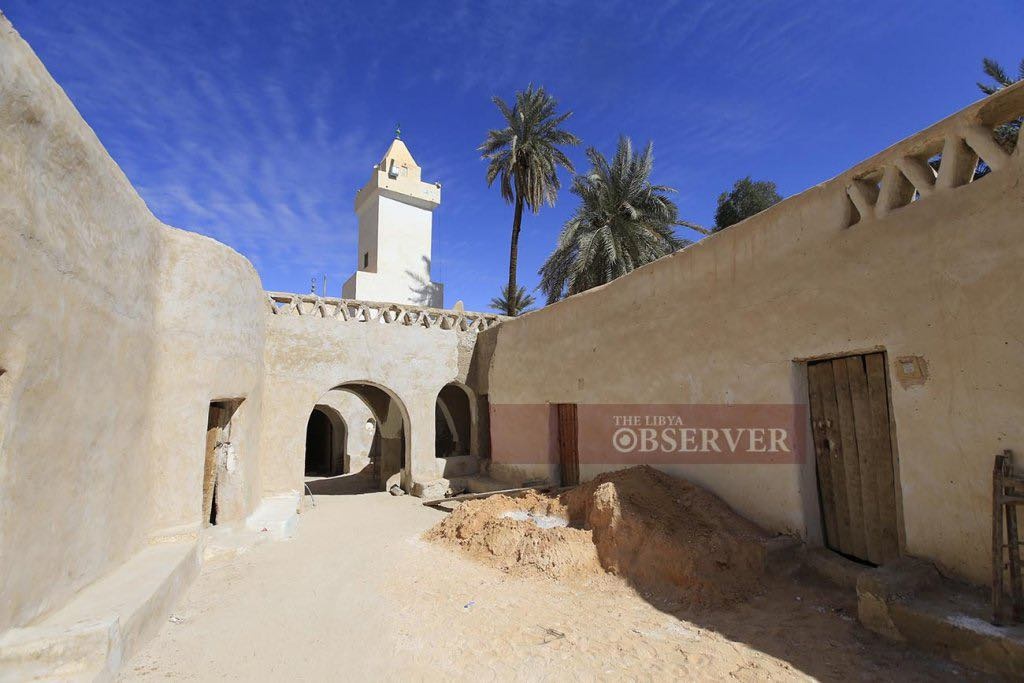
At the site of an orchard he passed during a previous journey, Sheikh Omar Diya al-Din al-Naqshbandi founded the mosque and school “Khanqah Biyara” in the year 1307 AH.
As part of the series “The Story of a Mosque,” the story of its construction and the vision of Sheikh Omar that led him to build it on the site of the orchard was recounted.
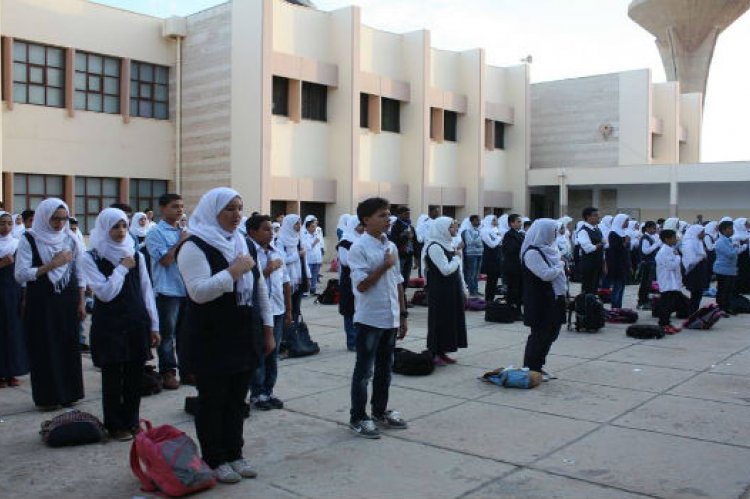
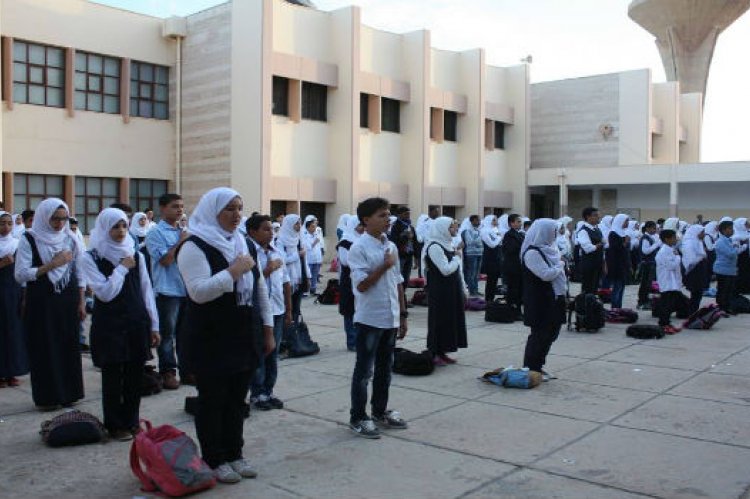
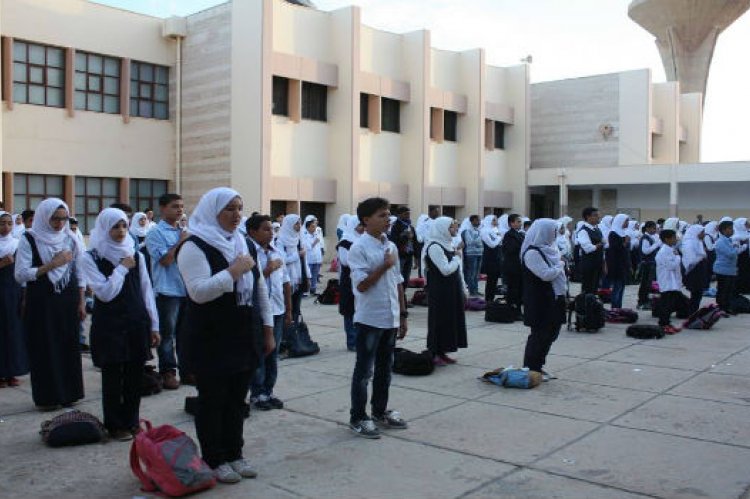
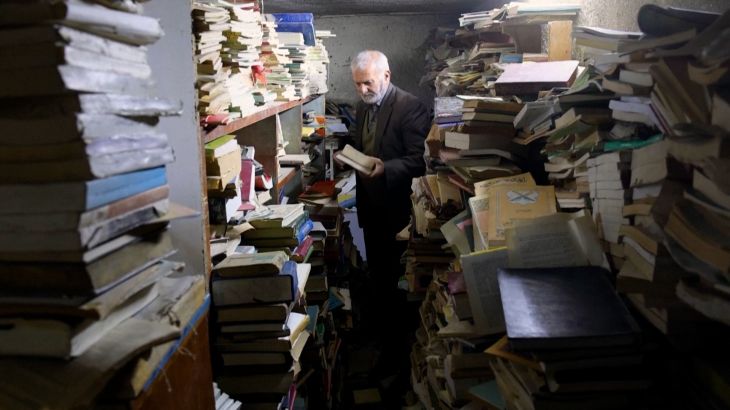
At its founding, the mosque and its attached school were a source for spreading knowledge in Kurdistan due to the absence of schools or educational institutions at that time.
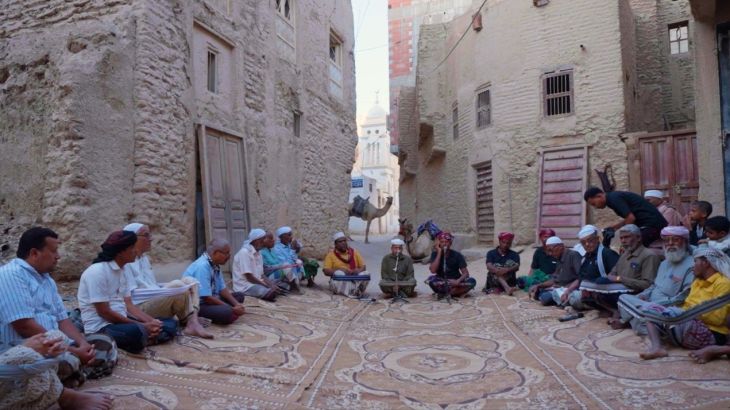
The mosque’s role in spreading knowledge grew over time, and it transformed into a school for Islamic sciences. It is explained that study is conducted exclusively in the Arabic language.
A student studies Arabic language sciences—including grammar, morphology, logic, debate, theology, rhetoric, and eloquence—for several years in order to master the language before beginning the study of Islamic sciences, such as jurisprudence, hadith, and Quranic recitation, through the authoritative texts and books in these sciences.
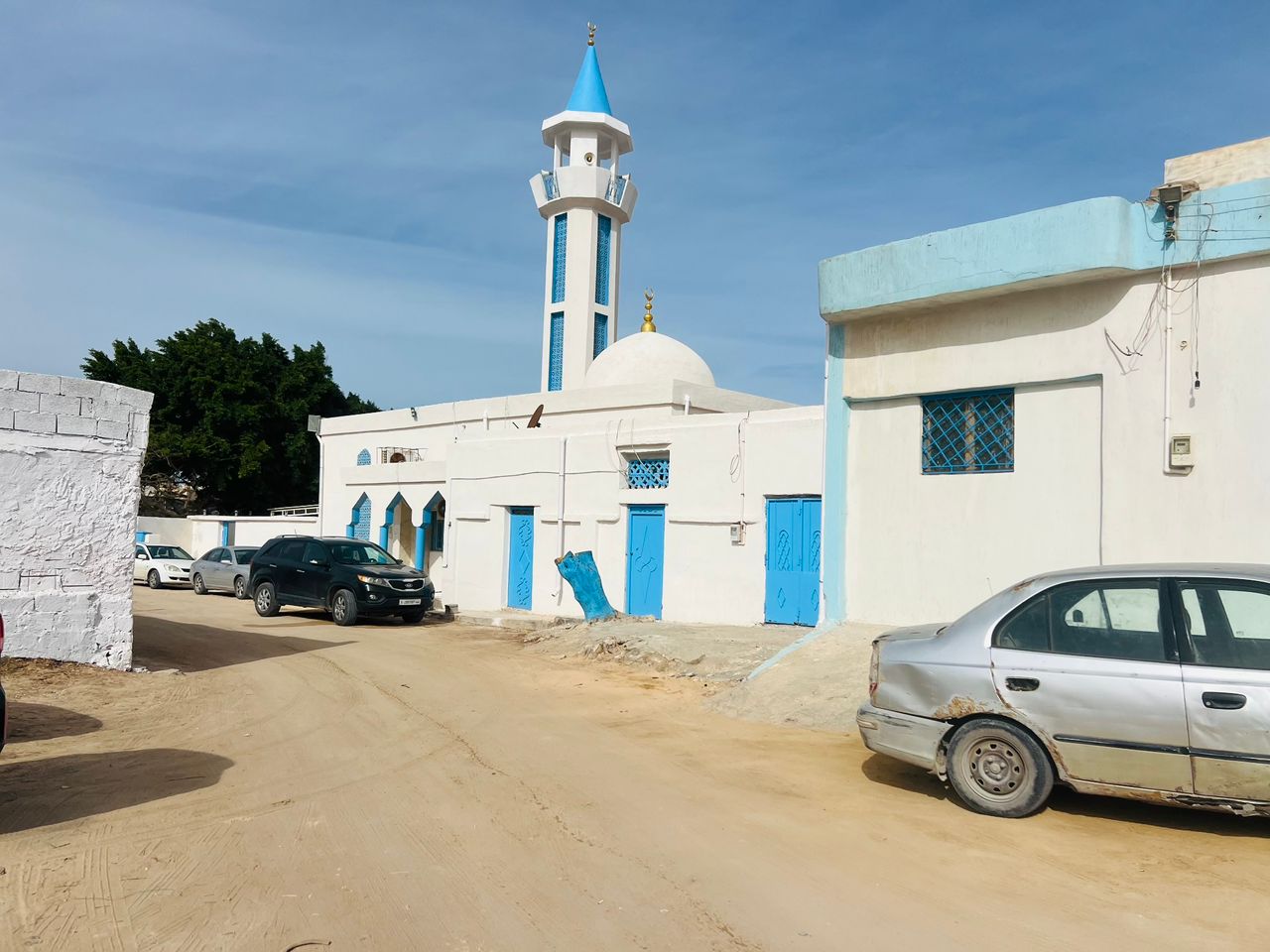
The “Khanqah Biyara” mosque in the Huraman region of Iraq’s Halabja province
It was noted that the system of “religious rooms” is still in operation to this day, as there are rooms adjacent to the mosque designated for student residence and study.
The role of the mosque and khanqah is not limited to education alone; it also has social roles, as residents of the area resort to it to resolve problems and disputes among themselves.
Among the roles performed by the khanqah is providing food, as it distributes 3 meals daily to those who come to it, according to the endowment of Sheikh Omar at its founding.
There is a noticeable increase in the number of meals provided by the institution, especially on the 27th night of the month, which witnesses a large influx for prayer and worship.
Khanqah Biyara
Khanqah Biyara is a historic Sufi monastery and shrine located in the Kurdistan Region of Iraq, traditionally believed to be the burial place of the medieval Sufi saint Ahmad al-Rifaʽi. It has served as an important spiritual and educational center for centuries, attracting pilgrims and students within the Islamic mystical tradition. The site reflects the deep-rooted history of Sufism in the region and its role in shaping local religious and cultural life.
Iraqi Kurdistan
Iraqi Kurdistan is an autonomous region in northern Iraq, historically inhabited by the Kurdish people and recognized for its distinct cultural identity. It gained de facto self-governance following the 1991 Gulf War and was formally established as an autonomous region within the federal Republic of Iraq in 2005.
Sulaymaniyah
Sulaymaniyah is a major cultural and economic hub in the Kurdistan Region of Iraq, founded in 1784 by the Kurdish prince Ibrahim Pasha Baban. It has long been a center for Kurdish nationalism, poetry, and education, historically known as the “City of Poets” for its influential literary figures.
Biyara Mosque
The Biyara Mosque is a historic Sunni mosque located in the town of Biyara in Iraqi Kurdistan, believed to have been originally constructed in the 7th century during the early Islamic period. It is notably built on the site of an older Jewish synagogue, reflecting the region’s layered religious history, and has served as an important religious and cultural center for centuries.
Huraman region
The Huraman region, located in the mountainous border area between Iran and Iraq, is a cultural landscape historically inhabited by the Kurdish Hawrami people. It is renowned for its ancient terraced agriculture, unique language, and rich traditions of poetry and music, with a history of settlement dating back thousands of years. The area’s remote villages and distinctive stepped architecture reflect a deep adaptation to its rugged environment.
Halabja province
Halabja province is a region in Iraqi Kurdistan, most widely known for the 1988 chemical attack by Saddam Hussein’s regime that killed thousands of Kurds. This event is a central part of its modern history and a symbol of Kurdish suffering and resilience. The province today is a testament to recovery, with memorials dedicated to the victims.
Iraq
Iraq, historically known as Mesopotamia, is often called the “Cradle of Civilization” as it was home to ancient Sumerian, Babylonian, and Assyrian empires, which pioneered writing, law, and urban development. The modern state of Iraq was established in the 20th century, with its rich cultural heritage including iconic sites like the ancient city of Babylon and the Abbasid capital of Baghdad. The country has faced significant challenges in recent decades due to conflict, which has impacted both its population and historical sites.