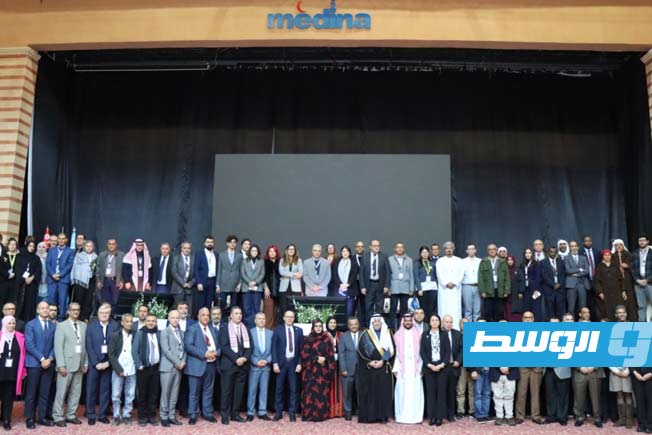
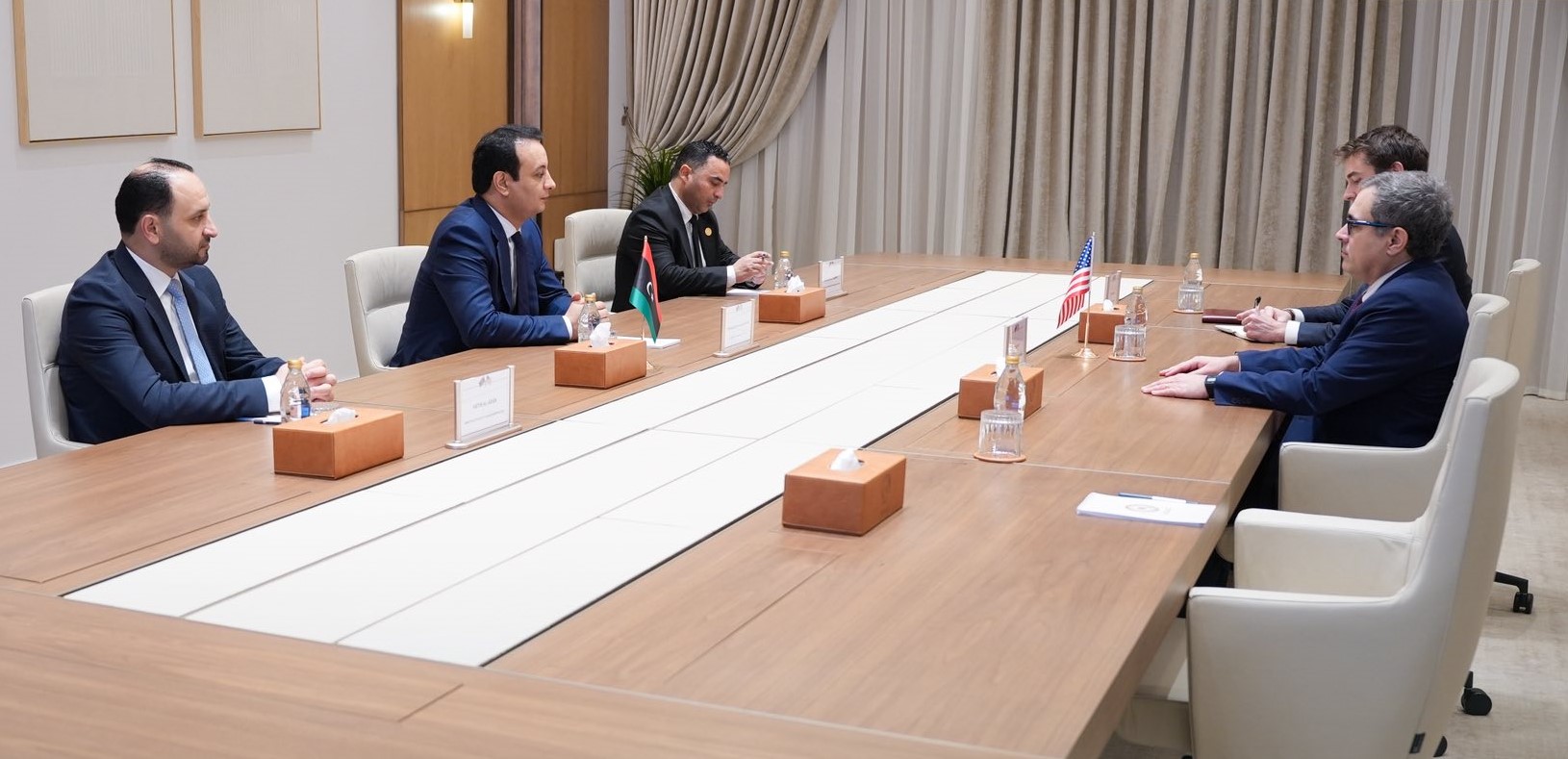
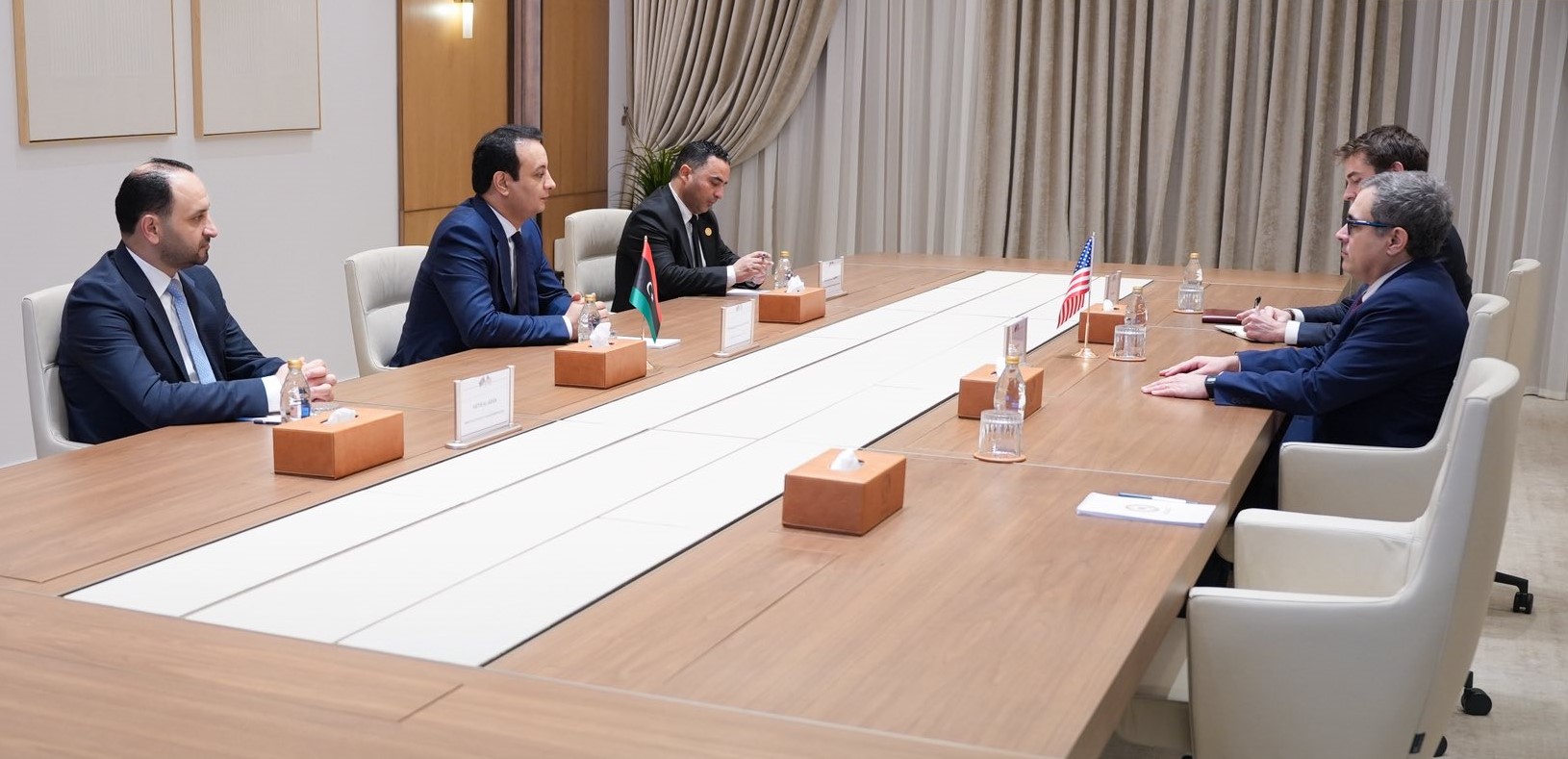
Misrata, February 15, 2026 – The Spanish Ambassador to Libya praised the capabilities and potential of the Misrata Free Zone in terms of its infrastructure and the operational and technical readiness of the port’s facilities.
This came during his visit today to the Misrata Free Zone, where he was received by the Port Director General, the Director of Marketing and International Cooperation, and the Director of the Investment Department.
The Spanish Ambassador emphasized the investment importance of the Misrata Free Zone in the Mediterranean basin and North Africa, pointing to its readiness, competitive advantages, and future aspirations towards building strategic partnerships and localizing various investments.
He expressed his country’s desire to enhance trade relations with the Misrata Free Zone to attract Spanish investors to explore investment opportunities in the region and in Libya in general.
…
Misrata
Misrata is a major port city on the Mediterranean coast of northwestern Libya, historically known as a key trading and commercial center since at least the 7th century. It gained significant international attention during the 2011 Libyan Civil War, where it was the site of a prolonged and pivotal siege against the Gaddafi government.
Libya
Libya is a North African country with a rich history rooted in ancient civilizations like the Phoenicians and Romans, followed by centuries of Arab and Ottoman influence. In the modern era, it was an Italian colony before gaining independence in 1951, later becoming known for Muammar Gaddafi’s lengthy rule from 1969 until the 2011 revolution. The country is home to UNESCO World Heritage sites, such as the ruins of Leptis Magna, which testify to its significant historical legacy.
Misrata Free Zone
The Misrata Free Zone is a major industrial and commercial hub located in the Libyan city of Misrata, established in the early 2000s to stimulate economic growth through trade and investment. It serves as a key logistics and manufacturing center for the region, leveraging its strategic position on the Mediterranean coast.
Mediterranean basin
The Mediterranean basin is the region surrounding the Mediterranean Sea, historically known as the cradle of several major ancient civilizations, including the Egyptian, Greek, Roman, and Phoenician. Its history is defined by extensive trade, cultural exchange, and conflict, which shaped the development of Western and Middle Eastern societies. Today, it remains a vital crossroads of Europe, Africa, and Asia, characterized by a shared climate and intertwined historical heritage.
North Africa
North Africa is a region encompassing countries such as Egypt, Libya, Tunisia, Algeria, Morocco, and Sudan, historically defined by the Sahara Desert and the Mediterranean coast. It is home to ancient civilizations like the Egyptians and Phoenicians, and its history includes periods of Roman, Arab, Ottoman, and European colonial rule, which have profoundly shaped its cultural and architectural heritage.
Spain
Spain is a country in southwestern Europe with a rich and layered history, shaped by Roman rule, the Moorish conquest, and the unification of its kingdoms under the Catholic Monarchs. Its cultural sites, like the Alhambra palace and the Sagrada Família basilica, reflect this diverse heritage through unique architecture and art.