The Security Council: The House of Representatives and the State Council have made no progress regarding their commitments to the roadmap launched by the mission.
libyawire.org > News > Culture > The Security Council: The House of Representatives and the State Council have made no progress regarding their commitments to the roadmap launched by the mission.
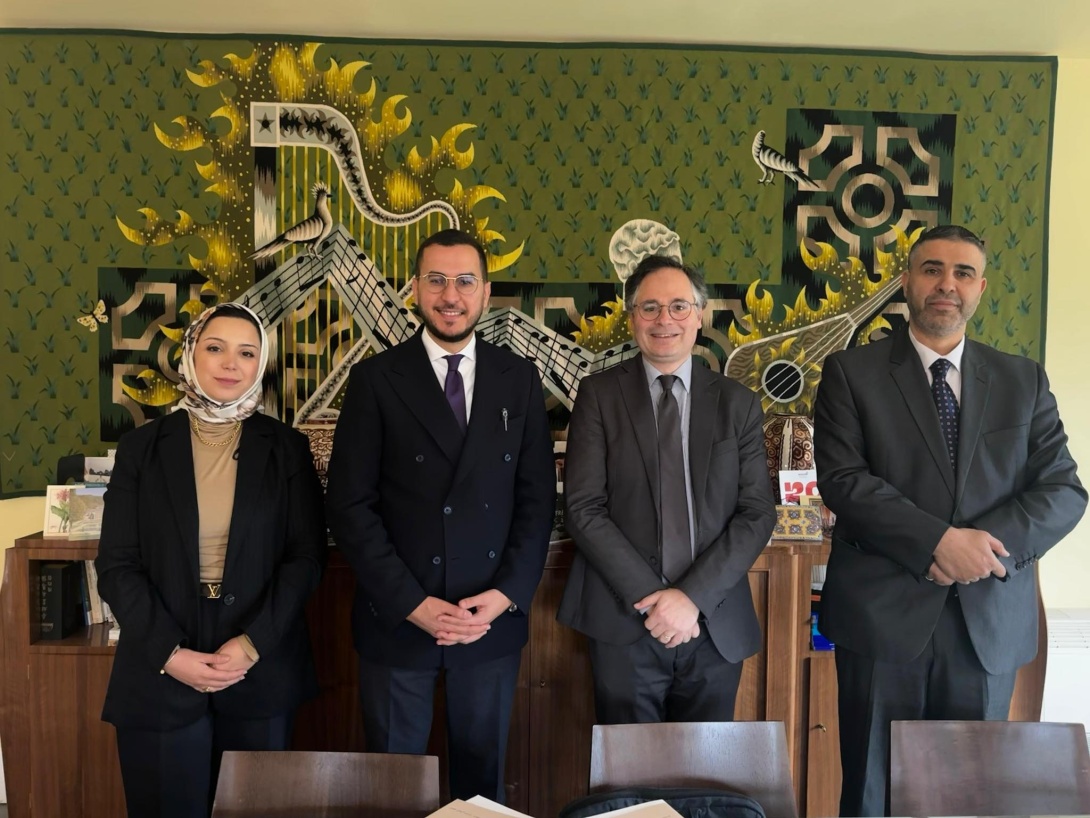
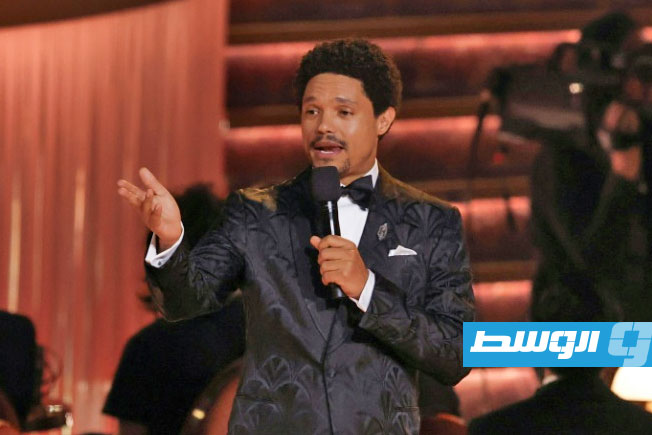
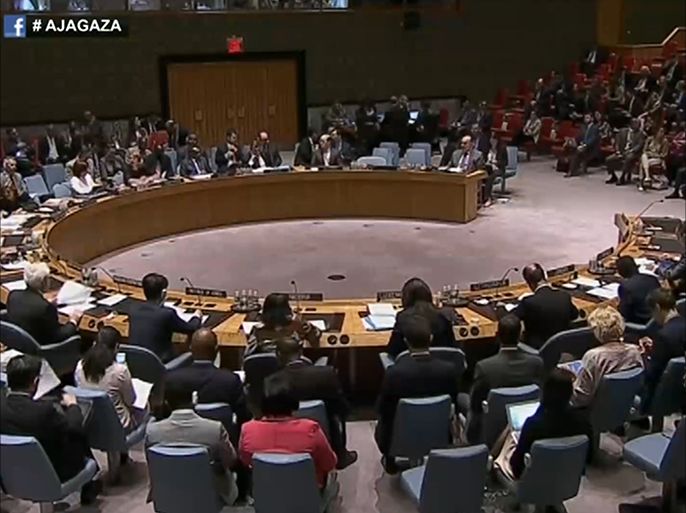
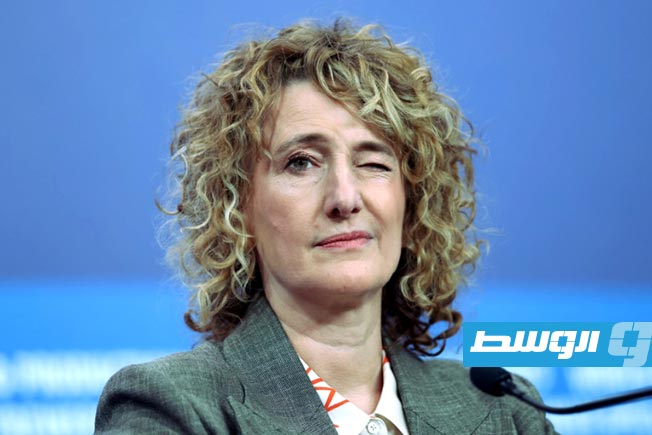
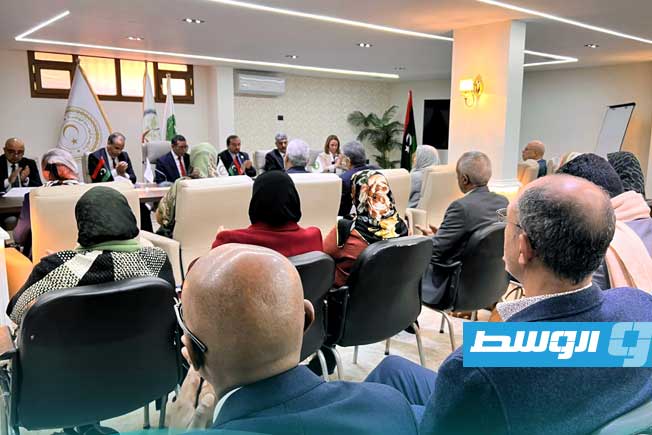
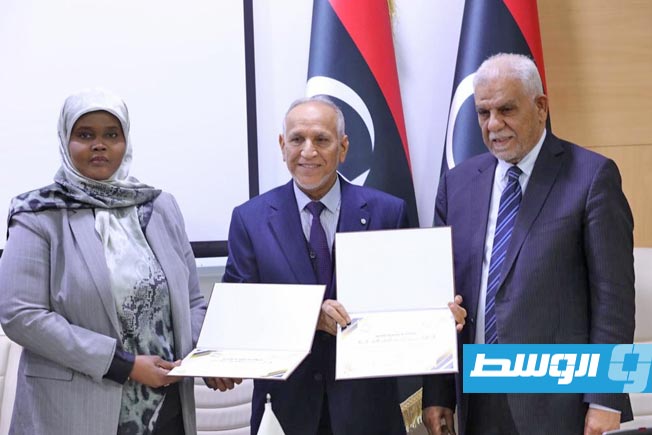
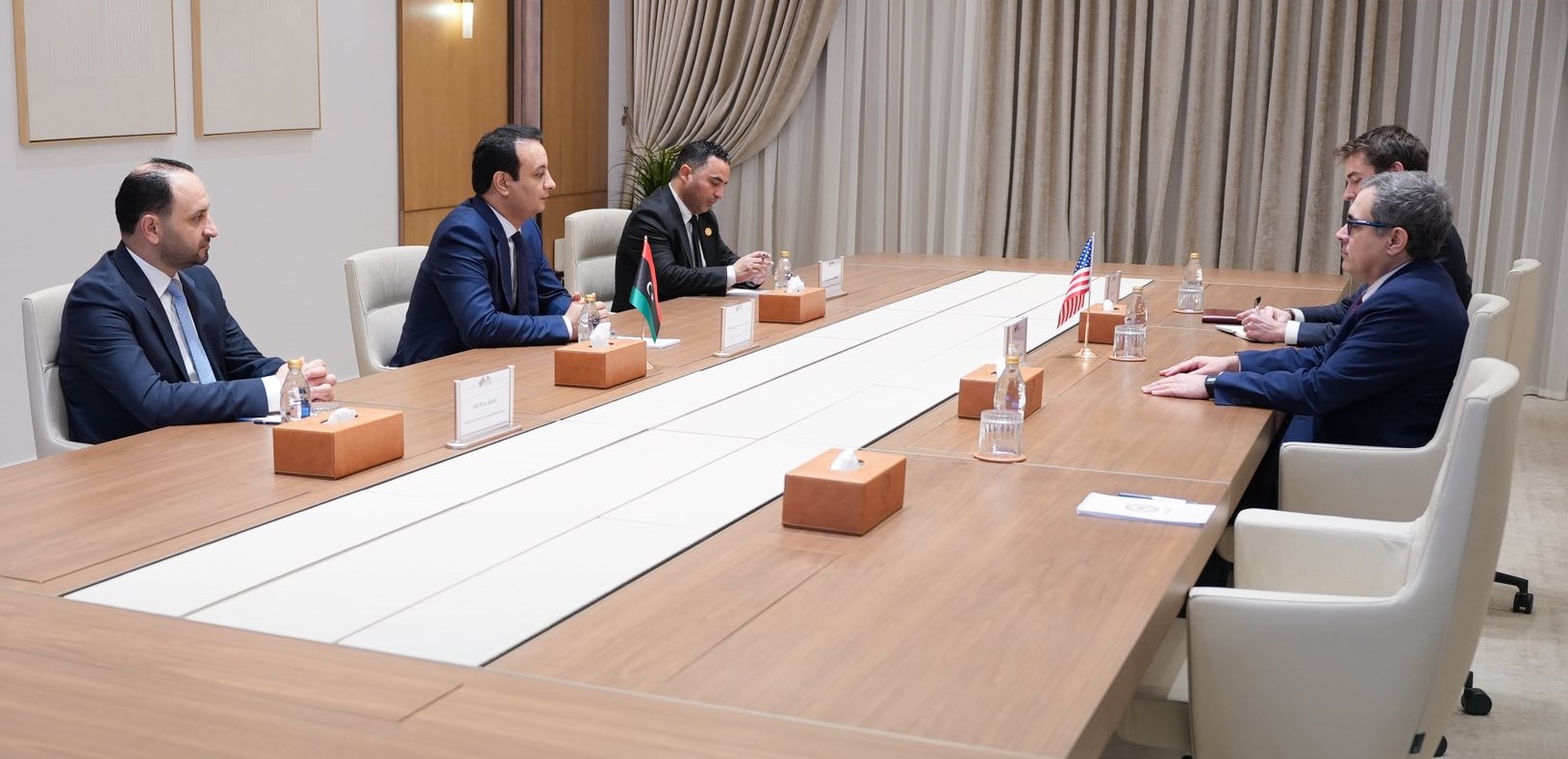
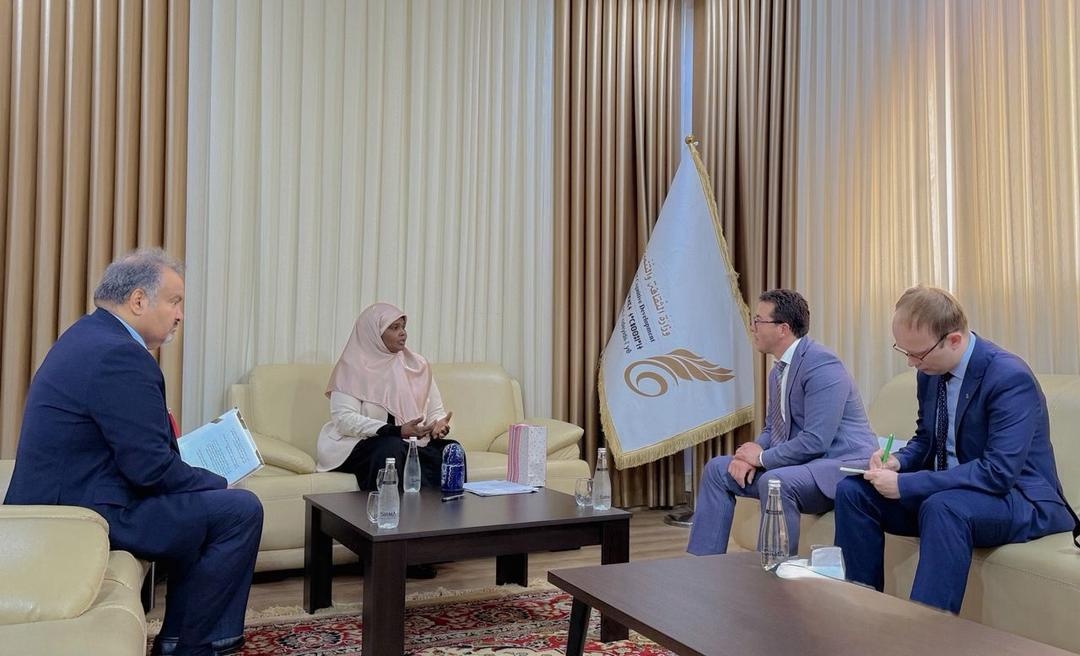
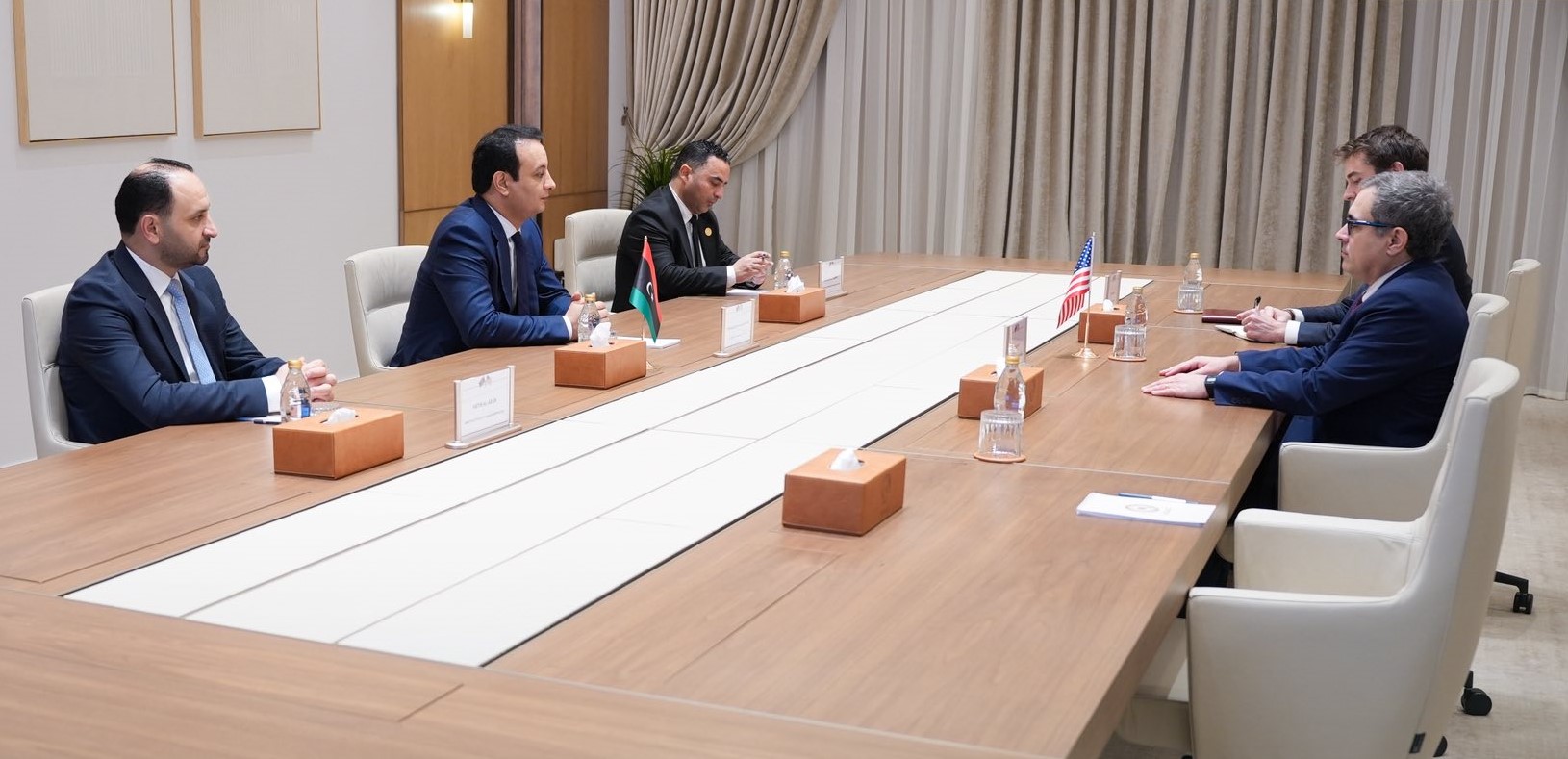
New York, February 18, 2026 – The Special Representative of the Secretary-General and Head of the United Nations Support Mission in Libya informed the UN Security Council that the House of Representatives and the High Council of State have made no progress regarding their commitments under the roadmap launched by the Mission last August. The Mission announced its intention to task a small group to resolve the two fundamental steps in the roadmap on which the two councils have failed to reach agreement.
In her periodic briefing to the Security Council this Wednesday, she stated, “Unfortunately, no tangible development has been achieved between the High Council of State and the House of Representatives regarding the roadmap and the selection of the High National Elections Commission board,” confirming that the two institutions are either unable or unwilling to accomplish the first milestone of the roadmap.
She emphasized that the international community cannot wait indefinitely for the House of Representatives and the High Council of State, revealing the Mission’s plan to form a small group tasked with resolving the two fundamental steps of the roadmap,” which concern forming the elections commission and amending electoral laws in preparation for holding elections.
She noted that if this group fails, it will be necessary to convene a broader meeting to move forward with implementing the roadmap, pointing out that the UN Mission has an opportunity to use the tools available in existing Libyan agreements to break the deadlock.
She confirmed that she has already held consultations with Libyan parties regarding the Mission’s anticipated plan for addressing the first two points of the roadmap.
New York
New York City, originally settled by the Dutch as New Amsterdam in the early 17th century, became a major British colonial port before emerging as a global economic and cultural capital following American independence. It is renowned for iconic landmarks like the Statue of Liberty, Times Square, and Central Park, which reflect its history as a gateway for immigrants and a center of innovation.
United Nations
The United Nations is an international organization founded in 1945 after World War II to promote peace, security, and cooperation among nations. It replaced the League of Nations and is headquartered in New York City, with its charter signed by 51 original member countries. Today, it comprises 193 member states and addresses global issues through bodies like the General Assembly and Security Council.
Libya
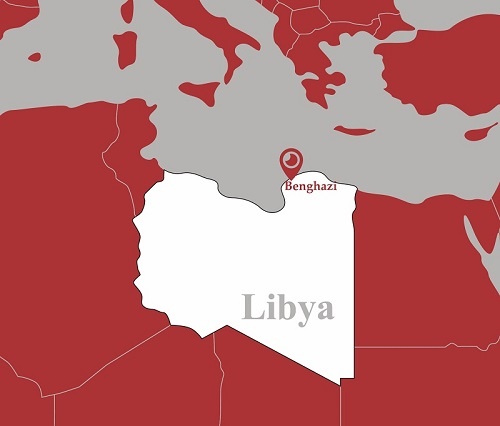
Libya is a North African country with a rich history rooted in ancient civilizations like the Phoenicians and Romans, followed by centuries of Arab and Ottoman influence. In the modern era, it was an Italian colony before gaining independence in 1951, later becoming known for Muammar Gaddafi’s lengthy rule from 1969 until the 2011 revolution. Its cultural sites include the well-preserved Roman ruins of Leptis Magna, a UNESCO World Heritage site.
UN Security Council
The United Nations Security Council is the principal organ of the United Nations responsible for maintaining international peace and security. Established in 1945 following World War II, its five permanent members—China, France, Russia, the United Kingdom, and the United States—hold veto power over substantive resolutions.
House of Representatives
The House of Representatives is the lower chamber of the United States Congress, established by the Constitution in 1789. It is composed of representatives elected from congressional districts, with representation based on state population.
High Council of State
The High Council of State is a governmental body in Libya, established as part of the 2015 Libyan Political Agreement to act as an advisory council and a supreme state authority. It was designed to represent a broad spectrum of Libyan society and political factions, with its presidency based in Tripoli, and it plays a role in the country’s ongoing political transition.
United Nations Support Mission in Libya
The United Nations Support Mission in Libya (UNSMIL) is a political mission established in 2011 by the UN Security Council following the Libyan Civil War. Its mandate is to assist Libyan national authorities in restoring public security, promoting political dialogue, and supporting key governance and human rights efforts.
High National Elections Commission
The High National Elections Commission (HNEC) is Libya’s independent body responsible for organizing and supervising all electoral processes in the country. It was established in the aftermath of the 2011 revolution to manage the nation’s first free elections in decades, aiming to build a foundation for democratic governance.